Category: General

Retail News Asia is committed to providing both local and global retailers with the latest General Retail news throughout the Asian market. This on a daily base.

  • Instagram no longer allows adults to send DMs to underage users

    Instagram no longer allows adults to send DMs to underage users

    Instagram is trying to make itself safer for a certain category of users. Lately, the social network introduced a set of features that limit interactions between Instagram users to protect their privacy. In that regard, the most recent changes announced by Instagram are meant to protect underage users from adults who don’t follow them.

    The new changes will prevent conversations between adults and teens who don’t follow one another. When an adult tries to send a message to a teen on Instagram who doesn’t follow them, they will receive a notification that DMing them isn’t an option.

    In addition to these changes, Instagram will implement prompts to encourage teens to be more careful in conversations with adults they’re already connected to. Instagram will notify teens when an adult who has been “exhibiting potentially suspicious behavior” is interacting with them via direct messages.

    These messages are usually sent to teens if an adult is sending a large amount of friend or message requests to people under 18, and they include various options like block, report, or restrict the adult in question.

    But that’s not all! Instagram announced that in the coming weeks it will make it even more difficult for adults who have been “exhibiting potentially suspicious behavior” to interact with underage Instagram users. Many of these changes will be implemented in some countries this month, but they will be available everywhere by the end of the year.

  • China retail sales rebounds after Covid-19

    China retail sales rebounds after Covid-19

    China’s industrial output and retail sales surged in the first two months of the year, official data showed yesterday, underscoring the country’s recovery from the COVID-19 pandemic. Industrial production spiked a forecast-busting 35.1 percent on-year, the biggest bounce in decades, while retail sales also beat expectations with 33.8 percent growth.

    However, the Chinese National Bureau of Statistics said the latest surge was in part due to distortions from last year’s “low base in the same period.”

    Both indicators fell in the early months of last year after COVID-19 surfaced in central China and spread rapidly across the nation.

    However, the world’s second-largest economy became the first to bounce back globally after imposing strict lockdowns and virus control measures, clocking a full-year economic growth of 2.3 percent.

    “After removing the base effect, the growth of main indicators is stable and macro indicators are in a reasonable range,” the bureau said.

    Data for January and last month were released together to eliminate the influence of uncertainties brought about by the Lunar New Year holiday, which typically falls within this period.

    Industrial activity was likely boosted by the fact that many migrant workers were discouraged from returning to their hometowns because of COVID-19 restrictions, meaning some factories remained open through the holiday or reopened sooner.

    “We expect activity to remain strong in the near-term, as the easing of virus restrictions boosts consumption and fiscal stimulus among key trading partners should keep exports strong,” Capital Economics senior China economist Julian Evans-Pritchard said.

    Urban unemployment rose to 5.5 percent last month, up from 5.2 percent in December, data showed, but experts said the real rate might be higher owing to the high number of workers in unofficial employment.

    “Even though we do see improvement on the global economic environment, they are still very cautious,” Oversea-Chinese Banking Corp (華僑銀行) Greater China head economist Tommy Xie (謝東明) said on the issue of unemployment.

    While urban unemployment rate remains within the government’s target, the caution was likely due to another potential record number of graduates entering the job market this year, he said.

    He added that there is an “uneven recovery” ongoing as well, with smaller firms and industries, such as travel, not fully recovered from the pandemic hit.

  • Japan’s Lixil adopts DTC model in Singapore retail store launch

    Japan’s Lixil adopts DTC model in Singapore retail store launch

    LIXIL, maker of pioneering water and housing products, today announced the launch of its flagship showroom in Singapore. Located at a heritage shophouse unit at 24 Mohd Sultan Road, the 6,000 square feet store is in the heart of Singapore’s prime lifestyle district. Bringing multiple LIXIL brands under one roof, the store offers a wide range of sustainable living solutions, meaningful design, and cutting-edge hygiene technology.

    The launch of the store comes at a time when the COVID-19 pandemic and the planet’s health have put issues such as sanitation and hygiene at the forefront of consumer minds. Besides offering LIXIL’s unique hygiene technology through the store, LIXIL is also leveraging on its industry-leading experience with a direct-to-consumer business approach and unparalleled retail concept to offer a full bathroom product line-up to reach more consumer segments. The showroom will feature products from GROHE and American Standard, with plans to include INAX, the Japanese brand that manufactures innovative sanitaryware and artistic ceramic tiles.

    Satoshi Konagai, Leader, LIXIL Water Technology-Asia Pacific, said, “We are very happy to inaugurate our flagship showroom and hope to provide the best solutions for their living and working spaces. The customer and retail experience have always been very important to us at LIXIL and we are constantly looking for ways to maximize the value for our consumers.”

    He further added, “Today the world is more concerned than ever about hygiene. Singapore’s recent commitment on sustainability and its exemplary handling of the pandemic showcases a rising awareness on these global issues, and we believe there is a growing demand for solutions to address them. Homeowners expect proven solutions that offer peace of mind. Our technologies such as Touchless faucets and flushing systems, Easy to clean solutions, Double Vortex flushing system, HygieneRim technology and Aqua Ceramic can help to provide the ‘optimum hygiene’ to our discerning consumers.

    Also, in a time where people are unable to travel and spend more time at home, they want to be able to feel relaxed and enjoy a spa-like experience right in their own home. Here our solutions like GROHE F-Digital Deluxe, GROHE SmartControl, GROHE Sensia Arena shower toilet can provide a home spa experience to consumers by bringing the enjoyment of water to them.”

    Built on the brand’s core pillars of hygiene, sustainability, and innovative design, LIXIL’s flagship showroom in Singapore takes an experiential approach at showcasing its award-winning water technology and living solutions.

    Some of the key highlights that consumers can expect to see in the store:

    • Cutting-edge technologies in interior design, such as the GROHE F-Digital Deluxe Spa System which consists of a shower system with lights, steam and sound, controlled by an app; as well as GROHE Sensia Arena shower toilet, one of LIXIL’s most internationally awarded product.
    • LIXIL’s first 3D metal-printed faucet, the GROHE Allure Brilliant Icon 3D faucet retailing at S$34,234.24.
    • Kitchen solutions, such as the GROHE Zedra SmartControl which features our “push-and-turn technology”, as well as GROHE Blue, the brand’s sustainable living water filter system and faucet.
    • American Standard’s elegant hygiene products such as its Line Sensor Technology Faucet, the elegant Acacia SupaSleek Collection, and its Signature Collection — featuring its cutting-edge HygieneClean System for toilets, with its Double Vortex flushing technology, anti-stain Aqua Ceramic material, anti-bacterial ComfortClean technology and rimless Hygiene Rim design.
    • FREE 360-degree virtual bathroom design and proprietary LIXIL’s rendering service CustoMySpace, allowing visitors to shortlist their favourite products and render them in 3D in a virtual bathroom setting for them to bring their ideas to life.
  • Google Drive update adds new ways to view and manage notifications on mobile

    Google Drive update adds new ways to view and manage notifications on mobile

    Google Drive is slowly becoming an excellent app and it’s not just the desktop version that it’s getting improvements. Google announced earlier today that it’s now rolling out new features to the Android version of Drive.

    The new update is meant to allow Google Drive users on Android devices to keep track of important notifications easier than before. For that to happen, Google added new ways to view and manage notifications in the Google Drive app for Android.

    That being said, with the latest version of Google Drive, Android users will be able to see all their notifications in one place, and that doesn’t require you to enable notifications. On top of that, Android users can now choose filters to control the types of notifications they receive.

    Also, the updated app will show more file information directly from the notification and will allow users to take actions such as share files directly from the notifications they receive. Last but not least, you’ll be able to delete and dismiss any notification that you don’t want on your phone.

    The new features are rolling out to all Google Drive users on Android as we speak, although it will take up to two weeks for these improvements to become visible to everyone. Simply open the app, head to Priority, and find the Notifications tab on the top part of the screen to browse through your notifications.

  • 35 pct of businesses lay off workers due to pandemic

    35 pct of businesses lay off workers due to pandemic

    Thirty-five percent of businesses had to let staff go after being hit by the effects of the Covid-19 pandemic, which disrupted supply chains, a survey has found.

    The dwindling number of workers was one of the four major difficulties businesses faced during the pandemic, the others being difficulties in approaching customers and disruptions in cash flows and supply chains, the survey, done by the Vietnam Chamber of Commerce and Industry (VCCI) and the World Bank, said.

    Textile and garment was the sector with the highest number of companies reporting negative impacts (97 percent), followed by information and communications (96 percent) and electrical equipment (94 percent), the survey, which polled nearly 10,200 businesses, said.

    Overall, 87 percent of companies reported negative impacts.

    Small and micro businesses established less than three years ago were most affected by the Covid-19 pandemic, Dau Anh Tuan, head of the VCCI’s legal department, said.

    But the government’s support policies were helpful, 70 percent of respondents said.

    Businesses called for more long-term solutions such as increasing public investment, completing ongoing infrastructure works, and providing stimulus packages.

    The VCCI has called on the government to provide financial support to companies that maintain a high employment rate and subsidize the cost of training to improve workers’ skills.

    Vietnamese businesses should take the opportunities thrown up by the pandemic as major Japanese, U.S., E.U., and Australian companies are looking to shift their supply chains out of China, it added.

    The VCCI also did a survey of 1,564 foreign companies in Vietnam and found 87.9 percent were affected by the pandemic and 22 percent had to lay off workers.

  • Google makes small but useful change to Gmail

    Google makes small but useful change to Gmail

    Google’s Gmail app is the leading email app in the world. But that doesn’t mean that the app is perfect. A change made to the Android version of Gmail makes it easier to copy and paste an email address. With the change being made by Google, Android users will tap on an email address in the To, Cc, or Bcc Compose text fields, and that email address will appear along with two new options: “Copy” and “Remove.” The former will copy the text and the latter will remove the address from the field.

    The old way to do this required that the user long-press on an email address which in turn delivered a pop-up that included a copy button. Sure, the new method is not going to save you a lot of time, but if you do copy and paste email addresses often when using Gmail, this new process might be a little more streamlined. And it also won’t cover up the text of the email as the old method did. The email address you’ve copied ends up on the clipboard from where it can be pasted to other fields outside of Gmail on your phone.

    Google appears to be pushing out this change to devices with Gmail for Android v2021.02.05.357775197 installed. Not everyone with this version of the Gmail app has the new feature which suggests that Google is disseminating it using the A-B process it is known for. It did show up on our Pixel 2 XL running Android 11, which is the source of the screenshots above.

  • Judge rules that Google secretly collects personal data even in ‘Incognito Mode”

    Judge rules that Google secretly collects personal data even in ‘Incognito Mode”

    Google is facing a class-action lawsuit filed by consumers who claim that the company continues to collect personal data from users even when the users browse using the incognito mode designed to keep their personal data private. The plaintiffs allege that even with data collection turned off in Chrome, Google has other options that can be used to collect information. Google asked that the court throw out the case, but a federal judge on Friday denied that request.

    The judge was none other than Lucy Koh, who became known for her handling of the original Apple vs. Samsung patent infringement case in which she originally awarded Apple close to a billion dollars. That amount was eventually reduced to $539 million and eventually, a settlement between the two firms was announced. In Koh’s ruling on Friday, she wrote that “The court concludes that Google did not notify users that Google engages in the alleged data collection while the user is in private browsing mode.” Google spokesperson Jose Castaneda said in an emailed statement that “We strongly dispute these claims and we will defend ourselves vigorously against them. Incognito mode in Chrome gives you the choice to browse the internet without your activity being saved to your browser or device. As we clearly state each time you open a new incognito tab, websites might be able to collect information about your browsing activity during your session.”

    Back in June, three Google users filed a complaint claiming that the firm runs a “pervasive data tracking business.” In that complaint, the plaintiffs said that Google collects data like a user’s browsing history and other activity on the web even after using “safeguards” to block their personal data from being used such as the Incognito private browsing mode. Google says that the plaintiffs agreed to Google’s privacy policy which explains explicitly how it collects personal data.

    The court filing (aka the “complaint”) says, “Google knows who your friends are, what your hobbies are, what you like to eat, what movies you watch, where and when you like to shop, what your favorite vacation destinations are, what your favorite color is, and even the most intimate and potentially embarrassing things you browse on the internet — regardless of whether you follow Google’s advice to keep your activities “private.”

    “Google also makes clear that ‘Incognito’ does not mean ‘invisible,’ and that the user’s activity during that session may be visible to websites they visit, and any third-party analytics or ads services the visited websites use,” according to a court filing submitted by Google. For your legal eagle types (you know who you are), the case is called Brown v. Google LLC, 20-3664, U.S. District Court, Northern District of California (San Jose).

  • Nine Singaporeans struggling to leave Macau secure seats on AirAsia flight

    Nine Singaporeans struggling to leave Macau secure seats on AirAsia flight

    At least nine Singaporeans have been struggling to leave Macau after they were unable to secure a direct flight home due to the pandemic. One is desperate to return after losing his job in the Chinese city, whose economy has been hit hard by Covid-19. Another needs surgery for a spinal condition and wants to return home.

    The group of Singaporeans and Malaysians will finally board a special AirAsia flight to Kuala Lumpur on April 8, arranged and confirmed by the consulate-general of Malaysia in Hong Kong on Thursday (March 11).

    Many had spent more than three weeks waiting for the decision, with some unemployed, unwell or pregnant.

    While some people in Macau have flown home on commercial flights via Hong Kong, it is understood that those who have medical conditions or are pregnant did not want to do so for fear of becoming infected with the coronavirus while quarantined in the territory.

    One among the group being repatriated, a Singaporean who works in the events industry, suffered a heart attack at the end of last year and has been trying to return home for treatment ever since.

    The man, who did not want to be named, said that his doctor advised him to have another stent fitted after the emergency operation but he did not have full insurance coverage in Macau.

    He added: “It’s good that we can join our neighbors in returning home since there are very few Singaporeans compared with Malaysians here in Macau.”

    The flight was coordinated by fellow Singaporean Agnes Goh, who has lived in Hong Kong and Macau for around 30 years.

    “Before the confirmation on Thursday, we faced tremendous pressure to secure a flight because quite a number of healthy passengers were thinking of backing out and flying from Hong Kong instead,” she said. “This made the mission increasingly impossible.”

    In response to queries from The Straits Times on Friday, the Ministry of Foreign Affairs (MFA) said that it had been “working with all relevant parties involved to bring them home safely via a special flight”.

    Ms Celia Lao, chief executive of AirAsia Hong Kong and Macau, said the flight was initiated by the Malaysian consulate last month. She added: “Other transit passengers are also welcome to take advantage of this flight once it is confirmed. We are looking to achieve a minimum of 60 passengers.”

    As at 9.30pm on Friday, there were 41 Malaysians and nine Singaporeans confirmed for the flight. “Singaporeans in Macau may also return to Singapore via Hong Kong by commercial flights, after serving their 14-day compulsory quarantine in Hong Kong,” the MFA added.

  • FLC Group’s Bamboo Airways shares drops

    FLC Group’s Bamboo Airways shares drops

    After Bamboo Airways hiked charter capital to VND10.5 trillion ($458 million) in February, Vietnamese conglomerate FLC Group’s shares in the airline has reduced from 51.29 percent to 39.4 percent.

    The airline was founded in May 2017 with a total charter capital of VND700 billion. In less than four years, it has increased its charter capital five times.

    In February 2021, the airlines increased its charter capital for the fifth time to VND10.5 trillion, all of it contributed by private investors. With this adjustment, Bamboo Airways ranks second in terms of charter capital among six domestic airlines, only behind flag carrier Vietnam Airlines with VND14.2 trillion.

    In 2020, the airline reported a 34 percent year-on-year increase in pre-tax profits to VND400 billion. It was among the few airlines which made a profit during the pandemic year.

    It also had the best on-time performance in 2020, with an on-time performance rate of 96 percent. In the first two months of 2021, the rate has increased to 97 percent.

    Property developer FLC, which currently owns 39.4 percent stake of Bamboo Airways, posted VND421 billion in pre-tax profit in 2020, a year-on-year increase of 43 percent.

  • Tony Fernandes says AirAsia ‘can survive’ just on domestic traffic

    Tony Fernandes says AirAsia ‘can survive’ just on domestic traffic

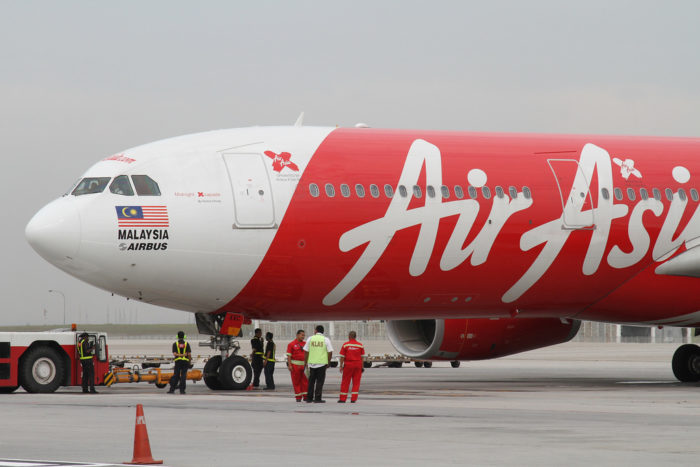
    AirAsia Group Bhd group CEO Tan Sri Tony Fernandes said the budget airline “can survive” just on domestic traffic, which is about 50% of the group’s business.

    “That is very different from Singapore Air (Singapore Airlines) or JAL (Japan Airlines Co Ltd) or ANA (All Nippon Airways Co Ltd),” Fernandes was quoted as saying.

    At the same time, Covid-19-related disruptions can actually make doing business easier, quoting Fernandes.

    It was reported that it took Fernandes seven years to get the Kuala Lumpur-Singapore route for AirAsia Group.

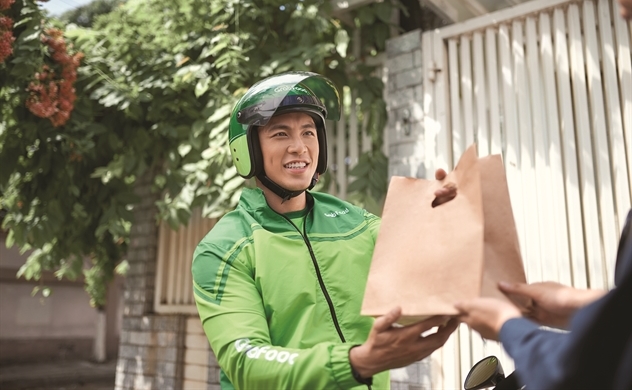
    “(But) it took me seven weeks to open AirAsia food in Singapore,” Fernandes said.

    For all the pain due to the Covid-19 pandemic, it was reported that Fernandes concluded this a “once-in-a-lifetime chance where you can really pivot”.

    It was reported that AirAsia Group under Fernandes’ leadership is pivoting into fintech and payments in a big way.

    It was reported that the group is working on opening a new neobank in Malaysia and Singapore, by tapping into the region’s biggest loyalty program

    “This fintech footprint is expanding to Singapore and soon to Indonesia, the Philippines, and Thailand.

    “AirAsia’s logistics arm has also rolled out a digital network to modernize air cargo using distributed ledger blockchain technology, called Freightchain.

    Logistics, it turns out, “is the real jewel in the crown that I never really saw”, Fernandes said.

  • Grab in Talks to Go Public via SPAC Merger

    Grab in Talks to Go Public via SPAC Merger

    The technology platform and ride-hailing giant is reportedly considering a merger with an SPAC, but a U.S. listing via a traditional IPO is not off the table.

    J.P. Morgan and Morgan Stanley, which are advising Grab on its IPO plans, are in the midst of identifying special purpose acquisition companies (SPACs) for the company to merge with to accelerate its listing process, according to a «Bloomberg» report on Thursday.

    The Softbank-backed company’s listing considerations come after talks to combine with Indonesian rival Gojek collapsed, the report said. The latter is now in advanced discussions to merge with local e-commerce pioneer Tokopedia instead.

    SPACs are shell companies, also known as blank check companies, that go public on a stock exchange in order to then buy private companies, which are then listed virtually through the back door.

    They are also the hottest trend on Wall Street: the proceeds of SPAC IPOs grew from $14.7 billion across 96 issues in 2019, to $79.3 billion across 256 issues in 2020, according to data from Refinitiv. SPAC mergers also grew in value from $34.5 billion across 87 deals in 2019, to $157.5 billion across 163 deals in 2020.

    Asian Bourses Consider Listing

    The Hong Kong Exchange and Clearing is reviewing the possibility of adding SPACs to its offering while the Singapore Exchange could list them as early as this year.

  • Chrome OS introduces a Phone Hub for Android devices

    Chrome OS introduces a Phone Hub for Android devices

    Chrome OS is celebrating its 10th birthday with some new features. The desktop OS’ latest version is introducing a Phone Hub which connects the user’s Android device to their laptop and synchronizes different data between the devices. The Phone Hub’s goal is to make moving between Android and ChromeOS devices easy.

    The Phone Hub shows different data from the user’s phone like its battery percentage and network reception. It also allows the user to access different phone features and settings from their Chrome OS device, such as enabling their Wi-Fi hotspot or switching to vibrate or silent modes. The different Chrome tabs opened on the user’s smartphone will also show up in this new hub.

    The Phone Hub feature will work wirelessly, as long as the two devices are connected two the same Wi-Fi network. Wi-Fi Sync has also been expanded so if only one of the devices has the network password, it is able to sync it with the other one.

    There are also other new features introduced with the anniversary update of Chrome OS. A new Screen Capture tool is featured in the Quick Settings menu, allowing users to take precise screenshots and screen recordings without using keyboard commands. The Quick Settings menu has also added media controls and pinning files with both these tools appearing in the menu when in use.

    Another new addition to Chrome OS is the ability to add a school account for children. This is managed with the company’s Family Link feature. With Family Link, a parent can automatically generate a school account for their child when signing them up to the Chrome OS device and then supervise them while they write their homework.

    Other smaller improvements in the new version of Chrome OS are found in the Desks app and Select-to-speak feature.

  • Facebook launches Instagram Lite for improved experience on budget phones

    Facebook launches Instagram Lite for improved experience on budget phones

    Since the start of the COVID-19 pandemic everyone has become strongly dependent on their smartphone and internet connection. While many of us are used to upgrading their phone regularly (even when we might not need to), those in developing countries aren’t as fortunate.

    As you may know, smartphone innovation is mainly driven by hardware, which gets assembled in places like India, Vietnam, Taiwan and more. China is still the main smartphone-making hub, but this is slowly changing, with manufacturers like Samsung and Apple moving production away to other Asian countries mostly for economic reasons.

    While hardware is an asset, which involves a number of stakeholders, software is much easier to distribute. it can reach many more people, much quicker. That’s exactly what Facebook’s team is trying to achieve with the introduction of Instagram Lite.

    In a nutshell, this is a less demanding version of the Instagram app, which happens to cut only a few corners. Why? Well… not every country boasts yearly deals on the latest smartphones with unlimited data plans. Moreover, Apple simply isn’t a brand that fits everyone’s economic status. Brands like Xiaomi, VIvo and Oppo dominate markets like India, where the best-selling smartphones are budget models. They often offer less processing power, less storage and lower-tier connectivity hardware, which makes for limited performance under heavier load.

    You might not realize how demanding an app like Instagram or Facebook is, if you are using a high-end device (even if it’s from 2019). Running multiple apps, using navigation, taking photos etc., can quickly cause a budget phone to start acting up, so the Instagram Lite app will require only 2MB to download on Android (versus nearly 30MB for Instagram). Important features for the user experience such as dark mode, GIFs and Reels (Facebook’s version of TikTok, which is banned in countries like India and Pakistan), are kept in-tact. Corners are cut where it matters least: animations, icons, transitions are stripped-back and simple.

    This isn’t Facebook’s first attempt at such an app – Facebook Lite and Messenger Lite are great alternatives to the main versions of their full-sized brothers (or sisters!?). Speaking of family members, the main goal of the team behind this ‘lite’ idea is simple: help families and friends stay connected, despite the slower internet speeds and modest devices.

    Apps aren’t the full story. Google has made similar efforts to equip lower-end devices with Android Go, a much less-demanding version of Android, which is made to run apps like Instagram Lite, which is now rolling out in more than 170 countries worldwide, and will soon be available virtually anywhere with the upcoming global version.

    Tech can change the world, but the world can change tech too. It’s important to make phones and apps that can be used by anyone and anywhere!

  • AirAsia sees more layoffs if April domestic flights stay grounded

    AirAsia sees more layoffs if April domestic flights stay grounded

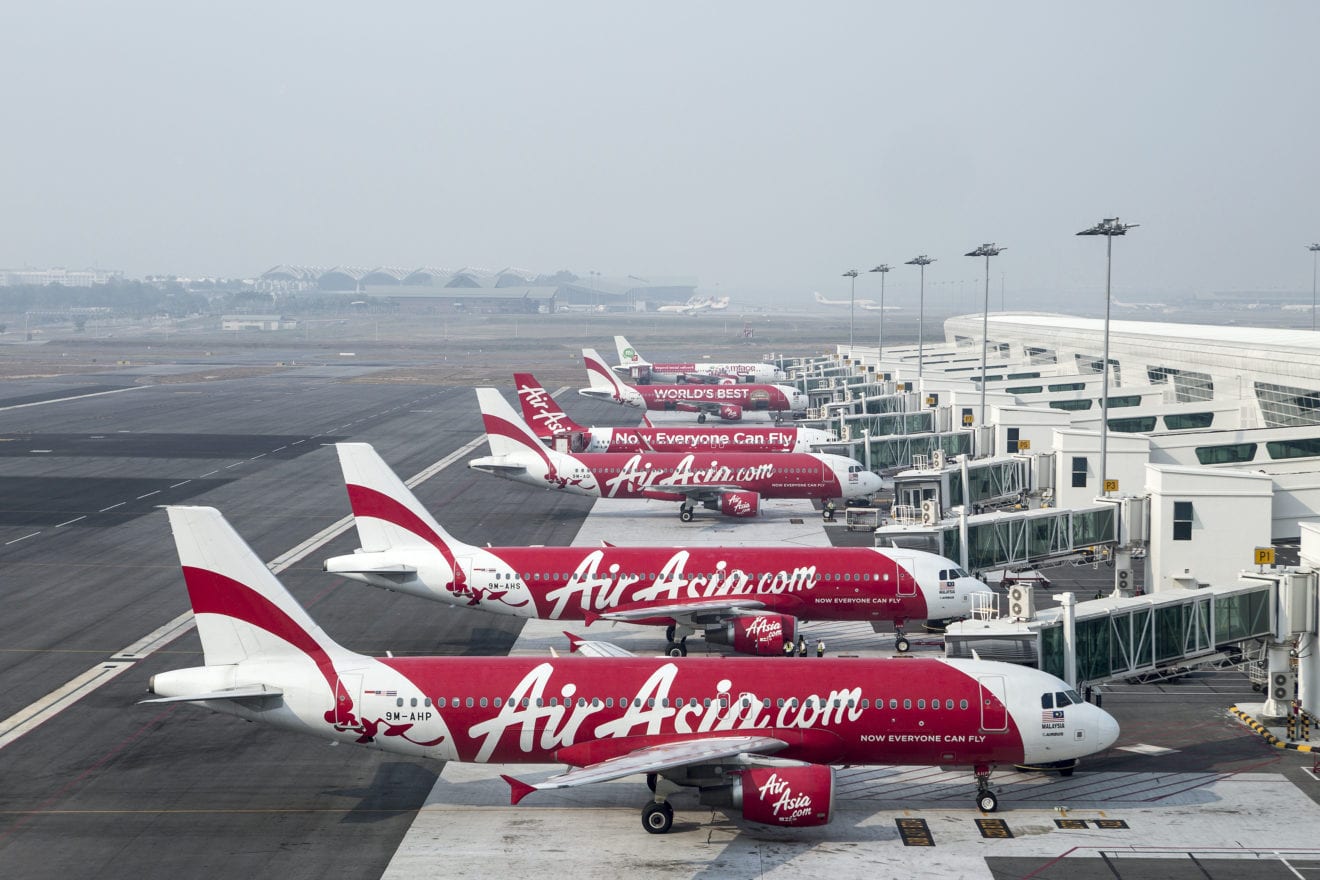
    Low-cost carrier AirAsia is ready to furlough more workers unless domestic coronavirus travel curbs end next month, even as the company speeds expansion of its non-airlines business to fill an earnings hole, top executives told Nikkei Asia.

    The airline founded by local tycoon Tony Fernandes and its budget model have been hammered by the drop in international air travel, while movement restrictions between states in Malaysia are also choking revenue. AirAsia Group President Bo Lingam said in an interview with Nikkei that it is critical for internal routes to reopen.

    “We would prefer [this] as soon as possible, but I think the green states can be opened first, and we would appreciate if it’s by next month,” he said, referring to the end of April. Green states are those with lower new COVID-19 cases, namely Melaka, Pahang, Terengganu, Sabah and the federal territories of Putrajaya and Labuan.

    The Malaysian government has not said when it will reopen domestic travel nationwide despite pressure from lobby groups, including hotels, tour operators and airlines.

    If the interstate travel ban remains into May, the company would have to dismiss more employees on a furlough basis, Bo said, adding to 3,000 mostly pilots and back-office staff already hit by the measure.

    Furloughed workers receive medical and travel benefits until called back to work. “We will pay them medical benefit[s] in full just like pre-COVID-19 and they would be first to be recalled once we fly our airplanes again,” said Bo, who has been with the company for over 21 years

    The carrier is ready to begin domestic or international travel when allowed, he said. “All necessary safety checks are always done and we have standby employees to be recalled, so we are ready anytime,” he said.

    AirAsia’s finances are clearly hurting. It suffered a net loss of 2.7 billion ringgit ($650 million) for the first nine months of 2020 compared with a net profit of 80.7 million ringgit the previous year. Revenue fell 68% to 2.9 billion ringgit from 9.1 billion ringgit. Fourth-quarter results are expected this month, with analysts forecasting a turn to profitability not before 2022.

    Bo said the airline is no longer accepting new jet deliveries from its primary supplier, Airbus. AirAsia is the European manufacturer’s largest customer in the single-aisle segment and was supposed to receive a combined 46 planes in 2020 and 2021 — mostly new A321s.

    “We have stopped taking in any deliveries because we have no place to park anymore and it’s a waste of resources,” he said. “We plan to take five aircraft next year only if the situation improves.”

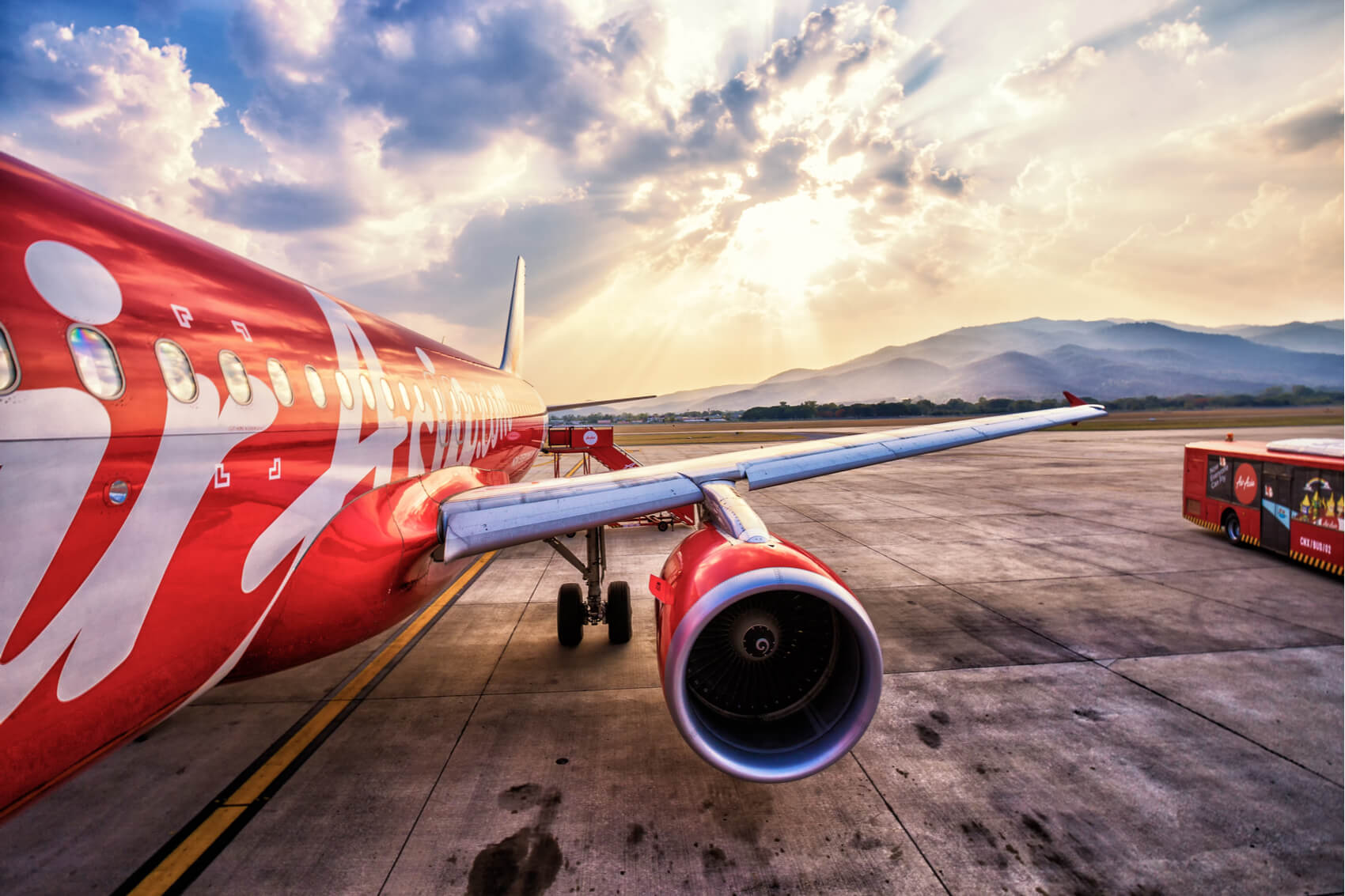
    The carrier, known for its bright red and white fleet, is currently raising 2.5 billion ringgit as working capital, which includes a loan of 300 million ringgit from Sabah state-owned Sabah Development Bank. It is also seeking a guaranteed loan from the federal government aimed at companies hurt by COVID-19.

    The airline also completed the first tranche of its private placement of up to 20% of the group’s total issued shares last month, raising over 250 million ringgit.

    With the outlook for air travel uncertain, AirAsia Digital — the holding company for its growing non-airline businesses — may spinoff within the next 3 to 5 years, Aireen Omar, the AirAsia Group president who manages it, told Nikkei in a separate interview.

    Aireen said the group is trying to lure new investment by bolstering core businesses, which include restaurants, food delivery and courier services.

    The group’s chain of Santan restaurants is expected to expand into Indonesia, Thailand and the southern Chinese city of Shenzen by the end of the year, she said. Santan — which means coconut milk in Malay — is a staple ingredient in Southeast Asian cooking.

    “We’re expecting to have about 60 restaurants by year-end from the current 13,” Aireen said, adding that all new locations will be franchises.

    “We are already receiving a lot of interest and evaluating our potential first investor. All of them want to come on board early before an IPO,” she said, adding that the business has drawn attention from large funds and family offices.

    But Aireen stressed that AirAsia does not intend to keep raising funds via numerous crowdfunding rounds favored by tech startups. “We want to be responsible and want a set of stakeholders to answer to,” she said.

    The pandemic has forced AirAsia to move into non-airline businesses faster than envisioned. “The road map which was supposed to take us three years was squeezed into the last nine months,” she said.

    According to group president Bo, AirAsia expects its international routes will not resume until the fourth quarter provided Malaysia’s immunization program, which began late last month, continues as planned. Southeast Asian destinations are expected to resume first, he said.

    He urged the Association of Southeast Asian Nations to come up with a travel policy in the next few months that can be used by all member countries to smooth the way.

    “One policy for the region would ease processes rather than having customized rules for every country,” he said.

    Bo added that in preparation for the return of international travel, AirAsia has already started working to update its mobile app and website to allow customers to upload proof of digital vaccination.

  • Vietjet to sell 17.7 mln treasury shares

    Vietjet to sell 17.7 mln treasury shares

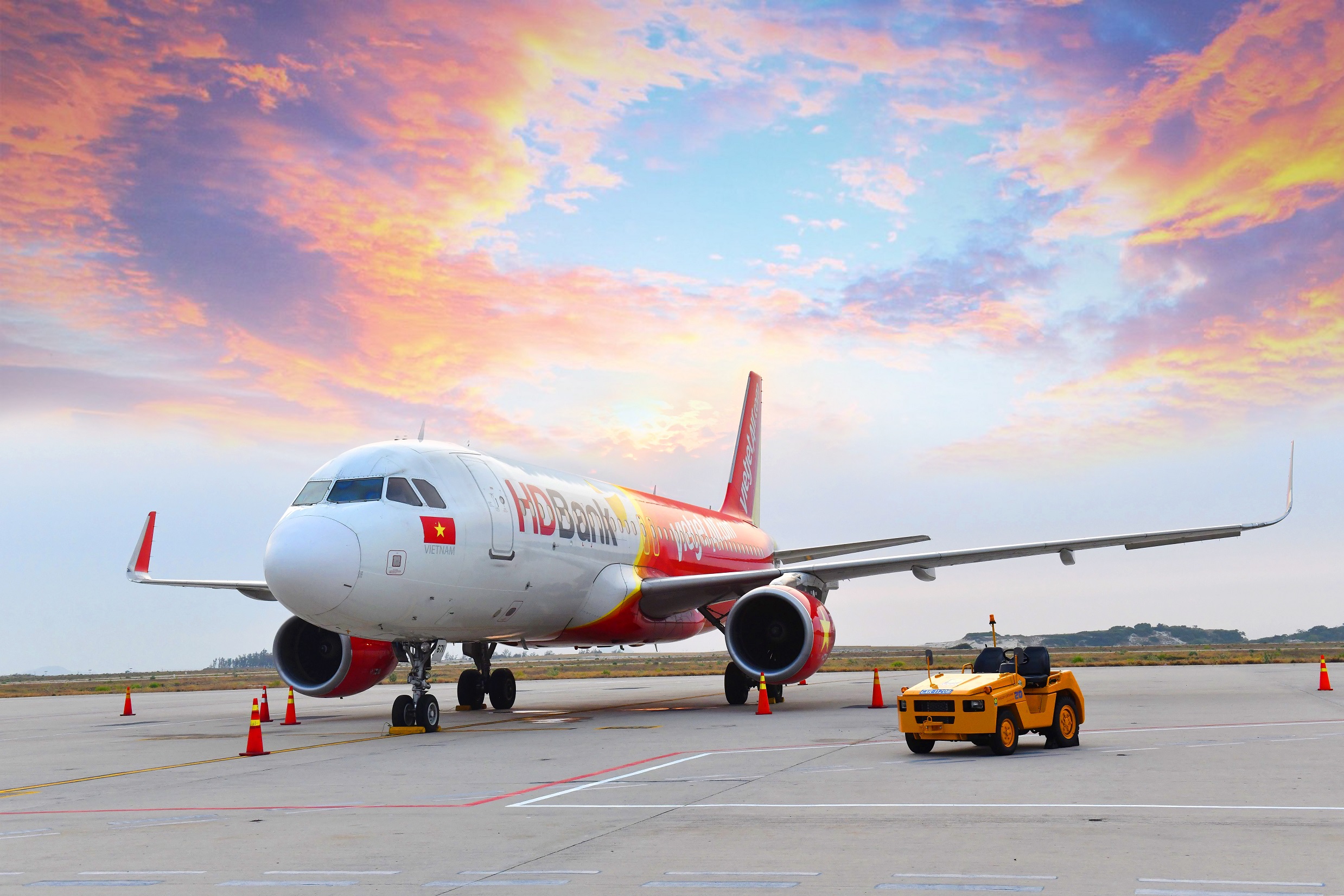
    The board of budget carrier Vietjet has approved a proposal to sell 17.7 million treasury shares equivalent to 3.28 percent of its charter capital.

    It would help fund expansion and preparations for recovery after the pandemic this year, the airline said.

    Vietjet’s VJC shares closed at VND136,000 ($5.89) on March 8, and at this price the carrier will earn over VND2.4 trillion from the deal.

    It plans to complete the transaction in the first half of this year.

    Vietjet had bought the shares in August 2019 for VND132,063 each. In June 2020, the carrier announced it was seeking to sell them to a strategic investor.

    Vietjet was among the few airlines to make a profit and not fire any employee amid the Covid-19 pandemic last year. It recorded a consolidated after-tax profit of VND70 billion in 2020.