Retail News Asia is committed to providing both local and global retailers with the latest General Retail news throughout the Asian market. This on a daily base.
Vietnam’s steel industry is expected to recover this year with rising export orders, thanks to improved global demand and surging domestic consumption.
Market leader Hoa Phat Group last month exported over 12,000 tonnes of products, mostly cold-galvanized steel, to North and South America.
This followed an export of 10,000 tonnes in January to Belgium and Spain.
The company targets producing 300,000-400,000 tonnes of steel products this year, 30-40 percent of which are likely to be exported.
Its competitor Hoa Sen Group last month set a new export record of 121,000 tonnes of galvanized steel worth more than $100 million. The group has a network of over 85 countries and territories, with main markets being the U.S, Mexico, Europe, and Southeast Asia.
Vietnam’s steel industry is expected to see growth of 5-6 percent this year, with global demand set to rise by 4.1 percent thanks to a recovery in developed markets, according to the Vietnam Steel Association (VSA).
Other drivers for growth include expectations of rising public investment in infrastructure, the recovery of the real estate market and more foreign direct investment, said VSA deputy chairman Trinh Khoi Nguyen.
The industry started 2021 strongly, with a 61 percent year-on-year rise in production volume to 2.65 million tonnes.
Domestic sales in the period rose 55 percent to 2.12 million tonnes, while exports rose 53 percent in value to $553 million.
These figures indicate robust recovery prospects this year after VSA saw half of its members reporting plunging revenues last year, especially in the first and second quarter, due to Covid-19 impacts.
However, trade officials have warned that rising safeguard measures could hurt the industry.
Last month, Indonesia imposed an anti-dumping duty of 3.01-49.2 percent on Vietnam cold steel sheets.
In January, Malaysia revised duties on cold-rolled coils of alloy and non-alloy steel from Vietnam to 7.42-33.7 percent for the period between January 24 and May 23.
The U.S. and Canada have also slapped anti-dumping duties on Vietnam’s steel products in recent years.
The Trade Remedies Authorities of Vietnam has advised local steelmakers to diversify their markets to avoid being punished with such duties.
Nguyen Thi Thu Trang, director of the Vietnam Chamber of Commerce and Industry’s (VCCI) WTO Center, said that steel producers need to prepare themselves with knowledge of regulations on international safeguard measures and cooperate with other countries’ trade authorities to resolve issues.
Retail chain Big C plans to rebrand all its outlets as Tops Market or GO! this year, laying the Big C name to rest after 22 years in Vietnam.
Thailand’s Central Retail, its owner, began the process on March 1 by changing the names of three Big C outlets in HCM City, in An Phu and Thao Dien in District 2 and Au Co in Tan Phu District, to Tops Market.
The four stores in Hanoi in Tu Liem, Ha Dong, Thanh Tri, and Thanh Xuan districts will be renamed soon.
By the end of last year five Big C hypermarkets in Nha Trang City, Can Tho and Ha Long cities and Binh Duong and Vinh Phuc provinces had their names changed to GO!.
The company said the rebranding is meant to create a new look and upgrade its shopping space.
Central Group bought Big C Vietnam from France’s Casino Group in 2016 for over $1 billion.
From 2022, the Big C brand will only exist in Thailand, where it is owned by TCC Group led by tycoon Charoen Sirivadhanabhakdi.
Khanh Hoa authorities have recommended the issue of a license for Vinpearl Company to build a $2.24-billion casino in the central province.
The casino is proposed to be built on Hon Tre Island near famous beach town Nha Trang along with tourism and amusement components.
It requires approval from the Politburo, which is at the apex of the Communist Party, and government. If approved it will be the second in the province after an earlier, $2.02-billion casino received the green light in 2019.
The Ministry of Finance said an assessment needs to be done on the impacts of the proposed casino on local tourism and socio-economic growth.
The government has for long treated gambling as a social evil and prohibited Vietnamese from entering casinos.
But in January 2019 it opened certain casinos to Vietnamese as part of a three-year trial and will continue to do so on a case-by-case basis.
Vietnamese who want to gamble in a casino must be over 21, earn a minimum of VND10 million ($430) a month and have no criminal record or objections from their family.
A group of casino owners recently sought the government’s permission to let Vietnamese in to make up for foreigners’ absence due to the Covid-19 international travel restrictions.
Vietnam has eight casinos which earned revenues of VND2.5 trillion in 2019, according to Ministry of Finance data.
For those of you who will agree with WhatsApp’s updated privacy policy so that you can still be able to use the app, here is one new feature that’s coming to you in the next few days. For a very long time, WhatsApp only allowed customers to use the sticker packs available through its app.
However, that’s about to change very soon, as WhatsApp is now rolling out a new feature that will allow users of its app to import third-party sticker packs. WaBetaInfo discovered that WhatsApp is testing such a feature many months ago, and now they’re reporting that the company is finally rolling it out to users in select countries.
For the time being, the option to import third-party sticker packs is only available in Brazil, India, and Indonesia, but you have to update WhatsApp to version 2.21.5.6 Android beta and 2.21.40 iOS. It’s probably going to be made available in other countries in the coming days, so be patient if you’re not living in one of these countries.
Recently, Apple thanked its lucky stars when North Dakota voted down a proposed bill that would have forced the company to allow 3rd-party payment processes for apps in the App Store. The bill’s objective is to let companies bypass Apple’s 15%-30% commission fee (like Epic Games did back in August, unsanctioned) on all applications and transactions on the platform. Apple has always stringently filtered the apps allowed in its store, on top of the commission which developers are calling “highway robbery.” The approval of this bill would give small businesses a much greater chance of survival, especially during the pandemic. However, the victory in North Dakota was only one small battle, and Apple’s fight is far from over.
Not long after that, Minnesota introduced a similar bill, which Apple is currently lobbying against as well. And now, Apple has extended its efforts to Arizona—which hadn’t even introduced the proposed legislation officially yet before Apple came at them, torches and pitchforks waving. Apple and Google know well that if these bills are passed, they will lose billions of dollars which their duopoly has guaranteed them up until this point. According to them, these bills are “unconstitutional,” and Regina Cobb (the Arizona State Representative who introduced the bill) claims she is facing a nonstop onslaught from Apple and Google’s plethora of hired lobbyists over the past two weeks, as well as free-market groups and the Arizona Chamber of Commerce.
Apple might be putting everything into fighting these small battles now, bill by proposed bill, state by state, but the deciding battle comes in May when the case between Epic Games and Apple goes to trial. If Minnesota and Arizona end up passing the bill, there’s a chance this (and consequent reactions) may affect the court’s decision, but it is not certain for now. Although much of the world is rooting for a future with a freer market, the North Dakota Senate voted off their proposed bill at a one-sided 36-11 ratio—so nothing is certain, and Apple certainly won’t stop fighting tooth and nail to keep its multi-billion-dollar app revenue from declining.
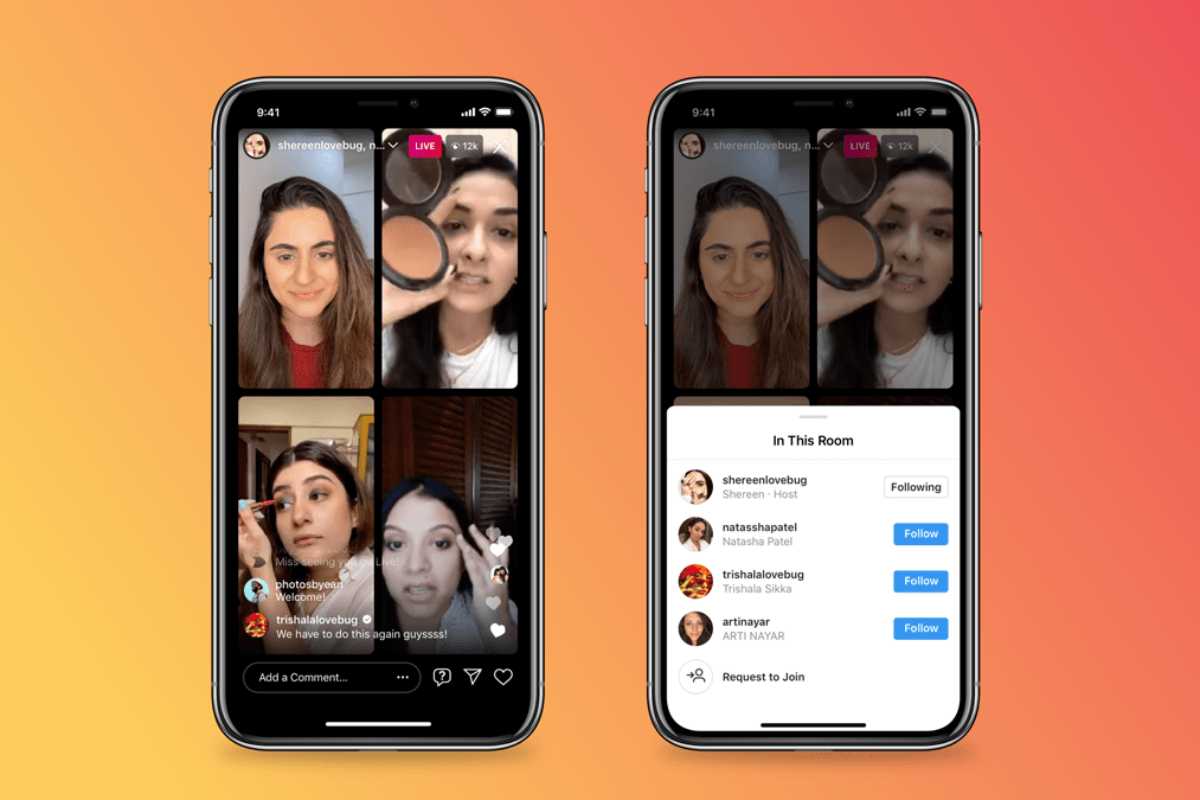
Instagram is further improving the live features of its app with new functionalities that allow up to four people to go live at the same time. The new feature is called Live Rooms and bumps up the number of Instagram users that could go live at the same time from two to four.
Furthermore, Instagram revealed that Live Rooms offers creators additional ways to earn money and built their businesses. For example, Live viewers will now be able to purchase badges for the hosts and use other interactive features like Shopping and Live Fundraisers.
At the moment, Live Rooms lacks any moderation controls, but Instagram announced that it’s “exploring more interactive tools such as offering moderator controls and audio features.” However, these won’t be available until at least a few months from now.
Instagram users who’d like to take advantage of the new Live Room feature can easily swipe left and pick the Live camera option. Next, simply add a title and click on the Rooms icon to add your friends who you wish to join the live chat. As mentioned earlier, you can add up to three other people when you start a Live Room, but you don’t have to add them all at once.
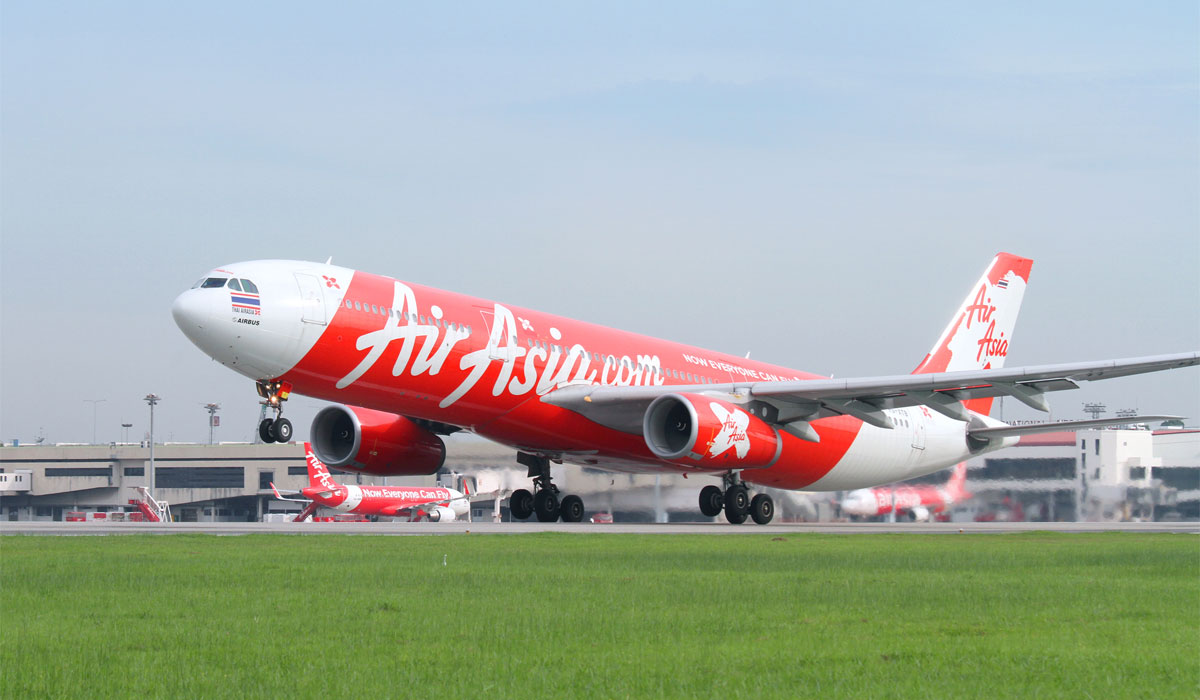
AirAsia Group has disclosed that it extended approximately $40 million in advances and corporate guarantees to Philippines AirAsia in November-December.
The low-cost airline group on 19 November provided a $19.1 million corporate guarantee to Filipino bank BDO Unibank. This was in relation to the restructuring of a three-year, $35 million loan to Philippines AirAsia, the group says in a 26 February disclosure to Bursa Malaysia.
On 29 December, AirAsia Group through AirAsia Berhad provided AirAsia with a corporate guarantee and cash advances amounting to Ps991 million ($20.4 million), with Citibank Philippines as the beneficiary. In support of that move, AirAsia Group pledged one of AirAsia Berhad’s spare engines for an uncommitted short-term revolving credit facility applied for by Philippines AirAsia.
AirAsia Group’s latest annual report for 2019 indicates that AirAsia Berhad is the legal name for the Malaysia-based LCC AirAsia, and AirAsia Inc refers to the AirAsia Philippines airline. The same report states that AirAsia Group’s effective equity interest in the Filipino carrier stood at 40%.
The group says in its latest disclosure that the financial assistance was provided “in the ordinary course of business and to facilitate the running of the operations and financial affairs” of AirAsia Philippines.
It adds that these do not have any material effect on its earnings per share, net assets per share and gearing of the company and its subsidiaries.
Japanese department-store operator J.Front is to introduce a fashion subscription rental service.
According to Nikkei Asia, J.Font’s new service will offer a monthly rental option with fee starting from US$103, featuring high-end women’s apparel from local and international brands. The subscription service is expected to attract 30,000 customers and generate more than US$56 million within five years.
Managed by Daimaru Matsuzakaya Department Stores, the service will initially feature about 50 labels, ranging from Japan’s Epoca, Adopre to Marni of Italy and France’s See By Chloe. The monthly subscription service will allow customers to rent up to three high-end fashion items and have them delivered to their doors.
By launching the rental service, J.Front Retailing aims to recover its customer base since the Covid-19 pandemic has caused significant lost sales for the retailer.
Subscription services have become a growing sector in Japan’s retail industry as customers are now more conscious about product waste. According to Yano Research Institute, the domestic market for subscription services is expected to exceed more than US$11 billion by the year ending March 2025.
Apps for creating short musical, visual, attention-grabbing clips have been all the rage these years. We’ve been through viral platforms such as Vine, Musical.ly, TikTok, and now, we’ve got BARS. Facebook seems to want in on the fad as it just came out with a new app that allows you to release the rapper within you by easily recording and sharing up to 60-second-long clips. The experimental app, currently in its beta version, is only available in the App Store for iPhone users—but who knows where time will take it.
The way the app works is very simple. It’s got a database of hundreds of professionally created beats to choose from and rap to. Rather than creating music alongside friends, as in Facebook’s similar app Collab, BARS aims to offer an easy and accessible platform for aspiring rappers to share their individual talent. It offers features like autotune, and auto-suggestion of rhymes for your lines as you rap. The app also offers an entertaining “Challenge” mode, made to feel more like a game and which provides word cues for freestyling. There are plenty of customizations available, including a variety of visual and audio filters, to personalize the production.
The app was developed by a team of aspiring rappers who are also part of Facebook’s NPE (New Product Experimentation) development team. They personally realized the value such a platform could bring to young musicians, perhaps green in the music world but passionate about sharing their talent. The pandemic lockdown, which has closed performance venues and formerly available public platforms to musicians, influenced the app’s creators to allow artists to share their work online even if they could not do so live.
As the app is still being perfected, it remains to be seen how well BARS will do in the App Store. Although it is publicly available for download, there is a growing waitlist which new users must join to participate in a closed beta test before full public access.
The Philippine Amusement and Gaming Corporation, or shortly PAGCOR reports nearly 33 million USD profit from casino operations in 2020. The revenues of PAGCOR fell to a great extent due to the COVID-19 pandemic and the restrictions that came with it.
PAGCOR operates numerous state-owned casinos and slot machine clubs throughout the Philippines. It has its own casino brand, the Casino Filipino, and the corporation is responsible for the regulation of other private gambling venues as well.
2020 Has Been a Tough Year
Andrea D. Domingo, the chairman and CEO of PAGCOR, claims that the offshore gaming operations and the revenues of the government-owned corporation declined mainly because of the pandemic.
“The local gaming industry employs about 132,000 direct hires. It also generates many other economic activities and businesses like restaurants, hotels, malls in Integrated Resorts (IRs), services, transport and real estate. There will be more economic employment opportunities when other gaming stations and casinos open,” Andrea Domingo said in her keynote address during the kickoff of ICE-Sigma Asia Digital on June 8 2020.
In March 2020, PAGCOR had to suspend the gaming operations in the Philippines to help the government fight against the COVID-19 and avoid the further spread of the virus amongst the citizens. This measure forced Filipinos to look for other ways to fulfill their passion and be able to gamble. For example, they started to play in online casinos. This report about online casinos shows those casinos which are legal to play in the Philippines.
Finally, traditional casinos had to wait to be reopened until the end of August. However, they could operate only with a 30% capacity limit.
Huge Decrease in Revenues
According to the statement of comprehensive income, PAGCOR was able to close 2020 with a total revenue of 624 million USD (Php30 billion) from gaming operations. This number is the lowest seen in the last seven years, so the corporation had some struggles last year. Compared to the previous year, PAGCOR revenues declined by 60.41%. In 2019, PAGCOR’s total revenues stood at 1.57 billion USD (Php75.76 billion). In 2020, over 148 million USD (Php7.14 billion) was the income from casino customers, and more than 562 million USD (Php27.05 billion) came from junket operations, non-casino customers, and other income.
While PAGCOR’s income from junket gaming operations (nearly 8.3 million USD – Php398 million) was halved compared to last year, the income from licensed casinos also fell largely, to more than 239 million USD (Php11.52 billion). The income from the Philippine Offshore Gambling Operators (POGOs) was the least affected by the decrease, it went down by more than 18% to nearly 97 million USD (Php4.66 billion).
Reduced Expenses
As the corporation had less income in 2020 than it had in the previous year, less money was deducted from the income in the form of gaming taxes and contributions towards the government. The amount of taxes and contributions dropped by 60.41% from 827 million USD (Php39.77 billion) to 328 million USD (Php15.75 billion).
Although PAGCOR had to suffer a huge decline in revenues, the corporation’s expenses also dropped by more than 42%. The total expenses decreased to 388.55 million USD (Php18.68 billion) from the previous 670.61 million USD (Php32.24 billion). PAGCOR cut costs mainly by making fewer payments to corporate social responsibility projects, although these did not stop altogether. Also, PAGCOR had reduced costs (for example, maintenance and other operating expenses) as a consequence of the casinos being closed for several months in 2020.
PAGCOR’s Profit Fell by 83.75%
After all, PAGCOR reported almost 33 million USD profit (Php1.57 billion) from casino operations in 2020. It is 83.75% less than in 2019 when it was 201.14 million USD (Php9.67 billion).
Future Expectations
When it comes to the expectations for 2021 and the upcoming years, it is hard to say if PAGCOR will be able to produce the same amount of revenues as it had back in 2019, before the whole COVID-19 crisis has hit the gaming industry, or not. Everything will depend on the fact whether the casinos can be reopened fully, and how successfully PAGCOR can expand online gambling in the Philippines.
Currently, because of the pandemic, there are still some special restrictions in place in the country that have to be also applied in the casinos. For example, only every second slot machine can operate, and there is a maximum limit regarding the number of players at the table. Only three players are allowed to play at the same time per table. Moreover, at the entry, it is obligatory to measure the temperature of everyone who wants to enter the casino, and every player has to wear a mask inside the building.
Although the number of new COVID-19 cases seems to be stabilized now between 1500 and 2000 per day, it is not sure how long these restrictions will remain in place. Also, we can’t rule out the possibility of having more strict measures in the future that can come again with the closure of the casinos.
Online Gambling Expansion May Be the Solution
To increase the revenues from casino operations and mitigate the financial loss caused by the pandemic recently, PAGCOR’s main focus is on the expansion of online gambling. It has permitted certain land-based casino resorts (for example, City of Dreams, Solaire, and Okada in Manila) to provide online gambling activities in December. Those casinos that hold a Philippine Inland Gaming Operator (PIGO) license can expand their activities to offer online gambling for verified high rollers. So those gamblers who want to play online must be frequent visitors of the casino resort in question, and they must be already registered in the casino’s player database.
While PAGCOR permitted legal online gambling only for high rollers, it is still not sure if the corporation will potentially extend these online casino games to non-high rollers in the future.
According to CEO Andrea D. Domingo, the Philippine Inland Gaming Operator licenses are beneficial to everyone. Firstly, PIGOs are a great way to collect revenues. The incomes from PIGO operations are taxed at a quite high rate, 30%. Secondly, these licenses can effectively help to stop illegal online gambling in the Philippines.
All things considered, hopefully, 2021 and the years after can be more profitable for PAGCOR than 2020 was. Even if the land-based casinos are not operating at full capacity now, there is a chance that higher revenues may be expected due to the newly introduced PIGO licenses and the increasing income from off-shore gaming operations.
Back in June 2013, Google bought Waze for a reported $1.1-1.3 billion. Since then, Google has handpicked some of Waze’s best features and added them to Google Maps. Features such as speed limit warnings, incident reports, and a speedometer have become part of Google Maps over the years. Another feature from Waze is coming to Google’s mapping and navigation app.
Rolling out gradually to Google Maps users is a notification warning them that they are approaching a railroad crossing. The notification appears at the bottom of the screen and says “Expect Delays” because of the crossing. The map shows the location of the railroad crossing by denoting it with a round yellow icon with railroad tracks. It isn’t clear whether Android, iOS, or users of both platforms will get the railroad crossing notification first. It should be seen in the U.S. to start with the feature expanding to more countries over time.
Some Google Maps users are starting to receive notifications when they approach a railroad crossing.
It should be pointed out that Google has yet to announce this new feature. Often, when the company is adding multiple new features to Maps, Google will write a lengthy blog post that discusses the app’s new capabilities.
Besides helping users navigate from point “A” to point “B” with turn-by-turn directions, Google Maps has matured to become a guide helping people visiting a strange city find places to eat, things to see, where they can stay the night, and much more.
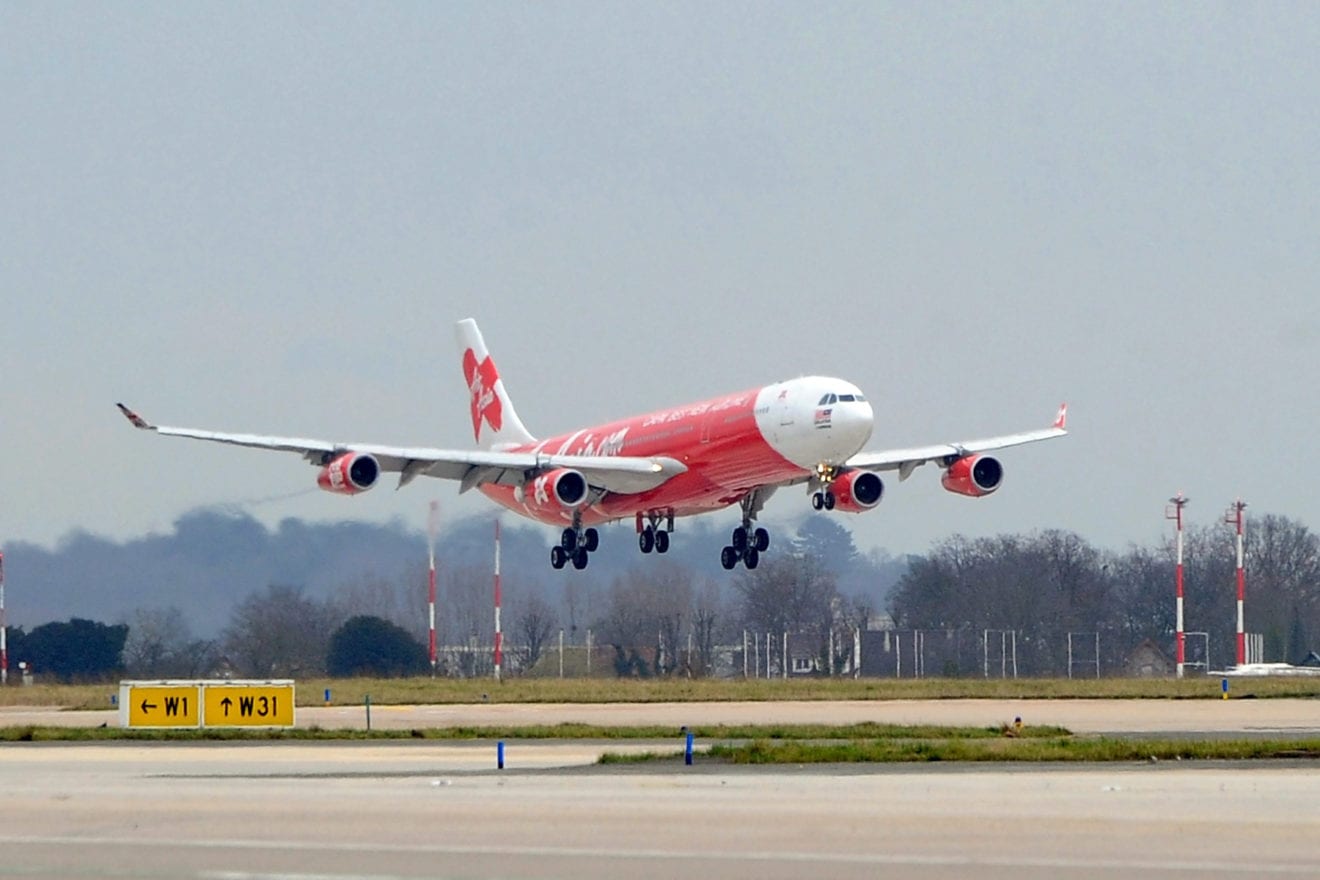
Beleaguered AirAsia X stayed in the red at the operational level, despite narrowing its losses on a quarter-to-quarter basis.
For the three months ended 31 December, the long-haul, low-cost carrier, which is undergoing debt restructuring, reported an operating loss of MYR356 million ($87.8 million). This compares to the previous quarter’s MYR426 million loss.
It offered no year-on-year comparison of its financial results, as it shifted its financial calendar in December, citing an ongoing Scheme of Arrangement. This meant that the carrier’s current and subsequent financial year would end on 30 June, instead of 31 December.
For calendar 2020, the sister unit to Malaysia’s AirAsia Group racked up operating losses of more than MYR1.2 billion.
AirAsia X reported a quarterly revenue of just MYR54.7 million, marginally lower than the previous quarter’s MYR60 million revenue.
As with previous quarters, it took no revenue from scheduled flights, as its network remains effectively frozen amid pandemic-driven travel restrictions. The bulk of its revenue for the quarter — at MYR47 million — came from aircraft operating lease income.
The carrier’s expenses for the quarter were MYR419 million, about 13% lower than the previous quarter. Depreciation costs, as well as maintenance and overhaul expenses, made up the bulk of the carrier’s costs for the period.
AirAsia X narrowed its net loss quarter on quarter, at MYR174 million.
The troubled airline reiterated its plans of returning to the black, through a rationalisation of fleet and routes. These include focusing on routes in core markets with proven demand, as well as terminating unprofitable routes.
In October, the carrier announced a debt restructuring plan, as it continued to bleed amid the coronavirus pandemic.
A few months later, in mid-December, it unveiled plans to raise RM500 million from a new share issuance, which it described as a “critical component” of its restructuring plan.
Since then, a UK court has allowed the carrier to convene a meeting with its creditors, to seek approval for its restructuring.
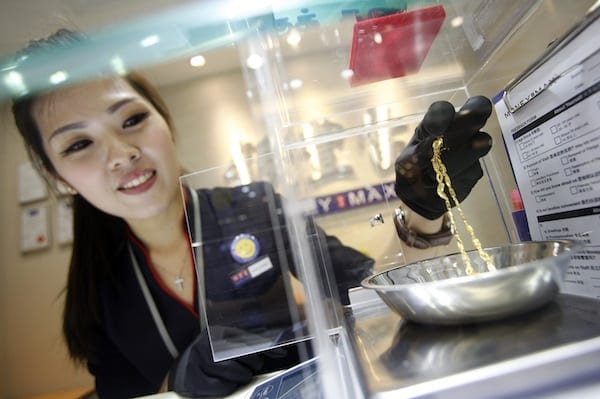
Vietnamese pawn shop chains have been attracting increasing investment for several years now as large demand for quick loans prompt their expansion.
Leading jeweler Phu Nhuan Jewelry (PNJ) recently announced that it would acquire a 30 percent stake in pawnshop chain Golden Friend Jsc.
The Ho Chi Minh City-based pawn shop chain was founded in 2017 with a charter capital of VND1 billion ($43,400), which was raised after six months to VND10 billion.
The company introduces itself as a strategic partner of PNJ. It has 21 pawn shops, all located inside PNJ stores.
Earlier this month, HCMC-based pawn shop chain T99 raised VND20 billion from a famous singer, after having received a similar amount from another celebrity last year.
Another chain, F88, one of the earliest pawn shops chains in the country, raised VND10 billion from a celebrity in 2019 after receiving funds from foreign investors like Mekong Enterprise Fund III and Granite Oak. The chain has 180 shops in 25 localities.
Pawn shop chains have become more popular in recent years, as they attract customers by offering more professional services than traditional pawn shops.
Some of them say customers can get a loan money in 15-30 minutes via a quick review process for collateral assets, which can include smartphones, jewelry, motorbikes and cars.
Most chains have been posting impressive growth figures. F88 last year saw outstanding loans rise 230 percent from 2019 while revenues rose 220 percent. The actual figures were not disclosed.
The chain, which has nearly 2,000 employees, saw its equity rise 160 percent last year. It raised VND400 billion through bonds last year.
Another chain, Vietmoney, saw its revenue rise 270 percent year-on-year last year. It has recently sold a 30 percent stake to two foreign investment funds.
T99, which only entered the market earlier this year, targets having 500 shops nationwide in the next three years and to list on the stock market.
Observers say that the pawn shop industry has high growth prospects thanks to a high demand for quick loans.
Around 48 percent of the population has incomes of under $300 per month, and these are potential customers for consumer loans, according to financial data service provider FiinGroup.
The CEO of F88, Phung Anh Tuan, said it is estimated that 70 percent of Vietnamese citizens still lack access to professional financial services, and this means there is great growth potential for the pawn shop industry.
Le Dat Chi, deputy head of the School of Finance under the University of Economics Ho Chi Minh City, told local media that as there are many Vietnamese who are not eligible to receive loans from banks, pawn shop chains will serve their credit demand.
However, more regulations are needed to manage this type of service so they will not be taken undue advantage of by loan sharks, which could have bad consequences for the financial system, he added.
Japanese oil giant ENEOS Corporation has registered to buy 25 million shares of fuel distributor Petrolimex on the Ho Chi Minh Stock Exchange.
The transaction, to be completed in March, if successful, will see ENEOS increase its stake in Petrolimex to 2.94 percent. It had acquired a 1 percent stake last September.
Petrolimex’s PLX shares closed at VND57,300 on February 24, and at this price the deal will cost ENEOS around VND1.4 trillion ($62 million).
The company’s subsidiary, JX Nippon Oil & Energy Vietnam Consulting and Holdings Company Limited, owns another 8 percent stake in Petrolimex.
ENEOS is the largest oil company in Japan with a 47 percent market share.
In 2020, due to the impact of Covid-19, Petrolimex saw revenues fall 34.5 percent to VND123.9 trillion. Its net profit was VND1.2 trillion, a 73.6 percent fall.
TikTok parent ByteDance has agreed to settle a class action suit for $92 million. The popular short-form video app allows users to take 15-second or one minute videos (by stringing together four 15-second clips). Popular with teens, content usually includes pranks, lip syncing, dancing, and more. According to the lawsuit, TikTok “infiltrates its users’ devices and extracts a broad array of private data including biometric data and content that defendants use to track and profile TikTok users for the purpose of, among other things, ad targeting and profit.” In other words, the court documents accuse ByteDance of using TikTok to collect user data from its teenage users.
The settlement still requires approval from the court. In a statement, TikTok said, “While we disagree with the assertions, rather than go through lengthy litigation, we’d like to focus our efforts on building a safe and joyful experience for the TikTok community.” The settlement was reached after “an expert-led inside look at TikTok’s source code” according to the motion presented to the court in an attempt to get the settlement approved. The settlement of the class-action suit, filed in the U.S. District Court for the Northern District of Illinois, could end arguments over whether the app illegally collected personal data from minors including facial scans. The suit was a collection of 21 separate class-action suits that were filed for teen TikTok users and those even younger. The youngest plaintiff was 8 years old.
The plaintiff’s attorneys argued that by collecting personal data, ByteDance was able to collect biometric data allowing it to deliver more precisely targeted ads and content recommendations. In the state of Illinois, collecting this data without consent could expose ByteDance to serious punishment. As an example, last year Facebook settled a case under the same Illinois’ biometric privacy law for $650 million. The plaintiffs also charged ByteDance with storing personal data in China which might have allowed the Communist Chinese government to view it.
Last year, the Trump administration tried to force ByteDance to sell part of TikTok to U.S. companies such as Microsoft, Twitter, Walmart, and Oracle. The plan called for the creation of a new American company that would be owned by ByteDance and some U.S. firms. Among those stateside companies that showed an interest in TikTok were Microsoft, Twitter, Walmart, and Oracle. When Joe Biden won the presidential election on November 3rd, former President Donald Trump seemed to give up interest in going after TikTok. On November 12th, the U.S. Commerce Department said it would no longer enforce its order that would have forced TikTok to shut down in the states by banning American companies from hosting the site and delivering content to the app. The anti-TikTok hysteria started last summer when then Secretary of State Mike Pompeo first mentioned a possible U.S. ban to the media.
As of the first week of this month, TikTok is estimated to have 80 million monthly users in the United States according to Wallaroo. 60% are female, 40% are male. Those age 16 through 24 make up 60% of stateside TikTok users while 26% are 25 through 44 years old. 80% of users fit in the range of 16 to 34 in age while 60% of American TikTok users are Gen Zers. The app reportedly grossed $500 million from the U.S. alone last year.
Globally, an estimated 1.1 billion people use TikTok each month. Sensor Tower states that the number of downloads of the TikTok app world wide is 2.6 billion. Last month, the app generated 62 million installs globally; just a year earlier, TikTok set a record for an app during a quarter with 315 million downloads. Allegedly, the app has been paying influencers $500 to open an account.
With a new administration in place, things look rosier for TikTok in the states even though President Biden has not commented on whether he will continue to treat Chinese tech firms as national security threats.