Category: General

Retail News Asia is committed to providing both local and global retailers with the latest General Retail news throughout the Asian market. This on a daily base.

  • Coles revamps health foods aisle, boosting sports and diet range

    Coles revamps health foods aisle, boosting sports and diet range

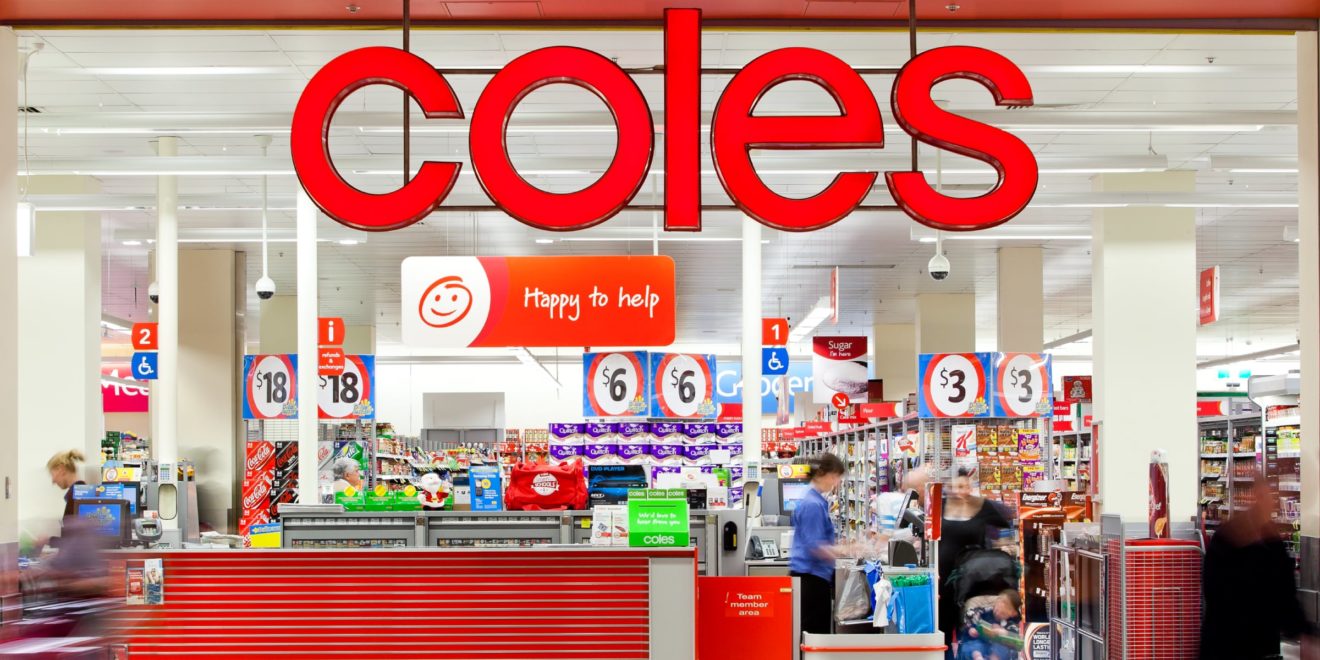
    Coles has transformed its health foods section, moving products traditionally found in the category, such as fodmap-friendly soups, gluten-free cereals, oils and nut spreads to their respective mainstream aisles.

    The revamp has provided space for more than 150 sports-performance and health products from brands like Amazonia Raw, Muscle Nation, and Botanika Blends, which join Coles’ shelves for the first time.

    These products include protein bars and custards from Muscle Nation, 20 new protein products and pure creatine from Body Science (BSC), Macro Mike’s powdered peanut butter and brownies mix, Dose & Co Marine Collagen and 180 Nutrition protein powder and bars. New health ingredients include Superfood Protein Ball Mixes from Mount Elephant and Melrose Superfood Powders and MCT Oils.

    According to Coles, the expansion of the health aisle comes as “Sports & Diet” was identified as the fastest-growing segment of the supermarket’s health food aisle between 2014 to 2019. Earlier this month, Coles revealed it had moved cereal products from the health-foods aisle into the breakfasts area.

    “Our transformed health foods aisle is a giant leap towards delivering Coles’ purpose to sustainably feed all Australians to help them lead happier and healthier lives,” said Leanne White, GM, Coles.

    “We’re seeing more and more customers look for healthier options or specific dietary requirements in the main grocery aisles – they no longer expect to go down one dedicated aisle to find these options.”

  • AirAsia group says Q2 was improved

    AirAsia group says Q2 was improved

    AirAsia Group said its operating statistics for the second quarter of the 2021 financial year were improved during the quarter. All four key operating entities of AirAsia posted year-on-year (YoY) improvements during the quarter, on the back of a low base in the corresponding quarter last year as the group’s fleet were hibernated for the most part of 2Q2020 following the hit of the COVID-19 pandemic since late 1Q2020.

    As for quarter-on-quarter (QoQ) performance, AirAsia Philippines saw a 2 percent increase in number of passengers carried and 4 percentage points (ppts) increase in load factor to reach 78 percent, while AirAsia Indonesia’s load factor increased by 11 ppts QoQ. AirAsia said it remains committed to strengthening its domestic foothold while awaiting positive developments on international air travel. Expectation of high vaccination rates in ASEAN countries by the end of this year is lending confidence on upcoming recovery, enhanced by the group’s short-haul model in addition to leaner and more stabilised operations.

    AirAsia Malaysia’s operations remained constrained QoQ due to a lockdown and interstate travel restrictions imposed from January 2021. AirAsia Malaysia carried 64 percent higher number of passengers YoY on 54 percent higher capacity, subsequently resulting in a 4 ppts increase to a healthy load factor of 64 percent. The ongoing subdued operations are expected to persist until Malaysia reaches herd immunity by the fourth quarter of this year. The government has recently set a new target of vaccinating all adults by October 2021.

    AirAsia Indonesia posted substantial YoY growth against the same quarter last year. Though the number of passengers carried showed a mild 1 percent dip QoQ, load factor grew by 11 ppts to 67 percent in 2Q2021 due to more stringent capacity management. AirAsia Indonesia was operating approximately 70 percent of pre-pandemic domestic capacity in May 2021 and demonstrated strong signs of recovery before it had to enter hibernation mode in early July in support of the containment efforts by the government as infection cases increased.

    AirAsia Philippines’ strong rebound seen in 1Q2021 further increased in 2Q2021, posting a 2 percent higher number of passengers carried QoQ and 4 ppts higher load factor to record a solid 78 percent. Monthly breakdown showed that load factor was as high as 83 percent in June 2021, boosted by active capacity management. This was despite running a limited number of charter and passenger flights due to community quarantine restrictions and despite flying only from its Manila hub.

    AirAsia Thailand more than doubled the number of passengers carried YoY and reported a 9 ppts increase in load factor to 61 percent in 2Q2021, boosted by higher demand during the Songkran festival in April 2021 and on the back of low base effect in the same quarter last year. On a QoQ basis, despite having successfully resumed all domestic routes by the end of 1Q2021, AirAsia Thailand’s recovery was short-lived due to the new COVID-19 wave that began in mid-April 2021. AirAsia Thailand posted a 26 percent QoQ decline in passengers carried, most significantly in June. Nevertheless, load factor was held firm at 78 percent in June, attributed to active capacity management.

  • WhatsApp makes it possible to move chats from iOS to Android using Android’s Data Restore Tool

    WhatsApp makes it possible to move chats from iOS to Android using Android’s Data Restore Tool

    The standard Android tool for transferring data from one device to another, Google’s Data Restore Tool, is preparing a nice addition to its transferring arsenal. The Tool might soon be getting the capability to transfer WhatsApp chats from iOS to Android.

    WhatsApp has a sometimes inconvenient limitation that it can be installed on only one smartphone per account. Despite the multi-device support that got recently introduced in a beta version of the app, the limitation for only one smartphone still stayed. This means there is no easy way for you to transfer your WhatsApp messages from iPhone to Android.

    However, Android’s built-in transfer app Data Restore Tool is getting ready to obtain the capability to do just that. The Data Restore Tool app’s version 1.0.382048734, available on the Google Play Store, will soon be able to transfer WhatsApp chats and history from iOS to Android.

    This feature does not currently work because WhatsApp first needs to launch the needed migration settings. This might happen sooner than later as WhatsApp has been spotted to be working on transfer options.

    When WhatsApp introduces the needed changes, in order to start the WhatsApp chats’ transfer between iOS and Android using the Tool, you need to follow these steps from the app itself:

    Transfer WhatsApp Chats > Scan the QR code with your iPhone to open WhatsApp > Start > Keep your iPhone unlocked and WhatsApp open.

  • Bamboo Airways, Vietjet suspend regular flights

    Bamboo Airways, Vietjet suspend regular flights

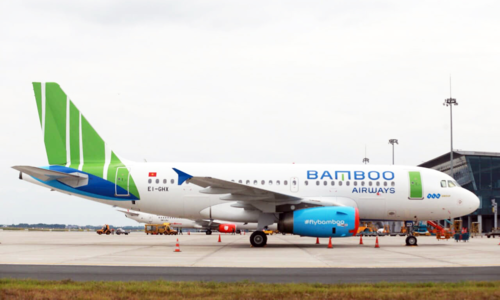
    Bamboo Airways, Vietjet, and Pacific Airlines have suspended most of their regular routes amid a surging number of Covid-19 cases that have seen demand plunge.

    Bamboo Airways will cease all regular flights for two weeks from July 26 to August 7 amid the severe spread of the disease and social distancing measures imposed in major cities, it stated.

    Websites of Vietjet and Pacific Airlines on Tuesday showed few or no flights between popular destinations like Hanoi, Ho Chi Minh City, and Da Nang.

    Most passenger flights between HCMC and Hanoi have been canceled since July 23 as the capital imposed strict social distancing.

    Vietnam Airlines is the only carrier operating on this route with a maximum of two flights a day allowed.

    Between June 19 and July 18, the number of flights plunged 84.6 percent to 3,772, according to the Civil Aviation Authority of Vietnam (CAAV).

    Vietnam has recorded 105,287 local Covid-19 patients in 62 cities and provinces since the new wave started three months ago.

  • Top 5 Locations to Live in the Philippines

    Top 5 Locations to Live in the Philippines

    The Philippines is an Asian country in the Pacific Ocean. It is made up of around 7400 islands and is categorized into three geographical divisions known as Luzon, Visayas, and Mindanao. The country covers an area of 300,000 square kilometers and has a population of approximately 109,000,000. The landscape of the Philippines is diverse: from the green mountain villages to white sandy beaches to busy, crowded cities such as the capital city, Manila. If you would like to visit the beautiful islands and experience the fascinating culture of this country, here is a guide to the Top 5 Places to Live in the Philippines.

    Mandaluyong

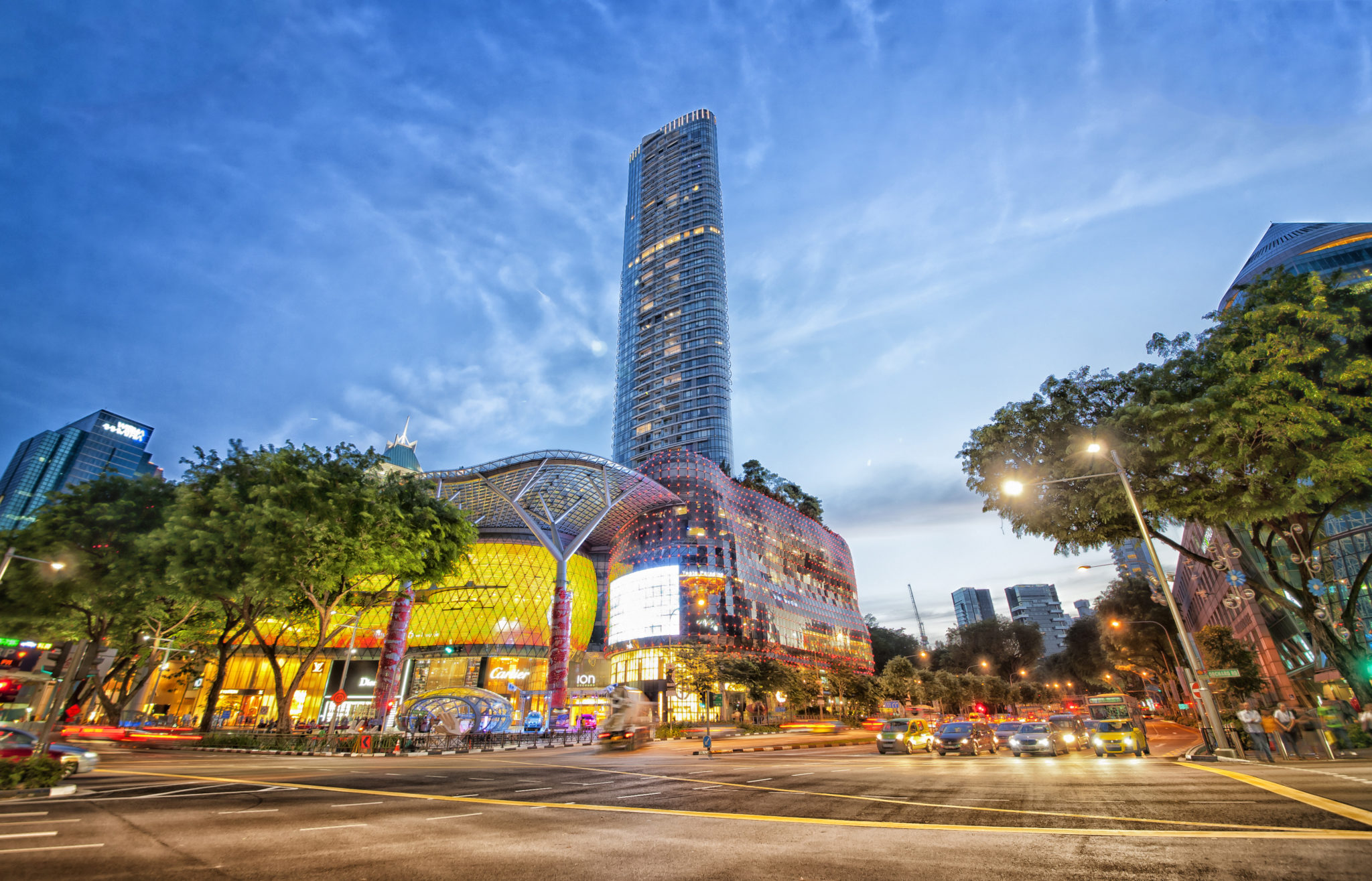
    If you like shopping, you will love Mandaluyong – a city directly east of Manila. The city is well developed and is home to the Ortigas Centre, which is a huge business and commercial building. The number of shopping centers is vast, and you can pick up some real bargains in malls such as SM Megamall, The Podium, and SM Light Mall.

    Those who love a good pampering will love this city as it has many luxury spas and salons where you can receive anything from a pedicure to eyelash extensions. Lovers of music can sing their hearts out at one of the many karaoke bars or dance the night away in a nightclub such as Z Roof Deck.

    If you plan to visit the Philippines soon, you may want to consider looking for long term accommodation in various locations that appeal to you and that way you can try before you buy. For example, if Mandaluyong sounds like a great place to live you could look for a place to rent and see how you enjoy living there before you invest in a property. Try to find an apartment for rent in Mandaluyong which will allow you to get to know the city better and decide which districts would make the perfect location for your permanent abode.

    Tagaytay City

    Tagaytay is around 60 kilometers from Manila and is a beautiful city with lots of parks and greenery. The most popular attraction in Tagaytay is Taal Volcano. This relatively small volcano is the most active of several volcanos in the Philippines.

    If you like a cooler climate, Tagaytay is a great place to live as it isn’t as hot as other parts of the Philippines due to its high altitude.

    During the Christmas season and Holy Week, hundreds of tourists flock to the beautiful churches and shrines in this city.

    Boracay

    If you are a beach lover, you must visit the beach capital of the Philippines – Boracay. This beautiful island has over 12 beaches, including White Beach, which, as its name suggests, is a lovely beach with pale white sand, edged with clean, azure water. Some of the luxury beach resorts along the coast are well worth a visit if you want some pampering in luxurious surroundings.

    Bohol

    Bohol is situated in the central geographical belt of the Philippines, known as Visayas, and is known for its natural beauty. It is an excellent place for nature lovers to visit and Bohol island is home to unique natural wonders known as the Chocolate Hills. These are a collection of 1200 grassy hills which turn brown during the dry season on the island and look like lumps of chocolate formed from the landscape.

    A tiny primate called the Philippine Tarsier is native to the country, and a sanctuary dedicated to caring for these cuddly critters with enormous eyes can be found in Bohol. Visitors can enjoy a night walk through the shelter where they may catch a glimpse of this nocturnal creature.
  • Saigon supermarkets to close at 5 PM

    Saigon supermarkets to close at 5 PM

    All supermarkets in HCMC will close at 5 p.m. starting Monday to comply with the city’s suspension of night-time activities amid its Covid-19 battle.

    Retail chains like VinMart and Co.opMart will operate from 7 a.m. to 5 p.m. instead of 10 p.m.

    Big C outlets will open 1.5 hours earlier at 7 a.m. and close at 5 p.m. Aeon Malls and Mega Market will also apply the same hours.

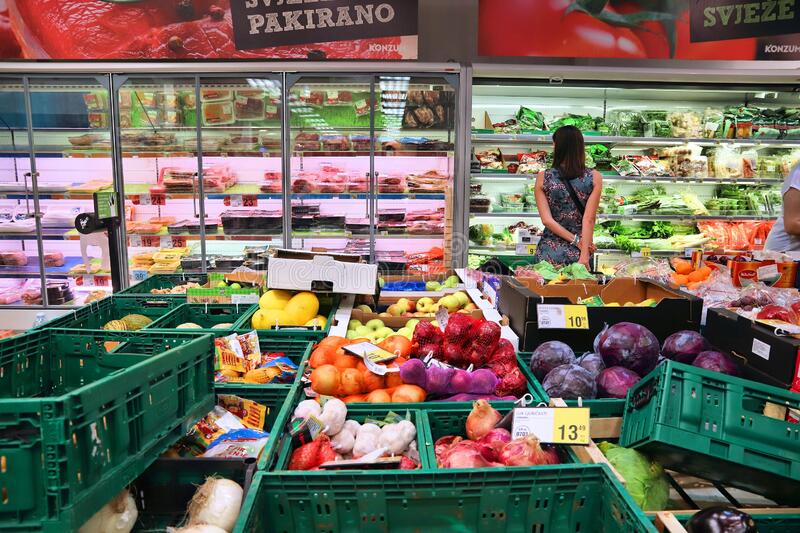
    Most supermarkets in the city had shelves full of eggs, meat and vegetables Monday, with no sign of stockpiling.

    Retail chains have been doubling or tripling their supply to fulfill demand. They also have delivery staff ready in case delivery platforms are banned.

    HCMC banned people from leaving their homes except for emergencies after 6 p.m. starting Monday.

    This is the latest effort to curb the spread of the fourth wave of Covid-19, in which over 62,100 cases have been confirmed in the city out of 97,400 nationwide.

  • Update to produce a more colorful Google Keep

    Update to produce a more colorful Google Keep

    Google Keep is a free note-taking app found on iOS, Android, and the desktop. Currently, Keep’s interface is nothing that users would get excited about as it shows the drawn image of a light bulb. Whether Google received complaints about the coma-producing UI or it decided unilaterally to freshen up the look isn’t clear, but citing a source who discovered the change.

    Users will be able to select from different background colors by tapping on the icon of an artist’s palette found at the bottom of the screen. Clicking on the icon will also reveal the different background images that the Google Keep app and website will show. Options include a plain background in various colors, a checkered umbrella, a fork retreating from a bowl of spaghetti with pasta intertwined on its prongs, and some others.

    We have yet to see the new background surface which points to the updated UI being rolled out via a server-side update. If you’ve never opened the Keep app before, it allows you to take and save written notes and lists, keep photos, and audio. You can use the app to produce a shopping list, create a to-do list, and more. And these reminders can be set to go off at certain locations.

    You can set the app to display your shopping list when you enter the supermarket or create a time-based reminder to help you get a particular task done without completing it too late. You can install Google Keep from the Google Play Store, or the Apple App Store.

  • Battle between Android and iOS over smartphone sales is bogus say court documents

    Battle between Android and iOS over smartphone sales is bogus say court documents

    Is the smartphone war between iOS and Android a real thing? Does Google really care about switching users from iOS to Android? The answer might be found in an amended court document filed by Epic Games related to the latter’s complaint against Google and its Android app storefront.

    Epic is suing Google over the 30% of in-app revenue that Google collects from developers. This is similar to the so-called Apple Tax but there are slight differences between the two platforms as Apple does not allow users to sideload apps while Google does. One part of the amended complaint, which was viewed by iMore, redacts an example of how Google conducts its business.

    It also states that “Google’s persistent monopoly is the result of deliberate efforts by Google to achieve and maintain it.” The document additionally reveals that the Alphabet subsidiary uses its huge size to force third-party firms into making agreements that could be considered “anti-competitive.”

    Perhaps the most interesting part of the document discusses Google’s relationship with Apple. As many of you know, Google pays Apple a reported $8 billion to $12 billion annually to install Google Search on iOS, and therein lies the truth behind the Google-Apple relationship. As Epic Game notes in its filing, “Moreover, the close relationship that Google maintains with Apple further reduces Google’s incentive to compete, innovate, and invest in app distribution because Google benefits by cooperating with its competitor Apple.”

    In other words, Google makes its bread by attracting eyeballs to the ads it serves up. Whether those eyeballs belong to people using the iOS or Android version of Search doesn’t matter at all to Google. The court filing notes that Google’s profits from iOS are so huge that the firm has no incentive to “to compete more with Apple at the smartphone OS level and expend more resources attracting users from iOS to Android than it currently does.”

    With Android and iOS together making up a 99% share of the global smartphone market, Epic should be able to prove in court that between Apple and Google, the pair have a duopoly of the mobile industry.

    In a statement, Google told iMore that “The open Android ecosystem lets developers distribute apps through multiple app stores. For game developers who choose to use the Play Store, we have consistent policies that are fair to developers and keep the store safe for users. While Fortnite remains available on Android, we can no longer make it available on Play because it violates our policies. We will continue to defend ourselves against these meritless claims.”

    Again, the more interesting aspect to Google’s filing is the possibility that the Android-iOS battle is more a manifestation of the media than an actual scrap between two manufacturers seeking to own the largest market share of the smartphone market. It all boils down to the point that Google is indeed an advertising company that makes money by selling ads. Apple’s focus is different as it seeks to profit from sales of smartphones, accessories, and other devices.

    Epic says that Google’s “very carefully phrased arguments in Google’s pending motion to dismiss give a misleading picture of the full scope of Google’s anti-competitive conduct.” While the game developer and distributor says that it believes that the information it included in its original complaint against Google was “more than sufficient” to prove its case, it decided that its best course of action was to apply more pressure on the company.

  • Steelmakers protest proposed tariff adjustments

    Steelmakers protest proposed tariff adjustments

    The Vietnam Steel Association (VSA) has protested the latest proposed adjustments to tariff rates on steel products saying they will hurt domestic manufacturers.

    Under the proposal made by the Ministry of Finance, export tariff for billets would rise from zero percent to 5 percent, while the most favored nation (MFN) import rates for certain steel products would be reduced to 10 percent from 15 percent.

    The proposal is aimed at cutting the prices of construction steel, which have shot up 40 to 50 percent compared to early 2020.

    VSA has protested the proposal, arguing that the prices were impacted by the global raw materials market rather than the current tariff policies, or any trade remedies applied to steel products.

    VSA chairman Nghiem Xuan Da noted that most of the input materials for steel production are imported. A price hike in these materials will immediately affect domestic manufacturers, causing output prices to skyrocket.

    However, global steel prices have declined since late May.

    Vietnam reaped steel export earnings of $4.9 billion in the first half of this year. Meanwhile, it produced 16 million tons of steel, up 37 percent over the same period last year.

  • Hanoi supermarkets increase inventories

    Hanoi supermarkets increase inventories

    Supermarkets in Hanoi are stocking two or three times their normal volumes of goods and increasing warehouse capacity to brace for a worsening of the Covid-19 pandemic.

    The acting director of the city Department of Industry and Trade, Tran Thi Phuong Lan, said there is abundant supply of essential items and fresh foods, and no threat of shortages. Fearing the novel coronavirus, many Hanoi residents are stockpiling meat, vegetables and rice to avoid venturing outdoors.

    Big C supermarkets have doubled their normal fresh food inventories and increased dry goods by 30 percent, Nguyen Thi Bich Van communications director of Central Retail Vietnam, which owns the chain, said.

    Aeon supermarkets have stocks of two to four times the normal volumes of fresh groceries and 130 percent of that of dry goods since last week. Aeon Vietnam procurement director Tran Thu Quynh said the chain has worked with suppliers to secure extra stocks in case of an emergency and expanded warehouse capacity and inventories of frozen goods.

    Vinmart/Vinmart+ supermarkets have tripled and quintupled their stocks of groceries and eggs and vegetables.

    But admittedly there remain difficulties in terms of transportation and personnel.

    Quynh said certain goods that are imported or brought from the south, like fresh seafood and local fruits, are facing major delays as suppliers face challenges related to production and transportation amid the implementation of social distancing in the 19 southern localities.

    Over the last week Hanoi has assigned priority to vehicles transporting essential items. The capital city impose a 15-day social distancing campaign starting 6 a.m. Saturday as part of efforts to curb the spread of Covid-19.

  • Singapore Wealth Fund Posts Best Performance Since 2015

    Singapore Wealth Fund Posts Best Performance Since 2015

    Strong asset performance amid the pandemic and exits through initial public offerings by portfolio companies boosted the fund’s performance.

    GIC, whose investment performance is measured using a rolling 20-year real rate of return, posted an annualized USD nominal rate of return of 6.8 percent for the period that ended 31 March 2021, or 4.3 percent accounting for inflation, it said in the announcement. In 2015, it recorded a return of 4.9 percent.

    Asia excluding Japan took up 26 percent of GIC’s portfolio, up from 19 percent a year earlier, while emerging markets comprised 17 percent, up from 15 percent. At the same time, its Japan exposure fell to 8 percent, from 13 percent the year before, according to its annual report. Its largest region by exposure continued to be the U.S., at 34 percent. The fund manages in excess of $100 billion in assets, though exact figures are not available.

    GIC said it is cautious about the macro outlook in the long term, given rising inflation, elevated asset valuations, more fragile fundamentals in the global economy and less policy room.

    Chow Kiat, GIC chief executive officer, said GIC is positive on the micro prospects, given new areas of growth that are driven by increasing emphasis on sustainability, accelerating technological transformation, and growing needs for businesses to reconfigure their supply chain.

    Earlier this year, GIC opened its 11th office globally in Sydney, Australia, saying it would be seeking investment opportunities in the country.

    The fund has also been loading up on crypto assets of late. So far this year, GIC has taken stakes in U.S. based digital asset bank Anchorage; BC Group, the parent company of regulated crypto exchange OSL; and blockchain analysis company Chainalysis.

  • Select HBO Max full pilot episodes now available on Snapchat

    Select HBO Max full pilot episodes now available on Snapchat

    It looks like HBO Max is stretching its arms to create new partnerships and reap new benefits. Today, the streaming service has teamed up with Snapchat and made it possible to watch full-length pilot episodes of select shows on the social media platform.

    Some examples include Looney Tunes, Gossip Girl, and even the all-popular Game of Thrones. The option is available through the Snap Minis feature, which debuted last year. Snapchat Minis is a way for third-party developers to showcase their product inside the social platform.

    One of the more popular channels to make use of this feature was Headspace. HBO, however, is the first of its caliber to upload full episodes.

    The main aim of this deal is obviously to attract more people to subscribe to HBO’s program, but it is more than that. The most noteworthy part of HBO Max’s Snapchat minis is having the ability to invite up to 63 people to watch the content together. What’s even better is that all participants can chat and share Bitmoji reactions during the show.

    No HBO Max subscription is required to watch any of the shows, but don’t go thinking there are no catches laid out for you. At the end of each pilot episode, users who are 18 years or older will receive a pop-up prompting an HBO Max subscription.

    The new Snapchat feature is available both on Android and iOS, and the pilot episodes on display will be refreshed in intervals yet to be announced. It would be interesting to see if competitors like Netflix and Disney+ follow in HBO’s footsteps. If so, this could prove to be a great benefit for Snapchat, maybe developing the trend into something more in the future.

  • Instagram’s new Sensitive Content Control feature gives you more control

    Instagram’s new Sensitive Content Control feature gives you more control

    A new Instagram feature allows users to control how much sensitive content they see in the app, and more specifically, on its “Explore” tab.

    The ‘Explore’ section of Instagram is the place where users discover new content from people they don’t follow. Before this new tool was made available, Instagram relied on recommendation guidelines to ensure its users did not see upsetting or offensive content in the ‘Explore’ section.

    However, now, users will get to have a say in that. The default setting will be a limited amount of potentially sensitive content. Apart from that, the feature gives two more options to users: an option that allows all content, and a severely restricted option dubbed “Limit even more”. The “Allow” option is, understandably, available only for users over 18 years of age.

    Instagram’s policies on content ban certain types of content, such as hate speech and harassment. This new tool is for other content, that some viewers might take offense to, such as sexual content, or content with some degree of violent nature, but that doesn’t necessarily violate the app’s rules.

    Facebook, Instagram’s parent company, stated that users will now have more control over what they see in “Explore”, as everybody has different preferences of what they want to view.

    If you want to make changes to this setting, go to your profile, tab the Settings menu (in the upper right corner) > Account > Sensitive Content Control.

  • New helpful features are added to Google Maps

    New helpful features are added to Google Maps

    Google continues to work on Google Maps as the app matures from one that gets you safely and quickly from point “A” to point “B” to one that not only gets you to point “B” but also shows you where to go, stay, eat and more once you do arrive at point “B.” Today, Google announced some new features for Maps that are designed to help users deal with some of the pains of travel whether it is the daily commute to the office,  a vacation, or just a jaunt to the local supermarket to stock up.

    The new features for Google Maps include one that will come in handy for commuters and others. If you happen to rely on public transit for the majority of your trips, you can now get the lay of the land and discover how crowded your subway car, bus, or train will be. This is important if you hate getting squeezed inside a subway car with sweaty, irritable commuters.

    If Google Maps informs you that you should expect a cramped ride, you can always wait for the next subway car, bus or train so that you can enjoy some space and perhaps more importantly, some peace and quiet on your journey. The information is computed using machine learning AI and will soon be expanded to cover more than 10,000 transit agencies in 100 countries around the world.

    In New York and Sydney, Google is testing the release of this information for the individual car levels on trains. This will allow Google Maps users to choose where to stand on the platform in order to find the least crowded part of the train.

    With new variants of COVID like Delta and the deadly Lambda versions keeping the pandemic alive, Google knows that it is still important for people to know the latest news about COVID-19. The COVID layer on Google Maps will provide information about what is happening in your area about COVID including restrictions that you need to know about and local resources that you might find helpful.

    Google suggests that before you leave for your destination, go to Google Maps, search for your destination and scroll down to the Business Profile to see how busy the place is right now. This way you can adjust your plans if your destination is mobbed. Some businesses allow you to schedule an appointment through Google Maps. All you need to do is search for the business, check availability, and reserve your time. You can make changes and manage your appointments via the app’s Saved tab.

    Google Maps will soon allow you to look back in order to plan ahead. All Android users can use the Trips tab to revisit past trips. Google notes that you can export this information and share your past travels with others.

    The Business Profile will also show a location’s operating hours, current COVID-19 safety precautions, trending dishes, and reviews. Speaking of dishes, tapping on prompts inside Google Maps will allow you to share information for any restaurant in the U.S. including the eatery’s average price range or whether you ate in or took the meal home to consume.

    Lastly, Google Maps will allow users to pay for things like street parking or public transit directly from the app. For the former, type in the meter number and then hit pay and refill to make the contactless payment. When you arrive at any public transit, your phone will show an option to make a payment which you can tap to initiate.

  • Philippines AirAsia to revive Clark hub end this year

    Philippines AirAsia to revive Clark hub end this year

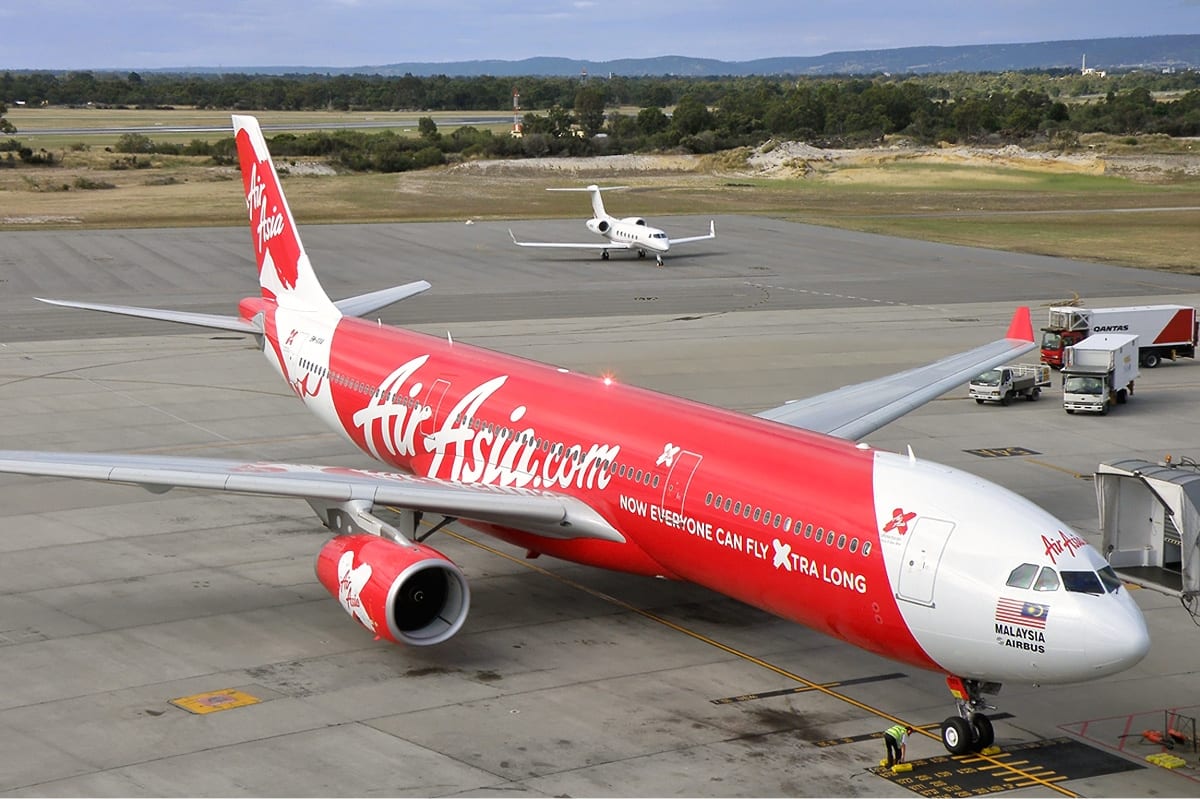
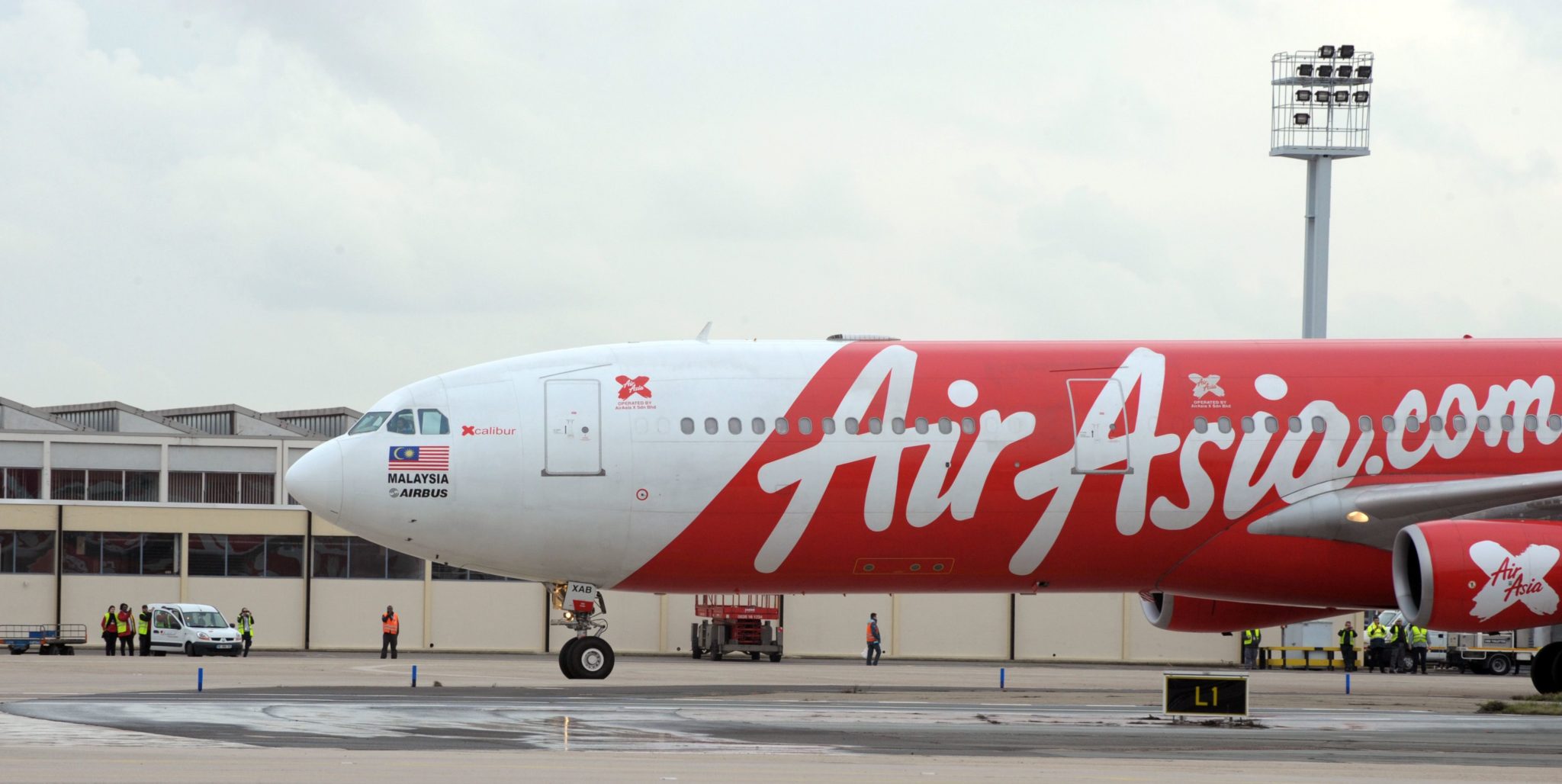
    Philippines AirAsia plans to strategically restore its hub at Clark International Airport, northwest of the capital Manila, in October 2021, pending the easing of travel restrictions and an increase in travel demand, says Chief Executive Officer Ricky Isla.

    “Once travel restrictions ease and demand picks up soon, we are eyeing to strategically restore AirAsia’s Clark hub hopefully by Q4 of 2021,” he said in a statement, after joining Philippines President Rodrigo Roa-Duterte and other government and industry representatives in witnessing the inspection and dry-run of the airport’s new second passenger terminal (Terminal 2) building on July 19, 2021. Isla said the new terminal would boost the airline’s drive towards a stronger rebound post-COVID-19. Government representatives echoed his sentiment saying they hoped AirAsia Philippines would make a strong come-back in 4Q21.

    According to the ch-aviation schedules module, the AirAsia Group unit will restore flights from Clark on October 1, 2021, to the following domestic destinations:

    • 4x weekly to Cagayan de Oro Laguindingan;
    • daily to Caticlan;
    • daily to Cebu;
    • 4x weekly to Davao, increasing to daily frequencies by January 1, 2022;
    • 4x weekly to Iloilo (from October 2);
    • 4x weekly to Puerto Princesa; and
    • 4x weekly to Tacloban.

    AirAsia began its Philippines operations at Clark in March 2012, a move that helped push connectivity in northern and central parts of Luzon, the country’s largest and most populous island that also includes Manila. Before the pandemic, AirAsia Philippines flew to 10 destinations from Clark, including the domestic points being restored, and internationally to Seoul Incheon (South Korea), Kaohsiung and Taipei Taoyuan (Taiwan).

    Punted as Asia’s next premier gateway for North and Central Luzon, the new terminal is expected to relieve congestions at Manila Ninoy Aquino Int’l (NAIA), which has an annual capacity of eight million passengers. The new terminal will increase capacity at Clark to 12 million passengers annually and boost air transport capacity for the Greater Capital Region, including the cities of Angeles and Mabalacat within the Clark Freeport Zone in the province of Pampanga.

    Operated by the Luzon International Premier Airport Development (LIPAD) Corporation, the second terminal has been constructed at a cost of PHP12.55 billion peso (USD243 million). It forms part of the so-called “Build, Build, Build (BBB)” program of the Philippines government. Under the model, the infrastructure was built by the government using its own funds, while the operations and maintenance are handed over to the private sector.

    Spread across 110,000 sqm, the new terminal features 18 passenger boarding bridges, 3,881 parking spaces, and 20 bus parking bays. It also facilitates an end-to-end contactless passenger experience from the bus ride, check-in, bag drop, and even when ordering meals.

    Clark International Airport currently serves 27 destinations in 10 countries, involving six airlines, according to ch-aviation data. The airport has two runways (02R/20L and 02L/20R) both measuring 3,200 x 60 metres at an elevation of 148 metres MSL.