Category: General

Retail News Asia is committed to providing both local and global retailers with the latest General Retail news throughout the Asian market. This on a daily base.

  • Cebu Pacific receives seven-star rating on Covid-19 compliance

    Cebu Pacific receives seven-star rating on Covid-19 compliance

    Cebu Pacific, the Philippines’ largest national flag carrier, has been rated 7/7 stars by global airline quality rating company AirlineRatings.com for its compliance with the safety measures against coronavirus disease (Covid-19).

    With the airline’s multi-layered approach to safety, the rating company highlighted how CEB perfectly scored in its seven categories, including Covid-19 website information and instructions, social distancing while boarding, flight attendant’s personal protection equipment, compulsory wearing of face masks, modified meal service, passenger’s sanitizer kit, and deep disinfection of aircraft.

    To get a Covid-19 compliance star as part of the overall safety rating, airlines must pass four of these seven criteria. These standards are based on those set out by the International Air Transport Association (IATA), the International Civil Aviation Organisation (ICAO), and the World Health Organisation (WHO) on regional and international safety guidelines.

    CEB remains committed to prioritizing the safety of its passengers and personnel as it continues to implement enhanced bio-security preventive measures. These include daily extensive cleaning and disinfection protocols for all aircraft and facilities, antigen testing before duty for all frontliners and crew members, and contactless flight procedures.

    These are all in accordance with global best practices and the highest safety standards. Aircraft are equipped with hospital-grade HEPA air filters, which make the inflight transmission of Covid-19 low or virtually non-existent.

  • Amazon brings Dark and Light modes to Alexa app on iOS devices

    Amazon brings Dark and Light modes to Alexa app on iOS devices

    An important update is now rolling out to Alexa app users on iOS devices. The update adds support for both Light and Dark modes, allowing users to switch between them on the fly, as well as Dynamic Type support.

    The update is meant to further improve Alexa’s accessibility features. Thanks to the newly added Dynamic Type support, iOS users will no longer have to choose the size of the text within the Alexa app. Instead, the app will now automatically choose the text-size set at a system level.

    As far as the new Dark/Light modes go, the new feature lets Alexa app users switch between them or let the app handle usage of the modes automatically. By default, the Alexa app will switch appearance at sunrise and sunset, but users can permanently set the app to either Light or Dark Mode from the iOS’s Settings menu.

    Previously, the Alexa app did have a dark mode, but it didn’t display a completely black background whereas the new one added in the update does a better job at mimicking the black color. The updated Alexa app has already been uploaded to the App Store, so feel free to download it to benefit from the recent changes.

  • Waze adds Audible integration on Android and iOS devices

    Waze adds Audible integration on Android and iOS devices

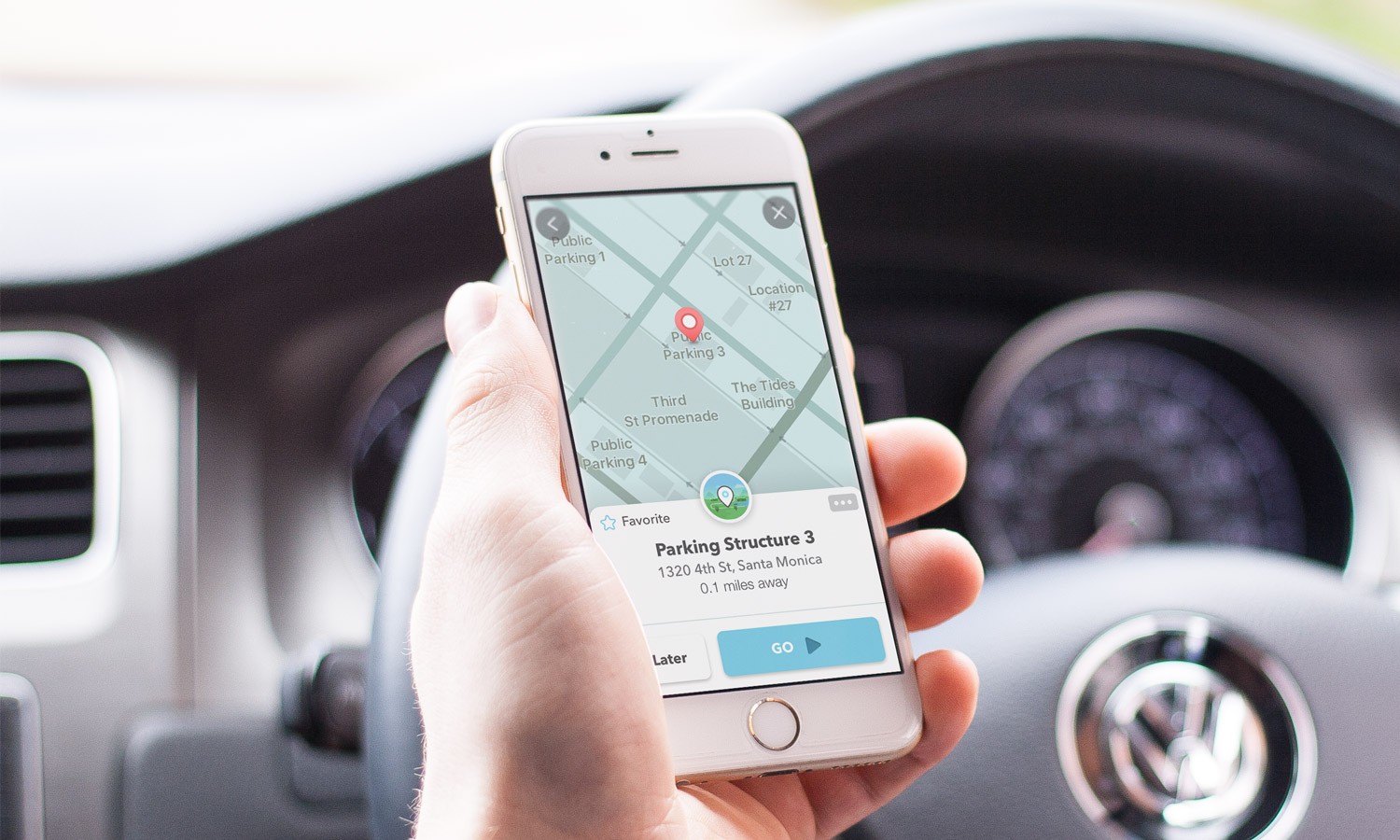
    Last year, Waze added Amazon Music integration and Google Assistant support to its navigation app. Starting this week, yet another major streaming service makes its way to Waze’s Audio Player, Audible.

    Today, Waze announced that Audible has joined its Audio Player Program, thus allowing drivers to listen to their favorite audiobooks, podcasts, as well as more than 600,000 Audible Originals. Audible members can start listening on Waze by opening the app and tapping the music note icon to select Audible as their audio player.

    Naturally, Audible members will also receive next turn directions from Waze inside the Audible app, a nifty feature to have while driving. According to Waze, the new Audible integration will begin rolling out from today, so Android and iOS users should check for a new update to get the new features on their phones.

    Currently, Waze offers integration with multiple streaming services, including Spotify, YouTube Music, iHeartRadio, and Amazon Music. You’ll just have to select whichever audio player you prefer if you’re subscribed to more than one strea

  • Live Streaming Will Reshape the Retail Sector

    Live Streaming Will Reshape the Retail Sector

    2020 was hard on the retail sector. Although it rallied in the final quarter of 2020, H&M saw its full-year profits slip by 23%. Of course, it’s not been all bad news. Some traders, at certain times, saw sales surge. With the Lunar New Year dawning, retail sales in Vietnam were up more than 6% year-on-year. Between the sale of goods and consumer services, retail raked in 479.9 trillion VND ($20.7 billion).

    The story from Vietnam is an example of what’s to come. Many expect people to start spending again, soon. However, in lieu of that, retail needs options. What’s more, they need to ways to move with the times. The benefits of ecommerce have been apparent for the best part of a decade. Between 2014 and 2020, Statista data shows that global ecommerce revenue went from $1.3 trillion to $4.2 trillion. Leading the charge is Amazon. Its own accounts showed annual income of more than $280 billion in 2019. With its fortunes riding high, Amazon is giving other companies the ability to succeed in the digital arena.

    Retailers Can and Should Move into the Digital Arena

    The Amazon Southeast Asia Online Seller Summit 2021 will highlight a variety of initiatives designed to help retailers. As well as offering the chance to sell through its network, Amazon is giving Singaporean businesses financial support, access to courses, and more than 225 free tools. The aim is to get more companies to go online and use the power of ecommerce to address current and future consumer needs. Wrapped up in this push to make ecommerce more accessible and, in turn, powerful, is live streams. 2020 saw the market for live online shopping take on a new significance. And, in a break from the norm, this retail revolution started with independent operators such as Popshop Live and not major tech companies.

    While these platforms are still relatively niche, they come from an established stable of products. Almost everyone knows about streaming platforms like Twitch and YouTube Live. However, streams run much deeper. Online Casinos like Betway have leveraged live action gaming from dedicated studios, these games use RFID technology, dealers, and HD webcams. When combined as one, they allow customers to play live casino games via their computer or mobile. Along similar lines is a concept known as “connected play.” Using the Steam Remote Play add-on, people can take part in co-op games and link their streams. This creates shared experiences within a game and, in turn, for viewers. Outside of gaming, the desire for live streams is now present on social media. From TikTok to Instagram, people are streaming at every opportunity.

    Live Shopping Streams Will Flow

    With a new trend taking hold, the big boys have entered the market. The Amazon Live Online Shopping Channel makes live streaming accessible to all retailers. It’s the same with Facebook Shops. The social media platform is currently recruiting partners to trial its shopping streams. In April 2020, Shopify also dipped its toes in the water. By integrating videos into its platform, Shopify is paving the way for live shopping streams. What these innovations show is that things are gathering pace. When the big boys do something, others follow. As such, it’s a case of when not if live shopping streams will become popular. That leads to the obvious question: what’s next? Where can live streaming technology take retail and where can retail take live streams?

    One potential area of innovation is artificial intelligence (AI). Companies are finding ways to add animated elements to live streams. The next step from there is to create digital hosts. If these hosts are powered by advanced AI, they could take control of a live stream and interact with viewers. The bot would, essentially, become a shopping channel host that never sleeps. And, the more advanced the AI gets, the better it will become at selling. Therefore, it’s possible that live streams will actually become animated streams. In other words, the broadcasts and the products will be real, but the host will be computer-generated. However, before this happens, streaming technology needs to establish itself in the industry. Once that happens, the opportunities are almost endless.


  • Retail chains rush for expansion

    Retail chains rush for expansion

    The race for domestic retail market share was heating up as local and foreign firms looked to expand their networks, experts said.

    At a recent meeting in HCM City, Trương Công Thắng, general director of VinCommerce Company, told partners that the retailer wanted to open nearly 10,000 stores and more than 300 Vinmart supermarkets in the next five years.

    In addition, the company also plans to attract 100 strategic partners with an ambition to lead the Vietnamese retail market. The company’s financial report showed that in the first nine months of the year, revenue reached VNĐ23.6 trillion, posting a 56.5 percent year-on-year increase.

    Meanwhile, Saigon Co.op is looking at expanding its network to at least 2,000 stores and annual average revenue growth of 8-10 percent in the next five years.

    It has already opened 849 stores in 43 provinces and cities that attract 350,000 customers a day, up 26 percent compared to five years ago.

    Another leading retailer in HCM City, Satra, said that they targeted to have five Satramart supermarkets and four malls by 2025, and depending on the market situation, 150-250 Satra branded stores.

    Local retail giants are looking to expand their market share in the face of fierce competition from big foreign investors such as Aeon, Lotte, Big C and Mega Market.

    The latest example is in October 2020, Japan’s largest retailer cosmetics chain Matsumoto Kiyoshi opened its first store in HCM City.

    In July 2020, leading Japanese retailer Muji also opened a store in HCM City. Japanese fashion retailer Uniqlo, launched its first store last year.

    Japanese retailer Aeon is also surveying a third shopping mall in HCM City in 2021, and plans to have 25 shopping malls in Việt Nam by 2025 with a capital source of US$2 billion for the investment.

    Hirai Shinji, chief representative of JETRO HCM City (Japan External Trade Organisation) was quoted as saying by Thời báo Kinh Doanh that after the COVID-19 pandemic and the market was gradually recovering, it was a favorable time for Japanese retail groups to open in Việt Nam.

    This would lead to fiercer competition, the experts said.

    It was also important to note the efforts of domestic retailers to expand their systems into neighboring areas of big cities, as urbanization and incomes in these areas had been increasing.

    Experts said that although retail sales were concentrated in major cities and key economic regions, with the high speed of urbanization, these areas would become the driving force for growth instead of existing big cities.

    As a result, many domestic retailers had been gradually expanding to areas surrounding the big cities. The evidence is quite clear from data showing that suburban stores brought in more revenue with higher growth than inner cities.

    According to retail expert Nguyễn Văn Thịnh, the number of supermarkets in 2020 had been decreased by 20 percent compared to 2019 – from 336 to 330. This decrease mainly came from Vinmart.

    Meanwhile, the number of convenience stores has marked a growth of 60 percent – from 2,495 in 2019 to 5,228 stores in 2020. This came from Vinmart+ and Bách Hoá Xanh.

    Small stores recorded a slight increase in 2020, while shopping centers posted a growth rate of about 11 percent from 96 centers in 2019 to 107 in 2020.

    Thịnh said that although there were many changes in 2020, Việt Nam was still one of the most attractive retail markets in the world, and competition in the market was becoming more and more intense.

    For some brands, it was an increase in the number of stores, others had to face restructuring, he said.

  • Clubhouse app blocked in China, added to ‘Great Firewall’, say users

    Clubhouse app blocked in China, added to ‘Great Firewall’, say users

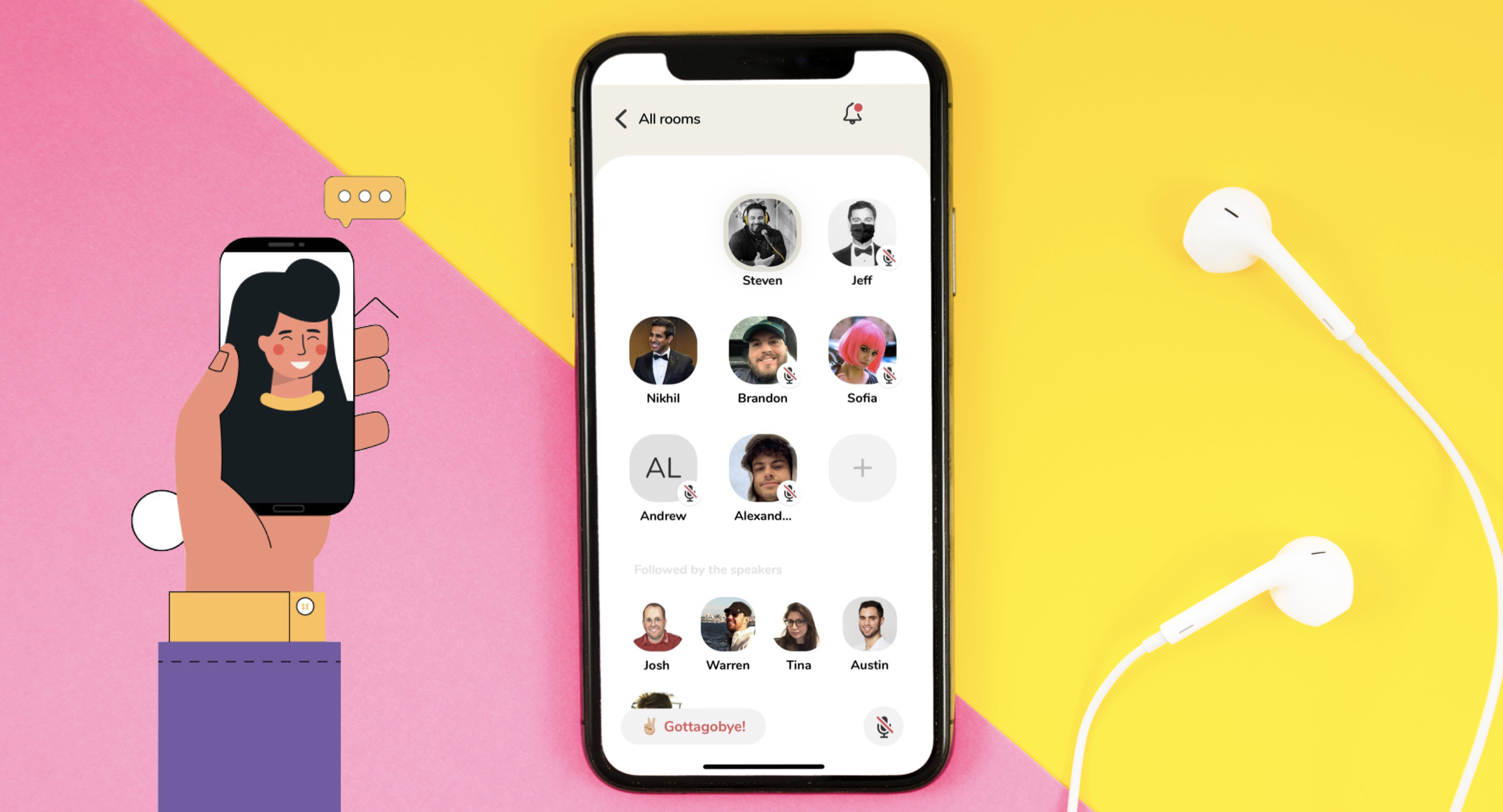
    Access to U.S. audio app Clubhouse was blocked in China on Monday, users and an anti-censorship watchdog said, ending a brief window that allowed thousands of mainland users to join in discussions often censored in China.

    Launched in early 2020, Clubhouse’s global user numbers soared earlier this month after Tesla CEO Elon Musk and Robinhood CEO Vlad Tenev held a surprise discussion on the platform.

    Masses of new users joined from mainland China, taking part in discussions on topics that included sensitive issues such as Xinjiang detention camps, Taiwan independence and Hong Kong’s National Security Law.

    However, users of China’s Twitter-like social media app Weibo began posting that they were having issues accessing the Clubhouse app on Monday evening. Some showed screenshots of a message the app displayed when they tried to open it which said a secure connection to the server could not be made.

    Anti-censorship activist website GreatFire.org said on Twitter late on Monday that the app had been blocked for users in China at around 7 p.m. Beijing time (1100 GMT) that day.

    Many Western social media apps including Twitter, Facebook and YouTube are banned in China, where the local internet is tightly regulated and often censored of content that could undermine the country’s ruling Communist Party.

    Clubhouse did not respond to requests for comment. The Cyberspace Administration of China, the country’s top internet regulator, did not immediately respond to a faxed request for comment.

    “Clubhouse has been walled,” said one Weibo user on Monday, referring to the system China uses to regulate its internet.

    “This is just too fast,” said another.

    Many Weibo posts discussing the blocking of the app were deleted from the platform by Tuesday morning.

    The Clubhouse app is only available on iOS devices and is unavailable in the local Apple app store in China, but mainland Chinese users had been able to access the app by modifying the location of their app store.

    As first reports of the internet disruptions began on Monday, nearly 3,000 users opened a room in Clubhouse to discuss whether it had been blocked by Chinese censors, with some expressing concerns that authorities could be monitoring discussions.

    Some users urged others not to panic.

    “Let bullets fly for a while. Let’s monitor for a few days first, don’t panic yet,” one user said.

  • Apple tests a new location for ads in the App Store

    Apple tests a new location for ads in the App Store

    Besides allowing mask-wearing Apple iPhone users with an Apple Watch to unlock their handset without using a Passcode or Face ID, the iOS 14.5 beta has something else new. In an attempt to make some more money from the App Store (beyond Apple’s 30% cut of in-app revenue), Apple is placing ads on the App Store’s Search tab. The advertised app is listed as a suggested one for iPhone users to install.

    Keep in mind that since this is showing up only on the iOS 14.5 beta, there is a chance that it won’t be kept for the final version of the build. In that case, things would revert to how they used to work now with ads appearing only when advertisers bid on certain keywords. If Apple does keep the new feature, the ads appear before any type of keyword to search for is typed in by the user. It could be that Apple is using the beta period to collect important stats on how often users engage with the ads in this particular slot in order to decide whether to keep the ads in that location.

    The money generated by the ads will be included as part of Apple’s Services unit, its largest division by revenue. This group includes AppleCare+, iCloud, the App Store, Apple Music, Fitness+, Apple Arcade, Apple TV+, Apple News+, Apple One, Apple Pay, and more. Last year, the Services unit grossed $53.77 billion allowing Apple to meet and beat a goal to achieve $50 billion in revenue for the division by the fiscal year 2020.

    Apple Store search ads started in 2016. And Apple has started including ads for its Services features in the Settings app. This has upset many iPhone users who point out that they are paying over $1,000 for their phones in many cases and shouldn’t be subject to receiving ads designed to make Apple more money. But Apple likes to promote how it keeps iOS users’ data private. Soon, Apple’s App Tracking Transparency feature will demand that iOS user opt-in if they want to be tracked for advertising purposes. The average mobile app has six trackers that send user data to other apps. While most iPhone users are expected not to opt-in to be tracked, there are some who like the convenience of having ads for what they are shopping for found online.

    Facebook and Snapchat are believed to be the two apps most affected by Apple’s App Tracking Transparency (ATT) feature. Months ago, Facebook said that Apple’s moves could lead to a 50% drop in ad revenue for the year which would be an annual hit of more than $40 billion. A more recent analysis calls for quarterly declines of 2.11% to 13.59% for the second quarter of this year, when Apple’s ATT is expected to debut to all iOS 14 users. Worldwide, in the best-case scenario, this analysis sees 30% of Facebook users on iOS opting-in to be tracked, and only 10% in the worst-case scenario.

  • China fines Vipshop almost $500,000 for unfair competition acts

    China fines Vipshop almost $500,000 for unfair competition acts

    Chinese regulators have hit online discount retailer Vipshop Holdings Ltd with a 3 million yuan ($464,000) fine, the biggest to date in a recent clampdown on anti-competitive behavior among internet firms.

    In a sign that regulators are increasingly willing to use more tools in a newfound zeal to rein in monopolistic behavior in the tech sector, Vipshop was punished for violations of a law prohibiting unfair competition, which allows for fines of up to 5 million yuan.

    By comparison, other firms that have been hit with penalties since late last year was fined under China’s 2008 anti-monopoly law, which allows for a much lower maximum fine of 500,000 yuan.

    The Vipshop fine comes on the heels of State Administration for Market Regulation (SAMR) publishing updated guidelines on how the anti-monopoly law affects internet firms, which said regulators were keen to prevent price fixing as well as the use of data and algorithms to manipulate the market.

    SAMR said on Monday that from August through December last year, Vipshop had developed a system to obtain information on brands that gave Vipshop a competitive advantage. It added that Vipshop used its system to influence user choices, transaction opportunities and to block sales of particular brands.

    New York-listed Vipshop, which has a market value of about $22 billion, said on Monday that it accepted SAMR’s findings and would strengthen compliance.

    The heightened scrutiny by Chinese regulators since December has included the announcement of a probe into e-commerce giant Alibaba, penalizing Alibaba-backed and Tencent-backed firms for not seeking anti-trust reviews for deals, while other firms have also been fined for irregular pricing.

  • Muji ready to open largest Philippines retail store yet

    Muji ready to open largest Philippines retail store yet

    Fans of Japanese minimalist brand Muji will be delighted to know that the retailer is planning to open its “largest” store in the Philippines — soon.

    Muji announced this last night in a social media post, where it told followers to “stay tuned for more info.” It did not divulge where the new store will be located.

    The pandemic has hit the retail sector in the Philippines severely, with countless brick-and-mortar stores closing inside now-empty malls. Rents in malls are expected to fall by 2%, while registered online businesses have increased to 75,876 in September from 1,753 in March. Many Filipinos now prefer to buy from e-commerce platforms Lazada and Shopee, mainly because they fear that they will get infected with the coronavirus if they venture outside their homes.

    The changes taking place have prompted Muji Philippines to launch its own pick-up and delivery service in August.

  • Singapore retail sales slide overall while E-commerce goes up

    Singapore retail sales slide overall while E-commerce goes up

    Singapore retail sales – excluding motor vehicles – fell 4.5 percent y-o-y last Dec, a slightly higher decline than Nov’s 2.8 percent. M-o-m sales were down 0.7 percent. DOS estimates total retail sales value at SGD3.5 billion (US$2.62 billion) and that online retail sales accounted for 12.6 percent of that. The strongest categories online were computer and telecommunications equipment, accounting for 35.2 percent of the category’s overall turnover, furniture and homewares (23.4 percent) and supermarkets (11.8 percent).

    Most retail industry categories posted declines in sales in Dec on a y-o-y basis. However, supermarkets and hypermarkets, computer and telecommunications equipment, and furniture and homewares recorded growth rates of between 20.8 percent and 25.3 percent, due mainly to higher sales of groceries, mobile phones and household appliances respectively.

    Sales of recreational goods rose 10.3 percent, largely driven by strong demand for sporting goods. Sales of F&B services fell 16.5 percent in Dec, y-o-y, which was a lesser rate than Nov’s 22.4 percent decline. Online orders made up 19.9 percent of the estimated total spend of $800 million.

  • Tumi select APAC to launch first experimental virtual store

    Tumi select APAC to launch first experimental virtual store

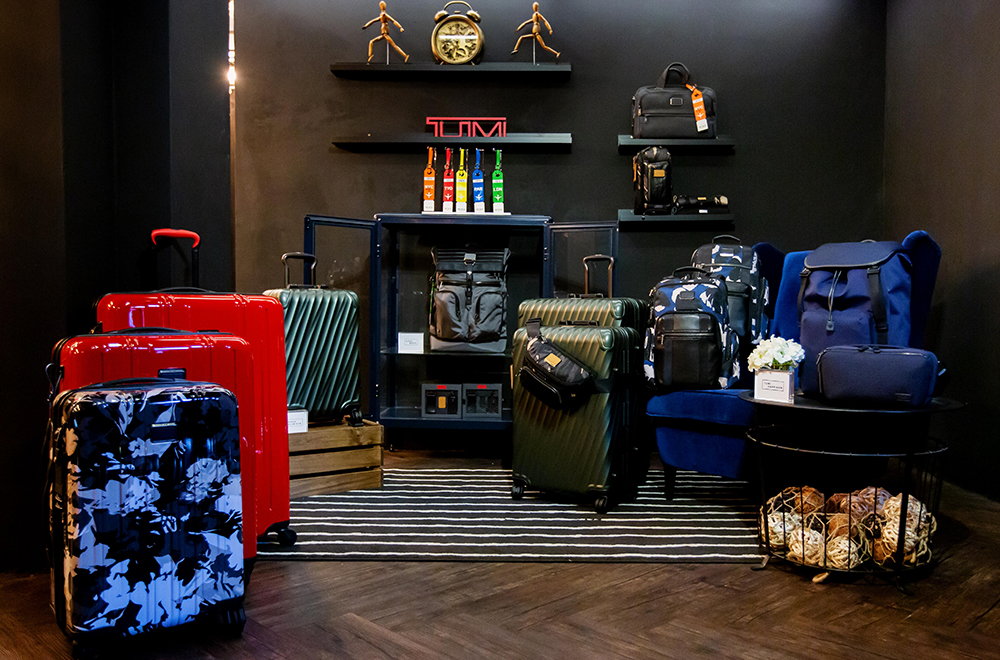
    TUMI, the leading international travel, lifestyle, and performance luxury brand, launches the breakthrough TUMI Virtual Store to debut its Spring 2021 collection, delivering an immersive and enhanced omnichannel experience to customers in Asia Pacific and the Middle East.

    Ushering in a creative new age of digital retail that connects fans with the brand like never before, the TUMI Virtual Store inspires customers to embark on a journey through thoughtfully designed interactive touchpoints. Guests can explore the Virtual Store’s life-like visual presentation to discover TUMI products via 360° 3D and AR implementations and shop the Spring 2021 collection. They can engage with shareable social photo moments at TUMI’s Magic Mirror and play Instagram and WeChat mini-games.

    Further enhancing the overall TUMI O2O (“Online to Offline” also “Offline to Online”) shopping experience, the Virtual Store is connected to other TUMI shopping channels via its Chat & Shop function allowing for seamless customer movement to the point of purchase. Customers exploring the Virtual Store can easily connect with sales associates to ask questions and place orders, or via the connected local e-commerce websites. Furthermore, those visiting the TUMI physical stores in the region can explore the TUMI digital landscape via in-store kiosks, for an enhanced offline experience.

    With the goal of being everywhere, the customer is, the Virtual Store adds another dimension to TUMI’s evolving omnichannel retailing approach. As another pioneering landmark, the launch of the TUMI Virtual Store sees TUMI rollout its first-ever Regional Livestream Event, bringing all APAC and Middle East customers together digitally to unveil Spring 2021, 7pm GMT+8, Thursday, 4th February 2021: https://virtualstore.tumi-asia.com/

    “The TUMI Virtual Store is an incredible milestone for the brand. For the last few years, we have been pioneering new digital experiences and looking to enhance and elevate the customer journey. Our new Virtual Store is part of this holistic approach to connect with customers wherever they are. Accelerated digitization and shifting customer habits brought on by 2020 have reinforced this direction and shown that we must continue to create exciting, meaningful interactions both in the physical and digital worlds.

    Through the TUMI Virtual Store and our Regional Livestream Event, we are excited to welcome fans to experience the latest innovation from TUMI and our new Spring 2021 collection,” says Adam Hershman, Vice President of TUMI, Asia Pacific and Middle East.

  • Cleaner UI is being tested for Google Maps

    Cleaner UI is being tested for Google Maps

    Google Maps does a lot more than get you safely from point “A” to point “B” on time. It also tells you where you can find restaurants that serve certain food in the city that you’re visiting, where you can find some entertainment nearby and more. The bottom line? Google Maps provides those on the go with very important information that they need to get through the day.

    Google is testing a new look for the Google Maps app that replaces the white bar now found on the top of the route option screen with the user’s starting location and his destination. Icons resembling the different modes of transportation such as driving, public transportation, walking, biking, and others are now gone from the destination box.

    These options are now found in a scrollable list moved to the bottom half of the display. Each mode of transportation shows how users how long it will take them to reach their destination using that mode. A “Depart at” button allows the user to set a specific time to start a journey, and an “Options” button will likely offer users routes to avoid highways, tolls, and more.

    The new UI makes it easier for Google Maps users to see the difference in transportation time for their route depending on the mode of transportation being used. The new route option interface is currently being tested so don’t waste too much time wondering why you don’t see it yet on your phone. Google, as we told you recently, is testing a split-screen interface for Maps’ Street View navigation.

    If for some reason you don’t have Google Maps on your phone, you can tap the appropriate link to install the app from the Apple App Store or the Google Play Store.

  • The benefits of using retail technology

    The benefits of using retail technology

    Technology is evolving rapidly and it is present in all sectors. While some industries might have a lower tech adoption rate than others, this doesn’t mean that they can’t benefit from using tech products and solutions.

    Retailers, especially brick and mortar stores, are starting to open their doors to technology and innovation.

    In this article, we are going to take a look at how retail technology can help stores and brands. Also, we’ll check out the top technologies that can increase customer engagement and drive up sales.

    Retail technologies

    There are different types of retail technologies that can be used to improve processes and impress shoppers. For instance, augmented reality is used by fashion retailers to show customers how a certain outfit looks on them. Augmented reality mirrors are available in different retail stores and they increase the productivity of the employees and increase customer satisfaction.

    Apart from augmented reality, retail robots are also appreciated by both retailers and shoppers. Some of these robots are used only for internal processes like stocking while others can be used for in-store marketing campaigns. Shopper marketing robots like Tokinomo can be used to amaze customers and engage with them. With the help of light, sound, and motion technology, this robot lets products talk to customers.

    Virtual technology can also be used by retailers to offer an amazing customer experience. Imagine shopping with VR glasses and seeing how those products were manufactured.

    Benefits of using retail technology

    1.   Increased productivity

    When you are using technology in your retail processes (from KPI monitoring to stocking), productivity will increase. Also, employees will have more time to focus on shoppers, on offering them information, answering questions, and creating an overall great shopping experience.

    2.   Always available

    Unlike humans, robots can work long hours and even work 24/7 without taking breaks. This will help you provide a non-stop retail solution. Customers could be able to come inside the store, shop, scan their products, and pay with the help of a checkout robot. The checkout system can be used even during working hours if shoppers like self-checkout. It’s easier and faster for both retailers and customers.

    3.   Monitor, improve, analyze

    Technology is on your side and it can help you with the most difficult tasks. Unlike eCommerce platforms that can use different analytics tools, brick and mortar have a hard time monitoring everything. The lack of relevant data is another problem. However, now retailers can use analytic solutions and even robotic POP displays that offer data in real-time.

    4.   Omnichannel retail

    The best thing about technology is that it can help you connect the offline environment with the online one. Customers want to have the full shopping experience and with the help of technology, you can provide that. BOPIS (buy online, pick up in-store) is a retail trend that is beneficial for both shoppers and retailers. People can select all of their products from the comfort of their home and then swing by the store to collect them. No need for checkouts, payments in-store, or long lines. Fast and efficient.

    5.   Increase customer satisfaction

    It’s a known fact that shoppers love to see that retailers innovate. This is because it shows that they care about their customers and their needs. When shoppers see that you offer them the possibility of self check-out, contactless pay, or BOPIS, they will be satisfied.

    Also, customer satisfaction increases when they can solve their problems faster and efficiently. A customer service robot inside the store can provide information about products and offer guidance anytime the customer needs it.

    6.   Offer an experience, not just products

    Another way in which you can benefit from using technology is that you can offer your customers much more than what they expect. Instead of just selling, you should focus on shopper marketing which means putting the customer first. Products that speak for themselves, amazing displays, retail events, and demos increase customer engagement.

    Customers expect more from brick and mortar retailers. This is why you should consider including various technologies in your day by day processes. As you can see, technology can help you increase customer satisfaction, increase productivity, and be able to monitor all of your in-store promotions. 

    Author Bio:

    Nicoleta Niculescu is a Content Marketing Specialist at Tokinomo, the ultimate in-store marketing solution for retailers and consumer goods brands. Tokinomo advertising robots bring CPG products to life on the shelf and lift sales by an average of 200%.

  • How has the online casino gaming evolved?

    How has the online casino gaming evolved?

    The evolution of online casino gaming : From the start to now

    Online casinos started around two decades back. Now, they have become one of the primary sources of entertainment for individuals who like casino gaming. One reason online casino gaming has become mainstream is the quality they offer. They are beneficial for individuals who don’t have someplace nearby where they can go to play. Life appears to have become busier than earlier and holding back to play when on vacation is an alternative many people do not want. Here, online casino gaming is a better opportunity for people looking to play online.

    The ascent of online casinos appears to be relentless with more players using the opportunity to bet from the solace of their own homes. It is believed that the time of 1994 was vital for the formation of online gambling casinos. The online casinos opened at that time started the whole online casino gaming industry that is presently worth billions and fulfills the needs of the crowd of players through the gambling games they provide, the liberal advancements, and the simple access online casinos can give. 

    The start of online casinos

    The number of online casinos has increased at a surprising speed since 1994 and there are in a real sense thousands to browse. As this technology turned out to be increasingly popular, an expanding number of individuals ran to use it. This implied that soon the games accessible from online casinos advanced into the homes of millions of individuals from around the planet, a large number of whom had never at any point gone to a real casino. As a result of the enhanced availability of the business, another crowd was conceived, causing the online casino to become more popular.

    The fact that online casinos became famous was obvious, yet nobody might have sensed exactly how enormous it would turn into. This was because of several aspects; the most important among them is the internet revolution. The popularity of the internet assisted with carrying casino gaming to the majority, and the more it developed, the more prominent the drive to create innovation that could uphold it. PCs and web connections got enhanced, the business started to develop at a fast speed, and the nature of the content, which was provided, improved step by step.

    Another key feature of the 1990s that led to the popularity of online casino gaming was the overture of secure online financial transactions. This implied that online casinos were a helpful spot to bet as well as a protected spot to play with the money. The soaring number of websites was the result of the competition in the sector. As the popularity of online casinos grew, they started trying to offer more range, big prizes and became the best in the market. Rivalry expanded as physical gambling clubs understood that they required getting online.

    Not long after the start of the first online casinos, for individuals to understand their gigantic profits. In a matter of a few months, they turned out to be well known among players as they offered a new and energizing approach to appreciate gambling. Soon, numerous organizations were encouraged by the accomplishment of previous casinos and followed their model. Various online casinos started, and the field turned out to be very serious. Therefore, casinos were forced to start something that would attract customers, which resulted in welcome bonuses. As time passed and technologies enhanced, the general players’ experience was improving and getting better. The illustrations were a lot better, sound effects got undeniably genuine and programming imperfections were an uncommon sight.

    Soon after the promotion of online gaming casinos, online sports betting also became popular. Just like gaming casinos, the field of online sports betting was exceptionally lucrative, and casinos began offering rewards to attract more and more customers.

    Changes in the online casinos

    Things have never been clearer than today; when the individuals who play can find top-quality 3D illustrations, the best animations, and many interactive highlights. Additionally, these enhancements have been customized for smartphones, regardless of whether it be via specific applications or versatile browsers.

    The COVID-19 situation has bought new difficulties for the gambling industry. While people are avoiding visiting physical casinos, the popularity of online gaming casinos has soared. As the internet has made it possible for people to play from the comforts of their homes, the immense prominence has kept internet gaming innovation at the forefront. From online transactions to interactivity, online gaming casinos have turned into one of the best places to spend time. The online casinos provide the best graphics, animation, ease, and interactivity, regardless of whether you are playing on a Smartphone or computer. With good competition among online casinos, this pattern for online casinos is just going to enhance.

    There are various sorts of casino games online that you can play. These casino games have made it possible for people to distract themselves, especially in the times of coronavirus.


  • AirAsia ‘super app’ to help struggling airline rebound from pandemic

    AirAsia ‘super app’ to help struggling airline rebound from pandemic

    AirAsia Group Bhd chief executive officer, Tan Sri Tony Fernandes, said the global pandemic and country lockdowns that ensued last year served as a great opportunity for the company to work on growing its “super app”.

    The group’s website airasia.com has already been providing airline and travel-related services. However, in October last year, it unveiled the rebranding of the “super app”, combining 15 types of products and services under three pillars — travel, e-commerce and fintech.

    According to Japan’s NHK World’s interview with Fernandes recently, the app now has 16 million users a month.

    He said the airline is in a good position to succeed given its growing know-your-customer (KYC) data and wants a non-airline business to rival his airline business in a few years’ time.

    “One of the greatest assets of an airline is data. It’s KYC. It’s passport information. We have ID information. We have strong loyalty card information. People who fly have a bit more money, so there is also credit card information.

    “If you take a Grab or a GoJet, they are generally transacting at a lower value, they may not have as much information as we do over the last 19 years. So knowing what you want, we can personalize a lot of things and I think that’s one of our advantages,” he said in the video interview dated Feb 1.

    The airline industry has been hit the hardest in the wake of the Covid-19 pandemic as many flights are forced to be halted and plane fleet temporarily grounded, plummeting business performance and forcing many to be out of job.

    Fernandes said his aim is for the airline to continue attracting customers at a low price while making money, and then take the opportunity to sell other things digitally to the customers. He added that he hopes to hire back all the staff that had to be let go during the pandemic.

    The budget airline saw its worst quarter during the second quarter of last year at the peak of lockdown measures in Malaysia and around the region, as revenue dipped 96% to RM118.96 million as of June 30, 2020 compared with RM2.92 billion in the previous year while it registered a net loss of RM992.8 million versus a net profit of RM17.3 million a year earlier.