Category: General

Retail News Asia is committed to providing both local and global retailers with the latest General Retail news throughout the Asian market. This on a daily base.

  • AirAsia expects to resume flying to most routes by the end of 2021

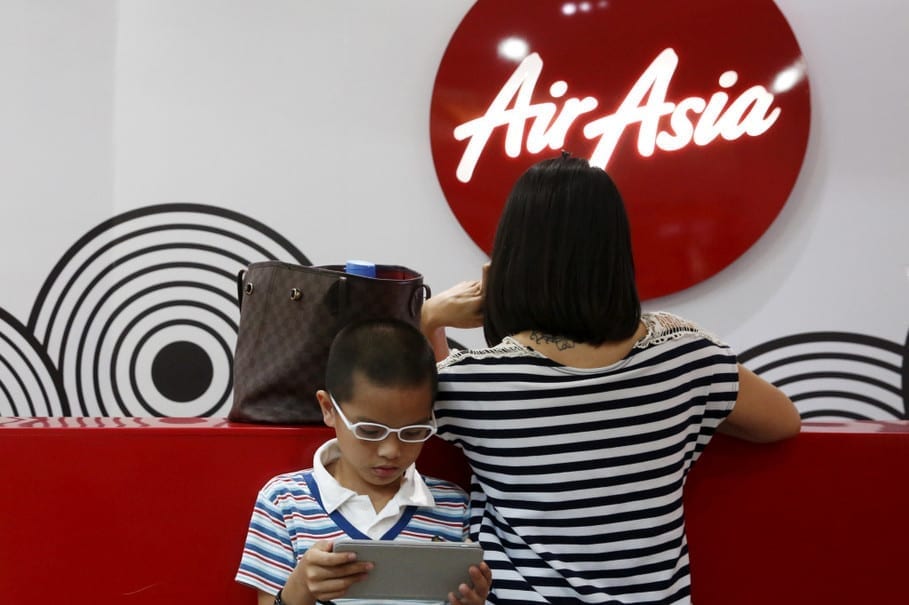
    AirAsia expects to resume flying to most routes by the end of 2021

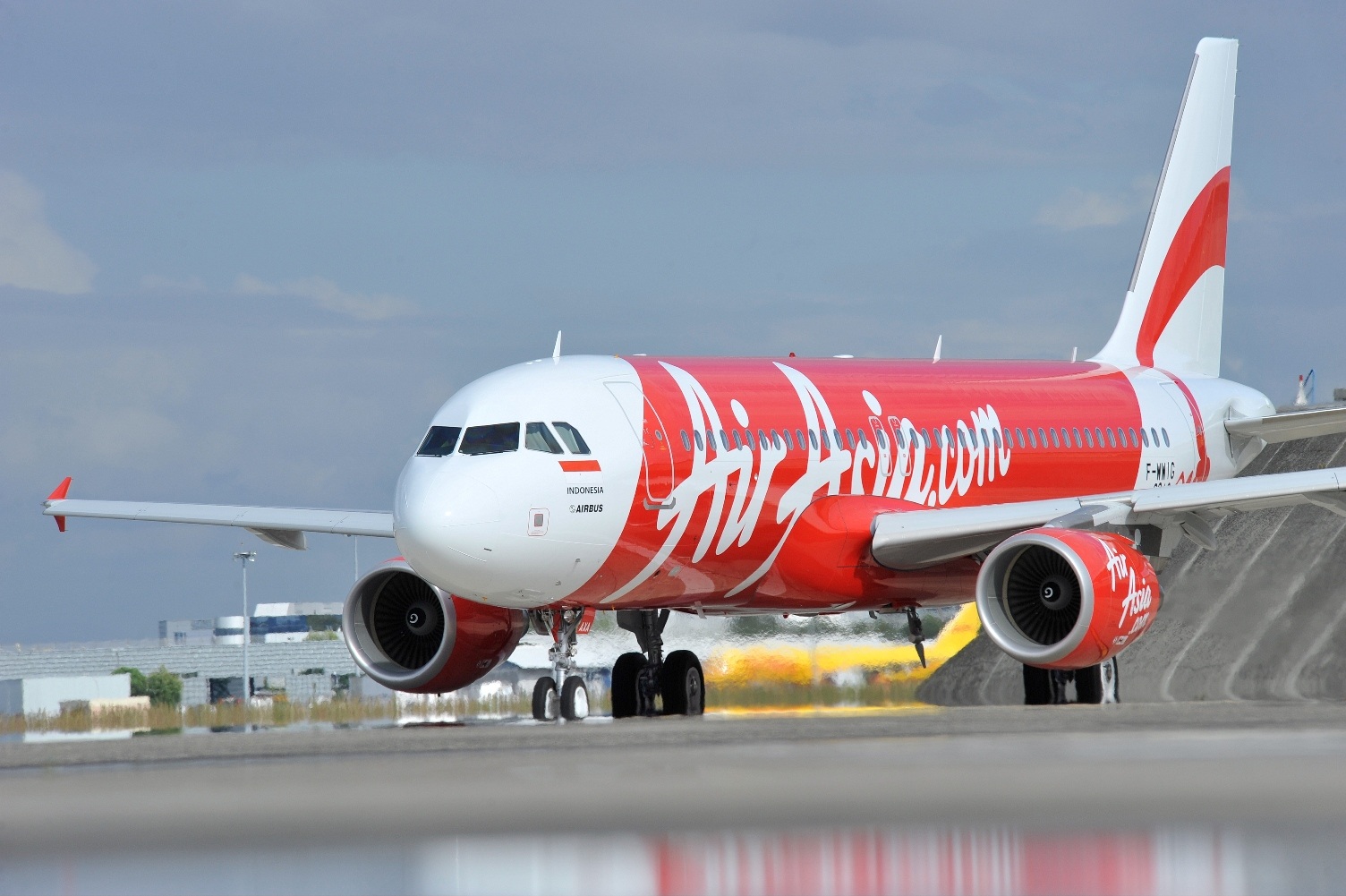
    The outlook for the global aviation industry is improving as more countries begin rolling out mass immunization programs against Covid-19, AirAsia boss Tony Fernandes said Tuesday.

    As one of Asia’s top budget airlines, AirAsia expects to resume flying to “a large part” of its routes by the end of 2021 but passenger capacity is not expected to return to pre-coronavirus pandemic levels until 2023, according to Fernandes.

    “It’s been the toughest challenge,” he said,” as part of the network’s coverage of the Davos Agenda. “But I think the outlook’s getting better.”

    “The most important thing is there’s a huge amount of demand out there and we just have to wait for borders to open and I think we’re one of the first kind of businesses that will recover, from an airline perspective, because we’re very strong in domestic and regional,” he said

    The coronavirus pandemic has crippled the global travel and tourism sector. It’s sent many airlines into survival mode as they undertake mass layoffs, cancel orders, retire some of their existing fleet,s and cut down routes.

    In December, the International Air Transport Association (IATA) said airlines will suffer a net loss of $118.5 billion for 2020 and an expected net loss of $38.7 billion in 2021.

    AirAsia is also struggling. In November, the company reported a fifth straight quarterly loss between July and September and is in the process of raising funds through loans and investors. Fernandes said the company is looking at raising up to 2.5 billion Malaysian ringgit ($618 million) for the whole group. That includes AirAsia’s digital business and the logistics unit — both of which are performing well, according to Fernandes.

    “We’re a little bit behind schedule than we wanted to be but the amount’s exactly where we want to be. We are very confident that this capital that we’ll raise will take us well into 2023,” he said, adding that the company will emerge with a better cost structure, a strong digital business, and good demand for the airline.

    The AirAsia stock is down almost 22% so far this year.

    Fernandes also said AirAsia is in talks with Airbus and that the airline’s long-term order book remains. “We’re going to have to defer some of it to a later date,” he said, adding, “We don’t want to change that for short-term decisions.”

    AirAsia is one of Airbus’ largest customers since the airline made a switch from Boeing years ago. Reuters reported that since then, AirAsia has ordered a total of more than 660 Airbus jets including planes yet to be delivered.

    The CEO explained the competitive landscape for airlines has changed due to the pandemic. Some carriers have either reduced capacity or left the market altogether. Cost-cutting measures from AirAsia are expected to improve the company’s margins, he said.

    Budget airlines that fly shorter routes and sell on-demand services are expected to recover quicker than carriers that fly to intercontinental destinations and rely on first and business-class travel, according to Fernandes.

    He said business travel will take a longer time to recover as more people would opt to conduct business meetings virtually. “Time is a great healer. Eventually, business travel will come back but there’ll be an element that will say ‘well I can do it from Zoom,’” Fernandes added.
  • Facebook reports strong Q4 and 2020 top and bottom line growth

    Facebook reports strong Q4 and 2020 top and bottom line growth

    Facebook reported its fourth-quarter and full-year earnings numbers today. The controversial social networking site reported advertising revenue of $27.19 billion for the fourth quarter running from October through December. That resulted in a 31% year-over-year gain from the $20.74 billion in advertising revenue that the company earned during last year’s fourth quarter. For all of 2020, Facebook grossed $84.17 billion, up 21% from 2019’s total of $69.66 billion.

    During the fourth quarter, Facebook garnered a total of $28.07 billion compared to the $21.08 billion it took in during the same quarter last year. If you’re counting, that is a 33% hike on an annual basis. For all of 2020, the company collected $86 billion dollars producing a 22% increase from 2019’s top line number of $70.70 billion.

    Let’s move on to the bottom line. For the period from October through December (yes, also known as the fourth quarter), Facebook earned $11.22 billion or $3.88 per share. Net income was up 53% from the previous year’s $7.35 billion while the per-share figure reflected a hike of 52% from the $2.56 per share figure attained during Q4 of 2019. For 2020, Facebook reported profits of $29.15 billion or $10.09 per share. That’s an annual gain of 58% and 57% respectively over 2019’s figures of $18.49 billion and $6.43 per share.

    Facebook achieved 1.84 billion Daily Active Users for December 2020, an 11% gain year-over-year. As of the end of last year, the number of Monthly Active Users amounted to 2.80 billion for a 12% annual gain.

    For the first half of 2021, Facebook expects revenue to be stable, or show a slight gain. CFO David Wehner said that Facebook expects some issues with ad targeting. As you might recall, Apple and Facebook are fighting each other over Apple’s change requiring iOS users to opt-in to receive targeted ads. Wehner says, “We also expect to face more significant ad targeting headwinds in 2021. This includes the impact of platform changes, notably iOS 14, as well as the evolving regulatory landscape. While the timing of the iOS 14 changes remains uncertain, we would expect to see an impact beginning late in the first quarter.”

    Besides owning Facebook, the company owns Facebook Messenger, WhatsApp and Instagram. It also runs VR headset producer Oculus and makes the Facebook Portal line of smart displays.

    The earnings report failed to excite Wall Street investors. During the regular trading session, Facebook (FB) shares closed down $9.91 or 3.51% to $272.14. After the report was released slightly after 4pm ET, Facebook dropped another $5.14 or 1.89% to $267.

  • PepsiCo Pilots Micro-Fulfillment Centre

    PepsiCo Pilots Micro-Fulfillment Centre

    PepsiCo today announced the launch of a micro-fulfillment center in Joliet, Illinois. A technology and approach quickly gaining ground with retailers, PepsiCo will use this strategic capability to meet eCommerce demand of our key customers and to gain important learnings through working with retail partners to build fully integrated and highly efficient solutions. This fully automated fulfillment approach improves COVID safety, reduces the costs of floorspace and expedites the picking process which allows for faster delivery and a reduction on overall delivery costs.

    “PepsiCo is one of the first CPG brands to launch an eCommerce micro-fulfillment center, and the creation of this center solidifies our commitment to making the necessary investments to continue to stay ahead of the growing online consumer demand. Through collaboration with our retail partners, we are creating an end to end solution that empowers us collectively to enhance our operations with applied insights. The goal is getting PepsiCo products in consumers’ hands and delivering more smiles as quickly as possible.”

    – Vince Jones, Head of eCommerce, PepsiCo

    PepsiCo’s solution is powered by leading automation supplier Dematic due to their broad experience and ability to meet PepsiCo’s world-class standards. Initial tests show the high level of automation provided on-location allows PepsiCo to service 7.5x more units an hour than a traditional ecommerce warehouse operation.

    “We feel very good about where we are and continue to remain focused on our capabilities and the consumer,” said Jones. “When you look at what we’ve accomplished in the five years since PepsiCo started its eCommerce presence, retailers understand the value we bring in augmenting their operations to deliver great consumer experiences.”

  • Robinsons Retail chief to head Ace Hardware international arm

    Robinsons Retail chief to head Ace Hardware international arm

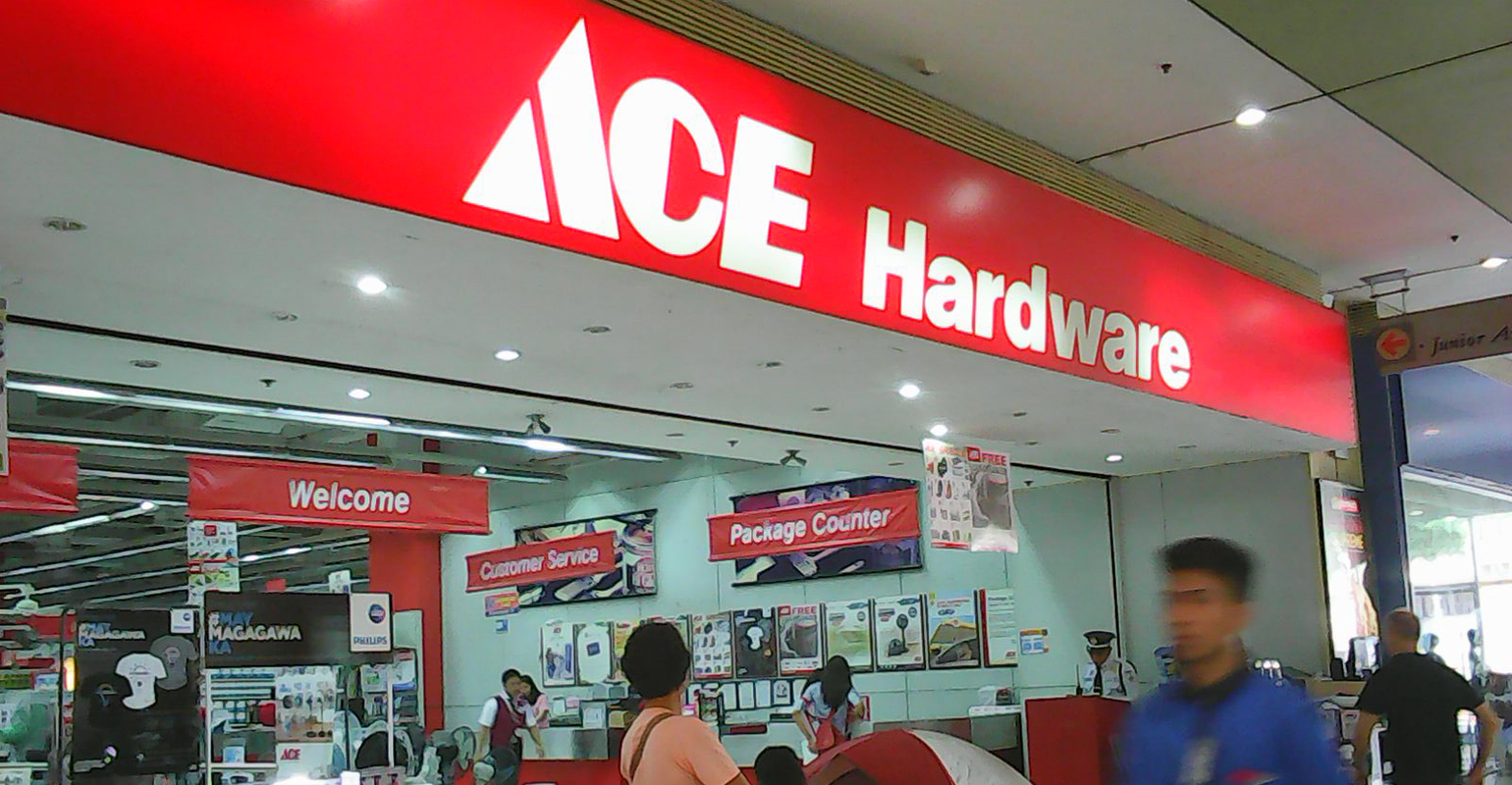
    Ace Hardware Corporation, the world’s largest retailer-owned hardware cooperative, announced today that Jay Heubner, President and General Manager of Ace International will retire March 1, 2021 after 38 years with the company.

    Heubner joined Ace Hardware in 1983 in the IT department and quickly rose up through the organization to become a director. In 2004, he took a position on Ace’s Technology Value Team within Retail Operations and was then tapped in 2007 to help lead a special retail project. In his next role, Heubner lead Operations Development and Retail Training until he was promoted in 2015 to the position of President and General Manager of Ace International, a subsidiary of Ace Hardware.

    “Jay is one of the most effective, highest character, servant-hearted leaders I know,” said John Venhuizen, President and CEO of Ace Hardware. “His wise, encouraging influence has had a significant impact on the business and made Ace a better place. I am grateful for Jay’s contributions and wish him and his family all the best as they embark on this exciting new chapter.”

    Over the coming weeks, Heubner will focus on ensuring a smooth leadership transition for Ace International.

    Effective April 5, David Goh will assume the role of President and General Manager of Ace International. Goh is currently managing director of Philippine-based retail chains Ministop convenience store, Southstar Drug and TGP (The Generics Pharmacy), which are subsidiaries of Robinsons Retail Holdings, Inc.

    Prior to this role, Goh held several leadership positions across various industries including a Vice President position at Singapore Airlines, CEO of 7-Eleven Singapore and CEO of Cold Storage, a grocery chain throughout Singapore.

    “David has a remarkable track record of success in growing businesses and transforming the customer experience,” said Venhuizen.

    Goh and his family will be relocating from the Philippines to Singapore to be closer to Ace International’s highest growth regions.

  • Indian investment in Vietnam yet to match potential

    Indian investment in Vietnam yet to match potential

    Indian foreign direct investment in Vietnam is relatively modest because of the lack of trade promotion activities, says a deputy minister of planning and investment.

    “Bilateral trade and investment relationship has seen many positive results in recent times but is still not commensurate with the potentials of both countries,” said Tran Duy Dong said at a recent forum.

    India ranked 26th in foreign direct investment in Vietnam with 296 projects and a combined registered capital of around $900 million last year, compared to Thailand (9th) and Malaysia (8th), according to official figures.

    One of the reasons for this is the lack of information sharing via trade promotion activities between the two countries, Dong said, adding that more offline and online trade activities should be organized.

    Pranay Verma, Indian Ambassador to Vietnam, said his country, with a population of 1.4 billion, is a large and potential market for Vietnamese companies to invest in.

    In recent years, direct flights between the largest cities of the two countries have been opened and this will serve to boost trade, he said.

    Don Lam, deputy head of Vietnam’s Private Economic Development Research Board, said that the two countries are seeing positive figures in trade relations with Vietnam’s imports from India rising 65 percent between 2017 and 2020 to reach $4.5 billion.

    Vietnam’s exports to India in the period surged nearly three times to $6.7 billion, he said.

    Many Indian companies are looking at Vietnam as an attractive investment destination and a hub for transferring goods to Southeast Asian countries, he added.

  • Time to update your Apple iPhone, iPad, and Apple Watch

    Time to update your Apple iPhone, iPad, and Apple Watch

    Apple today released several updates including iOS 14.4, iPadOS 14.4, and watchOS 7.3. With the iPhone and iPad updates, the “Find My” app adds a feature called “Find My Items.” This allows users to find misplaced accessories made by third-party manufacturers who build this capability into their products. The only compatible device available at the moment is Belkin’s SoundForm Freedom true wireless earbuds.

    In addition, the update allows smaller QR codes to be read by the iPhone’s camera, the ability to put Bluetooth connections into categories and headphone type in order to prevent eardrums from getting blown out with audio notifications and delivers a notification when the camera on your iPhone 12 series model cannot be verified as a genuine Apple camera. It also uses the U1 chip in the iPhone 11 series and iPhone 12 series to determine the distance between your iPhone and HomePod mini to allow an improved transfer of music between devices.

    The update also exterminates several bugs including one that allowed image artifacts to appear on photos snapped with an iPhone 12 Pro model using HDR. Another bug fixed by the update prevented the Fitness+ widget from including updated Activity data. One issue that the new iOS 14.4 update solves is one in which the keyboard would appear with the wrong language in the Messages app. A pair of bugs that prevented word suggestions from appearing on the keyboard and delayed the results of typing on the keyboard are both gone after the installation of iOS 14.4.

    The latest iOS build also eliminates an issue that prevented phone calls from being answered on the Lock Screen when Switch Control in Accessibility was enabled. And lastly, iOS 14.4 gets rid of a bug that did not allow stories from CarPlay’s News app to resume after being placed on pause to hear spoken directions or a response from Siri. The update is available to compatible iPhone and iPad models and can be received by going to Settings > General > Software Update. It weighs in at 344.3MB.

    Apple also pointed out that the iOS and iPadOS updates include security patches that eliminated three zero-day security flaws. Apple believes that these flaws might have been exploited in the wild. A Kernel flaw might have allowed attackers to give permission for the affected phone to run certain apps. A WebKit flaw could have allowed the hackers to make an iPhone do just about anything. The watchOS update rid the device of a security flaw that could have elevated privileges on a unit under attack.

    Apple also released watchOS 7.3 today which includes a new Unity watch face based on the colors of the Pan-African flag (Black, Red, Green, and the Pan-African colors which includes the prior three hues and yellow). The shapes of the colors change throughout the day as you move thus creating a unique look. Apple Fitness+ subscribers will receive the “Time to Walk” feature that plays inspirational audio in the Workout app as you walk. The electrocardiogram (ECG) monitor that checks for abnormal heart rhythms on the Apple Watch Series 4 and later is good to go in Japan, Mayotte, Philippines, Taiwan, and Thailand following the update. Those with abnormal readings in those countries will receive a notification. And a bug that makes the Control Center and Notification Center unresponsive when Zoom is enabled will be exterminated.

    To update your Apple Watch, open the Apple Watch app on your iPhone and tap on My Watch > General > Software Update and Install. The timepiece needs to be on the charger for the update to take place and the watch needs to be in the range of your iPhone connected to a Wi-Fi signal.

  • Singapore Airlines hopes to be world’s first airline fully vaccinated against COVID-19

    Singapore Airlines hopes to be world’s first airline fully vaccinated against COVID-19

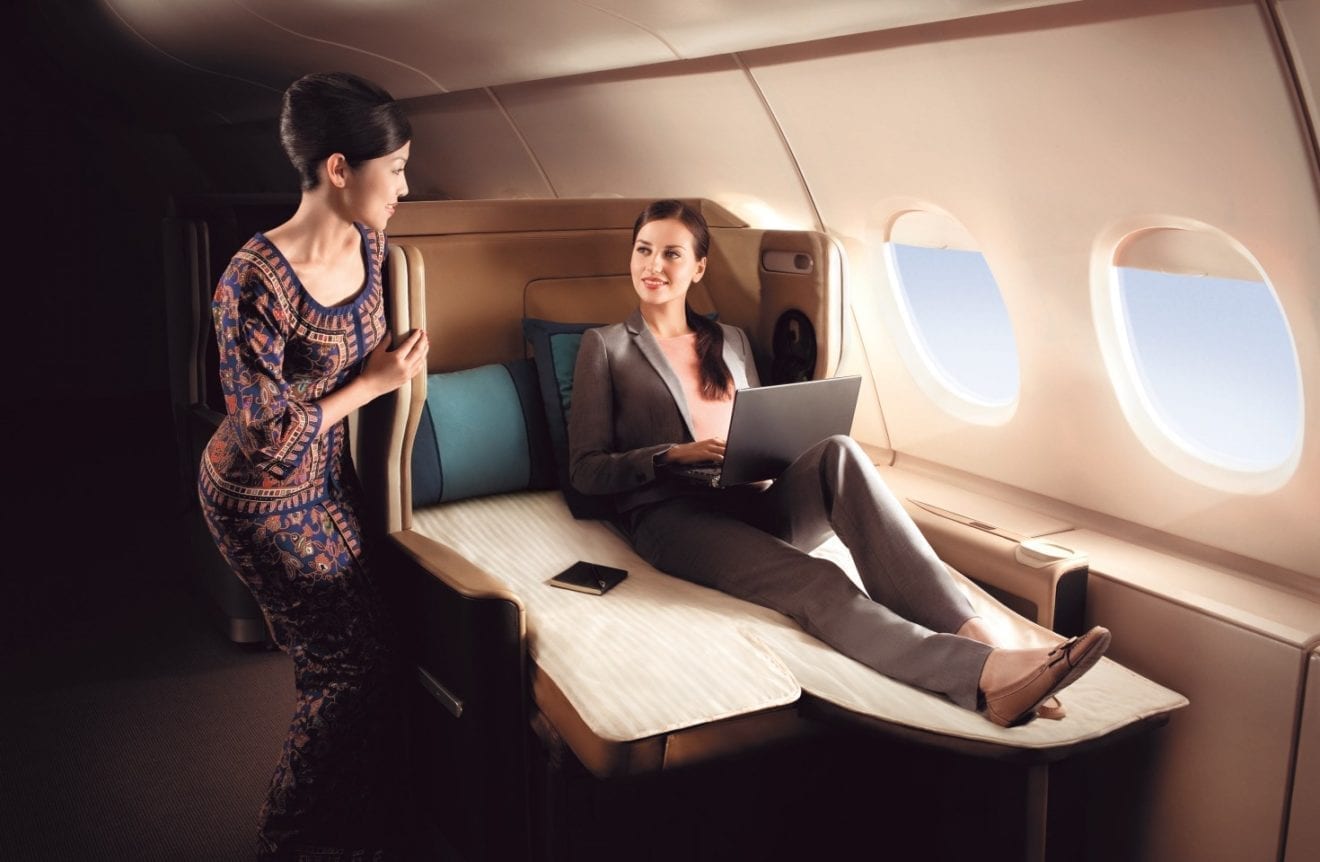
    Singapore’s national carrier is hoping to become the world’s first airline to get all of its crew members vaccinated against COVID-19.

    Singapore Airlines confirmed to CNN Travel that all of their crew members — including pilots, gate agents, flight attendants and anyone whose job requires contact with the public – have been offered free coronavirus vaccines by the Singaporean government.

    The country has purchased the Pfizer vaccine, which requires two shots.

    “We are grateful to the Singapore government for making the aviation sector a priority in the country’s vaccination exercise,” the airline’s CEO, Goh Choon Phong, said in a statement that was emailed out to the whole company on January 18.

    “This reflects the sector’s importance and the crucial role we play in both Singapore’s economic recovery and the fight against the pandemic.”

    According to the airline, 5,200 SIA employees have already signed up to get their shots. Inoculations will begin in a few days.

    Phong, alongside Singapore’s transport minister Ong Ye Kung, was among the city-state’s first citizens to get vaccinated. He has received the first of his two shots, and reports that “the procedure was painless and fuss-free.”

    Once vaccinated, crew members will be subject to less scrutiny and fewer coronavirus-related security measures. For example, flight crew who are currently tested on the seventh day after their return to Singapore will be exempt from this test going forward.

    Singapore’s response to the pandemic has been largely successful due to border closures and a national contract-tracing app. The country has had 59,113 confirmed cases of the virus and only 29 deaths, according to data from Johns Hopkins University.

    Still, citizens of the city-state have expressed an interest in being able to travel again. A much-hyped “travel bubble” with Hong Kong was indefinitely postponed in December when Hong Kong had a spike in virus cases.

    The annual Henley Passport Index placed Singapore second in the world — just one point behind nearby Japan — for passport power. Singaporeans can enter 190 countries or territories around the world without needing a visa.

  • Dyson opens its flagship store in Seoul

    Dyson opens its flagship store in Seoul

    British home appliance maker Dyson Ltd. said Thursday it will open its first flagship store in South Korea this week as the company eyes to expand its sales amid the pandemic.

    Dyson Demo Store will open at IFC Mall in western Seoul on Friday, featuring all of Dyson’s products and services. It is the first flagship store to be directly run by Dyson Korea since the Korean unit was established in 2018.

    “We want to offer a place where people can explore, test and try Dyson’s full lineup of technology, get advice and support on everything from their first demo store in Korea,” Tomas Centeno, the managing director of Dyson Korea, said. “The demo store will offer ultimate Dyson experience of our full products and services under one roof to choose the right product for you.”

    At the 323-square-meter space, Dyson Korea said its employees who were trained by Dyson engineers, called “experts,” will assist consumers in selecting its products from vacuum cleaners to hair appliances.

    Centeno said Dyson aims to “grow strongly” in South Korea, saying the country is one of its key markets.

    “Koreans are nimble in their approach to tech,” he said. “Not only do they have high interest but are also quick to evaluate new products.”

    Last year, Dyson’s vacuum cleaner with an omnidirectional head, the Omni-glide, was launched in South Korea first in the world.

    “We will continue to introduce new products, which have never existed before, based on our deep understanding of Korea,” he said.

  • Pandemic batters South Korea’s K-beauty shop

    Pandemic batters South Korea’s K-beauty shop

    Three years ago, Suh Kyung-bae was the second-richest person in South Korea. Today he’s barely Top 10, a stark reversal in a K-beauty boom known for minting billionaires, not breaking them.

    Suh’s $3.6 billion fortune, down from roughly $8 billion in 2017, is largely comprised of shares in his family’s cosmetics conglomerate, Amorepacific Group, which have fallen more than 40% from a mid-January high. The parent of brands like Innisfree, Laniege and Sulwhasoo, Amorepacific was struggling even before covid-19, and the pandemic has ushered in a slew of lifestyle changes that have made cosmetics less central to women’s daily routines.

    That’s brought a halt to the wealth created by the rapid rise in popularity of Korean beauty products and the deal-making frenzy that followed. From 2010 to 2014, foreign companies spent at least $215 million to acquire cosmetics firms there, according to a September report by Samjong KPMG. In the five years that followed, the country became the world’s fourth-largest exporter of beauty products, and the deal volume ballooned to $5 billion, not including transactions for undisclosed sums.

    Estee Lauder Cos. made Have & Be Co., widely known for its Dr. Jart+ line, its first acquisition of an Asian beauty brand in November 2019. That deal, worth $1.1 billion, turned founder ChinWook Lee into a billionaire. Goldman Sachs Group Inc. bought a minority stake in GP Club Co., best known for face masks, making founder Kim Jung-woong one of the country’s richest people. Unilever Plc, L’Oreal SA and other multinational companies also got stakes in Korean cosmetics firms, creating massive windfalls for their founders.

    But the pandemic has taken a double hit on K-beauty. Social distancing and remote work have lessened demand for makeup and led to store closures. For Korea, coronavirus travel restrictions have also cut off the flow of big-spending Chinese tourists and individual merchants who buy tax-free goods in bulk and sell them back home. Meanwhile, China’s customers have more access to global brands and are increasingly interested in products made locally.

    “Now it’s naive to think that cosmetic products with made-in-Korea tags would simply win over Chinese customers,” said Lina Oh, a Seoul-based analyst at Ebest Investment & Securities Co.

    Neither Have & Be nor GP Club have released financial information for 2020; GP Club’s plan for an initial public offering in 2019 hasn’t been rescheduled.

    For Amorepacific, consolidated revenue for the first nine months of the year fell 23% to 3.7 trillion won ($3.4 billion) from the same period in 2019, according to a company filing. For the first time in its history, the group announced last month a plan to offer voluntary retirement targeting employees who have worked for more than 15 years. The company declined to comment on its plans or on Suh’s personal fortune.

    At the same time, the pandemic has accelerated the shift to online in the beauty industry. Amorepacific’s revenue for the segment has seen substantial growth, pushing it to prioritize that part of the business. Cosmetics giant L’Oreal, whose sales dropped 12% in the first half of 2020, launched 300 digital services this year, including live beauty tutorials.

    Amorepacific plans to reduce the number of Innisfree stores in China but anticipates that overall, digital sales will make up half its business there next year, according to Yuanta Securities Korea. In the domestic market, the company sees the share of online revenue growing to 30% from 20%.

    “Spending on cosmetics was already down before Covid,” said Hye-mi Kim, an analyst at Cape Investment & Securities Co. in Seoul. “Covid made it even less necessary. Only must-have items like skincare products or those for facial problems are doing okay.”

    Meanwhile, South Korea has new billionaires rising, like Seo Jung-jin, founder of pharmaceutical firm Celltrion Inc., which is developing a Covid-19 antibody treatment. Seo’s wealth has almost tripled this year to $14.6 billion, making him the country’s new second-richest man.

  • AirAsia Group plans to raise US$113 million in private share sale

    AirAsia Group plans to raise US$113 million in private share sale

    AirAsia Group announced it plans to raise $113 million in a private share sale to improve its financial performance and to address its cash flow position. The company said in a stock exchange filing that the sale would be used “expeditiously for working capital purposes, as well as marketing expenses and technology expenditure for the initiatives under AirAsia Digital.

    AsiaAsia, like other airlines around the world, has been struggling to survive as the COVID-19 pandemic has severely curtailed air travel. The company reported a fifth consecutive quarterly loss in November. The proposed sale includes the issuance of up to 20 percent of its total existing shares, or 668.4 million shares, to be placed with third-party investors to be identified later, the airline group said in the filing. AirAsia said it will continue to explore other fundraising options or corporate proposals to improve the group’s financial performance in the longer term.

    The company said this latest share sale will “not fully address the group’s current financial concerns as the estimated gross proceeds…would not be sufficient to meet its long-term cash flow requirements. However, the proposed private placement will serve as an interim measure to address the immediate cash flow requirements of the group while the management of the company continues to explore other available options and/or corporate proposals to be undertaken with the intention to improve the group’s financial performance in the longer term”.

  • NBA signs licensing deal with Decathlon, entering 1200 stores globally

    NBA signs licensing deal with Decathlon, entering 1200 stores globally

    DECATHLON, one of the world’s largest sporting goods retailers, and the National Basketball Association (NBA) today announced a new multiyear merchandising partnership that makes DECATHLON an official licensee of the NBA across Africa, Asia, Europe, the Middle East and Latin America and marks DECATHLON’s first partnership with a North American sports league.

    The partnership will feature a dedicated range of NBA team and league-branded base layers, accessories and footwear* designed by DECATHLON and sold under their basketball brand “TARMAK.” The collection will be sold exclusively in more than 1,200 DECATHLON stores worldwide and online at Decathlon.com. Products will be available for pre-order beginning in March 2021 ahead of the April 2021 launch in stores.

    “Since the creation of TARMAK four years ago, it has been our dream to collaborate with the NBA, the greatest basketball league in the world,” said TARMAK Leader Damien Dezitter. “We have a common objective to develop basketball all over the world, so it’s natural to work together to make this possible.”

    “We are excited to partner with DECATHLON, a leader in sporting goods retail with a global footprint,” said NBA EME Director, Global Partnerships Steve Griffiths. “Through this partnership, NBA fans and basketball players around the world will have access to an exciting and innovative range of merchandise to help them get in the game.”

    Fans can download the official NBA App on iOS and Android for the latest news, updates, scores, stats, schedules and videos and follow the NBA on Instagram at NBAEurope.

  • Real-World Examples of Text Analysis and AI-Driven Market Research

    Real-World Examples of Text Analysis and AI-Driven Market Research

    AI and text analysis is being incorporated into every aspect of life. On social media, entertainment, work, marketing, and sports, automation is becoming more “human.” The result is less time spent doing tedious tasks and more energy to focus on developing ideas and drafting new strategies. The following are examples of where AI and text analysis is creating an impact.

    Real Estate

    AI-driven market research and text analysis are making it easier to find and sell properties/ There is a significant amount of data to analyze before making a real estate investment, including the potential value of the property, market in the area, KPIs, and characteristics of the property. Getting the data together isn’t difficult, but the challenge is analyzing it to inform investment decisions.

    Property managers are discovering the benefits of AI in calculating assets, finding information about a property’s environmental footprint, and updating portfolios. An AI algorithm predicts future market value by looking at recent numbers and considering other factors such as changing prices in the area, crime rates, transportation, and schools.

    The number of data points required for analyzing property can be overwhelming.  AI technology organizes the information, sorts of relevant points, analyze the data, and updates existing information. AI also assists in creating in-depth property analysis for clients. It also makes property management easier with automatic updates on when things should be repaired, tenant information, and price trends.

    Real estate agencies and sites use chatbots to directly interact with potential buyers and sellers and collect useful information. For instance, if a visitor to a website or a social media page clicks on a link, they can immediately interact with a chatbot that answers questions and requests email addresses or  Whatsapp numbers of potential buyers and sellers.

    Market Research

    The amount of consumer data available online is a boon to market research. However, given the sheer enormity of social media updates and reviews, gathering and analyzing this information creates a significant challenge. AI-driven market research tools take unstructured user-generated content and create actionable data.

    AI and text analysis tools perform sentiment analysis, evaluating social media updates and reviews for emotional coloring, tone, and word choice. Machine learning associates certain words and phrases with emotions and gives each text a rating from very positive to very negative and in-between. These ratings are combined and compared to provide an overview of how consumers feel about a product or brand.

    The advantage of AI and text analysis is that it deals with direct feedback from customers rather than second-hand data from financial reports or company-generated resources. The main focus is the customer, and information about their preferences is the most relevant information. Market forecasts attempt to predict what consumers will want. Text analytics allows customers to customers to say they want directly to companies.

    Workplace

    AI in the workplace is at its early stages but is poised to grow rapidly. According to a Deloitte survey, 41% of businesses replied they are using automation extensively throughout their operations. Some examples of these tasks are ones that involve simple decisions, such as customer service chatbots that respond to specific queries according to set FAQ responses.

    In many cases, these automated tasks are not meant to replace the workforce. Still, they eliminate routine tasks so employees can spend their energy on tasks that require complex thinking or intricate decision making. For instance, a loan agency may use automated tools to calculate simple loans, but those that involve multiple factors are still dealt with by humans.

    Sentiment analysis is also used in the workplace to gauge how employees feel about their jobs, areas where they may need assistance, and where their morale is at its highest and lowest point. Public company chats and forums can yield user-generated data that can be evaluated by the human resource department using sentiment analysis tools. Besides, responses to memos can uncover between the lines how employees really feel about a new policy or launch.

    Sports

    Given the affection for numbers and statistics in sports, it is a natural area for AI to flourish. The success of data-driven strategies was seen in the 20 game-winning streak of Oakland Athletics in 2002 as depicted in the film Moneyball. The team applied data-driven strategies to players’ individual statistics and, through analytical tools, positioned each player according to his attributes. The result was an overwhelming success against rivals who had much larger budgets.

    AI is tremendously useful in scouting and recruitment. Statistics about players, such as the number of home runs or other performance data, can be calculated with AI tools to measure potential. AI also monitors training regimens and can personalize a diet, workout, and practice schedule suited to each player. AI uses performance indicators to evaluate how players are improving and where they need to improve.

    AI and Text Analysis Are Everywhere

    Smart AI technology is powering everything from the chatbot at a favorite website, communications at work, real estate investors’ calculations, and even draft picks for a favorite team. These tools aim to complete tasks more quickly and efficiently and offload monotonous jobs to automation to concentrate on the main task. Since automation saves money and time, it is being adopted rapidly and will continue to create value.


  • Leading taxi firm posts first ever annual loss

    Leading taxi firm posts first ever annual loss

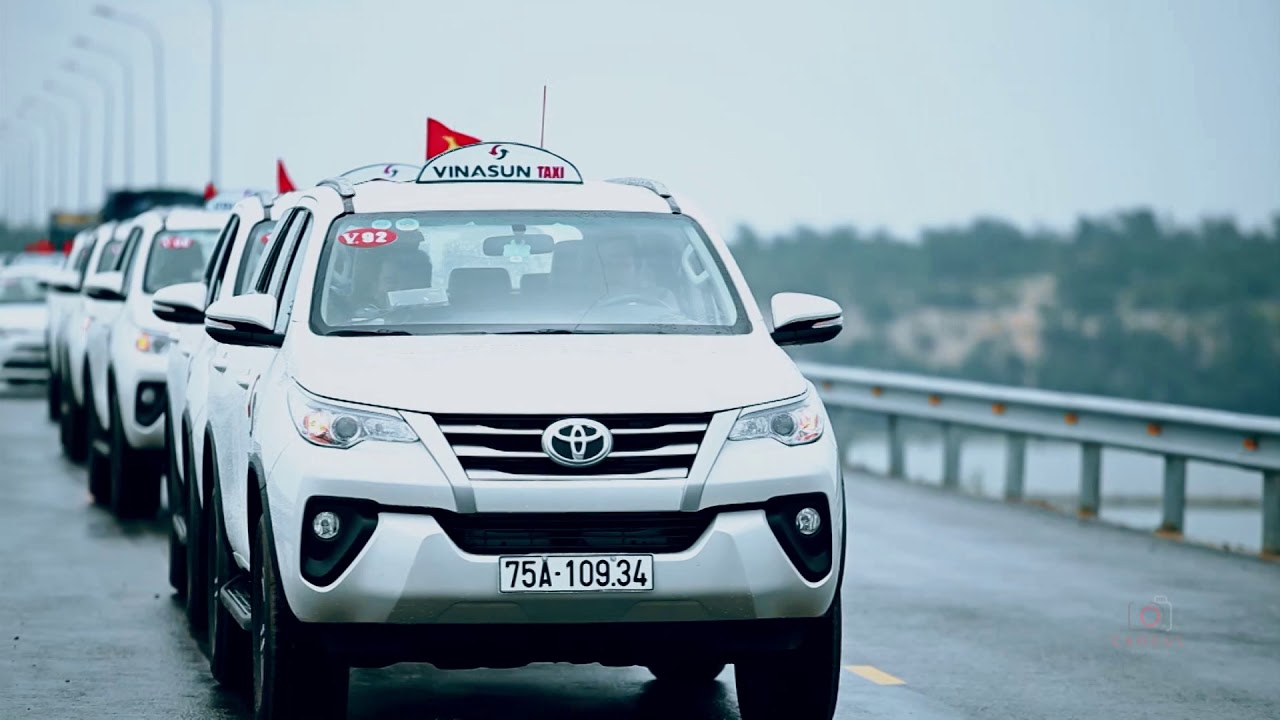
    Vinasun, Vietnam’s second-largest taxi firm, reported its first-ever accumulated loss of VND211 billion ($9.15 million) last year.

    The figure far exceeded the firm’s earlier loss forecast for 2020 at VND115 billion. Vinasun leaders have blamed the loss on the long-lasting impacts of the Covid-19 pandemic.

    The company has already laid off over 1,300 employees and taken other earlier measures to reduce operating costs.

    Vietnam’s second-largest taxi firm after the Mai Linh Group, Vinasun reported that its revenues plunged 49 percent year-on-year to VND1 trillion last year.

    The company leadership had said at an annual general meeting in June that 2020 was the most challenging year for the company since its establishment.

    The company shut down most of its operations in April last year when the country began a social distancing campaign to curb the spread of the novel coronavirus.

    As of December 31, it had total assets of over VND2.05 trillion.

  • How to Choose a Holiday Camp

    How to Choose a Holiday Camp

    When schools are on a break, holiday camps offer the perfect opportunity for kids to gain independence, try new things, make friends, build confidence and, most of all, have fun while learning. But with many different camps on offer, how do you know which one will be the best fit for your child?

    Is your child ready for camp?

    Many camps accept children from age 3 up to 14, but for younger children their level of independence can be key in deciding if they’re ready for camp. 

    What should you look for in a camp?

    Good camps offer a balance of enrichment, games, and recreational activities with regular breaks for snacks and meals. They should employ experienced teachers, offer transportation options, and cater for different dietary requirements (eg vegetarian, halal). 

    What type of camp will your child enjoy most?

    Kids should see holiday camps as a benefit, not a chore, so see if you can find a camp that will cater for their special interests, such as Space or Harry Potter. Some companies also offer themed camps for e.g. Chinese New Year and Halloween.


    How much do camps cost?

    Prices for camps range from 80 SGD to 126 SGD  per day. Check whether camps include snacks and meals in their prices.

    Should you force your child to join a camp?

    Kids are often uncertain about new experiences but after one or two days at camp this anxiety normally disappears, and children are too busy having fun to worry about anything else.


    How do camps deal with misbehaving children?

    Established camps should have guidelines for acceptable conduct. Experienced teachers should be able to minimize any disruptive behaviour and allow one-on-one discussions to help children understand the impacts of their actions.

    How do I prepare my child for camp?

    Talking to them in advance about what the camp will entail – interesting topics, games, recreational activities, making new friends – can help settle pre-camp nerves. On a practical note, most camps will expect children to bring a bag packed with a reusable water bottle.


  • The giddy rise of Vietnam’s steel billionaire

    The giddy rise of Vietnam’s steel billionaire

    Tran Dinh Long, dubbed the “king of steel,” had no experience in the steel industry when he decided to enter it anyway in the mid-90s.

    “All I had at the time was passion and a lack of fear,” Long, founder and chairman of Vietnam’s biggest steelmaker, Hoa Phat Group, said in a recent interview.

    The company was, in the beginning, distributing machinery and equipment and furniture, but it was steel that ultimately took it to dizzy heights. Hoa Phat had a 32 percent share of Vietnam’s steel market as of August 2020, making it the biggest player in the industry, according to the Vietnam Steel Association.

    The name Hoa Phat cropped up again and again in the news in the past year when its HPG stock, listed on the Ho Chi Minh Stock Exchange (HoSE), chalked up some of the most impressive gains on the VN-Index, thanks to record profits despite the Covid-19 pandemic and a growing market share.

    On Monday, the share closed at VND44,600 ($1.94), more than three times up from its nadir in last March at the height of the Covid-19 crisis when most Vietnamese stocks hit the bottom, and its all-time high price.

    According to the Bloomberg Billionaires Index, HPG’s performance took the net worth of Long and his wife to $1.9 billion. He believes the stock is still not overvalued through its price-earnings ratio (P/E) is nearly at its highest level in 10 years.

    Long started his business in the early 1990s. In 1992, he and some friends set up the Hoa Phat Equipment and Accessories Co., Ltd. to sell machinery and equipment.

    In 1995 it diversified into furniture, becoming a distribution agent for imported products.

    It was in 1996 that Hoa Phat established its first steel unit, at first called Hoa Phat Steel Pipe Co., Ltd. and four years later becoming Hoa Phat Steel JSC.

    “A newly industrialized country has to build a lot of infrastructures,” Long said in an interview, explaining that was the reason he had bet on steel.

    By the time Hoa Phat was listed on HoSE in 2007, Hoa Phat Steel and Hoa Phat Steel Pipe accounted for more than 60 percent of the company’s revenues and profits.

    In the following years, despite a long slump in the housing market, steel still dominated HPG’s business in an overwhelming fashion.

    In 2017, when HPG had become the market leader, Long continued to bet on steel by building the Dung Quat Steel Production Complex at a cost of $2.6 billion in the south-central Quang Ngai Province.

    With the market growing, owning the entire value chain is helping Hoa Phat improve its profit margins. It also gives Long the wherewithal to engage in price wars when he wants to increase market share in new markets such as southern Vietnam.

    And if it cannot sell finished products to the market, Hoa Phat could instead sell billets to other manufacturers, he said.

    The pay-off from this strategy has been partly reflected in HPG’s performance in 2020. “Since the Dung Quat plant went on stream in the third quarter of 2019, HPG has been gradually gaining shares from other major steelmakers such as Posco SS, Pomina and VNSteel,” securities company FPTS said in a recent note.

    Thus, from 26 percent at the end of 2019, its market share rose to 32 percent by August last year.

    In 2020 it sold over five million tons for the first time, with sales of construction steel rising 22.5 percent to 3.4 million tons. Billets sold in the domestic and export markets accounted for 1.7 million tons.

    In the final quarter of the year, the company benefited from the government’s determination to increase spending on public infrastructure, Vietcapital Securities said.

    Hoa Phat plans to expand even further in the steel supply chain with the second phase of its Dung Quat Complex. Construction is set to begin in January 2022 and take three years. It will increase capacity by five million tons a year, with the main output being hot-rolled coil (HRC).

    “It is estimated that after completion Hoa Phat can supply five million tons of HRC per year, equivalent to about 50 percent of current domestic demand,” FPTS said.

    The focus on HRC is expected to increase the company’s income since it is an input in the manufacturing of steel pipes, a product with higher profit margins than construction steel. The segment itself also has plenty of room for Hoa Phat to grow, FPTS said.

    Long estimated that when the Dung Quat plant is fully operational, Hoa Phat’s revenues and profits could increase by 80 percent.

    “Vietnam ranks low in per capita steel consumption and has only taken the first steps in infrastructure development,” said Pham Mai Trang, associate director of research at fund manager Dragon Capital Group.

    “With the Dung Quat complex, Hoa Phat became the dominant player.” Dragon Capital Group owns a 6 percent stake in Hoa Phat.

    Though Vietnam’s steel industry has made great strides, it still has to import large volumes of finished steel and semi-finished products from China.

    Hoa Phat executives have confessed to being worried China could dump cheap steel on Vietnam if its exports continue to be hampered by U.S.-China trade tensions.

    In the first nine months of 2020 Hoa Phat reported a 40 percent year-on-year increase in revenues to VND65 trillion, and 56 percent increase in post-tax profits to VND8.85 trillion.