Category: General

Retail News Asia is committed to providing both local and global retailers with the latest General Retail news throughout the Asian market. This on a daily base.

  • Think tank forecasts some growth for Vietnam

    Think tank forecasts some growth for Vietnam

    A government think tank has pegged economic growth at 6.46 percent this year thanks to the country’s success in containing the Covid-19 outbreak and maintaining stability.

    Vietnam is one of the fastest recovering economies in Asia, the Central Institute for Economic Management (CIEM) said in a report.

    In the best-case scenario, credit growth would be 13 percent against 10.1 percent last year, it said.

    But it also warned of risks that could hamper growth, like the unpredictable global economic situation as the pandemic situation remains severe in many countries and possible anti-dumping and countervailing investigations by the U.S. and other countries.

    Several international organizations have forecast a strong recovery for Vietnam this year, with lender HSBC forecasting growth of 7.6 percent. The International Monetary Fund and Asian Development Bank have forecast 6.5 percent and 6.1 percent growth.

    The government has set a target of 6.5 percent.

  • AirAsia Wants Half Of Its Revenue To Come From Outside Flights

    AirAsia Wants Half Of Its Revenue To Come From Outside Flights

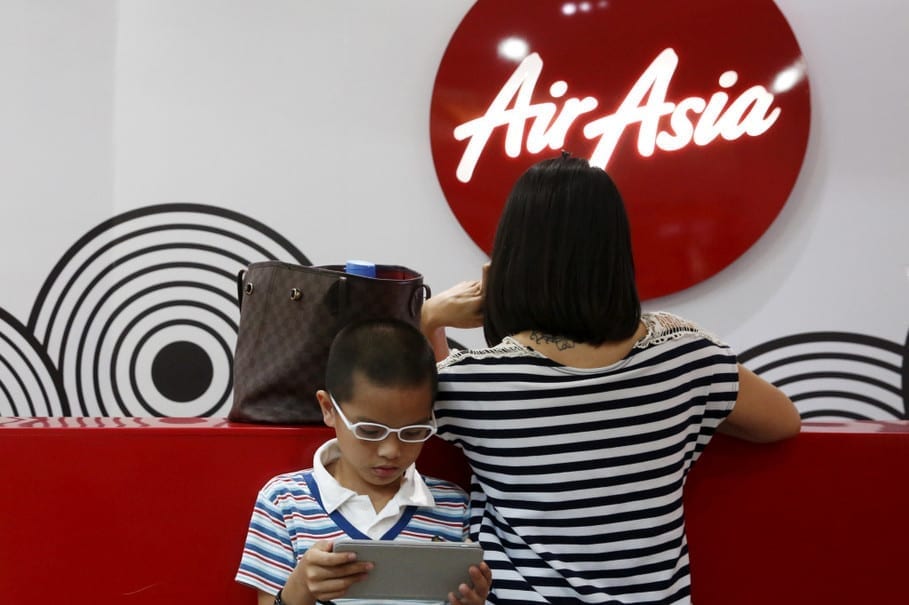
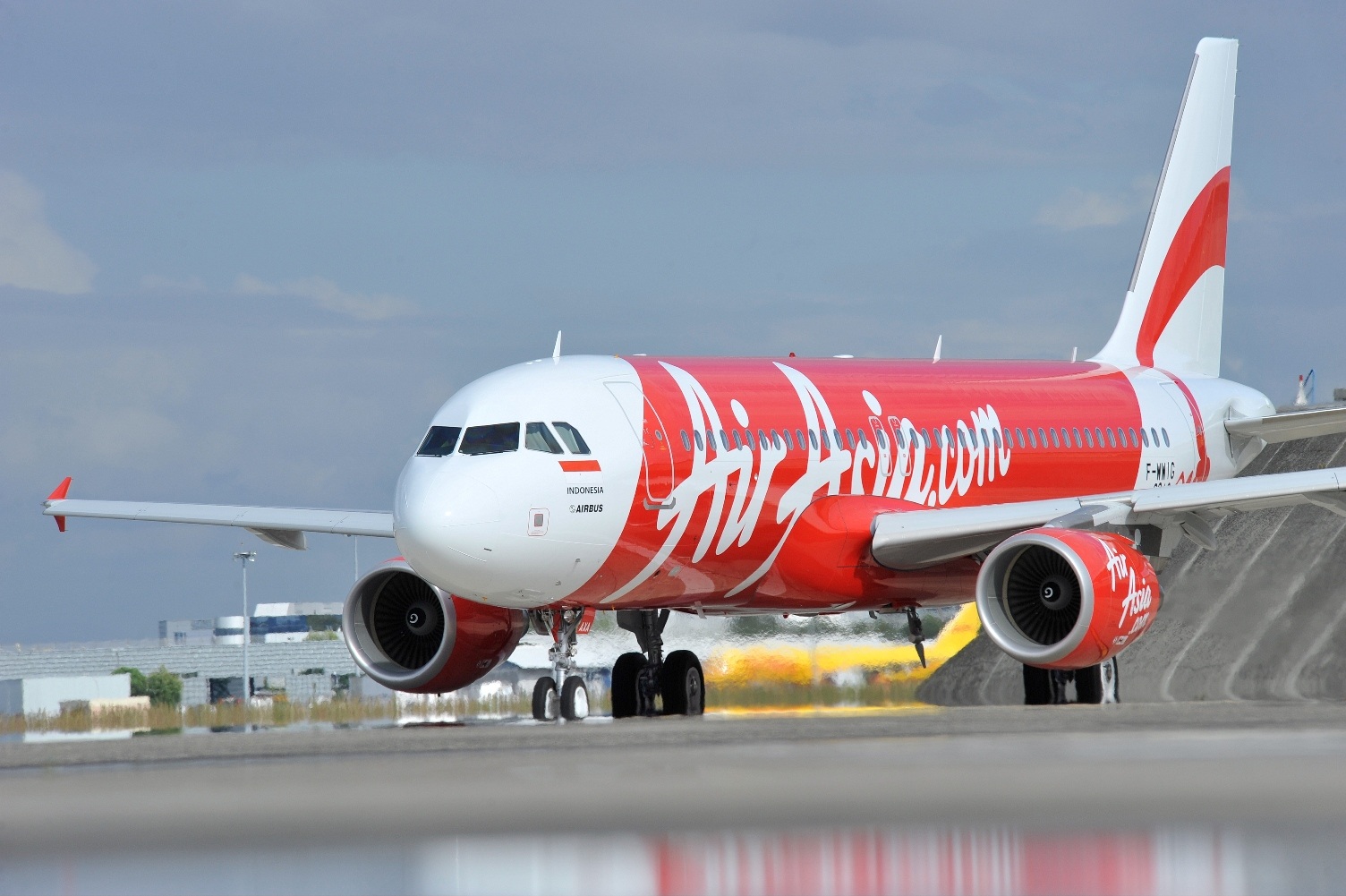
    Low-cost airline AirAsia had a tough 2020. But its CEO, Karen Chan, is taking a glass half full approach. She says the travel downturn and subsequent fallout for AirAsia was a blessing in disguise. It forced AirAsia to look outside its comfort zone and at a new way of doing business. Now, Ms Chan plans to transform AirAsia into a lifestyle brand. As a result, by the mid-2020s, she expects 50% of AirAsia’s revenue will come from non-aviation sources.

    Speaking at a CAPA Live event on Wednesday, Karen Chan spoke about her vision for AirAsia and what it would mean for the airline.

    “We anticipate in five years time, basically by the end of 2024, that 50% of (AirAsia’s) revenue would be coming from non-flight-related, non-aviation-related revenue.”

    As a low-cost carrier, AirAsia already has handy ancillary revenue streams. Their base fares are cheap, but checked-in luggage on short sectors starts from US$12, seat selection starts from just under $3, and a reheated container of AirAsia’s pretty good nasi lemak costs just over $4. In 2018, ancillary revenue made up 22% of AirAsia’s total revenue. Around half of that 22% came from baggage charges.

    Last year, AirAsia Group chief executive Tony Fernandes, said his airline group was diversifying.

    “AirAsia.com is more than just selling airline tickets,” he said. “We now have the same potential to sell hotel rooms. I can do some crazy things. I can say I can buy hotels, book a hotel room with us and I can give you a free flight. Hotels can be as large as AirAsia tickets.”

    Yesterday, Karen Chan spoke about AirAsia’s ambitions to become a fully-fledged online travel agency that offers not just hotels but also a range of travel and lifestyle products and experiences.

    “Not all the flights are always full, and the load factor will not be 100%,” said Ms Chan.

    “So the unsold infantry, and because they are so perishable, even as an 85% load factor for an Airbus A320, I still have about 20 to 25 seats unsold. I will now be able to bundle that unsold inventory for one ringgit or 25 cents with the hotel’s direct inventory. And I will be able to go into the market with a best buys guarantee.

    “We can go and expand into where other airlines are just not able to do so. We actually want to go and be seen as basically a lifestyle partner.”

    AirAsia’s ancillary revenue plans are not restricted to the travel basics of hotels, transfers, and side excursions. The airline wants to build its delivery and e-commerce business. AirAsia sees itself as a future Asian e-commerce giant. But it’s not just Amazon parcels AirAsia wants to ferry around. AirAsia has detailed data on 75 million former passengers in its database. They know you purchased a nasi lemak on your last three AirAsia flights. Ms Chan wants to get down to the nitty-gritty. She wants to be able to deliver that meal to your home.

    “Data is basically the new black gold for us,” Ms Chan said.

    With AirAsia’s fortunes taking a hammering in 2020, there’s a good reason why the airline wants to expand its ancillary revenue sources. Whether a cheap and cheerful low-cost carrier out of Southeast Asia can successfully transform into a lifestyle brand is another issue. Whatever the result, but it will be interesting to watch.

  • Thai department stores must revise business models to stay relevant

    Thai department stores must revise business models to stay relevant

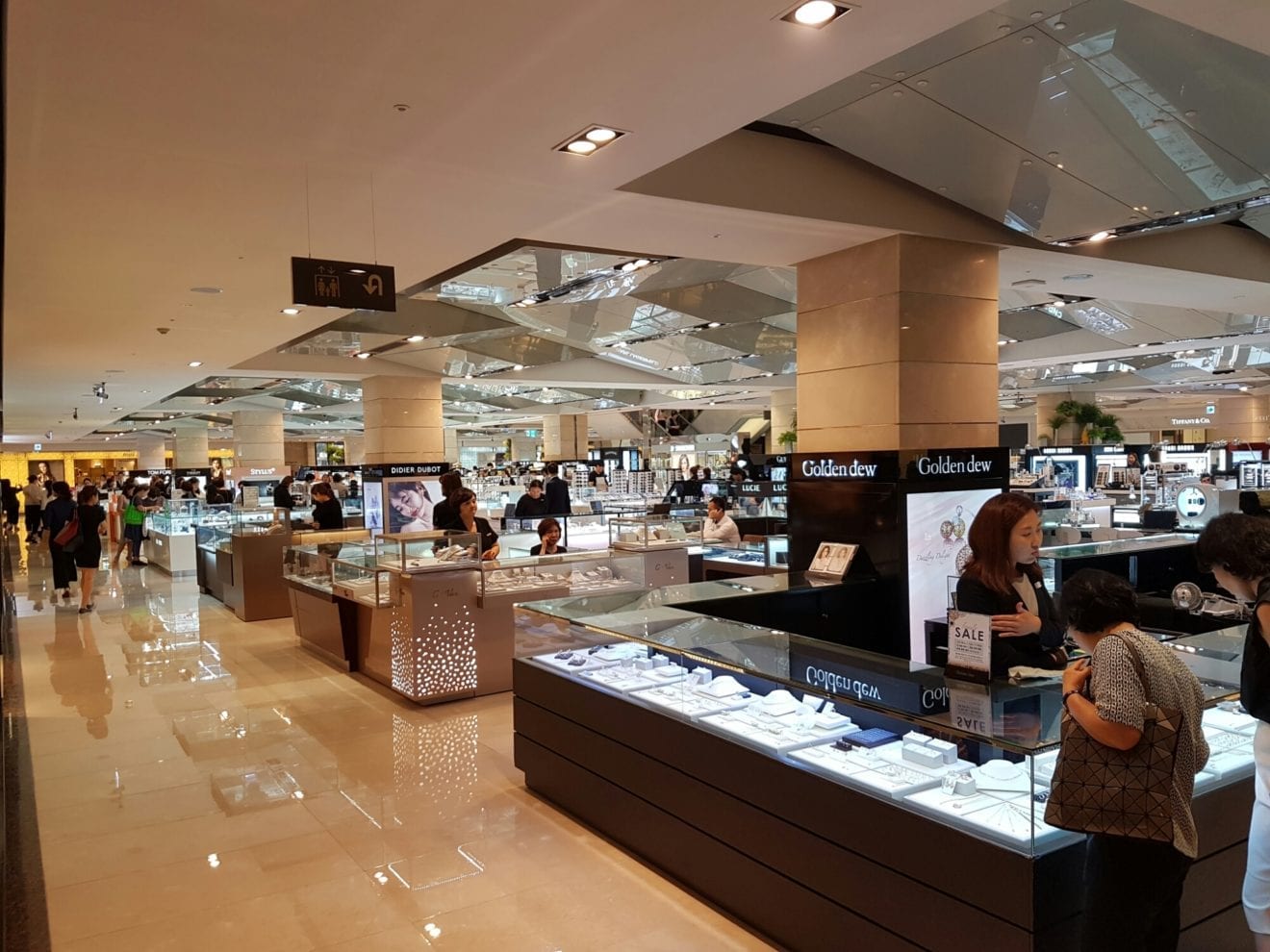
    While department stores have been a familiar destination for Thai people for many decades, CBRE, an international property consultant, is witnessing a decline in popularity and stunted growth, particularly in 2020 when Covid-19 adversely impacted the sector. CBRE believes that to adapt to e-commerce disruption and the changing consumer behaviour, department stores in 2021 (and beyond) will have to fine-tune their business model in terms of customer shopping experience, inventive activities and value-added programmes to continue their status as the second home for Thai shoppers.

    Jariya Thumtrongkitkul, Head of Advisory and Transaction Services – Retail, CBRE Thailand explained… “While department stores offer shoppers convenience, saving them time with many varieties of goods grouped in different departments and allowing the shoppers to find and compare products and choose what they want, the traditional department store model does not fit the needs, lifestyle and behaviour of its shoppers anymore, especially the new generations.”

    According to CBRE Research, the total retail supply in Bangkok as of Q4 2020 increased to 7.8 million square metres, a 1.16% increase year-on-year. Out of this, only approximately 3% was reported within the department store format. The department store market in Thailand is mainly dominated by two domestic retail giants, with Central Group and The Mall Group holding the largest market shares. They do not only concentrate in Bangkok, but have also opened department stores in many major cities throughout the country which allowed them to build bigger networks and grow their customer base.

    In the past few decades, Japanese investors had also shown interest in entering the Thai market and offered local features that are well-known in Japanese department stores: simplicity, premium quality and services. However, with strong competition many Japanese department store operators have ceased their expansion plans. Some have exited the country due to the fierce competition against the local players, their performance in Thailand and the shrinking Japanese department store business, especially in overseas countries.

    “The department store concept as a one stop shopping place is still in demand for certain groups of customers. However, with the e-commerce disruption and changing consumer behaviour, department store operators need to adapt their models, offerings and value-added services to their customers to cope with the challenging economic and market conditions.”

    Adaptability of department stores can be highlighted into 3 main parts: customer shopping experience, inventive sales and marketing activities, and value-added programmes. While more and more younger generations prefer to shop online to save time and money, the brick-and-mortar store is still believed to be the second home for Thai shoppers. Department stores should be more agile in the era of e-commerce and adopt some technological innovations such as in-store automation and mobile payment solutions to reach the younger crowds.

    Design is another aspect that plays an important part in customer shopping experience. Department stores can be more creative in remodelling traditional department store space into some ingenious and interactive space with a great design and right product portfolio mix for their customers.

    The Mall Group, for example, has launched its first “Lifestore” concept at The Mall Ngamwongwan at the end of 2020 by redesigning and renovating its traditional department store space to enhance customer shopping experience and enjoyment.

    The second part to be considered for the adaptability comprises inventive activities related to sales and marketing. The prices of products being sold in a department store are normally set high to cover the higher establishment and operating costs by operators, narrowing their target to only upper- to high-income customers.

    Brand offerings may also no longer meet fast-changing customer needs since today’s shoppers have more choices in buying products online, not to mention the declining footfall due to the growth of e-commerce. CBRE Research has seen domestic players pushing hard to drive sales growth via numerous promotions, marketing campaigns and activities and collaboration with credit card companies during seasonal sales.

    The third part consists of value-added programmes such as personal shopper, customer loyalty programme, on-demand solution and service personalisation, which have become a new trend as customers, including the aging population, are now more sophisticated and demanding.

    The retail landscape has changed drastically in the past few years from various factors like technological advancement, consumer behaviour and preference as well as Covid-19. Cookie-cutter strategy will be a thing of the past, especially for department stores where the format and offerings have remained the same for decades.

  • Super Nintendo unveils Japanese theme park

    Super Nintendo unveils Japanese theme park

    Japan’s awaited super Nintendo world is opening to visitors next month but fans around the world can now have a sneak peek as universal studios just launched a virtual tour of its theme park in osaka. from bowser’s castle to mario kart: koopa’s challenge, to yoshi’s adventure, the virtual experience will give Nintendo aficionados a glimpse of what’s coming up in february. want to give it a try?

    Universal Studios has announced the grand opening on february 4, 2021, of the super Nintendo world theme park in osaka, japan. the park will bring to life a highly themed and immersive land hosting Nintendo’s legendary worlds, characters and adventures. guests will be able to experience their favorite video games, including mario kart and yoshi-themed rides and attractions, as well as restaurants, shops and other experiences found at universal studios japan.

    as seen on the images, the super nintendo world theme park at universal studios japan is a colorful and interactive zone offering visitors a power-up band which is an innovative wearable technology that helps bring gameplay to life while allowing guests to keep their score. people wearing the power-up band will be able to punch blocks, collect virtual coins and more, just like mario and luigi do it on the video games.

    bowser’s castle is another of the attractions present in the park. inside, the castle exudes a mysterious atmosphere with its stone walls, spiked fences and heavy iron doors along with a massive sone statue of bowser at the center of the grand staircase. its scale makes visitors feel as if bowser would suddenly start moving.

  • Courts Singapore to open giant flagship where Robinsons vacated The Heeren

    Courts Singapore to open giant flagship where Robinsons vacated The Heeren

    Home appliance megastore Courts will take over the prime retail space at The Heeren which was recently vacated by retail stalwart Robinsons and make the outlet its new flagship store.

    The flagship store will occupy all six storeys of The Heeren’s retail space, making it Courts’ largest outlet in Singapore when it opens in the first quarter of 2022.

    When completed, the Heeren store will span 189,000 sq ft and replace the Tampines megastore as the chain’s flagship outlet.

    Swee Cheng Holdings, which owns The Heeren, said Courts fitted into its long-term plans for the mall but added that it has also been approached by other parties.

    “In view of the uncertainties arising from a prolonged Covid situation, we are confident that Courts’ proposed retail plans will do well at The Heeren,” it said.

    Echoing similar sentiment, Ms Esther Ho, director of Nanyang Polytechnic’s School of Business Management, said: “With customers not traveling, many are likely to dress up their homes and invest in consumer electronics. It’s good that Courts is moving quickly to capture this segment of customers during this period.”

    Its opening will also mark Nojima Corporation’s first overseas venture into a large-format store concept in a central location of Singapore.

    The Japanese consumer electronics giant had acquired Courts in 2019.

    On Courts’ choice of The Heeren as its newest location, Courts Singapore chief executive Hoang Duc Thanh Matthew said: “The Heeren is still a symbolic landmark located right in the heart of Orchard Road and we believe it holds great potential as a central location within the shopping belt.”

    “Coupled with the Urban Redevelopment Authority (URA)’s long-term plans to rejuvenate Orchard Road as a lifestyle destination, we envision that the new flagship store will contribute to the vibrancy of the retail sector.”

    Currently, Courts has one outlet in Orchard, at 228 Orchard Road. A Courts spokesman told The Straits Times that the outlet has been performing well and will remain in operation for now.

    “We will review our plans again once the flagship store is up and running,” said Courts.

    The Orchard shopping belt was also home to its first store here, which opened in 1974.

    “We are looking forward to expanding our presence in Orchard Road to where it all began and raise the bar further in offering Singaporeans innovative and experiential retail experiences while shopping for electronics and home furnishings,” said Courts.

    In 2017, the URA said in a joint statement with Singapore Tourism Board that they are looking into implementing an “actionable Orchard Road Blueprint”.

    The authorities said the blueprint was to guide the precinct’s development over the next 15 to 20 years.

    Courts’ announcement comes after Robinsons closed its flagship store at The Heeren on Dec 16.

    This was followed shortly after by the closure of its last outlet at Raffles City last Saturday.

    The department store announced on Oct 30 the closure of its last two outlets here, saying the decision to liquidate was prompted by a range of factors, including changing consumer tastes and cost pressures such as rent.

  • AirAsia’s digital platform eyes more airline partnerships

    AirAsia’s digital platform eyes more airline partnerships

    Malaysian budget carrier AirAsia Group’s travel, e-commerce and fintech unit airasia.com is in partnership talks with several Middle Eastern and European airlines, its chief executive said on Wednesday.

    Airasia.com CEO Karen Chan said the company was working on selling more flights on the online platform.

    “Apart from just selling AirAsia flight tickets, we are now selling any airline’s flight tickets. We are now in serious discussions with quite a few full-service carriers,” Chan said at a CAPA Centre for Aviation event.

    She said the company is working closely with Middle Eastern airlines to drive traffic to pilgrimage destinations.

    “Religious travel has taken a huge delay, and already we are getting a lot of requests from customers for pilgrimages,” she said.

    Airasia.com is also in talks with some European airlines, she said. “Once the international borders are open, all of us are banking on the pent up demand,” she said without providing details.

    Last November, airasia.com announced a strategic partnership with Turkish Airlines for cross-promotion of its flight inventory with AirAsia flights, and offer travel itineraries with discounted fares.

    “Now we can pull their content and inventory onto airasia.com’s platform,” Chan said. The company offers more than 15 lines of products online and via its super-app “to fly, to stay, to shop, to eat”, an earlier media statement showed.

    With the airline business taking a hit from the coronavirus pandemic, AirAsia Group last year rebranded its digital arm as AirAsia Digital, which houses airasia.com.

    Malaysia’s flagship budget airline AirAsia Group said last September it is considering raising capital to expand its digital business.

  • Kawai Malaysia, The Japanese Zen Style Flagship Store, Opens in Malaysia

    Kawai Malaysia, The Japanese Zen Style Flagship Store, Opens in Malaysia

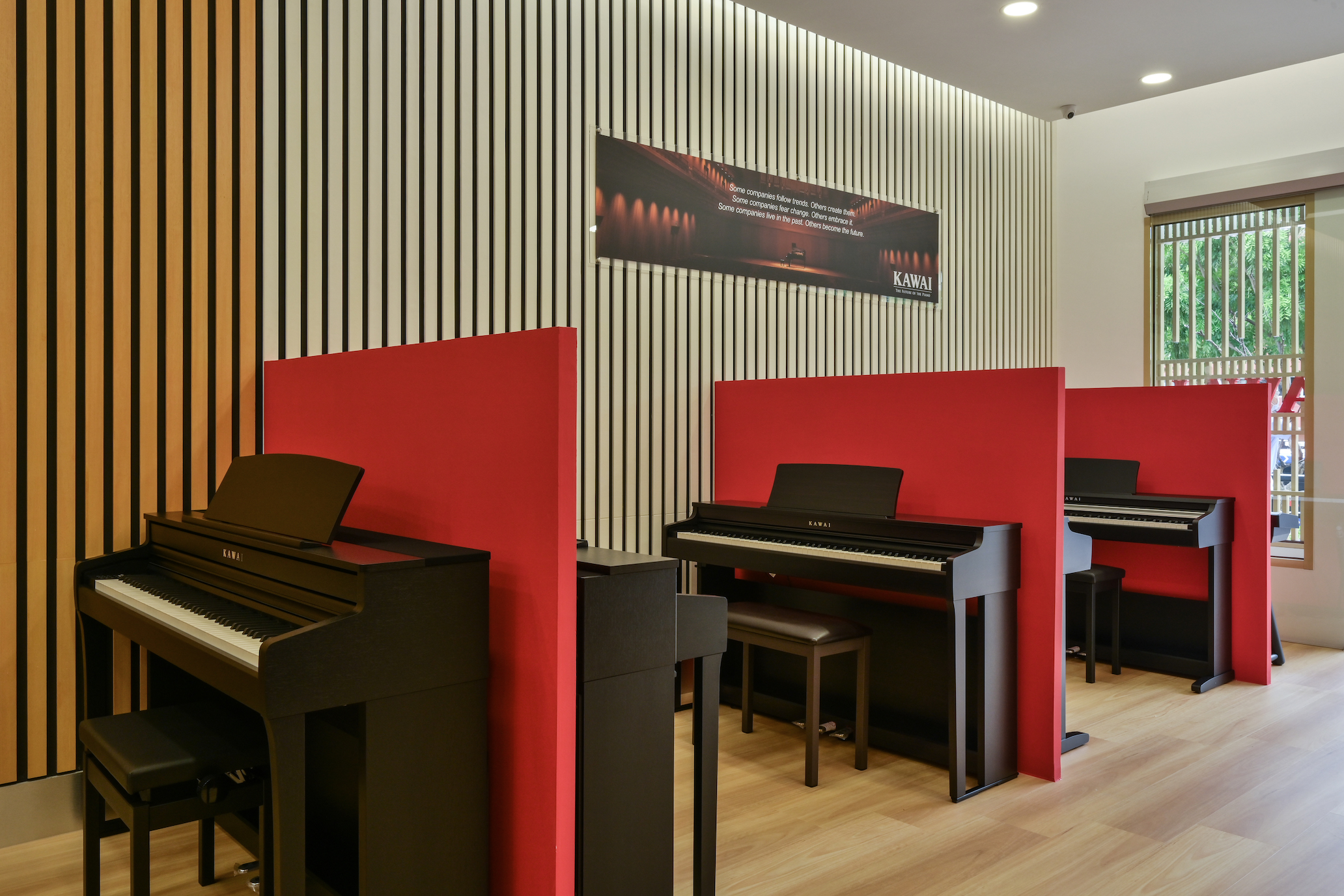
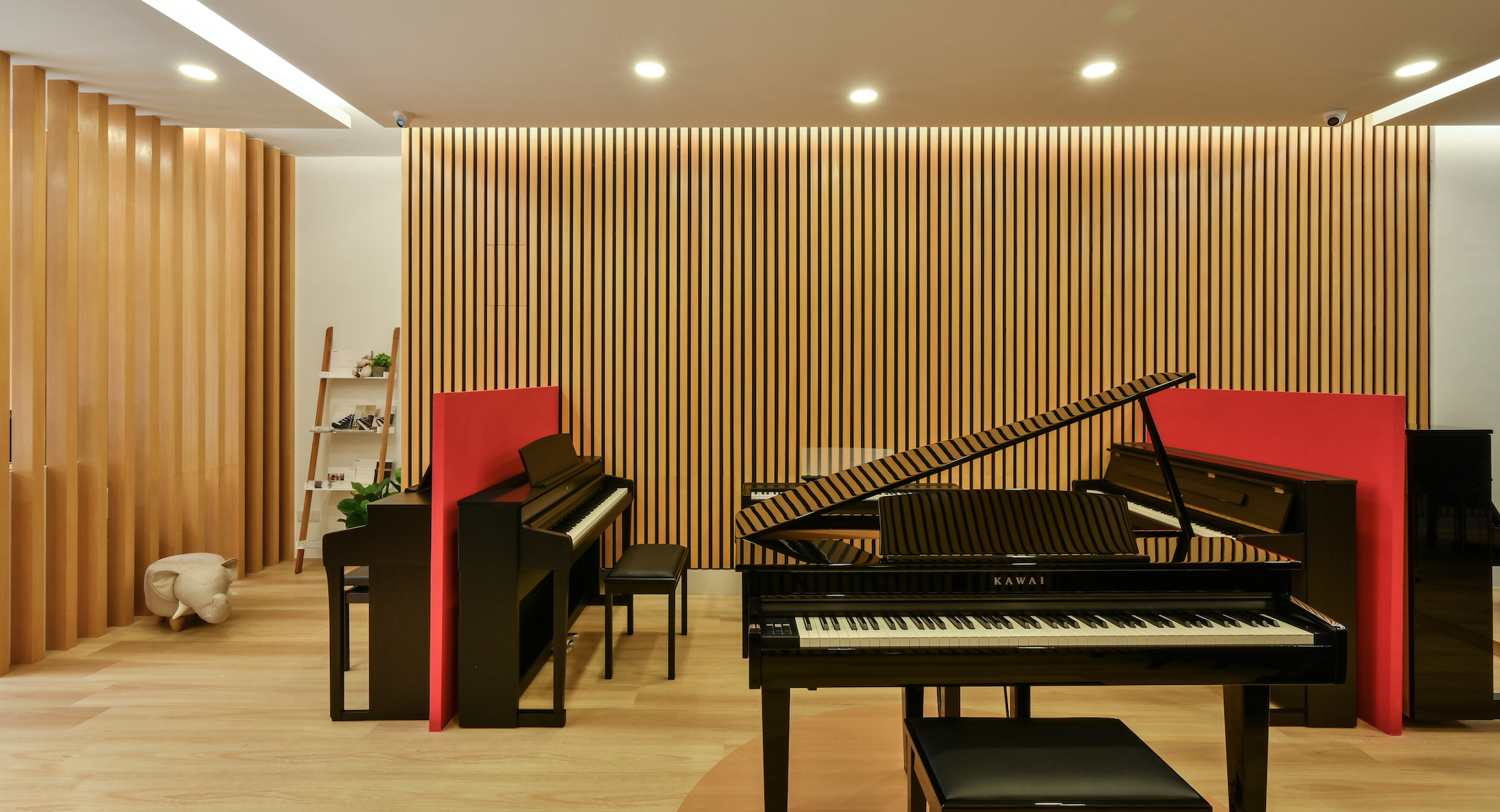
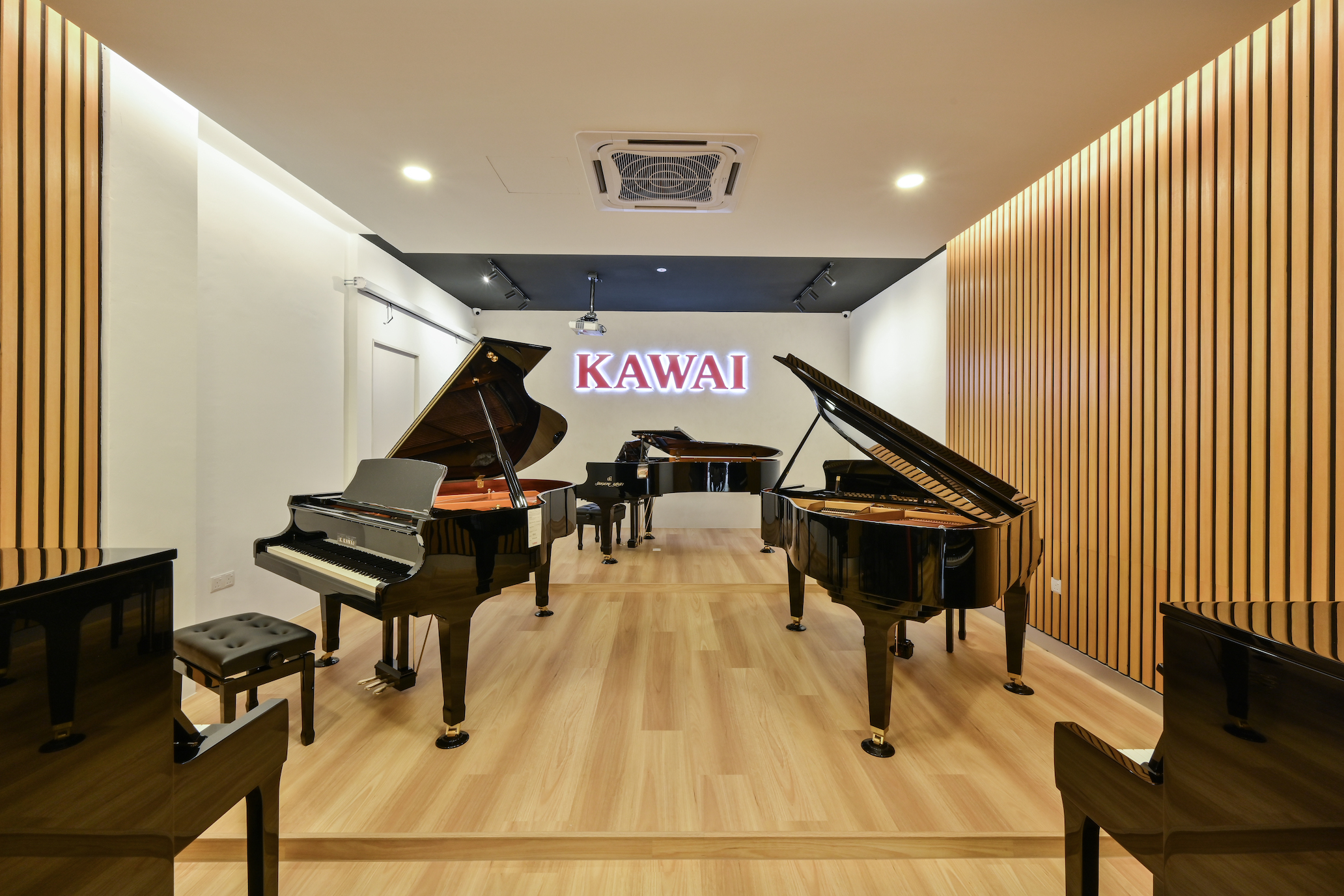
    The founder of the Kawai Malaysia showroom has announced the opening of his flagship store in Malaysia. Kawai Malaysia is an amazing showroom built to showcase a large variety of musical instruments and their accessories. The store comprises a Japanese Zen style interior design concept store, the first one of its kind in Malaysia. With the goal of perfecting the art of the pianos, Kawai’s master craftsmen strive to get the best patterns, designs, and new materials to adhere to the latest piano standards. The piano models on display combine the very latest digital sound technology with the most advanced key action designs to beautifully capture the essence of playing a fine concert grand piano.

    A spokesperson for Kawai Malaysia said, “The future of the piano lies in the fact that the imaginative spirit of Koichi Kawai, our founder, laid an ambitious foundation for all who would follow and is the primary reason why the name Kawai has been synonymous with our innovations since 1927”

     Perfecting the art of pianos, a brand-new showroom for musical instruments is now open to the public

    Over the last 30 years, Kawai digital piano designers have worked side-by-side with their acoustic piano counterparts to create an extraordinary range of digital instruments. It is this hard-earned synergy of complementary skills that has made Kawai digital pianos some of the most highly praised instruments in global music products industry. Indeed, Kawai is one of the most celebrated companies in the category, having received over 50 major international awards for product and service excellence.

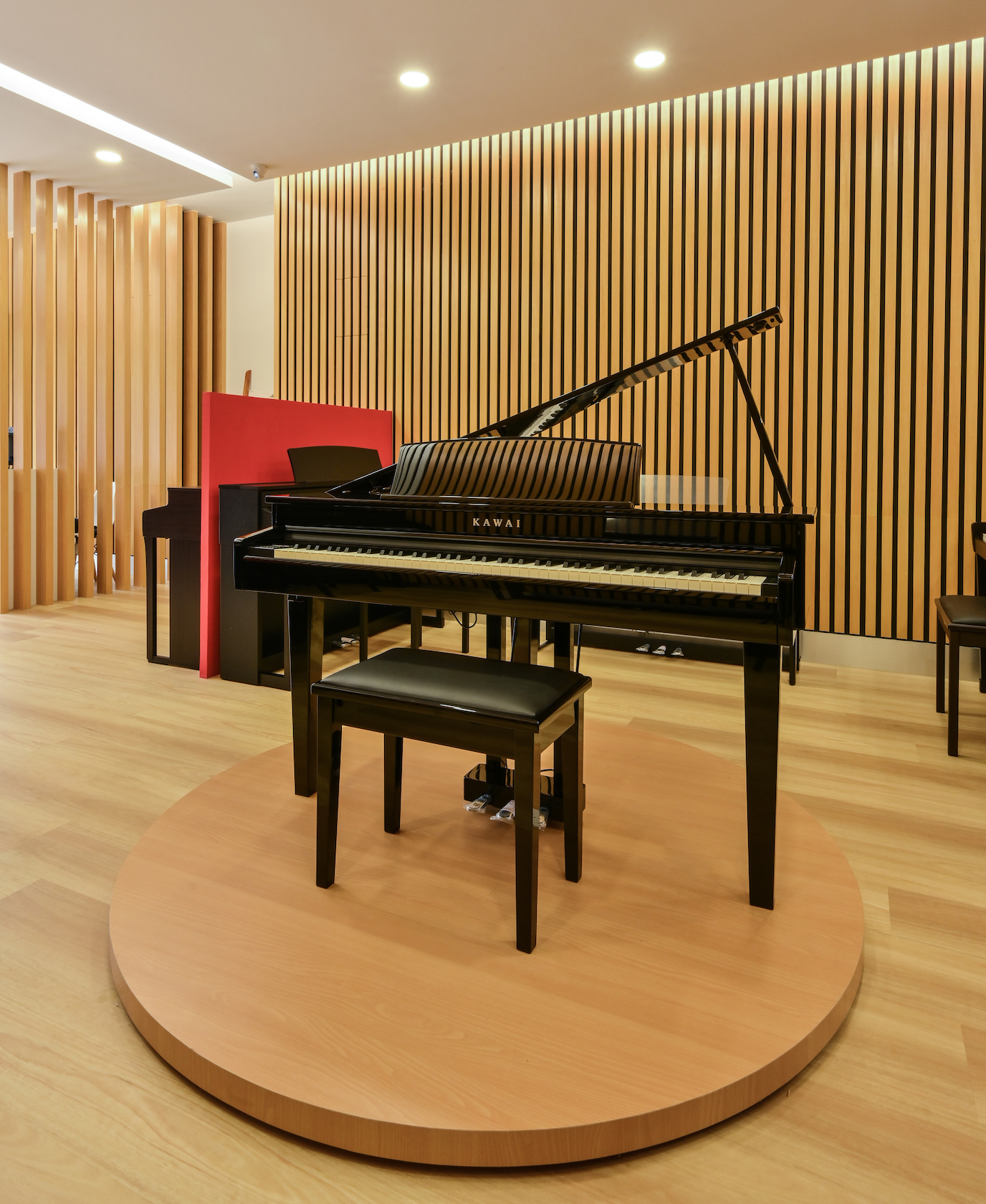
    Kawai Malaysia features a beautiful showroom at the ground level. The second floor houses Kawai’s service center headquarters. From digital to acoustics, all varieties of the latest models of pianos are also available at the showroom. Kawai Malaysia has initiated many of the piano industry’s most captivating and useful innovations, including the aluminum action rails, slow-close fallboards, hard finish music desks, and revolutionary use of ABS. The three main types of Kawai pianos, upright, digital, and hybrid are all found at the Kawai showroom.

    Kawai Malaysia follows the unique designs and patterns of the Zen philosophy. Using soft tones and neutral colors like shades of greys and whites which are meant to be relaxing, contemporary, and appealing. The founder of Kawai Malaysia has used natural materials and innovative ideas for structuring magnificent interior designs. Using simple furniture and grandeur decorations induces the power of serenity and purity in the customers.

    Always searching for new materials and technologies, Kawai Malaysia improves the tone, touch, stability, and durability of a piano and enhances the piano actions. The company’s passion for innovation also extends to electronics, where Kawai created some of the industry’s earliest digital pianos with real wooden keys. Kawai was also among the first to offer built-in recorders and affordable digital pianos with real wooden soundboards.

    For more information on Kawai Malaysia, visit:

    Website :           www.kawaipiano.com.my

    YouTube:         www.youtube.com/channel/UCXuWrOXAJuo6auhTuKUS8GA

    Facebook:        www.facebook.com/kawaimalaysiaofficial

    Instagram:        www.instagram.com/kawaimalaysia/

  • Female Exec Pulls Multi-Million Dollar Casino Heist

    Female Exec Pulls Multi-Million Dollar Casino Heist

    A casino executive is on the run after allegedly taking 14.6 billion ($13 million) in cash from a South Korean casino operated by a Hong Kong developer.

    Jeju Shinhza World, operated by Hong Kong-listed property firm Landing International Development, said in a statement that it was unable to reach the employee in charge of the casino funds.

    Local police confirmed that an investigation was underway, according to a report by local media firm «Yonhap».

    Jeju is a popular tourist island in the southern region of South Korea, with casinos for foreigners only.

    According to the report, the female employee in question is a Malaysian national who did not return to work following a vacation. Surveillance footage secured showed that the period in which the funds may have disappeared has been erased.

    There is reason to believe the heist was done by more than one individual as the funds were all cash and weighed about 280 kilograms.

  • Millions of WhatsApp users join Telegram as Facebook forces them to give up their data

    Millions of WhatsApp users join Telegram as Facebook forces them to give up their data

    Facebook informed WhatsApp users last week that in order to continue to use the app, they will have to agree with the company’s updated privacy policy. That wouldn’t be unusual unless the new policy requires WhatsApp users to allow the company to share their information with Facebook and its associated firms.

    About three years ago, WhatsApp introduced this option with the promise that it will “help operate, provide, improve, understand, customize, support and market it services and offerings,” but users could opt-out from this trial.

    Unfortunately, this has become mandatory this year, so those who don’t comply won’t be able to use WhatsApp starting February 8. Well, it looks like Facebook’s decision had drastic repercussions for its customer database.

    Telegram, a similar messenger service with a lot less users, has just announced a surge in the number of active users immediately after Facebook’s announcement. First, the founder of the company, Pavel Durov, pointed out that Telegram surpassed 500 million monthly in the first week of January 2021.

    More importantly, soon after WhatsApp announced the new changes, Telegram reported a massive surge in a number of users. No less than 25 million users joined Telegram in the last 72 hours. According to him, most of them are coming from Asia (38%), Europe (27%), and Latin America (21%).

    Apparently, this is an important increase compared to last year, when “just” 1.5 million users signed up every day. Durov went on to say that while Telegram had surges of downloads before, “this time is different.”

  • Indonesian retail sales fell 16.3 per cent in November

    Indonesian retail sales fell 16.3 per cent in November

    Retail sales in Indonesia dropped 16.3% year-on-year in November following a 14.9% fall a month earlier, a central bank survey showed on Tuesday.

    Sales of telecommunication types of equipment and other household goods contracted in November, the survey showed.

    The survey also forecasts an even deeper contraction of 20.7% in December.

  • Staples makes US$2.1 billion bid for rival Office Depot

    Staples makes US$2.1 billion bid for rival Office Depot

    Office supplies retailer Staples has made an offer to buy Office Depot owner ODP Corp for US$2.1 billion in cash, nearly five years after its second takeover effort was rejected.

    The US Federal Trade Commission blocked Staple’s $6.3 billion offer in 2016, saying a merger between the two could reduce competition for nationwide contracts for office supplies.

    At the time, the Australian Competition and Consumer Commission (ACCC) gave its tick of the approval of Staples’ proposed acquisition of Office Depot, which trades locally as OfficeMax.

    The two companies agreed to merge in 1996, but the deal was put to rest as a government lawsuit argued the move would have meant higher prices for pens, paper, and other office supplies.

    Staples was a public company when it attempted the acquisition. It went private in 2017.

    Staples said it is prepared to take “all necessary measures” to divest ODP’s B2B Business to a FTC-approved and qualified buyer.

    USR Parent, or Staples, said it would offer $40 per for each ODP share, a premium of 8.2 percent to Friday’s close.

    ODP’s shares rose about 11 percent to $41 before the opening bell.

  • Carrefour starts rebranding Wellcome stores in Taiwan

    Carrefour starts rebranding Wellcome stores in Taiwan

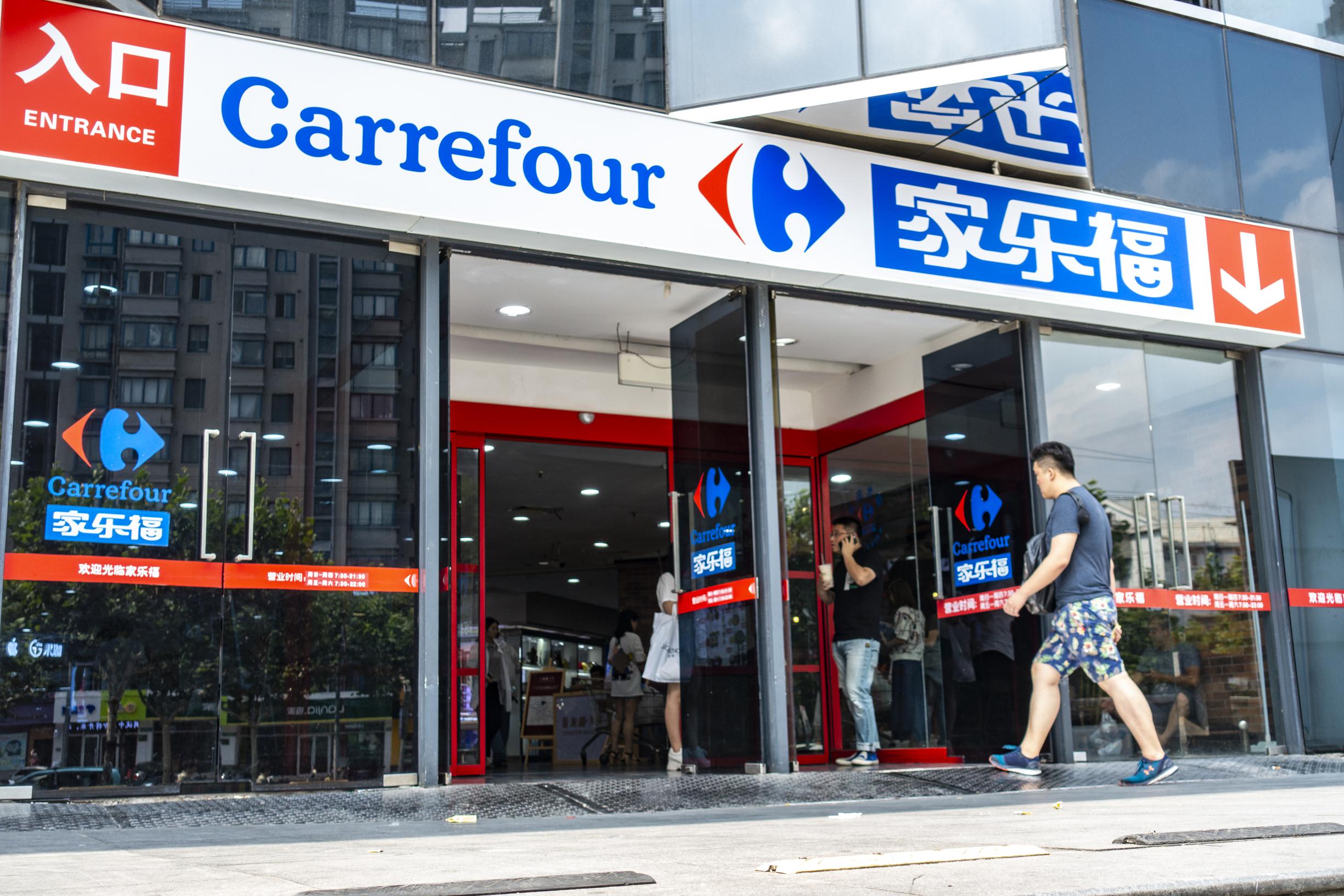
    Carrefour SA said Tuesday they have agreed to buy Wellcome Taiwan from Dairy Farm International Holdings Ltd. to accelerate its expansion.

    The deal includes 224 proximity stores as well as a warehouse and its overall enterprise value is EUR97 million (US$107.9 million), the supermarket group said.

    The company expects the transaction to close by the end of the year and its plans for the stores include cost-structure optimization and rebranding.

    Wellcome Taiwan had net sales of around EUR390 million in 2019, according to Carrefour.

    The French company said it currently owns 137 stores in Taiwan, where it generated net sales of EUR1.97 billion, earnings before interest, taxes, depreciation, and amortization of EUR209 million and recurring operating income of EUR83 million in 2019.

  • Don Don Donki confirms Taiwanese introduction date

    Don Don Donki confirms Taiwanese introduction date

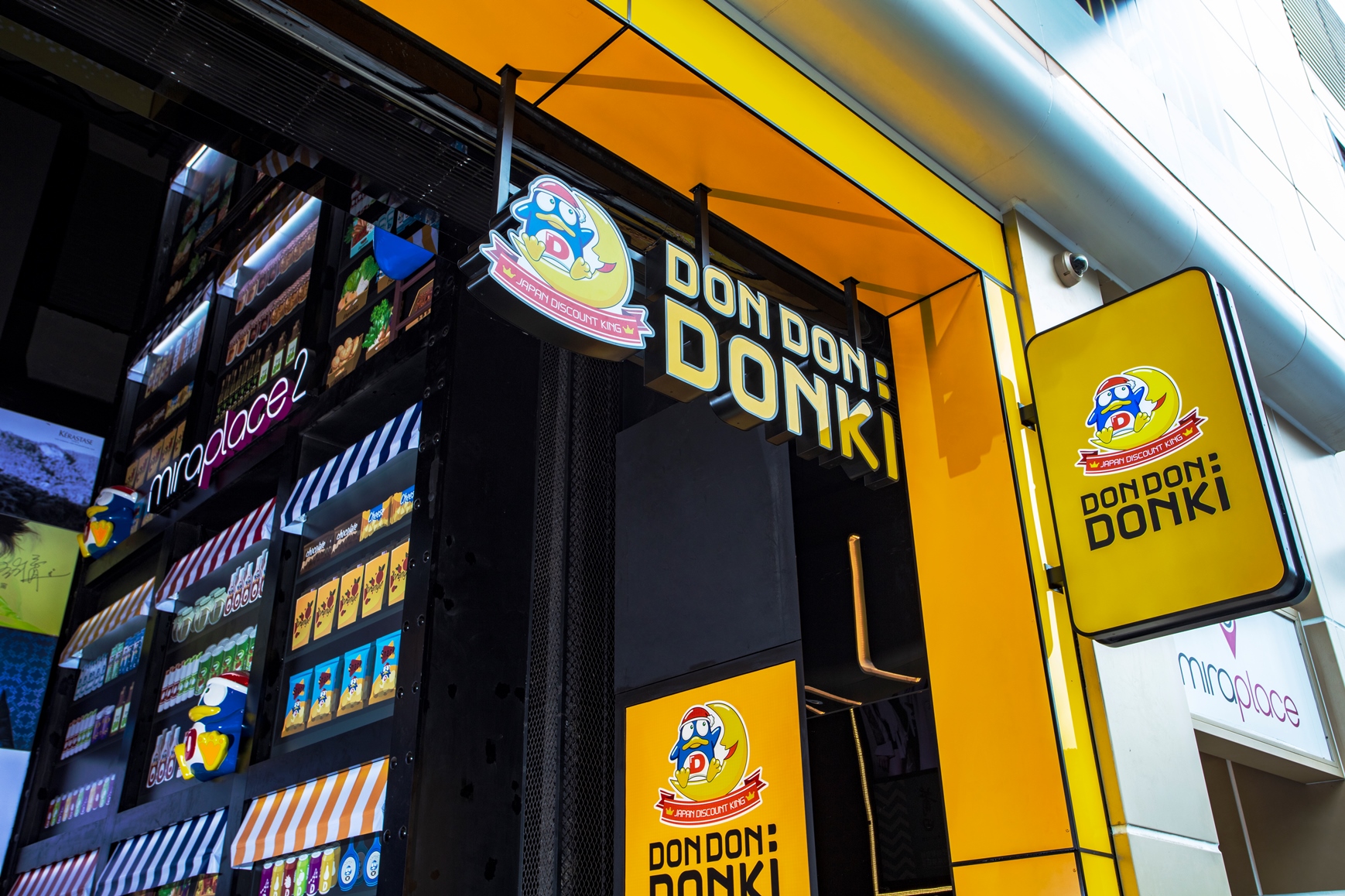
    Japanese discount retailer Don Don Donki, known as Donki, looks on course to make its Taiwan debut, with a new 24/7 store rumored to be opening in the popular shopping destination of Ximendeng in Taipei.

    The company is yet to reveal the location or the opening date of the store, however, job advertisements seeking up to 400 employees have all but confirmed the company’s expansion plans.

    Don Don Donki is a discount chain store that carries a wide range of products, from basic groceries to electronics and clothing. It has over 160 branches in Japan, Hong Kong, Singapore, Thailand, and Hawaii (US) and is said to be a popular store for Taiwan residents to visit when traveling.

    The retailer launched a free international shipping promotion on its e-commerce platform last year, which has helped build the brand’s appeal among Taiwanese consumers.

    Meanwhile, Don Don Donki’s fifth Hong Kong outlet of 2020 is expected to open in Central by October. Its owner, the Japanese group Pan Pacific, has been aggressively expanding within the Asian region in the past year.

  • Philippine Airlines suspends all UK flights

    Philippine Airlines suspends all UK flights

    Philippine Airlines has suspended flights to and from London till the end of February 2021 as Britain battles a new coronavirus strain, said a report.

    The airline said it supports all measures that seek to curb any potential increase in Covid-19 cases during the holiday season and beyond.

    Passengers already in transit and those who arrived in the Philippines from the UK before December 24 will be allowed to enter the country, but they must undergo stricter quarantine and testing protocols, the report cited Presidential spokesman Harry Roque as saying.

  • Google Meet update adds new ways to create meetings

    Google Meet update adds new ways to create meetings

    Unsurprisingly, a tragic event like COVID-19 led to a surge in virtual meetings with employees being stuck at home. Moreover, families and friends forced into isolation needed to remain in touch, and apps like Google Meet, Zoom, as well as others, had to evolve to provide these kinds of services.

    Google Meet went through a lot of changes in the last few months, but the transformation isn’t over yet. Mostly used by companies, Google Meet is now being updated to offer users easier ways to create new meetings.

    For example, once you tap on the “New meeting” button, you’ll now have three options at your disposal, each allowing you to create a new meeting at different times: Create a meeting for later, Start an instant meeting, and Schedule in Google Calendar.

    If you choose the third option, you’ll have to go to Calendar in a new tab to create an event with Meet conferencing details automatically populated. Of course, users will still be able to enter a meeting code or nickname to join a meeting.

    The update went live this week, but the rollout may take up to 15 days. The new Google Meet changes will be available to all users, regardless of whether they have a Google business or personal account. It’s important to add that Workspace Essentials users will not see the “Schedule in Google Calendar” option but will have the two options available.