Category: General

Retail News Asia is committed to providing both local and global retailers with the latest General Retail news throughout the Asian market. This on a daily base.

  • Tata grabs bigger slice of AirAsia India

    Tata grabs bigger slice of AirAsia India

    A number of bids have been put forward for India’s loss-making national carrier, including one on behalf of its employees. The Indian government had tried to offload its stake in Air India in 2018 but failed to attract a single bid. One group is representing employees and plans to offer them a controlling stake in the struggling airline. Another bid is reported to have been put forward by the Tata Group, which originally founded the airline in 1932.

    Tata, which owns Jaguar Land Rover, sold its stake to the government in the 1950s. India’s Prime Minister Narendra Modi is keen to sell the government’s entire interest in the airline, which has been kept aloft by a bailout and racked up billions in debts. The airline has many assets, including prized slots at London’s Heathrow airport, a fleet of more than 100 planes and thousands of trained pilots and crew. One of the bids put in ahead of this week’s deadline was from US-based investment firm, Interups.

    Under its plan, Interups will hold 49% of Air India while a controlling stake of 51% will be held by its employees.

    “We are giving an open offer to employees of Air India to substantially own the airline,” Interups chairman Laxmi Prasad told the BBC.

    “Our group will invest the entire monies required for the airline, with no capital requirement from employees to contribute into the acquisition effort.”

    Calling them the “backbone to run the airline”, Mr Prasad added that the 51% stake would be “in exchange for the deep intangible contribution you all would be making for the airline.”

    “No-one knows Air India better than its employees and management.”

    “Any new owners will need to invest heavily in Air India, improving its technology and customer services operations,” said Jitendra Bhargava, former Executive Director of Air India and author of the book, The Descent of Air India.

    “But India is a growing market and offers huge potential. My take is that Air India is better run as a private company than by bureaucrats.”

    Interups, which specialises in turning companies around, says it has also targeted another Indian airline, and if successful, will merge it with Air India. They have not specified which airline that could be.

    “The combined operations will make Air India a global leader for passenger traffic to and from India,” said Mr Prasad.

    He described the potential battle with Tata for the airline as David versus Goliath. “But David mastered the winning, and we are equally confident.”

    The Indian government is expected to notify the qualified bidders in early January 2021.

  • Malaysia says Vietnam dumping cold rolled stainless steel

    Malaysia says Vietnam dumping cold rolled stainless steel

    Malaysia has slapped anti-dumping duties on Vietnamese cold-rolled stainless steel after completing a preliminary determination.

    The duties, ranging between 7.73 percent and 34.82 percent, have been imposed for three months starting December 26 on coils, sheets and all other forms of cold-rolled stainless steel, Malaysia’s Ministry of International Trade and Industry said in a statement.

    The country initiated the anti-dumping investigation on July 28 based on a petition by Bahru Stainless Sdn. Bhd., which claimed Vietnamese steel is being imported into Malaysia at a price lower than the selling price in Vietnam, which has caused it major injury.

    Malaysia will conclude the investigation before April 23, 2021. Similar steel products from Indonesia were also slapped with the duties.

    Last week Malaysia had also imposed anti-dumping duties on certain flat-rolled steel products from China, South Korea and Vietnam.

  • Vietnam Airlines set to perform better than expected

    Vietnam Airlines set to perform better than expected

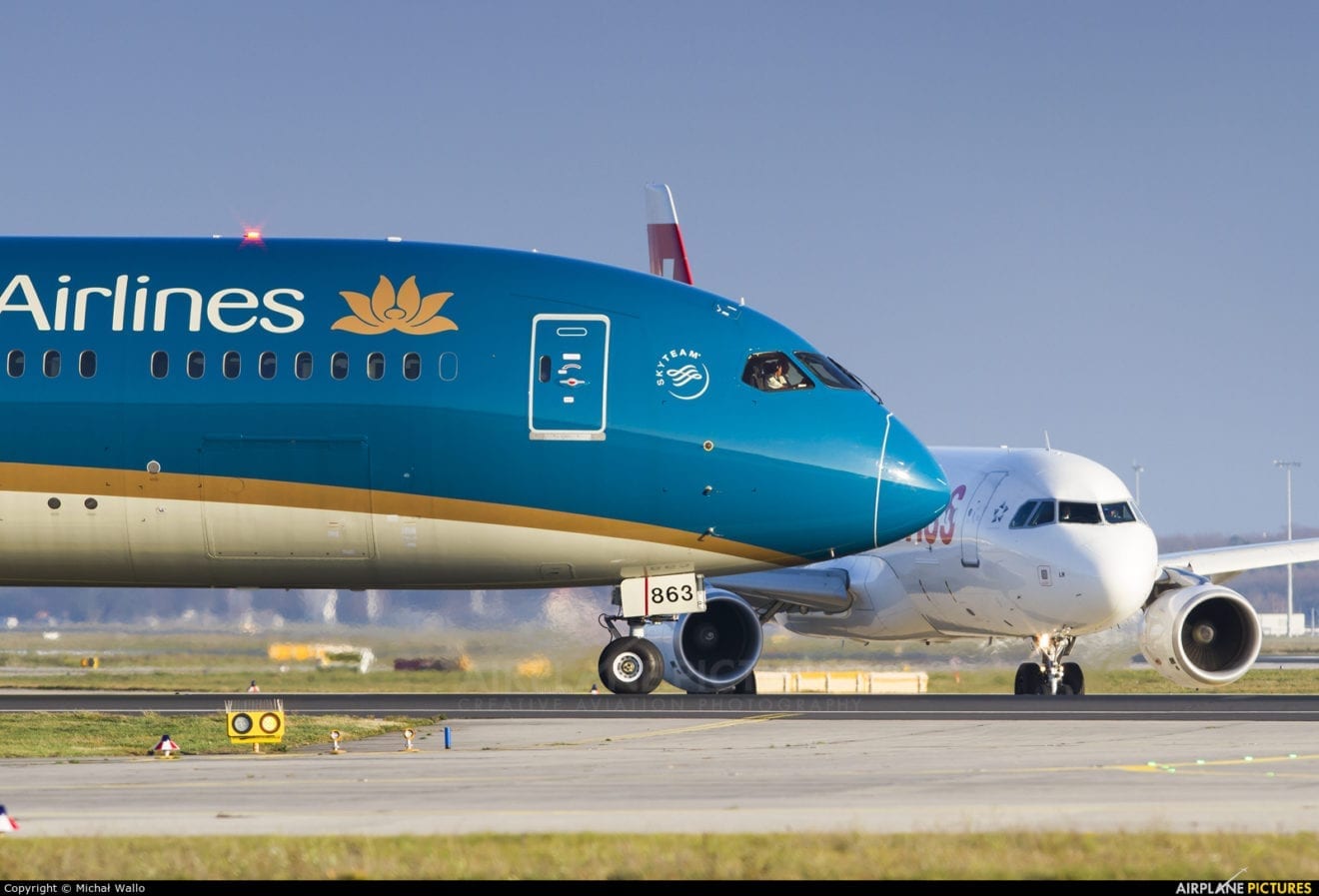
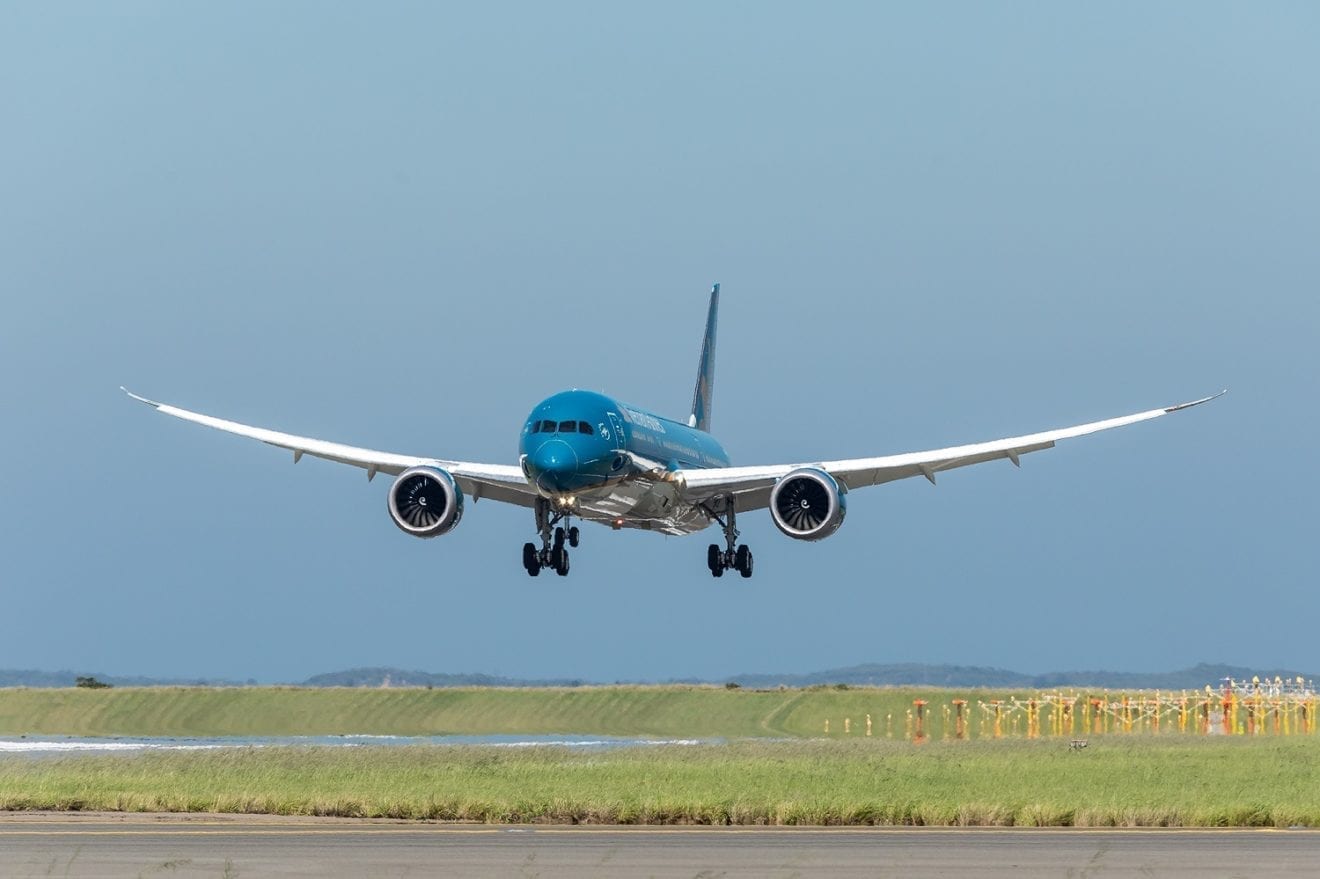
    National carrier Vietnam Airlines expects 2020 losses of VND12 trillion ($521.11 million), about 17 percent lower than it had forecast in August.

    The carrier’s consolidated revenue this year is estimated at VND42.5 trillion, with parent company revenues reaching VND33 trillion, exceeding targets set earlier this year by 4.8 percent and 1.4 percent respectively, Vietnam Airlines chairman Dang Ngoc Hoa said Tuesday at an extraordinary general shareholders’ meeting.

    This allows the company to undershoot the VND14.45 trillion loss figure forecast at the annual general meeting in August, he said.

    This year’s loss could be reduced further by VND2.86 trillion after completing adjustments for amortization of repair, maintenance and ground services costs in accordance with government policy that allows delayed payments to help support airlines, Hoa said.

    In 2020, Vietnam Airlines operated about 96,500 flights, down more than 48 percent over last year. The airline transported 14.23 million passengers and about 195,000 tons of cargo, down 51 percent and 47 percent respectively over 2019, he said.

    Hoa said that for the next five years (2021- 2025), Vietnam Airlines will focus on restoring production and business activities, undertaking a comprehensive restructuring plan which will overhaul areas such as capital ownership and finance, assets and portfolios. It will strive to ensure lean production, and improve business efficacy with the sale and leaseback of aircraft.

    The national carrier will also wholly or partly divest its capital in a number of high-performing enterprises in the air-transport service supply chain to improve cash flow, offset accumulated losses, and create funds for investment and development, he added.

    Vietnam Airlines currently operates more than 60 domestic routes with an average of 300 flights per day. It has resumed one-way flights to Japan and plans to reopen routes soon to mainland China, Taiwan, Laos and Cambodia.

    In mid-November, Vietnam’s National assembly approved a bailout for the carrier that can see it get up to VND12 trillion in funds and will be allowed to sell more shares to existing shareholders to boost cash reserves.

  • Cebu Pacific now offers antigen tests to passengers

    Cebu Pacific now offers antigen tests to passengers

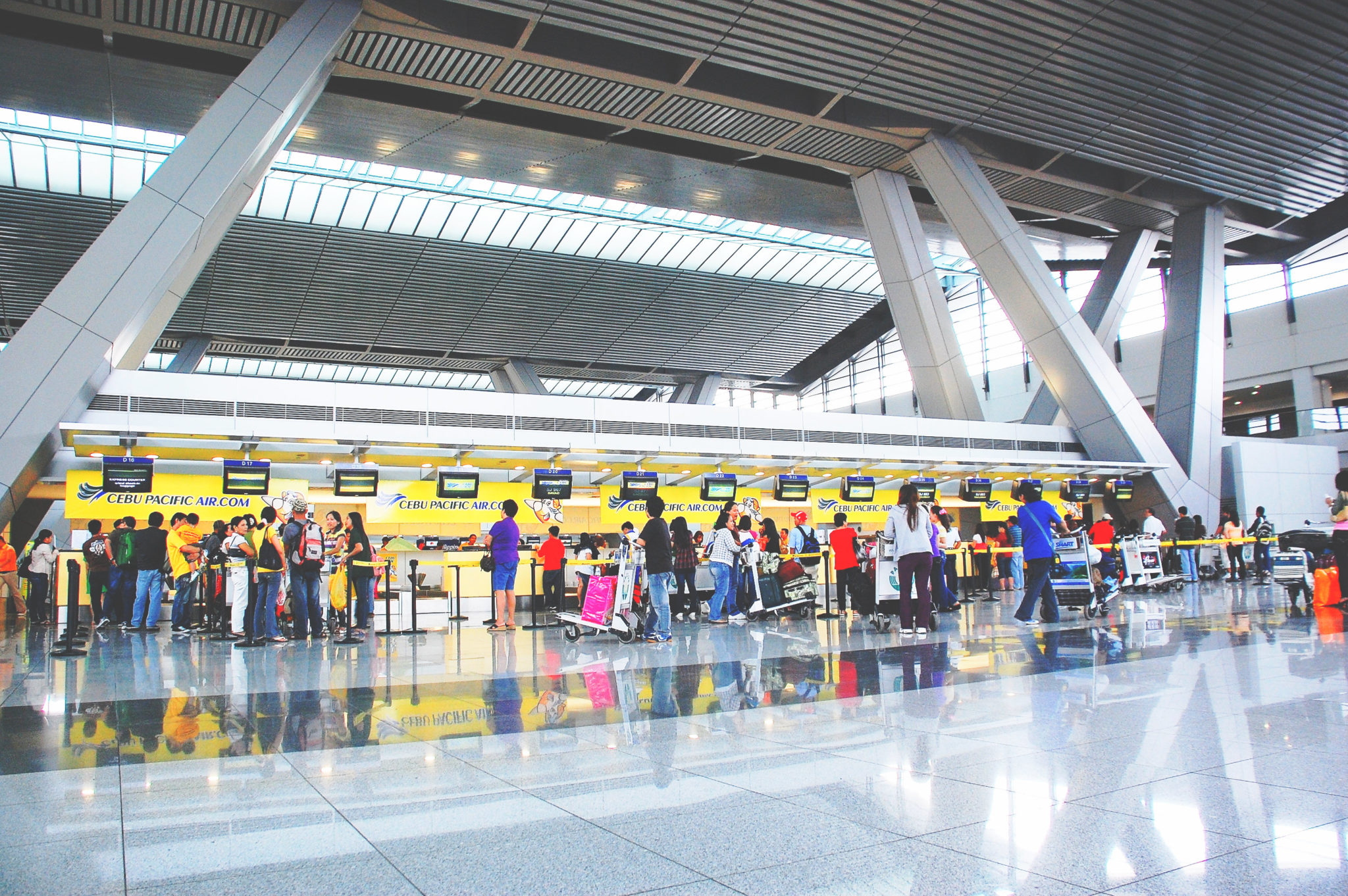
    The Philippines’ largest carrier, Cebu Pacific (CEB), commercially launches its Test Before Boarding (TBB) process for passengers flying from Manila, after its successful pilot run with the local government of General Santos. This process makes use of an antigen test taken just hours before the scheduled time of departure, with results released within 30 minutes.

    The TBB testing facility at the NAIA Terminal 3 is now open for walk-ins from 2AM to 2PM daily. CEB passengers will only have to register onsite and pay the fee directly to CEB’s diagnostic partner, Philippine Airport Diagnostic Laboratory (PADL).

    Throughout the pilot run from 3-14 December 2020, CEB tested a total of 1,143 passengers, three of whom tested positive and were not allowed to proceed with their flight. Only those who tested negative were allowed to board the aircraft. Subsequently, based on the data provided by the local government of General Santos, CEB passengers were retested after their 7-day quarantine and results were still negative, showing consistency with the earlier results of the TBB process.

    “Following the successful TBB pilot, Cebu Pacific is ready to offer this option to all their passengers. We are urging everyone to take advantage of this convenient alternative, especially since the testing site is strategically located at the airport, making the whole process easy and hassle-free for our residents,” said Mayor Ronnel Rivera of General Santos City.

    Apart from General Santos, the local governments of Butuan, Dipolog, and Pagadian also accept negative antigen test results as a pre-travel requirement. CEB passengers going to these destinations may also conveniently avail of the TBB beginning December 17, 2020.

    As a number of local and international destinations require negative RT-PCR test results prior to entry, CEB is offering RT-PCR tests for only PHP 3,300 (approx. USD68)viaits three partner laboratories, namely PADL, Health Metrics, Inc. (HMI), and Safeguard DNA Diagnostics Inc. (SDDI).

    Passengers booked on Cebu Pacific and Cebgo can easily choose and book appointments online. One will simply have to click on the “Testing Options” tab and choose from any of those in the list. From there, they will be redirected to each laboratory’s page to finalize their schedule online.

    “We remain committed to making flights affordable for everyone and seeing that testing is required by a number of destinations at the moment, we have partnered with accredited laboratories that may offer affordable testing options. We look forward to the day trust and confidence in air travel have been restored, but until then, let us all work together towards that,” said Candice Iyog, CEB vice president for Marketing and Customer Experience.

    Testing is just one out of the three key steps CEB strictly implements to regain passenger confidence. Other approaches include safety and sanitation, as well as track and trace. CEB continues to implement a multi-layered approach to safety and has been rated 7/7 stars by airlineratings.com for its COVID-19 compliance. Passengers are also constantly reminded to register in the Department of Transportation’s Traze App for a more efficient contact tracing process.

  • Covid-19 troubles push over 100,000 businesses to suspend operations

    Covid-19 troubles push over 100,000 businesses to suspend operations

    The Covid-19 pandemic’s severe impacts have seen as many as 101,700 businesses in Vietnam close up shop in 2020, up 13.9 percent year-on-year.

    Of these 46,600 have registered to temporarily suspend operations, while 37,700 are waiting to complete dissolution procedures, according to a new report by the General Statistics Office. The report also says that 17,500 enterprises completed their dissolution procedures this year.

    The surge in business suspensions has been attributed to the adverse impacts of Covid-19, which has cripped key sectors and seriously affected socio-economic activities worldwide.

    The number of newly-established enterprises in Vietnam this year fell 2.3 percent year-on-year to 134,900 with a combined registered capital of VND2,200 trillion ($94.31 billion), up 29 percent.

    If the VND3,300 trillion in additionally registered capital for 39,500 companies is included, the total registered capital added to the economy this year is more than VND5,500 trillion, an increase of 39.3 percent year-on-year.

    The GSO report says a survey on business sentiment in the manufacturing and processing sectors in the fourth quarter of 2020 found 40.6 percent of enterprises experiencing improvement in business performance over the previous quarter, while 24.7 percent faced difficulties and 34.7 percent said their business remained stable.

    Almost 43 percent of companies expect things to get better in the first quarter of 2021, while 19 percent foresee more difficulties and 38.2 percent believe the situation will be stable.

    Vietnam’s economic growth slowed to 2.91 percent this year, its lowest level in a decade, given the negative impacts of Covid-19, natural disasters and a sluggish global economy. However, it was one of the few economies in the world to record positive growth, most others experiencing contractions.

  • Vietnam’s sixth carrier making plans to take of by mid-January

    Vietnam’s sixth carrier making plans to take of by mid-January

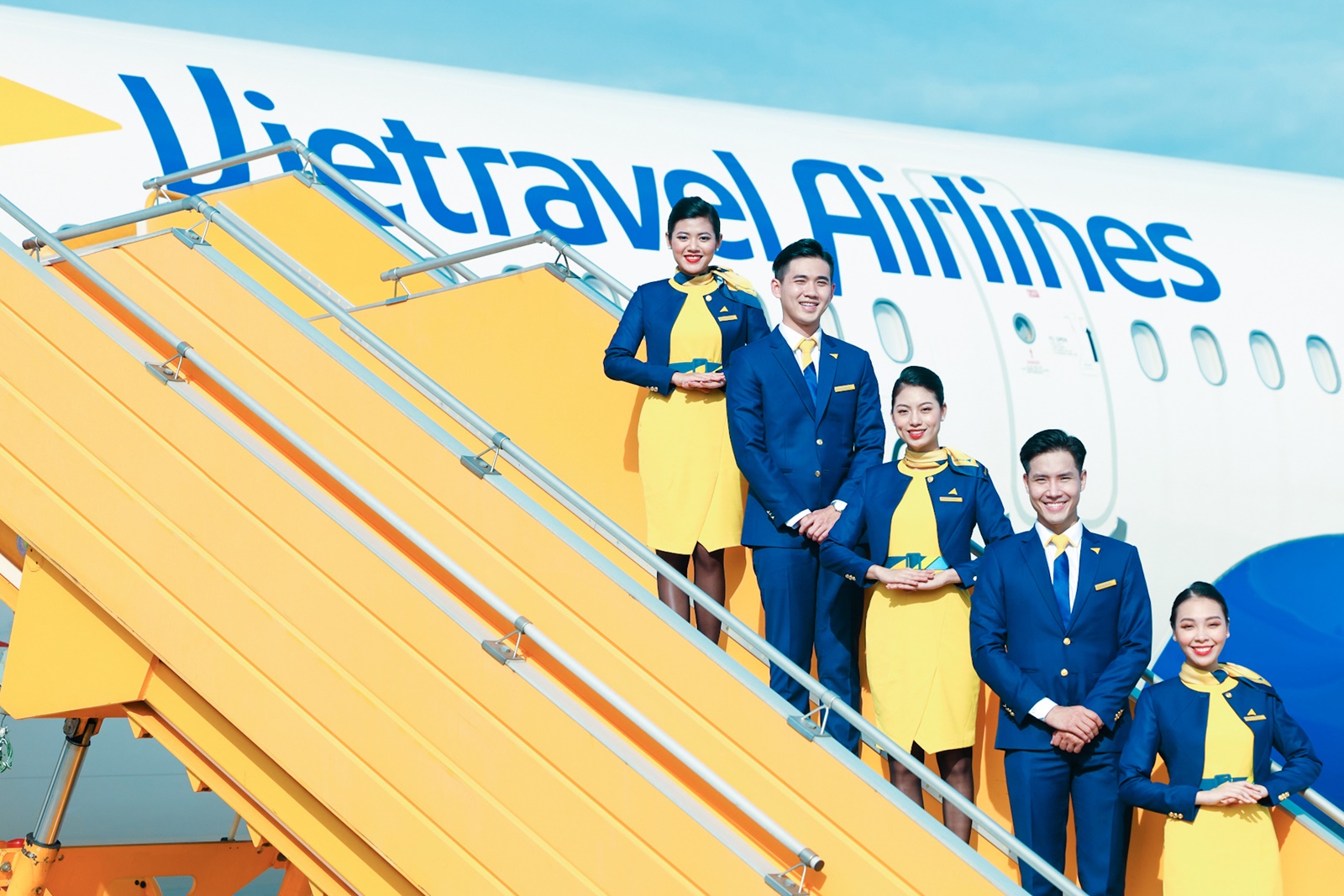
    Vietravel Airlines, Vietnam’s sixth carrier, has received permission to fly aircraft for commercial purposes, and plans to begin operations in mid-January.

    It received the aircraft operator certificate from the Civil Aviation Authority of Vietnam (CAAV) last week, the last permit it needed to fly.

    Vietravel would start selling tickets in January, Vu Duc Bien, its general director, said. It targets breaking even in its second year of operations, he said

    Starting amid the turbulence created by the pandemic has helped the carrier acquire good aircraft and pilots and engineers at competitive rates besides benefiting from low fuel costs and a stimulus package from the government, he added.

    It recently took delivery of its first 220-seat Airbus A321CEO plane and is due to get two more soon to meet the increased travel demand during the Lunar New Year Tet in Februrary, 2021.

    Based at Phu Bai International Airport near Hue, Vietnam’s former imperial capital, it will start with services to Hanoi and HCMC before expanding to major tourist destinations like Nha Trang, Da Nang and Da Lat.

    It has hired some 200 pilots and flight attendants, and is looking to expand its fleet to 30 to prepare for international operations.

    It plans to fly to Southeast Asia, especially Thailand, the Middle East and Northeast Asia, markets that Vietravel services.

    The airline enters a fiercely competitive aviation market which already has five players, Vietnam Airlines, Vietjet, Jetstar Pacific, Vietnam Air Services Company, and Bamboo Airways, at a time when the industry has gone through one of its most challenging years ever due to Covid-19 restrictions, which have caused airlines huge losses.

  • Qualcomm is no longer the top supplier of chipsets for smartphones

    Qualcomm is no longer the top supplier of chipsets for smartphones

    There has been a change in the smartphone industry. During the third quarter of this year covering July through September, MediaTek overtook Qualcomm to become the top provider of chipsets for the smartphone industry with a 31% share of the market. Counterpoint attributes MediaTek’s success to strong sales of phones in the $100-$250 price range amid strong growth in the top two smartphone markets in the world; that would be China (#1) and India (#2). As a developing country, Indian consumers prefer value brands many of which use MediaTek chips instead of Qualcomm’s pricier Snapdragon silicon.

    This is not to say that Qualcomm couldn’t find a sweet spot for growth in Q3. With 39% of the market, the chip maker is the leading provider of 5G chipsets for phones and this is a market that doubled during the third quarter. Counterpoint says that 17% of  all phones sold during the third quarter supported 5G. That figure is expected to rise to 33% for the current quarter that started in October and concludes at the end of the year. With strong growth in 5G shipments for the fourth quarter, Qualcomm does have a chance to take back the crown that MediaTek took away from it.

    MediaTek’s leading 31% share of the smartphone chipset market was a 19% percent gain from the 25% share that the Taiwan based firm had last year. During the same time period, Qualcomm’s slice of the chipset pie for handsets declined from a leading 31% to the current 29%. Apple was third as its A-series chips, built exclusively for its phones and tablets, garnered 12% of the market. That put Apple in a three-way tie with Samsung and Huawei’s HiSilicon unit.

    Counterpoint Research Director Dale Gai pointed out that “MediaTek’s strong market share gain in Q3 2020 happened due to three reasons – strong performance in the mid-end smartphone price segment ($100-$250) and emerging markets like LATAM (Latin America) and MEA (Middle East and Asia), the US ban on Huawei and finally wins in leading OEMs like Samsung, Xiaomi and Honor. The share of MediaTek chipsets in Xiaomi has increased by more than three times since the same period last year. MediaTek was also able to leverage the gap created due to the US ban on Huawei. Affordable MediaTek chips fabricated by TSMC became the first option for many OEMs to quickly fill the gap left by Huawei’s absence. Huawei had also previously purchased a significant amount of chipsets ahead of the ban.”

    Gai also noted that, “On the other hand, Qualcomm also posted strong share gains (from a year ago) in the high-end segment in Q3 2020, again thanks to HiSilicon’s supply issues. However, Qualcomm faced competition from MediaTek in the mid-end segment. We believe both will continue to compete intensively through aggressive pricing, and mainstream 5G SoC products into 2021.”

    Counterpoint Research Analyst Ankit Malhotra added, “Qualcomm and MediaTek have both reshuffled their portfolios, and consumer focus has played a key role here. Last year, MediaTek launched a new gaming-based G-series, while Dimensity chipsets have helped in bringing 5G to affordable categories. The world’s cheapest 5G device, the realme V3, is powered by MediaTek. Using his crystal ball to look into the future, Malhotra said, “The immediate focus of chipset vendors will be to bring 5G to the masses, which will then unlock the potential of consumer 5G use cases like cloud gaming, which in turn will lead to higher demand for higher clocked GPUs and more powerful processors. Qualcomm and MediaTek will continue to contend for the top position.”

  • The entire Retail News Editorial team wishes you a Joyful and Merry Christmas

    The entire Retail News Editorial team wishes you a Joyful and Merry Christmas

    It’s been a difficult year; we better say the most difficult year in decades with Covid-19 and all social restrictions that were put in place. But we were resilient, and prepare ourselves for a better year.

    Hopefully with more and more retail events and summits; cause that’s what we retailers live from. Showcase and demo products, networking, and meeting up with customers and vendors. It’s not that far ahead of us… we already prepare ourselves in order to get ready when the markets are ready again to shift gears.

    Thanks for being part of the largest retail community covering Asia this year. The entire Retail News Editorial team is wishing you a Happy Holiday season. We wish you joy and peace in the upcoming year. Wishing you all the joys of the season and happiness throughout the coming year.

    Thanks for support us; thanks for reading us and stay close in the new year!


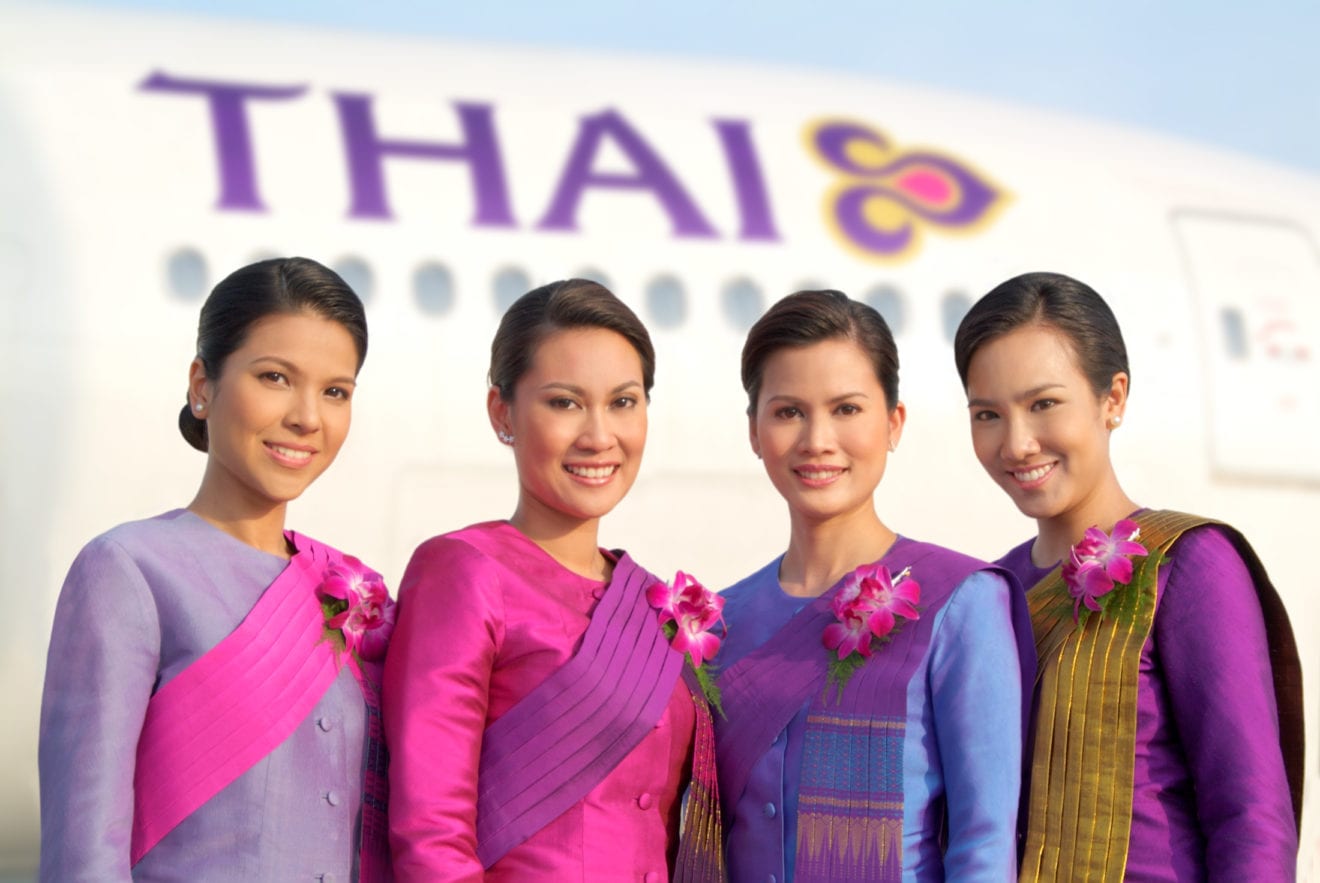
  • Thai Airways Launches Scenic Fly By and Over Buddhist Attractions

    Thai Airways Launches Scenic Fly By and Over Buddhist Attractions

    Proving the ‘flights to nowhere’ trend is taking off, Thai Airways has given religious tourists a bird’s-eye view of 99 holy places across Thailand. Olivia Palamountain reports.

    Led by “celebrity fortune-teller and religion history expert” Dr Khata Chinbunchon at the end of November, the “Thai Magical Flying Experience Campaign” from Thai Airways gave Buddhists the chance to see 99 sacred sights from the air, complete with chanting.

    Passengers on the Thai Airways flight from Bangkok received Buddhist prayer books and a special in-flight meal while flying over temples in 31 provinces before returning home. Tickets ranged in price from 5,999 baht (£149) to 9,999 baht (£248).

    The sacred sights included Bangkok’s Wat Arun and Wat Phra Kaew (commonly known as the Temple of the Emerald Buddha), Phra Samut Chedi in Samut Prakarn, Wat Phra Boromma That Chaiya in Surat Thani and UNESCO-listed heritage sites in Sukhothai and Ayutthaya, in the kingdom’s central plains.

    Part of a plan to boost domestic tourism, the initiative comes hot on the heels of similar offerings from the likes of Qantas, China Airlines and Eva Air, all of which have launched their own series of scenic and themed flights over the past few months. Globetrotter has also reported on Covid-secure luxury cruises to nowhere, recently launched in Singapore.

    Tourism accounts for up to 20 percent of GDP in Thailand, and in a blow to the national carrier, the kingdom has remained shut to foreign travellers throughout the pandemic. However, the airline had been struggling even before coronavirus turned travel upside down. Estimates suggest it is now buried under £6 billion worth of debt.

    Still, Thai Airways has been a pioneer of creative initiatives that boost revenue. The airline has put bags made from life vests and slide rafts on sale, opened an airline-themed café selling in-flight meals in Bangkok, and a food stall selling dough fritters. It has also opened its Airbus and Boeing flight simulators to the public.

    In the autumn, Thailand reopened its borders to international travelers with the launch of a new 90-day Special Tourist Visa (STV).

  • Thai cement giant buys 7th packaging firm in Vietnam

    Thai cement giant buys 7th packaging firm in Vietnam

    Thai cement giant SCG Group has acquired its seventh packaging company in Vietnam, Bien Hoa Packaging, at a cost of VND2.07 trillion ($89 million).

    The company owns a 94.11 percent stake in the company through its subsidiary Thai Containers Group Company Ltd, according to a recent statement.

    It paid VND171,450 ($7.38) for each share of Bien Hoa Packaging, 84 percent higher than the current market price.

    Bien Hoa’s clients are mainly high-growth consumer brands that are multinationals, the statement said.

    Its three manufacturing facilities in southern Vietnam will enlarge SCG’s customer base in the food, beverage and fast-moving consumer goods segments, it added.

    One of the six companies SCG acquired earlier is the largest in the country, Kraft Vina, a joint venture with Japanese packaging firm Rengo.

    SCG was one of the earliest foreign investors in Vietnam, coming as it did in the 1990s.

    Over the last decade it has been pouring money to acquire major companies, including one of the largest plastic producers, Binh Minh Plastics.

  • ZA Tech Partners to Launch Insurtech in Indonesia

    ZA Tech Partners to Launch Insurtech in Indonesia

    Chinese firm ZA Tech Global is partnering Indonesian payments giant Ovo to offer Indonesian insurance companies access to its proprietary insurtech capabilities and applications.

    BCP, the holding company of Indonesia’s leading e-wallet Ovo, and ZA Tech Global, a technology venture for overseas markets of ZhongAn Online P&C Insurance, have announced a strategic joint venture to create an insurtech platform in Indonesia, towards fast-tracking digitalization of Indonesia’s insurance industry and improving financial inclusion.

    The joint venture will help Indonesian insurance companies rapidly digitize their products and offer fractionalized digital insurance products to the masses, in turn driving and improving financial inclusion in Indonesia’s vastly underserved market, the announcement said.

    The announcment noted that only 1.7 percent of Indonesia’s population of 265 million are currently covered by private insurance. It is also the fastest-growing market in Southeast Asia, with economic growth averaging over 5 percent in the past three years.

    The low awareness of the benefits and role of insurance as a tool for protection, savings and wealth creation in Indonesia is something we seek to address. The current pandemic has further highlighted the need for insurance to safeguard people’s health and welfare,» Bill Song, CEO of ZA Tech, said.

    ZA Tech Global previously inked micro-insurance partnerships with Grab and NTUC Income in Singapore, and regionally with AIA.

  • Vietnam Airlines seeks shareholder loans

    Vietnam Airlines seeks shareholder loans

    Vietnam Airlines Group has called an extraordinary shareholders’ meeting next week to source low-interest loans to accelerate Covid-19 recovery.

    At the meeting, to be held on Dec. 29, the flag carrier will seek loans from its shareholders that comprise the government with an over 86 percent stake, Japanese aviation company ANA Holdings with 8.7 percent, and other organizations and individuals.

    The National Assembly in November approved a plan for the central bank to refinance Vietnam Airlines and rollover loans. The airline had earlier asked for a relief package of VND12 trillion.

    The group will also seek shareholder approval to issue more shares to existing stakeholders and so increase its capital.

    Vietnam Airlines Group, consisting of the carrier and subsidiaries Pacific Airlines and Vietnam Air Services Company (VASCO), posted a loss of VND10.75 trillion ($464 million) for January-September as the Covid-19 pandemic slashed its number of flights.

    It has forecast the figure would rise to VND15.2 trillion for the whole year.

    All Vietnamese airlines have fallen victim to Covid-19 this year with the number of flights plunging 36 percent year-on-year to 19.

  • AirAsia Reduces Stake In Indian Subsidiary

    AirAsia Reduces Stake In Indian Subsidiary

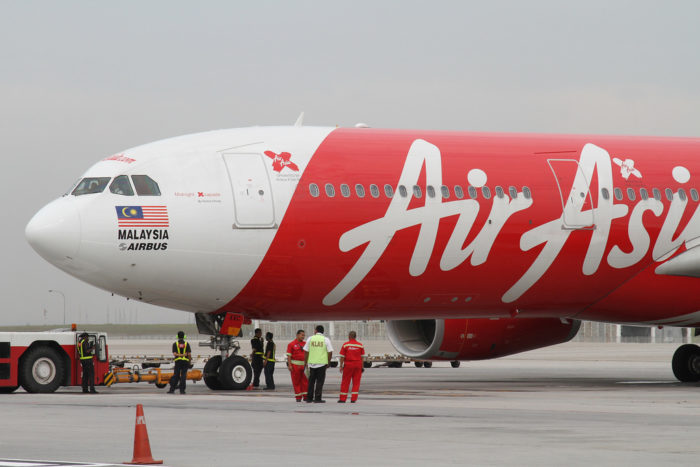
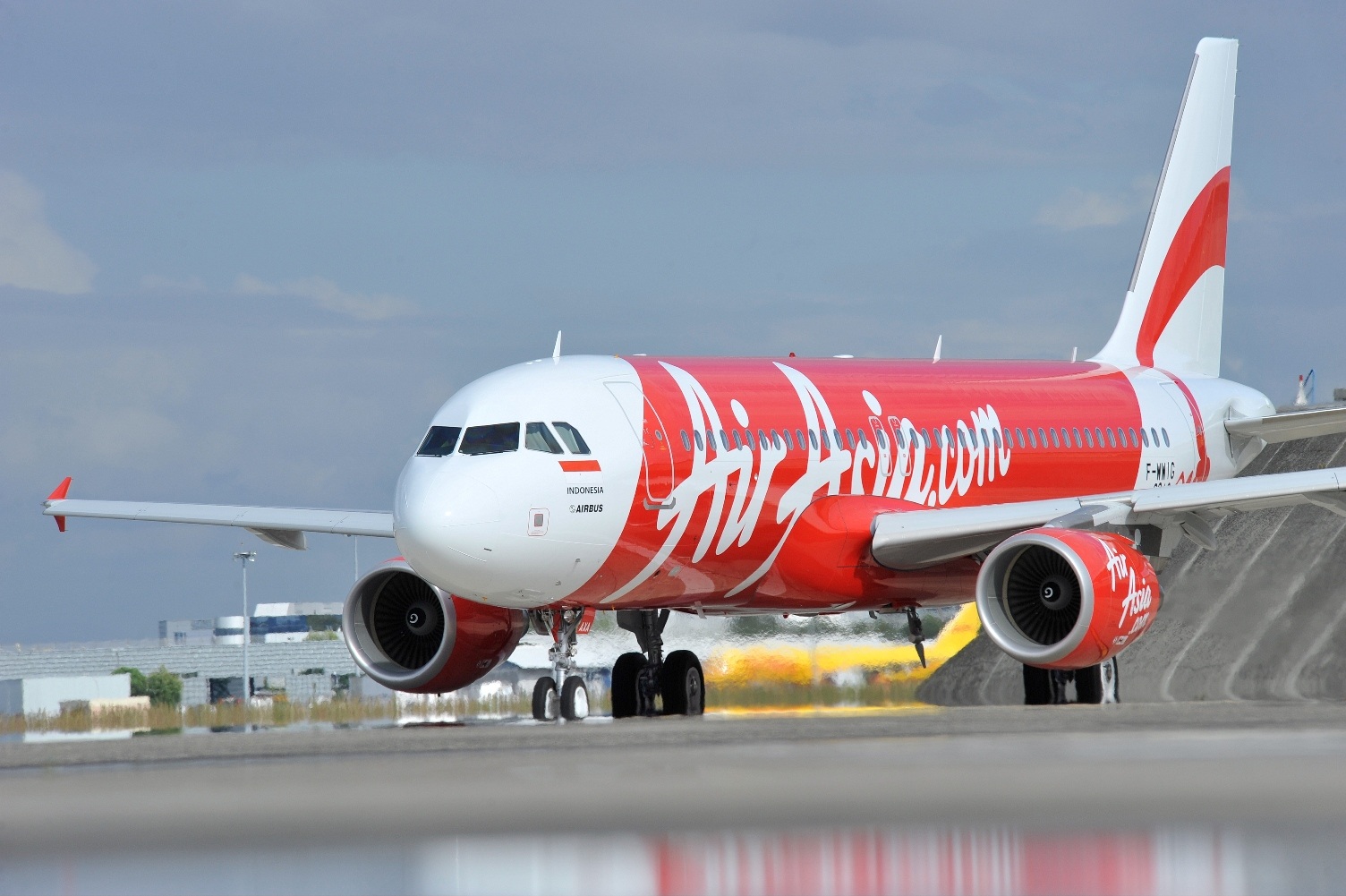
    AirAsia is scaling back its investment in AirAsia India as the group continues to face financial difficulties. The group will reportedly cut its stake to just 13%, giving the Tata Group significantly more stake in the airline. The change in ownership is unlikely to affect the AirAsia India brand but could see the airline separate from AirAsia’s operations.

    Questions over the future of AirAsia India have been swirling for a few months now, with both Tata and AirAsia considering an exit. Eventually, the AirAsia group stopped funding the airline and left Tata to decide the carrier’s future.

    According to a report, Tata has bought out most of AirAsia’s stake, leaving the group with only 13% of the airline. This means Tata now owns 87% of the carrier, making AirAsia more of an investor than a joint-venture partner. While the “AirAsia India” brand will survive, Tata is making some changes to the company.

    Tata is reportedly working on a new booking website for AirAsia India, which is currently integrated into the AirAsia group’s website. Additionally, a new crew scheduling software will also be put in place for the airline. While there are unlikely to be many changes on the surface, the Tata Group does have big plans for Indian aviation at large.

    AirAsia India first began flying in 2014, with 51% owned by Tata and 49% by AirAsia. The carrier hoped to capture the fast-growing low-cost market in India, similar to the model AirAsia had replicated in other regions. The partnership with Tata provided the airline with funding and strong name recognition in India.

    However, the airline struggled to make its mark in the Indian market, facing stiff competition from established players like IndiGo, SpiceJet, and GoAir. As of November 2020, the airline only has a market share of 6.6%. This places AirAsia India second-last on the list of major domestic airlines. The carrier currently operates a fleet of 33 aircraft, consisting of 30 A320-200s and three A320neo aircraft.

    All of this has resulted in AirAsia India being a loss-making airline for nearly all of its existence. Following a relatively better 2019, the pandemic has once again pushed AirAsia India deep into the red. The airline reported a 69% drop in revenue during the second fiscal quarter and losses of nearly $45 million in the first.

    This isn’t the first subsidiary AirAsia is exiting this year, with both its Indonesia and Japan arms being axed. The carrier has faced significant financial concerns this year, as flight traffic across Asia remains low. While traffic has been picking up slightly recently, the group continues to face existential crises as the pandemic drags on.

  • Bauhaus leaves all markets except Hong Kong, Macau

    Bauhaus leaves all markets except Hong Kong, Macau

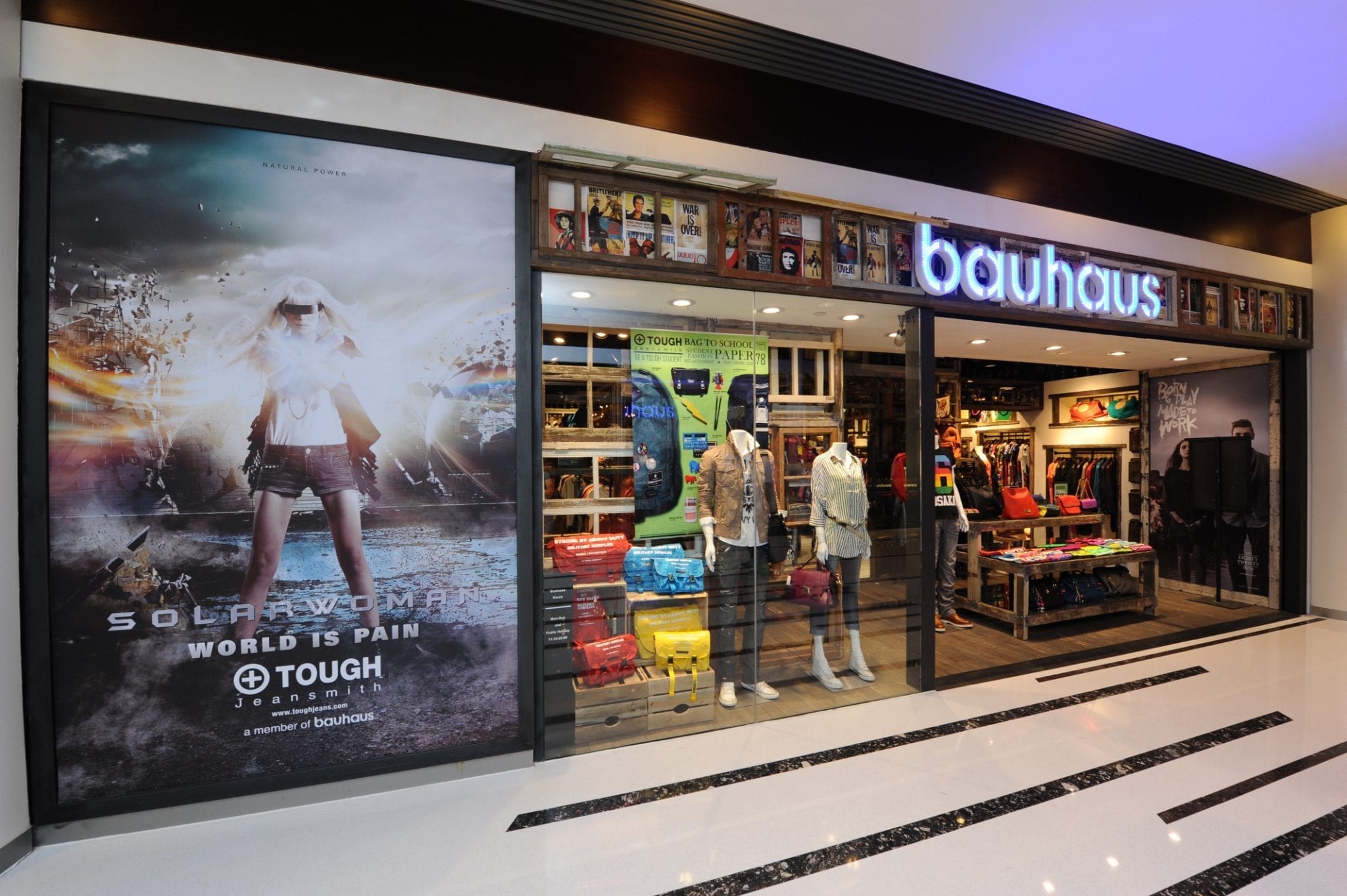
    Local apparel retailer Bauhaus International (0483) has revealed an intention to close all its retail stores outside Hong Kong and Macau by the end of March.

    The group’s loss outside Hong Kong and Macau expanded more than 13 times to HK$78.4 million in 2019 over 2018 before it narrowed to HK$68.6 million this year.

    Most of the Bauhau offline retailing operations beyond Hong Kong and Macau are in the mainland and Taiwan.

    It suffered an annual loss of HK$142.8 million this year compared with a profit of HK$2.76 million in 2019.

    The company will negotiate with landlords of the 14 stores its intends to shut down, and the precise timing of each closure will depend on how the talks go.

    About 50 employees will be laid off as a result of the closing program.

    The retailer is still looking at the possibilities of accessing the non-Hong Kong and Macau markets through centrally-managed online operations run from its Hong Kong headquarters.

    Bauhaus says more realistic economies of scope will result from the closures, which are also seen to be in the best interests of the company and its shareholders.

  • Central Food Hall features robots and stores in Thai stores

    Central Food Hall features robots and stores in Thai stores

    The Central Food Hall supermarket chain has turned to robots to disinfect stores as part of its fight against the coronavirus. The robots use UV-C to sterilize stores.

    The UV-C light reaches 360 degrees and destroys more than 99.99% of all pathogens nearly instantaneously. The robot currently is only disinfecting the Central Food Hall location in the central Chidlom area of Bangkok while the store is closed. The chain indicated it would be employing the robots at other Central Food Hall and Tops Market locations soon.

    The technology has been used for more than three years at Thai factories, companies, hotels, schools and hospitals. Testing indicates the light doesn’t have any harmful side effects on products or food.

    UV-C light has been approved by the Food Standards Agency in the United Kingdom, the U.S. Food and Drug Administration and the Soil Association (Organic Lobby) as an effective method of disinfection.