Category: General

Retail News Asia is committed to providing both local and global retailers with the latest General Retail news throughout the Asian market. This on a daily base.

  • Cebu Pacific 2nd PH airline to ban citizens from countries with new coronavirus variant

    Cebu Pacific 2nd PH airline to ban citizens from countries with new coronavirus variant

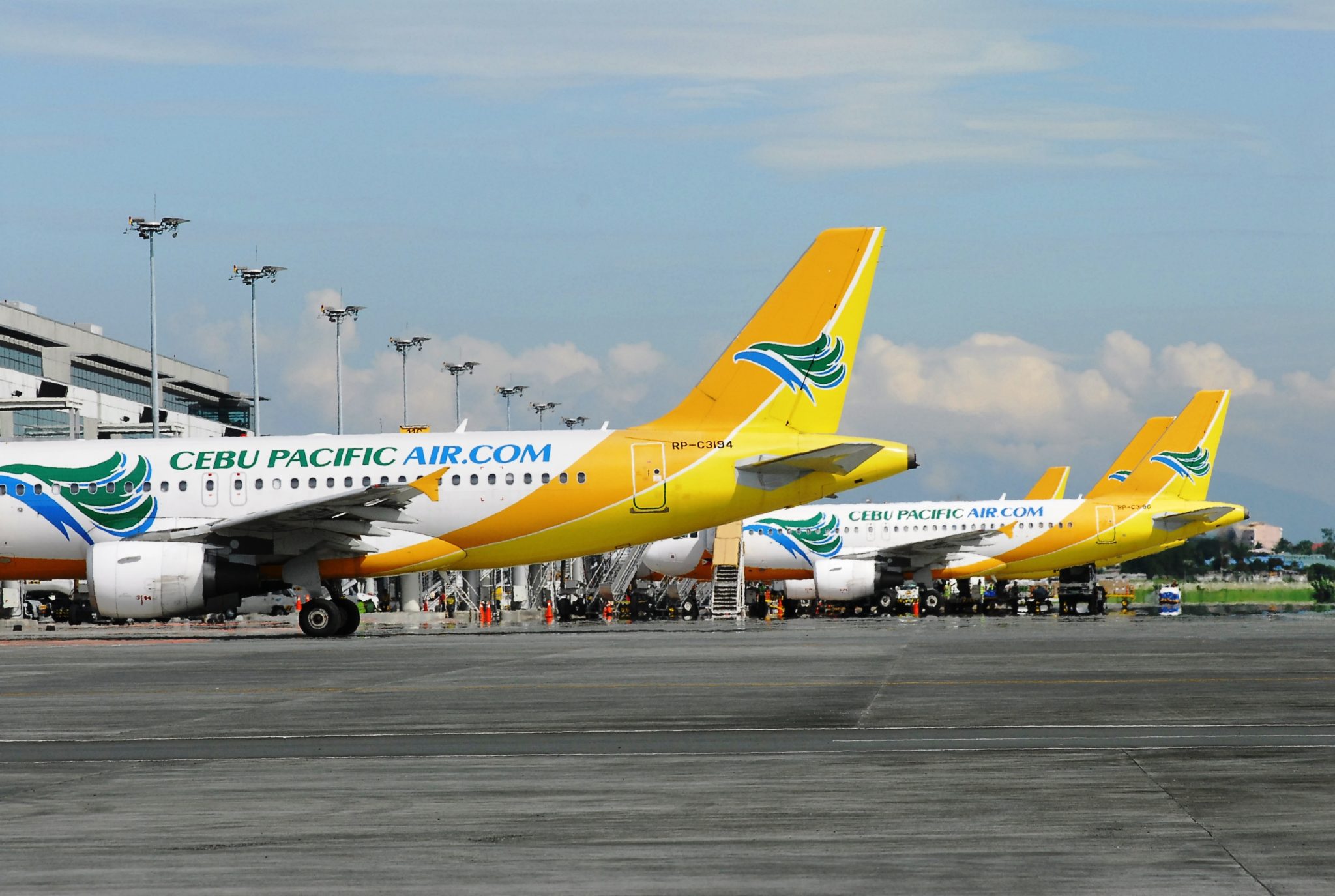
    Cebu Pacific Air said it will stop carrying foreigners coming from countries included in an expanded travel ban amid the appearance of a new coronavirus variant.

    Cebu Pacific added it will allow only Filipino citizens on its flights from Hong Kong, Nagoya (Japan), Singapore and Seoul (South Korea).

    “CEB will not accept foreign nationals who originated from, transited via, or visited within 14 days prior to arrival in the Philippines, any of the 20 countries specified in the IATF resolution,” Cebu Pacific said, referring to the Inter-Agency Task Force Resolution No. 91.

    The IATF resolution said the ban will run from Dec. 30 this year through Jan. 15, 2021.

    The countries are Denmark, Ireland, Japan, Australia, Israel, the Netherlands, Hong Kong, Switzerland, France, Germany, Iceland, Italy, Lebanon, Singapore, Sweden, South Korea, South Africa, Canada, Spain and the United Kingdom.

    Cebu Pacific said affected passengers may avail themselves of free rebooking within 90 days, a full refund or make use of its travel fund, which is valid for two years.

  • Thai AirAsia says latest virus outbreak has dented business

    Thai AirAsia says latest virus outbreak has dented business

    Thai AirAsia Co Ltd (TAA) said the latest Covid-19 outbreak in Thailand has dented the already weak travel sentiment in the country after the company witnessed a whopping 50% plunge in its domestic flight booking numbers this month.

    “Travel sentiment has plunged lower than last year. This is different this time because people are voluntarily skipping their travel plans even without a nationwide lockdown order from the government,” TAA largest shareholder Tassapon Bijleveld was quoted by the Bangkok Post as saying.

    Tassapon is also an executive chairman of Asia Aviation, a company that owns a 51% stake in TAA, while the remaining 49% stake is held by AirAsia Investment, an investment arm of AirAsia Group Bhd.

    Accoring to him, TAA’s domestic flight numbers shrank by more than 50% as it had to merge and cancel many flights, with the average load factor taking a nosedive this month.

    He added that some flights had only 20 to 30 passengers, a sharp contrast to the resurgent market two months ago.

    “We were just rebounding from the first lockdown last year. Despite hardly any profits, at least we could have had a consistent revenue stream from the domestic market. But this outburst of new cases destroyed us,” said Tassapon.

    Tassapon said most airlines expect the market will continue to be severe in February. He warned that the weak travel sentiment could cause some airlines to cease operations.

    He said the pessimistic outlook for next month is despite the Chinese New Year holidays, citing that “travellers may not increase domestic trips if people are worried about the outbreak”.

    “This could be the quietest Chinese New Year we’ve ever had,” he noted.

    Reuters previously reported that Thailand, which had largely controlled the virus by mid-2020, saw a second wave of outbreaks beginning in December.

    “The government has declared 28 provinces, including Bangkok, as high-risk zones and asked people to work from home and avoid gathering or travel beyond provincial borders, as infection numbers climbed after an outbreak was detected last month at a seafood market near the capital,” said the report dated Jan 4.

    The pandemic-battered aviation industry has adversely impacted most airlines in Thailand financially, as they have received no financial support from the government, particularly the soft loans they have been requesting since last year.

    Eight airlines that teamed up to send the financial aid proposal to the government last year do not have plans to discuss the progress of that proposal as they have already clearly stated their concerns, said Tassapon.

    He said the group conveyed all information to the Thailand’s prime minister and three finance ministers, as well as banks that were assigned to help airlines. But, there has not been any response since.

  • Washington Mulls Alibaba and Tencent Ban

    Washington Mulls Alibaba and Tencent Ban

    Just weeks before the end of the current U.S. administration, authorities are reportedly discussing the expansion of a blacklist of companies linked to China’s military with the inclusion of major tech giants, Alibaba and Tencent.

    Discussions considering the inclusion have been underway for a few weeks amongst State and Defense Department officials, according to a report citing unnamed sources.

    The original blacklist was released in November with 31 companies including the likes of surveillance firm Hikvision and semiconductor maker SMIC.

    Most recently, the Chinese military investment ban also included an unusual case involving China Mobile, China Telecom and China Unicom Hong Kong. After an initial decision to delist the three Chinese telecommunication firms, the New York Stock Exchange (NYSE) reversed the call this Monday before making yet another reversal on Tuesday.

    Sources said that there was ambiguity about whether or not the aforementioned firms were subject to the bans which subsequently led U.S. Treasury Secretary Steven Mnuchin to phone NYSE president Stacey Cunningham to tell her he disagreed with the decision to reverse the delisting.

    The investment bans are part of a series of moves made by the Trump administration to drive decoupling between U.S. capital and the Chinese economy.

    In addition to military-linked companies, Washington also seeks to tighten on Chinese firms that fail to pass U.S. auditing standards, pressuring them with the prospects of delisting from American bourses.

    This follows a series of headline accounting scandals amongst U.S.-listed Chinese companies such as the $300 million inflation of sales figures at Luckin Coffee or 83 tons of collateralized fake gold bars at Kingold.

  • Retail sales decline slows significant in Hong Kong and Singapore

    Retail sales decline slows significant in Hong Kong and Singapore

    Hong Kong’s retail sales fell 8.8% in October, the first single-digit fall since June last year, showing further signs of a recovery after coronavirus restrictions had slammed the brakes on spending and tourism in the global financial hub.

    The drop compared with a revised 12.8% decline in September and a 6.7% fall in June 2019.

    October’s sales plummeted from a year earlier to HK$27.4 billion ($3.5 billion), government data showed on Tuesday, falling for the 21st consecutive month.

    In volume terms, retail sales slumped 9.3%, compared with a revised 13.3% fall in the previous month. It was also the first single-digit decline since June 2019.

    “With the fourth wave of the local epidemic spreading widely and quickly, the business environment of the retail trade may deteriorate again in the near term,” a government spokesman said.

    For the first 10 months of 2020, the value of total retail sales fell 27%, and 28.3% by volume, from the corresponding 2019 period.

    Hong Kong leader Carrie Lam on Tuesday again urged residents to stay at home and avoid unnecessary family gatherings as the global financial hub scrambles to contain a rise in coronavirus cases.

    Games centres, karaoke lounges and swimming pools will close from Wednesday, while the Ocean Park theme park and DisneyLand will also close.

    The worsening situation in the city also prompted the government to extend the postponement of an air travel bubble with Singapore on Tuesday to beyond 2020.

    Hong Kong’s economy shrank 3.5% in the third quarter compared with a year earlier as the coronavirus pandemic hammered consumer spending, trade and tourism, but at a slower pace as the outbreak had eased.

    The city’s tourist arrivals in October plunged 99.8% from a year earlier to 7,817 visitors, the tourism board said, compared with a drop of 99.7% in September.

    Sales of jewellery, watches, clocks and valuable gifts, which depend heavily on mainland tourists, fell 26.6% in October versus a revised 25.6% plunge in September.

  • HSBC sees Vietnam growing slower than earlier forecast

    HSBC sees Vietnam growing slower than earlier forecast

    HSBC has revised downward its Vietnam GDP growth forecast for 2021 from 8.1 percent to 7.8 percent, pointing to the slow recovery in tourism.

    Travel-related services such as accommodation and transportation remained in a deep slump, it said in a note.

    “There is nothing to be surprised when immigration restrictions are still in place, although Vietnam has made some travel agreements with neighboring countries.”

    The tourism industry could hardly revive until an effective vaccine for Covid-19 was developed and there was a new approach toward global tourism co-operation.

    It also said the inflation rate in 2020 was probably 3.3 percent, much below the 4 percent target set by the State Bank of Vietnam.

    Though the country escaped the worst effects of the pandemic, its businesses and consumers affected by Covid-19 needed great support, but it would be difficult since Vietnam’s public debt-to-GDP ratio was 65 percent.

    The fiscal deficit would increase to 5.2 percent of GDP in 2020 before falling to 4.6 percent in 2021, resulting in public debt falling below 60 percent.

    With the economy likely to revive, the central bank would stick to its monetary policy in the first quarter of 2022 before raising interest rates by 0.25 percentage points in the third quarter.

    Vietnam would remain a “shining star” in 2021, and also benefit from a technology-driven revival, consistent FDI inflows and various trade agreements, HSBC said.

    The only challenge was likely to come from the labor market since, despite some improvement in the third quarter of 2020, unemployment was still on the rise and salaries were declining.

    If this continued, consumer spending, a major factor boosting the economy, would take longer to recover.

  • Olive Young eyeing Southeast Asia through Shopee

    Olive Young eyeing Southeast Asia through Shopee

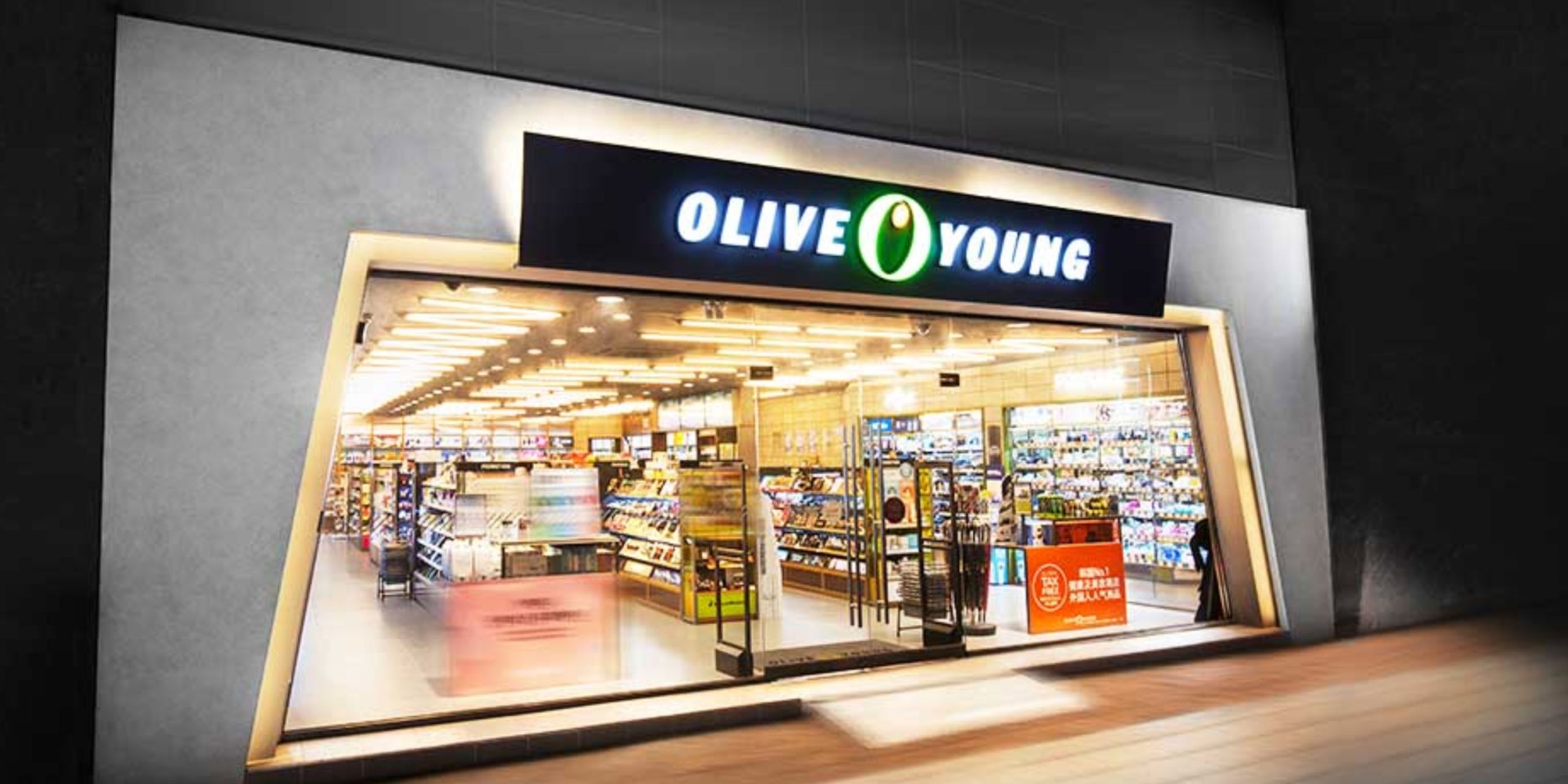
    CJ Olive Young, the country’s largest health and beauty product store, opened an online shop on Southeast Asia’s biggest e-commerce platform Shopee, Tuesday, as part of its global expansion plans.

    “From now on, Olive Young will actively seize opportunities in the global market to grow and lead the globalization of Korean cosmetics,” a CJ Olive Young official said.

    Shopee is a subsidiary of Sea Group, which sells various products from daily necessities to cosmetics and electronic goods online. It is referred to as the Amazon of Southeast Asia, as it focuses on Singapore, Thailand, the Philippines, Vietnam, Indonesia and Malaysia. Last year, the number of accumulated mobile application downloads of the Shopee platform surpassed 200 million.

    In 2020, Olive Young also signed a memorandum of understanding with Dairy Farm to launch several of its products in Guardian stores, a drug store chain in the region.

    The health and beauty product store is entering foreign markets through local retailers because it wants to minimize risks and analyze the markets first.

    CJ Olive Young has started selling 300 items from its six house brands on Shopee ― Wake Make, Colorgram, Round Around, Botanic Heal Boh, Bring Green and Filli Milli ― which are good value local brands sold for reasonable prices that are popular among international customers.

    The health and beauty product stores’ items will be available in Indonesia and Malaysia first. This is because they have a high proportion of young people who are interested in K-beauty and mobile shopping. It wants to introduce Korean products as well as improve the firm’s brand awareness in the two countries.

    CJ Olive Young sold some of its shares to the domestic firm Glenwood Private Equity last month. After the stock purchase agreement, the private equity fund became the second-largest shareholder with 24 percent interest.

    During the purchase, Glenwood valued Olive Young at 1.8 trillion won. The health and beauty product store plans to go public on the Korean bourse next year and raising its corporate value is important as it will have to pay back money to strategic investors after listing.

    Olive Young is already successful with its bricks-and-mortar business here, which has a nearly 70 percent market share. However, its online business is a whole other story. Online retail giants Coupang and eBay Korea have established gigantic sales platforms that give no reason for customers to go only to Olive Young’s online mall.

    For this reason, Olive Young decided to eye the Indonesian and Malaysian markets. Although sales in the two countries may not produce good profits at first, it has to look beyond the domestic online market that is already too competitive.

  • Americans should be glad that Google Assistant’s “Do Nothing” mode is not available in the states

    Americans should be glad that Google Assistant’s “Do Nothing” mode is not available in the states

    We’ve often pointed out how Google Assistant is the best of the virtual digital helpers. Unlike Siri, which often refers users to a webpage to get the answer to a question, Google Assistant will many times directly post the answer to a query. Ironically, you’ll see this in action often when asking a question about an Apple device. In addition, Siri seems to have a big problem trying to understand some of the questions it is being asked.

    There is a new “Do Nothing” mode that does, well, nothing. Unfortunately, though, most of you will not be able to see Google Assistant “Do Nothing” because the feature was developed in conjunction with Cadbury’s 5 Star, a chocolate bar offered in limited markets including India. To activate the “Do Nothing” mode, you can say “Eat a 5 Star” in one of the markets that support the feature. Once the “Do Nothing” mode is activated, Google Assistant says, “I feel like doing nothing now. And I’m going to help you chill too. Ask me anything.”

    The responses that come forth from Google Assistant in “Do Nothing” mode are equal parts funny and equal parts useless. For example, in this mode, if you ask Google Assistant “Egg-first or Chicken?,” the response will be “Depends on which one you ordered first.” Not exactly an answer that will elicit a chuckle or two, but that is kind of the point. Ask for the nearest salon and you might get a response from Google Assistant that says, “You’re in luck. Bushy eyebrows, hairy armpits, and no makeup selfies are in fashion.” Ask about the weather, and Google Assistant will say, “HaHa…as if you’re going to step out.”

    After perusing some of these jokes, perhaps it is just as well that the Google Assistant “Do Nothing” mode cannot be activated in the states.

  • Guide to Market your Products in China

    Guide to Market your Products in China

    As the largest market in the world, China has a lot of potentials to offer for enterprises and brands to expand their businesses. Knowing the market will help you to better understand the consumer’s needs and to adjust your promotion accordingly.

    Unique market habits

    China is a huge market, and Chinese consumers’ preferences vary from a city to another.

    Doing in-depth researches about the demand of your products in the local market and provinces, will help you to know the local preferences and the way you should communicate.

    The growth in the Chinese market is undoubtly enormous, it is actually one of the only countries in the world to observe an economic recovery during the pandemic, which means that standing out among your competitors and getting recognized by the local market is getting harder and harder, as the competition to “seduce” Chinese customers is aggressive.

    China is in demand of new businesses and the country is moving forward fast. Provinces tend to specialize themselves and that key for Western brands who want to enter the market.

    For instance, Guangzhou is the kingdom of the manufacturing industry (textile, electronic, apparels, toys…), Shenzhen and Beijing invested in the IT, biomedicine and communications industries while Shanghai is specialized in the financial, petrochemicals, chemicals or pharmaceutical industries.

    Communication about your products

    Needless to say, that marketing your business on the internet is the first step of all when you want to make your way in the market. Chinese consumers are highly connected, 90% of the millennials are shopping online according to KPMG and, without a strong digital strategy, selling your products in China might be difficult.

    Search engine marketing in China is different than in the West, where Google is leading the industry. Baidu is the main search engine but other companies like Sogou, Haosou (360) and Shenma are emerging, each one of them offering advertising solutions to get exposure.

    Social media and communities are also trending and dozens of networks exist to target customers who have common interests, thanks to video, live-streaming and topic-based apps.

    Therefore, under the circumstance of intense sales environment, major merchants have gradually integrated social media and other scenes into their sale process, the key being to identify the right network used by potential customers.

    In China, the most common social media platforms that companies go to are WeChat, Youku (YouTube-like) and TikTok (DouYin is the local version of the app).

    • WeChat account page functions as a website where you can list your products, set up your customer service and even link purchases to your account, from which you can withdraw the earnings to your bank account.
    • Youku works like YouTube for advertisers and allows brands to place ads in popular videos and of course, to make videos.
    • Douyin is a platform where users can create and share videos publicly, but as for companies, they are also platforms where they can promote their businesses and products. They stand out because they offer a different way for users and brands to share in a more creative and lively way, thus, it reduces the resistance of consumers to promotions and advertisements that are being displayed on the platform.

    Other platforms exist. The key is to identify your target customers, to invest in the right channels and a digital agency specialized in the Chinese marketing can help to understand the differences between, WeChat, Weibo, Red, Douyin, Toutiao, Weitao, Kuaishou.

    Best practices to sell in China

    For companies that want to quickly market a new product in China, the goal is to combine the advantages of online marketing and rapid communication to carry out new product marketing planning.

    Meanwhile, offline promotion and demographic expansions cannot be ignored either.

    Identify a city where the market is relatively vacant and hire a professional business development team to expand your business is key to understand the local market.

    The product life cycle is becoming shorter and shorter, especially in China. Manufacturers are constantly introducing new styles and materials in order to continuously satisfy the desires of consumers, which also tend to bring the end prices down for some industries. Find the right positioning and being flexible are two important factors of success in China.

    Understanding the market and the customers, having a quality website in Chinese, adapting the communication to the local habits, using the Chinese social media and search engines are crucial to be more visible in the largest market in the world.
  • Vietnam economy to grow almost five times by 2035

    Vietnam economy to grow almost five times by 2035

    Vietnam’s economy is expected to grow five times, becoming the 19th largest economy in the world in 2035, a report says.

    Steady and consistent growth is set to help it go past major Asian economies like Taiwan and Thailand by 2035, U.K consultancy the Centre for Economics and Business Research (CEBR) said in its annual league table on the growth prospects of 193 economies released last week. The country now is the 37th largest economy.

    Its GDP growth is forecast at 7 percent a year over the next five years, and 6.6 percent in the subsequent decade.

    The report estimated Vietnam’s nominal GDP by 2035 to be $1.59 trillion from the current $341 billion, a nearly five-fold increase in 15 years.

    Despite the Covid-19 pandemic, the Vietnamese economy, unlike most others, was able to escape a contraction in 2020 thanks to competent handling of the crisis, the report said. It grew at 2.91 percent.

    The government has set a GDP growth target of 6.5 percent for 2021.

    China will overtake the U.S. as the world’s biggest economy in 2035 after outperforming its rival during the global Covid-19 pandemic, according to CEBR.

  • Maison Margiela opens new retail concept store in Shanghai

    Maison Margiela opens new retail concept store in Shanghai

    Set to open on December 18 in Shanghai’s Reel Department Store, the new 160sq m boutique is the brand’s first store in China with the new store concept.

    Founded in 1988 and headquartered in Paris, French luxury fashion house Maison Margiela produces both haute-couture collections and ready-to-wear collections. The brand’s products include womenswear, menswear, footwear, fine jewellery, fragrance and home goods which will all be available at the new boutique.

    The new concept store has been designed by Dutch architect Studio Anne Holtrop in line with Creative Director John Galliano’s vision. The store is fitted with artisanal furnishings and hand-cast textile moulds. The ceilings and walls are painted in a dark-green gloss that creates a shimmering shine.

    This new store has been inspired by the brand’s first concept store that launched in London’s Bruton Street, this was followed by Avenue Montaigne in Paris, and Osaka Shinsaibashi Parco in Japan.

  • Vietnam not considering international flight resumption

    Vietnam not considering international flight resumption

    Vietnam is not considering a resumption of international commercial flights with the Covid-19 situation remaining intense globally and vaccine distribution uncertain.

    The pandemic has been complicated by the appearance of a new coronavirus variant, with no certainty a vaccine would be distributed on a large scale this year, Deputy Minister of Planning and Investment Tran Quoc Phuong told press Monday.

    Resumption of tourism activities would only occur when deemed safe, he stressed.

    Vietnam suspended commercial international flights in late March last year to contain the spread of the novel coronavirus.

    However, the country still allows a limited number of flights for experts, businesspeople, workers and overseas Vietnamese, who are all quarantined by up to 14 days upon arrival.

    Phuong said authorities are struggling to contain illegal immigration as travel demand spikes ahead of the Lunar New Year holiday, or Tet, which falls in February this year.

    Foreign arrivals last year fell nearly 79 percent to 3.84 million, according to the General Statistics Office.

  • Trend Micro Announces World’s First Cloud-Native File Storage Security

    Trend Micro Announces World’s First Cloud-Native File Storage Security

    Trend Micro, the leader in cloud security, today announced the world’s first cloud-native, fully serverless file storage security tool for organizations building applications in the cloud. Trend Micro Cloud One – File Storage Security is designed to mitigate threats across the cloud environment and support strict compliance requirements.

    The explosion of cloud-based file and object storage presents a new attack vector for threat actors to target with malicious files. Cloud One – File Storage Security provides automated anti-malware scanning to keep information safe and ease compliance needs.

    “Global organizations are increasingly looking to public cloud providers to drive IT agility, cost savings and business growth. But while the provider deals with security of the cloud, the customer is responsible for everything inside their cloud environment,” said Mark Nunnikhoven, vice president of cloud research for Trend Micro. “This is a highly scalable, automated scanning tool that’s fast to deploy with no added infrastructure, allowing organizations to confidently store cloud files and data associated with their cloud applications.”

    Backed by Trend Micro’s 30+ years of cybersecurity experience and industry leading threat intelligence, the tool blocks known bad files, and looks for hidden or changing malware variants.

    The scanner itself is a lightweight, cloud-native serverless function that’s designed for minimal operational overhead. This architecture enables fast, seamless deployment and flexible integration with organizations’ existing custom workflows for added value.

    The tool supports various compliance requirements that call for anti-malware scanning of cloud files while maintaining data sovereignty.

    Trend Micro Cloud One – File Storage Security is available now for AWS S3, with support for Microsoft Azure Blob storage and Google Cloud Storage coming soon.

    Using Trend Micro’s Cloud One platform, teams can implement a range of security services and compliance checks without hindering agile cloud development and deployment. This single cloud-native security seamlessly complements and integrates with existing AWS, Microsoft® Azure™, VMware®, and Google Cloud™ toolsets.

  • AirAsia and Penang Tourism Collaborate to Provide More Value Deals for Domestic Tourists

    AirAsia and Penang Tourism Collaborate to Provide More Value Deals for Domestic Tourists

    AirAsia and Penang Global Tourism (Penang State Tourism Bureau) have announced a new collaboration that will offer more travel options and value-added services to domestic tourists visiting Penang.

    The partnership will see airasia.com, the Asean super app pair-up with Penang Global Tourism Board to offer travelers a variety of Penang travel bundles as well as a joint marketing effort.

    Penang State EXCO For Tourism And Creative Economy (PETACE), YB Yeoh Soon Hin said, “We are observing a positive rebound on tourism activities and we are working towards accelerating the recovery of tourism, supporting jobs and the economy and increasing tourism receipts. Partnering with key travel players like airasia.com will assist us to amplify our efforts and to offer more diverse travel and tourism products by leveraging on their wide product offerings.

    “I am proud to say that Penang is at the forefront once again in assuring safe travels to our visitors. In July 2020, Penang launched the ‘Penang Responsible Tourism’ campaign. Furthermore, we have also launched the COVID-19 safety accreditation program to strengthen preventive measures undertaken by Penang’s tourism industry players. These initiatives are the first-of-its-kind in Malaysia, intending to instill confidence in travelers when visiting Penang.”

    “To further reiterate, Penang is the first in Malaysia to kickstart the “Penang Responsible Tourism” campaign and the accreditation program.”

    airasia.com Chief Commercial Officer, Amanda Woo said, “We would like to thank Penang Global Tourism Board for working with us to provide more value for travellers. Now, visitors to Penang can conveniently plan their trip with all the exciting offers made available through this collaboration under one platform on airasia.com. We hope people will take the opportunity to explore and enjoy more of what Penang has to offer.

    “We are also expanding our network from Penang to Kota Bharu with three times weekly flights which commenced yesterday, while the new route from Penang to Sibu is set to kick off in January 2021. We hope the added connectivity will provide much-needed accessibility for the Northern travelers, as well as to revive the domestic tourism industry. ”

  • Wishing You All a Happy 2021

    Wishing You All a Happy 2021

    The retail news team thank you for your interest, loyal support, and trust in one of the most challenging times ever. It has been an eventful 12 months for retailers and retail events, but the new year marks a new beginning, and we’re looking forward to being able to meet, embrace, and exchange ideas again.

    Whatever the new year has in store, we’ll be in it together. Happy New Year to all our readers.

  • Vietnam Airlines gets new CEO

    Vietnam Airlines gets new CEO

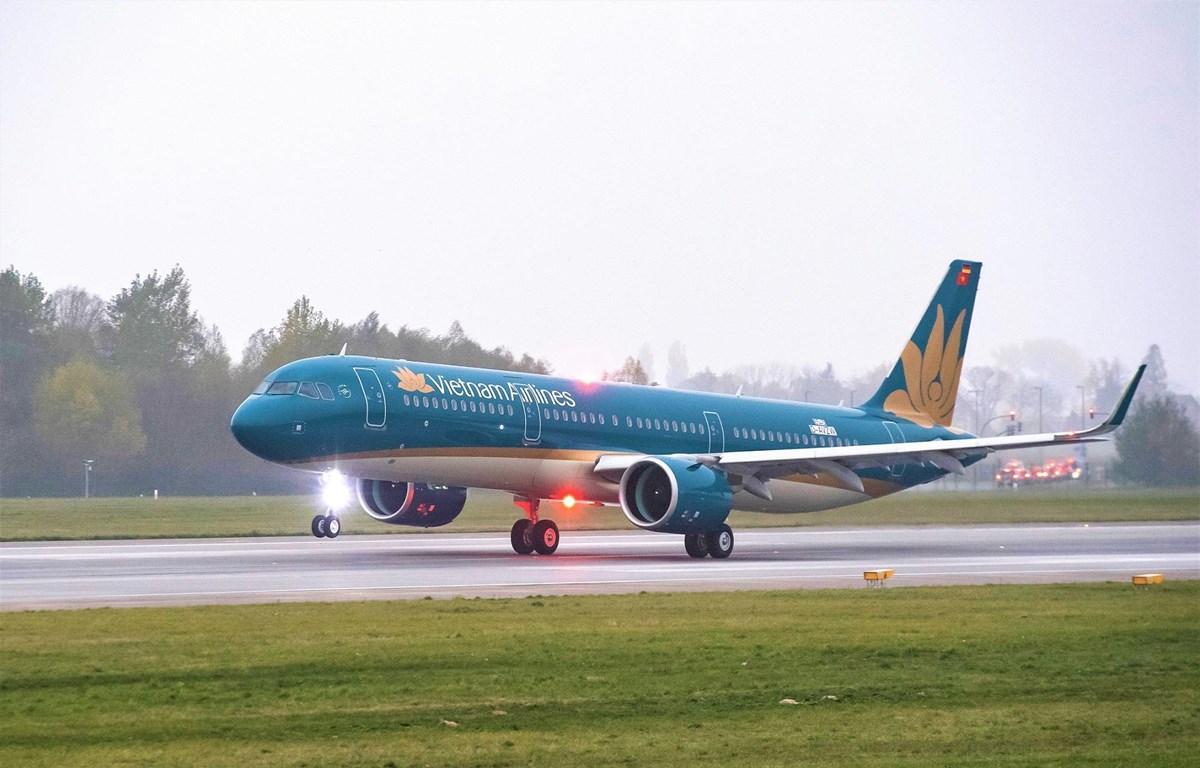
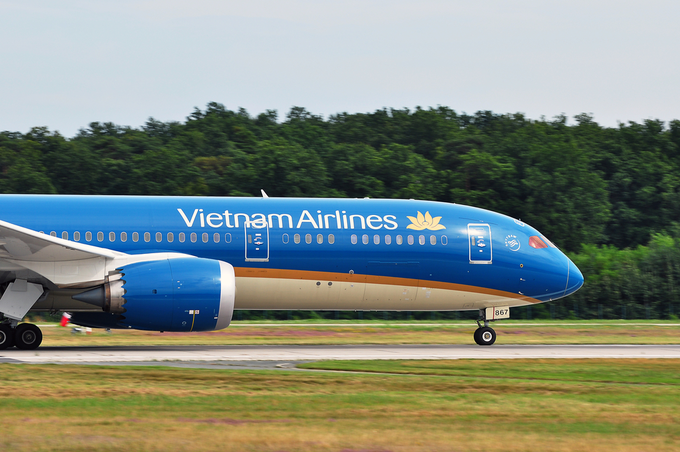
    Vietnam Airlines deputy director Le Hong Ha will take over as the national carrier’s new CEO starting January 1, 2021.

    Ha, 48, will replace Duong Tri Thanh who retires Thursday after almost five years at the helm.

    Ha began working for Vietnam Airlines in 1994 as has occupied several key positions.

    In 2015, he was appointed the CEO of Vietnam Airline’s subsidiary Jetstar Pacific (now Pacific Airlines), and is currently the chairman of the jet fuel supplier Skypec.

    Vietnam Airlines has forecast a loss of VND14.44 trillion ($625 million) this year because of the Covid-19 pandemic.

    The number of passengers it served this year is estimated to fall 51 percent year-on-year to nearly 14.23 million, with the number of flights plunging 48 percent to 96,500.