Category: General

Retail News Asia is committed to providing both local and global retailers with the latest General Retail news throughout the Asian market. This on a daily base.

  • Thai Airways Is On Track With Its Rescue Plan

    Thai Airways Is On Track With Its Rescue Plan

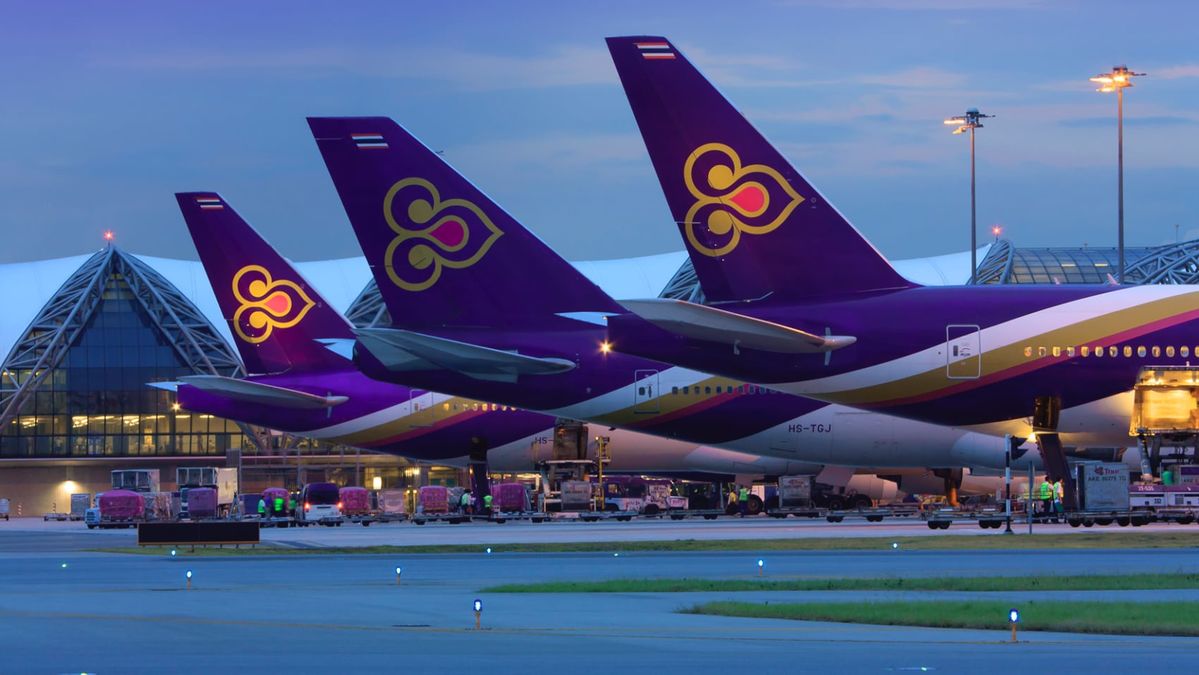
    Thai Airways acting president Chansin Treenuchagron claims the airline is still on schedule with its debt rehabilitation plan. Thai Airways has until February 2nd to submit its plan to the Central Bankruptcy Court in Thailand after it was granted a one-month extension.

    In an attempt to save Thailand’s national airline from going under, the country’s Central Bankruptcy Court approved its restructuring back in September. Having accumulated $11bn in debt, the carrier was set a deadline of January 2nd to submit its full rehabilitation plan. However, the courts gave Thai Airways an additional month to finalize its rescue plan, with a new deadline of February 2nd.

    The extension suggests Thai Airways has been struggling to reach a satisfactory agreement with all parties involved. In a statement, acting president Chansin Treenuchagron offered reassurance that the airline is still on track with its plan.

    The nature of Thai Airways’ debt is complex, with banks, aircraft lessors, lenders, and suppliers all looking for a satisfactory outcome. The airline is ‘moving closer and closer to an agreement’ with its creditors. Before it can submit its plan to the Central Bankruptcy Court, Thai Airways requires approval from its creditors.

    While Thai Airways initially planned to implement the restructuring plan by the first quarter of 2021, it wasn’t able to finalize and submit the details in time. The airline is also working with consultants and advisors to help it deal with all the complexities of the restructuring process. Mr. Treenuchagron added,

    Thai Airways has been in a difficult position for a few years now, with fierce competition from low-cost carriers contributing towards spiraling debt. The airline was in a precarious position before the COVID pandemic had begun, with the downturn in air travel only adding to its woes. By July 2020, Thai Airways had defaulted on over $3bn worth of debt and suspended most of its operations.

    Domestic air travel has remained steady in Thailand for most of 2020, with the country faring better than most in its domestic market. However, a second COVID wave sweeping across Thailand has led to a 60% drop in air travel since the beginning of the year. Thai Airways has resorted to increasingly novel methods of raising capital during the pandemic. This includes selling surplus consumables like salt shakers, aircraft tires, and wine glasses, as well as auctioning off 32 widebody planes.
  • AS Watson and Grab launch regional health & beauty partnership

    AS Watson and Grab launch regional health & beauty partnership

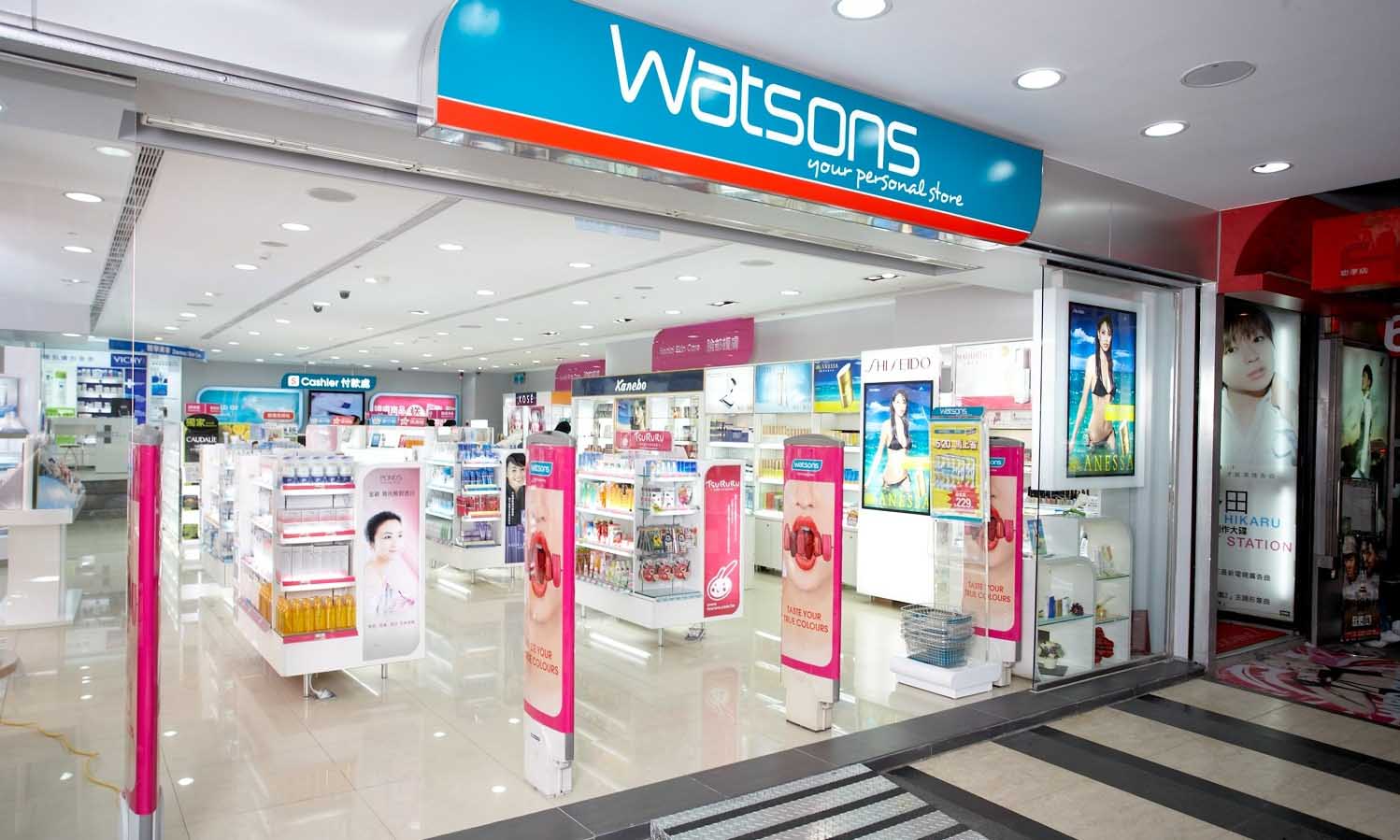
    Hong Kong-based health and beauty retailer AS Watson has partnered with Grab to launch an online and offline collaboration across Southeast Asia.

    The partnership will allow customers to access more than 62,000 health and beauty products at Watsons stores via Grab services, expanding Watsons’ online reach in Southeast Asia. The service is available in six markets: Singapore, Indonesia, Malaysia, Thailand, Vietnam and the Philippines.

    Through GrabExpress, Grab will serve as Watsons’ last-mile delivery partner in the markets, offering fast deliveries for purchases made through the Watsons website and mobile app. More than 2000 Watsons stores will be listed on GrabMart, making Watsons the largest health and beauty retailer to be on the platform.

    Meanwhile, Watsons will accept GrabPay cashless payment option in its Southeast Asia stores and integrate the digital wallet into its Watsons mobile app.

    “Covid-19 accelerated the growth of e-commerce and our customers expect their purchases to be delivered fast,” said Freda Ng, chief digital officer at Watsons International. “With our network of 2200 stores in Southeast Asia … Grab is the ideal partner to complete the purchase journey.”

    “Grab’s open platform enables companies to scale by easily plugging into our ecosystem and leveraging our unique online and offline capabilities to grow together with us in this region,” added Shawn Heng, MD, regional business development at Grab.

  • Vietravel Airlines to start flying next Monday

    Vietravel Airlines to start flying next Monday

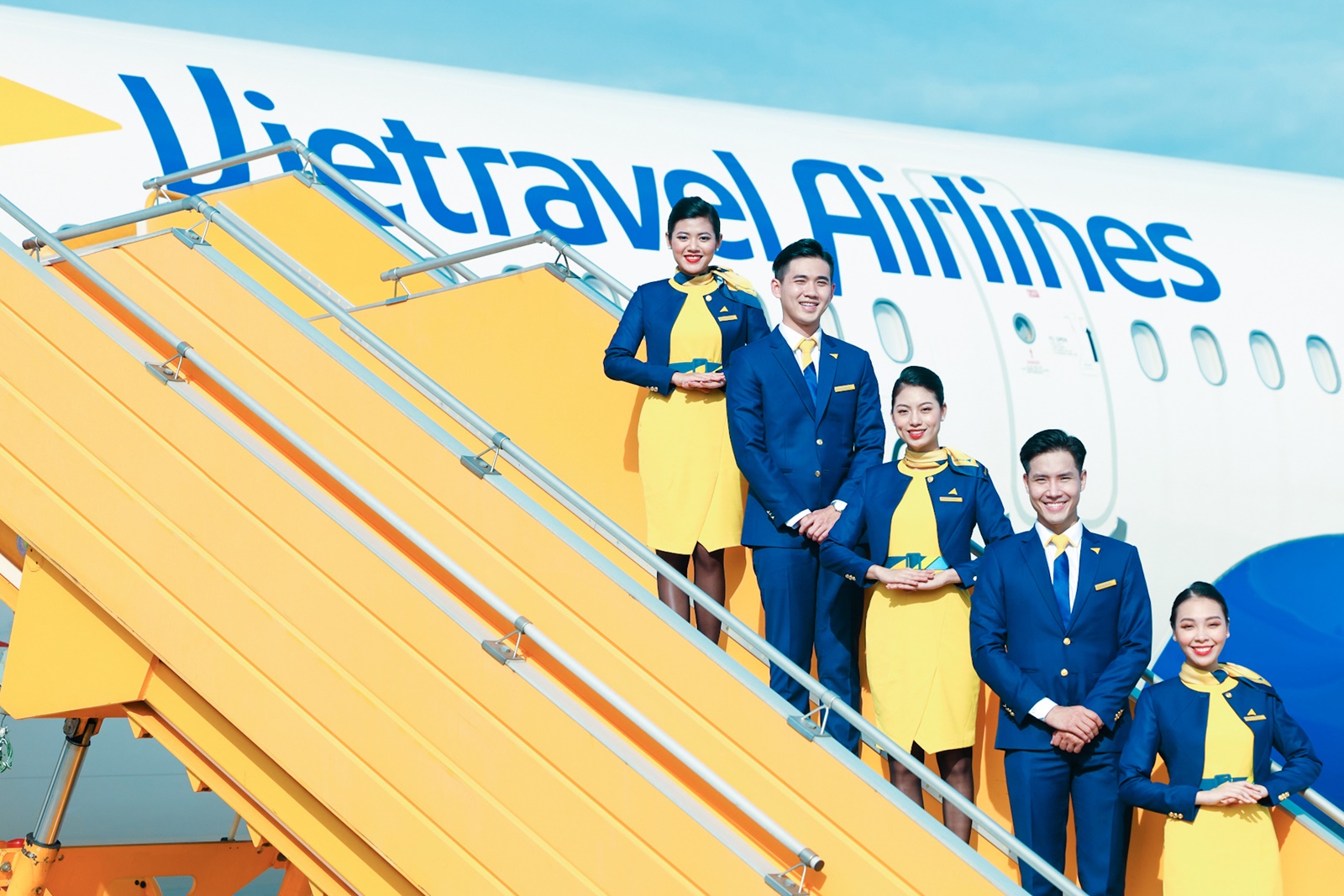
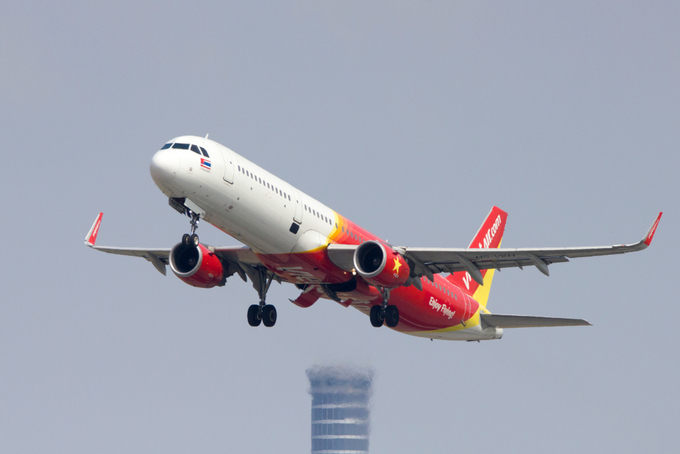
    Vietravel Airlines is scheduled to make its maiden flight on January 25, and began ticket sales on Tuesday, its CEO, Vu Duc Bien, said.

    Vietnam’s newest carrier will operate one or two flights a day each from HCMC and Hanoi to major tourist destinations like Nha Trang, Phu Quoc, Da Nang, and Hue.

    It has a fleet of two Airbus A321CEO aircraft and a third is expected to arrive on January 21 to meet the increased travel demand during the Lunar New Year Tet in mid-February.

    The carrier hopes to break even in its second year of operations.

    Vietravel Airlines has hired some 200 pilots and flight attendants and is looking to expand its fleet to 30 to prepare for international operations, flying to Southeast Asia, especially Thailand, the Middle East, and Northeast Asia, markets that Vietravel, the travel company that owns it, serves.

    It is the sixth carrier in what is a fiercely competitive aviation market after Vietnam Airlines, Vietjet, Jetstar Pacific, Vietnam Air Services Company, and Bamboo Airways.

  • Vietnam becomes 6th largest trading partner for China

    Vietnam becomes 6th largest trading partner for China

    Vietnam’s trade with China rose by 14 percent last year to $133.09 billion, making it the latter’s sixth-largest trading partner.

    Its exports to China grew by 18 percent to $48.9 billion, and imports by 12 percent to $84.1 billion, according to the Ministry of Industry and Trade.

    But some of Vietnam’s traditional export items like agriculture, aquaculture, and fisheries faced difficulty with their exports falling by over 3 percent to $6.8 billion.

    China is its largest trading partner and second-biggest export market behind only the U.S.

    Vietnam was China’s eighth-largest trading partner in 2019 before its rise to sixth in 2020. It is China’s eighth-largest supplier of goods and fifth-largest export market.

  • Aviation industry could see revival in second half of 2021

    Aviation industry could see revival in second half of 2021

    The aviation industry will recover in the second half of 2021 with the advent of coronavirus vaccines, SSI Securities Corporation has forecast.

    While it would be a difficult year since the coronavirus variant identified in the U.K. is spreading quickly and new outbreaks are emerging in many countries, “the future of the aviation industry could be brighter when large-scale Covid-19 vaccination is carried out,” SSI said. “This could only happen in the second half of 2021.”

    Airlines will mainly focus on the domestic market in 2021 since international travel would not resume until the end of 2021, and the international aviation market could recover in 2022.

    “In 2021, airlines strategies will include increasing the number of inbound commercial flights, providing better flight services and offering a range of fares so that passengers will have more options,” SSI analysts said.

    The baseline scenario is for airlines to suffer losses though they would be halved from 2020.

    The number of domestic passengers will rise to 75 million, the same as in 2019. The number of foreign visitors is expected to reach 12 million, or 34 percent of the pre-pandemic number.

    Besides the challenges posed by Covid-19, airlines also face rising fuel prices, while competition is increasing with Vietravel Airlines, Vietnam’s sixth carrier, set to enter the aviation market this month.

  • Hong Kong’s Green Common expands into Singapore

    Hong Kong’s Green Common expands into Singapore

    OmniFoods creator, Green Monday Group, has launched Southeast Asia’s first Green Common outlet at VivoCity, in Singapore.

    Spanning 3000sqft, the Green Common Singapore venue houses a dedicated area for retail and a wider cafe area with indoor capacity of 112 people, as well as outdoor seating for 36. Green Common cafe serves a curated menu of plant-based dishes helmed by Chef Louie Moong.

    The Singapore branch of the Hong Kong-based company also offers OmniEat’s ready-made vegan meal range, which features Asian dishes such as Truffle Gyoza, Siu Mai and Crystal Dumpling.

    Beside the OmniMeat range, the storehouses a selection of 50 products from international plant-based brands, including Beyond Meat, Daiya, Califia Farms, Bite Society, Moving Mountains, Vegan Robs, and Heura.

    “Over the years we have seen great interest from Singaporeans looking to have access to more plant-based alternatives,” said David Yeung, founder and CEO of Green Monday Group. “Our one-stop shop is designed to make it easy to go green and make thoughtful (and delicious) lifestyle choices.”

    The Green Common store is also the brand’s second international location after Shanghai. Launched in 2015, plant-based concept store Green Common now operates 11 outlets across Hong Kong, Singapore, and China.

  • BHG teams with Raffles City in new curated brands marketplace

    BHG teams with Raffles City in new curated brands marketplace

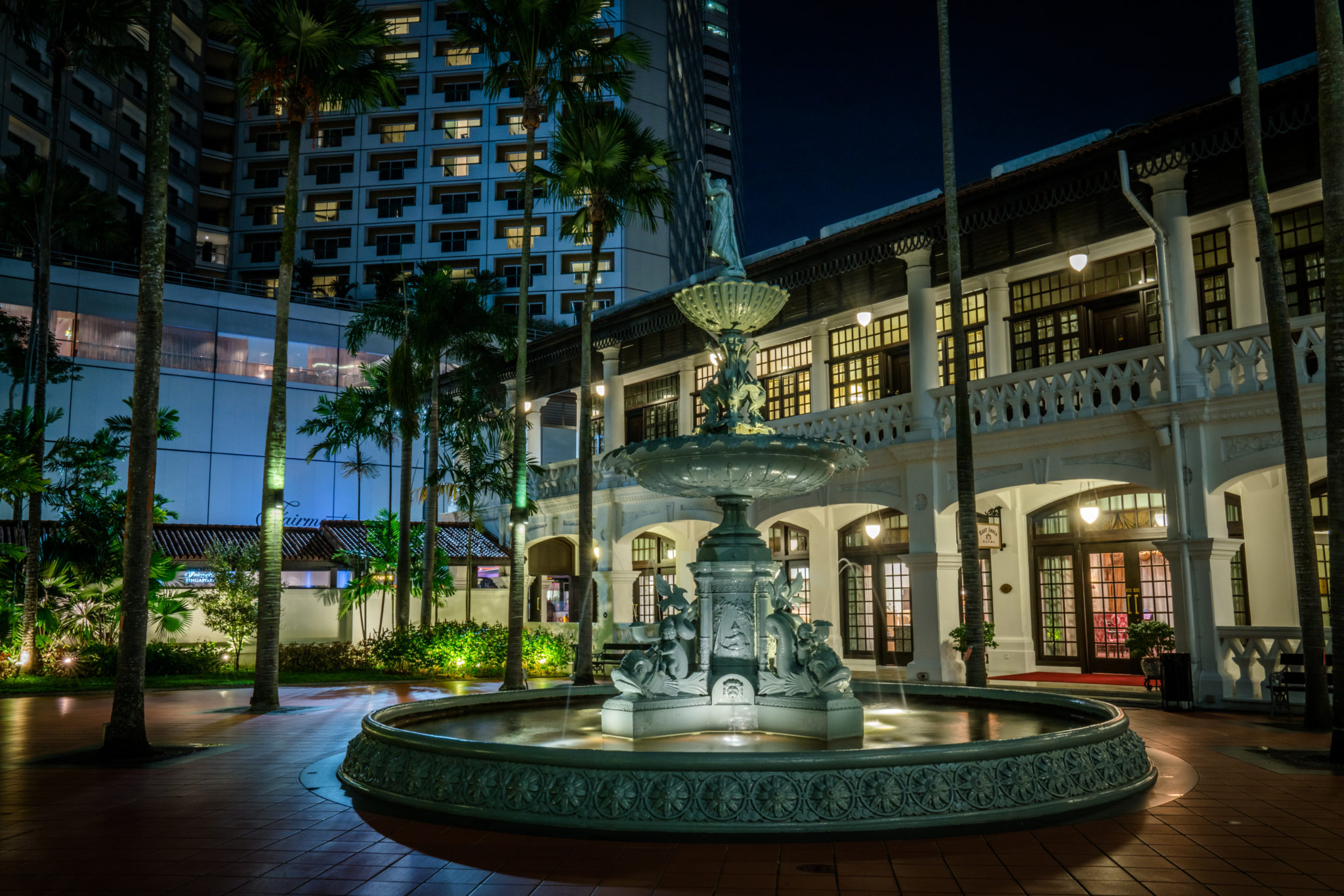
    BHG Singapore will take over two floors at Raffles City Shopping Centre formerly occupied by Robinsons, which closed its last outlet there last Saturday.

    In partnership with Raffles City Singapore, the department store will open a new concept store showcasing its best beauty, fashion, and home and living products.

    The store, called One Assembly, will open by the end of the month, BHG Singapore and Raffles City Singapore said in a joint statement yesterday.

    “As established players in the retail industry, BHG Singapore and Raffles City Singapore are dra-wing on their combined industry insights to explore fresh ways of collaboration and inject new life into the local retail scene,” said the statement.

    While the concept store is a short-term pop-up, it will remain open for the foreseeable future, BHG Singapore told The Straits Times.

    The department store is happy to explore a long-term partnership with CapitaLand, which manages Raffles City Shopping Centre, said BHG’s spokesman. The concept store is expected to go big on digital payments. Shoppers will have the choice of paying for their purchases using eCapitaVouchers, or payment platforms Hoolah and FavePay. In the future, the store intends to make some of its products available on eCapitaMall, CapitaLand’s online shopping website.

    “As part of our reinvention strategy, we aim to integrate both physical and digital shopping journeys to create a seamless shopping experience,” said BHG Singapore.

    Associate Professor Lawrence Loh of the National University of Singapore Business School agreed that the future of retail lies in the integration of online and offline shopping.

    “But on-site stores are still important because they let customers touch and feel the product,” he said.

    Department stores here have been shifting some of their business online amid the coronavirus pandemic.

    Last November, BHG Singapore told The Straits Times that it had launched its own shopping site a few months before in June. The retailer also participated in Singles’ Day and Black Friday sales last year.

    To enhance the shopping experience, the One Assembly store will feature two spa cabins for shoppers wishing to relax.

    “One Assembly will provide new experiences to shoppers. Combined with its prime location, we are confident that it will become a favoured destination for our shoppers,” BHG Singapore managing director Udai Kunzru said yesterday.

    Offering customers memorable experiences is one way the department store has remained relevant amid the changing retail landscape.

    It introduced five spa cabins at the beauty hall in its Bugis Junction outlet as part of an extensive revamp completed last October.

    “We are heartened that our reinvention efforts have been well-received,” said BHG Singapore.

    When it opens, the concept store at Raffles City will feature brands such as La Mer and La Prairie, which are not currently available at existing BHG stores.

    “Having a new brand close to their existing store at Bugis allows them to reach a different segment of consumers without alienating their existing ones,” said Ms Esther Ho, director of Nanyang Polytechnic’s School of Business Management.

    CapitaLand Singapore’s managing director of retail Chris Chong said the mall is delighted to partner with BHG Singapore.

    “By joining hands to present One Assembly, we set out to enhance Raffles City’s shopping experience with a plethora of offerings that are thoughtfully curated for this collaborative space,” said Mr Chong.

    Before Robinsons moved out of Raffles City, the outlet had occupied three floors.

    As for who will occupy the third-floor space left by Robinsons, a Raffles City spokesman said talks with various brands are ongoing and more details will be shared in due course.

    Robinsons announced on Oct 30 last year that it was closing its last two outlets here, and said then that the decision to liquidate was prompted by a range of factors, including changing consumer tastes and cost pressures such as rent.

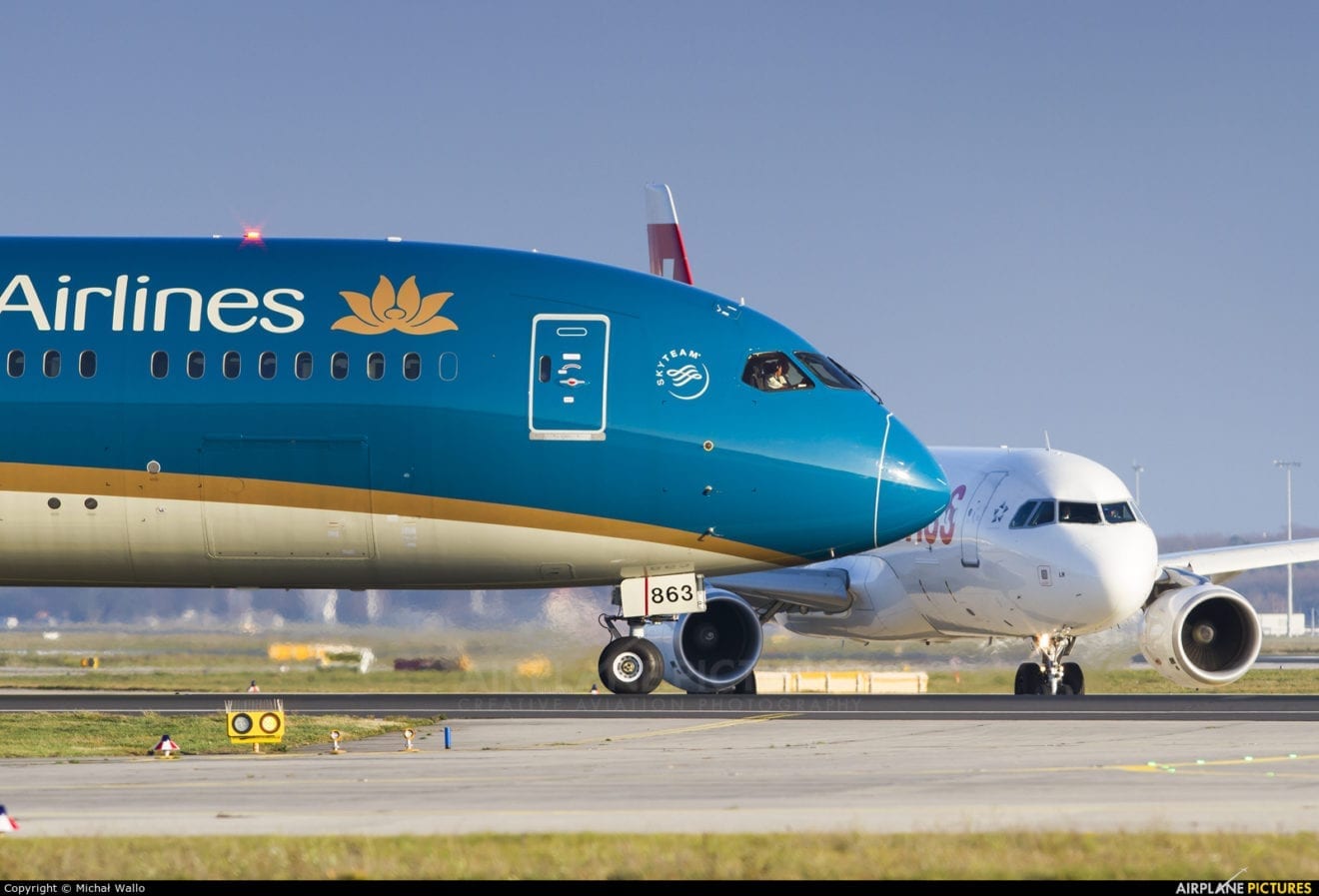
  • Government to invest $345 million to bail out Vietnam Airlines

    Government to invest $345 million to bail out Vietnam Airlines

    The State Capital Investment Corporation said it is in discussions with Vietnam Airlines to invest VND8 trillion ($345.49 million) in the carrier through a rights issue.

    It follows a government resolution to resolve the difficulties faced by the airline due to the impact of the Covid-19 pandemic, Nguyen Chi Thanh, general director of the sovereign fund, said at a press conference late last week.

    The resolution requires the State Bank of Vietnam to reimburse loans of up to VND4 trillion to credit institutions that have lent to Vietnam Airlines and allow the carrier to make rights issues to existing shareholders to supplement its capital.

    Thanh said: “Vietnam Airlines will issue shares worth VND8 trillion to existing shareholders, accounting for 25 percent of the carrier’s charter capital. SCIC, acting on behalf of the Government, plans to buy these shares.”

    The government-owned 86.16 percent in Vietnam Airlines on December 31, 2019.

    Thanh said the airline is making plans for a rights issue, and SCIC’s task is to determine a reasonable issue price close to the market price and is working with Vietnam Airlines on this.

    “In order to do that, Vietnam Airlines must be valued, and this requires at least a five-year business plan if we use the discounted cash flow method.”

    The SCIC would appoint a “globally reputed auditing company,” and the latter would identify the most appropriate valuation method possibly within a month, he said.

    Vietnam Airlines expects losses of VND12 trillion for 2020 compared to a VND3.37 trillion profit in 2019.

    It presently flies an average of 300 flights a day on more than 60 domestic routes. It has resumed flights to Japan, though not from that country, and plans to resume flights soon to mainland China, Taiwan, Laos, and Cambodia.

    In November, the National Assembly approved a bailout that could see the carrier get VND12 trillion and allows it to sell more shares to existing shareholders to boost cash reserves.

  • Thai AirAsia to furlough 75% of workforce

    Thai AirAsia to furlough 75% of workforce

    Thai AirAsia will keep only one-fourth of the staff and ask the rest to take a leave-without-pay offer for four months, starting February, as the re-emerging coronavirus outbreak has dealt a heavy blow to the aviation sector.

    Tassapon Bijleveld, executive chairman of Asia Aviation Plc (AAV), the largest shareholder of the airline, said on Monday only 25% of its workforce will be active after this month as the airline is downsizing to match real demand.

    He did not mention the size of the workforce, but according to the latest AAV annual report, it had 5,974 employees in 2019.

    “Before the Covid-19 resurgence, we had 40 planes serving domestic flights. But since the re-emerging of the outbreak, some provincial lockdowns have made it impossible for people to travel and passenger demand has dropped significantly at every airport,” said Mr. Tassapon.

    The budget airline has 62 aircraft, which has not been fully utilized since the first nationwide lockdown in April last year. It flies only 10 planes now due to the sluggish demand for air travel.

    He said the company had no layoff plans for now but it was difficult to predict when the market would recover.

    He said the furlough from next month to May should allow the employees to find other revenue sources and resume work immediately if the situation improves.

    Mr Tassapon said there was little hope for financial support for airlines from the government. Thai AirAsia now is trying to secure loans from banks by itself, instead of waiting for state approval, he added.

    The furlough, the second in the past few months, was larger in scale than the first round late last year.

    “The international market should recover in the last quarter of this year, but only slowly. Half of the global population must be vaccinated before international travel can resume,” said Mr. Tassapon.

    As of September 2020, its staff-related expenses accounted for 18% of operating costs, the second-highest after jet fuel.

    During the first nine months of 2020, the low-cost airline carried 6.68 million passengers, a 60% dip compared to the same period in 2019.

    AAV stocks plunged six satangs, or 2.54%, to 2.30 baht on Monday.

  • AirAsia founder Tony Fernandes claims governments ’ Covid-19 coordination ‘horrific’

    AirAsia founder Tony Fernandes claims governments ’ Covid-19 coordination ‘horrific’

    “The coordination on Covid-19 is horrific,” AirAsia Group Bhd founder and group chief executive officer Tan Sri Tony Fernandes laments and claims in a direct swipe at world governments’ on how the global pandemic has been managed and its impact on the travel and aviation industries.

    BBC has today quoted Fernandes as saying that in his history of running an aviation business, he has never seen something so poorly coordinated.

    “It’s like nothing I’ve ever heard,” he said. “The United Nations, with the travel industry, should have come up with some standard protocols” earlier in the pandemic, but politics had got in the way, according to him.

    “Governments are petrified of their people, and they’re taking a very, very, very conservative view. They all want to be in control.

    “I just think that everyone’s… scared and just reacting in a very jingoistic and nationalistic way. I think countries are going to say, unless you’re vaccinated they’re not going to let you in without quarantine,” Fernandes said.

    The BBC report, which also quoted International Air Transport Association (IATA) director-general Alexandre de Juniac, said the world’s airlines need another US$70 billion (about RM283.5 billion) to US$80 billion of government support to get through the crisis caused by the coronavirus pandemic.

    de Juniac was quoted as saying the figures were “on top of the US$170 billion already granted”.

    It was reported that June 2021 is when he expects the first significant easing of travel restrictions, as the impact of vaccines begins to be felt.

    “Government travel restrictions and a huge fall in passenger confidence meant global demand for flights fell about 60% last year, according to IATA figures.

    “That means 2020 saw about 1.8 billion passengers fly, instead of the 4.5 billion in 2019. In an industry where profit margins were already thin it means airlines are estimated to have already lost US$118 billion, with worse set to come,” BBC reported.

  • Google Play Store now tells you which apps are trending higher or lower

    Google Play Store now tells you which apps are trending higher or lower

    It’s human nature to want to know which apps are trending up and which are trending down. And now this information is available on the Google Play Store via a new icon that shows whether an app is trending up or down. The icon shows an arrow moving up or moving down in the top app lists. An arrow pointing up tells you that a particular app is trending higher while an arrow pointing down tells you the opposite.

    Unfortunately, the icons don’t tell us how many slots an app has moved up or has moved down. Nor do we get to know how much time has elapsed while the app in question started trending in one direction or the other.

    To check out which apps are trending up or trending down, open the Google Play Store app. On the top row of tabs, tap on Top charts. From there you can navigate to different charts showing the top apps in certain categories. Looking at the Top free chart you can see that the top three apps are Signal Private Messenger, Telegram, and Zoom Cloud Meetings. MeWe is number four and underneath the number four on the chart, you can see an arrow pointing downward. That means that the app is trending lower.

    TikTok is number five and is trending higher. At number six is DuckDuck Go Privacy Browser with an arrow pointing down indicating that the app is trending lower. Trending higher is Disney+ (#7), Google Pay (#8), discovery+ (#9) and Cash App (#10). This list goes all the way to number 597.

    Most likely your decision whether or not to install an app is not going to come down to how it is trending. Still, those of you who are into such things can now easily get this information from the Google Play Store.

  • Leading jeweler invests in pawn shop chain

    Leading jeweler invests in pawn shop chain

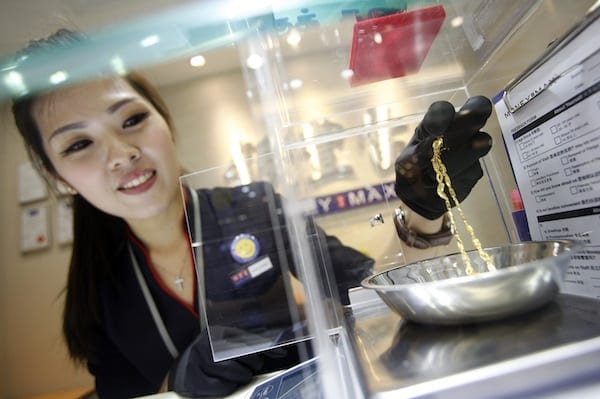
    PNJ has decided to invest in pawnshop chain Golden Friend, with the stipulation it cannot exceed 30 percent of the latter’s charter capital.

    The Board of Directors of the Phu Nhuan Jewelry Joint Stock Company (PNJ) has entrusted PNJ CEO Le Tri Thong with deciding the value and timing of the investment.

    The Golden Friend Joint Stock Company was founded in 2017 with a charter capital of VND1 billion, which was raised after six months to VND10 billion.

    The company introduced itself as a strategic partner of PNJ. Golden Friend has 21 pawnshops, all of which are located inside PJN stores. It accepts expensive accessories made of gold, silver and diamond, and also luxury watches like Rolex, Hublot and Patek Philippe.

  • WhatsApp delays the implementation of its new terms and privacy policy

    WhatsApp delays the implementation of its new terms and privacy policy

    For the first time in many years, it looks like Facebook is taken into consideration users’ feedback. After informing its 2 billion users that WhatsApp is going to update its terms and privacy policy, forcing them to share data with Facebook and third-party associated companies, the social giant has taken a step back.

    Facebook is now giving WhatsApp users three extra months to decide whether or not they agree with the new terms and privacy policy, the company announced this week. Along with the new deadline, WhatsApp clarified some of the misinformation running around after its initial announcement.

    The update includes new options people will have to message a business on WhatsApp, and provides further transparency about how we collect and use data. While not everyone shops with a business on WhatsApp today, we think that more people will choose to do so in the future and it’s important people are aware of these services. This update does not expand our ability to share data with Facebook.

    Also, Facebook announced that it will do a lot more to clear up the misinformation around how privacy and security work on WhatsApp in the coming weeks. That being said, Facebook will no longer suspend or delete WhatsApp accounts that don’t agree with the new terms and privacy policy on February 8. Instead, Facebook will “go to people gradually to review the policy at their own pace before new business options are available on May 15.”

  • Vietjet eyes aircraft purchases as it relies on vaccine rollouts to revive air travel

    Vietjet eyes aircraft purchases as it relies on vaccine rollouts to revive air travel

    Budget carrier Vietjet Air plans to expand its investment in new aircraft and technical facilities this year after reporting a small profit in 2020 despite the Covid-19 pandemic.

    “In 2021, we expect to continue to receive new modern planes and will invest in maintenance and training facilities, and the investment will be higher than in 2020,” Vietjet CEO Nguyen Thi Phuong Thao said in an interview recorded on Jan. 9 and broadcast on Thursday at the Reuters Next conference.

    Vietjet said separately on Wednesday it raised $28 million via a bond issuance last month to fund its development plans in 2021. It did not provide further details about the bond sale.

    Vietnam has been successful in containing the coronavirus with a series of quarantine and tracking measures. With just over 1,500 infections and 35 deaths in total, it has resumed economic activities earlier than much of Asia.

    While all international commercial flights have been suspended since late March, domestic air travel has been subjected to few restrictions.

    Vietjet’s cargo transport in 2020 rose 75 percent from 2019, she said, adding that its overall domestic operations recorded positive growth in 2020, without giving comparative figures.

    With the early Covid-19 vaccine roll-out around the world, Thao expects the global aviation industry to recover rapidly.

    Vietjet’s Thai unit increased its aircraft fleet to 15 last year, while its market share there also increased, she added.

    “Air travel demand is extremely high for business, investment, education and healthcare purposes, and we have been actively conducting flights to repatriate Vietnamese people from overseas,” Thao said.

    She said the company is considering options to raise funds for its investment plans for this year, though she did not name an amount.

    “Our debt-to-equity ratio is 1.0, compared with over 3.0 for the aviation industry, so we have room to mobilize funds for our development,” Thao said.

    The airline continued to take delivery of Airbus SE narrow- body jets last year despite some supply chain interruptions at the manufacturer but Boeing Co did not meet its delivery schedule, she said.

    Vietjet has 200 737 MAX jets on order, according to Boeing, but the plane has not yet returned to service in Asia following a near two-year global grounding.

  • Couche-Tard drops $20bn Carrefour takeover plan

    Couche-Tard drops $20bn Carrefour takeover plan

    Canada’s Alimentation Couche-Tard has dropped its €16.2bn ($19.6bn) bid to acquire European retailer Carrefour SA after the takeover plan ran into stiff opposition from the French government, two sources familiar with the matter told Reuters on Friday.

    The decision to end merger talks came after a meeting on Friday between French Finance Minister Bruno Le Maire and Couche-Tard’s founder and chairman, Alain Bouchard, the sources said, speaking on condition of anonymity as the matter is confidential.

    Couche-Tard and Carrefour declined to comment.

    Earlier on Friday, France ruled out any sale of grocer Carrefour on food security grounds, prompting the Canadian firm and its allies to mount a last-ditch attempt to salvage the deal.

    “Food security is strategic for our country so that’s why we don’t sell a big French retailer. My answer is extremely clear: We are not in favour of the deal. The no is polite but it’s a clear and final no,” Le Maire said.

    Couche-Tard was hoping to win the government’s blessing by offering commitments on both jobs and France’s food supply chain and by keeping the merged entity listed in both Paris and Toronto, with Carrefour boss Alexandre Bompard and his Couche-Tard counterpart Brian Hannasch leading it as co-CEOs, one of the sources said.

    The plan included a pledge to keep the new entity’s global strategic operations in France and having French nationals on its board, he said.

    Couche-Tard, advised by Rothschild, was also going to pump about €3bn of investments into the French retailer which was working on the deal with Lazard.

    The proposal was widely backed by Carrefour which employs 105,000 workers in France, its largest market, making it the country’s biggest private-sector employer.

    France’s rejection of the deal less than 24 hours after talks were confirmed sparked grumbling in some business circles over how French President Emmanuel Macron, a former investment banker, is turning away foreign investment. Some politicians and bankers said the pushback could tarnish Macron’s pro-business image, while others highlighted that the COVID-19 crisis had forced more than one country to redefine its strategic national interests.