Category: General

Retail News Asia is committed to providing both local and global retailers with the latest General Retail news throughout the Asian market. This on a daily base.

  • New Google Maps feature is designed for those who fear that they have been infected

    New Google Maps feature is designed for those who fear that they have been infected

    We often wonder whether Google has a room where it keeps several developers locked inside. Inside is a whiteboard and those locked inside cannot leave until a new feature is developed for Google Maps. The latest addition to the app is related to the current coronavirus pandemic. The Center for Disease Control (CDC) in the U.S. has recommended that anyone who feels that they are exhibiting symptoms of coronavirus call their doctor first before driving to the hospital. This might prevent users who aren’t ill from coming down with the dread disease. And it also could help to take some pressure off an already taxed hospital system.

    An update to Google Maps will now show a reminder when someone is using the app to search for a doctor or hospital. A rectangular box near the bottom of the screen has a heading that is printed in red to catch the attention of a Maps user. It says COVID-19 alert. Then, in black type, the message says “Call your doctor before visiting if you may have COVID-19. Source: CDC.”

    Google is also trying to pass along legitimate information to the public while blocking misinformation, speculation, and outright fraudulent reports from worried and scared people around the world. Go to the Google Search app and type in coronavirus and you’ll see four tabs: Overview, Symptoms, Prevention and Treatments. An overview will show you the latest news about the virus from reputable media organizations. Symptoms provide a rundown of COVID-19 symptoms from the World Health Organization (WHO) and also lists some top stories. Prevention mentions several tips that are supposed to keep users from contracting coronavirus, and Treatments explains that there currently are none for COVID-19.

    WhatsApp also is looking to inform users with information from a reliable source. Text “Hi” to +41 79 893 1892 on the app and you’ll receive some information about the coronavirus via text. Additionally, if you open your mobile browser and go to whatsapp.com/coronavirus, scroll down to the section with the heading “Choose reliable sources of information.” There you will find a link to the World Health Organization (WHO). If you have WhatsApp installed on your phone, clicking on the WHO link will open a chat platform. This might help users get a better grip on what really is happening on the front line. Keep in mind that the chat does not connect the user with an actual MD so the platform cannot be used for diagnostic purposes.

    The Director-General of the WHO, Dr. Tedros Adhanom Ghebreyesus, has nothing but praise for Facebook and its WhatsApp messaging app. The doctor says, “Digital technology gives us an unprecedented opportunity for vital health information to go viral and spread faster than the pandemic, helping us save lives and protect the vulnerable. We are proud to have partners like Facebook and WhatsApp, that are supporting us in reaching billions of people with important health information.”

    Facebook announced yesterday some other initiatives it is taking during this crisis. Number one on the list is to make sure that everyone has accurate information. That seems to be at the heart of everything that the company is doing when it comes to the coronavirus. Facebook is also removing posts with misinformation and harmful content including those that seek to exploit the crisis by touting fake cures or selling items in short supply for jacked-up prices. The social media company is supporting global health experts and relief efforts by making donations and giving reputable organizations free ads. And by promoting ways that people can connect via WhatsApp and making investments to small businesses, Facebook is supporting local governments, communities and businesses.

  • Updated Siri will screen you for the coronavirus

    Updated Siri will screen you for the coronavirus

    Apple has updated Siri so that she can perform a quick- and dirty screening to see if you need to contact your doctor in the face of the coronavirus pandemic. The update seems to have been disseminated today as iPhone users started to notice this new feature on Saturday. To get started, all you have to do is say, “Hey Siri, do I have coronavirus?” While it is not a pleasant question to ask, it does tell Siri that you want her to screen you

    If you tell Siri that you want to be screened by her, she will then ask whether you have a dry cough, a fever or shortness of breath. You can answer “Yes,” “No,” or “Not Sure.” If you answer “No,” you will be then asked whether you have been in close contact with someone who tested positive for the disease. Once again, the three options are “Yes,” “No,” or “Not Sure.” Depending on your response, you might be told that you’re at lower risk to be infected but need to remain vigilant for symptoms such as a fever, dry cough, or shortness of breath.

    Siri will also remind you to wash your hands for 20 seconds (sing the Happy Birthday song to yourself two times), and avoid close contact with people outside your household. Siri also wants you to know that you might not feel sick but you could still be carrying COVID-19 and spreading it to others. If your answers give Siri a reason to feel alarmed, she will ask whether your symptoms are extreme or life-threatening. If you answer in the positive, Siri will be ready to call emergency services (911) for you. If you answer with a negative response, Siri will tell you to stay home, avoid contact with others, and contact a doctor if the symptoms get more severe. At the end of the screening, Siri offers a link to the website for the Center for Disease Control (CDC.gov).

    Earlier today, we told you about the new Google Maps feature that shows a reminder every time you search for a doctor or hospital using the app. A box appears near the bottom of the screen that reminds you to call your doctor before driving to the hospital if you think you have COVID-19. And if you go to Google Search and tap in coronavirus, special tabs appear that will keep you up to date on the latest news, information, and more from reputable organizations. All major social media companies are trying to prevent fake news from being spread all over their platforms. Phony cures can do plenty of damage, and misinformation can lead to fear and panic. And the last thing we need to do right now is panic.

    The Siri screening is available only in the U.S. and it isn’t known whether Apple has plans to expand it overseas. According to Apple, the answers that Siri gives out for the screening come from the U.S. Public Health Service (a division of the Department of Health and Human Services), as well as the Centers for Disease Control and Prevention (CDC).

    Ironically, the same government that has been investigating Big Tech for possible antitrust violations and for growing too big and unwieldy, is now relying on the same companies to help get the country through this crisis. It seems that while conditions in China are slowly improving, the rest of the world has yet to see a peak in the number of cases. This can be seen easily through Apple’s decision to reopen all 42 Apple Stores in China while closing its brick and mortar stores everywhere else.

  • Bankruptcies, store closures dent Li & Fung turnover

    Bankruptcies, store closures dent Li & Fung turnover

    Record store closures and bankruptcies in the retail industry dented turnover and profit for supply-chain solutions company Li & Fung.

    However the company said the results would have been worse had it not been for market-share gains by some of its key customers.

    The company released its results on Friday, along with notice of a takeover proposal which would see the company delisted.

    Core operating profit fell by 22.9 percent to US$228 million, which the company attributed to a 10.1-per-cent decline in turnover to US$11.4 billion. Besides store closures and bankruptcies, a trend of continued destocking by customers and a decision to exit “a number of higher-risk and non-strategic customers” also impacted sales. Net profit attributable to shareholders was US$17 million, representing a return to profitability.

    “While our financials were affected by strong headwinds in the retail sector and global markets, we achieved important gains in our goal of creating the Supply Chain of the Future in our recently completed three-year plan,” said Spencer Fung, Group CEO.

    “We are successfully transforming from a traditional, analog agent into a unique digital supply-chain service provider. We now have a leadership position in 3D digital product development and are delivering a suite of value-added services to our customers.”

    He said the group is continuing to manage the ongoing impact of the US-China trade war, increased complexity of global supply chains and, more recently, the coronavirus pandemic.

    “We are working around the clock with our customers and suppliers during this period of deep uncertainty. Our teams on the ground across the world are actively supporting customers, just as we did during the US-China trade war to help address the disruptions to their business.”

    Meanwhile, Li & Fung revealed a proposal has been lodged to privatize the company. Subject to shareholder approval, the Fung family, which already has a controlling interest in the group, will partner with Singapore-headquartered logistics warehouse operators and investor Golden Lincoln (GLP) to buy outstanding shares in the business. After the transaction is complete the Fung family will hold 60 percent of the shares and GLP 40 percent, with the company delisted from the Hong Kong stock exchange.

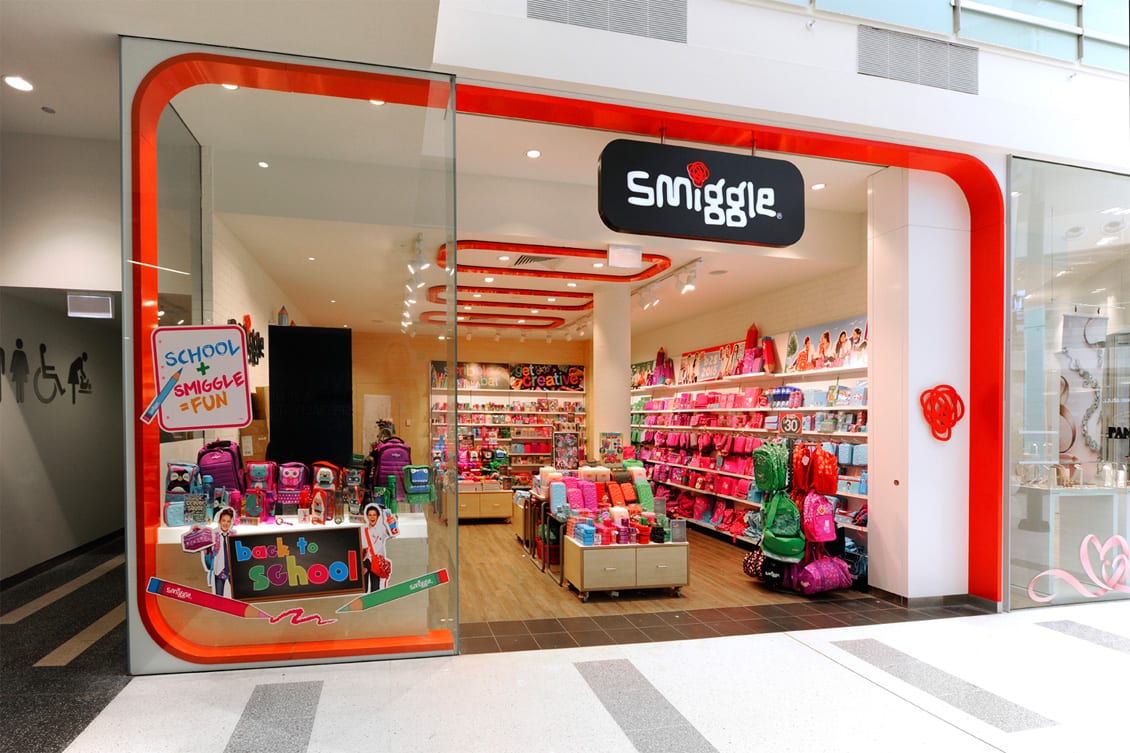
  • Smiggle parent Premier Investments feeling the impact of Covit-19

    Smiggle parent Premier Investments feeling the impact of Covit-19

    Premier Investments has weathered a string of global crises, including Brexit, Hong Kong protests and Australia’s bushfires to post record sales and earnings in the first half of the financial year – but now it says the coronavirus pandemic is impacting trade across every brand in its portfolio.

    On Friday, the owner of major national and international retail brands, including Smiggle, Peter Alexander, Just Jeans, Portmans, Dotti, Jacqui E, Jay Jays and Breville, reported a 7.6-per-cent increase in first-half sales year on year, to $732.1 million (US$427.7 million), and a 10.7-per-cent increase in earnings before interest and tax, to $126.1 million ($73.7 million).

    But the strong performance may be cold comfort, as the coronavirus outbreak and strict self-isolation measures introduced to contain the spread in certain markets have already severely impacted Premier’s trade in the second half.

    Smiggle sales have been “severely disrupted” in Hong Kong, Singapore, and Malaysia, and “deteriorated significantly” in the UK and Ireland, the company said in a statement to the Australian Stock Exchange.

    Trade-in all brands in Australia and New Zealand have been impacted, and the company warned gross margin could be affected as it moves to clear inventory in each market.

    Premier Investments CEO Mark McInnes declined to provide specifics on changes in sales or foot traffic, saying on a media call that the company was not “in control of what’s happening on a daily basis” and “merely responding” to the crisis at hand.

    He described the current situation as “unprecedented” and unlike anything he has experienced, including the Global Financial Crisis in 2008 and recession in 1991.

    He also warned there could be widespread store closures if landlords do not start supporting their tenants by renegotiating rents.

    “Since the outbreak of COVID-19, we have closed two stores in Hong Kong, and we are prepared to close many more stores globally if landlords do not respond to the current crisis,” McInnes said.

    While he noted that Premier Investments could exit 70 percent of its leases in Australia and New Zealand with just 30 days’ notice, he said it wasn’t about “profiteering”, but rather “sharing the reality”.

    “Historical rents are just…all we’re pointing out to landlords is the reality of the situation,” he said.

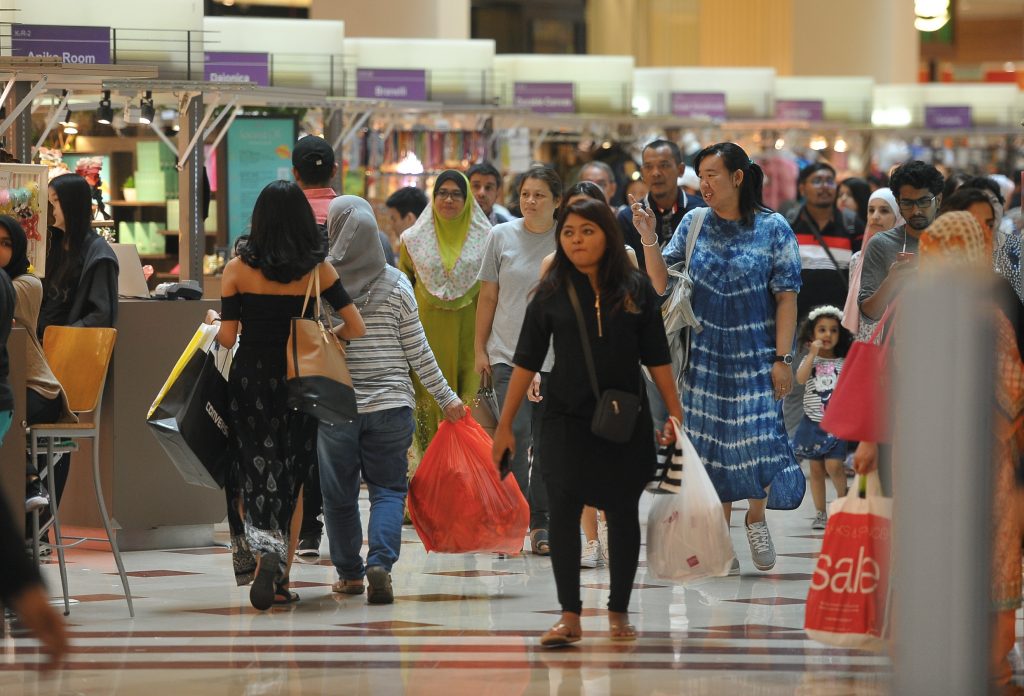
  • Malaysian retail expected to contract

    Malaysian retail expected to contract

    Retail Group Malaysia (RGM) predicts Malaysian retail sales will contract by 3.9 percent year-on-year in the first quarter of this year.

    The estimate is based on footfall having halved during the coronavirus outbreak, contradicting RGM’s expectation earlier this year that Malaysian retail sales could rise by 0.4 percent.

    “In the event the global coronavirus outbreak and domestic political turmoil take more than the next few months to resolve, it will further affect the retail consumption pattern in Malaysia drastically,” said Tan Hai Hsin, MD at RGM.

    He said it was unable to estimate the likely retail industry growth figure for this year while preparing the report because of the unpredictable changes of the coronavirus outbreak and the new ruling government policies.

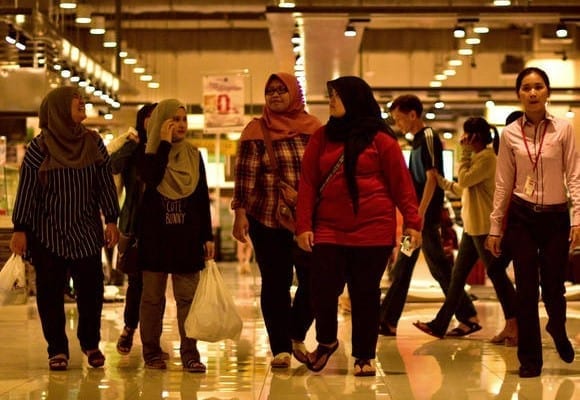
    Although shopping traffic has dropped significantly in the country, some shopping malls have remained open to the public to provide essential goods and services.

    Aeon Mall’s tenants, including pharmacies, banks and POS Malaysia, will continue to operate, however, food & beverage tenants will only provide takeaway and delivery services. Aeon Retail’s outlets will also provide dedicated check-out lanes for senior citizens, the disabled and pregnant women to ensure that they can shop for their daily needs in “a safe and worry-free environment”, the company said in a statement.

    Meanwhile, 1 Utama Shopping Centre said on its social media that its essential service tenants such as supermarkets, pharmacies or convenience stores will remain open, and reassured consumers that there is no need to start panic shopping.

    In the final quarter of last year, Malaysia’s retail sales increased 3.8 percent year on year with the best growth in the pharmacy and personal care categories. The worst-performing sector was supermarkets and hypermarkets which witnessed a 2.8-per-cent full-year decline.

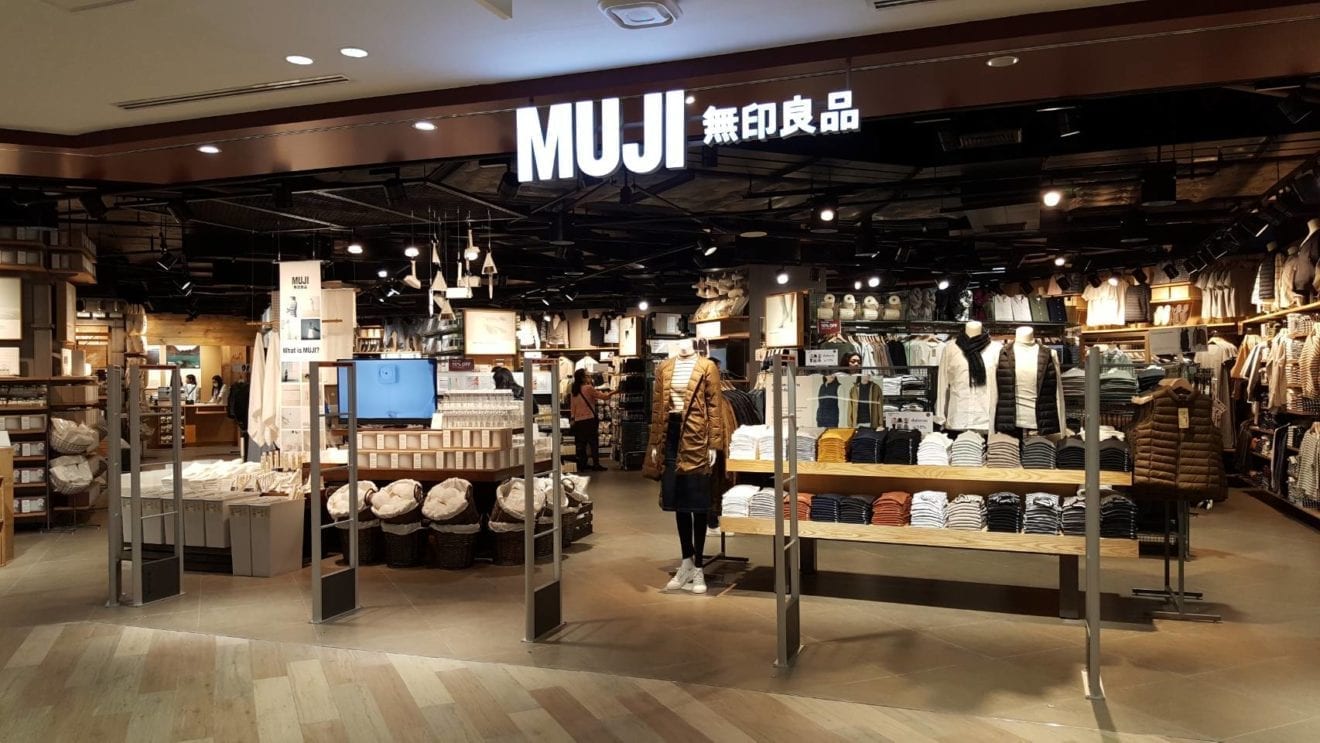
  • Muji parent Ryohin Keikaku caught million dollar tax dodge

    Muji parent Ryohin Keikaku caught million dollar tax dodge

    Muji store parent Ryohin Keikaku has been found to have dodged paying ¥7.5 billion (US$68.3 million) in tax by transferring taxable income to its operations in China, where it runs 256 outlets.

    The Japanese retailer has been ordered by the courts to pay the required taxes, which have accrued since 2017, as well as around ¥2.1 billion ($19.1 million) in penalties.

    In a statement, the firm said that although it holds a different view on the policy of double taxation, it has decided to pay the tax as assessed by the tax bureau.

    Ryohin Keikaku has appealed to the tax authority in Japan to deal with its Chinese counterparts to avoid double taxation in future.

  • Hong Kong government launches cash relief for retailers from Monday

    Hong Kong government launches cash relief for retailers from Monday

    The Hong Kong government will allocate US$271 million in aid for around 70,000 retailers affected by the coronavirus outbreak.

    The Retail Sector Subsidy Scheme will launch next Monday, with eligible stores set to receive an HK$80,000 (US$10,300) subsidy under the scheme to help alleviate their financial difficulties.

    Beneficiaries of the fund must be substantial retail businesses operating since at least January 1 this year, excluding restaurateurs, hawkers and stalls in department stores without a separate payment system. Mail order, internet and direct marketing businesses are also excluded from the scheme.

    Parent companies operating multiple locations can apply for up to HK$3 million ($386,200) in relief funding.

    The Hong Kong Trade Development Council will help implement the scheme with retailers instructed to apply online to speed up the application process and minimize the time required for vetting the eligibility of applications received. Applications for support will only be accepted from March 23 to April 12.

    A telephone hotline has opened (1836 111) and an email address ([email protected]) established for inquiries from retailers, which are operational now.

  • Malaysia Lockdown Hits Singapore Lenders

    Malaysia Lockdown Hits Singapore Lenders

    Singapore banks could face further headwinds after Malaysia announced a nationwide lockdown that will last till the end of March.

    High connectivity to Malaysia is expected to weigh in for Singapore banks, most notably UOB and OCBC which source 11 and 14 percent of pre-tax profits from the country, respectively. The two had already flagged earlier that credit costs could rise 25-30 basis points based on assumptions that the outbreak lasts till mid-2020.

    At UOB, credit costs could jump 80 basis points if the outbreak extends beyond mid-2020, according to a report citing CFO Lee Wai Fai though he said that it is a «highly unlikely» possibility. At OCBC, CFO Darren Tan said that revenue growth would be «relatively muted» but added that strong capital ratios, funding and liquidity would help the lender stay resilient in this period.

    Although DBS said the impact from Malaysia’s lockdown would be limited due to a smaller presence in the market, it is still expected to feel the broader effects of the outbreak. DBS’s chief executive Piyush Gupta recently announced a modest 1-2 percent revenue reduction which its institutional banking head Tan Su Shan called a moving target.

  • Luk Fook sales plummet by half in first two months of 2020

    Luk Fook sales plummet by half in first two months of 2020

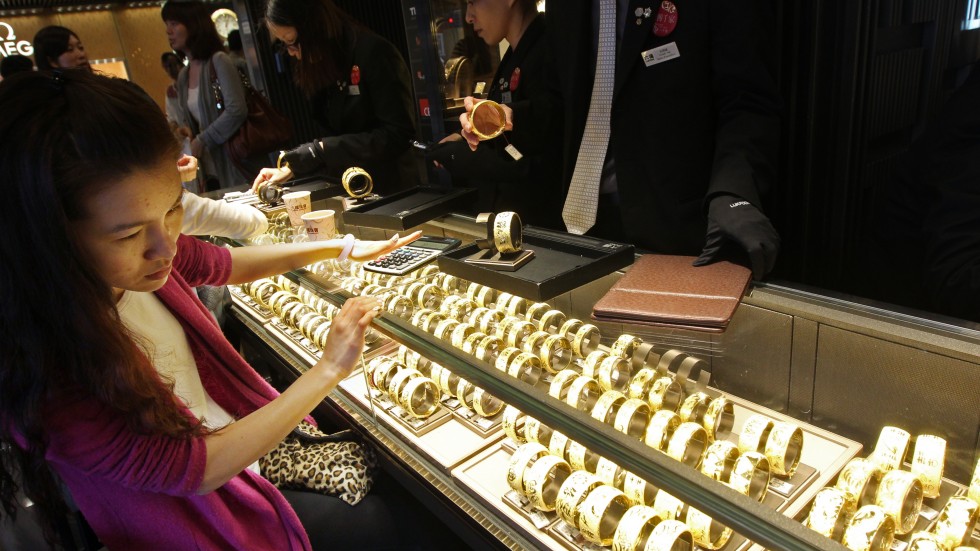
    Hong Kong jeweler Luk Fook says its sales halved during the first two months of this year as the coronavirus outbreak caused an extensive lockdown of mainland Chinese cities and visitors to Hong Kong and Macau fell sharply.

    While most mainland stores have reopened this month, customer footfall of the shops operating in Mainland China, Hong Kong and Macau was “still sparse” said chairman and CEO Sheung Wong in a profit warning. “It is expected to take some time for the business to resume normal.

    “Therefore … there will be an acute drop in revenue for the period from January to March. It is therefore highly likely that certain losses will be incurred in the fourth quarter. It may lead to a substantial decline in the group’s revenue and profit for the financial year ending March 31.”

    With Macau stores closed for most of February, sales in the combined Hong Kong and Macau market decreased by more than 50 percent.

    “Economic activities in Mainland China were almost halted due to the outbreak,” said Wong. “In the first two months of this year, industry, consumption and investment all hit record low with the double-digit decline, crashing the macro-economy severely.”

    Group-wide, same-store sales of gold products and gem-set jewelry products in Luk Fook’s own stores were down by 45 percent and 54.9 percent, respectively. In Hong Kong and Macau overall sales were down by 52.8 percent, with gold products down by 47.3 percent and gem-set jewelry products by 58 percent.

    On the mainland, where shops were closed in February, same-store sales fell by 37.1 percent. Gold sales were down by 38.6 percent and gem-set jewelry sales by 31.8 percent.

    Retail sales through licensed shops and self-operated shops of the group in Mainland China fell by half.

    During the pandemic, the company has not replaced staff leaving of their own accord and introduced leave without pay to reduce staffing costs. It has also negotiated rent reductions with landlords.

    Expansion plan on track

    Despite the huge impact of the coronavirus on sales, Luk Fook remains committed to its expansion plan which Wong said “has not been seriously affected”.

    “It is estimated that the net shop additions for the current financial year would only be a bit less than the target of 300 shops. In addition, the group’s unaudited revenue and profit for the period for the nine months ended December 31 were about 60 percent and 55 percent respectively ahead of those for the year ended March 31, last year.”

    He said fourth-quarter operational data will be released in mid-April.

  • WhatsApp, in collaboration with the World Health Organization

    WhatsApp, in collaboration with the World Health Organization

    As we all know, social media platforms have been filled with misinformation regarding the current public health situation, and tech giants are striving to bring the situation under control. Now, WhatsApp is also joining in in the efforts to protect the public from coronavirus-related fake news and posts.

    WhatsApp announced that it is opening an information hub, in partnership with the WHO, UNICEF and UNDP. The platform offers guidance, general information and tips in order to fight the spread of misleading rumors and panic over the situation. Additionally, it will also provide messaging hotlines, where people can text and most likely get guidance.

    What’s more, the company has stated that they will be donating $1 million to the Poynter Institute’s International Fact-Checking Network (IFCN) in order to fight against misleading posts concerning the COVID-19. The company is urging people to ensure they are reading trusted knowledge sources and if they are unsure about something, not to forward it to help limit the spread of misinformation.

    Additionally, the Fact-Checking Network will work on determining ways that misinformation spreads in WhatsApp and developing tools to detect and better moderate it, stated IFCN’s director, Baybars Orsek.

  • Asian sales hold up for Samsonite International

    Asian sales hold up for Samsonite International

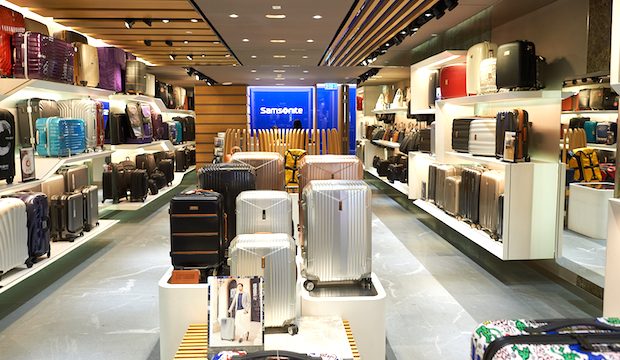
    A soft North American market saw global sales for luggage maker and retailer Samsonite International slip 1.8 percent in the December year – but the company is expecting a tough first half with the advent of coronavirus.

    CEO Kyle Gendreau said the global health emergency has caused travel disruptions worldwide.

    “While the extent and duration of the COVID-19 outbreak remain uncertain, we are reassured by actions taken by governments and health authorities around the world. Nonetheless, the outbreak will have a negative impact on our performance in the first half of 2020.”

    But he said the company is well placed to withstand the upheaval, with more than US$1.2 billion in liquidity and “a strong record of managing through past travel disruptions”.

    Last year’s sales reached US$3.64 billion, with all areas outside North America – where sales fell 8 percent – achieving growth. Sales in Asia rose 1.5 percent, in Europe by 3.2 percent and in Latin America by 2.8 percent.

    “These encouraging results … were achieved notwithstanding headwinds in four key markets, including the US, which was affected by increased tariffs on products sourced from China, and lower foreign tourist traffic, the Hong Kong domestic market, South Korea and Chile.”

    In Asia, the group’s business was impacted by a planned reduction in B2B sales during the first half of the year in China, challenging market conditions in the Hong Kong domestic market and weak consumer sentiment in South Korea. Excluding these impacts, the Group’s net sales for the Asia region increased by 6.8 percent, year-on-year.

    Samsonite International’s adjusted pre-tax earnings fell by 16.9 percent, or $100.1 million, to $492.2 million, primarily due to the effect of lower net sales and a decrease in gross profit margin, which was in part due to the incremental tariffs imposed by the US on products sourced from China.

    Gendreau says the company made steady progress in repositioning Samsonite for sustained growth and improved profitability last year while navigating sales and margin pressures in some of its key markets.

    “We are pleased with the improvements we achieved in controlling costs, managing working capital, generating cash flow and deleveraging our balance sheet. These improvements, along with our dedicated teams, strong brands, global scale and diversified sourcing base and supply chain strengthen Samsonite’s resilience in the face of challenging headwinds and provide us with the capacity to continue investing in the business to deliver sustainable growth and long-term shareholder value,” he said.

  • Malaysian retail expected to contract

    Malaysian retail expected to contract

    Retail Group Malaysia (RGM) predicts Malaysian retail sales will contract by 3.9 percent year-on-year in the first quarter of this year.

    The estimate is based on footfall having halved during the coronavirus outbreak, contradicting RGM’s expectation earlier this year that Malaysian retail sales could rise by 0.4 percent.

    “In the event, the global coronavirus outbreak and domestic political turmoil take more than the next few months to resolve, it will further affect the retail consumption pattern in Malaysia drastically,” said Tan Hai Hsin, MD at RGM.

    He said it was unable to estimate the likely retail industry growth figure for this year while preparing the report because of the unpredictable changes of the coronavirus outbreak and the new ruling government policies.

    Although shopping traffic has dropped significantly in the country, some shopping malls have remained open to the public to provide essential goods and services.

    Aeon Mall’s tenants, including pharmacies, banks and POS Malaysia, will continue to operate, however, food & beverage tenants will only provide takeaway and delivery services. Aeon Retail’s outlets will also provide dedicated check-out lanes for senior citizens, the disabled and pregnant women to ensure that they can shop for their daily needs in “a safe and worry-free environment”, the company said in a statement.

    Meanwhile, 1 Utama Shopping Centre said on its social media that its essential service tenants such as supermarkets, pharmacies or convenience stores will remain open, and reassured consumers that there is no need to start panic shopping.

    In the final quarter of last year, Malaysia’s retail sales increased 3.8 percent year on year with the best growth in the pharmacy and personal care categories. The worst-performing sector was supermarkets and hypermarkets which witnessed a 2.8-per-cent full-year decline.

  • Google Translate gains a very convenient transcription feature

    Google Translate gains a very convenient transcription feature

    As handy as Google’s crazy popular translation tool has always been, there was something missing that could make all our lives even easier. We’re talking about a real-time transcription feature, which is now a thing on Android devices.

    This does a great deal more than simply turn speech into text on your mobile phone, also translating said text while a person is still speaking without requiring a lot of effort on your part. All you need is the latest version of the official Google Translate app from the search giant’s Play Store, with a dedicated “Transcribe” icon found on the home screen and the option to select your source and target languages located in the language dropdown at the top.

    For the time being, the groundbreaking AI-powered functionality is compatible with English, French, German, Hindi, Portuguese, Russian, Spanish, and Thai, supporting transcriptions in any combination of these languages while Google continues to work on expanding the list in the near future. The company also plans to enrich the Google Translate experience for iPhones and iPads at some point, although no iOS release schedule has been put together just yet.

    In the meantime, Android users should definitely take this feature for a spin once they receive the newest update for their Google Translate app. An internet connection is required for real-time transcriptions to work, allowing you to follow a lecture, for instance, without understanding the language that’s actually being spoken.

    Although you can’t upload an audio file and have Google Translate automatically and seamlessly transcribe it for you just yet, the extremely cool new feature does support pre-recorded audio, which you can play on your computer, as well as live audio sources.

    You can also easily pause and restart your transcriptions by tapping on the mic icon, as well as check out the original transcript before it’s translated, change the text size, and choose the newly released dark theme in the settings menu. In a nutshell, Google appears to have thought of pretty much everything right off the bat here.

  • Dire retail sales in Mainland China a harbinger for rest of the world

    Dire retail sales in Mainland China a harbinger for rest of the world

    Retail sales in Mainland China slumped by 20.5 percent in the first two months of this year according to government figures – providing a glimpse of what lies ahead for retailers in other countries where the coronavirus is now having an impact on community behavior.

    For most of January and February hundreds of millions of Chinese were subject to lockdown in their homes, and retail stores and shopping malls were closed. Most consumers moved online to purchase goods with e-commerce giants like JD and Alibaba developing safe delivery protocols to ensure distancing between delivery riders and customers.

    Combining the first two months of retail sales figures provide an accurate comparison with previous years as it eliminates any impact from the changing timing of Lunar New Year, traditionally a busy season for retailers.

    By comparison, retail sales in Mainland China grew by 8 percent in December.

    Analysts had expected sales to fall by 5 percent in January and February, a dramatic understatement of the eventual figures.

    On a more positive note, many major retail chains have reopened stores across Mainland China this month as the spread of the virus has abated. March data will be eagerly awaited to see if there is any indication of consumers spending on luxury goods and other unnecessary purchases as they celebrate the gradual return to normal life and indulge to reward themselves for enduring the lockdowns.

  • Employee Trace Tool Released to Manage Casual Workers Through COVID-19

    Employee Trace Tool Released to Manage Casual Workers Through COVID-19

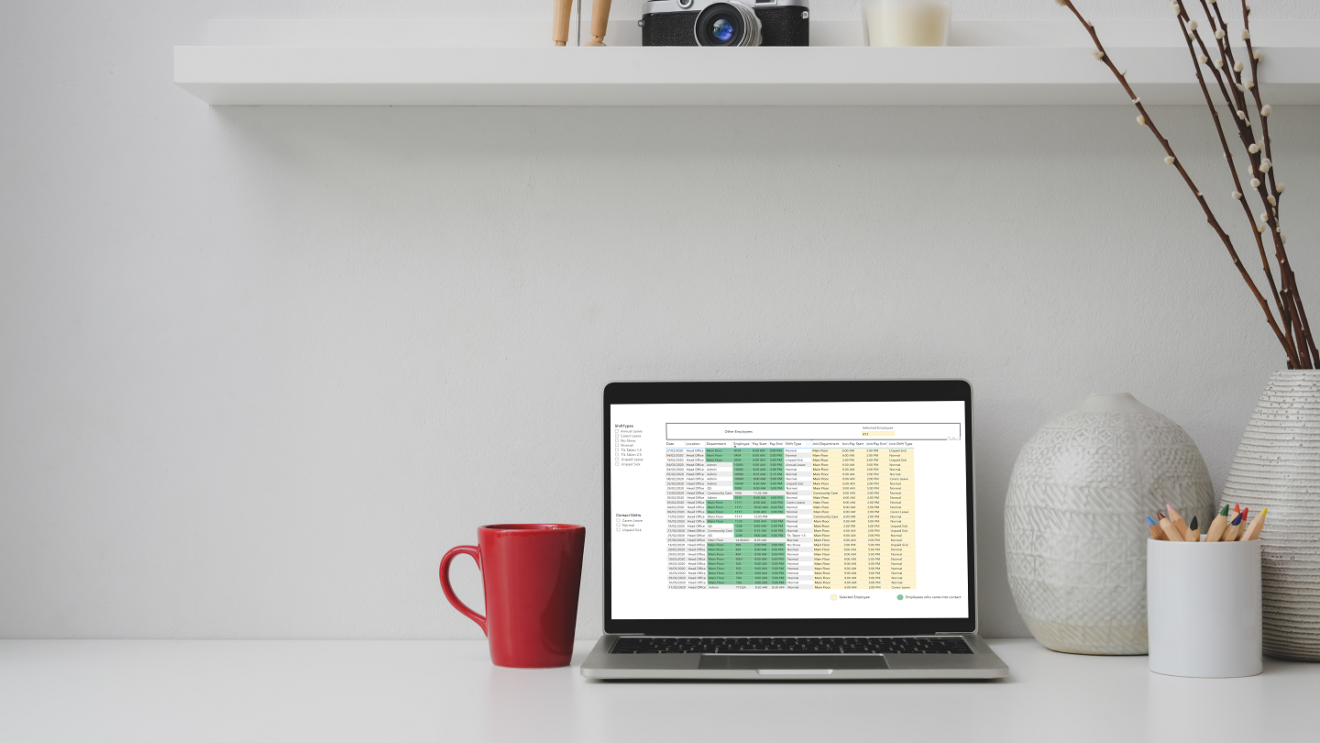
    Humanforce, a Sydney based global provider of workforce management solutions, has released a free Employee Trace Tool to help all retail businesses manage and protect their casual employees and the community through the COVID-19 outbreak.

    The Employee Trace Tool provides retail employers with enhanced visibility over their casual workforce during any period where COVID-19 may be present in the community. The tool, which works in conjunction with any source of timesheet or roster data, enables businesses to quickly and easily ascertain which employees worked on what day and time, in what location, and with who.

    “Identifying the presence of COVID-19 and who has been exposed to a known carrier will be critical in helping limit the impact of the virus. Retail businesses have a duty of care to not only their patrons and customers, but also staff to ensure that they can rapidly notify personnel of any exposure so that they can take appropriate action, including self-isolating, if needed,” said  Bruce MacKenzie, Managing Director and Founder, Humanforce. “Our aim with this new Employee Trace Tool is to assist all businesses that employ casual workers to make informed decisions in these critical days, weeks and months ahead.”

    Ai Group found that in 2018 2.6 million people out of 12.5 million total people working in Australia were employed on a casual basis. And the nature of casual work means that an employee could come in to contact with a very high number of community members and co-workers during a shift, or across the course of a week.

    Humanforce’s Employee Trace Tool will make the difficult and onerous task of tracking down anyone who has had contact with an employee who has a positive diagnosis, or anyone who worked a shift where a member of the public was found to have COVID-19, much easier and quicker for retail employers.

    “Humanforce has made the Employee Trace Tool available for free to any business, anywhere in the world, to support responsible COVID-19 responses, keep casual employees and patrons safe, and minimise the business impacts of this crisis,” Bruce added. “As COVID-19 spreads, employers of casual workers need to have adaptable processes – facilitating flexible working and shift-swapping, to ensure that they are properly staffed no matter the circumstances.

    “Should casual workers find themselves in isolation, having to stay at home to look after school children or fall ill – this can have a significant impact on their employer. Businesses need to have systems in place that enable easy shift swapping to limit normal business disruption,” added Bruce. “The Humanforce App processes shift-swaps easily online, lessening the burden on employers to scramble to find cover when staff are unable to attend work.”

    Employers wanting to access the Employee Trace Tool can find out more at:  https://humanforce.com/news/universal-employee-trace-tool-protecting-employees-during-covid-19/

    About Humanforce

    Humanforce is a global provider of workforce management solutions for companies who need flexibility to manage complex workforces. Companies use Humanforce to manage everything from time and attendance, employee rostering, onboarding and availability. Humanforce has strong partnerships with industry leading payroll providers, with over 100 integrations and enable customer employees in over 9000 locations globally.

    Humanforce was founded in Sydney in 2002, and today has offices across Australia, New Zealand, Singapore and the UK. For more information: www.humanforce.com

    Media Contact:

    Corinne Nolte

    Mulberry Marketing Communications

    +613 9023 9110

    [email protected]