Category: General

Retail News Asia is committed to providing both local and global retailers with the latest General Retail news throughout the Asian market. This on a daily base.

  • Metro Manila malls close, with only supermarkets, pharmacies remaining open

    Metro Manila malls close, with only supermarkets, pharmacies remaining open

    After Philippine President Rodrigo Duterte announced an “enhanced community quarantine” yesterday across Luzon, Metro Manila malls and some stores were temporarily closed to comply with the government’s fight against Covid-19 (coronavirus).

    Shopping malls, especially in Metro Manila, announced their temporary closure until further notice. However, grocers and pharmacies in shopping malls will remain open.

    Customers queuing at cash registers have been told to maintain a 1-metre (3-foot) space apart.

    Ayala Malls, SM Supermalls, Robinsons Malls, Vista malls, Araneta City and Megaworld Lifestyle will be closed during the quarantine period which is set to continue until at least April 14, according to a directive issued by Department of Trade Secretary Ramon Lopez.

    In the government guidelines, only those private establishments providing basic necessities and such activities related to food and medicine production like public markets, supermarkets, groceries, convenience stores, hospitals, medical clinics, pharmacies and drug stores, food preparation and delivery services, water-refilling stations, manufacturing and processing plants of basic food products and medicines, banks, money-transfer services, power, energy, water and telecommunications supplies and facilities, shall remain open.

    Duterte has called on all the Philippines’ big enterprises to consider giving 13th month pay or even half of their salary as showing solidarity for Filipino for this critical time, or even food. He told the management of big companies to understand the plight of the workers who cannot work.

    Meanwhile, Jollibee and McDonald’s have reassured customers that measures were in place to ensure their safety as their stores remain open in Metro Manila during the community quarantine.

  • WhatsApp might launch self-destructing messages feature for individual accounts

    WhatsApp might launch self-destructing messages feature for individual accounts

    We already know that WhatsApp has been working on a self-destructing message feature. What we don’t know is when it will be made available to everyone and in what form. The self-destructing messages feature is quite common in apps like Snapchat and Telegram, but WhatsApp doesn’t yet include the functionality.

    However, we know that WhatsApp tested the feature since last October, but decided to limit it to groups chat. The good news is the latest version of WhatsApp beta reintroduces self-destruct messages for individual accounts.

    Unfortunately, since it’s still in the beta, WhatsApp might change its mind again and either limit its availability to a certain group of users or not release it at all. Well, the important thing WhatsApp has reconsidered its strategy and plans to bring it to all users, not just to some of them.

    Those of you who have access to WhatsApp beta for Android will find the new feature in the Settings menu of each chat. Make sure to tap Delete messages and choose how long new messages will last before they are deleted. You can select from several options: Off, 1 hour, 1 day, 1 week, 1 month, and 1 year.

  • Fake luxury goods seized at famous Vietnam markets

    Fake luxury goods seized at famous Vietnam markets

    Ho Chi Minh City authorities seized thousands of fake luxury goods at two famous local markets last week.

    According to Tuoi Tre News, market watchdog officers seized more than 1500 fake items worth US$6282 at Saigon Square and Ben Thanh Market, the latter one of Ho Chi Minh City’s most popular tourist attractions.

    All the products seized are copies of famous luxury brands including Prada, Montblanc, Gucci, and Rolex.

    Representatives of the General Department for Market Management said the unit will keep preventing vendors from selling counterfeit and pirated goods, focusing on hotspots where these items are commonly on show.

    Located in the city’s center, Saigon Square and Ben Thanh Market are renowned for selling fake luxury goods to tourists.

  • Isetan leaving Thailand

    Isetan leaving Thailand

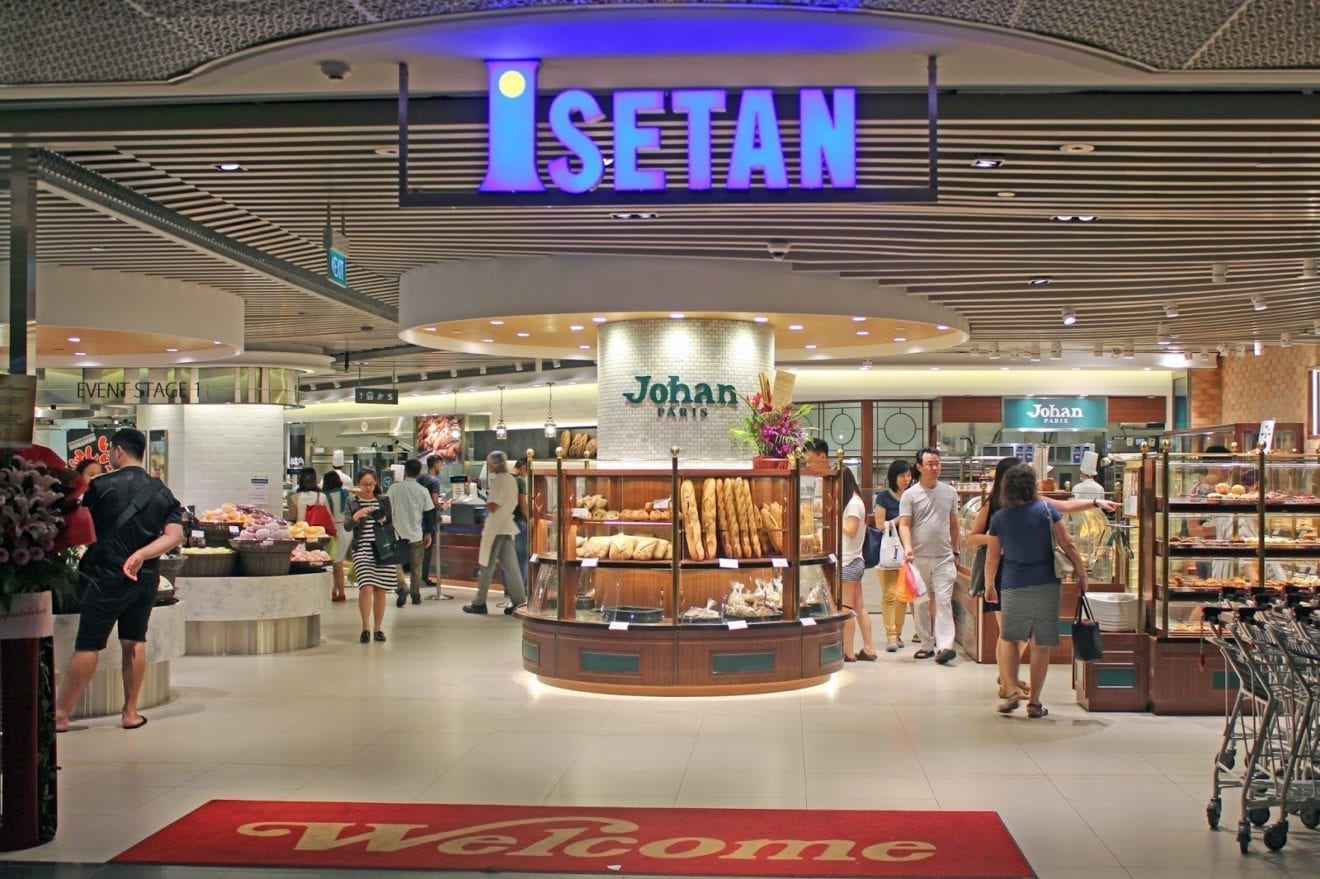
    Japanese department-store chain Isetan will quit Thailand later this year after 28 years operating in Bangkok.

    The company says it will not renew the lease of its space in the CentralWorld shopping center when it comes up for renewal in August.

    However, Isetan and CentralWorld’s owner Central Pattana may discuss a plan for the Japanese restaurant zone on the top floor, in which Isetan tenants operate effectively as concessions.

    The Isetan department store opened at CentralWorld back in 1992 when it was called the mall was called World Trade Center.

    The last major renovation of the space opened in December 2015, a food concept called Washoku Gallery.

    In keeping with the department store’s heritage, the gallery features food products imported from Japan. The company said at the time that Japanese food and culture is broadly liked by Thailand’s urban consumers and Isetan wanted to tap into that growing demand.

  • City Super supermarket chain sale sparks strong interest

    City Super supermarket chain sale sparks strong interest

    Investment groups China Resources and Yonghui Superstores, as well as some private individuals, are among potential buyers of Hong Kong’s City’Super high-end grocery chain.

    Current owner The Fenix Group is intending to sell a majority stake in the business in a deal that could attract US$300–400 million. The firm is likely to call for bids later this month or otherwise in early April, depending on the coronavirus outbreak situation at the time.

    Billionaire Peter Woo, who owns a minority stake in the business, is expected to hold on to his shares. Talks, however, remain at early stages and the deal may not eventually go ahead.

    City Super Group currently operates 21 Hong Kong City’Superstores, with an additional seven in Shanghai and another seven in Taiwan under different brand names. The stores are located in prime properties such as Hong Kong’s IFC Mall.

  • OneDrive now supports Dark Mode on Android phones

    OneDrive now supports Dark Mode on Android phones

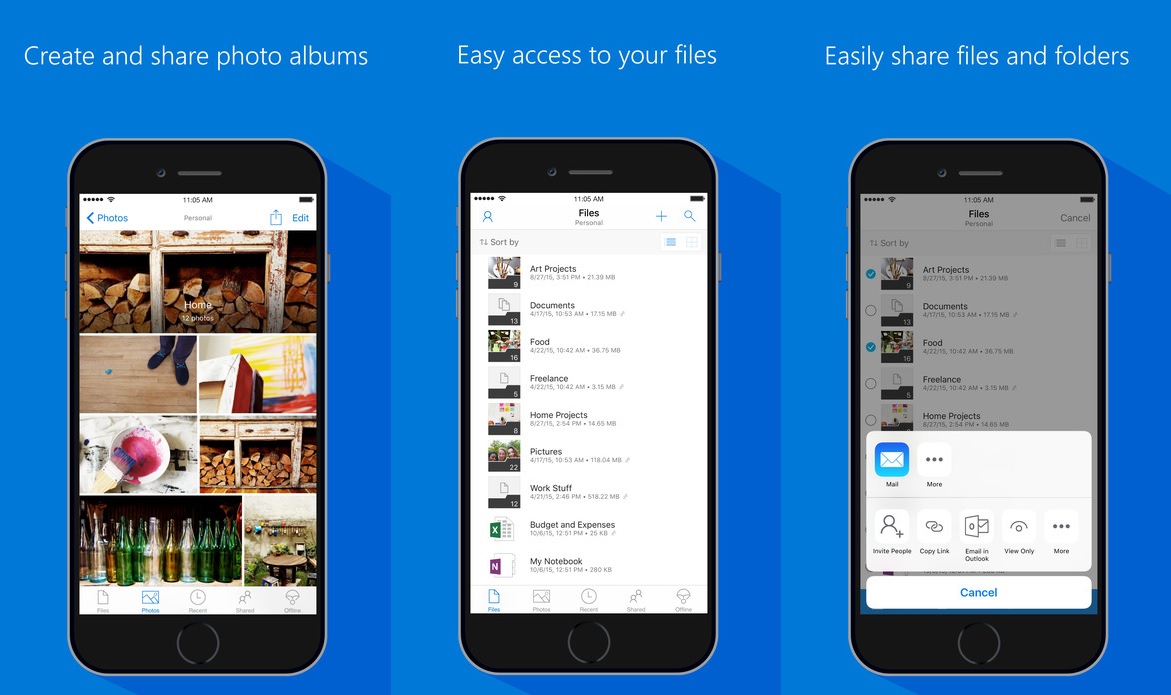
    Almost six months after bringing Dark Mode to OneDrive on iOS, Microsoft is enabling the visual option on the Android version of the app. With OLED displays becoming more common, darker themes and modes started to appear in many mobile apps, including Gmail, WhatsApp, Facebook Lite, Google Translate and more. OLED technology displays black by turning off individual pixels, so the darker the theme, the less energy the device consumes. Besides energy efficiency benefits, Dark Mode is also much easier on the eyes in low-light conditions.

    Microsoft is rolling out the new features with version 6.0.1 of the app with another little tweak in the Photos tab. Users will get a trip down memory lane with the option to revisit old photos taken on the same day in previous years.

    To activate Dark Mode in OneDrive, go to the Settings menu on the homes screen, and tap on the Theme option. You can then choose Light, Dark or System Default. The last one will use the Global theme settings of the device. This option is useful when you want to schedule different themes for different times of the day – Dark Mode activating at sunset, for example.

  • AS Watson says health-category sales rise 11 per cent

    AS Watson says health-category sales rise 11 per cent

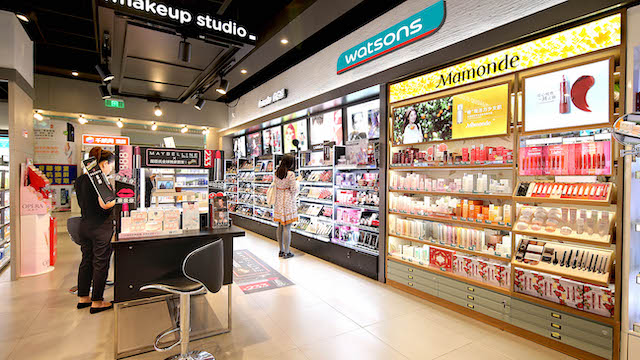
    AS Watson Group saw its health-category sales increase 11 percent last year with 1 billion shoppers purchasing health products from the brand globally.

    The figures reflect a global uptick in the vitamins and supplements industry, which is growing at a rate of 12 percent year on year internationally.

    Shoppers for health products visit a Watson’s store 10 times per year on average, according to survey data released by the firm. Their spending is almost 80 percent higher than the general shoppers.

    “Vitamins and supplements have experienced the fastest growth of 12 percent,” said group COO Malina Ngai. “We care about our customers’ health, and this is the second Global Health Survey we have commissioned, with the aim to ensure we stay abreast of their needs in their lifestyle. We will look for product and service solutions worldwide for our customers who increasingly want more control of their health.”

    The firm also launched a strategic partnership with Prenetics last year to pioneer a personalized preventive digital healthcare solution through the launch of DNA home testing to focus on prevention instead of treatment, which has also boosted its health-category sales.

  • Chow Tai Fook closes 40 stores after sales slump

    Chow Tai Fook closes 40 stores after sales slump

    Hong Kong-based jewelry group Chow Tai Fook has closed 40 stores in Hong Kong after experiencing a 60-per-cent drop in retail sales there amidst the coronavirus outbreak.

    Sales on the mainland fell 42 percent, according to an update on trading for the first two months of this year.

    “In response to the measures of local governments in containing the spread of COVID-19 virus, the majority of our point of sale in Mainland China were temporarily closed since late January, and in Hong Kong and Macau from early February,” read the update.

    “Businesses in both markets were inevitably affected during the period. As of February 29, approximately 70 percent of our points of sale in Mainland China and 64 percent in Hong Kong and Macau had resumed operations.”

    The company said the interest of public health and the safety of its staff remained of utmost importance to the group despite its heavy loss of business.

    Operations at the Chow Tai Fook’s production facilities in Shunde and Shenzhen have resumed operations gradually. Its inventory remains higher than usual in the short term due to a boost in production for the Chinese New Year period of items that now remain unsold.

  • The virus outbreak is Asia’s call for digital business

    The virus outbreak is Asia’s call for digital business

    Coronavirus has significantly overwhelmed the world. The outbreak of Covid-19 caused the death of over 4,000 people and infected over 119,000. Some countries, including China, Italy, and Iran, have adopted restrictive measures, quarantining most of its citizens and canceling public events.

    The virus has had a negative impact on trading and markets, as most of the European markets suffered significant slumps. It also disrupted the working process, and several banks have advised its staff to work from home.

    This has become a problem for Asian countries and companies because most of their income depends on the physical presence of workers. It becomes impossible as most workers are currently in quarantine.

    China to think more about switching to digital business

    Most workers in China earn income from physical labor. They work in factories, which are the primary source of revenue for China. Yet, the emergence of Covid-19 has severely damaged the working process.

    China should probably learn from its European counterparts to focus more on digital business, as it does not require the physical presence of workers and is perfectly available for employees to work remotely.

    This trend has become very prevalent in European industries, especially online gaming. For instance, Armas Hämäläinen, who is the representative of online casino Spinia Finland has declared that the casino does not request its employees to come to work due to the fear over coronavirus. The company allows them to work from home, which helps keep employees safe and at the same time, keep the company active and functional.

    In contrast, China’s gambling industry is pretty much locked in. While Europe makes a lot of money from gambling. It has a legal framework, but in China, it is considered illegal and one of the weirdest facts about gambling in China is that they allow citizens to gamble in Macau which is technically their territory, but they cannot gamble inside mainland China.

    We can say the same about top European banks such as Credit Suisse and Deutsche Bank. Both banks strongly encouraged some of its employees to stay home and work remotely, to contain the spread of coronavirus.

    Therefore it is very convenient and useful for China if it switches to digital business more, as it will not only help to contain the virus but will create a wide range of possibilities as well.

    South Korea urges local communities to take part in social distancing

    Coronavirus took its toll in South Korea as well, killing over 50 people and infecting 7,700. South Korea is known in the world for its digital innovations and services, and unlike China, it did not have so many problems with working remotely, because a lot of people work in firms, where it is not necessary to be physically present at work. For instance, financial, insurance, IT, electronic companies – all of them are in favor of working from home.

    Conclusion

    It is hard to remember any virus, that caused so much disruption in the world, like coronavirus. No one would expect the damages to be so colossal, let alone the fact it distorted the working of companies, resulting in huge losses. As most countries in Asia, obtain revenues from the physical labor of workers, they should somehow find a way to adapt to digital services. Otherwise, it would further harm the workers and catalyze the spread of Covid-19.


  • Disposable cups transformed into photographic paper

    Disposable cups transformed into photographic paper

    The use of disposable cups and other products is on the rise as consumers are prioritizing safety from the coronavirus.

    Disposable protective masks, plastic gloves, and plastic cups are being consumed en masse across South Korea and elsewhere in Asia.

    In the meantime, a new ‘filaroid’ service that recycles disposable products into photographs is becoming popular.

    Disposable cups made from paper, are notorious for hurting the environment due to the laminated substance in the cup’s interior which makes it very difficult to be recycled.

    Filaroid replaces plastic photographic papers with an eco-friendly material recycled from paper cups.

    Paper disposable cups are usually thrown away without any particular damage, making it easier to recycle their sturdy fibre which can be used in photographic paper.

    Downloading a filaroid app on a smartphone allows users to create and edit photos that they want to be printed on the recycled photographic paper.

    “We are working on teaming up with a local paper producer to begin mass production of photo paper recycled from paper cups,” said Oh Seung-ho, CEO of Taeoa Corp, a filaroid service provider.

    Environmental value and profits raised from the recycled products are shared again with consumers. Filaroid offers free printing services every month to reduce the amount of paper cups incinerated each year.

  • Increased digital traffic in China attracts unwanted guests

    Increased digital traffic in China attracts unwanted guests

    The past decade has ended up with leaving the New Year gift under the New Year Tree. And who said that the gifts can always be pleasant and good. The new decade took the start which is very far from the good.

    Coronavirus, also known as the Covid-19 is the virus, which was first discovered in Wuhan, China on the 31st of December 2019. The local virus, which has spread to almost every single country in the world, has already infected over 180,000 people, across the world in a matter of only three months.

    Coronavirus has killed almost 7000 people and many people have been still infected and located in quarantine. The ones who are not in the hospitals, or in any specifically designated places, are self-isolated at homes. Many countries have moved to the emergency regime and have announced massive lockdowns.

    The first country to suffer from the massive virus outbreak was China. Then several European countries followed, and now it is all over the world, across the oceans and deserts. The World Health Organisation announced the epidemic as the pandemic, meaning that the massive lockdowns in every country should be expected sooner or later.

    While being in a state of isolation and not being able to do anything with it, there is not much left you can do. When every facility is closed and you are barely able to leave the house, all you can do is spend your days in front of the TV or surf the Internet. This is perhaps the best scenario for sparing your time.

    One of the major industries in China is gambling. While gambling in the country is not legal, it is only legalized in Macau. This is the only province in the whole of China, where visitors can gamble and participate in any type of gambling-related event. The city is basically designed for gambling and there is nothing else to do rather than a gamble.

    The city of Macau generates over 80% of the revenue via casino performance. Millions of people visit the Chinese gambling paradise annually and spend a lot of money on gambling. This is one of the reasons why the city is very lucrative and attracts many people. Not only international visitors but also Chinese people from the mainlands of China visit the city monthly. Macau is the Asian capital of the gambling industry.

    The most lucrative period for Macau and gambling in China was supposed to be the Chinese New Year, by the end of January month. The best period for casinos to operate was literally nothing else but the great disappointment. Due to the virus and the massive outbreak, many cities in China were isolated by that period. People were limited to transportation and were not recommended to move anywhere, but the rooms in their houses.

    Once Chinese New Year passed, and Macau had already experienced almost $300 million loss, while it was supposed to generate over $700 million, the authorities decided to shut down all 42 casinos. The shut down was an extremely difficult decision to make. 42 casinos have been closed for a two week period. This was the longest casino shut down period in the whole history of Macau.

    The closure of the casinos caused a massive loss in revenue. The employers are no longer able to maintain the employees and to pay the salaries. The Asian capital of gambling is not left with many options for this period. Considering the fact that online gambling is prohibited in China, there is no industry, which can compensate for the losses.

    According to gambling experts and some of the authorities in the field, this would be the perfect moment for China to reconsider online gambling. The online gambling industry is one of the most efficient industries and people all over the world are involved in online gambling. While the classic brick and mortar casinos are on the shutdown mode, online gambling could reduce the loss and somehow compensate for the closure period.

    Many online casinos have been targeting the Asian market for quite some time already. It is evident that online casinos find the necessity of expanding to previously unknown markets. One of the leading casinos, such as Playamo, has made certain steps forward. It has been announced recently that the games from one of the leading developers, Red Tiger, have been added to the online casino website and the Playmo bonuses are available for the Asian customers as well. The international gambling brand will soon be marking the new standards and the countries, such as China will be the main target for the 2020 market. Especially considering the facilitating circumstances all across the world. Some

    While the experts say that China should change the approach and think of the possible alternatives in order to maintain the leading position in the market, the authorities and the government are not making any sudden moves for now. On the other hand, the ignorance of the problem and possible alternatives can soon face the country with additional problems.

    People who love to gamble and are having a hard time sitting at home in the isolations will sooner or later address some methods which will grant them the ability to gamble online. The activity might be considered illegal and most probably China will need to fight illicit activities. The worst scenarios are that the government could avoid the illegal issues if reconsidering their approach.

    One way or another, according to some experts’ predictions, China might soon experience the second wave of the virus outbreak. As bad as it may sound, people might be balanced in quarantine all over again and the facilities once again. And there it is, the second chance for China should be given, but will they use it? That is the question.


  • TikTok opens doors of LA facility to show transparency in privacy policies

    TikTok opens doors of LA facility to show transparency in privacy policies

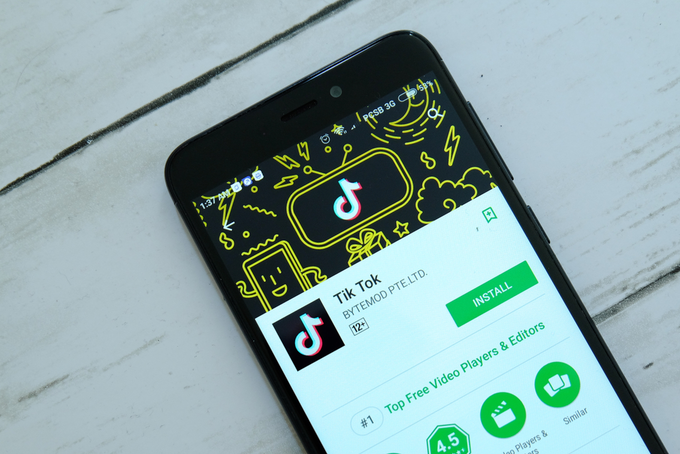
    The Trump administration, as we are all well aware, has recently been suspecting China-owned companies, such as Huawei or ZTE, of espionage and unlawful conduct. Some US officials are also having a problem with the popular video-sharing platform TikTok and its Chinese owner company, ByteDance, and have therefore accused it of being a national security threat. The mentioned above actions resulted in some governmental entities banning the use of TikTok by their staff.

    In response to all the critics and accusations, TikTok is preparing to open the doors of a new LA facility to outside visitors, in particular lawmakers and industry experts, The Wall Street Journal reports. Invited people can visit TikTok’s LA facility in order to observe how platform moderators work, how user-reported content is handled, and review the company’s privacy and security practices.

    The facility is called the “transparency center” and is scheduled to open its doors in May. Additionally, it is said that the building will have different levels of authorization access.

    TikTok has been working hard to address the government officials’ concerns for quite some time already, expressing the fact that the company would never share its users’ information to the Chinese government, nor has it done so before. TikTok has even hired an executive from the US as a cybersecurity officer.

    “Our landscape and industry is rapidly evolving, and we are aware that our systems, policies and practices are not flawless, which is why we are committed to constant improvement,” a TikTok representative stated.

  • Google uploaded some of its apps in the Samsung Galaxy Store

    Google uploaded some of its apps in the Samsung Galaxy Store

    In a seemingly strange move, Google has uploaded two of its apps – Google Translate and WearOS – to Samsung’s own Galaxy Store. This collaboration will probably continue in the future with more applications added to the Galaxy Store.

    Looking at this reciprocally, Samsung’s own software has been available in the Google Play Store for quite some time now including apps like Samsung Health, SmartThings, Galaxy Wearable and more. This makes sense, as Samsung wants consumers outside their ecosystem to still be able to use the company’s wearables with phones from other brands.

    One possible explanation of why Google apps appeared in the Galaxy Store may lay in the screenshots of the aforementioned apps – WearOS’ in particular. The interface in the images seems to be in Chinese, suggesting that Google is trying to reach Chinese consumers.

    On the other hand, WearOS and Google Translate won’t work at all without Google Play Services installed on the device, and the latter is still inaccessible from China. It all might seem like a futile exercise but the only other explanation is that Google wants its software to be more easily available/accessible on Samsung phones – If people prefer to use the Galaxy Store more often, they’ll now find some Google stuff there too.

    We might have to wait a little longer before the reasoning behind all this becomes clearer, but there’s no harm in Google apps showing in as many places as possible.

  • Eslite to close famous Dunnan store in Taiwan

    Eslite to close famous Dunnan store in Taiwan

    Taiwanese bookstore chain Eslite will shutter its 24-hour Dunnan shop in Taipei when the store’s lease expires at the close of May.

    The bookstore, which has remained popular with backpackers visiting the city since its opening in 1999, was slated for closure after the operators failed to agree on a lease extension with the landlord.

    Given the popularity of the venue, Eslite has committed to continue its 24-hour trading at an alternative location.

    The closure will follow that of another outlet in Tainan’s Anping District at the end of this month, also due to an expired lease that will not be renewed.

    The 30-year-old chain is well known for its unique fusion retail business model as a bookstore, mall and cultural creative platform. It has overseas outlets in Hong Kong, Mainland China and Japan and is reportedly considering expansion into Malaysia if it can find a local partner.

  • Apple cuts seating for customers in half in US retail stores to battle coronavirus spread

    Apple cuts seating for customers in half in US retail stores to battle coronavirus spread

    After the first COVID-19 positive test of an Apple employee in Cork, Ireland, yesterday, the company is implementing extra measures in US retail stores in order to battle the spread of the virus. Last week, Apple employees were encouraged to stay at home if possible, and two days ago, Apple gave the green light for unlimited sick leave to any worker with coronavirus-like symptoms. Extra sanitization units are in place, and demo devices are disinfected more frequently.

    You won’t be able to loiter much in Apple retail stores now, as new measures include cutting seating places for customers by half. The company also advised its employees to keep a distance of at least one meter (3 feet) from each other as well as from clients. As of now, there’s no information on working hours of US Apple stores being reduced, but the situation is evolving constantly.

    Apple closed temporarily all 49 stores in China and reopened 29 of them with additional crowd-control measures like temperature checks for the customers and reduced working hours. Some of the company’s stores in Italy have also been closed for the weekends after a government order from the President of the Council of Ministers of the country.

    There are a total of 1,050 confirmed cases of coronavirus in the US at the moment with 29 deaths. If the situation deteriorates, Apple could start bringing some of the more drastic measures to its local stores – including limiting working hours and more thorough customer checks.