Category: General

Retail News Asia is committed to providing both local and global retailers with the latest General Retail news throughout the Asian market. This on a daily base.

  • Walter Mart expands network in Luzon, Philippines

    Walter Mart expands network in Luzon, Philippines

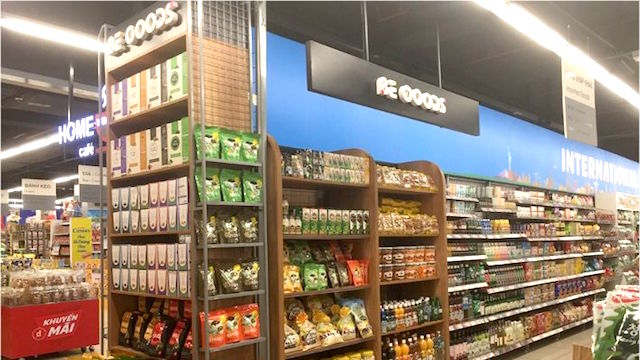
    Luzon supermarket operator Walter Mart has added six new stores to its network this year and the company has also ventured online.

    The Philippine firm says online retailing is its way of expanding its customer base beyond its physical stores across Metro Manila.

    Rosemarie D Caalam, Walter Mart Supermarket GM, said that the expansion would further boost Walter Mart’s presence in Luzon. The company has no plan yet to expand in another area however she stressed it will continue to provide the community’s needs.

    Caalam was commenting during the opening of ‘I Love Philippines’, a program of the Department of Trade and Industry (DTI), and part of the government’s Go Local project.

    Walter Mart Supermarket has now 41 stores in Metro Manila, Central, and South Luzon. The chain operates its anchor stores such as the Walter Mart Supermarket, Walter Mart Cinemas, Abenson Appliances, Homeplus Furniture, Electroworld, and SB Furnitures.

  • AirAsia offers six million promotional seats

    AirAsia offers six million promotional seats

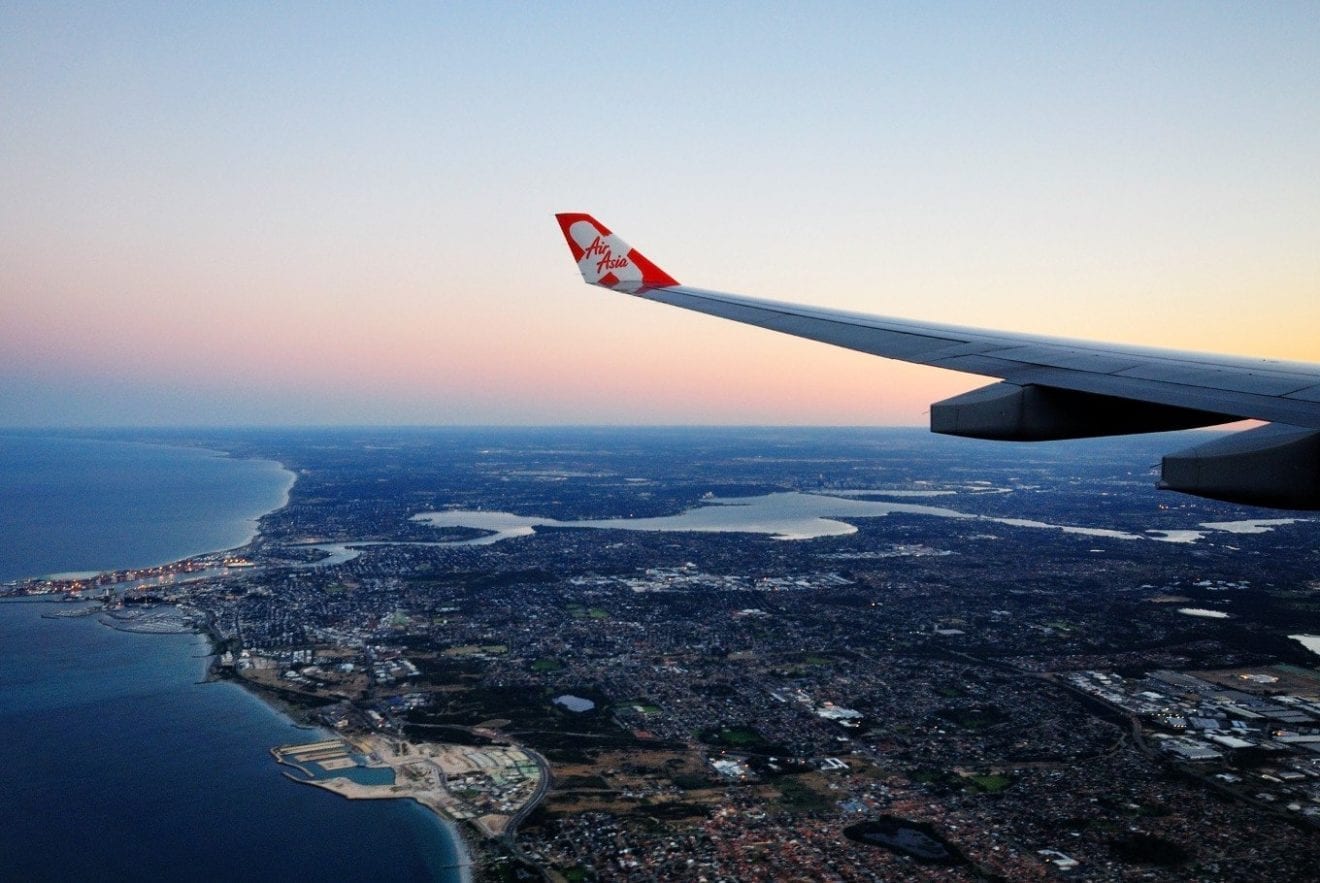
    Asia’s leading low-cost carrier, AirAsia, is offering guests six million promotional seats, including zero-fare seats, to many popular destinations in Malaysia as well as overseas.

    AirAsia said customers can enjoy the promotional seats for travel beginning March 8, 2020, to July 1, 2021.

    “Booking is open for the public from March 9 to March 15, 2020, while booking for BIG members and BigPay begins on March 8,” it said in a statement today.

    It said BIG members can enjoy discounted domestic flights from as low as RM12 one way to fly from Kuala Lumpur to Johor Bahru, Penang, Langkawi, Alor Setar, and Kota Bharu.

    BIG members can also enjoy fares as low as RM71 one way when they fly AirAsia X from Kuala Lumpur to overseas destinations, including Fukuoka, Seoul, and the Gold Coast.

    Besides Japan, South Korea and Australia, international destinations covered under the promotion include Thailand, Indonesia, Cambodia, Vietnam, India, and Taiwan.

    Meanwhile, free seats are available when one books a SNAP (flight plus hotel) package from RM129 per person.

    airasia.com chief executive officer Karen Chan said AirAsia understands the current sentiments of its customers so it provides ample opportunity for people to book in advance for an affordable getaway with the travel period up to July 2021.

    “The best way to snap the lowest fares and best value travel deals is to plan ahead and book early as with this latest BIG Sale 2020,” she said.

  • Crypto Trading In Different Countries

    Crypto Trading In Different Countries

    Cryptocurrency is an acceptable legal tender anywhere in the world. “Anywhere in the world”, does not mean you take ‘cash’ crypto to a pawn shop to get whatever you want. It is an e-currency. Hence, by “anywhere in the world”, it means digital businesses that are run from locations based anywhere in the world. According to a resourceful material on https://insidebitcoins.com/bitcoin-trading, the topmost countries in the world that accept crypto trading, include the US, the UK, Canada, and Australia.

    Crypto Trading in the UK

    Several UK-based platforms allow bitcoin as the legal trading currency. Many of those platforms are regulated by certain guidelines. For most, of all, FCA act as the primary regulator. Most of the UK-based platforms allow different deposit methods, all of which can be linked within a short time. In fact, either deposit is made via euro or pound, or bitcoin, you can also cash out in any of the currencies as well, when you make transactions that can bring money. Binance and Plus500 are the topmost UK online brands where you can make bitcoin trading if you are in the UK. However, Binance is not an actively-regulated site by the FCA; hence, it does not allow trading CFD products, rather the actual bitcoin transaction. 

    In the United Kingdom, cryptocurrency trading can be done by common transactional exchanges between a seller and a buyer, or you can invest in other cryptocurrency trading systems that will give you return on investment. 

    Crypto Trading in the United States

    In the United States, trading bitcoin can happen through different methods. The most widely accepted methods are to make sales and purchases on platforms that allow crypto trading and investing in a cryptocurrency trading platform, based in the US. Interested traders of bitcoins buy bitcoin assets on approved websites and they make trades accordingly, not by price or equivalence with other currencies. Some huge risk-takers afford to go for bitcoin trading robot and they wait to get their returns on investment after a while.

    Certain states in the United States, such as Las Vegas are more liberal and permit online casinos that allow residents within the states to gamble and earn returns in bitcoins. This allows them to gamble and cash out their profits in cryptocurrency or any other means allowed by a specific casinos.

    Crypto Trading in Canada

    Canada is like the United States; similar trading rules and methods apply to both. 

    Crypto Trading in Australia 

    Gradually, bitcoin is becoming an acceptable trading means for online-based businesses. Sadly, bitcoin and PayPal are barred as transaction means in certain regions of the country. Nonetheless, by using Plus500, you can link your PayPal account and fund your Plus500 account. Funds are transferrable between PayPal and the Plus500 platforms. Then, you can use trade with your Plus500 account. With your Plus500 as a major funding source, you can now purchase bitcoin CFDs as instructed. Australians are also able to trade with bitcoin trader robot, maximizing their bitcoin profits and cashing out the equivalent value of their profit.

    Crypto Trading in New Zealand

    Like Australia, New Zealand is gradually embracing cryptocurrency trading. Thus, there are still many platforms where cryptocurrencies cannot be used. Nonetheless, by setting up a funding account source on the Plus500 platform, with PayPal, it becomes possible to trade on several platforms using your Plus500 account. Same conditions are applicable to Australia and New Zealand.

    Crypto Trading in Germany

    Bitcoin trading in Germany is quite technical. Bitcoin trading faces a lot of negative pressures in Germany, but it is not impossible to trade bitcoin. For the few platforms that allow bitcoin trading, verification processes are always rigorous. By leveraging certain global platforms, folks in Germany can make bitcoin trades via credit and debit card, ACH bank transfer, and other transfer means. Berlin accepted Bitcoin, early enough. Most of the cryptocurrency adoption rate from Germany source from Berlin.

    The challenge with cryptocurrency in Germany is that it is not ruled as a financial instrument, even though about 29% of Germans think cryptocurrency is worth investing in, according to a survey by German retail bank Postbank.

    Germany also has bitcoin ATMs where people can make certain bitcoin transactions. Furthermore, there are certain companies where people can transact bitcoins and companies to invest in. You don’t have to necessarily look for a German platform, you can check out global bitcoin trading platforms that are eligible for German citizens. 
     

  • Google Assistant loses this fun feature on March 23

    Google Assistant loses this fun feature on March 23

    Google Assistant has long featured celebrity voices, but you might want to use them while you still can.

    John Legend’s Google Assistant cameo first debuted in April of 2019, becoming the first celebrity to virtually lend his voice to devices all over the world. The singer’s smooth tones were a big hit among fans, and though Google said the option would be temporary, they didn’t specify a date.

    Or until now, at least, because the Pixel makers just announced that it will be gone come March 23. So after just under a year, the first celebrity voice on Google Assistant will be gone. It’s a good reminder that, as Google warned from the start, these cameos are not permanent. The company also debuted a second celebrity voice from actress and producer Issa Rae back in October. Her voice is still available for now, but we assume it might be gone in six month’s time as well.

    Whether you’ll miss the Legendary voice or not, the good news is that Google will still do everything it used to. Just with a more robotic voice.

  • Twitter cracks down on hate speech with new policy

    Twitter cracks down on hate speech with new policy

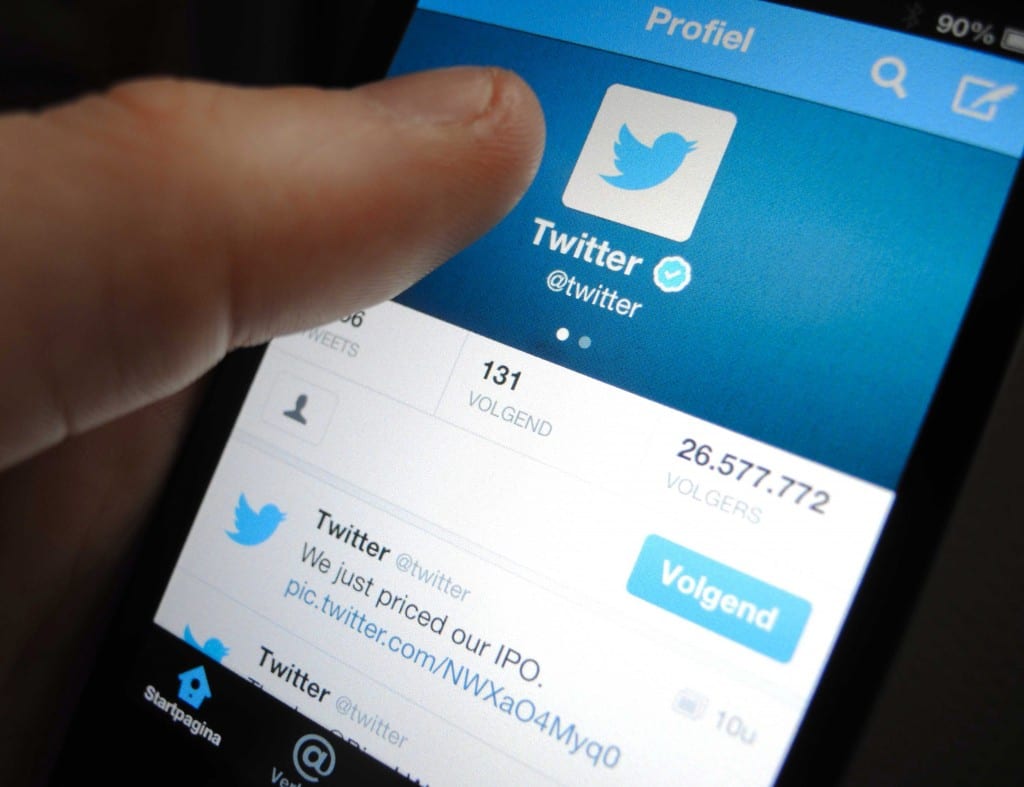
    Twitter is taking a sharper stance against the multitude of hate speech finding its way onto the platform with a stricter set of policies that go into effect now.

    As with any social media platform, it isn’t difficult to find any number of controversial or bigoted messages on Twitter. The platform evidently recognizes that such hate speech is a significant issue in our society that doesn’t just end at digital prejudice.

    Twitter took to its company blog to update its users on new policies, which are focused on three types of bigotry, which are described as “dehumanizing”. These include hateful speech based on age, disability, and disease.

    For example, Twitter says it will remove messages that claim disabled individuals are not human, or that certain age groups don’t deserve rights. Accounts linked to these Tweets may also be suspended.

    These policies seem quite timely in the midst of the novel coronavirus outbreak, which has unfortunately caused a surge in racism and xenophobia. It’s also worth noting that Twitter has already taken action against hate speech in other topics, such as race, religion, and others.

    Twitter’s new policies take effect today, but Tweets will still need to be reported before being deleted. Previous Tweets that go against the guidelines are also required to be deleted, but Twitter has said no suspensions will take place for Tweets from the past.

    In any case, the new policies seem to be a positive step forward in making the Internet a better place for everyone.

  • Lunar New Year timing boosts Singapore retail sales in January

    Lunar New Year timing boosts Singapore retail sales in January

    Excluding motor vehicles, Singapore retail sales in January rose by 0.6 percent, but it will be another month until the effects of the growing coronavirus crisis on tourism and domestic consumer spending is evident.

    Including vehicles, Singapore retail sales in January decreased by 5.3 percent year on year, but this as much reflects changing criteria for vehicle ownership certificates of entitlement in the city-state as an economic trend. Month on month, retail sales were down by 0.5 percent excluding vehicles.

    Online retail sales in January comprised about 5.8 percent of the total. The major categories here were computer & telecommunications equipment, where online accounted for 25.9 percent of total category sales, furniture & household (10.9 percent) and supermarkets & hypermarkets (7.8 percent).

    Overall retail sales of furniture & household equipment declined by 16 percent in January, while sales of optical goods & books fell by 9.4 percent.

    However, sales by supermarkets & hypermarkets, food & alcohol, and apparel & footwear grew by between 6.4 percent and 8.7 percent, due partly to increased spending during the Lunar New Year.

    January saw 9.1 percent growth in sales of food & beverage services, again due mainly to the timing of Lunar New Year, which was earlier this year. On a seasonally adjusted basis, sales of food & beverage services increased by just 0.8 percent in January.

    The value of food & beverage services in January was estimated at S$963 million. Of that, online sales comprised about 9.8 percent.

    Turnover of restaurants, fast-food outlets, and food caterers increased by between 8 percent and 16.4 percent in January, again fuelled by increased spending due to the Lunar New Year.

    Sales by cafes, food courts & other eating places fell by 2 percent.

  • Coronavirus to wipe US$8.3bn off Asia-Pacific duty-free sales

    Coronavirus to wipe US$8.3bn off Asia-Pacific duty-free sales

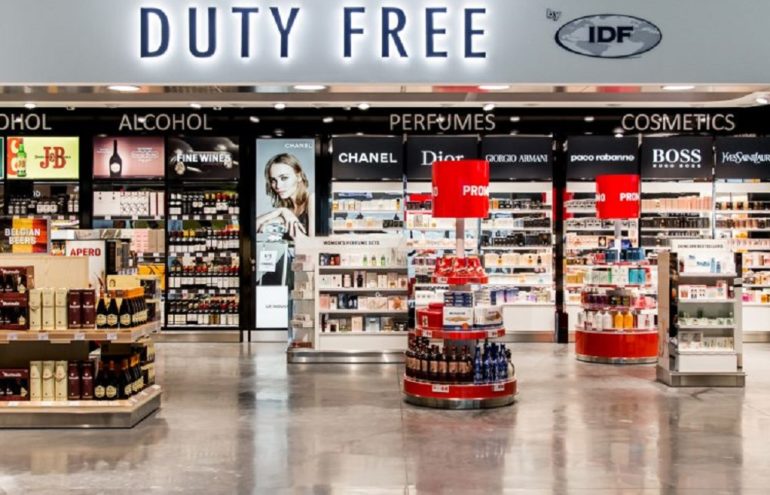
    The coronavirus outbreak has substantially altered forecasts for Asia-Pacific duty-free sales this year, according to research firm GlobalData.

    Takings were originally forecast to reach US$43.4 billion by the end of the year. New calculations show the outbreak will likely cost the industry $8.3 billion off that figure.

    Globaldata now expects Asia-Pacific duty-free sales to reach $35.2 billion, 19.1 percent lower than the original forecast. Positive outlooks for China and South Korea especially have been dashed by the epidemic, with regions expecting to profit from burgeoning Chinese tourism now forlorn.

    “Other Asia-Pacific countries such as Japan, Singapore, Hong Kong, and Thailand with a considerable increase in the number of new cases over the past few days are estimated to worsen the impact,” said GlobalData Retail analyst Suresh Sunkara.

    “The forecasts may change further during the course of time if the virus spread is prolonged to the second half of this year or if it spreads to other key duty-free markets in the region including India, Malaysia, and Australia, which are currently not significantly affected by the spread.”

    Many key airports in the region have closed with travel between countries broadly impacted by the viral threat. Major duty-free operators such as Shilla, Lotte, Shinsegae and China Duty-Free Group are now left re-evaluating their strategies and identifying other consumer groups and markets to help offset a weakening in revenue.

    “The Tokyo Olympics should … aid the recovery in Asia-Pacific duty-free sales over the summer,” said Sunkara, “on the provision that the crisis has calmed down and travel restrictions have been relaxed. If not, the market growth will take an even more serious hit this year.”

  • Seven & I drops Speedway US bid

    Seven & I drops Speedway US bid

    7-Eleven operator Seven & I has canceled its plans to purchase the American petrol station chain Speedway.

    The deal was terminated because the expected asking price of around US$22 billion was considered too pricey by the group’s board of directors. The acquisition was hoped to be a vehicle for the group’s expansion in the US with Speedway’s approximately 4000 locations coupled with convenience stores.

    A report in Nikkei suggested factors implicated in the canceled deal could include the risk of significant loss if revenues failed to meet expectations and the potential decline of the industry in general in the age of online shopping

    The American convenience store chain has been wholly owned by Seven & I since 2005. It currently has around 9000 outlets.

  • Google Assistant can now read web articles on your Android phone

    Google Assistant can now read web articles on your Android phone

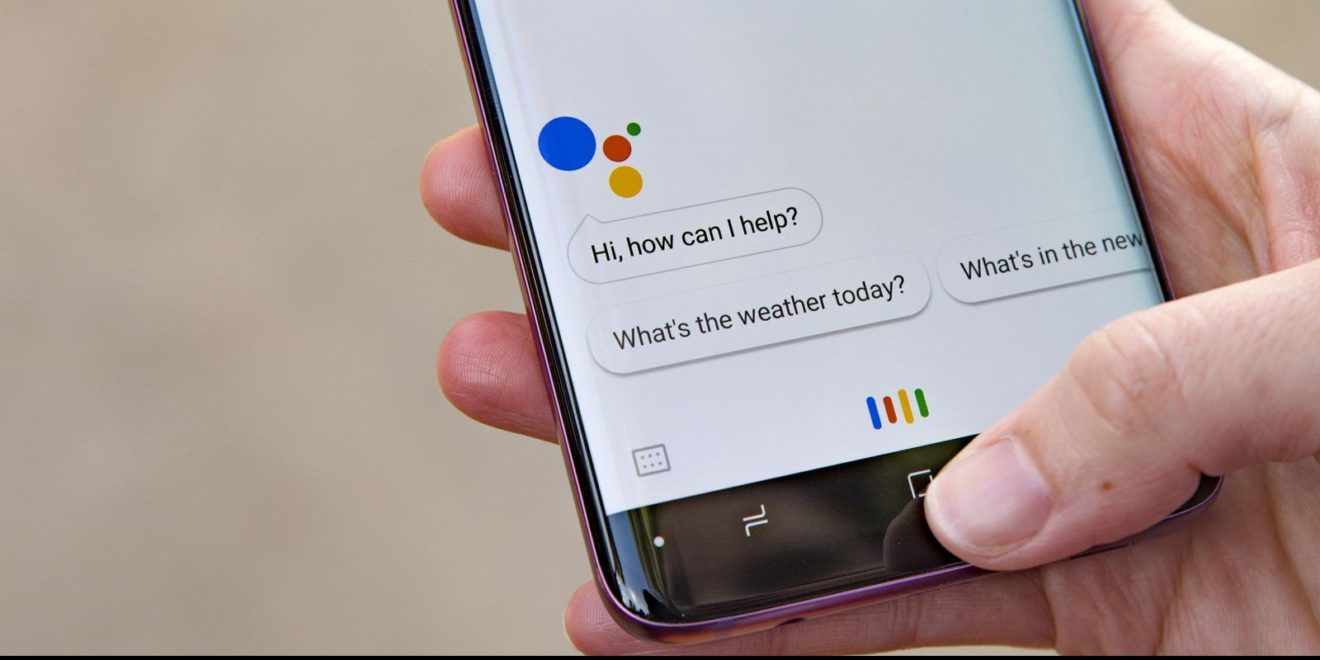
    Google is making Android more accessible with every major update. Google Assistant is one of the tools used by the Mountain View company to make Android users’ lives much easier. Since we’re living times where it’s impossible not to multitask, having something read to you while you’re focusing on something else is a great feat.

    Audiobooks are a big thing these days, but they weren’t in the beginning. However, the birth and rise of personal digital assistants put everything under a different perspective, and Google Assistant was at the forefront of it.

    Now we learn that Google Assistant can read stories posted on the web out loud on your Android smartphone. To make your phone start reading an article, simply say “Hey Google, read it” or “Hey Google, read this page” and you should hear Google Assistant’s voice.

    But the new feature added by Google goes beyond just reading web articles. You’ll be able to adjust the reading speed and even choose from multiple voices. Google says that “the web pages are read aloud in expressive and natural voices, aiming to use the same intonation and rhythm that you’d use if you were reading it aloud yourself,” so that’s a huge plus as well.

    But wait, there’s more. Google announced that its Assistant can read aloud in no less than 42 languages, so make sure that you’re using the translation menu if the article you want to be read isn’t in your native language.

    The new Google Assistant text-to-speech feature should roll out to Android users starting today, but it may take a few days to reach all compatible devices.

  • Airasia India Passes Major Security and Safety Audit

    Airasia India Passes Major Security and Safety Audit

    The AirAsia Group’s safety strategy continues to pay off with AirAsia India following hot on the heels of AirAsia Thailand to pass a major international safety audit.

    The accreditation under the International Air Transport Association’s Operational Safety Audit leaves just one member of the AirAsia Group, AirAsia Japan, still going through the process.

    It is expected to achieve accreditation soon to make the entire AirAsia Group IOSA compliant.

    AirAsia India follows AirAsia Thailand’s announcement in February and comes after similar achievements by AirAsia X Thailand in December 2018,  AirAsia Philippines in November 2018, AirAsia Malaysia in September 2018, AirAsia Indonesia in August 2018 and AirAsia X (Malaysia) in 2015.

    The IOSA certification audit is an internationally recognized and accepted evaluation system designed to assess the operational management and control systems of an airline.

    The biennial safety audit is compulsory for IATA members and airlines that have completed the audit have a safety record almost four times better than those that have not.

    It covers eight key areas: corporate organization and management systems, flight operations, operational control – flight dispatch, aircraft engineering and maintenance, cabin operations, ground handling, cargo operations and operational security.

    AirAsia India, a joint venture between India’s Tata and Sons Private Limited and AirAsia Investment Limited, began operations in 2014.

    It currently flies to 21 destinations and boasts a fleet of 29 A320 aircraft.

    “We are proud to announce that we have successfully completed the IATA operational audit,’’  AirAsia India chief executive Sunil Bhaskaran said about the accreditation.

    “We will now strive to ensure that we always maintain the highest standards of safety and operational integrity at all times.”


  • Aeon Vietnam plans a massive expansion

    Aeon Vietnam plans a massive expansion

    Japanese retail giant Aeon Vietnam says it will invest US$2 billion expanding its presence across the country.

    Aeon Vietnam opened its fifth shopping center in the country last November, its second in the capital city Hanoi. Now, the general director of Aeonmall Vietnam, Iwamura Yasutsugu, says the company is eyeing 25 centers across the country

    Aeon launched in Vietnam in 2013, opening its first mall, Celadon City, in a remote suburb of Ho Chi MInh City, which was expanded last June. More malls have been built in locations including the industrial city of Binh Duong, near Ho Chi Minh City, and Hanoi’s Long Bien district.

    The latest center, in the Duong Noi commune at Ha Dong, covers 150,000sqm and has about 200 tenant stores as well as the Aeon hypermarket and food anchor.

    Aeon’s strategy to date of expanding in Vietnam is to build centers in suburban districts rather than downtown locations, shaping its offer to local communities and mixing local goods with imported products.

    Aeon Vietnam also has a program to boost exports of Vietnamese goods to stores it operates outside the country. It aims to export US$500 million of goods this calendar year and reach $1 billion within five years.

    Last August, Aeon’s Japanese board held a meeting in Ho Chi Minh City and toured the Celadon City site, further evidence of the company’s commitment to the market.

    At the time, chairman Hiroshi Yokoo described Vietnam as “the most significant market of the company in Southeast Asia”.

    Aeon Vietnam plans US$2 billion expansion

  • Twitter starts testing Fleets, tweets that disappear after 24 hours

    Twitter starts testing Fleets, tweets that disappear after 24 hours

    Let’s face it, we’ll never make Twitter add an edit option for when autocorrect fails us. Still, it’s futile to continue to blame Twitter just for that since the company continues to tailor its app to meet our expectations.

    One of the new features that Twitter is working on right now strongly resembles a Snapchat feature that everyone knows as Stories. Twitter calls it Fleets, but it does the same thing: it allows users to post ephemeral messages on the social network.

    Twitter, through the voice of the company’s head of product, Kayvon Beykpour, confirmed the information and said that it’s working on the concept for more than a year. Beykpour also explained that while Fleets are very similar to Stories, Twitter added a few “intentional differences to make the experience more focused on sharing and seeing people’s thoughts.”

    As the title says, Fleets are ephemeral tweets that will disappear 24 hours after they’re posted. They can’t be retweeted, but users can respond to fleets with the same reaction emojis that can be used in direct messages. Text is allowed too for those who want to respond to these fleets, although any reply will disappear along with the ephemeral tweet.

    At the moment, Fleets are tested internally in Brazil, so it might take a while until Twitter decided to make them available to everyone.

  • Cebu Pacific to cancel South Korea flights from March 3 to April 30

    Cebu Pacific to cancel South Korea flights from March 3 to April 30

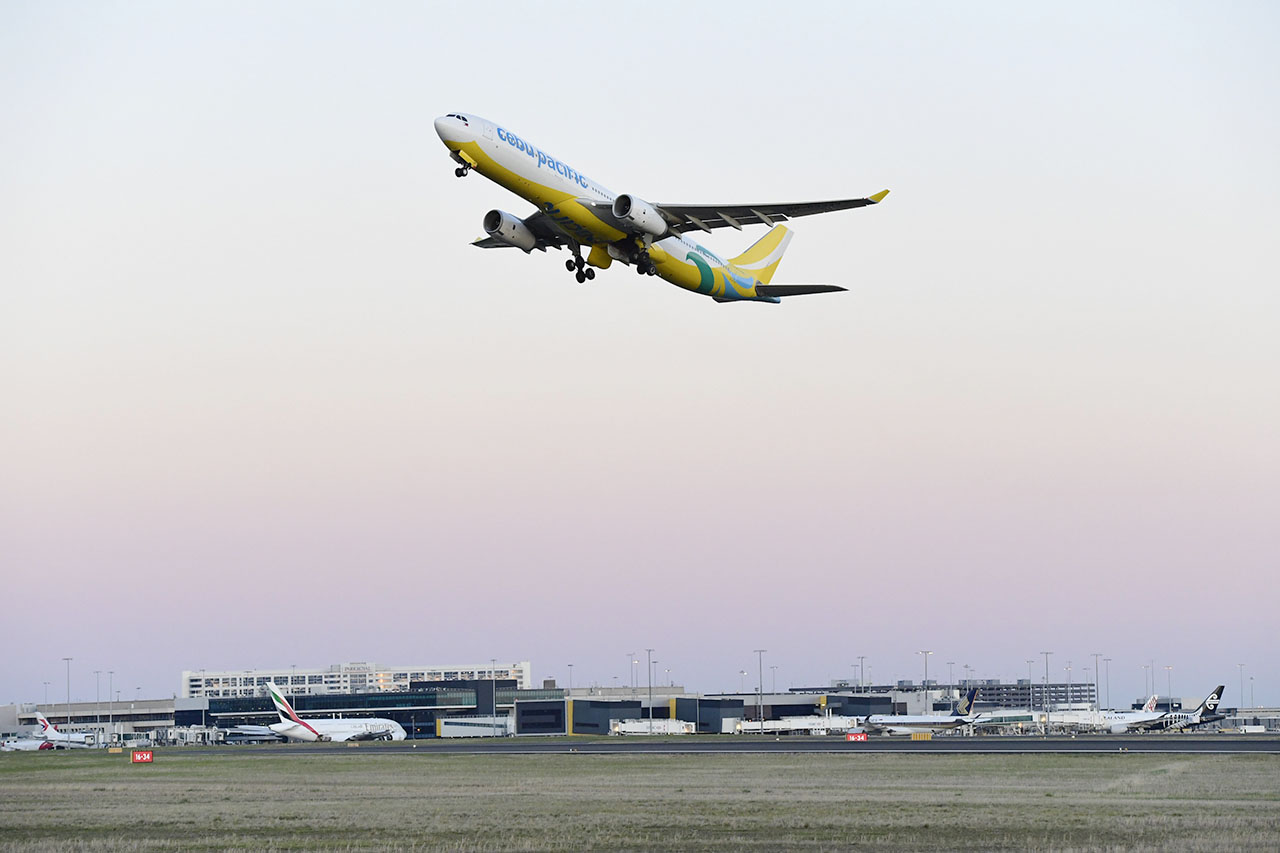
    In line with the government’s travel ban on South Korea, Cebu Pacific will cancel its flights to the East Asian country from March 3 to April 30.

    Cebu Pacific announced Friday that the following flights will be canceled:

    5J 188/ 5J 187 Manila-Incheon-Manila

    5J 128 / 5J 129 Cebu-Incheon-Cebu

    5J 180 / 5J 181 Kalibo-Incheon-Kalibo

    The airline has advised affected passengers to rebook flights to February 29, March 1, or March 2 depending on seat availability, rebook a new flight until June 30, or refund the tickets in full. Passengers can also store the ticket value in a travel fund for future use.

    The Bureau of Immigration has implemented the ban on passengers with a recent history of travel from the coronavirus-hit province of North Gyeongsang in South Korea. The infection began in Its capital Daegu City. This was based on the decision of the Inter-Agency Task Force for the Management of Emerging Infectious Diseases.

    Meanwhile, exempted from the travel ban to Korea are overseas Filipino workers, permanent residents in Korea, and students.

    South Korea has confirmed 571 additional cases of the novel coronavirus Friday, according to the South Korean Centers for Disease Control and Prevention.

    This brings the national total to 2,337 cases, with 13 deaths. South Korea has recorded the largest virus outbreak outside mainland China.

  • South Korean carriers cut Vietnam flights as coronavirus infections spiral

    South Korean carriers cut Vietnam flights as coronavirus infections spiral

    South Korea’s largest carriers have decreased the frequency of flights to Vietnamese tourist hotspots over rising Covid-19 infections at home.

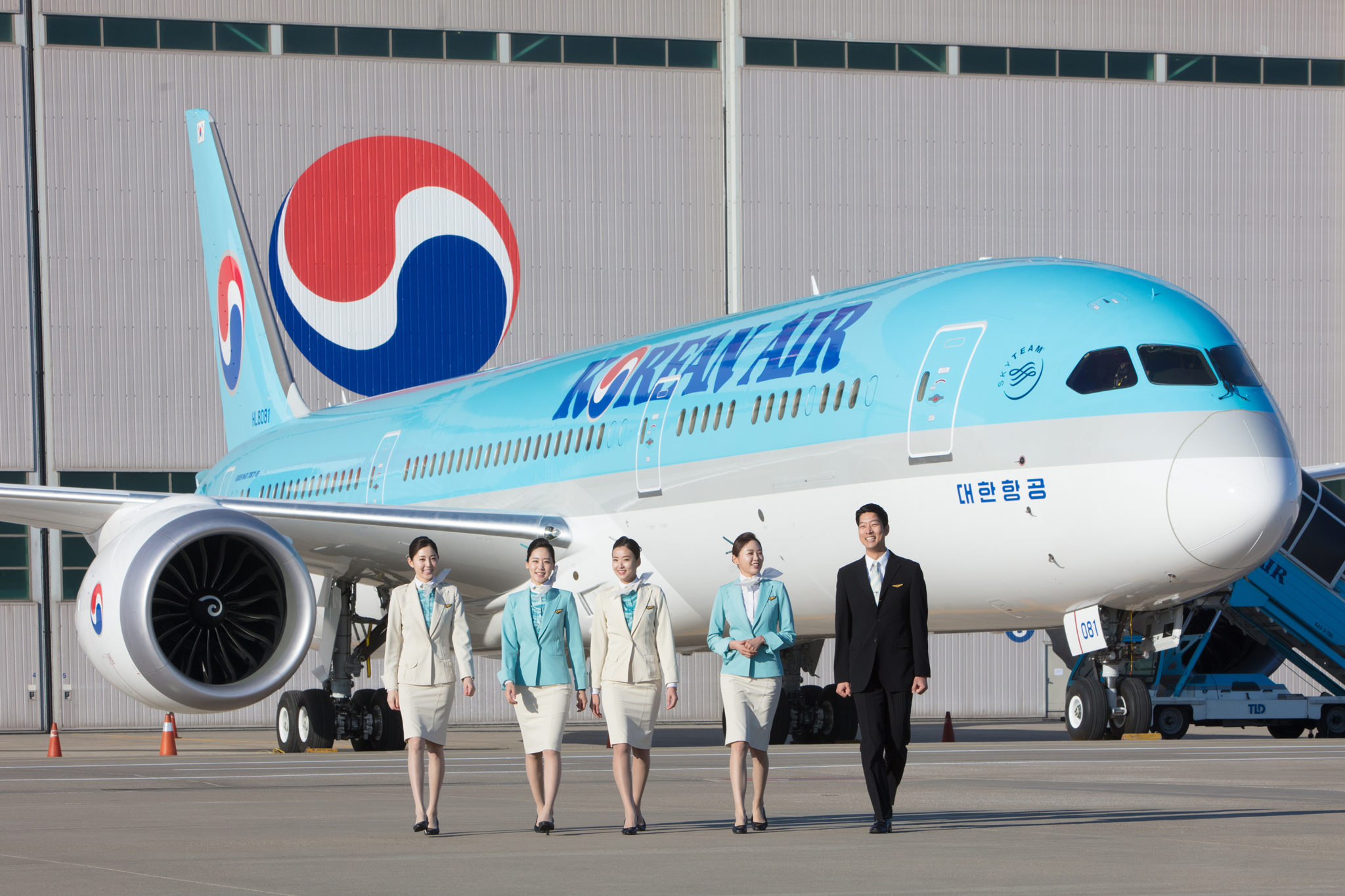
    Korean Air, the largest airline in South Korea, has announced that it will suspend many flights departing from Seoul and Busan to Ho Chi Minh City and Hanoi, Vietnam’s two largest metropolises, Da Nang and Nha Trang in central region and Phu Quoc Island in the south until the end of March.

    Asiana Airlines, the country’s second-largest carrier, has also canceled many flights from Incheon Airport in Seoul to Hanoi, Da Nang and Nha Trang at least until mid-March. This airline’s Incheon-Phu Quoc route will continue operations, but the frequency will be reduced from four flights a week to two.

    Korean Air normally operates 20 flights between the two countries a day, while Asiana Airlines has an average 4 flights a day. The two carriers did not reveal specific numbers of suspended flights.

    The flight suspensions follow the rapid spread of the novel coronavirus in South Korea, where more than 4,800 infections and 23 deaths have been recorded.

    Vietnam is a leading destination among South Koreans, ranked third after Japan and mainland China, according to Global Destination Cities Index (GDCI), released by Mastercard last year. South Korea is the second-largest feeder market of Vietnam’s tourism after China, with around 4.2 million visitors in 2019, up 23.1 percent year-on-year.

    Nha Trang and Da Nang are among top holiday destinations for South Koreans.

    The Covid-19 outbreak, with its epicenter in China, has severely cut the number of South Koreans traveling abroad, and Vietnam’s tourism sector has borne the brunt.

    Around 322,000 South Koreans came to Vietnam in February, down 16 percent from a year ago. Worse still, the number is expected to decrease dramatically in the coming months after the South Korean government declared a red alert, its highest level of epidemic alarm.

    The Vietnamese government, too, has deployed various measures to prevent the spread of the virus, including canceling many flights to South Korea and suspending visa-free entry for South Koreans starting last Saturday.

    In Vietnam, national flag carrier Vietnam Airlines has said it will suspend all flights to South Korea from Thursday while private carrier Bamboo Airways halted services to the country South Korea from February 26.

    Hanoi’s Noi Bai and Ho Chi Minh City’s Tan Son Nhat, Vietnam’s two largest airports, had stated they would stop receiving South Korea arrivals starting Sunday.

    Passengers scheduled to land in Noi Bai will have to do so at Van Don Airport in northern Quang Ninh Province, around four hours drive away, while those headed for Tan Son Nhat will have to travel a similar distance to Can Tho Airport in the Mekong Delta.

    This decision was taken after a large number of Vietnamese returning from South Korea overloaded medical quarantine facilities in both cities.

    All 16 people with Covid-19 recorded in Vietnam so far have been discharged from hospitals.

    Globally, the death toll has reached 3,069, mostly in mainland China, followed by Iran (66), Italy (52) and South Korea (34). The U.S and Japan which have reported six deaths each.

  • Dark mode now rolling out to WhatsApp on Android and iOS

    Dark mode now rolling out to WhatsApp on Android and iOS

    WhatsApp is finally adding a native dark mode to its Android and iOS apps. The company announced today that “the most requested feature from people around the world” is now rolling out to Android and iOS devices over the next couple of days.

    As one might expect, the new dark mode is meant to reduce eye strain in low light environments. The dark theme created by WhatsApp isn’t really black, but a special dark gray background and off-white color, which is supposed to lower the brightness of the screen and improve contrast and readability.

    If you have an Android 9.0 Pie phone, you can enable the new dark mode after you updated WhatsApp by going to Settings / Chats / Theme and select Dark. For those lucky to own an Android 10 phone, the new dark mode can be enabled from the system settings instead.

    The same goes for those using an iPhone, the new dark mode can be enabled from the system settings. As mentioned above, dark mode will make it to Android and iOS devices in the coming days on the latest version of the app, so sit tight until it becomes available for download.