Category: General

Retail News Asia is committed to providing both local and global retailers with the latest General Retail news throughout the Asian market. This on a daily base.

  • Google I/O 2020 is canceled due to the coronavirus

    Google I/O 2020 is canceled due to the coronavirus

    In a blog post-Google published today the company said, “Due to concerns around the coronavirus (COVID-19), and in accordance with health guidance from the CDC, WHO, and other health authorities, we have decided to cancel the physical Google I/O event at Shoreline Amphitheatre.” Google says that over the next few weeks it will look at various alternatives to the physical event so that it can stay in touch with its developer community. One possibility would be for Google to live stream a keynote via the Google I/O app.

    Those who purchased tickets to Google I/O 2020 will receive a full refund by March 13th. If your refund does not arrive before that date, Google suggests that you send an email explaining the situation to [email protected]. And if you have already registered for Google I/O 2020, you will not have to enter next year’s drawing for I/O 2021 tickets; instead, you will automatically be given the option of purchasing tickets for next year’s event.

    Traditionally, Google has introduced new features of the next Android build during the developer conference. And Google employees also hold talks with developers discussing different topics. Some of these sessions could also be live-streamed to developers.

    Facebook has already canceled its F8 developer conference scheduled for May and Microsoft has done the same for its 2020 Game Developers Conference which was supposed to take place this month. Apple’s WWDC 2020 developer conference, typically held in June, could also be at risk.

    Most companies are taking the safe route this year and with no end to the spread of the coronavirus in sight, we might see other events get canceled as well. IFA 2020 is scheduled to take place in Berlin from September 4th through September 9th. Half a year away, the show’s organizers still have some time to decide whether they need to pull the plug on this year’s event.
  • Mr DIY delays IPO

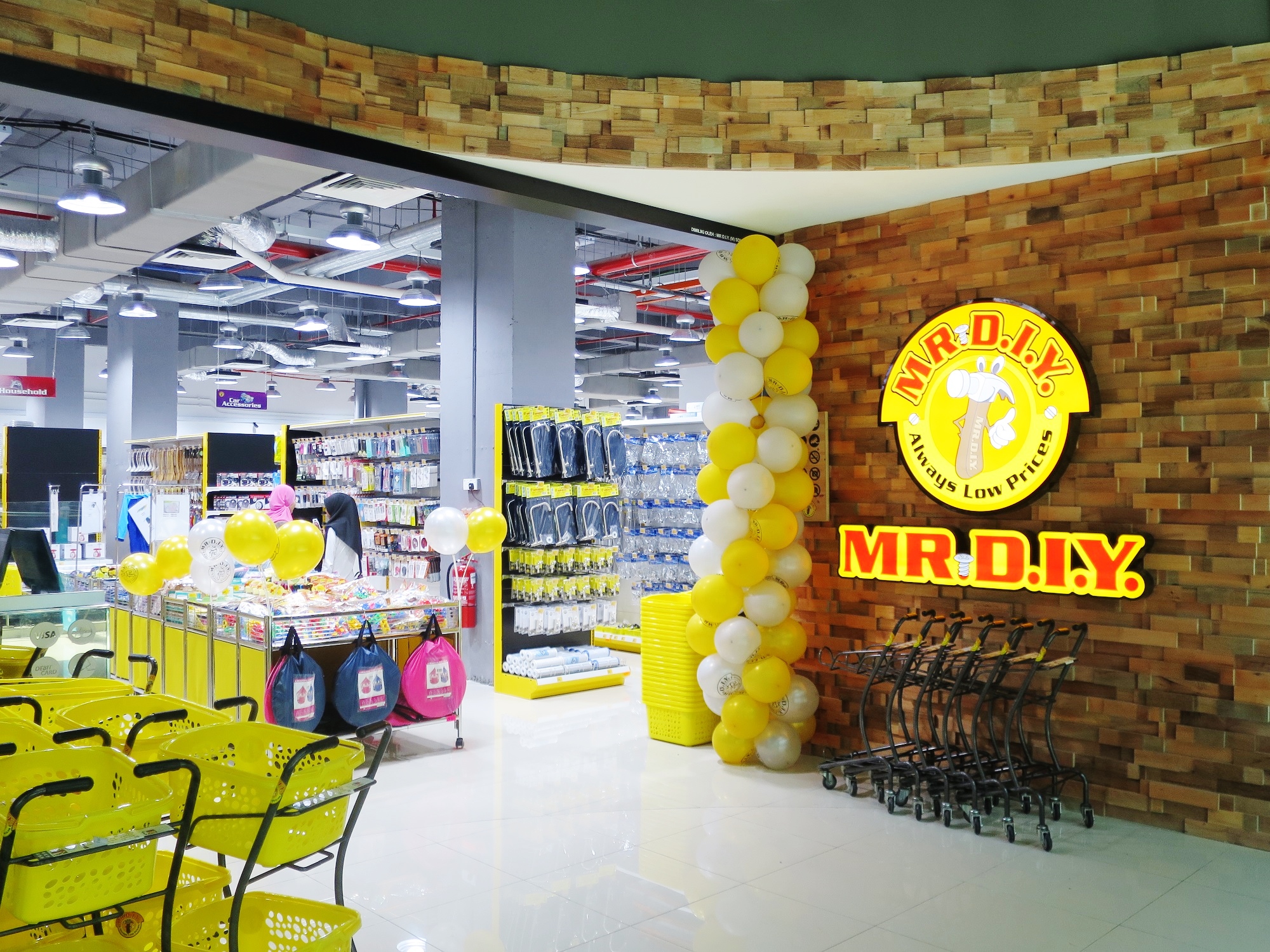
    Mr DIY delays IPO

    Malaysian home improvement brand Mr DIY may postpone its planned IPO following the effect of political uncertainty on the domestic market.

    Malaysia’s equities market suffered heavily from the impact of Malaysian president Mahathir Mohamad’s unexpected resignation, as well as the continuing impact of the coronavirus outbreak. The Malaysian stock market’s 12-year bull run came to an end just last week as the media spread the news about the outgoing president. A global rout of stock prices relating to the coronavirus crisis has not helped the local situation either.

    Mr DIY is expected to make a decision regarding the IPO this week. The IPO was originally targeted for the end of this month with a view to raising capital of around US$5 million, and may still go ahead if market conditions show any sign of improvement.

    Mr DIY operates close to 600 outlets in the country.

  • Cebu Pacific to offer seat sale from March 3 to 5, 2020

    Cebu Pacific to offer seat sale from March 3 to 5, 2020

    Cebu Pacific has announced a seat sale from March 3 to 5, 2020.

    The budget carrier said it will offer a sale on all domestic flights on March 3, sale on international flights on March 4 and sale on all destinations on March 5.

    The promo fares will be valid for travel from September 1, 2020 to February 28, 2021.

    Cebu Pacific, however, did not state how much the promo fares would be.

  • AirAsia X offers a year’s unlimited flights for $181 in response to coronavirus

    AirAsia X offers a year’s unlimited flights for $181 in response to coronavirus

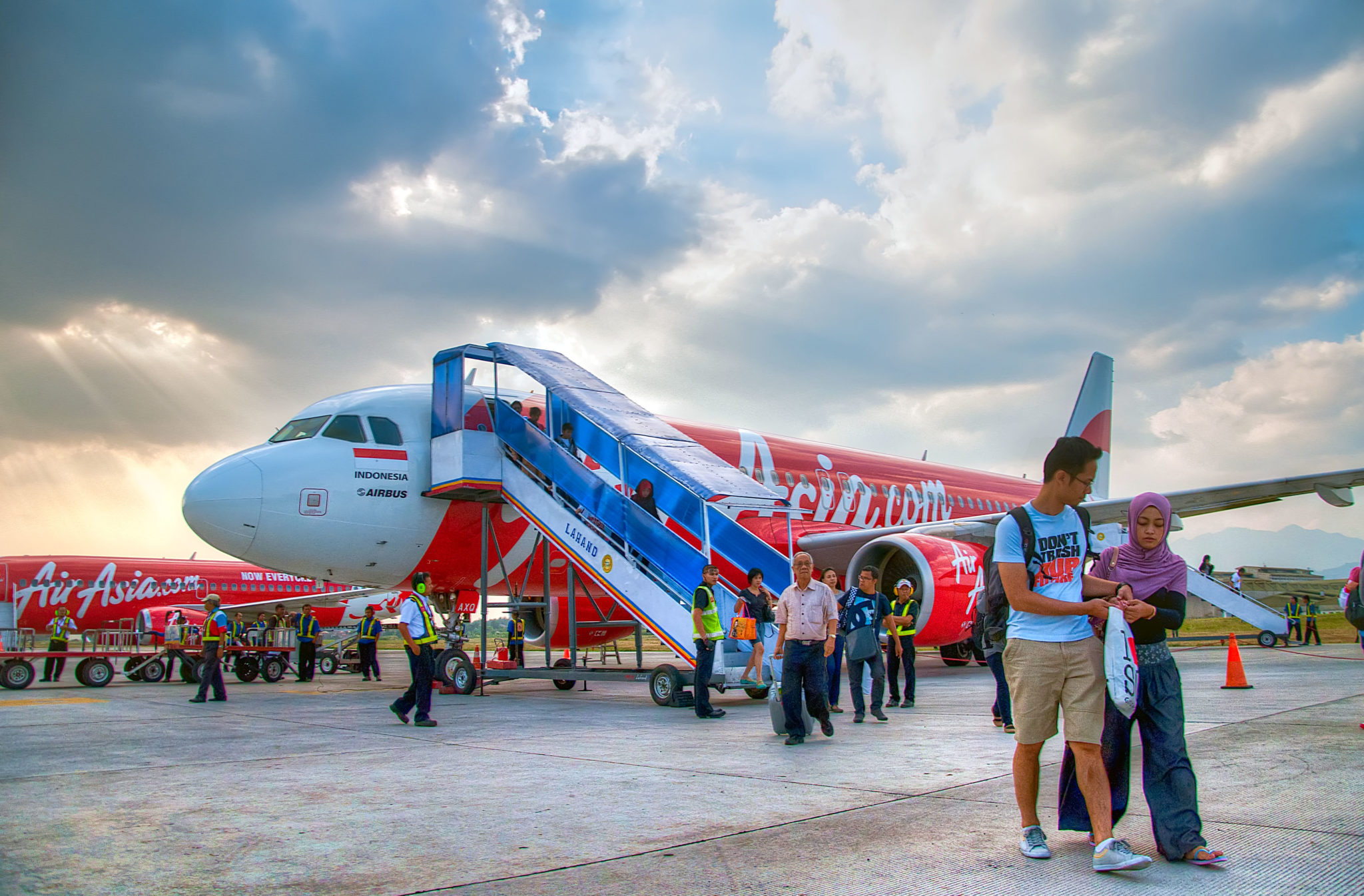
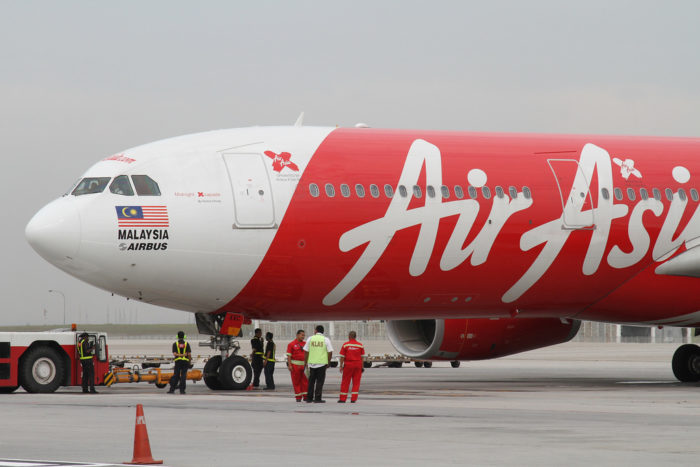
    AirAsia X is offering unlimited international flights for a year for just 499 ringgit ($A181) as the coronavirus hits passenger numbers.

    Passengers will be able to fly from the airline’s home base in Malaysia to Australia, Japan, China, India and South Korea as many times as they like.

    The bad news is the deal is not available to Australians, only to Malaysia-based members of the airlines’ BIG loyalty scheme.

    The AirAsia Unlimited Pass went on sale Saturday and will only be available until March 7. Among the various terms and conditions, passengers will still have to pay taxes, airport fees and charges. They will be able to use the pass until March 2, 2021.

    “This is unprecedented,” said AirAsia X Malaysia CEO Benyamin Ismail in a statement. “However, AirAsia has always been known as the disruptor and we want to restore traveler’s confidence amid the current sentiment towards flying.

    “Travelling is still very safe as long as everyone travels responsibly and is kept updated by World Health Organisation (WHO) or respective government’s travel advice.”

    Meanwhile, AirAsia X said it will defer delivery of 78 Airbus A330neo planes and consider other changes to reduce its fleet, as the coronavirus outbreak adds pressure on the loss-making carrier.

    AirAsia X said late on Thursday it might sell two A330s that could fetch up to $US100 million ($153 million) and return five others to lessors early, adding it was already in negotiations with lessors about a targeted 30% cut in lease rates.

    The airline canceled 600 flights for March, according to an investor presentation published after it reported a higher quarterly net loss. AirAsia X flagged lower forward bookings and pressure on fares in the presentation.

    The virus has deepened the challenges facing the airline and sister carrier AirAsia Group, whose Chief Executive Tony Fernandes and Chairman Kamarudin Meranun have both stepped aside for at least two months amid investigations into a corruption scandal. Airbus was alleged to have paid a $US50 million bribe for plane orders.

    Brendan Sobie, a Singapore-based independent aviation analyst, said AirAsia X was highly exposed to China and other markets in North Asia significantly impacted by the coronavirus but the carrier was also in a weak financial position prior to the crisis.

    AirAsia X shares fell by 5 percent on Friday to a record low after it posted a net loss of 95.8 million ringgit in the quarter ended December 31, increasing from an 88.1 million ringgit loss a year ago.

    Flights to and from mainland China accounted for about 30 percent of AirAsia X’s capacity before the outbreak of the virus. It has a fleet of 24 A330 planes.

    The carrier last August reached a revised deal with Airbus to take 78 A330neos and 30 long-range A321XLR narrowbodies, down from earlier plans for 100 A330neos. AirAsia X is Airbus’ biggest customer for the A330neo, a more fuel-efficient version of the older A330 model.

    AirAsia X said delivery of the A330neos would be deferred and it would move toward a dual-fleet strategy with A321s set to replace its A330s on routes of four to six hours when demand recovers.

    “We believe advanced aircraft technology has changed business dynamics as we can now fly narrow-body aircraft longer,” AirAsia X Malaysia CEO Benyamin Ismail said in a statement.

    An AirAsia X spokeswoman said the airline was evaluating market conditions and had yet to confirm the duration of the A330neo delivery deferrals. An Airbus spokesman said the manufacturer does not comment on delivery schedules for individual airlines.

  • Microsoft’s Your Phone app possibly getting Drag and Drop

    Microsoft’s Your Phone app possibly getting Drag and Drop

    Microsoft’s Your Phone app has been growing in popularity over the past several years. The app offers a link between your Windows 10 PC and your Android smartphone (requires a phone with Android 7 or newer), providing useful features for managing your phone.

    Recently, Microsoft added support for RCS messaging for selected Samsung smartphones. Now, a Tweet by Aggiornamenti Lumia suggests that a new feature may be coming soon: Drag And Drop from your PC to your smartphone.

    We do not know whether the rumored Drag and Drop feature will be officially released or when, and whether it will be exclusive to selected Samsung devices.

    Other features of the Your Phone app include reading and sending text messages from your PC, as well as managing your notifications and calls. The functionalities available only for select Samsung devices are Content Transfer (copy and paste between PC and Android phone) and Phone Screen, which allows you to interact with Android apps and phone content while visualizing your smartphone’s screen on your PC.

    You can find whether your phone is supported on Microsoft’s Your Phone app help page which offers a list of supported phones for every referenced app function.

  • Philippine Shopping Festival delayed due to coronavirus outbreak

    Philippine Shopping Festival delayed due to coronavirus outbreak

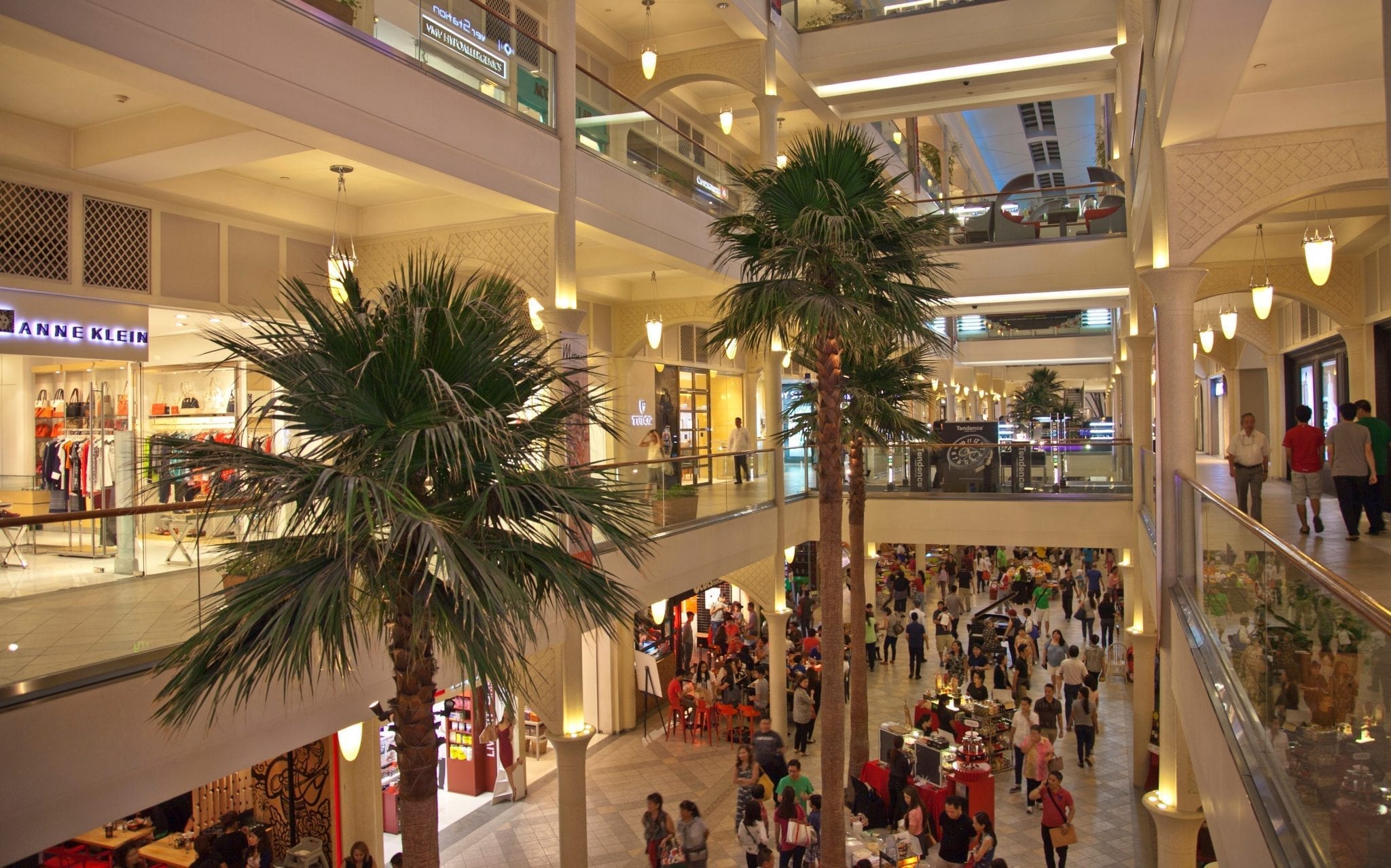
    The first Philippine Shopping Festival, a nationwide sale promotion aimed at getting people into malls, has been postponed due to the rise of coronavirus disease worldwide.

    The Department of Tourism (DOT) announced the postponement of the month-long event just one day before it was supposed to start on Sunday, saying it prioritized the safety of the public more than a visitor or tourist arrivals and revenue.

    “The malls are still free to continue (their) day-to-day operations. The DOT also recommends that malls follow the precautionary measures set by the Department of Health, such as checking the temperatures of mall-goers before allowing them to enter and the provision of more hand sanitizers in their premises,” said Tourism Secretary Bernadette Romulo-Puyat.

    The Philippine Shopping Festival was intended to be the country’s answer to Singapore’s Great Sale and Hong Kong’s Summer Sale.

    DOT targeted attracting foreign and local tourists where they could expect 15 to 70 percent discounts on Philippine-made products including food and dining, jewelry and fashion, crafts, furniture, and decor as well as beauty and wellness.

    Shopping is the most common tourist activity in the country at 38 percent based on the department’s Visitor Sample Survey in 2018.

    Puyat advised the public to maintain proper hygiene and follow the guidelines set by the Department of Health to contain the spread of the virus.

    The department has not yet decided on a new date for the Philippine Shopping Festival.

    The shopping festival is supported by the Philippine Retailers Association, Philippine Franchise Association, Philippine Owners Association Inc, Hotel Sales and Marketing Association and others.

  • Facebook launches faster, cleaner Messenger app for iOS devices

    Facebook launches faster, cleaner Messenger app for iOS devices

    It will probably take a lot of time for Facebook to integrate all its services into a single app, and we don’t even know if it will eventually succeed. But every major endeavor starts with a small step, and today Facebook made one.

    The social network giant has just announced it has launched a brand-new Messenger app for iOS devices, which is cleaner, smaller and faster. The new Messenger for iOS is just 1/4 the size of the previous app and contains just 360,000 lines of code, down from 1.7 million.

    Because of that, the app will load twice as fast and will consume a lot fewer resources while it’s running. Another important aspect is that Messenger for iOS is now simpler than ever. Facebook reduced the contact list from 40 versions to just one.

    Although the app has been rebuilt from the ground up, some features might be temporarily unavailable, but Facebook promised to bring them back as soon as possible, so if you notice that something is missing, then you’ll have to wait for developers to add it.

    Facebook has already started the rollout of the new Messenger for iOS, but it will take a few weeks for the app to appear for everyone, so give it time if you don’t see it in the App Store yet.

  • Microsoft’s Your Phone app possibly getting Drag and Drop

    Microsoft’s Your Phone app possibly getting Drag and Drop

    Microsoft’s Your Phone app has been growing in popularity over the past several years. The app offers a link between your Windows 10 PC and your Android smartphone (requires a phone with Android 7 or newer), providing useful features for managing your phone.

    Recently, Microsoft added support for RCS messaging for selected Samsung smartphones. Now, a Tweet by Aggiornamenti Lumia suggests that a new feature may be coming soon: Drag And Drop from your PC to your smartphone.

    We do not know whether the rumored Drag and Drop feature will be officially released or when, and whether it will be exclusive to selected Samsung devices.

    Other features of the Your Phone app include reading and sending text messages from your PC, as well as managing your notifications and calls. The functionalities available only for select Samsung devices are Content Transfer and Phone Screen, which allows you to interact with Android apps and phone content while visualizing your smartphone’s screen on your PC.

    You can find whether your phone is supported on Microsoft’s Your Phone app help page which offers a list of supported phones for every referenced app function.

  • Hong Kong retail sales down in January

    Hong Kong retail sales down in January

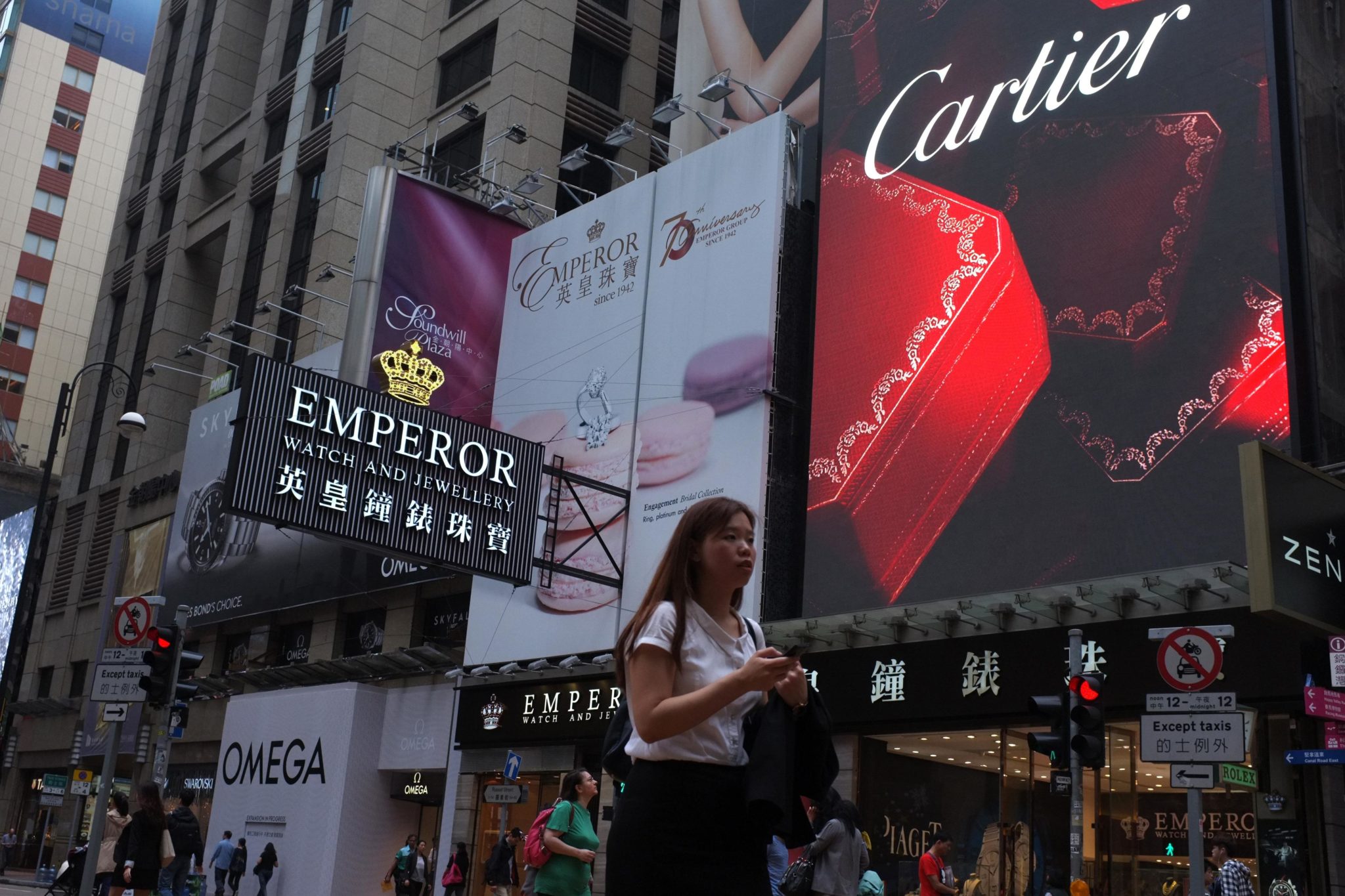
    Hong Kong retail sales slumped 21.4 percent in January, further than the 19.4 percent of December – but the worst is yet to come.

    The Census and Statistics Department (C&SD) provisionally estimated Hong Kong retail sales at HK$37.8 billion (US$4.86 billion) but cautioned that the timing of Lunar New Year – on January 25 this year and February 5 last year – may have lessened the statistical impact of January’s data.

    “Retail sales continued to record a sharp fall in January, notwithstanding the possible boost from the Lunar New Year, which fell in late January this year but early February last year,” said a government spokesperson.

    This hints at a bleak outlook for February’s Hong Kong retail sales, given the advent of the coronavirus which saw inbound tourist numbers drop by 98 percent in what should have been one of the best trading months of this year.

    The coronavirus hit just as the peak Lunar New Year holiday season kicked off, a time when thousands of mainlanders traditionally head across the border to holiday and shop. Sales during the month were already affected by the anti-extradition protests which had been running since June last year.

    Sales of jewelry, watches, and clocks slumped by 41.6 percent in January, with medicines and cosmetics down 32.3 percent and apparel by 28.9 percent. Department-store sales were down 27 percent, books, newspapers, stationery, and gifts by 25.9 percent and optical goods by 23.9 percent, furniture, and fittings by 22 percent, footwear, and accessories by 21.6 percent and electrical goods by 20.4 percent.

    Sales of Chinese drugs and herbs fell by 16.2 percent and of food, alcohol and tobacco products by 6.8 percent.

    The only categories to buck the downturn were sales in supermarkets, up 10.2 percent, and of fuel, up 12.3 percent.

  • Shanghai retail sales slowly returning to normal after coronavirus outbreak

    Shanghai retail sales slowly returning to normal after coronavirus outbreak

    Roughly a third of the 11,000 stores in Shanghai that closed for the coronavirus outbreak has opened for business.

    Among the reopening stores is Starbucks’ largest global outlet, Starbucks’ Reserve Roastery, which attracted daily queues before the epidemic. The store, which counts as a tourist attraction in its own right, opened just one of its doors on Wednesday – although its air conditioner remains off.

    All 57 Starbucks stores in the area have been working with officials to protect staff and customers as the outbreak continues. Half of the Reserve Roastery tables have been removed to keep customers at a distance from each other.

    “Well on the way to containing COVID-19, Shanghai is gradually returning to normal,” reported local English-language media Shine News. However, it said local residents are still taking precautions to protect themselves from infection.

    “I feel like a vegetable after being stuck at home for so many days,” said one elderly customer. “I miss these butter cookies so much. But I’ve learned from the news that we should take protective measures, so I’m wearing a mask and gloves.”

    “It’s always of vital importance to keep a balance between epidemic control and resumption of business, so we have to provide a good service,” said Jing’an Market Regulation director Chen Ping.

  • AirAsia X cuts 2019 loss despite revenue decline

    AirAsia X cuts 2019 loss despite revenue decline

    AirAsia X narrowed its operating loss to MYR90.1 million ($21.3 million), despite a decline in passenger numbers which affected its total revenue.

    The loss posted in 2019 is an improvement to the MYR204 million loss made in 2018.

    Revenue for the year ended 31 December 2019 declined 4% to MYR4.4 billion, as the number of passengers fell 8.3% to 6.07 million due to capacity cuts it undertook, and weaker travel demand in the first nine months of 2019.

    Total expenses fell 5.8% to MYR4.05 billion, on lower expenditures related to fuel, user charges, and other operating expenses.

    Unit cost without fuel were 1.9 cents, and including fuel, this was 2.5% lower year-on-year to 3.1 cents. While RASK was unchanged at 3 cents, RPKs were down 3%. Seat load factor was flat at 81%, and that seat capacity declined 2%.

    Net loss, however, swelled to more than MYR489 million, on significant increases in finance costs and the adoption of a new accounting standard on leases.

    As of 31 December 2019, the company’s cash and cash equivalents stood at nearly MYR308 million, up from the MYR253 million last year.

    Overseas units in Indonesia and Thailand saw a mixed performance. Indonesia AirAsia X cut its losses while Thai AirAsia X reversed its previously profitable streak.

    Indonesia AirAsia X reduced its operating losses by more than half to MYR36.7 million, after ceasing scheduled services for charter and wet-lease operations at the start of 2019. Revenue for the year stood at MYR76.6 million, while loss before tax was MYR47.3 million.

    Thai AirAsia X posted an operating loss of more than MYR137 million for 2019, reversing the operating profit of MYR48.7 million in 2018. Revenue grew 17.3% to MYR1.79 billion, while loss before tax came in at MYR86.5 million.

    AirAsia X’s Malaysia chief Benyamin Ismail says the airline has seen “significant improvements” in its business performance, as it focused on improving yields in core markets. It also began a Kuala Lumpur-Singapore service to support the route’s strong demand, as well as Kuala Lumpur-Tokyo Narita.

    In its outlook detailed in an investor presentation, AirAsia X plans to cancel unprofitable routes such as Jaipur, Lanzhou and Tianjin, and explore route suspensions as it tries to overcome the challenges from the coronavirus outbreak.

    It notes that China represents a third of its capacity, and this “poses [a] severe impact” on the company. An “aggressive” capacity management will be made in the first half of 2020, with more than 600 flights cancelled in March.

    To stimulate air travel demand and boost its short-term cashflow, it will also conduct aggressive promotions and waive off fees for its FlyThru transfer service.

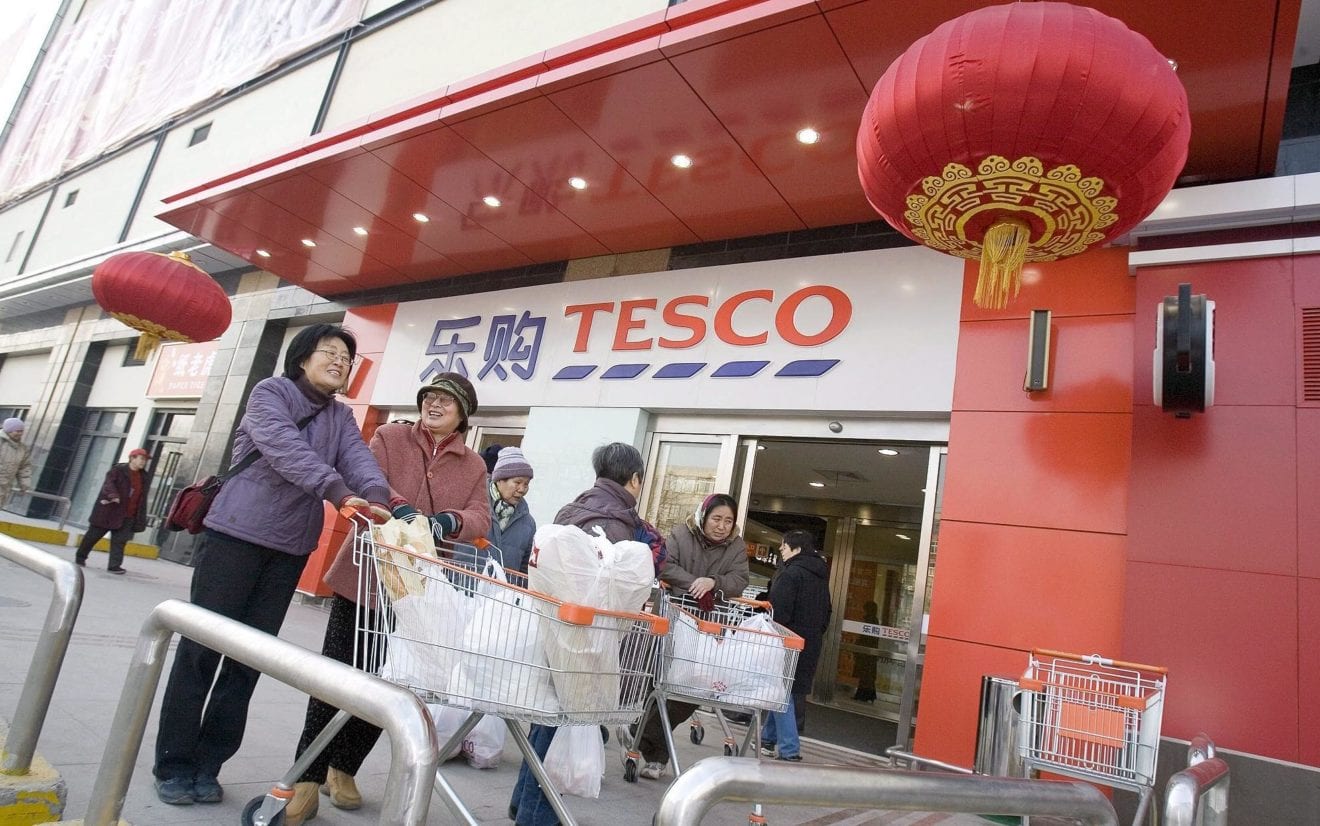
  • Tesco executives mull final bids for Thai, Malaysian businesses

    Tesco executives mull final bids for Thai, Malaysian businesses

    Tesco executives and advisors will this week start evaluating offers for its Thai and Malaysian businesses following Friday’s deadline for binding offers.

    However, with the asset valued somewhere in the region of US$9 billion, there is no certainty any of the bids will be accepted. A decision is expected this month.

    Tesco has yet to confirm how many bids were received, but analysts expect a three-way battle between some of Thailand’s largest companies: CP Group, controlled by Dhanin Chearavanont, Central Group, controlled by the  Chirathivat family, and TCC Group, controlled by property and beer magnate Charoen Sirivadhanabhakdi. Another potential bidder is petroleum group PTT which is expanding its Cafe Amazon network regionally and has an interest in diversifying from its core petrol-retailing business.

    Tesco operates about 2000 supermarkets and convenience stores in Thailand and a further 74 in a Malaysian joint venture with Sime Darby Group.

    For Central Group, which last month raised US$2.5 billion in an IPO of its retail business, the Tesco operation would have substantial synergies with its supermarkets and convenience-store business.

    CP Group, meanwhile, has an interest in effectively buying back the Thailand operations, which evolved from the supermarket business it sold to Tesco in 1997 to raise cash during the Asian Financial Crisis. CP owns the Sam Makro grocery warehouse business with 130 stores along with the Thai 7-Eleven franchise which now numbers more than 11,000 stores.

    In the half-year to August 24, the Tesco businesses in Thailand and Malaysia achieved sales of $3.3 billion and an operating profit of $219 million.

    Exiting the Southeast Asian business may come with complications. Thailand’s government has already flagged its interest in a sale to existing local entities, commenting that the deal must not violate anti-monopoly laws.

  • Central Retail to invest US$575 million on expansion this year

    Central Retail to invest US$575 million on expansion this year

    Thailand’s Central Retail Corporation achieved 8 percent revenue growth last year to US$7.1 billion and an 11-per-cent boost in profit to $394.7 million.

    CEO Yol Phokasub said the improvement reflected “robust platforms” in every country in which it operated: Thailand, Vietnam and Italy.

    “We increased market share in every product category, including fashion, food and hardlines, whilst we also grew our customer base in each market with our strong eco-systems,” he said.

    Central Retail is on track to achieve a five-year goal of achieving 8-10-per-cent average annual income growth and earnings growth of 10-11 percent.

    This year, Central Retail is investing $575 million into expanding its business in its three core markets, exclusive of mergers and acquisitions.

    In Thailand it plans to open three Robinson Lifestyle stores, seven Thai Watsadu stores and 3 Baan and Beyond stores, as well as expanding its food and specialty-store networks.

    In Vietnam it will open six supermarkets under the existing Big C banner and its new brand Go!

    It also plans to refurbish some existing stores and open more outlets under its LookKool, Kubo and SuperSports banners.

    In Italy, it will refurbish its department stores in Florence and Rome, and focus on leadership in the lifestyle-luxury segment of the market.

    “After many uncertainties in both the global and Thai economies this year, whether from the strong Baht, the COVID-19 epidemic, reduced tourist arrivals or declining consumer confidence, Central Retail must exercise caution in its business operations, closely monitor various issues and use technology to manage costs effectively,” said Phokasub.

    “Our multi-category and multi-format platforms give us flexibility and adaptability to rapidly changing and volatile situations. This offers us an advantage and a good opportunity to reach customers, providing them with new experiences through our robust omnichannel platforms.”

    Central Retail achieved sales growth online of about 56 percent last year.

    “This year, we forecast sales through the omnichannel platforms to account for over 10 percent of Central Retail’s sales,” he said.

  • Retail, e-commerce biggest marketers in Vietnam

    Retail, e-commerce biggest marketers in Vietnam

    Retail and e-commerce accounted for nearly a quarter of online marketing in Vietnam last year as players compete for more customers.

    The category claimed 23.9 percent of $1.26 billion spent on online ads in the country, Ho Chi Minh City-based advertising company Adsota reported.

    It was followed by fast-moving consumer goods (FMCG) with 12.9 percent and automobiles with 6.7 percent.

    Vietnam digital advertising spending by industryRetails & e-commerceFMCGAutomobilesFinancial servicesTourismTelecomTechnologiesOthers

    “Figures indicate the resources e-commerce businesses are willing to invest in digital advertising in recent years, linked to the “money burning” race of Shopee, Lazada, Sendo and Tiki,” the report stated.

    Rising expenditure follows Vietnam’s growing market of internet users. The country ranked 14th in the world in its number of smartphone users at 43.7 million last year, a rate of 44.9 percent.

    In a number of app downloads, Vietnam ranked second to Indonesia in ASEAN and seventh globally. The most popular app categories in Vietnam are games, photography and social.

    Vietnamese spend 2 hours and 33 minutes on social networks, 17 minutes higher than the world average, according to U.K.-based We Are Social.

    Vietnam’s online advertising expenditure is set to reach $1.4 billion in 2022.

  • Carrefour China achieves its first quarterly profit in seven years

    Carrefour China achieves its first quarterly profit in seven years

    Carrefour China has achieved its first quarterly profit in seven years according to the Tian Rui, CEO of Suning Group, which bought the former French hypermarket group last September.

    During the past five months, the Carrefour China business has improved its operating efficiency through the digital transformation of its stores and the accelerated integration with the Suning ecosystem.

    Tian Rui says post-acquisition, Carrefour China’s management team focused on consumer needs and strengthening marketing, operations and membership management. The business was integrated into the Suning FMCG’s supply chain, strengthening the range and supply of merchandise.

    And the company’s stores and product offering were integrated into the Suning Convenience Store app on February 6. Since then, the average daily order volume of Carrefour Flash Delivery has increased by 202 per cent month on month. On February 21, the average daily order volume was up 329 percent month on month.

    This digital transformation has seen the 209-strong store network deliver goods to customers living within 3km of a store within one hour, and for those within 10km of a store within half a day.

    “Carrefour China is the core business of Suning FMCG matrix. In 2020, we will accelerate store upgrades, supply chain construction, and other ecological integration with Suning to recreate the glory of Carrefour like seven years ago,” said Tian Rui.