Category: General

Retail News Asia is committed to providing both local and global retailers with the latest General Retail news throughout the Asian market. This on a daily base.

  • Tokyo Tokyo store opens at Haneda Airport

    Tokyo Tokyo store opens at Haneda Airport

    Tokyo Metropolitan Government has launched a souvenir shop, Tokyo Tokyo, at Haneda Airport.

    Located in a retail strip at the airport’s international terminal, Edo Ko-ji, Tokyo Tokyo offers a wide selection of souvenirs including traditional dolls Daruma, maneki-neko lucky-cat charms and models of the iconic Tokyo Tower.

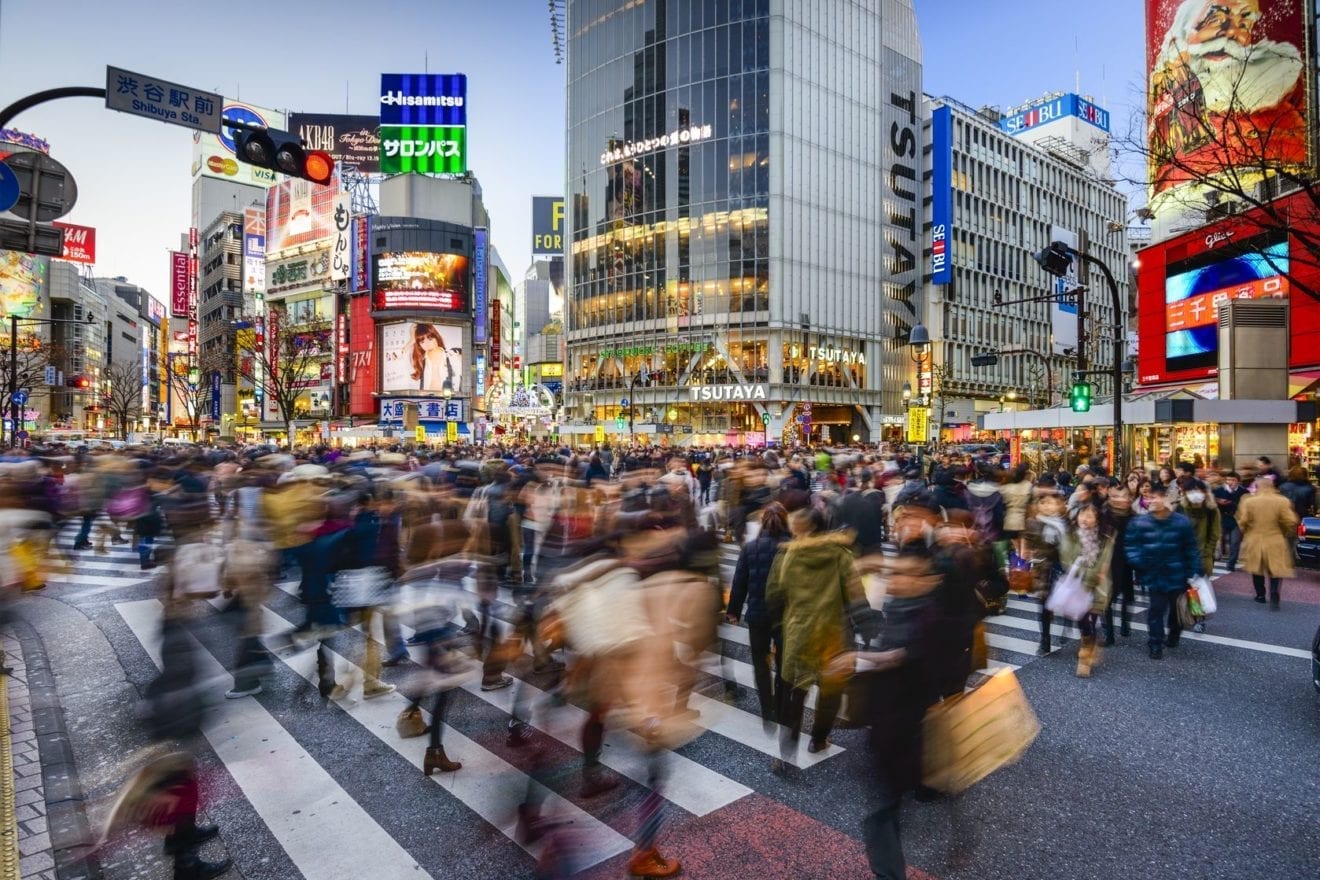
    The store’s wall features drawings of the Asakusa and Shibuya neighborhoods which reflect the merger of “cutting-edge modern culture and centuries-old tradition”.

    The Tokyo Tokyo shop is part of the Tokyo Omiyage project which is a collaboration between Tokyo Metropolitan Government and local businesses to create a lineup of souvenirs promoting Tokyo as a travel destination to both domestic and international tourists.

  • Supply-chain worries grow as coronavirus crisis continues

    Supply-chain worries grow as coronavirus crisis continues

    Some global retailers have begun reopening stores in Mainland China as the coronavirus crisis continues – but concerns remain over supply chain challenges.

    With millions of Chinese self-quarantining, affecting factories and logistics, fears are growing that supplies of stock outside the mainland may soon run short as factories struggle to keep up with demand and amidst shipping delays.

    Leonie Barrie, an apparel analyst at GlobalData, says apparel brands and retailers with supply chains linked to China may suffer in coming months. While factories on the mainland have now restarted after a three-week shutdown, many are operating at reduced capacity with quarantined workers, travel restrictions and raw material deliveries delayed, causing further disruption and ongoing uncertainty.

    “Aside from the human impact, the coronavirus epidemic is having major negative repercussions on the global fashion business. If factories can’t operate they won’t be able to ship products,” says Barrie. “And if they’re not getting the raw materials they need, there will be missed deliveries.

    “As well as delays of up to two or three months on the delivery of summer fashion collections, there is also the potential for a knock-on later in the year on autumn, back-to-school and even holiday goods.”

    The impact may not stop there. Barrie says even more severe disruption may occur if factories already suffer cashflow challenges are then hit by penalties for late deliveries, or when orders are canceled rather than delayed.

    “Because China is the workhorse of the manufacturing world, this is a situation where everyone is negatively impacted. All companies can do is closely monitor the situation and look at risk mitigation measures wherever possible.”

    One such manufacturer is Hong Kong-listed China Dongxiang, whose brands include the Kappa license for Greater China. The majority of products for online sale and the kids’ apparel stored in the warehouses located in Wuhan have been locked down, due to a number of factors, such as an extension of the Lunar New Year holiday, logistic impediments and delays in customs clearances.

    For now, the company has been able to offset the significant impact from the lockdown by reallocating stock from offline channels to online channels.

    “As the recovery of road transportation will facilitate the stock replenishment for online sales and kids’ apparel, severe stock shortage will not be expected,” the company said in a statement.

    China Dongxiang says 30 percent of its offline stores (excluding Kappa kids’) had reopened as of last Wednesday, while the remaining stores will resume operations in stages.

    “The group will follow the requirements on infection control and prevention by the respective local governments to the largest extent, and resume full operations as soon as possible without compromising on the safety of its employees and consumers. In spite of greater pressure on offline retail stores in the short run, the group will put in extra effort in developing online business by integrating online and offline resources.”

    Chairman and executive director Chen Yihong was upbeat about the business being able to manage the impact of the virus.

    “In the long run, the group has faith in the economy as well as the sports-apparel industry in China. Our expectation on the steady growth in the group’s performance remains unchanged. We are confident in overcoming the short-term hurdles, achieving healthy and steady growth in the business of the group.”

    Canadian exercise and leisurewear label Lululemon said the majority of its 38 stores in Mainland China have been closed since February 3, however some have since resumed operating on a reduced schedule and the online business continued throughout.

    “We’re inspired by the resilience and commitment of our team in China as we navigate the emerging impacts of the coronavirus,” said CEO Calvin McDonald. “The safety of our people is our highest priority, and we are adjusting store operations based upon the recommendations of local authorities.

    “Despite the current disruption to our growing business in China, we remain confident in the long-term opportunities this market holds for Lululemon.”

    Apple is another retailer that has already reopened some stores.

    Meanwhile, online retailer JD has provided five AI vending machines to a residential compound in Beijing’s Tongzhou district, offering residents 24/7 access to fresh fruit, vegetables and daily essentials sourced from a nearby 7Fresh supermarket.

    Developed by JD-X, JD’s logistics innovation lab, customers can select products displayed on the transparent door of the machine and use mobile phones to scan a QR code. Once scanned, the door will open and customers can select the products they want and after closing the door be charged for what they bought.

    The key to the vending machines is that they require no human interaction – a concern for many mainlanders as they try to avoid contracting the coronavirus.

    JD says employees of the 7Fresh store regularly clean and disinfects the machine to further reduce the chances of virus transmission.

    The company now plans to roll out the machines in Beijing, Chongqing, Shanghai and other cities.

    Supply-chain worries grow as coronavirus crisis continues
  • Changi Airport rents halved in wake of coronavirus outbreak

    Changi Airport rents halved in wake of coronavirus outbreak

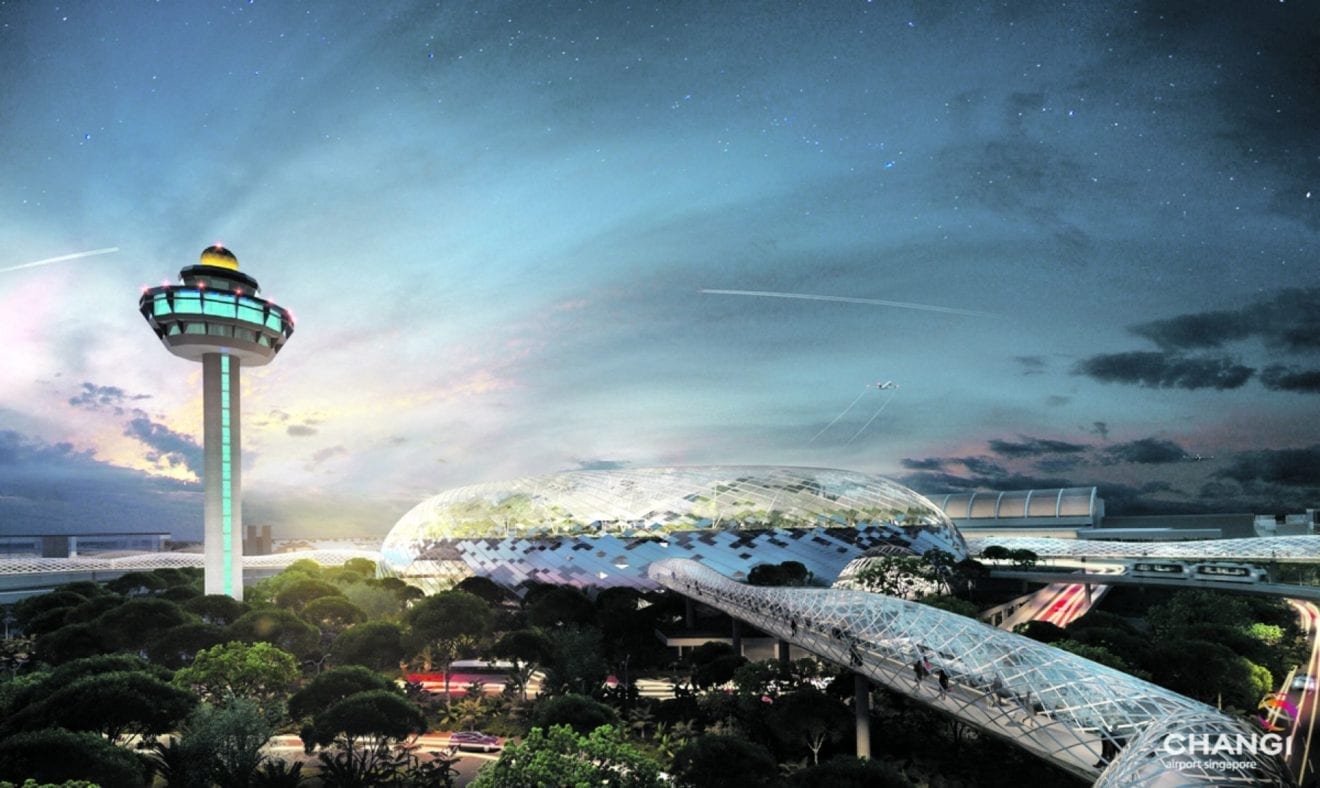
    Retailers at Singapore’s Changi Airport will be granted half-cost rents for six months, backdated to February 1 due to the impact on passenger movements resulting from the coronavirus epidemic.

    The Changi Airport rents rebate will cover more than 540 retail, F&B and service tenants at the airport who are facing a sharp drop in sales during the outbreak. Retailer operating hours will also be reduced at the airport, optional for those trading landside.

    The rent reductions are in addition to rebates that automatically apply when airport traffic is down.

    The moves follow a government announcement of a SGD112 million (US$80 million) package for the aviation sector to help protect businesses and jobs at the airport as well as preserve the connectivity of the travel hub. It includes a property tax rebate that the airport is passing on to its shops in full.

    Management is holding ongoing discussions on how to further support retail tenants in addition to the Changi Airport rents cut.

  • Sheng Siong looks for new store sites as sales and profit grows

    Sheng Siong looks for new store sites as sales and profit grows

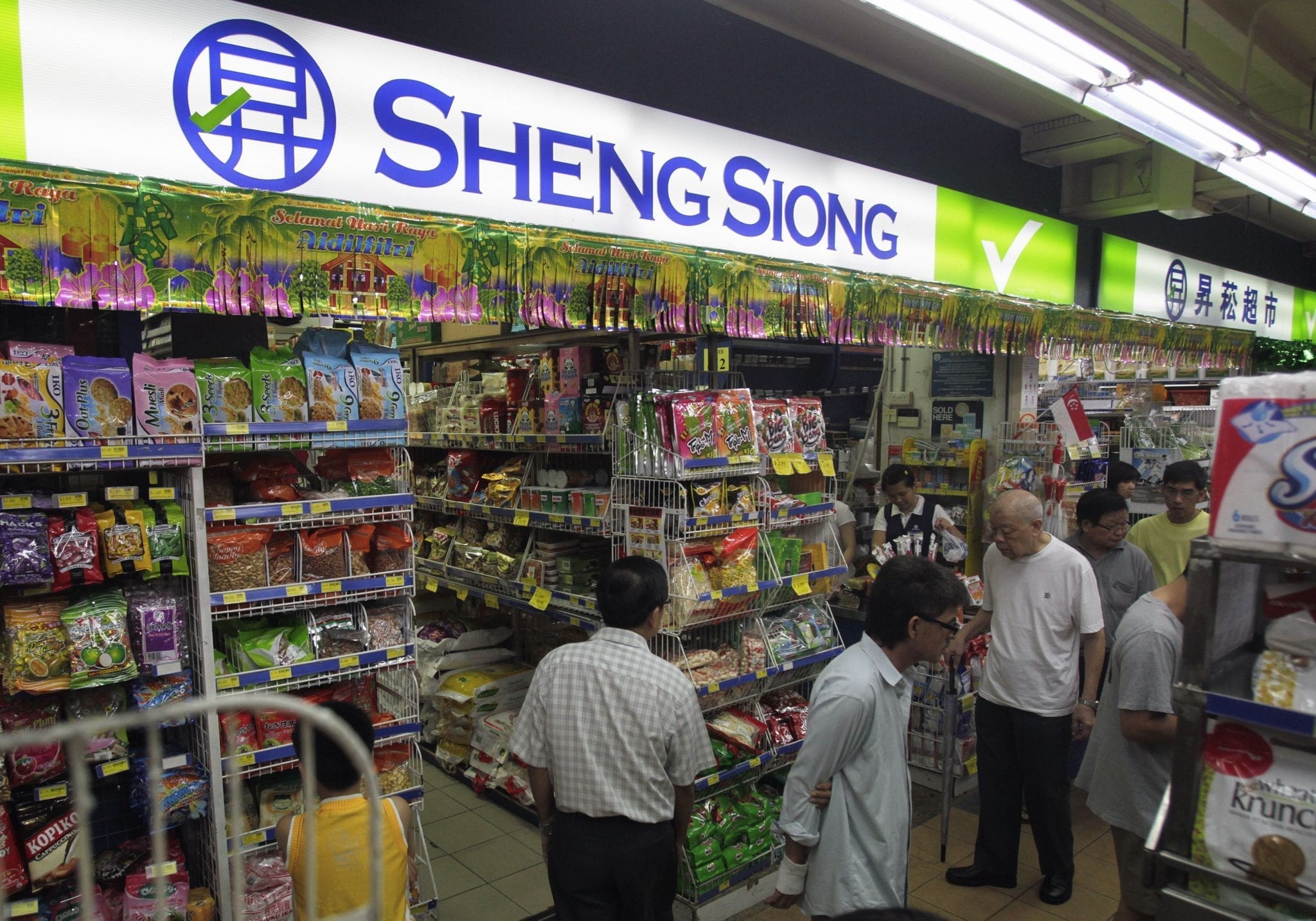
    Singapore supermarket operator Sheng Siong says it plans to open more stores across the city in the wake of a 7.4-per-cent profit increase last year.

    Sheng Siong Group achieved a net profit of S$75.8 million (US$54 million) for the December year on revenue up 11.3 percent to S$991.3 million, largely due to store network growth.

    “Our store expansion plan in Singapore is progressing well,” said CEO Lim Hock Chee.

    Five new stores opened last year and two more already this year adding 56,820sqft of trading area and taking the network to 61.

    “Moving ahead, we will stay focused on looking for new retail spaces especially in areas where our potential customers reside with an aim in mind to expand our retail network in Singapore.”  The company says it will focus on continuing to look for retail space in new and existing Housing Development Board housing estates, particularly in estates where the group currently has no presence.

    “Our key priorities are nurturing the growth of our new stores in Singapore and China while enhancing the gross margin and lowering input cost remain as one of the core areas that we will be working on,” said Lim.

    He added the company would seek to adjust stores’ sales mix adding a higher proportion of fresh produce and deriving more efficiency gains in the supply chain in the year ahead.

    The company remains optimistic about trading this year despite expectations Singapore’s economic growth will slow to less than 1.5 percent – potentially even entering a recession – due to the impact of the coronavirus.

    The company’s results commentary said retail sales, in particular at supermarkets had “not been exciting” last year and could be negatively affected this year.

    “Competition in the supermarket industry is expected to remain keen.”

    This year’s openings were a store on the first floor of Block 118 Aljunied Avenue 2, with an area of approximately 18,000sqft on January 1 and at Block 202 Marsiling Drive (5540sqft) on January 11.

  • Loss-making Bauhaus to close 10 stores, axe 100 staff

    Loss-making Bauhaus to close 10 stores, axe 100 staff

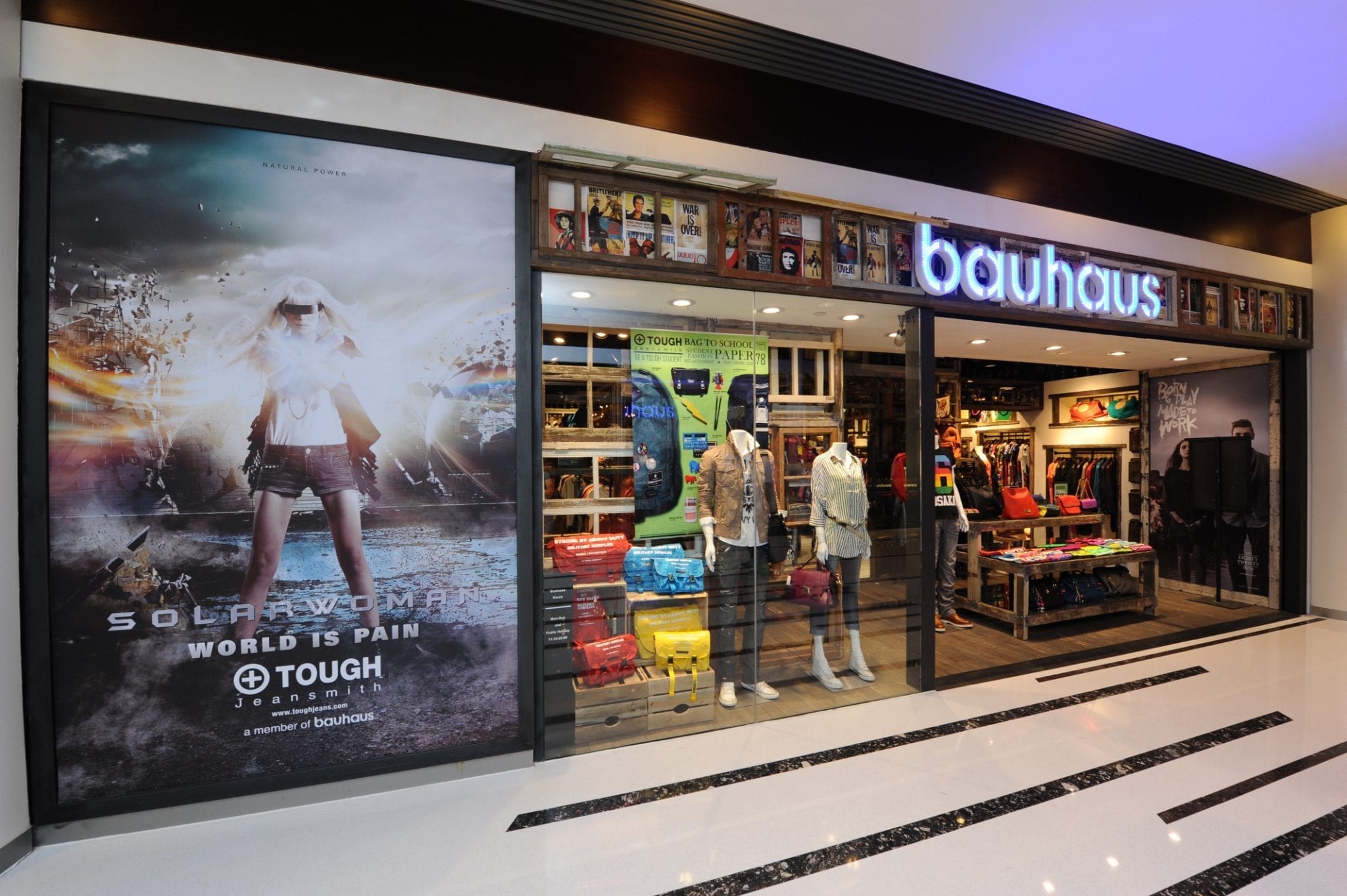
    Hong Kong fashion group Bauhaus International says it will close up to 10 loss-making stores in Hong Kong.

    The closures will lead to the laying off of 100 staff, over and above the 200 jobs it culled between April and September last year.

    Bauhaus retails under several of its own labels – Tough, Jeansmith, Salad and 80/20 – across 66 stores in Hong Kong, Macau and Taiwan. The company is also the franchisor for struggling British brand Superdry in Hong Kong.

    The company has blamed the closures on the coronavirus outbreak, which comes on the heels of six tough months for retailers during the anti-extradition bill protests.

    Closing stores before their leases are up is expected to result in a one-off write-off and/or impairment losses of between HK$16 million and HK$50 million, subject to the final results of negotiations between the group and the relevant landlords.

    Bauhaus had announced its exit in China markets just last month but will continue to retail on Tmall and JD.

    Besides its Hong Kong closures, the company is evaluating the closure of as many as half of its retail stores in Taiwan by the end of the 2021 fiscal year. Bauhaus has been recording losses abroad for the last two consecutive years.

    The brand’s net loss was at HK$95.2 million for the six months to September last year, nearly double that of the previous year. The cause of its performance were attributed to the then intensifying China-US trade ware, depreciation of the Renminbi and social unrest.

    The group will continue to focus on rationalizing its operations, reducing structural costs and reinforcing its financial resilience. Meanwhile, 50 Hong Kong retailers with a combined 200 shops are on strike against landlords, demanding for leniency on rent during struggling times.

  • Benefits Of Conducting  Radiation Safety Training For Employees

    Benefits Of Conducting  Radiation Safety Training For Employees

    Technology has brought about so many changes in the lives of individuals today, and even more so in the business industry. While the positive changes are numerous, there are also negative ones that one can’t turn a blind eye on. One of these adverse effects is possible exposure to radiation in industries, such as health and medicine.

    In these instances, your team must be well trained on primary radiation safety practices. That way, you’re able to minimize dangers and risks in your workplace. In this regard, here are some of the benefits for you to gain in conducting radiation safety training for employees:

    1. Keeps The Business Within The Legal Requirements

    Because of the severe dangers that are brought about by radiation, employers who have a business along this line are mandated by law to provide radiation safety training. This is one of the most important and apparent benefits of conducting radiation safety training. It keeps your business within the requirements of the law. That way, just in case any radiation-related health issue arises, you’ve got enough reason to prove and show that you’ve done your part in providing the radiation safety training.

    Here are some aspects required by law for radiation safety training:

    • Knowledge of the importance of complying with medical, technical, and administrative requirements of the legal regulations
    • An understanding of the risks to health due to exposure to radiation through procedures, such as x-rays and 3D printing
    • Knowledge of the radiation protection procedures and precautions to be undertaken
    1. Helps Keep Up With The Rising Demand For More Radiation

    Especially in the medical industry, the demand for radiation is often higher than what’s necessary. In most cases, this is coming from the increased emphasis on images that are of superior quality. Having said that, all the more important it is for members of the healthcare team to undergo radiation safety training. This also results in more efficient members of the team, particularly the machine operators, who know how to produce the best quality images without using excessive radiation.

    1. Explains The Risk Of Radiation Exposure

    Yes, you may already be aware of the various risks of radiation exposure. But, knowledge of these risks isn’t enough. You also have to be mindful of what it is you should do when exposed to these risks. Then, there’s also the matter of the best treatment options. Additionally, a deep awareness of the dangers of radiation helps the workers exposed to this hazard be more cautious with their surroundings. While it’s inevitable in their job to operate radiation-laden machines, their brand new level of awareness could keep them on the loop of how to best take care of themselves.

    Risks of radiation exposure are dependent on factors, such as the following:

    • Where the radionuclide concentrates in the body, and for how long it stays there
    • The level of energy released by the radiation
    • The type of radiation released by the machine, usually x-rays, gamma, alpha or beta rays
    • The rate at which the body metabolizes and eliminates the radiation that gets in
    • How often the body is exposed to the radiation
    1. Gains In-depth Knowledge Of The Different Safety Measures

    Naturally so, when employees are trained on radiation safety training, they also gain an in-depth knowledge of the different safety measures related to radiation exposure. These safety measures are essential to learn so the employees are able to know other alternatives, or what to do, to lessen the risks of radiation. Remember that these affect not just the employees themselves, but even the patients as well.

    Examples of the different safety measures related to radiation exposure are the following:

    • Shielding – this refers to using the appropriate guards or shield to lessen or avoid direct exposure to radiation. Examples of this specific mechanism include:
    • Personal shields, such as aprons with thyroid shields and leaded glasses
    • Equipment-mounted shields, such as protective drapes
    • Rolling and stationary shields, such as disposable patient drapes that can be disposed of after every use to avoid scatter radiation
    • Dose Reduction – whenever a high dose of radiation isn’t necessary, then the better choice is to select other options with less radiation. This choice benefits both the patients and the machine operators. An example of dose reduction is through minimizing fluoroscopy time, and also lowering the number of images to be printed out or submitted.

    Conclusion

    Constant exposure to high levels of radiation does the human body no good. In understanding the inherent dangers of radiation, it’s important also to learn and get a good grasp of how this exposure can be lessened. The bottom line is that the pursuit of advancement in medicine, factories, and other industries, shouldn’t come at the expense of the employees’ safety. Now that you better understand the benefits of undergoing radiation safety training for employees, this should form part of your next calendar of training activities for the company.


  • Asian Sports Betting Market

    Asian Sports Betting Market

    Asia has a huge betting market compared to other continents. But, it has poor coordination. The Asian market led in global betting in 2017. It comprises established sportsbooks like Betway88. Statistics show that about 40 percent of bets placed in the world are from Asia. Besides, many sports fans from other regions have a murky understanding of Asian gambling. Here is an insight into the Asian sports betting market.

    Asian Betting Odds

    An Asian handicap sport betting is popular all over the world. Each soccer match has a particular handicap. There are some common Asian handicap odds:

    1. Hong Kong Odds

    Most gamblers who wager at Asian bookmakers often choose Hong Kong odds. They resemble decimal odds. But, betting firms don’t factor in your original stake into the multiplier. For instance, if you place a $200 bet with 1.70 Hong Kong odds, you will get a return of $540. Thus, Hong Kong odds of 1.70 are equal to decimal odds of 2.70.

    1. Decimal Odds

    Bookies often display decimal odds as 1.70, 3.20 and 2.50. The figures reflect the return you will get from a bet. It includes your initial stake. For instance, you will receive $510 in total if you place a $300 bet at 1.70 odds. So, your profit will be $210. Punters can visit https://www.betway98.com/  to place soccer bets with decimal odds.

    1. Malay Odds

    Malay odds resemble Hong Kong odds. They are displayed as decimals and have a negative or positive sign. Bets with a 50 percent winning probability appear as 0.00. You will get a 1-unit payout for each 1 unit you wager. For example, you will get a $700 payout if you place a $100 wager at Malay odds of -0.70.

    1. Indonesian Odds

    Indonesian odds are often displayed the same as American odds. They can have a negative or positive sign at the front. A negative sign shows that that is the favorite bet. For instance, you need to wager $170 to get a $100 payout if the Indonesian odds are -1.70.

    Factors to Consider When Selecting an Asian Sportsbook

    Many Asian punters struggle to find the right bookmaker. Here are four factors that will help you find a nice Asian sportsbook:

    • Currencies and online payment options: It is advisable to choose a betting firm that offers different payment options. Pick a bookie that accepts different currencies as it allows you to bet while in different countries.
    • Safety: Safety is paramount in sports betting. Bookies should protect client data and stakes. Many Asian bookmakers have sophisticated software that prevents hackers from accessing your data and transaction history.
    • Favorable handicap odds: Bookies offer different odds for the same sports event. Choose a betting firm with high odds to get a bigger profit margin.
    • Promotions and bonuses: At times, Asian sportsbooks offer bonuses and promos to new and existing clients. You can use bonus bets to wager without using real money.

    Millions of Asians spend huge sums of money on sports betting. They wager on sports such as athletics, basketball, cricket, football, golf, tennis, volleyball and rugby. Some Asian betting firms have a lower margin compared to European bookies. It provides pundits a high chance of winning in the long run. You can place different types of bets at Betway88.


  • Macau casinos reopen – how bad was the damage?

    Macau casinos reopen – how bad was the damage?

    Coronavirus hit the world out of the blue and as for now, more than 75,000 people are infected with the deadly virus worldwide. The death toll currently stands at 2012, as France recorded the first one in Europe last week. Macau, one of the world’s largest gambling hubs is also under a great threat due to its proximity to China. In total, 10 people were infected in the city after the outbreak began. However, there has not been a newly recorded case after February 4th.

    The government pushed for the suspension of the casino operations of February 5th in an attempt to stop the spread of the virus in the city. The decision was made after it turned out that 2 out of 10 infected in Macau were casino employees. However, it was now announced that the casinos will be able to go restart operations on Thursday, after an unprecedented 15 day-long shutdown. The ban remains in place for a number of entertainment venues, including cinemas, pubs and karaoke bars. At the same time, casino visitors will have to wear facemasks before entering and will also be scanned for the temperature at the entrances.

    A shutdown is a historical event since the industry generates a significant portion of wealth in the city. Besides being the longest in history, it will likely have a major economic impact on Macau.

    In fact, the shutdown was such a major event for the whole gambling industry that betting options started appearing on multiple foreign platforms on how much the city would lose before the re-opening.

    One of the weirdest platforms that these options appeared on were Norwegian bookmakers, or NYE bookmakere as they’re originally referred to in the Nordics. Due to the extremely restricted environment in the country about sports betting, a wagering option for Macau’s closing was perceived as a small loophole. Similar cases can be seen almost all over the world.

    It was indeed a big hit

    The City’s 41 casinos along with the gaming industry employ an estimated 56,000 people, 8% of its population. Besides them, non-resident workers commuting from mainland China are affected as well. The estimates

    A member of the legislative assembly of Macau Au Kam-san asserted on the matter, stating that the end of suspension was anticipated: “Gaming industry is too important to Macau. The government could not afford to let it close for too long. There could also be pressure from the casino operators. Because they are still paying the staff while the casinos are closed.”

    It has also been said that the workers from mainland China will have to go through special procedures before re-entering Macau. This again is to reduce the risks of further spread of coronavirus. However, the long incubation period requires a 14-day long quarantine, which is very unfeasible for every side. On this, Kam-san commented: “Some 60,000 to 70,000 people travel across the border every day to work in Macau. Your business just can’t operate if they have to be quarantined for 14 days when they enter Macau”.

    high profile Macau health officials also stated that the city’s residents would also have to go through similar procedures if the risks arise. Under such circumstances, the city’s gambling industry would be even under a bigger threat, since the shortage of Chinese workers is already making an outstanding economic impact on Macau’s economy.

    Macau’s casinos took in roughly $37,6 billion in 2018 as total revenues hit historic records. Gambling tourism represents up to 50% of the city’s economy, making it a crucial field for its financial stability. It is difficult to project an exact impact of a 15-day long closure on Macau and its residents, but it is clear that the final outcome will not be positive for the city’s gambling industry this year.


  • Philippine retailers experiencing coronavirus-related sales slump

    Philippine retailers experiencing coronavirus-related sales slump

    The Philippines’ largest retail landlord SM Supermalls says retailers’ sales have dropped both at home and in China due to the coronavirus crisis.

    According to ABS-CBN, local sales of the group fell by 10-20 percent in the first few weeks of the coronavirus outbreak as people avoid shopping and eating out in the Philippines for fear of exposure.

    In Mainland China, where SM operates malls, sales have slipped by up to 50 percent in tenant’s stores.

    At the same time, other Philippine retailers have witnessed a 30-50 percent decline across the “total retail environment”, according to Roberto Claudio, vice chairman of the Philippine Retailers Association.

    “That drop will go down into billions (of pesos) in terms of lost sales and revenues,” said Claudio. “If this goes on toward the end of the year, it is going to be devastating for most retailers and malls.”

    The Philippines has confirmed three coronavirus cases, all visitors from Wuhan City in the central province of Hubei.

  • Don Don Donki to expand after success of debut store in Thailand

    Don Don Donki to expand after success of debut store in Thailand

    Don Don Donki Thailand will expand its retail network this year after a positive trading performance of the first outlet.

    In partnership with Saha Pathana Inter-Holding (SPI), the holding company for consumer product conglomerate Saha Group, Don Don Donki Thailand plans to open its second outlet on Ratchadamri Road, which is three times bigger than the first store.

    President and executive director at SPI, Vichai Kulsomphop, said the venture aims to open 10 branches across the country. Each of the stores will cost THB500 million and occupying a space of between 5000 and 6000sqm.

    “Saha Group is also willing to be an overseas partner of Donki if the Japanese firm really wants to expand its business in Asean,” said Vichai.

  • Philippine airlines are losing Chinese tourists amid coronavirus outbreak

    Philippine airlines are losing Chinese tourists amid coronavirus outbreak

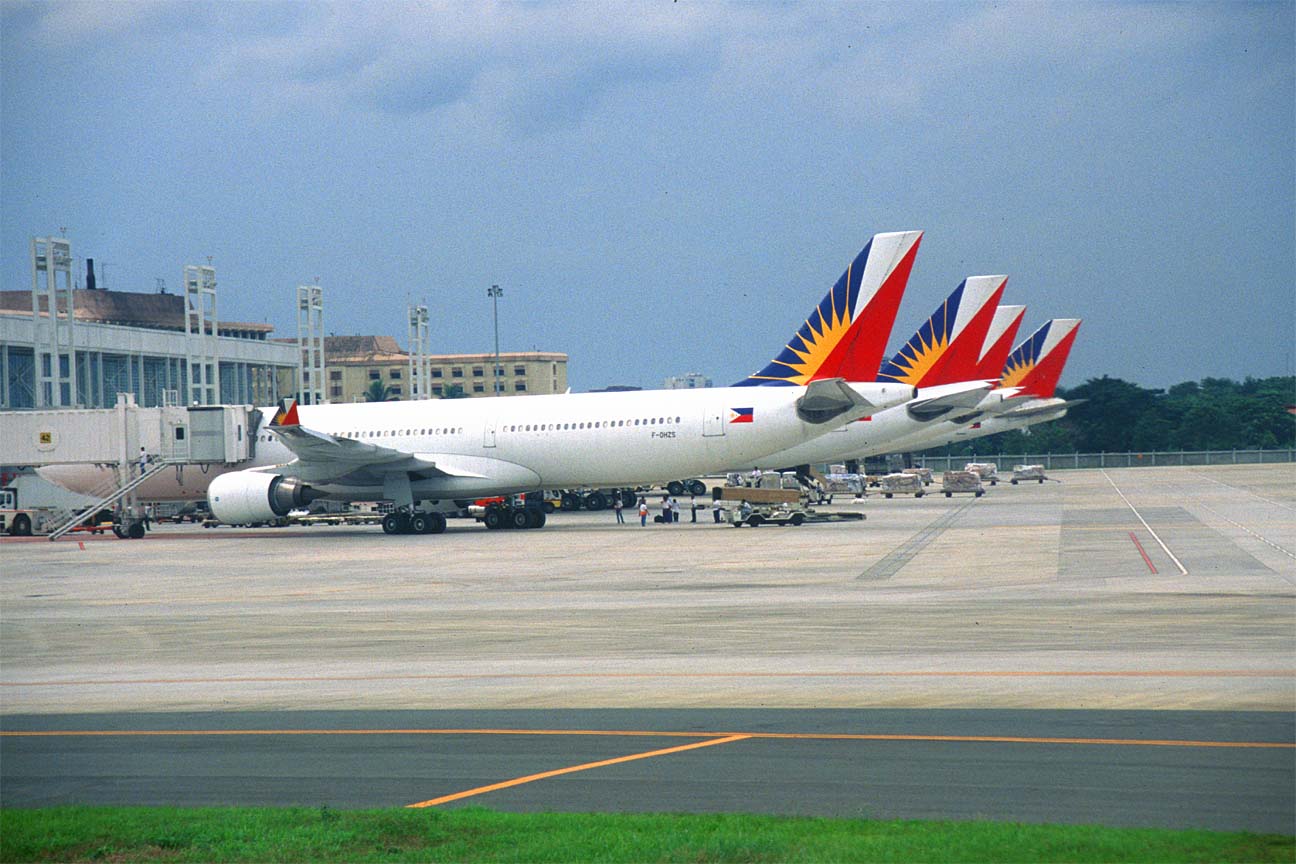
    When Philippine President Rodrigo Duterte pursued closer foreign relations with China, he helped attract planeloads of Chinese tourists to the Southeast Asian nation. Now, the coronavirus outbreak is reversing the trend, much to the chagrin of airline companies.

    Budget carrier Cebu Pacific has put its expansion plans into the Chinese market on hold after the Covid-19 disease triggered the biggest health scare in the region since the Sars (severe acute respiratory syndrome) outbreak in 2003. Cebu Pacific and Philippine Airlines have both canceled all China-related flights until the end of March, and both stocks have taken a beating along the way.

    The country has reported three infection cases, and recorded the first death outside China on February 2. After that, Duterte imposed a sweeping ban on travels to and from mainland China, Hong Kong and Macau to protect the country in one of the most drastic reactions by regional governments. Approvals for visas on arrival have also been tightened.

    “Traveller volumes on China-Philippines routes have fallen,” said Jose Enrique Perez De Tagle, vice-president of corporate communications at PAL Holdings, which owns Philippine Airlines. Mainland Chinese account for about 10 percent of its global passengers, he added.

    Global travel restrictions on Chinese travelers as airlines cut flights to mainland
    15 Feb 2020

    Since Duterte won the presidential election in June 2016, the combative president has embraced closer ties with Beijing despite territorial disputes in the South China Sea. He has also distanced the country from the US, including a decision last week to end the Visiting Forces Agreement, a 21-year pact that allowed US troops to be based in the country for bilateral exercises.

    Mainland Chinese tourists have since become the nation’s second-largest source of tourist arrivals in the Philippines, according to government data. They made up more than one-fifth of the 7.5 million arrivals in the first 11 months of last year, versus 9.1 percent in 2013.

    The Philippines received 1.26 million Chinese tourists in 2018 versus 491,000 in 2015, according to Colliers, citing government data. They spent US$1,130 per person on average, boosting the retail and tourism sectors. In January to November last year, arrivals jumped 40 percent year-on-year, faster than the national average of 10-15 percent, Colliers said.

    Ending Philippines-US military pact will affect South China Sea disputes: analysts
    16 Feb 2020

    The coronavirus outbreak has claimed more than 1,800 lives and infected more than 71,000 people worldwide, mostly in mainland China.

    Before the outbreak, which originated in Wuhan, local carriers were emboldened by the surge in Chinese visitors to consider adding more routes in China to take advantage of the growth.

  • Vietnam IT recruiting firm raises million dollars from South Korean investor

    Vietnam IT recruiting firm raises million dollars from South Korean investor

    IT recruitment firm TopDev has secured a million-dollar investment from South Korea’s leading recruitment company Saramin HR.

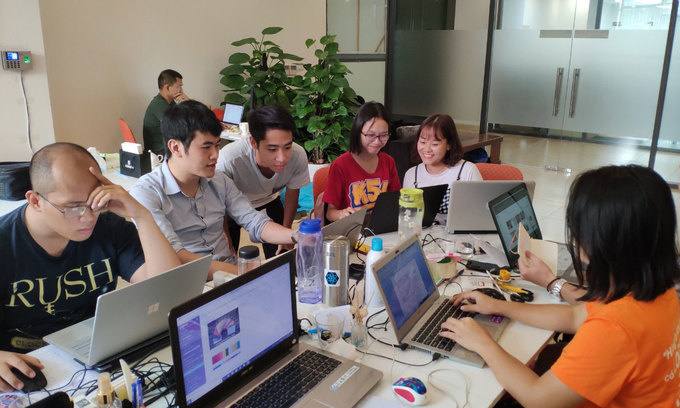
    The Ho Chi Minh City-based company said in a statement Monday that the deal, whose exact value it did not reveal, would be used to increase the supply of developers through training programs for graduates.

    Saramin HR, which is listed on South Korea’s KOSDAQ, said the investment is part of its global development plan and would support TopDev’s potential expansion in Southeast Asia.

    TopDev said Vietnam has 350,000-400,000 developers now but 500,000 would be needed by 2021 as the country remains a popular outsourcing software destination for multinationals.

    Vietnam is seeing increasing investment in tech startups.

    Last year the total investment in Vietnamese tech startups surged 2.5 times to $741 million, second only to Indonesia in Southeast Asia.

  • Malaysian retailers hit by coronavirus

    Malaysian retailers hit by coronavirus

    Malaysian retailers operating in tourist zones have seen sales plunge in the wake of the coronavirus outbreak.

    Locally headquartered leathergoods retailer Bonia says sales have fallen by as much as 77 percent in one location and were down overall as fewer Chinese traveled to Malaysia and locals avoided crowded locations to reduce their exposure to the virus.

    Besides its own brand, Bonia also operates stores under the Braun Buffel, Sembonia, Renoma and Valentino Rudy banners.

    Aa Bonia spokesperson said sales had dropped 30 percent overall in the first 17 days of February, the peak, so far, of the virus outbreak.

    “Our Genting Highlands outlet has been tremendously affected,” he said. “The key factor is Covid-19, which has made tourist numbers decline, while local consumers are shying away from crowded malls during their weekend outings.”

    Sales at the Genting Highlands store were down 77 percent and at the Pavilion shopping center in Kuala Lumpur by 35 percent, year on year.

    Stores in Johor Bahru and Penang have also been hit.

    Another retailer, Corn In a Cup, has experienced a drop in sales of between 15 and 40 percent, with the worst-affected store the one at Zoo Negara, where daily sales usually run from 200 to 300.

    “We have been operating at the zoo for over 10 years,” he told The Edge. “Never before in history have we only sold one cup of corn in a day.”

  • Global franchise operators eye Thai growth

    Global franchise operators eye Thai growth

    Franchise brands from the US, France and China are eyeing opportunities in Thailand which has become a strong drawcard for offshore companies, according to consultants.

    Southeast Asian specialist VF Franchise Consulting is holding a franchise-business matching event in Bangkok next week, with local partner Gnosis which has drawn businesses keen to establish a presence in Thailand.

    Among the companies participating who are seeking local partners are retailers Ace Hardware, Delifrance and Little Caesars. Others include technology-focused language education company Qooco and Scholastic World of English.

    “Thailand continues to be of strong interest from our clients,” said Sean T Ngo, CEO of VF Franchise Consulting. “Whether it is food and beverage, education, retail, fashion or services, all of these sectors are attractive in the Thai market.”

    Ngo says the key to succeeding in Thailand’s ultra-competitive market is offering clear and sustainable value and differentiation.

    “We believe the brands that we are taking to Thailand fit that extremely well as they are all leaders in their respective franchise segments.”

    On February 25 in Bangkok, some of the franchisor executives from the brands will meet one-on-one with invited franchisees and investors.

    US-based Little Caesars Pizza is the world’s third-largest pizza franchise and now operates in 26 countries, including Singapore and the Philippines.

    Delifrance is the world’s largest French bakery and cafe chain and has more than 400 stores serving millions of customers in 15 countries across the globe.

    Ace Hardware is the largest home-improvement franchise in the world with more than 5300 stores worldwide, including more than 200 stores in the Philippines and nearly 200 stores in Indonesia.

  • Cebu Pacific, PAL to resume Taiwan flights after travel ban lifting

    Cebu Pacific, PAL to resume Taiwan flights after travel ban lifting

    Two local airlines will again mount flights to and from Taiwan after the government lifted the travel ban on the territory.

    Cebu Pacific flights will resume February 17.

    In an advisory, the airline will have one flight from Manila on Monday and only arrival flights from Taiwan beginning February 18.

    On February 21, there will be two flights from Manila and two from Taiwan.

    “We are notifying passengers both on those flights on the resumption of scheduled flights starting Monday,” said Cebu Pacific spokesperson Charo Logarta- Lagamon in a phone patch interview.

    Lagamon said the airline has carried out safety measures since the coronavirus disease (COVID-19) outbreak.

    “Ever since the situation with the COVID-19 broke out, we have implemented precautionary measures — disinfection of aircraft, measures for personnel — and we try as best as we could to keep them in place all through these weeks,” she said.

    Meanwhile, Philippine Airlines announced in an advisory that Taiwan flights will begin February 21. Trips will initially be four times weekly — Monday, Wednesday, Friday, and Sunday — until February 29.

    Daily flights will resume March 1.

    “Passengers originally confirmed on canceled MNL-TPE and TPE-MNL flights now have the opportunity to book on the restored PR890 and PR891 flights,” said PAL.

    Presidential spokesperson Salvador Panelo earlier said that the Inter-Agency Task Force for the Management of Emerging Infectious Diseases lifted the travel restriction given Taiwan’s strict security protocols against the COVID-19.