Category: General

Retail News Asia is committed to providing both local and global retailers with the latest General Retail news throughout the Asian market. This on a daily base.

  • Coronavirus may fundamentally change retail across South East Asia

    Coronavirus may fundamentally change retail across South East Asia

    The coronavirus is driving many Asian consumers to shop online – and it could mark the early stages of a long-term fundamental shift in the region’s retail industry.

    As the virus continues to spread, especially in Mainland China, physical retailers are being forced to shutter stores – either by local-government decree or due to a lack of available staff or customers to make trading viable.

    But as the crisis nears entering its second month, consumers still need supplies and many are going online.

    Hong Kong online portal HKTV Mall, has revealed the average number of daily orders on its site last month was 22,400 – up 64.7 percent on January last year and nearly 20 percent on December.

    HKTV Mall’s average daily gross merchandise volume last month was $10.9 million, up 49.3 percent on the same time a year ago, when it was $7.3 million.

    February figures are expected to be higher still with the growth momentum extending into this month and the fact the virus really only began to impact retailers during the second half of January.

    ‘Long-lasting effects’

    Pascal Martin and Veronica Wang, partners at OC&C believe the coronavirus outbreak may have long-lasting effects on the retail industry, especially on the mainland.

    “By forcing many consumers to try grocery shopping online for the first time and to experience the convenience of it, is accelerating the adoption of this channel – providing a structural boost to the growth outlook of new retail grocers like Alibaba supermarket, Hema and JD’s 7Fresh – and at the same time accelerating the relative decline of traditional players,” the pair said in an email to Inside Retail Asia.

    “And once grocery-shopping shifts to online, the entire retail sector may move online at an even faster pace than before, because grocery is the category that requires the most frequent shopping transactions and therefore fundamentally shapes consumer behavior.”

    Their predictions are supported by S&P Global Ratings in a research note issued this week which likened the current shift online to the similar Sars outbreak back in 2003 which was widely credited with kick-starting China’s e-commerce market. S&P said coronavirus would “further the long-term structural shift” to an online economy, according to an AFP report.

    The move to online is not only affecting purchases of essential supplies. Gift Flowers HK, an online florist, has reported Valentine’s Day orders are up by 20 percent this year.

    “Hong Kong has always been slow in shopping online and the events in the past eight months has really shifted people away from brick and mortar stores to online,” said founder Justin Chung.

    Since June, conventional florists have suffered declining sales due to the social unrest, a situation made far worse by the arrival of coronavirus.

    Logistics challenge

    The challenge for online players is delivering products at a time when many people are effectively self quarantining at home to avoid catching the virus. Logistics has become a major headache along with the sourcing of some goods given border restrictions between Mainland China and other territories.

    As of yesterday, HKTV Mall raised the delivery threshold for orders until the end of the month from HK$350 for VIP members and $500 for general members to $800. A delivery fee of $80 (previously $40) will be charged if the total bill fails to fulfill the free-delivery threshold.

    “In addition to this, we are working with our merchant partners to have their stores become our order pick-up points,” said Jessie Cheng, a spokesperson for HKTV mall.

    “As for issues getting products into stock from across the border, we do encounter this issue and the operations of some factories and warehouses are suspended at the moment.”

    There is a broader challenge evident for regional trade, with an increasing number of reports of export orders being canceled due to cross-border logistical challenges and falling sales in restaurants and physical retail stores. New Zealanders were told this week they may expect lower beef and lamb prices in supermarkets as export orders were canceled or cut back. And in the north of Vietnam, there are reports of fresh produce shipments unable to be shipped across the border into China, resulting in appeals for local consumers to buy products to support struggling local growers.

    Restaurant impact

    The impact of coronavirus is clearly being felt across Asia, not just in Greater China. In Singapore yesterday, the Restaurant Association of Singapore said it had written to 24 major retail landlords in the city-state seeking temporary rent reductions for food-and-beverage outlets.

    Some restaurateurs are fearing a reduction in sales of as much as 80 percent during the next three months due to a downturn in inbound tourism (especially from Mainland China) and a teen by locals to reduce going out.

    “Looking at the situation right now, we are hoping at least 50-per-cent rental rebate for the first three months,” RAS president Vincent Tan was quoted by Channel News Asia.

    Tan, MD of foodservice company Select Group, says with rent and wages comprising more than half a typical Singapore restaurant operator’s costs, relief is urgently needed, especially when margins were as tight as 1.7 percent before the virus broke out.

    “If your sales drop by 50 per cent and your margin is about 1.7 percent, you just imagine how difficult we are at this moment,” he said.

    In Thailand, inbound tourism arrivals are expected to decline by between 50 and 60 percent during the next three months as outbound tour groups are banned from leaving Mainland China and most international airlines have canceled or curtailed services to almost all mainland airports.

    HKTV Mall to boost resources

    Meanwhile, HKTV Mall is introducing changes behind the scenes to smooth the ordering and delivery process after customers experienced long loading times and difficulties in checking-out during peak times last month.

    The company will launch a separate “purchase by invitation” platform to direct the heavy user traffic flow on popular products, such as personal health items, away from the main HKTV Mall platform. Customers will need to pre-register for each popular product offered at this new platform and based on the available stock level, a unique code will be allocated on a random basis for inputting to HKTV Mall for purchase.

    The group is working on adding staff and work shifts, strengthening the partnership with existing merchants and recruiting new ones.

    It will also partner with retail chain stores to expand its order pick-up network so as to increase the geographic convenience and available pick-up time slots for customers. At the moment, the Group has already added seven pick-up points from Foodwise, one of its existing merchant partners.

    HKTV Mall will also expand its delivery fleet capacity by increasing outsourced logistics resources, including third-party logistics companies and individuals, to increase the door-to-door fulfillment capacity and thus reduce delivery lead times.
  • Cebu Pacific extends sustainable tourism campaign to Bohol

    Cebu Pacific extends sustainable tourism campaign to Bohol

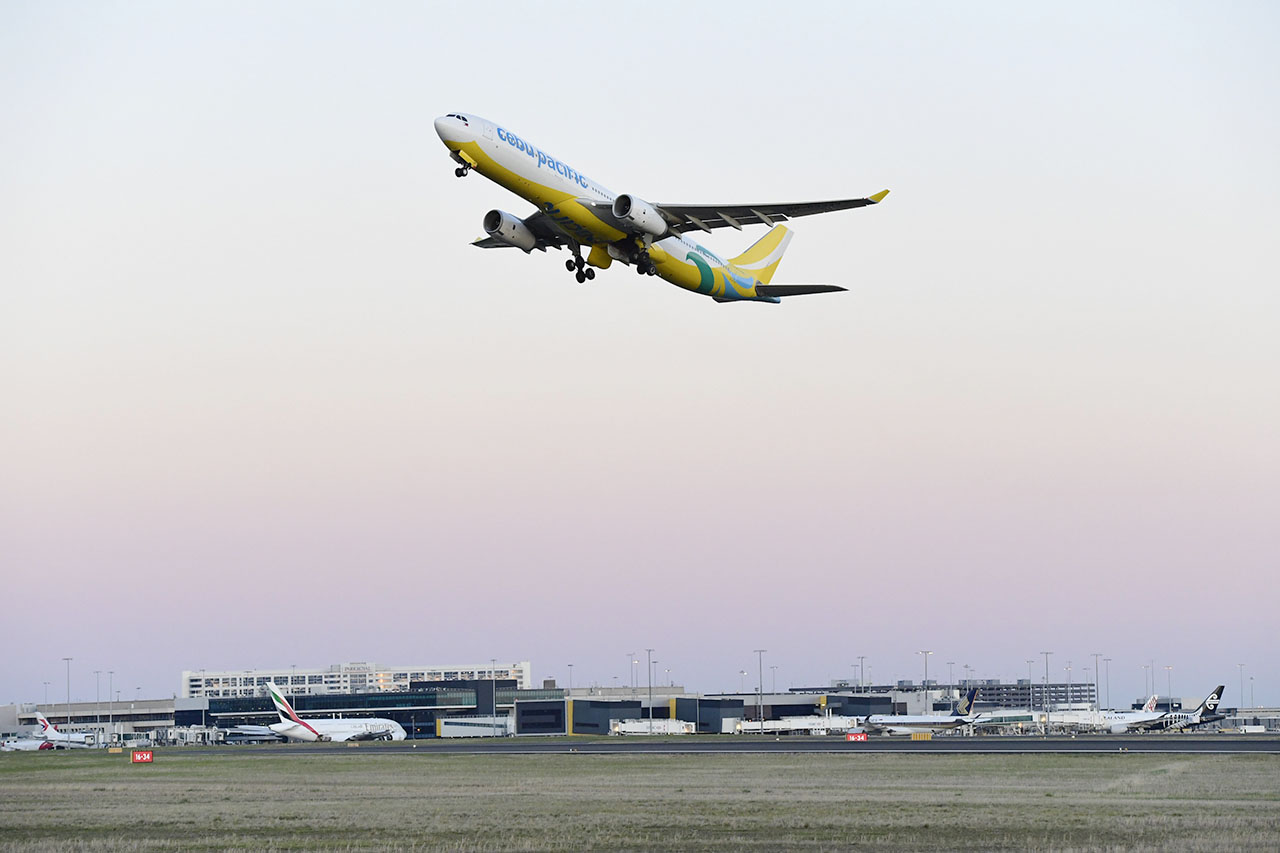
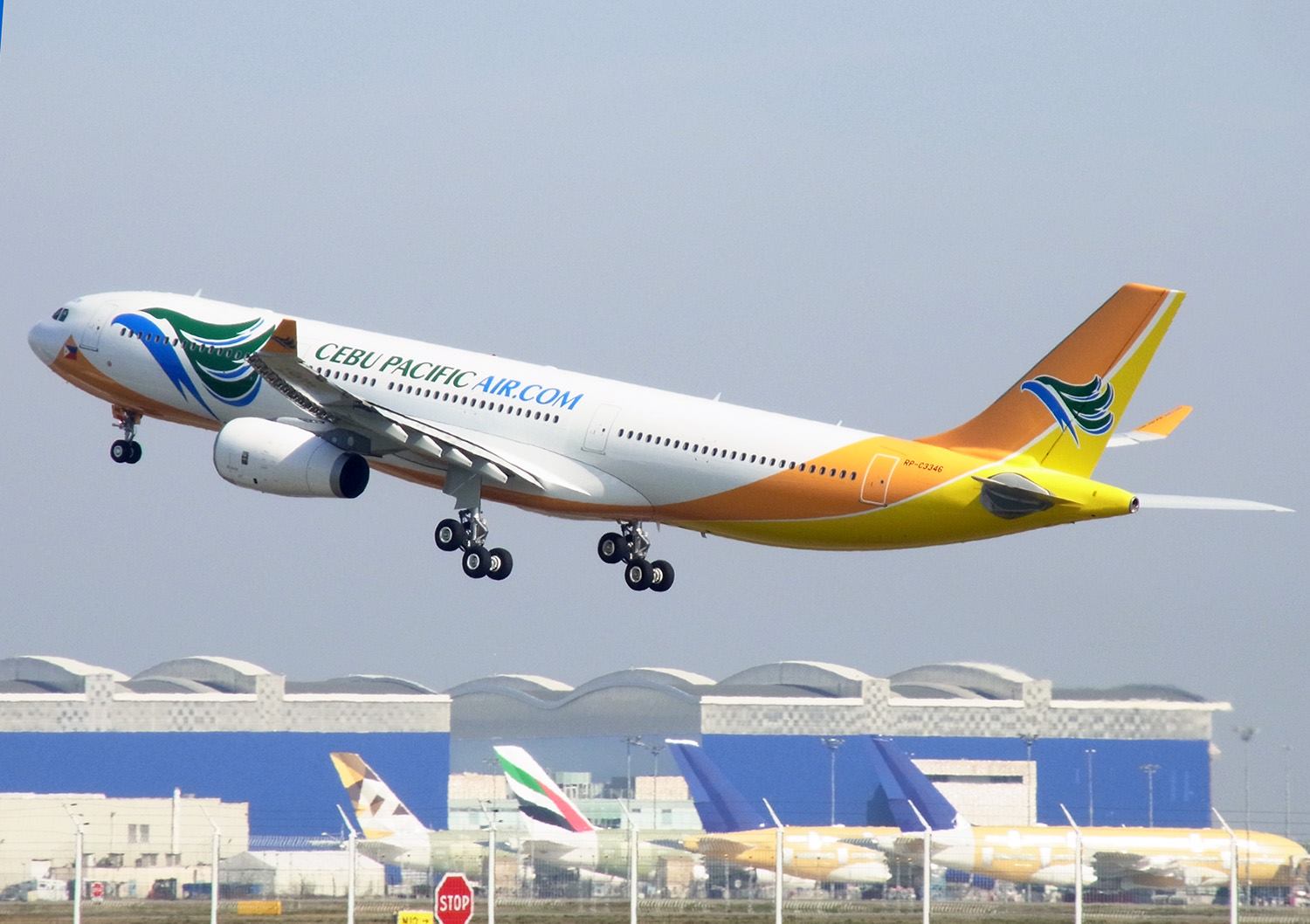
    Cebu Pacific (CEB), the Philippines’ largest carrier—and one of the largest in the region— has extended its ‘Juan Effect’ sustainable tourism program. After roll-outs in Siargao and in Boracay, Bohol will be adopted as a Juan Effect destination with interventions put in place to support its sustainable tourism practices.

    Bohol was chosen as the next destination as it is one of the Philippines’ and the airline’s most popular destinations, has welcomed close to 1.5 million tourists in 2018, according to the Provincial Planning and Development Office.

    Juan Effect Bohol will launch with an information campaign through signages installed in Bohol’s most popular tourist attractions, including the Chocolate Hills, the Tarsier Sanctuary, and the Loboc River Cruise. These multi-lingual signages, made out of recycled wood, carry reminders of simple things to do or behaviors to observe while visiting these attractions.

    “It is important to strike a balance between growing the tourism industry and preserving the very assets that attract tourists,” said Candice Iyog, vice president for marketing and customer experience at Cebu Pacific. “Bohol has seen its tourist arrivals grow in the past year. We are adopting it as a Juan Effect site to do our part in reminding our travelers to conserve its ecological and cultural treasures.”

    In partnership with the Department of Tourism (DOT), the multi-sectoral sustainable tourism program is also supported by the Department of Environment and Natural Resources, as well as the Department of Interior and Local Government. The advocacy engages the local community, the government and tourism stakeholders, in educating travelers about their responsibilities as tourists.

  • Don Don Donki to open in Guam

    Don Don Donki to open in Guam

    Pan Pacific plans to open the world’s largest Don Don Donki in Guam next year.

    Construction of the 270,000sqft store has already commenced with a ground-breaking ceremony in the suburb of Tamuning.

    Don Don Donki founder Takao Yasuda said that after three years of studying the market he believes Guam is an ideal location for Don Don Donki’s first store in Micronesia. The new store will be located on the corner of Marine Corps Drive and Airport Road.

    “It’s a very ideal place for a local store as it is very close to the airport and very close to the main (villages) of Guam,” he said.

    The project’s retail space will be 160,000sqft, featuring a wide selection of grocery items and in-house restaurants and eating areas. Sumitomo Mitsui Construction Co is the project’s main contractor.

    “I’m confident that Guam will go far as a huge commercial domain in the future,” Yasuda said.

  • Yahoo! Hong Kong quits online commerce space

    Yahoo! Hong Kong quits online commerce space

    Yahoo! Hong Kong is to close its commercial operations, including Yahoo! Auctions, Yahoo! Store, and Yahoo! Group Buy.

    The company posted a message in Chinese on its website yesterday, announcing the move.

    Yahoo! Hong Kong said the decision reflected a “strategic directional change” and said new shopping experiences will come.

    Citing “fierce competition”, the platform will suspend buying and selling features on March 24 and close on May 31. Until then, transaction history, past communications and other relevant data can be downloaded for users.

    The peer-to-peer marketplace Yahoo! Auction has been running for more than 20 years, and was considered a pioneer of Hong Kong’s e-commerce scene by many. Throughout the decades, several Yahoo! Auctions marketplaces have been terminated around the world, but the concept found success in Hong Kong, Japan and Taiwan, until now. Only the latter two will continue to operate for now.

  • Japan Airlines accelerates its retail transformationthrough NDC with Amadeus

    Japan Airlines accelerates its retail transformationthrough NDC with Amadeus

    Japan Airlines (JAL) is powering its ongoing retail transformation following the recent move by the airline to deepen its strategic distribution partnership, with Amadeus becoming the airline’s recommended distribution partner for travel agents in Japan.

    The implementation of Amadeus Altéa NDC  will be helping JAL enhance the retailing and servicing of its offers across channels, ensuring consistent brand delivery at scale.

    JAL will be integrating its NDC contents into the Amadeus Travel Platform for distribution using Amadeus NDC Connect, which is a solution specifically designed for Altéa airlines to make their NDC content seamlessly available for travel sellers worldwide.

    For Amadeus travel sellers this means that JAL’s NDC content will soon be available through the Amadeus Travel Platform through an NDC connectivity, ensuring operational continuity and access to a wide range of JAL’s content.

    “New technology such as NDC will enrich our customers’ experience and support the long-term digital transformation strategy of JAL. We are aiming to differentiate our travel offers based on value rather than just price,” says Yoriyuki Kashiwagi, Executive Officer, Managing Division Passenger Sales, Japan Airlines Co. Ltd.

    Cyril Tetaz, Executive Vice President, Airlines, Asia Pacific, Amadeus says: “We believe that it is key for airlines to open up innovative and exciting cross-channel retailing opportunities. Airlines are on a digital transformation journey and NDC is one of the ways they can improve their retailing capabilities. By implementing Amadeus NDC connect, Japan Airlines will be able to work in an agile and simple manner to support its long-term digital innovation strategy to effectively distribute NDC.”

    JAL is to be one of the airline partners in Amadeus’ NDC [X] program – a program to bring all the NDC activities across Amadeus under one roof. Currently, 25+ travel sellers and 16 airlines are a part of the program.  Amadeus is committed to make NDC work at scale across all channels, direct and intermediated; to ensure airlines can distribute their content easily through the channels of their choosing, and that travel sellers can compare, book and service that all content side by side regardless of source.

    As part of Amadeus’ commitment to making NDC a reality, Amadeus has continually been progressing in achieving the IATA certifications on its NDC capabilities and has obtained dual Level 4 certification as both a distributor and an IT provider.

  • Global brands continue to shutter stores across China as coronavirus spreads

    Global brands continue to shutter stores across China as coronavirus spreads

    Widespread temporary store closures continue across China as the coronavirus continues to spread throughout the country.

    Officially, China’s New Year holiday – extended by the government for a week to help reduce the spread of the virus – ended yesterday, but office staff was encouraged to work from home.

    Tech giant Apple said on Friday it hoped to reopen corporate offices and contact centers later this week, but the closure of its physical stores would continue indefinitely.

    As at 10am ICT on Tuesday, February 11, 43,108 cases of coronavirus had been confirmed, and 1018 fatalities, almost all of those in Mainland China. However, in an encouraging sign, 4048 people had been confirmed as recovered. The mortality rate has edged up slightly to 2.3 percent with most deaths due to underlying respiratory conditions or pneumonia.

    Brands across fashion, technology and almost every other non-essential retail category continued to shutter stores on the mainland.

    VF Corporation, which owns Timberland, Vans, The North Face and Dickies, says 60 percent of its outlets in Mainland China are closed and those still open have seen “significant declines in retail traffic.”

    Muji and Uniqlo have shut about half of their store networks.

    Japanese makeup company Shiseido estimates its China sales were down 55 percent over Lunar New Year, traditionally a peak selling period. Sales to foreign tourists through Japanese retail outlets were down by 40 percent. The company has launched the Relay of Love Project, “in the hope that everyone affected may return to health and safety as soon as possible”.

    In addition to 1 million CNY (US$143,000) already donated to the Charity Federation of Wuhan, Shiseido will donate a further 10 million CNY ($1.43 million) to the Shanghai Charity Foundation and 1 percent of sales from Asian markets will be reserved for other assistance.

    UK luxury-fashion label Burberry has closed 24 of its 64 stores in China and says those still trading – under reduced hours – have experienced “significant footfall declines”.

    The parent of Kate Spade, Coach and Stuart Weitzman, Tapestry, says it has closed the majority of its stores in China.

    Capri Holdings says that about 150 of its 250 stores trading under the Michael Kors, Versace and Jimmy Choo banners are closed.

  • Strategy Cebu Pacific expects up to $79 million hit from coronavirus

    Strategy Cebu Pacific expects up to $79 million hit from coronavirus

    Cebu Pacific expects the coronavirus outbreak to impact its bottom line by up to Ps4 billion ($79 million).

    The low-cost carrier estimates that it will see “a Ps3-4 billion swing on profit” should the outbreak remain unabated over the next six months.

    It makes this estimate based on 2003’s Severe Acute Respiratory Syndrome (SARS) outbreak, which curtailed demand for air travel for six months.

    The carrier has canceled flights to China until 29 March, while reducing frequencies to Hong Kong and Macau. Meanwhile, compatriot Philippine Airlines and Philippines AirAsia have suspended flights to China, Hong Kong and Macau.

    Cebu Pacific stressed that the Ps4 billion figure is provided against “the context of its 2020 profit outlook,” especially since it posted operating profit of Ps8.9 billion in the first half of 2019.

    In its statement to the Philippines Stock Exchange, it confirmed remarks by its chief executive Lance Gokongwei that the impact of the coronavirus remains difficult to forecast as “the situation continues to evolve.”

    “We can’t forecast because the situation is escalating so fast,” Gokongwei was quoted as saying in a 2 February report on The Philippine Star.

    “We just had an update regarding [the eruption of] Taal volcano three weeks ago and then now, there’s a change in forecast. People don’t want to travel.”

  • Harvey Nichols in Hong Kong thinks smaller to grow bigger

    Harvey Nichols in Hong Kong thinks smaller to grow bigger

    arvey Nichols in Hong Kong has unveiled a retail concept it believes will win favour from online shoppers and enhance the customer experience of those who want to shop in a brick-and-mortar store.

    With flagship stores from international brands and pure-play online retailers making life tough for department stores all over the world, Harvey Nichols, with stores in the UK, Middle East, Turkey and Hong Kong, has not been immune to the trend.

    “We see the retail landscape changing alot in the sense that online you have very strong competition from the pure-play retailers who were obviously extremely aggressive, and a lot of them very successful now and engaging customers, especially younger ones,” explains Pearson Poon, son of Dickson Concepts founder Sir Dickson Poon, and executive director of Harvey Nichols.

    “We really believe customers will not shop only online, and that the [physical] store is still very important.”

    But he accepts that stores have to change a lot to meet the challenge. “In the past, maybe a lot of department stores could rely on a few brands, stock only those and the customers would come because of that. But in today’s world, that strategy is quite difficult. A lot of the major designer brands have very big flagship stores now. So, if you’re a customer looking for a specific brand, probably the best place to go is a huge flagship store where you can have the biggest offering from that particular brand, and have someone knowledgeable about the brand serving you.

    “So, we really felt that we needed to have a store that customers would come to not just because they’re looking for a particular brand, but because they really enjoy the experience of coming. And because of the product offer.”

    That summarises the philosophy behind the new Pacific Place concept store for Harvey Nichols in Hong Kong, designed by Studio Four IV and created “to optimize the synergies between our online and offline platforms,” explains Poon.

    Most department stores nowadays have both an online platform and physical stores. Normally the product range across both are identical or at least extremely similar. But the overlap between the new Harvey Nichols store’s stock and the retailer’s online range is just 10 percent.

    “As a result of all this, we’re essentially able to reduce our physical space by half, to 40,000sqft, but at the same time, triple the number of products we can show to our customers,” explains Poon. “We really focused the store on discovery and exploration.

    “We think this is a much more interesting and fun way to shop. And we think it’s the first of its kind, certainly in Hong Kong and probably elsewhere in the world in terms of how we’re showing the online products and the offline products within one space and really making that the heart of the store.

    “Online, we focus on our international offering and inside the stores, we focus on a lot of new emerging brands and local offerings.” Those include upcoming Japanese and South Korea brands yet to establish the sort of top-of-mind brand recall which would enable them to sell in high volumes online.

    Interactive screens

    So how do you lure visitors into a physical store to peruse a vast online catalog in an engaging and relaxed manner?

    Digital screens are key at the new Harvey Nichols in Hong Kong store at Pacific Place. It begins outside where an interactive screen is built into the shop window allowing customers to browse products online.

    “You can click on any product that you see on the touch screen and then a model wearing that product will show on a screen right away. So even before the customer enters the store we really hope to engage them.”

    It is what Poon describes as “cross category”. Shoppers can assemble a complete outfit if they wish, including top, skirt, shoes and handbags and see them all together.

    That screen solution is replicated in store where one of the five or six stylists on duty can also recommend items that might match or suit the shopper, adding a more personal touch to the experience.

    Throughout the store, some racks have been replaced with screens, most of them around 50” because that size gives the closest simulation to the real size of the apparel. Using their phone, a customer can scan a product’s QR code from the screen and immediately see different angles of the item, along with details like the fabric composition, size and fit.

    Engagement drives conversion Poon says that in luxury goods, conversion rates are higher offline than online not only because shoppers can touch and feel the product in a store, but also because of a lack of service online.

    So the company is replicating the level of engagement in stores online. Several years ago in the UK, Harvey Nichols introduced a button on its website where shoppers could click to connect with a stylist from the Harvey Nichols store closest to them.

    “From that you can connect to the stylist directly, either via instant messaging, photo sharing, or even live-video streaming,” explains Poon. “So whether it’s face to face conversation or by text, you can communicate with the stylists and get the advice or recommendations that you need.

    “Since we launched that in the UK, we’ve seen that on average, when our customers first engage with one of our stylists they’re five times more likely to buy something, and they spend twice as much as they normally would.

    “And that doesn’t surprise me in the sense that a lot of the times when you have something that may be sold out in your size, customers may just think ‘okay, I’ll leave it’. But [at Harvey Nichols online] you can have someone help you by saying, ‘Oh, I know your size may be out of stock now, but I would recommend these other products that I think suits you even more or is similar. Whenever you have someone serving you … it gives you much more confidence. For a lot of our brands, when you look at it online, you may think, ‘oh, I don’t understand why that particular blazer may cost £1000 or £2000’. But when you have one of our stylists explaining the construction or the brand, it gives you much more understanding as to why that might cost so much.”

    With many Hongkongers working long hours during the day, it may not be convenient to visit a physical store, hence some shoppers head online instead.

    During the day, Hong Kong stylists will connect with customers online – but after 9pm, stylists based in the UK take over, ensuring service for as much of a 24-hour day as possible.

    “Through this, we’re really hoping to close the gap between online and offline in terms of service. And hopefully, this would create differentiation between our online platform versus all the other platforms out there and really give our customers that consistent experience that they would expect whether they’re shopping in the store or online,” says Poon.

    From early days – before the new store opened – Poon says a large proportion of customers were buying online and opting to collect in a store.

    “This is actually driving a lot of traffic to stores. There are a lot of synergies between the two channels. Sometimes when [customers] come in, they realise there are a lot of new interesting brands they haven’t seen before.

    And as a result, they become our store customers. And then … we will also have customers who only shop at the store suddenly learning about the online offer, and as a result also become online customers.

    “Once you drive a customer into the store, you have the chance to convert them and hopefully attract a lot of first-time visitors as well. I think that’s why, especially now, a lot of retailers are struggling to generate good, consistent traffic to their stores. It’s important to think about how you can leverage the online platforms to create traffic.”

    Designer focus

    Besides stocking traditional customer favourite brands such as Valentino and Bally, Harvey Nichols is using its physical stores to introduce new and emerging designers, many of them from Asia. Like menswear label Wooyoungmi, which Harvey Nichols was the first to expand across the region and beyond. “That is now one of our most successful menswear brands. When you have products like that, and customers come in and find something they have never seen before, that’s something they really like.”

    Customers are now shopping Harvey Nichols not because they are looking for a particular brand, but because they know that every time they come in, they can find something new.

    Going global

    The new Pacific Place format is a trial which, once fine-tuned, will be introduced elsewhere.

    “Before jumping into a big expansion spree straight away, we thought we would open this and take some time to gather customer feedback on it. Because we’ve never done something like this before, and we don’t think there are a lot of other retailers we can refer to.

    “We don’t have any particular country or geography in mind. But, for instance, we don’t have a store in Mainland China at the moment, or one in Japan. So I think once we have data from how the Pacific Place store is trading we will be in a position to see where else we should go internationally.”

    Meanwhile, while most of Harvey Nichols’ online business is currently coming from the UK, the company ships globally and solid growth is showing in purchases from Greater China and the US.

    “That gives us the confidence to continue to pursue growth for online. And I think what’s interesting about this is that, especially in new markets, where we may be lesser known for playing such a store would also create so much awareness about our online platform for that particular country.

    “I think the physical space is important. And even if you don’t have a physical space, I think the human interaction between a customer and a personal shopper or a stylist is important.”

    One decision the Harvey Nichols team planning the new concept made early on was that technology installed in the store must have a customer-friendly purpose – not just feature in store because it is new.

    “As part of planning the store, we evaluated many, many different pieces of technology and hardware. But ultimately what we have here is really based on what we think can deliver our proposition in the best way. There is a lot of tech out there that is very cold, that doesn’t really enrich the customer experience. And we don’t want to overwhelm the store with screens,” reflects Poon.

    “In today’s world of retail, with so many changes, we really need to make the physical store environment a very engaging and fun place to shop.

    Otherwise, it’s difficult to retain customers in a physical store environment.

    “The whole motivation behind this store is really building a format that we think is suitable for today’s retail world.”

  • AirAsia flight to bring Malaysians home lands in Wuhan

    AirAsia flight to bring Malaysians home lands in Wuhan

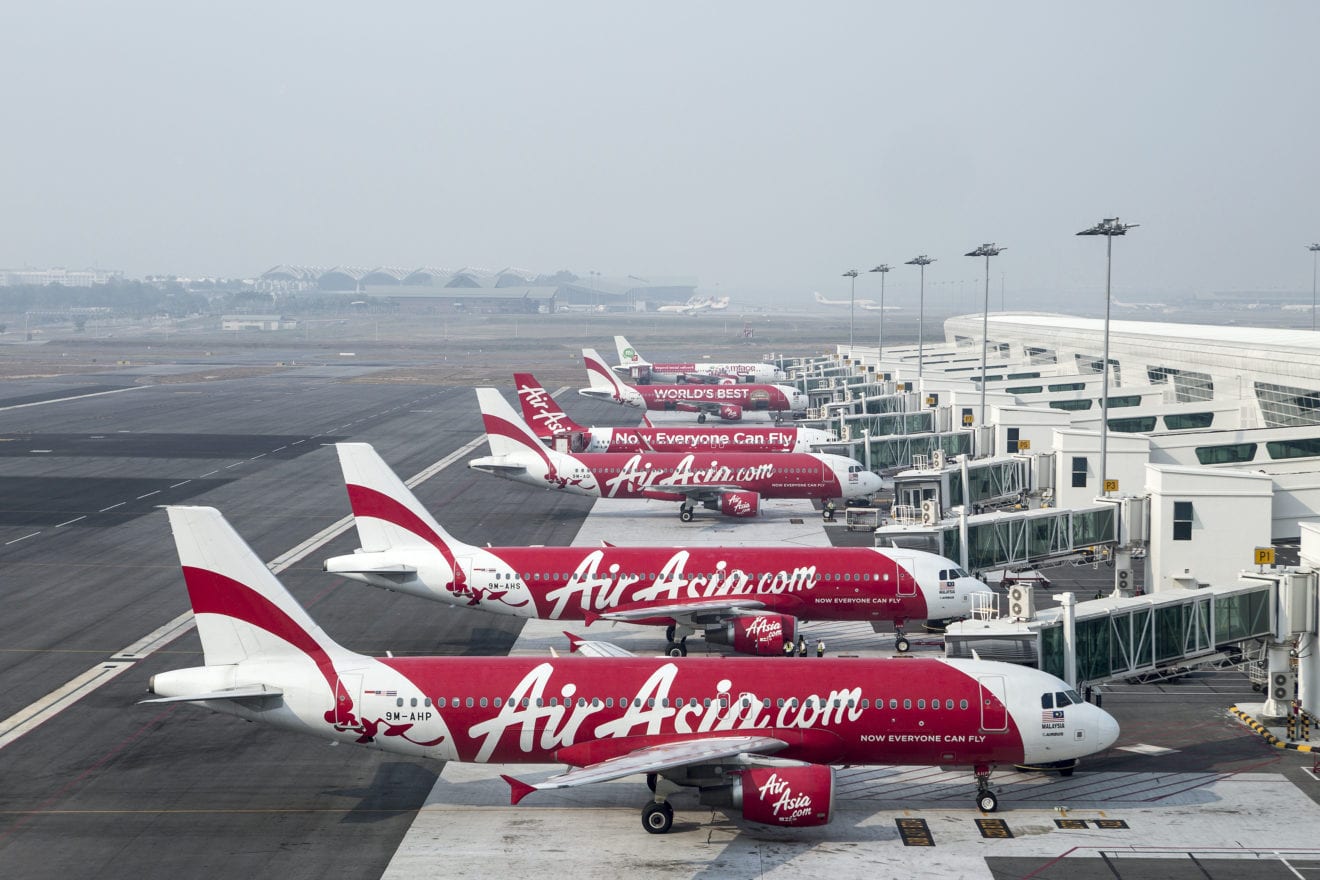
    The AirAsia aircraft sent to bring the 141 Malaysians in Wuhan and their families home has landed at the city’s airport.

    A flight-tracking website shows that AirAsia flight AK8264 landed at Wuhan Tianhe International Airport at 8.53 pm on Monday (Feb 3).

    It is expected to bring back the 141 Malaysians, their foreign spouses, and children stranded in Hubei province following the lockdown of Wuhan city – the epicenter of the novel coronavirus (2019-nCoV) outbreak.

    Wuhan has been locked down by the Chinese authorities due to the outbreak.

    The time of their departure has yet to be confirmed, and the plane – which is carrying 500,000 pairs of gloves for the Chinese as a gesture of the Malaysian Government – left KLIA2 at 3.50 pm on Monday.

    Earlier, Bernama reported that Deputy Prime Minister Datuk Seri Dr. Wan Azizah Wan Ismail said that all 141 Malaysian citizens, their spouses, and children would be required to go through a health screening in Wuhan before being allowed to board the plane back to Malaysia.

    The Central Disaster Management Committee chairman added that all 167 people on board (comprising 141 Malaysian citizens, their spouses and children, 12 crew, eight members of the mission and six officers from the Malaysian Embassy in Beijing) would go through another heath screening at the Air Disaster Unit (ADU) of the Kuala Lumpur International Airport (KLIA) when the flight returns.

    “Those found to have the symptoms will immediately be sent to a hospital, while others will be taken by bus to a monitoring center where they will be under observation for 14 days, ” she said.

    Wan Azizah also said that the National Disaster Management Agency (NADMA) will inform their families in Malaysia on the flight’s details, the health screening and the quarantine period.

  • South Korean convenience stores in delivery-service battle

    South Korean convenience stores in delivery-service battle

    Competition among South Korean convenience stores over delivery services is heating up.

    One chain, GS25, recently launched delivery services from seven stores in Seoul in partnership with food-delivery service Coupang Eats operated by e-commerce giant Coupang.

    First of all, the South Korean convenience store company plans to implement delivery services through Coupang Eats at seven stores in Seoul before expanding the scope of the service to franchise stores nationwide.

    Through the service, customers can receive about 200 products at home, including prepared lunches, sandwiches, and beverages that are being sold at convenience stores.

    Meanwhile, GS25 had already launched a delivery service for store products in cooperation with another delivery company, Yogiyo, in April of last year.

    It is running a pilot project at 10 direct management stores, and the service has been especially popular with workers during lunch and dinner time. In the nine months since the service was introduced, the monthly average number of orders reached 3000.

    Furthermore, CU, another convenience store chain, is also working with Yogiyo to provide delivery services at 3000 stores across the country.

    CU plans to increase the number of delivery service stores to 5000 within the first quarter and introduce around-the-clock delivery at some stores centered in the Gangnam area.

    Emart24, a convenience store chain run by large discount store chain E-Mart, on the other hand, has also joined the market by offering delivery services at 35 stores since earlier this year.

    South Korean convenience stores are scrambling to expand its delivery service area due to a growing number of customers accustomed to online orders and deliveries.

    The delivery service also serves as a growth engine in increasing sales at convenience stores. Additional sales are generated from deliveries, and the service is quite popular especially in rainy or cloudy weather.

    “We are planning to expand the number of stores that offer delivery services through various delivery platforms and partnerships to increase sales and secure customers,” a GS25 official said.

  • Tata mulls AirAsia India, Air India Express merger

    Tata mulls AirAsia India, Air India Express merger

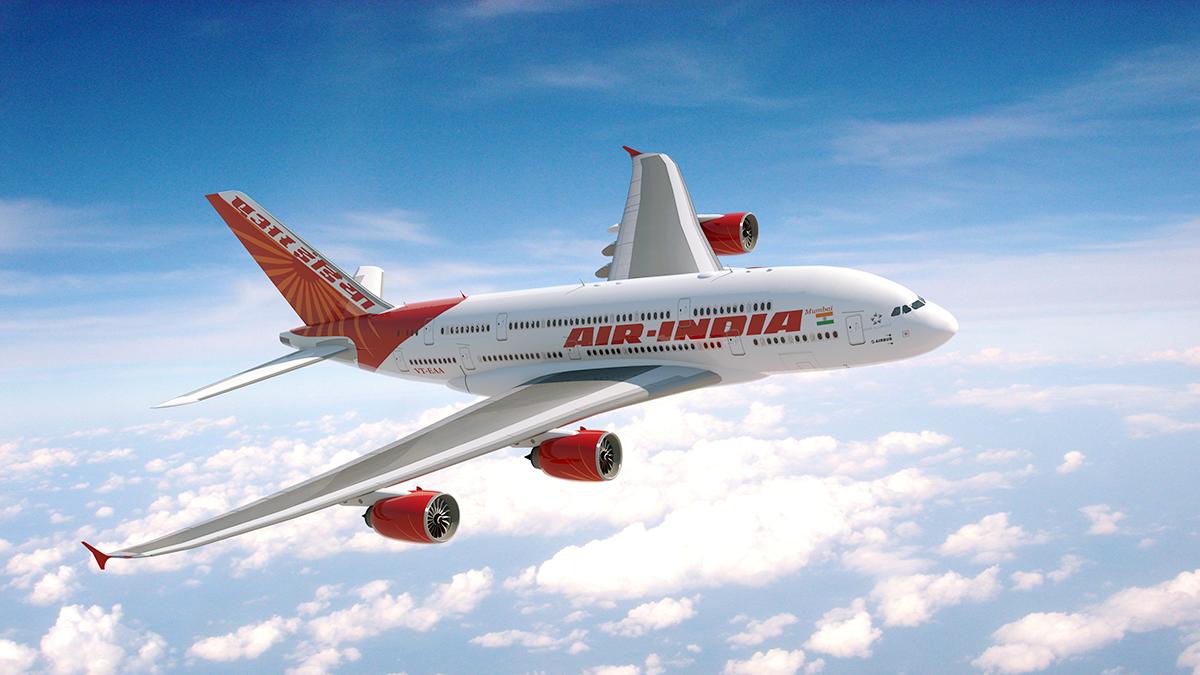
    Tata Sons may partner Singapore Airlines (SQ, Singapore Changi) in bidding for Air India, amid hopes it will merge its AirAsia India subsidiary with the flag carrier’s low-cost unit Air India Express, local media reported on February 4.

    The Indian conglomerate already operates Vistara as a 51/49 venture with Singapore Airlines. A combination of Air India and Vistara would give Tata Sons a monopoly in the country’s full-service market. The two partners have started working on a possible structure for such an acquisition, according to the reports.

    Tata also holds 51% of AirAsia India. It has approached Tony Fernandes of AirAsia Group, which holds the remaining 49% of AirAsia India, to gain his approval to acquire Air India Express, sources told the Times of India. This is because the two companies’ shareholders’ agreement stipulates that Tata cannot invest more than 10% in another budget carrier without Fernandes’ approval.

    “The merger would give Fernandes a bigger play in Indian aviation, so it’s a win-win for both partners,” a source said.

    A Tata-Singapore Airlines bid would be based on the understanding that the low-cost business would be run by Tata and Fernandes, another unnamed source told the Times of India, while the arrangement with SIA would only be for the full-service carrier.

    Tata Sons board member Natarajan Chandrasekaran recently told the newspaper that the group “will not run a third airline unless we merge”. However, on February 5, he told the Press Trust of India that it was still “too early” to make a decision about any kind of bid for Air India.

    Fernandes is currently the subject of an ongoing investigation by India’s law enforcement and economic intelligence agency, the Enforcement Directorate, for allegedly lobbying the government to secure overseas flight permits. Moreover, he resigned from his role as AirAsia Group CEO on February 3, ostensibly for two months, while the group conducts an “independent investigation” into the Airbus bribery scandal that erupted this week. Sources said that the cases against him could give Tata Sons second thoughts about any future deals.

    The final date to submit an expression of interest for Air India is March 17.

  • Vietnam Airlines to set up airframe maintenance company

    Vietnam Airlines to set up airframe maintenance company

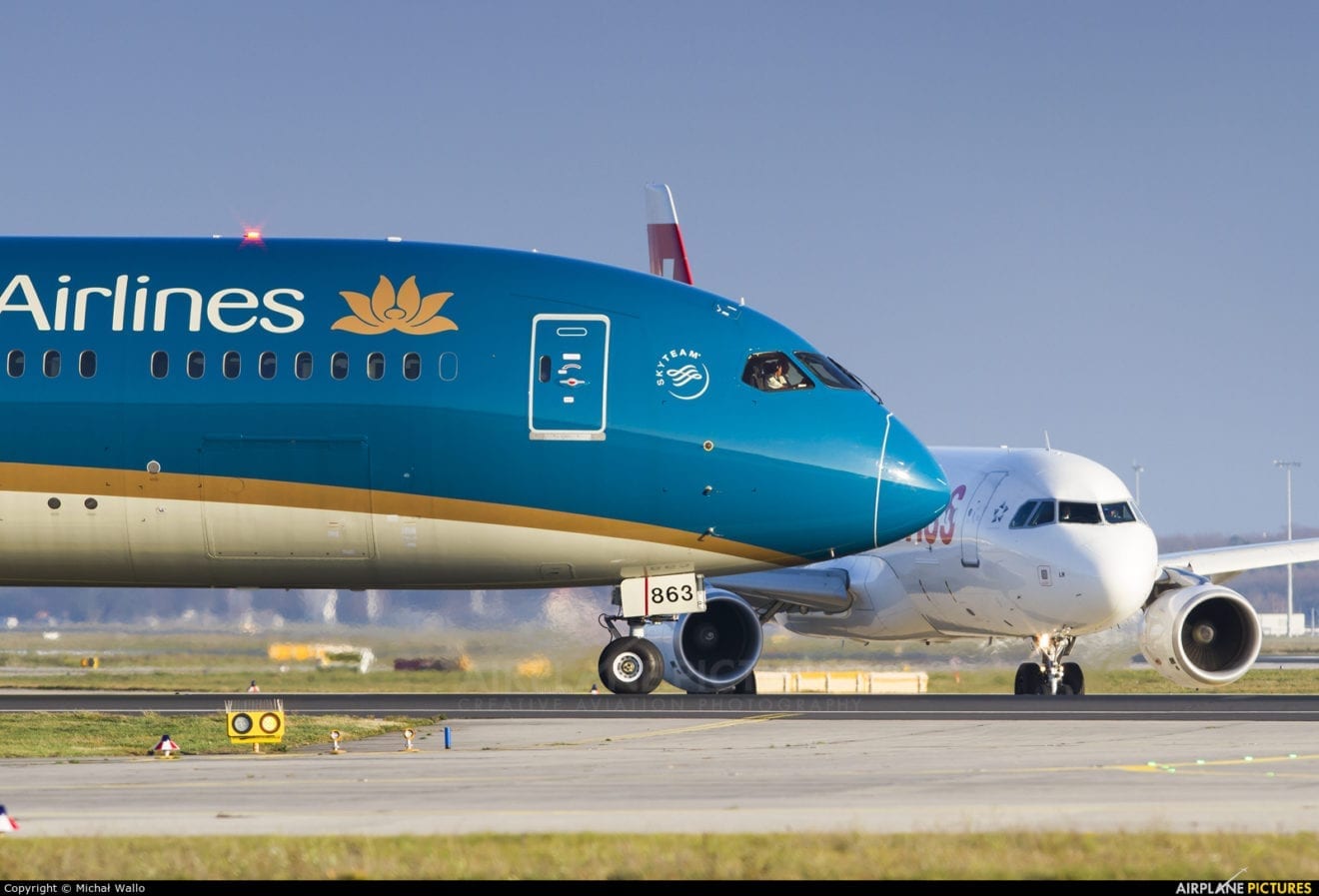
    Vietnam Airlines has inked an agreement with Singapore-based ST Engineering Aerospace (STEA) to explore a joint venture doing airframe maintenance work.

    The venture, to be set up using Vietnam Airlines facilities at Hanoi’s Noi Bai International Airport and HCMC’s Tan Son Nhat International Airport, would provide airframe maintenance, repair, and overhaul services to the national flag carrier and other airlines.

    “The establishment of a joint venture will bring more aircraft and added value to Vietnam. It will help to improve the technical level of the domestic aircraft maintenance industry as well as the competitiveness of the national airline,” said Vietnam Airlines CEO Duong Tri Thanh.

    This is the second partnership between Vietnam Airlines and ST Engineering, the parent company of STEA, which is one of the world’s largest aircraft maintenance companies.

    In September last year, Vietnam’s first aircraft components maintenance company, Vietnam Singapore Technologies Engineering Aerospace, was established as a joint venture between Vietnam Airlines and ST Engineering.

  • WhatsApp for iOS remains without dark mode

    WhatsApp for iOS remains without dark mode

    The iOS version of WhatsApp is one of the not so many popular apps that doesn’t have a dark theme yet. Facebook delayed the release of this long-awaited feature for so long that we were not even sure it was still coming or not.

    But it looks like Facebook does plan to add a dark mode to WhatsApp for iOS, it’s just that it takes the company a lot longer than anyone would have expected. Although we would have wanted this story to be about the new dark mode coming to WhatsApp, it’s not.

    However, if you have access to WhatsApp beta builds on your iPhone, you’ll be pleased to know that Facebook has started to test dark mode.

    This specific version of WhatsApp for iOS is only available through Apple’s TestFlight platform, and can only be tested on an iPhone. Also, the beta version will only be available for download to select testers.

    We have no idea how long it will take Facebook to bring dark theme to WhatsApp for iOS, but it shouldn’t be long now that the feature is ready for public testing.

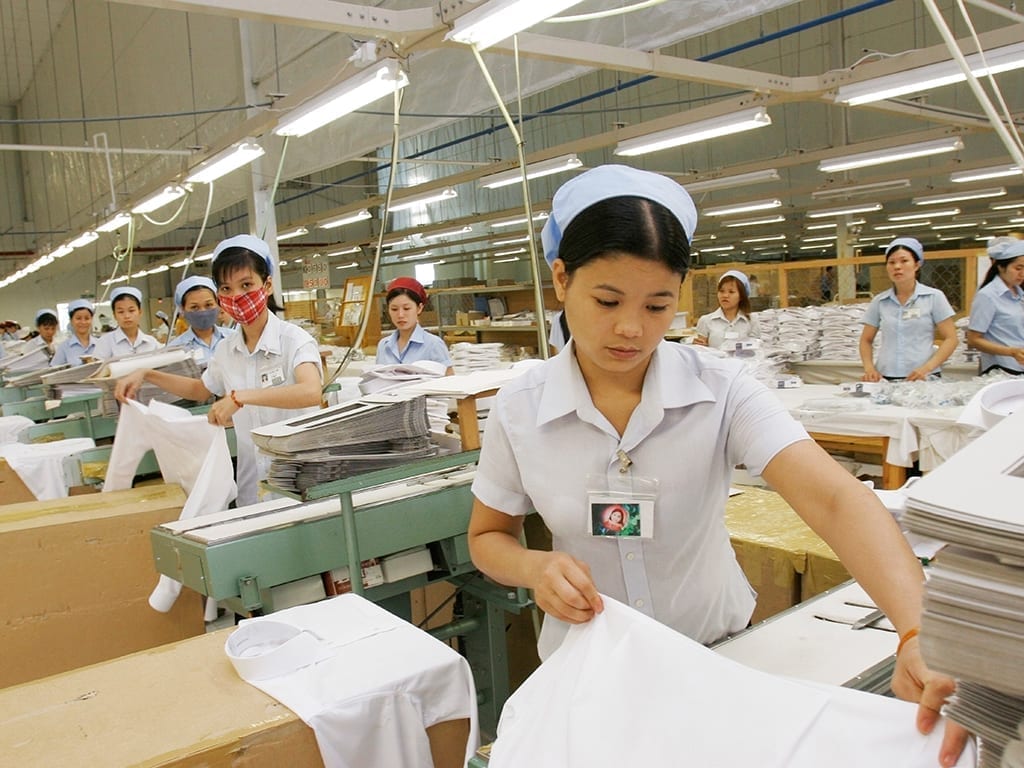
  • Textiles firms launch emergency production of antibacterial masks

    Textiles firms launch emergency production of antibacterial masks

    Textiles businesses, including several with no prior experience, have begun producing antibacterial masks after authorities announced a daily need of 10 million.

    At the beginning of last week, Toan, an employee of the Dong Xuan Knitting Company in the northern province of Hung Yen, was transferred to an antibacterial cloth production line. His company had begun making this new product following the novel coronavirus (2019-nCoV) outbreak.

    Toan and her colleagues now try to use their afternoon break to produce more masks in order to meet the amount needed each day as well as earn some overtime income.

    “Most of us are doing an extra half-shift of overtime every day. Because we make more money, everyone is happy and trying to take advantage of the situation,” he said.

    The Dong Xuan company has set up a similar antibacterial cloth production line in one of its factories in Hanoi. Its director Tran Viet said although the company has not worked in medical supplies before, it was applying Japanese technology to produce antibacterial fabric given the current scarcity of masks.

    Viet estimated that the company now produces 7-8 tons of anti-bacterial fabric every day, enough for Dong Xuan and its partners to produce up to 300,000 masks each day.

    “We are working every hour to improve productivity, so after it stabilizes, we will see if we can serve orders in other epidemic affected areas if needed,” Viet said.

    Le Tien Luong, general director of The Vietnam National Textile and Garment Group (Vinatex), one of the largest textile makers in Vietnam, said the company needed about three to four days to rearrange production lines, train workers in new technology, as well as transfer designs from affiliate companies to make masks, which was a new product to the group.

    TNG, a company based in northern Thai Nguyen Province specializing in producing garments and fashion for export, has also joined the emergency production of masks, using nano- fabric.

    The company was able to kick off production of antibacterial nano masks just three days after it submitted designs and standards for approval from the Ministry of Health, said TNG chairman Nguyen Van Hoi. Currently, the enterprise has increased working hours and allocated as many workers as possible to ensure it rolls out 20,000 masks a day. TNG said it will also work with the Thai Nguyen Department of Health to give out one million free masks to people.”Raw materials used to produce clothes and production lines are now prioritized for making masks. Soon 2 million masks will be completed and released to the market to help ease shortages, and soon after, TNG will be able to mass produce them,” Hoi said.

    Bui The Kich, general director of the Dong Nai Garment Corporation, said his enterprise has also been producing anti-bacterial fabric at maximum capacity. The company now produces around 10-15 tons of the fabric every day, and one kilogram of it is used to make approximately 300 disposable antibacterial masks.

    Truong Thanh Hoai, head of the Department of Industry under the Ministry of Industry and Trade, said producing 10 million antibacterial masks every day, as requested by the Ministry of Health’s request, required 400 tons of antibacterial fabric and enterprises working at full capacity.

    However, he pointed out that the Health Ministry has not issued standards and regulations for the antibacterial cloth masks. It needs to do so as soon as possible so that “users can trust the products,” Hoai said.

    Vietnam officially declared the nCoV outbreak an epidemic on February 1. Out of the 14 confirmed infection cases so far, three have been discharged from hospitals: a Nha Trang hotel receptionist, a Chinese man from Wuhan, and one of the workers who returned from Wuhan.

    The global death toll of the epidemic has reached 910– one each in the Philippines and Hong Kong, and the remaining in mainland China.

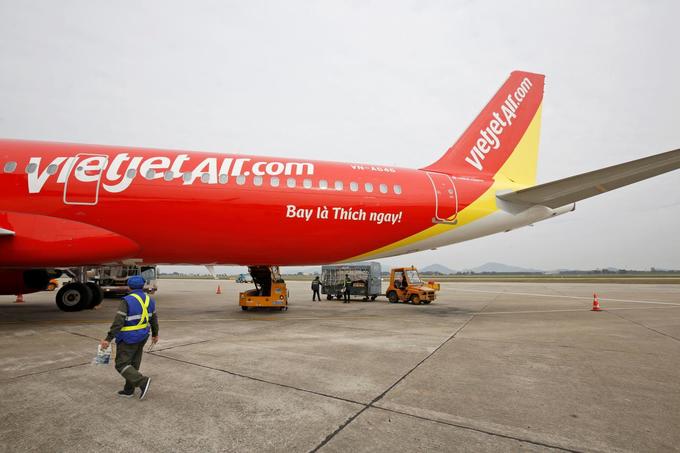
  • Vietjet opens three more direct routes connecting Vietnam with India, boosting the regional connection further

    Vietjet opens three more direct routes connecting Vietnam with India, boosting the regional connection further

    To meet rising demand for air travel between Vietnam and India as well as across the region, Vietjet has announced three new direct routes connecting Vietnam’s three largest hubs, Da Nang, Hanoi and Ho Chi Minh City, with two of India’s largest economic, political and cultural centres, New Delhi and Mumbai.

    The Da Nang – New Delhi and Hanoi – Mumbai routes will commence operations starting from 14 May 2020 with a frequency of five flights per week and three flights per week respectively. The Ho Chi Minh City – Mumbai route will operate four weekly flights starting from 15 May 2020.

    “We are excited to continue connecting Vietnam destinations to the market of over 1.2 billion population in India after receiving positive feedback regarding our previous two direct flights that linked both Ho Chi Minh City and Hanoi with New Delhi,” said Vietjet Vice President Nguyen Thanh Son.

    “With just over five hours of flight time per leg, and a convenient flight schedule throughout the week, Vietjet’s newest routes between Vietnam and India will create many more trade and tourism opportunities between the two countries, helping to boost the economies of both. The expansion of Vietjet’s flight network into India also reaffirms the airline’s ongoing commitment to continuously help flyers in saving cost and time. Passengers can enjoy flying on our new and modern aircraft, and taking transit flights to famous destinations across Southeast Asia, including Malaysia, Indonesia, Singapore, Thailand and many other countries, thanks to Vietjet’s extensive flight network in the Asia Pacific region,” he added.

    Located in Central Vietnam, Da Nang not only possesses beautiful beaches but also world-famous tourist attractions, such as the Golden Bridge, Ba Na Hills, Dragon Bridge, and much more. The city also serves as a gateway to many of the country’s most famous heritage sites, including the ancient town of Hoi An, the former imperial citadel in Hue city, the world’s biggest cave Son Doong and many other fascinating destinations. Meanwhile, Hanoi and Ho Chi Minh City are Vietnam’s two largest political, financial, economic and cultural hubs, offering tourists a heady mix of historical sites, cultural activities, incredible shopping options, cosmopolitan dining as well as amazing street food.

    In recent years, India has emerged into one of Asia’s most exciting and attractive destinations thanks to its diverse cultural, religious, culinary and tourist attractions. Besides the incredible capital of New Delhi, Mumbai, once known as Bombay, serves as one of India’s most important financial and economic centres and is an extremely enchanting destination in its own right. India is also well-known as an ancient and captivating land with many treasures of cultural heritage, colorful festivals and historic religious sites.

    With the addition of the three new routes, Vietjet will become the operator with the most direct routes between the two countries, offering five direct routes from and to India. The airline currently operates the HCMC/Hanoi – New Delhi services at a frequency of four weekly flights and three weekly flights, respectively.

    As the people’s airline of choice, Vietjet always keeps up to date with the latest travel trends to introduce new flying opportunities to more and more people at reasonable prices. The new-age carrier has also implemented a program called “Protect the planet – Fly with Vietjet”, which involves a series of meaningful activities, such as “Let’s clean up the ocean”, “Take action against plastic waste”, and many more initiatives, to help create a green planet for all of humanity and protect the environment for future generations.

    Flight schedule of new flights between Vietnam and India:

    Flight Flight code Frequency Departure
    (Local time)
    Arrival

    (Local time)

    Da Nang – New Delhi VJ831 5 flights/week

    Mon, Wed, Thu, Fri, Sun

    18:15 21:30
    New Delhi – Da Nang VJ830 5 flights/week

    Mon, Wed, Thu, Fri, Sun

    22:50 5:20
    Hanoi – Mumbai VJ907 3 flights/week

    Tue, Thu, Sat

    20:20 23:30
    Mumbai – Hanoi VJ910 3 flights/week

    Wed, Fri, Sun

    00:35 6:55
    HCMC – Mumbai VJ883 4 flights/week

    Mon, Wed, Fri, Sun

    19:55 23:30
    Mumbai – HCMC VJ884 4 flights/week

    Mon, Tue, Thu, Sat

    00:35 7:25