Category: General

Retail News Asia is committed to providing both local and global retailers with the latest General Retail news throughout the Asian market. This on a daily base.

  • Alibaba and JD launch logistics solutions to help coronavirus response

    Alibaba and JD launch logistics solutions to help coronavirus response

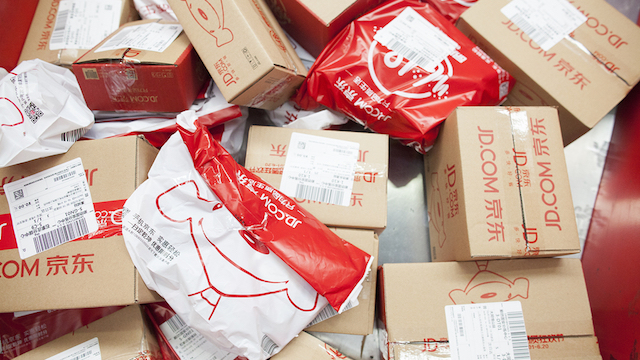
    Chinese online e-commerce giants Alibaba and JD have both introduced logistics solutions for medical personnel working to arrest the spread of coronavirus in China.

    Alibaba has launched a global B2B sourcing platform to connect medical goods suppliers with frontline staff fighting the virus, while JD has been making preparations for drone delivery of medical supplies in China as it tests the use of its autonomous delivery robots in Wuhan.

    The Alibaba Global Direct Sourcing Platform will allow Alibaba to use an RMB1 billion (US$143.46 million) fund established shortly after Wuhan city was quarantined to fight the spread of the outbreak. The fund’s purpose is to purchase vital medical supplies within and outside China to support medical personnel in Wuhan and other places affected by the virus.

    The platform will match needed medical supplies with products offered by vendors. Goods purchased through the platform will go to hospitals based on urgency and priority.

    JD is concurrently turning to advanced technology to reduce human to human contact during the coronavirus while ensuring normal operations of its logistics facilities and last-mile delivery.

    JD says its automated warehouses are working 24/7 to meet the demand for daily necessities as online shopping is believed to be the safest way to get goods while remaining protected from the coronavirus. The number of daily orders processed by these automated warehouses has increased from 600,000 to 1 million on average between January 24 and February 2.

    JD’s unmanned convenience store solution JDX Mart is also offering consumers in Guilin, Shenzhen and Dongguan a seamless and contactless way to get their everyday convenience store products while reducing the risk of infection.

  • Phnom Penh Megamall launch delayed

    Phnom Penh Megamall launch delayed

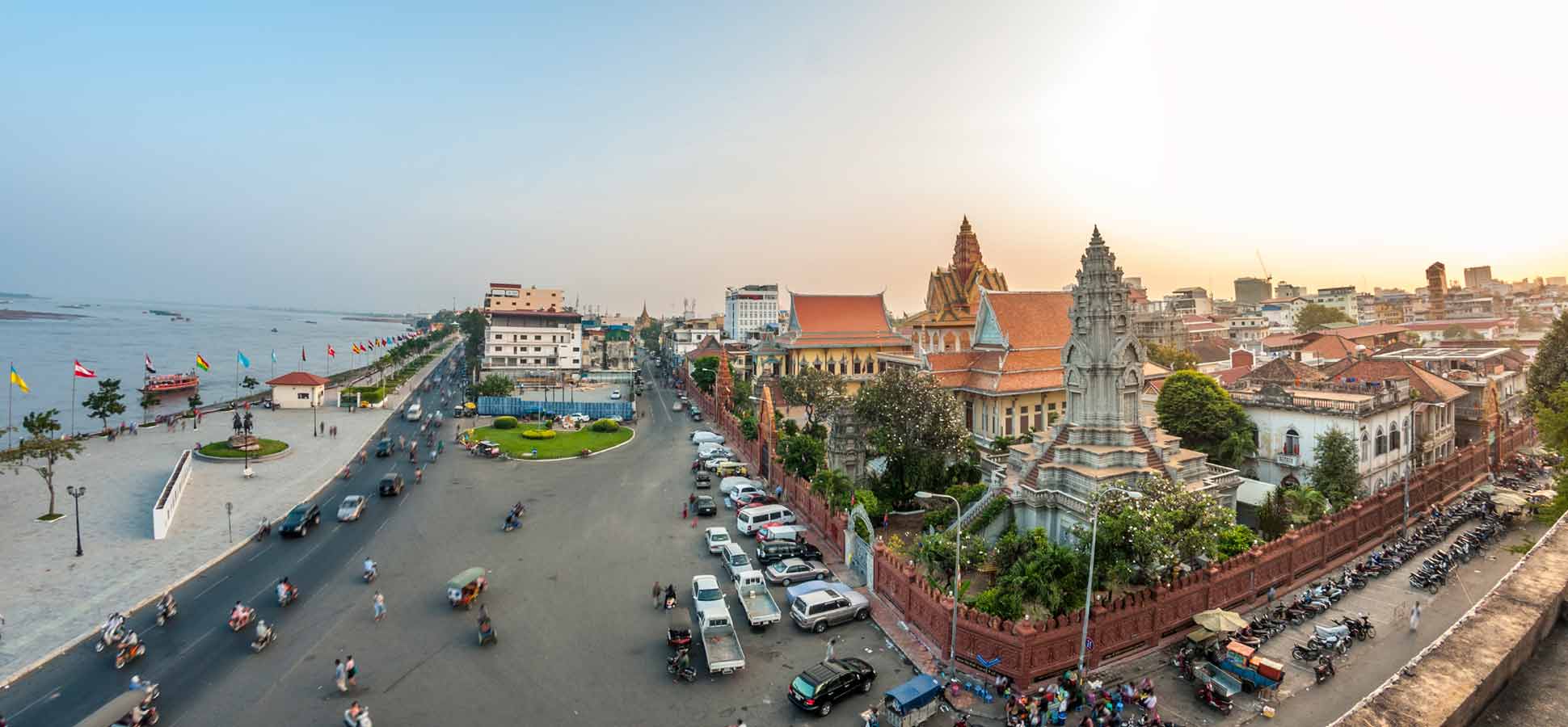
    The Phnom Penh Megamall developer has delayed the mall’s launch until the fourth quarter of this year owing to lagging interior design work, according to its marketing representative CBRE Cambodia.

    The 47,000sqm, 11-storey shopping hub is being constructed as a mixed-commercial centre.

    “The delay has nothing to do with market issues,” said CBRE Cambodia MD Ann Sothida. “Companies have expressed their interest and have leased about 70–80 percent of the building’s retail space, with the ninth floor entirely leased out.”

    According to local news media reports, the Phnom Penh Megamall, which is being constructed in the building which used to house a Parkson department store, requires additional foundation works unexpectedly when the project commenced.

    CBRE Cambodia reports 19 buildings in Phnom Penh currently offering 314,000sqm of retail space in total, with an additional 261,746sqm in retail space supply expected to launch this year.

  • FamilyMart Japan reveals results of shorter trading-hours test

    FamilyMart Japan reveals results of shorter trading-hours test

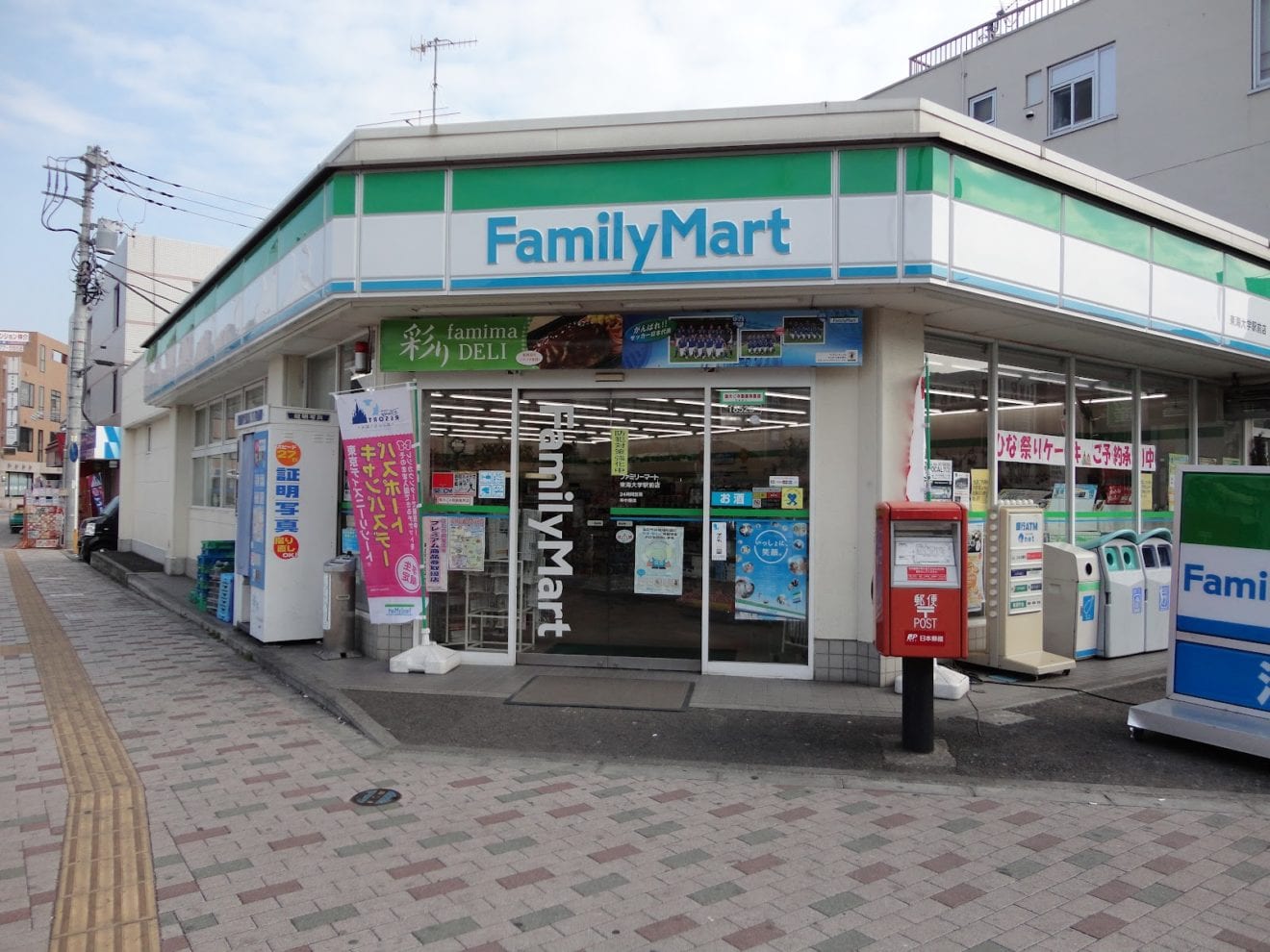
    A trial to reduce business hours has resulted in a 59 percent drop in operating profits for FamilyMart Japan.The trial by the traditionally 24-hour convenience-store chain operator was conducted from October to December at around 600 FamilyMart outlets to assess the effect of cutting late-night hours of business.

    While average labor costs fell 11 percent at participating stores, the average drop in sales of 6.7 percent led to the operating profit declines, according to a Jiji Press report. 41 percent of the outlets recorded growth in profits.

    FamilyMart Japan has now announced that it will allow its franchises to apply to reduce their hours permanently beginning in June.

    “From now, we will ask franchise store owners to decide whether to shorten service hours,” said FamilyMart VP Toshio Kato.

    Stores will be allowed to close late-night and early-morning operations daily or on Sundays only.

  • Bangkok’s Chatuchak mall opens in Singapore

    Bangkok’s Chatuchak mall opens in Singapore

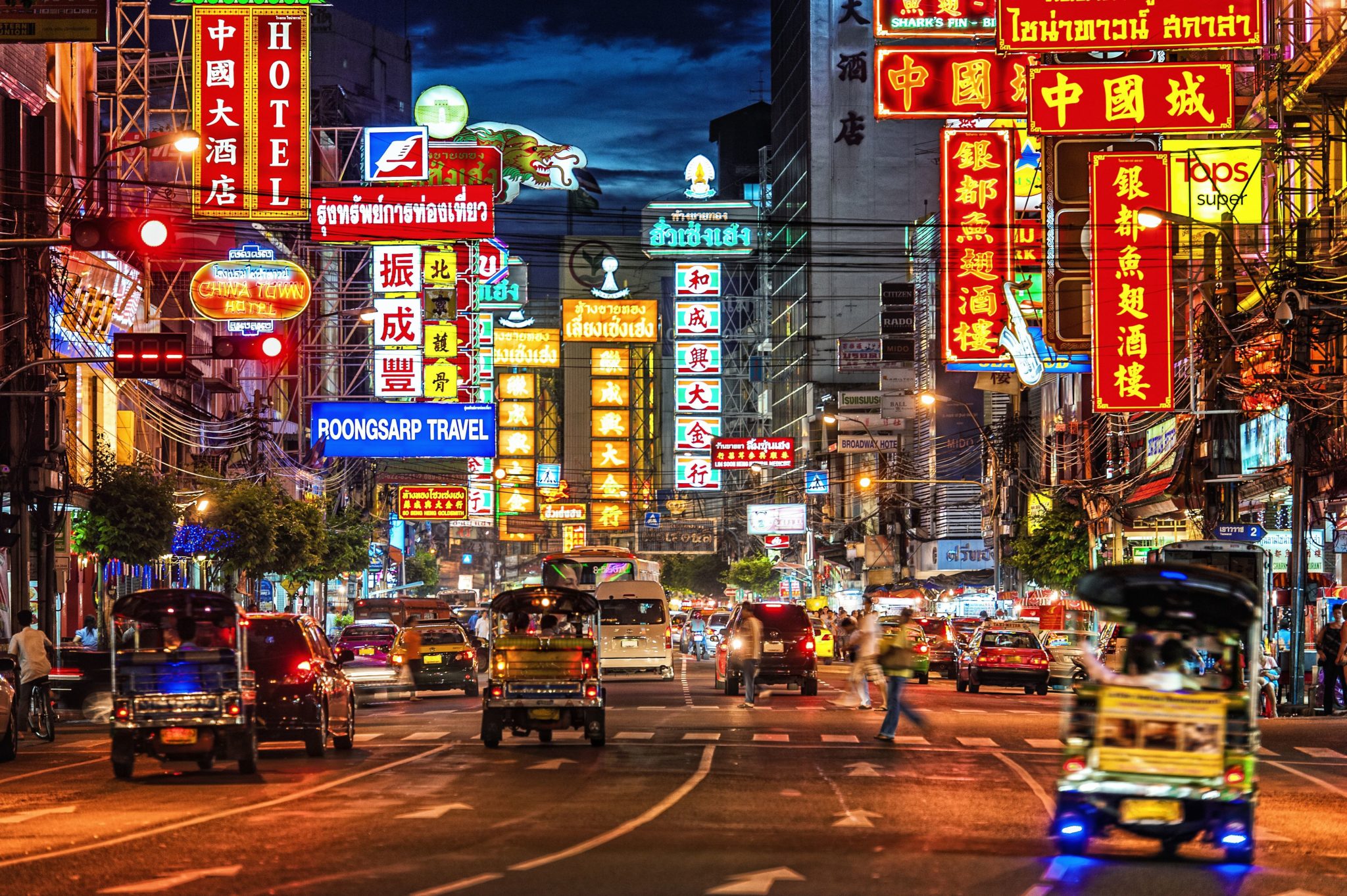
    Bangkok’s world-famous Chatuchak Market has launched a satellite site in Singapore.

    A 40,000sqft pop-up market located at The Grandstand on Turf Club Road, it marks the first time Chatuchak has been convened outside of Thailand.

    The market opened this week and will remain trading until May 3.

    More than 400 vendors are trading at the market, some rotated in from the original open-air market in Thailand.

    While Bangkok’s market is only open during weekends, Chatuchak Singapore will trade from 4.30 pm to 10.30 pm every day except Monday.

    Thai street food is being sold at the market for visitors seeking an authentic Chatuchak experience – while apparel, accessories and jewelry are among the goods on offer at stalls.

  • Hong Kong mall Stanley Plaza launches Hello Kitty dating spot

    Hong Kong mall Stanley Plaza launches Hello Kitty dating spot

    Stanley Plaza has partnered with Sanrio to launch Hong Kong’s first Dear Daniel and Hello Kitty dating spot.

    The love-themed attraction starts on February 8 and runs for six months under the title “Stanley Plaza Hello Kitty Dear Daniel Love by the Sea’. It will feature a selection of exclusive Sanrio Valentine gifts.

    There also will be several Instagrammable spots for couples and visitors to take pictures at the Hello Kitty dating spot, including Stanley’s waterfront scenery, Murray House and “Wooden Love Bench”.

    Two DIY workshops, Hang on to Your Love and Our Love Glows, featuring Hello Kitty and Dear Daniel are also available for customers at Stanley Plaza. During weekdays, Stanley Plaza’s customers spending more than HK$30 can redeem a “Write in Love” greeting card and hang it on Lovers’ Terrace.

    To celebrate the love season, Stanley Plaza’s merchants also offer special dining for couples on Valentine’s Day, February 14.

  • Paris starts to suffer as Chinese tourists disappear

    Paris starts to suffer as Chinese tourists disappear

    As the hordes of mainland Chinese tourists who used to descend on the prime shopping districts of Paris have dried up within just a fortnight, luxury brands are beginning to plan staff layoffs and other strategies to reduce costs.

    With the rapid spread of the coronavirus across Mainland China, outbound tour groups have been suspended and airlines all over the world have curtailed or canceled all services to the area. In 2018, about 2.2 million Chinese people visited France. But this week, stores they would normally frequent around Paris were almost empty.

    In just one example of the coronavirus’ impact on the city is the manager of cosmetics store Paris Look, Chomphunut Supraditapron, who told Thomson Reuters she fears for her job since the steady daily stream of Chinese shoppers stopped arriving in her store.

    “We need Chinese customers because it is Chinese customers who buy the most,” she said.

    The world-famous Avenue des Champs-Elysees is home to flagship stores for a variety of luxury European brands, including a giant Louis Vuitton Maison and one of the world’s largest Sephora stores.

    LVMH, which owns Louis Vuitton and Sephora, among other luxury retail brands, has seen its stock price fall 9 percent since January 17 – entirely due to fears over the coronavirus’s impact on retail spending. The company’s Paris flagship reportedly attracts 37 million visitors every year.

    Footfall in Paris Maisons has plummeted since the Chinese stopped coming, although, until recently, some of those brands said they are noticing a compensatory upturn in Mainland China sales. That outcome is now in doubt as many retailers have been forced to close more than half of their Chinese stores as authorities try to restrict the spread of the virus.

    The timing of the virus’ outbreak – on the eve of the busiest trading period of the year for any retailer targeting Chinese – Lunar New Year – has exacerbated the problem.

    Regional Tourism Board data shows Chinese shoppers spend an average of €1024 (US$1136) on a five-night stay in Paris – significantly more than the average of tourists from other countries which is around €640

    “The crisis is deepening and we are witnessing some kind of hysteria,” Didier Kling, the head of the Paris chamber of commerce told Thomson Reuters.

  • Instagram’s newest feature is all about GIFs

    Instagram’s newest feature is all about GIFs

    Instagram is one of the many social services that allows its users to add GIFs to their posts, but that’s where anything GIF-related stops. Let’s say your friend posts an animated sticker in stories and you wish to reply with a GIF. Well, that’s not possible, or at least it wasn’t until today.

    Earlier today, Instagram announced that users can now reply to their friends’ stories using GIFs pulled from GIPHY. In order to take advantage of the new feature, Instagram users must update their apps via the App Store or Google Play Store.

    Judging by the number of replies Instagram’s tweet received soon after the announcement, the ability to reply to stories with GIFs is a welcome addition to the service. Make sure to update your app to try it out now.

    Meanwhile, Instagram confirmed last week that it’s testing reactions to direct messages, another long-awaited feature that we might get in the not so distant future. Of course, these are the improvements that we know of, but there might be others in the pipeline.

  • Hong Kong Customs seize counterfeit US-bound goods

    Hong Kong Customs seize counterfeit US-bound goods

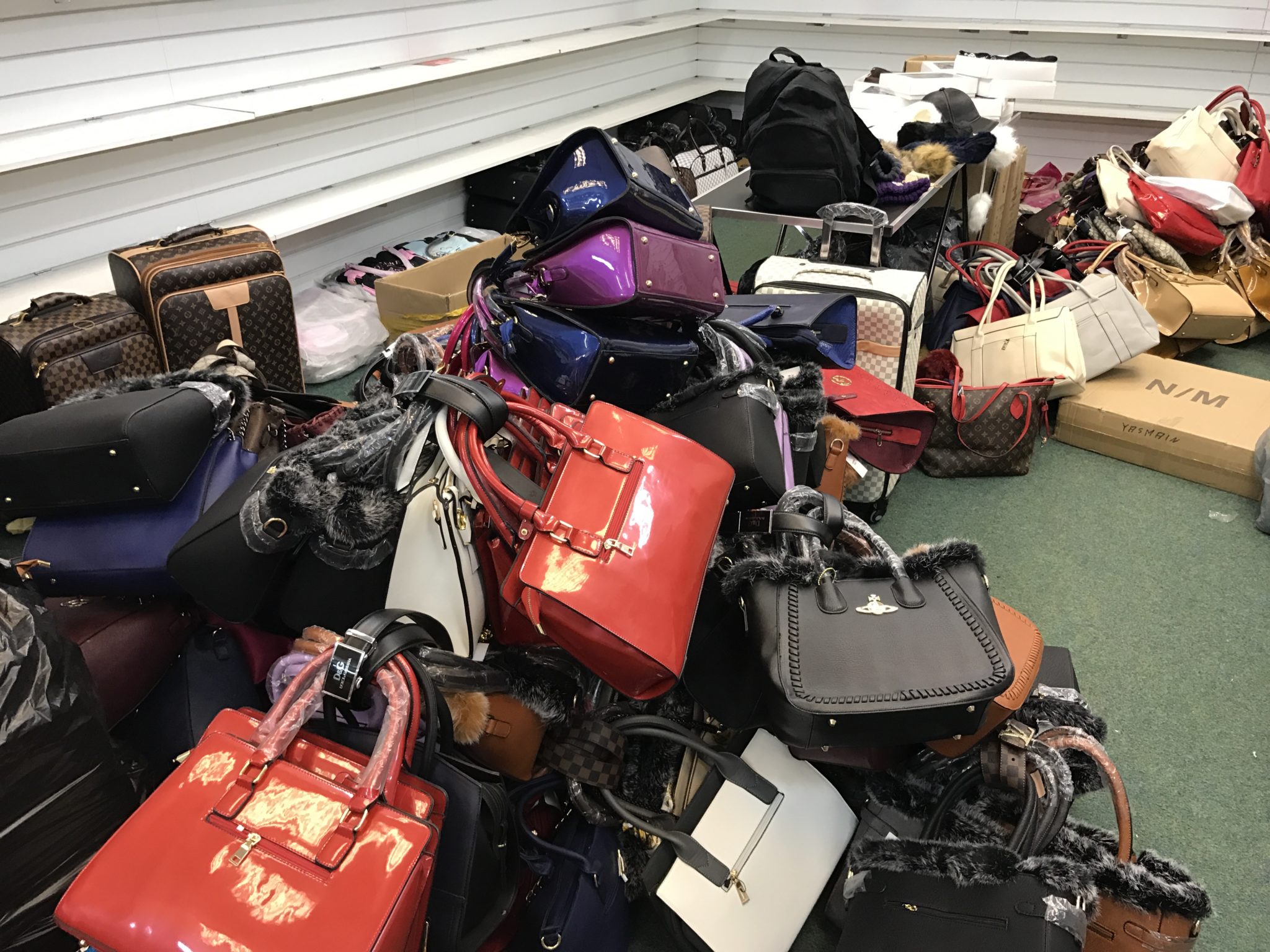
    Hong Kong Customs has seized some 10,000 counterfeit products destined for the US in a targeted operation to combat cross-boundary counterfeiting activities.

    The goods had an estimated street value of about HKD1.1 million (US$141,000), were seized, including medicines, mobile phones, handbags, shoes and clothing.

    The seizures resulted from a sharing of intelligence with US regulatory authorities, something Hong Kong Customs says it expects to continue as it targets cross-boundary counterfeiting activities to a variety of other countries.

    Under Hong Kong’s Trade Descriptions Ordinance, anyone who imports or exports goods with a forged trademark commits an offense. The maximum penalty upon conviction is a fine of HKD500,000 ($64,400) and imprisonment for five years.

  • Hong Kong retail sales dropped in December

    Hong Kong retail sales dropped in December

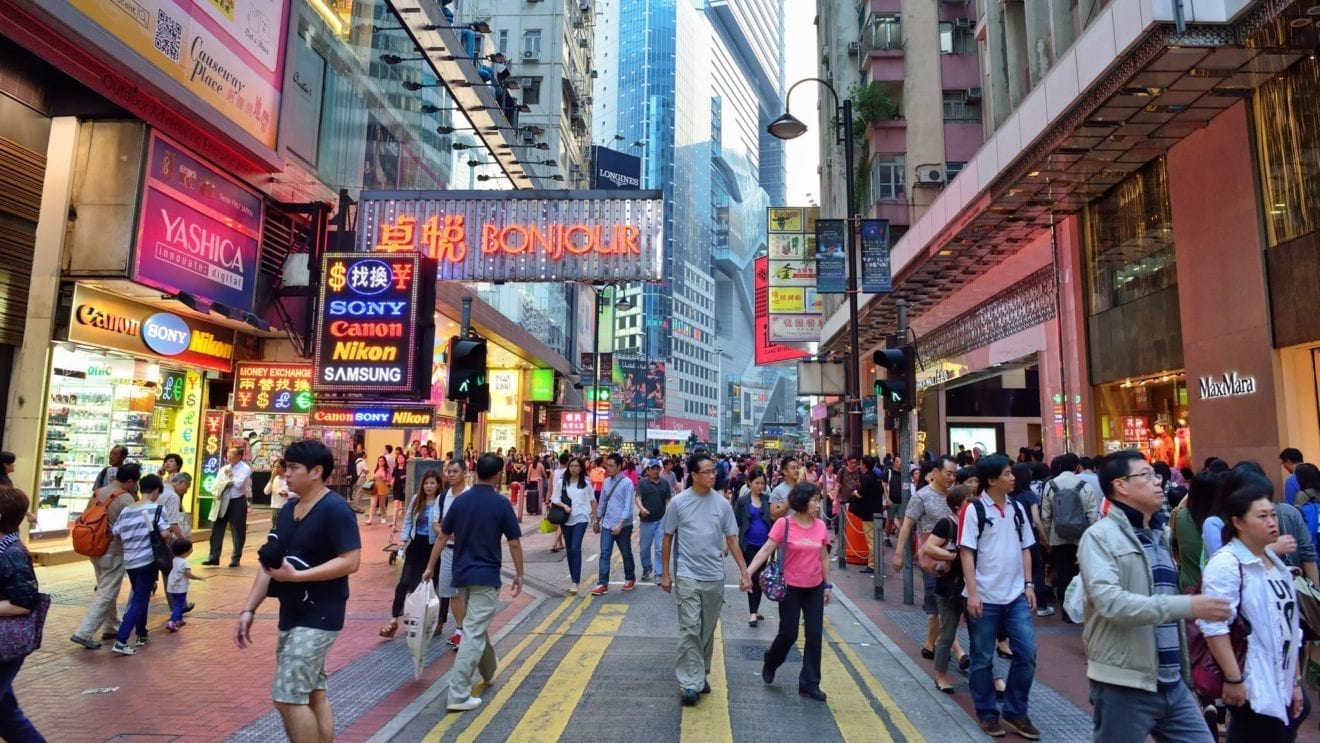
    Hong Kong retail sales in December slumped 19.4 percent, a softer fall than November’s 23.7 percent, but continuing the decline which began with the civil unrest after June.

    For the whole year,  total retail sales decreased by 11.1 percent in value and by 12.3 percent in volume terms (after accounting for price fluctuations) compared with 2018.

    A government spokesman said that Hong Kong retail sales in December continued to decline sharply, as the impact of the local social incidents on consumption- and tourism-related activities remained “severe”.

    “The business environment for retail trade has become even more difficult recently, with the threat of the novel coronavirus infection heavily weighing on inbound tourism and local consumption sentiment,” the spokesman said.

    “The near-term outlook for retail sales depends critically on how the situation of the novel coronavirus infection will evolve.”

    According to figures from The Census and Statistics Department (C&SD) the value of total Hong Kong retail sales in December was estimated at HKD36.2 billion, (US$4.66 billion). After adjusting for inflation, December sales were down 21 percent year on year compared with a 25.5 percent decline in November.

    Listed in terms of their impact on total sales, the worst-performing categories were jewelry, watches, clocks and valuable gifts, down by 36.7 percent, supermarket sales down by 3.1 percent; apparel by 22.1 percent; and department-store sales by 25.3 percent.

    Food, alcoholic drinks and tobacco sales were down by 1.9 percent; electrical goods and other consumer durable goods, by 17.4 percent, other consumable goods not otherwise classified by 14.5 percent; medicines and cosmetics fell 29.9 percent; footwear and accessories by 20.4 percent; furniture and fixtures by 1.4 percent; books, newspapers, stationery and gifts by 14.8 percent; Chinese drugs and herbs by 9.8 percent; and optical shop sales fell 19.3 percent.

    The only category of Hong Kong retail sales in December to show growth was fueled, up by 13.5 percent.

  • Macau closing casinos as coronavirus outbreak widens

    Macau closing casinos as coronavirus outbreak widens

    Macau’s government has ordered the closure of the territory’s casinos for at least two weeks over fears coronavirus might be spread through venues.

    The closures followed a reduction of some 87 percent in the numbers of mainland Chinese visiting Macau during recent weeks, the result of the mainland government banning outbound group tours.

    The casino closure is likely to decimate sales at the territory’s malls, most of which are located in the same mixed-use resorts housing the largest of the casinos.

    As at 10 am ICT Wednesday, 24,503 cases of coronavirus had been reported, the vast majority in Mainland China. To date, 492 have died, all but two of those on the mainland, the other being in the Philippines and Hong Kong.

    Meanwhile, in Hong Kong, tourist destinations Disneyland and Ocean Park have been closed indefinitely and Shanghai Disneyland has also been closed due to the coronavirus outbreak. Disney said in a statement that it expects its theme parks in Shanghai and Hong Kong to be shut for two months, resulting in a US$175 million hit to its operating income this quarter.

    Retailers across Mainland China continue to close stores. Ralph Lauren says it has now closed about half of its 110 stores on the mainland. Tiffany has closed an undisclosed number in areas worst affected by the virus crisis. Hugo Boss has also closed an undisclosed number of stores in the market, where it experienced double-digit growth in the last quarter of last year.

  • Vietnam Airlines, Jetstar Pacific cut China flights

    Vietnam Airlines, Jetstar Pacific cut China flights

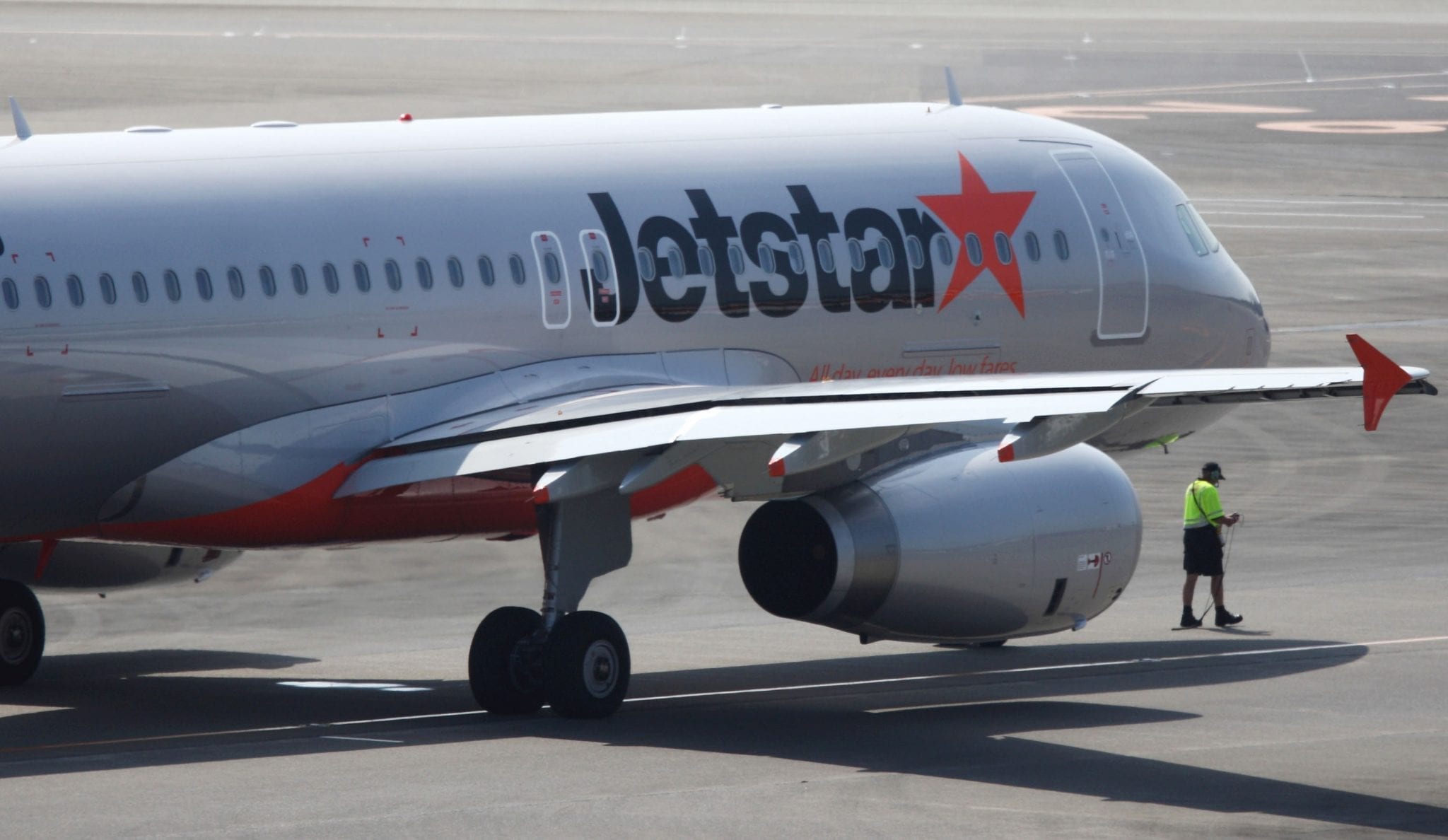
    Vietnam Airlines and Jetstar Pacific will stop flights on some routes to China and reduce them on others amidst the ongoing coronavirus outbreak.

    National flag carrier Vietnam Airlines will suspend routes between Vietnamese localities and China’s Beijing, Shanghai, Guangzhou and Shenzhen cities starting February 4. It will stop flying to and from China’s Chengdu starting February 5, and Macau starting February 6.

    The airline will also suspend flights on the Hanoi-Hong Kong route from February 6 and reduce the number of flights between Ho Chi Minh City and Hong Kong from 10 to 7 per week starting the same day.

    It will disinfect all aircraft upon returning to Vietnam from China to prevent the spread of 2019-nCoV, which originated in Wuhan City of Hubei Province in mainland China.

    Jetstar Pacific, the budget carrier of Vietnam Airlines, will stop operating flights on the Hanoi-Hong Kong route starting February 6, Hanoi-Guangzhou starting February 9 and HCMC- Guangzhou starting February 11.

    Passengers who wish to fly between the mentioned destinations before the suspension can change dates free of charge or ask for a refund from both airlines.

    Budget carrier Vietjet had earlier announced that it will suspend all China flights starting Saturday.

    Over 30 airlines in the world have suspended all or certain flights to China in the wake of nCoV, which as of Saturday had killed 259 people in the country.

    As of Friday, Vietnam had quarantined 97 people, of whom 32 remain isolated pending test results, according to the Ministry of Health.

    As of Saturday morning, the country has recorded six confirmed cases of infection: two Chinese nationals, and four Vietnamese, including three returning from Wuhan, and a female hotel receptionist who has caught the coronavirus infection from the two Chinese nationals presently quarantined in Saigon.

  • Vietjet suspends all China flights

    Vietjet suspends all China flights

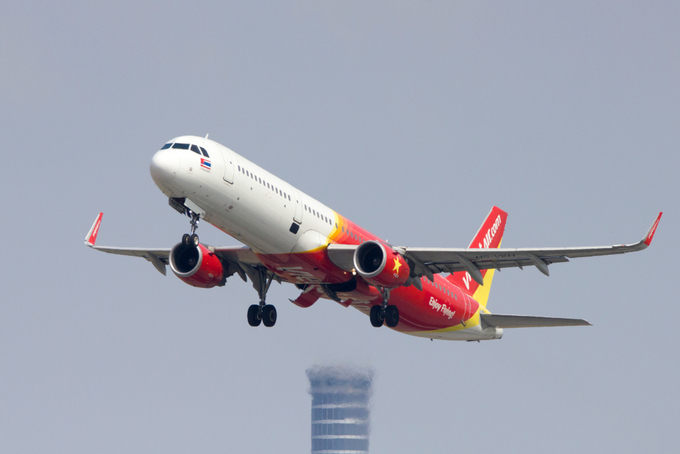
    Vietjet will stop all flights to and from China starting Saturday to try and limit the spread of the deadly coronavirus.

    The budget airline said in a statement Friday that it had prepared this plan earlier, and will cooperate with Vietnamese authorities and the World Health Organization (WHO) in taking steps to prevent the spread of the nCoV among its crew members and passengers.

    Vietjet is the first Vietnamese airline to stop China flights. At the time of writing, Vietnam Airlines and Jetstar Pacific were still operating flights to China.

    Globally, British Airways was the first airline to suspend all direct flights to and from China. Other carriers such as U.S.-based United Airlines and Indonesia-based Lion Air have suspended flights to certain Chinese cities.

    The Civil Aviation Authority of Vietnam Wednesday ordered local airlines to stop all flights between Vietnam and infected locations in China.

    The Ministry of Health confirmed Thursday that three Vietnamese have tested positive for the nCoV. One is being treated at the Thanh Hoa General Hospital in the eponymous central province and the others at the National Hospital of Tropical Diseases in Hanoi.

    As of Friday, there were five confirmed cases of infection in Vietnam. The first cases of nCoV infection detected in the country were a Chinese father and son duo. The son has recovered.

    The World Health Organization (WHO) on Friday declared a global health emergency as the death toll reached 213, all of them in China.

  • With ads out of the picture, how Facebook will monetize WhatsApp

    With ads out of the picture, how Facebook will monetize WhatsApp

    There are many different kinds of mobile payment services available depending on the phone in a user’s hand. There is Apple Pay, Google Pay, Samsung Pay, and LG Pay just to name a few. And these create streams of cash for the companies providing this service. For example, Apple earns .15% of the amount of each transaction where Apple Pay is used. For example, if you use Apple Pay to cover a $200 purchase, Apple receives 30 cents. While that doesn’t sound like a lot of money, Apple has been averaging over 11 million Apple Pay transactions per day.
    The promise of getting paid a small percentage of millions of transactions every day is attracting another player to the business. During Facebook’s conference call last week (following the release of its latest quarterly earnings report), co-founder and CEO Mark Zuckerberg discussed plans to turn WhatsApp and Messenger into private platforms that will allow users to connect to businesses. This is similar to the plans that the Cross Carrier Messaging Initiative (CCMI) has for Android users through the Rich Communication Services (RCS) app that they plan on disseminating some time this year. RCS is the next generation of messaging for Android and the CCMI is made up of the four major U.S. wireless providers (Verizon, AT&T, T-Mobile, and Sprint).

    While talking about his plans, Zuckerberg said, “One example that we’ve been working on is WhatsApp Payments where you’re going to be able to send money as quickly and easily as sending a photo.” And the executive even revealed a timeframe. “I’m really excited about this, and I expect this to start rolling out in a number of countries and for us to make a lot of progress here in the next six months. We got approval to test this with one million people in India back in 2018. And when so many of the people kept using it week after week, we knew it was going to be big when we get to launch.”

    WhatsApp Pay’s rollout may be limited at first to developing countries where WhatsApp is used to connect consumers with businesses. In India, the service uses the National Payments Corporation of India’s Unified Payments Interface (UPI). The latter allows peer-to-peer payments and business transactions to be conducted through bank accounts. Not yet fully licensed in India, WhatsApp Pay is in Pilot Mode in the country. Discussing the plans, Zuckerberg said, “We’re taking a number of different approaches here, ranging from people buying and selling to each other directly to businesses setting up storefronts, to people engaging with businesses directly through messaging and a number of things on payments –using existing national systems like India’s UPI to creating new global systems.” Once WhatsApp Pay is fully licensed in India, it will reach 400 million Indians.
    Zuckerberg says that handling transactions and facilitating business is going to be important for his company’s properties that include Facebook, Messenger, Instagram, and WhatsApp. In fact, last month Facebook decided not to monetize WhatsApp by placing ads on the app which makes it more important for services like WhatsApp Pay to be offered in as many countries as possible.
    Facebook ended up acquiring WhatsApp for $21.8 billion in cash and company stock; the deal closed in October 2014. The deal originally called for payments of $4 billion in cash and $12 billion in stock, but Facebook shares appreciated in value between the time the deal was announced and when it closed. When Facebook purchased WhatsApp, it quickly removed the $1 annual subscription fee that users were being charged; with over 1.5 billion users globally, this seemingly insignificant fee would be bringing in over $1.5 billion a year. Offering commerce services like WhatsApp Pay seems the best way for Facebook to monetize its purchase of the app without greatly offending users.
  • Japan retail sales down

    Japan retail sales down

    Retail sales in Japan dropped 2.6 percent during December compared to figures from the previous year.

    The details were released in a Ministry of Economy, Trade and Industry report last Friday, and stood in contrast to median market forecasts for a decline of just 1.8 percent.

    According to an RTT news article, the sales rate was still above a seasonally adjusted 0.2 percent on numbers for November, less than the expected 1.2 per cent gain following a 4.5 percent increase during that month. November sales had dropped 2.1 percent year on year.

    Sales for large-scale retailers were strongly affected with a full 3 percent year-on-year drop, compared to a projected fall of 2.5 percent.

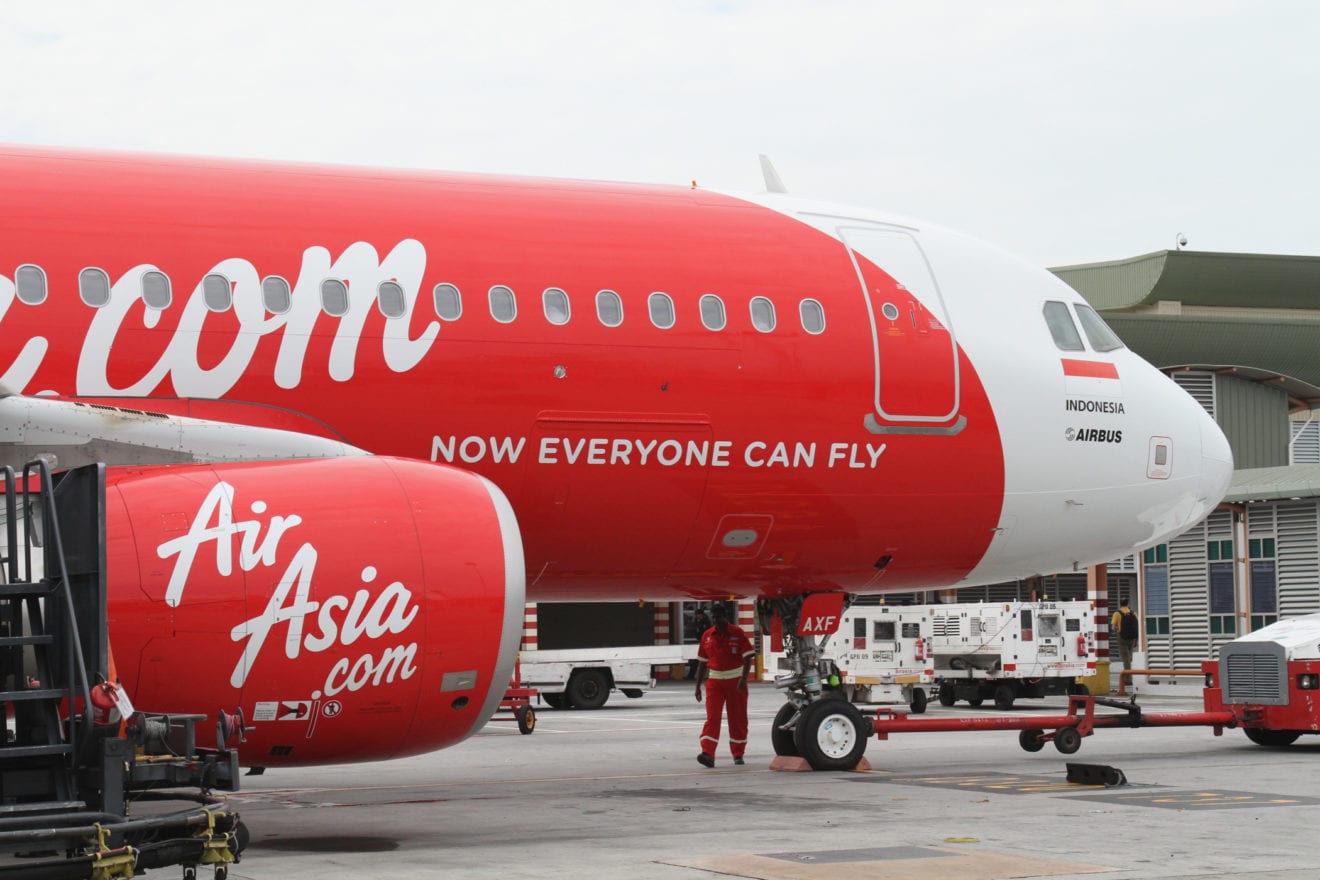
  • AirAsia cancels all flights between Philippines and People’s Republic of China

    AirAsia cancels all flights between Philippines and People’s Republic of China

    In compliance with the Philippine government’s directive imposing travel restrictions from the People’s Republic of China, AirAsia is cancelling all its flights between the Philippines and mainland China, Hong Kong SAR and Macao SAR until further notice from the Philippine government.

    AirAsia is also extending the provisions to move flights, obtain a credit account or full refund for guests with flight bookings to/from all destinations in mainland China, Hong Kong SAR and Macao SAR.

    All flights to and from Wuhan remain suspended until 29 February 2020.

    All affected guests will be promptly notified via email or SMS. AirAsia strongly encourages guests to update their contact details using the “My Bookings” feature on airasia.com to ensure that they receive timely notifications. Guests can also check on their flights via the “Flight Status” function on airasia.com website and mobile app.

    Apart from the Philippines, certain destinations within AirAsia’s flight network have imposed travel bans for guests based on nationalities, cities of origin, travel history or the purpose of travel. Guests are advised to check with their respective governments or embassy offices prior to travel.

    The following options are available to AirAsia guests who were affected by the flight changes and travel bans:

    1. Move flight: One-time flight change to a new travel date on the same route within 30 calendar days from original flight time without additional cost, subject to seat availability. Applicable for guests affected by cancelled flights (except flights to/from Wuhan) and travel restrictions imposed; OR

    2. Credit account: Retain the value of your fare in your AirAsia BIG Loyalty account for future travel with AirAsia. The online credit account is to be redeemed for booking within 90 calendar days from the issuance date for your travel with us. The actual travel dates can be after the expiry date as long as our flight schedule is out. Applicable for all flights to/from mainland China, Hong Kong and Macao until 15 February 2020 (or 29 February 2020 for flights to/from Wuhan only) that was ticketed prior to 28 January 2020; OR

    3. Full refund: Obtain a full refund to your original payment method for the amount equivalent to your booking. Applicable for all flights to/from mainland China, Hong Kong and Macao until 15 February 2020 that was ticketed prior to 28 January 2020.

    Guests whose flights fall into the above date range can obtain a full refund in the amount equivalent to that booking in the form of original payment. Refund requests can be made with AVA at support.airasia.com. From the main menu categories available, click on “Refund” then “New Refund Request” and finally “AirAsia flights to/from Wuhan” for flights to/from Wuhan OR “China Voluntary Refund” for flights to/from other China destinations, including Hong Kong and Macao. From there, simply follow the instructions as directed by AVA.

    For bookings made through travel agents including online travel agents, refund requests are to be made via the respective travel agents.

    AirAsia assures that the safety and wellbeing of our guests and Allstars is our top priority. AirAsia is complying with advice and regulations from the local government, CAAC, global and local health authorities, including the World Health Organisation.

    AirAsia guests who are in Wuhan are advised to abide by announcements made by the Government and health authorities, and to contact their respective diplomatic missions or embassies in mainland China for assistance.

    AirAsia is closely monitoring this situation and reserves the right to announce further policies according to the latest developments.

    Follow AirAsia on Twitter (@AirAsia) and Facebook (facebook.com/AirAsia) for the latest updates, or contact our customer support team at support.airasia.com. Guests are also encouraged to check their flight status at airasia.com/flightstatus for live updates.