Category: General

Retail News Asia is committed to providing both local and global retailers with the latest General Retail news throughout the Asian market. This on a daily base.

  • 7-Eleven and Nike to launch co-branded sneakers and other footwear

    7-Eleven and Nike to launch co-branded sneakers and other footwear

    7-Eleven and Nike will collaborate to create a new sneaker featuring the convenience-store chain’s distinctive logo colors, but the shoes will most likely be released only in Japan.

    According to multiple blogs covering sneaker news, the new 7-Eleven and Nike SB Dunk Lows will feature a color-blocking design in orange, green, and red and will come with a three-pack of extra laces to match, each with stripes in the three logo colors at the tips. Nike’s own logo will be displayed on the sides of the shoe with 7-Eleven’s logo seen embroidered onto the lateral heel.

    The midsole uses Nike Air technology to ensure consistent optimal cushioning.

    While initial reports suggest that the shoes may only be available in the Japanese market, some sneakerheads suspect the launch may this time be a little more widespread given 7-Eleven’s rapid spread across new markets, especially in Asia.

    This is Nike’s second collaboration with the chain since its Christmas SB Dunk High Pro sneakers were released in 2008.

  • Cebu Pacific, Cebgo, AirAsia flights still canceled until May 31

    Cebu Pacific, Cebgo, AirAsia flights still canceled until May 31

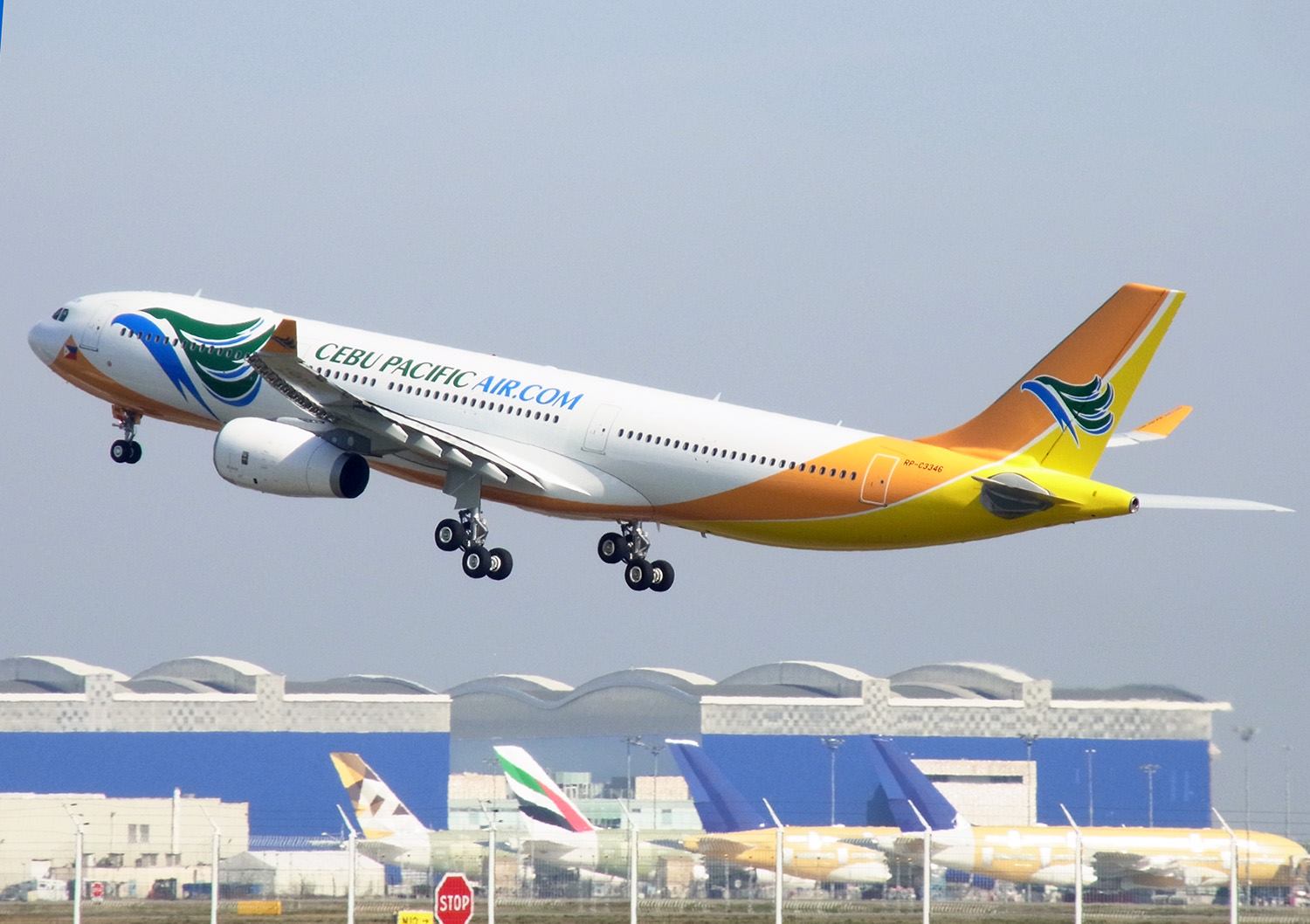
    All domestic and international flights of the Cebu Pacific, Cebgo, and AirAsia airlines remain canceled until May 31, 2020 in line with the implementation of the modified enhanced community quarantine in Metro Manila.

    “We encourage passengers on canceled flights to manage their bookings online via the website, before their scheduled travel dates,” Cebu Pacific said in an advisory on Wednesday.

    When rescheduling, passengers may select from either free rebooking or full travel fund.

    Under free rebooking, passengers may rebook to any travel date within three months. Change rebooking fees and fare difference are waived, according to Cebu

    For a full travel fund, passengers may place the full cost of the ticket in a travel fund valid for one year. This fund can then be used within one year either to book a flight up to one-year ahead or pay for add-ons like baggage allowance and seat selection.

    If the travel fund is not used within one year, passengers can also apply for a full refund, said Cebu Pacific.

    Processing of refunds will start after the community quarantine is lifted and regular work schedules resume.

    “However, due to the unprecedented volume of requests for refunds, the process will take as long as three to four billing cycles,” the airlines company said.

    Passengers with booked flights from June 1 to September 30, 2020 who want to change travel plans have the option to rebook to any other travel date within one year or place the full cost of the ticket in a travel fund valid for one year.

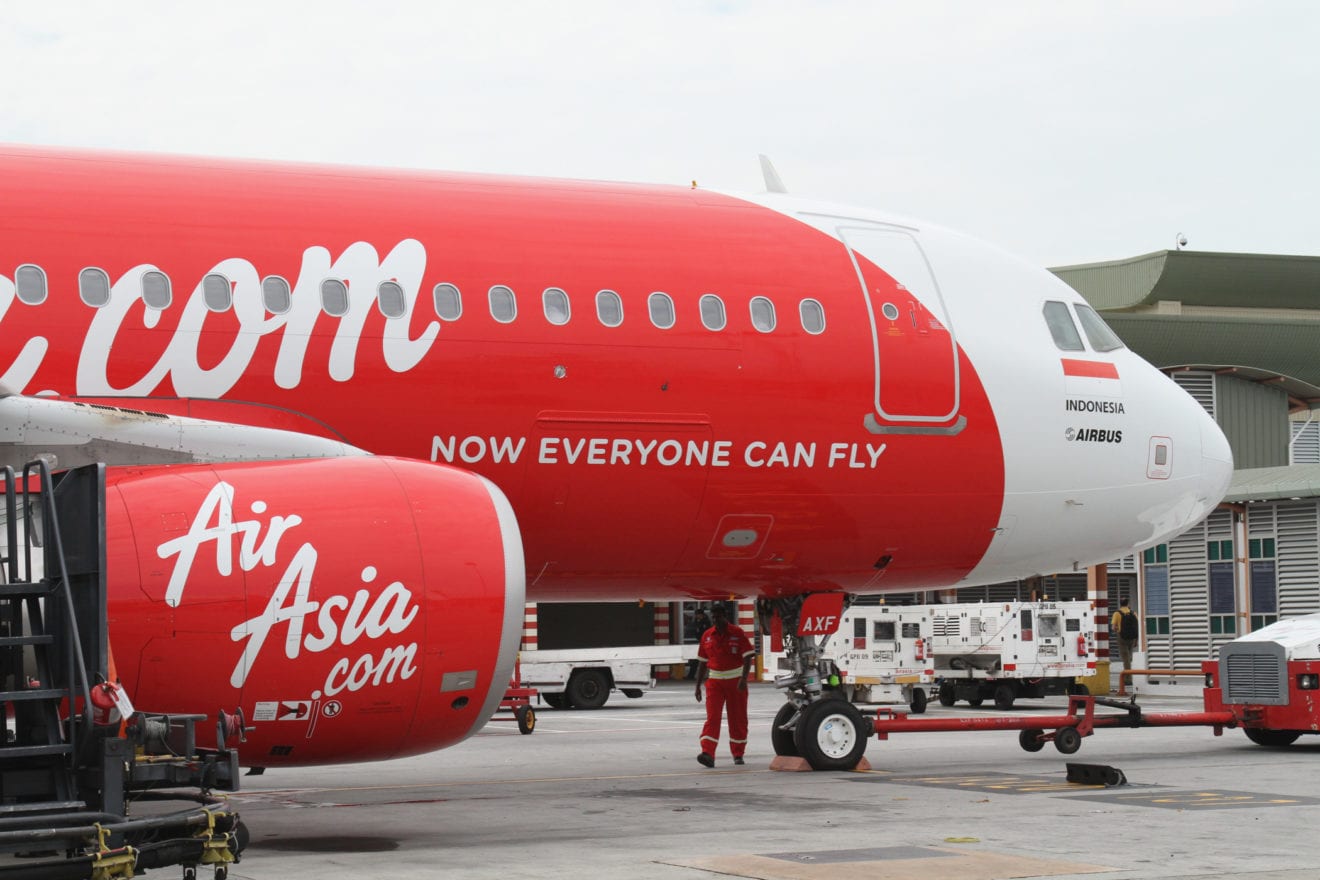
    Meanwhile, AirAsia also said it is offering provisions for passengers affected by flight cancellations following the government directive.

    “Guests with existing flight bookings made on or before 12 May 2020 with a departure date between 23 March and 31 July 2020 will now be able to select from a range of extended flexibility options for future travel,” the airlines said in a separate advisory.

    AirAsia said one of these options is unlimited flight change or changing to a new travel date before October 31 on the same route for unlimited number of times and without any additional cost subject to seat availability. The other option is a credit account or retaining the value of the flight booking for future travel with AirAsia to be redeemed within 730 calendar days from the issuance date.

  • Shinsegae profit all but evaporates as the virus outbreak hits sales

    Shinsegae profit all but evaporates as the virus outbreak hits sales

    Shinsegae, one of South Korea’s largest retail groups, has reported its net profit fell 99.8 percent year on year as the Covid-19 crisis effectively shut down the nation’s tourism industry and caused local consumers to stay home.

    The conglomerate, whose subsidiaries include E-mart big-box stores, convenience stores, homewares, fashion, beauty and a duty-free retail division, reported a March quarter net income of 1.6 billion won (US$1.3 million) on sales of 1.2 trillion won ($976 million).

    With a ban on inbound visitors from Mainland China during part of the period, Shinsegae’s duty-free business was hardest hit by Covid-19. Sales fell 30.5 percent to 488.9 billion won ($398 million) and the division lost 32.4 billion won ($26.4 million). Sales through airport duty-free outlets slumped by 40 percent and of downtown duty-free stores by 21 percent year on year.

    The E-mart business, which is also listed and releases its own financial results, had earlier reported an operating profit of 48.4 billion won ($39.4 million) in the March quarter, reversing a loss of 100 million won ($81,000) in the preceding three months. The company said its sales had benefited from consumers moving online and increased grocery demand while people cooked or ate at home instead of dining out.

    Sales of 5.2 trillion won ($4.2 billion) were up 13.6 percent year on year.

    Shinsegae’s department-store business saw sales fall 11.7 percent. The company’s furniture and homewares chain Casamia saw sales rise 23.8 percent due to network expansion, but additional costs contributed to a more than doubling of its loss to 2.7 billion won ($2.2 million).

    Sales at fashion and cosmetics group Shinsegae International fell 11.6 percent, but the division turned an operating profit of 12 billion won ($9.8 million).

  • Google testing iMessage feature for RCS Chat

    Google testing iMessage feature for RCS Chat

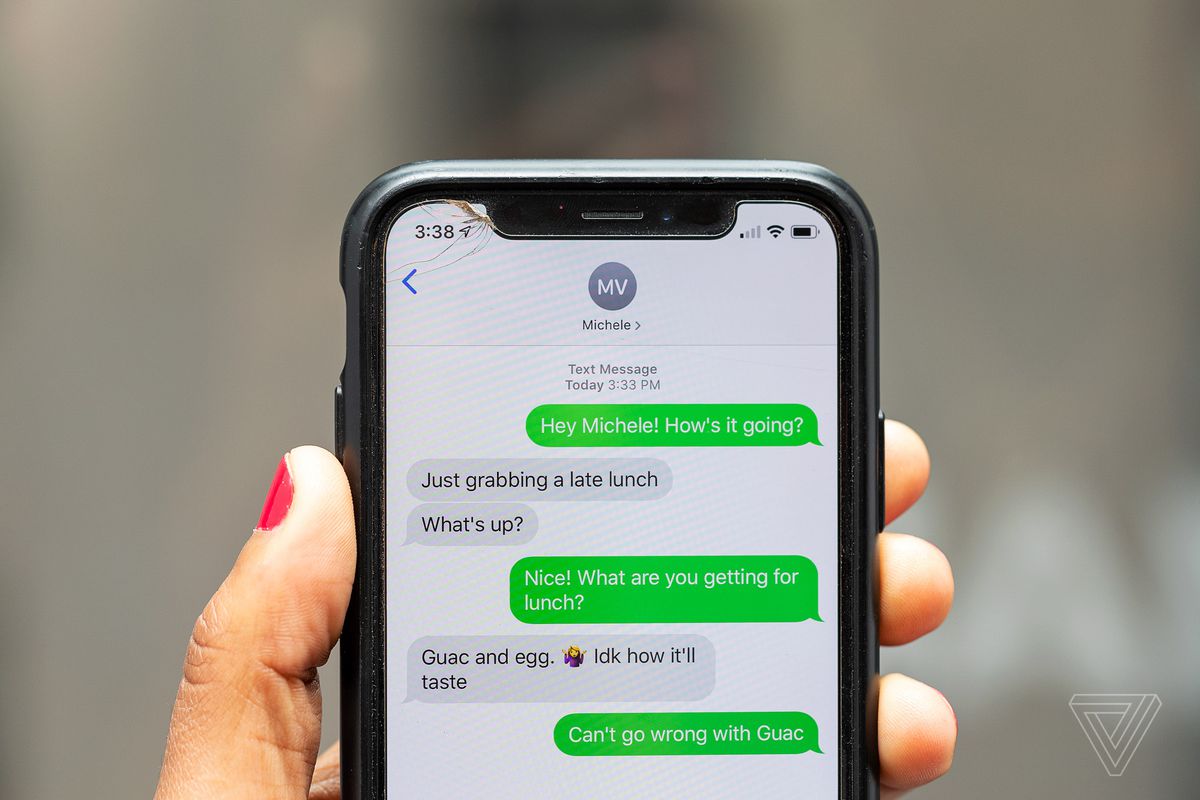
    The four major U.S. carriers are planning to roll out a Rich Communication Services (RCS) app later this year. This allows Android users to send and receive messages via a phone’s data connection instead of its cellular connection. However, Google has already updated its Android Messages app by enabling RCS Chat on all Android phones. Messages between two RCS users can be as long as 8,000 characters instead of 160. Additionally, a user will know if his messages have been read thanks to read receipts that he will receive.
    Other improvements that Android users will see is the ability to share larger video files, host group chats with as many as 100 participants, and have RCS chats run through a Wi-Fi network. Android users have long wanted a messaging platform with some of the advanced features that iOS users have enjoyed with the Messages app. And the carriers plan on monetizing RCS by using the platform to allow companies to reach Android users. We could even see Android users order a Lyft or Uber rideshare through their RCS Chat app.
    Google is testing one feature found in iMessages for its RCS Chats. An Android user sporting a OnePlus 7 Pro on T-Mobile has the beta version of Google’s Messages app installed and discovered that he could respond to a Chat with an emoji reaction. That is a feature available to iOS users via iMessage. Android users engaged in an RCS chat (again, both sides of the convo must be using RCS) long-press on the last message received and they will see seven different emoji that they can choose from for their emoji reaction. The one they select will end up on the lower right side of the last message sent by the other party.
    While Google just sent out a beta update to the Messages app, the emoji reaction has not appeared on all Android phones that were updated. This would seem to indicate that a server-side update is at play here. You can check out whether you have this feature the next time that you’re in the middle of an RCS Chat by long-pressing on a message you’ve received. If you don’t see the options for an emoji response, you do not have it yet. If Google decides to add this as a permanent feature you will eventually have the ability to use an emoji to convey your emotions about a message that was sent to you.
    One thing to keep in mind is that you cannot use RCS Chat if the texting platform you use now is one provided to you by your carrier. For example, Verizon Messages will not work with RCS. If you don’t have the Google Messages app on your Android handset, you can install it from the Google Play Store.
    There are some things that are not perfectly clear from the testing. One is whether there are only seven emojis that will be made available for the user’s reaction. The seven that were seen in the screenshot shared by a Redditor include ThumbsUp, HeartEyes, Laughing so hard you’re crying, Surprised, Sad (with one lonely tear), Anger, and ThumbsDown. That pretty much covers a wide multitude of emotions.
    If you are an Android user, you’ll know whether you are messaging someone using RCS because of the dark blue background of the text balloons. If you’re exchanging messages with someone who is not a phone enthusiast, it is possible that even if you ask them outright, they might have no idea what platform they are using and whether they have RCS.
  • Work from home is Twitter’s new normal forever

    Work from home is Twitter’s new normal forever

    Twitter employees can continue working remotely for as long as they want, said CEO Jack Dorsey in an email. So, even after the lockdown ends, it would be up to the employees where they want to go back into the office or work from home. Of course, the policy does not apply to all staffers, and workers whose job mandate that they be present on the site will have to report back to work.

    But for the rest of Twitter employees, work from home could become the new reality.

    The company was a proponent of remote work well before the coronavirus forced firms around the world to let their employees work from home. It shut down its offices back in March because of the pandemic and these few months have proven that this model can work.

    Of course, employees that want to return to their cubicles would be allowed to do so. However, Twitter seems in no hurry to reopen its offices.

    The company says most locations won’t open before September and it will be a staggered and gradual process. And, as mentioned before, even when Twitter’s offices do finally reopen, employees can choose to not go back. The allowance for remote work supplies has also been increased to $1,000 for all workers.

    Business travel will remain suspended until September, with a few exceptions, and all in-person events have been canceled for the rest of the year.

    The new model will also potentially allow Twitter to hire remotely.

    Work from home poses its own challenges and even though the last few months have taught Twitter that this could work for it, it remains to be seen how it will play out in the long run.

    It’s likely that many other companies are thinking along the same lines and we can expect similar announcements in the future.

  • Changi Airport further consolidates terminals

    Changi Airport further consolidates terminals

    Following the suspension of operations in Terminal 2, Changi Airport is to further consolidate operations and indefinitely close more retail stores.

    The airport will temporarily suspend Terminal 4 (T4) operations and move T4-based airlines to Terminal 1 and 3 instead. That means stores and restaurants in T4 will close its doors this week until the terminal resumes operation.

    According to the company, the move will help Changi Airport and its partners save on running costs such as utilities and cleaning.

    At Jewel Changi Airport, non-essential services, including Canopy Park and the HSBC Rain Vortex, are not allowed to operate until June 1.

    Restaurants and coffee shops in the shopping center remain open for takeaways only.

    Details of stores still open in the two terminals which continue to operate and at Jewel Changi can be accessed online.

  • AirAsia Unlimited pass extended until June

    AirAsia Unlimited pass extended until June

    If you’ve bought AirAsia’s Unlimited Pass a couple of months ago, the low-cost carrier has announced that they are extending the travel period validity until 30th June 2021. The extension is expected since international travel is still not permitted in Malaysia due to the COVID-19 outbreak.

    According to AirAsia’s Facebook post, the new validity date should be reflected under the AirAsia Deals page under the ‘My Purchases’ tab. The updated FAQ states that the booking must be made at least 14 days in advance and the last available booking date is 16 June 2021.

    For those who have booked their flights on or before 17th of April with a departure date between 23rd March and 30th June are allowed to make unlimited flight change to any date before 31st October 2020 on the same route for unlimited times without any additional costs subject to seat availability. Alternatively, they can request to retain the value of the booking as a credit which can be redeemed within 2 years (730 days) from the issuance date.

    The AirAsia Unlimited Pass was introduced on 29 February and it was seen as a move to cushion the economic impact of COVID-19 on the travel industry. The pass costs RM499 and it allows you to take unlimited AirAsia X flights to destinations in Australia, Japan, China, Korea, India and also Honolulu via Osaka.

    The pass only covers the base fare of the flight and it doesn’t include taxes, airport charges, regulatory fees as well as add-ons such as seat reservation, meals and check-in luggage allowance. Initially, the pass covers a travel period from 2nd March 2020 to 2nd March 2021 and it is now extended by approximately 4 months.

  • Facebook shuts down Instagram Lite app

    Facebook shuts down Instagram Lite app

    Instagram Lite, the app launched by Facebook two years ago in several countries to help users with less powerful smartphones has been given the ax. AndroidPolice recently noticed that the Instagram Lite app has been removed from the Google Play Store, while those who already have installed are now met with a message informing them that the app is no longer supported.

    TechCrunch was able to confirm with Facebook that Instagram Lite has been shut down and that people in those countries where it was available are now redirected to the full-fledged Instagram app:

    We are rolling back the test of the Instagram Lite app. You can start using the latest version of Instagram instead to connect with the people and things you love.

    The Instagram Lite app was available for download in countries like Kenya, Mexico, Peru, and the Philippines, but instead of expanding its availability, Facebook has decided to shut it down completely.

    However, it looks like this isn’t the last time we see a “lite” version of Instagram, as Facebook plans to process all the feedback it received and build a new version of Instagram Lite. Unfortunately, there’s no telling when the app will be launched, but at least we know it’s coming.

  • Deliveroo Singapore partners WeCare@MarineParade to deliver iftar meals

    Deliveroo Singapore partners WeCare@MarineParade to deliver iftar meals

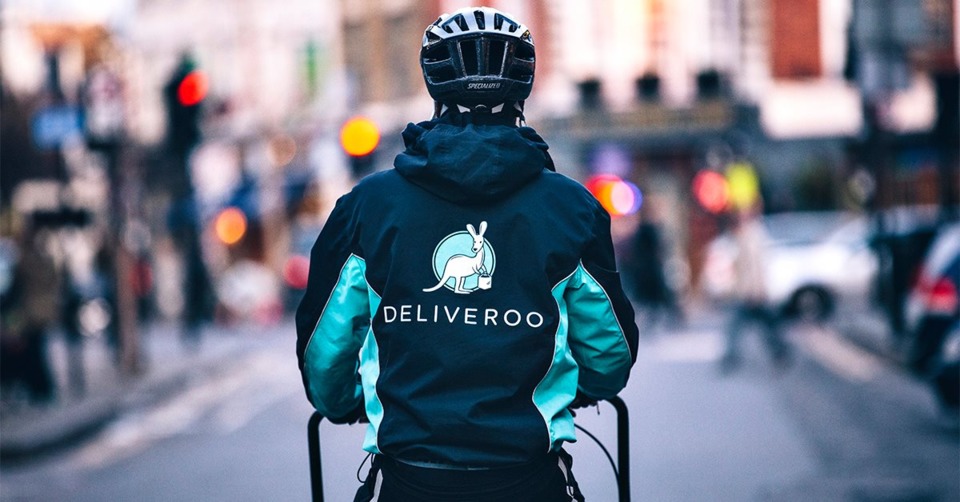
    Deliveroo Singapore is partnering with WeCare@MarineParade to deliver iftar meals to vulnerable Muslim families to enjoy during Ramadan. As part of a joint partnership between WeCare@MarineParade, Islamic Restaurant Singapore and Deliveroo, Deliveroo riders will deliver 1,200 meals to 115 households and 428 beneficiaries nominated by WeCare@MarineParade between 4 May to 22 May. Generously donated by Mr Yusoff Rahman, the meals will be prepared by Islamic Restaurant Singapore, with delivery fulfilled by Deliveroo.

    WeCare@MarineParade is a community-based network that aims to help vulnerable residents in Marine Parade through community action and meaningful partnerships. Founded in 1921 by Mr Abdul Rahiman, Islamic Restaurant Singapore has been in the food business for nearly 100 years. Serving up halal dishes which utilise traditional cooking methods with modern twists, Islamic’s mission has always been to serve up quality comfort food including roti maryam, murtabak, curries and other mamak favourites.

    “Deliveroo Singapore is always seeking opportunities to give back to the communities we operate in,” said Sarah Tan, Director of Growth and Marketing and Interim General Manager, Deliveroo Singapore. “As a company which delivers great-tasting food to thousands of consumers’ doorsteps each day, banding together withWeCare@MarineParade and Islamic Restaurant to give back to those in need was an obvious partnership this Ramadan. As Singapore continues to do its part to stop the spread of COVID-19 together, we hope the food deliveries raise a smile for our Muslim friends at home.”

    “Amidst the Circuit Breaker, gathering volunteers to distribute food has been challenging. Thus, we are delighted to work with Deliveroo during this special time. Between 4 May to 22 May, Deliveroo riders will deliver local food to over 400 of our beneficiaries in Marine Parade. This would not have been possible without their kind sponsorship and move to bring favourite takeaways, delivered to people’s doorstep.” said Chan Jianhong, Head of WeCare@MarineParade.

    “I’m very grateful to receive this delicious iftar meal for me and my family to enjoy together during the holy month of fasting,” said Marine Parade resident, Mdm Sharifah Binte Hussein. “It’s difficult this year not getting to spend time with our extended family and friends during Ramadan, but little acts of kindness like this go a long way.”

    “I’m happy for the opportunity to do my part to help the less fortunate in our community and lift their spirits, especially during these challenging times. It means even more as we get to volunteer during our free time during fasting month. This is a truly meaningful initiative that I’m glad to be a part of. It’s really rewarding to see the smiles on their faces when we drop off the meals and I hope I can continue to participate in such initiatives like these,” said Nurul Astika, a Deliveroo rider who participated in this initiative.

    Deliveroo Singapore’s partnership with WeCare@MarineParade and Islamic Restaurant Singapore is the latest in a series of community focused tie-ups. Previous partnerships include TOUCH Community Services, where Deliveroo rallied customers, restaurants and riders to get behind the Meals-On-Wheels initiative, and social enterprise Glyph, which saw Deliveroo hosting quarterly Food & Cultural Exchanges and offering discounted Glyph membership fees for riders’ children.

  • South Korea’s Kurly wins funds for expansion

    South Korea’s Kurly wins funds for expansion

    Kurly, a South Korea-based grocery-delivery startup, has netted Series E funding totaling KRW200 billion (US$160 million).

    The funding round for the five-year-old company was led by DST Global, with additional participation from several existing backers – including Hillhouse Capital, Sequoia Capital China, Fuse Venture Partners, SK Networks, and Translink Capital. Newcomer Aspex Management also contributed to the new financing.

    Total funding in Kurly has now reached KRW420 billion won ($328 million), confirming unicorn status for the venture. The company expects to use the funding to set up a new fulfillment center in Seoul, more than twice as large as its current facilities.

    “Kurly has been showing incomparable growth in the fast-expanding online grocery market,” said DST Global investment partner and head of Asia Pacific John Lindfors, “and as the first to establish morning deliveries, has demonstrated its ability to disrupt the logistics industry and change the grocery shopping habits of Korean consumers”.

    The firm recorded annual average revenue growth of 3.5 times since opening, and extended its fulfillment capability area by a factor of 4.9 last year, with a 2.9 times increase in total deliveries.

  • Cebu Pacific slips into first-quarter loss

    Cebu Pacific slips into first-quarter loss

    Cebu Pacific posted an operating loss of Ps693 million ($13.7 million) in the first quarter of 2020, reversing the Ps3.85 billion operating profit made in the same period last year.

    Total revenue for the quarter ended 31 March fell 24.9% to Ps15.9 billion, as revenue from passenger, cargo, and ancillary segments fell across the board.

    The low-cost carrier’s expenses declined 4.2% to Ps16.6 billion, due to a sharp fall in costs associated with reduced flying operations, as well as reservation and sales. On the other hand, costs from depreciation and amortization, and aircraft maintenance costs were all higher.

    Cebu Pacific thus slipped into a net loss of Ps1.18 billion, down from a net profit of Ps4 billion last year. Factors contributing to the net loss include losses from hedging and foreign exchange.

    Cash and cash equivalent stood at Ps17.5 billion as of 31 March, down from the Ps22.5 billion a year before.

    During the quarter, Cebu Pacific grew its fleet from 75 to 76 aircraft, having added one Airbus A320neo.

  • Thailand’s CP wins 7-Eleven rights to operate in Cambodia

    Thailand’s CP wins 7-Eleven rights to operate in Cambodia

    Thailand’s CP Group will launch 7 Eleven Cambodia next year after winning the franchise rights for the country.

    CP Group, which operates 7-Eleven in Thailand, will run the business via its local subsidiary. The first outlet is expected to open in Phnom Penh.

    According to reporting in Nikkei, CP will be responsible for all business strategy and distribution activities of 7-Eleven Cambodia, and will bear the right to use the brand logo and signage.

    The operation will also include grocery sales along with some banking and delivery services.

    With 12,000 outlets, Thailand is the second-largest market for 7-Eleven after Japan.

    Founded in 1927 in Dallas, Texas, 7-Eleven is now owned by Japanese retail group Seven & I Holdings.

  • Covid-19 cuts US$420 billion from China’s retail market

    Covid-19 cuts US$420 billion from China’s retail market

    The Covid-19 pandemic has erased US$420 billion from China’s retail market this year – but an analyst predicts a rebound in the second half.

    Vijay Bhupathiraju, a retail analyst at GlobalData says before the coronavirus came along, Mainland China was on track to achieve 7.7 percent retail growth this year. But the resulting lockdowns from the pandemic wiped RMB3 trillion (US$420 billion) off total retail sales.

    The lockdown was eased progressively from March 18 and in the epicenter, Wuhan city, was completely lifted on April 8, at which point malls, restaurants and retail stores rushed to reopen and recover some of their losses. By April 3, according to Chinese government data, some 80 percent of restaurants and 90 percent of commercial facilities had resumed operations.

    But cautious consumers have remained confined to their homes, worried about the potential to be infected, meaning footfall at stores and restaurants reopened has been insufficient to ensure profitability for many companies in China’s retail market.

    “Despite easing lockdowns, immediate increase in consumer sentiment is unlikely in the second quarter of this year, particularly for discretionary goods, as consumers remain cautious about visiting busy locations such as shopping malls,” said Bhupathiraju.

    “A rebound in consumer sentiment can be expected from the second half, which will be translated into a faster sales pick up in the country. In fact, the rebound will be more positive than those we forecast for mature western countries such as Italy, Spain, the UK and the US, where consumer willingness to spend and financial stability will be weaker.”

    By year-end, GlobalData projects China’s retail sales will be down by 1.8 percent – a far cry from the 7.7 percent growth expected, but if the estimate proves correct, it should be significantly better than many western retail markets can expect.

    Next year, GlobalData predicts China’s retail market will bounce back, with sales growth of 8.3 percent against this year.

    Examples of the weak footfall in the post-lockdown era include Walmart in Shanghai, which reported less than half the usual levels on March 28, and H&M, which recorded a 23-per-cent sales decline for the week commencing March 26 against the same week a year ago, despite 99 percent of its stores reopened. And customer footfall at Suning’s physical stores was running at less than half normal.

    Meanwhile, a senior executive of e-commerce giant JD is predicting “unprecedented challenges” to the supply chain in the wake of the Covid-19 crisis as consumer behavior reshapes China’s retail market.

    Bing Fu, logistics head of strategy says new consumption demands are constantly emerging, and product life cycles are shortening.

    “Increased uncertainties caused by emergencies like natural disasters and pandemics lead to supply chain disruptions.”

    During the coronavirus, customers bought products in any way available, turning to online solutions immediately if they could not get what they wanted offline.

    “While Covid-19 is not welcomed, it promotes digitization of consumption, which concurrently drives supply-chain upgrade,” he said. “Only by shortening and digitizing the fulfillment process can we increase efficiency and access customers faster with increased precision.”

    In recent years, he argues, the line between online and offline has become increasingly blurred. “In fact, many new channels such as WeChat’s mini-programs can’t be considered exclusively online or offline; omnichannel is the future trend.”

    Fu says to adapt to the new environment, companies must take an integrated inventory approach to manage all sales channels, integrate supply-chain planning and optimization, use consumption data to design a more efficient supply chain to deliver goods to consumers more quickly, use big data and algorithms to optimize supply-chain performance and use a transparent parcel-tracking system.

  • Cebu Pacific offers flexible options for travelers

    Cebu Pacific offers flexible options for travelers

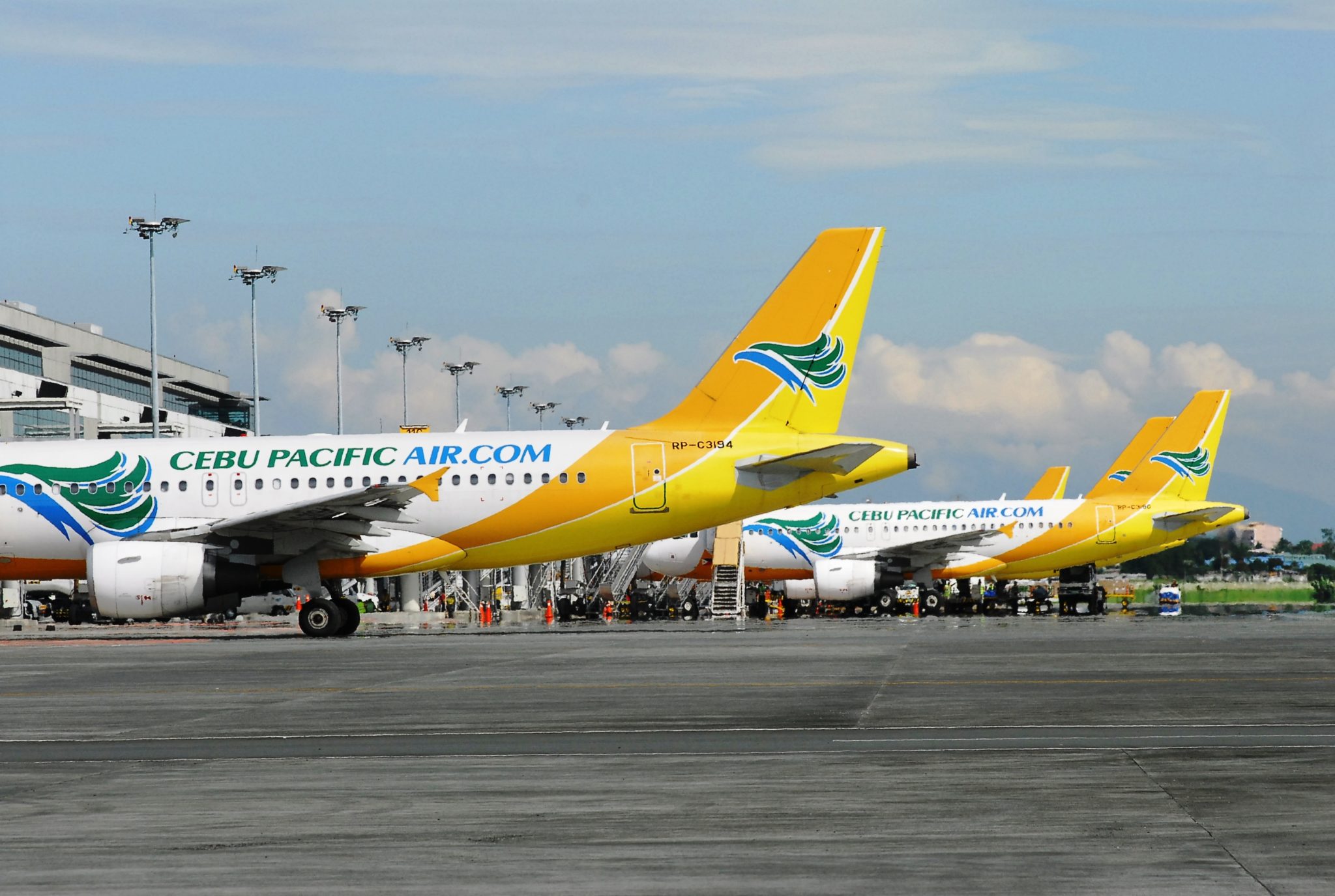
    In light of the World Tourism Organization’s #TravelTomorrow campaign, Cebu Pacific Airline encourages travelers to be responsible and stay at home amid the current health crisis as it offers flexible options for passengers whose flights have been canceled.

    Among the self-service options that can be done conveniently online are free rebooking, full travel funds, and a full refund. Free Rebooking By availing of this option, guests can rebook their canceled flights to any other travel date within three months from the original date, with no additional charges—both change (rebooking) fees and fare difference are waived. Who must avail of this: This is perfect for those just waiting for the skies to clear, and still need to travel at the soonest time possible.

    Full Travel FundThose who opt for the full travel fund, the full cost of their ticket will be stored in a virtual wallet—said amount can be used to either book a flight up to one year ahead or pay for add-ons such as baggage allowance and seat selection. If the travel fund is not used within a year, passengers can instead apply for a full refund. Who must avail of this: This can come in handy for those still waiting things out or those who are re-assessing their existing travel plans.

    Passengers who prefer to receive a full refund, processing of requests will begin on May 18 should the ECQ be lifted and regular work schedules resume. However, due to the unprecedented volume of requests for refunds, Cebu Pacific appeals for kind understanding as the process will take as long as three to four billing cycles (a cycle typically lasts 20-45 days).

    Who must avail of this: This is suited for those who might need the cash for other purposes, and are putting their travel plans on hold. For added flexibility, passengers with booked flights from May 16 to Sept. 30, 2020 who wish to voluntarily change their travel plans have the following options, all free of charge: – Rebook to any other travel date within one year from original date of departure, with change (rebooking) fees waived, but fare difference may apply;- Convert full cost of the ticket to a Travel Fund, which is now valid for one year. This allows passengers to decide and book their trips within a year for flights as far as one year ahead.

    Flights can be easily managed online via the “Manage Booking” portal on the Cebu Pacific website. Customers who booked through a travel agent should contact their agent for assistance.

  • Cebu Pacific to introduce Contactless Flights as “new normal”

    Cebu Pacific to introduce Contactless Flights as “new normal”

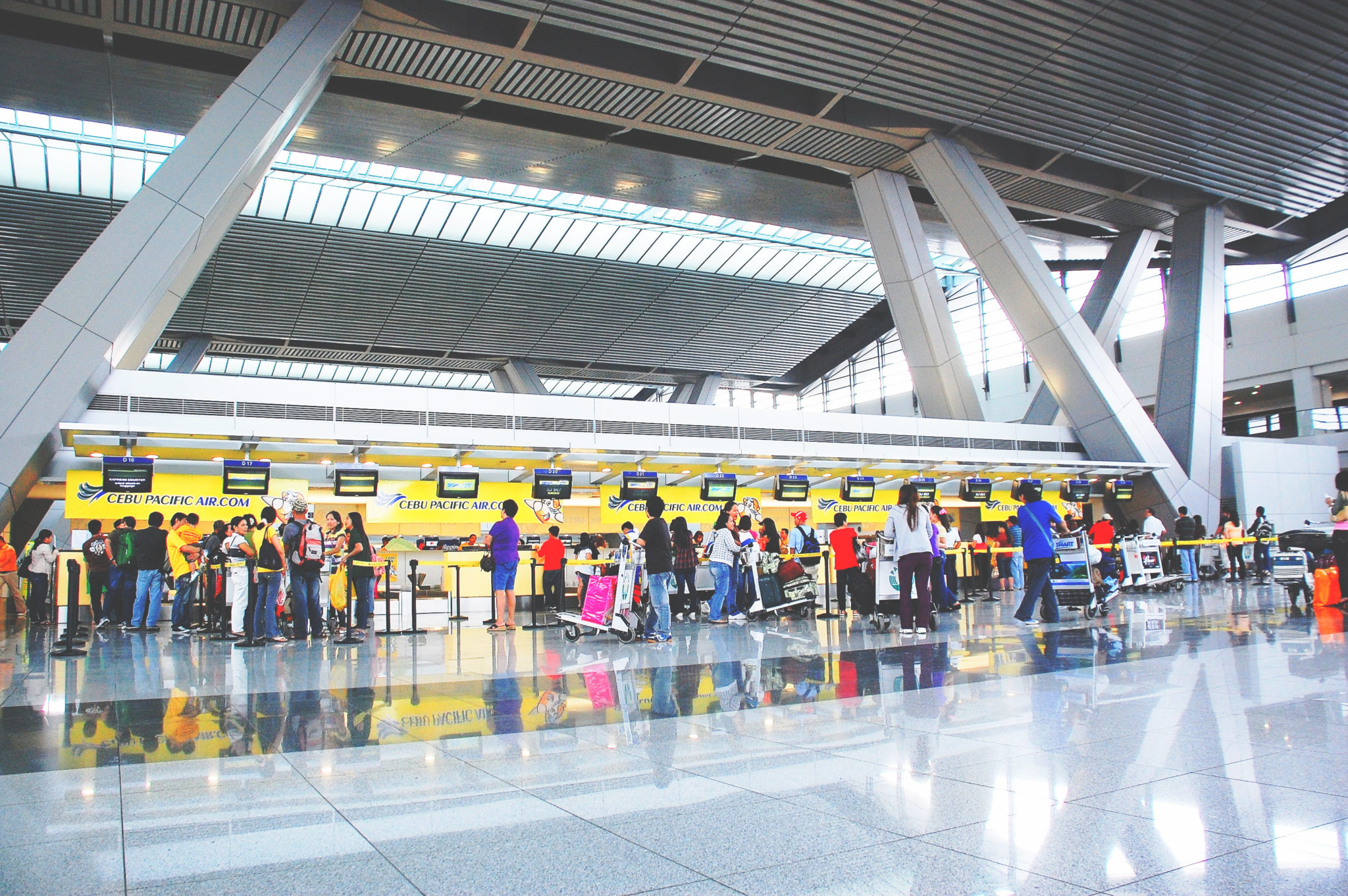
    Cebu Pacific will introduce contactless flights in the future when people are ready to fly again. The low-cost airline put safety as its topmost priority in the age of “new normal” as the Philippines will start to ease its quarantine restrictions come May 16. Here are some of our new guidelines for Cebu Pacific Contactless Flights within the Philippines:

    Guests are required to keep masks on, from airport entrance until arrival. Bag drop counters will close one hour before flights, to allow enough time for staggered boarding procedures. Physical distancing markers must be followed.

    Hand sanitizers will be provided for guest and staff use, at the airport and inside the aircraft. CEB passenger areas such as kiosks, bag drop counters, shuttle buses, and aircraft lavatories and seats will also be frequently sanitized for everyone’s safety.

    Guests are highly encouraged to check-in online to minimize proximity to our check-in agents. Those with no bags can head straight to gate. Once the row is called, have boarding passes ready for scanning by our boarding gate agents.

    Meanwhile, operations teams have these world-class Preventive Measures in place:

    CEB pilots and cabin crew will undergo rapid antibody tests before their assigned flights, as part of our commitment to flattening the curve. The operating crew cleared for flights will also don personal protective equipment. They are also trained to assist and isolate guests onboard, as needed.

    Our daily disinfection program includes the misting of the aircraft cabin, using an Airbus-approved disinfectant effective in eradicating viruses including the Coronavirus. This process is aligned with the International Air Transport Association (IATA) guidelines and ensures that all surfaces (such as passenger seats, overhead bins and cargo compartments) are covered and sanitized. Lavatories will also be sanitized every 30 minutes.

    The air inside the cabin is changed every three minutes, using High-Efficiency Particulate Air (HEPA) filters installed in our Airbus aircraft. HEPA filters can filter out viruses with 99.99% efficiency, which is why it’s also used in hospital operating rooms.

    Cebu Pacific said that it will continue to work with government authorities and use guidelines from the World Health Organization and the International Civil Aviation Organization. They will keep refining their procedures, so people can travel with peace of mind.