Category: General

Retail News Asia is committed to providing both local and global retailers with the latest General Retail news throughout the Asian market. This on a daily base.

  • Google is fined $8 million in Sweden over data protection laws

    Google is fined $8 million in Sweden over data protection laws

    Since the General Data Protection Regulation (GDPR) went into effect in the European Union back in 2016, companies and organizations have had larger responsibilities in order to protect the privacy rights of individuals. Sweden has evidently determined that Google has not fully complied with these regulations, leading to a hefty fine.

    Under the GDPR, an individual has the right to privacy of personal data, including the right to request that their personal search results, such as their name, be delisted from search engines. Since 2017, the Swedish Data Protection Authority (DPA) has identified search listings that Google is required to delete.

    Based on two audits administered over four years, the Swedish DPA has concluded that Google has not complied to these regulations. Currently, Google informs websites before delisting, allowing them time to move their sites to different URLs to bypass the delisting. The Swedish DPA argues that this practice negates the point of delisting and the overall principles of the GDPR.

    Based on these conclusions, the Swedish DPA has issued a fine of 75 million Swedish kronor, or about 8 million dollars. Based on local laws, Google has three weeks to take action before it becomes final. The internet giant is expected to appeal the decision.

  • Samsonite marks 110th anniversary with sustainability pledge

    Samsonite marks 110th anniversary with sustainability pledge

    Luggage retailer Samsonite is marking its 110th anniversary with a sustainability pledge.

    The new “Our Responsible Journey” strategy “focuses on Samsonite’s legacy of designing products that last; its commitment to reducing its impact on the planet; and how it engages its people, partners and communities in this progress,” the company said in a statement.

    The strategy – which includes commitments by Samsonite brands Tumi, American Tourister and Gregory – aims to increase the use of sustainable materials and packaging; continue to develop solutions towards product durability, improve access to repairs and end-of-life solutions; and use 100-per-cent renewable energy while becoming carbon neutral within five years.

    “While we’ve been focused on sustainability for several years, ‘Our Responsible Journey’ is how we will accelerate the implementation of sustainable business practices globally to meet our goals,” said Samsonite International CEO Kyle Gendreau. “This strategy will touch every aspect of our business to help us further our long-standing leadership in the industry.”

    The brand has launched more than 50 collections including sustainable materials to reduce waste. It has reportedly diverted roughly 52 million 500 ml PET bottles from landfills.

  • Google adds support for multiple signatures in Gmail

    Google adds support for multiple signatures in Gmail

    Google revealed earlier today that a new feature is coming to Gmail that allows users to create and use multiple signatures. It’s a nifty feature that makes it easier for Gmail users to adapt to any situation when it comes to sending emails that require different signatures.

    To make use of the new feature, which Google says will be available by default, simply create multiple signatures by heading to Gmail’s Settings / General. From there, choose Signature / Create New, and you should be able to create multiple signatures.

    Creating multiple signatures is easy, but let’s see how you can put them to good use. After you create at least two signatures, you’ll be able to switch between them by opening the signature menu in the compose action toolbar.

    Google announced the support for multiple signatures in Gmail will be rolled out starting today and may take up to two weeks to reach all devices. The new feature is available for all G Suite users, as well as Gmail users with personal Google Accounts.

  • Convenience Retail Asia sales, profit rise despite Hong Kong unrest

    Convenience Retail Asia sales, profit rise despite Hong Kong unrest

    Circle K Hong Kong parent Convenience Retail Asia has recorded a 5.9 percent increase in sales last year to HK$5.632 billion (US$724.7 million), despite the onset of social unrest disrupting its core Hong Kong retail market.

    Net profit for the year rose 13.3 percent to HK$208 million on the back of higher sales, operational efficiencies, and reduced production costs resulting from the depreciating renminbi.

    Chairman Victor Fung said that if there was a silver lining to the second half-year “it was how the group responded to these challenges”.

    Convenience Retail Asia ended the year with 383 Circle K stores in Hong Kong one fewer than a year earlier, 99 Saint Honore bakery stores and nine Zoff eyewear stores. A 10th Zoff store has opened this year at Lee Theatre Plaza.

    Turnover for the convenience store business increased 7.5 percent to HK$4.524 billion with comparable-store sales growing 6.1 percent against the same period in 2018. Turnover for the bakery business decreased by 2.5 percent to HK$1.092 million due to reduced sales of festive products. And turnover for developing business increased 36 percent to HK$105 million due to the expansion of the Zoff store network.

  • AirAsia shares drop further, salary cut for top management

    AirAsia shares drop further, salary cut for top management

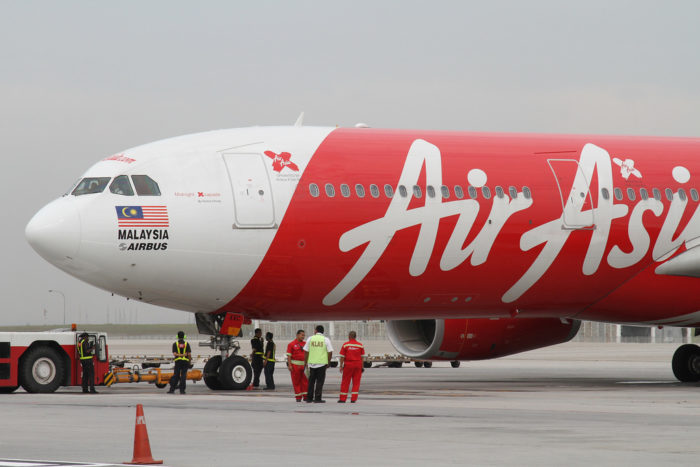
    AIRASIA Group Bhd’s share price dropped to the lowest level in 48 months despite the low-cost carrier’s move to cut operational costs and shield the company from being battered by the coronavirus outbreak.

    Carriers across the globe are in panic mode as millions of people cancel their flights as the virus wreaks havoc around the world.

    AirAsia’s shares closed yesterday’s trading at 97 sen, down 2 sen from the 99 sen recorded on Monday — compared to around RM4.41 in February 2018. The company’s market capitalization plummeted to RM3.42 billion.

    Shares of AirAsia’s long-haul unit AirAsia X Bhd declined to 7.5 sen.

    AirAsia’s acting CEO Tharumalingam Kanagalingam in an internal memo to the carrier’s staff warned of the need to cut expenditures.

    The carrier had reduced wage costs, suspended Free Munch for all non-operations managers and above; restricted unnecessary duty travel canceled big social events for the year and suspended external training unless required by law or regulation.

    He said the company’s highest earners have agreed to take a pay cut, but did not provide any quantum. In the replacement of traveling, employees should use voice or video conferencing.

    Kanagalingam, who is popularly known as Bo Lingam, said the measures are put in place to reduce costs, conserve funds and protect the future of the business.

    He said the company has reviewed every option to minimize the impact on its employees.

    “These measures are not permanent. Senior management and I will review them periodically until the situation normalizes.

    “But we may need to announce additional measures if things continue for longer or get worse. Your manager or HoD (head of department) will explain this exercise to you in more detail,” Kanagalingam said in.

    In a press statement on Monday, the acting CEO said the cost-containment measures would have zero or minimal impact on most AirAsia employees, especially those in the lower-income bracket.

    He said AirAsia continues to monitor the developments and employ aggressive marketing and education strategies to instill the confidence of flying back in the traveling community.

    “To further spur local and regional tourism, capacity is now being redeployed to domestic and intra-Asean flights. We are also continuously engaging industry stakeholders and tourism authorities for incentives, as well as marketing and promotional collaborations,” he said.

    AirAsia is expected to register a core net loss of RM1.1 billion following lower demand and yields in Malaysia, Thailand and the Philippines on significant exposures to flights to China, Hong Kong and Macau, CGS-CIMB Research said in a note last month.

    An analyst said the market outlook for AirAsia is “definitely grim for 2020”. “This year will be a watershed year. It is a matter of mitigating from deeper losses,” the analyst said.

    Its competitor Malaysia Airlines Bhd has also slashed the salary of the senior management staff by 10% and removed all allowances effective this month.

    The national flag carrier canceled more than 1,600 flights and the figure is expected to rise further.

    Group CEO Captain Izham Ismail said in a video message to the carrier’s staff that MAB has reduced 7.1% of its capacity in the first quarter this year, including 53% of the capacity to China and 23% for North Asia, namely Korea and Japan.

    Malindo Airways Sdn Bhd was reported to have asked its staff to take up to a 50% pay cut and two weeks’ unpaid leave.

    As part of the pay cut, Malindo employees were asked to reduce their number of working days by up to 15 days a month, Reuters reported.

    The International Air Transport Association has projected a total global lost revenue of between US$63 billion (RM265.6 billion) and US$113 billion in the passenger business, more than double than its previous assessment of US$29.3 billion revenue loss.

    Markets in Australia, China, Japan, Malaysia, Singapore, South Korea, Thailand and Vietnam are estimated to see a 23% reduction in passenger numbers that translates to a loss of US$49.7 billion in revenue.

    Last month, the Malaysian Aviation Commission reduced Malaysia’s passenger traffic growth forecast from between 5% and 6% to between 4.6% and 5.7% this year as a direct impact of Covid-19.


  • Kikki.K appoints voluntary administrators

    Kikki.K appoints voluntary administrators

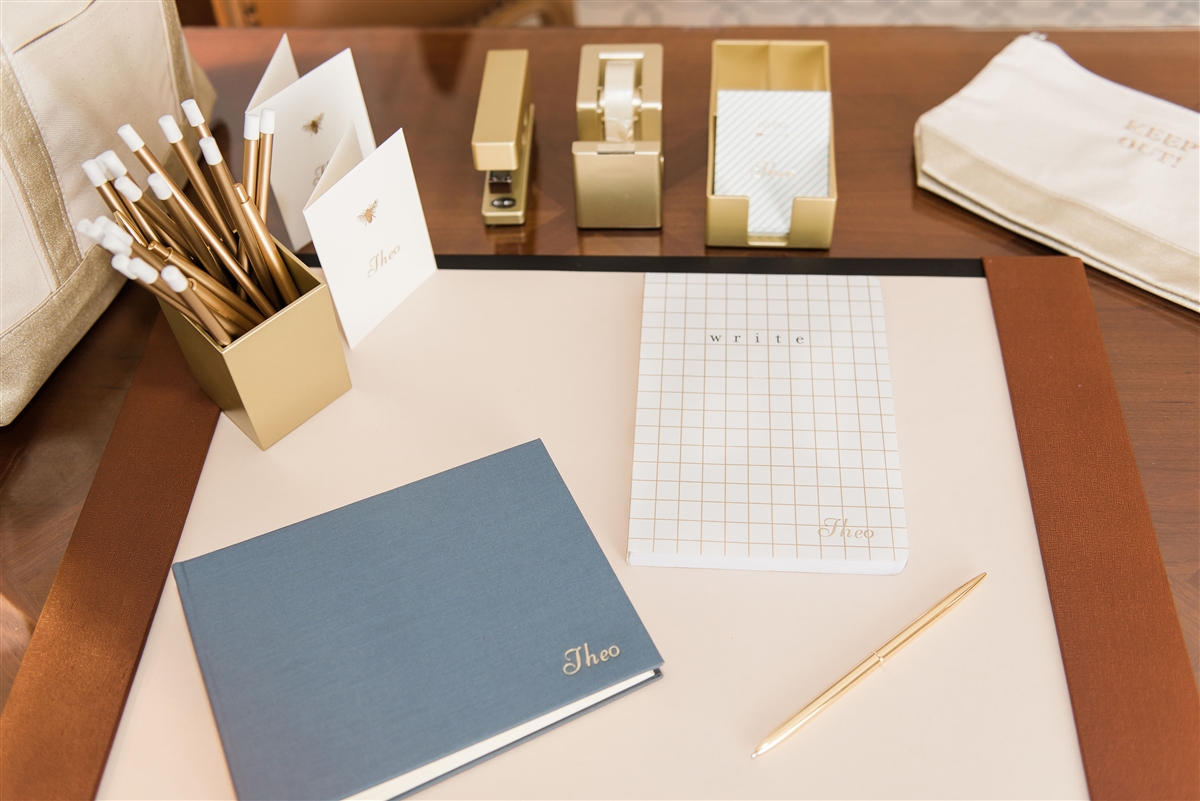
    Australian-born stationery business Kikki.K has been placed in voluntary administration, leaving the fate of 450 employees and 65 stores uncertain.

    In Asia, Kikki.K has stores in Hong Kong and Singapore and it sells online.

    CEO Paul Lacy said the business had been caught in a perfect storm – feeling the impact of Brexit in the UK, the Hong Kong protests in its Asian arm, the bushfires in Australia and the global coronavirus crisis.

    “This unprecedented line-up of external events, particularly in recent weeks, has really taken its toll,” Lacy said.

    “As we looked ahead we just didn’t have the certainty we could keep going so we have had to take this decision.”

    The business appointed Jim Downey of J.P. Downey & Co as an administrator, and Cor Cordis’s Barry Wight and Bruno Secatore as receivers.

    For the time being the business will continue to run as usual while its future is determined – with founder Kristina Karlsson hoping to find a new home and partner for the brand.

    “The last few weeks have been some of the most challenging of our lives but we remain determined to find the right new partner to continue chasing our dream, so we can get back on track for all the people including our wonderful team who rely in some way on this beautiful brand,” Karlsson said.

    According to Wight, administrators are now urgently working with management to plan a restructure of the business, while investigating potential sale options.

    “Kikki.K has unfortunately joined what has now become a long list of financially distressed retailers, given softening consumer spending, high leasing costs, compounded by a disappointing December and January trading period,” Wight said.

    At its peak the business traded across 100 global stores, though the impact of a disastrous international expansion to the UK and the continued spectre of low consumer confidence took its toll.

    According to The General Store partner and CEO Matt Newell retailers can struggle with juggling the difficulties of a global expansion alongside keeping their offer fresh and exciting for existing customers.

    “Kikki.K were executing a pretty ambitious global expansion program which would have sucked out a lot of the capital required to weather difficult trading conditions,” Newell told Inside Retail Australia.

    “You have to admire what Kikki.K created since it launched in the 1990s. It totally redefined customer expectations in the stationery category and grew a global brand that retailed in 140 countries worldwide.”

  • Japan’s Maruya opens first overseas store

    Japan’s Maruya opens first overseas store

    Osaka-based drugstore Maruya has made its international debut in Hong Kong with its first store in Sheung Shui, a prominent ‘border town’ notorious for parallel traders.

    The drugstore will feature imported Japanese goods including cosmetics and daily necessities, at the same price as in its Japanese stores. Additionally, consumers can also make customized requests for specific medicine and the retailer will offer an independent quotation and arrange the logistics and delivery direct from Japan.

    Amidst the low consumer confidence during the coronavirus crisis, the brand’s website strongly emphasizes its quality assurance and its Japanese authenticity.

    For an opening promotion, Maruya is offering complimentary surgical masks with purchases.

  • Apple might soon let you unsend iMessages

    Apple might soon let you unsend iMessages

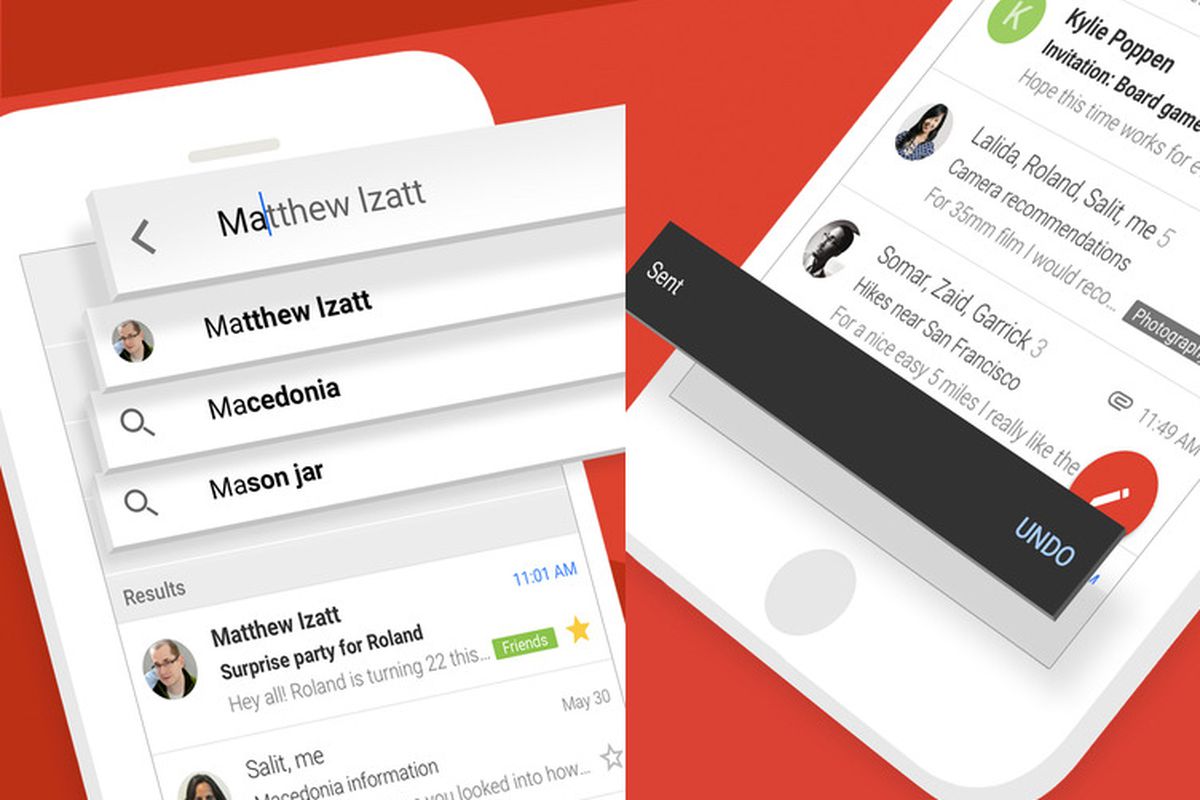
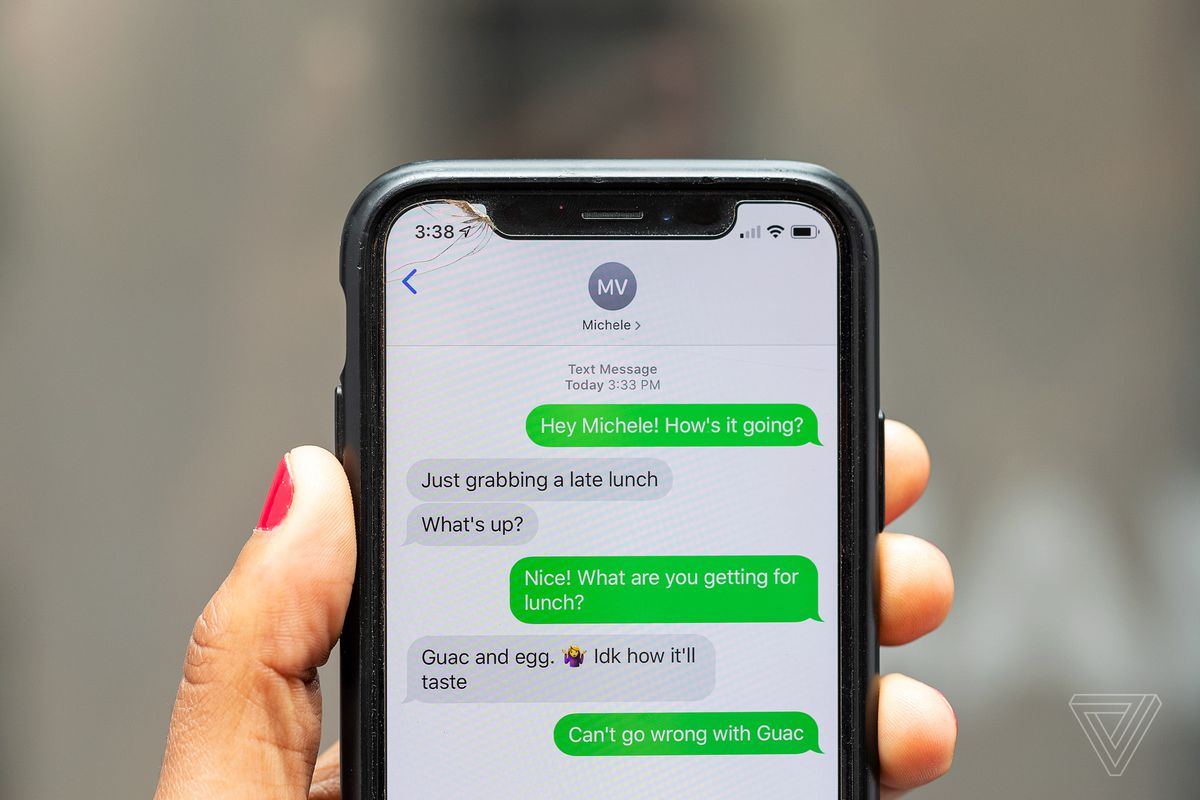
    According to rumors, Apple is testing a bunch of useful iMessage features that could potentially make it to iOS 14. One of those will reportedly let you retract already sent messages, with some fine print visible to both the sender and the recipient indicating that a message has been retracted from the conversation thread.

    How is that different from simply deleting a message you’ve sent over iMessage? Simple – that one deletes it just for you and for none of the recipients. Retracting, however, essentially allows you to “unsend” the message, deleting it from both your and the recipient’s respective chat threads. A godsend feature that could potentially save you from for those times when your brain tricks you into sending gibberish or… the most embarrassing of situations. Oops!

    Another new iMessage that’s allegedly in the testing face will let you tag or mention specific contacts in a Slack-like manner by using the @ sign. Upon typing that one with your keyboard, your iPhone will suggest a list of contacts for you to choose from and mention. The tagged individual will reportedly be alerted even if they disabled alerts for the specific chat thread, which more often than not applies to group conversations.

    But that’s not all: it seems iMessage could score even more features. In particular, a “/me” command is reportedly being tested. It would allow you to share custom status updates inside the chat thread, which is similar to what Skype and Slack allow you to do. There would also be typing indicators for group chats, which is becoming a common trope of most messaging clients, especially ones with desktop clients. You will seemingly be able to mark the last message in a conversation as “unread” even after opening it.

    All of these point out that Apple is very likely preparing to improve the Messages app with a slew of features that will make it a direct competitor to Slack and Skype, two predominantly work-oriented messaging services. Most of these will most likely make it to the Mac version of Messages as well, allowing Apple to take on Slack and Skype on the desktop as well.

    When will these features be released, if at all? Supposedly, at the next WWDC developer summit, provided that it doesn’t get canceled due to the coronavirus outbreak that’s sweeping around. And that one could be the least of Apple’s problems right now.

    However, evidence of cross-platform support is still nowhere to be seen, but let’s be honest – it might never happen.

  • Uncertainty looms over WWDC 2020 as Santa Clara bans mass gatherings

    Uncertainty looms over WWDC 2020 as Santa Clara bans mass gatherings

    Apple might suffer yet another blow after the Public Health Department in Santa Clara issued a ban on mass gatherings in the County for at least three weeks, effective March 9. The culprit is again the coronavirus, with 43 confirmed cases in the area until now and one death, leading to the ban.

    WWDC is one of the biggest events on Apple’s calendar, gathering thousands of developers in San Jose, California, every June. The company announces the exact dates of the event in late April but with the ban in place, we might have to wait a bit longer. It’s worth noting, that in the worst-case scenario of the event being canceled, the expected announcements of iOS 14, iPadOS 14, macOS 10.16, watchOS 7 and tvOS 14 will probably happen in one form or another.

    The COVID-19 outbreak has already lead  the cancelation of many international events and forced companies to opt for online product announcements in order to avoid the spread of the disease and protect their employees. The 2020 Mobile World Congress in Barcelona was among the first victims: after major companies withdrew from the event, the GSMA canceled the conference altogether. Facebook, Microsoft, and Google have scrubbed the live parts of their conferences as well, choosing to live-stream the important stuff instead.

    In the past few years, Apple has transformed the WWDC event from one happening almost behind closed doors to a full-blown live conference with one-on-one sessions between developers and engineers, with key announcements streamed live on the internet. The Santa Clara ban explicitly forbids any gathering of 1000 or more people, which limits Apple’s options concerning the WWDC organization. The company remains silent on the matter, and it’s still not clear if the event will take place at all.

    Apple has some space left for maneuvering and can use Apple Park’s studios to live stream the session part of the event, while the keynote might still be held live at the Steve Jobs Theater if the proper health checks are in place for all the attendees. The Lab sessions will be a hard gig to replicate, with online Q&A sessions maybe the next best thing. Apple is already suffering financial losses from the coronavirus outbreak after 42 retail stores in China closed doors, contributing to a serious plunge in iPhone sales in the country.

  • Google updates Google app with a shortcut for Chrome incognito mode

    Google updates Google app with a shortcut for Chrome incognito mode

    The Google app’s default option for browsing incognito has been around for nearly a year. However, the feature contained one major flaw that made going incognito meaningless – when clicking on a search result from the incognito tab, the window that opens is not incognito and all activity is saved to your Google account’s history.

    However, according to Android Police, Google is going to provide a solution to this issue. Some users have noticed a new option added to the Google app – the possibility to open a new Chrome incognito tab.

    Apparently, the feature is a shortcut which reportedly will lead you to Chrome to browse in incognito there. When tapping on the option, you get the usual disclaimer for an incognito window, advising you that data might still be visible to carriers, websites and employers or schools.

    Unfortunately, this is another server-side update from Google, as the one for Google Photos, and it cannot be manually installed, even if you have a beta version of the Google app. So, we will wait and see when this feature will be rolled out to all the users.

  • Hong Kong food-delivery companies join WWF campaign to combat plastic use

    Hong Kong food-delivery companies join WWF campaign to combat plastic use

    Hong Kong food-delivery companies, Deliveroo and Foodpanda, have joined WWF’s Plastic Action Initiative (PACT) to help reduce single-use plastics.

    According to PACT rules, both companies have to follow sustainable requirements including setting up a default opt-out option for single-use plastic cutlery and creating a program for its merchants to improve packaging material.

    “At WWF, we recognize the effectiveness of business at influencing change, so it is really encouraging to see that businesses are taking responsibility to rein in the plastic crisis,” said Laurence McCook, head of oceans conservation of WWF Hong Kong. “PACT is only a starting point to catalyze actions.”

    With the partnership of the two companies, PACT initiative aims to clear unsustainable packaging by 2025 and set up a more circular economy for plastic in the city.

    “We see the commitment to WWF’s PACT initiative to be a crucial step towards building a more sustainable future for the food delivery industry,” said Brian Lo, GM of Deliveroo Hong Kong. “It is fundamental for not only us but the entire F&B industry to rethink our approach when it comes to packaging and products.”

    After the PACT signing, Deliveroo has collaborated with WWF to offer co-branded paper bags for customers ordering from its Editions sites.

    Meanwhile, Foodpanda has committed to activating online formats, promoting the initiatives for PACT. The CEO of Foodpanda Hong Kong, Arun Makhija, said that since 2018, the company has been taking steps towards driving a more sustainable delivery service by having customers opt-out of tableware. “This year we are committed to do more.”

    Both companies have eliminated 60 tonnes of plastic last year and aim to boost that to 130 tonnes in 12 months after joining PACT.

  • Facebook in legal battle with Australia over alleged user data breach

    Facebook in legal battle with Australia over alleged user data breach

    Last year, Facebook received a penalty of $5 billion by the American Federal Trade Commission for sharing personal information via a survey product called “This Is Your Digital Life”, which disclosed users’ Facebook data to a political consultant Cambridge Analytica. Now, an Australian privacy regulator is filing a lawsuit against the tech giant over the same survey, which this time is said to have shared the data of more than 300,000 Australians.

    The lawsuit is filed in regards to 311,127 users’ personal data being unlawfully shared, with the users not being aware of their data’s disclosure. According to Reuters, the lawsuit didn’t request any specific amount in damages, however, each breach of the privacy law can amount to around $1.1 million penalties at most. So in total, if each of the 311,127 instances is taken into consideration, the penalty facing Facebook could be up to a maximum $348 billion.

    The disclosed personal information could be used for monetization and political purposes and is considered a serious interference with the privacy of Australian individuals. However, Facebook did not provide any comment on the issue.

    Overall, until now, allegedly Facebook has unwillingly shared information of over 87 billion users via the aforementioned survey tool. According to the Australian lawsuit, Facebook was not aware of what data it shared with the program, but this is still considered a failure to protect user data.

  • Google Maps gets a smart new feature perfect for travelers

    Google Maps gets a smart new feature perfect for travelers

    If you’re a frequent traveler who’s always looking for a new place to eat, you might really appreciate this subtle-but-powerful new feature baked into Google Maps.

    New to Google Maps is integration with Google Lens, the powerful image recognition system first introduced in 2017. With the latest update to Maps, the software will enhance listings for restaurants with more information on the menu.

    We already know how competent Google Lens is at identifying text and symbols in images, but this new feature will take things a step further with more information. When user-uploaded pictures include a shot of the menu, the software will kick in and give you more context to help you decide what to eat.

    The interface will give you the option to ‘Explore dishes’. It can identify the most popular items, find images for dishes, or even translate foreign menus to give you a better idea of what a dish will look like.

    The exciting thing about this is that it happens without any work from the restaurant’s end. As long as a reasonably clear photo of the menu exists in Google’s database, your phone should be able to generate these options and context information.

    As you might expect from how heavily it relies on Google services, the feature is only available on Android for now, but like most Maps features, it’ll likely make its way across to the iOS pond before too long.

  • Pet Lovers Centre flourishes in the Philippines

    Pet Lovers Centre flourishes in the Philippines

    The Philippines’ Robinsons Retail will open its fifth Pet Lovers Centre (PLC) this year following its strategy of broadening its retail focus beyond fashion.

    The latest pet shop is scheduled to open in the third quarter of this year in Robinson Place Palawan.

    Pet Lovers Centre has grown after Robinsons Retail Holdings secured the license from the Singapore-based pet store chain last October with the first shop opening in Robinsons Galleria in Metro Manila.

    The store has selections from local and international brands that caters for different pets and their needs. It also has a section dedicated to aquarium hobbyists, featuring tropical fish, ornamental shrimp, freshwater aquatic plants and nano-tanks.

    Christine Tan, senior marketing manager, Pet Lovers Centre, said that nowadays pet owners see the company they buy supplies from as part of their ecosystem. The brand’s rapid expansion in the Philippines attests to the fact that PLC is resonating with pet owners there.

    “The PLC brand is about an award-winning shopping experience that translates the love and passion for pets into true value. We do this by offering pets and pet lovers quality products and services, highly accessible care and fun experiences.”

    She added that this includes the widest and freshest range of products pet owners can find with prompt, friendly and helpful service as well.

    Other Pet Lovers Centre stores are located in Robinsons Magnolia Mall and UP Town Center in Metro Manila and Robinsons Galleria in Cebu City.

    The pet retail and service chain was founded by David and Robert Ng in 1973 and has a network of more than 100 stores across Southeast Asia.

  • CP Group wins Tesco Asia business

    CP Group wins Tesco Asia business

    Tesco has accepted a US$10.6 billion bid for its Asian businesses from a consortium of companies controlled by Thai billionaire Dhanin Chearavanont.

    The deal, which remains subject to regulatory approval and Tesco Group shareholder approval, will be completed in the second half of this year.

    The price represents an earnings multiple of 12.5 times and marks a significant premium on analysts’ estimates of the business being worth about $9 billion.

    The CP Group entities which will buy the assets – Tesco Lotus in Thailand and a joint venture with Sime Darby in Malaysia – are CP Retail Development Company, Charoen Pokphand Holding Co, CP All Public and CP Merchandising Co. CP All runs the vast network of 7-Eleven stores across Thailand.

    Assuming shareholder approval for the deal, Tesco plans to return around £5 billion (US$6.59 billion) to shareholders via a special dividend.

    “This sale releases material value and allows us to further simplify and focus the business, as well as to return significant value to shareholders,” said outgoing Tesco CEO Dave Lewis.

    In a statement, Tesco said the disposal will “further de-risk the Tesco business by reducing indebtedness through a £2.5 billion pension contribution (in the UK) that, along with other measures, is expected to eliminate the current funding deficit and significantly reduce the prospect of having to make further pension deficit contributions in the future”.

    The deal announced today effectively sees CP Group buy back the Lotus operations in Thailand, which it sold to Tesco in 1997 to raise cash during the Asian Financial Crisis.

    CP also owns the Sam Makro grocery warehouse business with 130 stores, along with more than 11,000 7-Eleven stores.

    In winning the Tesco business, CP Group beat rival local bidders Central Group and TCC Group. The decision was reached quickly by the Tesco board given final binding bids closed on February 29.