Category: General

Retail News Asia is committed to providing both local and global retailers with the latest General Retail news throughout the Asian market. This on a daily base.

  • AirAsia and Google to launch Asia’s first ‘tech academy’

    AirAsia and Google to launch Asia’s first ‘tech academy’

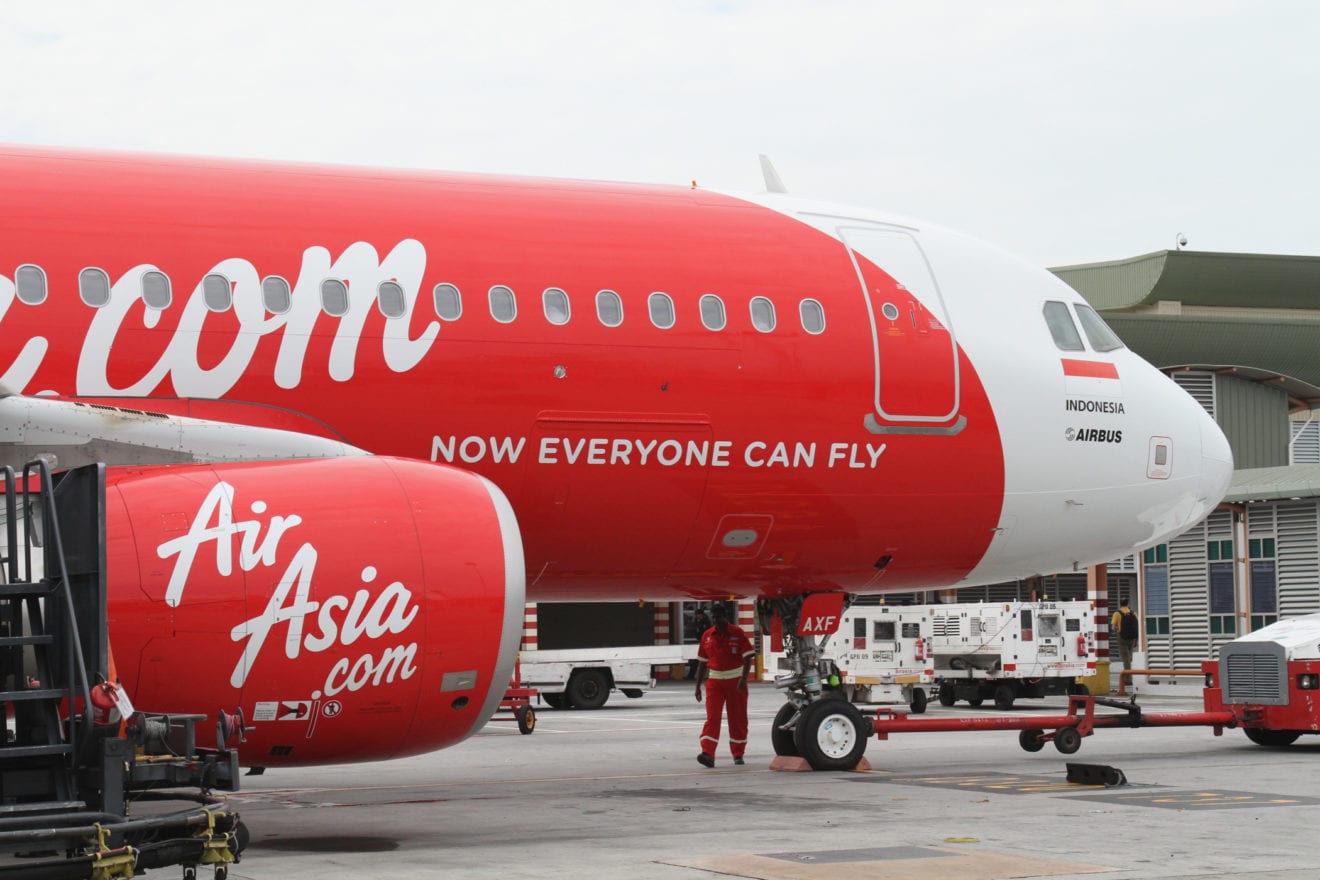
    Malaysia’s AirAsia Group says it will co-found a tech-training facility with Silicon Valley giant Google, as Southeast Asia’s biggest budget carrier by fleet continues its push to become a technology-led company.

    AirAsia Group President Aireen Omar told the Nikkei Asian Review that fresh tech talent would play a vital role in developing new businesses within the group and help fulfill plans by Group CEO Tony Fernandes to remake AirAsia into a digital era disrupter.

    “Because we have a long-term partnership with them, we said to Google why not collaborate with us to set up a tech academy, and they agreed,” Aireen said in an interview.

    Tim Synan, Google Cloud’s Southeast Asia regional director, said the AirAsia-Google Cloud Academy is a collaboration between AirAsia’s RedBeat Ventures and Google Cloud.

    “Together we’re working to upskill AirAsia AllStars with relevant expertise in Google Cloud technologies and build deep technical knowledge and Cloud expertise including Kubernetes, smart analytics, Cloud AI and more,” Synan saidi.

    “Google Cloud and our authorized training partners also offer Cloud training and enablement to AirAsia AllStars through self-paced labs, on-demand courses via Coursera, classroom training and advanced solutions labs with Google Cloud Certifications.”

    Last year AirAsia, which already offers limited travel plans on its website, announced plans to expand its online service to include booking flights with rival airlines and e-commerce in a step toward becoming a full-service travel booking company.

    As profits tumble in the face of rising fuel costs and intensifying competition, Fernandes is seeking alternative sources of revenue.

    Last year he told Nikkei that he intended to invest 100 million Malaysian ringgit ($24.6 million) a year and use the data amassed from the 100 million passengers he transports to create an “Amazon of travel.”

    AirAsia’s digital arm Redbeat Ventures acquired nine non-airline digital businesses from AirAsia in June 2018, for a dedicated focus on growing the aviation group’s noncore businesses which are envisioned to overtake the profit contribution of the airline operations.

    The nine companies included AirAsia BIG Loyalty, e-money service provider BigPay, in-flight magazine travel360, in-flight Wi-Fi operator ROKKI, duty-free platform Ourshop, cargo and parcel businesses RedCargo Logistics and RedBox Logistics, as well as travel platform Vidi and online ticketing platform RedTix.

    Last month Fernandes announced that Redbeat Ventures would open five restaurants and franchise 100 cafes over the next three-to-five years overseas, including in London and New York, as well as cities in China and Australia.

    “We can’t be a lifestyle brand without food,” said Fernandes following the launch of the company’s first fast-food restaurant. “Our airline food has been successful. [We are] the first airline ever to commercialize food.”

    Most of the group’s non-airline units are in the red, except logistics arm Teleport which recorded a small operating profit of 62.12 million ringgit. All in all, those businesses also accounted for less than 6% of AirAsia’s total revenue during the quarter ended September.

    AirAsia’s tech academy venture comes amid tumbling profits and rising fuel costs as carriers grapple with fierce competition at a time of overcapacity in the market and soft passenger demand.

    That has partly forced AirAsia to rein in regional expansion, sell some of its holdings, and shift into an asset-light model in the longer run.

    The first venture of its kind for AirAsia, as well Google, Aireen said the training facility would be open to public students by the end of this year.

    “For a start, the academy will be open to internal AirAsia employees next month who want to be reskilled to suit our current and future business operations,” Aireen said.

    The training facility would also serve as a kind of “tech talent pipeline” to help to retrain AirAsia staff for other roles within the group as more processes become automated.

    “More jobs might become redundant in the next three years, so we are giving our employees the opportunities to reskill to suit the digital economy,” said Aireen.

    Among courses to be offered include digital marketing, digital product management, software engineering and courses on building and designing tech infrastructure.

    Aireen said the academy would have its own dedicated campus, with all courses offered to be accredited by Google.

    The Silicon Valley tech giant and AirAsia have a long-term partnership which began in October 2018 when AirAsia joined hands with Google Cloud to integrate Google Cloud’s machine learning and artificial intelligence into its business processes and accelerate its transformation into a digital airline.


  • Update allows Android users to quickly rate their apps and add reviews

    Update allows Android users to quickly rate their apps and add reviews

    Rolling out to some Android users starting today, is a server-side update that adds a dedicated review section. This will show up in the Play Store under My apps & games under the Installed tab. There, a section called Reviews opens up a page with a pair of new tabs, Unreviewed and Posted. The former shows apps that you have yet to review and gives you the opportunity to quickly do so.
    The Posted tab will show you reviews that you’ve already published. There are some things that you might not like about this new system. The Unreviewed list will show some apps that are no longer on your phone, and the order that these apps are listed in appears to be haphazard.
    We have yet to have this new feature appear on our Pixel 2 XL running Android 10, but we hope to see it added soon. Since it is a server-side update, all you can do is sit back and wait for the update to hit your phone.
  • Instagram’s latest update brings some long-awaited new features

    Instagram’s latest update brings some long-awaited new features

    The launch of TikTok is forcing Instagram and other similar social network services to introduce new features meant to keep them relevant in the industry. Some of these features have been long-asked-for, so we probably have to thank the competition that they are finally coming.

    TechCrunch reports Instagram is adding a handful of new effects to Boomerang, its dedicated video loop creator. The new changes will allow users to edit videos and add effects like SlowMo, Echo blurring, and Duo rapid rewind, as well as adjust the length of the videos.

    The update, which is probably the most important for Boomerang, is available to all Instagram users starting this weekend. If you’ve already updated to the latest version of the app, you’ll find the new special effects by swiping left at the bottom of the screen’s shutter selector after you open the Stories composer.

    Four new effects can be used for Boomerang videos: SlowMo, Echo, Duo, and Trimming. As the name suggests, SlowMo allows users to reduce the speed of the videos to half so they play for two seconds in each direction instead of one second.

    Then, the Echo effect adds a motion blur effect, while Duo rapidly rewinds the video to the beginning with a digitized look. Last but not least, Trimming lets users adjust the length of their Boomerangs with similar controls to iPhone’s camera roll or the Instagram feed video composer.

    Of course, none of the new effects are innovative, but they can turn many Boomerangs into something really funny if used creatively. Hopefully, the new effects will be expanded to Instagram and won’t remain exclusive to Boomerangs for too long, although Facebook may want to add a few more before bringing them to a larger audience.

  • Cebu Pacific working to gradually resume flights

    Cebu Pacific working to gradually resume flights

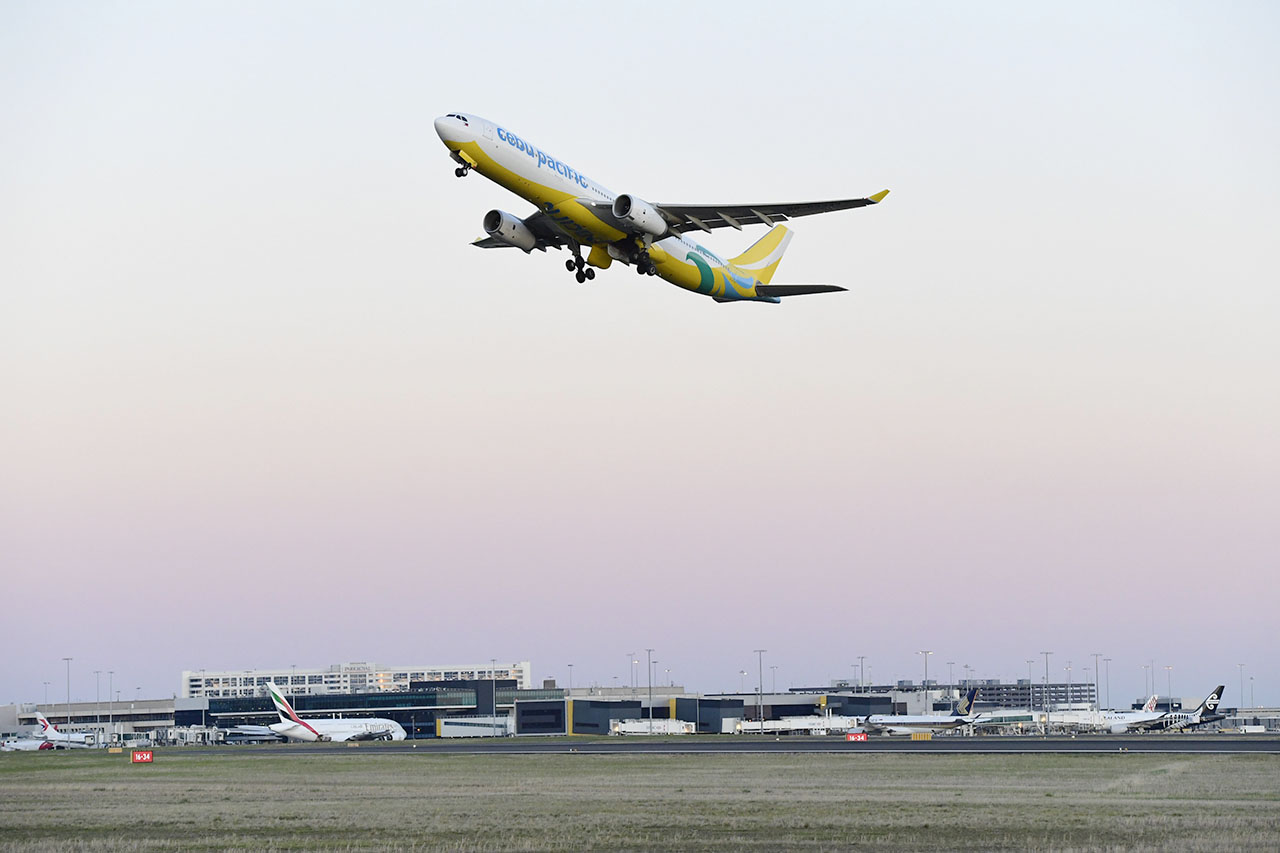
    Budget carrier Cebu Pacific is working to gradually resume flights at the Ninoy Aquino International Airport (NAIA) starting 11:00 a.m. on Monday, Jan. 13, 2020.

    “Following the effects of ashfall, Cebu Pacific is working towards the gradual resumption of flights at NAIA beginning 11 a.m. today, January 13,” it said in an advisory.

    “We are conducting maintenance checks on all aircraft prior to restarting flights to ensure safety,” the airline added.

    Flights arriving at the NAIA were suspended from 7:00 p.m. on Sunday, January 12, while flights departing NAIA were suspended from 6:22 p.m. the same day.

    The Manila International Airport Authority (MIAA) and the Civil Aviation Authority of the Philippines (CAAP) have yet to make any announcement on the resumption of operations.

    The MIAA and the CAAP were still assessing the situation on Monday morning, according to an advisory issued by the MIAA.

    “The resumption of flight operations depend on the state of ash clouds within the NAIA aerodrome as well as the ash fall along the runways and taxiways,” the MIAA said.

    “Airplanes will be allowed to land and take-off only when the airspace and runways are clear of volcanic debris. As soon as ash stops falling from the sky, the ash fall will have to be washed off the runways and taxiways before flights are allowed to resume,” it added.

    The MIAA advised passengers to check with their airline companies first on the status of their flights before proceeding to NAIA.

  • Walmart India lays off management executives

    Walmart India lays off management executives

    Walmart India will let go around a third of its top executives at its Gurugram headquarters. The retailer has been struggling in the territory and is now responding by laying off more than 100 top-level executives, with more terminations expected to come later. It will also close its Mumbai fulfillment center and its largest warehouse, and will hold plans to open new stores within the Indian market.

    “We are always looking for ways to operate more effectively to serve our members,” said a spokesperson for Walmart India. “This requires us to review our corporate structure to ensure that we are organized in the right way to best meet the needs of our members. Impacted associates have been offered enhanced severance benefits and outplacement services to support their transition.”

    Following a decade of trade within India, Walmart’s sales growth has remained problematic, with the firm recording a net loss of US$24.26 million during the last fiscal year.

  • South Korean convenience stores wind back 24-hour service

    South Korean convenience stores wind back 24-hour service

    South Korean convenience-store owners are canceling 24-service as minimum wage rise has eroded profits.

    Last year, president Moon Jae-in launched a campaign to raise the hourly minimum wage by 29 percent over two years. With night-shift employees earning time-and-a-half pay, franchisees have been struggling to pay part-time staff during the small hours.

    Not all stores traded around the clock when Shinsegae group launched the Emart convenience-store chan in 2014. Three Korean c-store giants, GS Retail, BGF Retail and Lotte Group, now allow its franchisees to close stores at night if the outlets lose money overnight for three months.

    In a market with the highest rate of c-stores per capita, South Korean convenience-store owners are shifting their focus to automated, unmanned stores. Emart is trialing a cashier-free store in Seoul with more than 30 cameras installed. Payments are made with credit card information stored in advance. Meanwhile, Lotte operates 17 unmanned outlets where products are scanned and identified by its shapes.

    Last year, many 7-Eleven and Familymart stores in Japan had to overturn its 24-hour operations as they were suffering from the labor shortage.

  • AirAsia expands Penang hub

    AirAsia expands Penang hub

    Travellers flying out of Malaysia’s northern hub Penang can now book AirAsia newest flights to Chengdu, the capital city of Sichuan Province, China.

    AirAsia will launch a Penang- Chengdu service 8 March with three weekly direct flights.

    AirAsia Malaysia CEO Riad Asmat said: “Penang is one of our largest secondary hubs in Peninsular Malaysia, to which we flew more than 2.4 million guests to the island last year. This is our first route from Penang to Mainland China, and we are confident this additional route will continue to boost visitor arrivals into Penang, and vice versa.”

    Members all-in fares from Penang to Chengdu start from MYR99*, available for booking on airasia.com and the AirAsia mobile app until 19 January 2020, for travel between 8 to 28 March 2020.

    Return flights with three-day, two-night hotel stays starting from as low as MYR332** per person are also up for grabs through SNAP on airasia.com.

    Best known as home to the adorable giant pandas, Chengdu is a thriving city with many natural, cultural and historical sights. Some of the must-visit attractions include the Chengdu Research Base of Giant Panda Breeding, Jinli Ancient Street and the Leshan Giant Buddha and Wenshu Monastery.

    Named by UNESCO as a “City of Gastronomy”, many popular Chinese dishes such as Mapo Tofu and Kung Pao Chicken originate from the region. Travellers can also choose to unwind by enjoying aromatic tea at any of the local teahouses.

    Chengdu is also a gateway to the western territories of China, including Tibet, which its capital Lhasa is home to the historical centre of Tibetan Buddhism and famous Potala Palace; as well as the Unesco World Heritage Site Jiuzhaigou, one of the most scenic places in China.

    Besides Chengdu, AirAsia currently flies to 12 destinations from its Penang hub, namely Bangkok, Ho Chi Minh City, Surabaya, Jakarta, Medan, Singapore, Kuala Lumpur, Johor Bahru, Langkawi, Melaka, Kota Kinabalu and Kuching.

  • No respite likely for Hong Kong-based retailers

    No respite likely for Hong Kong-based retailers

    Hong Kong-based retailers will continue to face tough times as domestic and international issues impact the economy according to a leading analyst.

    Anne Ling, an equity analyst at the investment bank and financial-services company Jefferies Group,  says every 10 percent decline in retail sales impacts the earnings-before-tax (EBIT) of Hong Kong retail companies by between 7 percent and 55 percent. Retail sales in October and November fell by about 24 percent and during the first 11 months of last year were down by 10.34 percent.

    “For international brands like Prada, Samsonite and L’Occitane, we estimate the impact at the sales level is not that material [because] Hong Kong [represents] less than 2 percent to 5 percent of sales. However, at the EBIT level (circa 3 percent to 7 percent) Hong Kong has a higher contribution.”

    Ling warns Hong Kong-based retailers are vulnerable to a risk of the further market slowdown from a higher unemployment rate and weaker consumer confidence in the city.

    “In such times, the immediate lever to hand for brands and retailers is to increase cash flow by reducing inventory and staff and/or rental costs. However, over the medium term, we would expect most players to reset or readjust their Hong Kong store networks to avoid over-reliance on tourist spending.

    “We see a need for the Hong Kong and international brands and retailers listed in Hong Kong, which have heavily de-rated in recent years, to review their business strategies and seek out new business drivers, [so] that they remain relevant to investors.”

    Ling says she expects Sino-US tensions to continue while the mainland Chinese government focuses on stabilizing economic growth this year.

    Given that backdrop, Jeffries would favor recommending investment in Hong Kong-based retailers and manufacturers of low-ticket items like staple goods, food retailers and the fast-food segment, as they are more resilient.

  • Fast Retailing cuts earnings forecast on Hong Kong

    Fast Retailing cuts earnings forecast on Hong Kong

    Fast Retailing, the parent of the Japanese fast-fashion retailer Uniqlo, has reduced forecasts for its full-year operating profit by 11 percent.

    The Japanese company says its business has been adversely affected by protests in Hong Kong and a trade war between Japan and South Korea that resulted in a boycott of Japanese products in a territory that contains the most Uniqlo outlets in a single territory after China.

    “Korea is a very important segment for us, and it’s not clear how long this situation will continue,” said Fast Retailing CFO Takeshi Okazaki.

    Fast Retailing has reported consistently increasing earnings since 2016 – until now. In the current financial year’s first quarter, sales dropped by 3.6 percent, while its international operating profit fell 28 percent.

  • Cebu Pacific kicks off new year with weekend seat sale

    Cebu Pacific kicks off new year with weekend seat sale

    Start the new year right by jetting off to Clark, an underrated destination in the Philippines with Cebu Pacific’s first seat sale of the year. From 10 January 2020 till 14 January 2020, all flights to the destination are on sale from as low as SGD 90 (USD 66.55), with a travel period from 1 February 2020 to 30 June 2020.

    With exciting seat sales lined up throughout the year, the carrier aims to make travel more convenient and affordable, allowing Singaporeans to enjoy quick getaways and explore new and unique destinations in the Philippines.

    Located in the heart of the Philippine’s Central Luzon region, Clark is a hidden gem that offers visitors a unique fusion of urban and cultural experiences. From teeing off on a world-class championship golf course at the Mimosa and Fontana Resort and Country Clubs, to relaxing in the thermal springs of Mount Pinatubo at Puning Hot Spring, it is just four hours away from Singapore with Cebu Pacific.

  • Vietjet Announces Five New Routes to Japan and Commences Two New International Routes from Can Tho

    Vietjet Announces Five New Routes to Japan and Commences Two New International Routes from Can Tho

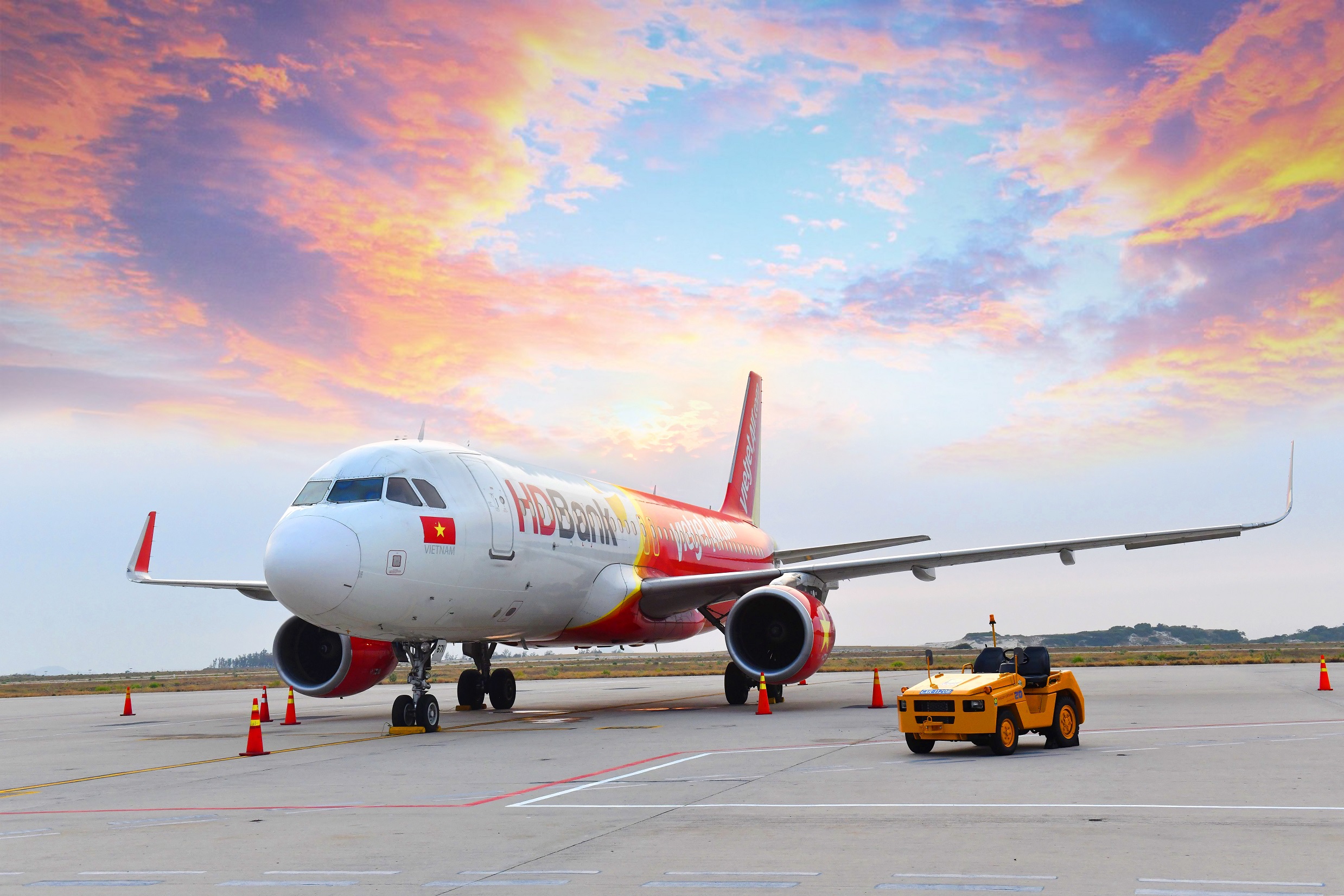
    Vietjet has unveiled a total of seven new routes, further expanding its international flight network. This includes the announcement of five new routes linking Hanoi, Da Nang and Ho Chi Minh City to multiple destinations in Japan, and the commencement of two new routes connecting Can Tho with Seoul and Taipei.

    The announcement of the launch of five new routes between Vietnam and Japan took place at Furama Resort’s International Convention Palace in Central Vietnam on 13 January 2020, where Vietjet took part as a member of the Keidanren (Federation of Economic Organisations in Japan). The announcement ceremony during the Japan – Vietnam Bilateral Tourism Promotion Conference, which welcomed more than 1,000 delegates from Japan, including officials from Japan’s National Assembly, the Japanese government and leaders from major Japanese corporations. Vietnam’s Deputy Prime Minister, Vuong Dinh Hue, and the Secretary-General of the Liberal Democratic Party of Japan cum President of the Japanese-Vietnamese Parliamentary Alliance, Nikai Toshihiro, were among those that attended the ceremony.

    The five new routes, Hanoi – Nagoya, Ho Chi Minh City – Nagoya, Da Nang – Nagoya, Hanoi – Fukuoka and Hanoi – Kagoshima, are expected to commence operations in 2020. With a total of ten direct routes now connecting Hanoi, Ho Chi Minh City and Da Nang to Tokyo, Osaka, Nagoya, Fukuoka and Kagoshima, the new flights will continue to facilitate positive bilateral relations between Vietnam and Japan culturally and economically while contributing to Vietnam’s goal of attracting one million Japanese tourists in 2020.

    Vietjet has also inaugurated its first two international services connecting Can Tho, the hub city of the Mekong Delta region, with Taipei and Seoul. Attending the launch ceremony on the morning of 12 January 2020 at Can Tho International Airport were President of the Vietnam Fatherland Front Central Committee Tran Thanh Man, Chairman of People’s Committee of Can Tho City Le Quang Manh, Vietjet Managing Director Luu Duc Khanh, Vietjet Vice President Do Xuan Quang and other leaders from related Ministries, Departments and Authorities. During the event, Vietjet also donated to the Fund for the less fortunate of Can Tho City to usher in the Tet season for the less privileged.

    The Can Tho – Taipei route operates four return flights per week starting from 10 January 2020. The flight departs from Can Tho at 12.40 pm and arrives in Taipei at 5.10 pm. The return flight takes off from Taipei at 6.10 pm and lands in Can Tho at 8.55 pm. All in local times.

    The Can Tho – Seoul (Incheon) route will operate three return flights per week starting from 16 January 2020. The flight departs from Can Tho at 4.50 pm and arrives in Seoul (Incheon) at 11.55 pm. The return flight takes off from Seoul (Incheon) at 2.30 am and lands in Can Tho at 6.20 am. All in local times.

    Vietjet currently operates the greatest number of routes and flights to Can Tho International Airport, with seven domestic routes and two international routes. Since the first flight that commenced in 2014, Vietjet has contributed significantly to the transformation of Can Tho’s tourism industry with an average growth rate of 30 percent of the total number of tourists in the city each year.

  • The improved popularity of Cricket and the billions it makes in India

    The improved popularity of Cricket and the billions it makes in India

    Cricket is one of the most popular sports in countries like the United Kingdom, India, and Australia. However, most of the market share of this sport is taken by India considering how the country has such a large population. In fact, the largest event in the sport, Indian Premier League (IPL) is sometimes responsible for revenues averaging $3 billion within a year.

    In fact, 2004 was the best performing year for the IPL where it managed to generate around $4.1 billion revenue just from advertising, player auctions and viewership fees. The only time that it managed to match the same numbers was in 2017, signaling that the sport is starting to become more and more popular over the last few years after decreasing significantly in the decade.

    How the IPL generates income

    The Indian Premier League, much like any other sports industry in the world relies on advertising, viewership tickets and the auctions conducted on the players. Not to mention dozens of sponsors vying for a spot on the sportsmen’s uniforms and etc.

    Whatever the sports industry gets their hands on, they manage to generate some income out of it, but there are some that are better at it.

    When it comes to world coverage, there is no sport that beats football, but in terms of the volume of viewers, Cricket is starting to climb the ranking thanks to the millions of viewers from India alone.

    You see, by pairing up the prices of the United Kingdom and Australia with the viewership of India, Cricket is able to generate billions of dollars by simply recording the games and airing them on specific channels where they get additionally profitable advertising deals.

    A darker side of Cricket

    Finally, we have one of the most popular and pretty much ancient ways of generating profit from sports. Betting.

    Cricket, much like any other sport in the world has a large betting industry. Every viewer has the opportunity to place a bet on their favorite player as well as a team to predict the outcome of a match. If they were correct, they get a significantly large sum of money back.

    However, considering how Cricket is a sport where almost everything can go wrong within seconds of starting the game, the chance to win is much lower. However, in order to compensate for these issues, especially during the Indian Premier League 2020, most betting companies increase the prize pool to make it more enticing.

    It would be false to say that nobody wins when betting on Cricket, but it’s much harder and complicated when comparing it to betting on football or basketball.

    2019 proceedings to predict 2020

    The IPL conducted in 2019 received the valuation of around $6.8 billion, giving the sport the highest value it has ever seen in the past.

    In terms of ad revenue, the 2019 IPL season managed to bring in slightly more than it’s 2018 predecessor, but that doesn’t mean that 2020 will see an increase on that number as well.

    You see, when industries grow extremely fast over the years, every year becomes harder and harder to match. Imagine a company that had the goal of achieving $20 million in revenue in 2015. Let’s say they managed to do it and increased their goals for 2016 of around $22 million. They reached it as well but with much more hard work and dedication. Say this continues up until 2018 where the company barely managed to reach its goal of $30 million in revenue. So much so that they had to fire some employees along the way just to reach it.

    The $35 million goals for 2019 would become even harder, and thus have the possibility of making the company fail. Constant growth is not maintainable and hyping it up will bring a lot more damage than it will fix.

    Therefore, there are many experts saying that overcoming the expectations of IPL 2020 revenue is going to be nearly impossible.

    Because of this, it is expected that in the year 2020 there will be a lot fewer sponsors vouching for teams and individual players, fewer people watching the events and even players participating in it due to slightly lowered salaries and payouts.

    Overall, the expectations on IPL 2020 performance are very pessimistic, however, should they prove to overcome this pessimism, it’s almost guaranteed to kickstart a new level of confidence in the sport for coming seasons in 2021 and 2022. So IPL 2020 is more of an investment for the sport than the organizers can realize.

  • Freitag Japan opens store in Kyoto

    Freitag Japan opens store in Kyoto

    Bag and carrying case manufacturer Freitag has opened its fourth outlet in Japan, which was featured in Designboom architectural magazine for its unique interior.

    The Swiss firm, which creates its products from used truck tarpaulins, has set up an 80sqm distribution center in Kyoto in the vicinity of the ancient Nishiki market and the metropolitan Nakagyo-ku pedestrian precinct.

    The store design reflects the industrial style of the firm’s logistics warehouses in Zurich and features a DIY workshop where customers can create their own miniature items from tarp off-cuts.

    Around 1100 recycled one-off bags are currently stored at the outlet.

  • Hong Kong’s CitySuper evaluating sale options

    Hong Kong’s CitySuper evaluating sale options

    Hong Kong-based firm The Fenix Group may sell its majority shareholding in high-end supermarket operator Hong Kong’s CitySuper Group.

    According to Bloomberg, if potential buyers show interest in the stake, it may be worth between US$300 and $400 million.

    Any potential purchaser at this time will inherit a business in the midst of Hong Kong’s first depression in a decade, and with significant financial stimulus policies expected of the current administration. That said, the supermarket sector has been relatively unscathed by the decline in retail sales since protests began back in June.

    Fenix provided the original funding for the group and may yet decide to retain ownership of the business.

    Hong Kong’s CitySuper Group operates in Hong Kong, Shanghai and Taiwan across three brands, the most well-known its own name.

  • AirAsia picks creative agency in India

    AirAsia picks creative agency in India

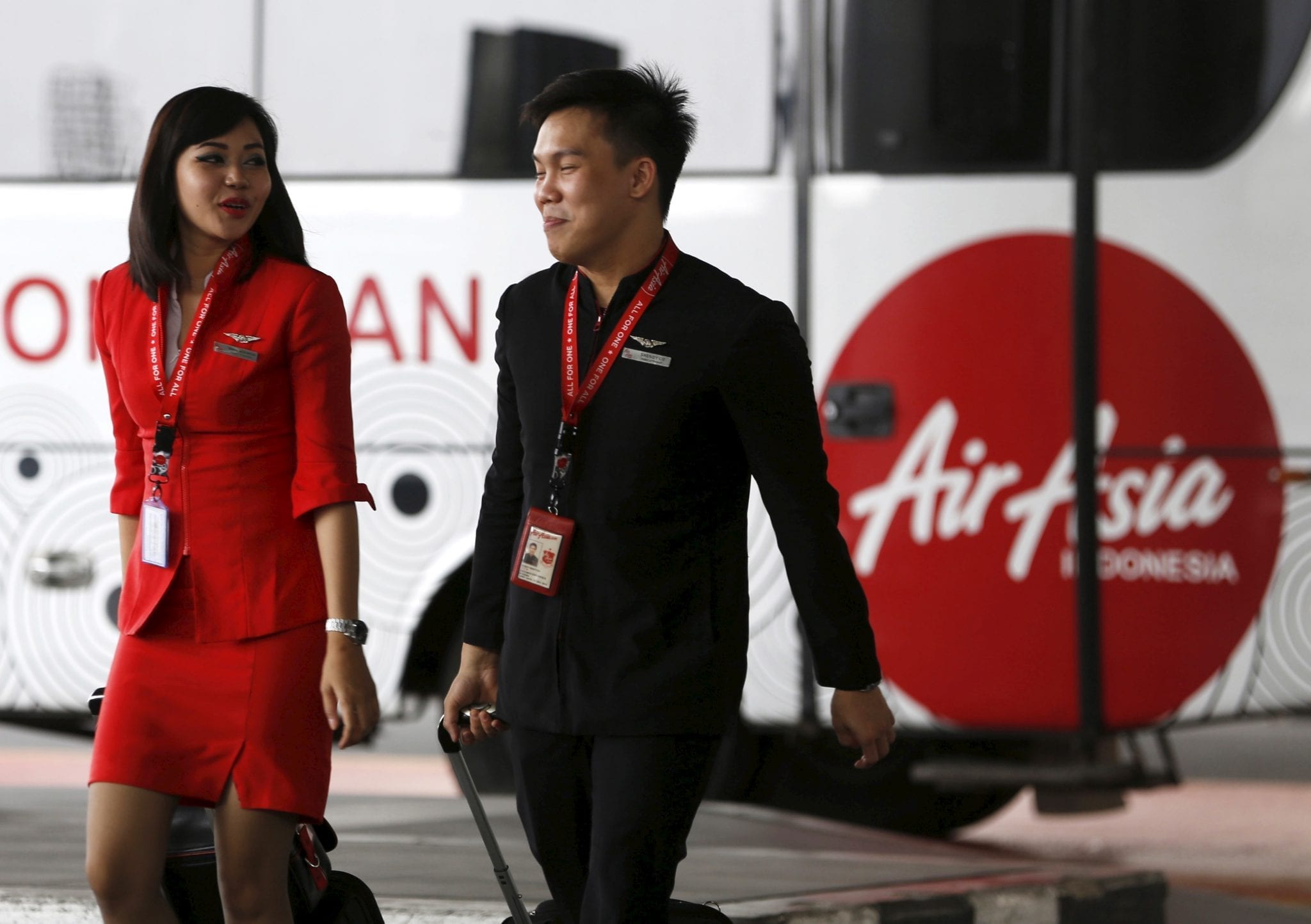
    AirAsia India has appointed Wunderman Thompson South Asia to manage creative duties following a pitch in 2019. The agency will be responsible for brand strategy and shaping the communications narrative in India, taking care of above-the-line and digital creative mandates.

    According to the press statement, Wunderman Thompson understood AirAsia India’s strategic and brand objectives and will be working on developing the brand’s strong and sustainable positioning that will cut across geographies, demographics, and mindsets and deliver differentiated content with incisive insights. A+M has reached out to Wunderman Thompson for additional information.

    AirAsia India is a joint venture between Tata Sons and AirAsia Investment. AirAsia India commenced operations on 12 June 2014 with Bengaluru as its primary hub. Its agenda is to drive salience across markets with customized content and clutter-breaking communication that inspires diverse audiences with its brand promise and the aspirational journey ahead.

    AirAsia India’s CMO Siddhartha Butalia said the agency approached the opportunity with strong strategic insights and compelling creative ideas that bring the emotion and inspiration back to travel. “We’re looking forward to partnering with them to drive consideration and relevance across the customer journey, take off to even greater heights and explore new territories,” Butalia added.

    Senior VP and managing partner at Wunderman Thompson, Kundan Joshee, said AirAsia has a unique value proposition and a distinct challenger brand spirit that makes it such a powerful brand.

    “Our job is to partner with AirAsia and bring alive its philosophy of service, efficiency and innovation. In today’s times, it’s essential for a brand to have multiple conversations with people across touchpoints and this gives us the opportunity to do new-age work and drive interesting conversations around the brand,” he said.

    Closer to home, AirAsia Group and Universal Music Group partnered last year to launch RedRecords, a new label partnership focused on signing, developing and breaking new Asian artists and elevating “A-pop” globally to new audiences throughout the region and around the world. RedRecords will focus on discovering and developing talent from Southeast Asia and throughout the wider continent and form a clear and unique sound that reflects the diverse and rich musical culture of the continent.

    The airline also announced last November that it is expanding its online offering to include flights on other airlines as it transforms airasia.com into Asia Pacific’s leading travel and lifestyle platform. This was done in partnership with leading travel technology company Kiwi.com. It also unveiled SNAP, a new name for flight + hotel packages on airasia.com offering the lowest guaranteed package prices in 2019.