Category: General

Retail News Asia is committed to providing both local and global retailers with the latest General Retail news throughout the Asian market. This on a daily base.

  • AirAsia to resume flights in Malaysia

    AirAsia to resume flights in Malaysia

    Low-cost carrier Airasia is set to resume local flights in Malaysia on April 29, subject to the authorities’ approval.

    It said yesterday it has also set to commence flights in Thailand on May 1, the Philippines (May 1), India (May 4) and Indonesia (May 7).

    “The resumption of services will initially be for key selected domestic routes, which will increase gradually to include international destinations around the network, once the situation improves and governments lift borders and travel restrictions, ” AirAsia said in a statement.

    The low-cost carrier said flights are already open for booking via the airasia.com website and its mobile app.

    “Guests may use their credit accounts to redeem for these flights, ” it said, adding that further details on more routes and flight schedules will be announced in the coming weeks, subject to approval from the authorities.

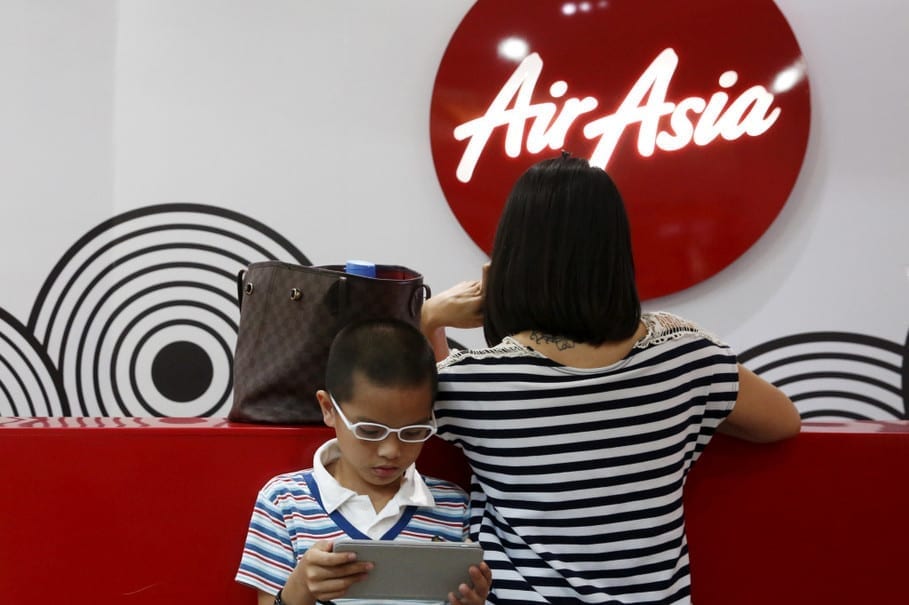
    In the same statement, AirAsia Group president (airlines) Bo Lingam(pic below) said the group hopes to resume full operations as soon as possible.

    “We have undertaken a thorough review of our guest handling procedures both on the ground and onboard in light of the Covid-19 pandemic.

    “We have been working closely with the airport authorities to ensure that all the relevant precautionary measures are in place to ensure a safe, pleasant and comfortable journey for everyone.

    “At AirAsia, the safety and wellbeing of our guests and employees is always our highest priority.

    “We work actively with all our regulators, local governments, civil aviation and health authorities, including adhering to guidance from the World Health Organisation and International Civil Aviation Organisation to ensure the highest standards of compliance and conformance are in place for every single flight we operate in our network.”

  • FamilyMart Taiwan starting delivery service with Foodpanda

    FamilyMart Taiwan starting delivery service with Foodpanda

    FamilyMart Taiwan is partnering with the food-delivery platform Foodpanda to launch a delivery service.

    Starting Wednesday next week, the firm plans to offer delivery services from its 1000 outlets nationwide by June, with initial services commencing out of Familymart Taiwan’s 146 locations within Taipei and New Taipei. The service will be rolled out to the remaining outlets in two further phases.

    Deliveries will be made between the hours of 5.30 pm to 2 am on the day following the purchase, and will serve almost 200 of its food items including snacks, beverages, groceries and pre-packed meals.

    FamilyMart Taiwan partnered with Uber Eats last year to start a food delivery service before the advent of the Covid-19 pandemic. That partnership ended in March.

    The new partnership is expected to address the sharp rise in e-commerce trading in response to the coronavirus outbreak as consumers are staying home. The firm has seen demand for delivery of its products rise 15 percent since February, according to senior executive Lee Ching-hsien.

  • Google Debuts P2P Fund Transfers in Singapore

    Google Debuts P2P Fund Transfers in Singapore

    With OCBC enabling peer-to-peer (P2P) fund transfers on Google Pay, the city-state becomes the third globally to offer the service, after India and the United States.

    The integration means that OCBC customers can now transfer or receive payments directly from their bank accounts to or from anyone registered to PayNow using the Google Pay app, the bank announced in a statement this week.

    At the same time, bank account holders without credit cards can also Google Pay to make payments to merchants in Singapore.

    We have long rejected the ‘digital wallet’ approach that requires customers to top up an e-wallet and hold funds in one without earning interest. Instead, we put a lot of effort into developing OCBC Pay Anyone as an open-loop payment system, whereby customers literally ‘pay anyone’ directly from their bank accounts, Ching Wei Hong, OCBC head of Global Wealth Management & Consumer Banking, said.

    Introduced in 2017, Singapore’s national e-payments system PayNow enables digital payments directly between customers’ bank accounts and funds transfers using their recipients’ mobile numbers.

    The integration of Google Pay and PayNow is expected to significantly impact the adoption and usage of PayNow in Singapore, which already recorded more than 70 million transactions worth S$12.16 billion in 2019, OCBC noted.

    Google previously said it is looking at adding more banks to Google Pay, including DBS and Standard Chartered, with launches expected by the end of 2020.

  • WhatsApp to increase group audio and video call limit in upcoming update

    WhatsApp to increase group audio and video call limit in upcoming update

    The current global crisis has led to an increase in communication services usage, but it looks like they’re able to cope with the demand for the time being. Even though it seems that there’s enough bandwidth to accommodate the spike in usage, many of these services require improvements.

    WhatsApp is in the process of upgrading its mobile apps with a couple of improvements that are meant to allow multiple users to participate in audio and video calls. WABetaInfo has learned that WhatsApp plans to extend group audio and video call limit on Android and iOS devices.

    Currently, WhatsApp users can initiate group calls with up to 4 participants, but a future update will increase the number of participants that you can invite in a group call to at least 6. It’s unclear what the final number will be, but we do know that WhatsApp will apply the same enhancements to the video call group feature.

    Neither of these improvements is available in the beta version of WhatsApp yet, but they are evident in some strings of code discovered by WABetaInfo. The changes are expected to be implemented in both Android and iOS versions of WhatsApp, but we don’t know when exactly they will be rolled out.

  • WhatsApp for iOS to make it trickier to share images and links with recent contacts

    WhatsApp for iOS to make it trickier to share images and links with recent contacts

    Recently, WhatsApp has been fighting misinformation in regards to the coronavirus pandemic and has therefore introduced some restrictions on its app. This time, however, a new update is supposedly going to further restrict the app, but not because of COVID-19-related reasons. The change is said to affect only the iOS version of the popular messaging app.

    WABetaInfo reports that a feature for easy sharing of images and links on iPhone devices is going to be removed in the latest WhatsApp beta version. The feature was introduced earlier this year and is referred to as share sheet integration, which allowed, after long-pressing on what you want to share, to select a person in a list of recently used WhatsApp contacts and share the item without opening the app first.

    Unfortunately, though, this simple-looking feature seems to be proving unstable and its removal seems not to be related to the fight against the coronavirus misinformation. Reportedly, a lot of users have been complaining from crashes when using the feature.

    You will still be able to share links and images to your WhatsApp contacts, but you will have to first tap on the WhatsApp icon, which will reportedly then open the app. Additionally, the feature could be returned to the app at a later stage if the app’s developers find a way to assure it’s more stable.

  • Google helps you remember what you searched for with search terms chip feature

    Google helps you remember what you searched for with search terms chip feature

    Last year, Google updated the tab overview in Chrome with a nifty Grid Layout. Now comes another improvement to the search experience of the browser. The new feature, still in an experimental phase, adds a little search term chip on each tab in the preview screen showing the term you’ve used to get there.

    To activate the new feature, you should head to the chrome://flags page (type it in the address bar) and search for the Tab Grid Layout field. Tap on it and choose Enabled Search term chip from the drop-down menu. You have to Relaunch the browser to activate the change. After you complete these steps, whenever you perform a search through Chrome’s address bar, the search term will appear on the thumbnail for the tab of the page you opened. The feature works with other search engines as well, as long as you’re using the Chrome browser.

    The little term chip appears at the bottom of the thumbnail when you tap on the tab switcher icon. If you tap on the search term itself, you will go back to your search results on Google. This feature can be extra useful if you like to open dozens of tabs in Chrome and sometimes wonder what brought you to a specific page.

  • Asian consumer behaviour may change forever after Covid-19

    Asian consumer behaviour may change forever after Covid-19

    New research has shown that some shifts in Asian consumer behavior in response to the coronavirus outbreak could be lasting beyond the pandemic.

    And that is something that should prompt food retailers to act – and in some cases, accelerate – the changes they have already made in response to the crisis.

    The survey, conducted by US management consulting firm McKinsey & Company, is based on research conducted with more than 5000 consumers in Asia across seven countries – Australia, China, India, Indonesia, Japan, South Korea, and Thailand. The data determined that there are four areas within the food industry that may need to be reimagined following the end of the crisis.

    Firstly, food retailers should reimagine the safety, health, and scope of their supply chains.

    Consumers across the countries surveyed appeared to care more about in-store safety and to prefer healthy, locally sourced offerings than they did before Covid-19. Consumers have shown a heightened awareness of hygiene and cleanliness that may remain important in the post-coronavirus period.

    The data on Asian consumer behavior showed an increase in the consumption of products perceived by consumers to be healthy, such as fresh food, eggs, dairy, and bottled water – and a drop in purchases of alcoholic beverages and snacks.

    The research suggests retailers should rethink their offerings and provide healthier, more locally sourced products with a smaller environmental footprint. To meet rising customer expectations, companies should rethink the safety of the customer journey – for example, by using technologies such as self-checkout and cash-free transactions to reduce risks.

    Secondly, retailers should reimagine how technology can enhance delivery services. The survey results show consumers are shifting their food spending online and have yet to return to their normal spending levels for food service. Responses suggest an opportunity for grocers to digitalize their stores.

    Respondents in most countries showed a 30–70 per-cent drop in preferences for dine-in spending and an increase in grocery shopping and purchases of ready-made food in grocery stores, which consumers tend to prefer more than meal delivery from restaurants.

    Consumers are indicating they intend to continue shopping online at the new pace.

    To respond to the current crisis and meet future ones, food retailers should scale up their e-commerce channels and their capacity for home delivery, perhaps by partnering with last-mile players and cold-storage warehouses; by expanding shifts in existing warehouses; by using hybrid picking models or by converting some retail locations into dark stores.

    Thirdly, retailers should reimagine the meaning of value for money. People are currently concerned about the pandemic’s impact on their personal incomes, and consumers are willing to forgo planned future purchases because of uncertainty related to Covid-19. To address these shifts, food retailers should rethink their promotional calendars to safeguard their marketing spending for use only when needed to stimulate demand, either for discretionary products or for post-crisis essentials to meet people’s desire for value.

    Finally, retailers should reimagine loyalty. During the crisis, Asian consumer behavior has reflected loyalty to retailers and brands offering essential products in their assortments. The location and availability of goods have been the primary reasons why consumers have changed stores, rather than promotions or pricing.

    Retailers are advised to determine which stores are being affected disproportionately by customers shifting to other primary stores. Targeted marketing may help bring these customers back, as would retailers finding a way to better communicate the efforts they are taking to support customers and their societies more broadly.

    These measures should help retailers be better equipped to provide employment opportunities to people who are currently out of work, reshape their industry ecosystem, and work closely with business partners on how to operate under the new normal.

  • Google Play Store update helps parents find content for their shut-in kids

    Google Play Store update helps parents find content for their shut-in kids

    Parents of young children are really having a tough time with the stay-at-home orders. Not only do they have to try and entertain their kids 24/7, but the parents also have to explain to them why they are stuck at home. Most kids that understand death will worry about their own demise and will be frightened at the possibility that their parents could die. Children this young probably should not be allowed to watch or listen to the news.

    To help parents find things for their kids to do, Google announced that starting today, it will be adding a new Kids tab to the Google Play Store. Tapping on the tab will deliver what Google calls “teacher-approved” apps that are “both enriching and entertaining.” Parents can browse the Play Store looking for apps with the “Teacher approved” badge, or they can check the Kids tab when it appears on the Play Store app on their Android devices. The update should be received by U.S. Android users during the next few days and will roll out the feature to international users during the coming months. And those with a Google Play Pass subscription can find such apps under “Apps and games for kids.” Google Play Pass costs $4.99 a month for unlocked access to over 350 apps. While there is normally a 10-day free trial, right now Android users can grab a 30-day free trial of the service throughout the month of April.

    The launch of the new tab was pushed up after Google was told by parents testing it how useful the Kids tab is, especially during the times we live in. Those checking out the tab might not spot their favorite kiddie apps, but Google notes that it is adding new content as fast as possible. Apps in the Play Store that are approved by educators have a page that shows why they received such acclaim. Google explains what age group each of these apps is appropriate for and what makes each individual app fun & engaging. It also notes what makes a particular app creative and the positive emotions elicited by this title.

    Google says, “Today’s announcement wouldn’t be possible without teachers who’ve been working closely with us for the last few years to curate apps that can help kids develop, grow and have fun. We trust teachers to enrich our kids while they’re in school, and we’re grateful they’ve shared their expertise to rate the apps kids use when they’re not in school as well.”

  • Coronavirus lockdown to slash Malaysian retail sales

    Coronavirus lockdown to slash Malaysian retail sales

    The six-week-long coronavirus lockdown is expected to slash Malaysian retail sales by 60.7 percent this month as non-essential stores are forced to close.

    Retail Group Malaysia, which calculates data on behalf of the Malaysia Retailers Association, estimates that retail sales for the full year will drop by 5.5 percent, should the government’s Movement Control Order be lifted at the end of this month. It has already been extended from March 18 until April 28

    RGM’s MD Tan Hai Hsin told The Edge that the majority of the nation’s retailers are recording zero sales this month. “This has never happened before in history”.

    While online sales have surged in Malaysia since the coronavirus struck the nation, and consumers are spending more on food and groceries, categories like jewelry, furniture and luxury goods have been decimated.

    Last year, Malaysian retail sales grew by 3.7 percent to RM107.5 billion (US$24.8 billion), but RGM is now forecasting RM101.6 billion ($23.45 billion) for the full year, a figure which must take into account a rebound once the lockdown order is lifted.

    The MRA estimates 209,000 stores have been forced to close during the lockdown and 90 percent of stalls and markets have been affected, which previously accounted for 63 percent of the nation’s total retail sales. The remaining 126,000 stores classified as essential include supermarkets, hypermarkets, convenience stores and pharmacies.

    Meanwhile, RGM has estimated that operating costs, including staff and store overheads, are likely to reach RM20.48 billion (US$4.7 billion) during the lockdown which retailers will have to carry in the absence of sales.

    It is, as yet, unclear the volume of online sales during the period and whether these will help mitigate in part the sales decline of any non-essential retailers.

  • Short-form video app TikTok reaches an impressive milestone

    Short-form video app TikTok reaches an impressive milestone

    Short-form video creation app TikTok has reached an impressive milestone. The app has now been installed on over 1 billion Android devices. It has consistently appeared in charts listing the top free apps for both the App Store and Google Play Store; at the end of February, TikTok was the third most installed free app in the Google Play Store rising to second last month. TikTok allows users to create lip-syncing videos ranging in length from 3 to 15 seconds, and short looping videos lasting from 3 seconds to as long as 60 seconds.

    It was about a year ago when we told you that TikTok was a “Huawei-sized” problem. Like the phone and networking equipment manufacturer, there is a concern on the part of the U.S. government that TikTok collects data (location and biometric data in this case) and sends that information to Beijing. Because the app is popular with U.S. military personnel, U.S. lawmakers are alarmed. ByteDance, the Chinese company that created the app, is forced to share data with the Chinese government under the China Internet Security Law. And if that isn’t enough to get the attention of the U.S. government, ByteDance founder and CEO Zhang Yiming wrote a letter in 2018 in which he promised to “further deepen cooperation” with the Communist Chinese government and help promote it.

    Last November, we told you that ByteDance was being investigated by the Committee on Foreign Investment in the United States (CFIUS) over its purchase of Musical.ly. The latter was a similar app to TikTok and was merged into it once the deal closed in 2017. But ByteDance never got clearance from CFIUS to complete the transaction; the agency is supposed to vet the foreign purchase of any U.S. company (Musical.ly had an office in Santa Monica). As a result, Senators Chuck Schumer (D-NY) and Tom Cotton (R-AR) sent a letter requesting that TikTok be the subject of a national security investigation. Schumer and Cotton said that China could be censoring images on TikTok meant for U.S. viewers, and both were concerned that the app could be used by foreign governments looking to influence Americans.

    Despite all of this, TikTok continues to find new users, many of whom are looking from something to help them pass the time while stuck at home during the coronavirus outbreak. If you need something new to do, you can find the app in the Apple App Store for iOS users and in the Google Play Store for Android users. Keep in mind that to prevent internet traffic from overwhelming the system while everyone is at home, TikTok users in Europe will not be able to view content in HD for 30 days. However, content creators will be able to upload their TikTok creations in full quality.

  • Drag and drop files between a Samsung phone and Windows 10 via the Your Phone app

    Drag and drop files between a Samsung phone and Windows 10 via the Your Phone app

    Your Phone is a Windows 10 app that links text messages, photos, notifications and even phone calls between your smartphone and PC. Recently, Microsoft quietly made it non-removable from Windows 10, making it clear that the company has big plans for it, hoping to get their users to adopt it, as long as they own a compatible Android 7+ or iOS device.

    As announced by Microsoft, the newest Your Phone app update gives compatible Samsung phones and tablets the ability to drag and drop files to a PC, and the other way around. The files need to be no more than 512 MB in size, each, and 100 or less at a time.

    The feature is currently only available to compatible Samsung Galaxy devices which have the Link to Windows feature, version 1.5 or newer. Both the Galaxy device and the PC need to be connected to the same Wi-Fi network. Right now, WIndows 10’s latest insider build is also required, though the feature will be rolling out to all Windows 10 users eventually.

    On the Samsung device, transferring works similarly to how moving files around does. Inside of the Gallery or My Files app, press and hold a file until it gets selected, after which either select more or press and hold again to enable drag and drop. That’s when the selected file/s can be dragged into a folder on your PC. If transferring files that are already on the receiving device, duplicates will be made. Microsoft also notes that minimizing the Your Phone app on your PC will cancel any transfer processes.

    On Windows 10, simply select the files you’d like to transfer to your phone and drag them over the Your Phone app’s windows, after which the files will appear on the Samsung device’s Downloads folder.

    This partnership between Microsoft and Samsung was already rumored to happen earlier this year. There are no reports on when all other Android and iOS devices will get support for this feature.

  • Singapore Airlines Sweetens Ticket Refunds with Added Value

    Singapore Airlines Sweetens Ticket Refunds with Added Value

    Singapore Airlines is looking beyond the value of its airline tickets. As airlines around the world reckon with a tsunami of return ticket requests for flights cancelled in the wake of the global pandemic, Singapore Airlines is telling its customers “we want you back.”

    With that in mind the luxury airline is enhancing its global travel waiver policy to offer even more flexibility that passengers will appreciate it, once again, are ready to book their travel.

    Customers who purchased a ticket on Singapore Airlines or on SilkAir on or before March 15, 2020, for travel through May 2020, can retain the full value of the unused portion of their tickets as flight credits.

    These can be used to book new flights through June 30, 2021. The extension gives customers the flexibility to plan, book and travel from now until then. The airline also waives no-show and rebooking fees, enhancing the full value of their flight credits.

    Naturally, flyers who had their flight plans canceled by the airline in response to the Coronavirus pandemic may want their refund executed as a cash transaction and the airline is honoring those requests in a complete and timely manner.

    However, Singapore Airlines is happy to award bonus flight credits to all customers who choose to retain their tickets as flight credits. The measure is the airline’s way of thanking its customers for their support during this challenging period. Based on the original cabin class of travel, they will receive the following bonus flight credits* when making a new booking with us:

    Economy Class: SGD75 ($53)
    Premium Economy Class: SGD100 ($70)
    Business Class: SGD200 ($141)
    Suites / First Class: SGD500 ($353)

    Customers who opted to keep their tickets open due to the Covid-19 outbreak will also retain the value of the unused portion of their ticket as flight credits. They will also automatically qualify for the bonus flight credits.

    Similarly, customers whose flights were canceled by SIA or SilkAir will retain the full value of the unused portion of their tickets as flight credits. They will also be awarded the bonus flight credits when rebooking their travel.

    Customers who meet the above conditions, but do not wish to keep the value of their tickets as flight credits, will be offered the option of a refund. Cancellation fees and no-show fees will be waived. Customers who used miles to redeem their flight tickets will have both their miles and taxes refunded. Those who purchased their tickets using a combination of miles and cash will receive a refund as well. They will not be eligible for any flight credits.

    “Besides offering cash refunds, Singapore Airlines will provide the opportunity for customers to retain their ticket value together with the added value of a bonus credit, which they can use for future travel on us,” said Joey Seow, Regional VP – Americas for Singapore Airlines. We know customers have varying needs and we believe offering different user-friendly options will help address those requirements.”

    Customers who booked directly with the airline should use the online assistance request form to cancel their booking and retain its value as flight credits.

    Customers who meet the criteria for the airline’s global travel waiver policy will receive a confirmation email. Other customers should allow up to two weeks for the airline to review the request. Customers booking through travel agencies should contact their agents for assistance to either retain the value of their tickets in the form of flight credits or to request for a refund.

    Customers should note that if a request is submitted before the original travel date, all no-show fees will be waived.

    *If the customer’s eligible ticket contains a combination of cabin classes, the bonus flight credits will be based on the higher cabin class. Customers holding partially flown tickets will only have the remaining value of their tickets retained as flight credits. They will not be eligible for any bonus flight credits.

    Singapore Airlines joins a small, but growing list of airlines offering something extra to flyers who choose to receive a voucher that will allow them to rebook with the airline at a later date.

    They include Qatar Airways, which is adding a 10 percent to the original fare on the face of the voucher issued. Air Lingus is also offering that deal to its now grounded passengers. Finnair is also offering the 10 percent bonus and Lufthansa is offering a 50 EUR discount to passengers who take a voucher instead of cash refund. Customers who choose to take the voucher option, however, need to be aware of the expiration policies and destination flexibilities on those vouchers.

  • Cebu Pacific extends the suspension all flight operations from April 15 – April 30

    Cebu Pacific extends the suspension all flight operations from April 15 – April 30

    Cebu Pacific flights will remain suspended from April 15 to April 30, 2020, in accordance with the Philippine government’s directive on extending the Enhanced Community Quarantine (ECQ).

    Passengers on canceled flights are encouraged to take any one of the following options:

    1. Free rebooking – Rebook to any other travel date within three months with change (rebooking) fees and fare difference waived

    2. Full Travel Fund – The Travel Fund is now valid for one (1) year. Use it to either book a flight up to one (1) year ahead, or pay for add-ons (e.g. baggage allowance, seat selection, etc.)

    If the Travel Fund is not used within one (1) year, passengers can get a full refund.

    3. Full refund – Processing of refunds will start on May 4, 2020 – after the Community Quarantine is lifted and regular work schedules resume. However, due to the unprecedented volume of requests for refunds, the process will take as long as three (3) to four (4) billing cycles.

    Flights may be managed online through the “Manage Booking” portal in the Cebu Pacific website.

    Furthermore, to provide added flexibility for passengers with booked flights from May 1 to September 30, but wish to change their travel plans, CEB is offering the following options, free of charge:

    • Option 1 – Rebook to any other travel date within one (1) year
      Change (rebooking) fees waived, but fare difference may apply.
    • Option 2 – Place the full cost of the ticket in a Travel Fund, now valid for one (1) year
      Decide and book travel within a year for flights as far as one year ahead
  • Indonesian retail sales down last February

    Indonesian retail sales down last February

    Indonesian retail sales declined by 0.8 percent year on year during February.

    The drop was brought about by a decline in demand for clothing, as well as a blanket downturn in recreational spending, according to the monthly Bank Indonesia survey.

    The sales decline occurred as the Indonesian administration was claiming zero cases of the Covid-19 coronavirus had been reported in the country. Indonesia announced its first confirmed case in March, and is currently approaching 3000 infections.

    Sales figures in the territory have been falling since last December, which yielded a 0.5 percent decline in Indonesian retail sales. Trading figures in January contracted 0.3 percent.

    The central bank’s survey predicted March Indonesian retail sales will contract further, with a year-on-year drop of 5.4 percent in key categories.

  • Google could be dropping the Hangouts branding

    Google could be dropping the Hangouts branding

    Hangouts Meet was renamed to Google Meet on the company’s Support page, suggesting that a change in the namings of Hangouts Chat and Hangouts, the app, may also follow. The name change has been previously hinted at, with the Hangouts Meet service being referred to as Google Meet in the past, by Google CEO Sundar Pichai.

    In addition, it doesn’t make much sense for Hangouts and Hangouts Chat to be two separate consumer apps, and Google is likely to replace one with the other soon. “Classic Hangouts,” as it has been referred to for the last few years, maybe shutting down soon, and we initially reported on its expected 2020 retirement back in 2018. A Google spokesperson reached out to us at the time, explaining that “classic Hangouts” users will be migrated to the Chat and Meet services, suggesting already active plans of its retirement back then.

    And if this recent change in naming translates to other Hangouts products, that would likely bring the end of both Hangouts as branding, and the “classic Hangouts” service.

    Hangouts were first developed as a feature to Google’s social network Google+, but later became its own standalone product after it was well-received by users even if Google+ wasn’t. It’s currently available as an app on both Android and iOS, still simply named Hangouts, likely to be renamed or replaced later. Alternatively, Google offers Hangouts Chat and Hangouts Meet, which are a consumer and business-oriented conferencing tools respectively. Those are likely to officially become Google Chat and Google Meet soon.

    We’re expecting to see these changes as 2020 progresses, though none of it is officially confirmed or certain yet.

    Meanwhile, popular Hangouts Meet rival conferencing app Zoom has been suffering a shareholder lawsuit, along with several bans from schools and companies like SpaceX, over mounting security concerns.