Category: General

Retail News Asia is committed to providing both local and global retailers with the latest General Retail news throughout the Asian market. This on a daily base.

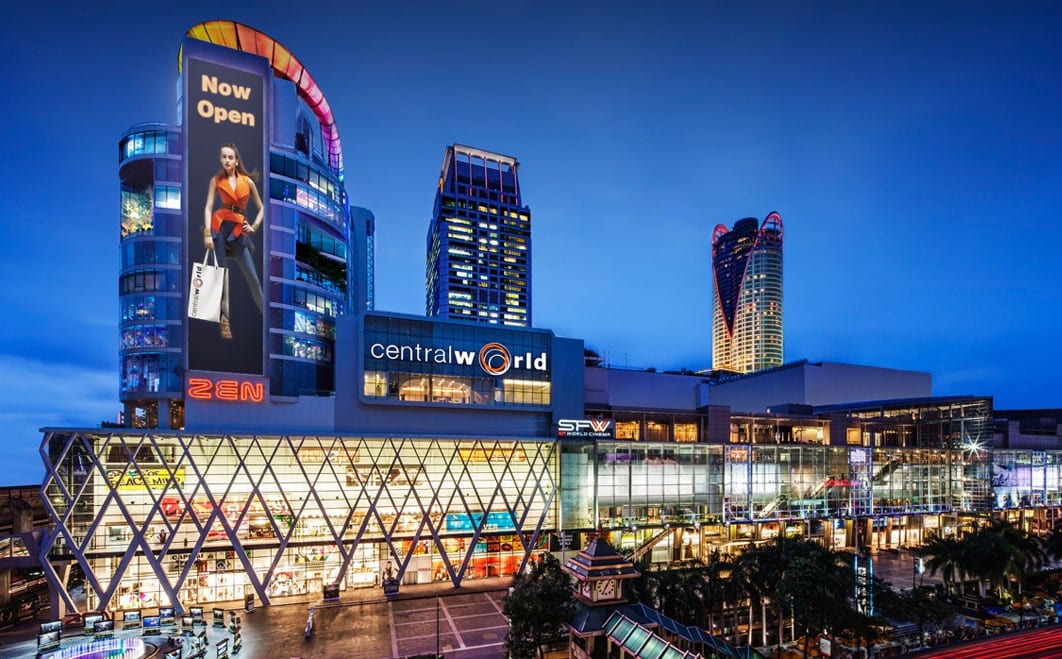
  • Thailand’s Central Retail Group confirms IPO launch

    Thailand’s Central Retail Group confirms IPO launch

    Central Group subsidiary Central Retail Corporation, aims to raise up to THB81.1 billion (US$2.7 billion) in an initial public offering (IPO), which will be Thailand’s largest yet.

    Central Retail’s IPO price will range between THB40 to 48 per share. The company will sell up to 22.1 per cent of its stock or 1.69 billion shares with an overallotment option of 169 million shares. Investors can subscribe from February 6.

    Central Retail’s planned offering would be Thailand’s largest on record ahead of the BTS Rail Mass Transit Growth Fund, which raised US$2.1 billion in 2013.

    Funds raised will be used to expand its domestic and international businesses and to pay off debt, according to a spokesperson.

    As part of its listing plans, Central Group will delist its retail subsidiary Robinson PCL and offer a share swap to Robinson’s existing shareholders with no cash alternatives. The share swap will start in late January.

    Central Retail achieved sales of $3.46 billion in the six months to June. Some 43 per cent of that came via its food business, 34 per cent from fashion and the remainder from hardware.
  • Harrods opening store in Shanghai

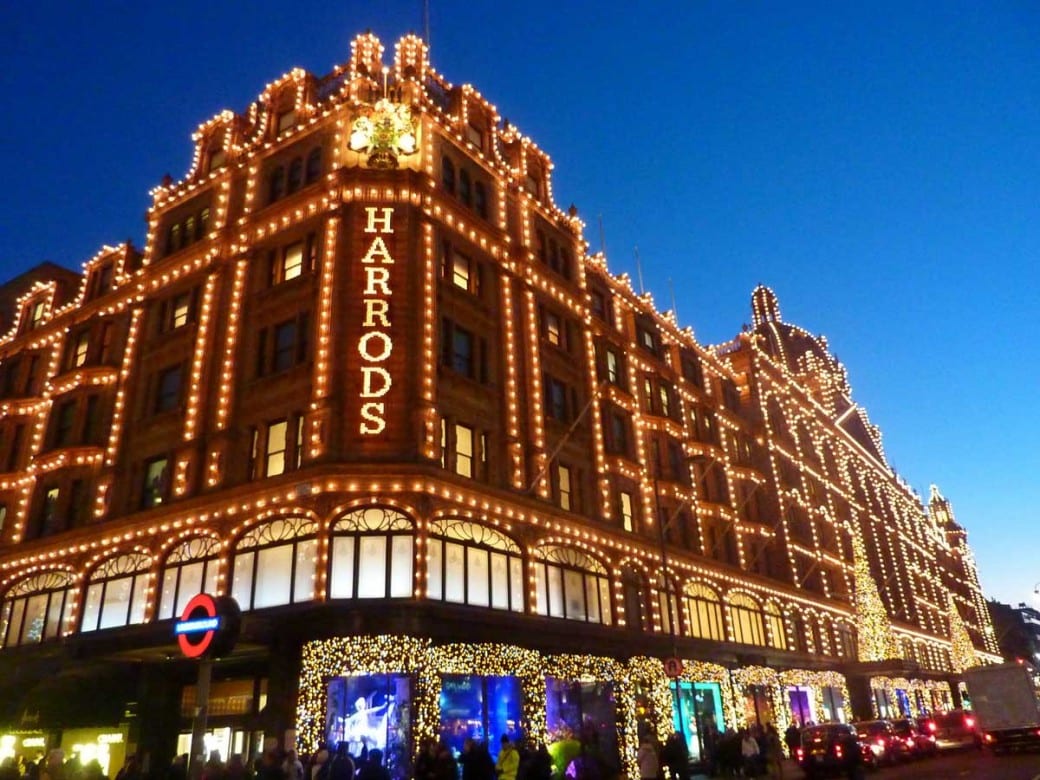
    Harrods opening store in Shanghai

    British department store Harrods will open a location in Shanghai.

    According to Retail Gazette, the store will be the brand’s first standalone site outside the UK and will target China’s growing middle class.

    “If you look at all of the reports, they say, quite categorically that all of the growth in the next five years is going to come from Southeast Asia. And is going to come from millennials,” said Harrods MD Michael Ward. “So we’ve got to go after that. It’s very important that you follow the money. We see continued growth of China, but we see a need to be a more permanent resident in China.”

    Harrods has been making investments in China for a decade, and will launch in the Pudong area in response to strong consumer demand. The store will serve private shoppers targeting the high-end market.

  • AirAsia starts exclusive route from Kuala Lumpur to Da Lat, Vietnam

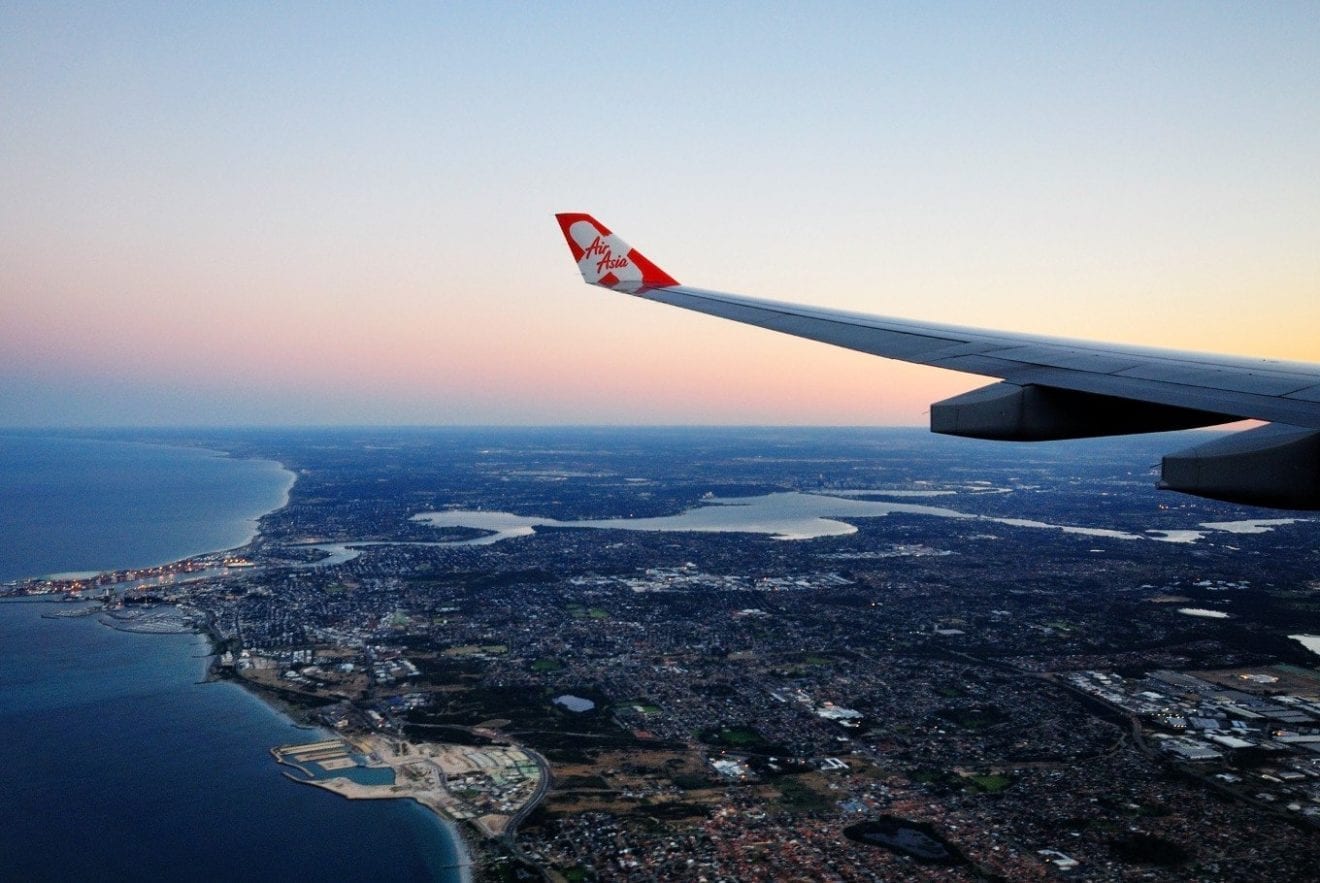
    AirAsia starts exclusive route from Kuala Lumpur to Da Lat, Vietnam

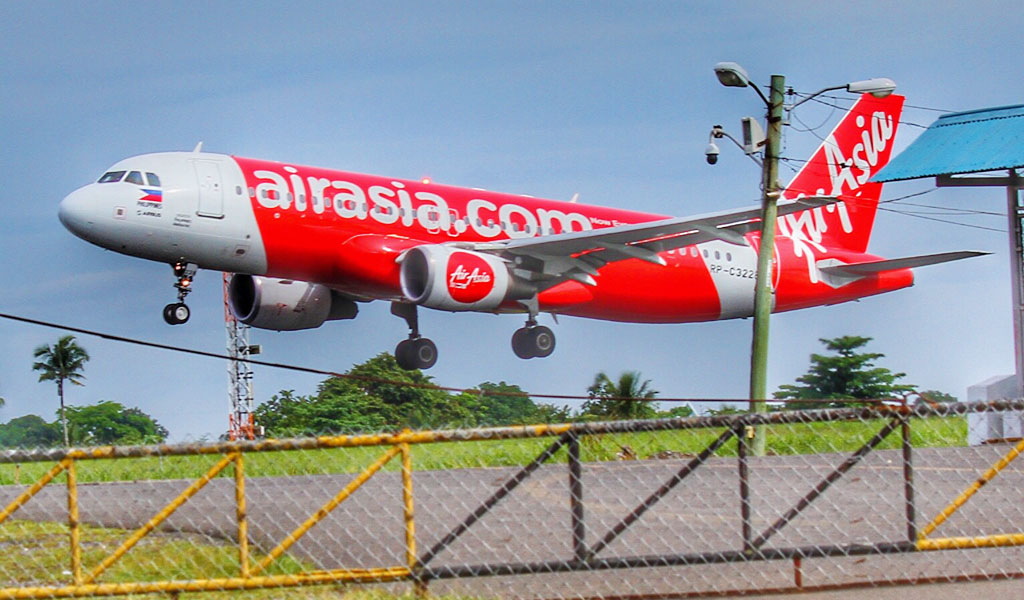
    AirAsia has unveiled its maiden flight to Da Lat, capital of Lam Dong province in the central highlands of Vietnam. The inaugural flight made history as the first international airline to offer direct services between Kuala Lumpur and Da Lat.

    Nattinee Tawanchulee, regional commercial head of AirAsia said: “We now add our latest destination to further expand footprint in Vietnam. This new direct service will provide additional air connectivity to the people in the central highlands of Vietnam to travel across the region, as well as introducing Da Lat as a holiday destination to the world. Also known as the city of eternal spring for its pleasant weather, it welcomes visitors all year round.”

    Da Lat is AirAsia’s seventh destination in Vietnam after Hanoi, Ho Chi Minh City, Da Nang, Nha Trang, Can Tho and Phu Quoc.

  • Twitter’s Android app gets patch to fix serious vulnerability

    Twitter’s Android app gets patch to fix serious vulnerability

    Twitter announced yesterday that it patched a vulnerability in the Twitter for Android app that could have allowed a hacker to control a Twitter user’s account and send tweets and DMs from it. The vulnerability also could have given bad actor access to non-public information. Twitter says that it has no evidence that the vulnerability was ever exploited, but just to play it safe it is “taking extra caution.”
    Users of the social-media app who might have affected are being notified via the Twitter app or by email. Either way, the user will receive instructions to follow that the company says will keep them safe. The instructions received by each affected subscriber depend on the versions of Android and the Twitter app for Android being used. Twitter says that if you’re not sure what to do, just install the latest version of the app from the Google Play Store.
    Twitter says that it is sorry and will continue working to keep your data secure. If you have some questions, you can ask the company how it protects your personal data by filling out a Data Protection Inquiry Form. The iOS version of the Twitter app did not have a vulnerability which means that iPhone and iPad users will not be receiving any instructions from the firm.
  • Bamboo Airways targets resourceful foreign investors

    Bamboo Airways targets resourceful foreign investors

    Bamboo Airways plans to sell its shares to foreign investors for VND160,000 ($6.9) per share as part of its IPO next year. The private airline is looking for investors from the U.S., Japan and Europe with experience and resources, it said in a statement Sunday.

    Bamboo Airways wants to make an initial public offering (IPO) next year on a Vietnamese stock exchange at VND60,000 ($2.6) per share to raise $100 million.

    This planned BAV share price is higher than Vietnam Airlines HVN shares at VND34,400 ($1.48), and lower than Vietjet’s VJC shares at VND143,600 ($6.2) at the time of writing.

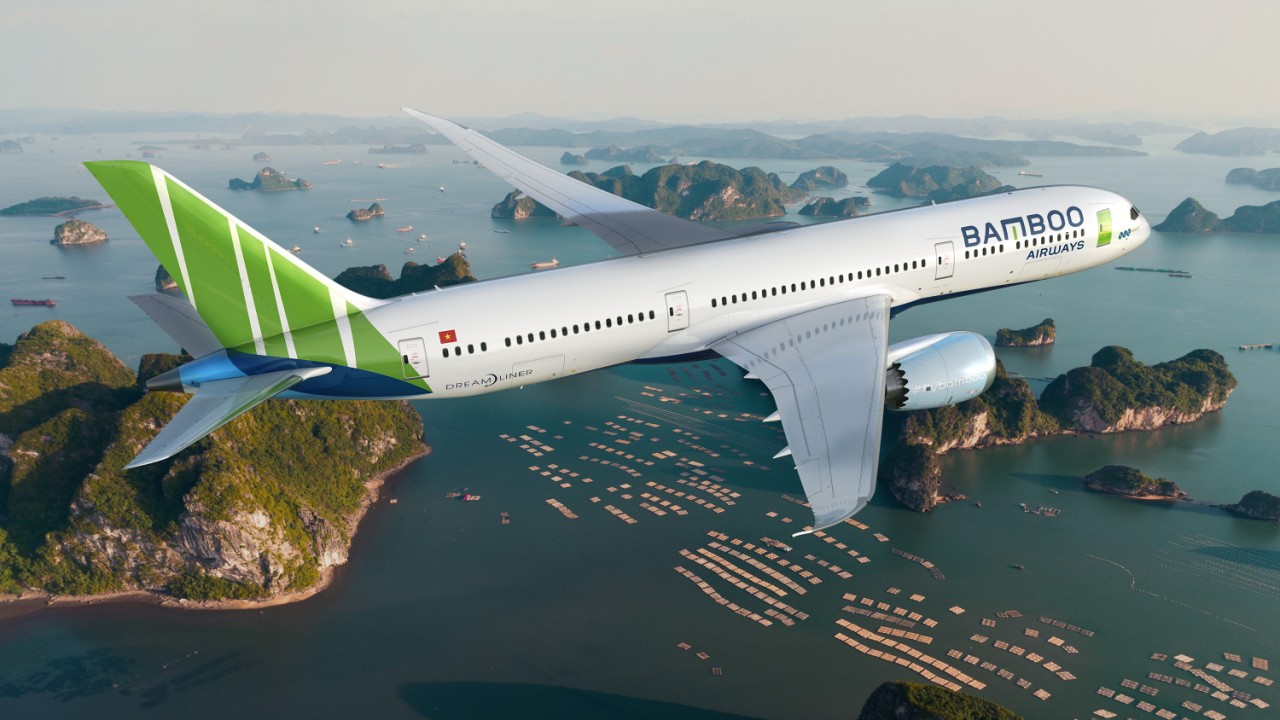
    The airline Sunday became the first private airline in the country to receive a wide-body Boeing 787-9 Dreamliner. The only other carrier using such aircraft is the state-owned Vietnam Airlines.

    Bamboo Airways plans to have a total of four Boeing 787-9s by January as part of a 30-aircraft fleet, most of them narrow-body Airbus A321neo aircraft,

    The airline, which began flying in January, is now operating 34 domestic and international routes. It has conducted almost 20,000 flights to date, carrying almost 3 million passengers.

    Bamboo Airways hopes to acquire 30 percent of the domestic aviation market next year as it flies 85 routes, 25 of them international.

    It also plans to operate 100 aircraft by 2025, carrying 50 million passengers annually.

  • China Should Boost AI Regulation in Finance

    China Should Boost AI Regulation in Finance

    A regulatory framework specifically designed for artificial intelligence in China’s financial sector and better tech for supervision should be introduced, according to policy advisors from a leading think tank.

    We should not deify artificial intelligence as it could go wrong just like any other technology,» said Xiao Gang, senior researcher at China Finance 40 Forum and the former chief of the China Securities and Regulatory Commission.

    The point is how we make sure it is safe for use and include it with proper supervision.

    A report from the forum based in eastern China’s Qingdao city underlined that technology to regulate «intelligence finance» largely lagged development. Existing technology deployed in the sector to improve sales and investment returns, the report added, ranged from facial recognition to big data analysis.

    Onlookers not only underline the potential tech risks which China could face in the future but also recent track record, most notably a failed attempt to create a sustainable peer-to-peer financial ecosystem. What was originally intended to be a source of financing for entities that lacked access to major state-owned lenders resulted in regulators being forced to shut down large parts of the industry with recent data showing that just 427 P2P platforms remained – a 59 percent drop compared to 2018-end.

    Evaluation of emerging technologies and industry-wide contingency plans should be fully considered, while authorities should draft laws and regulations on privacy protection and data security, the report added.

  • Thai AirAsia X flies to Tbilisi

    Thai AirAsia X flies to Tbilisi

    Thai AirAsia X will operate six Christmas and New Year scheduled charter flights to Tbilisi Georgia from its home base Bangkok Don Mueang airport.

    Bookings are mainly generated by Thai outbound travel agents promoting tour packages to Georgia for the festive season. Flights will use an Airbus A330-300 with 377 seats.

    Based on Airlineroute timetable information, the first flight will take off 25 December from Don Mueang Airport at 1455 arriving in Tbilisi at 2040.

    The remaining five flights depart from 28 December to 6 January.

    According to a report in GT Georgia Today news service, Thai AirAsia X carried out two test flights in October before it was awarded a permit by Georgia’s  Ministry of Economy and Sustainable Development  on 27 November 27

    Wikipedia describes “Tbilisi the capital of the country of Georgia as a cobblestoned old town that reflects a long, complicated history, with periods under Persian and Russian rule. Its diverse architecture encompasses Eastern Orthodox churches, ornate art nouveau buildings and Soviet Modernist structures. Looming over it all are Narikala, a reconstructed 4th-century fortress, and Kartlis Deda, an iconic statue of the “Mother of Georgia.”

  • Vietnam’s Vingroup to complete retail exit by closing VinPro chain

    Vietnam’s Vingroup to complete retail exit by closing VinPro chain

    Vingroup is to complete its exit direct retail businesses, shutting down its electronic business VinPro within this month.

    The closure of Vinpro is considered a sudden decision as the group acquired electronics chain Vien Thong A last year with more than 200 stores to strengthen VinPro’s presence. Recently, Vien Thong A’s website and Facebook page changed branding identity to VinPro.

    “VinPro outlets have very good locations in the Vincom shopping centre system,” said Quang Viet Nguyen, CEO of Vingroup. “It will be very easy to rent these premises after VinPro stops operating, without affecting the operation of Vincom centres.”

    The company has also announced the merger of its e-commerce platform Adayroi with e-payment unit VinID. According to Quang, the merger is not because its e-commerce segment was under pressure of losses as the company’s first goal is to create a platform to support the Vingroup ecosystem.

    “Merging Adayroi with VinID not only helps store data about customer behaviour but also creates a new platform where customer needs are better predicted,” Quang said.

    Earlier this month, Vingroup announced an agreement with consumer products manufacturer Masan Group, to move its VinMart supermarket and convenience-store business into Masan in a new company in which Vingroup will hold a minority stake.

    The company has said it wants to focus on industrial and manufacturing business including its motor vehicle, television, tourism and smartphone businesses. It is also about to launch an airline.

  • c is developing an Android replacement since it doesn’t trust Google

    c is developing an Android replacement since it doesn’t trust Google

    You don’t need to be a Chinese smartphone manufacturer cut off from the Google Play services version of Android to start developing an alternative operating system. You can also be a large global social-media company headquartered in the U.S. that seeks to control all personal data and aspires to world domination. The former, of course, is Huawei whose placement on the U.S. Commerce Departments entity list prevents it from accessing the U.S. based supply chain that it spent $11 billion on last year.

    Without being able to include the Google Play Store on its new phones, Huawei’s new handsets cannot run Google’s core Android apps like Search, Maps, Gmail and more. That doesn’t matter in China where most Google apps are banned, but does hurt Huawei’s international shipments. The company developed its own operating system called HarmonyOS as an alternative to the licensed version of Android. Ironically, the OS is not for smartphone use, at least not yet. So for now, Huawei is using an open-source version of Android for its phones.

    Can you guess the second company we outlined in the first paragraph? If you guessed Facebook, you’re 100% correct. The company is building a new campus where it will design new hardware. And to make sure that it is completely self sufficient, Facebook is working on making its own Android replacement; the social media giant has named Mark Lucovsky as General Manager of Operating Systems; Lucovsky was part of the team that developed Windows NT for Microsoft. Facebook also wants to design its own chips and create a new virtual assistant. Currently, its Portal smart display uses Amazon’s Alexa to handle complex tasks thrown at it by users.

    While Facebook will continue to offer Android-based apps, the problem is simply a matter of trust. Ironically, the company that allowed 87 million user profiles to be used without permission (resulting in a violation of a signed FTC consent decree and a $5 billion fine) says that it doesn’t trust that other tech companies like Google will work with it. Facebook’s VP of hardware, Andrew ‘Boz’ Bosworth said, “We really want to make sure the next generation has space for us. We don’t think we can trust the marketplace or competitors to ensure that’s the case. And so we’re gonna do it ourselves.”

    Facebook is also concerned that if it has any issues with Google, it could lead to product delays and other issues. Facebook is said to be is extremely concerned about the augmented reality glasses that it is developing. And by using its own hardware and software in a range of products, Facebook could make it difficult for the government to force it to spinoff some of its acquisitions. For example, if Facebook decides to use the Instagram name on its AR glasses as rumored, it could be harder to request that Instagram be spun off as an independent outfit if it is using Facebook’s parts in such a device.
    Facebook hasn’t proven yet that it can produce a smash hit tech device. Besides the Portal smart display, sales of its Oculus VR headsets are not exactly soaring. Still, the company is taking its self-sufficiency seriously as seen by discussions it reportedly held to acquire Cirrus Logic. The latter makes digital signal audio chips (DSP) for Apple and has a market cap close to $4.7 billion. And that is the problem with Facebook. The firm has billions of dollars available for it to spend on its most devious plans. Consider that the company has a brain-scanning system that uses optical scanning to figure out what words someone is thinking of and turn it into text. And Facebook has been shrinking the size of this down to that of a handheld device and hopes to eventually include it on smartphones.
    But hasn’t that been Facebook’s goal all along? The social media company wants to know exactly what you’re thinking at all times and profit from this knowledge.
  • Hamleys brand set for shakeup under new owner

    Hamleys brand set for shakeup under new owner

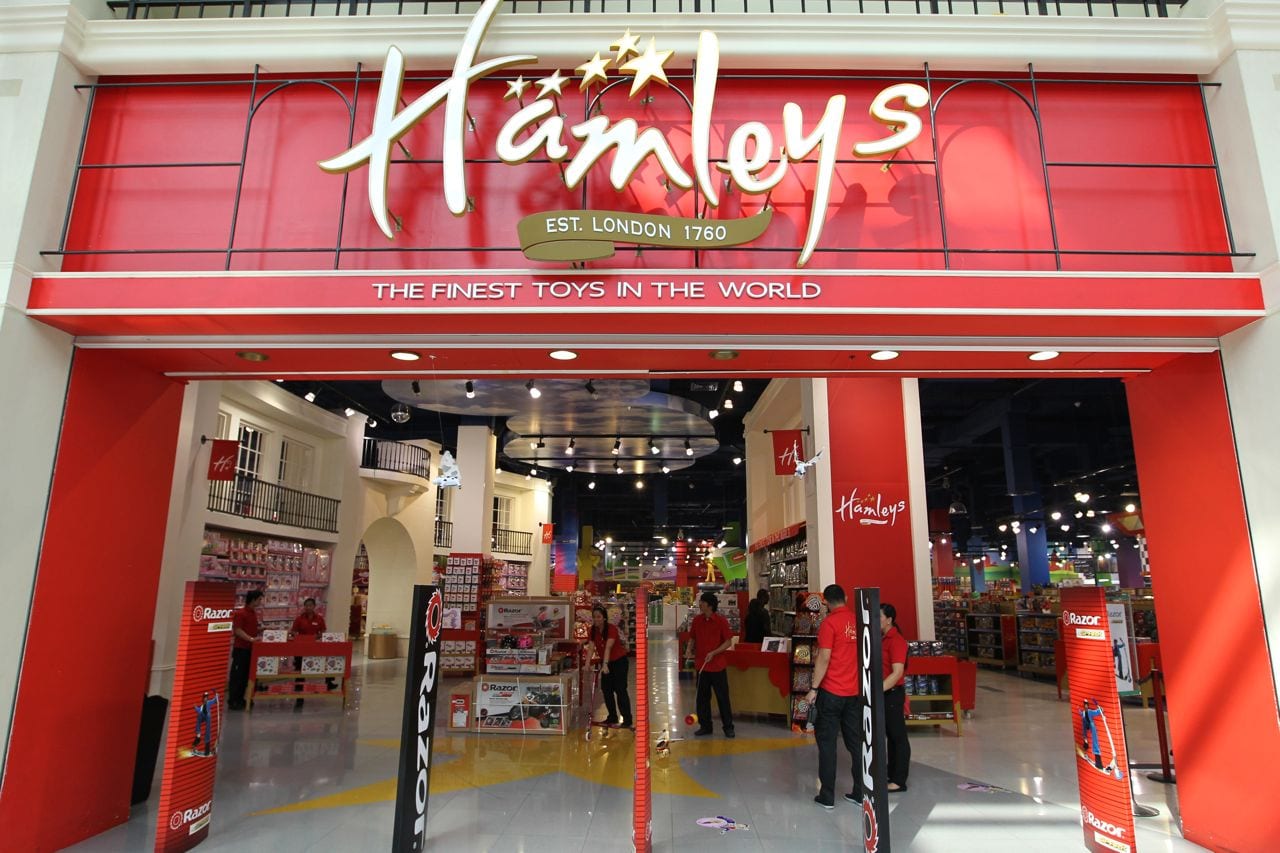
    New Hamleys toy store owner Reliance Industries plans to revamp the brand, according to a report in The Guardian.

    The article reveals that the new owners “have ambitious plans for the toy store” which has been passed “from one absentee foreign owner to another over the past 16 years”. Reliance is currently turning to the US market in the wake of the Toys R Us collapse, having already firmly established the brand in India with more than 100 stores.

    The firm is also planning to revamp its London flagship.

    “We’re not going to put Swarovski chandeliers in, which can cost a lot of money, because that’s not required,” Reliance CEO Darshan Mehta told The Guardian. “You have to be careful not to create something that is intimidating because one of the Hamleys’ secret ingredients has been that it welcomes all and sundry, from the super-rich – someone recently bought a £5000 reindeer – to someone buying a £5 soft toy.”

    “If your proposition is price as the only lever then you will lose the game,” said Mehta. “We are not selling the cheapest toy from a box.”

    Mehta also added that the store revamp has to focus on providing a better experience than online shopping.

    “As a brick-and-mortar retailer I have to stand up to that onslaught,” he said. “People will not remain closeted in their homes. They go out for experiences. A visit to a Hamleys store is an experience.”

  • AirAsia names new boss in Japan

    AirAsia names new boss in Japan

    AirAsia has appointed Jun Aida as representative director and COO to lead AirAsia Japan, effective 1 January 2020.

    Jun will take over from Jenny Mayuko Wakana who will be stepping down 31 December.

    As a member of AirAsia’s senior leadership team, Jun will be responsible for the company’s airline operations in Japan and its future growth.

    AirAsia Group CEO Tony Fernandes said: “Jun brings with him extensive management experience across various industries. We see tremendous potential in Japan and now is the time to catapult AirAsia Japan into its next phase of growth and success.”

    Jun joined AirAsia Group as a senior advisor in 2017. Prior to joining AirAsia, he was managing director for Phoenix Resort Co Ltd besides holding senior management roles in various multinational companies.

  • Thailand’s Nok Air seeks to raise $73.5mn from shareholders

    Thailand’s Nok Air seeks to raise $73.5mn from shareholders

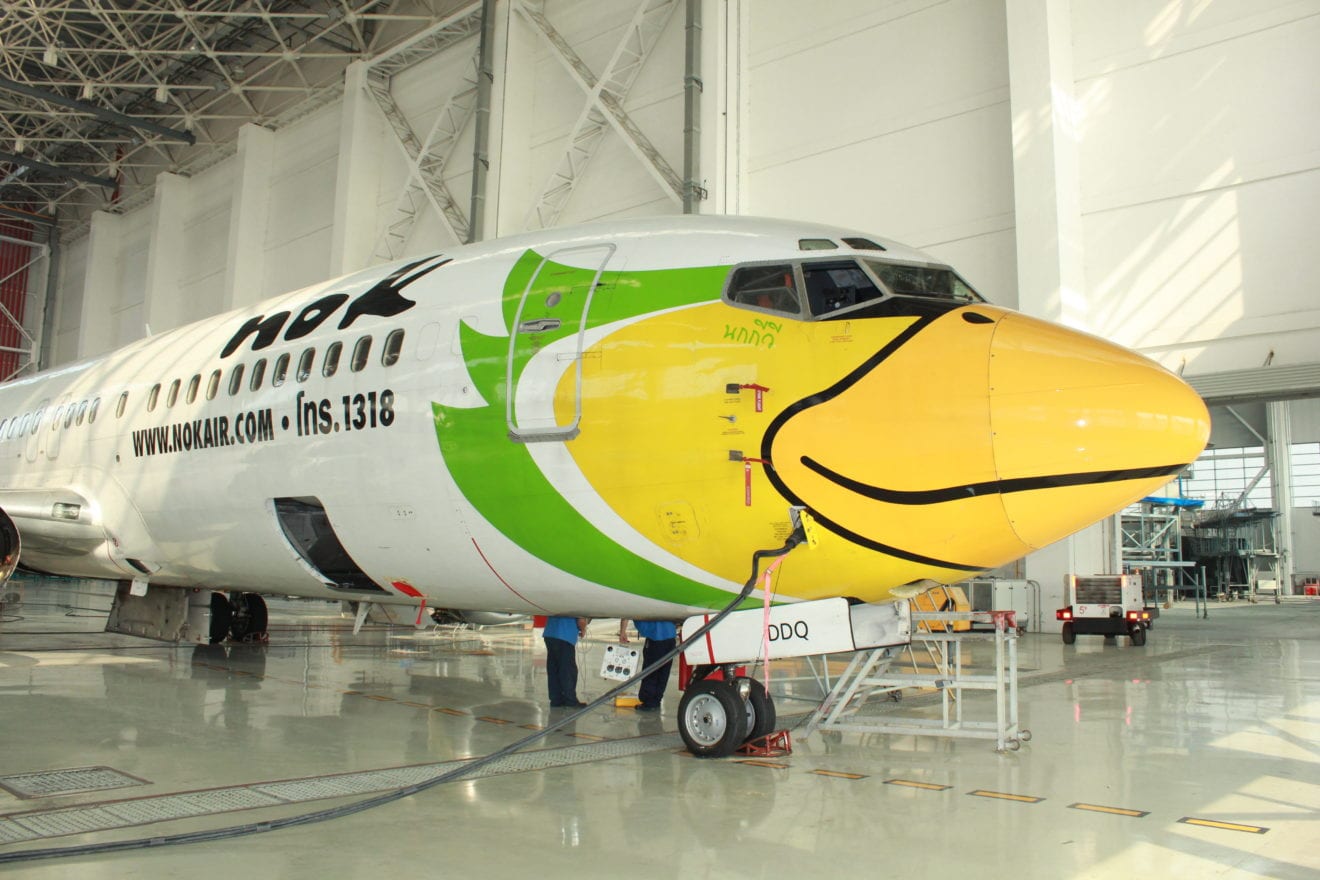
    Nok Air is seeking to raise THB2.22 billion bahts (USD73.5 million) from existing shareholders through a new share issuance, the Thai low-cost carrier said in a stock market filing.

    The Thai carrier’s Board of Directors proposed issuing 888,147,358 new shares nominally valued at THB1 (USD0.03) each. If the proposal is approved by an Extraordinary General Meeting on January 14, existing shareholders will be offered purchase rights to buy one new share per 3.5 existing shares. The purchase price has been set at THB2.5 (USD0.08) per share.

    The offering period will run from February 3 to February 7, 2020.

    Nok Air said it will allocate shares not taken up in the first round to any oversubscribing shareholders but it does not foresee allocating any shares to investors who are not shareholders at the moment.

    Simultaneously, the Board of Directors proposed decreasing the number of shares in circulation by 99,030,527 shares which were not sold during previous equity increases. This will result in a decrease of the total number of shares, equivalent to the registered capital, to 3,309,019,273 prior to the new issuance planned for early February.

    Nok Air is currently controlled by the Jurangkool family, with three of its family members controlling a combined 67.4% stake in the airline. Thai Airways International owns a 15.9% stake with the remainder held by small shareholders with less than 0.5% each.

  • Airlines Cebu Pacific becomes latest IATA member

    Airlines Cebu Pacific becomes latest IATA member

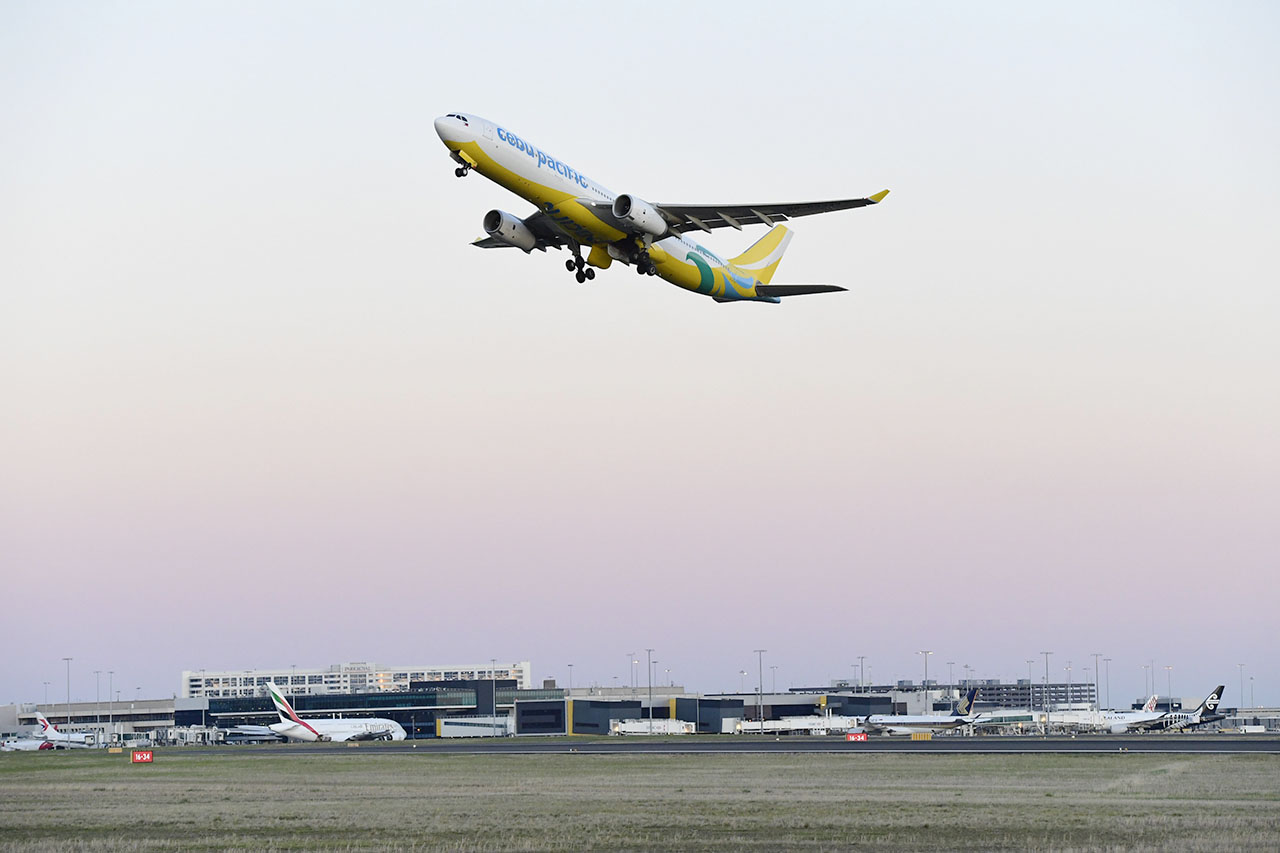
    Philippines low-cost carrier Cebu Pacific has joined IATA, becoming the second carrier from the country to be part of the trade association.

    Cebu Pacific says IATA membership will help it “gain access to expertise and learnings” about best practices and innovation.

    Conrad Clifford (left), IATA regional vice president for Asia-Pacific presents the IATA Certificate of Membership to Cebu Pacific president and CEO Lance Gokongwei.

    Cebu Pacific chief Lance Gokongwei adds: “Moreover, we will also be able to share our own operational experience and contribute to further developing the airline industry as a whole.”

    IATA says the low-cost carrier has achieved full compliance with its’ Operational Safety Audit (IOSA), which assesses a carrier’s operational management and control systems.

    Cebu Pacific currently flies 121 routes, with more than 2,600 weekly flights. Cirium fleets data indicates the carrier operates 54 aircraft, including a mix of A320 family jets and A330s, and has 44 aircraft on orders.

    Cebu Pacific joins a growing number of low-cost carriers added to the IATA fold. In November, Indian carrier IndiGo joined the association.

  • AirAsia launches bundle deals

    AirAsia launches bundle deals

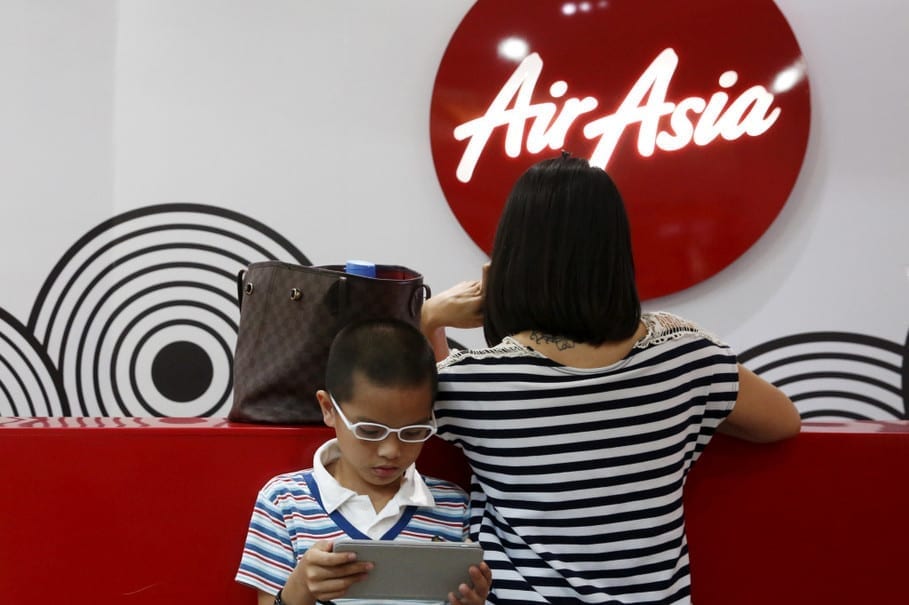
    AirAsia Group Bhd has continued its journey to becoming the fastest-growing travel and lifestyle platform in Asean with the launch of AirAsia Bundle Deals, through its airasia.com platform.

    AirAsia group chief executive officer (CEO) Tan Sri Tony Fernandes said this launch would further diversify the group’s offerings apart from selling airline tickets, restaurant business Santan, hotel platform, as well as its own music label Red Records.

    “AirAsia has grown a lot from becoming a one-trick pony,” he told reporters at the launch here today.

    With over 100 merchants for the AirAsia Bundle Deals in the Klang Valley currently, he said this would be expanded to other cities and countries including Penang, Singapore, Thailand, and beyond starting next year.

    Fernandes said customers would be able to unlock various lifestyle deals comprising food and beverages (F&B), beauty and services through bundled deals by geo-location for a 90-day pass at only RM20, or easily redeemable with only 2,500 BIG Points.

    Airasia.com CEO Karen Chan said the AirAsia Bundle Deals was not only limited to the general public who visit airasia.com, but in the next phase, it would have a corporate reward solution and corporate purchases for organizations that would like to reward employees.

    “We are pleased to introduce another new lifestyle product as part of our journey in becoming a lifestyle brand. As AirAsia envisions to being beyond just an airline, we are now offering travel, lifestyle, logistics, financial services and more to cater to your lifestyle needs.

    “Customers can indulge with deals such as free hair cut, free facial, free manicure and many buy-one free-one deals made available in different locations,” she added.

    Meanwhile, in conjunction with the launch, airasia.com is offering a 24-hour launch promo of only RM1 from midnight tonight for purchases of AirAsia Bundle Deals. Simply log on to airasia.com/deals to grab the deals.

  • First Best Mart 360 Macau store opens

    First Best Mart 360 Macau store opens

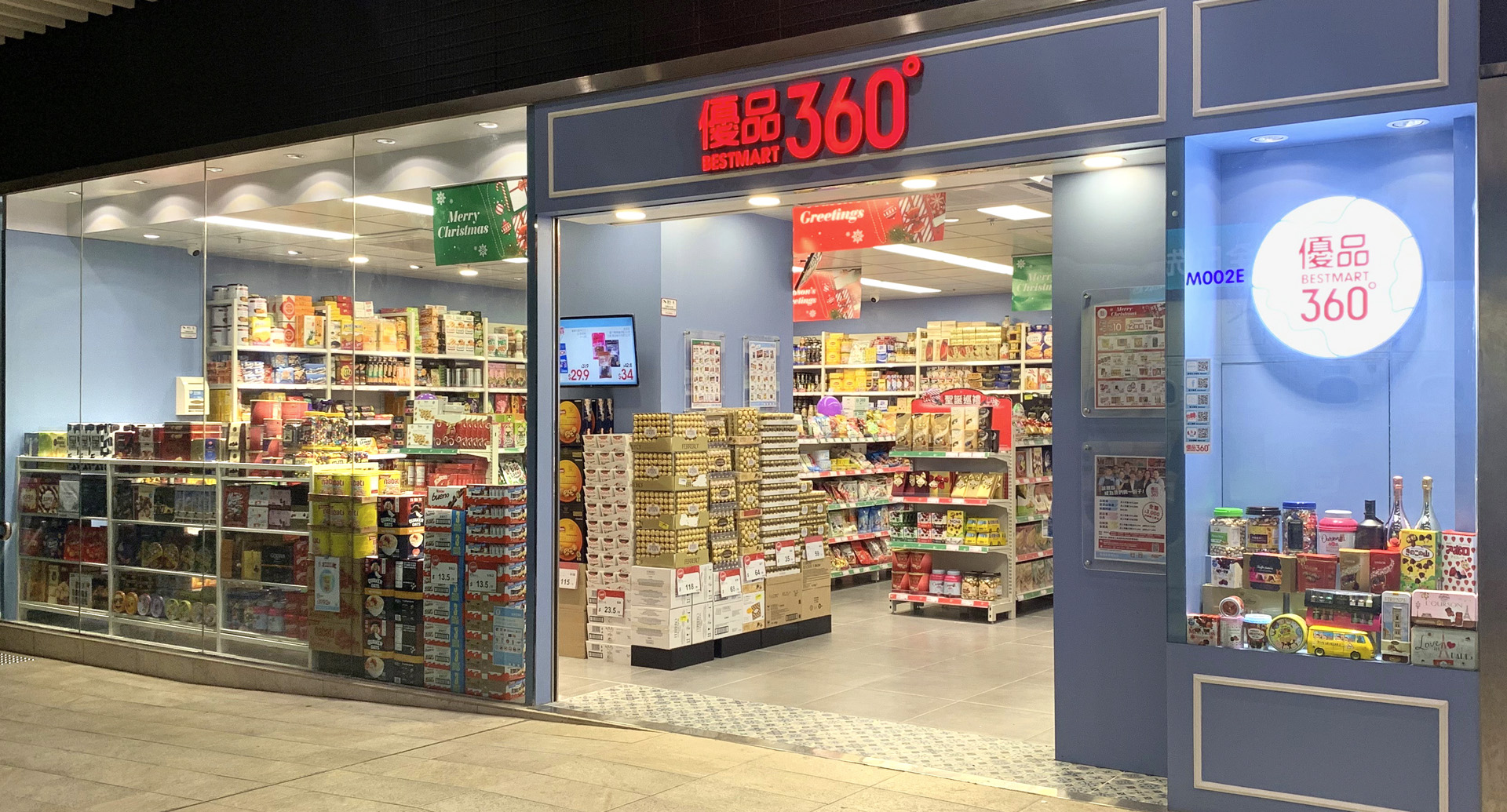
    Best Mart 360, the Hong Kong-listed ‘leisure-food retailer’ opened its first store in Macau yesterday.

    The company – which has suffered vandalism to some 75 of its Hong Kong stores during recent protest activity – believes there is potential for as many as 15 stores in Macau.

    In an interview with the South China Morning Post, chairman and co-founder Lin Tsz-fung said the expansion into the new territory was planned many years ago.

    “We hope to diversify our markets to Macau and Mainland China. We think Macau has a lot of tourists,” he said.

    A significant expansion in Best Mart 360’s store network helped boost sales in the first half of this year, despite the company being heavily impacted by protests since June.

    As at the end of September, Best Mart 360 operated 98 stores, a net 21 more than the same time a year earlier. Most of the new outlets are on the mainland.