Category: General

Retail News Asia is committed to providing both local and global retailers with the latest General Retail news throughout the Asian market. This on a daily base.

  • Google Messages adds new feature that protects you from spam

    Google Messages adds new feature that protects you from spam

    In an attempt to make your conversations as safe as possible, Google is adding all sorts of security features. The last one comes is meant to protect you from spam and involves a new feature called Verified SMS that now rolling out to Messages app in several countries.

    The new feature adds another layer of security on top of Android’s Rich Communication Services (RCS) that Google tries to push out to all users. Anyway, it looks like with Verified SMS for Messages, the app will be able to confirm the true identity of the business that’s texting you.

    Yes, the new feature only works for businesses, but it greatly reduces the spam you received, so here is how it works. As the name suggests, Verified SMS will verify on a per-message basis that content is sent by a specific that that registered with Google. If it’s not, you won’t get the message, otherwise, you should see the business name and logo along with a verification badge.

    Google also revealed the first companies that are allowed to send messages with Verified SMS: 1-800-Flowers, Banco Bradesco, Kayak, Payback, and SoFi. Also, Google Pay India and verification codes from Google will be part of the Verified SMS program, but more businesses are signing up to use the new feature quite often.

    According to Google, Verified SMS for Messages is rolling out gradually in nine countries starting in the United States, India, Mexico, Brazil, the UK, France, Philippines, Spain, and Canada, but more countries will be added to the list in the future.

    In the same piece of news, Google announced that it’s adding Spam protection for Messages, a new feature that will warn Android users about suspected spam and unsafe websites it detects. This specific spam protection feature is now rolling out in the United States, but it’s been available in other countries for a while now.

  • 7-Eleven Japan has been underpaying staff for up to 50 years

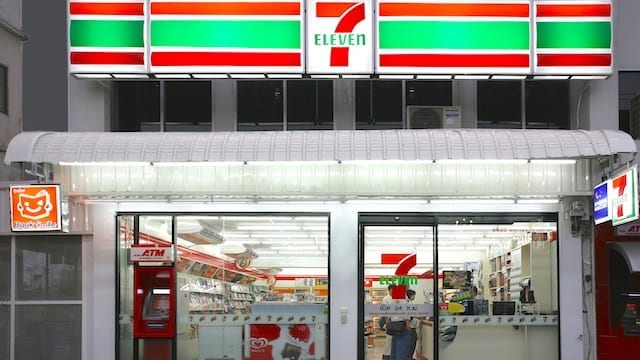
    7-Eleven Japan has been underpaying staff for up to 50 years

    Investigators have discovered 7-Eleven Japan to have been underpaying staff since the 1970s, according to a Nikkei report.

    The review uncovered inaccuracies in the formula used by the retailer to calculate overtime wages for part-time staff since the business was established. The error resulted in staff earning less than mandated by Japan’s Labour Standards Act. All staff payment calculations are performed by the 7-Eleven Japan’s head office, which guides payment levels for franchise operators.

    The company, which was first alerted to the problem in October, has responded by promising to compensate around 30,000 affected staff for underpayments going back as far as the company has kept its archives since March 2012. Staff seeking compensation for underpayments dating from before that time can be paid if they have preserved records.

    7-Eleven Japan could face a bill for compensatory payments of ¥490 million (US$4.51 million).

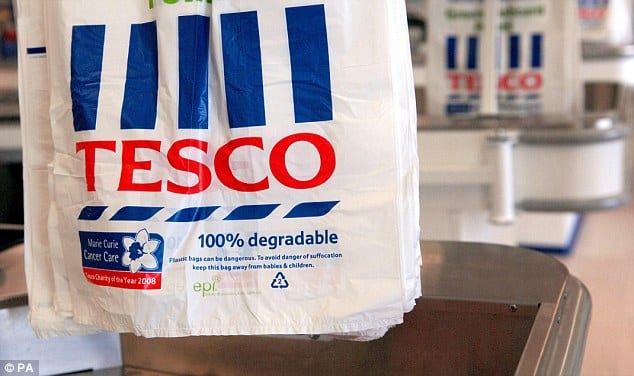
  • Tesco Asia sale plan comes under fire

    Tesco Asia sale plan comes under fire

    A sale of the Tesco Asia business by its UK parent would prioritize shareholders over sound long-term economic strategy, says GlobalData.

    Over the weekend, Tesco announced it had received an expression of interest from an unnamed party to acquire the Tesco business in Malaysia and the Tesco Lotus operation in Thailand. The company has subsequently launched a review of options for the Tesco Asia operations.

    Hakan Demirci, a consumer analyst at GlobalData, described a sale as outgoing CEO Dave Lewis’s plan to appease shareholders with a reported valuation of £7.1 billion for the 2000 stores.

    However, he said this would neglect the long-term importance of Asia to Tesco.

    “Selling its Asian business would be welcomed by Tesco’s shareholders, who would be granted higher returns on their investments if it were to go through. Tesco has done this before, having sold its Chinese and Japanese stores in 2013 and most recently it’s South Korean business in 2015. However, these markets were relatively developed and consolidated, with little room for growth in the retail sector.

    “Tesco’s Malaysian and Thai sectors have been constant sources of sustained success, with profit margins the highest at 6 percent compared to the UK business’s margins of 3 percent.”

    He said the Malaysian food and grocery market is set to grow from now through 2022 with a compound annual growth rate (CAGR) of 9.9 percent. Likewise, the Thai food and grocery market will grow at a smaller, yet still significant CAGR of 4.5 percent over the same period – representing a significant opportunity for Tesco to expand its business.

    “If these markets were to be sold, Tesco would be left with operations in the UK, Ireland, and Central Europe. This would leave the group vulnerable as it loses its benefit of the regional diversification, resulting in a less dynamic and flexible company.

    “This vulnerability would leave the group exposed, as it continues to lose share against the meteoric rise of discounters in both the UK and Ireland such as Lidl and Aldi, which GlobalData expects will continue to gain market share throughout 2020,” he said.

    “Finally, Tesco’s operations in Malaysia and Thailand could serve as a springboard for emerging regional neighbors, namely Indonesia, the Philippines and the rest of south-east Asia. These markets offer Tesco the ability to become a truly global player outside of their strongholds in the British Isles and Central Europe.”

  • Google fixes issue that kept new Android apps from being found in the Play Store

    Google fixes issue that kept new Android apps from being found in the Play Store

    So let’s say that you spent countless hours developing a new Android app that you believe will change the world. You submit it to Google and it passes with flying colors. The app is published but a bug prevents Android users from finding it and as a result, there are practically no installs. Is this the plot from a new Disney movie called Frozen…out of the Play Store? No, unfortunately, this is a real-life situation that was affecting Android developers.
    While Tire Valet can now be found, several Reddit posts revealed other examples of apps that were not appearing on the Play Store. Some with hundreds of thousands of installs failed to show up when users searched for them in Google’s Android app storefront. And the company’s initial response to complaining developers was just self-serving; Google told some of these developers that they should expand their marketing campaigns and spend more on Google’s AdWords. But some developers spent as much as $350 a day on the platform and their app (or apps) still were missing in action.
    A Reddit post by a user named omeysalvi sums up the typical reaction by affected developers. “Hi guys, I just launched an Android game a few days ago. The app is published and downloadable through its link. But I cannot find the game in the Google Play Store if I search for it by name. I even added the company name to the game name. Still couldn’t find it. It has 10 downloads so far. What am I doing wrong?” Another developer echoed the same complaint. Reddit user neupanedinesh wrote, “Same exact issue for me. I released a new game like a week ago and run an ad campaign just to index the app. I’ve done a lot of keyword research for it still it’s not ranked for any keyword, not even a single keyword. It’s so frustrating.”
    Google has apparently disseminated a fix exterminating a bug that prevented the Play Store from indexing these newly published apps. Once an app is indexed, the title and keywords associated with the app help it surface during a search. This process can take up to a couple of weeks; a good example of this is the Android version of the official Craigslist app which still does not appear when you search for it in the Play Store. And while this usually resolves itself after a few weeks, many of the developers complaining had published their apps months ago. The good news is that developers have been sending updated posts over the last 24 hours stating that their missing apps are now discoverable using the search tool in the Google Play Store.
    An indexing bug has affected Google before. Earlier this year, recently published webpages weren’t appearing on Google Search because of a software issue. At the time, the Google Webmasters Twitter account posted a tweet that said indexing issues were causing “stale” search results. Google’s recently published report, “How Google Play Works: 2019 Google Play Public Policy Report,” mentions how important the Play Store search tool is to users who are looking for an app with specific capabilities. “We want users to have a unique, personalized Google Play Store experience every time they visit the store, and the search functionality in the Google Play Store is an important tool for helping users find the apps and games they’re seeking,” the company wrote.
  • Hanoi-Saigon flight time climbs 5 mins a month

    Hanoi-Saigon flight time climbs 5 mins a month

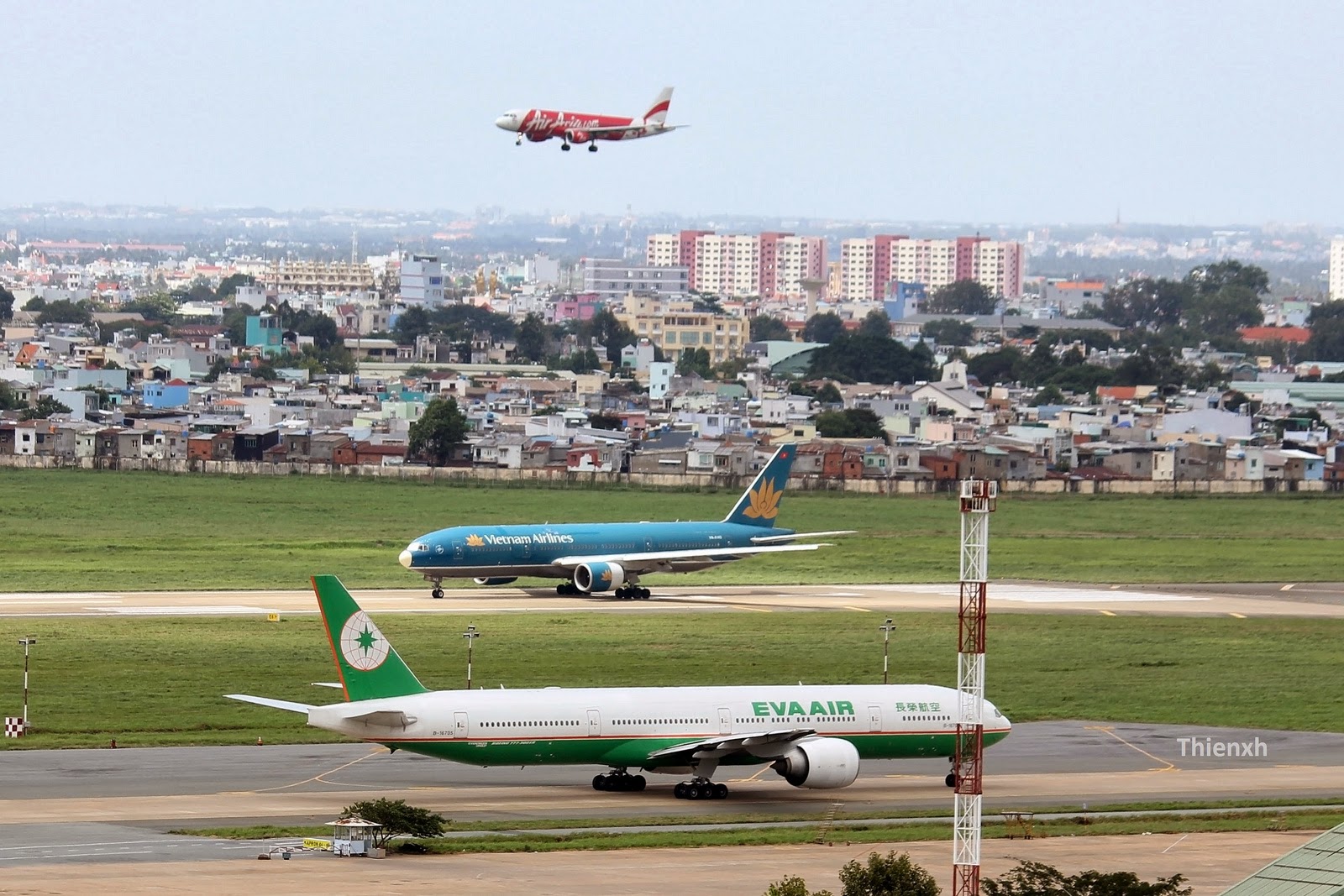
    Flying from Hanoi to Saigon takes five minutes more per month due to overload at Tan Son Nhat International Airport. Duong Tri Thana, Vietnam Airlines CEO, told a forum Wednesday continued delays at Tan Son Nhat could drag down flight quality and hamper economic growth.

    The route itself ranked as the sixth busiest domestic route in the world for 2019, up one spot from last year. Le Hong Ha, deputy general director of the flag carrier, said Tan Son Nhat has recorded low punctuality due to overload, with airlines forced to adjust flight times that cause take-off delays up to 15 minutes.

    Lai Xuan Thanh, chairman of the Airports Corporation of Vietnam, said this year, foreign airlines have struggled to find berths at Tan Son Nhat.

    The airport could only provide 2-3 percent more slots this year, meaning passenger growth is capped at 5 percent year-on-year, he added.

    However, the country is allowing the operation of new airlines despite the overload. Private carrier Bamboo Airways launched its first flights earlier this year, while three more airlines are awaiting licensing.

    Dinh Viet Thang, head of the Civil Aviation Authority of Vietnam (CAAV), said Vietnam still holds great aviation potential, with an estimated 150-180 million air passengers predicted by 2025.

    Only five airlines operate daily routes in Vietnam, with the figure in Thailand at 16, Indonesia at 12, the Philippines at 10 and Singapore at 6.

    Vietnam plans to upgrade existing and build new airports to accommodate surging travel demand, a third terminal proposed for Tan Son Nhat to up capacity by 20 million passengers a year. Tesla Plans Increasing Imported Model 3 Prices In China From January

  • Inmarsat has high hopes for fitting GX to carriers across Asia-Pacific

    Inmarsat has high hopes for fitting GX to carriers across Asia-Pacific

    Even as Indian carriers lag behind in introducing inflight connectivity for passengers, there is action in the Asia-Pacific region, which is expected to account for roughly 40% of new commercial aircraft deliveries over the next 20 years.

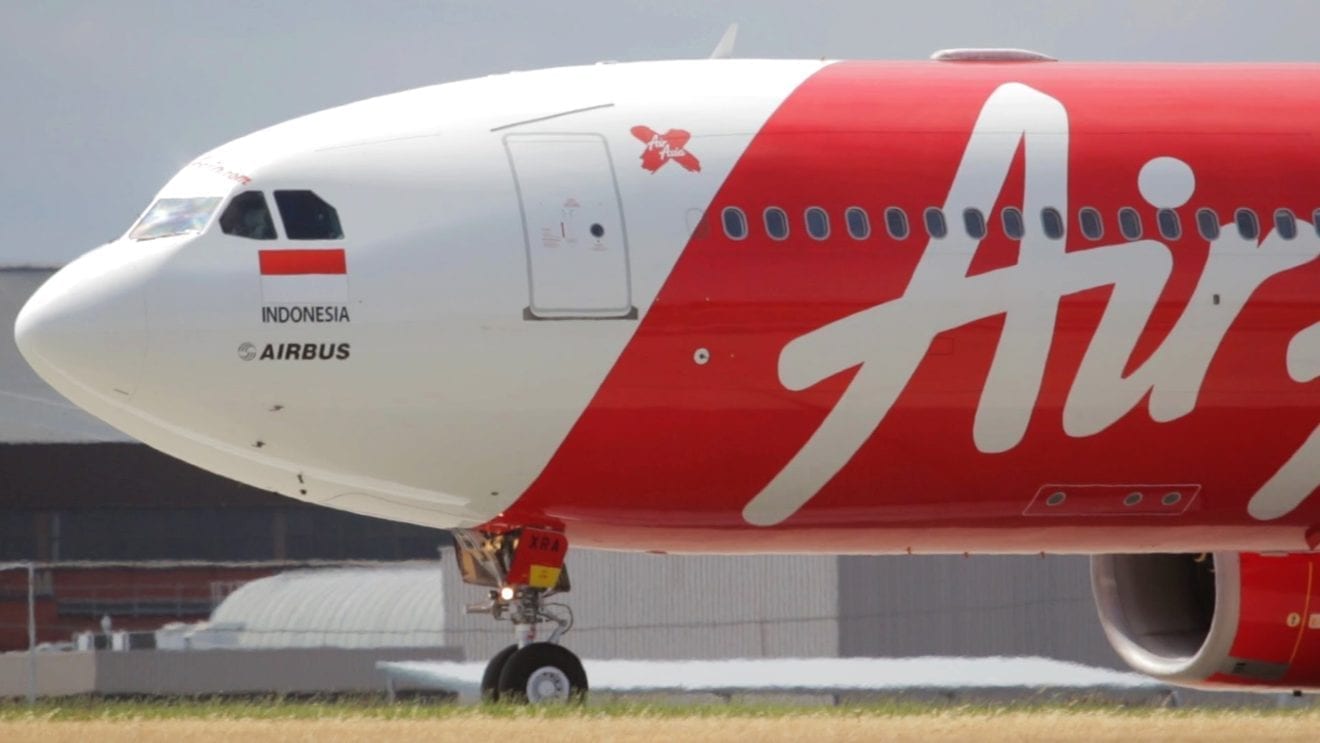
    Inmarsat, which has high hopes for the region, says six AirAsia aircraft have been fitted with its GX Aviation Ka-band connectivity system.

    The service offers an improved experience over the Inmarsat SwiftBroadband-powered texting solution on offer at AirAsia.

    Passengers can avail of MB packages of data for the GX service, a model that is being increasingly adopted by airlines but which is not without its detractors. A 200MB package for MYR58 (roughly $14US) is positioned by AirAsia as being the “best for streaming”.

    For its part, AirAsia is thrilled to be offering GX on half-a-dozen aircraft. The company’s RedBeat Ventures subsidiary, ROKKI, manages the service, which has been integrated into its broader entertainment and e-commerce platform.

    “Some people are noticing what we are doing,” enthused AirAsia Group CEO Tony Fernandes in a tweet. He added: “Making products affordable and increasing quality. Bravo!”

    The service is slated to be implemented fleet-wide across AirAsia’s Airbus A320 and A330 models in 2020. This requires installation of the Honeywell JetWave terminals atop AirAsia’s fuselages, a time-consuming endeavor. But AirAsia may be compelled to quickly equip, as passengers are eager to get online.

    Other GX Aviation airline customers in the Asia-Pacific region include Air New Zealand, Singapore Airlines and Philippine Airlines.

    But new business opportunities abound. The Asia-Pacific region is expected to become the largest single market for broadband-enabled services in the next two decades, says Inmarsat regional vice president APAC Chris Rogerson, and Inmarsat believes it is in the right position to help them realize the full potential of a fully connected fleet today.

    “We foresee that by 2021 the majority of airlines will be offering inflight connectivity,” Rogerson tells RGN.

    Whether these carriers will ultimately offer free Internet browsing remains to be seen. Air New Zealand has already done it, and passengers are pleased. Inmarsat Aviation president Philip Balaam tells RGN that when a free WiFi service first goes live, passengers tend to push the system hard, but that “usage tends to settle back into more normal usage” thereafter.

    Regarding the free model, he says, “I strongly suspect that that’s a trend that we will see in general over time” or at least “a component of free. Now whether you provide full free and full free to everyone is something else. That’s more of a segmentation issue than anything else. But the idea of having ubiquitous free service to some level of SLA [service level agreement], I think we are on that journey.”

    In addition to supporting cabin connectivity and connected IFE, airlines are adopting GX for operational benefits, including real-time mapping for pilot electronic flight bags (EFBs) as well as other real-time crew and health monitoring applications.

    But GX is not the only service on offer for Asia-Pacific carriers. Among competitors in the space, Panasonic Avionics has an entrenched position in the region, counting several Chinese airlines as customers for its eXConnect-branded Ku-band connectivity solution, in addition to All Nippon Airways, Cathay Pacific Airways, Garuda Indonesia, Japan Airlines, Singapore Airlines, and Thai Airways.

    Last year, Panasonic further bolstered its connectivity portfolio by becoming a strategic value-added reseller for GX. Intriguingly, Rogerson tells RGN that the deal also enables Inmarsat to offer Panasonic’s NEXT IFE solutions to Inmarsat’s commercial aviation customers.

    “Over the past year, Inmarsat and Panasonic have made significant progress with aligning our processes and systems. This has been our core focus… [covering] important areas such as sales process, contracts, technology, and operations processes,” he says.

    India, meanwhile, one of the fastest-growing countries in civil aviation, is still in a huddle over inflight connectivity. Last year, licenses for In-flight and Maritime Communications (IFMC) were cleared by regulators.

    Inmarsat’s Indian teleco partner, state-owned telco BSNL, holds approval to offer connectivity to Indian airlines operating within and outside India, as well as foreign airlines transiting through Indian airspace. “As a result, Inmarsat will be set to begin offering GX Aviation services over Indian skies from early 2020,” assures Rogerson.

    Some carriers are already primed to offer the GX service to passengers. Indian budget carrier SpiceJet, for instance, has GX equipment installed on 13 Boeing MAX 737s. But these, like the rest of the MAX world fleet, have been grounded since last March.

    Even when the MAX is recertified, a hurdle awaits. Clearances are required from the Indian Space Research Organisation (ISRO) for a foreign satellite to be used.

  • Apple drops iOS 13.3, iPadOS 13.3, tvOS 13.3 and more

    Apple drops iOS 13.3, iPadOS 13.3, tvOS 13.3 and more

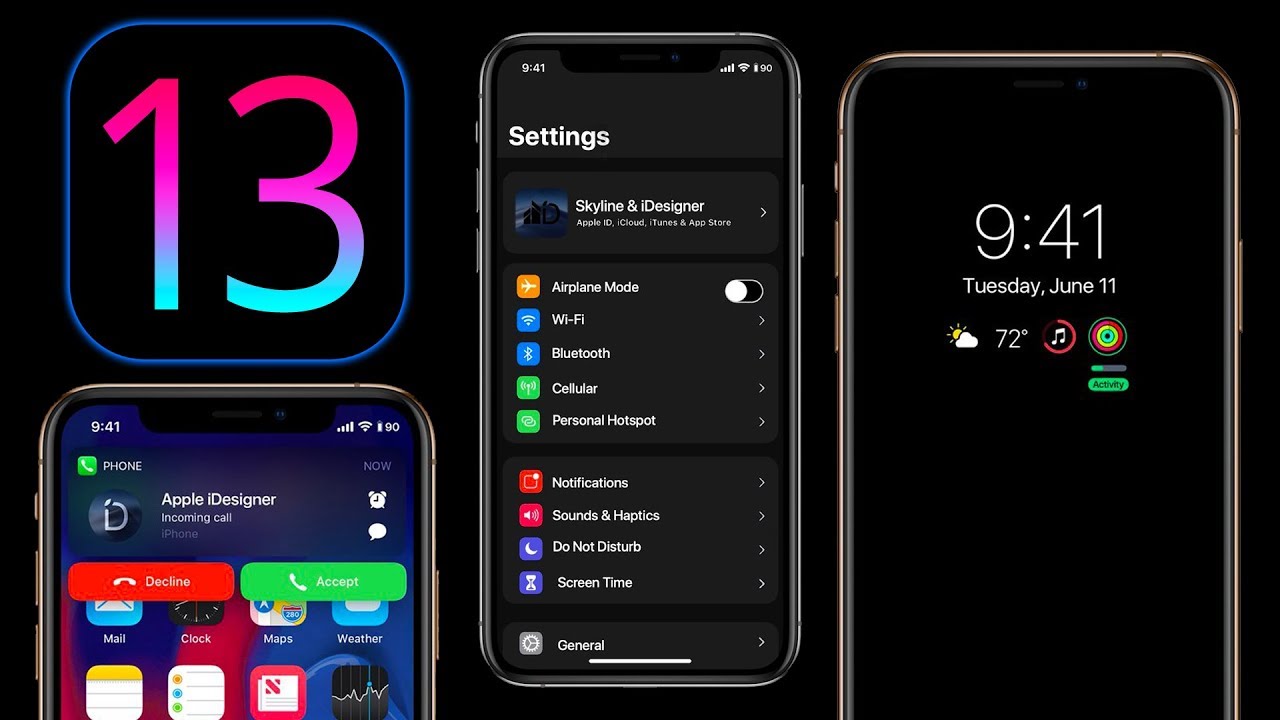
    Today is a day of operating system updates for Apple as the company dropped iOS 13.3, iPad OS 13.3, HomePod 13.3, tvOS 13.3 and watchOS 6.1.1. The update to iOS 13.3 for the iPhone and iPad OS 13.3 for, well, you know, adds Communication Limits support in Screen Time. The latter measures how long you use your phone or tablet, what apps you use the most, and allows parents to limit their children’s use of certain apps.

    With the new feature, users can decide who they can communicate with and when they can communicate with them during “Downtime.” This is a setting on Screen Time that when enabled, prevents the user from opening certain apps, receiving notifications and getting phone calls during certain time periods except for apps and callers that are selected as “Always Allowed.” By default, Downtime, when enabled, will run from 10 pm to 7 am local time. With the new Communication Limits, parents can prevent their kids from calling, texting or using FaceTime with anyone else but them after a certain time of day.

    With the update, Apple answered complaints from users about Memoji and Animoji stickers. The stickers were showing up alongside the emoji keyboard and users went into a conniption. But after installing iOS or iPad OS 13.3, users can disable this feature by going to Settings > General > Keyboard > Emoji.  In Apple News+, stories from The Wall Street Journal and other newspapers now have a new layout and stories can be liked or disliked with a tap. In Canada, articles in the Stocks app are now available in both English and French. Top stories can now have a “Breaking” or “Developing” label to users find the latest and most important content.

    Several bug fixes and improvements are part of the new update. When trimming a video in Photos, users will be able to create a new video clip. Bugs have been exterminated that prevented a message from being deleted in Gmail and prevented new messages from loading in Mail. With the update, screenshots shouldn’t look blurry any more when disseminated via Messages, and if you cropped or used Markup on a screenshot, it will save with the changes that were made. Missed call badges should now disappear, and Voice Memo recordings can now be shared with other audio apps. In addition, Apple says that the update addresses an issue that made some wireless chargers charge more slowly than expected. It also corrects an issue that had the Cellular Data setting incorrectly show as being “off,” and one that prevented users from turning off Dark Mode when Smart Invert was enabled. The update also takes care of an issue that caused incorrect characters to show up in Messages and duplicate sent messages in Exchange accounts.

    In tvOS 13.3, Apple gives users the option to bring back the “Up Next” queue in the Top Shelf app. Apple had changed this to show clips of previews and trailers called “What to Watch.” This is found in the Home Screen section and after updating to tvOS 13.3 users can go to Settings > Apps > TV to make the change. Apple is also disseminating watchOS 6.1.1 for Apple Watch users. There are no new features in the update, but it does contain some bug fixes and performance improvements.

    And HomePod OS 13.3 has also been released.  With the update, Apple’s smart speaker will do better at recognizing the voice profile of family members. It also will allow family members to enable or disable personal requests and fixes an issue that could prevent music playback from resuming on a stereo pair after a phone call.

  • Traditional match producer to shift focus

    Traditional match producer to shift focus

    Vietnamese matchmaker Thong Nhat Match JSC plans to modernize operations due to dwindling sales. The company’s board said it would halt match production next year and delist its DTN shares from the unlisted public companies bourse (UPCoM).

    Annual match sales hit near 100 million boxes last year, down 45 percent from 10 years earlier, and set to plummet further this year, a business report shows.

    The domination of lighters is largely to blame for falling demand, along with the rising cost of wood, it added.

    The company plans to focus on lighter production, though it sold only 80 percent of a targeted 18 million units last year.

    Thong Nhat Match was established in 1956 as a state-owned company, operating the first factory in northern Vietnam. It was equitized in 2002, and now has charter capital of VND22 trillion ($950 million).

    Its after-tax profit was VND2.27 billion ($98,000) in 2018, up 10 percent year-on-year.

    The Thong Nhat matchbox, featuring a printed flying dove, boasts decades of popularity.

    Alongside other traditional companies like Thuy Ta Ice-cream and Thuong Dinh Footwear, all operating over 60 years, Thong Nhat Match has been struggling to grow in the modern competitive market.

  • The Shilla Duty Free unveils new brands in Singapore

    The Shilla Duty Free unveils new brands in Singapore

    Travel retailer The Shilla Duty-Free has launched a raft of new brands at its Changi Airport health-and-beauty concessions, marking its fifth anniversary in Singapore.

    The new brands are on display at a refreshed retail space at the Terminal 3 Departure Check-in Hall store (in the public area) which features a modern, tropical look, with earthy hues of woods and whites.

    The new brands are from South Korea, Singapore and Europe, ranging from Banyan Tree and Too Faced to cult beauty favorites including COSRX and Too Cool For School. They will also be stocked at selected stores airside.

    The new brands also include Annick Goutal from France, Age 20’s, Vidivici, First Aid Beauty, Too Faced, Cosme J-Cos and JM Solution.

  • Indonesia retail sales growth at five-month high

    Indonesia retail sales growth at five-month high

    Indonesian retail sales grew at their fastest rate in five months, according to government data.

    Growth levels are currently at 3.6 percent, the highest increase over last year’s figures in five months. Growth for the previous month stood at just 0.7 percent.

    The figures were released as part of a central bank survey, which showed that sales of food and auto parts were largely behind the measured increase. Sales of communications equipment, however, were lower than expected during the period.

    The survey results predict growth in Indonesian retail sales for November at 3.4 percent.

  • Gmail update lets users send emails as attachments

    Gmail update lets users send emails as attachments

    Google is making it easier to forward emails to multiple recipients via Gmail. The latest update lets you attach emails to other emails in Gmail without having to download them. Simply drag and drop the email you want to forward inside your email. In fact, you can drag multiple emails into a new thread, which makes the new feature even more useful.

    Another method to insert emails in a new thread to select the emails from the Gmail inbox and then choose to “Forward as attachment” from the three-dot menu. You can even reply to an email by adding multiple emails in the compose window via drag and drop.

    There are a couple of important details that Google mentions in the announcement. First off, all attached emails become .eml files. Secondly, you can attach as many emails as you want. Last but not least, every attached email will open in a new window.

    The new feature revealed by Google today will be available to all Gmail users, not just Gsuite members. However, according to Google, the rollout may take up to 15 days starting on December 9, so everyone should get it by the end of the year.

  • Google Maps’ incognito mode now available for iOS users

    Google Maps’ incognito mode now available for iOS users

    You might recall that back in October, Google disseminated an update that added incognito mode to the Android version of Google Maps. First, we do need to get something straight for all of you philanderers our there. This mode doesn’t allow you to travel to your weekly rendezvous sight unseen as though you were wearing Harry Potter’s “Cloak of Invisibility.” Instead, when Maps’ incognito mode is enabled, searches made on the app and places you navigate to are blocked from being added to your Google account. As a result, you won’t receive any personalized recommendations in the Maps app (like places to dine) and your Location History will not be updated. Today, Google has announced that this feature is now available on the iOS version of Google Maps.

    In addition, Google points out that a new feature called bulk delete will be coming to Android users next month; this will allow them to find and delete multiple places from their Timeline and Location History in one fell swoop. But Google wants you to make sure that you know what you’ll be missing by not allowing it to keep your Location History. If you use incognito mode or delete Location History, you won’t be able to see wait times at restaurants and grocery stores (which is computed using “aggregated and anonymized Location History information”). You also won’t be able to see previews of the parking situation at your destination, be given a time-to-leave alert, use “Your Match” to calculate how much you might enjoy a particular eatery and use the Explore tab to find nearby coffee shops, parks restaurants and more.

    Lastly, Google is adding a much needed new feature to the Android version of the Google Opinion Rewards app. The app allows you to build up Play Store credit by answering survey questions. Depending on what is being asked, users can score 10 cents to nearly $1 each time they participate. The credit must be used within a year, something that not every user knew. Recently, there were some complaints about credits disappearing from the app after they had expired. To make sure that users don’t waste any credits, an expiration date for the oldest credit will now appear underneath the account owner’s current balance.

    We’ve used the app during the year and all it takes is a few seconds of your time. And the credit can be used to purchase videos, books, apps and to make in-app purchases. Android users can install the app from this link. Because Google Play Store credits would be useless to iOS users, this version of the app pays out in small cash credits that are deposited into a PayPal account.

  • Foreign retail companies rushing into tap China retail market

    Foreign retail companies rushing into tap China retail market

    Continuously more and more retail companies of foreign market are looking for speeding up their business in China’s retail market. The expansion is taking place at a great speed as China has proved to be a good thriving ground for expansion of businesses. China has been hugely and dedicatedly developing the structure of its consumption which has been reported in studies. Many foreign retail companies have opened their branches in the China market in recent years. Many online casinos like happylook have opened their site in China.

    This has been done by introducing new flagship stores of famous brands plus innovative business structures. The very famous retail giant of the US, Walmart, has started with the trend. Subsequently, many other companies have invested in China’s retail market because if the growth and benefits. It has been reported that, in the next 5 to 7 years, Walmart has proposed to open up at least 500 more new stores in China. Walmart has taken this decision so as to double its footprint in the country which is an effective move.

    Furthermore, Walmart also announced that they will add almost 200 plus stores, in the following 3 years, in China. Along with this, they also planned to upgrade their stores and add many hi-tech features for maximum customer satisfaction. This will further include a first class digital experience for payment which can only be done through face recognition. Walmart has been growing tremendously at a 6.3 % which is on a year to year basis with respect to the sales. This was their third quarter earnings, only in China, as compared to global sales of 2.5 %.

    The main contribution to this growth has been done by the Sam’s club, since the last 5 years, in China retail market. Costco, another retail chain in the US, inaugurated their first store in Shanghai, China. This was in August when the first day itself everyone made go berserk and crazy. Such is the impact and such is the market in China and it is right to say that they are a hit in the retail sector.

    Aldi, a well known fresh vegetables and fruit retailer of Germany, has also entered the market of China. They have opened 2 new stores in the last 6 months, in Shanghai and have drawn huge number of consumers. Steps like these are taken to show how the Chinese retail market is open and reciprocating and the end result is known to all. The growth that is being measured is beyond expectations and rapid. The report of the sales only indicates that the market of China’s retail sector is constantly flourishing which also invites other opportunities in the foreign market.

    The January to October period has shown a growth in sales at an 8.1 percent which is 4.8 trillion dollars. This amount equals to almost 33.48 trillion Yuan and has been included in studies by the NBS. The NBS or National Bureau of Statistics conducted a study in the Chinese retail market. This growth percentage accelerated to a 9 % which excludes the automobile industry and its sales.

    Meanwhile, some foreign retailers have taken this in a different manner and have stopped from venturing into the sector. They could see the immense competition and the challenges that they could face with this expansion. The perception of each retailer is different and they do what they think is best for them. However one can venture and see the results for themselves. A couple of months back, Metro, German wholesaler giant, sold off a major share to the Chinese operational team. They did this by selling off around 80 % of their shares to Wumei technology. Wumei technology is a Beijing based industry and Metro retained only 20 % of their shares.

    A similar step has been taken by Carrefour, the chain of French supermarket by selling off 80 % of their stakes. They sold their stakes to Suning International Group Co., which is a big and important unit of the Chinese retail market giant Suning.com. These stakes were approximately 4.8 billion Yuan. Carrefour China has seen some major decline in its sales from its 24 and 210 convenience stores and hypermarkets, respectively. It is estimated that the transaction will be complete by the end of this year.

    The Chinese retail market welcomed these international retail giant’s many years ago, but the acceleration has been noticed recently. Apart from the growth, there have been cases where retailers have faced huge losses too. Many of them struggled to keep up with the ever increasing and competitive market and hence died out soon. The major reason behind this was that they were unable to keep up with the up gradation of their business strategies and plans. It was also important on their part to do some research on the Chinese consumers and the market there.

    A vital step to become successful that they should have applied was the use of innovation and creativity. This directly implies to the use of technology as the time has been continuously changing over the last two decades. A business house can only go wrong when their homework about the market they are venturing into is not complete. China’s retail market is undoubtedly a good base for international retailers to look for as a business opportunity. Yet, many have seen a downfall and this is because of their shortcomings. Most of the Chinese consumers procure many items that also include luxury goods.

    This sector had gone down for sometime but there are chances that this might bounce back. What is required is an understanding of customer needs as with each passing year, the sales are increasing. Around 3 years back, in 2016, it was recorded to contribute only 7 percent on global luxury goods sales and this data has increased positively. That said, Chinese retail consumers contributed to 30 percent of the cumulative global sales of luxury goods. Business houses that are shooting their sales have a good understanding of their customer requirements and cater accordingly. It is pivotal that one constantly updates and brings innovative ideas to their business models to benefit both ways of the scale.


  • Asia is leading its way in the digitization of the retail market

    Asia is leading its way in the digitization of the retail market

    The digitization of retail market in Asia is growing at a faster rate along with Korea, China and India over US and Europe while India is at the forefront. The digital penetration in India is much deeper when compared to any other countries worldwide which lead to the creation of an ecosystem that is comfortable for consumers and retailers as well. There have been dramatic changes in the retail system and it’s at a great boom in Asia. In terms of the retail growth Asia is in the leading position with an amazing growth rate that is twice the rate of the rest of the world. Many casino companies are also opening their slot machines there.

    Online retailing is growing at about 3 times the rate. It has also been estimated that in Asia Pacific the online retail sales will double in the next 5 years and will grow from $1.3 trillion in the year 2018 to $2.5 trillion in the year 2023. CAGR which is nothing but the compound annual growth rate is 14.0% which is accounting for about 28% of the total retail sales. When we look at the online retail sales globally, Asia Pacific still remains to be the largest regions.

    China was the first country to reach its online retail sales market to $1 trillion in the year 2018 and since then had continued to be the largest markets around the world with about 82% of the entire Asia Pacific retail online sales. By the end of 2023 it is also expected to reach around $2 trillion. India also continues to be one of the fastest growing countries in the world with about a compound annual growth rate of 25.8% and it is expected to reach around $85 billion by the year 2023. There have been 72% of online mobile retail sales in Asia Pacific and it’s mainly due to the usage of Smartphones particularly in India and China. By 2023 it is also expected to have 16.9% of CAGR and may reach $2 trillion which was $911 billion in the year 2018 and it may account for about 81% of online retail sales in the year 2023.

    The online retail sales in 2018 accounted for $232 billion which was mainly through the online fashion that included footwear and apparel. Another online retail sector which is growing at a faster rate is Grocery. China again remains to have the largest marketplace for online grocery which is then followed by other countries like South Korea and Japan. The online grocery sales may grow at 26.5% CAGR and will reach about $260 billion by the year 2023.

    A retail ecosystem would consist of various communities of retailers, consumers and the partners that always work on reshaping the retail landscape for a better experience for their consumers. The ecosystems are not just confined to China but even in India there are several companies which are leading it. Ecosystem delivers their consumers with a great combination of various services including online chat, e-commerce, gaming, streaming, payments in apps or single platforms etc.

    By becoming the universally adopted payment and shopping platform the consumers will definitely enjoy their online shopping experience. The best part of ecosystem is that it provides retailers an access which is very hard to replicate the capabilities like data analytics, last mile fulfilment or the cloud services with their platform. These ecosystems show a significant influence over the overall retail sector both in brick and mortar retailers and online retailers as well.

    The pace and extent of development of the ecosystem will not remain the same or uniform all around the geographic markets. According to the research report, there are actually 10 factors that explain why is it that the ecosystem in certain countries of Asia had developed so rapidly and also includes various other social factors like the age, urban density etc. in a country. The emerging retail ecosystem has been raising new set of choices and interests for retailers on how to go on with the new retail landscape. It’s definitely a great opportunity for the new bees want to play in the market while it has the ability to change the entire set of rules of the game and may be a loss of control as well. It’s important for retailers to make sure they have the capital, capabilities and customer franchise in order to complete in an ecosystem.

    For those responsible retailers generally, there are 5 strategic options with which they can now respond to the changes and rise of ecosystem. They should always make sure to play and focus solo over building out competitive omni channel model and differentiate while making sure not to participate in the ecosystem. The retailers can participate in ecosystem and utilize the open ecosystem platform while they can leverage the capabilities of ecosystem partners. One can also build their proprietary ecosystem with the help of alliances, partnerships or JVs with the key external partners too.

    The retailers can also become open ecosystem where in they can provide access while they can monetize their own capabilities, assets or the infrastructure as the open ecosystem platform. One can maximize their shareholder value by trying to get acquired by the potential ecosystem players. Based on the feasibility of the retailers they can choose any of the above-mentioned strategies that will help them to deal with the rise of ecosystem.

    With the expanding digitization in retail sector in Asian and global markets, based on the requirements of consumers and retailers, the ecosystem continues to evolve. After analyzing the various aspects of each market and what happens there, the global companies can now decide and adopt these platform models so that they can prepare for the future retail. This also ensures to provide better performance of the retailers and there will be less chances of loss that may be incurred by them in the ecosystem. Stay ahead by taking right steps in the rapid changing world.


  • Hong Kong giftware retailer G.O.D opens new concept store

    Hong Kong giftware retailer G.O.D opens new concept store

    Hong Kong lifestyle design and retail brand G.O.D. has launched a new concept store at PMQ.

    The store is conceived as a gallery of contemporary Hong Kong art and design to provide a platform for progressive artists from all corners of the globe who will be exhibiting works inspired by Hong Kong.

    “We aim to push creative techniques and bring collections, which merge boundaries, foster collaboration across artists/artistic discipline and merge East and West,” a spokesperson from the giftware retailer G.O.D said.

    The store features a new snack shop “The Mess”, serving Home Kong-style rice rolls and milk tea or Gaggia Milano coffee.

    Contributing local artists include Ernest Chang, Godown Collection, Keyon Lee, Lousy, Mick Chan, Paul Turner, Parents Parents, Wong Ting Fung and Xeme.