Category: General

Retail News Asia is committed to providing both local and global retailers with the latest General Retail news throughout the Asian market. This on a daily base.

  • Shops without stock draw crowds in South Korea

    Shops without stock draw crowds in South Korea

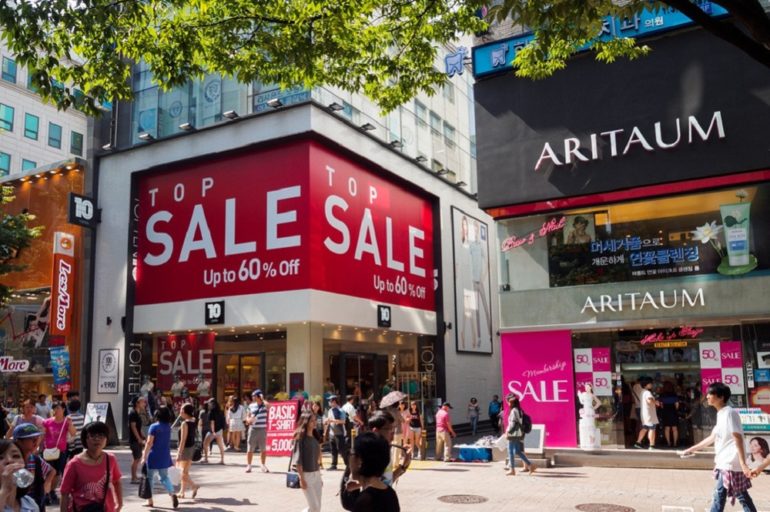
    There’s a new trend capturing South Korean consumers’ attention: shops without stock, focusing on experience rather than instant retail sales.

    With a growing number of consumers choosing and purchasing products online or on mobile devices, hands-on stores that target such customers are becoming a new marketing trend.

    Amore Seongsu, which opened in early October as a customer experience-oriented store of AmorePacific, a South Korean cosmetics giant, had surpassed 24,000 cumulative visitors as of December 5, about two months after its opening.

    At Amore Seongsu, customers can test and experience the brand’s cosmetics – but nothing is for sale in this shop without stock.

    Visitors can apply and spray products tailored to them from the beauty library, which features more than 30 brands and 2300 products from AmorePacific.

    Furthermore, Amore Seongsu offers various other services, including makeup classes, flower box- and perfume-making classes every month to encourage customers to participate.

    “We only offer customers the opportunity to check out products suitable for them at our stores, and customers purchase the products online afterward,” said an official from AmorePacific.

    Online shopping transactions of cosmetics reached 1.15 trillion won (US$966 million) as of October, up 28 percent year on year. Meanwhile, sales via mobile devices rose 32 percent to 648.8 billion won, according to Statistics Korea.

    In fact, data shows that 20 percent of customers who visit Amore Seongsu purchase products from the brand online within a week of their visit.

    In addition, AHC, a cosmetics brand operating under Carver Korea, opened its flagship store “Future Salon” in Myeong-dong, Seoul, in late October.

    American mattress maker Simmons opened a cultural complex, Simmons Terrace in Icheon, Gyeonggi Province, last year.

    Moreover, Aekyung Industrial Co, a South Korean household-goods and cosmetics maker, also launched Luna Signature, a hands-on cosmetics store near Hongdae in Seoul, in June. The two stores also place more weight on experience rather than sales.

    “We don’t put much importance on sales performance at experience stores,” a source from Aekyung said. “If we increase brand awareness by communicating with more consumers, it will lead to an increase in sales online.”

    The furniture industry, which already operated showrooms and flagship stores, has also recently attracted visitors by decorating exhibition and sales halls as cultural spaces.

    American mattress maker Simmons opened a cultural complex, Simmons Terrace in Icheon, Gyeonggi Province, last year. It has welcomed more than 100,000 visitors in just one year since its opening.

    In addition to the showroom-like shops, museums and exhibitions featuring gardens, lounges and brand stories have been set up at Simmons Terrace.

    “Customers do not purchase products immediately on site, but visitors become strong potential customers,” a furniture industry source said.
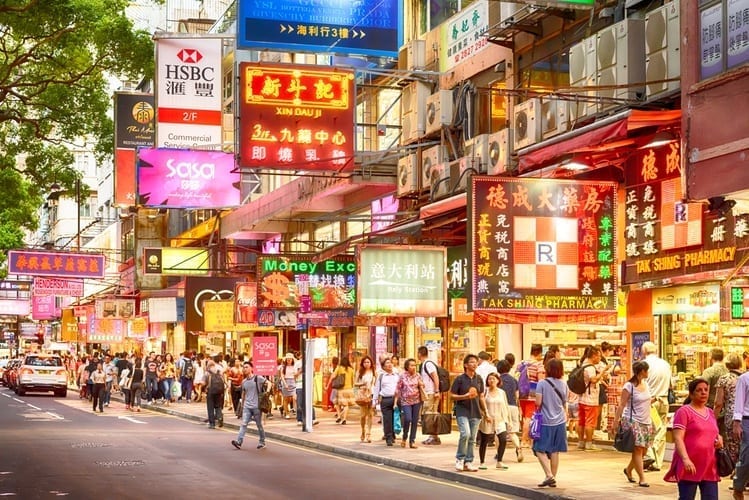

  • Stores close, jobs shed as Hong Kong retailers survive downturn

    Stores close, jobs shed as Hong Kong retailers survive downturn

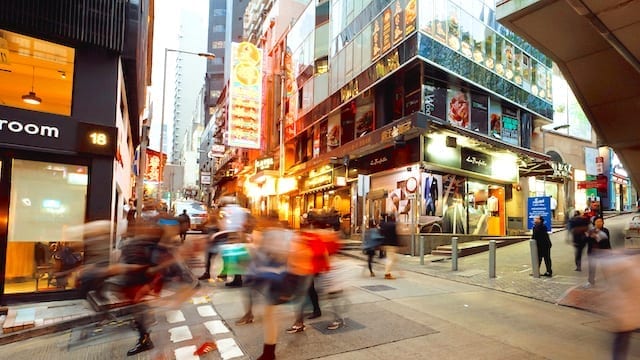
    Thousands of stores will close and 5600 jobs will be lost as Hong Kong retailers try to recover from a “severe” sales decline brought on by social unrest and declining mainland visitor numbers, according to a survey by the Hong Kong Retail Management Association.

    Conducted between October 29 and November 22, the survey revealed that 97 per cent of retailers polled have recorded losses since the protest activities began in June with the vast majority of those describing their losses as “heavy” or above moderate.

    The HKRMA said retailers planned to lay off staff if trading conditions did not improve. Based on survey responses, the association calculated that with some 270,000 people working for Hong Kong retailers currently, cuts “may exceed 5600 in the next six months”. And with 64,000 retail outlets currently operating in Hong Kong, as many as 7000 retail stores may close.

    Some companies have stated that even if they have not reached a severe level of trade decline, they anticipate closing stores within the next six months.

    The HKRMA urged shop owners to offer different rents to their retail tenants according to the degree of loss of the shop. Rent and staff costs are the biggest expenses retailers face in doing business and would naturally be the first to need adjusting to maintain commercial viability.

    Chairman Xie Qiu Anyi said rent reductions of 30 per cent were required to provide a lifeline to retailers.

    “All stakeholders need to support the retail industry in the future,” she said in a statement translated from Chinese. Currently, 80 per cent of survey respondents reported inadequate rent relief from landlords.

  • New carrier KiteAir plans June takeoff

    New carrier KiteAir plans June takeoff

    KiteAir, an airline established by hospitality group Thien Minh, hopes to launch its first flight next June after getting the Prime Minister’s nod.

    The delay of three months over the original schedule was required as Thien Minh Group awaited investment approval from Prime Minister Nguyen Xuan Phuc, its Chairman Tran Trong Kien said.

    The Ministry of Transport had in September voiced support for the establishment of KiteAir, but required that it be more specific in its plans to make profits, as the airline had envisaged a loss of VND350 billion ($15 million) in the first three years of its operations.

    KiteAir is set to be headquartered in the central province of Quang Nam with a charter capital of VND1 trillion ($43 million), entirely invested in by Thien Minh Group.

    It plans to operate six short-haul ATR-72 aircraft with a capacity of 78 seats in the first year of operation, and expand the fleet to 30 jets by the fifth year, including 15 narrow-body Airbus A320/321 aircraft.

    The transport ministry has also supported the establishment of two other airlines, Vinpearl Air, a unit of private conglomerate Vingroup, and Vietravel Airlines, promoted by leading travel agency Vietravel.

    All three airlines have to get approval from the PM, and later the air operator certificate (AOC) from the Civil Aviation Authority of Vietnam before they can launch operations.

    Vietnam now has six licensed airlines: Vietnam Airlines, Vietnam Air Services Company (VASCO), Jetstar Pacific, Vietjet, Bamboo Airways, and military-run Vietstar Airlines, the last two making their debut this year.

    Last year, Vietnam’s 21 state-run airports served 103.5 million passengers, up 11 percent year-on-year, and the figure is set to rise to 112 million this year, according to the Airports Corporation of Vietnam.

  • Vietnam Airlines wants caps removed on domestic ticket prices

    Vietnam Airlines wants caps removed on domestic ticket prices

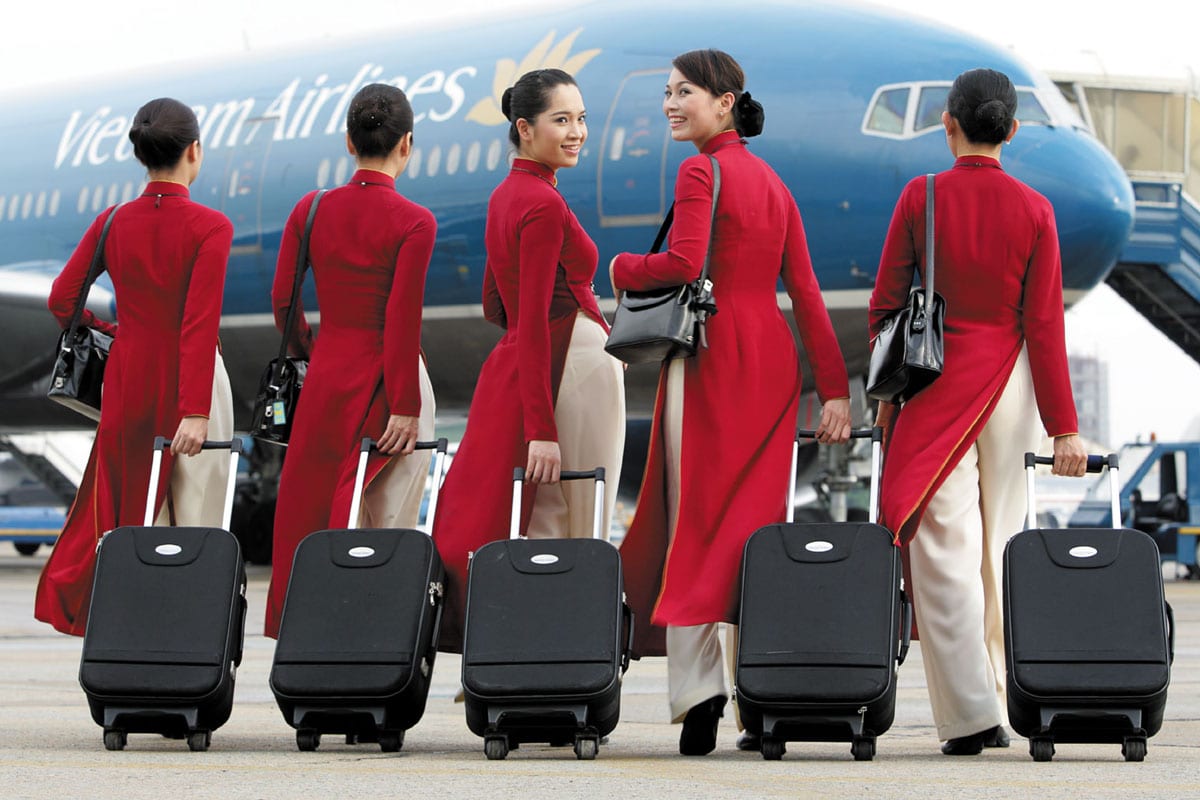
    National flag carrier Vietnam Airlines has proposed that price caps on domestic air tickets be removed to allow carriers more pricing flexibility.

    The current price ceiling makes it difficult for airlines to diversify their prices, increase profits during certain periods of time like peak seasons, and in turn, lower prices on some routes, Le Hong Ha, Deputy General Director of Vietnam Airlines, said at a tourism forum on Monday.

    Vietnam should abolish the domestic price ceiling, and allow market forces to decide prices. “The aviation market is already operating like a free market, so airlines should be allowed to freely adjust prices based on supply and demand,” Ha said.

    The Civil Aviation Authority of Vietnam (CAAV) supports the proposal, as Vietnam is one of the few countries in the world still have a price cap, said Vo Huy Cuong, deputy head of the authority.

    The CAAV has proposed the removal of the price cap every time amendments or supplements are made to the Civil Aviation Law, but these were not approved because the National Assembly felt it was necessary to protect the interest of many classes of civilians traveling by air, he said.

    If this regulation is not amended, airlines will focus on operating and developing international routes rather than domestic ones, he added.

    In mid-2018, many airlines requested the government to raise domestic price caps because they were losing money on many routes after cost of fuel and labor increased, but this was not approved either.

    Currently, air tickets on routes under 500 km operated to promote socio-economic development have a maximum price of VND1.6 million ($69), ordinary routes under 500 km VND2.2 million ($95), while the highest ceiling is VND3.75 million ($162) for routes of 1,280 km or above.

    According to the government portal, the air distance between the northernmost point of Vietnam to the southernmost point is 1,650 km.

    Local airlines served 50.3 million passengers from January to November, up 10.7 percent year-on-year, according to the General Statistics Office.

  • Aeon opens second mall in Hanoi, Vietnam

    Aeon opens second mall in Hanoi, Vietnam

    Located in Hanoi’s southwestern district of Ha Dong, the three-story mall occupies a 22,700sqm area, featuring 221 retail tenants covering food, fashion, household goods and entertainment. The new mall brings more than 40 brands new to the city including Koi tea, The, Dune London, Idoome, Jack & Jones, Kipling and Typo.

    Before the opening ceremony, the general director of Aeon Vietnam, Nishitohge Yasuo, said the Vietnam retail market is changing and becoming increasingly competitive. He said Aeon Mall wants to bring new experiences to customers, not only for shopping but also for fun, entertainment and family connection.

    A spokesperson for the Japanese Embassy in Vietnam said he hoped Ha Dong Aeon Mall will become a place to provide information about Japanese culture. “And I hope more people in Hanoi come to Aeon Mall Ha Dong to be able to feel a very ‘Japanese’ atmosphere in Hanoi’s heart”.

    The first Aeon mall in Hanoi was opened in 2015. The Japanese group has expanded its network with three others in Binh Duong province and Ho Chi Minh City. Another Aeon shopping mall is under construction in the port city of Hai Phong.

  • Hong Kong’s I.T to open new Orange Forest retail concept on Friday

    Hong Kong’s I.T to open new Orange Forest retail concept on Friday

    Hong Kong’s I.T Group will open its new Orange Forest concept in Tsim Sha Tsui on Friday, December 13.

    Located at The One shopping mall, the new store occupies an 18,000sqft area, spanning two floors. I.T’s space is divided into different areas including store-in-store concept, Stylenanda, casual footwear, and fashion accessories zone, Afuri ramen restaurant and Deus Ex Machina & Deus cafe.

    The I.T Orange Forest flagship features store-in-store of brands such as Baby Milo store, Beams Boy, Burton, Deus Ex Machina, and The North Face. The store’s displays are enriched with outdoor elements resembling sports ground or stadium. Pastel tones contrast with bold hues intended to “accentuate an exuberant and youthful vibe”.

    Different from its usual pinky design, the new Stylenanda at I.T Orange Forest embraces the ‘Urban Concrete’ concept of the latest Seoul and Beijing flagships inspired by minimalism.

    Adorned with nets, casual footwear and fashion accessories zone feature more than 100 New Era caps, sneakers, and backpacks.

    I.T Orange Forest also presents Japanses ramen restaurant Afuri which will offer the famous Yuzu Shio Ramen and Yuzu Shoyu Ramen in the chicken broth infused with the yuzu together with homemade dumplings, tsukemen and Japanese sakes.

    Another eatery is Deus cafe, which will serve Australian light meals and hand-brewed organic coffees.

    I.T Orange Forest has partnered with design studio Mighty Jaxx to open its first pop-up store in Hong Kong. To celebrate the grand opening, both brands collaborate with Sesame Street x Jason Freeny to launch a ready-to-wear collection for an immersive return to childhood memories. There are also 1:1 sculptures of Bert and Ernie from Sesame Street, coupled with AR photo booth for customers to take Instagram-worthy selfies this Christmas.

    Since 1988, I.T has introduced local fashionistas to brands from across the world. The venture now has 10 I.T stores in Hong Kong.

  • Tesco mulls exiting Thailand and Malaysia

    Tesco mulls exiting Thailand and Malaysia

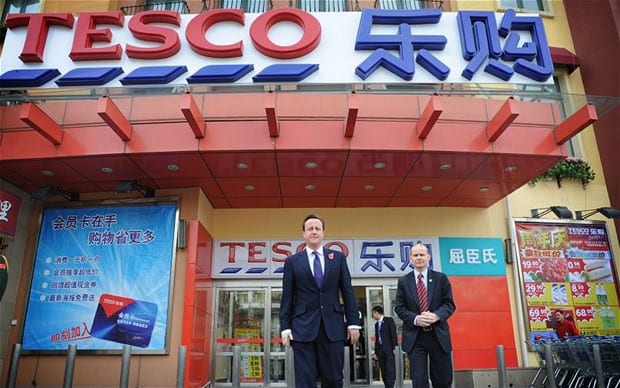
    British grocer Tesco is considering exiting Asia with a shock sale of its operations in Thailand and Malaysia.

    Tesco has confirmed that following an inbound interest, it has “commenced a review of the strategic options for its businesses in Thailand and Malaysia, including an evaluation of a possible sale of these businesses”.

    “The evaluation of strategic options is at an early stage, no decisions concerning the future of Tesco Thailand or Malaysia have been taken, and there can be no assurance that any transaction will be concluded,” the company said.

    “A further announcement will be made if and when appropriate,” it added.

    Dow Jones, citing people familiar with the plan, reported that the sale could fetch up to US$9 billion.

    Tesco operates 74 stores in Malaysia and 1967 in Thailand under Tesco Lotus brand. The combined stores generated £286 million (US$375.8 million) operating profit in the year to February.

    Tesco previously sold businesses in South Korea and Singapore during a period of restructuring following an accounting scandal. But the company said it believed in the long-term potential of the remaining operations in Thailand and Malaysia.

    Tesco did not identify where the approach had come from, but it is likely to be from a private equity company, or possibly Japanese retailer Aeon seeking to boost its expansion in the region. Aeon already has stores in both markets.

  • Vietnam aims to free tourist areas of plastic waste

    Vietnam aims to free tourist areas of plastic waste

    Vietnam will cut down 75 percent of its marine plastics and stop generating plastic waste in coastal tourist areas by 2030, the government says.

    Prime Minister Nguyen Xuan Phuc has issued a national action plan on the management of plastic waste in the ocean until 2030, which aims to fulfill the country’s international commitment to resolve the issue of marine plastics.

    According to the plan, by 2030, Vietnam would have reduced the amount of plastic waste being dumped into the ocean and collected 100 percent of lost or discarded fishing equipment. Additionally, 100 percent of coastal tourism service providers would stop using disposable plastic products and non-degradable plastic bags, and 100 percent of marine protected areas would be free of plastic waste.

    The government has asked the Ministry of Natural Resources and Environment to expand its annual monitoring activities and evaluate the current status of marine plastics at river mouths and in 12 island districts every five years.

    To achieve its goals, the government will work to promote and raise public awareness on the issue of plastic waste; change the public’s behavior and treatment of plastic products and marine plastics; collect, sort, store, transport and treat plastic waste generated by activities in coastal areas and on the seas.

    The PM asked the Ministry of Natural Resources and Environment to work with authorities of coastal provinces and municipalities to develop and pilot models for managing, reducing and eventually stopping the use of disposable plastic products and hard-to-degrade plastic bags in coastal areas.

    According to the United Nations Environment Program, Vietnam is the world’s fourth-largest marine plastic polluter after China, Indonesia and the Philippines. It has been estimated that Vietnam dumps an average of 300,000-700,000 tons of plastic waste into the ocean per year, accounting for six percent of the world’s marine plastics.

  • Nok Air gets new staff and planes

    Nok Air gets new staff and planes

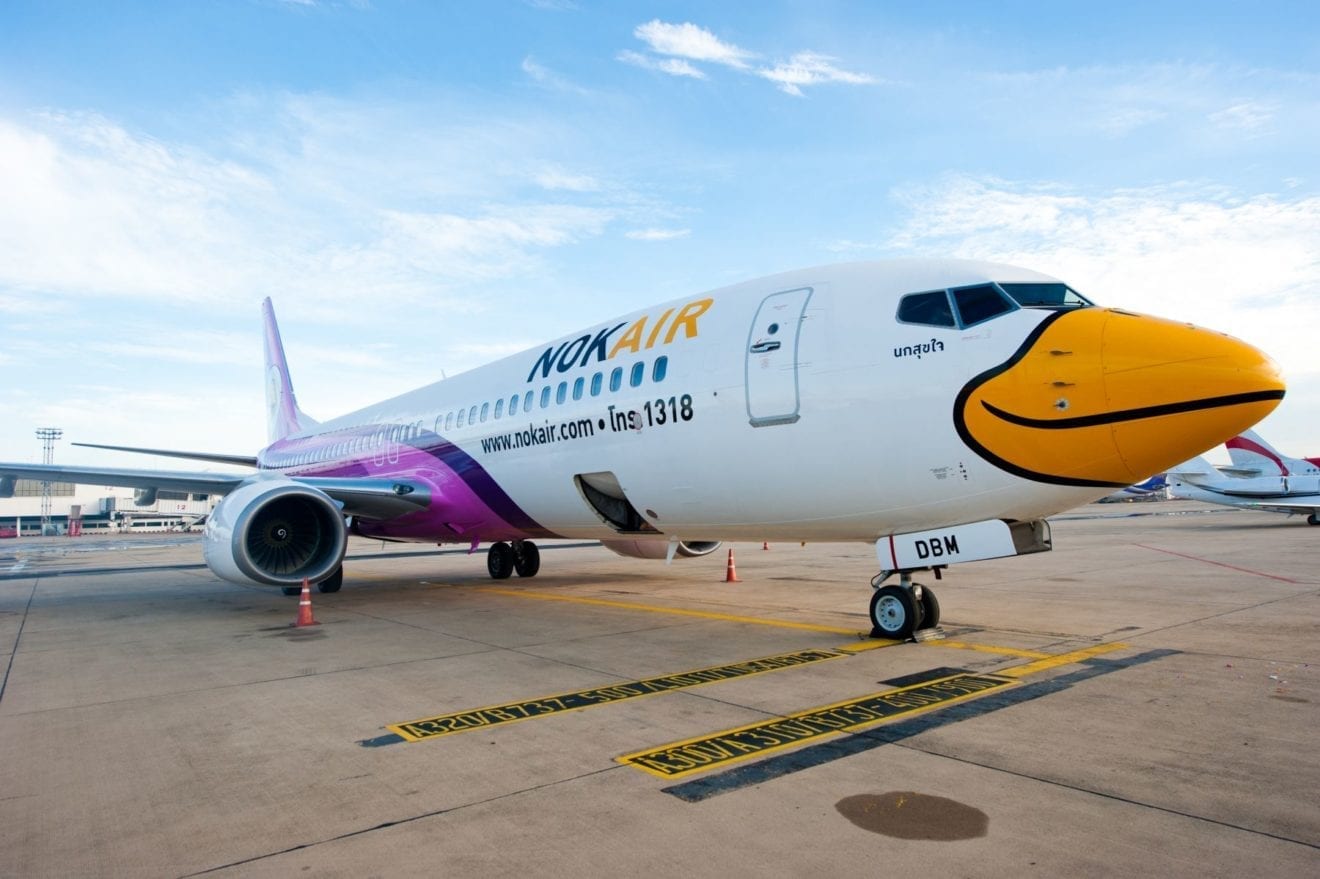
    Loss-ridden budget airline Nok Air is recruiting pilots and flight attendants and will acquire two new planes to serve high-season demand as its rehabilitation plan shows positive effects, its chief executive Wutthiphum Jurangkool said on Wednesday.

    He said that the airline’s recruitment of about 800 new pilots and flight attendants is evidence that its rehabilitation plan has been effectively implemented and has strengthened its financial status.

    Apart from staff recruitment, the airline would acquire two new aircraft to add to its 22-plane fleet by the end of the year.

    Mr Wutthiphum added that Nok Air will launch direct service between Bangkok (Don Mueang) and Hiroshima, Japan. It has increased domestic flight frequencies from three to four daily on the Don Mueang-Buri Ram route and from four to seven flights a week on the Chiang Mai-Ubon Ratchathani route.

    Nok Air’s passenger load factor stood at 88% in the first half this year, down from 91% year-on-year because of the reduction in aircraft numbers from 28 to 22, he said. The reduced fleet saw flight and passenger volume in the second quarter drop by 10.3% and 8.18 respectively.

    Nok Air reported a loss of 470 million baht in the second quarter, down from a loss of 742 million in the same period last year, and a net loss of 751 million for the first six months, down from a loss of 774 million year-on-year.

  • Hong Kong Customs seize $2m in fake goods in prime retail strip

    Hong Kong Customs seize $2m in fake goods in prime retail strip

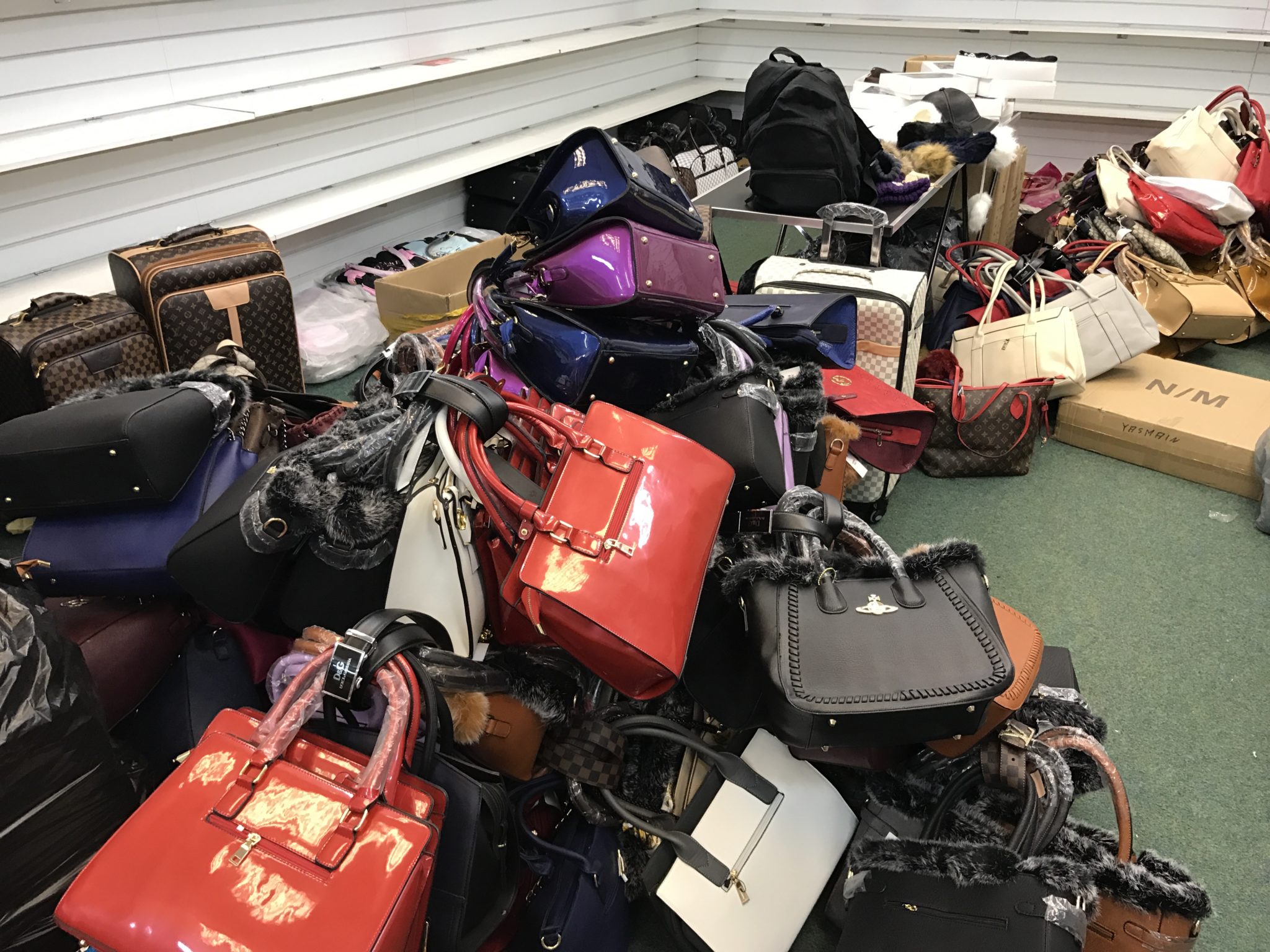
    Hong Kong Customs raided an upstairs showroom in the heart of the city’s prime retail precinct this week, seizing about HK$2 million worth of fake goods.

    They arrested a 71-year-old man on site who was allegedly in charge of the counterfeit retailing business.

    A Customs spokesperson said the showroom had been operating in “a low-profile mode” and mainly served foreign visitors to Hong Kong. Typically in these businesses, tourists are approached by individuals and invited to see luxury goods in hidden-away ‘stores’.

    Customs had earlier discovered an upstairs showroom in Causeway Bay selling suspected counterfeit goods and after an investigation with the assistance of trademark owners, officers took enforcement action on Wednesday. After raiding the showroom they seized about 1700 items including handbags, belts, watches and sneakers.

    “Famous brands were involved and the goods available for sale had a high degree of resemblance,” said the spokesperson.

    Customs says it plans to step up investigations into the sale of counterfeit goods and enforcement of the law in the coming weeks as Christmas approaches.

    The spokesperson reminded traders to be “cautious and prudent” in merchandising since the sale of counterfeit goods is a serious crime and offenders are liable to criminal sanctions. Under the Trade Descriptions Ordinance, any person who sells or possesses for sale any goods with a forged trademark commits an offense. The maximum penalty upon conviction is a fine of $500,000 and imprisonment for five years.

  • Big C reveals expansion plans at home and abroad

    Big C reveals expansion plans at home and abroad

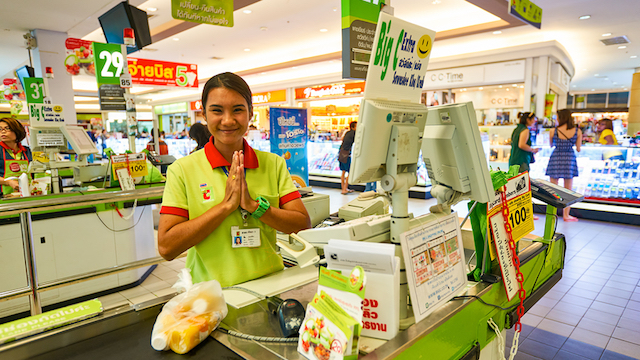
    Thai supermarket business Big C is planning to spend THB6.5 billion (US$214 million) on expansion both domestically and internationally next year.

    While the majority of the funds earmarked for growth will go towards development within the brand’s home territory, THB500 million ($16.5 million) will be set aside for overseas expansion. The brand has just launched its first 8000sqm Big C in Cambodia, and has designs on a launch in Laos next year.

    The firm’s domestic thrust is focused on small retail outlets – branded Mini Big C – designed to facilitate its reach to more customers in Bangkok and beyond. It is also investigating 3000–5000sqm hypermarkets as a “town centre” concept.

    “We are committed to investing in Thailand next year because we are confident in the country’s economic foundation,” said Big C’s CEO Aswin Techajareonvikul. “From next year, we will pay more attention to expanding our retail business abroad, focusing on Cambodia, Laos, Myanmar and Vietnam, where the economies are strong.”

  • Bangkok’s Chatuchak Market head to Singapore

    Bangkok’s Chatuchak Market head to Singapore

    The world-famous Bangkok Chatuchak Market is set to open in Singapore, drawing an expected 600 Thai vendors.

    A 40,000sqft pop-up market will be open from February 4 to May 3 at The Grandstand on Turf Club Road. Between 30 and 50 Thai vendors will participate at the market each week on a rotational basis alongside local vendors, operating up to 272 stalls vending handicrafts, fashion and other items.

    It is the first time the Chatuchak Market has been convened outside of Thailand.

    Thai street food will be sold at the market for visitors seeking an authentic Chatuchak Market experience, complete with the snacks.

  • Hong Kong retail ‘will recover’ says analyst

    Hong Kong retail ‘will recover’ says analyst

    The Hong Kong retail industry – hammered by declining visitor numbers from the mainland will recover, says leading analyst Pascal Martin, a partner at OC&C Strategy Consultants.

    As reported earlier this week, Hong Kong retail sales in October plunged by 24.3 percent year on year – the largest decline since records began. That followed a revised fall of 18.2 percent in September and several retailers have told Inside Retail Asia they expect November’s figures to be even worse.

    But Martin has a positive spin: “The Hong Kong market will recover, as it always does. As soon as Chinese tourists are reassured about the safety and convenience of visiting Hong Kong, they will come back.”

    However, he cautions than the recent events have accelerated “a structural trend” that Hong Kong is not as attractive a retail destination as it used to be.

    “There are a variety of reasons contributing to this trend – among them the lower China taxes and duties, and brands’ global pricing structures that have become much more homogeneous and harmonized, with smaller price differences across markets because of the transparency created by the Internet.

    “Additionally, Chinese travelers also have a greater diversity of shopping destinations beyond Hong Kong, with Japan, South Korea, France, and Italy becoming increasingly popular.”

    Martin says many brands that have built extensive retail footprints in Hong Kong on the assumption that Chinese tourist numbers and spending power will continue to grow without limit will have to adjust their presence in Hong Kong.

    “The impact of this trend will not be felt immediately, but gradually, as brands reach the renewal date of their stores, one store at a time, over the next few years. There will be adjustments in the number of stores, and adjustments in rent levels.”

    Meanwhile, the Hong Kong Retail Management Association this week predicted Hong Kong retail will experience a “low double-digit drop” in sales for the full year.

  • Instagram users now allowed to decide who can follow them

    Instagram users now allowed to decide who can follow them

    If you think that Facebook-owned apps already get too much of your personal data, you’re not going to be happy when we tell you that starting today, Instagram wants to know your birthday. However, this data is only required when creating a new account. Instagram says that its Terms of Use call for account holders to be at least 13 years of age in most countries. By requesting a new account holder’s birthday, Instagram can make sure that no one underage has an account. Instagram also says that it will “help us keep young people safer and enable more age-appropriate experiences overall.” Of course, birthdays can be faked and this doesn’t prevent an older person from creating an account for someone under 13 years of age.

    If you open a new Instagram account and provide your birthday, other members will not be able to view your date of birth. You will be able to find it when viewing your own personal profile information. If your Facebook account is connected to your Instagram account, the birthday listed on your Facebook profile will be added to your personal profile on Instagram and again, only you will be able to see it. And if for some reason you need to edit your date of birth on Facebook, your birthday on Instagram will also reflect the edit.

    Instagram does state that it plans on using the birthday information in the coming months to provide “more tailored experiences” including recommending to younger members certain privacy controls they should use and teaching them about account controls. “These newest updates are part of our ongoing commitment to ensuring Instagram remains a safe and supportive place, especially for the youngest people in our community,” Instagram said today in a blog post.

    And Instagram is also cracking down by allowing you to decide who can send you a Direct Message. Under Message Controls, you’ll be able to choose from options like Everybody, which will allow you to receive new message requests from everyone except those who you have blocked, and Only People You Follow. With the latter setting selected, you won’t receive new message requests and story replies from people you do not follow. Those you do not follow and haven’t blocked will know that you don’t accept messages from everyone.

    You can also determine who can follow your Instagram account. Select Everyone and your account can be added by any Instagram member except those who you have blocked. Choose Only People You Follow and people you don’t know won’t be able to follow your Instagram account. Those you don’t follow and haven’t blocked will know that you don’t allow everyone to add you to groups if they try to do so.

    If you do not have the Instagram app installed on your mobile device, you can find it in the Apple App Store and the Google Play Store. The purchase of Instagram by Facebook for $1 billion back in 2012 turned out to be one of the most profitable investments in tech history. As of last year, Bloomberg estimated Instagram’s value as a standalone company north of $100 billion. The app has more than 1 billion active monthly users and is the second most popular social network following Facebook. Instagram originally provided filters for photographs before it borrowed the Stories feature from Snapchat helping it to become the immensely popular online destination that it now is. And with 71% of its users under 35, Instagram is demand by advertisers looking to reach a decidedly younger demographic.

  • Bamboo Airways expects profits to take off in 2020

    Bamboo Airways expects profits to take off in 2020

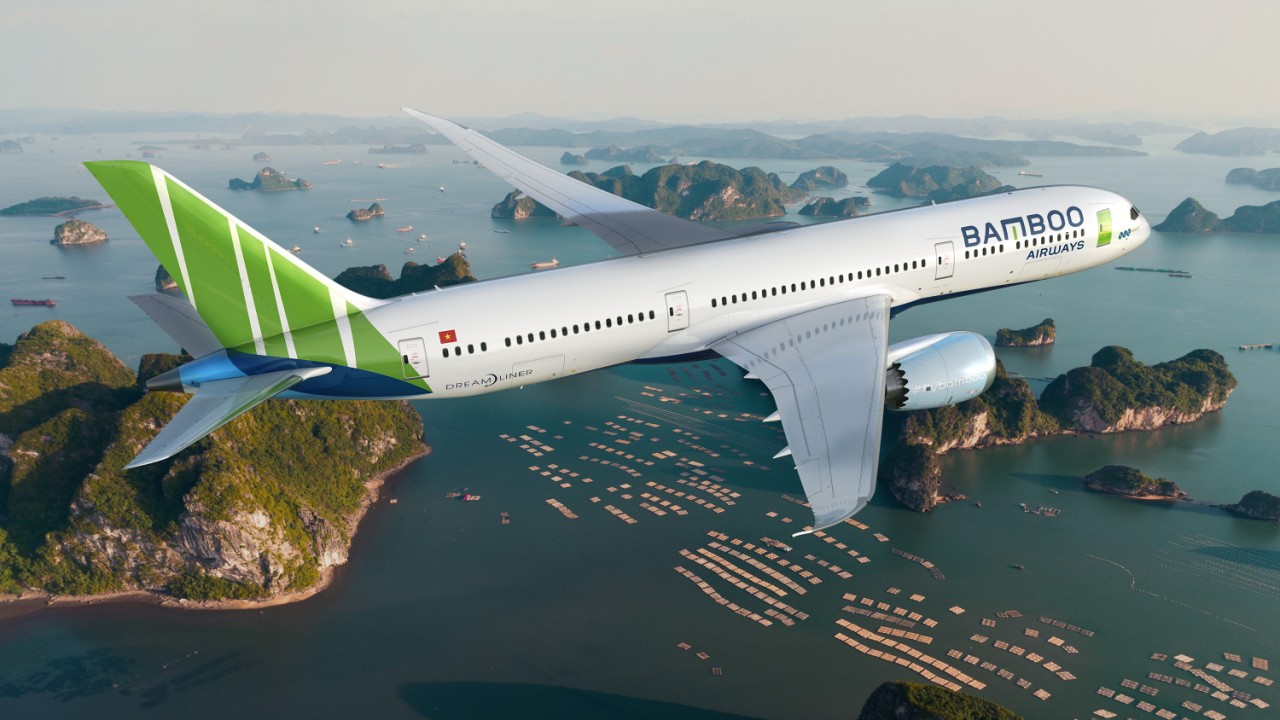
    Private budget airline Bamboo Airways says it expects profits in the first quarter next year as its fleet expands to 30 aircraft.

    The carrier’s deputy chairman Dang Tat Thang said at a press conference Tuesday that it was operating 20 aircraft with over 100 trips a day, but an airline typically needs to operate at least 25-30 jets.

    “We hope that by having 30 aircraft in the first quarter next year we will record profits. By expanding our fleet to 30, we can stabilize operations and launch more routes.”

    The airline had recorded cumulative losses of VND329 billion ($14.2 million) at the end of April, three months after its first flight, according to the Ministry of Finance.

    Bamboo Airways chairman Trinh Van Quyet explained the losses at a shareholders’ meeting in June, saying the airline had to pay salaries for a team big enough to operate 30 aircraft, while the fleet was just 10 then.

    Quyet also expects profit from its direct U.S. flights. The airline is set to receive its first wide-body Boeing 787-9 Dreamliner this month, which will be used for direct flights to the U.S. in late 2020 or early 2021.

    Bamboo Airways is in the process of selecting an U.S. airline partner for its direct route, Thang said Tuesday. It is also mulling direct routes to Germany and the Czech Republic.

    The airline plans to launch an initial public offering next year to raise around $100 million. It is eyeing investors from Japan, the U.S., and Europe, he added.

    Foreign investors can own up to 34 percent of a Vietnamese airline, according to a government decree set to take effect January 1, 2020.

    The entrance of Bamboo Airways earlier this year has eaten into the market share of national flag carrier Vietnam Airlines and budget carrier Vietjet.