Category: General

Retail News Asia is committed to providing both local and global retailers with the latest General Retail news throughout the Asian market. This on a daily base.

  • Hong Kong government launches cash relief for retailers from Monday

    Hong Kong government launches cash relief for retailers from Monday

    The Hong Kong government will allocate US$271 million in aid for around 70,000 retailers affected by the coronavirus outbreak.

    The Retail Sector Subsidy Scheme will launch next Monday, with eligible stores set to receive an HK$80,000 (US$10,300) subsidy under the scheme to help alleviate their financial difficulties.

    Beneficiaries of the fund must be substantial retail businesses operating since at least January 1 this year, excluding restaurateurs, hawkers and stalls in department stores without a separate payment system. Mail order, internet and direct marketing businesses are also excluded from the scheme.

    Parent companies operating multiple locations can apply for up to HK$3 million ($386,200) in relief funding.

    The Hong Kong Trade Development Council will help implement the scheme with retailers instructed to apply online to speed up the application process and minimize the time required for vetting the eligibility of applications received. Applications for support will only be accepted from March 23 to April 12.

    A telephone hotline has opened (1836 111) and an email address (enquiry@retailsubsidy.hk) established for inquiries from retailers, which are operational now.

  • Malaysia Lockdown Hits Singapore Lenders

    Malaysia Lockdown Hits Singapore Lenders

    Singapore banks could face further headwinds after Malaysia announced a nationwide lockdown that will last till the end of March.

    High connectivity to Malaysia is expected to weigh in for Singapore banks, most notably UOB and OCBC which source 11 and 14 percent of pre-tax profits from the country, respectively. The two had already flagged earlier that credit costs could rise 25-30 basis points based on assumptions that the outbreak lasts till mid-2020.

    At UOB, credit costs could jump 80 basis points if the outbreak extends beyond mid-2020, according to a report citing CFO Lee Wai Fai though he said that it is a «highly unlikely» possibility. At OCBC, CFO Darren Tan said that revenue growth would be «relatively muted» but added that strong capital ratios, funding and liquidity would help the lender stay resilient in this period.

    Although DBS said the impact from Malaysia’s lockdown would be limited due to a smaller presence in the market, it is still expected to feel the broader effects of the outbreak. DBS’s chief executive Piyush Gupta recently announced a modest 1-2 percent revenue reduction which its institutional banking head Tan Su Shan called a moving target.

  • Luk Fook sales plummet by half in first two months of 2020

    Luk Fook sales plummet by half in first two months of 2020

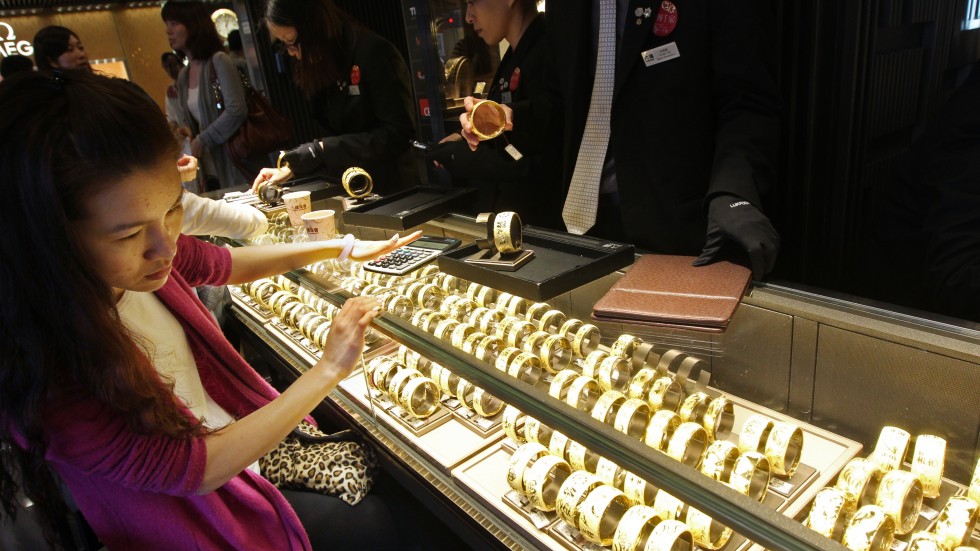
    Hong Kong jeweler Luk Fook says its sales halved during the first two months of this year as the coronavirus outbreak caused an extensive lockdown of mainland Chinese cities and visitors to Hong Kong and Macau fell sharply.

    While most mainland stores have reopened this month, customer footfall of the shops operating in Mainland China, Hong Kong and Macau was “still sparse” said chairman and CEO Sheung Wong in a profit warning. “It is expected to take some time for the business to resume normal.

    “Therefore … there will be an acute drop in revenue for the period from January to March. It is therefore highly likely that certain losses will be incurred in the fourth quarter. It may lead to a substantial decline in the group’s revenue and profit for the financial year ending March 31.”

    With Macau stores closed for most of February, sales in the combined Hong Kong and Macau market decreased by more than 50 percent.

    “Economic activities in Mainland China were almost halted due to the outbreak,” said Wong. “In the first two months of this year, industry, consumption and investment all hit record low with the double-digit decline, crashing the macro-economy severely.”

    Group-wide, same-store sales of gold products and gem-set jewelry products in Luk Fook’s own stores were down by 45 percent and 54.9 percent, respectively. In Hong Kong and Macau overall sales were down by 52.8 percent, with gold products down by 47.3 percent and gem-set jewelry products by 58 percent.

    On the mainland, where shops were closed in February, same-store sales fell by 37.1 percent. Gold sales were down by 38.6 percent and gem-set jewelry sales by 31.8 percent.

    Retail sales through licensed shops and self-operated shops of the group in Mainland China fell by half.

    During the pandemic, the company has not replaced staff leaving of their own accord and introduced leave without pay to reduce staffing costs. It has also negotiated rent reductions with landlords.

    Expansion plan on track

    Despite the huge impact of the coronavirus on sales, Luk Fook remains committed to its expansion plan which Wong said “has not been seriously affected”.

    “It is estimated that the net shop additions for the current financial year would only be a bit less than the target of 300 shops. In addition, the group’s unaudited revenue and profit for the period for the nine months ended December 31 were about 60 percent and 55 percent respectively ahead of those for the year ended March 31, last year.”

    He said fourth-quarter operational data will be released in mid-April.

  • WhatsApp, in collaboration with the World Health Organization

    WhatsApp, in collaboration with the World Health Organization

    As we all know, social media platforms have been filled with misinformation regarding the current public health situation, and tech giants are striving to bring the situation under control. Now, WhatsApp is also joining in in the efforts to protect the public from coronavirus-related fake news and posts.

    WhatsApp announced that it is opening an information hub, in partnership with the WHO, UNICEF and UNDP. The platform offers guidance, general information and tips in order to fight the spread of misleading rumors and panic over the situation. Additionally, it will also provide messaging hotlines, where people can text and most likely get guidance.

    What’s more, the company has stated that they will be donating $1 million to the Poynter Institute’s International Fact-Checking Network (IFCN) in order to fight against misleading posts concerning the COVID-19. The company is urging people to ensure they are reading trusted knowledge sources and if they are unsure about something, not to forward it to help limit the spread of misinformation.

    Additionally, the Fact-Checking Network will work on determining ways that misinformation spreads in WhatsApp and developing tools to detect and better moderate it, stated IFCN’s director, Baybars Orsek.

  • Asian sales hold up for Samsonite International

    Asian sales hold up for Samsonite International

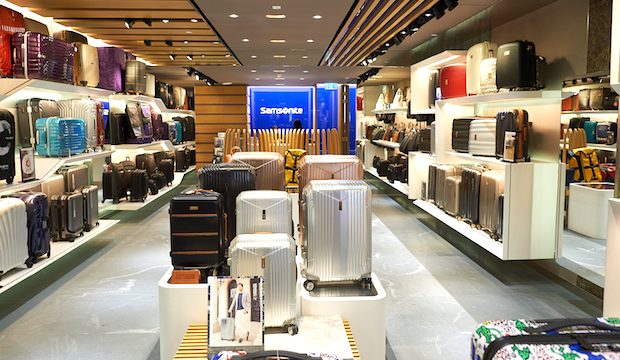
    A soft North American market saw global sales for luggage maker and retailer Samsonite International slip 1.8 percent in the December year – but the company is expecting a tough first half with the advent of coronavirus.

    CEO Kyle Gendreau said the global health emergency has caused travel disruptions worldwide.

    “While the extent and duration of the COVID-19 outbreak remain uncertain, we are reassured by actions taken by governments and health authorities around the world. Nonetheless, the outbreak will have a negative impact on our performance in the first half of 2020.”

    But he said the company is well placed to withstand the upheaval, with more than US$1.2 billion in liquidity and “a strong record of managing through past travel disruptions”.

    Last year’s sales reached US$3.64 billion, with all areas outside North America – where sales fell 8 percent – achieving growth. Sales in Asia rose 1.5 percent, in Europe by 3.2 percent and in Latin America by 2.8 percent.

    “These encouraging results … were achieved notwithstanding headwinds in four key markets, including the US, which was affected by increased tariffs on products sourced from China, and lower foreign tourist traffic, the Hong Kong domestic market, South Korea and Chile.”

    In Asia, the group’s business was impacted by a planned reduction in B2B sales during the first half of the year in China, challenging market conditions in the Hong Kong domestic market and weak consumer sentiment in South Korea. Excluding these impacts, the Group’s net sales for the Asia region increased by 6.8 percent, year-on-year.

    Samsonite International’s adjusted pre-tax earnings fell by 16.9 percent, or $100.1 million, to $492.2 million, primarily due to the effect of lower net sales and a decrease in gross profit margin, which was in part due to the incremental tariffs imposed by the US on products sourced from China.

    Gendreau says the company made steady progress in repositioning Samsonite for sustained growth and improved profitability last year while navigating sales and margin pressures in some of its key markets.

    “We are pleased with the improvements we achieved in controlling costs, managing working capital, generating cash flow and deleveraging our balance sheet. These improvements, along with our dedicated teams, strong brands, global scale and diversified sourcing base and supply chain strengthen Samsonite’s resilience in the face of challenging headwinds and provide us with the capacity to continue investing in the business to deliver sustainable growth and long-term shareholder value,” he said.

  • Malaysian retail expected to contract

    Malaysian retail expected to contract

    Retail Group Malaysia (RGM) predicts Malaysian retail sales will contract by 3.9 percent year-on-year in the first quarter of this year.

    The estimate is based on footfall having halved during the coronavirus outbreak, contradicting RGM’s expectation earlier this year that Malaysian retail sales could rise by 0.4 percent.

    “In the event, the global coronavirus outbreak and domestic political turmoil take more than the next few months to resolve, it will further affect the retail consumption pattern in Malaysia drastically,” said Tan Hai Hsin, MD at RGM.

    He said it was unable to estimate the likely retail industry growth figure for this year while preparing the report because of the unpredictable changes of the coronavirus outbreak and the new ruling government policies.

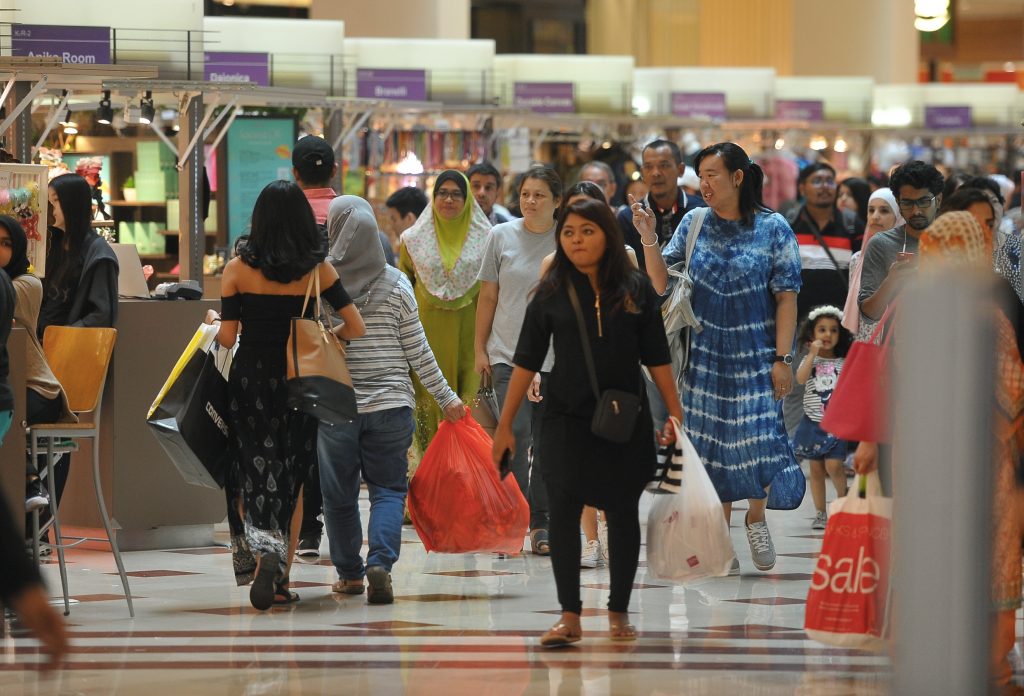
    Although shopping traffic has dropped significantly in the country, some shopping malls have remained open to the public to provide essential goods and services.

    Aeon Mall’s tenants, including pharmacies, banks and POS Malaysia, will continue to operate, however, food & beverage tenants will only provide takeaway and delivery services. Aeon Retail’s outlets will also provide dedicated check-out lanes for senior citizens, the disabled and pregnant women to ensure that they can shop for their daily needs in “a safe and worry-free environment”, the company said in a statement.

    Meanwhile, 1 Utama Shopping Centre said on its social media that its essential service tenants such as supermarkets, pharmacies or convenience stores will remain open, and reassured consumers that there is no need to start panic shopping.

    In the final quarter of last year, Malaysia’s retail sales increased 3.8 percent year on year with the best growth in the pharmacy and personal care categories. The worst-performing sector was supermarkets and hypermarkets which witnessed a 2.8-per-cent full-year decline.

  • Google Translate gains a very convenient transcription feature

    Google Translate gains a very convenient transcription feature

    As handy as Google’s crazy popular translation tool has always been, there was something missing that could make all our lives even easier. We’re talking about a real-time transcription feature, which is now a thing on Android devices.

    This does a great deal more than simply turn speech into text on your mobile phone, also translating said text while a person is still speaking without requiring a lot of effort on your part. All you need is the latest version of the official Google Translate app from the search giant’s Play Store, with a dedicated “Transcribe” icon found on the home screen and the option to select your source and target languages located in the language dropdown at the top.

    For the time being, the groundbreaking AI-powered functionality is compatible with English, French, German, Hindi, Portuguese, Russian, Spanish, and Thai, supporting transcriptions in any combination of these languages while Google continues to work on expanding the list in the near future. The company also plans to enrich the Google Translate experience for iPhones and iPads at some point, although no iOS release schedule has been put together just yet.

    In the meantime, Android users should definitely take this feature for a spin once they receive the newest update for their Google Translate app. An internet connection is required for real-time transcriptions to work, allowing you to follow a lecture, for instance, without understanding the language that’s actually being spoken.

    Although you can’t upload an audio file and have Google Translate automatically and seamlessly transcribe it for you just yet, the extremely cool new feature does support pre-recorded audio, which you can play on your computer, as well as live audio sources.

    You can also easily pause and restart your transcriptions by tapping on the mic icon, as well as check out the original transcript before it’s translated, change the text size, and choose the newly released dark theme in the settings menu. In a nutshell, Google appears to have thought of pretty much everything right off the bat here.

  • Dire retail sales in Mainland China a harbinger for rest of the world

    Dire retail sales in Mainland China a harbinger for rest of the world

    Retail sales in Mainland China slumped by 20.5 percent in the first two months of this year according to government figures – providing a glimpse of what lies ahead for retailers in other countries where the coronavirus is now having an impact on community behavior.

    For most of January and February hundreds of millions of Chinese were subject to lockdown in their homes, and retail stores and shopping malls were closed. Most consumers moved online to purchase goods with e-commerce giants like JD and Alibaba developing safe delivery protocols to ensure distancing between delivery riders and customers.

    Combining the first two months of retail sales figures provide an accurate comparison with previous years as it eliminates any impact from the changing timing of Lunar New Year, traditionally a busy season for retailers.

    By comparison, retail sales in Mainland China grew by 8 percent in December.

    Analysts had expected sales to fall by 5 percent in January and February, a dramatic understatement of the eventual figures.

    On a more positive note, many major retail chains have reopened stores across Mainland China this month as the spread of the virus has abated. March data will be eagerly awaited to see if there is any indication of consumers spending on luxury goods and other unnecessary purchases as they celebrate the gradual return to normal life and indulge to reward themselves for enduring the lockdowns.

  • Employee Trace Tool Released to Manage Casual Workers Through COVID-19

    Employee Trace Tool Released to Manage Casual Workers Through COVID-19

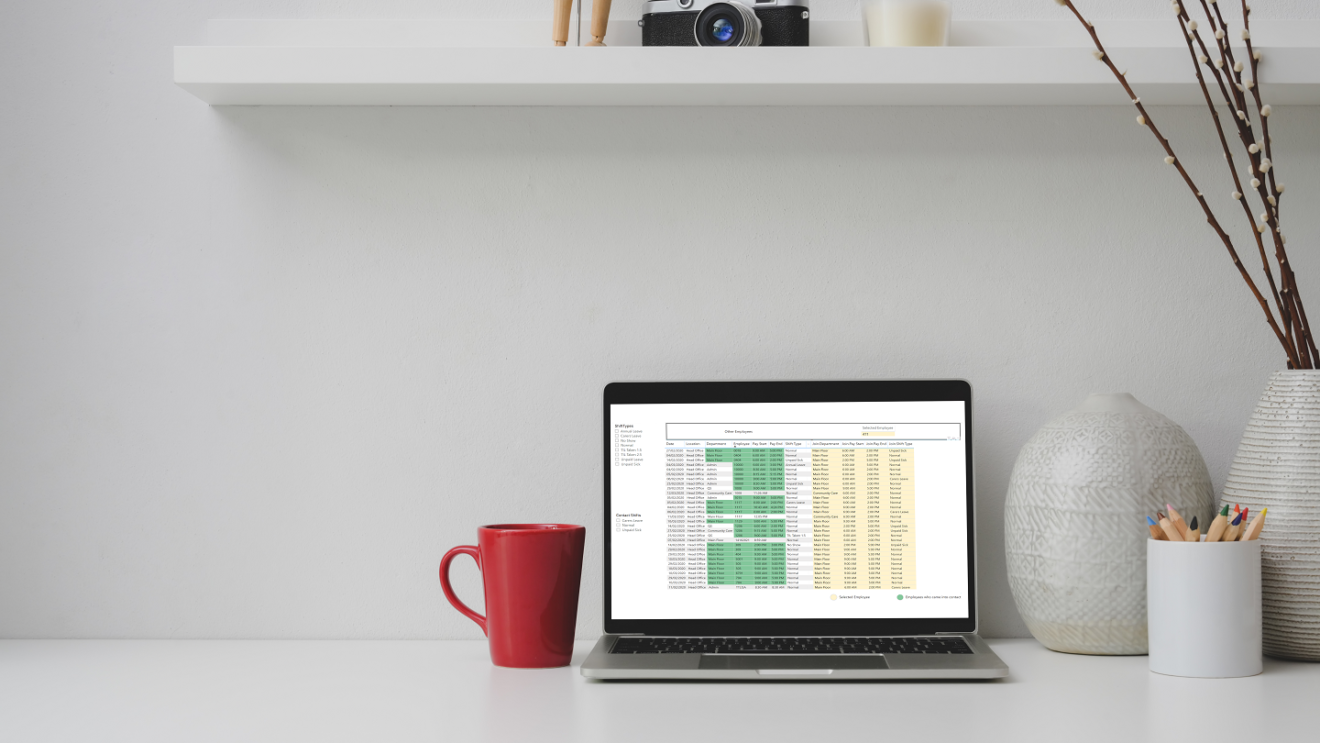
    Humanforce, a Sydney based global provider of workforce management solutions, has released a free Employee Trace Tool to help all retail businesses manage and protect their casual employees and the community through the COVID-19 outbreak.

    The Employee Trace Tool provides retail employers with enhanced visibility over their casual workforce during any period where COVID-19 may be present in the community. The tool, which works in conjunction with any source of timesheet or roster data, enables businesses to quickly and easily ascertain which employees worked on what day and time, in what location, and with who.

    “Identifying the presence of COVID-19 and who has been exposed to a known carrier will be critical in helping limit the impact of the virus. Retail businesses have a duty of care to not only their patrons and customers, but also staff to ensure that they can rapidly notify personnel of any exposure so that they can take appropriate action, including self-isolating, if needed,” said  Bruce MacKenzie, Managing Director and Founder, Humanforce. “Our aim with this new Employee Trace Tool is to assist all businesses that employ casual workers to make informed decisions in these critical days, weeks and months ahead.”

    Ai Group found that in 2018 2.6 million people out of 12.5 million total people working in Australia were employed on a casual basis. And the nature of casual work means that an employee could come in to contact with a very high number of community members and co-workers during a shift, or across the course of a week.

    Humanforce’s Employee Trace Tool will make the difficult and onerous task of tracking down anyone who has had contact with an employee who has a positive diagnosis, or anyone who worked a shift where a member of the public was found to have COVID-19, much easier and quicker for retail employers.

    “Humanforce has made the Employee Trace Tool available for free to any business, anywhere in the world, to support responsible COVID-19 responses, keep casual employees and patrons safe, and minimise the business impacts of this crisis,” Bruce added. “As COVID-19 spreads, employers of casual workers need to have adaptable processes – facilitating flexible working and shift-swapping, to ensure that they are properly staffed no matter the circumstances.

    “Should casual workers find themselves in isolation, having to stay at home to look after school children or fall ill – this can have a significant impact on their employer. Businesses need to have systems in place that enable easy shift swapping to limit normal business disruption,” added Bruce. “The Humanforce App processes shift-swaps easily online, lessening the burden on employers to scramble to find cover when staff are unable to attend work.”

    Employers wanting to access the Employee Trace Tool can find out more at:  https://humanforce.com/news/universal-employee-trace-tool-protecting-employees-during-covid-19/

    About Humanforce

    Humanforce is a global provider of workforce management solutions for companies who need flexibility to manage complex workforces. Companies use Humanforce to manage everything from time and attendance, employee rostering, onboarding and availability. Humanforce has strong partnerships with industry leading payroll providers, with over 100 integrations and enable customer employees in over 9000 locations globally.

    Humanforce was founded in Sydney in 2002, and today has offices across Australia, New Zealand, Singapore and the UK. For more information: www.humanforce.com

    Media Contact:

    Corinne Nolte

    Mulberry Marketing Communications

    +613 9023 9110

    cnolte@mulberrymc.com
     

  • Metro Manila malls close, with only supermarkets, pharmacies remaining open

    Metro Manila malls close, with only supermarkets, pharmacies remaining open

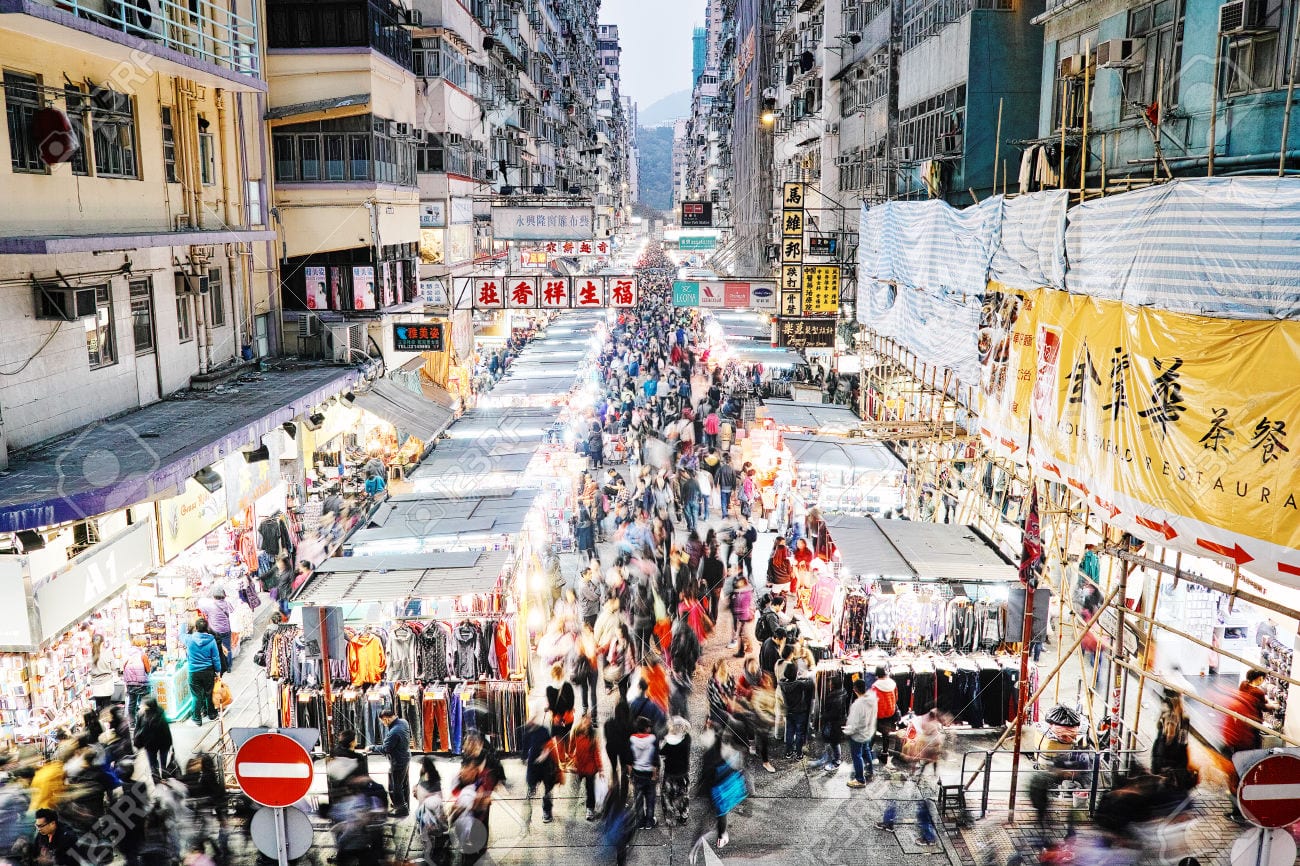
    After Philippine President Rodrigo Duterte announced an “enhanced community quarantine” yesterday across Luzon, Metro Manila malls and some stores were temporarily closed to comply with the government’s fight against Covid-19 (coronavirus).

    Shopping malls, especially in Metro Manila, announced their temporary closure until further notice. However, grocers and pharmacies in shopping malls will remain open.

    Customers queuing at cash registers have been told to maintain a 1-metre (3-foot) space apart.

    Ayala Malls, SM Supermalls, Robinsons Malls, Vista malls, Araneta City and Megaworld Lifestyle will be closed during the quarantine period which is set to continue until at least April 14, according to a directive issued by Department of Trade Secretary Ramon Lopez.

    In the government guidelines, only those private establishments providing basic necessities and such activities related to food and medicine production like public markets, supermarkets, groceries, convenience stores, hospitals, medical clinics, pharmacies and drug stores, food preparation and delivery services, water-refilling stations, manufacturing and processing plants of basic food products and medicines, banks, money-transfer services, power, energy, water and telecommunications supplies and facilities, shall remain open.

    Duterte has called on all the Philippines’ big enterprises to consider giving 13th month pay or even half of their salary as showing solidarity for Filipino for this critical time, or even food. He told the management of big companies to understand the plight of the workers who cannot work.

    Meanwhile, Jollibee and McDonald’s have reassured customers that measures were in place to ensure their safety as their stores remain open in Metro Manila during the community quarantine.

  • WhatsApp might launch self-destructing messages feature for individual accounts

    WhatsApp might launch self-destructing messages feature for individual accounts

    We already know that WhatsApp has been working on a self-destructing message feature. What we don’t know is when it will be made available to everyone and in what form. The self-destructing messages feature is quite common in apps like Snapchat and Telegram, but WhatsApp doesn’t yet include the functionality.

    However, we know that WhatsApp tested the feature since last October, but decided to limit it to groups chat. The good news is the latest version of WhatsApp beta reintroduces self-destruct messages for individual accounts.

    Unfortunately, since it’s still in the beta, WhatsApp might change its mind again and either limit its availability to a certain group of users or not release it at all. Well, the important thing WhatsApp has reconsidered its strategy and plans to bring it to all users, not just to some of them.

    Those of you who have access to WhatsApp beta for Android will find the new feature in the Settings menu of each chat. Make sure to tap Delete messages and choose how long new messages will last before they are deleted. You can select from several options: Off, 1 hour, 1 day, 1 week, 1 month, and 1 year.

  • Fake luxury goods seized at famous Vietnam markets

    Fake luxury goods seized at famous Vietnam markets

    Ho Chi Minh City authorities seized thousands of fake luxury goods at two famous local markets last week.

    According to Tuoi Tre News, market watchdog officers seized more than 1500 fake items worth US$6282 at Saigon Square and Ben Thanh Market, the latter one of Ho Chi Minh City’s most popular tourist attractions.

    All the products seized are copies of famous luxury brands including Prada, Montblanc, Gucci, and Rolex.

    Representatives of the General Department for Market Management said the unit will keep preventing vendors from selling counterfeit and pirated goods, focusing on hotspots where these items are commonly on show.

    Located in the city’s center, Saigon Square and Ben Thanh Market are renowned for selling fake luxury goods to tourists.

  • Isetan leaving Thailand

    Isetan leaving Thailand

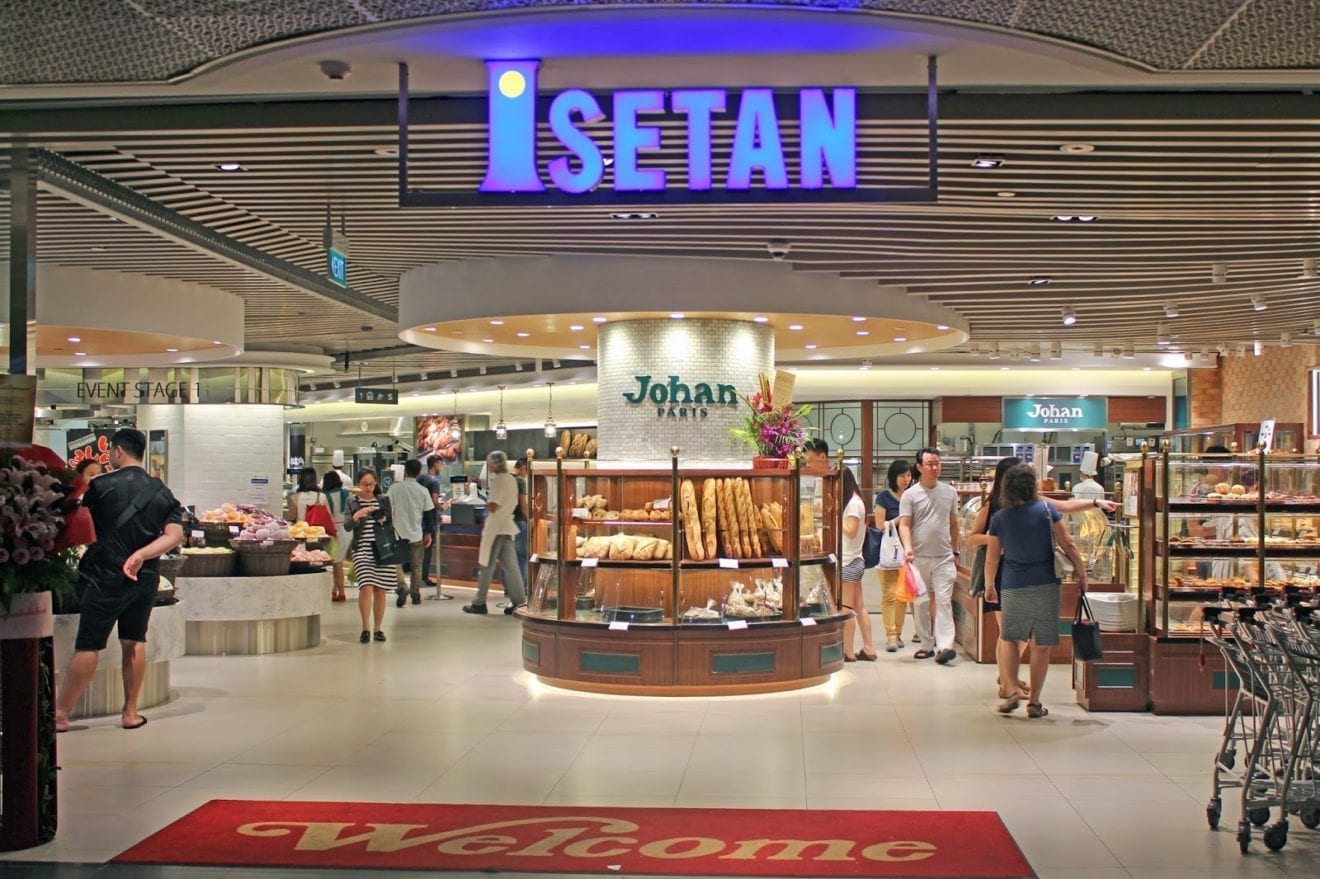
    Japanese department-store chain Isetan will quit Thailand later this year after 28 years operating in Bangkok.

    The company says it will not renew the lease of its space in the CentralWorld shopping center when it comes up for renewal in August.

    However, Isetan and CentralWorld’s owner Central Pattana may discuss a plan for the Japanese restaurant zone on the top floor, in which Isetan tenants operate effectively as concessions.

    The Isetan department store opened at CentralWorld back in 1992 when it was called the mall was called World Trade Center.

    The last major renovation of the space opened in December 2015, a food concept called Washoku Gallery.

    In keeping with the department store’s heritage, the gallery features food products imported from Japan. The company said at the time that Japanese food and culture is broadly liked by Thailand’s urban consumers and Isetan wanted to tap into that growing demand.

  • City Super supermarket chain sale sparks strong interest

    City Super supermarket chain sale sparks strong interest

    Investment groups China Resources and Yonghui Superstores, as well as some private individuals, are among potential buyers of Hong Kong’s City’Super high-end grocery chain.

    Current owner The Fenix Group is intending to sell a majority stake in the business in a deal that could attract US$300–400 million. The firm is likely to call for bids later this month or otherwise in early April, depending on the coronavirus outbreak situation at the time.

    Billionaire Peter Woo, who owns a minority stake in the business, is expected to hold on to his shares. Talks, however, remain at early stages and the deal may not eventually go ahead.

    City Super Group currently operates 21 Hong Kong City’Superstores, with an additional seven in Shanghai and another seven in Taiwan under different brand names. The stores are located in prime properties such as Hong Kong’s IFC Mall.

  • OneDrive now supports Dark Mode on Android phones

    OneDrive now supports Dark Mode on Android phones

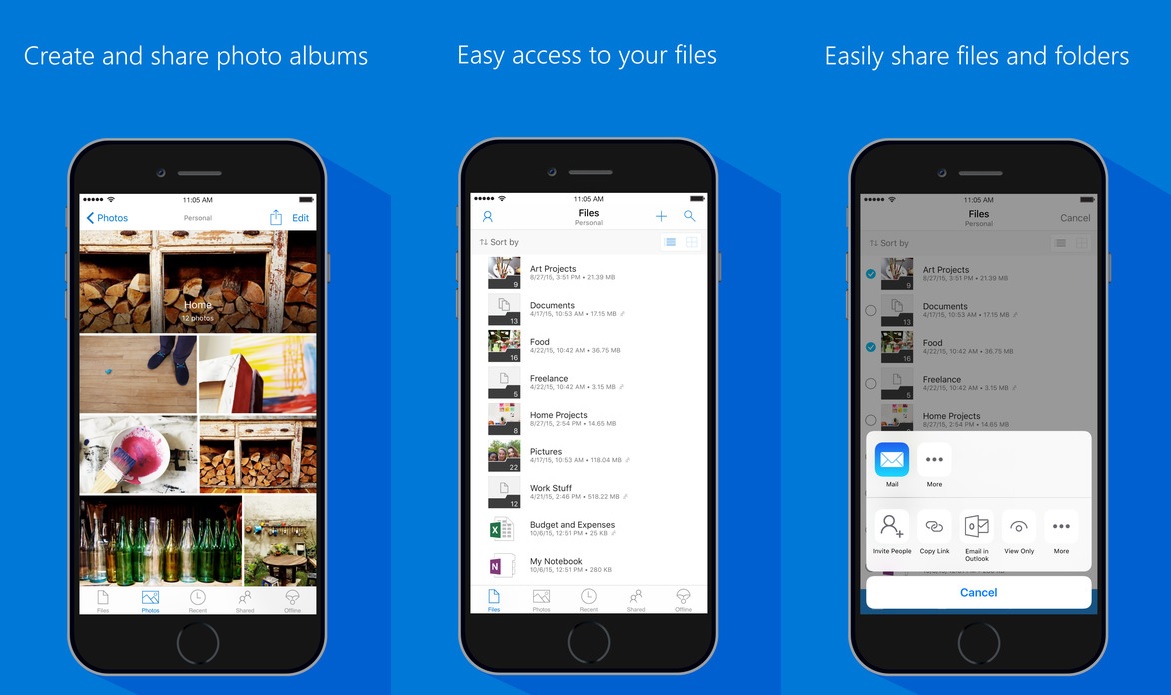
    Almost six months after bringing Dark Mode to OneDrive on iOS, Microsoft is enabling the visual option on the Android version of the app. With OLED displays becoming more common, darker themes and modes started to appear in many mobile apps, including Gmail, WhatsApp, Facebook Lite, Google Translate and more. OLED technology displays black by turning off individual pixels, so the darker the theme, the less energy the device consumes. Besides energy efficiency benefits, Dark Mode is also much easier on the eyes in low-light conditions.

    Microsoft is rolling out the new features with version 6.0.1 of the app with another little tweak in the Photos tab. Users will get a trip down memory lane with the option to revisit old photos taken on the same day in previous years.

    To activate Dark Mode in OneDrive, go to the Settings menu on the homes screen, and tap on the Theme option. You can then choose Light, Dark or System Default. The last one will use the Global theme settings of the device. This option is useful when you want to schedule different themes for different times of the day – Dark Mode activating at sunset, for example.