Category: General

Retail News Asia is committed to providing both local and global retailers with the latest General Retail news throughout the Asian market. This on a daily base.

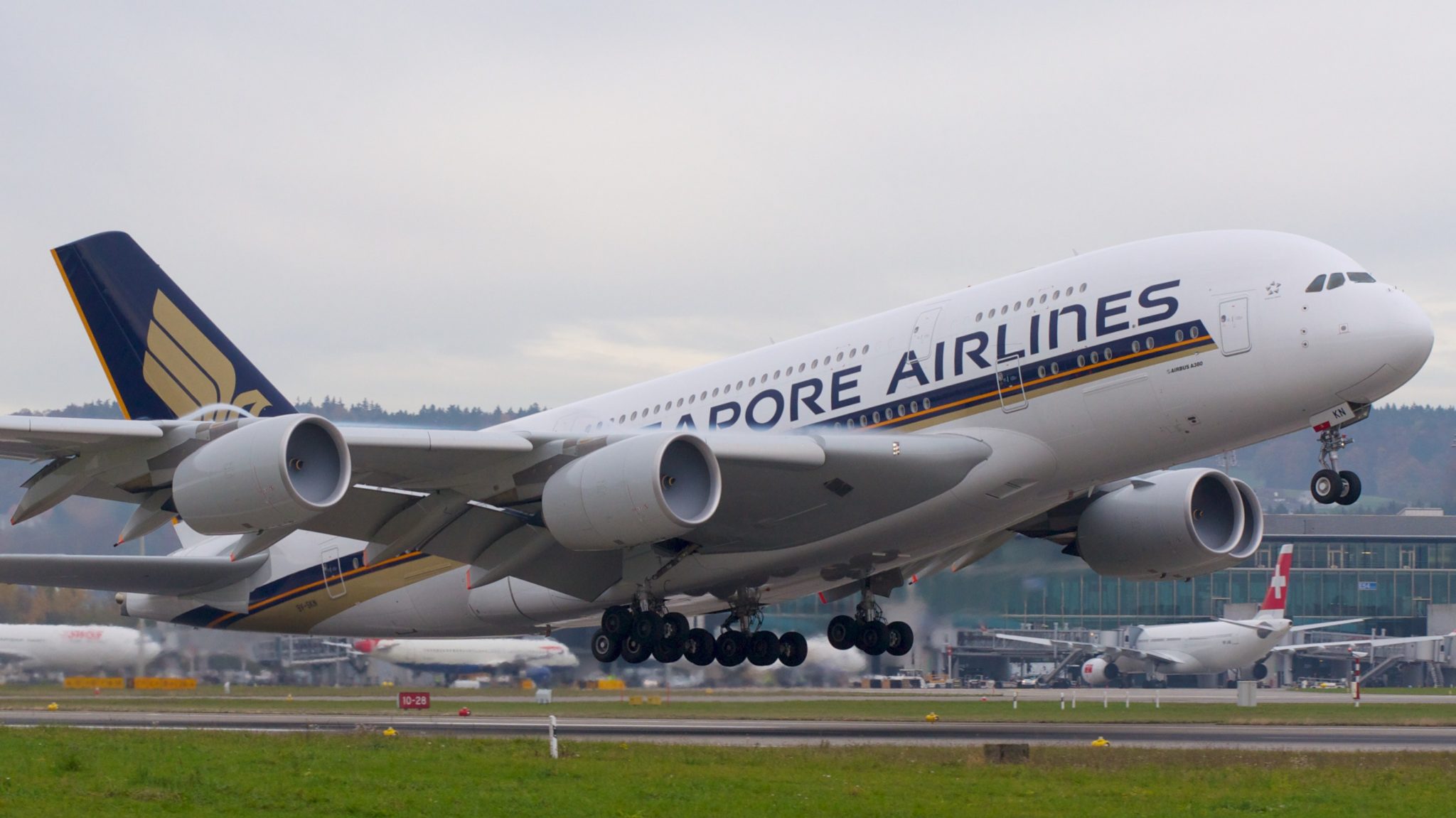
  • Singapore Airlines Will Fly New A380s To Paris

    Singapore Airlines Will Fly New A380s To Paris

    In November 2017, Singapore Airlines revealed the details of their new A380 Suites & business class products. The airline has just taken delivery of five new Airbus A380s featuring these cabins, and at the same time they’ve retired five A380s, so that the number of A380s in their fleet has remained constant.

    On top of that, Singapore Airlines plans to reconfigure the existing 14 A380s with the new cabins. While this was initially supposed to happen between 2018 and 2020, they’re behind schedule on that. As of now only a single A380 has been reconfigured with the new cabins.

    So I’d expect the project to take longer than through 2020.

    I flew Singapore Airlines roundtrip on their new A380 shortly after it was introduced — I flew from Singapore to Sydney in their new business class, and from Sydney to Singapore in their new Suites.

    Overall I was reasonably impressed by both products, but not blown away. Business class was a marginal improvement over their old business class product. I rank it as number eight on my list of the world’s nine best business class seats. The seat is spacious, though still has the downside of requiring you to sleep at an angle towards the side of the plane in order to be able to fully stretch your legs.

    As it stands, Singapore Airlines flies their new A380s to Hong Kong, London, Shanghai, Sydney, and Zurich. Frequencies do vary, so you’ll want to check the seatmap for your flght to be sure it features the new cabins (if there are six seats in Suites, then it’s the new cabin).

    Furthermore, as of January 2020 they’ll fly the new A380 to Tokyo Narita.

    As of July 1, 2020, Singapore Airlines will fly the reconfigured A380 on their Singapore to Paris route, with the following schedule:

    SQ336 Singapore to Paris departing 12:15AM arriving 7:35AM
    SQ335 Paris to Singapore departing 12:00PM arriving 6:50AM (+1 day)

    This is a logical enough addition, given that Paris is one of Singapore Airlines’ most premium markets. I do wish they’d fly the A380 to New York already (via Frankfurt), but with how long that flight is, it’s not surprising that they’re holding off.
  • 7-Eleven Malaysia’s profit up 10 per cent year on year

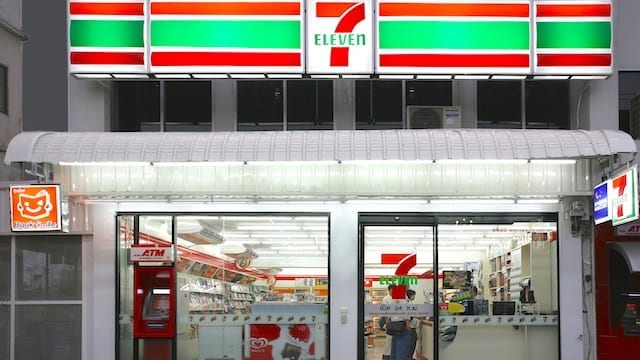
    7-Eleven Malaysia’s profit up 10 per cent year on year

    7-Eleven Malaysia’s profit surged 10 percent year on year in the third quarter.

    Figures released by the firm showed sales growth of 4.5 percent during the quarter and a 5.1-percentage point improvement in gross profit margin.

    The firm opened 53 new stores during the period, taking the total network to 2382 stores.

    7-Eleven Malaysia’s profit improvement looks set to continue in quarters. “We are confident that continuous implementation and improvement of our strategic roadmap in strengthening the key areas of assortment, supply chain, operational excellence, store base and digitally enabling the organization will continue to deliver positive results despite challenging headwinds as we look forward to ensuring that 7-Eleven remains as Malaysian consumers preferred convenience store brand,” said CEO Colin Harvey.

    The company’s board said trading conditions for the next quarter are expected to be stable.

    “We will continue to focus on our customer’s needs, pursuing our core strategy pillars of operational excellence, cost management and commercial innovation, at the same time refreshing the 7-Eleven brand in the mind of customers through refreshed stores, innovations in our pricing, promotions, and developing exciting products,” read a statement from the board.

  • Cebu Pacific cut flight delays in October

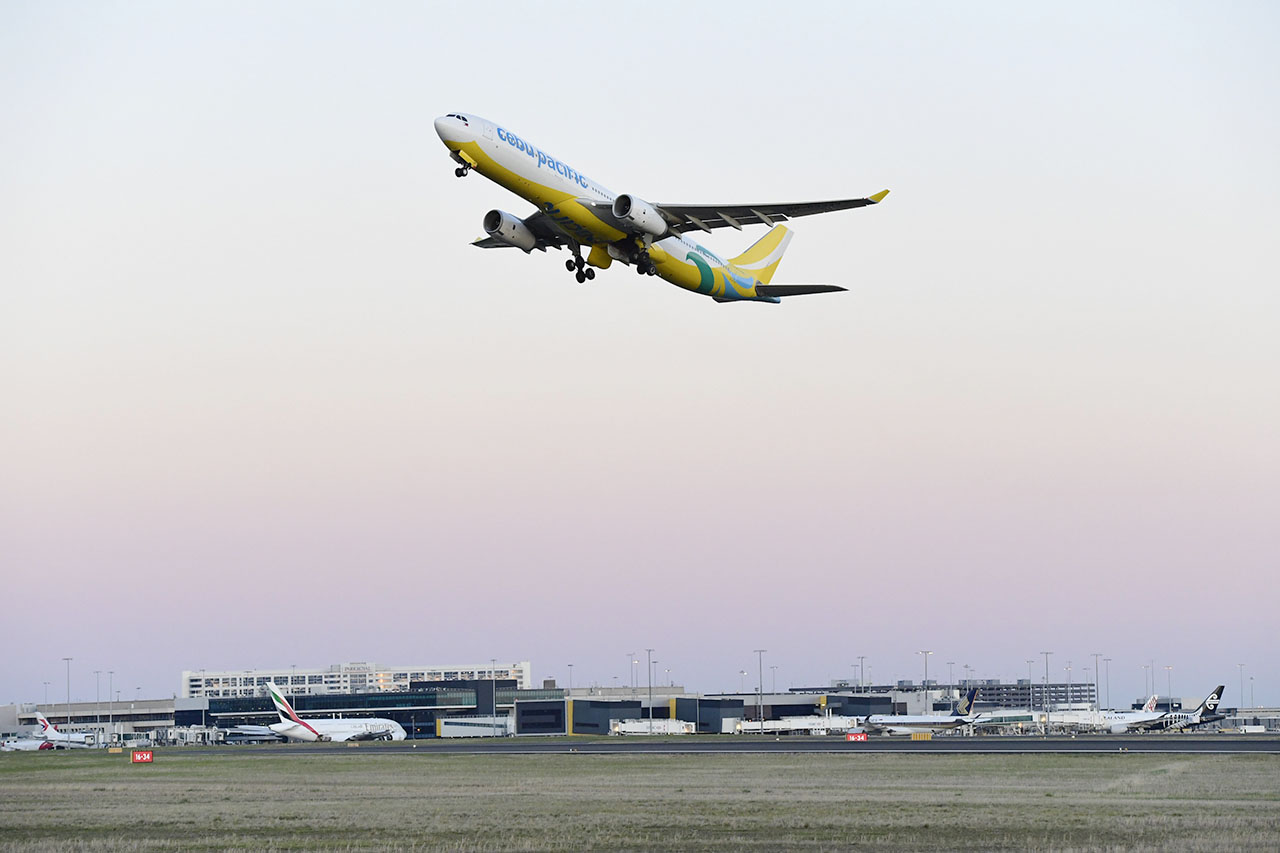
    Cebu Pacific cut flight delays in October

    Budget airline Cebu Pacific recorded minimal flight delays in October as on-time performance went up.

    The Department of Transportation (DOTr) said on Monday that Cebu Pacific posted an on-time performance of almost 85 percent last month, better than the 80.66 percent in September.

    A flight is considered on time if it leaves within 15 minutes of the scheduled departure.

    “The improved OTP is a result of the close cooperation and coordination with concerned government agencies to minimize delays across our network,” Michael Ivan Shau, Cebu Pacific chief operations officer, said in the statement.

    Earlier, flag carrier Philippine Airlines said on-time performance in the Ninoy Aquino International Airport (Naia), the country’s busiest gateway, hit 92 percent for the month of October.

    The DOTr noted in the statement that improved efficiency followed the signing in June of a commitment to decongest Naia and support the development of other gateways, including the Sangley Airport in Cavite.

    “I am happy that months after we signed the pledge of commitment, we continue to see improvements in OTP across the industry. I hope these efforts are sustained to make air travel in the Philippines more efficient and comfortable,” Transportation Secretary Arthur Tugade said in the statement.

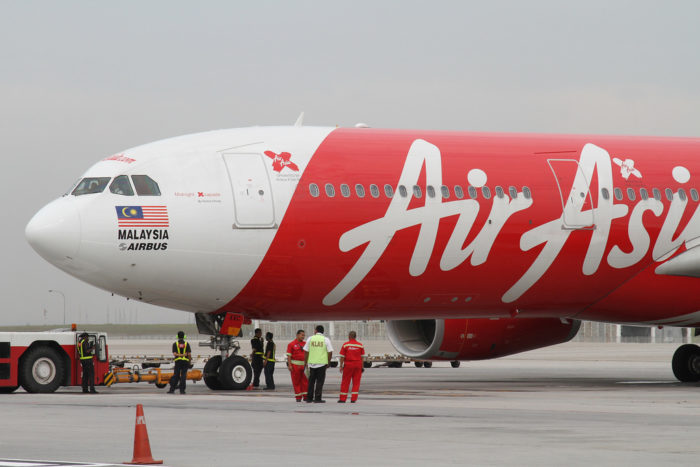
  • AirAsia Receives Its First Airbus A321neo by

    AirAsia Receives Its First Airbus A321neo by

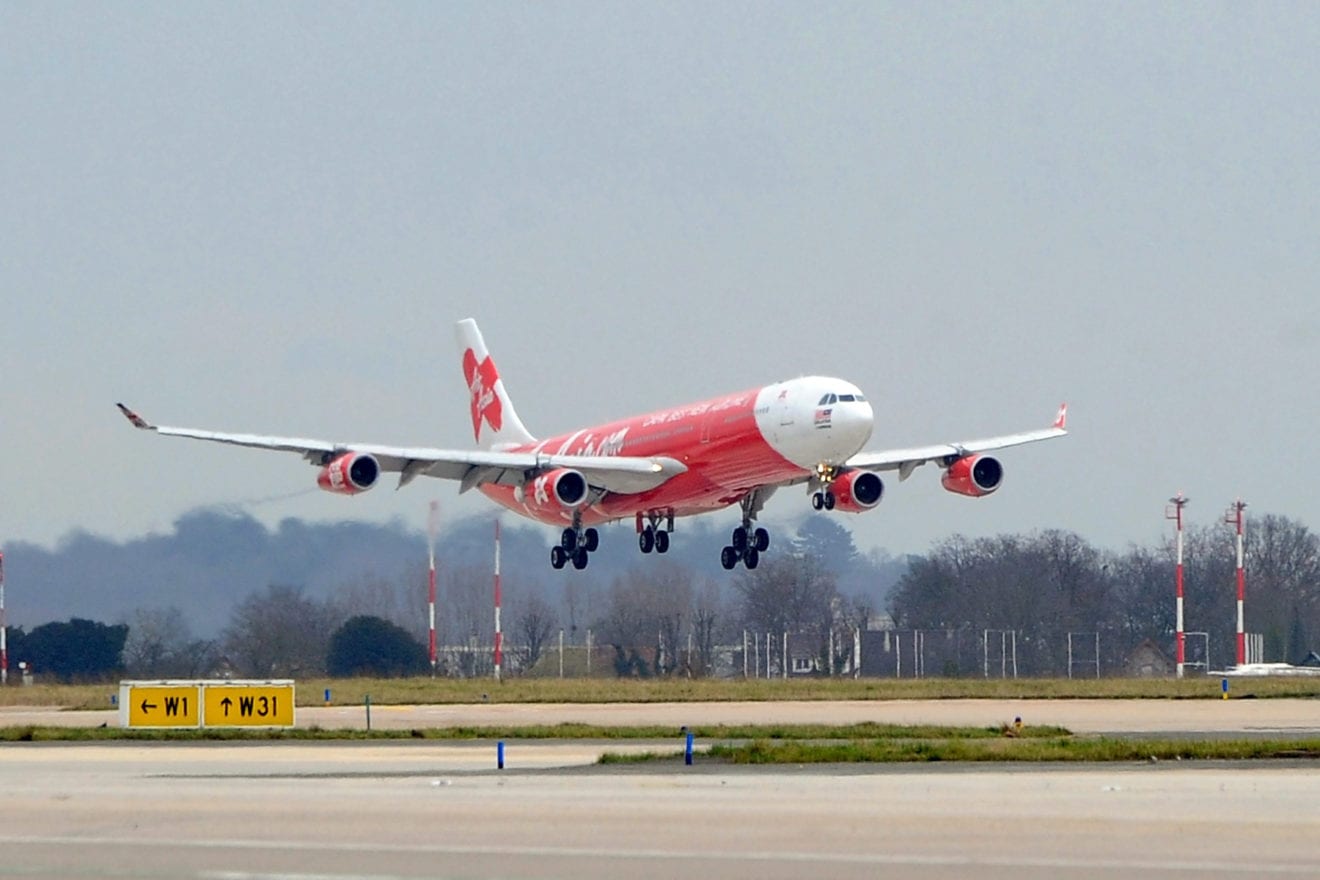
    At a delivery ceremony in Hamburg, Germany, budget airline Air Asia took delivery of its very first Airbus A321neo. The event took place on Wednesday under grey skies and wet conditions. The narrowbody long-haul jet will begin operating this week from AirAsia’s hub in Kuala Lumpur to cities across Asia. Destinations already identified include Kuching and Kota Kinabalu

    The Star also reports that it had its ferry flight back home after the ceremony, with over 30 media personnel from the Southeast Asian region as well as AirAsia staff. According to sources included FlightRadar24 and Planespotters, the airplane has been assigned the registration 9M-VAA and includes a unique and ‘funky’ livery.

    “We could not be more thrilled that it will be the new backbone of our operations across the AirAsia Group. With the 25% increase capacity and 10% reduction in cost per seat, the A321neo will enable us to maintain low fares so ‘Everyone Can Fly!’…This new generation aircraft delivers significant capacity and cost benefits which we can pass on to our guests in the form of great value fares and it also unlocks exciting network expansion opportunities allowing us to fly the aircraft for an additional one and a half hours longer.” -AirAsia Indonesia chief executive officer Veranita Yosephine

    A recent Twitter post about the delivery (shown below) mentions that this is the first aircraft out of the 353 ordered from Airbus. In fact, the delivery of this particular model is part of AirAsia’s plan to move from its existing fleet of A320neo aircraft to the larger A321neo.

    AirAsia revealed the order for the A321neo at the Paris Air Show this year. The airline announced the conversion of 253 A320neos to the larger A321neos. This will make AirAsia the largest customer in the world for this type.

    The larger A321neo offers 50 seats more over the current A320neos. Furthermore, it also provides 40% more cargo space as well as “expanded seating capacity with optimized use of cabin space”.

    The upscaling of the order back in June was welcomed news for Airbus. Although the quantity of aircraft ordered stayed the same, all of them being converted from existing A320 orders marks the biggest order for the larger variant of the narrowbody to date. It also signifies a massive vote of confidence for the type.

    The A321neo is the longest variant of the popular A320 family of aircraft. In fact, with the new improvements of the neo (new engine option), there is an expected 20% increase in fuel efficiency from the A321ceo (conventional engine option). Efficiency features include new generation engines and fuel-saving Sharklets.

  • AirAsia and AirAsia X have been named best low-cost airline in Asia again

    AirAsia and AirAsia X have been named best low-cost airline in Asia again

    AirAsia and its partner airline AirAsia X have been jointly named the best low-cost airline in Asia Pacific again at this year’s Airline Excellence Awards by AirlineRatings.com.

    The award is judged by the Australia-based aviation website through a five-star rating system considering factors such as in-flight entertainment, cabin space and comfort, beverages, food, and seat recline.

    This is the second time the Malaysian low-cost carrier has bagged the award, after taking the title from Scoot in 2018.

    Geoffrey Thomas, editor-in-chief at AirlineRatings.com, said that the AirAsia win was “richly deserved” and that the airline is in a “dominant market position”

    “These airlines have made travel affordable for tens of millions throughout Asia, and they offer outstanding value and a great experience,” he added.

    In June, AirAsia has also named the world’s best low-cost airline at the Skytrax World Airline Awards.

    AirAsia Group chief executive Tony Fernandes said in a statement that the airline will continue to focus on “delivering the very best value airfares for short, medium and long haul travel throughout Asia Pacific”.

    The airline is currently looking at slashing fuel burns to help keep airfares low through the new additions of Airbus’ A330 neo wide-body and A321 Xtra Long Range aircraft.

    Benyamin Ismail, AirAsia X’s chief executive officer, said that the two aircraft will provide the carrier with the “lowest possible operating costs to expand its network and enable even more people to fly further for less”.

    This will allow AirAsia X to further expand into markets like Australia, and “explore new longer haul markets including Europe, which are currently under review,” he added.

    The two Kuala Lumpur-based airlines have 272 total aircraft today, flying to more than 150 destinations in 25 markets.

  • Walmart China opening 500 more stores

    Walmart China opening 500 more stores

    US retailer Walmart is planning to launch 500 new outlets in China within five to seven years.

    The expansion will more than double the firm’s presence in the territory in time for China to emerge as the world’s biggest grocery market come 2023. The move comes in the face of an economic slowdown as China grapples with the US trade war and slow growth.

    In spite of the setback, Chinese consumers are still buying from Walmart, which experienced 6.3-per-cent year-on-year growth in the last quarter. Its global growth during the period was just 2.5 percent.

    “We will continue to collaborate with partners and policymakers in China to accelerate our expansion,” Walmart China senior VP James Ku said.

    The firm will also remodel more than 200 of its stores in China in the coming years, including installing self-service checkouts using facial recognition technology.

    Walmart China has operated for more than 20 years.

  • Korean retail giants expect improved profits next year

    Korean retail giants expect improved profits next year

    After a tough year, South Korean retail giants are tipped to log a modest improvement in their earnings next year on the back of improved business conditions and cost-cutting efforts, industry sources say.

    This year has been the toughest ever for two homegrown South Korean retail giants, Emart and Lotte Shopping, as they struggled to battle with e-commerce giants such as Coupang and TMON, which launched aggressive promotion and free delivery services to woo more customers.

    Hit by increased competition and an economic slowdown, Emart, the country’s No 1 retailer, suffered a 40.3 percent year-on-year fall in its third-quarter operating income to 116.2 billion won (US$98.8 million).

    Analysts said Emart will be on a roll next year, as the company’s efforts to improve margins have started to bear fruits since the third quarter, according to IBK analyst Lee Myung-hee. The brokerage estimated an 18 percent on-year rise in sales for 2020 and a 60 percent jump in operating profit.

    Emart saw the number of its underperforming or loss-making offline stores fall to 141 this year, down from 147 in 2016. The company also expanded shipping infrastructure for its online-only retail corporation SSG.com, launched on March 1, in a bid to win back customers from e-commerce operators.

    To bolster its delivery services, Emart also plans to open its third pick-and-packing station in Gimpo, 29 km west of Seoul, by the end of the year. The company currently runs two facilities, one in Gimpo and another in Yongin, 49km south of Seoul.

    Lotte Shopping, the operator of the supermarket chain Lotte Mart, also suffered a sharp fall in its third-quarter earnings because of poor performance by its supermarket chain. Lotte Mart takes up about 30 percent of its business portfolio.

    Lotte Shopping’s July-September operating income stood at 87.6 billion won, falling 56 percent on-year. The earnings shock came due to the nationwide boycotting of Lotte’s products since July, triggered by trade tensions between Korea and Japan.

    But the market consensus is that the discount store chain’s quarterly operating profit will go up thanks to reduced costs stemming from layoffs of contract workers.

    Ju Young-hoon, an analyst at Eugene Securities, forecast a 2.9 per-cent year-on-year gain in Lotte Mart’s annual sales for next year, compared to a 1.3-per-cent decline this year.

  • Facebook reportedly tested a facial recognition app

    Facebook reportedly tested a facial recognition app

    It would be interesting to see how many people flat out don’t trust Facebook. This is the company that got fined $5 billion by the Federal Trade Commission (FTC) for failing to adhere to a consent decree it signed back in 2011. The terms of the consent decree prevented Facebook from using member profiles without the express consent of subscribers. In 2015-2016 Aleksandr Kogan, a Russian-American professor at Cambridge University, collected profiles through the use of an app he developed ostensibly for research purposes. But Kogan sold as many as 87 million user profiles to a company called Cambridge Analytica, which was hired by the Trump campaign to turn the data into information that it could use.

    As recently as the first day of this year, an organization called Privacy International issued a report claiming that certain Android apps sent users’ personal information to Facebook. The social-media site allegedly received this personal data even if the user did not have a Facebook account.

    What brings up Facebook’s apparent inability to keep members’ private data private is a report from Business Insider stating that the company had developed a facial recognition app between 2015 and 2016 that was developed for employees. The app was never released to consumers and has been discontinued. The frightening thing about the system is that according to one source, it could identify any Facebook member if enough data about the member was available. The app was in the early stages of development, according to the report. Facebook employees with the app installed on their phones could point the camera at a person and seconds later the display would show their name and Facebook profile photo.

    Last year, a lawsuit against Facebook was certified as a Class Action meaning that several similar suits were consolidated into one. The plaintiffs claimed that the app was using facial recognition on their phones without permission. Since 2010, the company had been collecting facial templates based on users’ physical characteristics in order to show members’ names in photographs. But the plaintiffs say that this violates the 2008 Illinois Biometric Information Privacy Act which prohibits companies from collecting and storing biometric data without permission. Facebook’s defense is that facial templates do not count as biometric data. This feature remains on the app, and when someone “tags” a Facebook subscriber in a photo it links back to the subscriber’s Facebook profile. This feature used to be enabled by default on the app, but users must now opt-in.

    Facebook is also reportedly developing its own AI assistant similar to Google Assistant, Siri and Alexa. The company would use it for its Portal line of smart displays; currently, the Portal speakers use Amazon’s Alexa digital helper. Back in 2015, Facebook did add such a feature for the Messenger app which it called “M.” While “M” used AI to answer certain questions, those it couldn’t handle were sent to a call center manned by humans. In January 2018, Facebook eliminated the feature.

    Meanwhile, Facebook is one of four tech firms (along with Apple, Google, and Amazon) that is being investigated by the House of Representatives’ Judiciary Committee for possible antitrust violations. Just this past week, the committee released written responses from the four tech firms to questions it asked each of the companies. Facebook admitted in its reply that it dropped certain apps from its developer platform if they competed with Facebook’s own features. As an example, the company admitted that it dropped Vine, Twitter’s now-defunct app that created six-second video loops. Facebook said that Vine was a copy of its News Feed. Committee members also wanted to know the “exact circumstances” behind Facebook’s decision to drop apps like Phhhoto, MessageMe, Voxer, and Stackla. The company said that it “will restrict apps that violate its policies.”

    If Facebook cannot be trusted with personal and biometric data, we should be breathing a sigh of relief that it stopped developing the aforementioned facial recognition app. Or did it? Can we believe Facebook when they say that it is no longer developing such a tool?

  • Vietjet Launches Black Friday Ticket Promotions from S$0

    Vietjet Launches Black Friday Ticket Promotions from S$0

    Vietjet launches Black Friday promotions with millions of tickets from only S$0 (*). All promotional tickets are available for the whole day on 29 November 2019 (GMT +7), with the fastest fingers winning more tickets.

    Explore domestic destinations within Vietnam and fly between Vietnam and Japan, South Korea, Taiwan, Hong Kong, India, Indonesia, Thailand, Singapore, Malaysia, Myanmar, and Cambodia, including all other routes operated by Vietjet Thailand. Tickets for this promotion is applicable for travel between 1 December 2019 to 24 October 2020 (**).

    Promotional tickets are available on Vietjet’s website, the “Vietjet Air” mobile app and on Facebook. Tickets can also be booked via Vietjet’s hotline +8419001886 or from official Vietjet agents and ticket offices. Payment can be easily made with Visa/ MasterCard/ AMEX/ JCB/ KCP/UnionPay cards.

    Vietjet’s biggest promotional campaign in 2019 is also ongoing, titled “Fly around Asia and hunt for the 1kg golden aircraft” with hundreds of attractive prizes. Customers joining the program will have opportunities to win prizes daily and weekly with a grand prize, the 1kg golden aircraft.

  • AuMake pivots to sell to Asian tourists

    AuMake pivots to sell to Asian tourists

    AuMake says it will focus on catering to Asian tourists at its Australian outlets, shifting away from its original business model of targeting Chinese shoppers intent on posting their products to the mainland.

    The ASX-listed company’s 16 shops initially concentrated on selling Australian products to “daigou” – residents who frequent the stores, which each have a designated parking area, in order to send bought items to China in parcels.

    “From early 2018 and due to the locations of our stores in Sydney’s CBD, we began to observe the increasing visitation of Asian tourists and their propensity to purchase less well-known and higher margin products relative to daigou,” AuMake executive chairman Keong Chan told shareholders on Wednesday.

    AuMake announced in April that it had acquired the Broadway business, including its six Australian stores popular with foreign tourists, for $14.2 million.

    “AuMake will continue to service daigou however this will increasingly be transitioning offline traffic to the company’s online platforms, to maximise efficiencies and profitability,” Chan said.

  • Metcash shares hit by lost 7-Eleven deal

    Metcash shares hit by lost 7-Eleven deal

    Metcash shares have dropped more than 10 percent to a four-month low after 7-Eleven chose not to renew its contract with the wholesale food and beverage supplier when it expires in August.

    Metcash on Friday said its annual sales to 7-Eleven total about $800 million a year, mostly in lower-margin tobacco products.

    “Metcash was unable to reach an agreement with 7-Eleven on its supply requirements for the east coast, including delivery routes and scheduling,” the ASX-listed firm said.

    However, Metcash said it was still in talks to continue to supply 7-Eleven stores in WA.

    The blow is just the latest for Metcash, which in 2018 posted an impairment-driven loss of $149.5 million when Drakes Supermarkets declined to extend its SA contract after Metcash had announced plans to open a new purpose-built distribution center.

    At 1306 AEDT, Metcash shares were down 10.5 percent to $2.72.

  • Toby Black chases Hello Kitty in China

    Toby Black chases Hello Kitty in China

    Hong Kong fashion brand Azona (Asia)’s cartoon character Toby Black is proving popular in Mainland China.

    Dubbed Hong Kong’s answer to Hello Kitty since 2006, the character has appeared on many of the firm’s products, and was licensed under Toby World Limited since late last year. The firm developed a partnership with multiple European brands at the Hong Kong International Licensing Show last January.

    Toby Black has more than 1.2 million fans on Tmall, sells on all major online e-commerce platforms, and has a presence at school and university events throughout the territory.

    “We have an extensive online and offline sales network and experience in product development and have sold hundreds of millions of products,” said Toby World Limited GM Florence Law in an interview with Hong Kong Means Business.

    “Licensing has taken off in the mainland market, with remarkable growth recently, and – hoping to reach out to other businesses – we established a subsidiary in December last year. We hope to use this to develop other products and roles through licensing.”

    One of the firm’s products, a phone charger shaped as a cat’s paw, reached viral popularity since being used by leading Chinese actress Yang Mi.

    “We try to cater to international tastes that respect the true spirit of design,” said Law. “Instead of simply copying the image and applying it to different products, we invest in model-making for unique products.

    “Licensing helps to extend our business blueprint; next we hope to participate in areas like franchising, wholesale, theme parks and premium gifts.”

  • AS Watson opens its 3800th Watsons store in China

    AS Watson opens its 3800th Watsons store in China

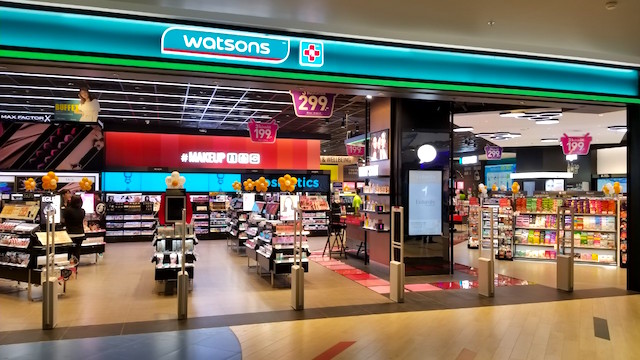
    AS Watson Group is opening its 3800th Watsons store in China.

    The new outlet is located in Kunming, the largest city in Yunnan Province, and is designed to provide one-on-one beauty services to customers supported by the fully integrated digital experience.

    “Our extensive physical store network provides unique touchpoints in over 470 cities in China, connecting us to customers through the in-store experience and digital engagement,” said AS Watson (Asia & Europe) CEO Malina Ngai. “All stores provide 30-minute ‘click-and-collect’ service and 60-minute ‘click-and-delivery’ service which are widely used and appreciated by customers. Including China, this year AS Watson Group is on plan to open 1300 new stores globally. That is, on average one new store every seven hours.”

    The new Watsons store in China, located in Living Mall of Yunnan, uses the latest retail technologies to combine online and offline (O+O) platforms. The new more than 2000sqft store is committed to providing customers with an engaging shopping experience through a wide range of Watsons offerings.

    “Building customer connectivity with our 65 million loyal members in Mainland China plays a vital role in our growth in this vibrant market,” said Watsons China CEO Kulvinder Birring. “On top of that, we have launched our Elite Card VIP program to ensure our highest-spending members enjoy the most privileged service … Going forward, Watsons China will continue to enh

  • Sands Shoppes Macao honours its top selling retailers

    Sands Shoppes Macao honours its top selling retailers

    Sands Shoppes Macao held its fifth Sands Retail Awards this week, at the Four Seasons Hotel.

    The awards honor retailers who achieved outstanding performance this year across 13 categories including best store performance, best loyalty program, best window display, best store design, and best customer service, along with a rising star.

    “While the Sands Retail Awards recognize the best of the best, all our retailers across Sands Shoppes Macao set incredibly high industry standards,” said David Sylvester, executive VP of global retail at Las Vegas Sands Corp.

    “There is huge competition for these coveted awards and the retailers who make it through have demonstrated total commitment to ensuring visitors to our shopping malls enjoy their experience here.”

    Sands Shoppes Macao Retail Awards Winners are:

    Best Store Performance – Luxury: Louis Vuitton (Shoppes at Four Seasons)

    Best Store Performance – Luxury Watch & Jewellery: Rolex (Shoppes at Venetian, Shoppes at Cotai Central, Shoppes at Parisian)

    Best Store Performance – High Street Fashion: MSGM (Shoppes at Parisian)

    Best Store Performance – High Street Watch & Jewellery: Swarovski (Shoppes at Cotai Central)

    Best Store Performance – Beauty: Temptation (Shoppes at Parisian)

    Best Store Performance – General Retail: Mannings (Shoppes at Venetian)

    Best Store Performance – Food & Beverage: Lei Garden (Shoppes at Venetian)

    Best Loyalty Program Performance – Highest Point Redemption: Fortress (Shoppes at Venetian)

    Best Loyalty Program Performance – Highest Number of Transactions: Tai Hing Restaurant (Shoppes at Venetian)

    Best Window Display: Versace (Shoppes at Four Seasons)

    Best Store Design: Apple (Shoppes at Cotai Central)

    Best Customer Service: Victoria’s Secret (Shoppes at Venetian)

    Rising Star: Sandro (Shoppes at Venetian)