Category: General

Retail News Asia is committed to providing both local and global retailers with the latest General Retail news throughout the Asian market. This on a daily base.

  • Google adds dynamic email support to Gmail on Android and iOS

    Google adds dynamic email support to Gmail on Android and iOS

    Google Docs is not the only app the Mountain View company is improving this week. As the title says, Gmail, Google’s email app is getting important upgrades on both Android and iOS platforms.

    The highlight of the latest update is dynamic email, new functionality that is now rolling out to Gmail on Android and iOS. Dynamic email lets Gmail users take action directly within a message. For example, you can respond to a comment, RSVP to an event, or manage subscription preferences directly within the email.

    Another advantage of having support for dynamic email is that the functionality can be kept up to date so that when you open an email you’ll see the most up-to-date information about the subject.

    Now, according to Google, the rollout is starting today, but it may take more than two weeks for everyone to see the functionality on their Android and iOS devices. It’s also worth mentioning that dynamic email support will be turned on by default when the functionality arrives on a compatible device.

  • Indonesia’s Alfamart plans aggressive Philippine expansion

    Indonesia’s Alfamart plans aggressive Philippine expansion

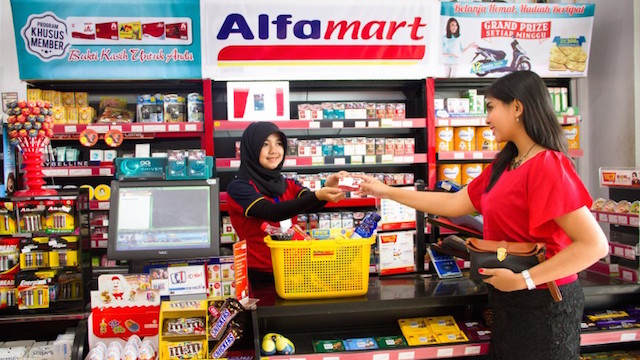
    Indonesian convenience-store chain Alfamart plans to open 100 new stores in the Philippines by year end.

    Since opening its first Philippine store in 2014, Alfamart has grown its store network to around 600 stores, which are operated by its local partner SM Retail.

    Alfamart corporate affairs director Solihin says they have set up a subsidiary named DC Properties Management Corporation, in addition to the three distribution centers, to support its expansion drive.

    In Indonesia, Alfamart currently has more than 10,000 stores, having opened its first store in 1999.

    The convenience store market in the Philippines, dominated by 7-Eleven, is forecast to continue to grow as urbanization continues at a rapid pace and consumer confidence climbs. According to SM Supermalls COO Steven Tan, “retail in the Philippines remains vigorous and upbeat”.

    “Optimism to spend among Filipinos is more than just a sentiment. We see it translating into actual consumer behavior, especially retail,” he said.

  • Japanese used luxury-goods chain Komehyo opened in Bangkok

    Japanese used luxury-goods chain Komehyo opened in Bangkok

    Japanese used designer products retailer Komehyo has launched in Bangkok.

    The CentralWorld shopping complex outlet opened on Friday in cooperation with local partner Saha Group. It is part of the firm’s drive to expand throughout Southeast Asia.

    “With no other major competitors having a presence, Thailand offers hidden opportunities for Komehyo,” said president Takuji Ishihara.

    Komehyo has set up a purchasing office near its Bangkok location to facilitate sourcing used fashion products.

  • Vietjet Air signs $140 million loans for fleet expansion

    Vietjet Air signs $140 million loans for fleet expansion

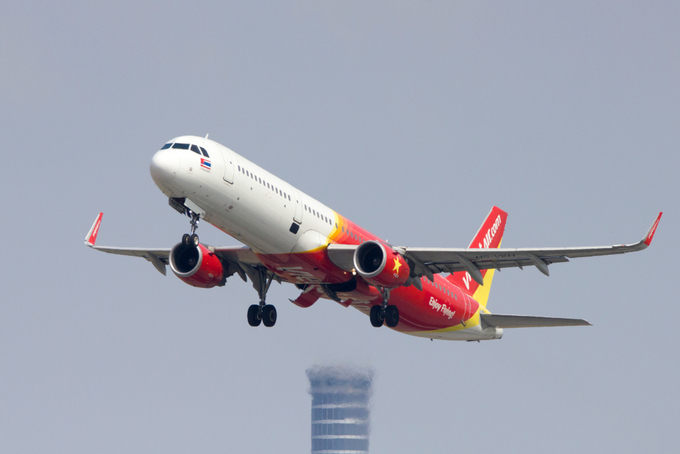
    Vietjet Air has signed a syndicated loan agreement worth $140 million with three foreign banks to fund its aircraft purchase plans.

    The lenders were South Korea’s Woori Bank and KEB Hana Bank; and the Industrial and Commercial Bank of China, the airline said in a statement Tuesday.

    The low-cost airline is eyeing new routes to the Middle East, Eastern Europe and Australia using the 20 Airbus A321XLR aircraft it ordered last month.

    The A321XLRs are scheduled to be delivered from 2023 and the carrier plans to add 10 international routes every year, Thao said.

    Vietjet currently flies 40 domestic and 66 international routes. It operates 385 flights daily within Vietnam and to places such as Japan, Hong Kong, South Korea, Taiwan, Singapore, mainland China, Thailand, Myanmar, Malaysia and India.

  • Japanese used luxury-goods chain Komehyo has opened in Bangkok

    Japanese used luxury-goods chain Komehyo has opened in Bangkok

    Japanese used designer products retailer Komehyo has launched in Bangkok.

    The CentralWorld shopping complex outlet opened on Friday in cooperation with local partner Saha Group. It is part of the firm’s drive to expand throughout Southeast Asia.

    “With no other major competitors having a presence, Thailand offers hidden opportunities for Komehyo,” said president Takuji Ishihara in a Nikkei report.

    Komehyo has set up a purchasing office near its Bangkok location to facilitate sourcing used fashion products.

  • Tse Sui Luen profits plummet as Hong Kong protests impact sales

    Tse Sui Luen profits plummet as Hong Kong protests impact sales

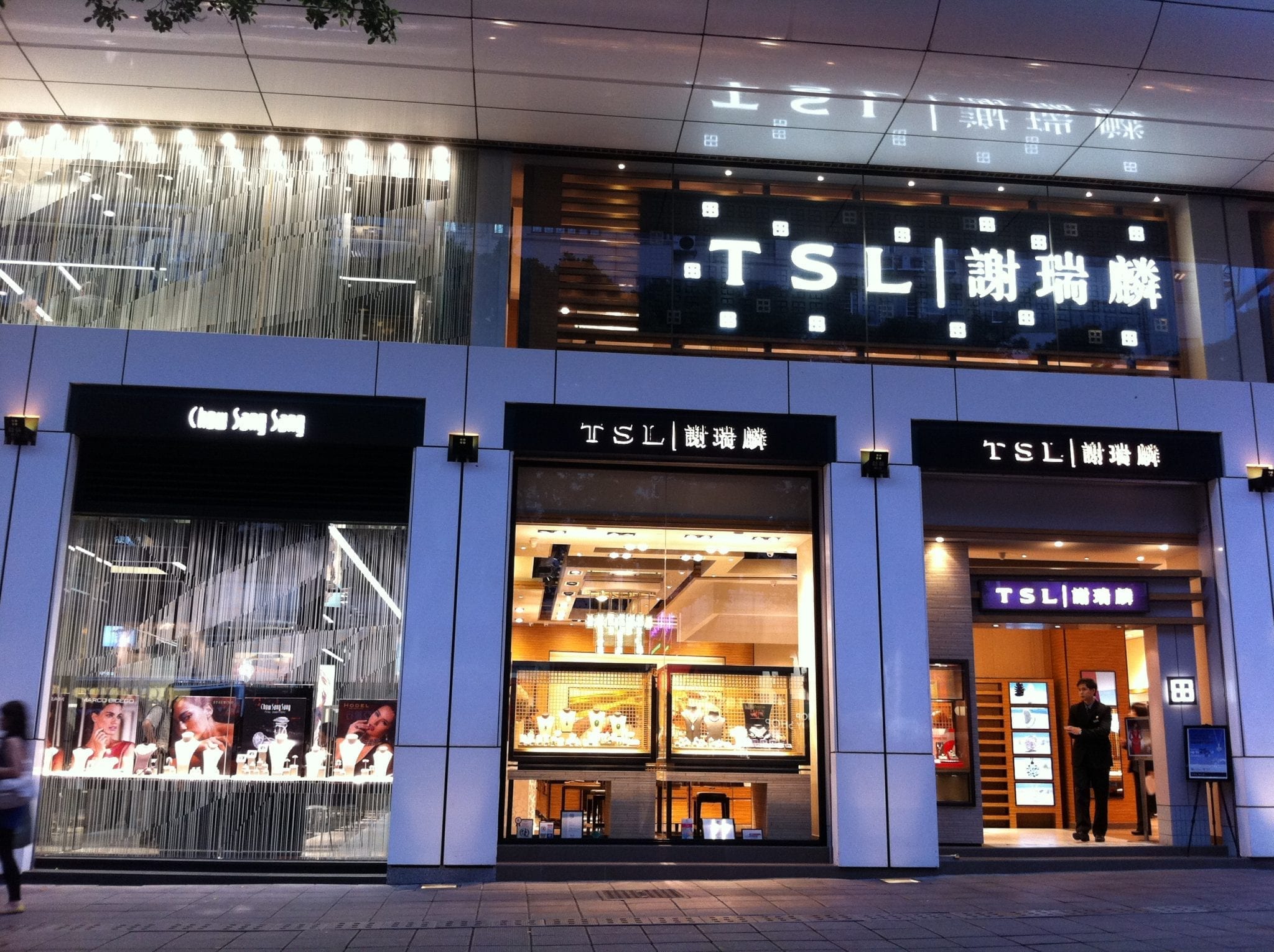
    Tse Sui Luen profits plummeted in the first half as Hong Kong protests took their toll, especially during the September quarter.

    The company, which operates stores under the TSL banner, has reported a 14 percent year-on-year decline in sales to HK$1.6552 billion  ($US211 million) while Tse Sui Luen profits attributable to shareholders fell by 94 percent to just $1.6 million ($204,000).

    Chairman and executive director Annie Lau said the year to date has been challenging for all businesses operating in Hong Kong, where TSL’s sales fell by 23.9 percent in the half-year and same-store sales were down by 26.4 percent.

    “The outbreak of citywide protests and social unrest in Hong Kong in June has, when combined with the downward economic pressure being felt from the protracted US-China trade tensions and Renminbi depreciation, all conspired to devastate our retail business in Hong Kong.”

    She said the depreciation of the Renminbi has reduced spending by mainland visitors, impacting Hong Kong sales, and shrunk earnings from Mainland China businesses in Hong Kong dollar terms, (where the company is listed).

    “While the US and China have resumed trade talks, the economic outlook remains gloomy and shrouded in uncertainties as a trade consensus continues to appear beyond reach.”

    Lau said the social unrest since June has weakened local consumer sentiment and the protests have made it challenging for retailers to operate.

    “The hardship the local retail industry is facing is likely to persist or even worsen in the remainder of this financial year.”

    She said the company was continuing to optimize its store network in Hong Kong and work with landlords to reduce its rental costs.

    In Mainland China, TSL sales through self-operated stores were down by 8.5 percent overall and same-store sales fell by 7.5 percent, “mainly attributed to the protracted US-China trade war with tit-for-tat tariffs”.

    During the six months, seven new self-operated stores and 41 new franchised stores were opened, taking the Mainland China network to 448.

    “Going forward, we will take a cautious approach and optimize our retail network in Mainland China with the volatile market conditions being taken into consideration,” said Lau.

    Meanwhile, TSL has now expanded its Malaysia store network to six after opening at Mid Valley Southkey Megamall in April. Sales there were up 16.5 percent.

    On a more positive note, TSL’s e-commerce business grew by 27.7 percent year on year.

    “We believe that this sector will grow to be a significant source of revenue for the group going forward,” said Lau. “Encouraged by the great response received from the group’s official website for Mainland China, we are working on developing an official website for Hong Kong and establishing our online presence on e-business platforms in order to further facilitate the online-to-offline and offline-to-online retail practice.”

  • Liverpool FC opens store next month in Singapore

    Liverpool FC opens store next month in Singapore

    The first Liverpool FC Singapore store will open its doors next month, the football team’s second shop in Southeast Asia after Bangkok.

    Singapore’s Reds fans can find their favourite merchandise such as football jerseys at the new store, located at Bugis Junction shopping centre.

    Earlier this month, the store has announced via Instagram that it is looking forward to the opening of the Liverpool FC’s first official store in the city.

    “Bugis Junction is the 10th LFC Official Club Shop after Anfield, Williamson Square, Chester, Liverpool One, Birkenhead, Dublin, Belfast, Abu Dhabi and Bangkok,” wrote a Zulkiflee Marzuki on Facebook.

    Another store in Kuala Lumpur ceased trading in March 2019.

    The store’s exact opening has yet to be disclosed.

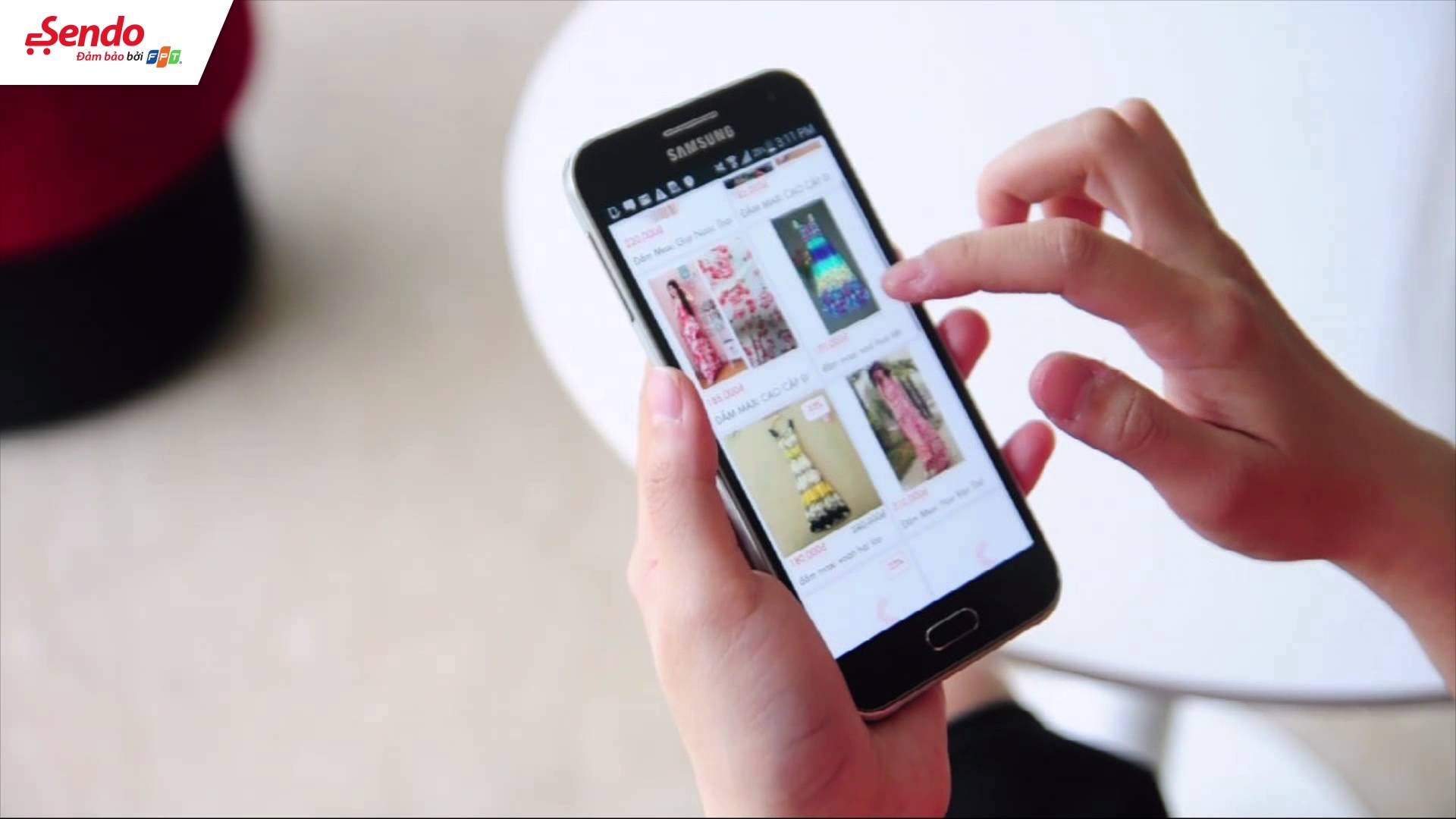
  • Sendo wins funding, overtakes Tiki in Vietnam

    Sendo wins funding, overtakes Tiki in Vietnam

    In this financing round, its largest to date, Sendo has been backed by its existing investors including SBI Group, Beenos, SoftBank Ventures Asia, Daiwa PI Partners, and Digital Garage together with new investors such as EV Growth from Indonesia, and Kasikornbank from Thailand.

    According to a statement, the funds will be used to expand the breadth of its existing integrated platform offering to both sellers and consumers, as well as to “further deepen its technology moat with AI and machine learning to enhance the overall consumer journey experience”.

    “While we have hit our annualized gross merchandise volume (GMV) target of US$1 billion earlier than expected, we care much more about meaningful and sustainable GMV growth, which we believe has to come from consumer stickiness owing to a great shopping experience,” said Hai Linh Tran, co-founder and CEO of Sendo, pictured above.

    “Sendo’s integrated ecosystem spanning marketplace, advertising, logistics and financial services is designed to ensure that, and that goes well with our monetisation strategy into multiple revenue streams and ultimately, our path to profitability.”

    Senior partner and MD of Softbank Ventures Asia, Daniel Kang, said Sendo’s strength in using the capabilities of its partners within the ecosystem has essentially created a win-win for merchants, advertising companies and financial institutions. “The company’s marketplace model is well-aligned to address the needs of typical Vietnamese sellers and consumers, and more importantly, to empower them,” he said.

    According to a recent report from iPrice, Sendo has become the second-most downloaded app and the second-most visited e-commerce website in Vietnam, overtaking its domestic rival Tiki which is 25.65 percent owned by Chinese e-commerce giant JD. Both Sendo and Tiki are concentrating solely on the Vietnam market,rather than expanding into other countries as its rivals are. Regional player Shopee remains number one.

    Sendo now boasts more than 500,000 sellers, with an estimated 17 million SKUs listed on its platform. The company serves more than 12 million customers across across the country.

  • For Sale: The World’s Most Exclusive Playing Cards

    For Sale: The World’s Most Exclusive Playing Cards

    You might think that a set of playing cards is a fairly cheap item that most people pick up in a convenience store or in an airport shop planning to use them to while away the time. While this is true of most sets, there’s a growing trend for retailers to stock more expensive and exclusive sets for people who also value them as collectors’ items or who want to make playing a card game a more exclusive experience.

    The history of playing cards goes back a long way with the first versions dating back to China in the first century AD. None of these survive and the oldest set currently on display date from the Middle East in the 15th century and can be seen in Istanbul’s Topkapi Palace.

    Whether any of these five examples of today’s most sought after sets will find themselves in a museum in 500 years’ time is impossible to predict.

    1. Smoke and Mirrors Gold Private Reserve

    Only 2,500 sets of these cards have ever been produced by the D & D Card Company and they are only available to those willing to visit the company’s San Diego showroom, which is only open by appointment. Each pack is individually inspected before being wrapped in gold foil and presented in a gold box.

    2. The Black Limited Edition Reserve Note

    Designed as one of series of sets using US banknotes as inspiration, the dramatic red and black design has found particular favour with players of blackjack, even if they’ve honed their skills and knowledge of blackjack rules online and then go on to use their expertise in a “live” game made even more special by these cards.

    3. Scarlett Tally-Ho Legacy Edition

    Funded by a Kickstarter promotion in 2015, the Scarlett Tally-Ho Legacy Edition was limited to just 50 sets, hence their extreme rarity value and prices of around $600 for each one. The cards were designed by Jackson Robinson making wide use of his favourite colour, red, and packed in a wooden case personally signed by the designer.

    4. White Centurions

    These cards really captured the public imagination when illusionist Chris Kenner used them in his famous Blueprint trick. As a result all of the 1,100 sets that had been produced sold out pretty much immediately and when they do appear for resale today you can expect to pay well over $300 to get your hands on them.

    5. Zenith

    Zenith was the very first design to be released by manufacturer Encarded‘s Signature Series in 2014 and has proved to be the rarest and most sought-after. The cards were designed by Paul Carpenter and use a silver holographic design on the back – thought to still be a unique playing card feature today.

    While these are all cards which have been on sale for some time now, rest assured that many more limited editions are still being produced which make superb retail items with a ready and willing group of customers prepared to pay the price. So why not start your search for some now?


  • VivoCity launches Asia’s first instant parking-rewards programme

    VivoCity launches Asia’s first instant parking-rewards programme

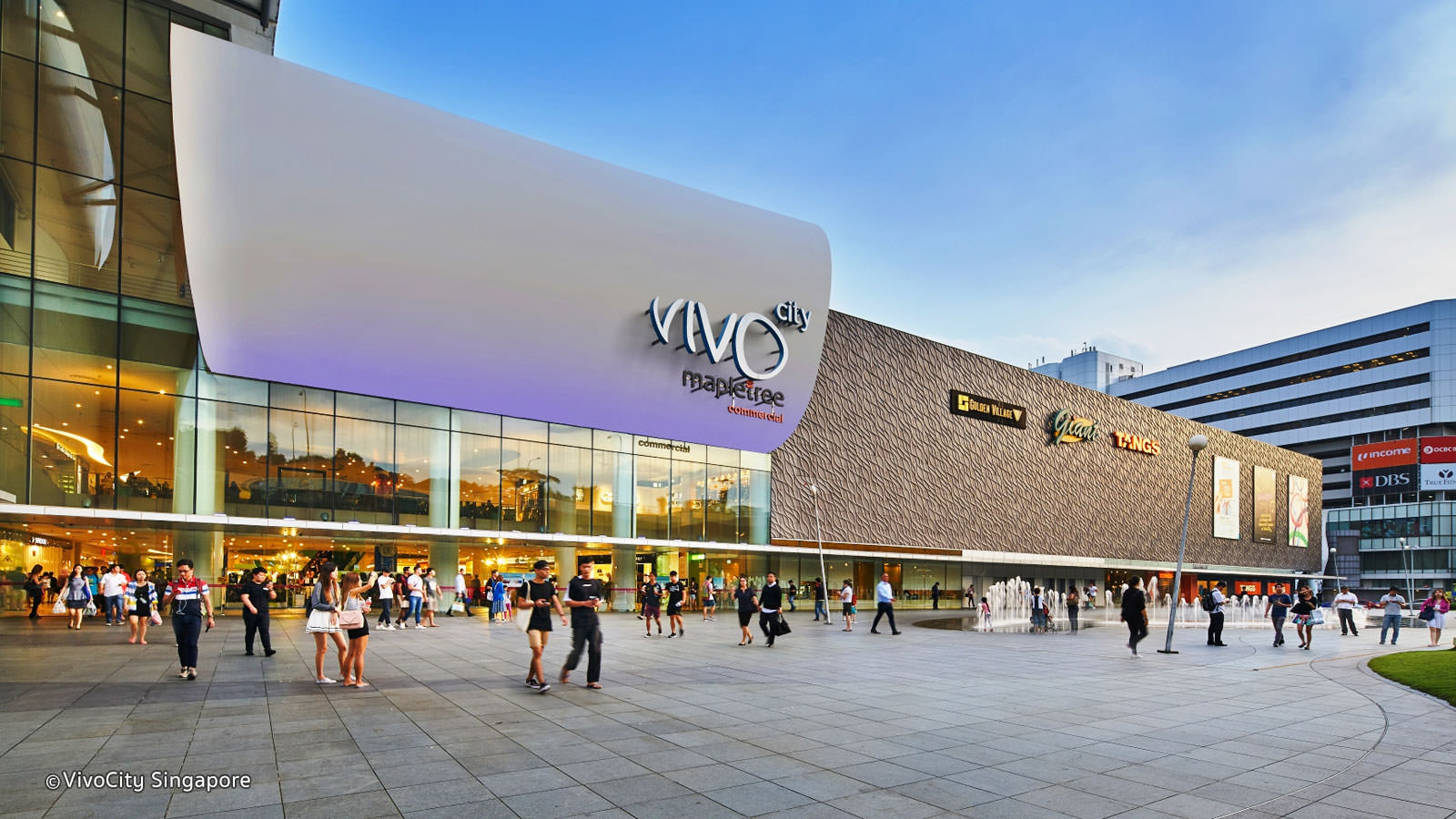
    VivoCity has partnered with DBS Bank to launch Asia’s first instant parking-rewards program.

    DBS customers can link their VivoRewards account to their DBS PayLah! account to earn points for purchases charged to an eligible DBS/POSB payment mode at VivoCity. Points earned will be applied to parking charges.

    “We work closely with merchants across Singapore to optimize their payments journey,” said Jeremy Soo, head of DBS consumer banking group in Singapore. “With our focus on using digital technologies to perfect customer experiences, we are able to work with our partners to co-create seamless and hassle-free experiences for their customers across multiple touchpoints.”

    The purpose of the new program is to bypass the usual “shop, scan, upload” method. Now,  by tapping onto DBS’ API and technology platforms, VivoCity can process eligible transaction information in real-time, calculate and award points instantly, increasing the program’s efficiency and accuracy.

    “It’s long been a bugbear for customers, having to collect receipts and wait for days before parking rebates are processed in a typical mall. We’ve been able to achieve a new payment milestone by eliminating this process altogether, so customers are able to receive rebates instantly and can focus on enjoying themselves at the mall,” Jeremy said.

    Head of retail management at Mapletree Commercial Property Management, Charissa Wong, said the introduction of the DBS x VivoRewards Instant Rewards Programme is part of an ongoing effort to enhance customers’ experience at VivoCity.

  • Duty Free Philippines opens high-end downtown duty-free store

    Duty Free Philippines opens high-end downtown duty-free store

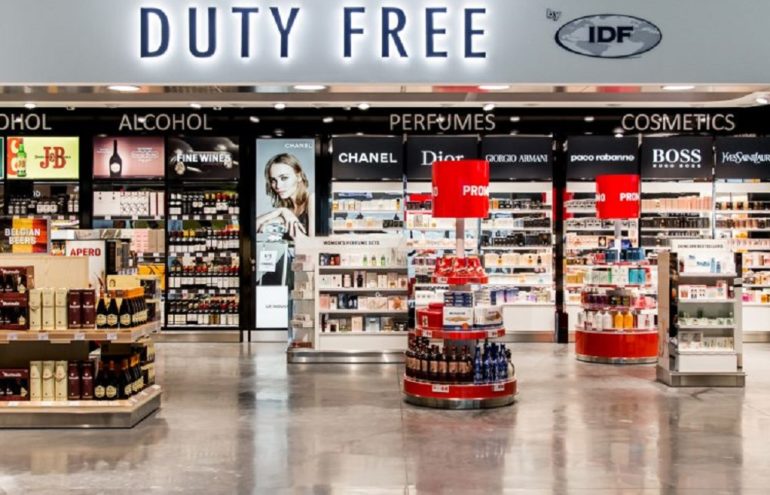
    Duty Free Philippines Corporation has opened a new downtown duty-free store called Duty Free Luxe at the Mall of Asia in Pasay City.

    Duty-Free Luxe offers high-end brands across categories including fashion, cosmetics, fragrance, confectionery, wine and spirits. It also houses an all-Filipino concept store Marahuyo, which sells curated high-end local brands, including the luxury handmade accessories brand Aranaz.

    Duty Free Philippines COO Pelagio Angala said the opening is aimed at addressing the fast-growing trend of selling duty-free products outside airports, and forms part of Duty Free Philippines ́s commitment to promote the country as a premier shopping destination.

    “We acknowledge our vital role and to stay ahead of our competitors and to strengthen the Philippines as a great destination for travellers, we continue to explore ways to offer unique and extraordinary experiences that cannot be replicated easily,” says Angala.

    Duty Free Philippines is a government corporation tasked with operating duty-and tax-free stores across the country. Since its first operation in 1987, Duty Free Philippines has expanded its network to include Fiestamall in Paranaque City, duty-free stores at the arrival and departures areas at Ninoy Aquino International Airport Terminals 1, 2 and 3, and a store at the Waterfront Hotel in Cebu, among others. Half of its revenues are remitted to the Department of Tourism to support tourism projects in the Philippines.

  • FamilyMart Japan culls staff as store network shrinks

    FamilyMart Japan culls staff as store network shrinks

    FamilyMart Japan is reducing its operational costs by letting go 800 employees.

    The redundancies equate to about one in 10 of the convenience-store operator’s total staff count, and will be offered with severance packages for volunteers who opt to leave the firm. Moves will also be made to allow the brand’s franchisees to operate shorter opening hours.

    “We got bigger after the repeated consolidations, but we have yet to streamline,” said FamilyMart Japan president Takashi Sawada in a Nikkei report. “Even if there isn’t an agreement with the home office, we will respond in accordance with the intent of what member stores decide.”

    The staff cuts follow a gradual reduction in outlets from 18,000 in 2016 to 16,500 this year.

  • Google’s Checking Accounts May Help Banks Boost Deposits

    Google’s Checking Accounts May Help Banks Boost Deposits

    Google’s newly announced checking account service could aid banks in their battle for consumer deposits, as digital-only banks lure away customers with friendly mobile apps and higher interest rates.

    The technology giant last week said it is partnering with Citigroup and Stanford Federal. The move could help U.S. financial institutions retain customers or add new ones as the industry contends with slowing growth in deposits amid rising competition from digital-only banks, analysts say.

    The growth at the biggest U.S. banks slowed to 2.2 percent last year, the lowest level recorded since 2010, according to data compiled by Bloomberg Intelligence. Consumers have flocked to newer, digital-only banks at an increasing pace, as digital banks offer flashy mobile apps and sometimes higher interest rates for their savings.

    As Citigroup debuted its national digital bank and restructured its U.S. consumer operations last year, it brought Anand Selva from its Asia business to lead the new unit. Average deposits in the firm’s U.S. retail banking arm have climbed 2.9 percent this year to $186 billion.

    Citigroup’s partnership with Google could mark another major milestone for Selva, who has likely gained insights from the firm’s partnerships with Paytm and Grab in Asia. Paytm is India’s largest payment platform while Grab is Southeast Asia’s dominant ride-hailing app.

    Similar to how airlines act as an account acquisition tool for credit cards, banks would be using Alphabet’s Google as a way to add customers, said Betsy Graseck, an analyst at Morgan Stanley in a research note. This is not attaching your current checking account to Google Pay. It must be a new checking account, she wrote.

    For Google, the bank partnerships will give the tech giant bigger muscles to show advertisers how marketing dollars spent on its system can drive purchases, notes Graseck. In a Morgan Stanley survey, consumers expressed high levels of confidence in Google’s ability to offer banking services, she said.

  • The first ever DFS T Galleria at sea to open on board Dream Cruises ships

    The first ever DFS T Galleria at sea to open on board Dream Cruises ships

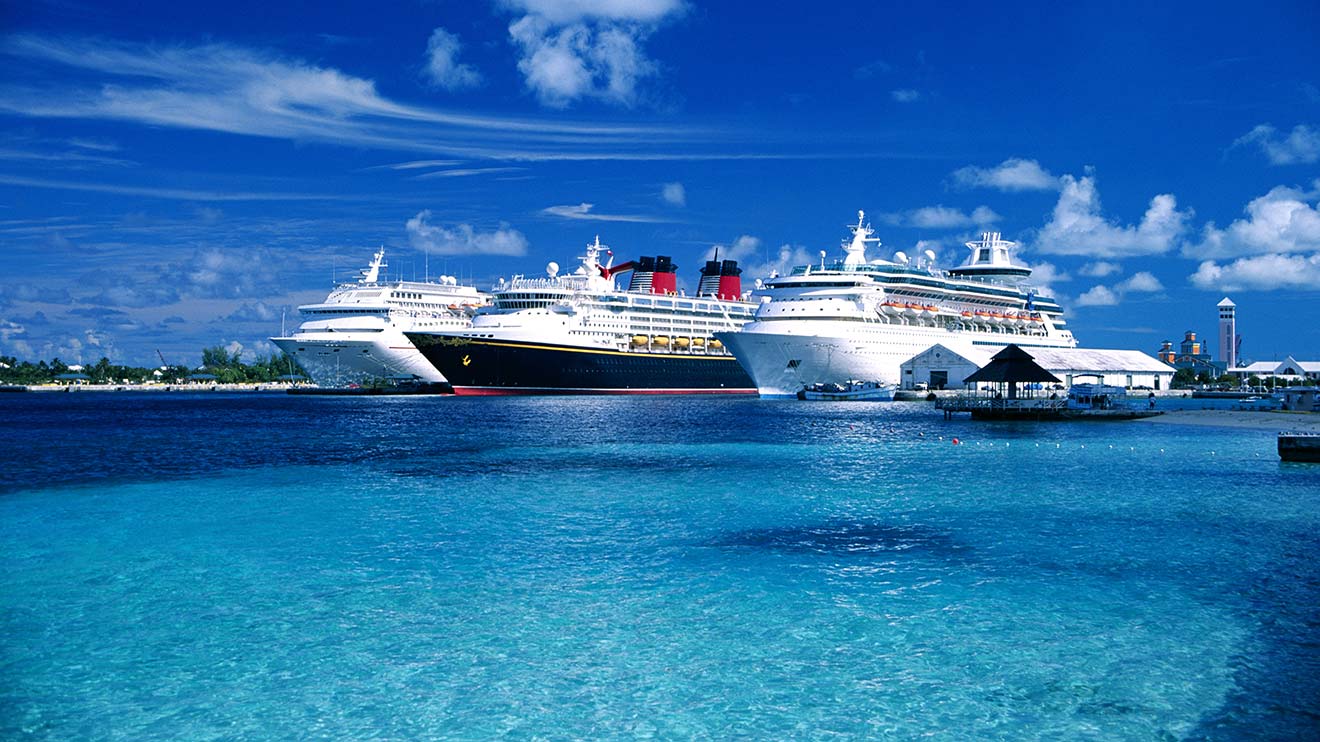
    Luxury travel retailer DFS Group is to launch its retail concept T Galleria at sea onboard Dream Cruises’ two new global class ships, Global Dream and its yet-to-be-named sister ship.

    The launch is a result of a partnership between DFS Group’s sister company Starboard Cruise Services and Genting Cruise Lines, the owner of Dream Cruises, along with other cruise line brands Crystal Cruises and Star Cruises.

    Starboard Cruise Services is a premier retailer at sea, providing retail operations for eight cruise line partners around the world. The company is part of the luxury goods conglomerate LVMH Group, which also the majority owns the Hong Kong-based DFS Group.

    The T Galleria at sea retail spaces at these ships will span around 18,000sqft, offering various categories, including fashion and accessories, beauty and fragrance, watches and jewelry, and food and gifts. The retail offering will include a combination of brand firsts, product introductions and activations, culminating in a seamless experience that is specifically curated for the guests.

    “DFS is proud to partner with its sister company, Starboard, on this first-of-its-kind travel retail opportunity. Starboard’s expertise in cruise retail, coupled with DFS’ skill in curating products and experiences for the global traveler, make it the perfect match for the world’s two largest passenger cruise ships,” said DFS Group CEO and chairman Ed Brennan.

    Dream Cruises’ two new global class ships will weigh in at approximately 208,000 tons and are expected to accommodate 9000-plus passengers and 2500 crew during peak holiday seasons, making them the world’s largest cruise ships by passenger capacity.

    “Dream Cruises is delighted to continue its long-standing collaboration with Starboard and to welcome the first DFS T Gallerias at sea onboard our new global class ships. With Genting Cruise Lines’ over 25 years of experience operating cruise ships in Asia, we know that retail and shopping is an important component of our guests’ vacation plans, and we are excited to have the highly coveted brands that both Starboard and DFS represent available on our ships,” said Kent Zhu, president of Genting Cruise Lines.

    Starboard and Dream Cruises have been partners since 2016 when the former opened a boutique at its Genting Dream cruise ship and continued through the latter’s subsequent ships, World Dream in 2017 and Explorer Dream in 2019.

    Global Dream will focus on taking Asian travelers around the world to destinations including Australia, New Zealand, the Baltic Sea and the Mediterranean from early 2021.

    “We invite everyone to come on board to experience our innovative facilities, thoughtful amenities, impeccable service, authentic Chinese cuisine and the largest variety of Asian and International dining at sea,” said Zhu during a presentation at August’s IBTM China.

  • Miniso Hong Kong shutters retail stores

    Miniso Hong Kong shutters retail stores

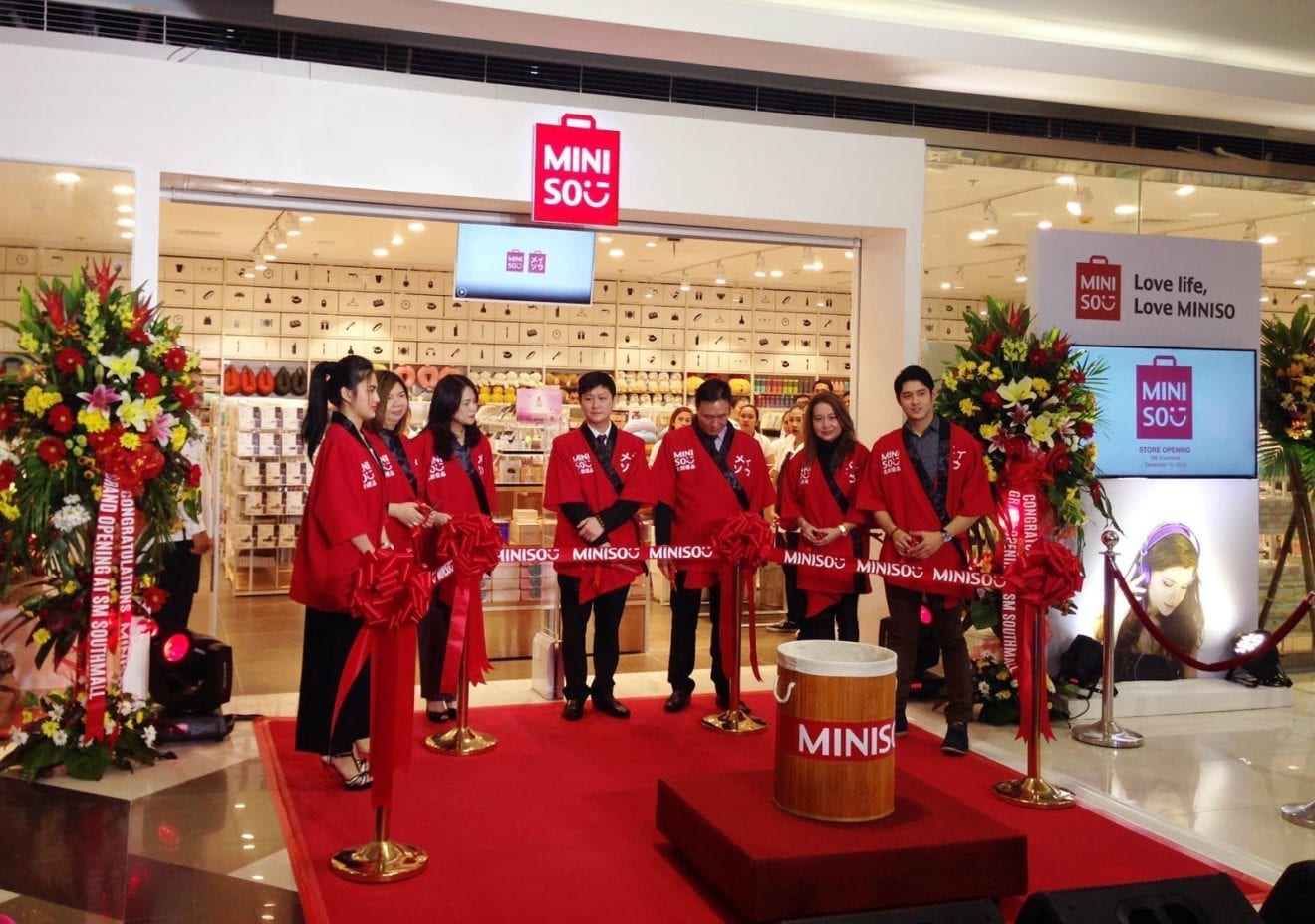
    Miniso Hong Kong has shuttered all of its 50 stores since November 14 citing ongoing protest action – and reportedly won’t be paying staff for the week.

    A leaked internal memo was sent to staff advising them of a seven-day closure and giving them just one day’s notice. According to Apple Daily, the decision was made on the basis of ensuring “employee’s safety”. However, staff members will not be paid for the enforced week off and any days of leave requested and falling due over the period will still be deducted from leave due.

    Miniso Hong Kong is one of the retailers listed by the protest movement which supporters have been asked to boycott. Store brands on the list have been targeted by protestors and graffitied for being China-owned.

    Miniso Hong Kong had already attracted negative consumer sentiment since its launch in the territory, being dubbed a ‘China copycat’ of Japanese labels Muji and Uniqlo, all the while trying to position itself in the market as a Japanese design store.

    During ongoing protests, activists have identified and categorized retailers as ‘blue’ or ‘yellow’ with the majority of the latter being supported as independent local businesses, versus pro-China large corporate chain stores.

    Whilst protestors have been actively boycotting businesses, some chains such as grocer Best Mart 360, have been vandalized. In Best Mart’s case, protestors allege the CEO is associated with the federation behind the Fujian triad gangs which have attacked Hong Kong citizens protesting against the government.

    Another company impacted is Maxim’s Group, a part-owned subsidiary of Dairy Farm International, picked on after Maxim’s founder’s daughter Pansy Ho repeatedly denounced protestors and labelled them rioters. Ho has no management role with Maxim’s Group.

    The company operates the Starbucks franchise in Hong Kong and a number of outlets have been vandalised, including one in Jordan yesterday.