Category: General

Retail News Asia is committed to providing both local and global retailers with the latest General Retail news throughout the Asian market. This on a daily base.

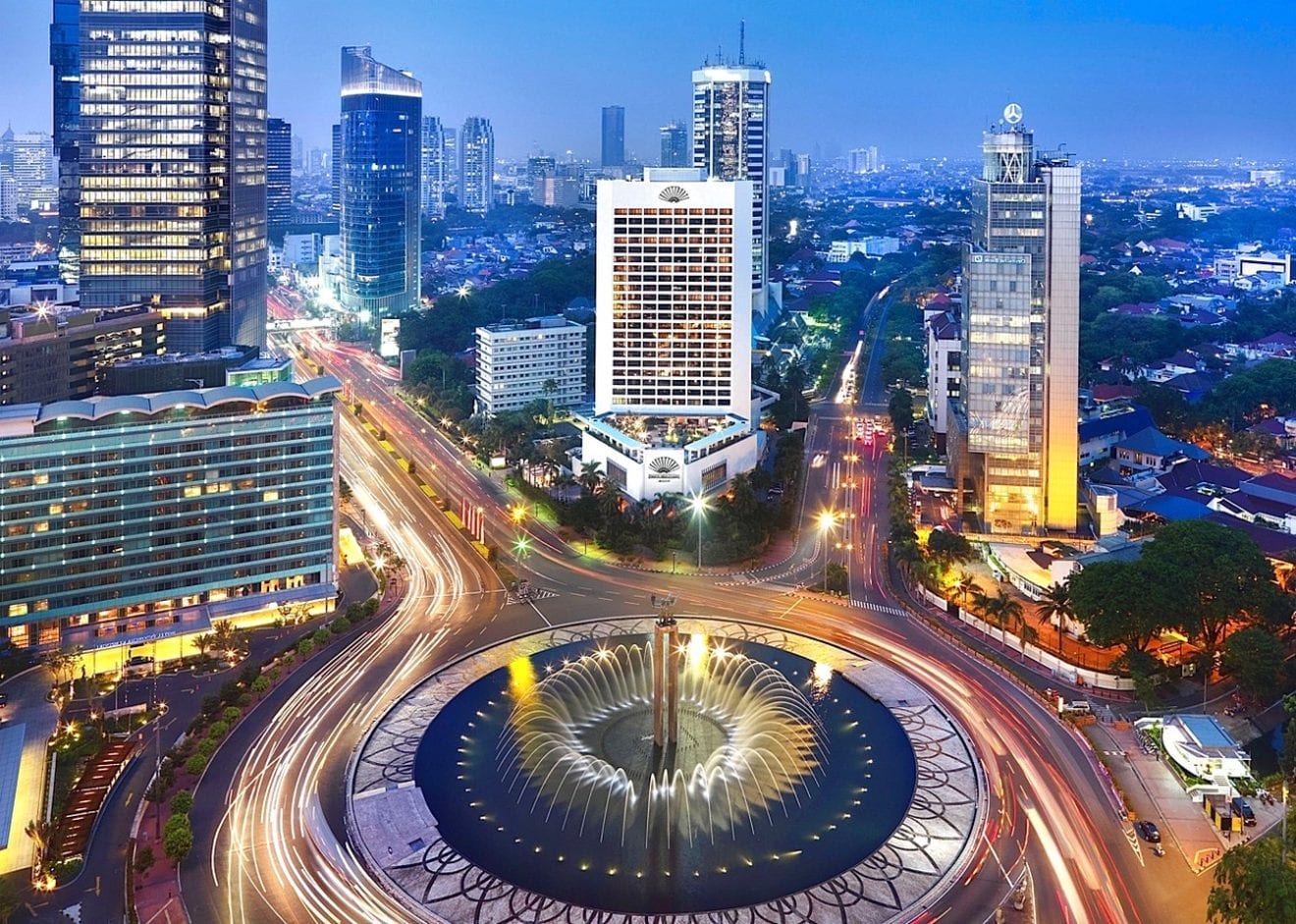
  • September Indonesia retail sales edge up 0.7 per cent

    September Indonesia retail sales edge up 0.7 per cent

    September Indonesia retail sales rose 0.7 percent year on year.

    Real Sales Index of Bank Indonesia showed that the country’s retail sales maintained positive growth despite falling 1.1 percent in August. Most of the growth was driven by sales of automotive spare parts and accessories and household equipment.

    Sales in October are anticipated to grow by 2.9 percent as sales in automotive spare parts and accessories, information equipment and communications, and food, beverage and tobacco groups are projected to continue the momentum.

  • Robinsons Retail profit dips despite sales growth

    Robinsons Retail profit dips despite sales growth

    Robinsons Retail reported a drop in profits during its third-quarter despite significant growth in net sales.

    The firm booked PHP1.25 billion (US$24.7 million) net income compared to PHP1.39 billion ($27.4 million) during the same period last year.

    The decline is thought to be due to changes in the Philippine Financial Reporting Standard 16, which had an impact on the firm’s method of presenting accounting results.

    At the same time the firm registered a 24.2-per-cent rise in net sales to PHP38.95 billion ($769 million). A statement from the firm attributed the sales jump to the opening of new stores over the past year as well as its addition of Rustan Supercenters, greatly enhancing the firm’s supermarket business.

    Robinsons Retail operates 1918 outlets in the Philippines.

  • WhatsApp makes changes to privacy controls on Android devices

    WhatsApp makes changes to privacy controls on Android devices

    WhatsApp has just announced it’s making some changes to the privacy settings for groups that it rolled out back in April. Several months ago, WhatsApp added new privacy settings for groups, which would give Android users more control over the group messages they receive.

    To enable it, you’ll have to go to Settings in WhatsApp, then tap Accounts / Privacy / Groups and select one of three options: Everyone, My Contacts, or My Contacts Except. Well, the third option has been added today and replaces the “Nobody” option which was originally added back in April.

    The changes are based on feedback from users during WhatsApp’s initial rollout to give them even more control over the contacts that they don’t want to receive messages from. The new My Contacts Except option lets users choose to exclude specific contacts or “select all.”

    WhatsApp announced that the update that contains the new changes is rolling out to Android users worldwide this week, so if you’re seeing a new version of WhatsApp in the Google Play Store, then you should have the new feature available after you update.

  • Google creates the App Defense Alliance to guard against malware-laden Android apps

    Google creates the App Defense Alliance to guard against malware-laden Android apps

    It almost seems like we have been writing more stories about malicious Android apps than ever before. Many of these play video ads in the background, sign up for premium services without the phone owner’s knowledge, share personal information and more. And some of these apps have icons that disappear from the app drawer making them incredibly hard to uninstall. The majority of these apps are designed to generate revenue for the bad actor(s) behind them.

    Yes, most of these apps were sourced from the Google Play Store which might have surprised a number of Android users. After all, Google runs a safety check on apps before they are downloaded. This feature, Google Play Protect, is also supposed to warn users if it has discovered a harmful app and remove any malware-laden apps it finds on an Android device. But a number of infected apps do make it through.

    Google says that “fighting against bad actors in the ecosystem is a top priority.” To prove this, Google announced today that it teaming up with mobile security firms ESET, Lookout, and Zimperium to create the App Defense Alliance. Google says that it picked these firms because of their past successes in finding potentially harmful apps, their dedication to improving the Google ecosystem, and the recognition they have received from analysts.

    The main priority for the Alliance is to prevent bad apps from getting installed on users’ devices. So Google will integrate its Google Play Protect detection system with the scanning engines used by the other Alliance members. Google says that this will “generate new app risk intelligence as apps are being queued to publish. Partners will analyze that dataset and act as another, vital set of eyes prior to an app going live on the Play Store.” But the main question is whether these extra eyes will help to tighten things up in the Play Store. The partners look for Potentially Harmful Applications (PHAs) both inside and outside the Play Store. By starting the Alliance, members will share their information with Google in a more timely fashion helping the members detect malware earlier than before.

    Google says that by working as a team to share information with each other, the App Defense Alliance will help secure Android from attacks around the world. The company adds that it is the best way for it to stay one step ahead of the bad actors and keep malware out of the Google Play Store. The Alliance even has a mission statement that reads, “Our number one goal as partners is to ensure the safety of the Google Play Store, quickly finding potentially harmful applications and stopping them before they ever make it onto Google Play.”

    As we’ve pointed out before, one of the best ways to avoid loading malware on your Android device is to look at the comments section on an app’s Google Play Store listing. You’ll be surprised at how many times an app full of malware is outed by a poor review. For example, take this review for an app that contained adware: “I thought I’d try this app by downloading it and that was a nightmare, couldn’t find it in my apps nowhere and then the app just started running ads flashing them on and off, couldn’t make them stop until I restarted it, then had to go back to Play Store just to find it again and I’m deleting it.” Check out the comments section before installing an app from an unknown developer and you might save yourself a headache.

    As we mentioned, some of these malicious apps are designed to disappear from the app drawer after installation and sometimes a factory reset is the only option available to get rid of a particularly pesky piece of malware. But late last month, we told you about malware that re-installs itself even following a factory reset. Hopefully, as Google says, the creation of the App Defense Alliance will keep Android users one step ahead of the bad guys.

  • AirAsia bags Airline Treasury Team of the Year award

    AirAsia bags Airline Treasury Team of the Year award

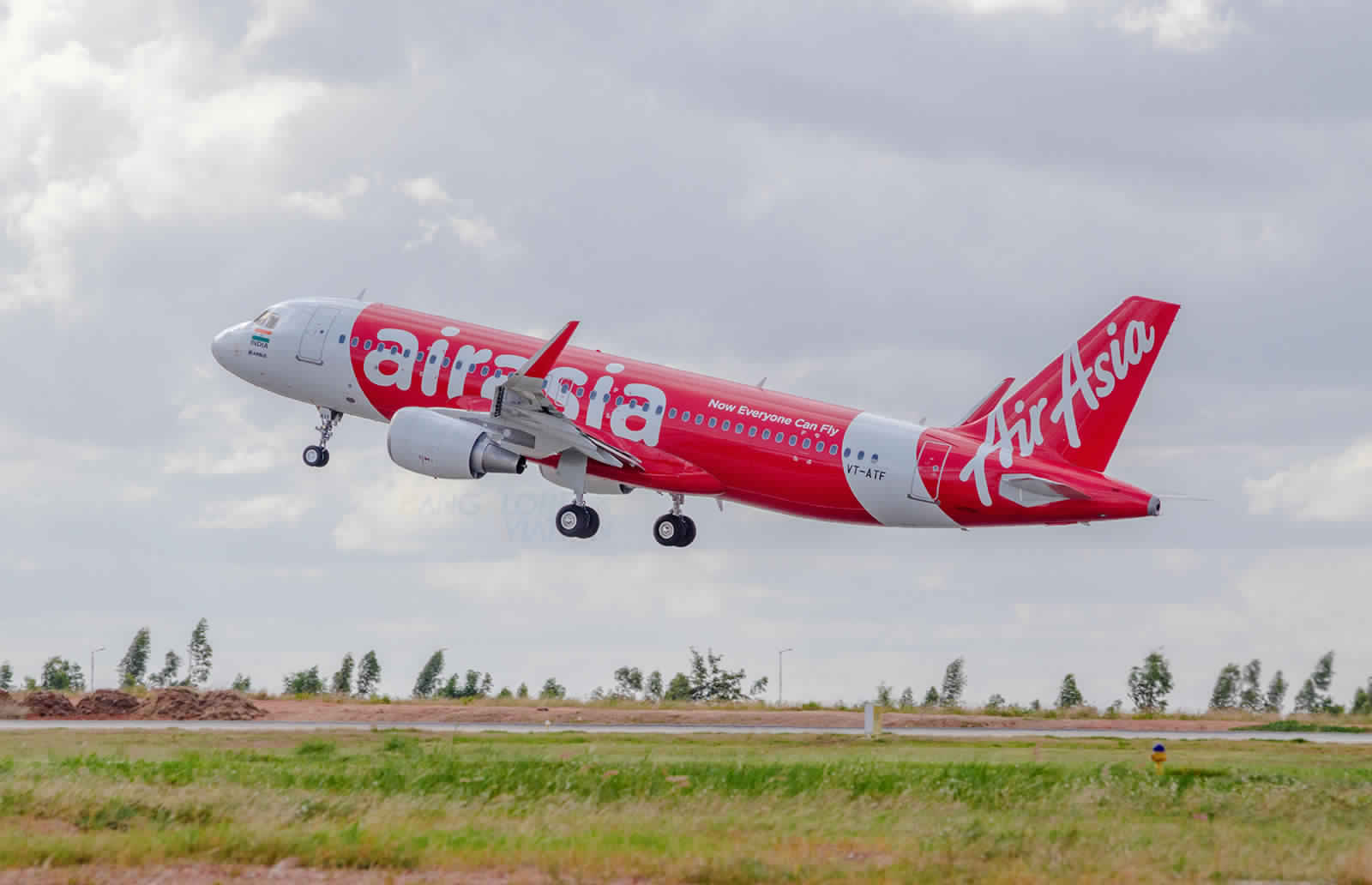
    AirAsia has bagged the Airline Treasury Team of the Year at the Asia Pacific Aviation 100 awards.

    In a statement today, the low-cost carrier said the Airline Economics Magazine Aviation 100 awards recognize the air travel industry’s most outstanding performers, as well as the most innovative and successful finance and leasing deals,  closed in the last 12 months.

    AirAsia said it won the Airline Treasury Team of the Year based on the company’s efficient fundraising deals that translated to strong financial performance as well as impressive fleet expansion activities.

    In the 2018-2019 year, AirAsia sealed two major aircraft portfolio deals with BBAM and Castlelake LP for a combined US$3.6 billion.

    The completion of the two transactions involved more than 100 aircraft and proved the team was not only efficient in their fundraising efforts, but also able to design financing structures which were not prevalent in typical aircraft financing transactions.

    This year, AirAsia also made global headlines with two significant commitments for new aircraft.

    At the 2019 Paris International Airshow, the company announced it would upsize its future Airbus single-aisle fleet, by converting orders for 253 Airbus A320neo to the larger Airbus A321neo.

    In August 2019, its long-haul affiliate AirAsia X expanded its order book with Airbus by signing a US$5 billion agreement for 12 Airbus A330-900 and 30 A321XLR aircraft.

    AirAsia Group Bhd chief executive officer Tan Sri Tony Fernandes said the sale of its aircraft leasing operations was the culmination of a long-running strategy to dispose of the group’s physical assets, and by doing so, it was able to monetize the aircraft at high prices and reduce residual risk.

    “This strategy has allowed us to invest that cash into a fleet expansion program and our many digital ventures, while at the same time provide shareholder returns and accelerate our vision to become Asia Pacific’s leading travel and financial platform company.

    “This would not have been possible without my incredible aircraft finance team, and I can’t think of anyone else more deserving to win Airline Treasury Team of the Year,” he said.

  • Vietnam suspects $4.3 bln worth of aluminum imported for origin fraud

    Vietnam suspects $4.3 bln worth of aluminum imported for origin fraud

    Vietnamese authorities suspect $4.3 billion worth of aluminum has been imported with the intent of being exported to the U.S. relabeled as made-in-Vietnam products.

    Vietnam Customs recently discovered signs of origin fraud in 1.8 million tons of aluminum imported by Global Vietnam Aluminum Ltd in the central Ba Ria-Vung Tau Province.

    General Director of Customs Nguyen Van Can say at a press briefing Monday that although the company has a production chain to produce aluminum bars, it was still importing billions of dollars worth of the same products from China and other countries, possibly because it wants to gain from the different duties the U.S. imposed on them.

    The U.S. imposes a duty of 15 percent on Vietnamese aluminum, but up to 374 percent on Chinese aluminum.

    Apart from China, the company also imported aluminum from Mexico, Australia and Russia to be exported to Canada, the U.S., Egypt and India.

    However, data from Vietnam Customs show that although the company has been importing 488,000 tons a year since 2015, the volume of its exports is only 80,000 tons or 16.3 percent of imports.

    For this reason, the 1.8 million tons of aluminum remain in the company’s storage space and is being closely surveilled by Vietnam Customs.

    Vietnamese authorities are increasing scrutiny on product origins and tightening issuance of a certificate of origin for exports as part of efforts to stop trade fraud, Deputy Minister of Trade and Industry Tran Quoc Khanh said in July.

    Vietnam recorded a trade surplus of $37.9 billion with the U.S. from January to October, up 33.4 percent year-on-year, according to the General Statistics Office.

  • AirAsia India plots growth to 100 aircraft by 2025

    AirAsia India plots growth to 100 aircraft by 2025

    AirAsia India is planning to accelerate its growth and hopes to increase its fleet fourfold to 100 aircraft in the next five years, an unnamed company source told industry publication TravelBiz Monitor.

    “We have firmed up plans to add 14-15 planes every year starting next year for the next five years. We have remained a small player in the Indian market till now with just 23 planes, which will increase to 29 planes by the end of December,” the executive said.

    According to the ch-aviation fleets advanced module, the Indian LCC, a 51/49 joint venture between Tata Sons and AirAsia Group, currently operates twenty-three A320-200s and is in the process of adding the twenty-fourth unit.

    The airline will be adding aircraft both transferred from other AirAsia Group units and directly from lessors. Out of its current 23-strong fleet, 11 aircraft were previously operated by AirAsia, while the remaining 12 came from other carriers.

    The carrier said earlier this year that its growth plans for 2020 include the addition of the first A320-200neo.

    AirAsia India will focus its growth on existing routes as it plans to add more frequencies rather than launch new, low-frequency routes.

    “There is no point staying a marginal airline on various routes. The focus will rather be on strengthening our position on routes that we are in,” the executive said.

    According to the ch-aviation capacities module, AirAsia India has a 6.8% market share by capacity on the Indian domestic market, compared to 46.4%, 16.0%, and 10.5% shares of its LCC rivals IndiGo Airlines, SpiceJet, and GoAir.

    Meanwhile, the carrier’s Malaysian parent said it will add capacity on its Kuala Lumpur Int’l-Singapore Changi route, using A330-300s operated by AirAsia X to launch an additional two daily services between the cities. According to the ch-aviation schedules module, AirAsia currently operates 59x weekly between Kuala Lumpur and Singapore with all flights operated by A320-200s.

    The carrier’s A320s seat up to 180 passengers, while AirAsia X’s A330-300s have 365 economy class seats and 12 premium class seats. AirAsia has a 21.6% market share by capacity on the Kuala Lumpur Int’l-Singapore Changi market.

  • Harvey Norman first to launch Microsoft Synchronized Shopping software

    Harvey Norman first to launch Microsoft Synchronized Shopping software

    Harvey Norman has become the world’s first retailer to launch a new AI-powered retail software concept the Microsoft Synchronized Shopping solution.

    Microsoft says its system, accessible via the retailer’s website, “empowers consumers to make informed purchase decisions amidst the myriad of options available online and offline”.

    Visitors to the Harvey Nomran website can use a customized, conversational AI-driven product advisor that asks a series of questions to identify the shopper’s needs, then recommends devices that best suits them. That might feature such as long battery life or storage capacity.

    Microsoft says product advisor results reflect devices that are on display in Harvey Norman, where customers can go to try them out.

    “The immersive and engaging experience starts when the shortlisted device(s) on the website creates a shopper pass on the mobile device with embedded geo-location services. When shoppers are in proximity of the store where the specific PCs are available, they get a phone notification, and once they enter the store are guided to the exact PCs that were recommended by the online advisor,” says Microsoft in a statement.

    “This simplifies the in-store experience, eliminating the need for shoppers to spend time navigating through all the choices in the PC aisle. In addition, it provides a seamless online-offline purchase journey tailored to their needs which is highly secure (and with no footprint of the user on any of the interacting devices).”

    Harvey Norman CEO Katie Page says she believes customers must be able to make decisions holistically, especially in a digitally connected world.

    “This has always guided how we curate our assortment of offerings, and it now shapes how we look at connecting online and offline channels seamlessly for our customers. Microsoft Synchronized Shopping is a major step in the right direction to help all of us live this ‘connected life’.”

    Microsoft says it created the solution to address the challenge faced by consumers of an online proliferation of options and the anywhere/anytime nature of shopping via mobile devices.

    Its research showed that 80 percent of consumers now begin their shopping journey online, and many end up delaying a purchase because they are overwhelmed by the number of choices.

    “Second, they find it difficult to choose the product that best meets their needs, without conducting extensive research, and often ends up buying a less-than-satisfactory device. This ‘choice paralysis’ inspired the design of Microsoft Synchronized Shopping.”

    Microsoft says its Synchronized Shopping solution is part of a broader “retail-reimagined strategy aimed at simplifying the consumer journey” by using intelligent cloud technology.

    It was developed in partnership with Microsoft Gold partner Popcornapps and is built on Azure cloud services, progressive web-apps and geo-location-based services.

  • Thailand’s Central Group invests in EU expansion

    Thailand’s Central Group invests in EU expansion

    Thailand’s Central Group has made three major overseas investments totaling US$662.7 million to build its presence in world-leading tourist destinations.

    The new investment properties are located in Vienna, Osaka and Turin.

    “Central Group continues to embark on our strategy to ride on the global tourism trend by developing high-quality flagship projects in major tourist cities,” said Central Group executive chairman and CEO Tos Chirathivat. “Our most recent investment of over 20 billion baht comprises three landmark projects: an iconic innovative luxury retail and hotel complex in Vienna; Centara’s first Centara Grand Hotel Osaka in Japan; and the relaunch of a completely refurbished Rinascente Department Store in Turin, Italy.”

    The 58,000sqm development in Vienna comprises a luxury department store, a luxury hotel with 150-165 keys, retail shops and upscale restaurants with a publicly accessible roof park.

    Design group OMA won an international design competition with its design concept “The Link”, which seamlessly connects the new building complex with the city surroundings via a series of public and commercial spaces. The project is a joint venture between Central and Austria’s Signa Group, and is due to open in 2023.

    Centara Grand Hotel Osaka is the first Centara-branded property in Japan, which will occupy a prime site in Osaka’s Namba district, the center of leisure tourism for the city and the wider Kansai region.

    The property will be built as a flagship five-star hotel located at the city center, with 515 rooms occupying a new 34-story tower overlooking Namba Parks. The top floors will include a lounge along with customizable space for meetings and events, plus a rooftop restaurant sky bar providing panoramic 360-degree views of Osaka.

    Centara Grand Hotel Osaka is a partnership between Centara Hotels & Resorts, Taisei Corporation and Kanden Realty & Development, and is scheduled to open in 2023.

    Thailand’s Central Group bought Rinascente Turin in 2017 and is now refurbishing and upgrading the store, nearly doubling the net selling space. A highlight of the renovation is the new accessories area featuring new collections by luxury brands such as Bottega Venetta, Burberry, Alexander McQueen and Marni.

    Central’s international investment and growth can be partly attributed to the strong Thai baht, which has appreciated substantially against most major currencies over the last few years. Last year, Central Group’s international operations – primarily in Vietnam, Europe and the Maldives – contributed around 30 percent of the group’s revenue. This share is expected to grow in the next five years with the new projects in the pipeline.

    “Thailand has a huge opportunity to drive domestic spending and tourism growth by lowering import duties and optimizing the foreign exchange rate,” said Tos. “Today, Thai import duties on major lifestyle categories are the highest in Asia, putting the country at a disadvantage as a shopping destination. If Thai baht depreciates and import duties are lowered, it will be more attractive for tourists to visit and shop here, and there will be less incentive for Thais to shop overseas.

    “Given the significant contribution to the country’s employment and GDP, a vibrant and thriving tourism and retail sector is key to driving Thailand’s healthy and sustainable economic growth overall,” he said.
  • Waze brings back a beloved voice for a limited time

    Waze brings back a beloved voice for a limited time

    Waze has just announced that due to popular demand it has decided to bring back a beloved voice. Starting today, in celebration of Cookie Monster’s birthday this month, Waze users will be able to download the Cookie Monster voice for a limited time in the United States.

    Cookie Monster is Waze’s most downloaded voice in the United States to date with over 130 million monthly active users on the road using this specific voice. The voice was originally released in the US this summer as part of the company’s partnership with Sesame Street.

    Just as with all Waze famous voices, Cookie Monster was only available for a limited time, but if you didn’t manage to get it for whatever reason, now would be a good time to fix that.

    To get Cookie Monster’s voice, Waze users must open the application and click the magnifying glass. Then, simply open the Settings menu and choose “voice and sound.” The last step is tapping the “Waze Voice” and choosing the Cookie Monster voice, which, once again, will only be available for download for a limited time.

  • Tigerair expands PBH contract with AJW Group

    Tigerair expands PBH contract with AJW Group

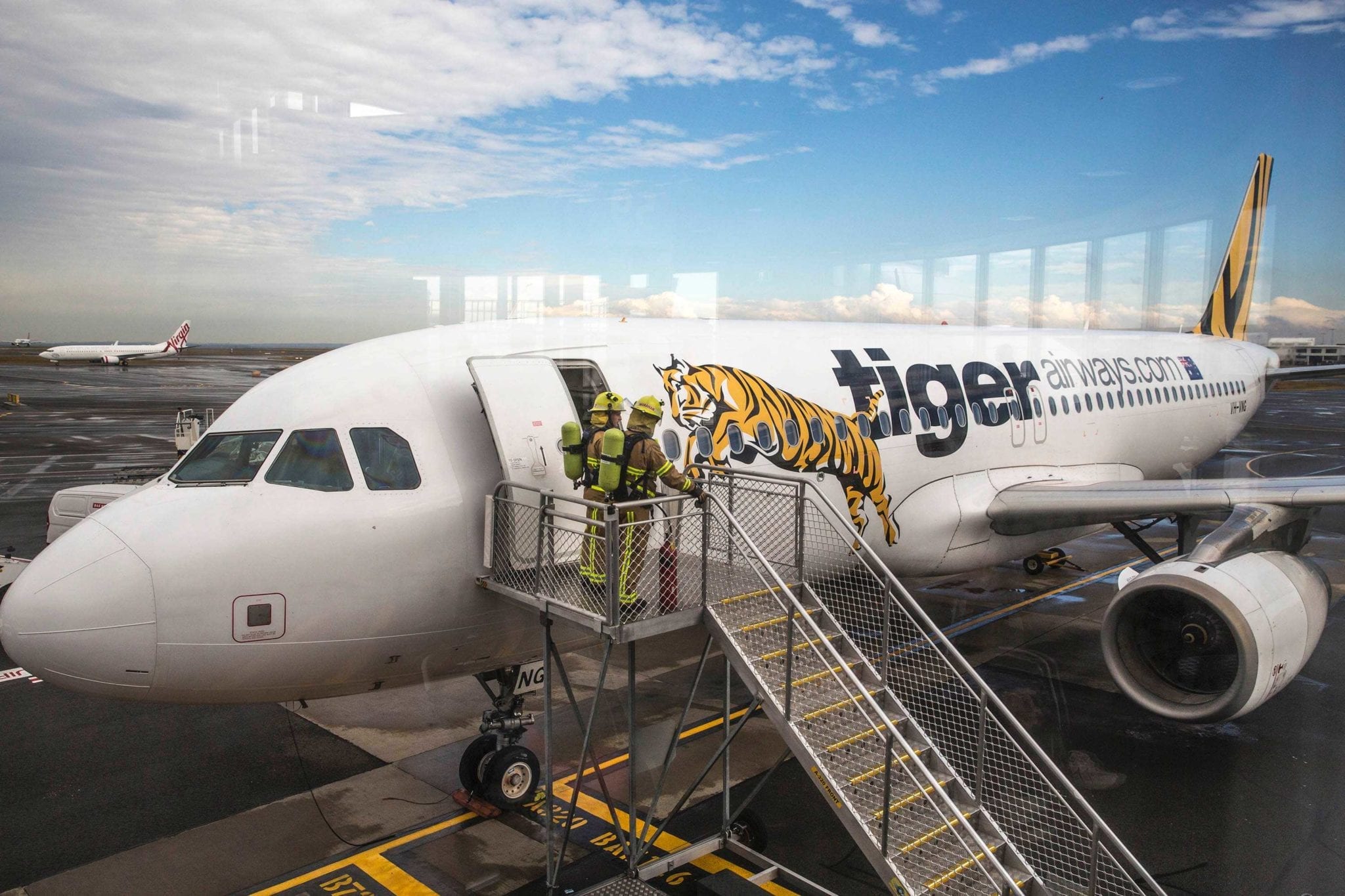
    Australian low-cost airline Tigerair has extended Power-by-the-Hour (PBH) contract with AJW Group. AJW Group specializes in the global management of aircraft spares.

    The company has been providing an integrated component pooling, repair and logistics support program to Tigerair since 2014. The PBH agreement covers Tigerair’s fleet of A320 aircraft.

    Under the support program, AJW will satisfy the airline’s material requirements across a variety of component groups including airframe and engine LRU’s, major assemblies, wheels and brakes, auxiliary power units (APU), thrust reversers and consumables.

    Tigerair is an Australian low-cost airline headquartered in Melbourne with two additional established service bases at Sydney and Brisbane Airports. Tigerair operates a fleet of Airbus A320 and Boeing 737 aircraft, across 21 domestic routes out of 12 destinations around Australia.

    Christopher Whiteside, chief executive officer of AJW Group said: “Tigerair was AJW’s first major contract in Australia and our work over the past five years has demonstrated the Group’s strength across the Australasia region.”

    Over the past five years, AJW Group has successfully delivered improved operational efficiency and cost savings, which according to AJW Group, are ‘key focus areas for the airline’.

  • E-sports set to fly high with AirAsia backing

    E-sports set to fly high with AirAsia backing

    E-sports are set to take off in a big way with the two head honchos at AirAsia giving their full-fledged support.

    According to Allan Phang, president of the AirAsia All-Stars E-Sports Club, Tan Sri Dr Tony Fernandes, Group CEO, AirAsia Bhd, and Datuk Kamarudin Meranun, executive chairman, AirAsia Bhd, have been very “visionary and supportive” when it comes to e-sports as the low-cost carrier is among the first airlines to back e-sports on a regional scale.

    AirAsia was the main strategic partner of the World Electronic Sports Games Southeast Asia (WESG SEA) Regional Finals, which concluded at the Quill Convention Centre in Kuala Lumpur last weekend.

    Phang said AirAsia made its first foray into e-sports in 2017 with the setting up of the AirAsia All-Stars E-Sports Club.

    “The club had about 10 members upon its inception, but now there are more than 200 members,” said Phang, underlining the surging popularity of e-sports and its future direction.

    As Agri Mind, the organizers of the WESG SEA Regional Finals, have a long-standing relationship with AirAsia, they were able to push through the initiative for the low-cost carrier to come onboard as a partner.

    “AirAsia provided support in terms of flights (to the gamers), which was in support of the e-sports ecosystem, in line with the government’s initiative,” said Phang.

    He added that there are four key verticals of AirAsia’s role in the burgeoning e-sports arena: employee engagement, employer branding, e-sports tourism and supporting the eco-system by way of sponsorship through teams and events.

    “AirAsia is targeting the next generation of consumers as it realizes that the government wants to connect with the youth e-sports generation,” said Phang.

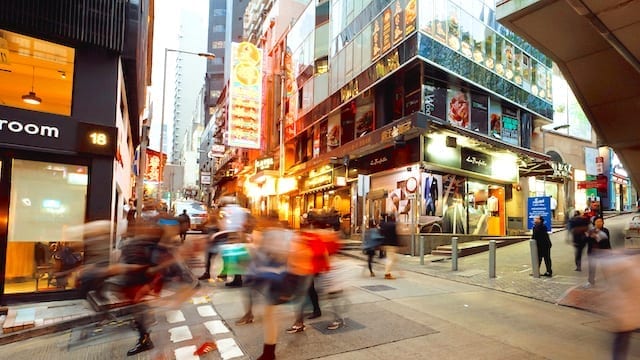
  • September Hong Kong retail sales down across the board

    September Hong Kong retail sales down across the board

    Hong Kong retail sales in September were down 18.3 percent in the same month last year, but the decline was less than in August. The luxury sector again took the biggest hit.

    Census and Statistics Department data released Friday provisionally estimated sales at HK$29.9 billion. The revised estimate for August’s decline was 22.9 percent, with sales for the third quarter down 15.1 percent on the second quarter, and by 19.5 percent year on year, almost on a par with 1998’s third-quarter record decline during the financial crisis.

    Year-to-date, sales are down by 7.3 percent.

    A government spokesman described the decline as “significant” as “local social incidents continued to take a heavy toll on inbound tourism and consumption-related activities”.

    “As protests involving violence continue to deter tourists and reduce local consumption, and the subdued economic outlook also dampens consumer sentiment, the performance of retail sales is likely to stay weak in the near term.”

    Hong Kong retail sales of jewelry, watches and luxury goods fell 40.8 percent during the month, which was less than the 50-plus percent that some retailers were fearing. Department-store sales fell by 25.6 percent, apparel by 26.3 percent, accessories by 16.6 percent, and medicines and cosmetics by 21.7 percent.

    Perhaps the greatest difference between August and September was the obvious impact of locals spending less – to date the protests have had the greatest effect on retailers serving the inbound tourist market. Supermarket sales fell by 2.6 percent in September; food, alcohol and tobacco sales by 13.8 percent; furniture and fixtures by 7.2 percent; books, newspapers, stationery, and gifts by 9.6 percent; and motor vehicles and parts by 16.1 percent.

    Sales of Chinese drugs and herbs were down 18.2 percent, of electrical goods by 1.4 percent and at optical shops by 15.8 percent.

    The only category to show growth in September was fuel, up by 5.9 percent.

  • Google Messages latest update is all about fighting spam

    Google Messages latest update is all about fighting spam

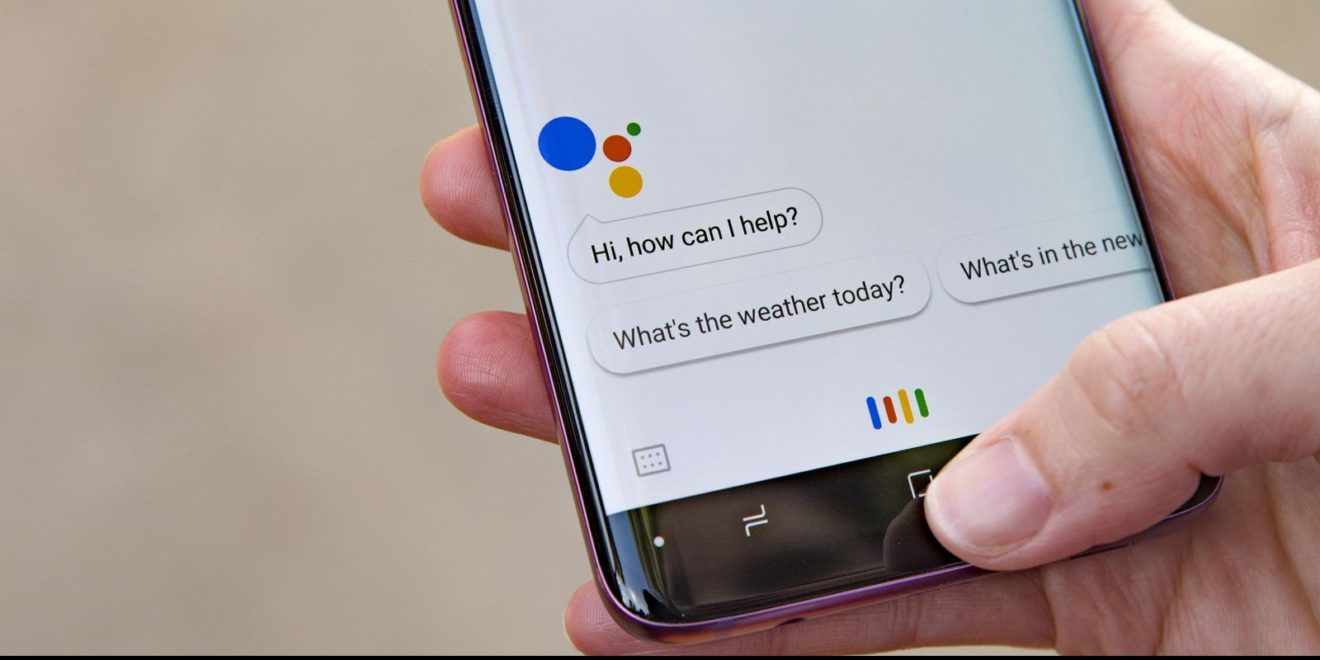
    The Messages app is becoming harder to spam after the latest update, Google confirmed recently. After teasing a new ability that would allow Google Messages users to report group spam messages earlier this week, an update released today is adding this specific feature.

    A support document that contains instructions on how users can report spam in a group message is now live on the app’s support page. Keep in mind though that if you’re using Google Messages and don’t see the new option yet, you should wait a few more days since the update is rolled out in waves.

    When you report spam in a group message, the spammer is reported and the message is sent directly to your “Archived” folder, Google explains. To report someone, simply open the Messages app, then the conversation you want to report, tap More Group details, and then choose Tap Report spam.

    Don’t try to download anything from the Google Play Store since this seems to be a server-side update. You’ll just have to pray that the new feature will appear on your phone sooner rather than later.

  • Two variations of Dark theme are reportedly being developed for the iOS version of WhatsApp

    Two variations of Dark theme are reportedly being developed for the iOS version of WhatsApp

    Whether you’re using Android or iOS, Dark theme is all the rage these days. Both Android 10 and iOS 13 feature system-wide Dark theme settings and more and more apps are including such an option. Why? for a couple of reasons, really. At night, or in a darkened room, the usual white background (with black text) can strain the user’s eyes and annoy innocent bystanders. In Dark theme, the black or gray background with white text isn’t as offensive to one’s eyes.

    Besides saving your eyesight, there is another reason to toggle on Dark theme; for phones sporting an AMOLED display, using Dark theme can save some battery life. That’s because OLED panels create the color black by turning off all pixels in the appropriate area of the screen; pixels that are turned off do not draw energy from the battery. But keep in mind that to save battery life, the version of Dark theme used by an app must have a black background, not a dark gray one.

    Now you might recall that back in March, the beta version of WhatsApp for Android received a Dark theme feature, but only on the settings page. Because this configuration used a version of Dark theme with a gray background, those testing it did not score any additional battery life. And in fact, Android users with the public version of WhatsApp have yet to receive the feature at this point in time. As for iOS users who employ WhatsApp, they could end up with one of two different versions of Dark theme according to WABetaInfo.com. For those of you unfamiliar with WhatsApp, it is one of the most popular messaging apps in the world and is owned by Facebook.

    It seems that when Apple released the system-wide Dark theme for iOS 13, WhatsApp’s developers went back to the drawing board and came up with a new version of Dark theme from scratch. WABetaInfo.com says that two different configurations are being developed. One uses a dark black background while the second configuration uses a lighter gray. The first variant would seem to offer the best battery life savings. Both versions have the same configuration for Dark bubbles.

    While it isn’t clear which one will be found on the iOS version of WhatsApp, the first configuration is the one that Facebook has decided to use for Instagram. The report does speculate that the app itself might choose from the two options depending on the settings of the iOS device that has the app installed.

    Apparently, the Dark theme feature for WhatsApp is still being developed so it might be sometime before iOS and Android users get the opportunity to try it out on the public version of the respective apps.