Category: General

Retail News Asia is committed to providing both local and global retailers with the latest General Retail news throughout the Asian market. This on a daily base.

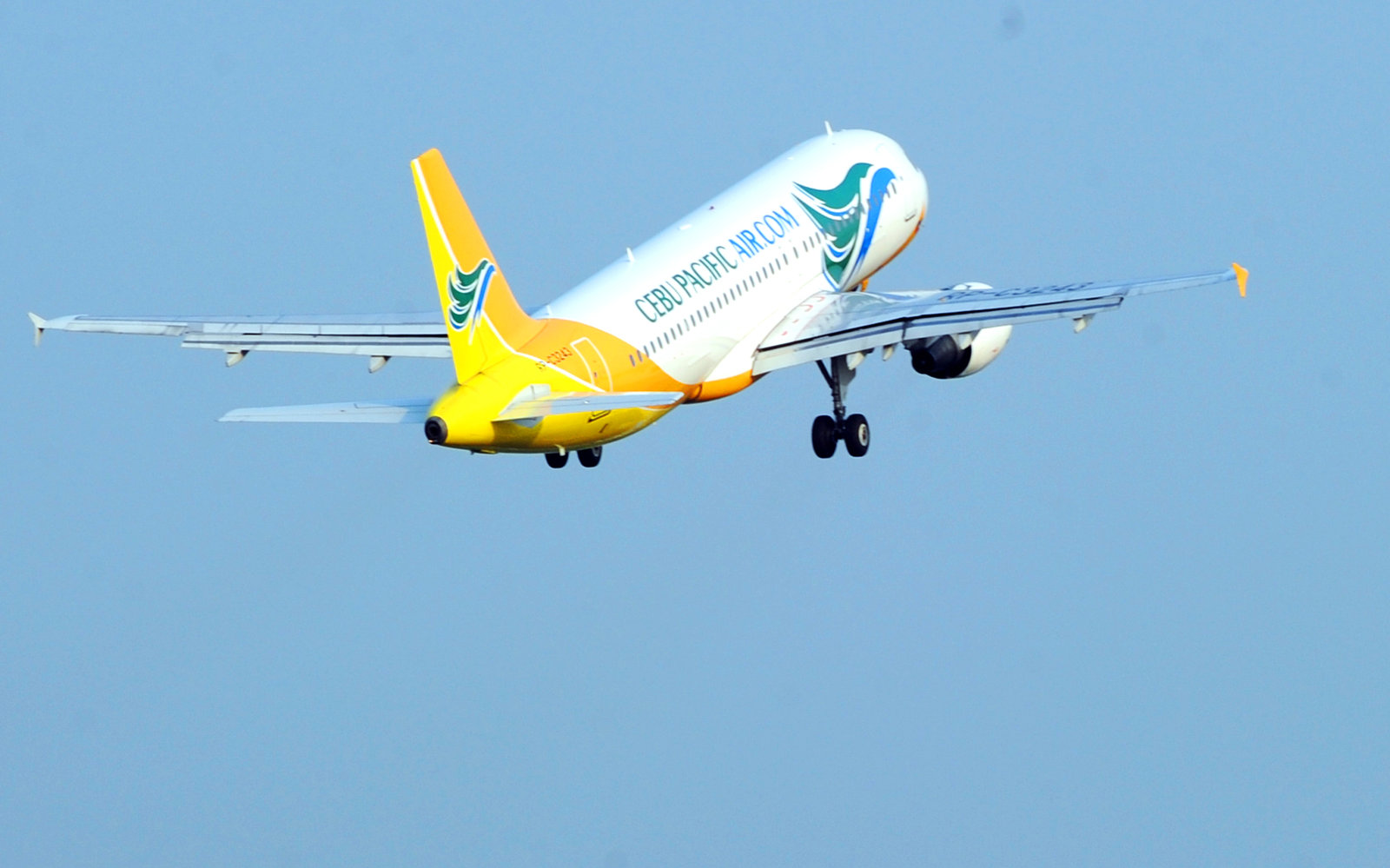
  • Cebu Pacific increases capacity in Clark, Palawan

    Cebu Pacific increases capacity in Clark, Palawan

    Cebu Pacific said it will end the year as the biggest carrier in terms of capacity at the Clark International Airport and the Busuanga and Puerto Princesa airports in Palawan.

    In a statement, the Gokongwei-led budget carrier attributed the increased capacity share in Clark to the direct flights to Guangzhou and Puerto Princesa, as well as between Puerto Princesa and Hong Kong.

    Cebu Pacific said its capacity share at the Clark International Airport will hit 28% by end-2019. The airline mounts 190 flights weekly from this hub to Bacolod, Bohol, Caticlan, Cebu, Davao, Iloilo, Puerto Princesa, Guangzhou, Hong Kong, Macau, Narita and Singapore.

    “Cebu Pacific has taken a measured pace of expansion in Clark, but we have always believed in the potential of Clark. Over the past 12 months, our capacity growth in Clark hit over 90%. With the growth in passenger traffic in Clark, we are bullish that the new routes we launched over the past few months will continue to perform strongly,” Alexander G. Lao, chief strategy officer of Cebu Pacific, was quoted as saying.

    The airline is also set to end the year with 46% total capacity share in Puerto Princesa and the Busuanga Airport. Cebu Pacific mounts 190 flights a week to and from Palawan.

    “We remain confident that Hong Kong will bounce back, and despite current concerns, there is continued demand for travel between Hong Kong and the Philippines. We are confident in the potential of Palawan to grow tourism sustainably, and we will continue to work with our stakeholders in Palawan to better connect the province to the rest of the Philippines and to key tourist catch points in Asia,” Alex B. Reyes, vice-president for commercial at Cebu Pacific, said.

    Cebu Pacific increased capacity by 23% to 19 million seats as of end-September.

    Cebu Air, Inc., the listed operator of Cebu Pacific, said its nine-month profit surged 142% to P6.75 billion, as it added flights and raised average fares.


  • AirAsia to start selling competitor flights on website

    AirAsia to start selling competitor flights on website

    AirAsia has expanded its online offering to include flights on other airlines as it transforms airasia.com into Asia Pacific’s leading travel and lifestyle platform. This was done in partnership with leading travel technology company Kiwi.com. Powered by Kiwi.com, AirAsia’s website users will be able to book travel on more than 100 airlines to destinations currently not served by AirAsia, including Europe, Australia, New Zealand, the Middle East, and the Americas.

    airasia.com head of airline distribution Rajiv Kumar said in addition to the strategic partnership with Kiwi.com, which is focused on content and technology sharing, AirAsia is also exploring opportunities to partner directly with airlines and companies who complement our existing network and travel services beyond Asia Pacific.

    airasia.com CEO Tony Fernandes said, “Today is an unbelievable day. When we started AirAsia as a low-cost airline back in 2001, I never thought one day we would be selling our competitors. But if there’s one thing I’ve learned, it never says never. Never say never and believe the unbelievable. Today, with the help of Kiwi.com, we are reinventing ourselves as more than just an airline, bringing to life our vision for airasia.com to be the region’s one-stop travel shop.”

    Kiwi.com CEO Oliver Dlouhý said, “I’m extremely proud that Kiwi.com has been selected to power AirAsia’s transformation and its ambition to make airasia.com a leading travel and lifestyle platform. We have an abundance of airlines and ground carriers at our disposal and together with AirAsia and its enormous customer base, we are proud to be able to open their platform to the rest of the world.”

    To celebrate the announcement and its partnership with Davis Cup by Rakuten, which takes place on 18-24 November 2019 in Madrid, Spain, AirAsia has kickstarted a global marketing campaign featuring its very own Spanish Allstar, airasia.com. The campaign was launched at AirAsia’s global headquarters RedQ in Kuala Lumpur to much fanfare with a promotional all-in return fare to Madrid from Kuala Lumpur, Bangkok, Jakarta, and Sydney.

    The campaign comes off the back of the company’s reorganization, which separates AirAsia’s airline operations from its travel and lifestyle arm, airasia.com. Since the reorganization was announced in August this year, more than 700 Allstar staff have been recruited, and in addition to being based across Asia Pacific, a new airasia.com campus will open in central Kuala Lumpur early next year.

  • Google Maps update flattens buildings

    Google Maps update flattens buildings

    These days, Google Maps is more than just a mapping and navigation app that gets you from point “A” to point “B” using the fastest route. Maps now tells you about restaurants, shopping and entertainment venues at “B.” It will also show you how you can get around using local transit options, a bicycle or even your own two feet. To help those looking for a particular building find it without resorting to opening a picture, in some cities Google Maps shows a 3D representation of structures in the area. This feature could not be turned off, that is, until now.
    An update to Google Maps v10.28 and higher features a new 3D button on the layer popup. When pressed, the 3D renderings are gone and the map is flattened. Press it again and the 3D renderings reappear. The 3D images only show up when you are using the Default version of Google Maps, not with the Satellite or Terrain options. You might notice that Google also added a Street View layer button as well.
    So why disable the 3D setting when using Google Maps? Well, it could make it harder for some to follow directions (even with the audio turn-by-turn directions) if the map appears too crowded. In addition, disabling 3D could make the app run smoother on an entry-level handset.
    It’s another example of Google continually working to make little changes to its apps here and there to add new capabilities and improvements to them.
  • Facebook tests a fresh new feature

    Facebook tests a fresh new feature

    It’s one thing to copy a feature from an app that belongs to another company, but Facebook is now thinking about copying a feature from a family member. Popular Photos are being tested on Facebook and provide users with photos from friends and family members that they can scroll to view. Popular Photos, which are curated by algorithm, appears under a photo opened from the News Feed and offers an Instagram-like experience.
    For those unaware, days after Instagram finally released the Android version of its app, Facebook swooped in to buy the company for a reported $1 billion. At the time, many wondered why Facebook would pay so much for what was then essentially a photo filter app. But Zuckerberg and company got the last laugh since the transaction might have turned out to be one of the most profitable tech deals ever; estimates of Instagram’s valuation today are in the neighborhood of $100 billion.
    Facebook has confirmed that the test is underway and plans on doing more testing of Popular Photos in the future. Only a very small percentage of Facebook users are part of the testing process. The feature opens when a user taps on a photo in his News Food or on a profile; this creates a full-screen view of the image. While swiping and scrolling on the image usually takes the user back to his feed, those that are part of the test will see more photos along with a button that says “See More Photos.” And since Popular Photos is offering a way to communicate visually, captions are capped at 65 characters; Facebook users see the date and time that a photo was posted and can “Like” the image and leave a comment.
    Facebook could also monetize the feature by adding ads in between the photographs. Of course, this would depend on whether or not Facebook decides to officially rollout out Popular Photos to all mobile users. This wouldn’t be the first feature that it took from its stablemate although, in the case of Stories, Instagram had already copied it from Snapchat.
  • Google News to receive an important new feature in 2020

    Google News to receive an important new feature in 2020

    Beyond the Headlines is one of the important new features that Google News users will get next year. It’s meant to “connect readers with in-depth articles exploring important issues such as healthcare, the environment, education and more.”

    More importantly, Beyond the Headlines offers Google News users an estimated read-time feature, which lets them know how long it takes to read a story. Some media outlets already have this feature implemented on their websites, so it’s nice that Google has decided to show it the news app as well.

    According to Google, these pieces of news are surfaced and organized using Google News algorithms. Beyond the Headlines is now available on desktop globally in US English, so if you can’t wait until next year until it comes to mobile, you can check it out right now.

  • Vietjet targets Middle East, Australia with new long-range jets

    Vietjet targets Middle East, Australia with new long-range jets

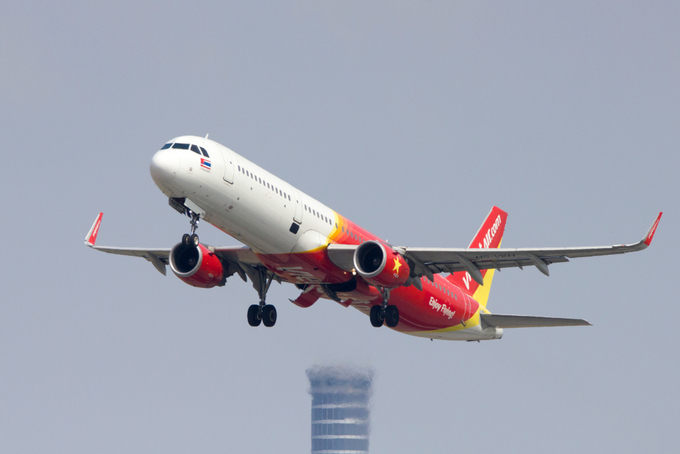
    Vietjet Air plans to start flying to the Middle East, Eastern Europe and Australia using the 20 Airbus A321XLR aircraft it has ordered.

    “When we receive the airplanes with the longer range, then we can serve up to 60 percent of the global population,” Nguyen Thi Phuong Thao, CEO of the budget carrier, told Reuters on the sidelines of the CAPA Asia Aviation Summit.

    The A321XLRs are scheduled to be delivered from 2023. Thao was quoted by the Centre for Asia Pacific Aviation, which named Vietjet the “Asia Pacific Low-Cost Airline of the Year” at the summit, as saying the carrier plans to add 10 international routes every year.

    Vietjet currently flies on 40 domestic and 66 international routes. It operates 385 flights daily within Vietnam and to places such as Japan, Hong Kong, South Korea, Taiwan, Singapore, mainland China, Thailand, Myanmar, and Malaysia.

    Vietnam’s fleet of over 200 aircraft last year could quadruple by 2038, U.S. aircraft maker Boeing said.

    Its 21 state-run airports served 106 million passengers in 2018, up 13 percent from a year earlier.

  • Samsonite sees third-quarter sales

    Samsonite sees third-quarter sales

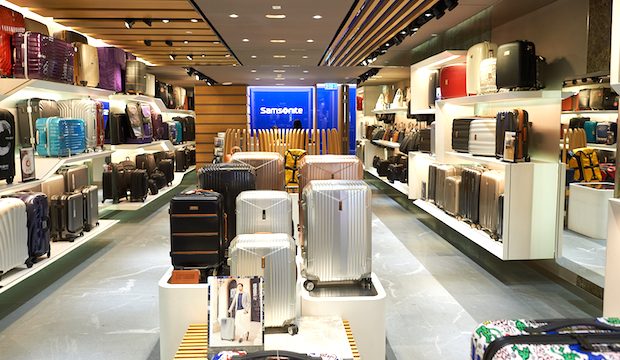
    Luggage company Samsonite’s net sales fell by 0.7 percent in the third quarter, as the US-China tariff war put pressure on the US market and increased distribution expenses affected the company’s gross profit margin.

    In its latest financial report, Samsonite said net sales in the three months to September 30 decreased to US$921.5 million while operating profit declined by 13.4 percent to US$104.9 million.

    Its performance in the nine months to September 30 also declined net sales down by 1.2 percent to US$2.677 billion and operating profit down 28 percent to US$229 million.

    CEO Kyle Gendreau says the decline was partly related to the increased expenses from expanding the brick-and-mortar retail network which took place in 2017 and the first half of last year, particularly in Europe.

    While its overall financial performance was weak, the company was pleased with its performance in Asia with net sales in the region increasing 4 percent to US$333.1 million during the third quarter. The increase was driven by robust constant-currency net-sales gains in China, Japan and India.

    Looking ahead, the company expects “continued uncertainty in the global outlook for the remainder of this year and into 2020 due to a number of geopolitical and macroeconomic factors, including the ongoing trade negotiations between the US and China, Brexit, economic growth slowing in parts of Europe and the recent events in Hong Kong”.

    Though it has expressed uncertainty in its outlook, the company is determined to continue to invest in the business to position itself for long-term growth and improved profitability while maintaining its focus on controlling costs, managing working capital, generating cash and further strengthening the balance sheet.

    The company plans to improve its financial performance by increasing its brick-and-mortar retail profitability, maintaining tight control on non-advertising administration expenses, and enhancing working capital efficiency.

  • Real Singapore retail sales stable in September

    Real Singapore retail sales stable in September

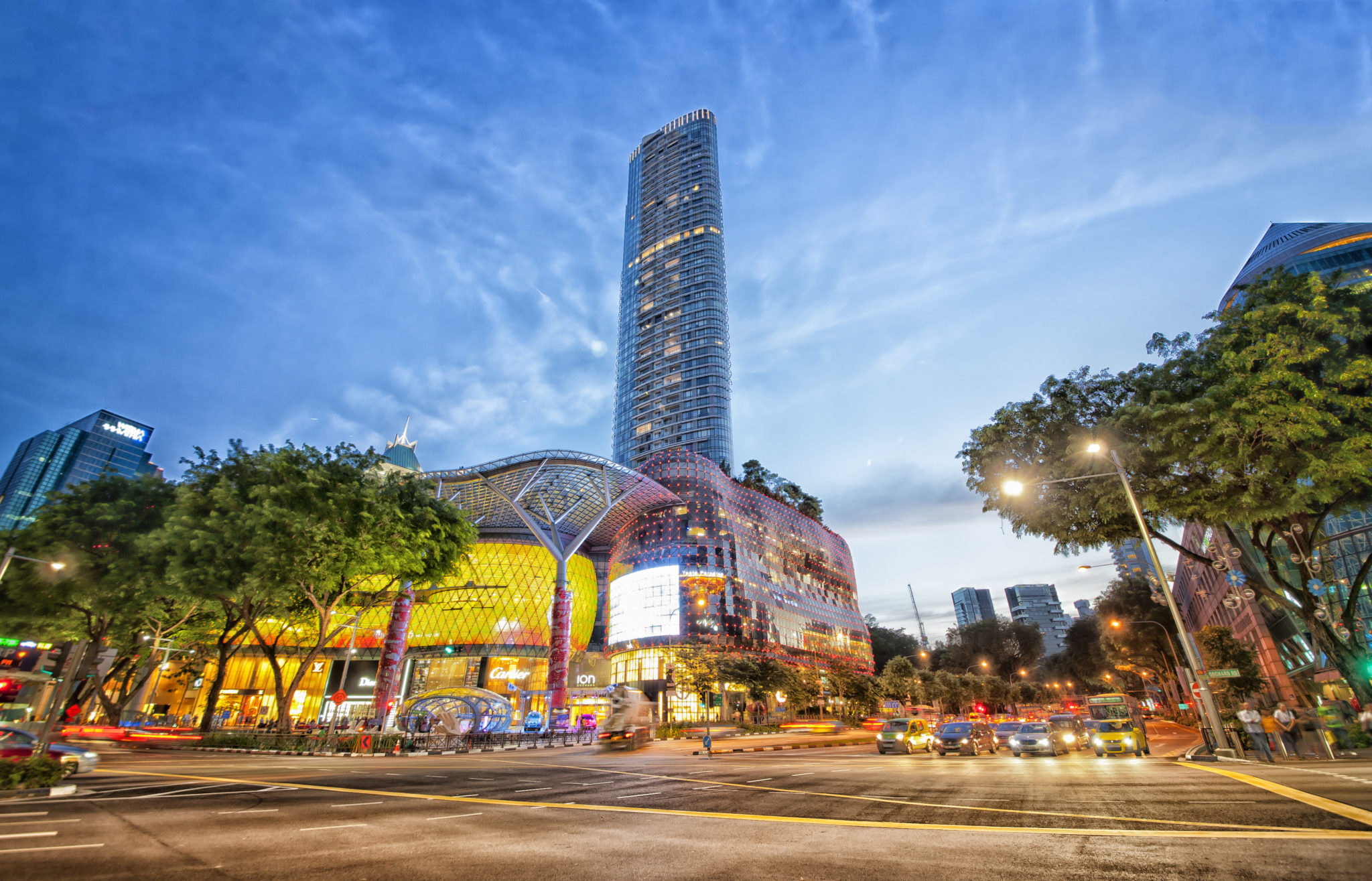
    Real Singapore retail sales (excluding motor vehicles) slipped by 0.3 percent in September compared to the same month last year.

    With motor vehicle sales included, the decrease was 2.2 percent, marking the eighth consecutive monthly decrease in the headline figure.s

    Month on month, retail sales excluding vehicles rose by 0.8 percent.

    Significantly, online sales grew to account for 6.9 percent of total sales in September.

    Year on year, the worst affected categories aside from vehicles (down 12.3 percent) were furniture and household equipment; recreational goods; and watches and jewelry which experienced declines of between 4.4 percent and 8.9 percent. Sales of department stores declined by 1.2 per cent respectively.

    On the positive side, retailers of computer and telecommunications equipment posted sales growth of 8.7 percent, while sales of apparel and footwear; medical goods and toiletries; and optical goods and books increased by between 2.1 percent and 4.2 percent.

    Singapore retail sales of food and beverage services grew by 4.3 percent year on year in September and by 0.4 percent month on month.

    Sales at fast-food outlets; cafes; food courts and other eating places; and restaurants reported sales up by 12.5 percent, 4.6 percent and 2.7 percent respectively, while turnover of food caterers declined 0.5 percent.

  • Google Maps update adds a new translator feature

    Google Maps update adds a new translator feature

    The new translator feature that will be added this month should allow a phone to speak out a place’s name and address in the local lingo. In order to do that, you’ll have to tap the new speaker button next to the place name or address, and Google Maps should then say it out loud.

    In addition, Google Maps will be able to link you to the Google Translate app when you need to have a more complex conversation. Thanks to the text-to-speech technology, your phone automatically detects what language your phone is using to determine what exactly you need help translating.

    According to Google, the new translator feature will be deployed to Android and iOS devices this month and will support 50 languages, although the Mountain View company says that more are on the way.

  • Kenneth Cole India opens first flagship store

    Kenneth Cole India opens first flagship store

    Kenneth Cole India has opened its first flagship store.

    The American fashion house’s 1200sqft store, located at Infiniti Mall in Malad, Mumbai, carries the brand’s men’s and women’s clothing, footwear and accessories.

    Kenneth Cole India is operated by its local partner Brandzstorm, which will work with the brand to design, manufacture, distribute and retail Kenneth Cole products not only in India but also in neighboring countries including Bangladesh and Sri Lanka.

    Brandzstorm plans to open 10 flagship stores across India during the next three years, with a focus on major cities. On top of that, the company also plans to take its presence online via e-commerce platforms, as well as selling through department stores and multi-brand boutiques.

    “We are pleased to bring the brand to the Indian customer and believe there will be a high degree of acceptance from our esteemed patrons in Mumbai. The new store will provide irresistible shopping experience giving customers access to a wide choice of Kenneth Cole New York products under one roof,” says Brandzstorm MD Ujjval Saraf.

    Besides Kenneth Cole, Brandzstorm also manages brands including Giordano, Superdry and Furla in India.

  • Lotte steers Rezolve to South Korea

    Lotte steers Rezolve to South Korea

    South Korean retail conglomerate Lotte is bringing London mobile shopping tech startup Rezolve into its market.

    The Korean firm will incorporate the startup’s IT product, which allows customers to take advantage of deals in print by scanning them with their mobile devices in Lotte’s supermarket app. Lotte earns a large proportion of its supermarket revenues – last year valued at KRW17.8 billion (US$15.3 million) – via its printed promotional brochures.

    “Rezolve provides a way for consumers to deepen their engagement with their favourite brands and Lotte Corporation, being one of the world’s largest conglomerates spanning food and beverage to department stores to hotels and theme parks, the possibilities of what can be achieved through Rezolve and a smartphone are endless,” Rezolve’s CEO and founder Dan Wagner told City AM in London.

    “Mobile devices have become the go-to method for people to explore and connect with brands and Rezolve is rapidly becoming the standard for the world’s leading companies.”

    The deal is Rezolve’s largest yet, compared with the firm’s existing operations in China, India and Taiwan. Sainsbury CEO Justin King is currently poised to join Rezolve’s board as an advisor.

  • Myer turns up the tech scene this Christmas

    Myer turns up the tech scene this Christmas

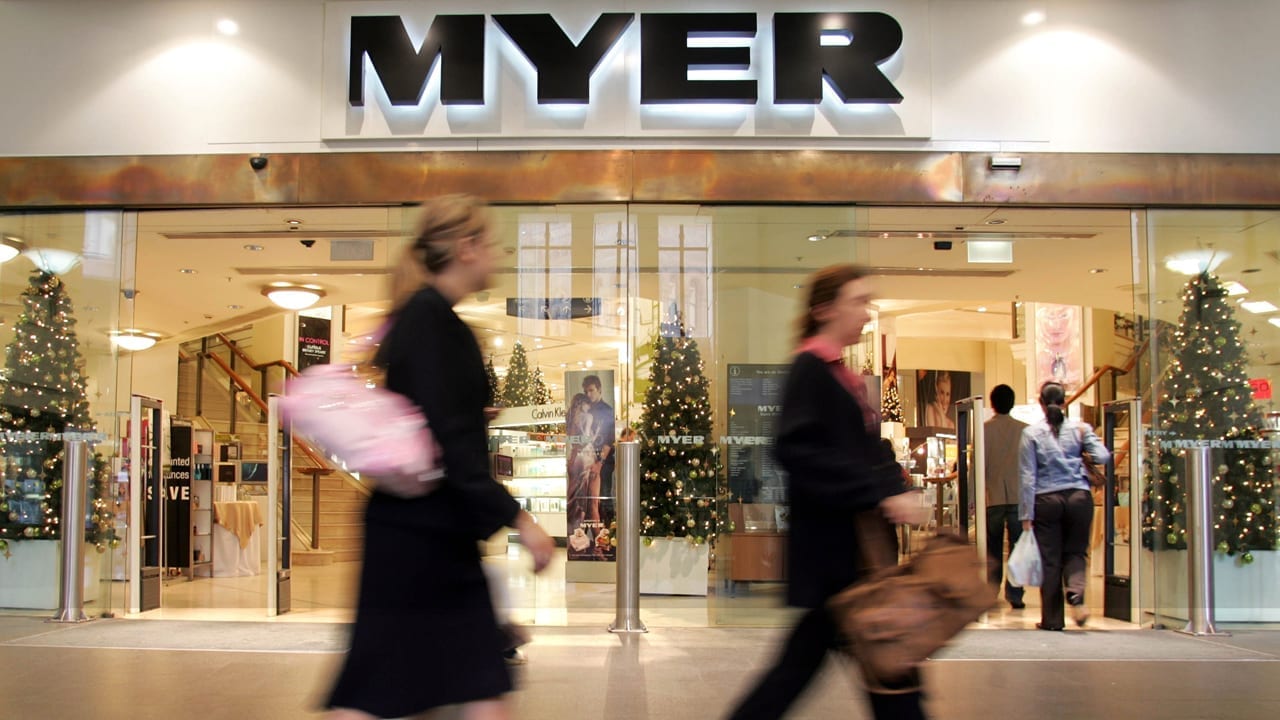
    Myer once again has launched a technology-fuelled Christmas campaign, with this year’s campaign including a bluetooth-enabled stocking and online hub where Aussie kids can write a letter to Santa, create a wish list (which parents can share with friends and family) and track the whereabouts of Santa on Christmas Eve.

    The “Christmas is where we are” campaign launched on Sunday with a TV spot featuring “Sally”, a girl who is worried how Santa will find her, since her family has decided to go camping over Christmas.

    Myer, together with creative agency Clemenger BBDO, answered that question with its Myer Global Positioning Stocking, a $34.95 bluetooth-enabled stocking that can be paired with a mobile device via the Myer Connect app.

    Once connected, users can access an interactive map where they can create a wish list, which can be shared with friends and family, write a letter to Santa and track Santa’s whereabouts on Christmas Eve.

    The campaign follows Myer’s first foray into tech-fuelled Christmas ads, with its “Naughty or Nice” baubles last year. Customers could connect the $20 baubles via the Myer app and see if they glowed red or green, depending whether they were on Santa’s naughty or nice list.

    The baubles reportedly sold out in 11 days, according to Ad News, and Clemenger BBDO said it would look to use the data gathered through the campaign for re-marketing.

    The launch of 2019 campaign is just the beginning of Myer’s Christmas push, according to chief customer officer Geoff Ikin.

    “You will see over the coming weeks our Christmas campaign come to life – with the launch of our Giftoriums, Santalands and iconic Christmas windows – which positions Myer as the one-stop-shop for Christmas this year,” he said in a statement.

  • Miniso $2 concept success exceeds expectations

    Miniso $2 concept success exceeds expectations

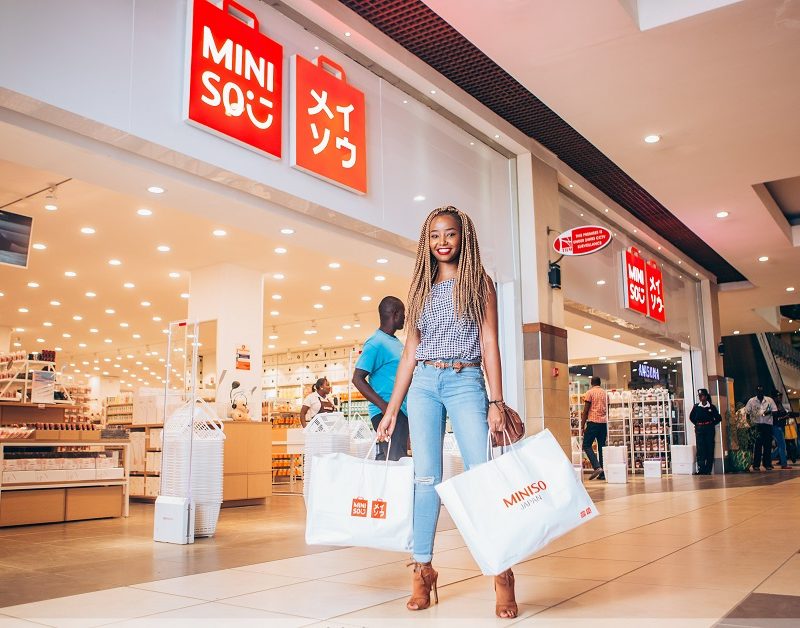
    The new Miniso $2 concept store launched in Singapore is achieving sales volumes four times that of the brand’s conventional stores in the city.

    The Chinese discount-merchandise retailer has opened a second $2 outlet less than a month after the first store’s debut, hitting what the brand describes as new sales records.

    Hundreds of people queued for hours for the second store’s opening according to a statement issued by the retailer. The Miniso $2 concept’s sales volume is reportedly four times higher than normal stores with customers on average purchasing 12 items each.

    At present, Miniso has implemented dual operating models of opening IP stores and outlet stores in Singapore, which can serve consumers with different backgrounds and requirements.

    The Miniso $2 concept reported footfall five-to-six times higher than the general stores in the city, and the number of customer transactions has almost doubled.

    Meanwhile, Miniso has collaborated with several international brands, including Marvel, the Forbidden City Culture, Kakao Friends, Sesame Street and Pink Panther, to expand its popularity in different markets.

    Miniso operates 4000 stores in more than 90 countries and regions including the US, Canada, Russia, Singapore, the UAE, Korea, Malaysia, Hong Kong and Macau, with turnover reaching US$2.5 billion last year.

  • Luggage brand Lojel opens Hong Kong concept store

    Luggage brand Lojel opens Hong Kong concept store

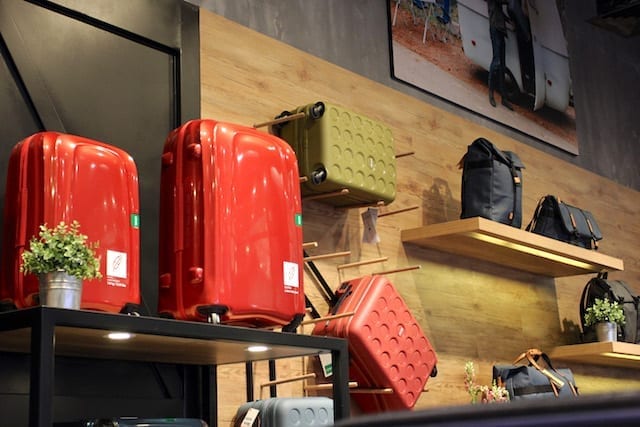
    Lojel has opened its first concept store in Causeway Bay, adjacent to the drone-technology flagship of DJI.

    The new store will feature personalization opportunities, an in-store warranty repair service and advice on product care. Travel gurus will make occasional appearances to host events promoting travel destinations.

    During the opening week from November 7-13, the brand partnered with local food and beverage operators such as Chun Yang Tea, 18 Grams, and Pana Chocolate to localize its offerings

    Lojel was founded in Japan in 1989 with a creative design team based in Vancouver, Canada. Its factories are located in China and Indonesia and boast ethical practices such as using non-toxic materials and manufacturing processes.

    The brand’s signature products are collectively created by experienced world travelers, manufacturers, and designers. Lojel currently retails in more than 15 countries across five continents.

  • WeWork to open 2 coworking offices in HCMC

    WeWork to open 2 coworking offices in HCMC

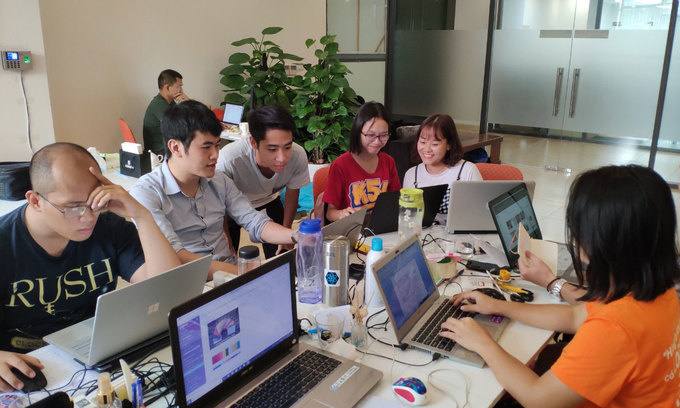
    Coworking startup WeWork plans to open two more offices in Ho Chi Minh City’s District 1 this month. One of them will be at Lim Tower 3, and rents will start at VND6.9 million ($297) per month for a single-seat, according to the company’s website. Another will be on Sonatus Building, with prices starting at VND7.8 million ($336).

    The New York-based startup opened its first working space in the city in District 4 in March. WeWork’s move comes in a market that has some serious players with a lot of locations.

    Vietnam’s Toong, backed by private-equity firm Indochina Capital, has 12 locations besides one each in Laos and Cambodia.

    Hanoi company UPGen, with funding from Singapore PE firm Northstar Group last year, has 13 offices in Hanoi and HCMC.

    Coworking spaces are becoming popular in HCMC’s central districts since the limited traditional office space there is unable to meet the burgeoning demand.

    As of the end of September, coworking companies had rented 52 percent of all office space in the central area, including in under-construction buildings, according to a report by real estate firm Savills Vietnam.

    HCMC has been ranked the 41st fastest-growing coworking markets in the world this year by consultancy Co-working Resources, which said a new coworking space opens in the city every 47.5 days.

    WeWork has added 114 new sites in the past four months, according to its website, and is planning to open another 208 in the next few months, bringing its total number to 850.

    The announcement came in the backdrop of the company’s failed IPO amid investor concerns that its valuation was inflated.

    WeWork owed $18 billion in a long-term lease at the end of June and is expected to lay off 4,000 of its more than 12,500 employees