Category: General

Retail News Asia is committed to providing both local and global retailers with the latest General Retail news throughout the Asian market. This on a daily base.

  • Livestreaming in China on the boom during coronavirus crisis

    Livestreaming in China on the boom during coronavirus crisis

    Taobao Live, Alibaba Group’s live streaming platform, saw a sharp rise in brand activity this past month as merchants slowly resumed their operations and looked for ways to reach consumers in the midst of the coronavirus outbreak.

    In early February, live stream sessions on the platform had increased by 110 percent compared to the same period last year, according to Taobao Live. Driving that growth was the surge of businesses using online tools to maintain sales and engagement with consumers while their physical stores remained shuttered and millions were confined to their homes to prevent further spread of the coronavirus, officially known as Covid-19.

    Public facilities, retail stores, offices and schools throughout the country are now cautiously reopening after an extended closure. But virus fears still loom – despite a drop in new cases of infections – and more time is needed to bring economic activities and production levels back to normal.

    For merchants across different industries, live streaming has become an important tool not only to offset the decline in an offline business but also to encourage creativity in marketing and developing customer relationships. This month, Taobao Live users would have seen chefs broadcasting cooking tutorials in restaurant kitchens, real-estate agents giving tours of apartments, celebrities and singers performing in an online concert from their homes, rural farmers promoting their fruits and vegetables and even auto dealers showcasing the interior of luxury cars.

    Auto brands such as BMW are leveraging live streaming to introduce consumers to car models, interiors and experience of test drives.

    “We want to make it easier for different clients across sectors to make use of live streaming and help them more quickly resume operations,” said Yuan Yuan, head of content operations at Taobao Live.

    Her task force worked closely with other Alibaba business units, such as DingTalk, Tmall, Taobao and Juhuasuan, to connect with more merchants – removing barriers for them to register accounts, as well as providing training and marketing resources.

    “The project turned out to be more than a way to support brands. It also helped some discover their potential in live streaming,” said Yuan. “It was truly impressive to see how nimble and decisive our brand partners were. Their management capabilities helped transform a crisis into an opportunity.”

    Shanghai-based cosmetics brand Forest Cabin temporarily closed about half of its 337 stores across China due to the virus. Its stores that did remain open found few shoppers. In an interview on January 31, founder Sun Laichun said sales had dropped 90 percent during the Spring Festival holiday, traditionally a peak season for shopping.

    If circumstances continued, he estimated a loss of up to RMB30 million (US$4.26 million) a month and possible bankruptcy in under two months. But the band embarked on a turnaround strategy with live streaming at its center, and in just 15 days, Forest Cabin’s sales surpassed the same day last year by 45 percent.

    The brand trained 1600 shop attendants on how to host a live stream on Taobao Live and was soon adding some 3000 new loyalty members a day, up from the typical average of 800 to 1000 people. Sun, himself, joined in and hosted a two-hour session on Valentine’s Day in front of more than 60,000 viewers. By the end of the session, he had sold nearly 400,000 bottles of camellia moisturizing oil and generated close to RMB400,000 in sales.

    While online-only represented about 25 percent of Forest Cabin’s sales before, it now accounts for 90 percent. “The results were beyond my imagination,” Sun said.

    For some brands, live streaming is not just a standalone marketing tool but can be used strategically alongside other online resources to drive sales for new products. On February 13, Chinese technology brand Xiaomi tapped Taobao Live, among other live stream channels, to broadcast the launch of its new flagship smartphone, Mi 10, from its Beijing headquarters. The phone officially went on sale the next day during Xiaomi’s Tmall Super Brand Day, which rallies all the resources across the Alibaba ecosystem to create a smaller version of the company’s annual 11.11 mega-sale for a single brand, and became the top-selling smartphone on Tmall, leading to over RMB300 million in total sales for the brand.

    Sportswear giant Adidas also hosted an exclusive online debut of its limited-edition Superstar sneaker during its Super Brand Day last week. Its “See Now, Buy Now” stream, which lets consumers make real-time purchases of featured items from their mobile phones, drew 2.23 million viewers and generated more than RMB200 million in sales in 10 hours. The format has become so popular among brands that product debuts on the platform are now scheduled up to the end of April, said Taobao Live.

    The spread of the virus has also taken a heavy toll on the restaurant business. Last year, earnings over the Spring Festival holiday represented about 15 percent of the annual revenue of China’s food and beverage industry, which totaled RMB4.67 trillion, per a report released by the China Cuisine Association earlier this month. The survey found that about 73 percent of companies chose to close all of their offline stores in response to the coronavirus. The CCA also estimated that consumers – many who called off family reunions to avoid face-to-face contact during the outbreak – canceled about 94 percent of food orders ahead of Chinese New Year. Beijing-based restaurant chain Meizhou Dongpo, for example, said it canceled 11,144 table reservations across its 100-plus stores during January 21-30 and lost about RMB17 million over the Spring Festival period.

    With offline businesses at a standstill, Meizhou Dongpo began leveraging its brick-and-mortar staff to virtually connect with consumers and drive sales to its online store. Its chefs appeared in live streams to show viewers how to make traditional delicacies like homemade glutinous rice balls ahead of the Lantern Festival. This allowed the brand to share its craft with fans and receive direct feedback on things such as popular dishes. The sessions also directed consumers to products like braised pork belly in the chain’s Tmall flagship store, creating another revenue stream for the restaurant.

    Businesses have also taken the opportunity to train employees and build partnerships based around live streaming. China’s second-largest home-improvement and furniture retailer, Easyhome, said staff from 232 of its stores nationwide broadcast 4810 sessions last week to 3.58 million viewers. Meanwhile, in collaboration with brand partners such as Estee Lauder, Lancome, Kiehl’s, Vans and Baodao Optical, Intime department store launched an initiative encouraging staff to stream from their homes.

    Idle factories and traditional markets, like the wholesale marketplaces in the Chinese city of Yiwu, are also using the tool to bring in business. Taobao said it plans to hold an online market on February 27 for all brick-and-mortar business owners, including the 3000-plus Yiwu-based merchants already registered on Taobao Live.

    To help more small- to medium-sized enterprises learn how to effectively use live streaming for business, Taobao University, Alibaba’s education platform for e-commerce operators, will also stream a free online course on February 25, covering topics from developing followers and campaign planning to live-hosting techniques. Brands including Volkswagen, Nike and Mars have also set up training sessions through Taobao University to help employees get the most out of the live streaming platform.

    Taobao Live said it is now collaborating with even more industries to bring their offline experiences and products online. These include tourism agencies, fashion shows and museums, such as the National Museum of China, Suzhou Museum and Dunhuang Museum.

    “The future of shopping will be more dynamic, interactive and driven by real-time feedback. Livestreaming offers a peek into that future and new possibilities,” said Yuan.
  • AirAsia X Asks To Put Off Aircraft Lease Payments

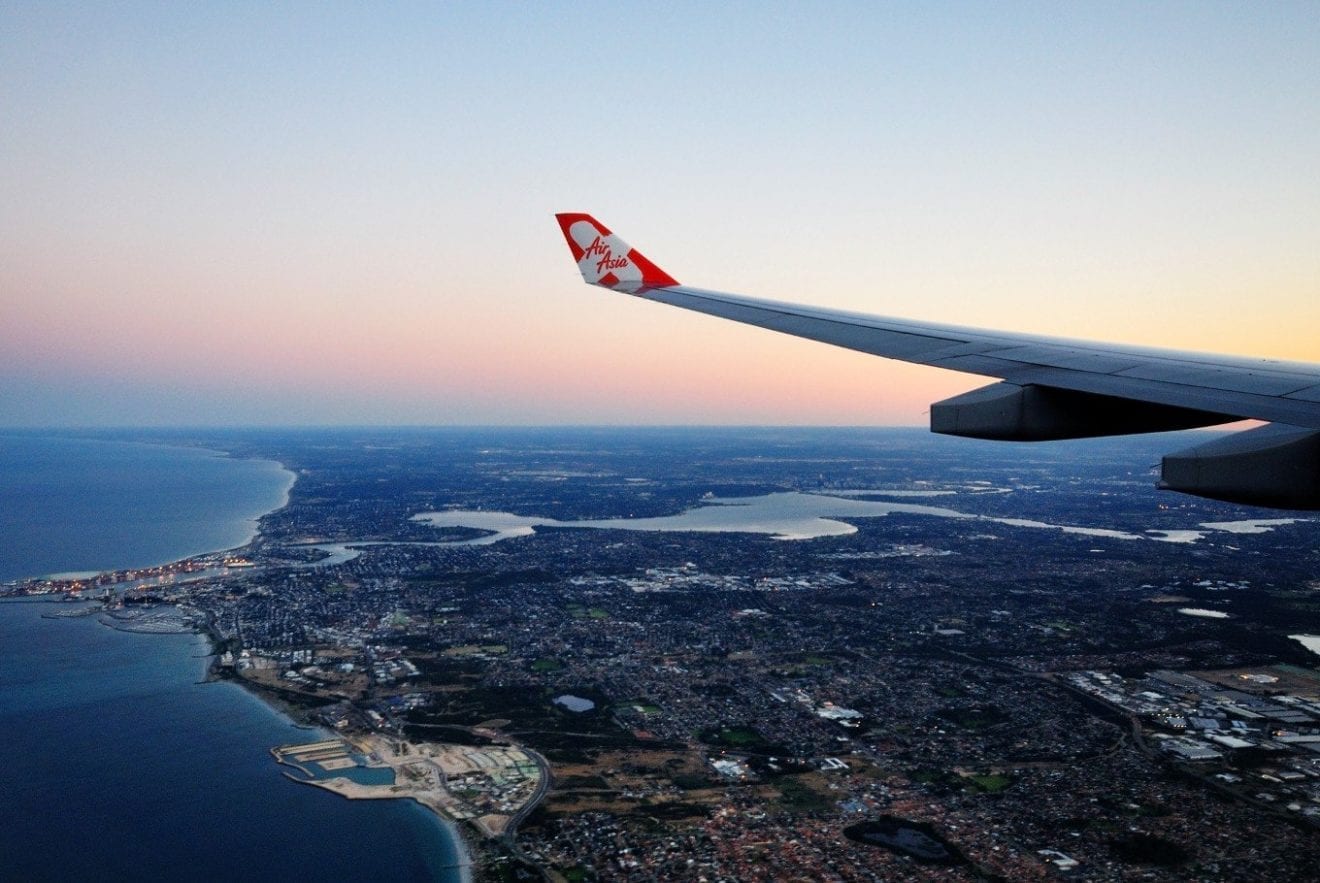
    AirAsia X Asks To Put Off Aircraft Lease Payments

    AirAsia X leases 17 A330-300 aircraft from nine lessors. While the majority of lessors have one or two aircraft each flying under AirAsia X colors, BOC Aviation and ICBC Leasing have three aircraft each at AirAsia X.

    We have approached AirAsia X to confirm this. They declined to address our questions, citing a blackout period pending release of the latest financial information later in February.

    One unidentified lessor says they value their relationship with AirAsia X. However, the depth and breadth of that relationship does not extend to, say, letting the airline skip lease payments for three months.

    AirAsia X is the long-haul sibling airline to AirAsia. AirAsia X has been around for over 12 years and now flies to 22 destinations around the Asia Pacific rim with its 24 aircraft.

    Even before the coronavirus outbreak in January, AirAsia X was encountering financial turbulence. The airline lost nearly USD$39 million in the first half of 2019. This was a ten-fold increase on its loss for the first half of 2018.

    Ongoing financial problems at AirAsia X have caused the airline to ask for lease payment holidays before.

    The coronavirus outbreak and subsequent downtown in travel demand will deepen AirAsia X’s financial woes and is likely behind this latest request from the airline.

    AirAsia X is highly reliant on Chinese tourism, dedicating 30% of its available seat capacity to the country. China is usually Malaysia’s third-biggest source of tourists. Now flights on nine of AirAsia X’s twelve Chinese routes are either suspended or canceled.

    Besides China, most of Malaysia’s tourists come from within Asia. As a low-cost tourist airline, AirAsia is a proverbial canary in the coalmine when tourist travel patterns shift.

    There is considerable speculation that the coronavirus and its impact on airlines will send some over the financial edge. Some of this speculation has come from the CEOs of stronger airlines. One CEO said he expected “weaker” airlines in the Asian region to be consolidated or go out of business.

    Despite its mediocre financial performance, AirAsia X does have significant financial firepower behind it. The airline was floated on the Malaysian stock exchange in 2014. The largest shareholder is Tune Group (the investment company for AirAsia’s Tony Fernandes and Kamarudin Meranun). AirAsia itself and various AirAsia subsidiary businesses all have significant stakes.

    AirAsia X probably has the financial muscle to pull through the current downturn in travel demand. But it will not be easy. Having to go cap in hand to aircraft lessors to ask for a payment holiday is a sign of that.

    It makes me wonder how airlines under the Lion Air group are going to survive. Two of them in mind are Malindo (of Malaysia), and Thai Lion Air. They don’t publish their financial results, do they? Or do they?

    RH Hastings

    As per the recent Airbus bribery settlement (31Jan20) and in addition to their financial issues AirAsia executives may have been bribed by Airbus to buy planes. So, the UK Serious Fraud Office (SFO) and Malaysia’s government’s are investigating further. Reports suggest their payment was to AirAsia executives’ now defunct Caterham F1 car racing team. Do airline manufacturers or their representatives rank the financial and airline’s regional reputation during sales negotiations? In the west it is common to research via the likes of a Dun & Bradstreet report to ascertain reliability and condition of a seller or buyer.

  • Tesco to stop Chinese investment

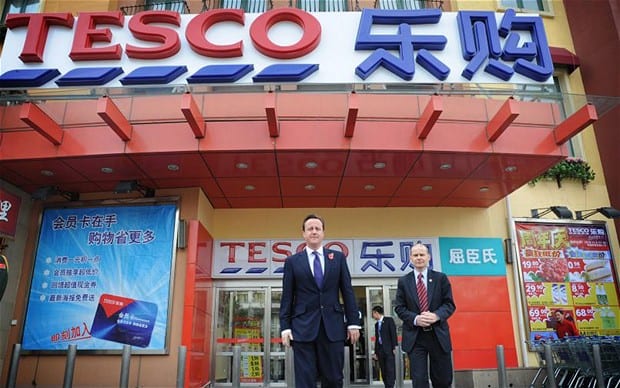
    Tesco to stop Chinese investment

    British multinational groceries and general merchandise retailer Tesco has sold its shares in a Chinese joint venture, ending its operations in the country.

    According to Retail Gazette, the firm’s 20-per-cent shareholding in the Gain Land business has now been sold to a unit of its regional partner, Chinese state-owned conglomerate China Resources Holdings (CRH). The shares were sold for £275 million (US$356.6 million).

    The share transfer, set to take effect on Friday, completes Tesco’s six-year exit strategy from China, which began when the firm merged its 131 branded stores in the country with CRH’s Vanguard outlets. CRH operates close to 3000 Vanguard locations.

    Following the retreat, Tesco will focus on its core business, using the funds from the share sale for general business purposes. The firm has also announced a review of its operations in Malaysia and Thailand.

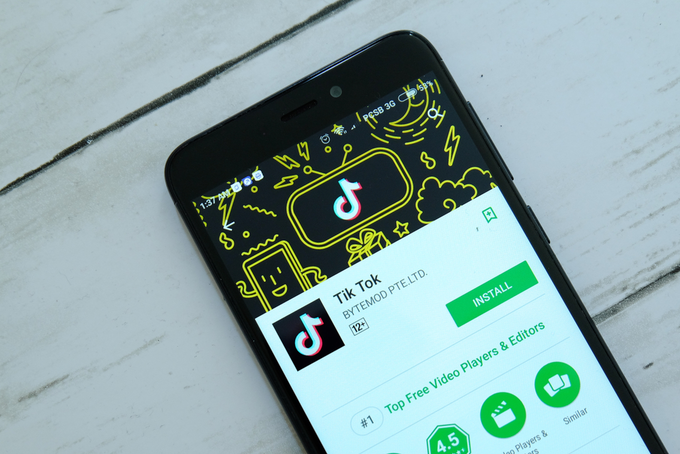
  • The TSA bans use of TikTok over national security threat allegations

    The TSA bans use of TikTok over national security threat allegations

    The United States Senator for New York Charles E. Schumer has been concerned about national security risks posed by China-owned social media platform TikTok and other similar platforms operating in the US since October last year. He has now reached out to the Transport Security Administration’s (the TSA) Administrator David Pekoske, expressing his concern over the use of the platform by the agency.

    In consequence, the TSA has banned the use of TikTok by its employees. The agency has stopped allowing its employees to use the platform on Sunday. National security experts have been concerned about TikTok’s collection and handling of user data and personal information. Additionally, concerns regarding the fact that Chinese companies have to work in accordance with the Chinese Communist Party’s demands have also been raised. According to Schumer’s press release, those companies do not possess means to decline requests made by the Chinese government.

    Since October 2019, multiple governmental organizations, including the US Army, the Marines, the Navy, as well as the Air Force and the Coast Guard, have banned or imposed hard limitations on the usage of the app. They are also encouraging personnel to avoid the app even in regard to personal use.

    Although TikTok’s parent company ByteDance has not specifically commented on those issues, it maintains the position that it is a trusted and responsible corporate citizen of the US.

  • WhatsApp private group links visible in Google search results

    WhatsApp private group links visible in Google search results

    Journalist Jordan Wildon stated on Twitter that WhatsApp groups may not be as secure as people thought they were and shared a screenshot, showing some links to groups appearing in Google search results. Apparently, when users create a link to send to someone to join their group, it gets indexed by Google and is accessible.

    A WhatsApp’s spokesperson reminded people that links that should be private shouldn’t be disclosed on publicly accessible websites, apparently explaining that the issue was due to unreasonable public posting of some links. When a link for a private group is posted on publicly available websites, it can be used by anyone to join the group and in consequence, see all the messages in it.

    However, reverse engineer Jane Manchun Wong’s post on Twitter regarding the situation brings another perspective on it – she is stating this situation was a result of a misconfiguration which allowed around 470,000 Group Invite links to be indexed, and not because someone has not been careful enough when sharing private links. According to her, WhatsApp could change certain configurations in order to exclude the invite pages from appearing in search engines.

    Nevertheless, for the time being, WhatsApp maintains the position that this is intended behavior, not a bug.

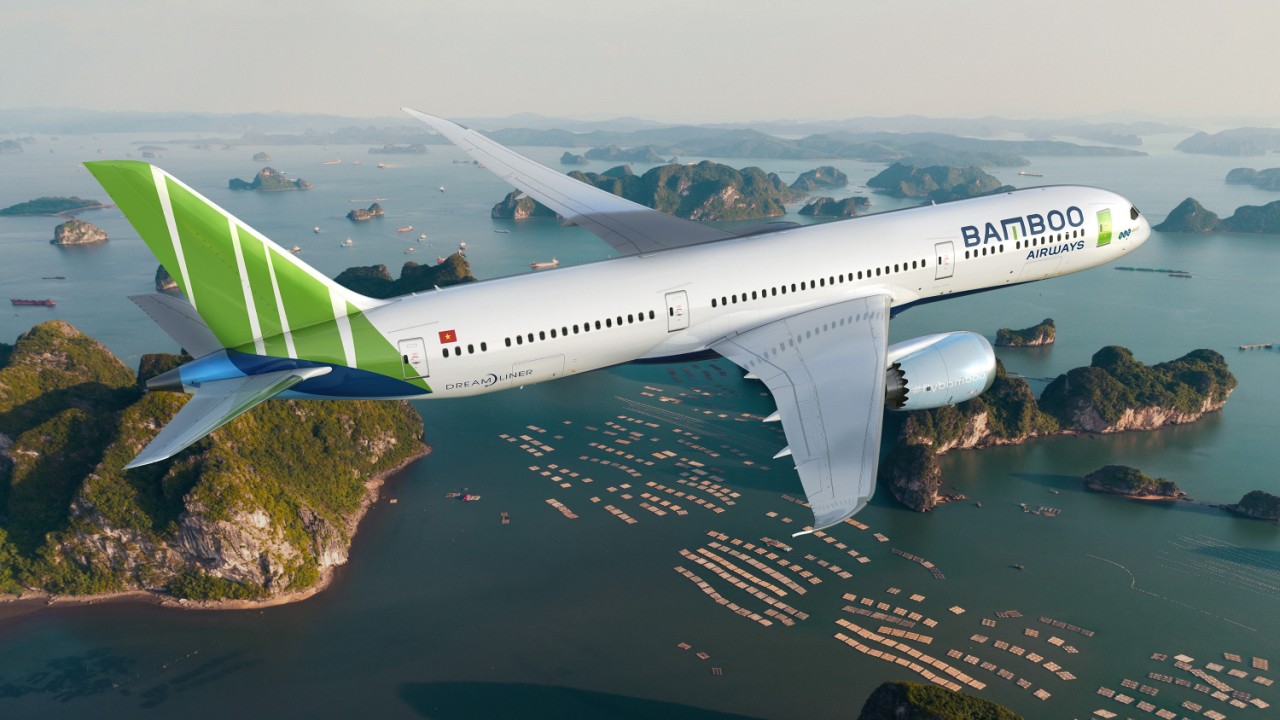
  • Bamboo Airways suspends S.Korea flights to contain coronavirus

    Bamboo Airways suspends S.Korea flights to contain coronavirus

    Vietnam’s private airline Bamboo Airways will suspend all routes to and from South Korea to stem the spread of the novel coronavirus.

    Both routes from central Da Nang and Nha Trang to Seoul’s Incheon International Airport will cease operation starting February 26, it stated Monday.

    The airline is currently operating seven trips a week on each route with the narrow-body Airbus A21neo capable of carrying nearly 200 passengers.

    It stated flight suspension is vital to warding off the coronavirus from South Korea where the number of confirmed cases has reached 763, and death toll 7 as of Monday.

    Last year, South Korea was Vietnam’s second-largest tourism market behind China with 4.3 million visitors, up 23 percent year-on-year.

  • Metro Cash & Carry India plans more stores

    Metro Cash & Carry India plans more stores

    European wholesale group Metro Cash & Carry will launch five new locations in India by the end of the year.

    The firm is also building its supply partnerships with local small-scale “kirana” stores, and has already secured 2000 partners in Bengaluru, Hyderabad, and Delhi. It has provided these small businesses with specialized point-of-sale devices outfitted with an app to help owners order items from Metro online, as well as generate daily sales and profit reports and track sales data.

    “We believe in helping kiranas in increasing their sell-out,” said Metro Cash & Carry India MD and CEO Arvind Mediratta to ETtech, “not just sell to them because if their sell-out improves, and if they think Metro can help increase their sell-out, we automatically become their preferred supplier.

    “The whole idea is how to make a kirana store smarter in terms of usage of technology, by running business more efficiently, targeting more customers using data analytics, drive more customer traffic and make it more successful and profitable.”

    Metro’s devices allow the kirana stores to trade using e-payment services. The firm is also offering loans for remodelling costs to help modernise these outlets.

    The firm’s five new cash & carry stores will be established in Karnataka, Andhra Pradesh and Telangana. It currently operates 27 such outlets in 17 cities within the territory.

  • Daegu citizens use social media to support restaurants hit by coronavirus

    Daegu citizens use social media to support restaurants hit by coronavirus

    Citizens of South Korean city Daegu are working together on social media to prop up local businesses hit hard by the rapidly growing coronavirus outbreak.

    A Facebook page introducing restaurants in Daegu posted Friday that many establishments are losing money due to the coronavirus epidemic. These restaurants saw their sales fall and are struggling to use up food and ingredients.

    The Facebook page posted a message saying, “If there are restaurants who need help using up ingredients, please let us know. We will help as best as we can.”

    Citizens are taking steps to make sure that restaurant food going unsold due to a drop in customer numbers doesn’t go to waste.

    When such information was made public, inquiries were made by various local restaurants, including steak restaurants and cafes that sell desserts and beverages.

    Site managers received and posted the remaining materials, prices, contact information and photos from restaurant owners. Some posts also showed a welcoming phrase, “Used up all the ingredients.”

    There were also citizen reports to publicize the situation at traditional markets, where many elderly vendors are not familiar with the internet.

    One citizen said: “There are a lot of fruits at Seomun Market stalls and so on. Delivery is also possible,” and provided the site manager with the location and the phone number.

    Other Facebook pages that deliver various news in the region have also joined the initiative.

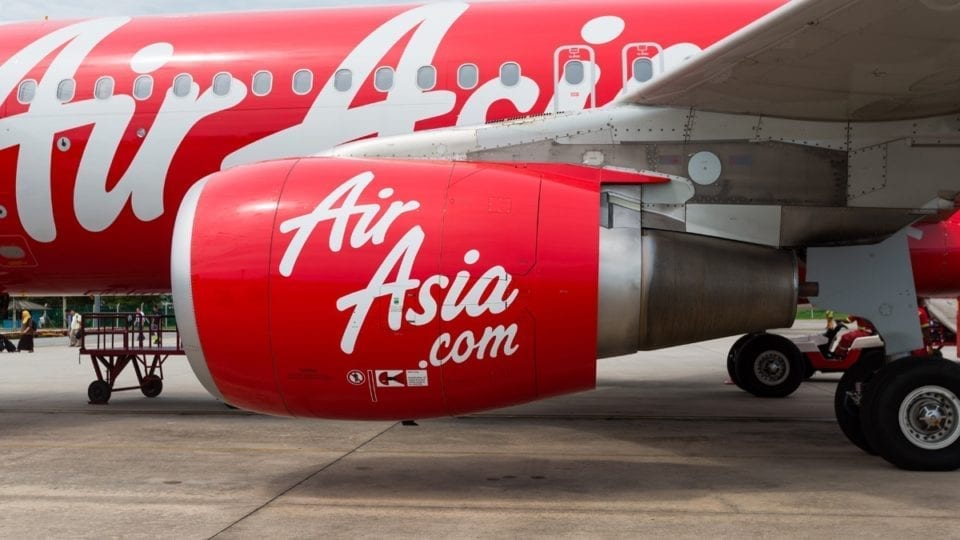
  • AirAsia Cancels Flights to South Korea Over Covid-19 Coronavirus

    AirAsia Cancels Flights to South Korea Over Covid-19 Coronavirus

    AirAsia Passengers can find the latest updates via Twitter: @AirAsia_Thai and Facebook: facebook.com/airasia. They can contact customer support on Twitter: @AirAsiaSupport, while they can check flight status through “Flight status” on the website: airasia.com.

    Thai AirAsia has canceled all flights to South Korea from March 6-27 due to the Covid-19 coronavirus outbreak. The cancellation in flights comes after the South Korean government issued a travel advisory to its citizens.

    Last week Thailand’s outbound tours were left in limbo after South Korean airlines suspend flights to Thailand amid coronavirus fears. The countries’ Health Ministry urged South Koreans to refrain from traveling to regions with confirmed coronavirus cases.

    South Korea has prioritized guarding against the entry of the virus from regions other than China. Using screening measures for passengers who have traveled to; Thailand, Singapore, Japan, Hong Kong, Taiwan, Malaysia, and Macau.

    AirAsia X has offered three options for passengers affected by this cancellation:

    (1) Passengers can postpone the travel date on the same route for one time within 30 days without additional costs. However, it will depend on seat availability on the flight and the conditions specified.

    (2)  Passengers can keep their points in the AirAsia BIG point reward account for travel in the future. Which must be booked within 90 calendar days from the original schedule. However, passengers can schedule the new travel date after the expiry date if the flight schedule is still available.

    (3)  AirAsia Passengers can request a full refund for all flights to and from South Korea.

    The airline will inform concerned passengers about the cancellation via email or SMS.

    Meanwhile, passengers can request offers via Ava Live Chat at support.airasia.com. In case of booking through a dealer or online travel agent, passengers must proceed with the agent that they had booked with. However, the airline will monitor the situation closely and update information periodically.

  • Tokyo Tokyo store opens at Haneda Airport

    Tokyo Tokyo store opens at Haneda Airport

    Tokyo Metropolitan Government has launched a souvenir shop, Tokyo Tokyo, at Haneda Airport.

    Located in a retail strip at the airport’s international terminal, Edo Ko-ji, Tokyo Tokyo offers a wide selection of souvenirs including traditional dolls Daruma, maneki-neko lucky-cat charms and models of the iconic Tokyo Tower.

    The store’s wall features drawings of the Asakusa and Shibuya neighborhoods which reflect the merger of “cutting-edge modern culture and centuries-old tradition”.

    The Tokyo Tokyo shop is part of the Tokyo Omiyage project which is a collaboration between Tokyo Metropolitan Government and local businesses to create a lineup of souvenirs promoting Tokyo as a travel destination to both domestic and international tourists.

  • Supply-chain worries grow as coronavirus crisis continues

    Supply-chain worries grow as coronavirus crisis continues

    Some global retailers have begun reopening stores in Mainland China as the coronavirus crisis continues – but concerns remain over supply chain challenges.

    With millions of Chinese self-quarantining, affecting factories and logistics, fears are growing that supplies of stock outside the mainland may soon run short as factories struggle to keep up with demand and amidst shipping delays.

    Leonie Barrie, an apparel analyst at GlobalData, says apparel brands and retailers with supply chains linked to China may suffer in coming months. While factories on the mainland have now restarted after a three-week shutdown, many are operating at reduced capacity with quarantined workers, travel restrictions and raw material deliveries delayed, causing further disruption and ongoing uncertainty.

    “Aside from the human impact, the coronavirus epidemic is having major negative repercussions on the global fashion business. If factories can’t operate they won’t be able to ship products,” says Barrie. “And if they’re not getting the raw materials they need, there will be missed deliveries.

    “As well as delays of up to two or three months on the delivery of summer fashion collections, there is also the potential for a knock-on later in the year on autumn, back-to-school and even holiday goods.”

    The impact may not stop there. Barrie says even more severe disruption may occur if factories already suffer cashflow challenges are then hit by penalties for late deliveries, or when orders are canceled rather than delayed.

    “Because China is the workhorse of the manufacturing world, this is a situation where everyone is negatively impacted. All companies can do is closely monitor the situation and look at risk mitigation measures wherever possible.”

    One such manufacturer is Hong Kong-listed China Dongxiang, whose brands include the Kappa license for Greater China. The majority of products for online sale and the kids’ apparel stored in the warehouses located in Wuhan have been locked down, due to a number of factors, such as an extension of the Lunar New Year holiday, logistic impediments and delays in customs clearances.

    For now, the company has been able to offset the significant impact from the lockdown by reallocating stock from offline channels to online channels.

    “As the recovery of road transportation will facilitate the stock replenishment for online sales and kids’ apparel, severe stock shortage will not be expected,” the company said in a statement.

    China Dongxiang says 30 percent of its offline stores (excluding Kappa kids’) had reopened as of last Wednesday, while the remaining stores will resume operations in stages.

    “The group will follow the requirements on infection control and prevention by the respective local governments to the largest extent, and resume full operations as soon as possible without compromising on the safety of its employees and consumers. In spite of greater pressure on offline retail stores in the short run, the group will put in extra effort in developing online business by integrating online and offline resources.”

    Chairman and executive director Chen Yihong was upbeat about the business being able to manage the impact of the virus.

    “In the long run, the group has faith in the economy as well as the sports-apparel industry in China. Our expectation on the steady growth in the group’s performance remains unchanged. We are confident in overcoming the short-term hurdles, achieving healthy and steady growth in the business of the group.”

    Canadian exercise and leisurewear label Lululemon said the majority of its 38 stores in Mainland China have been closed since February 3, however some have since resumed operating on a reduced schedule and the online business continued throughout.

    “We’re inspired by the resilience and commitment of our team in China as we navigate the emerging impacts of the coronavirus,” said CEO Calvin McDonald. “The safety of our people is our highest priority, and we are adjusting store operations based upon the recommendations of local authorities.

    “Despite the current disruption to our growing business in China, we remain confident in the long-term opportunities this market holds for Lululemon.”

    Apple is another retailer that has already reopened some stores.

    Meanwhile, online retailer JD has provided five AI vending machines to a residential compound in Beijing’s Tongzhou district, offering residents 24/7 access to fresh fruit, vegetables and daily essentials sourced from a nearby 7Fresh supermarket.

    Developed by JD-X, JD’s logistics innovation lab, customers can select products displayed on the transparent door of the machine and use mobile phones to scan a QR code. Once scanned, the door will open and customers can select the products they want and after closing the door be charged for what they bought.

    The key to the vending machines is that they require no human interaction – a concern for many mainlanders as they try to avoid contracting the coronavirus.

    JD says employees of the 7Fresh store regularly clean and disinfects the machine to further reduce the chances of virus transmission.

    The company now plans to roll out the machines in Beijing, Chongqing, Shanghai and other cities.

    Supply-chain worries grow as coronavirus crisis continues

  • Changi Airport rents halved in wake of coronavirus outbreak

    Changi Airport rents halved in wake of coronavirus outbreak

    Retailers at Singapore’s Changi Airport will be granted half-cost rents for six months, backdated to February 1 due to the impact on passenger movements resulting from the coronavirus epidemic.

    The Changi Airport rents rebate will cover more than 540 retail, F&B and service tenants at the airport who are facing a sharp drop in sales during the outbreak. Retailer operating hours will also be reduced at the airport, optional for those trading landside.

    The rent reductions are in addition to rebates that automatically apply when airport traffic is down.

    The moves follow a government announcement of a SGD112 million (US$80 million) package for the aviation sector to help protect businesses and jobs at the airport as well as preserve the connectivity of the travel hub. It includes a property tax rebate that the airport is passing on to its shops in full.

    Management is holding ongoing discussions on how to further support retail tenants in addition to the Changi Airport rents cut.

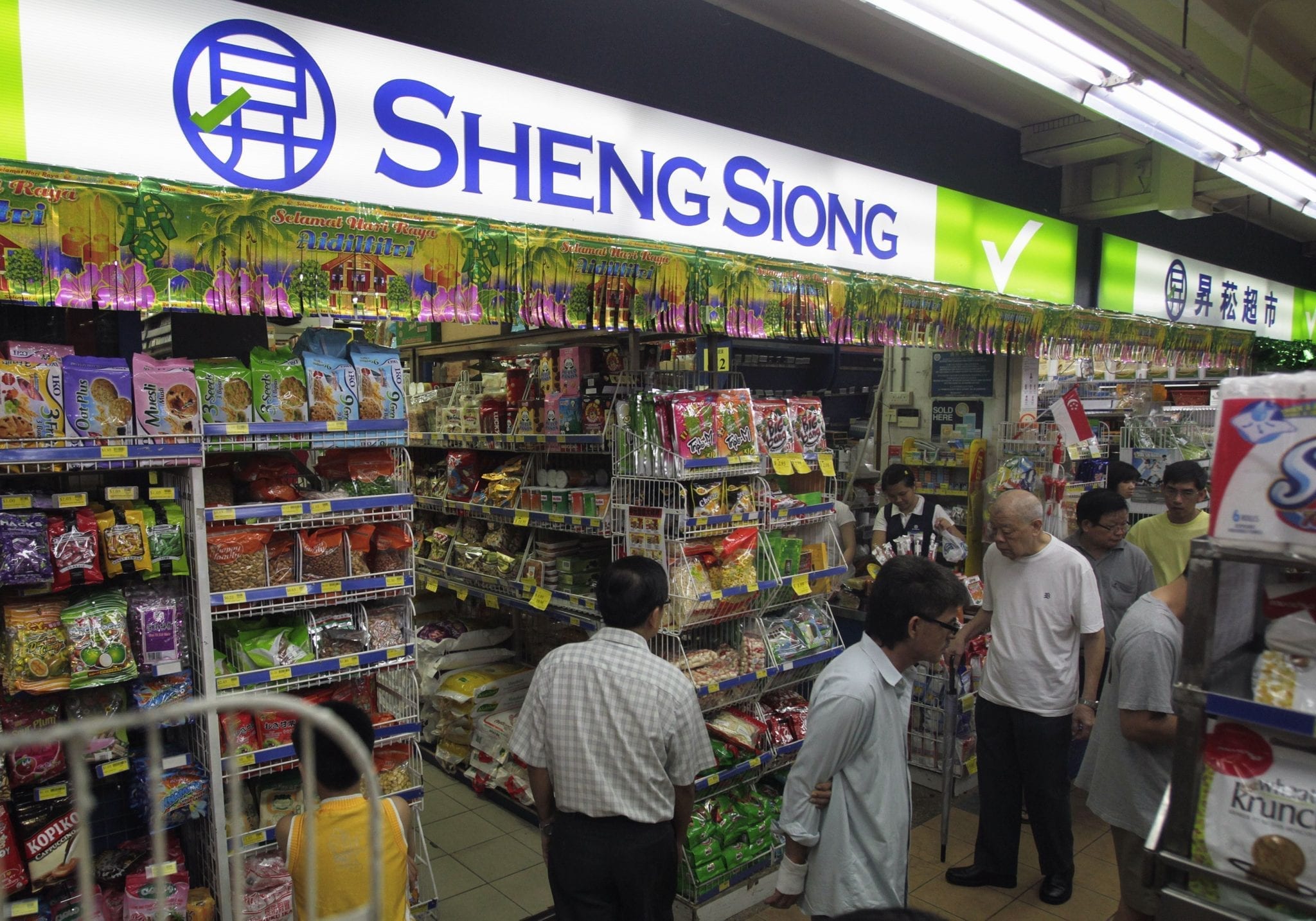
  • Sheng Siong looks for new store sites as sales and profit grows

    Sheng Siong looks for new store sites as sales and profit grows

    Singapore supermarket operator Sheng Siong says it plans to open more stores across the city in the wake of a 7.4-per-cent profit increase last year.

    Sheng Siong Group achieved a net profit of S$75.8 million (US$54 million) for the December year on revenue up 11.3 percent to S$991.3 million, largely due to store network growth.

    “Our store expansion plan in Singapore is progressing well,” said CEO Lim Hock Chee.

    Five new stores opened last year and two more already this year adding 56,820sqft of trading area and taking the network to 61.

    “Moving ahead, we will stay focused on looking for new retail spaces especially in areas where our potential customers reside with an aim in mind to expand our retail network in Singapore.”  The company says it will focus on continuing to look for retail space in new and existing Housing Development Board housing estates, particularly in estates where the group currently has no presence.

    “Our key priorities are nurturing the growth of our new stores in Singapore and China while enhancing the gross margin and lowering input cost remain as one of the core areas that we will be working on,” said Lim.

    He added the company would seek to adjust stores’ sales mix adding a higher proportion of fresh produce and deriving more efficiency gains in the supply chain in the year ahead.

    The company remains optimistic about trading this year despite expectations Singapore’s economic growth will slow to less than 1.5 percent – potentially even entering a recession – due to the impact of the coronavirus.

    The company’s results commentary said retail sales, in particular at supermarkets had “not been exciting” last year and could be negatively affected this year.

    “Competition in the supermarket industry is expected to remain keen.”

    This year’s openings were a store on the first floor of Block 118 Aljunied Avenue 2, with an area of approximately 18,000sqft on January 1 and at Block 202 Marsiling Drive (5540sqft) on January 11.

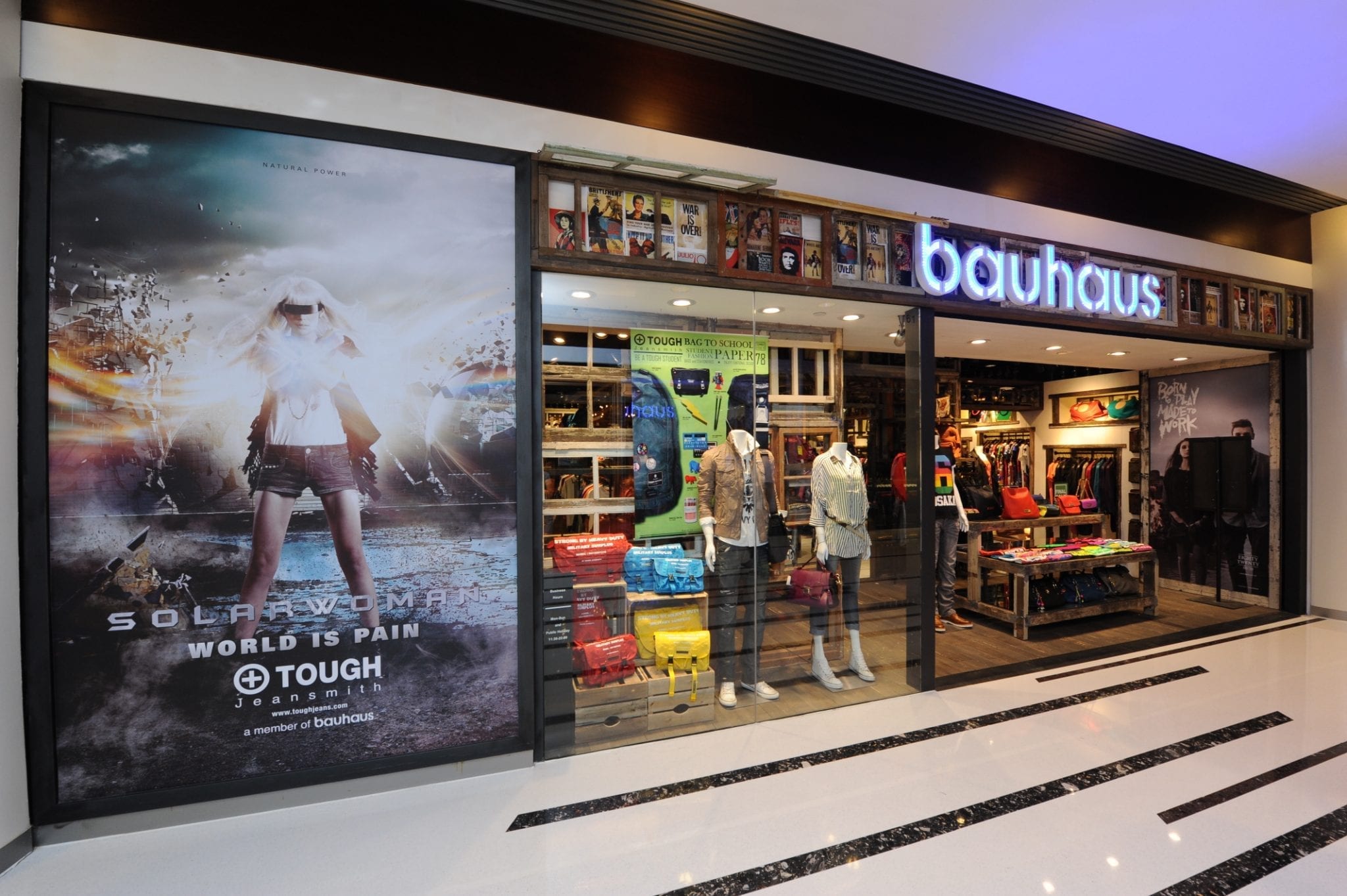
  • Loss-making Bauhaus to close 10 stores, axe 100 staff

    Loss-making Bauhaus to close 10 stores, axe 100 staff

    Hong Kong fashion group Bauhaus International says it will close up to 10 loss-making stores in Hong Kong.

    The closures will lead to the laying off of 100 staff, over and above the 200 jobs it culled between April and September last year.

    Bauhaus retails under several of its own labels – Tough, Jeansmith, Salad and 80/20 – across 66 stores in Hong Kong, Macau and Taiwan. The company is also the franchisor for struggling British brand Superdry in Hong Kong.

    The company has blamed the closures on the coronavirus outbreak, which comes on the heels of six tough months for retailers during the anti-extradition bill protests.

    Closing stores before their leases are up is expected to result in a one-off write-off and/or impairment losses of between HK$16 million and HK$50 million, subject to the final results of negotiations between the group and the relevant landlords.

    Bauhaus had announced its exit in China markets just last month but will continue to retail on Tmall and JD.

    Besides its Hong Kong closures, the company is evaluating the closure of as many as half of its retail stores in Taiwan by the end of the 2021 fiscal year. Bauhaus has been recording losses abroad for the last two consecutive years.

    The brand’s net loss was at HK$95.2 million for the six months to September last year, nearly double that of the previous year. The cause of its performance were attributed to the then intensifying China-US trade ware, depreciation of the Renminbi and social unrest.

    The group will continue to focus on rationalizing its operations, reducing structural costs and reinforcing its financial resilience. Meanwhile, 50 Hong Kong retailers with a combined 200 shops are on strike against landlords, demanding for leniency on rent during struggling times.

  • Benefits Of Conducting  Radiation Safety Training For Employees

    Benefits Of Conducting  Radiation Safety Training For Employees

    Technology has brought about so many changes in the lives of individuals today, and even more so in the business industry. While the positive changes are numerous, there are also negative ones that one can’t turn a blind eye on. One of these adverse effects is possible exposure to radiation in industries, such as health and medicine.

    In these instances, your team must be well trained on primary radiation safety practices. That way, you’re able to minimize dangers and risks in your workplace. In this regard, here are some of the benefits for you to gain in conducting radiation safety training for employees:

    1. Keeps The Business Within The Legal Requirements

    Because of the severe dangers that are brought about by radiation, employers who have a business along this line are mandated by law to provide radiation safety training. This is one of the most important and apparent benefits of conducting radiation safety training. It keeps your business within the requirements of the law. That way, just in case any radiation-related health issue arises, you’ve got enough reason to prove and show that you’ve done your part in providing the radiation safety training.

    Here are some aspects required by law for radiation safety training:

    • Knowledge of the importance of complying with medical, technical, and administrative requirements of the legal regulations
    • An understanding of the risks to health due to exposure to radiation through procedures, such as x-rays and 3D printing
    • Knowledge of the radiation protection procedures and precautions to be undertaken
    1. Helps Keep Up With The Rising Demand For More Radiation

    Especially in the medical industry, the demand for radiation is often higher than what’s necessary. In most cases, this is coming from the increased emphasis on images that are of superior quality. Having said that, all the more important it is for members of the healthcare team to undergo radiation safety training. This also results in more efficient members of the team, particularly the machine operators, who know how to produce the best quality images without using excessive radiation.

    1. Explains The Risk Of Radiation Exposure

    Yes, you may already be aware of the various risks of radiation exposure. But, knowledge of these risks isn’t enough. You also have to be mindful of what it is you should do when exposed to these risks. Then, there’s also the matter of the best treatment options. Additionally, a deep awareness of the dangers of radiation helps the workers exposed to this hazard be more cautious with their surroundings. While it’s inevitable in their job to operate radiation-laden machines, their brand new level of awareness could keep them on the loop of how to best take care of themselves.

    Risks of radiation exposure are dependent on factors, such as the following:

    • Where the radionuclide concentrates in the body, and for how long it stays there
    • The level of energy released by the radiation
    • The type of radiation released by the machine, usually x-rays, gamma, alpha or beta rays
    • The rate at which the body metabolizes and eliminates the radiation that gets in
    • How often the body is exposed to the radiation
    1. Gains In-depth Knowledge Of The Different Safety Measures

    Naturally so, when employees are trained on radiation safety training, they also gain an in-depth knowledge of the different safety measures related to radiation exposure. These safety measures are essential to learn so the employees are able to know other alternatives, or what to do, to lessen the risks of radiation. Remember that these affect not just the employees themselves, but even the patients as well.

    Examples of the different safety measures related to radiation exposure are the following:

    • Shielding – this refers to using the appropriate guards or shield to lessen or avoid direct exposure to radiation. Examples of this specific mechanism include:
    • Personal shields, such as aprons with thyroid shields and leaded glasses
    • Equipment-mounted shields, such as protective drapes
    • Rolling and stationary shields, such as disposable patient drapes that can be disposed of after every use to avoid scatter radiation
    • Dose Reduction – whenever a high dose of radiation isn’t necessary, then the better choice is to select other options with less radiation. This choice benefits both the patients and the machine operators. An example of dose reduction is through minimizing fluoroscopy time, and also lowering the number of images to be printed out or submitted.

    Conclusion

    Constant exposure to high levels of radiation does the human body no good. In understanding the inherent dangers of radiation, it’s important also to learn and get a good grasp of how this exposure can be lessened. The bottom line is that the pursuit of advancement in medicine, factories, and other industries, shouldn’t come at the expense of the employees’ safety. Now that you better understand the benefits of undergoing radiation safety training for employees, this should form part of your next calendar of training activities for the company.