Category: General

Retail News Asia is committed to providing both local and global retailers with the latest General Retail news throughout the Asian market. This on a daily base.

  • Ha Long casino operator mostly dependent on lodging income

    Ha Long casino operator mostly dependent on lodging income

    The operator of The Royal Casino in Ha Long Town posted VND8 billion ($345,000) in Q3 post-tax profit, mostly from its lodging business.

    This is the first quarterly profit that the company, Royal International, has made, even though all four quarters last year ended in the black, its third-quarter financial report shows.

    However, the company’s casino business still suffers losses. January-September casino revenue at The Royal Casino, the largest in the northern Quang Ninh Province, was just VND60 billion ($2.6 million), or 36.8 percent of the total, with the rest coming from its hotel and villas.

    As the casino business is seasonal, the revenue generated from it is unstable as it depends on the number of players and on luck, the company said.

    Another reason is the increasing number of casinos in neighboring countries such as Cambodia, the Philippines, and Myanmar, scattering potential gamblers.

    The company plans to find a partner this year to invest in a 33-story twin-tower hotel to increase revenues from lodging, as well as karaoke, massage and other services.

    In the first nine months of this year, Royal International’s revenue was VND163 billion ($7 million), less than half of the year’s target.

    It suffered a loss of over VND70 billion ($3 million) after-tax, compared to a profit of VND18 billion ($776,000) in the same period last year.

    The company’s still some distance away from achieving its target of VND38 billion ($1.64 million) in after-tax profit for the whole year.

    Vietnam has seven casinos, six of which are open only to foreign passport holders

     The government still treats gambling as a social evil, although it has loosened its restrictions on it in recent years.

    Last year the government approved a three-year trial project allowing Vietnamese residents to enter a casino on Phu Quoc Island on a pilot basis if they can meet certain conditions.

    Vietnamese who want to gamble must be over 21 years, earn a minimum of VND10 million ($430) a month and have no criminal record or objections from family. The entry fee is VND1 million ($43) for 24 hours or VND25 million ($1,077) a month.

  • Vietnam aircraft fleet to quadruple in 20 years

    Vietnam aircraft fleet to quadruple in 20 years

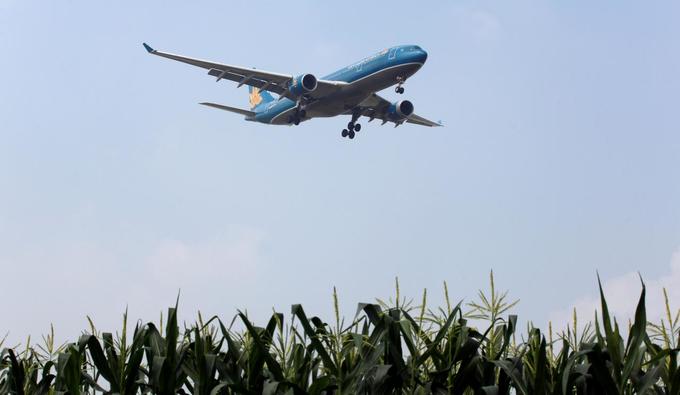
    Vietnam’s aircraft fleet, at 200 now, will quadruple by 2038 as air travel demand increases and the market sees new players.

    These figures were cited by Darren Hulst, aircraft manufacturer Boeing’s marketing director for China & Northeast Asia, at a recent press briefing.

    The current number of aircraft in the country is set to double in the next two years. Single-aisle aircraft are set to be the main type used for Vietnam’s domestic and regional flights, Hulst said.

    He noted that aviation growth has been rapid in Vietnam for several years now. In 2009, all Vietnamese airlines provided 800,000 seats a month, but by this year, the figure had reached 3.3 million.

    In the last five years, the number of passengers taking flights has tripled and the number of aircraft doubled, he added.

    Southeast Asia will need 4,500 new aircraft by 2038, and Vietnam is set to account for a large portion of that demand, Hulst said.

    Vietnam now has six domestic carriers and three companies that have applied for aviation permits.

    Last year, Vietnam’s 21 state-run airports served 103.5 million passengers, up 11 percent year-on-year, and the figure is set to rise to 112 million this year, according to the Airports Corporation of Vietnam.

  • Myer revamps homewares offer in the Sydney flagship store

    Myer revamps homewares offer in the Sydney flagship store

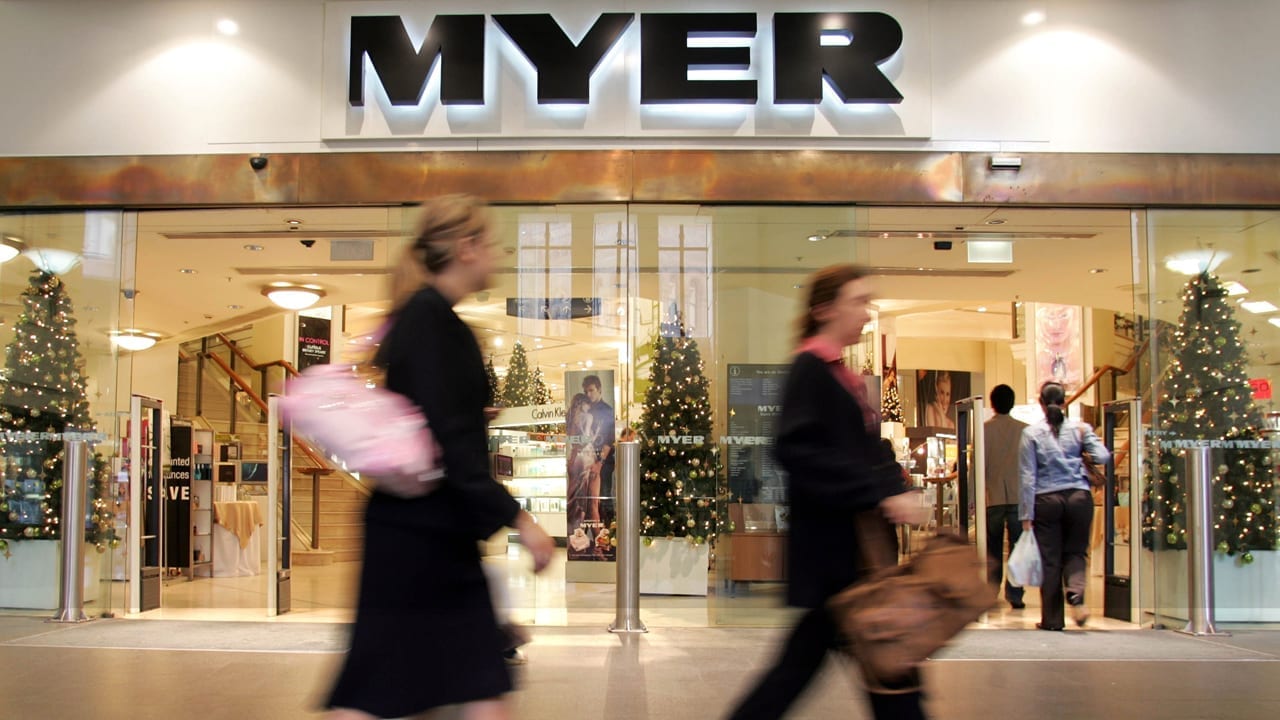
    Myer on Friday opened the doors to a refurbished homewares and electronics department in its Sydney CBD store.

    The new floor contains 20 shop-in-shop concepts from leading brands, including Scanpan, Le Creuset, Delonghi, Breville, Riedel, Fissler, Salt & Pepper, Maxwell & Williams, and Coles & Mason, as well as the world’s largest shop-in-shop from Dyson.

    “We are so thrilled with the new homewares department, with it’s modern and easy to navigate shop-in-shop format,” Alison Muir, the general manager of Myer’s Sydney store, said.

    According to Myer’s general manager for home and entertainment, Dean Austin, the floor has the largest choice of homewares in Sydney’s CBD.

    The new offering comes as the department store retailer sheds “unprofitable” brands, such as Apple, which it stopped selling in May, as part of a broader turnaround.

    The department store managed to pull back a modest improvement during FY19, its first year under chief executive John King, despite shifting consumer behavior.

    While total sales fell 3.5 percent to $2.99 billion, and comparable sales fell 2.9 percent, the business managed to reduce its expenses by roughly $33 million over the year in rent and wages.

    This focus on more profitable sales led to a net profit after tax of $33.2 million; 2.2 percent up on the year prior.

  • China’s Tan Mujiang opens first store in USA

    China’s Tan Mujiang opens first store in USA

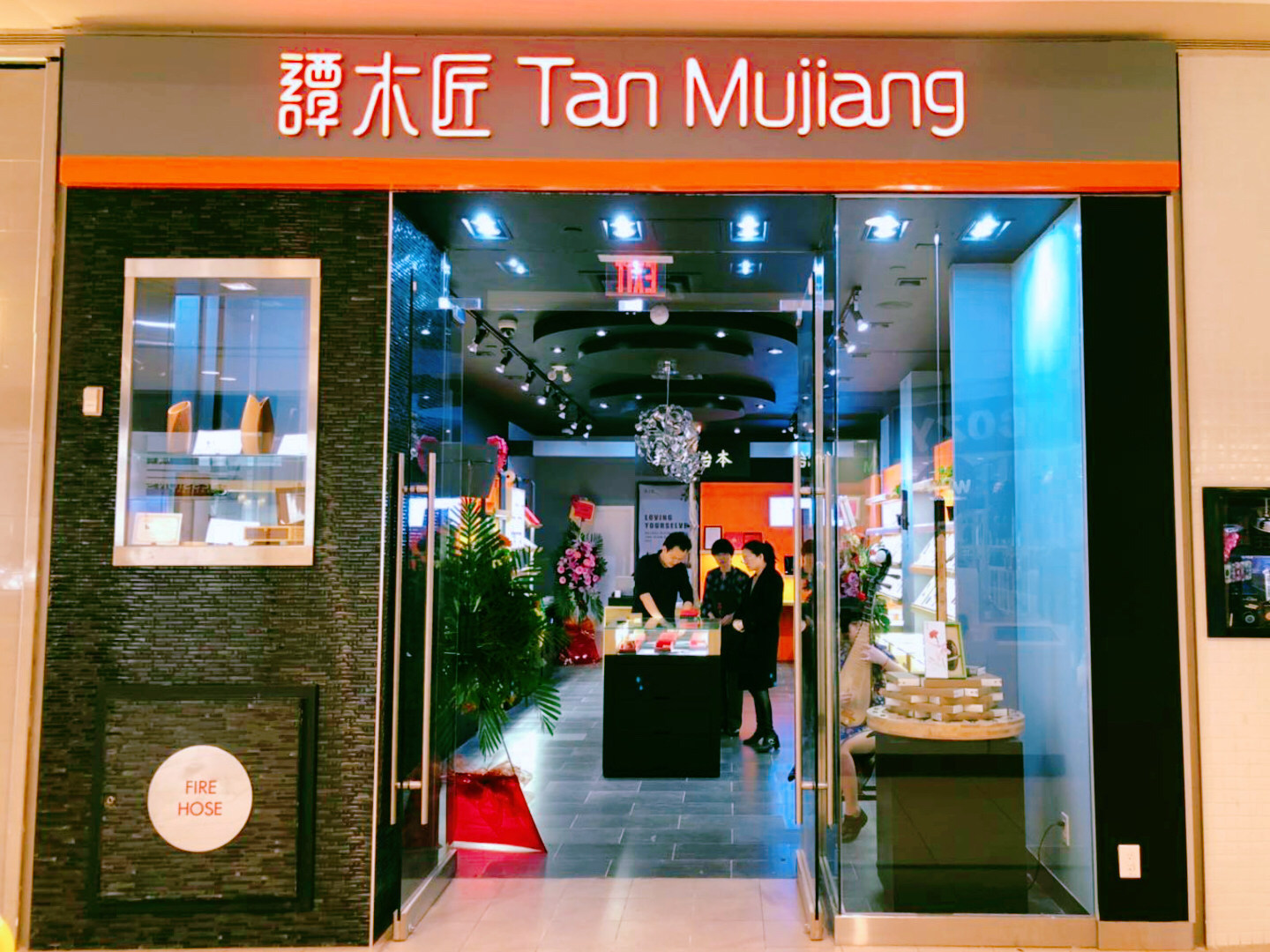
    Chinese wooden-comb manufacturer Tan Mujiang has continued its international expansion with the opening of its first flagship store in the US.

    The store dubbed as H0006 is located at Flushing Main Street in New York City and carries combs made from natural materials by traditional Chinese handicrafts with “beautiful shape, smooth lines, exquisite texture, rich colors and fine hand feel”. It is Tan Mujiang’s second store in North America after Toronto, which opened in May.

    The manufacturer said it has obtained more than 80 patents since 2013 and has been providing supplies to more than 1200 shops in China and nine flagship stores in Southeast Asia, Toronto and New York.

    The company says it plans to popularise its brand by operating franchised stores worldwide. It also plans to increase its investment in overseas market promotion by participating in grand international exhibitions and will promote products on popular social media internationally.

    Tan Mujiang also sells through Amazon and eBay.

  • Lotte Duty Free wins Changi Airport Group liquor & tobacco concession

    Lotte Duty Free wins Changi Airport Group liquor & tobacco concession

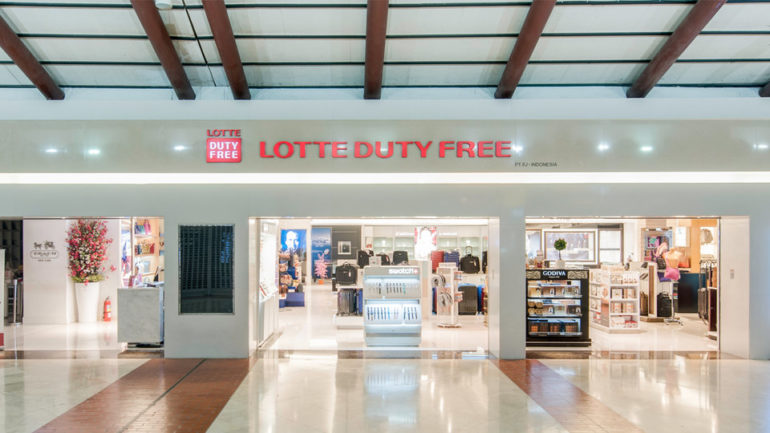
    Changi Airport Group has awarded its liquor & tobacco concession tender to Lotte Duty-Free. The company will succeed DFS Group when the concession contract expires next year.

    The awarding of the liquor & tobacco concession ends a fierce contest between some of the world’s leading travel retailers, including Gebr Heinemann and The Shilla Duty-Free.

    Changi Airport Group (CAG) said it undertook a detailed evaluation process after tenders closed on August 26.

    With experience operating concessions in markets including Australia, Japan, New Zealand, South Korea and Vietnam, Lotte Duty-Free is the first new operator to take what is a key CAG concession which was with DFS Group for 40 years. DFS decided not to bid to renew the business, saying it was not commercially viable, and following a similar withdrawal from Hong Kong International Airport two years ago.

    The contract awarded to Lotte is for a six-year term commencing on June 9. The tenancy contract covers all 18 liquor & tobacco stores across Changi’s four terminals, spanning more than 8000 sqm of retail space.

    “The Liquor & Tobacco concession is one of the largest at Changi Airport and it presents unique opportunities for marketing innovation and customer engagement,” said Lim Peck Hoon, executive VP, commercial at CAG.

    “Lotte put forth the strongest and most compelling proposal overall. It is aligned with CAG’s vision to offer passengers a seamless omnichannel retail experience and new retailtainment initiatives leveraging smart technologies. Lotte also demonstrated a keen understanding of the market environment with a sound business plan supported by a competitive financial bid and backed up by solid business fundamentals.”

    Lotte Duty-Free has promised to offer a wide selection of liquor products and brands to Changi’s passengers. All liquor and tobacco stores will be rejuvenated to attract both connoisseurs and new consumers. The company will also feature different boutique concepts and zones presenting the latest and exclusive products in the market.

    CEO of Lotte Duty Free, Kap Lee, said: “I express my deep gratitude to Changi Airport Group for acknowledging Lotte Duty Free’s strength and strategy. Winning the Changi Airport’s liquor & tobacco duty-free concession is of great significance in terms of establishing a bridgehead to achieve our vision of “Global No.1 Travel Retailer”. Lotte Duty Free will put its continuous efforts to grow as a global brand with Changi Airport.”

    According to CAG, the transition towards the start of the new concession will be planned carefully with both the incoming and outgoing tenants. Renovation works in the stores will be conducted in phases to ensure that customers continue to enjoy a high standard of service.

  • Japan and South Korea battle for Vietnamese retail market

    Japan and South Korea battle for Vietnamese retail market

    South Korean companies are engaged in a fierce battle with Japanese rivals in the Vietnam retail market, which has emerged as a “post-China.”

    According to the Korea Trade-Investment Promotion Agency, the Vietnam retail market has been growing rapidly, with an annual average growth rate of 10.9 percent between 2013 and 2018.

    Currently, South Korea and Japan lead the market in all areas, including convenience stores, department stores and online shopping.

    Lotte Group has had a presence in the Vietnam retail market since 2008 and has invested US$390 million so far.

    Currently, the company has 14 shopping malls, one department store, and two duty-free shops operating across the country.

    Japanese rival Aeon entered Vietnam in 2011 with a capital of $190 million. Since then, it has built and operated shopping malls in three centers: Ho Chi Minh City, Hanoi and Binh Dương.

    Besides Aeon, Japanese companies such as 7-Eleven, Fuji Mart are also operating in Vietnam.

    The channels that are growing rapidly in the local market are convenience stores and e-commerce.

    In particular, the growth of the convenience-store market is steep due to rapid urbanization, rising income levels and the expansion of the young consumer population.

    IGD Research ranked Vietnam as the top country among the fastest-growing convenience store markets in Asia by 2021.

    The South Korean convenience store chain GS25 entered Vietnam in January last year when it opened a store in Ho Chi Minh through a joint venture with SonKim Group, a Korean company that has emerged in the region.

    It currently operates about 50 stores but plans to expand to 70 by next year and to 2000 over the next decade.

    South Korea’s BGF Retail, which operates the convenience store chain CU, also recently signed a master franchise contract with Vietnam’s CUVN to start making inroads into the Vietnamese market.

    Japan’s 7-Eleven entered Vietnam in 2017 and is currently operating 24 stores. It aims to build 1000 new stores, mostly focused for now on Ho Chi Minh City and Hanoi. It followed Circle K and FamilyMart which have gained considerable traction in Ho Chi Minh City.

    South Korean conglomerates such as Lo

  • Takashimaya bullish about profit opportunities in Asia

    Takashimaya bullish about profit opportunities in Asia

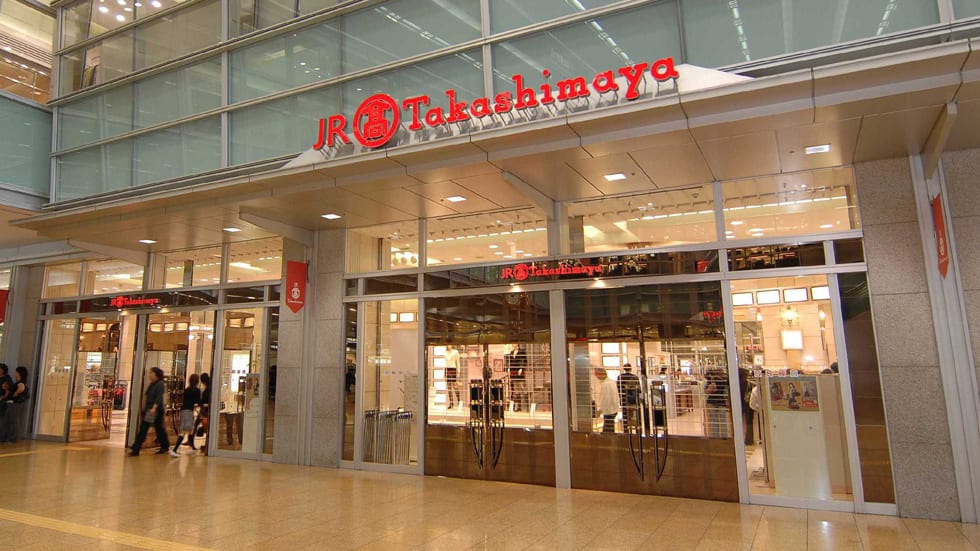
    Japanese department-store operator Takashimaya is banking on its Vietnam and Thailand flagships to drive growth this year as it seeks to achieve profitability in its Southeast Asian business.

    To date, Singapore has been the sole profitable store outside Japan, but this financial year the Takashimaya Vietnam store in the Saigon Centre in Ho Chi Minh City is expected to produce 100 million yen (US$919,000) in operating profit and the company’s president Yoshio Murata told Nikkei in an interview he sees Vietnam as “another Singapore” in the future.

    Takashimaya opened its first Southeast Asian store in 2013 in Singapore. Located in the heart of the Orchard Road precinct, that store took several years to turn into the black but now drives the retailer’s business in the region. Last year it reportedly earned 3 billion yen (US$27.2 million) and this year is reportedly on track to achieve 4.8 billion yen ($44 million) in operating profit.

    The Vietnam store opened in 2016 and struggled initially before the company refocused its offer by stocking more mid-market brands, a strategy that already seems to be working. The company is believed to be exploring an opportunity to open a second store in the capital Hanoi where it is investing in an urban-development project including a bilingual school.

    Takashimaya’s most recent store in the region is at the IconSiam shopping centre in Bangkok, which opened last November.

    In an interview with the Nikkei last week, Murata said the success of that store depended in part on the completion of a delayed BTS railway line extension which would deliver people to the centre’s front door. He expects the store will lose about 900 million yen ($8.2 million) this financial year.

    As the company learned in Vietnam, the key to its success is likely to lie in stocking more mid-range products rather than focusing purely on the luxury sector as the train will bring more middle-class shoppers.

    “Upper-middle product ranges like menswear are not satisfactory,” Murata said.

    In June of this year, Takashimaya announced it would close its Shanghai store, opened in 2012, its lone post in China. But that decision was reversed when local government authorities adjusted the rent to make the store viable. Takashimaya now expects it to turn a profit in 2021.

    Meanwhile, the company is playing down widespread reports of plans to expand into other major Asian cities, including Manila – where rival Mitsukoshi will open next year – Kuala Lumpur and Jakarta.

    Murata confirmed to Nikkei that the company had been approached to open in new markets but said its focus for now was on its existing four stores.

  • AirAsia starts Bacolod-Manila flight

    AirAsia starts Bacolod-Manila flight

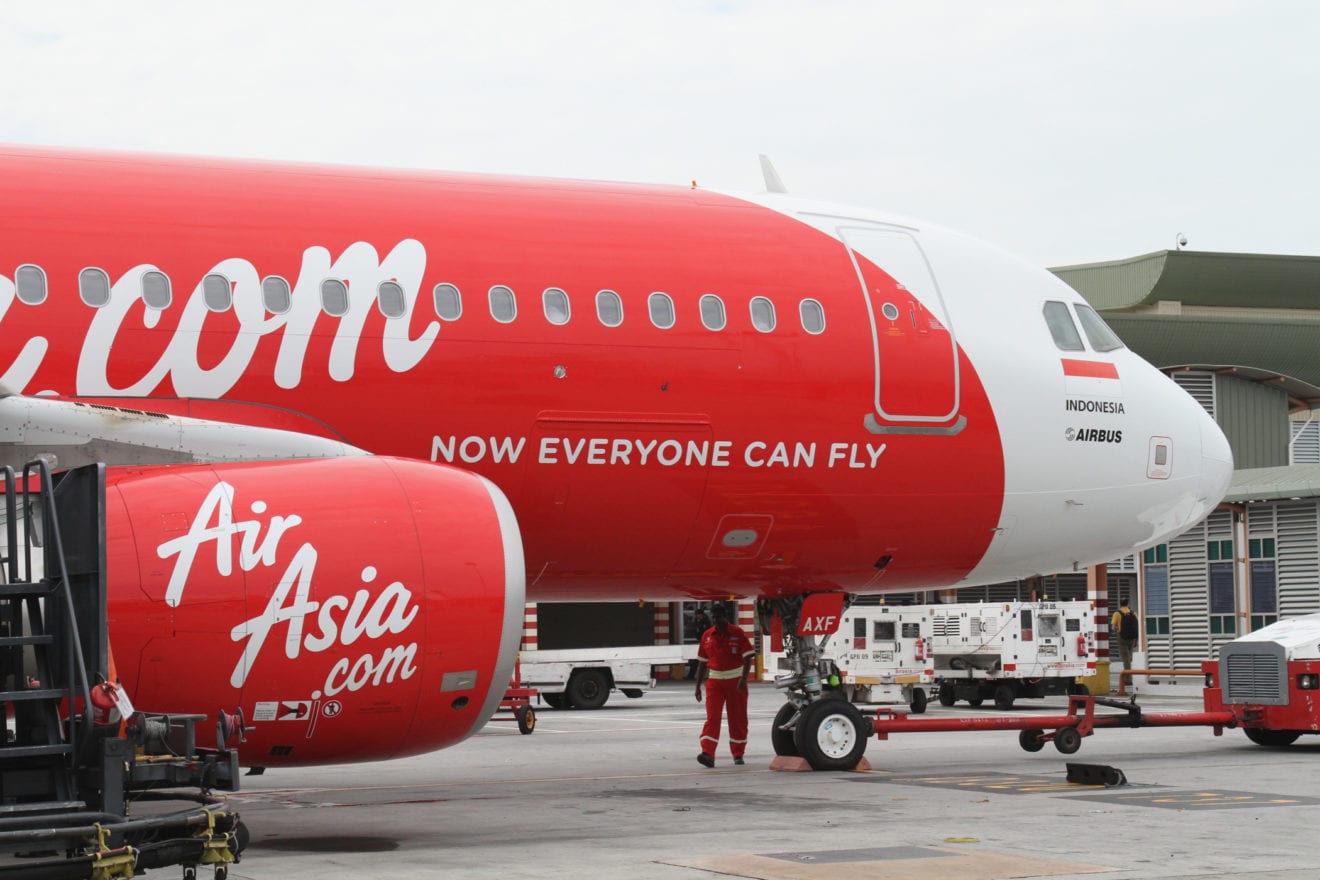
    Recognizing the huge tourism potential of Bacolod, low-cost carrier AirAsia has started flying to the Negros Occidental capital city as its 12th and only domestic destination opened this year.

    AirAsia chief executive officer Ricardo Isla said in a press conference at the Bacolod-Silay Airport that they are honored to be part of the city not only in providing socio-economic programs but also in boosting tourism.

    Isla said the airline knows Bacolod City will be one of its fast-selling destinations. Thus, it will continue to expand and build more programs in the near future.

    “This new route will pave the way for us to connect and promote this wonderful destination for its charming location, and of course its local food delicacies and beautiful smiles,” he said.

    He added that now that AirAsia is in Bacolod, “we are committed to offer our affordable products and services so everyone can fly.”

    Initially, the airline has six flight schedules daily — three each for the Bacolod-Manila route and vice versa.

    Its officials announced that ever since they started accepting bookings weeks ago, there were already around 10,000 booked seats for these flights scheduled from the late part of October to December this year.

    Given the initial bookings, they believe that there is a demand in Bacolod City and Negros Occidental.

    Isla, however, said because of their application that has been approved by the airport’s Terminal 4 in Manila with regards to parking and runway slots, the airline has maximized its resources or opportunities for a total of six flights from Manila-Bacolod and vice versa.

    He pointed out that every November and December, there is an increment of about 20 to 30 percent from the regular months.

    “So we are really expecting huge traffic not only for Manila-Bacolod, but also with our 11 other destinations,” Isla said, adding that given these figures, “if we can fly same with other provinces, it should be eight flights here.”

    The 10,000 booked passengers are only about 15 percent of AirAsia’s overall capacity of 64,000 for two months, particularly for its newest domestic route.

    Thus, it can still cater to over 50,000 more passengers, a figure which the airline company is upbeat to cover. Gilber Simpao, chief commercial officer of AirAsia, said the 10,000 booked seats for the next two months is a good start.

    Simpao said they can compare Bacolod versus other flights and that it is ahead of the curve.

    “We’re confident that it’s going to be a healthy route,” he added.

    For Bacolod City Mayor Evelio Leonardia, who was also at the press conference, having more players will always be healthy for the consumers, which is something they expect to happen.

    Citing the reputation of AirAsia and the impression toward it as less expensive, Leonardia said its presence will somehow equalize the playing field.

    “We are expecting AirAsia to be a game changer in Bacolod,” he stressed, adding that the more convenient for the people and more schedules of flights, the better for the city.

    In his speech during the welcome program, the city official said “this is a very much anticipated landing in Bacolod.”

    Leonardia said the 10,000 already-booked passengers are indications of good things to come.

    As he welcomed the new “member of the family,” Leonardia said AirAsia will change the complexion of things.

    “We would like to thank you for responding at a time when there was an uproar over pricing of airfares,” the mayor said, as he expressed hopes that AirAsia’s presence will somehow affect the so-called law of supply and demand.

    For AsiaAsia, making Bacolod City as its newest destination is both a personal choice and corporate decision.

    Lawyer Joseph Omar Castillo, chairman of the Board, said Deputy Speaker Michael Romero, whose family has the largest share at AirAsia, has close relations with the city officials.

    Castillo said the company also sees Bacolod as one of the key cities in the Visayas.

    “So we really wanted to be here for a long time,” he said, adding they waiting for a slot for a long time. “Good thing that we were given.”

    The airline opened only two new destinations this year. Aside from Bacolod-Manila, it also started flying to Osaka, Japan.

    The local government, it recognizes that tourism is going to be the biggest industry in the world. Thus, its programs and plans are also aligned to that.

    Leonardia said AirAsia’s presence will increase the tourism volume for sure.

    “Bacolod is trying to grow, trying our best to be one of the most progressive cities in the Philippines. Let’s grow together,” he added.

    The airline company takes pride in its purpose as a low-cost carrier.

    Simpao said AirAsia believes that flying is not just for rich people as they want everyone to be able to afford to fly.

    He said that when they looked at the market, Bacolod was one of the biggest unserved markets in their network.

    “People from Bacolod should be able to afford good value travel. So we need to be here,” Simpao added.

    Meanwhile, Isla pointed out that the price range varies depending on the timing. Meaning, if the booking is closer to the scheduled flight and if it is during the high-demand period then the airfare cost goes higher, he said.

    If the cost is lower compared to other airlines, it would be five to 10 percent but it still varies depending on the timing, Isla said.

    In terms of on-time performance, AirAsia has 80 percent rate.

    “Hopefully, we will maintain it considering that there is going to be an expected higher traffic in all our airports which most likely we will not encounter that problem in Bacolod,” he added.

    Potential hub

    The airline revealed that two to three more domestic destinations will be added probably by the first quarter of 2020.

    For other areas connecting to the city, officials said they are studying Cebu-Bacolod and Clark-Bacolod routes.

    AirAsia currently has four hubs in the country, namely Manila, Clark in Pampanga, Kalibo in Aklan, and Cebu.

    When pressed if they are looking at Bacolod as another hub.

    “The advance bookings it has are already indications that the focus right now is travelers going to Bacolod,” Isla said, stressing that “for now, there’s no plan but that is actually an option for the future.”

  • AirAsia X plans for direct flights into Kazakhstan

    AirAsia X plans for direct flights into Kazakhstan

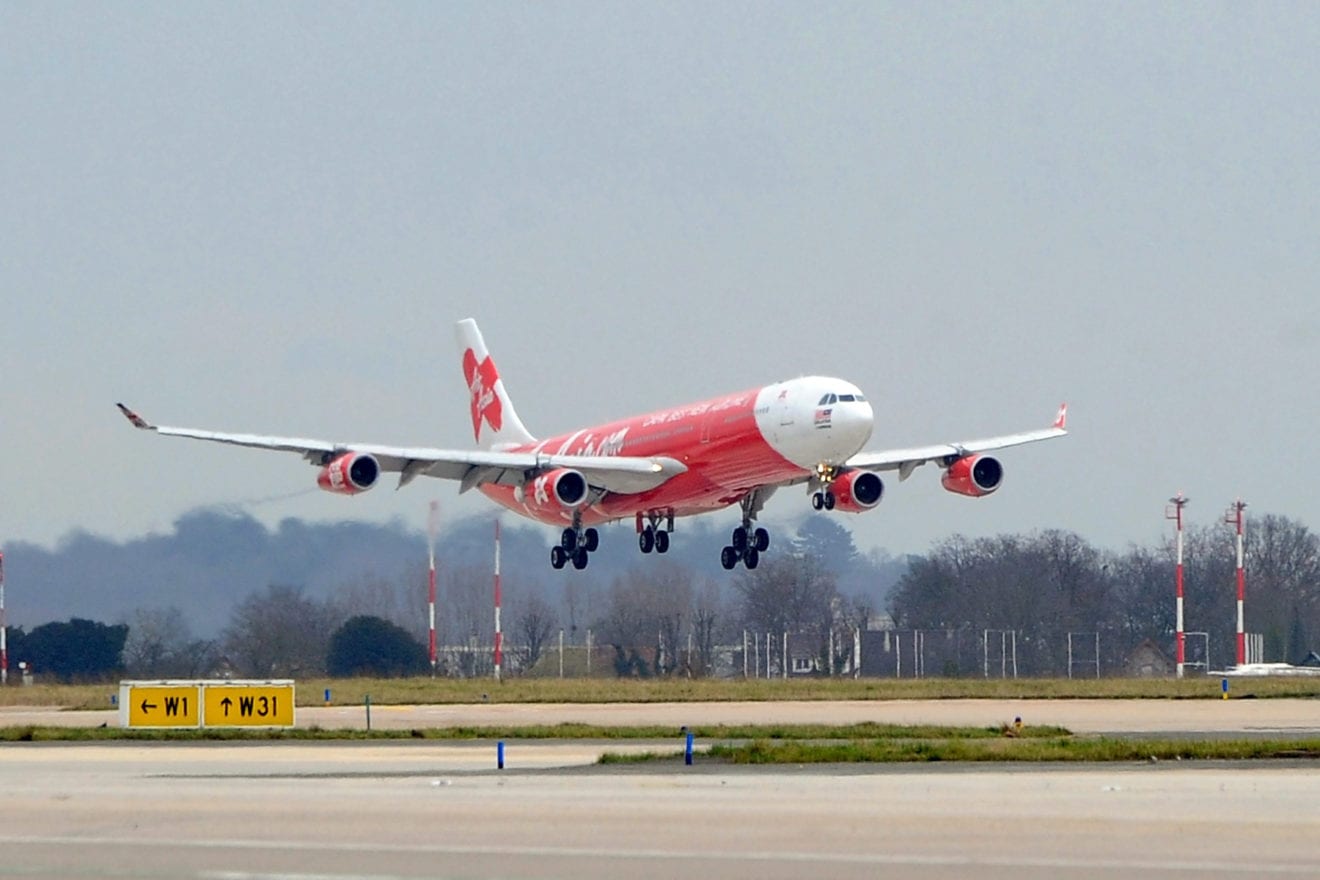
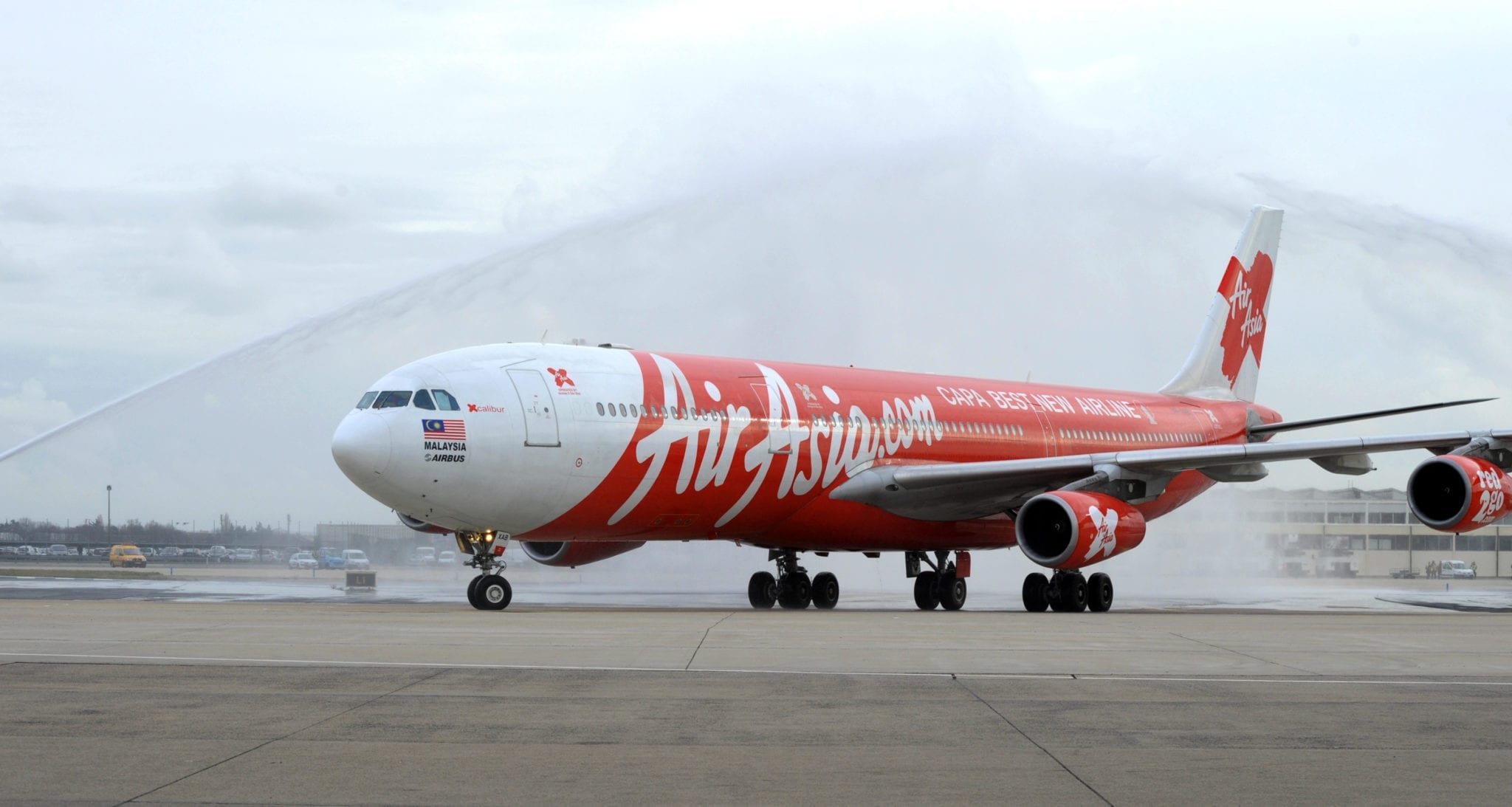
    AirAsia X , the long-haul arm of AirAsia Group Bhd, has met with the Civil Aviation Committee (CAA) of Kazakhstan to discuss the possibility of the airline introducing a direct flight from Malaysia to the Central Asian country.

    The New Straits Times learnt that the meeting was held between AirAsia Group executive chairman Datuk Kamarudin Meranun, AAX chief executive Benyamin Ismail and Kazakhstan CAA chairman Talgat Lastayev as well as representatives from Almaty, Nur-Sultan and Karaganda airports and Kazakhstan embassy to Malaysia.

    The meeting includes discussions on the potential for AAX to introduce a direct route from Kuala Lumpur to Kazakhstan as well as a presentation on the development of the aviation industry in Kazakhstan and the country’s adoption to the Open Skies policy.

    “The interest is there but we must do further research on how to introduce this plan. They (AAX) have expressed interest to use Kazakhstan as a hub for them to fly to the US and Europe,” a source said.

    The potential US and European cities that AAX might fly into include New York, Rome, Milan and Nice.

    The meeting was held at AirAsia’s RedQ office in Sepang on Tuesday.

    Recently, Kazakhstan President Kassym-Jomart Tokayev asked the country to adopt Open Skies policy and expand its international routes while attracting more foreign airlines.

    The sources said that although the move will pose a big competition to Kazakhstan-based airlines, it was time to open the country to the world with more flight connections.

    The move will also help to develop the Astana International Financial Center as well as the country’s tourism industry.

    “Kazakhstan is very excited to have AAX to introduce a direct flight, but of course this is all preliminary. But on Kazakhstan’s side, the country is ready to fully support them (AAX),” another source said, adding that the discussion also included incentives that would be given to the airline such as airport and tariff fees, and marketing support for flight promotion.

    Currently, the only direct flight available is from Almaty to Kuala Lumpur and vice versa via Kazakhstan’s national carrier, Air Astana.

    AAX would be the first international budget airline to fly into Kazakhstan should the carrier introduces the direct flight.

    Meanwhile, Kamarudin expressed his gratitude to Kazakhstan for showing strong interest and offering attractive airport incentives for the airline to fly to various airports in the country.

    “Having been to Kazakhstan, both Nur-Sultan and Almaty, it definitely suits our expansion plan and we have agreed in forming a working team from both parties to seriously explore this possibility.”

    “I would not be surprised to see the flights into Kazakhstan from any of our various hubs some time next year,” he said yesterday.

  • JHC fined for selling illegal lubricant

    JHC fined for selling illegal lubricant

    Japanese lifestyle products retailer Japan Home Centre (JHC) has been fined HK$10,000 (US$1275) for selling a batch of multi-purpose lubricants containing volatile organic compounds (VOC) in excess of legally allowed limits.

    The company was convicted at Fanling Magistrates’ Courts for contravening the Air Pollution Control (VOC) Regulations in selling the product, which was imported from Singapore.

    A spokesman for the Environmental Protection Department (EPD) said, in March this year, the EDP collected samples of a multi-purpose lubricant from a JHC shop for analysis, and the result showed that the samples’ VOC content exceeded the legal limit by 13 percent (by weight). After investigation, the EPD found that JHC imported around 10,000 100ml bottles of multi-purpose lubricant in one batch from Singapore in February this year for sale in its shops. The EPD then prosecuted JHC under the Air Pollution Control (VOC) Regulation. Subsequently, Japan Home Centre stopped the sale of this batch of non-compliant products.

    The spokesman reminded all importers and local manufacturers that, before importing or manufacturing any products regulated by this regulation, they must check the product details. In addition, they must ensure that the relevant product’s VOC content is compliant with the legal limit so as to not contravene the law.

    VOCs are a major component responsible for the formation of smog, resulting in regional air pollution and smog problems. The Hong Kong government has gradually put the import and local manufacture of products containing VOCs under regulatory control since April 2007, including architectural paint, printing products, vehicle refinishing paint, vessel and pleasure craft paint, adhesives and sealants as well as a series of consumer products, including multi-purpose lubricant.

    The EPD says it will continue to combat the illegal import or manufacture of regulated products with excessive VOCs with a view to further improving the air quality of Hong Kong and the neighboring regions.

  • Malaysia Airports invites travellers to ‘shop like a hero’

    Malaysia Airports invites travellers to ‘shop like a hero’

    Malaysia Airports has launched a campaign `Shop like a hero` – or #ShopLAH – as it aims to transform its international airports from functional transportation hubs to exciting shopping destinations.

    The campaign aims to offer passengers a crafted premium shopping and dining experience and eventually encourage them to arrive earlier at the airport and shop like there is no tomorrow.

    Retail concessions are the largest source of non-aeronautical revenue streams globally, says Malaysia Airports´ senior GM for commercial services Nazli Aziz, hence, the plan to emulate it at their airports.

    “The downtown retail sentiment is very sombre but travel retail at airports continues to go on an upward trend. So, there is mass potential for us to leverage on this, while also addressing passenger behaviors that now value shopping experiences that provide a sense of exclusivity and personalization,” said Aziz.

    In line with the #ShopLAH campaign, the organization plans to feature more `firsts´ and luxury brands exclusive to its airports. It also seeks to offer a seamless retail experience from online to in-store by introducing e-reward programs and cashless payment solutions. And it promises to ensure reliable and free internet services in all its properties.

    Malaysia Airports will also revamp the cosmetics areas as well as introduce new retail zones that will be divided into fashion avenue, duty-free, retailtainment and dining zones. The revamp aims to simplify the shopping experience, says Aziz.

    On top of the already established new retail and dining options in Langkawi International Airport and Kuala Lumpur International Airport, and retailtainment attractions such as HIMPUN 2019, Dior Backstage, Hershey’s Flotilla and Licence to Win (LTW), the organization will also revamp and open new retail stores at other international airports including Kota Kinabalu International Airport and Penang International Airport.

    The company is also scheduled to launch `Sense of Malaysia´ retail outlets next year to showcase the works of home-grown brands.

    Malaysia Airports manages 39 airports across the country, with its international airports recording 84.7 million passenger movements last year.

  • Malina Ngai named CEO of AS Watson Asia & Europe

    Malina Ngai named CEO of AS Watson Asia & Europe

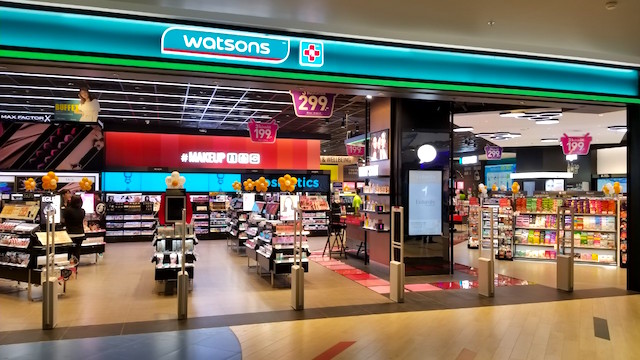
    AS Watson has appointed Malina Ngai as its CEO, overseeing Asia and Europe.

    She will remain a board member and group COO of AS Watson.

    “Malina has been instrumental in formulating the group’s customer strategy, driving digital transformation, business analytics as well as developing strategic international partnerships with top suppliers and technology companies,” said Dominic Lai, group MD of AS Watson.

    “In her new role, Malina will continue to support me in formulating growth strategies, work closely with all operating businesses in executing the strategies to deliver the group vision in sales and profit, and building a truly customer-centric organization,” he said.

    Ngai joined the company in 2001 and was appointed COO two year later. She has succeeded in international leadership roles across a diverse scope including investment, international buying, technology, sales operations, marketing, digital, big data, and corporate social responsibilities.

    Prior to AS Watson, Malina worked in its parent company CK Hutchison (formerly Hutchison Whampoa) head office.

    Last month Ngai was named one of Hong Kong’s top innovative retail leaders by Inside Retail Asia, ranking third.

  • Five new Spar China stores open

    Five new Spar China stores open

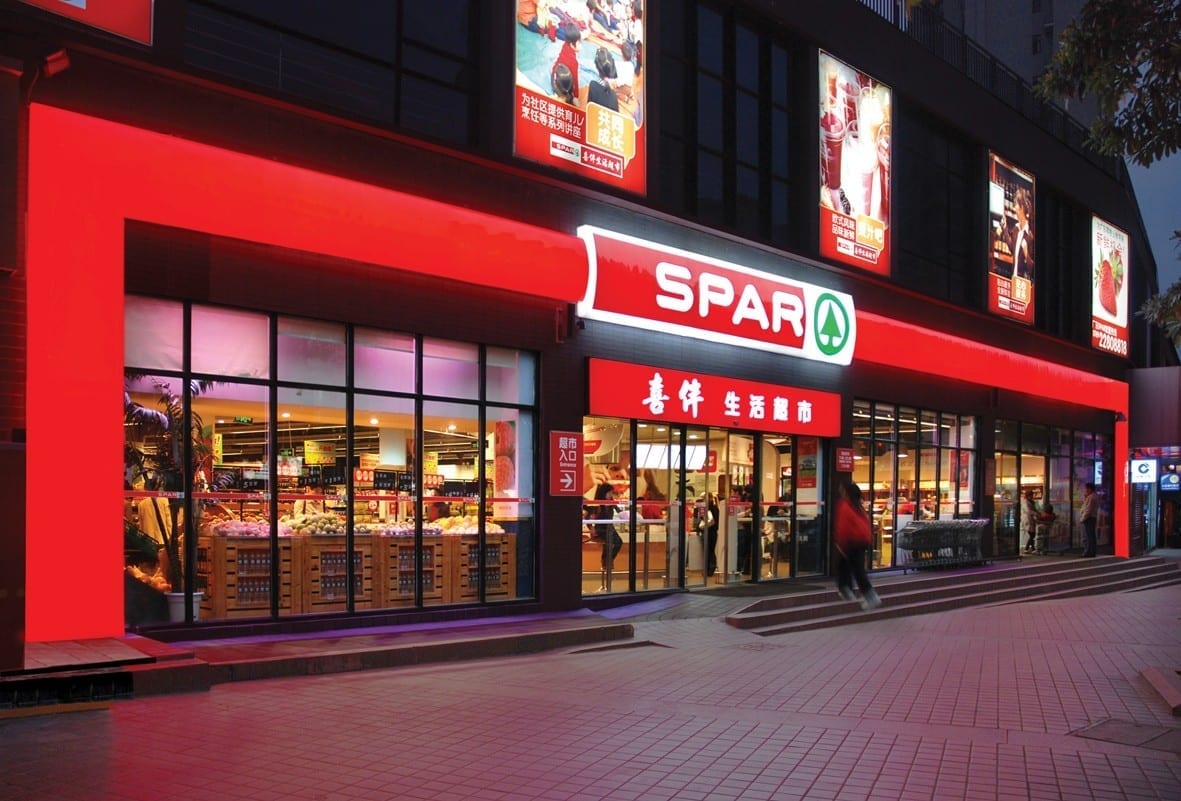
    Grocery-retailer Spar China has launched five new supermarkets.

    The Dutch-headquartered international franchise business has opened two stores in Shandong and three in Guangdong, both Chinese provinces, and bring the chain’s total footprint in the territory closer to 400 stores.

    The stores are constructed in similar but not identical formats. The Huailai County, Shandong 8000sqm outlet sells local and international produce, whereas the 10,000sqm store in the provincial capital of Jinan offers a high-end shopping experience and includes beauty products, homecare, and baby products.

    Opening in Guangdong is a 4500sqm supermarket in Foshan City and two Spar Lifestyle stores in Dongguan with a floor space of less than 200sqm.

  • AirAsia to link Lombok with Surabaya, Yogyakarta

    AirAsia to link Lombok with Surabaya, Yogyakarta

    Low-cost carrier AirAsia is set to launch new routes to Surabaya in East Java and Yogyakarta from Lombok, West Nusa Tenggara.

    The inaugural flight from Lombok to Surabaya will depart on Nov. 25 and be available four times a week, namely on Mondays, Wednesdays, Fridays and Sundays.

    The flight from Lombok International Airport Praya leaves at 8:35 p.m. local time and arrives at Juanda International Airport at 8.40 p.m. local time. The Surabaya-Lombok route, meanwhile, departs at 9.05 p.m. local time and arrives at 11.20 p.m. local time. Surabaya is one hour ahead of Lombok.

    The Lombok-Yogyakarta route will begin on Nov. 26 with thrice-weekly flights, namely on Tuesdays, Thursdays and Saturdays.

    The flight from Lombok will leave at 8.35 p.m. local time and arrive at Adisucipto International Airport in Yogyakarta at 9.10 p.m. local time. The return flight from Yogyakarta to Lombok will depart at 9.35 p.m. local time and arrive at 12.05 a.m. local time. Yogyakarta is also one hour ahead of Lombok.

    Both routes will use the Airbus A320, which has a capacity of 180 passengers.

    Veranita Yosephine, deputy CEO of AirAsia Indonesia, said the new routes were expected to boost Lombok’s tourism.

    “The routes also provide options for travelers in Lombok who wish to extend their vacation to destinations in East Java and Yogyakarta, and vice versa,” she said in an official statement.

    Tickets are available at the airline’s official website and app, with prices starting from Rp 446,000 (US$33.91). Promotions are available until Nov. 25 for the travel period of Nov. 25 to March 28, 2020, for AirAsia BIG members.

    As with AirAsia domestic routes, passengers are allowed free luggage of up to 15 kilograms on both routes.

  • AirAsia India to increase fleet size to 29 by year-end

    AirAsia India to increase fleet size to 29 by year-end

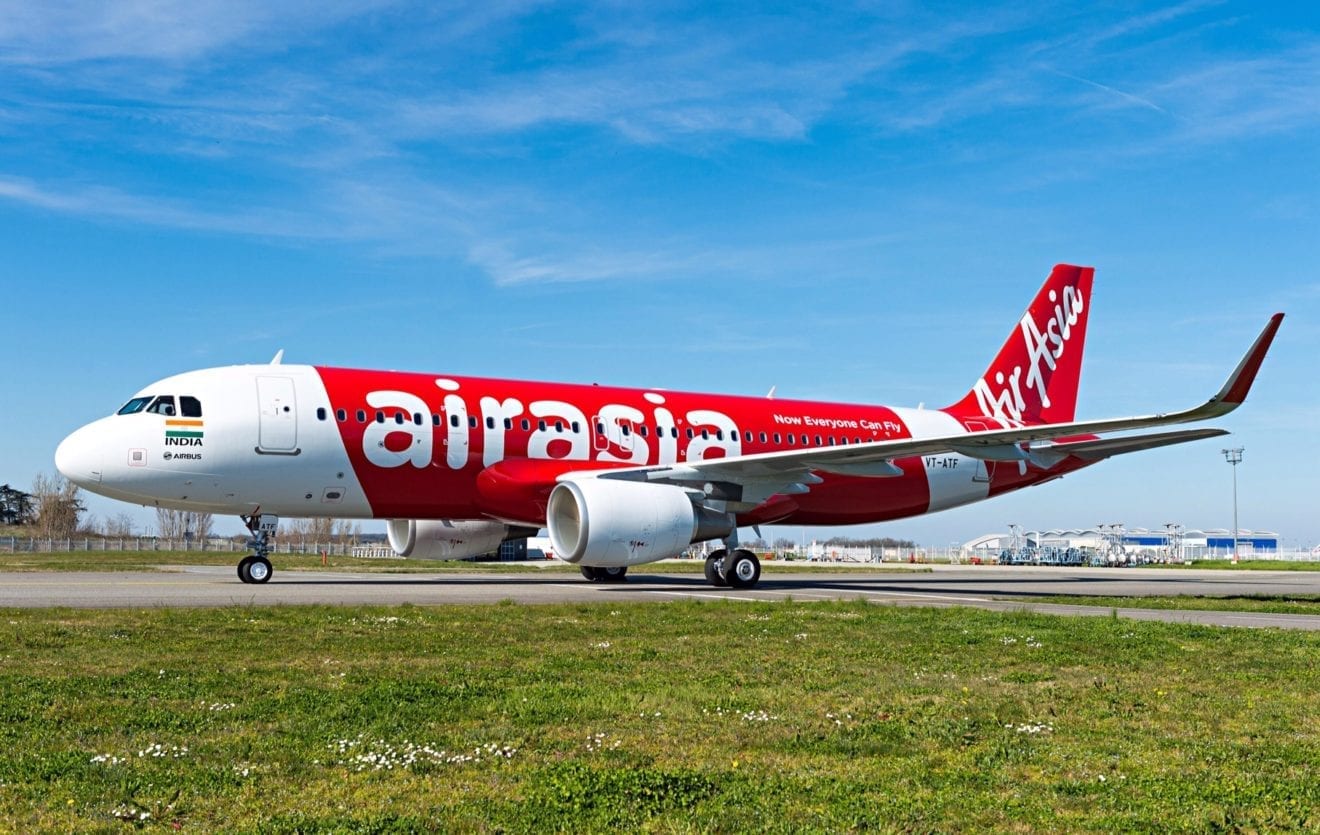
    Budget carrier AirAsia India will increase its fleet size to 29 aircraft by December-end, as it aims to increase frequencies to metro cities and prune unprofitable routes in the upcoming winter schedule, said Sanjay Kumar, chief operating officer of the airline.

    AirAsia, a joint venture between Tata Sons Pvt. Ltd and Malaysia-based AirAsia Berhad, has 23 aircraft and will induct two aircraft in the next fortnight, he added.

    Tata Sons holds a 51% stake in the airline, while AirAsia Berhad holds a 49% stake.

    AirAsia India operates 175 daily flights to over 20 destinations across the country, including New Delhi, Mumbai, Bengaluru, Hyderabad, Kolkata and Ahmedabad.

    The airline operates an Airbus A320 fleet that’s powered by CFM engines. CFM International is a joint venture between US-based GE Aviation and French aerospace engine manufacturer Safran Aircraft Engines.

    “We don’t want to spread too thin and operate at stations with only one flight or so. Our aim is to strengthen our network, especially in metros, and have multiple frequencies between two cities,” said Kumar.

    The directorate general of civil aviation (DGCA) has approved the operation of 1,345 departures every week by AirAsia India in the upcoming winter schedule between 27 October 2019 and 28 March 2020. This is an increase of 326 departures every week compared to the corresponding period of the previous year.

    This will lead to the airline increasing the frequencies of flights on busy metro routes, including Mumbai-Pune, New Delhi-Chennai, Delhi-Bengaluru, New Delhi-Hyderabad, Guwahati-New Delhi, Guwahati-Kolkata, Guwahati-Bengaluru, and New Delhi-Srinagar.

    AirAsia India recently started a daily flight on the Delhi-Jaipur route and flights from Agartala to destinations such as Guwahati, Imphal, Kolkata and New Delhi from 20 October.

    “Agartala is now connected to four destinations in the country on the very first day of the operations. This is the kind of philosophy we are going to follow, especially when we open a (new) station and network,” Kumar said.

    All the airline’s upcoming new stations will be connected to other destinations across its network.

    During the winter schedule, Indian airlines are set to operate 23,403 departures per week covering 103 airports, as compared to 23,117 departures a week during the winter schedule of the previous year.

    About 3,600 weekly departures were reduced because of the sudden suspension of operations by Jet Airways (India) Ltd from the scheduled domestic aviation, DGCA had recently said. “Prompt steps by the government has filled the void created by Jet Airways and has helped to achieve growth of 1.2% compared to winter schedule 2018,” it had added.

    Jet Airways had grounded its operations in April 2019 following an acute cash crunch.

    AirAsia India has temporarily been allocated some of the slots at major airports that earlier belonged to Jet Airways, Kumar said. “This has helped us increase frequencies between key metro cities.”

    AirAsia India carried 725,000 domestic passengers during September to register 6.3% market share. The airline had carried 498,000 passengers during September 2018 with a market share of 4.4%.