Category: General

Retail News Asia is committed to providing both local and global retailers with the latest General Retail news throughout the Asian market. This on a daily base.

  • Thai oil company PTT joins race for Tesco

    Thai oil company PTT joins race for Tesco

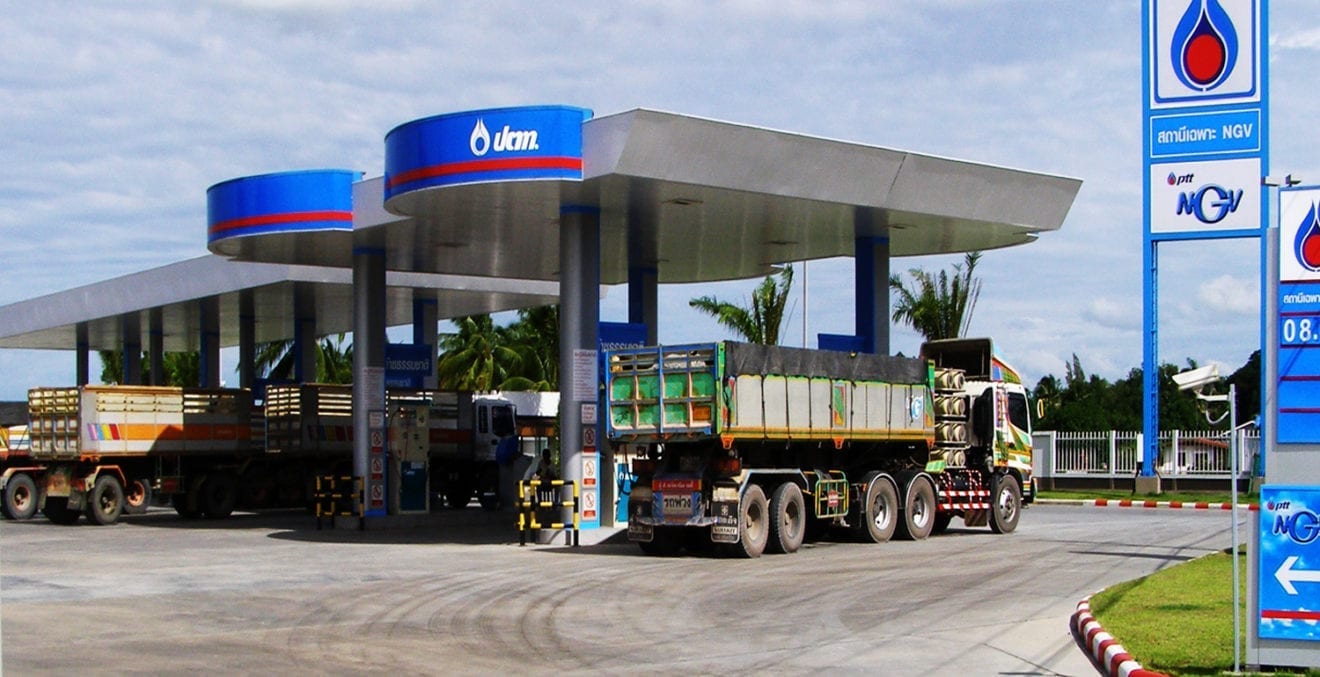
    Thai oil company PTT is said to be preparing to make a bid for the Tesco Asia businesses in Malaysia and Thailand.

    The firm’s retail unit, which also owns the rapidly growing Cafe Amazon chain, will join local retailer Central Group and conglomerate Charoen Pokphand in first-round bids.

    At the beginning of this month, Bloomberg sources were tipping the Tesco Asia business could fetch as much as US$7 billion. But this week, Reuters sources are estimating the deal to be worth as much as US$9 billion. If one of the Thai suitors is successful, the deal could potentially be the second-largest acquisition ever by a Thai company.

    Tesco currently operates about 2000 outlets in Thailand, and another 74 in Malaysia in a local partnership with Sime Darby Group.

    Tesco announced in December it was reviewing the future of the business after receiving expressions of interest. As Inside Retail Asia reported earlier this month, Thai billionaire Dhanin Chearavanont, who owns the Charoen Pokphand Group, and the Chirathivat family-controlled Central Group are among a group of potential investors in discussions with Tesco.

    Meanwhile, Reuters has reported that Thailand’s Office of Trade Competition Commission has issued a rare warning under the country’s anti-monopoly laws, saying it will closely monitor any deal.

    Thai oil company PTT is actively pursuing business expansion outside its core fuel-retailing business. The company is rolling out Amazon Cafe outlets across Southeast Asia, with the latest markets including Singapore and Vietnam.

    In late 2018, the company said it planned to open 20,000 cafes globally, nearly 10 times its then the network of 2300 outlets in Thailand, the Philippines, Laos, Cambodia, Myanmar, and Japan.

  • OnTheList reveals 2020 plans while marking fourth anniversary

    OnTheList reveals 2020 plans while marking fourth anniversary

    Asian cross-region flash sales platform OnTheList is celebrating its fourth anniversary.

    The firm offers apparel and other brands a subtle means quitting surplus or out-of-season stock as an alternative to scrapping it or selling at a discount in stores where it may impact sales of full-priced goods.

    This year, OnTheList says it will focus on raising awareness of sustainability in the minds of both the retail industry and consumers.

    The company will also be operating in Shanghai, Taipei, and Singapore from new permanent showrooms, alongside managing pop-ups in different Chinese cities, while further expanding the online platform to existing markets. OnTheList is also working actively on sourcing more partnerships and collaborations with brands.

    “With the new year ahead and the support from all the brands and members in Asia, together we take the initiative to bring positive social impact with our platform to raise awareness on sustainable shopping,” said co-founder Diego Dultzin.

    Launched in 2016, OnTheList moved from sporadic pop-ups to weekly flash sales in stores and online across four cities: Hong Kong, Singapore, Taipei, and Shanghai. The firm has helped more than 300 brands with excess inventory and accumulated 251,000 registered active shoppers across the four locations.

  • AirAsia launches new flights to Chendu from Penang

    AirAsia launches new flights to Chendu from Penang

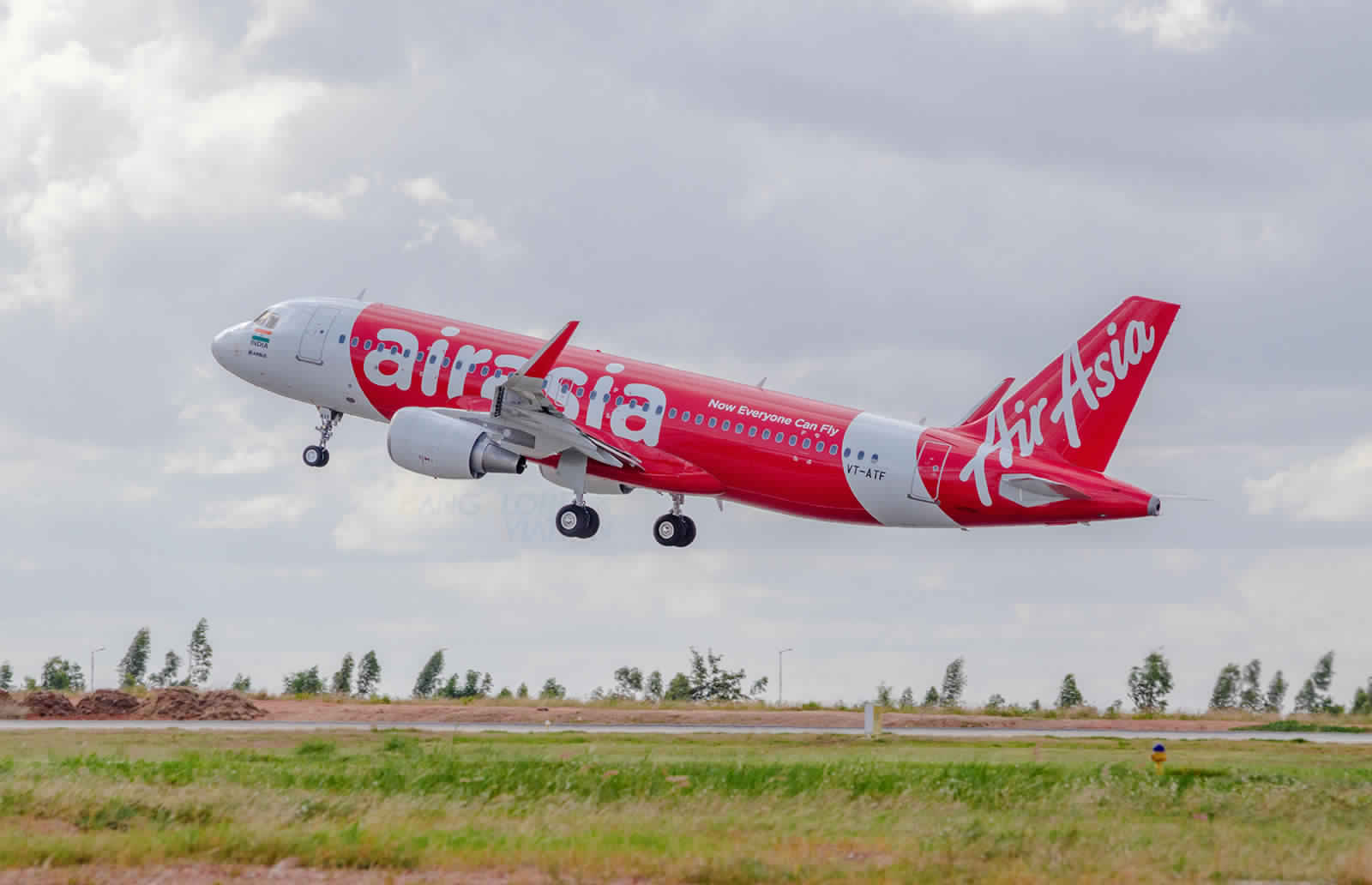
    Low-cost carrier AirAsia Bhd has launched new flights to Chengdu, the capital city of Sichuan Province, China for travelers flying out of Malaysia’s northern hub Penang.

    These new three times weekly direct flights commencing 8 March 2020 will provide exclusive air connectivity between Penang to Sichuan Province.

    “We are excited to announce our first new route of the new year, welcoming Visit Malaysia 2020 and in conjunction with Experience Penang 2020.

    “Penang is one of our largest secondary hubs in Peninsular Malaysia, to which we have flown more than 2.4 million guests to the island last year.

    “This is our first route from Penang to Mainland China and we are confident this additional route will continue to boost visitor arrivals into Penang, and vice versa,” AirAsia Malaysia chief executive officer Riad Asmat said in a statement today.

    Best known as home to the adorable giant pandas, Chengdu is a thriving city with plenty to do and taste.

    With many natural, cultural and historical sights, some of the must-visit attractions include the Chengdu Research Base of Giant Panda Breeding, Jinli Ancient Street and the Leshan Giant Buddha and Wenshu Monastery.

    Named by UNESCO as a ‘City of Gastronomy’, many popular Chinese dishes such as Mapo Tofu and Kung Pao Chicken originate from the region.

    Travelers can also choose to unwind by enjoying aromatic tea at any of the local teahouses.

    Chengdu is also a gateway to the western territories of China, including Tibet, which its capital Lhasa is home to the historical center of Tibetan Buddhism and the famous Potala Palace, as well as the Unesco World Heritage Site Jiuzhaigou, one of the most scenic places in China.

    Besides Chengdu, AirAsia currently flies to 12 destinations from its Penang hub, namely Bangkok, Ho Chi Minh City, Surabaya, Jakarta, Medan, Singapore, Kuala Lumpur, Johor Bahru, Langkawi, Melaka, Kota Kinabalu and Kuching.

  • Bamboo Airways soars to $13 million profit

    Bamboo Airways soars to $13 million profit

    Bamboo Airways reported pre-tax profit of VND303 billion ($13 million) in 2019 after one year of flying.

    The private airline expects profits to increase by VND1 trillion ($44.4 million) in 2020, three times higher than last year, CEO Dang Tat Thang said. It is expected the carrier will list on the Ho Chi Minh City bourse in the second quarter this year.

    Earlier, Bamboo Airways had planned an initial public offering (IPO) on a Vietnamese stock exchange at VND60,000 ($2.6) per share to raise $100 million. It is now looking to U.S., Japanese and European investors with experience and resources to buy its shares at VND160,000 ($6.9) a pop as part of its 2020 IPO.

    Launched in January 2019, the airline is now operating 34 domestic and international routes. It has conducted nearly 20,000 flights to date, recording almost 3 million passengers.

    The entry of Bamboo Airways earlier this year has eaten into the market share of national flag carrier Vietnam Airlines and budget carrier Vietjet.

    Bamboo Airways hopes to acquire 30 percent of the domestic aviation market next year as it flies 85 routes, 25 of them international. It also plans to operate 100 aircraft by 2025, carrying 50 million passengers annually.

  • Vietnam Railways struggles to compete with budget carriers

    Vietnam Railways struggles to compete with budget carriers

    The Vietnam Railways Corporation (VNR) has admitted its inability to meet performance targets because of competition from low-cost airlines.

    VNR transported VND8.4 trillion ($362 million) worth of cargo in 2018, up 5 percent year-on-year, but 1.9 percent off the annual target, chairman Vu Anh Minh said at a recent industry conference. Revenue was VND8.19 trillion ($353 million), the same as in 2018, but only 97.2 percent of the target.

    Railway sector employees earned an average of VND9.12 million ($393) a month, Minh said.

    The railway sector continues to face rising competition on freight transport from the road and marine sectors, and its passenger section has to contend with low-cost carriers and highways, Minh said, but did not provide comparative statistics.

    Furthermore, investment in railway infrastructure has been limited because of bottlenecks in policies and investment mechanisms, including land management regulations. The railway sector has only received 40 percent of state capital earmarked for its business and production activities, and among other things, this has undermined railway traffic safety, Minh added.

    Because the railway infrastructure and stations belong to the state, VNR cannot use its own money to conduct repairs, he noted.

    For instance, VNR needed to spend VND30 billion ($1.29 million) to repair and upgrade infrastructure at the Song Luy station in the southern province of Binh Thuan, but it could not do so because of regulatory constraints, Minh said.

    Vietnam currently has over 3,000 kilometers of railway tracks, none of them high-speed.

  • Carrefour Easy store opens inside Suning branch

    Carrefour Easy store opens inside Suning branch

    Convenience-store Carrefour Easy has opened inside Chinese retailer Suning.com’s Shanghai Zhongshan store, marking the latest step towards integrating the two retail businesses.

    With sales areas ranging from 100sqm to 250sqm, Carrefour Easy has been building a network of standalone convenience stores in China since 2015.

    The launch inside a Suning store marks the latest development for the business since Suning acquired an 80-per-cent equity stake in Carrefour China last September for US$689.2 million, part of a move by Suning to accelerate the expansion of its brick-and-mortar portfolio into a full-scenario retail model.

    “This is a key step to Suning’s Smart Retail Plan,” said Suning.com chairman Jindong Zhang at the time of the acquisition. “FMCG experience and supply chain capabilities can be integrated with Suning’s full-scenario retail model, solid logistics network and advanced technology. With our smart retail capabilities, Suning can transform Carrefour stores into fully integrated online-and-offline supermarkets to meet evolving consumer demands.”

    Suning then announced five long-term strategies of Carrefour China, including digitalising Carrefour’s physical stores, improving current store models, expanding to lower-tier cities with Suning’s Retail Cloud Franchise Store, integrating with Suning’s convenience store, and opening new stores in the existing market.

    Suning’s home appliances stores opened in more than 200 Carrefour stores the day after the purchase. In early November, Suning Finance integrated Carrefour’s finance system so customers in Carrefour stores could pay with their Suning Finance account.

    In mid-November, Carrefour participated in the single’s day event (Nov 11) for the first time, with all of Suning’s business segments. Additionally, some Carrefour stores in Nanjing and Shanghai built quick-picking warehouses, storing approximately 3000 SKUs, with customers placing their orders online through Suning’s Convenience Store app, Carrefour Mini WeChat program and third-party platforms.

    At China International Import Expo, as a purchaser and exhibitor, Carrefour signed 150 million-RMB purchase contracts. At the end of November, the Italian Trade Agency visited Carrefour China and negotiated the import of Italian products through Carrefour’s supply chain.

    On Black Friday, Carrefour’s online flagship store opened on Suning.com, focused on selling high value imports with delivery services channeled through Suning Logistics.

    In the future, Suning.com will pursue more offline integration with Carrefour China. Other than home appliance stores, Carrefour stores will also incorporate other Suning business models, including in the mother-infant category, sports retailing and movie theatres.

  • Asian Licensing Conference lifting off in Hong Kong

    Asian Licensing Conference lifting off in Hong Kong

    The Asian Licensing Conference at the Hong Kong Convention and Exhibition Centre is being held this week.

    The event, organised by the Hong Kong Trade Development Council (HKTDC), focuses on the latest market trends and opportunities in the region through the lens of some of the industry’s top licensees and project owners.

    The 18th edition of the HKTDC Hong Kong International Licensing Show and the ninth Asian Licensing Conference opened on Monday, discussing the latest market trends and sharing licensing success stories.

    “As an increasing number of businesses explore licensing as a way to move up the value chain, Hong Kong will have a key role to play in facilitating the growth of the industry,” said Margaret Fong, executive director at HKTDC.

    The first session, Asian Licensing Market Outlook, featured Lisa Reiner, Beanstalk MD in Europe & Asia Pacific, who offered three key points of advice for brand owners: be open to products that are relevant to local consumers; be active in protecting trademarks; and be willing to explore other routes to consumers, such as e-commerce and multiple distributor networks.

    During the event, VP of Asia Pacific and Middle East at National Geographic, Mark Coleman and Claire Gilchrist, VP in Asia Pacific of Hasbro Consumer Products discussed how brand stories can provoke consumer interest.

    At the second plenary session of the Asian Licensing Conference, several enterprises shared their licensing success stories, including Royal Selangor Marketing, a Malaysian company with a 135-year history that specialises in quality pewter.

    Robert Goodchild, head of licensing at Aardman Animations, said: “We work with many brands all over the world and it is all about bringing colour and character to campaigns. By bringing character to a campaign we can reach new audiences and build commercially successful partnerships.”

    Aardman collaborated with premium British lifestyle brand Joules last Christmas, which celebrated the 30th anniversary of both Joules and Aardman’s hugely popular Wallace & Gromit animation. Aardman also created a bespoke photoshoot with British retailer Harvey Nichols, and used its characters and humour to bring a lifestyle brand to life in a collaboration with British sofa brand DFS, emphasising the fact that both brands produce everything in the UK.

  • New features for Google Assistant announced at CES

    New features for Google Assistant announced at CES

    Google Assistant has consistently beat out its rival virtual assistants like Siri, Alexa, and Cortana in tests measuring how well each one understands tasks and questions asked of it. The digital helper is the hub of the Google ecosystem which is one of the reasons why fans of the latter prefer Android over iOS. Today at CES, Google announced new features aimed at the more than 500 million monthly Assistant users which will make it more helpful on the phone, in the car, or at home.

    Google is making it easier to connect smart devices to Google Assistant through the use of a notification link that will appear on your phone or a suggestion button that shows up on the Google Home app. This saves you the time of having to type in all of the information related to your Google account. Later this year, Google will add a new feature called Scheduled Actions that will allow you to set a schedule for other compatible smart devices in the home. For example, you can tell the Assistant to start the coffee maker at 6 am so you can awaken to a steaming hot cup of java and get your caffeine fix when you need it the most. Google points out that 20 new devices have been added to the Google Home app to help you control “AC units, air purifiers, bathtubs, coffee makers, vacuums and more.”
    Did you ever sit back and wish that you were the genius who invented sticky notes? But they are quite a mess when you leave them up all around the house. Google is going to add a new feature that will create digital sticky notes for smart displays that support Google Assistant. All you need to do to leave a sticky note is say, “Hey Google, leave a note that says don’t forget your dental appointment after school today.” And if you have a smart speaker or smart display, another new feature will allow you to create a “speed dial” list that will make calls simply by saying “Hey Google, call Olaf.”
    Google also previewed today a new technology that allows Assistant to read long-form content on your phone. This would allow you to listen to news stories posted on websites just by saying “Hey Google, read it” or “Hey Google, read this page.” Imagine being able to have PhoneArena read to you hands-free while you’re driving in your car. The company says, “Unlike traditional screen readers, this experience is built on new voice datasets to create more expressive and more natural sounding voices, so it’s easier to listen for a longer period of time.” The content can be translated into 42 different languages, and Google is working on a way for the website to highlight the portion of the text being read aloud by Google while automatically scrolling the page. This “Read It” feature will be available on Android phones running version 5.0 or higher by later this year.
    Another feature for phones, smart displays, and smart speakers will allow people to engage in conversations even if they don’t speak the same language. Called interpreter mode, this is available starting today to guests of Google partners Volara and SONIFI. Both are in the hospitality business and Google is looking to bring interpreter mode to hotels, stadiums, arenas, human-rights based organizations and more.
    Lastly, Google wanted to discuss privacy. The company says that while in standby, before being awoken by the “Hey Google” or “Ok Google” wake words, Assistant doesn’t eavesdrop on you and send to Google the conversations that you are having. You can always ask the Assistant, “How do you keep my information private?” and, “Hey Google, are you saving my audio data?” You can also ask Google to delete everything you said this week that it recorded. And if you said something after accidentally activating Google Assistant, by saying “Hey Google, that wasn’t for you,” the Assistant will instantly contact short-term amnesia and forget what you just said. By default, once your request has been processed by Google’s server (although the Pixel 4 series does this on-device), the information is discarded by Google. You can choose to participate in Google’s human-based review of Assistant, but that will allow Google to keep information heard through the virtual digital helper.
  • Hong Kong toy shop fined for deceptive conduct

    Hong Kong toy shop fined for deceptive conduct

    An unidentified Hong Kong toy-shop owner has been convicted of misleading omission commercial practice.

    The owner was convicted of engaging in commercial practices involving misleading omission according to the Trade Description Ordinance (TDO) and sentenced to 200 hours of community service by Kowloon City Magistrates’ Courts. The court also ordered him to compensate HK$11,210 (US$1440) to three victims.

    An investigation carried out after Hong Kong Customs received a complaint from the victims alleging that a toy shop owner had engaged in unfair trade practices, showed that the owner had failed to explain the risks of late delivery to its customers on a social-media platform page. The owner has sold eighteen types of toy models without regard to the risk of delay.

    Under the TDO, any trader who engages in a commercial practice that omits or hides material information or provides material information in a manner that is unclear, unintelligible, ambiguous or untimely, or fails to identify its commercial intent and as a result causes, or is likely to cause, an average consumer to make a transactional decision commits an offense. The maximum penalty upon conviction is a fine of $500,000 and imprisonment for five years.

  • Bangladesh garment factories urged to embrace sustainable behavor

    Bangladesh garment factories urged to embrace sustainable behavor

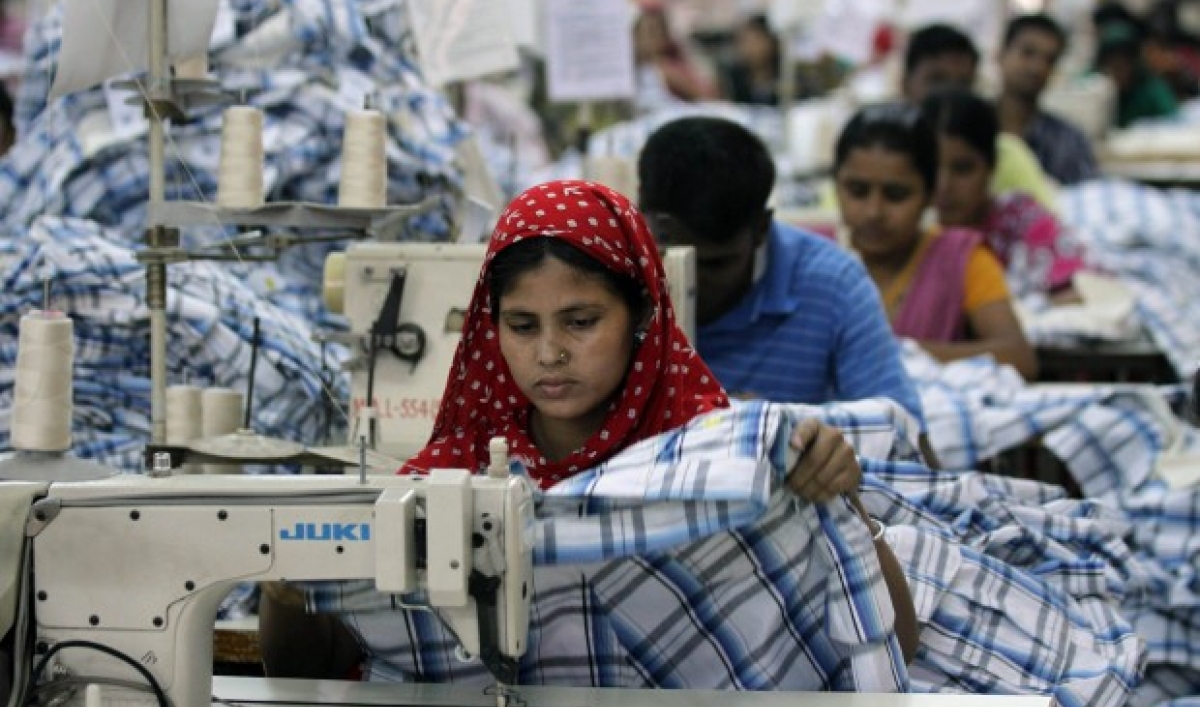
    Bangladesh garment factories must continue to invest in making their operations more sustainable if they hope to win business over other major competing sourcing countries such as Vietnam, Cambodia and Indonesia, says data and analytics company GlobalData.

    In line with this, the country is looking to increase its garment exports from US$34 billion in the financial year ending last June to US$50 billion next year.

    In 2018, 67 factories had adopted the Leadership in Energy and Environmental Design (LEED) certification, which evaluates sustainable sites, water efficiency, energy, indoor environment and innovation. Eight were LEED-platinum certified. But with eco-credentials playing a greater role in how consumers today shop, more factories need to get on board.

    Hannah Abdulla, apparel correspondent at GlobalData, says the owners of Bangladesh garment factories are growing increasingly concerned they are losing business to rival sourcing countries.

    “Where buyers were previously concerned with mass-produced, cheap goods, the focus is now on better quality and sustainably sourced (value-added) items. Green factories have an edge; this is what helps sets them apart from the competition.”

    With Bangladesh looking to increase the investments, big changes need to be made to secure additional business from the higher-paying customer, says Abdulla.

    “While change has happened at several factories, this needs to be scaled up. More factories need to get on board if Bangladesh is going to convince global players it remains a worthy contender in the readymade garment space.

    “For the national industry to be viewed as one that is an environmentally-sustainable apparel sector with an international reputation for good practice, it needs to move beyond a minority of factories implementing sustainable measures.”

  • Emart to shut Pierrot discount-store chain

    Emart to shut Pierrot discount-store chain

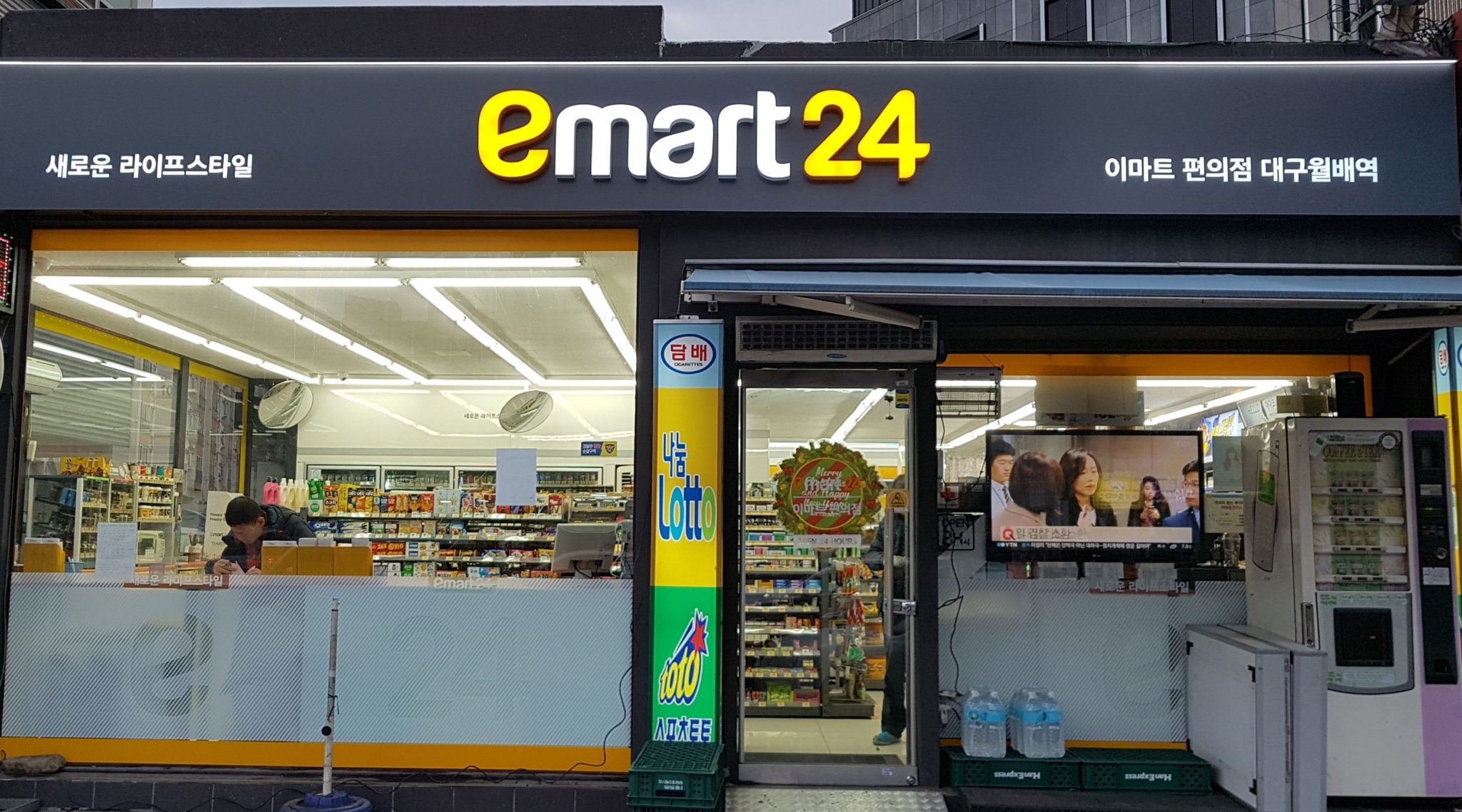
    Emart is to shut down its Pierrot discount-store chain to focus on luring customers to its mainstay hypermarkets.

    After significantly falling sales last year, the South Korean giant closed down several Pierrot stores, including the store in Myeongdong shopping district. The company will shut the remaining six stores this year.

    Meanwhile, Emart plans to remodel about 50 out of 160 general merchandise stores this year to offer a larger selection of lower-priced items and high-margin, private-brand products.

    Besides its hypermarkets, Emart operates a range of chains spanning convenience stores, drugstores and home electronics. Emart’s profit fell from 194.6 billion won (US$166 million) in the third quarter of 2018 to 116.2 billion won (US$97.2 million) in the same period last year.

  • Vietnam gold price hits 6-year high

    Vietnam gold price hits 6-year high

    Gold prices in Vietnam soared to a six-year high on Monday amid rising military tension between the U.S. and Iran. The country’s largest jewelry company DOJI sold its SJC gold at VND44.44 million ($1,924) per tael (1.2 ounces) on Monday morning, up 3.78 percent from Friday.

    Another giant Phu Nhuan Jewelry also raised its selling price to VND44.3 million ($1,918), up 4.7 percent.

    It is the first time Vietnam’s gold price passed the VND44.4 million ($1,922) mark in the last six years.

    The surge came as global gold prices increased by up to 1.8 percent to $1,579 per ounce at a point on Monday morning, the highest in seven years.

    The sudden rush for safe-haven assets came after U.S. President Donald Trump ordered a strike that killed Iran’s General Qasem Soleimani, head of the Iranian Revolutionary Guard’s elite Quds Force, on Friday. Iran has vowed to retaliate.

    Gold prices had been surging throughout last year as trade tensions between the U.S. and China persisted.

  • Otterbox announces new iPhone screen protector that also protects users

    Otterbox announces new iPhone screen protector that also protects users

    For those worried about the dirt and crap that their phone’s screen protector collects over the course of a year, case maker Otterbox has come up with a solution. The company teamed up with Corning to create the Amplify Glass Anti-Microbial screen protector. Does it actually kill bacteria? Well, we can tell you that the antimicrobial technology used on the accessory is registered with the Environmental Protection Agency (EPA). The important thing is that this technology is embedded in the glass protector and doesn’t interfere with the touchscreen properties or the clarity of the screen.
    Otterbox CEO Jim Parke says, “Amplify Glass now features proprietary anti-microbial technology that suppresses the growth of several common stains and odor-causing bacteria to protect the surface of the screen protector.” So you will be able to put your face against your phone’s display when making a call without fear that you are going to be ravaged by some disease.
    And the Amplify Glass Anti-Microbial screen protector does more than kill bugs. It also protects the display on a phone up to five times better than rival screen protectors and keeps the screen on your phone from succumbing to drops, bumps and falls. Keep in mind that while Otterbox and Corning are protecting your phone, they are also protecting your health. The accessory will be soon available for the latest iPhone models and will be compatible with the company’s iconic cases.
  • Microsoft to update Outlook for iPhone with a host of new features

    Microsoft to update Outlook for iPhone with a host of new features

    Outlook for iOS is becoming better by the month, and the next wave of improvements is coming no later than this month. Microsoft revealed what new features Outlook users will get on their iPhones with the next update.

    Meeting Insights is one of the features that will be coming in the next Outlook update. Thanks to the new feature, all emails, and documents that are important to meetings or appointments will be included in the Calendar event description.

    Next, the Suggested Replies feature allows iPhone users to quickly reply to an email by tapping the suggestions offered by the app, much like the similar feature offered by Google’s Gmail. You’ll be able to edit your replies before the email is sent. The new feature appears at the bottom of an email, just above the reply box, and it’s only available in English, Spanish, and Brazilian Portuguese.

    Finally, Microsoft will allow iPhone users to create an Outlook.com account directly from the smartphone, something that’s not yet possible. Of course, you’ll be able to add iCloud, Yahoo!, and Gmail accounts as well if you have any of these.

    All the new features are already available to all Outlook Insiders on iOS devices, but they’re expected to arrive with the next update at some point this month.

  • Sluggish sales dampen India retail leasing activity

    Sluggish sales dampen India retail leasing activity

    Indian retail leasing activity in major cities slumped 35 percent last year as the country’s economy continued on a sluggish course.

    “It’s very obviously not business as usual in the Indian retail sector, and retailers have had to reduce costs – not least of all by realignment of retail spending,” said Anuj Kejriwal, MD and CEO at Anarock Retail.

    According to data from real-estate services provider Anarock, Indian retail leasing activity in the nation’s seven largest cities dropped from 5.5 million sqft in 2018 to 3.6 million sqft last year.

    The worst-affected sector was fashion where falling consumer spending has impacted the top line of several major retail groups, including V-Bazaar and 1-India Family Mart, both of which say they are scaling back expansion plans this year.

    “The apparel industry has been hit with a triple whammy – GST, credit squeeze on small and medium enterprises, and increased competition due to slowdown in global demand,” said Kejriwal.

    With spending on fashion declining, there has been “a significant reduction in demand” for new fashion-specific mall spaces among local brands and global brands, he says, are “staying put but not expanding”.

    Kejriwal said downward revisions of India’s GDP growth rate are bound to be reflected in the consumption-driven retail industry, with most categories affected.

    “Discretionary spending remains low and the ticket sizes of purchases have shrunk – with predictable impact on retail leasing activity. Slow sales and sluggish activity across sectors such as automobiles, fashion and telecom are translating into reduced leasing across retail spaces as players shift their operational strategy,” he said.

    Jewelry, electronics, books and music, hypermarkets and men’s formal clothing are other retail categories where leasing activity declined last year.

    The standout exceptions in retail are food and beverage, family entertainment centers, cinemas and beauty/wellness boutiques.

    “These verticals have seen a decent rise in space leasing and are doing fairly good business depending on factors such as location, accessibility, brands, etc,” said Kejriwal.

    “Though rising rentals in prime locations hinder the growth plans of many brands, Indians’ affinity to eating out and entertainment remains undiminished.”

    Kejriwal said many Indian retailers must now consider consolidation and realignment of their operational structure. “Long-vision players are taking steps to boost productivity through technological innovations, automation of production and analytics-driven decision making. The retail sector is also renewing its focus on consumer-centric strategies in order to strengthen customer loyalty.”

    India’s retail market is predicted to grow to US$1.3 trillion this year, significantly up on the $672 billion of 2017, prompting many retail players to believe that the current slowdown is a short-term phenomenon.

    “Optimistic about the future growth prospects of retail, they maintain that the size of the Indian population, consumption and demand will drive organized retail growth in the future,” said Kejriwal.

    “However, it will take more than optimism to pull the retail sector out of its current tailspin. What the retail industry needs is strong demand dynamics, sizeable funding and consistent policy support from the government to get past the slowdown.”