Category: General

Retail News Asia is committed to providing both local and global retailers with the latest General Retail news throughout the Asian market. This on a daily base.

  • Google Play Store’s Major Overhaul: New Personalized Hub With Game-changing Features For Gamers

    Google Play Store’s Major Overhaul: New Personalized Hub With Game-changing Features For Gamers

    Google Play Store is undergoing a significant update that will reimagine the platform not just as a place for app downloads, but as a personalized hub for all your content. The update will feature a new “You” tab and a “Sidekick” for gamers.

    What’s New?

    The revamp of Google Play Store features several key updates focusing on personalization and gaming. The update aims to present content without users having to seek it out.

    The primary “Apps” tab is becoming more intelligent. It will feature new sections curated for seasonal topics, visually spotlighting events such as the WNBA playoffs or Halloween, with content aggregated from various apps. The new “Guided Search” will allow users to type in a goal like “find a home,” and AI will categorize relevant apps into useful groups.

    Game-Changing Features for Gamers

    The most substantial transformations are intended for gamers. Google is creating a unified gaming platform embedded within the Play Store. The gaming platform will feature a new gamer profile that tracks stats and achievements across all your games, both mobile and PC. Users can customize these profiles with a Gen-created avatar. A new feature called “Play Games Leagues” will allow users to compete against others in games like Subway Surfers for Play Points rewards.

    The most noticeable addition is the “Play Games Sidekick.” This in-game overlay gives users access to Gemini Live using screen sharing. The feature offers verbal tips and walkthroughs without the need to exit the app.

    The “You” Tab

    All these features culminate in a brand new “You” tab. This personalized home base combines your gaming profile, rewards, and subscriptions with custom recommendations for things like audiobooks and podcasts. It allows users to quickly resume previous activities.

    Questions & Answers

    What is the new “You” tab on Google Play Store?
    The “You” tab is a personalized home base that integrates your gaming profile, rewards, and subscriptions with tailored recommendations, allowing users to resume their previous activities quickly.

    What is the “Play Games Sidekick” feature?
    The “Play Games Sidekick” is an in-game overlay that gives users access to Gemini Live using screen sharing. It provides verbal tips and walkthroughs without the need to exit the app.

    What is the purpose of the Google Play Store update?
    The update aims to transform the Google Play Store into a personalized hub for all user content, with a particular focus on enhancing the gaming experience.
  • Vietnam Airlines to Expand Fleet with 30 New Planes in $10B Investment Plan by 2032

    Vietnam Airlines to Expand Fleet with 30 New Planes in $10B Investment Plan by 2032

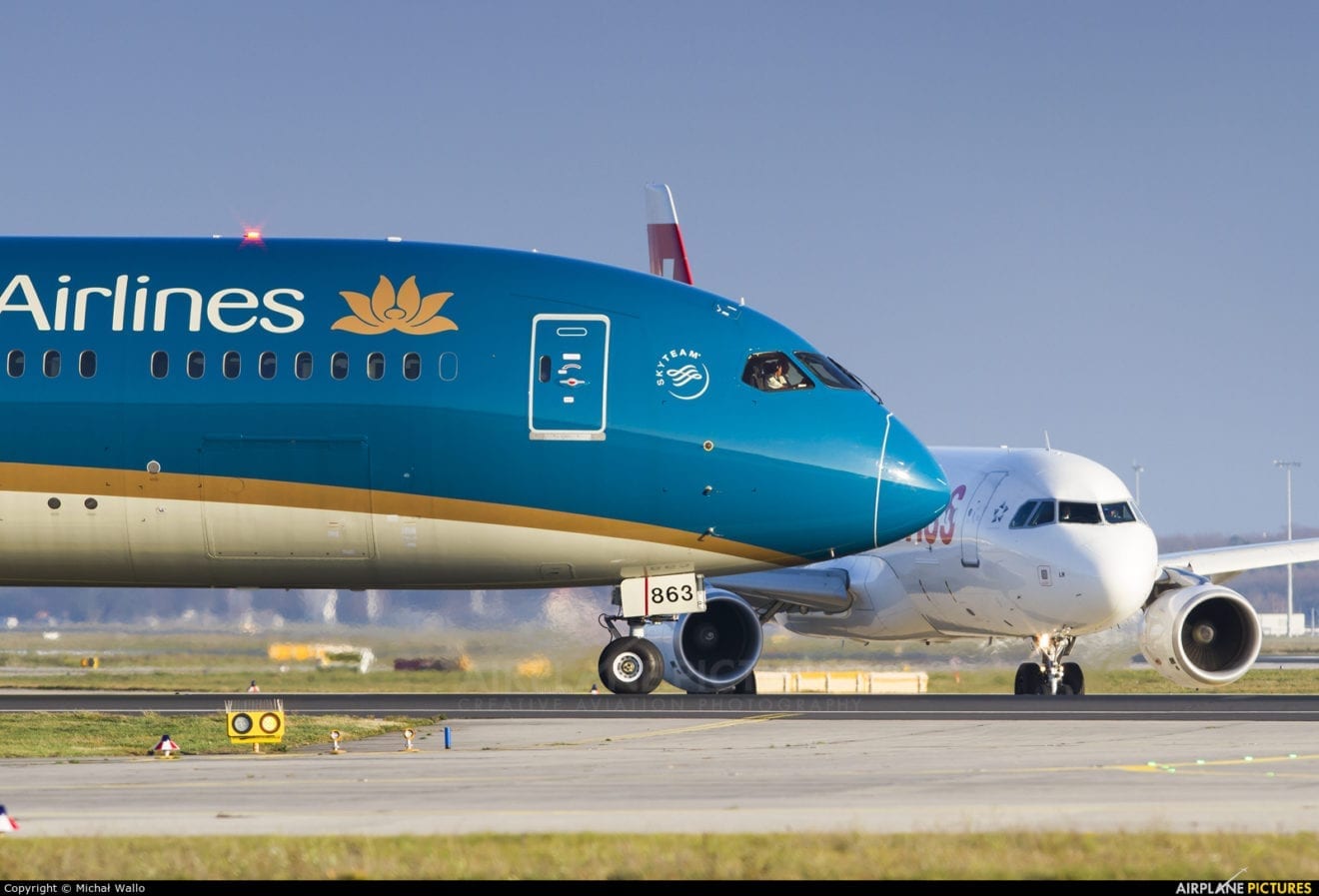
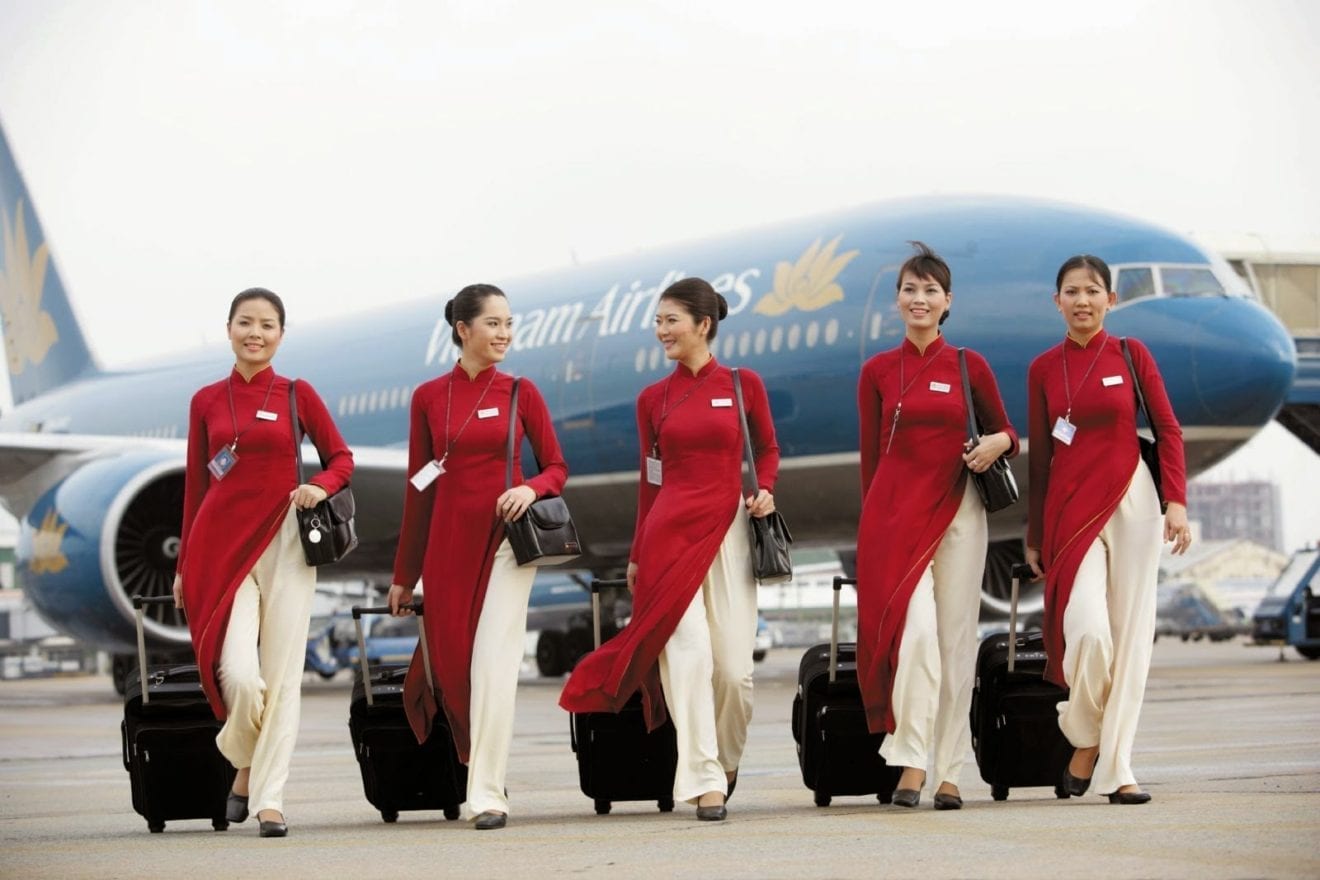
    Vietnam Airlines has launched an aggressive plan to expand its fleet, aiming to acquire or lease 30 wide-body aircraft—either Airbus A350-900 or Boeing B787-9—by the years 2028 to 2032.

    As part of this strategy, the airline recently issued a preliminary request for information from suppliers, inviting them to provide specifications regarding aircraft types, numbers, delivery schedules, and potential contract values by October 8. With a price tag expected to exceed US$10 billion for all 30 planes—not counting possible bulk discounts—this ambitious expansion underscores Vietnam Airlines’ commitment to growing its operational capabilities.

    Currently, the airline boasts a fleet of 31 wide-body aircraft, including 14 A350-900s and 17 Boeing 787s. Additionally, it operates 65 narrow-body Airbus A321s and A320s alongside six ATR-72s. However, CEO Dang Ngoc Hoa has highlighted a pressing need for at least 52 wide-body and 112 narrow-body planes by 2035 to accommodate growing demand and expand its route network.

    In April, the airline received government approval to add 50 narrow-body aircraft, a move projected to cost about VND92.8 trillion (approximately US$3.5 billion). However, Hoa noted that this addition barely scratches the surface of what is necessary for continued growth. “If manufacturers can’t deliver before 2030, we may have to consider leasing more aircraft for 2027 and 2028,” he remarked, painting a picture of urgency in the face of evolving market dynamics.

    Vietnam Airlines currently operates around 400 flights daily to 21 domestic and 29 international destinations. This year, it has successfully revived or launched 15 international routes in key markets, significantly including Italy, Russia, China, the UAE, Japan, South Korea, and India.

    Like many in the industry, however, the airline has faced challenges stemming from an aircraft shortage, exacerbated by complications with Pratt & Whitney engines on its Airbus A321s. As of mid-2025, about 15 of these A321s remain grounded, with four Airbus A350s also undergoing repairs. As the world begins to emerge from the shadow of the pandemic, one might say the sky has never been clearer for an ambitious airline aiming to soar higher.

    Questions & Answers

    What types of aircraft is Vietnam Airlines looking to acquire?
    Vietnam Airlines is considering either the Airbus A350-900 or the Boeing B787-9 for its planned acquisition of 30 wide-body aircraft.

    What is the estimated cost of expanding the fleet?
    The total cost for acquiring all 30 aircraft is expected to exceed US$10 billion, not including any potential bulk discounts.

    How many flights does Vietnam Airlines operate daily?
    The airline operates approximately 400 flights each day, connecting 21 domestic and 29 international destinations.

  • Batik Air and Thai Lion Air’s Lion Group Set to Soar from Changi’s Terminal 4!

    Batik Air and Thai Lion Air’s Lion Group Set to Soar from Changi’s Terminal 4!

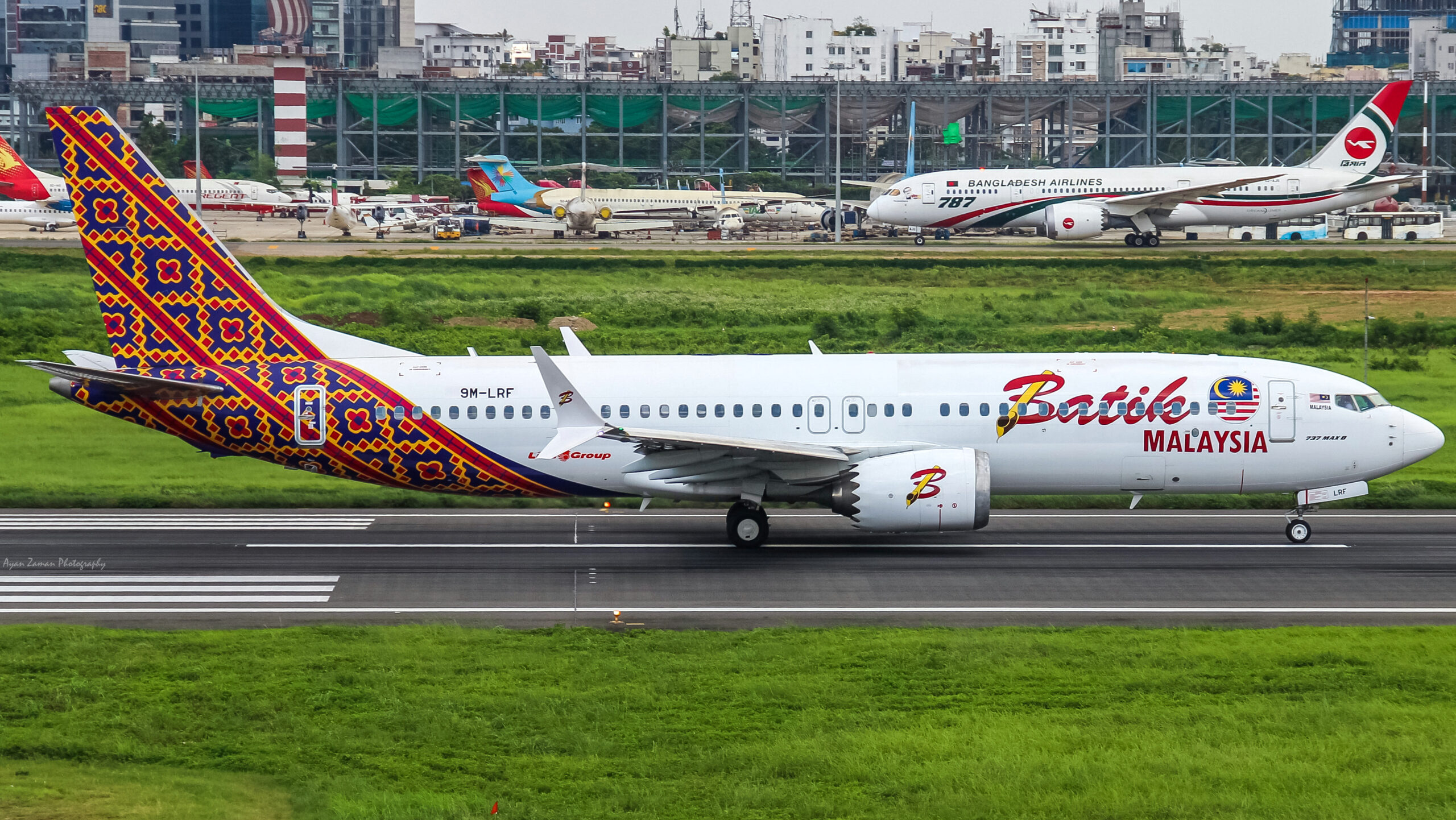
    Lion Group, the operator of Batik Air and Thai Lion Air, will relocate its operations from Terminal 3 to Terminal 4 at Singapore’s Changi Airport.

    In a strategic move aimed at enhancing passenger experience and accommodating future growth, Lion Group has announced its decision to transition its operations to Terminal 4, set to take effect in November. Following this relocation, the group is gearing up to introduce new daily flights in December to popular Malaysian destinations including Subang, Ipoh, and Penang.

    This move is tailored to meet the burgeoning air travel demand in the region. Upon completion, Terminal 4 will be home to 20 carriers, splitting its offerings between full-service airlines and low-cost operators.

    With Batik Air Indonesia, Batik Air Malaysia, and Thai Lion Air under its umbrella, Lion Group is primed to enter a competitive landscape on routes to Subang Airport. This airport is conveniently located just 24 kilometers from Kuala Lumpur’s city center, putting it in direct competition with low-cost carriers such as Scoot and Firefly.

    The Kuala Lumpur–Singapore corridor has been a hive of activity, ranked as the world’s fourth-busiest international route in 2024 and the busiest in 2023, according to flight analytics platform OAG. Not to be outdone, Lion Group currently operates 88 weekly flights connecting Singapore with various cities including Jakarta, Bali, Medan, Kuala Lumpur, and Bangkok.

    Looking ahead, Thai Lion Air plans to further broaden its horizon, with ambitions to launch flights connecting Singapore to additional Thai cities beyond Bangkok. It seems that in the realm of air travel, Lion Group is not just following the flight path, but actively charting new territories.

    Questions & Answers

    How will the relocation benefit Lion Group’s operations?
    The relocation to Terminal 4 is designed to enhance passenger experience and accommodate the anticipated growth in air travel demand, allowing Lion Group to operate more efficiently and attract more travelers.

    What new routes is Lion Group planning to introduce?
    Lion Group plans to launch new daily flights in December to Malaysia’s Subang, Ipoh, and Penang, expanding its service offerings in the region.

    How does Lion Group’s current flight schedule compare in the region?
    Currently, Lion Group operates 88 weekly services connecting Singapore to key cities such as Jakarta, Bali, Medan, Kuala Lumpur, and Bangkok, positioning itself strongly in the competitive Southeast Asian air travel market.

  • Carousell Enters Brick-and-mortar Retail With Luxury Handbag Store In Singapore

    Carousell Enters Brick-and-mortar Retail With Luxury Handbag Store In Singapore

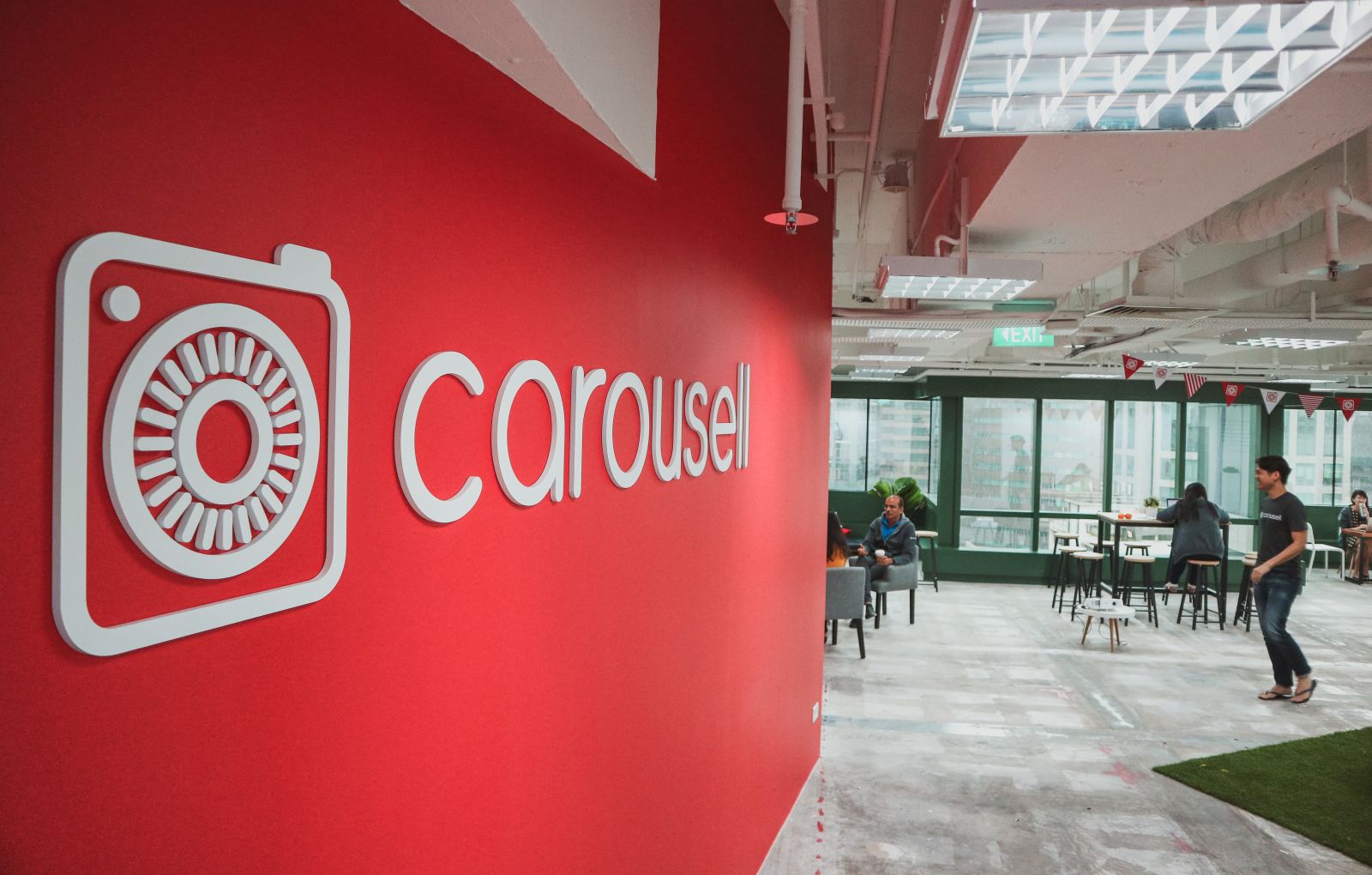
    The Singapore-based e-commerce platform, Carousell, is set to launch its first physical store dedicated to second-hand luxury handbags in the city-state.

    Carousell Luxury Store Opening

    Carousell will debut a 1,400 square foot retail space, christened as Carousell Luxury, at The Centrepoint later this week. The move marks the firm’s first foray into brick-and-mortar retailing under its own brand.

    The store will offer an array of handbags and accessories from high-end labels such as Louis Vuitton, Chanel, Gucci, and Yves Saint Laurent.

    Business Model and Pricing Strategy

    Tresor Anne Tan, the director of client relations at Carousell Group, explained that the store will operate using a “net-earnings model”. In this approach, sellers agree in advance on the amount they will receive once an item is sold.

    Despite the overheads associated with running a physical store, the items will still be priced around the usual market rates. However, Carousell will retain a portion, approximately 25-30%, of the consignment price. This fee helps cover costs such as digital marketing, product photography, and other services that the platform provides.

    Questions & Answers

    What is Carousell’s new venture?
    Carousell is opening a physical retail store named Carousell Luxury, which will sell second-hand luxury handbags and accessories.

    What is the business model for Carousell Luxury?
    The store will operate on a “net-earnings model”, where sellers agree upfront on the earnings they will receive once an item is sold.

    How does Carousell cover the additional costs of running a physical store?
    Carousell will take a cut of about 25-30% from the consignment price of each item sold to cover additional costs such as digital marketing and product photography.

  • Lotte Group’s Bold Investment In E-commerce: Reshaping Asia’s Online Shopping Landscape

    Lotte Group’s Bold Investment In E-commerce: Reshaping Asia’s Online Shopping Landscape

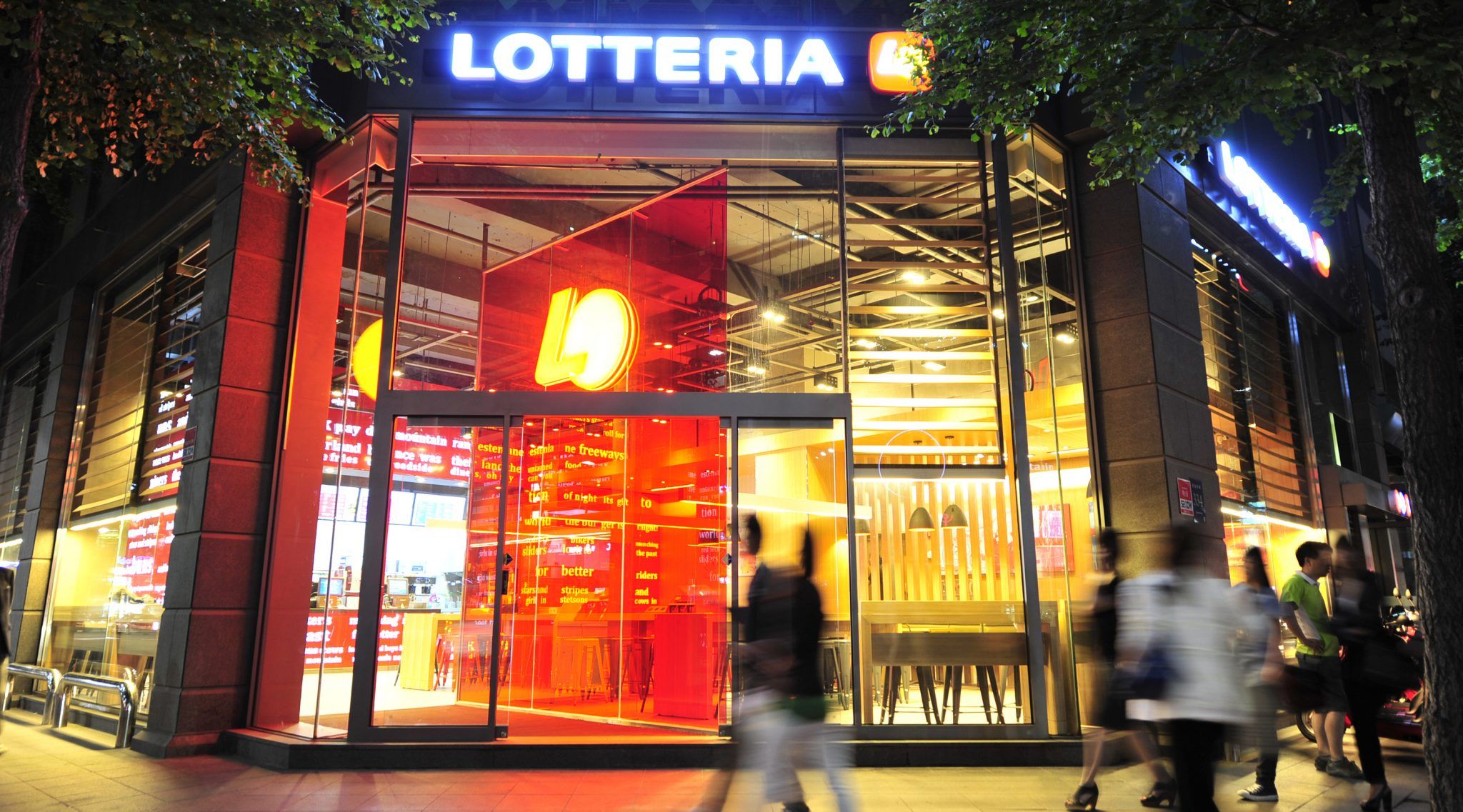
    In a move that has captivated the retail landscape, Lotte Group, a titan in South Korea’s retail industry, is making waves with its latest investment in the e-commerce sector. This ambitious strategy could well reshape the dynamics of online shopping in Asia. The company recently announced a significant investment in the rapidly growing e-commerce platform, Wowma!, as part of its overarching plan to bolster its digital presence and compete with regional rivals.

    E-commerce Expansion: Lotte’s Strategic Play

    This investment in Wowma! isn’t just about numbers; it’s a bold statement of intent. As Lotte Group dives deeper into online retail, this move allows them to tap into the burgeoning demand for e-commerce in Asia. With internet penetration skyrocketing and consumer shopping habits shifting, their goal seems clear: to solidify a commanding lead in the online marketplace. Wowma!, owned by the Japanese entity ASKUL Corporation, has been swiftly gaining traction, and Lotte’s involvement is likely to enhance its capabilities and reach significantly.

    Moreover, this collaboration brings together Lotte’s extensive logistics and retail networks with Wowma!’s established e-commerce ecosystem. Imagine a world where your online orders arrive quicker than you can say “cart checkout!” It’s not a stretch to think that this partnership could redefine delivery standards.

    The Numbers Behind the Vision

    Reports indicate that Lotte Group has allocated a substantial investment of approximately 100 billion Korean won, translating to around $90 million USD. This financial influx aims to elevate Wowma!’s technological infrastructure, improve user experience, and expand product offerings. For shoppers, this could mean a wider selection and faster delivery options, an enticing prospect for those who indulge in impulse purchases online.

    Changing Consumer Behavior and Market Trends

    The ongoing pandemic has accelerated the shift toward online shopping across Asia, creating a frenzy of digital impulse-buying. Lotte Group is keenly aware of these trends and aligns its strategy to address the evolving consumer preferences. As convenience becomes king, retailers who adapt swiftly stand to reap the rewards. Lotte’s proactive investment seems to be a strategic response to an environment where consumers are increasingly drawn to brands that blend online convenience with offline experiences.

    Interestingly, this move also hints at a rising trend—partnerships between established retail giants and agile e-commerce platforms. As traditional retailers evolve, those who choose to innovate rather than merely react may very well write the future rules of retail.

    Conclusion

    In a world where every click counts, Lotte Group’s significant investment in Wowma! underscores the critical importance of e-commerce in today’s retail landscape. This partnership not only enhances their digital ambitions but may also set new expectations for speed and convenience in online shopping throughout Asia. As the alliance unfolds, consumers eagerly await the potential benefits that could come from this merging of retail powers.

    Questions & Answers

    What is the main purpose of Lotte Group’s investment in Wowma!?
    The investment aims to strengthen Lotte’s digital presence, enhance Wowma!’s capabilities, and meet the growing demand for e-commerce in Asia.

    How much has Lotte Group invested in Wowma!?
    Lotte Group has invested approximately 100 billion Korean won, or around $90 million USD, to enhance Wowma!’s infrastructure and product offerings.

    How could this investment affect consumers in Asia?
    Consumers may benefit from a wider selection of products and faster delivery options, enhancing the overall e-commerce experience as shopping habits continue to shift towards online platforms.

  • FairPrice Unveils Innovative AI Trolleys and Smart Checkouts in Punggol’s ‘Store of Tomorrow’

    FairPrice Unveils Innovative AI Trolleys and Smart Checkouts in Punggol’s ‘Store of Tomorrow’

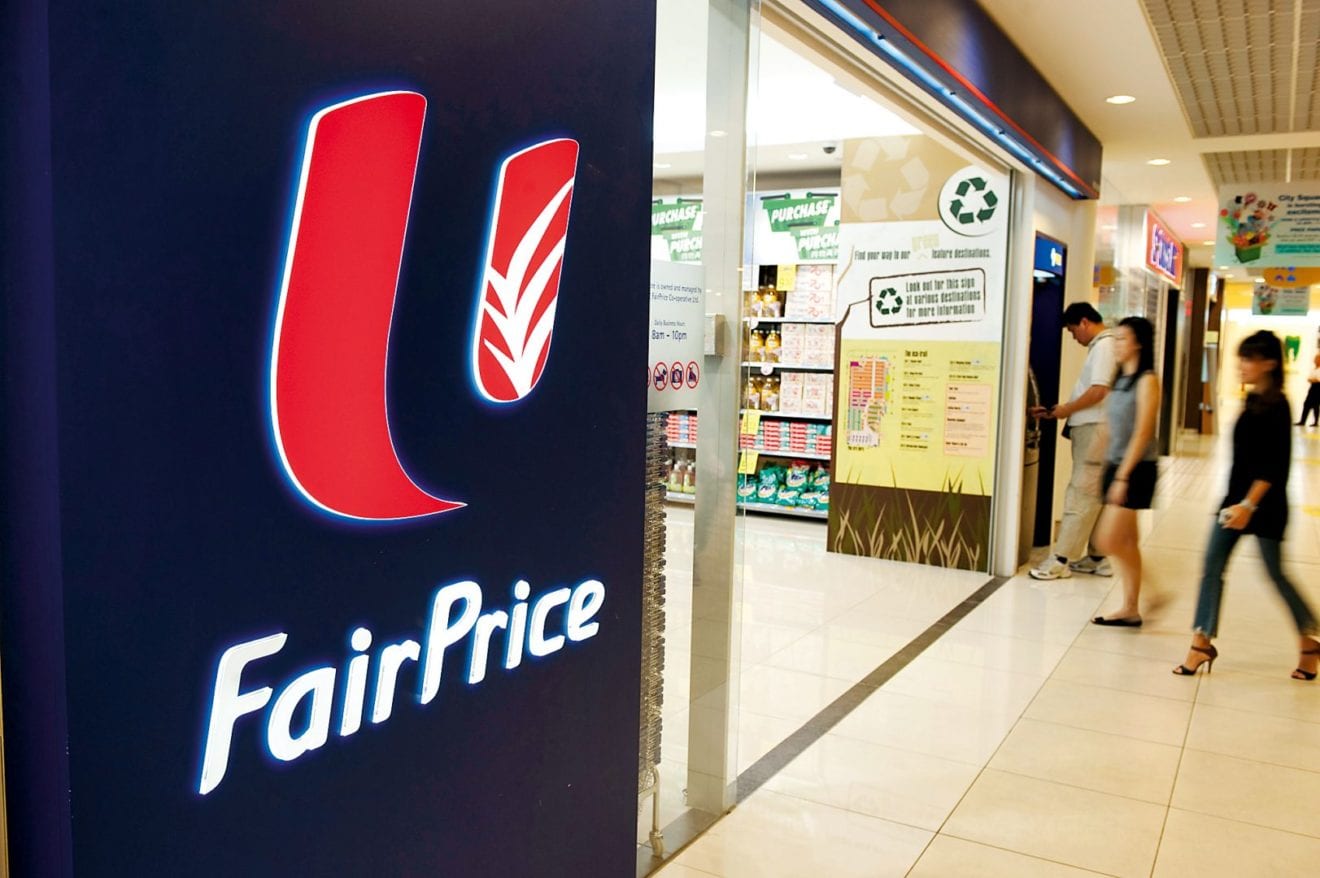
    Shoppers in Singapore can now navigate grocery aisles with the help of artificial intelligence, courtesy of FairPrice Group’s innovative ‘Store of Tomorrow’ in Punggol. This flagship outlet is not just a grocery store; it’s a glimpse into the future of retail, where smart technology redefines the shopping experience.

    AI Trolleys: Your Personal Shopping Assistant

    Equipped with tablets and eight cameras, the smart trolleys in the store provide real-time navigation assistance, guiding customers directly to items with in-store mapping. Electronic shelf labels light up to emphasize products, ensuring that nothing goes unnoticed. As shoppers roam the aisles, they are presented with location-based offers—like having a personal shopper whispering sweet deals in your ear.

    Seamless Checkout for a Stress-Free Experience

    The checkout process is equally groundbreaking. By utilizing automatic systems, FairPrice eliminates the dread of long queues, allowing customers to simply walk out with their items. This smooth process mirrors the store’s technological ethos—efficiency meets innovation at every corner.

    Vision AI: Keeping Shelves Stocked and Customers Happy

    Inventory woes are a thing of the past. The implementation of Vision AI not only monitors stock levels but also alerts managers about low inventory, triggering timely replenishment. Meanwhile, the “Grocer Genie” dashboard provides staff with real-time updates on various operational factors, ensuring they are always prepared for the ever-changing demands of the market.

    A Commitment to Growth and Affordability

    Since its launch, the store has demonstrated impressive results, with the average shopping basket expanding from S$25 to S$45. To support this transformation, FairPrice has invested in a training program aimed at fostering a “Growth Mindset” among its employees, the average age of whom is 54. “It’s about embracing failure and learning from it. It’s about not being fearful of change,” said Chawla, emphasizing the company’s commitment to adapting amidst evolving retail landscapes.

    Despite these advancements, FairPrice remains true to its roots, anchored by a mission established 50 years ago during Singapore’s oil crisis: making daily essentials accessible and affordable to all. As the retail landscape continues to shift, the ‘Store of Tomorrow’ stands as a testament to how technology can enhance the customer experience while staying attuned to core values.

    Questions & Answers

    What innovations can customers expect at FairPrice’s ‘Store of Tomorrow’?
    Customers will find AI-powered trolleys that offer navigation assistance, smart checkout processes that eliminate queues, and dynamic offers based on their location within the store.

    How has FairPrice managed to boost average basket sizes?
    Since the store’s launch, FairPrice has focused on technology integration and a commitment to staff training, resulting in the average shopping basket increasing from S$25 to S$45.

    What is the significance of FairPrice’s approach to workforce training?
    The “Growth Mindset” program aims to empower employees, particularly those with an average age of 54, to embrace change and learning, aligning their personal growth with the evolving demands of the retail sector.

  • Vietjet Celebrates Mid-Autumn with Fares from SGD86 on Singapore–Vietnam Routes

    Vietjet Celebrates Mid-Autumn with Fares from SGD86 on Singapore–Vietnam Routes

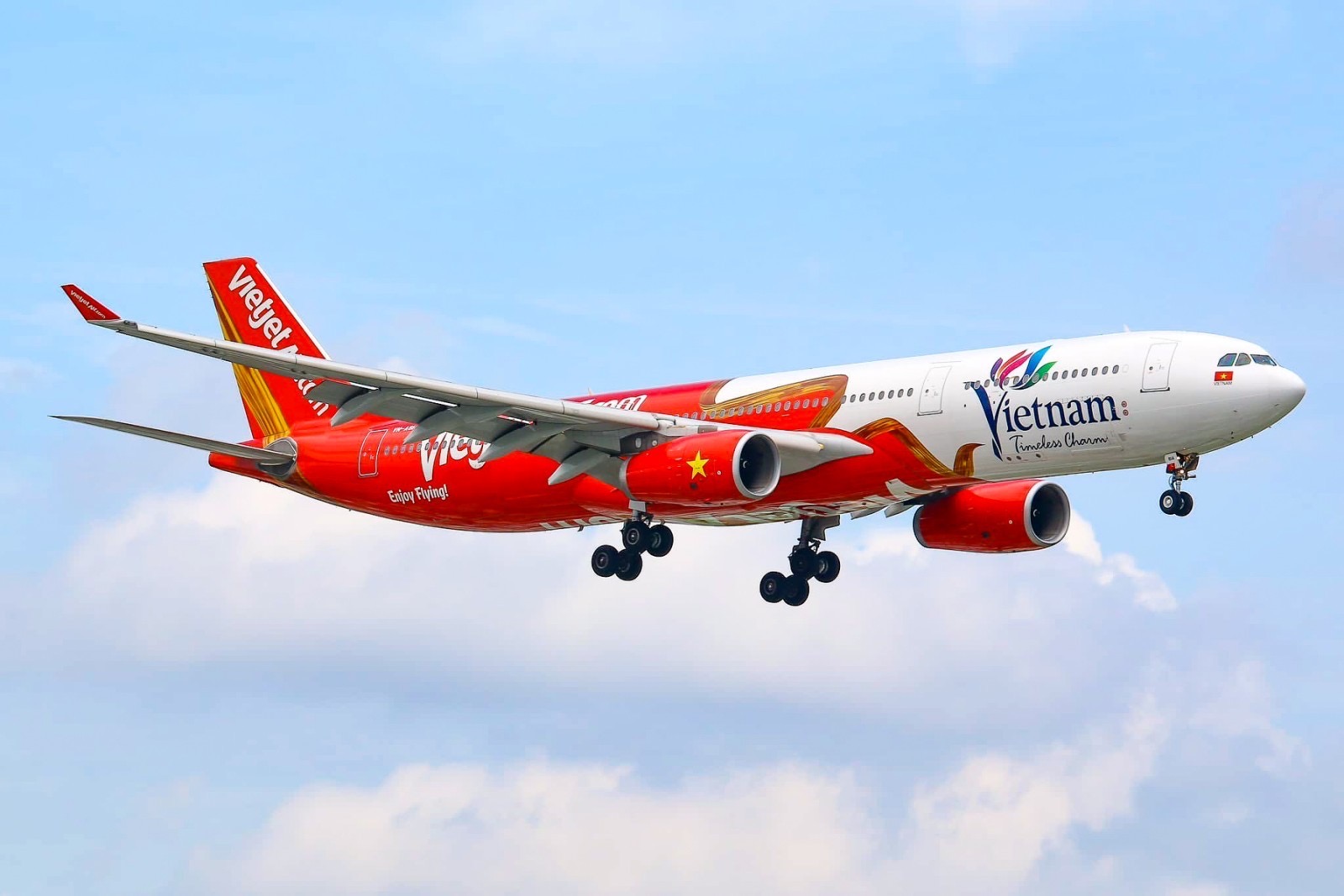
    Vietjet is marking the Mid-Autumn Festival with hundreds of thousands of Eco tickets starting from just SGD86/one-way (inclusive of taxes and fees) on all Singapore-Vietnam routes. Special promotional fares are also available across the airline’s extensive domestic and international network. This is the perfect opportunity for Singapore travellers to plan their Vietnam getaways and fly direct to Phu Quoc, Da Nang, Hanoi and Ho Chi Minh City. and other famous destinations.

    The promotion runs from 01:00 on 24 September to 00:00 on 27 September 2025 (GMT+8), for travel between 20 October 2025 and 27 May 2026 (blackout dates may apply depending on routes).

    Vietjet is also expanding its Singapore services. Starting 23 December 2025, the Singapore–Phu Quoc route will operate seven round trips weekly, while the Singapore–Da Nang route will increase to two daily return flights from 21 November 2025. Together with Hanoi and Ho Chi Minh City, Vietjet will offer 49 weekly round trips between Singapore and Vietnam—providing greater flexibility and convenience for both leisure and business travellers.

    Passengers can also enjoy festive surprises onboard, including lantern giveaways, special inflight performances, and limited-edition Vietjet mooncakes available on these selected festive flights and at Sky Shop.

    Vietjet also continues to delight travellers year-round with offers, including up to 20% off Business and SkyBoss tickets every 2nd and 20th of the month, plus “double-day” deals.

    Celebrate the season with loved ones and explore Mid-Autumn traditions worldwide – from lantern parades in Hanoi’s Old Quarter to Chuseok in Korea or Japan’s romantic Tsukimi. With Vietjet, every journey is enriched by modern aircraft, warm service, Vietnamese favourites like Pho and Banh Mi, and memorable cultural touches at 10,000m.

  • Asia’s Retail Revolution: Navigating Technological Innovation And Sustainability In 2023

    Asia’s Retail Revolution: Navigating Technological Innovation And Sustainability In 2023

    The world of retail in Asia is buzzing with renewed energy as major brands tap into innovative strategies to engage consumers in a rapidly evolving market. Notably, the expansion of digital channels has become a game-changer, with retailers seeking to create immersive shopping experiences that captivate customers both online and in-store.

    A Transformative Retail Landscape

    As we navigate through 2023, the retail sector is witnessing a technological renaissance. E-commerce giants are not just competing; they are setting new standards for customer experiences, integrating artificial intelligence and data analytics to offer personalized shopping journeys. This shift isn’t merely a response to changing consumer habits; it’s an essential strategy for survival in an increasingly competitive arena.

    For instance, the rise of omnichannel retailing has allowed brands to connect with consumers across numerous platforms seamlessly. With consumers frequently juggling between online shopping and physical store visits, retailers that bridge these two channels effectively are striking gold. They are not just selling products; they are crafting experiences that resonate with the cultural and social values of their clientele, making shopping feel like less of a chore and more of an adventure.

    Innovation Leads the Way

    In a world where attention spans are fleeting, retailers are leveraging technology to entice customers in unexpected ways. One standout example is a popular cosmetics brand that recently launched augmented reality (AR) features allowing customers to “try on” products virtually before making a purchase. This tech-savvy approach not only enhances engagement but has also led to a notable increase in conversion rates. It seems the future of retail is less about gazing at photographs and more about experiencing products in real-time, proving that imagination can indeed fuel commerce.

    Moreover, sustainability has emerged as a priority across the retail sector. Brands are adopting eco-friendly practices, from sourcing materials responsibly to implementing transparent supply chains. This commitment not only attracts environmentally conscious consumers but also cultivates deeper brand loyalty amidst consumers increasingly seeking to invest in ethical purchases. In a surprising twist, by prioritizing sustainability, retailers are finding that customers are more than willing to pay a premium, proving that going green can be incredibly lucrative.

    The Rise of Experiential Retail

    As the retail landscape evolves, experiential shopping is taking center stage. Traditional shopping models are being reshaped as brands create unique, engaging environments designed to forge emotional connections. Many retailers are now home to cafés, art installations, and interactive displays, inviting customers to linger longer and explore more. One electronics chain recently unveiled a concept store that offers live demonstrations of the latest gadgets in a stylish, lounge-like atmosphere. This fusion of retail and experience encourages consumers to immerse themselves fully, leading to increased foot traffic and, ultimately, sales.

    Consumers today crave authenticity and connection, and brands that recognize this are reaping the rewards. Social media platforms serve as powerful amplification tools, allowing shoppers to share their experiences with larger audiences. User-generated content is thriving, transforming consumers into brand ambassadors and creating a buzz that traditional advertising can only dream of achieving.

    Conclusion

    As retailers in Asia continue to innovate and adapt, the convergence of technology, sustainability, and experiential shopping is crafting a vibrant market landscape. With consumers seeking more than just products, there is a compelling story unfolding — one where retail is not merely transactional, but a dynamic interaction between brands and their ever-evolving audience.

    Questions & Answers

    What are some key trends shaping retail in Asia in 2023?
    Omnichannel retailing, the integration of innovative technology like augmented reality, and a strong focus on sustainability are leading key trends this year. Brands are transforming how they connect with consumers to enhance engagement through immersive experiences.

    How is technology impacting consumer shopping habits?
    Technology has significantly shifted shopping habits, allowing consumers to enjoy personalized, interactive experiences. Innovations like virtual try-ons and live demonstrations are enhancing customer engagement, leading to higher conversion rates.

    What role does sustainability play in today’s retail market?
    Sustainability is increasingly becoming a priority for retailers, as consumers favor eco-friendly practices and products. This not only attracts conscientious shoppers but also fosters deep brand loyalty, proving that green initiatives can deliver solid financial returns.

  • Shinsegae And Metro Unveil Unique Korean Fashion Collaboration In Singapore

    Shinsegae And Metro Unveil Unique Korean Fashion Collaboration In Singapore

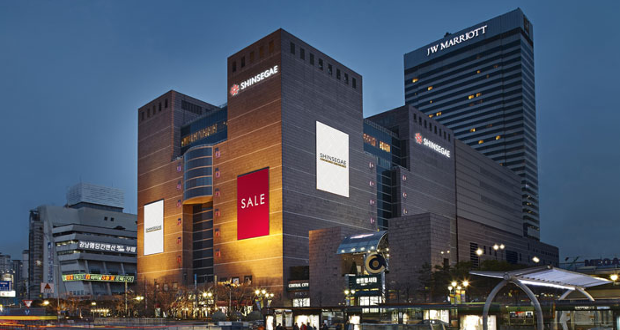
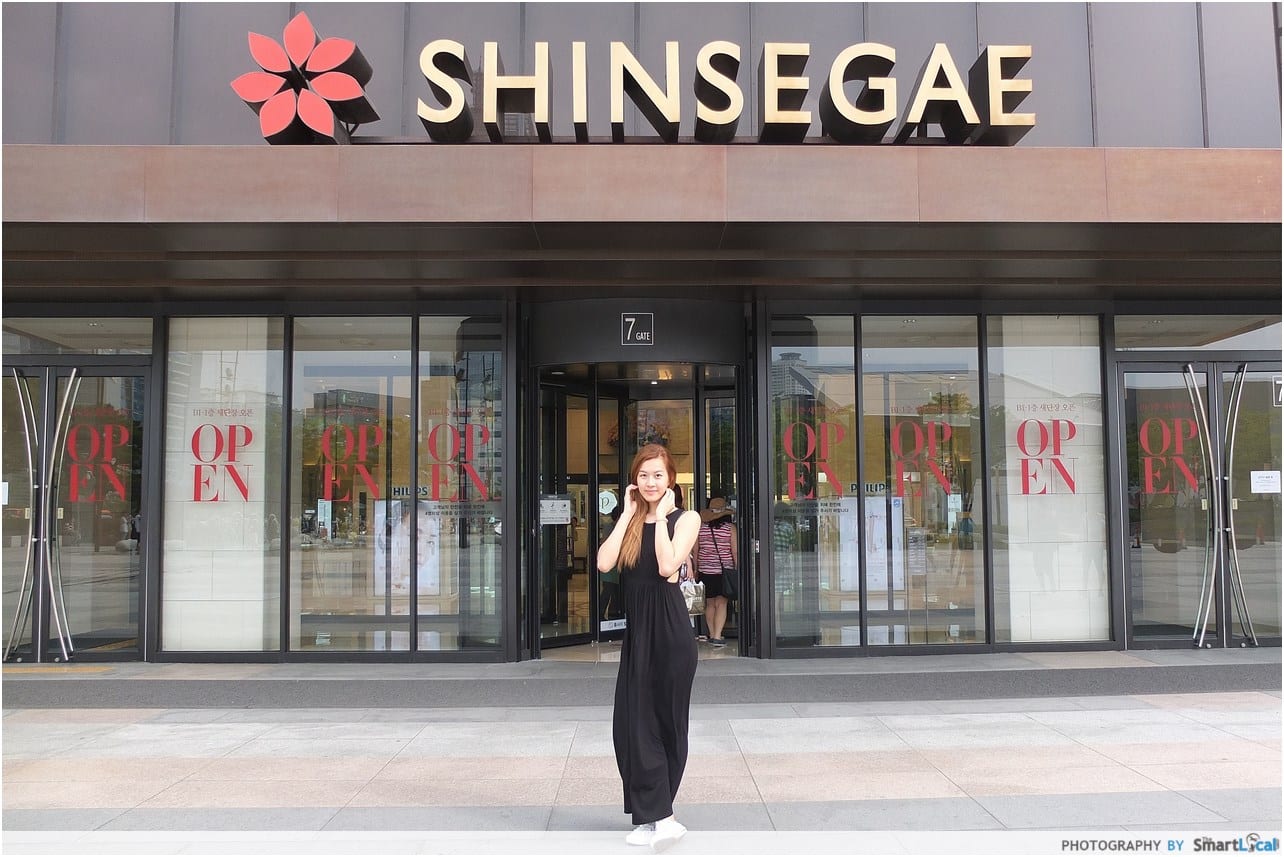
    South Korean fashion giant, Shinsegae, is set to make its entrance into the Singaporean market through a unique collaboration with Metro. This partnership will entail the launch of a pop-up store at Paragon, scheduled to run from September 25 until October 5.

    Introducing Six Korean Brands

    The pop-up shop aims to unveil six Korean lifestyle and fashion brands to Singapore’s fashion-forward audience. The brands include Studio Tomboy, Man on the Boon, Jaju, Voice of Voices, Rawrow, and Vidivici. Following the pop-up, these collections will continue to be available at Metro Paragon until the end of October. In this way, shoppers will have ample time to explore and shop from Shinsegae’s expertly curated portfolio.

    Collaborative Design Partnership

    The collaboration will also bring forth a unique amalgamation of design elements from both Singapore and Korea. This will be achieved through a design partnership between Singapore’s Phunk Studio and Korea’s Studio Tomboy. The design inspiration will borrow heavily from Peranakan florals, Korea’s hibiscus, the durian fruit, and the yin-yang symbol.

    Transition to a Fashion-centric Retail Model

    According to Erwin Wuysang-Oei, the CEO of Metro Singapore, this partnership signifies Metro’s strategic transformation from a traditional department store to a more fashion-focused retail model. He expressed that this collaboration with Shinsegae International marks a critical milestone in Metro’s evolution and brings a new model for international retail collaboration. The partnership not only brings Korean fashion to Singapore but also celebrates both cultures while setting new benchmarks for fashion retail in Southeast Asia.

    Questions & Answers

    What is the timeline of Shinsegae’s pop-up in Singapore?
    The pop-up is scheduled to run from September 25 until October 5.

    Which Korean brands will be introduced by Shinsegae in Singapore?
    The brands include Studio Tomboy, Man on the Boon, Jaju, Voice of Voices, Rawrow, and Vidivici.

    What does this partnership signify for Metro?
    According to the CEO of Metro Singapore, this partnership signifies a shift from being a traditional department store to adopting a more fashion-focused retail model.

  • Adrian Cheng Unveils Almad Group, Targets Digital Transformation In Diverse Sectors

    Adrian Cheng Unveils Almad Group, Targets Digital Transformation In Diverse Sectors

    Adrian Cheng, a scion of one of Hong Kong’s wealthiest families and former CEO of major developer New World Development, has unveiled a new venture focused on the digital sector and burgeoning markets. The new firm, Almad Group, was introduced on Sunday.

    Almad Group’s Focus

    Almad Group sets its sights on digital assets and industries poised for a transformation, spanning entertainment, sports, media, healthcare, commercial management, and cultural tourism. Its geographical reach is expected to include mainland China, countries within the Association of Southeast Asian Nations (ASEAN), and the Middle East.

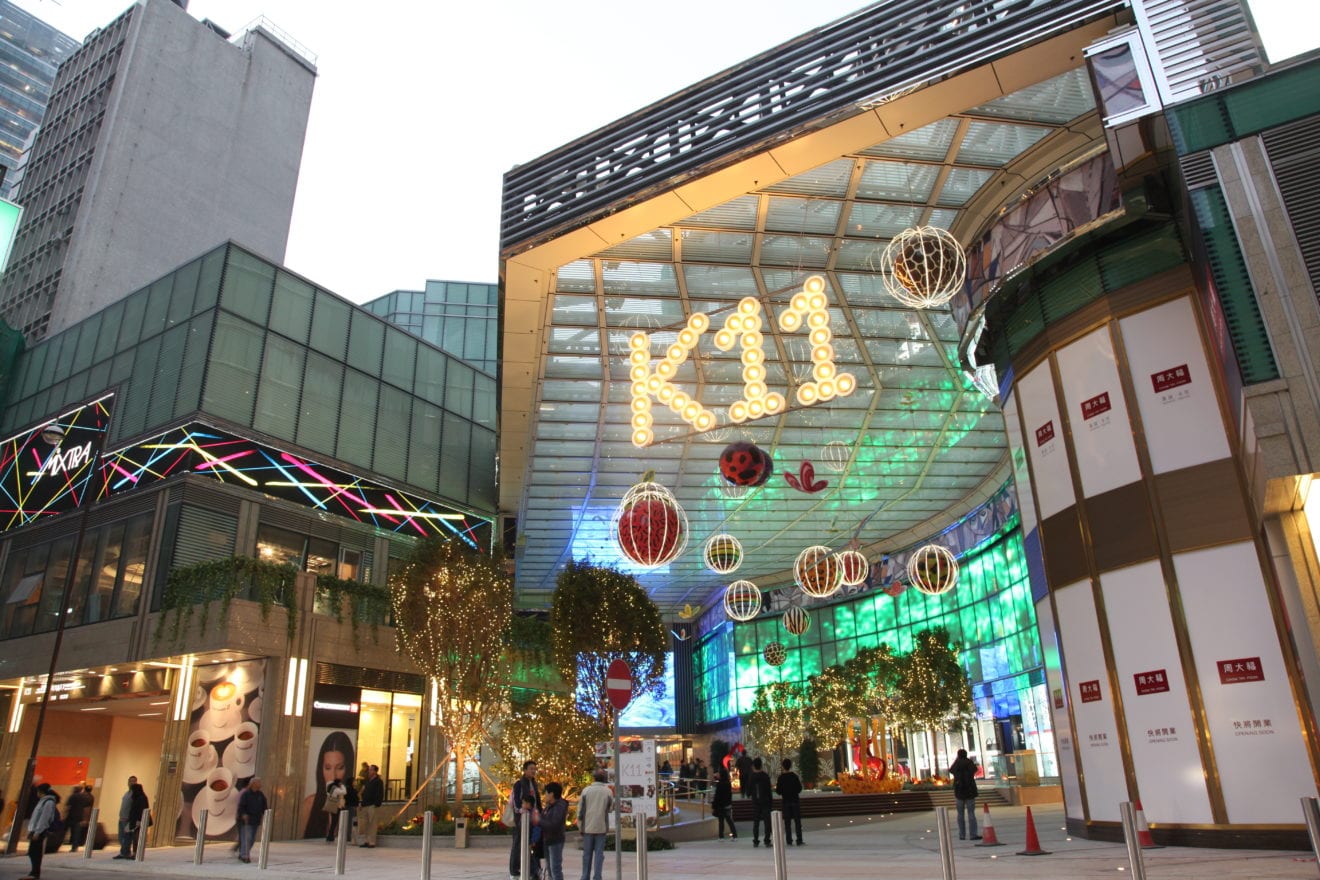
    The company also aims to broaden the international appeal of Cheng’s cultural brand, “K11 by AC”. Its Anime IP business already shows growth in mainland China and the Middle East.

    A Clear Mission

    Speaking about the newly established group, Cheng, who serves as founder and executive chairman, stated, “Our mission is clear: To build what the next generation needs and to shape a future economy filled with possibilities.”

    Cheng, a Harvard graduate, has a history of supporting start-ups in their early stages. His portfolio includes Chinese social media platform Xiaohongshu, EV manufacturer XPeng, and Hong Kong’s microfinance platform Micro Connect.

    Departure from New World

    Last September, the 45-year-old business tycoon resigned from his position at New World. The property developer, grappling with one of the largest debt burdens in the financial city, reported a record loss of $2.6 billion US dollars. Upon his departure, Cheng also acquired New World’s retail flagship K11 brand management.

    Since then, he has gradually stepped down from all roles within the family’s businesses, including the parent company Chow Tai Fook Enterprises.

    Questions & Answers

    What is the focus of Adrian Cheng’s new firm, Almad Group?
    Almad Group aims to target digital assets and transformative industries in sectors such as entertainment, sports, media, healthcare, commercial management, and cultural tourism.

    Which markets does Almad Group intend to target?
    The company plans to expand its reach to mainland China, ASEAN countries, and the Middle East.

    What was Cheng’s role in New World Development, and why did he leave?
    Adrian Cheng served as the CEO of New World Development but resigned as the company struggled with major debt issues and reported a record loss.

  • Singapore’s Top Taxi Operator Launches $62 Cross-Border Rides to Johor, Malaysia!

    Singapore’s Top Taxi Operator Launches $62 Cross-Border Rides to Johor, Malaysia!

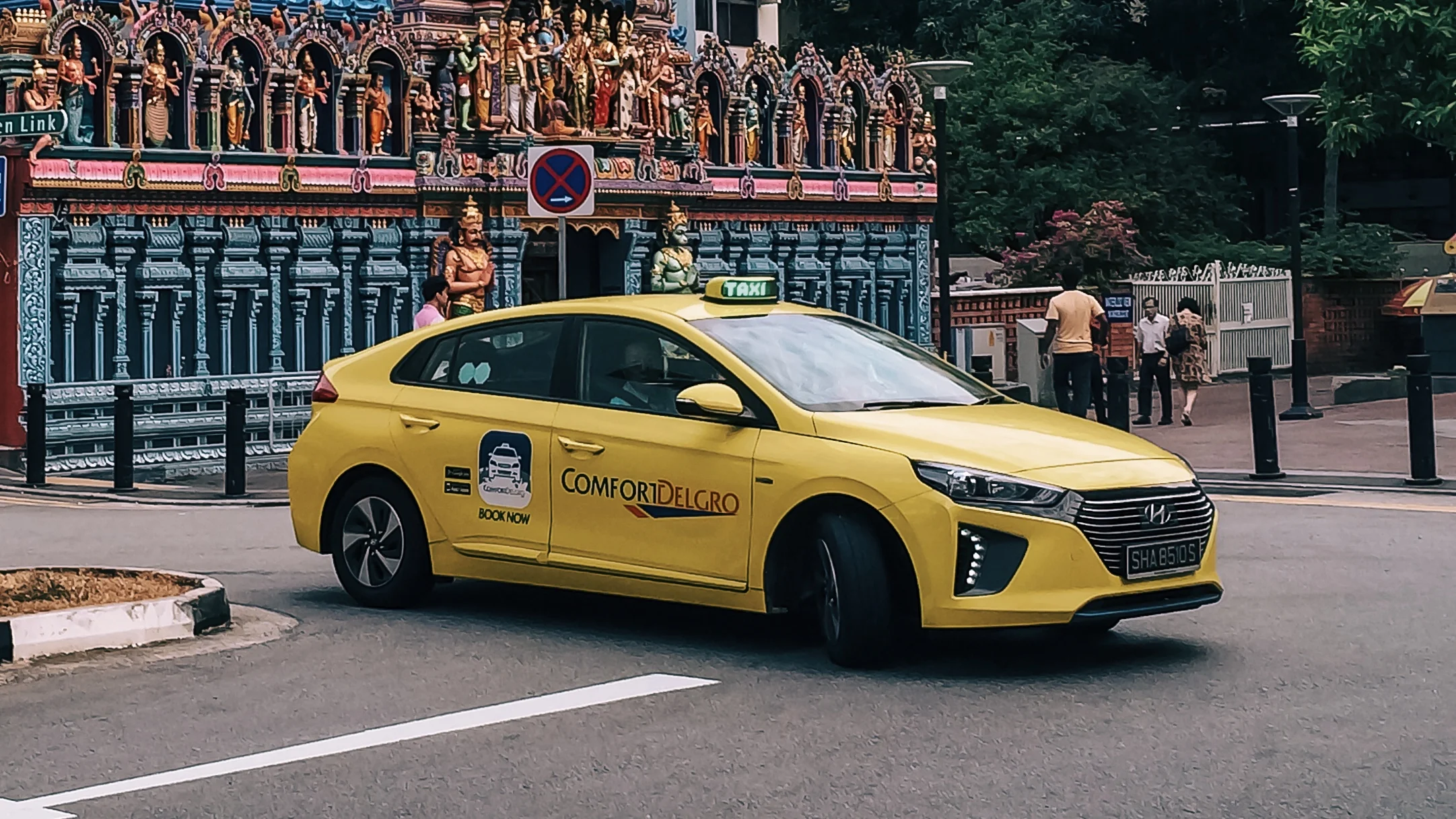
    In an exciting development for commuters in the region, public transport operator CDG has officially announced its new cross-border taxi service between Singapore and Johor Bahru. As detailed in a recent Facebook update, most pick-ups in Singapore will incur a fixed fare, with exceptions for those originating from Ban San Street terminal at S$60 and Changi Airport at S$120. All rides will conclude at the Larkin Sentral bus terminal in Johor Bahru, making it a critical link for daily travelers.

    Booking Made Easy

    Passengers can arrange their rides instantly or book in advance, up to 24 hours prior, by calling CDG’s hotline. This move comes as part of CDG’s reputation as Singapore’s largest taxi operator, boasting a fleet of over 8,400 vehicles. The company doesn’t just stop at taxis; it also provides bus, rail, and private hire services across 13 countries, including Malaysia and China.

    A Competitive Landscape

    With a lineup of 90 licensed cabbies ready to hit the road, CDG is stepping into a bustling market. The Johor–Singapore Causeway serves as one of the world’s busiest land crossings, with more than 350,000 people traveling daily—from Malaysians crossing over for work to Singaporeans hunting for bargains on goods and services.

    Despite the regulated framework allowing only 200 licensed taxis from each nation to provide cross-border services, reports indicate that illegal operators are creating turbulent competition for licensed drivers. Singaporean taxis must adhere to strict rules, picking up and dropping off exclusively at Larkin Sentral, while their Malaysian counterparts are confined to the Ban San Street terminal in Singapore.

    A Broader Vision for Transport

    Earlier this month, Singapore’s Land Transport Authority hinted at its ambitions to enhance the current scheme by integrating more pick-up and drop-off locations and collaborating with companies to develop app-based booking platforms. This initiative aligns seamlessly with the growing economic partnership between Singapore and Malaysia, fostered through the Johor–Singapore Special Economic Zone, which aims to draw in billions in investment while improving labor mobility.

    The anticipation doesn’t stop here; further expansions in cross-border transportation are on the horizon, including the much-anticipated Rapid Transit Link, expected to open by the end of next year. This connection is poised to ferry up to 10,000 passengers per hour in either direction, enhancing cross-border travel and trade significantly.

    Questions & Answers

    How can passengers book a ride with CDG’s new service?
    Passengers can book their rides immediately or up to 24 hours in advance via CDG’s hotline.

    What are the costs associated with pick-ups at different locations?
    The service charges a fixed fare for most pickups, with exceptions of S$60 from Ban San Street terminal and S$120 from Changi Airport.

    What future developments can commuters expect for cross-border transport?
    Future developments may include additional pick-up and drop-off points alongside the forthcoming Rapid Transit Link, projected to enhance capacity significantly.

  • Shilla Duty Free To Cease Operations At Incheon Airport Amid Financial Struggles

    Shilla Duty Free To Cease Operations At Incheon Airport Amid Financial Struggles

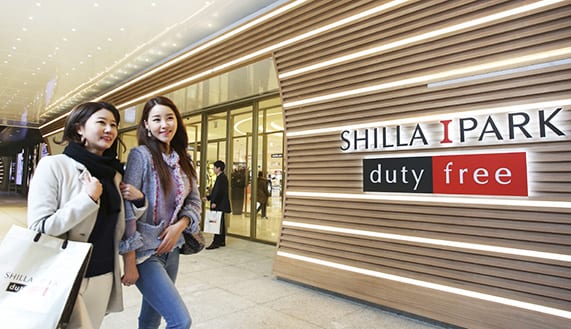
    Shilla Duty Free has declared its intention to halt operations at its DF1 duty-free store at Incheon International Airport in March. This follows the store’s excessive losses and the concession’s business value falling below its liquidation value.

    Financial Impact of the Decision

    The DF1 concession recorded a revenue of KRW$429.2 billion (US$312 million) in the past fiscal year, contributing 10.9 per cent to Shilla’s overall sales.

    The company commented on the changing climate of the duty-free market, since inking the contract for the duty-free store at Incheon International Airport in 2023. It noted the rapid shifts in consumer behavior and diminished buying power. The company has approached the Incheon International Airport Corporation to adjust the rent, but the request was turned down.

    This resolution was approved by the board on September 18 and was revealed in a Korea Exchange filing.

    Company’s Future Outlook

    Shilla anticipates a short-term drop in sales as a consequence of the exit. However, the company maintains an optimistic outlook for a more robust financial performance in the medium to long term.

    The company stated, “We believe it is crucial to enhance our financial structure and increase corporate and shareholder value.” Despite the ongoing challenges in the duty-free industry, the company pledged to maximize efforts to boost profitability.

    Other Changes in the Duty Free Landscape

    In addition to Shilla, Shinsegae Duty Free has also relinquished its business rights at Incheon. Both retailers had sought to reduce their rent by up to 40 per cent on their perfume, cosmetics, liquor, and tobacco concessions at Terminals 1 and 2. However, the Incheon International Airport Corporation (IIAC) declined these requests, asserting that rental terms were established in the original bids and could not be altered beyond the stipulations outlined by law.

    Questions & Answers

    Why is Shilla Duty Free suspending its operations at Incheon International Airport?

    Shilla Duty Free has cited “excessive losses” and a business value now lower than its liquidation value as reasons for its decision to suspend operations.

    What impact will this decision have on Shilla Duty Free’s sales?

    While the company expects a temporary dip in sales due to the closure, it foresees a stronger overall financial performance over the medium to long term.

    Have other duty-free stores at Incheon International Airport made similar moves?

    Yes, aside from Shilla, Shinsegae Duty Free has also given up its business rights at Incheon. Both companies unsuccessfully attempted to negotiate a reduction in rent.

  • Familymart Accelerates Taiwan Expansion: 100 New Stores And Revamped Food Section Planned For 2022

    Familymart Accelerates Taiwan Expansion: 100 New Stores And Revamped Food Section Planned For 2022

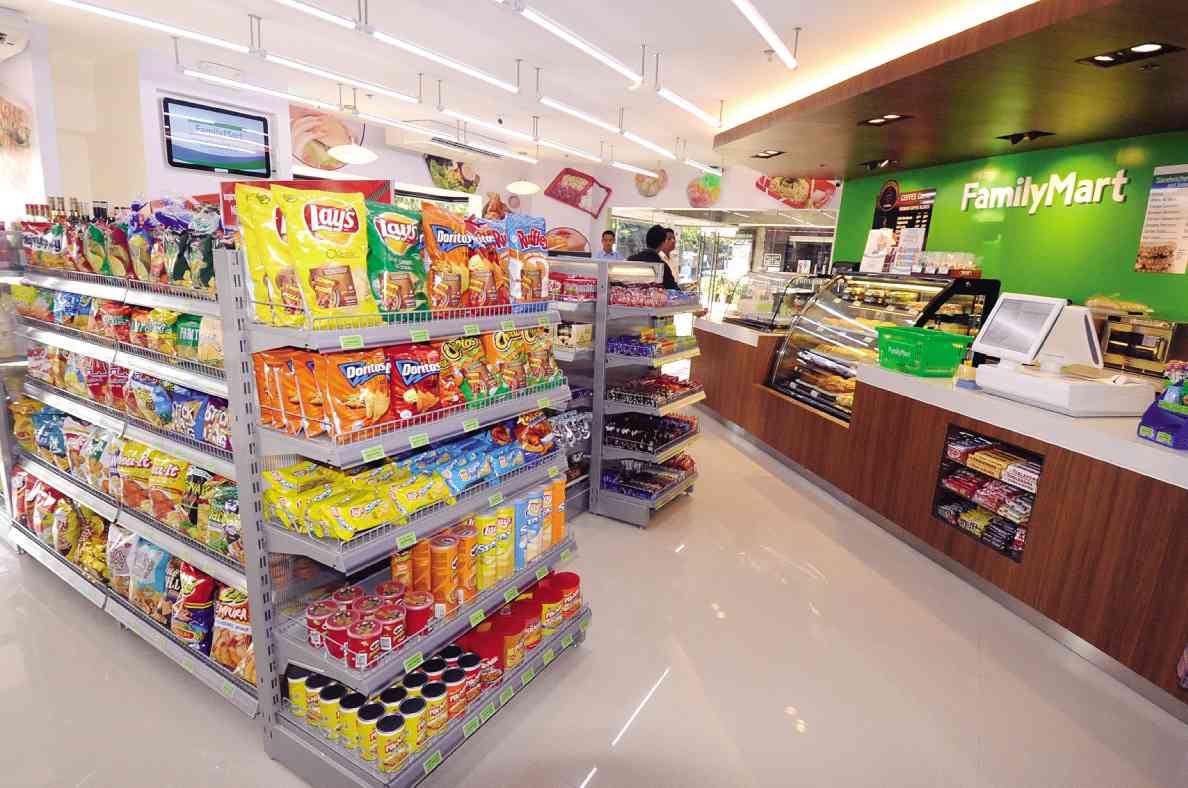
    FamilyMart, a renowned convenience store chain, is stepping up its growth strategy in Taiwan. The company has announced plans to inaugurate 100 new outlets this year, a significant step towards their long-term objective of establishing 5000 stores by 2029.

    Currently, FamilyMart operates around 4400 stores across the nation. Last year, the company added 80 new stores to its portfolio, and it now anticipates increasing the pace of expansion to approximately 150 stores annually in the forthcoming years.

    Reinventing Food Offerings

    In alignment with its comprehensive growth plan, FamilyMart is revitalizing its food section to keep pace with evolving consumer preferences. The company plans to introduce a wider range of customizable bento meals and increase its array of microwave-friendly dishes. The new offerings are aimed at catering to busy urban customers and to make the store an appealing destination beyond traditional meal times.

    Customer Experience Strategy

    In another strategy to enhance the customer experience, FamilyMart Taiwan will continue to keep dining spaces in their stores. The company views these areas as a crucial element of the customer journey, fostering longer stays, facilitating informal gatherings, and promoting additional purchases.

    FamilyMart ventured into the Taiwan market in 1988 with its first store in Taipei Station’s shopping district. Operated by Taiwan FamilyMart Co, the brand has now become one of the top convenience store chains in the country, competing with the likes of 7-Eleven and Carrefour.

    Questions & Answers

    What is FamilyMart’s expansion goal in Taiwan by 2029?
    FamilyMart aims to operate 5000 outlets in Taiwan by 2029.

    How is FamilyMart planning to modify its food offerings?
    FamilyMart plans to roll out more customizable bento meals and expand its selection of microwave-ready dishes, targeting urban consumers and beyond traditional meal times.

    What is FamilyMart’s strategy to enhance customer experience?
    FamilyMart Taiwan will continue to maintain dining areas in their stores as they see them as a key aspect of the customer experience, encouraging longer stays, informal meetings, and additional purchases.

  • Shinsegae And Alibaba Join Forces: A New Contender Challenges Coupang And Naver’s Dominance

    Shinsegae And Alibaba Join Forces: A New Contender Challenges Coupang And Naver’s Dominance

    The antitrust regulator of South Korea has provisionally approved a joint venture between Shinsegae Group’s Gmarket and Alibaba’s AliExpress Korea. This approval paves the way for a new contender to challenge the market, which has been historically dominated by Coupang and Naver.

    Partnership Dynamics

    This collaboration is organized as a balanced joint company under Grand Opus Holding. It merges Gmarket and AliExpress Korea into a unified business model, which can be described as “two families under one roof.” However, it ensures the operational independence of both entities.

    The Korea Fair Trade Commission (KFTC) imposed safeguards that mandate the strict separation of domestic consumer data. It also prohibits the sharing of overseas direct-purchase information between the platforms.

    The collaboration has been presented as both a defensive strategy and a growth plan. Gmarket’s CEO, Jung Hyung-kwon, has called the strategic alliance with AliExpress a necessary step to secure market leadership. He promises to complement Gmarket’s reliable platform with Alibaba’s extensive product range.

    Implications of the Joint Venture

    The joint venture grants 600,000 Gmarket and Auction sellers access to Alibaba’s worldwide e-commerce network, which spans over 200 countries. Concurrently, Chinese-made products from AliExpress are expected to establish a more robust presence in Korea, supported by Shinsegae’s logistics proficiency.

    Analysts speculate that this deal could potentially restore Gmarket’s financial health after a series of losses, while helping AliExpress shed its reputation for counterfeit and low-quality goods.

    The partnership comes as the online retail sector in Korea is experiencing a three-way competition. While Coupang continues to lead with 34.2 million monthly active users, the combined reach of AliExpress, Gmarket, and Auction now exceeds 18 million, surpassing Naver’s 4.3 million.

    Market Conditions and Future Projections

    This competitiveness takes place amid market volatility. Early market leaders such as Interpark and 11st have dwindled, while the growth during the pandemic solidified Coupang and Naver’s duopoly. Recently, Chinese companies like AliExpress and Temu have disrupted the market with extremely affordable goods, leading to the downfall of several smaller Korean platforms.

    With the alliance between Shinsegae and Alibaba now formed, analysts foresee an escalation in price competition, especially with an anticipated increase in Chinese-made consumer goods being sold through Gmarket. However, concerns persist about whether the increased scale will result in profitability, given the limited brand loyalty on both sides.

    Meanwhile, Coupang is focusing on expanding its nationwide rocket delivery, and Naver is enhancing its fresh food delivery through its new alliance with Kurly. Some industry insiders speculate that Shinsegae’s SSG.com may eventually integrate its fresh food operations into the partnership to close the competitive gap.

    The joint venture has also sparked some controversy, with critics warning of the risk of Korean consumer data exposure to China, despite regulatory safeguards.

    Regardless, for Shinsegae, this venture represents a daring gamble: challenging two entrenched giants by combining its retail expertise with Alibaba’s global scale. The lingering question is whether the alliance can offer both local trust and international reach, without igniting a destructive price war.

    Questions & Answers

    What is the structure of the joint venture between Gmarket and AliExpress Korea?
    The partnership is structured as a balanced joint company under Grand Opus Holding, merging Gmarket and AliExpress Korea into a unified but operationally independent business model.

    What benefits does the joint venture offer?
    The joint venture provides 600,000 Gmarket and Auction sellers access to Alibaba’s global e-commerce network, which spans over 200 countries. It also allows for a stronger presence of Chinese-made products in Korea.

    What are the potential risks and criticisms associated with the joint venture?
    Critics warn of the risk of Korean consumer data exposure to China, despite regulatory safeguards. Furthermore, analysts question whether the increased scale will result in profitability, given the limited brand loyalty on both sides.

  • Vietnam Airlines Soars Back to Positive Equity Thanks to Strategic State Investment

    Vietnam Airlines Soars Back to Positive Equity Thanks to Strategic State Investment

    State-owned Vietnam Airlines has reversed its negative net worth thanks to a VND7.77 trillion (US$295 million) infusion of capital by the government.

    In a significant turnaround for the airline industry, Vietnam Airlines has successfully rehabilitated its financial position, emerging from a state of negative net worth due to a substantial capital injection from the government. The State Capital Investment Corporation (SCIC) announced on Tuesday that it finalized the purchase of additional shares in Vietnam Airlines on September 12, providing the company with a vital boost to secure stable long-term cash flows and enhance its capacity to meet debt obligations.

    As detailed in the airline’s consolidated financial statements, this capital infusion, totaling VND7.77 trillion, has lifted Vietnam Airlines from nearly VND3.1 trillion in negative shareholders’ equity as of June 30. In a market that is often as turbulent as a stormy flight, this funding means the airline not only survives but also has the resources to expand its fleet as travel demand rebounds.

    The shares acquired by SCIC form part of a broader strategy involving the issuance of 900 million new shares to existing shareholders, aiming to raise VND9 trillion to navigate the financial turbulence induced by the Covid-19 pandemic. Shareholders that held 1,000 shares were permitted to apply for 406 new ones, furthering their stake in the airline’s recovery.

    Previously, in September 2021, SCIC had injected VND6.98 trillion to assist Vietnam Airlines in maintaining liquidity during the pandemic’s peak. Now, SCIC boasts a 47.09% ownership stake in the airline, firmly rooting government support within this critical national carrier.

    Vietnam Airlines is showing signs of resilience following a rough patch that began early last year. Recent figures reveal that in the first half of this year, the airline reported a 10% year-on-year increase in revenues, reaching VND58.68 trillion. Impressively, its pre-tax profit surged by 19.3%, climbing to VND6.68 trillion — a refreshing change amidst a turbulent industry.

    Questions & Answers

    How has the government support affected Vietnam Airlines’ financial health?
    The infusion of VND7.77 trillion allowed Vietnam Airlines to move out of negative net worth and significantly improve its cash flow and ability to meet debt obligations, enabling it to plan for future fleet expansions.

    What previous support has Vietnam Airlines received from the government?
    Before this recent capital injection, SCIC provided VND6.98 trillion in September 2021 to help sustain the airline during the height of the Covid-19 pandemic and stabilize its operations.

    What are the latest performance metrics for Vietnam Airlines?
    In the first half of the year, Vietnam Airlines reported a revenue increase of 10% year-on-year, totaling VND58.68 trillion, along with a pre-tax profit increase of 19.3%, reaching VND6.68 trillion, indicating a strong recovery.