Category: General

Retail News Asia is committed to providing both local and global retailers with the latest General Retail news throughout the Asian market. This on a daily base.

  • Watsons creates a ‘family’ of collectables to tap into character craze

    Watsons creates a ‘family’ of collectables to tap into character craze

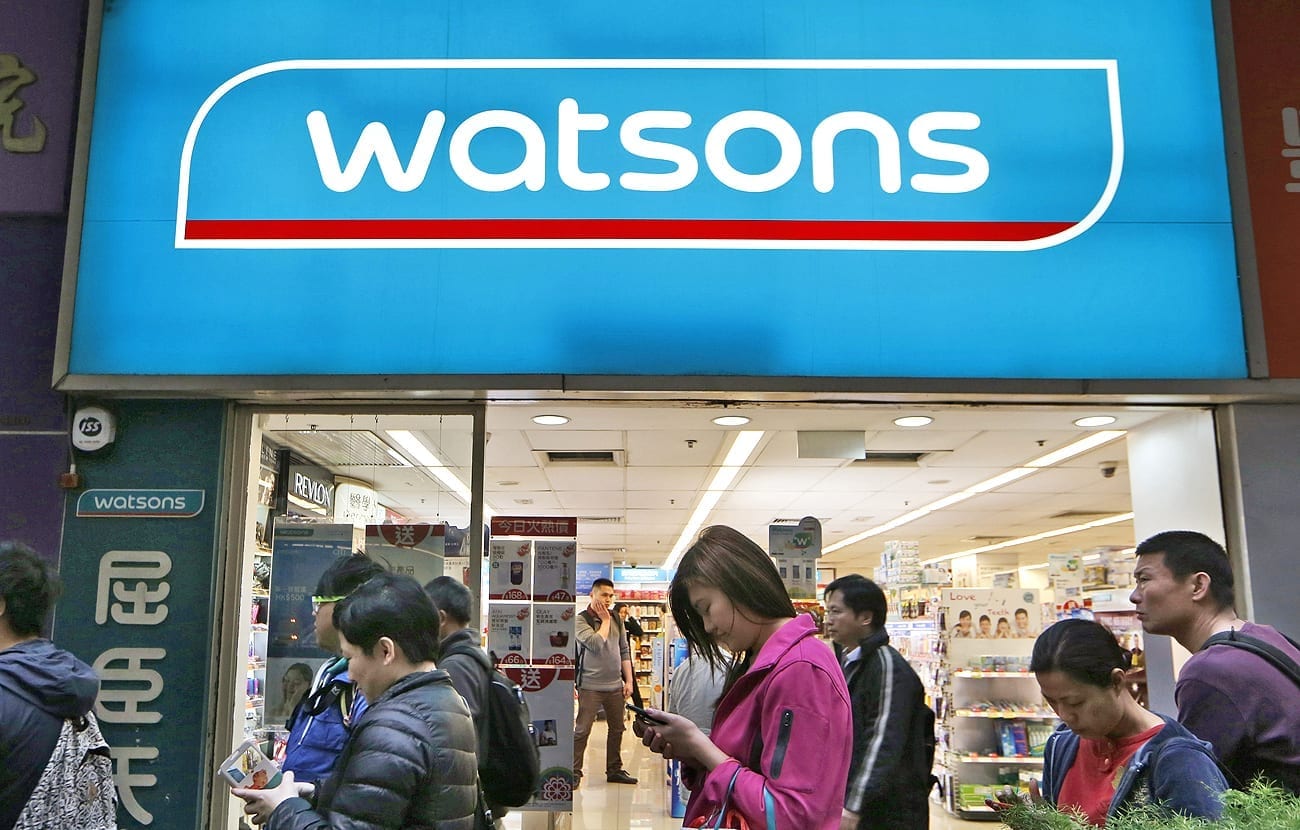
    Health and beauty retail giant Watsons has unveiled its new initiative, The Watsons Family, a character-driven brand strategy set to enhance customer interaction throughout Asia.

    The Watsons Family Initiative

    The Watsons Family comprises 16 distinctive characters inspired by the Myers-Briggs Type Indicator (MBTI). These characters are featured on the packaging of various Own Brand products, ranging from skincare to body care essentials. This creative marketing concept makes the packaging itself an appealing and collectible item.

    The campaign is set to kick off in Hong Kong where three core characters will take center stage:

    – Sunny, representing wellness supplements.
    – Kilo, symbolizing energy and wellness.
    – Flora, embodying beauty through facial masks.

    Jared DeGuzman, Customer Director of Brand Marketing at Watsons, explained that the objective of this campaign is to transition the brand from traditional retail into a more experience-driven model.

    “We are leveraging the power of character-based storytelling,” DeGuzman shared. “Our aim is to create a health and beauty universe that not only sells products but also brings joy, inspiration, and a sense of community to our customers across Asia.”

    Retail Transformation

    As part of the campaign, Watsons stores in Hong Kong will feature branded visuals, interactive campaigns, digital extensions, and even meet and greet events with the characters.

    Following its initial launch, the expansion of The Watsons Family will continue into Mainland China, Malaysia, Taiwan, and Thailand. These new markets will be supported by significant marketing campaigns tailored to each region.

    Questions & Answers

    What is the purpose of The Watsons Family initiative?
    The Watsons Family initiative is designed to transform Watsons from a traditional retailer into a more experiential brand, using character-driven storytelling to create a universe where health and beauty are sources of joy, inspiration, and community connection.

    Who are the three flagship characters of The Watsons Family initiative?
    The three main characters are Sunny, who represents wellness supplements; Kilo, embodying energy and wellness; and Flora, symbolizing beauty through facial masks.

    Where will The Watsons Family initiative be launched and expanded?
    The campaign will initially roll out in Hong Kong and later expand into Mainland China, Malaysia, Taiwan, and Thailand.

  • Lotte Shopping Expands Horizons with Plans for New Shopping Malls Across Vietnam

    Lotte Shopping Expands Horizons with Plans for New Shopping Malls Across Vietnam

    South Korean retail behemoth Lotte Shopping is poised to expand its footprint in Vietnam, planning to open two to three new large-scale shopping malls in key cities by 2030. This initiative emphasizes Vietnam’s burgeoning significance within Lotte’s global strategy for growth.

    The announcement, made by Lotte Shopping CEO and Vice Chairman Kim Sang-hyun during the “CEO IR Day” event in Seoul on September 15, aligns with the company’s ambitious “Transformation 2.0” strategy. This roadmap is designed to bolster international operations while also embracing innovative, technology-driven retail ventures as pathways for future growth.

    Currently, Lotte Shopping has established a solid presence in Vietnam with three department stores and 16 supermarkets, complementing its operations in Indonesia, which include one department store and 48 supermarkets. The company highlights the triumph of its flagship Lotte Mall West Lake Hanoi, opened in 2023; it serves as a prototype for upcoming premium shopping complexes. Kim expressed ambitions to replicate this successful model in other major cities throughout Vietnam.

    As of now, Lotte’s international ventures contribute 13% to its consolidated revenue and account for 18% of its operating profit, illustrating a robust growth trajectory. The company targets an overseas sales milestone of 3 trillion KRW (approximately US$2.2 billion) by 2030. Key components driving this expansion include initiatives such as retail consulting and collaboration with local partners to leverage distribution systems across Southeast Asia.

    In 2024, Lotte Shopping reported substantial figures, with revenue hitting KRW 13.98 trillion and an operating profit of KRW 473.1 billion. By 2030, the company anticipates reaching a revenue target of KRW 20.3 trillion, along with a goal of boosting its operating profit to 1.3 trillion KRW, nearly tripling its profit compared to levels recorded in 2024. Sounds like a retail thriller in the making!

    The CEO IR Day drew over 100 participants, including asset management experts, institutional investors, securities analysts, and banking officials. It served as a platform for Lotte to present its performance goals and strategic plans aimed at enhancing its corporate value.

    Questions & Answers

    What is Lotte Shopping’s plan for expansion in Vietnam?
    Lotte Shopping intends to open two to three large-scale shopping malls in key Vietnamese cities by 2030, as part of its broader international growth strategy.

    How does Lotte Shopping currently operate in Vietnam?
    In Vietnam, Lotte Shopping operates three department stores and 16 supermarkets, while also establishing a successful presence with its Lotte Mall West Lake Hanoi, which opened in 2023.

    What financial goals has Lotte Shopping set for 2030?
    Lotte Shopping aims to achieve KRW 20.3 trillion in revenue and increase its operating profit to 1.3 trillion KRW by 2030, significantly boosting its current profit levels.

  • Crypto Asset Infrastructure for Institutions: Regulations, Products, Custody

    Crypto Asset Infrastructure for Institutions: Regulations, Products, Custody

    In recent years, crypto has rapidly evolved from a niche interest into a legitimate asset class, attracting the attention of asset managers, hedge funds, and other large players. Today’s institutional exchange platforms are designed with compliance, security, and scale in mind. But before crypto becomes a fixture in traditional portfolios, several building blocks must be firmly in place, namely, regulation, infrastructure, and professional-grade investment products. This article breaks down the three pillars enabling institutional adoption and the critical role each plays in shaping a mature crypto ecosystem.

    Regulatory Framework for Digital Assets — The Bedrock of Institutional Adoption

    Institutional players won’t go near an asset class without clear regulatory rules. A strong regulatory framework for digital assets is the first requirement for compliance-conscious firms. Switzerland stands out as a model, thanks to its clear legal guidelines for ICOs, stablecoins, and digital securities — all developed under FINMA’s oversight.

    Other progressive jurisdictions like Singapore, Germany, and the UK are catching up fast, creating robust environments for institutional crypto investors to operate. Regulation brings legitimacy, unlocks banking relationships, and enables licensed service providers to handle crypto just like any traditional asset.

    Ultimately, this legal foundation helps institutional players assess risks, meet compliance standards, and build the confidence they need to allocate capital.

    Institutional Investment Products — Fueling Scalable Exposure

    Once the legal groundwork is laid, institutional capital needs proper vehicles to enter the market. Institutional investment products are the bridge. These tools let institutions gain exposure to crypto without diving into the technical weeds of wallets or private keys. Some of the most widely used financial products for crypto assets include:

    • Crypto ETFs. Allow exposure to Bitcoin or Ethereum through familiar exchange-listed funds. The approval of spot Bitcoin ETFs in the U.S. was a game-changer.
    • Futures and options. Listed on platforms like CME, these offer hedging strategies and speculative tools within a regulated structure.
    • Structured notes & tracker certificates. These give tailored risk-return profiles and passive exposure.
    • Tokenized funds. Traditional funds digitized on blockchain for faster settlement and transparency.

    These products lower the barrier to entry and help institutions comply with their investment mandates. More importantly, they reflect growing confidence in the asset class and the infrastructure backing it.

    Crypto Custody Storage — The Pillar of Institutional Trust

    Let’s be honest: if your clients’ assets aren’t secure, nothing else matters. That’s why crypto custody storage is a non-negotiable requirement for institutional adoption. Custodians offer cold storage, insurance coverage, and compliance-grade interfaces that integrate with asset management systems.

    Many of the custody providers are also enabling over-the-counter (OTC) trading — essential for executing large trades without impacting market prices. Combined with integrated compliance checks, this allows for smoother, safer access to liquidity.

    Behind it all is blockchain technology, which enables real-time auditability, immutability, and reduced settlement risk — three things institutions care deeply about.

    The maturation of crypto asset infrastructure is well underway. With rock-solid regulation, scalable investment tools, and advanced custody solutions, the institutional crypto market is no longer a “what if” — it’s a “what’s next.”

    We’re already seeing institutional crypto investors gradually deploy capital, driven by the emergence of crypto ETFs, custody solutions, and regulated OTC desks. The foundations are here — and as momentum builds, crypto is set to become a permanent fixture in the institutional landscape.

  • Jatcorp Appoints Sustainable Development Strategist Dr. Sean Li As New Ceo

    Jatcorp Appoints Sustainable Development Strategist Dr. Sean Li As New Ceo

    Jatcorp recently announced the appointment of Dr Sean Li as its new CEO, succeeding Sunny Liang who resigned earlier this month. The appointment, on a three-year contract, comes after Dr Li served as the acting CEO following Liang’s departure.

    Dr Sean Li’s Professional Background

    Dr Li brings a wealth of experience to his new role, having previously held the position of executive director with Jatcorp. His professional portfolio boasts over 10 years of international experience that spans commercialization, investment analysis, business operation, and development. Furthermore, Dr Li has shown strong dedication to sustainable development and strategic investment throughout his career.

    Prior to joining Jatcorp, Dr Li held several high-ranking positions at Power Construction Corporation of China (PowerChina). Here, he played a crucial role in facilitating multiple cross-border acquisitions and spearheaded projects worth millions of dollars in Mainland China, Germany, and Hong Kong.

    Dr Li’s expertise is not limited to business and leadership roles, as he has also undertaken technical and research roles at the University of Sydney and UNSW Canberra. His work in these institutions centered around chemistry and sustainable technologies, underscoring his commitment to creating a sustainable future.

    Questions & Answers

    Who is the new CEO of Jatcorp?
    Dr Sean Li has been appointed as the new CEO of Jatcorp.

    What experience does Dr Sean Li bring to Jatcorp?
    Dr Li has over 10 years of international experience in areas like commercialization, investment analysis, business operation, and development. He also has a strong focus on sustainable development and strategic investment.

    What roles did Dr Sean Li hold before joining Jatcorp?
    Before joining Jatcorp, Dr Li held senior leadership positions at Power Construction Corporation of China (PowerChina) and has also held technical and research roles at the University of Sydney and UNSW Canberra, with a focus on chemistry and sustainable technologies.

  • Airasia Move And Air Macau Partnership Bolsters Asia Travel Opportunities

    Airasia Move And Air Macau Partnership Bolsters Asia Travel Opportunities

    AirAsia Move has broadened its network of airline alliances by including Air Macau to its roster. This new collaboration will create more travel opportunities for passengers journeying between Kuala Lumpur, Macau, and a host of other destinations in China and the wider Asian region. The partnership also aims to bolster Macau’s goal of welcoming 39 million visitors by 2025.

    Partnership Launch Promotions

    In celebration of this new partnership, AirAsia Move is offering its users the chance to book Air Macau flights from Kuala Lumpur to Macau via its app for prices starting from just 470 ringgit (US$111). These promotional fares will be available for booking until September 12, 2025, and are applicable for travel between September 1, 2025, and February 7, 2026.

    Extended Flight Options and Perks

    Apart from Air Macau, AirAsia Move also directly collaborates with over 70 other international carriers, such as Royal Brunei Airlines, Air Mauritius, and Etihad. In addition, the platform provides flight options from approximately 700 other airlines through authorized suppliers. It also features a selection of over a million hotels worldwide, giving users ample choices for their accommodations. Further enhancing the travel experience, the platform provides first- and last-mile connectivity with airport transfers and a plethora of other ancillary travel products, including online duty-free shopping and travel insurance.

    Contributing to Macau’s Tourism Goals

    Nadia Omer, the CEO of AirAsia Move, shared her enthusiasm about the new partnership with Air Macau. She expressed that having Air Macau as a direct airline partner on the Move platform will not only offer convenience to travelers, but it will also provide them with the opportunity to explore the fascinating city of Macau at the best possible value. She added that the company is thrilled to make Macau more accessible to its users and contribute towards the city’s tourism objectives.

    Questions & Answers

    What are some of the benefits of this new partnership between AirAsia Move and Air Macau?
    This partnership will offer more travel options for passengers traveling between Kuala Lumpur, Macau, and other destinations in China and Asia. It also supports Macau’s aim of attracting 39 million visitors by 2025.

    What promotional offers are available to mark the partnership?
    AirAsia Move users are able to book Air Macau flights from Kuala Lumpur to Macau via the app starting from just 470 ringgit (US$111). These promotional fares are available for booking until September 12, 2025.

    What other airlines does AirAsia Move partner with?
    AirAsia Move has direct partnerships with over 70 other international airlines including Royal Brunei Airlines, Air Mauritius, and Etihad. It also offers flight options from around 700 other airlines through authorized suppliers.

  • Muji’s Retail Revolution: Blending Digital Convenience With Enhanced In-store Experience In Asia

    Muji’s Retail Revolution: Blending Digital Convenience With Enhanced In-store Experience In Asia

    As the winds of change sweep across the retail landscape in Asia, an increasing number of chains are mastering the delicate art of balancing online convenience with in-store experience. This transformation, driven by the fast-evolving consumer preferences, has become essential for survival in the competitive market. Recently, major players like Japan’s Muji have unveiled strategies that reflect a deep understanding of this duality.

    Muji’s Emphasis on Omni-Channel Experience

    In an industry increasingly leaning towards online shopping, Muji is steering its focus back to the physical space with a fresh perspective. The brand plans to enhance its in-store experiences by offering a curated selection of items designed to engage customers in an interactive environment. Imagine strolling through a thoughtfully designed space where products inspire creativity and ignite a sense of community. Such initiatives are fundamental to reigniting the in-store shopping passion that has slightly waned in the digital age.

    Digital Innovations to Drive Foot Traffic

    Not one to shy away from leveraging technology, Muji is launching a series of digital tools aimed at improving customer interaction while they browse. From personalized recommendations through a mobile app to seamless integration of online orders for easy pickup in-store, these innovations promise to enhance the shopping experience. This strategy doesn’t just aim to boost sales; it seeks to create a symbiotic relationship between digital and physical platforms, ensuring that customers feel valued at every touchpoint.

    Rethinking Supply Chains and Sustainability

    As consumers become more environmentally conscious, Muji is also addressing sustainability head-on. The brand’s commitment extends beyond its product offerings, with efforts to streamline supply chains by focusing on local sourcing. In a region often beset by logistical challenges, this move not only reduces carbon footprints but also supports regional economies. It’s a win-win that demonstrates the power of mindfulness in retail practices.

    The Role of Collaboration

    The retailer is further enriching its strategy through collaborations with local artisans and designers. This not only enriches the product mix but also embeds cultural relevance into its offerings—a smart move in a region where local ethos can define consumer loyalty. Think of a limited-edition product line that reflects the soul of a city; it’s enough to entice any local shopper to step inside for a unique experience.

    Lessons from Asia’s Retail Giants

    As Muji navigates this new path, it stands to learn from the successes of other Asian retail giants that have already blazed trails in omni-channel strategies. Each endeavor reinforces the notion that the future of retail is not about choosing one channel over another, but about harmonizing them into a cohesive experience that truly resonates with consumers.

    Questions & Answers

    How is Muji enhancing the in-store shopping experience?
    Muji is focusing on creating interactive environments and curated selections that engage customers and foster community, potentially reigniting interest in physical shopping.

    What digital innovations is Muji implementing?
    The retailer is introducing digital tools, such as personalized recommendations via a mobile app and seamless online orders for in-store pickup, to enhance customer interaction and convenience.

    How is Muji addressing sustainability challenges?
    By emphasizing local sourcing and streamlining its supply chains, Muji aims to reduce its carbon footprint while supporting regional economies, showcasing a commitment to sustainability.

  • Singaporeans Shift Focus: Declining Interest in Brand Ads and Social Media Messaging Revealed

    Singaporeans Shift Focus: Declining Interest in Brand Ads and Social Media Messaging Revealed

    Nearly half the population of Singapore appears to have tuned out traditional marketing efforts, as a recent report by Blackbox reveals that 49% of Singaporeans ignore brand advertising or social media outreach. This figure rises to an eye-opening 57% among consumers under 30, indicating a significant generational divide in receptivity to marketing messages.

    What’s particularly striking is that about 48% of all respondents admitted they can’t even remember the last ad that caught their attention. Among younger consumers, this figure climbs to a staggering 55%. Analysts blame the phenomenon on an “attention economy,” where consumers—especially younger ones—have perfected the skill of filtering out the marketing din surrounding them.

    Consumer Trust Takes a Hit

    As if these numbers weren’t sobering enough, 51% of Singaporeans feel that current brand messaging often “feels fake or tries too hard.” More than half (56%) outright dismiss the notion of “brand trust” as little more than empty rhetoric. In a telling statistic, half of the respondents—along with nearly two-thirds of those under 30—expressed a preference for trusting personal connections over brands.

    This disconnect between brand communications and consumer perceptions reveals a growing chasm. According to the findings, two key attributes influence whether a brand message resonates: honesty and proof. Consumers are increasingly drawn to messages that feel unscripted and are supported by tangible evidence, leaving clever slogans and polished presentations in the dust.

    The Challenge of Engagement

    The report suggests that brands are navigating a “double-disconnect,” struggling to capture consumer interest while also failing to listen to their audiences meaningfully. Traditional survey formats have only added to consumer frustration, as individuals cite long forms and repetitive questions as major turn-offs.

    Yet, there’s a glimmer of hope: six in ten respondents expressed openness to engaging with AI interviewers, a figure that jumps to 70% for younger consumers. Still, a quarter of participants remain unyielding, preferring a human touch. The suggestion here is clear—brands must find ways to create genuine dialogues rather than pushing out impersonal surveys.

    Authenticity is Key

    To bridge this growing gap, the report calls for marketers and researchers to shift gears—from surveying to conversing, treating consumers as active participants instead of passive respondents. Brands need to integrate authenticity into every interaction, moving away from superficial messaging and toward engaging, evidence-backed narratives.

    The potential of AI also looms large in the conversation. While technology can enhance speed and scale in brand communications, it’s essential that brands maintain a human-like presence—empathetic, responsive, and authentic. In a world rife with skepticism, delivering genuine connections might just be the secret ingredient for success.

    Questions & Answers

    How did the report measure consumer attitudes toward brand messaging?
    The report by Blackbox surveyed Singaporeans about their perceptions of advertising, finding that a significant percentage ignore ads, particularly younger consumers who have grown skilled at ignoring marketing noise.

    What key qualities do consumers look for in brand messaging?
    Consumers prioritize honesty and tangible proof, favoring unscripted messages supported by data over polished slogans that lack credibility.

    What innovative approach does the report suggest brands take to engage consumers?
    The report recommends transitioning from traditional surveys to authentic conversations that treat consumers as active participants, while also leveraging AI to create more meaningful interactions.

  • Airasia Launches Direct Routes From Malaysia To Indonesia, Boosting Regional Connectivity And Economic Growth

    Airasia Launches Direct Routes From Malaysia To Indonesia, Boosting Regional Connectivity And Economic Growth

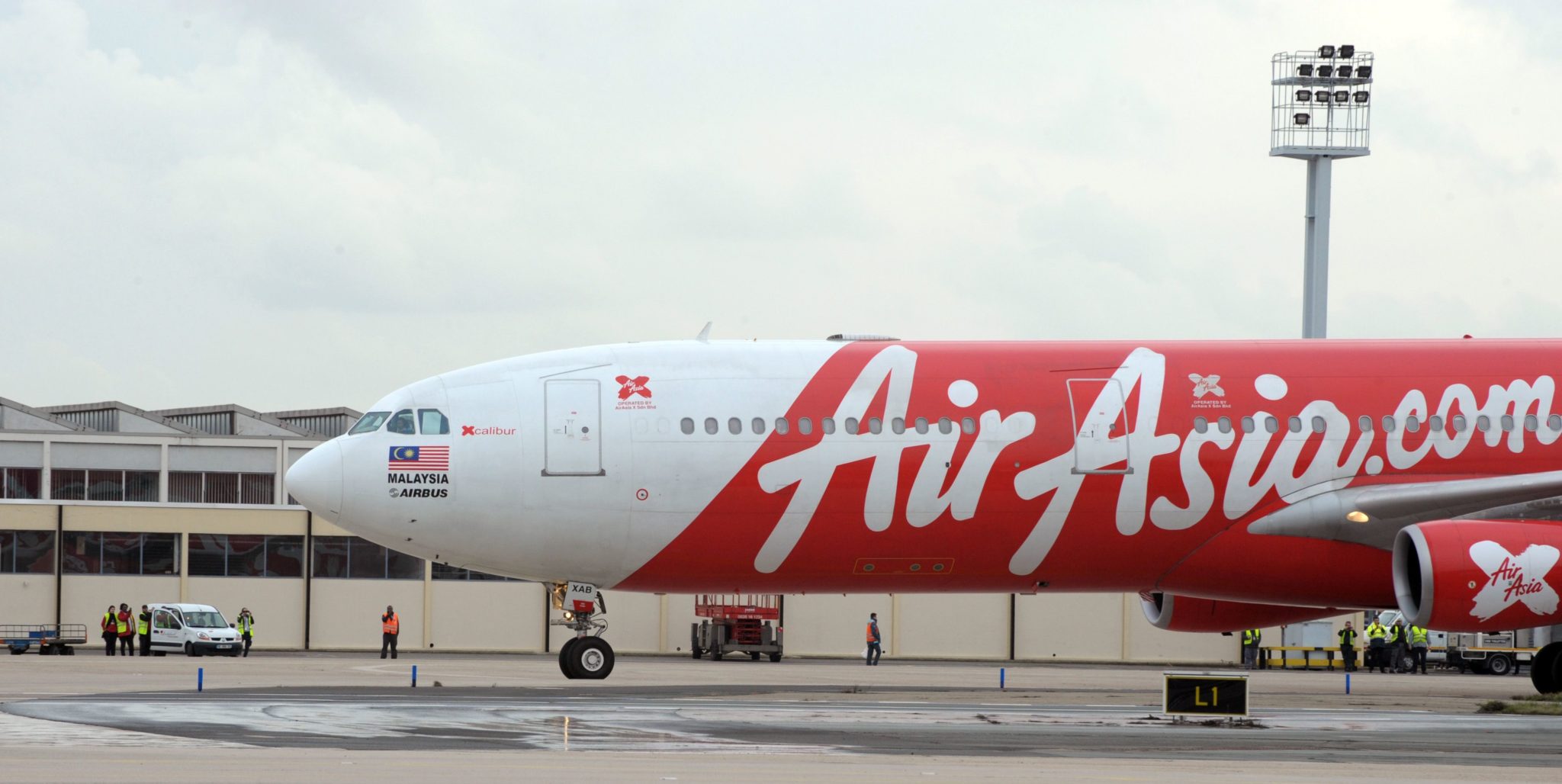
    AirAsia, signified by the flight code AK, has expanded its offerings, introducing two direct air routes from the Malaysian cities of Kuala Lumpur and Kuching to Pontianak, Indonesia. This development furthers its reputation as the airline with the most extensive network connecting these two countries. It also upholds AirAsia’s dedication to enhancing regional connectivity and fostering economic growth throughout the region.

    Celebratory Reception

    Upon its return, flight AK1782 from Pontianak received a warm reception at Kuching International Airport. The occasion was celebrated with cultural performances and attending guests from Pontianak were welcomed by dignitaries, including Deputy Minister for Tourism, Creative Industry and Performing Arts Sarawak, YB Datuk Snowdan Lawan, and AirAsia Malaysia CEO, Dato’ Captain Fareh Mazputra. Representatives from various Malaysia Airports, government departments and private hospitals in Kuching also attended the event.

    In Kuala Lumpur International Airport Terminal 2, passengers on the inaugural flight AK491 from Pontianak were greeted by Tourism Malaysia and members of the AirAsia Management.

    First International Services at Supadio Airport

    These flights are the first international services to take place at Pontianak’s Supadio Airport since it regained its international status in June 2025. This significant event involved a special welcoming ceremony for dignitaries, headed by the Governor of West Kalimantan, Drs Ria Norsan, and the Malaysian Consul in Pontianak, En Azizul Zekri Abdul Rahim.

    Minister for Transport Sarawak, YB Dato’ Sri Lee Kim Shin, expressed his delight regarding the reinstatement of the Kuching-Pontianak route after a five-year pause. He emphasised the positive impact of this move, which will substantially reduce travel times, boost tourism, and strengthen connections between Sarawak and West Kalimantan.

    AirAsia’s Expansion

    AirAsia is proud of its recent route expansions, with Indonesia remaining a key market for the airline. CEO of AirAsia Malaysia, Dato’ Captain Fareh Mazputra, highlighted the significance of reintroducing the Pontianak route, which will increase convenience for passengers and open up new opportunities for tourism and business between Malaysia and Indonesia.

    CEO of Sarawak Tourism Board, Mdm Sharzede Salleh Askor, expressed her excitement over the reinstatement of direct air connectivity between Kuching and Pontianak. This development will make travel more convenient for those in West Kalimantan, strengthen Sarawak’s role as the gateway to Borneo, and attract more visitors from Pontianak and beyond.

    Currently, AirAsia Malaysia serves 18 destinations in Indonesia from Kuala Lumpur, with a new route to Banjarmasin set to commence on 20 October 2025.

    Questions & Answers

    What is the significance of the new AirAsia routes?
    These routes not only improve travel convenience but also open up new opportunities for tourism and business between Malaysia and Indonesia.

    What other Indonesian cities does AirAsia Malaysia connect with?
    AirAsia Malaysia currently connects with 18 Indonesian cities, including Jakarta, Bali (Denpasar), Medan, Yogyakarta, and more.

    What’s the impact of reinstating the Kuching-Pontianak route?
    This development will reduce travel times, boost tourism, and strengthen connections between Sarawak and West Kalimantan.

  • Anta Group’s Bold Expansion: 1000 New Outlets In Southeast Asia Within Three Years

    Anta Group’s Bold Expansion: 1000 New Outlets In Southeast Asia Within Three Years

    Chinese athletic apparel corporation, Anta Group, recently announced its ambitious strategy to establish 1000 retail outlets in Southeast Asia within a span of three years.

    Anta Group currently manages a portfolio of nearly 13,000 stores, more than 200 of which are situated across Southeast Asia, spanning countries such as the Philippines, Singapore, Malaysia, and Vietnam. The new objective indicates a significant boost in the company’s retail presence in the region.

    Shaping the Future of Retail in Asia

    Unveiling the ambitious plan at the 2025 Asia New Vision Forum in Singapore was Will Wang, Vice President of Anta Group and Chairman and President of Anta SEA. The forum, themed “Shaping the Pulse: How Asia’s Brands Drive Experience, Identity, and Connection,” brought together executives from diverse sectors across Southeast Asia. The primary focus of the discussion was creating effective brand-consumer relationships, both within the region and on a global scale.

    During the forum, Wang highlighted the critical role of Southeast Asia in the group’s international expansion strategy. He revealed that the brand’s retail sales figures in the region nearly doubled in the first half of the current year compared to the same period last year.

    Wang attributed this impressive growth to the high-quality offerings of Anta, the successful localisation and digitalisation strategies, and the effective implementation of the brand’s unique “Brand+Retail” business model.

    “True globalisation involves achieving localisation in every market while maintaining the brand’s inherent qualities,” Wang emphasised during the discussion.

    He further said, “Our objective is not only to sell products in Southeast Asia, but also to deliver exceptional brand value and superior service to local consumers. We are confident in our team’s ability to realise our goal of 1000 Anta outlets in the region in the next three years.”

    Setting Global Growth in Motion

    Anta Group views Southeast Asia as both a blueprint and a springboard for its international growth initiatives. As the corporation’s presence in Southeast Asia extends to surrounding markets, and as both physical and online businesses stimulate growth, the brand’s overseas revenue rose above 150 per cent in the first half of this year.

    Apart from Southeast Asia, the Anta Group’s international retail network extends to pivotal markets such as the United Arab Emirates, Saudi Arabia, Egypt, Kenya, and North America, facilitated by strategic alliances. The group recently inaugurated its premier flagship store in the United States, located in Beverly Hills, California.

    Questions & Answers

    What is the Anta Group’s growth plan for Southeast Asia?
    The Anta Group plans to establish 1000 retail outlets in Southeast Asia over the next three years, significantly expanding its presence in the region.

    What factors have contributed to the Anta Group’s recent success in Southeast Asia?
    The group’s impressive growth in the region is attributed to high-quality product offerings, successful localisation and digitalisation strategies, and an effective “Brand+Retail” business model.

    How does the Anta Group view Southeast Asia in terms of its global growth strategy?
    The Anta Group sees Southeast Asia as a blueprint and launchpad for its international growth initiatives, leveraging the expanding market and both physical and online businesses to stimulate growth.

  • Books-a-million Partners With Pop Mart: Iconic Characters Set To Invade Stores Nationwide

    Books-a-million Partners With Pop Mart: Iconic Characters Set To Invade Stores Nationwide

    Books-A-Million, a prominent US bookstore retailer, is set to collaborate with Pop Mart to make their beloved characters accessible to fans nationwide.

    The partnership is scheduled to commence in September. It will be launched throughout all retail locations of Books-A-Million, and will be available online on an ongoing basis.

    The collaboration with Pop Mart, a well-known producer of collectible designer toys and pop culture items, is expected to generate substantial sales and arouse significant interest among global consumers.

    Kathy Gagliano, the Executive Vice President of Merchandising at Books-A-Million, expressed her excitement over the new partnership. “We continuously strive to please our customers by offering products that are not only unique but also resonate with them,” she said.

    She further added, “Pop Mart’s iconic characters align perfectly with our bookstore community as they foster creativity, self-expression, and the pleasure derived from engaging with characters that truly inspire us.”

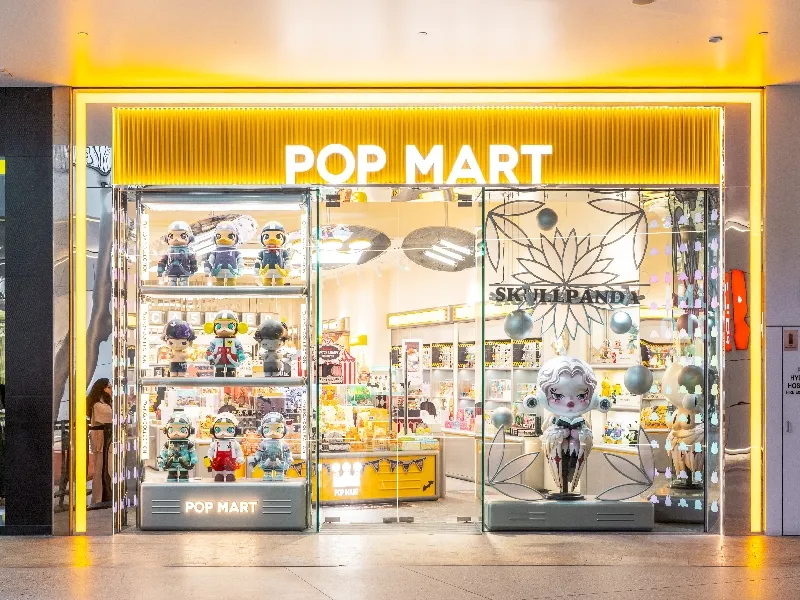
    The collaboration will introduce a selection of Pop Mart’s Intellectual Properties (IPs), such as Skullpanda, Molly, Crybaby, Dimoo, and The Monsters. These characters will be featured in a variety of collectible toys that will be available for purchase by all Books-A-million customers.

    Erica Graf, the Vice President of General Merchandise, shared her thoughts on the partnership, “Pairing Pop Mart with Books-A-Million seemed like an intuitive match,” she said.

    Graf believes that Pop Mart is at the forefront of a cultural trend captivating fans globally. Thus, joining forces with Books-A-Million creates an enticing space where fans can delve into stories, explore, and experience the excitement of collecting.

    Questions & Answers

    When is the partnership between Books-A-Million and Pop Mart set to begin?
    The collaboration is scheduled to start in September.

    What will the partnership entail?
    The partnership will involve introducing a selection of Pop Mart’s collectible designer toys and characters, available for purchase across all Books-A-Million retail locations and online.

    What characters from Pop Mart’s IPs will be featured in this collaboration?
    Characters including Skullpanda, Molly, Crybaby, Dimoo, and The Monsters will be featured in a range of collectible toys.

  • Lawson Japan Joins Forces to Support Free School Lunch Initiative in the Philippines

    Lawson Japan Joins Forces to Support Free School Lunch Initiative in the Philippines

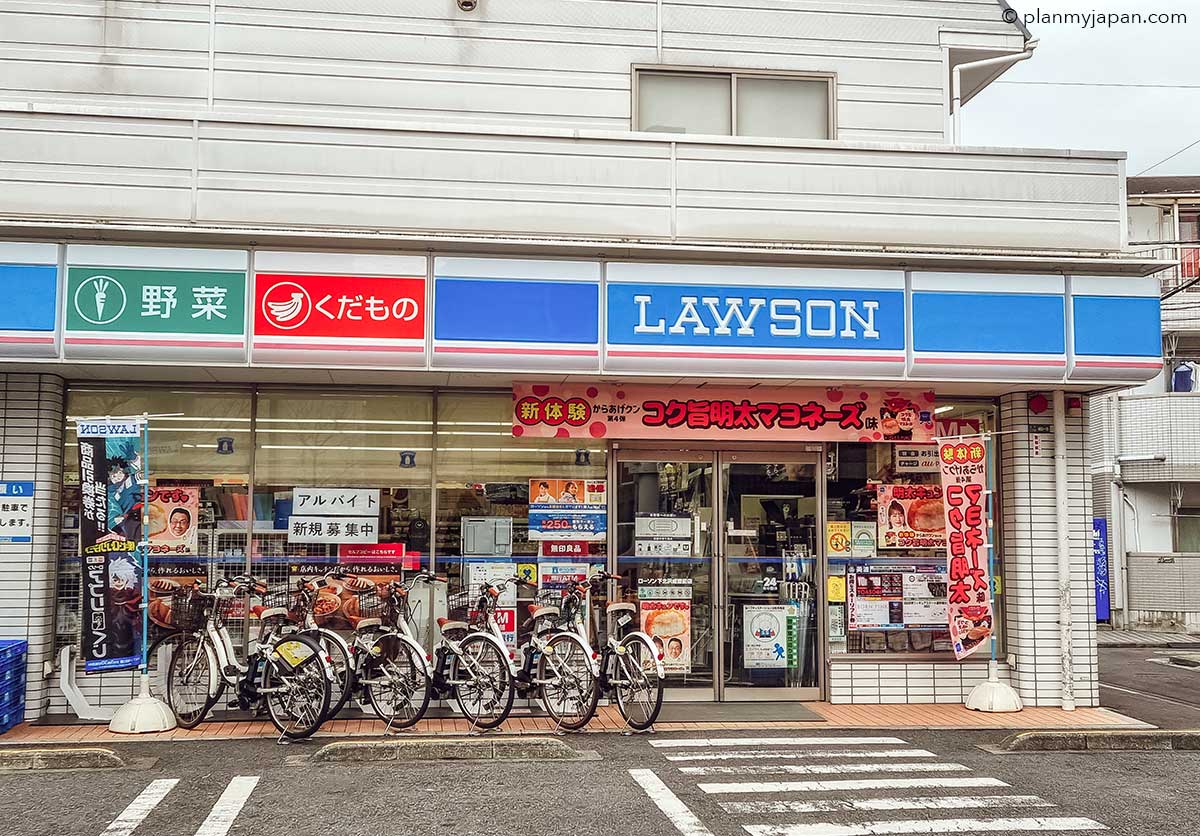
    In an innovative move to deepen its engagement with local communities, Japanese convenience store chain Lawson has formed a partnership with a free school lunch program in the Philippines. This initiative not only aims to boost brand visibility but also underscores Lawson’s commitment to supporting local causes.

    As part of this collaboration, Lawson plans to integrate its offerings with the school lunch program, allowing students access to nutritious meals while enhancing the brand’s footprint in the region. The initiative reflects a growing trend among retailers in Asia to align their brands with initiatives that resonate with community values.

    Comedian Ryota Yamasato made a memorable appearance at the ribbon-cutting ceremony for Akamegane Kitchen on August 29, shining a spotlight on the program and drawing attention to Lawson’s broader objectives. If food is the language of love, this partnership speaks volumes about Lawson’s efforts in nurturing relationships and brand loyalty in the Philippines.

    Lawson’s strategy highlights how retail businesses can leverage social initiatives to foster brand awareness and trust. By stepping into the realm of community health and well-being, they not only benefit from customer good will but contribute positively to society at large.

    This collaboration serves as a telling example of how retail chains can creatively navigate the complexities of brand building in a competitive landscape, making memorable impacts that go beyond profit margins.

    Questions & Answers

    What is Lawson’s latest partnership in the Philippines about?
    Lawson has teamed up with a free school lunch program in the Philippines, aiming to raise brand awareness by supporting local initiatives and providing access to nutritious meals for students.

    How does this partnership align with trends in the retail industry?
    This initiative illustrates the growing trend among retailers in Asia to forge collaborations with community-focused projects, enhancing brand visibility while fostering goodwill and trust within local populations.

    What role did Ryota Yamasato play in the launch of the program?
    Comedian Ryota Yamasato participated in the ribbon-cutting ceremony for Akamegane Kitchen, which is part of the school lunch initiative, helping to elevate the program’s profile and Lawson’s community engagement efforts.

  • Global Wind Capacity Set to Soar with 170 GW Additions Expected by 2025

    Global Wind Capacity Set to Soar with 170 GW Additions Expected by 2025

    China is poised to lead an unprecedented boom in the wind energy sector, as projections indicate that the industry will install a remarkable 170 gigawatts (GW) of new capacity by the end of 2025, according to the latest report from Wood Mackenzie. This surge is not just a ripple in the energy market; it suggests a tidal wave of change, with the global wind sector expected to connect more than 70 GW in a single quarter—setting a new benchmark for quarterly additions that surpass the annual totals of any year before 2020.

    A Record-Breaking Forecast

    This fresh market outlook reveals a robust 13% quarter-on-quarter increase largely driven by significant onshore growth in China. With such momentum, global wind capacity is projected to double from 2024 levels by as early as 2032, showcasing the country’s pivotal role in this renewable energy revolution.

    Resilience Amidst Uncertain Policies

    Despite facing obstacles in key markets like the United States, the wind industry is on track to achieve historic scale in the coming decade. By 2031, without considering China’s contributions, global cumulative wind capacity is set to hit a terawatt, eventually doubling from 2024 levels by 2034. However, the journey isn’t without its challenges. Policy frameworks that historically supported wind sector growth are now injecting uncertainty into major markets—an ominous cloud that threatens to dampen the industry’s rapid ascent.

    The Dynamics of Growth in China

    Sasha Bond-Smith, a research analyst at Wood Mackenzie, highlighted the “unparalleled concentration of growth in China,” which is fundamentally reshaping the wind energy landscape. Yet, not everything is smooth sailing: the offshore wind sector in China is grappling with significant hurdles, including sea-use conflicts that profoundly disrupt project timelines and even halt construction on ongoing projects.

    Global Progress and Emerging Challenges

    On the flip side, onshore projects are advancing across Europe, the Asia-Pacific region, and emerging markets, bolstered by favorable tender outcomes and strong project pipelines. Nevertheless, the sluggish pace of the green hydrogen market still casts a long shadow, limiting the potential spillover benefits into wind development.

    “Achieving this historic scale will require the industry to adeptly navigate this new geography of growth and adapt to changing policy landscapes,” cautioned Kárys Prado, a senior research analyst at Wood Mackenzie. In the world of wind energy, flexibility may just become the most valuable currency.

    Questions & Answers

    What role is China playing in the global wind energy market?
    China is set to account for a significant portion of the wind energy expansion, with projections indicating it will install 170 GW of new capacity by the end of 2025, reshaping the industry’s dynamics.

    Are there challenges that the offshore wind sector in China is facing?
    Yes, the offshore wind sector is experiencing considerable challenges due to sea-use conflicts, which are disrupting project timelines and stopping construction on some ongoing projects.

    What factors could influence the future growth of the wind industry?
    Future growth will depend on how effectively the industry adapts to evolving policy landscapes and navigates the challenges presented by international markets, particularly as policy uncertainties become more pronounced.

  • JD.com Eyes UK Retail Expansion with Potential Acquisition of Argos from Sainsbury’s

    JD.com Eyes UK Retail Expansion with Potential Acquisition of Argos from Sainsbury’s

    British supermarket titan Sainsbury’s is currently exploring a potential sale of Argos, the general merchandise retailer it acquired for £1.1 billion (about $1.5 billion) back in 2016. The discussions involve Chinese e-commerce behemoth JD.com, hinting at a transformation for Argos in the increasingly competitive retail landscape.

    Shifting Focus and Future Prospects

    Under the leadership of CEO Simon Roberts since 2020, Sainsbury’s has sharpened its focus on food, signaling a strategic shift away from non-food segments. The supermarket chain stated that a partnership with JD.com could bolster Argos by infusing the brand with world-class retail technology and logistics expertise. This, according to Sainsbury’s, would catalyze growth for Argos and elevate the customer experience to new heights.

    Commitments on the Table

    While the discussions are underway, Sainsbury’s clarified that no agreements have been finalized, and there remains uncertainty regarding the outcome of any potential transaction. The retailer emphasized that any sale would come with commitments aimed at benefiting customers, employees, and partners alike.

    Argos: A Retail Game-Changer

    Argos holds its ground as the U.K.’s second-largest general merchandise retailer, claiming the title of the third most visited retail website in the country. In addition, the brand boasts over 1,100 collection points, making it a familiar name for consumers across the region.

    Sainsbury’s Commitment amid Evaluations

    Despite contemplating a potential sale, Sainsbury’s remains dedicated to steering Argos toward a successful future, reporting that its existing strategy is yielding “solid progress.” With a market capitalization of £7 billion ($9.5 billion), Sainsbury’s stands as Britain’s second-largest supermarket group, just behind Tesco. In juxtaposition, JD.com, a Nasdaq-listed giant valued at $48 billion, is looking to broaden its horizons beyond its established market in China.

    Global Aspirations for JD.com

    As part of its international ambitions, JD.com is also navigating a €2.2 billion takeover of German consumer electronics retailer Ceconomy, which is currently awaiting regulatory review. The company had previously eyed British electronics retailer Currys, only to withdraw from negotiations last year.

    Questions & Answers

    What prompted Sainsbury’s to consider selling Argos?
    Sainsbury’s is shifting its focus more toward food under CEO Simon Roberts, leading to a strategic reassessment of its non-food assets like Argos.

    What advantages does JD.com bring to the table regarding Argos?
    JD.com could provide extensive retail, technology, and logistics expertise, which would help enhance Argos’ growth and improve the overall customer experience.

    What are the current market standings of Sainsbury’s and JD.com?
    Sainsbury’s holds a market capitalization of £7 billion ($9.5 billion) while JD.com is valued at $48 billion, showcasing the vast difference in their market positions.

  • Zoho Unveils Comprehensive ERP Solution, Transforming Its Finance Suite into a Complete Business Tool

    Zoho Unveils Comprehensive ERP Solution, Transforming Its Finance Suite into a Complete Business Tool

    In a bold move to redefine its role in the business landscape, Zoho is positioning itself as the “operating system for business,” unveiling an expanded finance and operations suite designed to enhance efficiency for small and medium enterprises (SMEs) aiming for international growth.

    The All-in-One Solution for SMEs

    Sivaramakrishnan Iswaran, Global Head of Zoho Finance and Operations, elaborated, “Zoho is the operating system for business. By this, I mean that any business with software needs can fulfill those requirements solely through Zoho.” The platform aims to provide comprehensive solutions that encompass payroll, accounting, tax management, inventory, commerce, and point-of-sale systems. This extensive toolset has proven particularly valuable for Southeast Asian companies looking to expand beyond their borders.

    Streamlined Tax Solutions for Singaporean Businesses

    Iswaran noted that initial challenges with manually configuring tax systems have been addressed through the launch of new tools tailored for customers in Singapore. “Most of the requirements should be met over the weeks,” he reassured, signaling a smoother experience ahead for local businesses.

    Embracing the Future: AI and Digital Payment Innovations

    Looking towards the future, Zoho is placing a significant emphasis on digital payments and artificial intelligence. “Southeast Asia is at the forefront of digital payment adoption,” Iswaran observed, highlighting the region’s rapid advancements. With AI stepping into the limelight, he remarked, “Many of the mundane tasks in our products can be handed over to agents, freeing up valuable time for more meaningful work.” The promise of AI not only aims to improve operational efficiency but also injects a spark of creativity into daily business functions.

    In an era where even routine tasks face disruption, Zoho is stepping up its game. It’s like giving a business a multi-tool equipped with innovative features, ready for whatever comes next in the bustling Asian retail landscape.

    Questions & Answers

    What is Zoho’s new focus for small and medium enterprises?
    Zoho is expanding its finance and operations suite into a full ERP platform, aiming to serve as the “operating system for business” for SMEs looking to streamline their operations and grow internationally.

    How is Zoho improving tax management for Singaporean businesses?
    Zoho has introduced new tools that automate the configuration of tax systems, allowing businesses in Singapore to address their requirements much more efficiently.

    What role will AI play in Zoho’s future strategy?
    Zoho plans to leverage AI to automate mundane tasks, enabling businesses to focus on more strategic activities, thereby enhancing overall efficiency and productivity.

  • Coupang Triumphs In Court: Dismissal Of Shareholder Fraud Lawsuit Bolsters South Korean Giant

    Coupang Triumphs In Court: Dismissal Of Shareholder Fraud Lawsuit Bolsters South Korean Giant

    Coupang, often referred to as South Korea’s Amazon equivalent, successfully dismissed a lawsuit on Wednesday that alleged the company had defrauded shareholders during and following its 2021 initial public offering (IPO), the most significant IPO by a foreign entity on Wall Street in over six years.

    Details of the Lawsuit

    The lawsuit was filed by US District Judge Vernon Broderick in Manhattan on behalf of shareholders spearheaded by a group of New York City public pension funds. The shareholders claimed that Coupang and its executives intended to deceive them, made materially misleading comments, and neglected to address evident discrepancies that rendered their public declarations false.

    Allegations against Coupang included concealing hazardous working conditions in its warehouses, manipulating search results, directing employees to write product reviews favoring its private-label brands, and pressuring suppliers to inflate prices on competitor platforms for products it would then automatically price-match.

    The shareholders pointed out that the share price of Coupang plummeted by over half within a year of its March 2021 IPO, following revelations that included multiple investigations by South Korea’s Fair Trade Commission and a large warehouse fire.

    Judge’s Decision

    In a comprehensive 83-page decision, Judge Broderick stated that many of Coupang’s assertions about working conditions were either too vague or “aspirational” to be misleading. Similarly, comments about its supplier relationships were deemed overly unspecific, initially truthful, or amounted to “puffery.”

    Broderick further noted that the shareholders failed to establish “with particularity” the circumstances surrounding Coupang’s alleged price manipulation. He also recognized that the company had acknowledged its employees were writing the reviews.

    Additionally, the judge dismissed all allegations against the IPO’s underwriters, including Goldman Sachs, JPMorgan Chase, and Allen & Co. The lawsuit was dismissed with prejudice, therefore prohibiting it from being refiled.

    Reaction to the Decision

    The legal representation for the shareholders and New York City Comptroller Brad Lander—who oversees the pension funds—did not provide an immediate response to requests for comment.

    “We believed from the start that the claims were baseless, and today’s decision confirms that belief,” a Coupang spokesperson said in a statement.

    Coupang, founded in 2010 by billionaire Bom Kim and originally based in Seoul, relocated to Seattle after going public but continues to operate in several countries, including South Korea.

    With the financial support of Softbank Group, Coupang secured US$4.6 billion through its IPO, marking the largest IPO by a foreign company on Wall Street since the Chinese e-commerce company Alibaba went public in September 2014.

    Questions & Answers

    What were the allegations against Coupang?
    Shareholders accused Coupang of concealing hazardous working conditions, manipulating search results, directing employees to write favoring product reviews, and pressuring suppliers to inflate prices on competitor platforms.

    What was the outcome of the lawsuit filed against Coupang?
    The lawsuit was dismissed with prejudice, indicating that it cannot be brought again. This followed Judge Broderick’s decision that several of Coupang’s statements were too broad, aspirational, or amounted to “puffery” to be considered misleading.

    What was the financial impact of Coupang’s IPO?
    Backed by Softbank Group, Coupang raised US$4.6 billion in its IPO, making it the largest IPO by a foreign company on Wall Street since Alibaba in 2014.