Category: General

Retail News Asia is committed to providing both local and global retailers with the latest General Retail news throughout the Asian market. This on a daily base.

  • Aeon expands Vietnam footprint with first Mekong Delta shopping centre

    Aeon expands Vietnam footprint with first Mekong Delta shopping centre

    Japanese retail conglomerate, Aeon, is set to boost its footprint in Vietnam by launching its eighth shopping complex, Aeon Tan An, marking its first entry into the Mekong Delta region.

    Operational Launch and Location

    The center is slated to commence operations on September 23, before officially launching on October 4. The mall is strategically positioned in the administrative region of Tay Ninh province, located on the bustling Hung Vuong artery, in close proximity to the National Highway 1A and a mere 1km from the significant Ho Chi Minh City-Trung Luong Expressway.

    Community-Oriented Design

    The project embodies Aeon’s “Daily Community Park” concept, blending contemporary aesthetics with green spaces and a community-focused layout. To augment the natural ambience of the center, around 11,000 plants have been integrated throughout the complex, paired with spacious seating areas and an alfresco terrace.

    Tenant Profile and Facilities

    The new center will accommodate approximately 30 retailers, a significant 80% of which are making their debut in the Mekong Delta. The retail mix will be anchored by the Aeon General Merchandise Store and will feature a diverse range of outlets including fashion and sports stores, cafes, eateries, bookstores, a cinema, and various entertainment facilities.


    The company statement emphasized the vision of Aeon Tan An as more than just a shopping and entertainment hub, but as a place where people can naturally come together and connect on a daily basis. It further highlighted the opportunities for every family member to explore unique experiences, savor enjoyable moments in a contemporary shopping environment, and benefit from high-quality services and varied entertainment amenities.

    Aeon’s current portfolio includes shopping centers in major Vietnamese cities such as Ho Chi Minh City, Hanoi, Hai Phong, and Binh Duong.

    Questions & Answers

    What is Aeon’s new project in Vietnam?
    Aeon’s latest project in Vietnam is the Aeon Tan An shopping mall, which will be their eighth shopping center in the country and their first in the Mekong Delta region.

    What is the concept behind the design of Aeon Tan An?
    The design of Aeon Tan An embodies Aeon’s “Daily Community Park” concept, which combines modern design with green spaces and a layout focused on community engagement.

    What kind of facilities and stores can visitors expect at the new Aeon Tan An shopping mall?
    Visitors to the new Aeon Tan An shopping mall can expect a variety of outlets including fashion and sports stores, cafes, eateries, bookstores, a cinema, and various entertainment facilities.
  • Hong Kong’s Retail Sales Rise For Third Consecutive Month Amid Increased Tourism

    Hong Kong’s Retail Sales Rise For Third Consecutive Month Amid Increased Tourism

    July’s retail sales in Hong Kong experienced an upward trend, marking the third consecutive month of positive growth. Sales figures showed a 1.8% year-on-year increase, achieving a total value of HK$29.7 billion ($3.8 billion). This increase followed a more modest growth of 0.7% in June.

    Sales Volume Increases

    In addition to this financial upturn, retail sales volume also saw a rise of 1% in July compared to the previous year. This is a significant improvement from the 0.3% decrease experienced in June. However, a broader look at the year reveals that retail sales decreased in value by 2.6% and in volume by 4% over the first seven months of 2025 compared to the same period in 2024.

    A government representative expressed optimism about these figures, suggesting that consumer sentiment is expected to remain consistent. Furthermore, this spokesperson highlighted the positive impact of government initiatives that encourage tourism and large-scale events, all of which are predicted to provide benefits to retail businesses.

    Tourist Arrivals Boost Retail

    Data from the Hong Kong Tourism Board showed an increase in visitor arrivals during July. A total of 4.39 million visitors marked a 12% increase from the same month the previous year. This is a noticeable acceleration compared to the 3.48 million in June, 4.08 million in May, and 3.85 million in April.

    Of these visitors, 3.51 million originated from mainland China, an 11.8% increase in comparison to the previous year. Despite the increasing number of visitors, spending habits indicate a more conservative approach with many choosing to limit their overall expenditure.

    Specific Sector Performance

    Particular sectors within the retail industry showcased robust growth. Jewellery, watches, clocks, and valuable gifts saw sales surge by 9.4% year-on-year in July, up from a rise of 6.9% in June. The clothing, footwear, and allied products segment, however, saw a marginal growth of 0.1%, a slight recovery from a 4.6% drop in June.

    Questions & Answers

    How much did Hong Kong’s retail sales increase in July?
    Sales rose by 1.8% year-on-year, achieving a total value of HK$29.7 billion ($3.8 billion).

    What was the growth in the number of visitors from mainland China?
    The number of visitors from mainland China increased by 11.8% compared to the previous year, reaching a total of 3.51 million in July.

    Which retail sector saw the most significant growth?
    The sector of jewellery, watches, clocks, and valuable gifts saw the most substantial growth with a 9.4% year-on-year rise in sales in July.

  • Luxury Giant Lanvin Group Experiences 22% Revenue Drop Amid Global Luxury Demand Downturn

    Luxury Giant Lanvin Group Experiences 22% Revenue Drop Amid Global Luxury Demand Downturn

    Lanvin Group, which houses well-known luxury brands such as Lanvin, Wolford, Sergio Rossi, St John, and Caruso, recorded a decrease in revenue during the first half of the year. The group reported US$155.6 million in revenue, marking a 22% drop in comparison to the previous year. The drop was largely attributed to a global decrease in luxury demand.

    Impact on Sales

    The group’s sales were negatively influenced by a decline in wholesale performance in both EMEA (Europe, the Middle East, and Africa) and Greater China. Market pressures also contributed to the decline. Nevertheless, Lanvin Group expressed optimism, noting the positive impact of disciplined cost management and efficiency measures.

    The group achieved a gross profit of $84.2 million, with a profit margin of 54%. This was supported by efficient inventory management during a period of creative transition. Zhen Huang, chairman of Lanvin Group, stated that the group remained disciplined in cost management and strategic streamlining, despite a challenging luxury market in the first half of the year.

    Individual Brand Performance

    Among the brands under the Lanvin Group, Lanvin experienced the most significant decline, with revenue dropping by 42%. This was primarily due to a lack of enthusiasm from wholesale partners in EMEA. Still, the brand reported resilience in the region’s retail sector and noted progress in the Asia-Pacific region. Lanvin also reported a strong rebound in North American e-commerce, thanks to a new marketplace model.

    Wolford revenue declined by 23%, but wholesale sales rose by 14%. Lower production utilization and inventory clearance impacted the gross margin, but cost-saving measures helped cut general and administrative expenses by 18%.

    Sergio Rossi saw a 25% decrease in sales, with direct-to-consumer revenue and wholesale declining by 21% and 33% respectively. The gross margin narrowed by nine percentage points, but an improved second quarter saw retail sales increase by 17% and e-commerce sales increase by 10% compared to the previous quarter.

    St John maintained steady revenue, with a 4% growth in North America and an 11% increase in wholesale. The brand also managed to maintain a 69% gross margin and an 11% contribution margin.

    Caruso experienced an 11% decline in revenue, primarily due to a temporary slowdown in its Maisons business.

    Strategic Measures for Improvement

    Andy Lew, the executive president of the group, indicated that going forward, they plan to refine their retail footprint, strengthen wholesale partnerships, and invest in new creative leadership to drive growth in the second half of the year.

    Furthermore, the group intends to maintain operational discipline while focusing on future growth. By incorporating fresh creative direction across all their brands, supported by targeted marketing and refined channel strategies, they aim to build brand momentum and increase consumer engagement.

    Questions & Answers

    What was the total revenue reported by Lanvin Group in the first half of the year?
    The group reported a revenue of US$155.6 million.

    Which brand under the Lanvin Group experienced the most significant revenue decline?
    Lanvin brand experienced the sharpest revenue decline at 42%.

    What are some of the strategic measures the group plans to implement in the second half of the year?
    The group plans to refine its retail footprint, strengthen wholesale partnerships, and invest in new creative leadership. In addition, the group aims to maintain operational discipline, introduce fresh creative direction across their brands, and enhance marketing and channel strategies.

  • Vietjet Reports Strong H1 2025 Performance and Launches New Ho Chi Minh City–Manila Route

    Vietjet Reports Strong H1 2025 Performance and Launches New Ho Chi Minh City–Manila Route

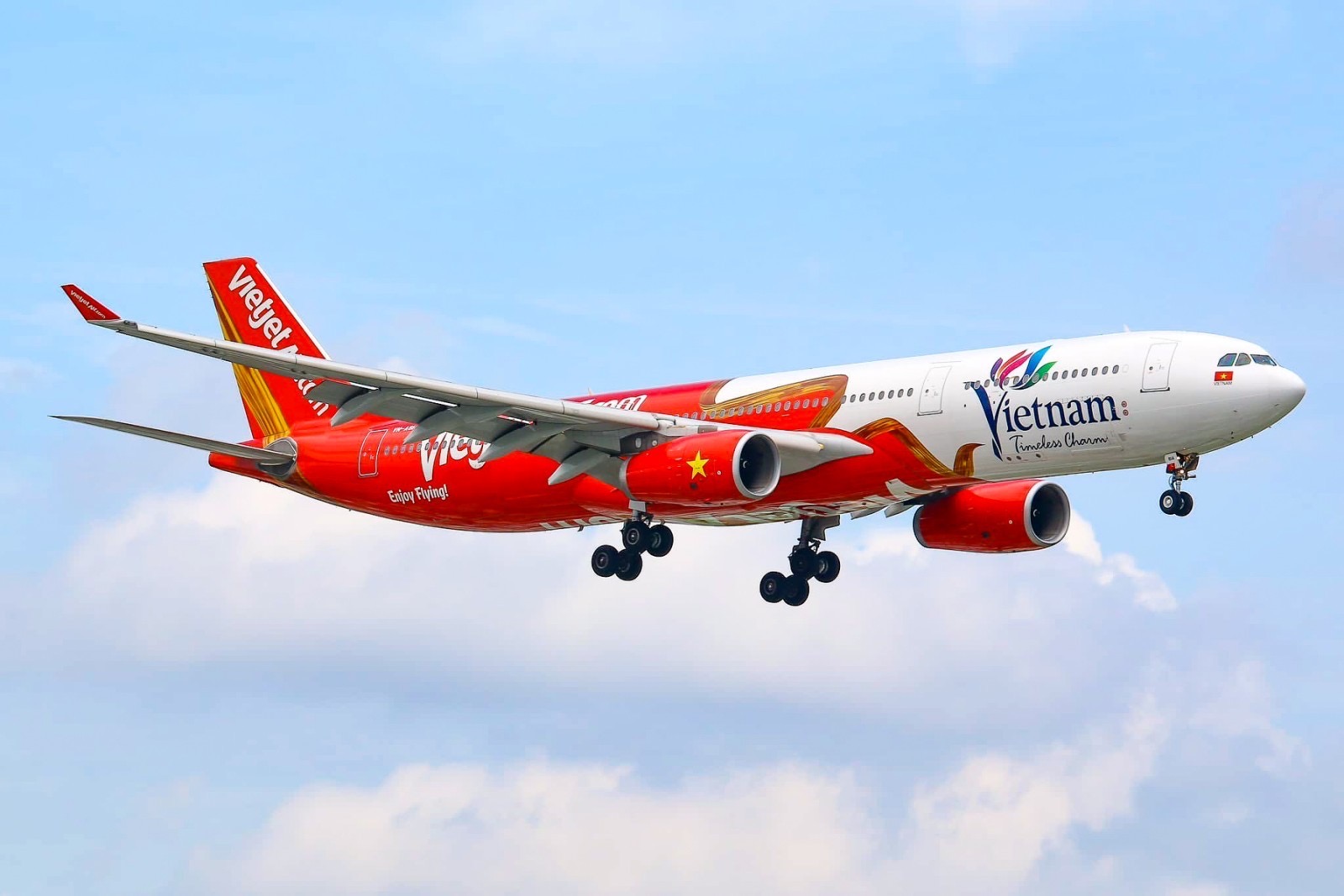
    Vietjet Aviation Joint Stock Company has released its audited financial report for the first half of 2025, reporting strong growth and reinforcing its position as a rising global carrier. Vietjet now operates four direct services linking Singapore with Hanoi, Ho Chi Minh City, Phu Quoc and Da Nang and is boosting its services to Da Nang and Phu Quoc with 49 round-trip flights weekly between Singapore and Vietnam by the end of this year.

    The airline’s performance reflects Vietnam’s emergence as a key aviation hub in Asia and worldwide, while expanding its international network with a new direct route to Manila, Philippines.

    Robust Financial Growth

    In the first six months of 2025, Vietjet achieved air transport revenue of VND35.601 trillion (approx. SGD1.73 billion), with a pre-tax profit of nearly VND1.6 trillion (approx. SGD77.80 million), marking a 37% Year-on-Year (YoY) increase. Consolidated revenue was VND35.837 trillion (approx. SGD1.74 billion), with a pre-tax profit surpassing VND1.651 trillion (approx. SGD80.26 million), reflecting a staggering 65% YoY growth.

    During this period, Vietjet operated 79,000 flights, transporting 14.4 million passengers and contributing over VND4.528 trillion (approx. SGD219.83 million) in taxes and fees. The company’s financial indicators remain strong, with excellent liquidity and consolidated assets exceeding VND112 trillion (approx. SGD5.44 billion).

    Fleet Expansion and Strategic Investments

    Vietjet continued its fleet expansion, ordering 20 A330neo aircraft with Airbus, raising its total order for A330neo to 40, making it the airline with the largest A330neo order in the world.

    At the 2025 Paris Air Show, Vietjet secured a historic order for 100 A321neo aircraft, along with 50 purchase options—the largest deal in the industry—positioning Vietjet among the top 10 airlines globally in terms of aircraft orders.

    Additionally, Vietjet and Rolls-Royce have signed an agreement for 40 Trent 7000 engines to power 20 wide-body Airbus A330neo aircraft, bringing the total number of Trent 7000 engines ordered by the airline to 80.

    Vietjet has broken ground on its Aircraft Maintenance Technical Center at the under-construction Long Thanh International Airport, featuring Hangars 3 and 4 capable of servicing 10 aircraft simultaneously. Additionally, self-service ground operations have been rolled out at major airports to optimise operations and enhance the passenger experience.

    International Expansion: Ho Chi Minh City–Manila Route

    Vietjet will launch a new direct service linking Ho Chi Minh City with Manila, beginning 22 November 2025, with five weekly round-trip flights. This route marks the airline’s first direct connection between Vietnam and the Philippines. Together with flight increases between Vietnam and Singapore, this connectivity will support seamless travel, trade, and cultural exchange in Southeast Asia.

    Travellers can now book their seats at attractive introductory fares.    

    Recognised Excellence and Strategic Vision

    Vietjet has been recognised by AirlineRatings as the “World’s Best Ultra Low-Cost Carrier” and ranked among the Top 5 revenue-generating enterprises by Forbes Vietnam for 2024. The airline continues to expand its footprint, having launched new routes to Singapore, China, India, and Japan in 1H2025, with more international services planned.

    With a modern, fuel-efficient fleet, professional cabin crew, and innovative service offerings, Vietjet remains committed to delivering exceptional value and comfort while driving sustainable growth and global expansion.     


  • Central Marketing Group Aveda Distribution Rights In Thailand, Enters High-end Haircare Market

    Central Marketing Group Aveda Distribution Rights In Thailand, Enters High-end Haircare Market

    Central Marketing Group (CMG), a division of Central Retail, has recently attained exclusive distribution rights for Aveda in Thailand, marking a significant step into the high-end haircare market.

    A Strategic Move

    This development resonates with the increasing demand for luxury beauty products in the market. CMG anticipates a surge in its beauty sales, projecting a growth rate exceeding 15% by the year’s end.

    Ty Chirathivat, CMG’s president, indicates that the premium beauty sector in Thailand has showcased robust growth, amounting to over THB 23.7 billion ($733.5 million), haircare products alone contribute more than THB 403 million ($12.5 million).

    “This is indicative of a notable shift in consumer behaviour towards a more comprehensive approach to self-care, where beauty and wellness are closely linked,” Chirathivat explains.

    Aveda: A Commitment to Environmental Responsibility

    Chirathivat adds that the inclusion of Aveda, renowned for its plant-based formulas, allows the retailer to cater to the evolving preferences of younger consumers. These consumers increasingly favor brands displaying a strong commitment to environmental responsibility.

    “Integrating Aveda into our product line fortifies CMG’s beauty segment. We aim to broaden both our physical and digital distribution channels, while initiating comprehensive marketing strategies encompassing brand activations and community involvement,” states Chirathivat.

    Aveda, currently a subsidiary of The Estee Lauder Companies, was founded in 1978 by Horst Rechelbacher. His pioneering concept of holistic beauty led to the creation of this brand, which specializes in botanical beauty products. The brand has gained recognition for its use of ethically sourced ingredients and support of sustainable initiatives.

    Launch Across Thailand

    CMG has introduced Aveda in 10 different locations throughout Thailand, which include Central Department Stores and Central Online, along with major shopping centers nationwide. This strategic placement is designed to bring Aveda’s products closer to the customers.

    Questions & Answers

    What does CMG’s acquisition of Aveda’s distribution rights signify?
    The acquisition marks the company’s entry into the premium haircare market, aligning with the increasing demand for luxury beauty products.

    Who is the founder of Aveda?
    Aveda was founded by Horst Rechelbacher in 1978.

    What kind of beauty products does Aveda specialize in?
    Aveda specializes in botanically-based beauty products, with a strong commitment to ethically sourced ingredients and sustainable initiatives.

  • HCMC Sets Ambitious Goal for 10% GDP Growth in Second Half of the Year

    HCMC Sets Ambitious Goal for 10% GDP Growth in Second Half of the Year

    Ho Chi Minh City is laying the groundwork for ambitious double-digit growth during the period of 2026 to 2030, setting an energetic tone for the business landscape. As the city charts its course for the remainder of 2025, each department has received specific mandates aimed at mobilizing approximately VND780 trillion (US$29.56 billion) in total social investment. The targets are equally ambitious: a 19.2% increase in total retail sales of goods and services and a 24.3% rise in exports. With tourism also taking center stage, the city aims to attract between 8.5 and 10 million international visitors, alongside 45 to 50 million domestic tourists, generating a tourism revenue between VND260 and 290 trillion.

    Strategic Policies and Economic Reforms

    The municipal People’s Committee has underscored the importance of rigorously implementing resolutions and policies from the Party Central Committee and local governing bodies. Authorities are set to unleash new breakthrough mechanisms while eliminating economic bottlenecks and advancing administrative reforms. To help businesses and citizens weather economic changes, ongoing tax, fee, and land rent exemptions, reductions, and deferrals will be in place, like a safety net woven to catch those who may falter.

    Building Bridges with Investors

    Local officials are ramping up dialogue with investors, enterprises, cooperatives, and business households to swiftly identify challenges. Innovative measures like “green channels” dedicated to projects in export processing zones, industrial parks, and high-tech zones will be further encouraged, building a bridge between ambition and execution.

    Revolutionizing Administrative Processes

    Departments and units have been tasked with cutting administrative processing times by at least 30% and reducing business costs by a similar margin. They will also work to eliminate at least one-third of unnecessary business conditions, paving the way for a more attractive investment climate. The city is steadfast in its commitment to achieving 100% disbursement of its 2025 state budget capital while simultaneously seeking to attract additional social investments wherever possible.

    Future Growth Strategies

    With an eye on the future, Ho Chi Minh City plans to accelerate the development of high value-added services while bolstering exports and trade. There’s also a strong push to stimulate domestic consumption and expand the tourism sector. Key areas for growth will focus on science and technology, innovation, digital transformation, and nurturing high-quality human resources. A mix of investment models—including “public investment – private management” and “private investment – public use”—is set to be implemented.

    Embracing Digital Transformation

    Comprehensive digitalization of state management is a priority, with initiatives spanning digital government, economy, society, and citizen services. The city aims to enhance its data governance strategy and public administrative service systems while accelerating the deployment of 5G infrastructure—a plan so forward-thinking it might just have tech enthusiasts cheering from the sidelines.

    Navigating Global Trade Challenges

    In light of recent U.S. tariff policies, the People’s Committee is urging local authorities to collaborate closely with ministries to devise measures that bolster competitiveness. This includes support for affected sectors, establishing traceability systems, and enhancing integration within regional and global supply and value chains.

    Questions & Answers

    What major economic targets has Ho Chi Minh City set for 2025?
    The city aims to mobilize approximately VND780 trillion (US$29.56 billion) in social investment, boost total retail sales by 19.2%, and increase exports by 24.3%.

    How does Ho Chi Minh City plan to foster a better investment climate?
    Authorities will cut administrative processing times by at least 30%, reduce business costs similarly, and eliminate a third of unnecessary business conditions to create a more attractive environment for investors.

    What sectors is the city focusing on for future growth?
    Ho Chi Minh City is prioritizing the development of high value-added services, science and technology, digital transformation, and high-quality human resources as part of its growth strategy.

  • Changi Airport Crowned Singapore’s Most Desirable Employer: A Win for Retail Talent Attraction!

    Changi Airport Crowned Singapore’s Most Desirable Employer: A Win for Retail Talent Attraction!

    Changi Airport Group has aced the 2025 Randstad Employer Brand Research, recording an impressive attractiveness score of 78.4%. This marks a significant leap from its 2024 score of 69.6%, according to Singapore Business Review. Notably, this triumph marks the third time Changi has clinched the top spot since the study’s inception in 2012, with previous victories in 2016 and 2018.

    The Randstad report is a notable gauge of employer reputation, polling the insights of 2,522 respondents aged 18 to 64 who evaluated companies on their brand awareness and overall appeal as employers. While Changi is renowned as a top-tier air travel hub, its roles encompass a broader spectrum, spanning airport operations, management, development, and diverse commercial activities.

    Following in the rankings are Marina Bay Sands, a celebrated resort, and consumer goods giant Procter & Gamble. Singapore’s largest bank, DBS, and Micron Semiconductor also made the cut, rounding out the top five.

    The report doesn’t stop at mere rankings; it offers a window into how various generations in Singapore prioritize their workplace values. Hospitality and recreation emerged as the most alluring sectors out of the 15 analyzed, with life sciences and service industries—covering securities, facilities, and catering—trailing closely behind.

    Work-life balance continues to reign supreme across age groups, standout as the leading factor driving employee preferences for the third consecutive year. Salary and benefits trailed closely, as indicated by insights from The Business Times. However, a tapestry of generational differences reveals a more nuanced picture, particularly when it comes to job security. For instance, Gen Xers ranked job security as their third-most important factor, while millennials and Gen Z placed it fourth and fifth, respectively.

    Interestingly, younger generations are prioritizing career advancement, with both Gen Z and millennials listing career progression as their third-most important workplace aspiration. “Competitive compensation alone is no longer sufficient; organisations must now tailor their employer brand to provide not just an acceptable employee experience but one that resonates deeply with the talent they wish to attract and retain,” stated David Blasco, country director of Randstad Singapore. To paraphrase a famous adage: in today’s job market, it’s not just about what you pay, but how you make employees feel.

    Questions & Answers

    What notable achievement did Changi Airport Group accomplish in the 2025 Randstad Employer Brand Research?
    Changi Airport Group achieved an attractiveness score of 78.4%, marking its third time in the top spot since the study began in 2012.

    How does the study collect its data, and who are the respondents?
    The report gathers insights from a survey of 2,522 respondents aged 18 to 64, who evaluate companies based on employer brand awareness and attractiveness.

    What are some key worker priorities identified in the report?
    The report highlights that work-life balance remains the top priority for employees, while younger generations particularly emphasize career advancement opportunities.

  • Walmart’s $2 Billion Gamble: Aiming For E-commerce Dominance In India Amid Fierce Competition

    Walmart’s $2 Billion Gamble: Aiming For E-commerce Dominance In India Amid Fierce Competition

    In a significant move to bolster its presence in Asia, American retail giant Walmart has announced plans to expand its operations in India, aiming to capture a larger share of the country’s burgeoning e-commerce market. This strategic decision comes amid increasing competition from local players like Reliance and Flipkart, which have been rapidly transforming the online shopping landscape in India.

    Walmart’s Bold Investment in India

    Walmart has unveiled a commitment of $2 billion to enhance the capabilities of its wholesale business in India. This substantial investment will focus on scaling infrastructure, increasing digitization, and expanding the supply chain network. With India’s retail market projected to reach $1.3 trillion by 2025, Walmart’s initiative underscores its ambition to remain a formidable force, especially in the wake of the coronavirus pandemic, which has accelerated the shift to online shopping.

    Leveraging Local Partnerships

    Key to Walmart’s strategy is its partnership with Flipkart, the e-commerce unicorn, which Walmart acquired in 2018. By leveraging Flipkart’s extensive reach and understanding of the local consumer base, Walmart is poised to tap into the growing demand for products ranging from everyday groceries to fashion. Incorporating local trends into its offerings, Walmart aims to present a uniquely Indian shopping experience while utilizing advanced technologies to streamline operations.

    The Digital Transformation Horizon

    As part of their expansion, Walmart is focusing on digital transformation, which includes the introduction of a new mobile application designed to enhance user experience and provide personalized shopping recommendations. Imagine a virtual shopping assistant that knows you better than your closest friend! Such innovations will likely resonate deeply with the tech-savvy young consumers in India, who are increasingly prioritizing convenience and personalization in their shopping journeys.

    Challenges and Opportunities Ahead

    However, the competitive landscape is not without its challenges. The Indian retail sector is fiercely competitive, with giants like Amazon also investing heavily to capture market share. Moreover, navigating the complexities of local regulations and consumer preferences adds an extra layer of difficulty. Yet, with a well-planned approach and robust investment, Walmart seems ready to embrace both the hurdles and opportunities that come with this dynamic market.

    As Walmart sets its sights on India, the retail giant’s strategy is not just about increasing sales but also about embedding itself into the cultural fabric of the nation—a calculated move that could redefine the shopping experience for millions of Indian consumers.

    Questions & Answers

    What are Walmart’s main objectives for expanding in India?
    Walmart aims to capture a larger share of India’s rapidly growing e-commerce market by investing $2 billion to enhance its wholesale business, focusing on infrastructure, digitization, and supply chain improvements.

    How does the partnership with Flipkart benefit Walmart?
    The partnership allows Walmart to leverage Flipkart’s extensive reach and understanding of local consumer habits, facilitating easier access to the Indian market and enhancing the customer shopping experience.

    What challenges does Walmart face in the Indian retail market?
    Walmart faces stiff competition from local players like Reliance and global rivals like Amazon, in addition to navigating local regulations and diverse consumer preferences, which adds complexity to their expansion efforts.

  • Singapore Emerges as Asia Pacific’s 6th Easiest Business Hub, Surpassing Vietnam and Thailand

    Singapore Emerges as Asia Pacific’s 6th Easiest Business Hub, Surpassing Vietnam and Thailand

    Singapore has found itself in a challenging position in the latest Global Business Complexity Index, landing 48th out of 79 global destinations for 2025. This index, which scrutinizes how easy or difficult it is to set up and operate businesses around the world, reveals a landscape where the top-ranked countries exhibit significant complexity and the lower-ranked ones showcase simpler business environments.

    Asia’s Competitive Landscape

    In the Asia Pacific region, Singapore’s ranking pales in comparison to its neighbors, trailing behind New Zealand (77th), Hong Kong (76th), Thailand (56th), Vietnam (54th), and Taiwan (51st).

    A Comprehensive Evaluation

    Compiled by TMF Group, a global professional services firm now in its 12th iteration, the index assesses a whopping 79 locations representing 94% of global GDP and 95% of foreign direct investment inflows. The evaluation is based on 292 distinct indicators spanning legislation, compliance, accounting standards, tax procedures, and human resources practices.

    Investment and Infrastructure Benefits

    The report highlights Singapore’s ongoing investment in physical and digital infrastructure—supported by enhancements to its ports, airports, and digital networks—which bolsters its status as a pivotal trade hub in the region. According to Singapore Business Review, this focus on infrastructure elevates Singapore’s appeal in a highly competitive landscape.

    A Work-Life Balance Conundrum

    Interestingly, there has been a positive shift in the “human resources and payroll” category, with Singapore attracting global talent through streamlined immigration policies and competitive salaries. However, the flip side of progress comes with heightened regulatory complexity. Stricter anti-money laundering measures and tighter corporate service regulations have made the business climate more intricate.

    Balancing Transparency and Bureaucracy

    Mark Weil, CEO of TMF Group, acknowledges the intent behind Singapore’s compliance frameworks, stating they are designed to ensure transparency and maintain financial integrity. Yet, they inevitably introduce additional bureaucratic hurdles for firms looking to thrive. “Regulatory bodies like the Monetary Authority of Singapore are known for their efficiency but also for upholding high standards, particularly in finance and data governance,” Weil remarked in a recent interview with The Straits Times.

    Challenges in Talent Acquisition

    Weil also pointed out complications arising from restrictions on hiring foreigners in certain sectors and stringent employment pass requirements, which can stymie recruitment efforts. New flexible work policies introduced late last year have added another layer of complexity for companies navigating Singapore’s evolving regulatory framework.

    The Southeast Asian Perspective

    Other Southeast Asian economies didn’t fare too poorly either, with the Philippines ranking 26th, Malaysia at 27th, and notably, Indonesia impressively at 14th. On the global stage, Greece takes the crown of the most complex business environment, followed by France, Mexico, and Turkey, driven largely by their multifaceted regulatory setups.

    Questions & Answers

    How does Singapore rank in comparison to other countries in Asia?
    Singapore ranks 48th out of 79 destinations in the Global Business Complexity Index, falling behind countries like New Zealand, Hong Kong, and Thailand in the Asia Pacific region.

    What factors contributed to Singapore’s ranking?
    The ranking took into account Singapore’s regulatory complexity amid stricter anti-money laundering measures and enhanced corporate regulations, despite improvements in human resources recruitment.

    Which country is deemed the most complex globally, and why?
    Greece is recognized as the most complex market globally, primarily due to ongoing legislative changes related to tax, accounting, and human resources.

  • Vietjet Expands Singapore–Vietnam Services with More Daily Flights and All-Inclusive Fares from Just SGD86

    Vietjet Expands Singapore–Vietnam Services with More Daily Flights and All-Inclusive Fares from Just SGD86

    Vietjet is expanding its Vietnam services from Singapore with increased flight frequencies to both Phu Quoc and Da Nang, offering Singapore-based travellers more convenient options to explore Vietnam’s top destinations. 

    Starting 23 December 2025, the Singapore–Phu Quoc service will increase to seven round trips per week, while the Singapore–Da Nang service will rise to two daily return flights from 21 November 2025. This expansion brings the airline’s total number of weekly flights connecting Singapore and Vietnam’s Hanoi, Ho Chi Minh City, Da Nang and Phu Quoc to 49 round trips, offering greater flexibility and convenience for both leisure and business travellers during the busy year-end and new year holiday season.

    To celebrate, Vietjet is rolling out a special promotion for Singapore-based travellers from 28 August to 24:00 on 30 August 2025 (GMT+8). Tickets on all Singapore–Vietnam routes are available from just SGD86/one-way at www.vietjetair.com or the Vietjet Air mobile app, for travel between 1 October 2025 and 27 May 2026 (except peak periods).  

    Travellers from Singapore can now enjoy easier access to two of Vietnam’s most popular tourism destinations, including Phu Quoc, which was named by CNA as one of Southeast Asia’s must-visit destinations in 2025. Key attractions include its idyllic beaches Bai Sao, Bai Truong, and Bai Khem, as well as the island’s national park, vibrant fishing villages, and world-class resorts.

    Meanwhile, Da Nang – Vietnam’s most livable city – offers long sandy beaches, vibrant nightlife, and easy access to UNESCO World Heritage sites such as Hoi An Ancient Town, My Son Sanctuary, and the Imperial City of Hue. With attractions ranging from the iconic Golden Bridge at Ba Na Hills to its thriving culinary scene, Da Nang is an ideal destination for both leisure and business travellers.

    Vietjet remains committed to providing safe, affordable, and enjoyable flights, with modern aircraft, friendly service from professional crews, fresh hot meals, and a vibrant onboard atmosphere that includes cultural and artistic performances on special occasions celebrating Vietnam’s heritage. The airline also offers exclusive rewards from the Vietjet SkyJoy loyalty program.

    Flight Schedules

    (All times are in local time, 24-hour format) 

    Singapore (SIN) – Phu Quoc (PQC) route 

    Sector  Flight 

    number

    Departure – Arrival times  Frequency
    Singapore – Phu Quoc  VJ984  13:05 – 13:45  Current: 4 round trips per week

    (7 round trips per week from 23 December 2025)

    Phu Quoc – Singapore  VJ983  15:45 – 18:30 


    Singapore (SIN) – Da Nang (DAD) route 

    Sector  Flight 

    number

    Departure – Arrival times  Frequency
    Singapore – Da Nang VJ970

    VJ890

    11:15 – 13:10 

    19:55 – 21:45

    Current: 1 daily  round trips 

    (2 daily round trips from 21 November 2025)

    Da Nang – Singapore  VJ973 

    VJ889

    13:10 – 16:55 

    15:00 – 18:55


  • FairPrice Group Teams Up with Google Cloud to Unveil Innovative AI Shopping and Workplace Solutions

    FairPrice Group Teams Up with Google Cloud to Unveil Innovative AI Shopping and Workplace Solutions

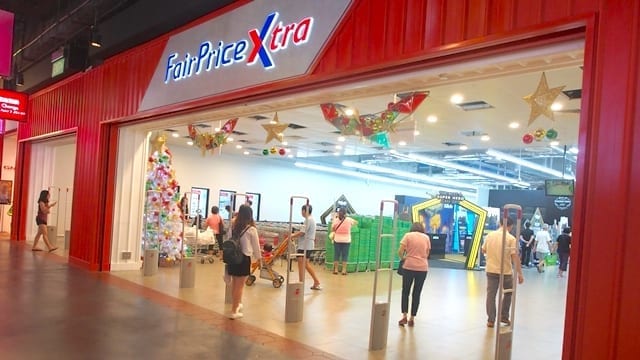
    Shoppers in Singapore can look forward to a transformative retail experience thanks to a groundbreaking collaboration between FairPrice Group (FPG) and Google Cloud. This expanded partnership aims to infuse Singapore’s largest retailer with cutting-edge AI-powered shopping and workplace tools, making the shopping process smarter and more efficient while enhancing employee productivity.

    AI Assistants Take Center Stage

    As part of FPG’s innovative Store of Tomorrow initiative, AI assistants, designed using Google Cloud’s Agent Development Kit (ADK), have made their debut at FairPrice Finest in Punggol Digital District. These sophisticated digital aides are set to offer personalized recommendations, streamline product searches, and assist shoppers with meal planning and recipes.

    Smart Carts: Your Personal Shopping Companion

    Armed with smart carts featuring multimodal AI assistants, shoppers can now navigate stores with ease. These high-tech carts allow customers to scan barcodes, uncover exciting promotions, and receive tailored product suggestions. For instance, a simple search for “yam paste” not only reveals ready-to-cook items and ingredients but also confirms in-store availability—a game-changer for lunch prep!

    Breaking Language Barriers

    The initiative doesn’t stop there. FPG is also piloting Vertex AI Search for Commerce, a tool adept at handling non-English and local dialect queries. This makes it significantly easier for customers to locate products, whether they are searching for “low fat cheese,” “荔枝” (lychee), or good old “orh nee” (yam paste). It’s retail becoming truly multilingual!

    Wellness Meets Convenience

    At Unity pharmacy, specialized AI agents provide personalized wellness advice, create meal plans, and generate shopping lists tailored to individual health needs. Meanwhile, wine aficionados can delight in a digital sommelier that recommends beverages based on taste preferences, price points, country of origin, and perfect culinary matches—a delightful approach that could turn you into a connoisseur faster than a cork pops!

    Empowering Employees with AI

    On the operational side, employees will benefit from Google Agentspace, which empowers them to create and utilize AI agents for various tasks ranging from research and ad creation to human resources and customer service. A standout feature of this collaboration is a custom creative agent that can generate ad visuals and copy up to ten times faster than traditional methods, giving staff the edge in a competitive landscape.

    With this partnership, FairPrice Group is stepping boldly into a future where AI enhances both the customer and employee experience, proving that the retail landscape in Asia is not just keeping up with technological advancements—it’s setting the pace.

    Questions & Answers

    What is the primary goal of the collaboration between FairPrice Group and Google Cloud?
    The partnership aims to introduce AI-powered tools to improve shopping efficiency and enhance employee productivity across FairPrice stores.

    How do the smart carts benefit shoppers at FairPrice?
    Shoppers can utilize smart carts with AI assistants to navigate the store, scan barcodes, find promotions, and receive personalized product recommendations based on their searches.

    What unique features does the Vertex AI Search offer?
    Vertex AI Search allows for non-English and local dialect queries, enabling customers to easily find products in their preferred languages, significantly breaking down communication barriers.

  • China’s Gen Z Champions a Transformative Shift Towards Emotional and Sustainable Shopping Habits

    China’s Gen Z Champions a Transformative Shift Towards Emotional and Sustainable Shopping Habits

    Generation Z is revolutionizing China’s consumer landscape, prioritizing personal well-being, emotional fulfillment, and sustainability while leaving behind the materialistic pursuits of earlier generations. This cohort, despite representing only 15% of the population, wields an impressive influence on economic trends.

    Instead of hoarding possessions, Gen Z is favoring experiences and wellness investments. From premium skincare lines to spa memberships and limited-edition collectibles, spending for these consumers is more about enhancing happiness than simply acquiring items. This shift prompts local and international brands to swiftly adapt to their new demands.

    A recent report by People’s Daily highlights the pivotal role Gen Z plays, revealing that 64% of Chinese consumers, led by this demographic, prioritize emotional fulfillment in their purchasing decisions. Products like character plushies, themed souvenirs, and blind-box toys have surged in popularity, offering joy while sidestepping the trappings of overconsumption.

    The significance of health and sustainability cannot be overstated in this context. Take Lululemon, which recently reported a remarkable 21% growth in same-store sales in China, a direct reflection of Gen Z’s enthusiasm for fitness and social interaction. Their commitment to these values reinforces the brand’s relevance in a crowded market.

    Alongside wellness, environmental awareness plays a crucial role in shaping purchasing decisions. A study from Daxue Consulting indicates that 40% of Chinese consumers favor eco-friendly products, with a striking 90% of Gen Z actively searching for recyclable options. It seems being “green” is becoming the new chic.

    Furthermore, Gen Z’s demand for transparency and authenticity is redefining the marketplace. E-commerce platforms like Douyin and Taobao are integral to this transformation, where consumers prioritize trustworthy information and tailor-made products over mass-produced alternatives. This trend is urging companies to adopt more responsible and transparent practices in their operations.

    The convergence of these factors is fostering what’s being termed the “emotional economy.” Here, consumer preferences actively shape production and investment strategies, aligning with ethical and societal aspirations. Fund managers are increasingly directing their attention toward youth-centric, socially responsible products and services, crafting a retail environment that merges personal well-being with broader social and environmental goals.

    Questions & Answers

    How is Generation Z changing consumer priorities in China?
    Generation Z is moving away from materialism and instead values personal wellness, emotional fulfillment, and sustainability, significantly influencing purchasing behavior.

    What role do platforms like Douyin and Taobao play for Gen Z consumers?
    These platforms provide reliable information and personalized product recommendations, which resonate with Gen Z’s preference for authenticity and quality over mass production.

    What does the “emotional economy” signify for retailers?
    The “emotional economy” highlights how consumer preferences, especially from Gen Z, are shaping production and investment strategies to align with ethical and societal goals, pushing brands toward more responsible practices.

  • Seven & I Holdings CEO Charts Future Of Retail: Digital Innovation, Sustainability, And Customer Engagement

    Seven & I Holdings CEO Charts Future Of Retail: Digital Innovation, Sustainability, And Customer Engagement

    As major players in the retail industry continue to evolve, insights from leaders such as the CEO of Seven & I Holdings, Ryuichi Isaka, reveal key strategies to thrive in a competitive landscape. At a recent stakeholder meeting, Isaka shared his blueprint for enhancing the company’s performance through innovation and collaboration, aiming to boost revenues across its diverse business segments, which include convenience stores, supermarkets, and department stores.

    Embracing Digital Transformation

    Isaka emphasized the significance of integrating digital technology into everyday operations. This is not just about having a snazzy app; it’s about fundamentally transforming the retail experience. For instance, by leveraging data analytics and AI, Seven & I is aiming to personalize the shopping experience while optimizing supply chain efficiency. Isaka noted that “a customer’s shopping journey needs to be as engaging as their favorite Netflix series,” underscoring the critical role of seamless digital engagement in today’s retail landscape.

    Corporate Culture and Sustainability

    At the heart of Seven & I’s strategy is a commitment to fostering a corporate culture that values sustainability and inclusivity. Isaka pointed out that sustainable practices not only resonate with consumers but also drive operational efficiencies. In a playful nod to consumer preferences, he remarked, “Who knew that a paper straw could lead to a plastic-free ocean and boost our brand image simultaneously?” This lighthearted comment underscored the growing importance of social responsibility in appealing to the modern consumer.

    Focus on Customer Engagement

    Another pivotal aspect of Isaka’s strategy is deepening customer engagement. He highlighted plans to expand loyalty programs that reward shopping behaviors while simultaneously creating a sense of community among shoppers. By offering exclusive deals and personalized shopping experiences, Seven & I aims to foster greater customer loyalty, recognizing that today’s consumer craves connection, not just transactions.

    Looking Ahead

    As Seven & I Holdings sets its sights on the future, its strategies reflect a keen understanding of evolving consumer behaviors and market dynamics in Asia. Isaka’s approach—to blend digital innovation with sustainability and customer engagement—holds promise not only for the company but also for the broader retail landscape. In a world where shopping can often feel impersonal, Isaka’s vision may just provide the spark needed to ignite a new era in retail.

    Questions & Answers

    What key strategy did Ryuichi Isaka highlight for Seven & I Holdings?
    Isaka emphasized the importance of integrating digital technology to enhance the shopping experience and optimize supply chain efficiencies.

    How does Seven & I Holdings plan to engage customers more effectively?
    The company aims to deepen customer engagement through expanded loyalty programs that foster a sense of community and reward shopping behaviors.

    What role does sustainability play in Seven & I’s corporate strategy?
    Sustainability is central to Isaka’s vision, with practices that resonate with consumers while enhancing operational efficiencies, showcasing the dual benefits of responsible retailing.

  • Coles Reports Robust Fiscal Year Results: Supermarket Sales Surge, E-commerce Thrives, Liquor Division Shows Moderate Growth

    Coles Reports Robust Fiscal Year Results: Supermarket Sales Surge, E-commerce Thrives, Liquor Division Shows Moderate Growth

    Coles has announced a 3.6% increase in group sales, reaching $44.3 billion, with an EBITDA rise of 11% to $3.9 billion for the current fiscal year. The group’s net profit after tax also increased, up by 2.4%, yielding a total of $1.07 billion.

    Driving Growth Through Supermarkets

    The company attributes much of its sales growth to its supermarket division, which showed a robust performance, growing by 4.3% and reaching $40 billion. The supermarket division’s EBITDA also rose by 9%, jumping from $2 billion to $2.1 billion. In addition, the division saw a rise in gross margin, from 26.6% to 27.4% on a year-on-year basis.

    This increase in supermarket sales revenue was bolstered by strong volume growth across transactions and basket sizes. Customers reacted positively to the company’s seasonal ‘Great Value, Hands Down’ value campaigns. Notably, the company had strong performance across several special occasions, such as Christmas, Easter, Halloween, and Mother’s Day. The success of collectible and continuity programs, such as the Curtis Stone Glassware and Harry Potter Magical Discs campaigns, played a significant role in bolstering Coles’ supermarket results for this financial year.

    Evolving E-commerce Performance

    Coles’ e-commerce sector within the supermarket division witnessed a rise of 24.4%, reaching $4.5 billion. The increase in penetration to 11.2% was driven by digital campaigns, Black Friday, Coles Fest, and the May Mega Sale.

    However, the group’s liquor division reported a slight increase of 1.1% in sales revenue, amounting to $3.6 billion, with a flat gross margin at 23.5%. The division’s EBITDA saw a decrease of 8.6%, falling from $133 million to $113 million on a year-on-year basis. Despite the decrease, Coles saw positive results in the liquor sales due to new store openings, a Tasmanian acquisition, and the curating of its wine category to meet local customer preferences.

    Liquorland and Future Plans

    Coles’ simplified ‘Simply Liquorland’ banner pilot was well-received in selected stores across South Australia, Victoria, and Queensland. The company plans to complete the ‘Simply Liquorland’ by the third quarter of the next fiscal year at a one-time cost of approximately $20 million. In addition, they plan to open about 19 new liquor stores, close 25 stores, and renew roughly 130 stores.

    Looking forward, Coles’ Chief Executive Officer, Leah Weckert, emphasized that the primary focus for the company will be on cost control and the delivery of the first full year of annualised benefits from its ADC program.

    Questions & Answers

    What drove the growth in Coles’ sales?
    The growth in Coles’ sales was largely driven by a strong performance in its supermarket division and positive customer response to its seasonal value campaigns.

    How did Coles’ e-commerce sector perform?
    Coles’ e-commerce sector within the supermarket division showed a significant rise of 24.4%, reaching $4.5 billion.

    What are the future plans for Coles’ ‘Simply Liquorland’?
    The ‘Simply Liquorland’ is planned to be completed by the third quarter of the next fiscal year, with approximately 19 new liquor stores being opened, 25 stores getting closed, and about 130 stores being renewed.

  • Shingda Group Streamlines Operations: A Bold Move for Singapore’s Construction Industry

    Shingda Group Streamlines Operations: A Bold Move for Singapore’s Construction Industry

    In a strategic move to elevate its IT capabilities, Shingda Group, a civil engineering and construction powerhouse based in Singapore, has embraced a cutting-edge cloud management platform. This innovation aims to enhance operations across remote construction sites, where digital resources are often sparse.

    By implementing a hub-and-spoke VPN architecture, Shingda has streamlined connectivity and fortified security across various locations, bridging its remote sites to headquarters with newfound efficiency. The company selected Zyxel Networks’ Nebula cloud management platform for this pivotal transition.

    Since its deployment, Shingda reports an impressive 60 percent increase in network management efficiency. The IT team is experiencing a remarkable transformation, completing troubleshooting and configuration tasks up to 70 percent faster, saving valuable time and resources.

    “We needed a solution that would keep our sites connected, secure, and manageable,” shared Joshua Pek, IT Manager at Shingda Group. The integration with Zyxel Networks’ equipment allows the IT team to swiftly diagnose and resolve issues from a single, unified dashboard — no more juggling multiple tabs like a circus performer just to configure devices!

    Building a Centralized Network for Enhanced Control

    Shingda Group’s revamped network infrastructure features GS1920 Series smart managed switches with Power over Ethernet (PoE) capabilities and WAX510D WiFi 6 access points, ensuring robust connectivity even in high-density environments. Security is prioritized via ATP Series firewalls and branch devices such as the ATP200, SCR50AXE, and USG20-VPN.

    All these components are seamlessly managed through Nebula’s centralized cloud platform, offering full network visibility and automatic topology mapping. This centralized approach eliminates the need for spreadsheets to track IP addresses or credentials, liberating staff from cumbersome manual processes.

    As a result, team members now enjoy streamlined logins, reliable WiFi coverage, and uninterrupted site-to-site connectivity, allowing them to focus on what truly matters — the projects at hand.

    Questions & Answers

    What prompted Shingda Group to adopt a cloud management platform?
    The company aimed to modernize its IT infrastructure and improve operations at remote construction sites where resources are typically limited.

    How has the implementation of the Nebula platform impacted Shingda’s network management?
    Shingda reports a 60 percent boost in network management efficiency and a significant reduction in the time needed for troubleshooting and configuration tasks.

    What key features does Shingda’s new network setup include?
    The network setup includes GS1920 Series smart managed switches, PoE-enabled WiFi 6 access points, and robust ATP Series firewalls, all managed through Nebula’s centralized cloud platform.