Category: General

Retail News Asia is committed to providing both local and global retailers with the latest General Retail news throughout the Asian market. This on a daily base.

  • Job Cull at Meta: 8,000 Layoffs Loom as Zuckerberg Pioneers AI Leadership Clone

    Job Cull at Meta: 8,000 Layoffs Loom as Zuckerberg Pioneers AI Leadership Clone

    Many employees at Meta are expected to face job losses, with the first wave of layoffs beginning on May 20, potentially affecting as many as 8,000 roles. However, this initial round of job losses only signifies the start of a broader restructuring effort.

    Continued Layoffs Anticipated

    According to recent reports, Meta’s workforce reduction is far from complete. After the initial elimination of 8,000 positions, which represents approximately 10% of Meta’s global workforce, another round of layoffs is expected to occur in the latter half of 2026.

    The specifics regarding the second round of layoffs, including the exact timing and the number of affected employees, remain uncertain. This lack of detailed information may be due to the unpredictability of advancements in artificial intelligence (AI), a field that could substantially influence Meta’s employment requirements. If AI technology continues to become more effective and powerful, more job cuts could consequently ensue at Meta.

    Reports have indicated that Meta is considering a 20% reduction of its global workforce, suggesting that at least another 8,000 jobs could be eliminated in the second wave of layoffs.

    Industry-Wide Job Losses

    While Meta grapples with impending layoffs and the task of enhancing its AI capabilities, other industry giants are facing similar challenges. Amazon, for example, has recently initiated layoffs affecting 30,000 of its corporate employees, equivalent to 10% of its white-collar workforce.

    According to some tracking tools, more than 73,000 employees have been laid off in 2026 across the industry. This figure nearly reaches half of the total layoffs for the entire year of 2024, despite only the first quarter of 2026 having concluded.

    The Advent of AI Leadership

    Despite the turbulence, a bright future could await those who manage to retain their positions at Meta. Reports suggest that the company is developing an AI clone of its CEO, which would be capable of responding to questions in his distinct voice using his past statements.

    The AI clone project aims to strengthen employee connection with leadership, reflecting the company’s shift towards AI-driven tools rather than focusing solely on its earlier metaverse ambitions. The CEO is said to be directly involved in training his digital counterpart, a concept that could inspire the creation of similar AI personas for influencers and creators.

    Questions & Answers

    Why is Meta laying off a significant portion of its workforce?
    Meta’s layoffs are part of a broader restructuring strategy, potentially influenced by advancements in AI technology, which could transform the company’s employment and operational needs.

    What is the expected number of total layoffs at Meta?
    While exact numbers are not confirmed, reports suggest that Meta is considering a 20% reduction of its global workforce, which could result in about 16,000 job losses.

    What is the purpose of the AI clone of Meta’s CEO?
    The AI clone project aims to strengthen the connection between employees and leadership. The AI clone, trained to respond in the CEO’s voice using his past statements, reflects Meta’s strategic shift towards AI-driven tools.


  • How Online Booking Behavior Is Forcing Hotels To Rethink Pricing Strategy

    How Online Booking Behavior Is Forcing Hotels To Rethink Pricing Strategy

    The way travelers book hotels has changed significantly over the past decade, and the pace of that change shows no signs of slowing. Guests now compare rates across dozens of platforms in minutes, often on mobile devices, often at the last minute. For hotels still relying on weekly rate reviews or static seasonal tariffs, the gap between their pricing approach and the market they are operating in is growing wider.

    Price Transparency Has Shifted the Power Balance

    When a potential guest searches for a room, they are not just looking at your hotel. They are looking at your hotel alongside your competitors, often on the same screen. OTAs and metasearch engines have made rate comparisons effortless. The platforms driving this shift include:

    • OTAs like Booking.com and Expedia, which surface competing properties side by side
    • Metasearch engines like Google Hotels and Trivago, which aggregate rates across channels in real time
    • Direct booking tools that allow guests to cross-check your own website against third-party listings before committing

    A rate set too high relative to comparable properties will show up immediately in search results. A rate set too low might drive bookings, but it can also erode the revenue per available room the property needs to remain profitable. Pricing decisions now need to account for what the wider market is doing in real time, not just what internal targets suggest.

    Booking Windows Are Shrinking

    Consumer behavior has also shifted in terms of when people book. Last-minute reservations, once the exception, are now a routine part of the booking mix. Key patterns shaping this trend include:

    • A significant share of leisure travelers making decisions within a week of arrival, sometimes within 48 hours
    • Mobile search making it easier than ever to compare and book on the same device, in the same session
    • Post-pandemic flexibility leading more travelers to hold off on committing until closer to their trip

    This creates a real problem for any hotel relying on a set-and-forget approach to rates. A room that looked correctly priced three weeks out may be significantly under or overpriced as the arrival date approaches, depending on how demand has developed. Shorter booking windows require more frequent pricing responses, and that is difficult to deliver manually without dedicated staff and real-time data.

    Competitor Rate Visibility Is No Longer Optional

    Rate intelligence, once a tool available mainly to larger hotel groups, is now accessible to properties of all sizes. The question is whether independent hotels are using it. Staying competitive requires a clear view of:

    • What comparable properties are charging on peak nights, weekends, and during local events
    • How competitor rates shift as availability tightens closer to arrival
    • Where your property sits in the search results relative to similarly priced options

    A hotel adjusting prices based on internal assumptions alone, without any view of competitor positioning, is working with incomplete information. Good hotel revenue management is no longer just about yield calculations and forecasting models. It requires a continuous feed of external market data and the ability to act on it quickly.

    Why Static Pricing No Longer Holds Up

    Static pricing made sense when the effort required to change rates was high and competitor visibility was low. Neither of those conditions exists now. The limitations of manual or static approaches include:

    • Rates that stay fixed while demand fluctuates, leaving money on the table during high-demand periods
    • No mechanism to respond when a competitor drops or raises rates around the same dates
    • Staff time consumed by manual rate reviews that could be better spent on guest experience

    A well-structured hotel pricing strategy guide will typically cover the shift from static to dynamic pricing as a foundational step, because the commercial case is clear. Hotels that adjust rates in response to demand signals and competitor moves consistently outperform those that don’t, particularly during periods of fluctuating demand.

    The Case for Automation and Smarter Tools

    Dynamic pricing for hotels is not a new concept, but the practical ability to implement it has improved considerably. Modern hotel pricing software can process multiple inputs automatically, including:

    • Real-time competitor rate data across OTA and direct channels
    • Booking pace against historical pickup patterns
    • Local events, holidays, and demand spikes that affect market rates
    • Channel-specific performance to optimize where bookings come from

    This matters most for independent properties. Large hotel chains have teams of revenue managers and proprietary systems. An independent hotel with one or two staff handling all commercial decisions cannot realistically monitor and respond to market changes manually around the clock. Access to hotel revenue management solutions that automate this process is no longer a luxury reserved for brands with scale. It is increasingly a baseline requirement for any property that wants to compete on price effectively.

    Looking Ahead

    The hotels that will perform well over the next few years are those that treat pricing as a live commercial decision rather than an administrative task. The data is available, the tools exist, and the cost of inaction is measurable in lost revenue and occupancy.

    Pricing strategy in hospitality is no longer something you revisit quarterly. It is something that needs to keep pace with the market, every day.


  • Unlocking New Markets: Vietnam Secures Green Light for Pomelo and Lemon Exports to China

    Unlocking New Markets: Vietnam Secures Green Light for Pomelo and Lemon Exports to China

    A recent agreement has paved the way for Vietnamese pomelos and lemons to be exported to China. This phytosanitary requirements protocol was formalized between Vietnam’s Ministry of Agriculture and Environment and the General Administration of Customs of China. The agreement unfolded during a state visit to China by To Lam, who is the Party General Secretary and State President of Vietnam.

    Phytosanitary Requirements and Protocols

    The newly agreed protocol stipulates that all areas cultivating and facilities packaging pomelos and lemons for export to China have to be registered with the Ministry of Agriculture. Furthermore, they must gain approval from both the Ministry and China’s customs. These facilities are mandated to enforce stringent pest control measures to ensure the quality of the produce.

    The cultivation areas are required to adhere to Good Agricultural Practices (GAP) and Integrated Pest Management (IPM) requirements. These requirements demand fruit to be bagged at least 60 days prior to harvest and the use of traps to combat fruit flies.

    The packaging facilities must maintain sanitary conditions and appropriate functional zoning. Fruits are required to be sorted, classified, and cleaned to remove any diseased or pest-infected fruits, as well as any plant debris and soil residues.

    The Impact of the Agreement

    The Ministry has cited this agreement as the result of structured technical negotiations between plant protection and quarantine agencies of both nations. These discussions have been ongoing since 2019.

    The agreement signifies an important shift towards transparent, standards-compliant official export channels and a more sophisticated bilateral cooperation framework, amidst growing Vietnam–China agricultural trade.

    China continues to be a crucial market with strong demand and potential for Vietnamese fruit exports. Building on the success of other exports, pomelos and lemons are expected to increase their market share, consolidate their position, and boost overall export growth.

    The ministry has expressed its commitment to working closely with localities, associations, businesses, and producers to effectively put the protocol into practice. This will include guidelines on regulations, standardizing cultivation areas and packaging facilities, and strengthening inspections to guarantee full compliance with Chinese requirements.

    Vietnam’s Agricultural Advantage

    Pomelos and lemons are among Vietnam’s most successful agricultural products. Vietnam currently cultivates pomelos on approximately 106,000 hectares, positioning itself as a major global producer of the fruit.

    Questions & Answers

    What does the new protocol between Vietnam and China involve?
    The protocol involves the export of Vietnamese pomelos and lemons to China. It stipulates that all cultivation areas and packaging facilities for these fruits must be registered with the Ministry of Agriculture and approved by both the Ministry and China’s customs.

    What requirements must the Vietnamese farms and packaging facilities meet under the new protocol?
    The farms must adhere to Good Agricultural Practices (GAP) and Integrated Pest Management (IPM) requirements, which includes bagging fruit 60 days before harvest and using traps for fruit flies. The packaging facilities must maintain cleanliness and appropriate functional zoning.

    How will this protocol impact the Vietnam-China agricultural trade?
    The protocol signifies a shift towards transparent, standards-compliant official export channels and provides a more sophisticated bilateral cooperation framework. It is expected to boost the market share of Vietnamese pomelos and lemons in China and strengthen the overall growth of fruit exports from Vietnam to China.

  • Air India Appeals to Tata, Singapore Airlines for Bailout Amid $2.4B Loss Crisis

    Air India Appeals to Tata, Singapore Airlines for Bailout Amid $2.4B Loss Crisis

    Air India has reported an annual deficit surpassing INR220 billion ($2.4 billion), a more substantial loss than initially anticipated. This unexpected financial setback has led the airline to seek monetary aid from its stakeholders.

    Fiscal Losses and Contributing Factors

    The fiscal loss was recorded for the financial year ending March 31. This period was characterized by various unfortunate incidents such as the deadly crash of a Boeing 787 Dreamliner, the shutting down of Pakistani airspace for Indian airlines, and escalating conflict in the Middle East.

    Air India’s principal owner, Tata Group, and minority shareholder Singapore Airlines, which holds a 25.1% stake, are currently engaged in discussions to infuse new capital into the struggling airline. However, the exact amount being deliberated remains undisclosed and may not completely address the airline’s financial needs. This shortfall might necessitate Air India to seek additional avenues for funding.

    Critical Period for Air India

    The unprecedented loss arrives at a critical juncture for Air India. The company’s CEO, Campbell Wilson, announced his intention to resign later in 2026. The airline was designated the least safe in the most recent annual audit by the aviation regulator, despite ambitious expansion plans. The carrier has also grappled with efforts to enhance service standards and yields.

    Air India began the fiscal year on a more positive note, with operating profits reported in early April 2025. Nevertheless, circumstances took a downward turn following the closure of Pakistani airspace to Indian airlines after a short-lived conflict in May. This situation necessitated longer routes to the United States and Europe. Subsequently, the fatal Dreamliner crash in June, which resulted in more than 240 casualties, further disrupted operations, compelling the airline to reduce both international and domestic services.

    External Pressures

    The airline also faced external pressures such as punitive tariffs imposed by the U.S. President on India and stricter controls on foreign worker visas. Air India found itself among the most adversely impacted foreign carriers due to the escalating tensions in the Middle East. This crisis disrupted flights to Europe and the U.S., requiring longer and costlier routes amidst rising jet fuel prices.

    Singapore Airlines, which acquired its minority stake following the merger of its local affiliate Vistara with Air India in 2024, has also faced a negative impact on its earnings due to the airline’s declining performance.

    Questions & Answers

    What is the extent of Air India’s annual loss?
    Air India has reported an annual loss of over INR220 billion ($2.4 billion).

    What factors have contributed to Air India’s substantial loss?
    Several factors have contributed to this loss, including an unexpected Boeing 787 Dreamliner crash, the closure of Pakistani airspace to Indian airlines, conflict in the Middle East, and punitive tariffs imposed by the U.S. President on India.

    What steps are being taken to mitigate the loss?
    The principal owner, Tata Group, and Singapore Airlines are discussing an infusion of fresh capital. However, the exact amount under consideration remains undisclosed.

  • Reviving the Skies: Malaysia Launches Airfare Discounts & Financial Lifelines to Bolster Aviation Industry

    Reviving the Skies: Malaysia Launches Airfare Discounts & Financial Lifelines to Bolster Aviation Industry

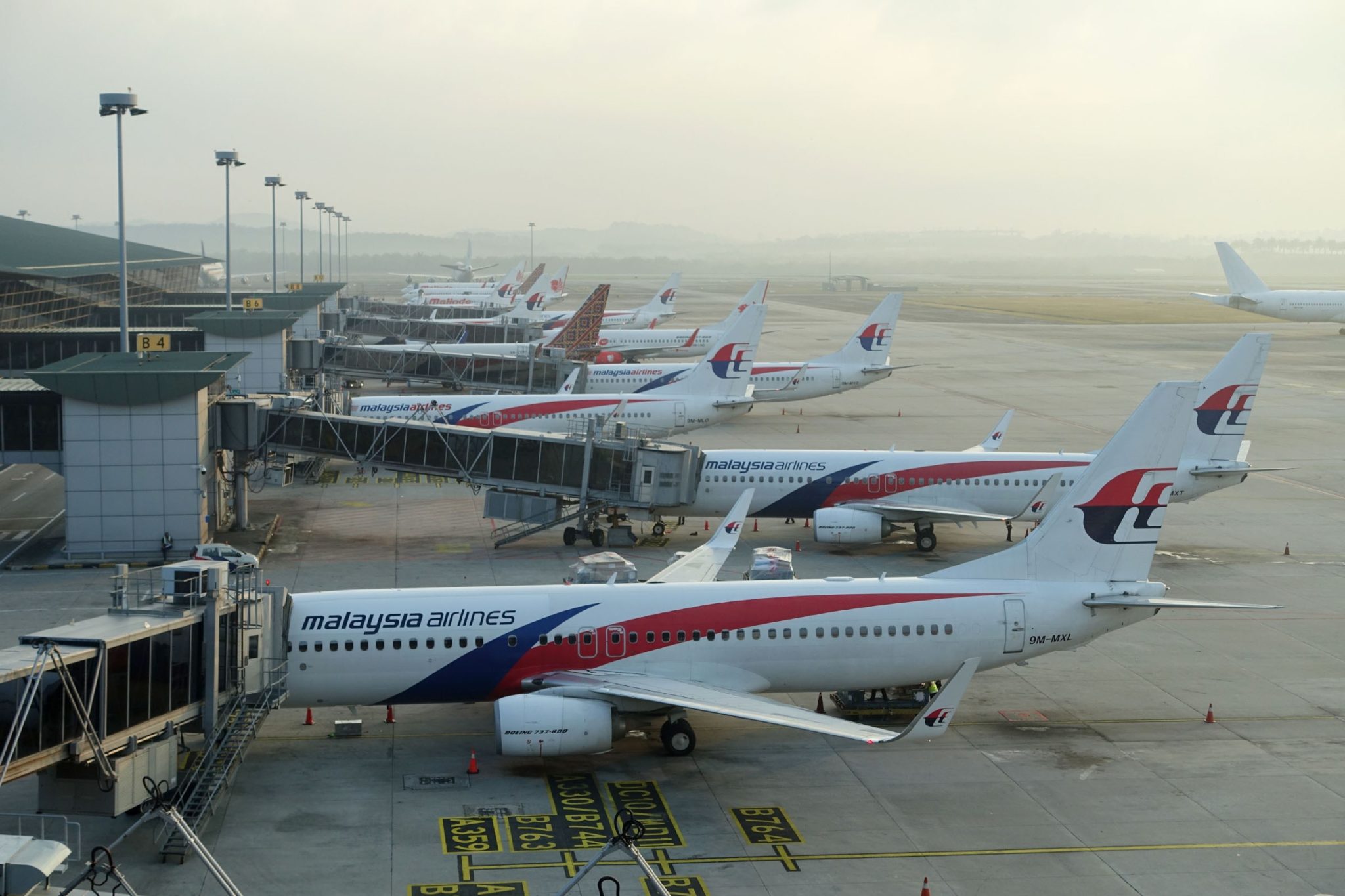
    In response to disruptions caused by the Middle East conflict, Malaysia has devised a financial strategy to support its aviation sector, featuring incentives such as discounted airfares during holiday periods. Travelers flying between Peninsular Malaysia and East Malaysia can look forward to airfare reductions of RM50 during the Gawai and Kaamatan festive seasons.

    Support for Aviation Sector

    The aviation authority has earmarked RM5 million for this initiative, which is projected to benefit approximately 100,000 passengers journeying between May 15 and June 14. In an additional effort to alleviate pressure on airlines, the Civil Aviation Authority of Malaysia plans to extend payment deadlines for aviation-related charges. From May 1, carriers will be granted up to 60 days to settle these dues.

    Maintaining Connectivity

    Anthony Loke, Malaysia’s Transport Minister, emphasized the importance of these measures in maintaining the country’s connectivity. According to him, as many as 75% of daily flights were cancelled at one point, potentially undermining trust in Malaysia’s tourism sector and the wider economy. He warned of potential losses ranging from RM15 to RM150 billion (US$3.8 to US$38 billion) this year if no countermeasures are taken.

    Loke also stated that these decisions were reached after thorough discussions between the Transport Ministry and industry stakeholders. The goal of these deliberations was to lessen financial burdens while ensuring the continuity of services.

    Lastly, he assured the public that the government will continue to liaise closely with all relevant bodies to ensure the resilience and responsiveness of Malaysia’s aviation sector.

    Questions & Answers

    What are some of the measures Malaysia has introduced to support its aviation sector?
    Malaysia has introduced a number of measures, including discounted airfares during holiday periods and extending payment deadlines for aviation-related charges.

    Who is expected to benefit from the discounted airfares?
    Approximately 100,000 passengers traveling between Peninsular Malaysia and East Malaysia during the Gawai and Kaamatan festive periods are expected to benefit from the discounted airfares.

    What is the potential economic impact of the disruptions in the aviation sector?
    According to Transport Minister Anthony Loke, without the introduction of these measures, Malaysia’s economy could face losses ranging from RM15 to RM150 billion (US$3.8 to US$38 billion) this year.

  • Global Hotel Giant Booking.com Hit by Customer Data Breach: Is Your Information Safe?

    Global Hotel Giant Booking.com Hit by Customer Data Breach: Is Your Information Safe?

    Travel booking platform, Booking.com, recently experienced a data breach, potentially exposing user data to unauthorized individuals. This discovery was made following the observation of suspicious activities related to several reservations. The compromised data might consist of booking details, user names, email addresses, phone numbers, and other information shared by customers during their booking process.

    Despite the security breach, the Netherland-based company assured its users that their financial data and home addresses were not compromised. The company said, “We have dedicated teams and employ machine learning tools to monitor, detect, and block suspicious activity around the clock. We are continuously working to enhance the robust security measures we have in place.”

    Scale of the Breach

    Booking.com, being one of the largest hotel reservation platforms globally, did not reveal more information about the extent of the breach, including the number of users affected.

    There have been reports from some customers who claim to have received phishing messages through WhatsApp that contained their booking details and personal information. This suggests that the hackers could be using the stolen data to target Booking.com customers.

    In response to this issue, Booking.com took immediate action to contain the situation and issued new PINs to users with reservations. They also cautioned their customers to stay alert to suspicious emails or phone calls pretending to be from the properties or the platform itself. The company emphasized that they would never ask for credit card details through an email, phone call, text message, or WhatsApp.

    History of Cybersecurity Challenges

    The recent breach is one of many cybercrime attempts targeting Booking.com, which has been dealing with an increase in scams on its platform. Fraudsters, posing as legitimate entities, have been known to ask for payment details under the guise of pre-authorization or trip verification, leading to sizeable unauthorized charges.

    A similar incident happened in 2018 when attackers used phishing techniques to gain login credentials from hotel employees in the United Arab Emirates. This breach allowed them to access booking information of over 4,000 users on the platform.

    Despite these security challenges, Booking.com has recorded a high number of bookings. Since 2010, it has facilitated reservations for about 6.8 billion customers, making it one of the leading players in the travel and hospitality industry.

    Questions & Answers

    What kind of customer information was potentially exposed in the data breach?
    Email addresses, phone numbers, booking details, and any other information shared by the customers during the booking process might have been compromised.

    What steps has Booking.com taken in response to the data breach?
    Booking.com has issued new PINs to affected users and taken immediate action to contain the issue. They have also warned their customers to be wary of suspicious communication that could be impersonating the platform or associated properties.

    Has Booking.com experienced cybersecurity issues in the past?
    Yes, Booking.com has faced challenges with cybercrime in the past. For instance, in 2018, attackers used phishing techniques to access the booking information of more than 4,000 users on the platform.

  • Fly to Vietnam with Vietjet and enjoy free checked baggage plus a gold giveaway

    Fly to Vietnam with Vietjet and enjoy free checked baggage plus a gold giveaway

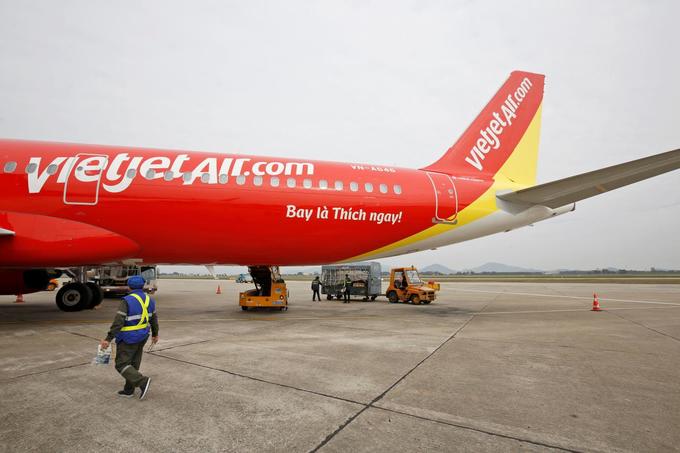
    Vietjet is giving international travellers more reasons to visit Vietnam this season, with a limited-time promotion offering 20kg of free checked baggage on eligible direct international flights between Vietnam and selected overseas destinations.

    Available for bookings made until 22 March 2026 , the promotion applies to passengers who book or modify tickets and complete payment within the campaign period. Travellers who purchase eligible Eco-class tickets and select the 20kg checked baggage option during booking will receive the baggage allowance at no additional charge.

    For travellers in Singapore, the promotion applies to Vietjet’s direct flights between Singapore and Ho Chi Minh City, Hanoi, Da Nang, and Phu Quoc, for travel from 5 May to 5 June 2026.

    In addition, from now until 19 May 2026, passengers who book tickets will also receive an entry code to take part in Vietjet’s “Fly Vietjet, Strike Gold” lucky draw (Please refer here for details), with the grand prize of one tael of gold (37.5 grams of 99.99% gold), alongside other attractive prizes.

    With Vietjet’s growing international network, travellers can conveniently fly to Vietnam and experience the country’s vibrant culture, rich culinary heritage, and diverse landscapes. For Singapore travellers, the direct connectivity to key Vietnamese destinations makes it easier than ever to plan everything from city breaks and beach escapes to longer regional holidays.

    On board, passengers can enjoy a range of fresh and hot meals, including popular Vietnamese favourites such as Pho, Vietnamese banh mi, and iced milk coffee, alongside international dishes. The experience is delivered by Vietjet’s friendly flight crews on a modern fleet.

    Bookings can be made via www.vietjetair.com, the Vietjet Air mobile app, as well as through online travel agencies, local and international travel agents, and GDS channels.

    Terms and conditions apply. Passengers may select only one baggage package per booking. The promotion applies only to the 20kg checked baggage option and does not apply as a price deduction to other checked baggage packages.

  • Vietjet to launch direct Singapore–Nha Trang flights, opening access to Vietnam’s coastal getaway

    Vietjet to launch direct Singapore–Nha Trang flights, opening access to Vietnam’s coastal getaway

    Vietjet will launch a new direct service between Nha Trang and Singapore from 1 June 2026, further expanding air connectivity between Singapore and Vietnam’s popular coastal destinations. The service marks Vietjet’s fifth direct route between the two countries, joining its existing connections to Ho Chi Minh City, Hanoi, Da Nang and Phu Quoc, further enhancing connectivity, tourism, and trade between the two countries and across Southeast Asia.

    Travellers from Singapore will soon have direct access to Nha Trang, a beachside city along Vietnam’s south-central coast known for its long coastline, island-hopping experiences, and growing resort scene. The route will operate four times weekly on Mondays, Wednesdays, Fridays, and Sundays, providing a new direct link between Singapore and one of Vietnam’s most established coastal destinations in just approximately two hours and fifteen minutes for a convenient short-haul getaway.

    New route schedule (24-hour format, all in local time):Flight VJ912 from Singapore (SIN) to Nha Trang (CXR): Departure at 15:15, and arrival at 16:35.
    Flight VJ917 from Nha Trang (CXR) to Singapore (SIN): Departure at 10:25, and arrival at 13:40.

    To mark the launch, Vietjet is offering promotional fares across its direct flight network between Vietnam and Singapore, including the newly introduced Nha Trang route, with Eco-class tickets from SGD86 one-way (all-inclusive of taxes and fees) and will receive 20kg of complimentary checked baggage, while SkyBoss fares are available at an instant 20 per cent discount (*). The promotion runs from 16 March until 20 March 2026 (GMT +8) via the Vietjet website and mobile app, for travel between 1 April 2026 and 31 March 2027 (**).

    Vietnam has consistently ranked among Singaporeans’ preferred regional destinations due to its diverse landscapes, strong culinary culture, and short travel times. Located along Vietnam’s south-central coast, Nha Trang is widely known for its clear waters, offshore islands, and vibrant marine ecosystem. Visitors are drawn to its turquoise bays and island excursions, while the city’s beachfront promenade, seafood culture, and surrounding natural landscapes have made it one of Vietnam’s most established resort destinations. The city also serves as a gateway to nearby attractions, including waterfalls, fishing villages, and cultural sites that reflect the region’s Cham heritage.

    Separately, Vietjet will also introduce a Da Nang–Jakarta route beginning 29 April 2026, operating five flights per week. The new service will connect Vietnam’s central coastal city of Da Nang with Indonesia’s capital, further strengthening regional tourism and business links across Southeast Asia.

    Passengers flying with Vietjet can expect a range of onboard dining options featuring Vietnamese favourites such as Pho, Banh mi, and Vietnamese iced coffee, alongside the airline’s SkyJoy loyalty program which allows travellers to earn and redeem points across more than 250 partner brands.

    (*) Terms and conditions. More details can be found here

    (**) Travel periods may vary by route, blackout dates apply, and public holidays are excluded

  • Singapore Amplifies Integrated Professional Services: A Strategic Alliance Between ISCA and LawSoc

    Singapore Amplifies Integrated Professional Services: A Strategic Alliance Between ISCA and LawSoc

    In an effort to establish itself as a leading regional hub for integrated professional services, Singapore is taking significant strides. This endeavor has been demonstrated through a recent formal collaboration between the Institute of Singapore Chartered Accountants (ISCA) and the Law Society of Singapore (LawSoc). This strategic partnership aims to harmonize the skills of lawyers and accountants to better meet the complex, multi-jurisdictional business needs that are arising as companies expand across borders and the demand for comprehensive advice in legal, financial, and governance disciplines escalates.

    Transition from Compliance to Coordination

    The dynamics of professional services firms are undergoing a structural transformation. Clients are now seeking integrated solutions rather than isolated expertise, especially when it comes to managing risk, facilitating transactions, or expanding into new markets. The alliance between ISCA and LawSoc is a direct response to this shift. The initiative is designed to bring the legal and accountancy professions closer together, to promote multidisciplinary collaboration and to unlock new growth opportunities for firms operating in the region.

    ISCA’s President, Teo Ser Luck, views this collaboration as a vital step towards developing a cohesive ecosystem, saying, “This partnership is of great significance for both organizations. We are in the process of establishing a Professional Services Centre that will connect businesses with the legal and accounting expertise they need to confidently manage the risks associated with operating across borders.”

    Digital Learning as a Cornerstone

    Talent development is a key aspect of this collaboration. ISCA and LawSoc plan to co-develop a digital learning platform tailored to the needs of modern professional workflows. This platform will offer on-demand modules that are accessible at any time and from anywhere. It will also promote cross-disciplinary learning, enabling lawyers to understand more about accounting, finance and governance, and accountants to deepen their knowledge of legal concepts relevant to transactions and advisory work.

    NTUC LearningHub is supporting this initiative by facilitating funding options such as SkillsFuture Credit and the Union Training Assistance Programme (UTAP). They plan to roll out Continuing Professional Development (CPD) courses later this year via NTUC LearningHub’s Learning eXperience Platform.

    A New Professional Services Centre

    Beyond skills development, the partnership between ISCA and LawSoc also has an institutional dimension. They are considering the establishment of a Professional Services Centre in Singapore. This centre would serve as a one-stop platform that connects companies with coordinated legal and accounting expertise. It will be particularly beneficial in assisting foreign investors interested in Singapore, as well as Singapore-based firms looking to expand overseas.

    Strengthening Singapore’s Regional Role

    This collaboration comes at a time of geopolitical uncertainty and economic fragmentation, where Singapore is striving to maintain its position as a reliable and trusted business hub. The Economic Development Board (EDB) views this partnership as a way to reinforce Singapore’s competitive edge in professional services.

    A Model for the Region?

    As cross-border deal flow and regulatory complexity in Asia are expected to increase, Singapore’s integrated approach could serve as a model for other markets. By aligning legal and financial expertise, investing in digital learning, and building institutional support structures, the ISCA–LawSoc partnership signals a broader evolution of the professional services industry—one that prioritizes collaboration over specialization in isolation.

    Questions & Answers

    What is the aim of the collaboration between ISCA and LawSoc?
    The partnership aims to harmonize the skills of lawyers and accountants to better meet the business needs of clients as companies expand across borders and demand for comprehensive advice in legal, financial, and governance disciplines rises.

    What are some key components of this collaboration?
    The collaboration includes aligning legal and financial expertise, developing a digital learning platform for on-demand, cross-disciplinary education, and considering the establishment of a Professional Services Centre in Singapore.

    What does this partnership signify for the professional services industry in Singapore and potentially the region?
    The partnership signifies a broader evolution of the professional services industry, one that prioritizes collaboration over specialization in isolation. It could serve as a model for other Asian markets as cross-border deal flow and regulatory complexity increase.

  • Cathay Pacific Reduces Flight Frequency Amid Surging Jet Fuel Prices: Is Global Aviation at Risk?

    Cathay Pacific Reduces Flight Frequency Amid Surging Jet Fuel Prices: Is Global Aviation at Risk?

    Cathay Pacific Airways has announced that it will reduce several flights from mid-May until the end of June due to escalating jet fuel prices, influenced by the ongoing crisis in the Middle East. The company plans to eliminate approximately 2% of its scheduled passenger services from May 16 to June 30, 2026. In correlation, its budget division, HK Express, will also reduce about 6% of its flights from May 11, as stated in a recent press release.

    Expansion Plans Remain Unchanged

    Despite the current challenges, the CEO of Cathay Pacific, Ronald Lam, confirmed last month that the Hong Kong-based airline would continue with its strategies to boost passenger capacity by 10% this year. The decision was spurred by the robust demand for long-haul flights to North America, Europe and Australia, following the decrease in traffic through the Middle East after the Iran war.

    Post-June Operations

    After June, Cathay Pacific and HK Express anticipate resuming all their scheduled passenger services, as per the recent announcement.

    Despite a temporary ceasefire between U.S. President Donald Trump and Iran, industry executives have expressed that the global aviation industry is unlikely to experience immediate relief.

    Aviation industry officials have cautioned that jet fuel supplies will continue to be limited and expensive for several months, even if Iran decides to reopen the Strait of Hormuz.

    Questions & Answers

    What is the reason for Cathay Pacific Airways cutting some flights from mid-May to the end of June?
    The airline is reducing flights due to the increasing costs of jet fuel, which are being driven up by the ongoing conflict in the Middle East.

    What plans does Cathay’s CEO Ronald Lam have for this year despite the rise in fuel costs?
    Despite the increase in fuel prices, Ronald Lam said that the airline would push forward with its plans to increase passenger capacity by 10% this year. He cited strong demand for long-haul flights to North America, Europe, and Australia.

    What effect will the ceasefire between U.S. President Donald Trump and Iran have on the aviation industry?
    According to industry executives, the temporary ceasefire is unlikely to bring immediate relief to the global aviation industry. They warn that jet fuel supplies will continue to be limited and costly for several months, even if Iran decides to reopen the Strait of Hormuz.

  • Thailand’s Economic Uncertainty: Four Possible Scenarios Amidst Middle East Crisis and Global Energy Market Turbulence

    Thailand’s Economic Uncertainty: Four Possible Scenarios Amidst Middle East Crisis and Global Energy Market Turbulence

    The economic future of Thailand is currently shrouded in uncertainty as the continuing conflict in the Middle East places significant strain on global energy markets. This has compelled authorities to revisit growth projections and caution about escalating risks of stagflation.

    The Impact of Ongoing Middle Eastern Conflict

    According to Danucha Pichayanan, Secretary-General of the National Economic and Social Development Council (NESDC), the ongoing conflict is pressing the global energy markets, instigating oil price instability despite nascent signs of negotiations between the U.S. and Iran.

    NESDC has proposed four potential scenarios to re-evaluate Thailand’s economic course for 2026.

    In the initial scenario, if the skirmishes extend to parts of the region but conclude within a couple of months, disruptions to oil transportation through the Strait of Hormuz and the Red Sea would be temporary, without additional damage to the energy infrastructure. This would lead to a gradual return of oil supply, with prices averaging $85-$95 per barrel for the year. Financial markets will remain unstable, with investors gravitating towards safer assets and the baht devaluing. Thailand’s GDP growth would decelerate to 1.4%, with inflation escalating to 2.7%.

    Before the conflict, Thailand’s economy was projected to grow about 2% this year.

    In the second scenario, if the conflict broadens to incorporate multiple countries and persists for three to five months, oil production infrastructure could potentially be damaged leading to extended supply disruptions. Average oil prices would inflate to $105-$115 per barrel. This would considerably constrict the global energy supply, trigger inflation, and disrupt industrial supply chains. Numerous economies, including Thailand, could enter a stagflationary phase characterized by slowing growth and inflating prices. Thailand’s GDP would deteriorate to 0.9%, with inflation rising to 4.4%.

    The third, more drastic scenario sees a conflict enduring six to nine months, with energy supply from the Middle East slow to recuperate even post-conflict. Oil prices could escalate to $135-$145 per barrel, possibly prompting a severe global recession marked by extensive supply chain disruptions, trade fragmentation, and shortages of both energy and food. In this scenario, Thailand’s GDP growth will sharply plummet to a meager 0.2%, while inflation will surge to 5.8%.

    In the grimmest scenario, if the conflict enlarges beyond the Middle East and intensifies globally, this would result in a prolonged global recession, widespread shortages, and the risk of conflict spilling into other regions. Forecasting oil prices, inflation, or economic growth for Thailand under these circumstances would be virtually impossible.

    NESDC cautioned that the conflict’s impact goes beyond energy prices, pushing up the cost of goods and undermining purchasing power. As demand diminishes amidst rising inflation, the risk of stagflation becomes more pronounced. Concurrently, supply chain disruptions, especially material shortages, could continue to impede production and industrial activity.

    Questions & Answers

    What are the factors driving Thailand’s economic uncertainty?
    The primary factor is the ongoing conflict in the Middle East, which is affecting global energy markets and leading to volatility in oil prices. This uncertainty is causing authorities to reassess Thailand’s growth projections and warn about the increasing risk of stagflation.

    What are the potential outcomes for Thailand’s economy based on the NESDC’s scenarios?
    The outcomes range from a slowdown in GDP growth and a rise in inflation to possible stagflation, severe recessions, and widespread supply chain disruptions depending on the length and spread of the Middle Eastern conflict.

    What is the broader impact of the Middle Eastern conflict on Thailand’s economy?
    Beyond affecting energy prices, the conflict is expected to drive up the cost of goods, reduce purchasing power, and increase the risk of stagflation. It could also lead to sustained supply chain disruptions, particularly due to material shortages, thus negatively affecting production and industrial activities.

  • Thriving Metro Retail Surpasses $662M Revenue Mark, Propelled by Store Expansion and Steady Sales Growth

    Thriving Metro Retail Surpasses $662M Revenue Mark, Propelled by Store Expansion and Steady Sales Growth

    Metro Retail Stores Group (MRSGI) has achieved remarkable revenue growth in FY25, exceeding the PhP40-billion (approximately US$662.8 million) milestone. This growth was fueled by consistent sales growth, margin expansion, and ongoing network development.

    Income and Sales Data

    MRSGI reported a net income of PhP682.64 million (US$12.2 million), marking a 12 per cent increase from the previous year. This substantial increase was driven by improved operational efficiency and the contributions derived from new store launches.

    The company’s total sales for the year amounted to PhP41.56 billion (around US$742 million), representing a 4.9 per cent increase compared to 2024 figures. The same-store sales growth was 0.6 per cent, indicating steady underlying demand despite the challenging operating conditions.

    Strategic Execution and Growth

    “Last year marked a period of disciplined strategy implementation and tangible impact for MRSGI,” stated Joselito G Orense, the company’s president and COO.

    “Through our strategic expansion towards regions of high growth and the introduction of innovative store designs, our market presence was significantly enhanced. We witnessed increased sales and margins and improved cash earnings. These outcomes illustrate the commitment and dedication of our nationwide teams and our commitment to providing customers with modern retail experiences while pursuing sustainable, long-term growth.”

    Network Expansion and Sustainability

    MRSGI broadened its presence with the introduction of 10 new stores in Luzon and the Visayas during the past year. This expansion included additional Metro Value Mart outlets and a new Metro Supermarket and Department Store in Bais, Negros Oriental.

    The company also continued to develop its Metro Corner format. The inauguration of its Mandani Bay store signified a move into the elite urban retail sector.

    MRSGI also advanced its sustainability initiatives, implementing solar photovoltaic systems in up to 19 stores to aid in energy cost management. By the end of FY25, MRSGI was operating 81 stores across the nation in its primary retail formats.

    Questions & Answers

    What drove the increase in MRSGI’s net income in FY25?
    The increase in net income was driven by improved operational efficiency and the contributions from new store openings.

    How has MRSGI expanded its network?
    The company opened 10 new stores across Luzon and the Visayas, including additional Metro Value Mart branches and a new Metro Supermarket and Department Store in Bais, Negros Oriental.

    What sustainability initiatives has MRSGI undertaken?
    The company has implemented solar photovoltaic systems in up to 19 of its stores to manage energy costs more efficiently.

  • Crackdown in Da Nang: Seven Retailers Face Hefty Fines for Peddling Counterfeit Luxury Brands

    Crackdown in Da Nang: Seven Retailers Face Hefty Fines for Peddling Counterfeit Luxury Brands

    The Market Surveillance Department has issued fines totaling VND215 million (US$8,163.74) to seven retail stores in Da Nang, Vietnam for selling fake merchandise from brands such as Gucci and Nike. The shops, located in popular tourist areas Son Tra and Hoi An, have been instructed to dispose of all counterfeit items.

    Counterfeit Items Seized in April Raid

    The fines come as a result of an early April raid, during which authorities seized 295 handbags from brands such as Gucci, Chanel, Hermes, and Fendi, along with 27 pairs of Nike sneakers. All of these items were suspected to be counterfeit.

    The raided establishments were unable to provide proper documents or invoices for these goods, which are estimated to have a value of nearly VND178 million if they were authentically produced.

    Raids Part of Broader Campaign

    These raids are part of a larger initiative leading up to the Da Nang International Fireworks Festival, an annual event that draws large crowds of both local and international tourists.

    The Market Surveillance Department has indicated that they will continue to conduct inspections in shopping and tourist areas. They warned that repeat or serious offenders may be referred to investigative authorities if there is evidence of criminal activity.

    In an effort to further prevent the sale of counterfeit and low-quality goods, authorities are also ramping up public awareness campaigns. These initiatives aim to educate businesses on legal compliance and help consumers identify counterfeit products.

    Questions & Answers

    Why were these retail stores in Da Nang fined?
    They were fined for selling counterfeit merchandise from brands including Gucci and Nike.

    What action was taken after the counterfeit items were discovered?
    The shops were levied with fines and ordered to dispose of all counterfeit goods.

    What measures are authorities taking to prevent the sale of counterfeit goods?
    Authorities are conducting regular inspections, particularly in tourist and shopping areas. They are also running public awareness campaigns to educate businesses about legal compliance and help consumers detect counterfeit and low-quality goods.

  • Pocket Option Malaysia: What Binary Options Traders Should Know

    Pocket Option Malaysia: What Binary Options Traders Should Know

    It can be overwhelming to do your first trade. Traders in Malaysia want a platform that makes sense when they log in, and that’s why they are turning to Pocket Option Malaysia.  

    Why Binary Options Appeal to Malaysian Traders

    Binary options trading strips things back to a simple decision: will the price go up or down within a set time?

    You’re not juggling multiple indicators or second-guessing complex charts, you’re making a clear call. For many traders, especially those newer to the space, that clarity feels more manageable.

    Malaysians what straightforward platforms that don’t have a steep learning curve. They want to log in, and understand what they are seeing. 

    How Pocket Option Makes Things Easier

    There are platforms that look impressive, but when you try to use  them, they’re slow, tabs are difficult to find, and the layout is cluttered. It takes much longer than it should to place a trade. 

    Pocket Option Malaysia do things differently. 

    The interface is clean, it feels natural to navigate. You also don’t have to waste time to figure out where things are. You’re able to focus on the trade, and you don’t have to work around the platform. 

    A Platform That Fits How People Actually Trade

    (Mobile trading makes life easier – Image: Pexels)

    Not every trader is sitting behind a multi-monitor setup all day.

    Maybe you’re checking a position between meetings, placing a quick trade from your phone in the evening, or logging in for a few minutes when you have time. Trading today often happens in small windows, not long sessions.

    Pocket Option Malaysia reflects that reality. Users have a smooth experience across different devices, and the mobile version is also easy to use. 

    Why Residents of Malaysia Are Taking Notice

    Even strong trading conditions can be overlooked if the platform itself feels difficult to use. Accessibility matters just as much as functionality.

    Here’s why traders in Malaysia continue to look toward Pocket Option Malaysia:

    • A clean, intuitive interface that doesn’t slow you down when timing matters
    • Defined-risk trading through binary options structures
    • Seamless access across mobile and desktop, without losing usability
    • A balanced experience that supports both new traders and more active users

    Is Pocket Option Malaysia a Strong Choice?

    If you value simplicity but still want a platform that feels responsive and capable, Pocket Option Malaysia starts to stand out.

    Online trading platforms often lean are often too complicated to use, or their functions could be to limited. It’s not easy to find a balance between functionality and usability. If you’ve found a platform that does both, just stick to it. 

    Built for Modern Trading Habits

    Trading today doesn’t happen in a fixed routine. It moves with your schedule.

    You might switch between devices throughout the day, act on short windows of opportunity, or prefer platforms that don’t require constant setup and adjustment. In that context, flexibility is expected.

    Pocket Option adjusts to how you already trade. You don’t have to adjust your routine to the platform. 

    The Way Forward

    It’s important to be careful, as with all forms of trading. No platform removes the risk binary options involve. 

    If you’re in Malaysia and looking for a platform that feels accessible from the start, one that doesn’t get in your way while you’re trying to make decisions, Pocket Option Malaysia is worth evaluating.

    About the Author

    Jamie Brown is a financial content specialist focused on online trading platforms and emerging market trends in Southeast Asia. 


  • Unilever Boosts Wellbeing Portfolio with Acquisition of Nutrient Powerhouse, Grüns

    Unilever Boosts Wellbeing Portfolio with Acquisition of Nutrient Powerhouse, Grüns

    Unilever, the multinational consumer goods conglomerate, has announced plans to acquire Grüns, an American company specialising in green supplement products. Grüns is known for its nutrient-rich powdered supplements, derived from a variety of sources including leafy greens, vegetables, algae, and grasses.

    Unilever’s Wellness Focus

    This acquisition is the latest in Unilever’s strategic shifts, which has seen the company place a higher priority on wellbeing products. The inclusion of Grüns in Unilever’s portfolio highlights this ongoing shift and solidifies its position in the wellness market.

    Established in 2023 by entrepreneur Chad Janis, Grüns has quickly risen to prominence in the greens supplement sector, making it one of the most recognisable brands in the industry.

    Jostein Solheim, CEO of Unilever Wellbeing, expressed enthusiasm about the acquisition. “We are excited to bring Grüns into the Unilever family,” said Solheim. “Grüns is a leading and truly innovative player in the greens supplement space. They have a dedicated product range, supported by scientific research, that customers not only trust but enjoy using regularly.”

    Expanding Reach and Enhancing Wellness Habits

    Currently, Grüns’ products are available to consumers in the U.S. through retail outlets and direct-to-consumer channels. Although Unilever has not released the specifics of the acquisition deal, they have indicated that it is expected to be finalized later this year.

    For Grüns, the partnership with Unilever offers an opportunity for further growth and expansion. “Grüns was created for our customers, and this partnership is a testament to them,” said Chad Janis, founder of Grüns. “With the backing of Unilever, we look forward to reaching a wider audience, accelerating our growth, and continuing to redefine what a daily wellness routine can be.”

    Questions & Answers

    What is Grüns?
    Grüns is a U.S. company that manufactures nutrient-rich powdered supplements derived from vegetables, leafy greens, algae, and grasses.

    Why has Unilever chosen to acquire Grüns?
    The acquisition of Grüns is part of Unilever’s strategic shift to place a higher emphasis on wellbeing products in its portfolio.

    What will this acquisition mean for Grüns?
    This partnership with Unilever will enable Grüns to expand its customer reach, accelerate its growth, and continue to advance and innovate in the daily wellness sector.