Category: General

Retail News Asia is committed to providing both local and global retailers with the latest General Retail news throughout the Asian market. This on a daily base.

  • Asia’s video game developers and publishers continue to thrive.

    Asia’s video game developers and publishers continue to thrive.

    From Japan and China to South Korea and India, some of Asia’s biggest video game developers and publishers are making giant strides in the gaming category of entertainment. A highly lucrative area, the games industry was worth a staggering $455 billion in 2024. In 2025, that figure is expected to rise further, with Asia’s presence in the market helping to drive additional sales and impact the industry for the better.

    Of course, competition is intense when assessing some of the most prominent players in this particular space. For example, when looking at the American market, alongside playing casino online games like blackjack and dabbling in the occasional puzzle release, gamers in that part of the world have many engaging releases from Electronic Arts and Activision Blizzard. These major players are facing intense competition from across the pond in Asia, though, with many familiar names now making their mark outside the continent.

    For the globe’s population of gamers, this increased competition among video game developers and publishers can only benefit their favorite pastime. As a result of Asia’s growth in this particular space, there are now even more innovative gaming products for gaming communities to invest in. With that in mind, we briefly highlight some Asian companies that continue to thrive in this fiercely competitive industry.

    Bandai Namco

    Starting with one of Japan’s most prominent companies in the games industry, Bandai Namco is behind iconic titles like Pac-Man and Tekken. Also impacting other entertainment areas with its theme parks and toys, Bandai Namco is always looking to make waves in various categories. However, gaming is its main area of interest. Alongside some of the aforementioned world-famous releases, this Japanese behemoth has also produced beloved series like Soulcalibur and the Tales. As a result of its selection of triumphs, Bandai Namco is known around the world.

    Tencent

    Thanks to smash-hit releases like League of Legends and PUBG, gamers everywhere are familiar with Tencent’s work. This massive Chinese conglomerate is a global leader in this area, known for its fantastic gaming releases over the years. Having also invested in some of the competition, such as Riot Games and Supercell, Tencent’s various strategic moves suggest the company will likely become an even larger player.

    Garena

    A Singapore-based company that has done some admirable work in the gaming space, Garena is a company that has produced one of the biggest games ever in Free Fire, a battle royale masterpiece. A hugely popular release in Asia, Garena’s smash-hit product has also enabled them to organize eSports events and host tournaments.

    NetEase

    While rivals like Tencent have managed to branch out and impact markets outside of Asia, NetEase’s dominance revolves around the domestic market. With a massive player base in China, NetEase’s variety of much-loved products is adored nationwide. Having a reputation for developing high-quality games, NetEase is a trusted name. To reach even more audiences and add another layer to the business, though, NetEase has also made notable investments in areas like e-commerce and music streaming.

    Nexon

    While Chinese and Japanese companies tend to dominate, the South Korean company Nexon has also made an impact thanks to a wide selection of intriguing mobile titles and PC games. For gamers seeking free-to-play opportunities, Nexon is an understandable preference, with success stories including MapleStory and Dungeon & Fighter. Also known for being the first company to implement a free-to-play model, many consider Nexon a pioneer.

  • The Future of Urban Retail: Blending Community, Lifestyle, and Commerce

    The Future of Urban Retail: Blending Community, Lifestyle, and Commerce

    Urban retail is undergoing one of the most dramatic shifts in decades. Once defined by department stores, shopping malls, and busy downtown corridors, the retail landscape is being reinvented. The traditional model of purely transactional retail—where consumers simply enter, purchase, and leave—is giving way to something more dynamic: a blend of community, lifestyle, and commerce. This transformation is shaping how people shop, socialize, and connect in cities across the world.

    Moving Beyond Transactions

    Today’s consumers want more than products; they want experiences. A clothing boutique is no longer just about racks of apparel—it’s about the story, the environment, and the connection that comes with the purchase. Urban retailers are responding by rethinking how they engage with customers. Spaces are being designed to foster exploration, encourage interaction, and create memories.

    For instance, some bookstores have reinvented themselves as community hubs with cafés, live readings, and co-working spaces. Fitness studios are merging with retail, selling branded lifestyle apparel and healthy snacks. Even grocery stores are reimagining themselves with in-store dining, cooking classes, and events that make shopping less of a chore and more of an outing.

    The Rise of Hybrid Spaces

    A big driver of this change is the rise of hybrid spaces—retail concepts that combine shopping with entertainment, hospitality, or wellness. These spaces turn a visit into an experience rather than just a transaction. Picture walking into a sneaker store that doubles as an art gallery, or a coffee shop where you can also browse vinyl records or vintage clothing.

    These hybrid spaces not only attract diverse audiences but also encourage customers to linger longer, deepening brand connection. In dense urban centers, where competition for attention is fierce, creating places that offer multiple reasons to visit is becoming essential.

    Digital and Physical Worlds Collide

    No conversation about the future of retail is complete without technology. Smartphones have fundamentally reshaped consumer behavior, and urban retailers are weaving digital experiences into physical storefronts. QR codes, augmented reality, and virtual try-ons allow customers to interact with products in new ways. Mobile apps seamlessly connect in-store purchases with online accounts, loyalty programs, and home delivery services.

    Rather than seeing e-commerce as a threat, many retailers are embracing it as part of a holistic ecosystem. Click-and-collect options, in-store pickup for online orders, and even live-streamed shopping events held inside stores are blurring the lines between the physical and digital worlds. The best retailers understand that the modern customer doesn’t want to choose between convenience and community—they want both.

    Local Identity and Community Ties

    Another defining aspect of the urban retail transformation is the embrace of local identity. Consumers are increasingly drawn to brands that reflect the character of their city or neighborhood. Pop-up markets, collaborations with local artists, and limited-edition product drops create a sense of uniqueness and exclusivity.

    Retailers that invest in community engagement—whether by hosting workshops, sponsoring neighborhood events, or giving back through local partnerships—are earning loyalty beyond the transaction. For many city dwellers, shopping at a store isn’t just about what they buy, but about what that brand represents in their lives and their communities.

    Health, Wellness, and Lifestyle Convergence

    Retail is also intersecting with broader lifestyle movements. Wellness, fitness, and sustainability are increasingly integrated into the retail experience. Urban consumers expect retailers to support not just their shopping needs but their values and aspirations. That’s why many stores now highlight eco-friendly products, showcase transparent sourcing, and design spaces that feel restorative and inspiring.

    As Aaron Keay has pointed out in discussions about consumer shifts, the lines between industries—health, tech, retail, and hospitality—are disappearing. The next generation of urban retail spaces will reflect this convergence, offering products and experiences that align with consumers’ desire for healthier, more intentional living.

    The Role of Investment and Innovation

    Investors are paying close attention to these shifts. Traditional retail models have struggled in recent years, but those embracing innovation and community-driven experiences are gaining momentum. For entrepreneurs and investors, the opportunity lies in supporting concepts that merge lifestyle with commerce in creative, scalable ways.

    Aaron Keay has emphasized that the future belongs to retailers who create ecosystems rather than standalone storefronts. These ecosystems thrive on blending digital engagement, physical experiences, and meaningful community ties.

    Looking Ahead

    The urban retail landscape of the future will look very different from the malls of yesterday. It will be defined by spaces that are social, experiential, and deeply connected to the neighborhoods they serve. The winners will be the brands that move beyond the transaction to build real community, blending lifestyle and commerce in ways that feel authentic and exciting.

    As consumers continue to demand experiences that enrich their lives, urban retail has a chance to redefine itself—not just as a place to shop, but as a vital part of the cultural and social fabric of the city.


  • Miniso’s sales soar 23 per cent in second quarter, but profit shrinks

    Miniso’s sales soar 23 per cent in second quarter, but profit shrinks

    The retail conglomerate, Miniso, posted a decrease in profits despite its sales increasing by a double-digit percentage in the second quarter.

    Revenue Growth

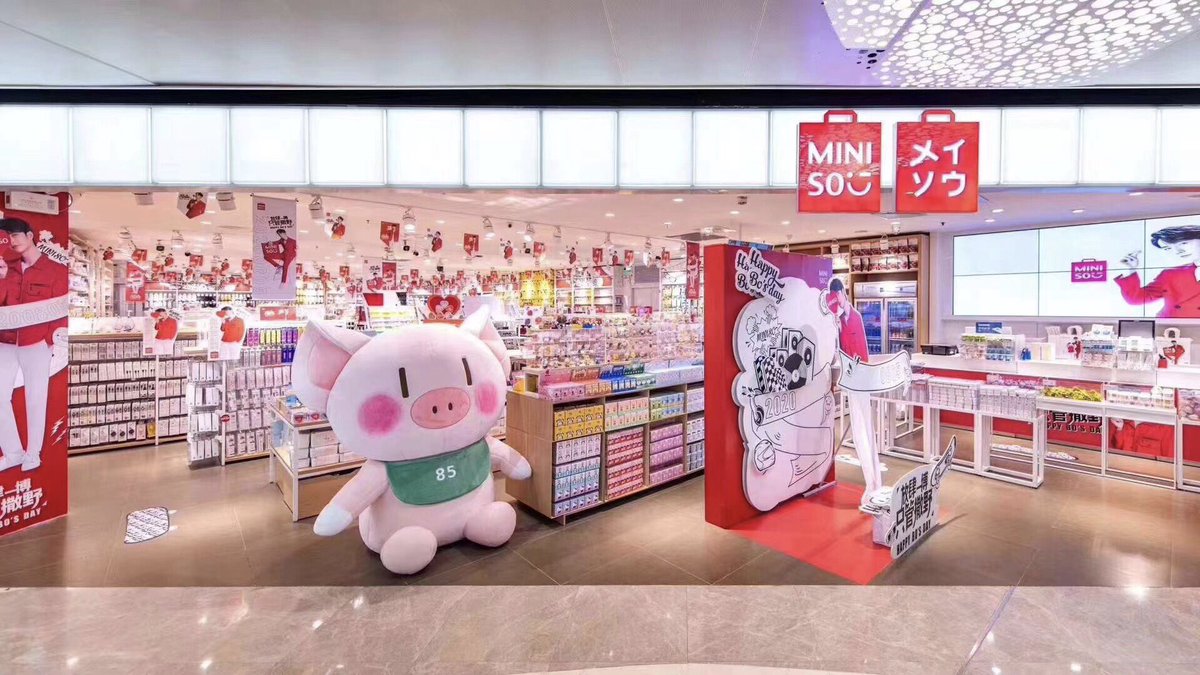
    Miniso’s revenue for the quarter ending June 30th saw a massive increase of 23.1%, amounting to approximately USD 693.2 million. The retailer has various brands under its umbrella, including Miniso and Top Toy. Miniso’s revenue witnessed a rise of 19.5%, amounting to USD 637 million. This growth included a 13.6% increase in Mainland China and a 28.6% growth in international markets. Top Toy’s revenue surged by 87% to USD 56.1 million.

    Same-Store Gross Merchandise Value

    The same-store gross merchandise value (GMV) of Miniso remained steady, backed by a small growth in mainland China and a slight decline in international markets. However, Top Toy’s same-store GMV registered minor growth.

    Strategic Financing

    Miniso highlighted that Top Toy had finalized strategic financing by Temasek recently, resulting in a post-valuation of approximately USD 1.28 billion.

    Operating Income and Profit

    Although the operating income rose by 11.3% to USD 116.7 million, the profits fell from USD 82.4 million in the same period last year to USD 68.3 million.

    For the first half of the year, revenue grew by 21% to USD 1.3 billion. This rise included an 18% increase in Miniso sales and a 73% rise in Top Toy sales. However, the profit for the same period dropped from USD 163 million to USD 126.5 million.

    Store Expansion

    As of June 30th, the total number of stores at the group level was 7,905, representing a year-on-year increase of 842 new stores. Miniso had 7,612 stores, which included 4,305 in Mainland China and 3,307 in international locations, while Top Toy had 293 outlets.

    The company anticipates that its revenue growth will speed up for the rest of the year.

    Questions & Answers

    How much did Miniso’s revenue increase in the second quarter?

    Miniso’s revenue for the second quarter increased by 23.1%, amounting to approximately USD 693.2 million.

    How did Miniso’s operating income and profit perform in the second quarter?

    The operating income rose by 11.3% to USD 116.7 million, but the profit fell from USD 82.4 million in the same period last year to USD 68.3 million.

    What is the total number of Miniso stores as of June 30th?

    As of June 30th, Miniso had a total of 7,612 stores, which included 4,305 in Mainland China and 3,307 in international locations.

  • Gen Z Fuels Thrift Revival: Pinterest Reports Soaring Interest In Vintage Style

    Gen Z Fuels Thrift Revival: Pinterest Reports Soaring Interest In Vintage Style

    This fall, vintage secures its place as a wardrobe staple. Pinterest’s new Trend Report reveals a major style shift sweeping the globe: searches for thrift-related ideas are soaring, driven largely by Gen Z users reimagining how they shop, style, and decorate. Whether it’s a dream thrift find or a retro kitchen upgrade, Pinners are proving that secondhand is not second-best.

    As the leading destination for trends and inspiration, Pinterest empowers people to personalise their style, home, and life with what’s next — and right now, that means embracing thrifting like never before. Gen Z momentum on Pinterest continues to grow, with this generation now representing more than 50% of global monthly active users — making Pinterest a go-to platform for the next generation to get inspired, curate, and shop.

    Across the globe, Gen Z is fueling this movement. On Pinterest, searches for “dream thrift finds” have skyrocketed by 550% among this demographic, while “vintage fall aesthetic” is up 1,074%. And their thrifting habits extend beyond the wardrobe – searches for “thrifted kitchen” have also climbed 1,012% and “thrifted decor” is up 283%, showing that the vintage style is making its way into every corner of the home.

    Gen Z men are also stepping up their vintage game. Searches for “men thrift outfits” have grown by 31% globally, and interest in “vintage watch for men” has jumped 65%, proving the appeal of unique finds resonates across styles and genders.

    The thrift revival presents a strategic creative and commercial opportunity for fashion retailers in the months to come. And it’s not just fashion — with searches for home-related thrift inspiration on the rise, the secondhand movement now spans furniture, interiors, and home appliances. Brands can ride this wave by offering vintage inspired collections, sparking upcycling ideas, or launching resale and donation programs that help consumers give pre-loved items a second life.

    This global momentum is mirrored across APAC, where thrift-related searches continue to climb in key markets. In India, searches are up 127% year-over-year, while Japan has seen a 55% increase. Korea recorded 31% growth and Singapore is up 33%, underscoring the region’s growing appetite for unique, secondhand finds. These four markets combined saw a significant year-over-year rise in thrift searches such as “thrift flips” (486%) and “thrift finds” (93%). Vintage-related terms also saw a consolidated increase through searches such as “dreamy aesthetic vintage” (580%), “vintage style outfits” (109%) and “retro vintage outfits” (100%).

    “What we’re seeing in APAC is more than just a fashion trend, it’s a mindset shift,” says Ayumi Nakajima,  Senior Director, Content Partnerships, APAC for Pinterest. “Gen Z are embracing thrifting not only for its style potential but for its creativity, sustainability, and individuality. On Pinterest, they can visually explore endless ideas, curate boards with their favourite finds and turn inspiration into action through product Pins. By analysing billions of data points and through our visual search technology, Pinterest can spot emerging trends before they go mainstream – helping brands stay ahead of Gen Z’s evolving tastes. For our users, it’s the place to discover one-of-a-kind finds and unique inspiration from around the world.”

    Pinterest delivers personalised inspiration that’s perfect for thrifting. Across APAC, Gen Z are turning to the platform to find, plan, and shop for the best in vintage and secondhand, uncovering fresh ways to express their individuality in a sea of sameness.

  • Dr. Bronner’s Boosts Marketplace Revenue by 55% with Pattern

    Dr. Bronner’s Boosts Marketplace Revenue by 55% with Pattern

    Dr. Bronner’s, the iconic organic soap and personal care brand, has transformed its marketplace performance in Australia, achieving a 55% growth in monthly revenue through a strategic partnership with leading ecommerce accelerator Pattern.

    As the exclusive importer of Dr. Bronner’s Organic Body Care to Australia and New Zealand, Lateral Food Corporation has helped the brand build a loyal following locally. However, Dr. Bronner’s Amazon presence wasn’t reflecting the full strength of the brand. Product listings lacked structure, images were inconsistent, and pricing was frequently undermined by unauthorised resellers.

    Pattern worked with Lateral Food Corporation to create a cleaner, more compelling brand experience on Amazon. The partnership aimed to sharpen Dr. Bronner’s presence, improve discoverability and put brand control back in the right hands.

    “Dr Bronner’s. stands for integrity, in its products and how it shows up as a brand,” said Vanita Hutchinson, Sales Manager for Lateral Foods Corporation. “Dr Bronner’s. needed its Amazon storefront to reflect that; something that was structured, engaging and true to its values. Pattern helped make that happen.”

    Pattern restructured Dr. Bronner’s catalogue, enhanced titles and SEO, and rolled out a refreshed storefront built around lifestyle content and intuitive navigation, including subpages by scent. These enhancements drove a 38% lift in average monthly units sold and a 55% increase in monthly revenue growth between January and May 2025, compared to the same period the year before. Storefront traffic nearly doubled, signalling a significant boost in customer interest and engagement.

    “Dr. Bronner’s already had an incredible following and a strong product lineup,” explained Merline McGregor, Managing Director for Pattern Australia. “Our focus was on elevating the brand’s online presence to match that strength, refining the catalogue, optimising the experience and ultimately helping more customers connect with Dr. Bronner’s in an authentic way.”

    Unauthorised sellers had previously flooded the listing space, creating inconsistent pricing and diminishing trust. Pattern’s tools helped the brand identify and respond to these sellers quickly, increasing Amazon Buy Box wins from 66% to 90%.

    “Working with Pattern has made a real difference. They helped us protect the brand while opening up new opportunities to grow,” said Hutchinson. “Their team understood what matters to us and brought that to life in the way customers experience our products online.”

    Advertising has played a crucial role in the brand’s marketplace turnaround. As of May, Pattern’s targeted campaign strategy now accounts for 93% of Dr. Bronner’s Amazon sales in Australia, driving sustained performance and standout results during key retail events.

    “When brands combine great products with the right catalogue and promotional strategy, the results speak for themselves. By understanding when and how customers shop, we’ve been able to position Dr. Bronner’s front and centre during high-impact moments and turn that visibility into real growth,” McGregor concluded. 

    About Pattern Inc

    Pattern is the category leader in global ecommerce and marketplace acceleration. It is the number one reseller on Amazon globally, selling over $3 billion of product each year into 60 countries. Since 2013, Pattern has profitably grown to over 2,000 employees operating from 24 global locations – including Melbourne, Sydney and the Gold Coast – to help leading brands achieve accelerated growth on D2C websites and global ecommerce marketplaces. Pattern is also present on Tmall, JD.com, eBay and other ecommerce marketplaces. We act as the authorised Amazon seller to more than 300 brands globally, buying their stock to sell on the marketplace and taking care of every aspect of their Amazon presence. For more information, visit https://au.pattern.com/

    Media Contact

    Paul Manser

    Mulberry Marketing Communications

    [email protected]

  • FairPrice Alerts Shoppers: Beware of $3,100 WhatsApp Scam Targeting Singapore’s Supermarket Fans!

    FairPrice Alerts Shoppers: Beware of $3,100 WhatsApp Scam Targeting Singapore’s Supermarket Fans!

    In a warning to its customers, Singapore’s FairPrice supermarket chain has flagged a fraudulent WhatsApp survey that promises a tempting reward of SGD4,000 (approximately US$3,100).

    In a recent Facebook post, FairPrice clarified that this deceptive questionnaire has no association with the company. Shoppers are urged to ignore the message and avoid clicking on the link or sharing any personal information.

    This scam cleverly attempts to entice potential victims with the lure of cash for completing the questionnaire, but FairPrice has made it clear: legitimate promotions can only be found on the FairPrice Group app or through their official website. “We will never send SMS, WhatsApp, or any other messages asking for your username, password, or financial information,” the company reassured its customers.

    A Snapshot of FairPrice’s Legacy

    With over five decades of service, FairPrice stands as Singapore’s largest supermarket chain, boasting more than 100 locations across the island. The company’s extensive history and trusted reputation make these scams all the more troubling for the consumer community.

    The Bigger Picture: WhatsApp Scams in Singapore

    Scams via WhatsApp have gained alarming traction in Singapore, with incidents of government official impersonation scams reaching 1,504 cases last year. Victims collectively lost an astonishing SGD151.3 million, with most targeted individuals aged between 50 and 64. Scammers primarily use phone calls and WhatsApp to connect with their victims, showcasing a disturbing trend that raises concerns about digital security and consumer awareness.

    Questions & Answers

    What is the nature of the scam targeting FairPrice customers?
    The scam involves a fake WhatsApp survey that promises respondents a reward of SGD4,000, aiming to collect personal information through a deceptive questionnaire.

    How has FairPrice responded to the scam?
    FairPrice has issued a warning on its social media channels, advising customers to disregard the scam and emphasizing that legitimate promotions are only communicated through their official app or website.

    What trend has emerged regarding scams in Singapore?
    WhatsApp scams have become increasingly prevalent in Singapore, with significant incidents reported last year, particularly targeting older demographics through impersonation tactics.

  • Vietjet Launches Construction of Landmark Maintenance Hub at Vietnam’s Flagship Long Thanh Airport

    Vietjet Launches Construction of Landmark Maintenance Hub at Vietnam’s Flagship Long Thanh Airport

    Vietjet has officially broken ground on its state-of-the-art Aircraft Maintenance and Engineering Center at Long Thanh International Airport, set to become Vietnam’s largest and most advanced airport upon completion. The project is among 80 landmark initiatives inaugurated in celebration of the 80th anniversary of Vietnam’s National Day (2 September).

    Backed by nearly USD100 million, the development covers Hangars 3 and 4 at the under-construction airport. Equipped with world-class infrastructure, the new center will be able to serve up to 10 aircraft at a time. Beyond meeting the maintenance needs of Vietjet’s expanding fleet, the facility is designed to support both domestic and international airlines—strengthening Vietnam’s aviation capabilities and ensuring smooth future operations at Long Thanh.

    The launch of the Aircraft Maintenance and Engineering Center underscores Vietjet’s long-term strategic vision and commitment to sustainable, future-focused investment while the airline is actively expanding its global flight network with four direct routes linking Singapore to Ho Chi Minh City, Hanoi, Da Nang and Phu Quoc. It also highlights the pioneering role of private enterprises in advancing aviation infrastructure and driving national development in an increasingly globalised landscape.

  • Coconut Oil Prices Skyrocket In Asia: Exploring The Causes And Impact On Global Market

    Coconut Oil Prices Skyrocket In Asia: Exploring The Causes And Impact On Global Market

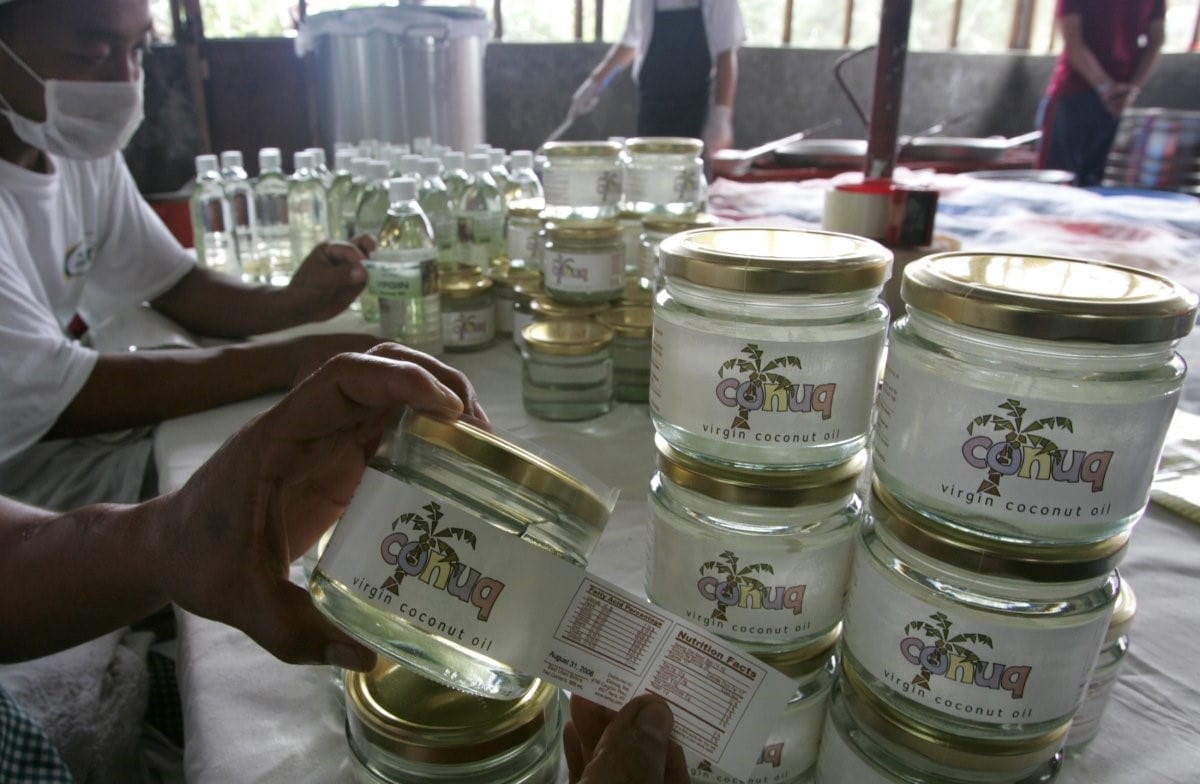
    Coconut oil prices are soaring in Asia, spearheaded by India—the largest consumer of the product—which has witnessed a tripling in prices within two years. This is attributable to a combination of supply shortages and burgeoning demand for the nutrient-filled water found within the coconut, elevating this common kitchen ingredient to a luxury commodity.

    Consumer Adjustments

    The escalating prices have put coconut oil beyond the reach of many budget-conscious consumers. As such, those who were once fond of its unique flavor, deeply entrenched in regional cuisines, are now exploring alternatives. For instance, Leelamma Cherian, a resident of Kerala in southern India, has stated intentions to switch to the more affordable refined sunflower oil for day-to-day cooking, reserving coconut oil for dishes where its flavor is critical.

    Price Surge Contributions

    The price increase, which began in the second half of 2024, was further propelled by production interruptions across many of the main producer nations, from India to Southeast Asia. These interruptions were due to seasons marked by decreased rainfall, extended heat, and increased damage from pests and diseases. Prices in India have nearly tripled in less than two years, reaching a record high of 423,000 rupees (US $4840) per metric ton, while global prices have swelled to an unprecedented $2990 per ton over the same period.

    Predictions by the International Coconut Community

    The International Coconut Community (ICC), a consortium of producer nations, predicts that the increasing demand amid production restrictions will maintain second-half global prices within the US $2500 to $2700 range, far exceeding the 2023 figure of approximately $1000.

    Effects of Price Surge

    This price surge is also impacting green coconuts harvested for their electrolyte-rich water, and other products such as copra, milk, and powder. It is putting pressure on manufacturers of shampoo and skincare items, who value the oil for its high lauric acid content.

    Challenges to Coconut Oil Production

    Worldwide, coconut oil production is declining as trees age, replanting efforts fall short, and plantations struggle with a scarcity of superior seed varieties. Weather conditions veering from hot, dry spells to sudden heavy rainfall are also disrupting coconut production. Additionally, the neglect of plantations and unfavorable weather in recent years are likely to hinder a broader production recovery, especially when supplies of other similar lauric oils are limited.

    Global Demand

    While coconut oil is a favorite among Asian consumers, other coconut products such as copra, coconut cream, and milk, are in high demand in Britain, China, Europe, Malaysia, the United States, and the United Arab Emirates. To seize the opportunity presented by this burgeoning demand, Indonesian farmers are increasingly exporting whole coconuts instead of processing them for their oil.

    Questions & Answers

    What has been the impact of the coconut oil price surge?
    The price surge has affected a range of related products, including green coconuts harvested for water, copra, milk, and powder. It has also put pressure on manufacturers of hair and skincare products, who value the oil for its high lauric acid content.

    Why is coconut oil popular in the market?
    Coconut oil is popular for its unique flavor, deeply embedded in regional cuisines, and its high content of lauric acid, which is prized by the hair and skincare industry.

    What measures are being taken to stabilize the price of coconut oil?
    To stabilize prices, the Association in Indonesia has urged for a suspension of coconut exports for six to 12 months. In India, the Solvent Extractors’ Association has appealed to New Delhi to permit imports of coconut oil and copra.

  • Over Half Of South Korean Consumers Foret Refunds For Counterfeit Online Purchases, Cites Complex Procedures

    Over Half Of South Korean Consumers Foret Refunds For Counterfeit Online Purchases, Cites Complex Procedures

    Over half of South Korean consumers who inadvertently buy counterfeit products online do not pursue refunds, according to a recent survey by the Korea Consumer Agency. The respondents pointed to complex refund procedures and nominal sums involved as the main reasons for not seeking recompense.

    Consumer Responses and Counterfeit Products

    The survey, which included 1,000 consumers using eight leading online platforms, revealed that 58.6% of those who unintentionally bought counterfeit goods did not request a refund. Reasons given were that the refund process was too intricate or time-consuming (60.4%), or that the purchased items were of low value or indistinguishable from genuine products.

    The most frequently bought counterfeit items were bags, with 38.8% of consumers knowingly purchasing them. Shoes, however, were the most common accidental purchase, with 43.8% of consumers having inadvertently bought counterfeit footwear.

    Interestingly, many of the consumers who intentionally bought counterfeit products showed a lack of awareness about intellectual property rights. Almost half of them stated that they were unaware of, or unconcerned about, any possible issues.

    Responsibility and Complaints

    When asked who should bear the responsibility for counterfeit goods, 45.4% of the respondents blamed the sellers. Online platforms came second at 37.3%, while 17.3% of consumers held themselves accountable.

    The Korea Consumer Agency also examined 1,572 consumer complaints lodged between 2022 and February 2025. Handbags were the most frequently reported counterfeit items (21%), followed by shoes, cosmetics, audio devices, and clothing. The majority of complaints involved luxury brands, along with specific products such as Dyson hair dryers and Apple earphones.

    Price Comparisons and Seller Practices

    An analysis of price comparisons revealed further risks. On platforms like AliExpress and Temu, 72.5% of examined products were listed for less than 20% of their official market prices. Instagram and Naver Band also displayed similar steep discounts for over half of their items, with descriptors such as “mirror-grade leather” or “authentic-level” being used. Many sellers used private or external channels, which complicates monitoring efforts.

    Several platforms, including Naver Band, AliExpress, Coupang, and Temu, were criticised by the agency for their lack of clear instructions on how to report counterfeit items. Instead, they necessitated individual inquiries for each case.

    Call to Action

    The agency recommended that authorities and businesses augment their efforts to curb the sale of counterfeit goods. This includes limiting the use of misleading language on social media and enhancing transparency in reporting procedures.

    Questions & Answers

    What is the most common counterfeit item purchased intentionally in South Korea?
    Bags were the most common counterfeit items purchased on purpose, according to the survey.

    Who do consumers believe is most responsible for the sale of counterfeit goods?
    45.4% of respondents believe that sellers are the most responsible for counterfeit items.

    What measures has the Korea Consumer Agency suggested to combat counterfeit sales?
    The agency has suggested strengthening actions against counterfeit sales, restricting the use of deceptive terms on social media, and enhancing the transparency of reporting procedures.

  • Familymart Targets Asia: Ambitious Expansion Plans Aim To Transform Retail Landscape

    Familymart Targets Asia: Ambitious Expansion Plans Aim To Transform Retail Landscape

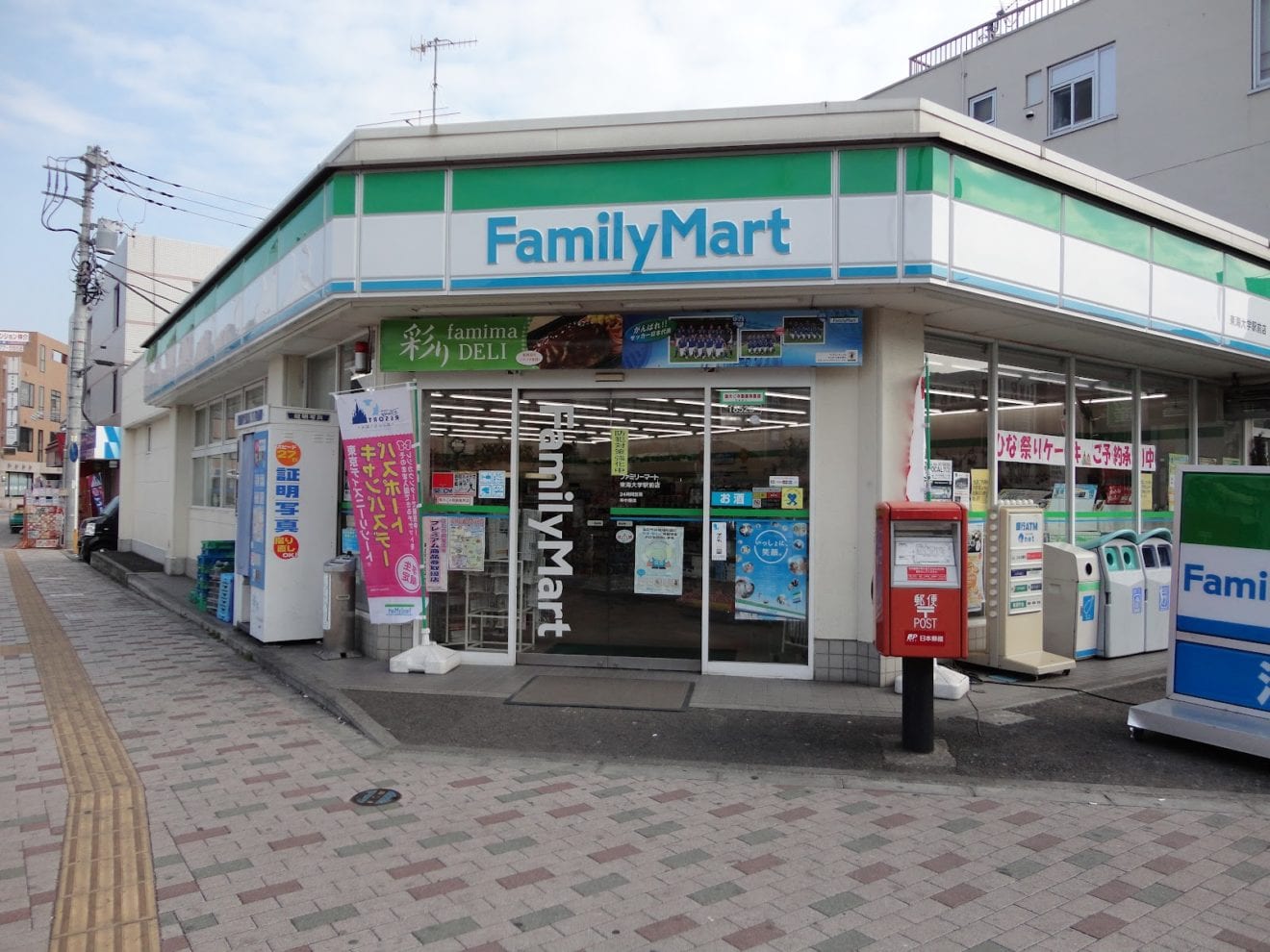
    In a remarkable twist for the retail landscape, Japan’s convenience store giant FamilyMart is making waves with its ambitious expansion plans across Asia. Aiming to capture the growing consumer market in the region, the company has set its sights on a significant increase in its store count in China and other key markets.

    FamilyMart Expands Its Footprint

    This year, FamilyMart aims to open approximately 1,000 new stores in China alone, underscoring its commitment to penetrating the world’s second-largest economy. The company is not just restocking shelves; it’s reimagining the convenience store experience by integrating local tastes and preferences into its product offerings. With trend-driven items such as ready-to-eat meals and fresh produce, FamilyMart is on a mission to cater to the increasingly diverse palate of Chinese consumers.

    The Race for Convenience

    The competition is steep, with rivals like 7-Eleven and Lawson continuously enhancing their services and product ranges. However, FamilyMart thrives on its ability to innovate swiftly. Their latest strategy? Expanding into niche markets such as specialty beverages and gourmet snacks, which are tailor-made for urban dwellers eager for quality convenience. You could even say they’re attempting to make fast food gourmet—proof that in retail, there’s always room for a delicious twist!

    Feedback-Driven Innovation

    FamilyMart also places a strong emphasis on customer feedback, pivoting quickly in response to what shoppers are asking for. This agility gives them a unique edge in an ever-evolving retail environment. According to company spokespersons, the store designs and product choices are now more reflective of community preferences, making each outlet feel personalized and relevant.

    Future Plans on the Horizon

    Looking ahead, FamilyMart is determined to bolster its existing presence in Southeast Asia, with expansion plans across markets like Vietnam and Thailand. This initiative is fueled by a demographic trend of increasing urbanization and consumer spending power in these regions. By establishing a strong retail presence, FamilyMart aims not only to thrive but to set benchmarks in convenience retail across Asia.

    Questions & Answers

    How many new stores does FamilyMart plan to open in China?
    FamilyMart aims to open approximately 1,000 new stores in China this year.

    What unique strategies is FamilyMart employing to cater to local tastes?
    FamilyMart is integrating local preferences into its product offerings, including ready-to-eat meals and specialty beverages to appeal to diverse consumer palates.

    Which markets is FamilyMart looking to expand into next?
    FamilyMart plans to strengthen its presence in Southeast Asia, particularly in countries like Vietnam and Thailand, where urbanization and consumer spending are on the rise.

  • Qantas Airways Hit with Historic $58M Fine Over Controversial Pandemic Layoffs

    Qantas Airways Hit with Historic $58M Fine Over Controversial Pandemic Layoffs

    In a landmark ruling, Australia’s Federal Court has imposed a staggering penalty on Qantas Airways, marking the largest fine ever levied on a company under the nation’s labor laws. Judge Michael Lee expressed his discontent with the airline’s litigation tactics and questioned whether its recent expressions of remorse were sincere or merely strategic maneuvers to mitigate damage.

    Qantas’ Controversial Layoffs Under Scrutiny

    While Qantas has made changes to its leadership team in light of the judgment, Judge Lee remarked that the company’s apologies appeared more focused on its own reputation rather than the genuine hurt caused to its workforce. “I accept Qantas is sorry, but I am unconvinced that this measure of regret is not, at least in significant measure … the wrong kind of sorry,” he stated.

    A Record-Breaking Fine

    The fine, which amounts to 75% of the maximum the court could enforce, aims to ensure it is seen not as a mere cost of doing business. A total of A$50 million will be directed to the Transport Workers’ Union (TWU), which spearheaded the case against the airline. TWU’s national secretary, Michael Kaine, provided a triumphant reflection post-verdict: “Against all the odds, we took on a behemoth … that had shown itself to be ruthless, and we won.”

    Compensation and Layoff Fallout

    This judicial decision follows a December agreement that set up a A$120 million compensation fund for the airline’s dismissed employees. The controversy began during the pandemic in 2020, when Qantas management opted to lay off 1,820 ground staff in favor of outsourcing their roles to contractors. Although the airline presented the layoffs as a commercial strategy, the court determined they represented “adverse action,” infringing on workers’ rights under Australia’s Fair Work Act.

    Cultural Critique and Legal Defenses

    Judge Lee highlighted concerns regarding Qantas’ corporate culture and its approach to public relations and litigation, labeling its strategy as reactive and dismissive. The judge referred to the airline’s swift announcement of its intent to appeal the 2021 ruling without allowing sufficient time to digest the 431-paragraph judgment.

    When its initial appeal failed, Qantas’ response was seen as an attempt to spin the narrative, neglecting the court findings that highlighted unlawful conduct. Lee also chastised the airline for its choice to keep its CEO, Vanessa Hudson, from taking the stand. “It is one thing for the ‘Qantas News Room’ to issue press releases by a CEO saying sorry; it is quite another for written assertions of contrition, recognition of wrong and cultural change to be tested in a courtroom,” he remarked.

    Implications for Labor Practices

    The penalty is not only a personal setback for the airline but also serves as a stark reminder to employers about the legal ramifications of disregarding labor rights. “This record-breaking penalty reflects the monumental scale of Qantas’ wrongdoing,” noted Josh Bornstein, a principal at Maurice Blackburn Lawyers, the firm representing TWU. Labor law expert Shae McCrystal from the University of Sydney added that such adverse action cases send a crucial message to employers that unlawful practices will not go unnoticed.

    In response to the court’s ruling, Qantas has stated its commitment to paying the fine as ordered and expressed remorse for the situation. “We sincerely apologize to each and every one of the 1,820 ground handling employees and to their families,” Chief Executive Vanessa Hudson conveyed in her statement. As markets reacted, Qantas shares dipped 0.4% to A$11.58 in early trading, a slice of the turbulence that now surrounds the airline’s future.

    Questions & Answers

    What was the ruling against Qantas about?
    The Federal Court ruled against Qantas for laying off 1,820 ground staff and outsourcing their work, determining it constituted “adverse action” against workers’ rights under Australia’s Fair Work Act.

    How much is the penalty imposed on Qantas?
    The penalty is A$50 million paid to the Transport Workers’ Union, marking the largest fine in Australia’s labor law history, which Judge Lee stated is significant enough to deter similar future violations.

    What steps has Qantas taken following the ruling?
    In the wake of the decision, Qantas has made changes to its management and reiterated its commitment to pay the imposed fine, while expressing apologies to the affected employees and their families.

  • Thai Airways Expands Fleet with Airbus Aircraft to Seize New Travel Surge Opportunities

    Thai Airways Expands Fleet with Airbus Aircraft to Seize New Travel Surge Opportunities

    Thai Airways is embarking on an ambitious expansion, aiming to nearly double its fleet from 78 to 150 aircraft by 2033. The airline’s CEO, Chai Eamsiri, revealed in an interview that the company has struck a deal with Boeing for 45 787 Dreamliners, yet delivery has been postponed from mid-2027 to the end of that year.

    To fill the emerging capacity gap, Thai Airways is turning to Airbus, with the delivery of its first of 32 narrow-body A321neos set for November this year. By 2028, all of these aircraft will be in operation. This strategic blend of Boeing for long-haul operations and Airbus for regional routes underscores the airline’s goal of enhancing connectivity between Europe and the Asia-Pacific.

    These steps are part of a broader strategy for recovery, following a tumultuous period that forced Thai Airways to file for bankruptcy protection in 2020 after incurring significant losses from 2017 to 2019. The airline’s recovery has not been easy; it laid off half of its 30,000 staff and divested US$308 million in assets, while also relinquishing its state-owned status.

    After a five-year trading suspension, Thai Airways’ shares made a splash upon their resumption on August 4, skyrocketing over 200% on the Stock Exchange of Thailand, according to The Nation. Year-to-date, the shares have risen by 57%, marking a remarkable turnaround.

    Asadej Kongsiri, Director and Market Manager of the Stock Exchange of Thailand, hailed this return as a vital milestone, highlighting the adaptability and resilience of Thailand’s capital market.

    For the second quarter of this year, Thai Airways reported a core profit of BHT6.78 billion (US$209 million), with total revenue increasing by 1% year-on-year to BHT43.31 billion. Moreover, the airline is collaborating with Bangkok Airways for domestic flights, tapping into a promising synergy. “We carry passengers from Europe to Bangkok and connect their flights to Sukhothai and Koh Samui,” Chai elaborated, referring to some of Thailand’s most beloved travel hotspots.

    Despite these optimistic signs, Thailand’s foreign tourist arrivals have fallen to 16.6 million in the first half of 2025, down 4.6% year-on-year, largely due to a nearly 40% decline in visitors from China.

    Questions & Answers

    How is Thai Airways planning to expand its fleet?
    Thai Airways aims to expand its fleet from 78 to 150 aircraft by 2033, signing a deal with Boeing for 45 787 Dreamliners while also ordering 32 Airbus A321neos to strengthen regional capabilities.

    What recent challenges has the airline overcome?
    Thai Airways faced significant financial struggles, leading to bankruptcy protection in 2020, involving layoffs of half its workforce and asset sales, but it has since made a strong market comeback.

    What were the airline’s recent financial results?
    In the second quarter of this year, Thai Airways reported a core profit of BHT6.78 billion (US$209 million) and saw a 1% year-on-year increase in total revenue, indicating a promising recovery trajectory.

  • Muji’s Bold Vision For 2030: Pioneering Sustainability In Retail

    Muji’s Bold Vision For 2030: Pioneering Sustainability In Retail

    In a bold move that signals a renewed focus on sustainability, Japanese retail giant Muji has unveiled plans to transform its entire product range by 2030. The beloved brand, known for its minimalist approach and environmentally friendly ethos, is set on a mission to ensure that all its offerings are made from recycled, biobased, or otherwise sustainable materials within the next seven years.

    Muji’s Green Revolution: A Commitment to Sustainability

    Muji’s announcement underscores the growing demand among consumers for eco-conscious products, particularly in Asia’s competitive retail landscape. The company has long championed a no-frills philosophy, prioritizing functionality and simplicity, but now it’s taking significant strides toward addressing the environmental impact of its manufacturing processes.

    The initiative comes at a time when millennials and Gen Z shoppers are increasingly prioritizing sustainability in their purchasing decisions. Muji aims to tap into this market by not only transforming the materials used in its products but also promoting a circular economy model. The retailer has pledged to enhance its recycling systems and reduce waste across its global operations.

    Innovation at the Heart of Transformation

    Muji’s commitment may sound ambitious, but company executives are confident in the feasibility of their goals. “We believe innovation will be key,” said Muji’s CEO during a recent press briefing. The company is looking to partner with suppliers and innovators who share its vision, embracing cutting-edge materials and technologies that support sustainable practices. According to reports, Muji is exploring collaborations with Japanese tech startups to develop new biodegradable materials and eco-friendly packaging solutions.

    Interestingly, Muji is not just renouncing single-use plastics; it’s also engaging customers in this transformation. The brand plans to launch campaigns emphasizing the importance of product longevity and responsible consumption, inviting shoppers to participate in initiatives such as product returns for recycling.

    Looking Ahead: Muji’s Vision for 2030 and Beyond

    The retail sector is under scrutiny as consumers demand more transparency and responsibility from brands. Muji’s initiative sets a powerful precedent that other retailers in Asia may feel pressured to follow. To visualize the brand’s potential impact, think of it as a ripple effect in the vast ocean of retail — one that has the potential to inspire sweeping changes across the industry.

    As the clock ticks towards 2030, all eyes will be on Muji to see how it navigates this challenge. With an ever-growing list of rival brands embracing sustainability, the question remains: can Muji maintain its unique identity while evolving to meet consumer expectations? Only time will tell if Muji’s foray into the world of sustainable retail will indeed transform it into a beacon of eco-innovation.

    Questions & Answers

    What is Muji’s main goal for its product lines by 2030?
    Muji aims to completely transition its product range to be made from recycled, biobased, or otherwise sustainable materials by 2030.

    How is Muji engaging consumers in its sustainability efforts?
    The company plans to launch campaigns that highlight the importance of product longevity and responsible consumption, encouraging customers to return products for recycling.

    What innovations is Muji exploring to support its sustainability initiative?
    Muji is looking to partner with suppliers and tech startups to develop biodegradable materials and eco-friendly packaging, emphasizing the role of innovation in its transformation.

  • Vietjet Named One of Asia’s Best Workplaces for Fifth Straight Year by HR Asia Awards

    Vietjet Named One of Asia’s Best Workplaces for Fifth Straight Year by HR Asia Awards

    Vietjet has won the “Best Workplace in Asia” award at the HR Asia Awards 2025, marking its fifth consecutive year of recognition. The accolade honours organisations that foster outstanding workplace environments across 16 countries and territories.

    Home to over 9,000 professionals from more than 60 nationalities, Vietjet operates dynamically in Vietnam and across multiple international markets. Driven by its vision to become a global aviation group, the airline continues to expand its flight network, attract top-tier talent, and leverage advanced technology to deliver high-quality services.

    Recognising its workforce as the foundation of its continued growth and success, Vietjet offers comprehensive healthcare, continuous professional development, and a robust system of welfare policies. The airline also extends support to employees’ families by recognising and rewarding the academic achievements of their children. These initiatives help Vietjet attract thousands of job applicants annually, all aspiring to grow with the airline and pursue their aviation dreams.

    Vietjet offices worldwide are designed to foster creativity, collaboration, and well-being. At its Ho Chi Minh City headquarters, employees enjoy access to facilities including dining areas, shopping outlets, a cinema, and a gym, all of which enhance their daily lives and workplace experience.

    The Vietjet Aviation Academy (VJAA) plays a central role in developing the airline’s talent. Offering international-standard training programs and regular workshops with global industry experts, VJAA ensures employees are equipped with up-to-date knowledge and skills for personal and professional growth. 

    Vietjet also promotes team spirit and well-being through annual sports festivals featuring soccer, pickleball, badminton, and other activities, fostering energy, camaraderie, and a positive company culture.

    With its progressive HR policies, inspiring workplace culture, and strong commitment to employee development, Vietjet continues to attract and retain top talent, contributing to its sustainable growth and the advancement of Vietnam’s aviation industry globally.

  • Melbourne Police Bust $10 Million Shoplifting Syndicate In Operation Supernova

    Melbourne Police Bust $10 Million Shoplifting Syndicate In Operation Supernova

    In a significant police operation in Melbourne, 19 individuals, believed to be part of an organized shoplifting syndicate, have been apprehended. The arrested individuals are accused of stealing goods worth over $10 million.

    Operation Supernova

    The Box Hill Divisional Response Unit, through its ‘Supernova’ operation, arrested the group allegedly involved in the theft of high-demand items over a period of five months. The stolen products included baby formula, medicines, vitamins, skincare products, electric toothbrushes, and toiletries.

    The majority of the accused are reported to be Indian nationals, residing in Australia on temporary visas. They are believed to be part of a network that systematically stole items and funneled them to various sellers.

    The Accused

    The arrested group includes six men and one woman, ranging in ages between 21 and 54. According to police reports, the total value of items stolen individually by these suspects ranged from $25,000 to $136,000.

    Detective Acting Inspector Rachele Ciavarella described the operation as “one of the most significant” in recent history to target organised retail theft.

    Not Just Ordinary Shoplifting

    Ciavarella further stated that the apprehended suspects were not stealing for their own use. Instead, they were part of an orchestrated criminal enterprise that reaped financial benefits from the stolen goods.

    In collaborating with major retailers, the police force was able to identify the alleged perpetrators swiftly. This cooperation also enabled them to form a comprehensive intelligence picture, allowing for the successful targeting of the right individuals at the right time.

    Ciavarella concluded with a stern message that those who target the retail sector would, in turn, be targeted by law enforcement.

    The arrested suspects are expected to appear in court in the coming months.

    Questions & Answers

    What was the value of the goods stolen by the shoplifting syndicate?
    The syndicate is accused of stealing goods worth over $10 million.

    Who are the accused individuals?
    The accused are predominantly Indian nationals on temporary visas, including six men and one woman, aged between 21 and 54.

    What types of products were stolen?
    The group is believed to have stolen a range of high-demand products, including baby formula, medicines, vitamins, skincare products, electric toothbrushes, and toiletries.