Category: General

Retail News Asia is committed to providing both local and global retailers with the latest General Retail news throughout the Asian market. This on a daily base.

  • Indian Boycotts Challenge U.S. Giants: A Push For ‘made In India’ Amid Tariff Tensions

    Indian Boycotts Challenge U.S. Giants: A Push For ‘made In India’ Amid Tariff Tensions

    American multinational corporations, including household names such as McDonald’s, Coca-Cola, Amazon, and Apple, are feeling the pressure of increasing calls for boycotts in India. This sentiment has been fueled by business leaders and supporters of Prime Minister Narendra Modi as a form of protest against U.S. tariffs.

    India, known as the world’s most populous nation, presents a significant market for these American brands. With a rapidly expanding base of affluent consumers who view international brands as symbols of societal advancement, many American companies have found success in India.

    For instance, Meta’s WhatsApp counts India as its largest user base and Domino’s boasts more restaurants in India than in any other country. Similarly, beverages such as Pepsi and Coca-Cola often take up prime real estate on store shelves, and there is typically a significant buzz when a new Apple store opens or Starbucks offers discounts.

    Recently, however, there has been growing support for choosing local products over American goods, both on social media and offline. This shift in consumer behavior has been catalyzed by a 50% tariff on Indian goods imposed by former U.S. President Donald Trump, which has unsettled exporters and strained relations between New Delhi and Washington.

    Indian Business Leaders Advocate for ‘Made in India’

    Manish Chowdhary, co-founder of India’s Wow Skin Science, has taken to LinkedIn to voice his support for Indian farmers and start-ups. His goal is to transform ‘Made in India’ into a ‘global obsession’, learning from countries like South Korea, which boasts globally renowned food and beauty products.

    Similarly, Rahm Shastry, CEO of DriveU, an Indian car driver service, wrote on LinkedIn that India should develop its own versions of popular platforms like Twitter, Google, YouTube, WhatsApp, and Facebook, much like China.

    Indian retail companies offer stiff competition to foreign brands like Starbucks in the domestic market, but global expansion remains a challenge. However, Indian IT services firms, such as TCS and Infosys, have integrated deeply into the global economy, providing software solutions to clients around the world.

    In a recent address in Bengaluru, Prime Minister Modi made a “special appeal” for increased self-reliance. He urged Indian technology companies, who have been producing products for global consumption, to prioritize India’s needs.

    Consumer Opinions Differ

    Despite the ongoing anti-American sentiment, the American electric vehicle and clean energy company Tesla recently opened its second showroom in India. The opening event in New Delhi was attended by Indian commerce ministry officials and US embassy officials.

    Simultaneously, the Swadeshi Jagran Manch group, which is associated with Modi’s Bharatiya Janata Party, organized small public rallies across India, encouraging people to boycott American brands.

    However, not all Indian consumers share this sentiment. For instance, a customer named Rajat Gupta, who was dining at a McDonald’s in Lucknow, expressed that he was not concerned with the tariff protests and simply enjoyed the value for money he received from his 49-rupee coffee.

    Questions & Answers

    What has led to the calls for a boycott of American products in India?

    These calls for boycotts have been fueled by the imposition of a 50% tariff on goods from India by former U.S. President Donald Trump, which has created unrest among exporters and strained diplomatic ties between New Delhi and Washington.

    How are Indian business leaders responding to this situation?

    Leaders such as Manish Chowdhary, co-founder of Wow Skin Science, and Rahm Shastry, CEO of DriveU, have been advocating for a focus on “Made in India” products and services, and the development of home-grown alternatives to popular platforms like Twitter, Google, YouTube, WhatsApp, and Facebook.

    Are all Indian consumers supportive of the boycotts?

    No, consumer opinions on the boycotts vary. Some consumers, such as Rajat Gupta, a McDonald’s customer in Lucknow, are not concerned by the tariff protests and continue to enjoy the products and services offered by American brands.
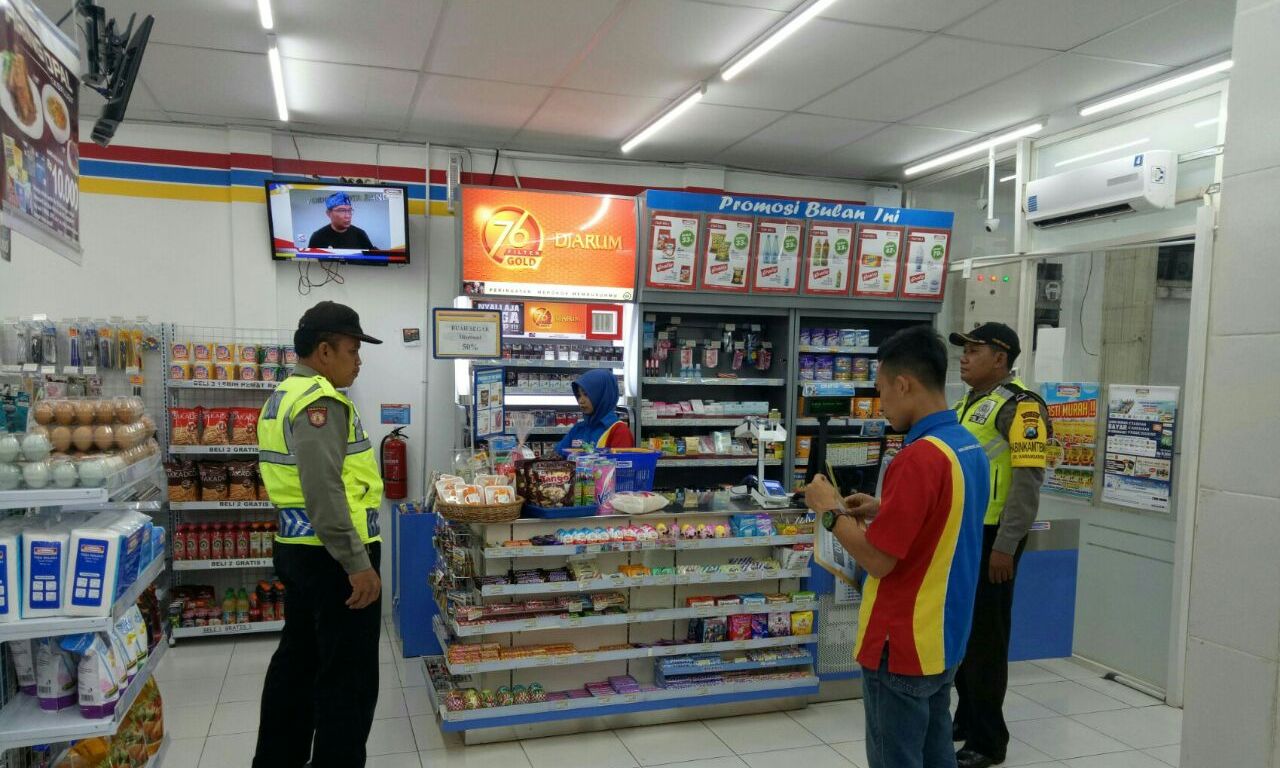
  • 7-eleven’s Bold $1.2b Acquisition: Aiming For Retail Dominance In Taiwan

    7-eleven’s Bold $1.2b Acquisition: Aiming For Retail Dominance In Taiwan

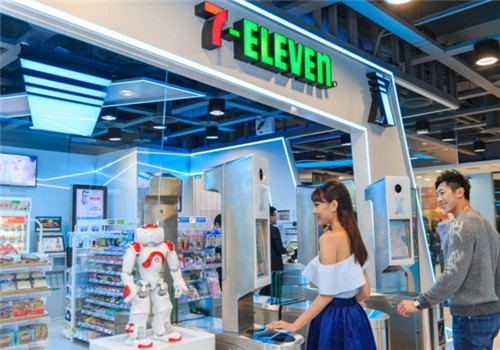
    In a bold move signaling the strength of the retail sector, Japanese retail giant 7-Eleven has struck a deal to acquire approximately 3,200 stores in Taiwan. This acquisition, worth a staggering $1.2 billion, is not just a strategic expansion but also a reflection of 7-Eleven’s ambition to dominate the Asian market. Currently, the brand commands a formidable presence in Taiwan, boasting over 6,000 stores. With this new endeavor, they intend to enhance distribution channels and grow their footprint across the island.

    Strategic Expansion in a Competitive Market

    The transaction is set to reshape the competitive landscape of convenience stores in Taiwan. Presently, the local market is a battleground, dominated by major players such as FamilyMart and Hi Life. Analysts are already speculating about how this merger will redefine customer loyalty, pricing strategies, and inventory management across the sector. It’s as if the comfort of picking up a midnight snack is suddenly caught in a high-stakes chess game.

    7-Eleven’s acquisition follows a series of strategic maneuvers aimed at revitalizing its brand and operations in Asia. Previously, the company has made headlines with its innovative retail approaches, integrating technology and customer experience into its neighborhood stores. This has set a high bar for convenience shopping, and it’s clear that 7-Eleven is not merely following trends; it’s establishing them.

    Boosting Local Networks

    The company has expressed intentions to retain current management and regional operational identity after the acquisition to maintain a sense of continuity for shoppers. This is a crucial move; blending 7-Eleven’s global prowess with existing local insights is expected to drive growth while remaining sensitive to Taiwan’s unique consumer culture.

    The Broader Impact on Industry Dynamics

    With Taiwan’s retail environment evolving rapidly, experts predict that this acquisition could catalyze further consolidations in the convenience store sector. Rivals may have to rethink their positioning and services, particularly as consumer behavior continues to trend towards convenience and immediacy.

    In an industry where every little detail counts—whether that’s snack availability or the size of a coffee cup—7-Eleven’s latest move could change the game entirely. Imagine the excitement of buying your favorite late-night snacks from a store freshly stocked by a retail powerhouse!

    Questions & Answers

    What is the significance of 7-Eleven’s acquisition of stores in Taiwan?
    This acquisition signals 7-Eleven’s intent to solidify its dominance in the Taiwanese market amidst growing competition from local chains like FamilyMart and Hi Life.

    How many stores will 7-Eleven operate in Taiwan post-acquisition?
    After the acquisition, 7-Eleven will operate over 9,200 stores across Taiwan, enhancing its distribution and customer reach significantly.

    What strategies might competitors employ in response to this acquisition?
    Competitors may need to rethink their pricing strategies, improve customer loyalty programs, and enhance inventory management to keep pace with 7-Eleven’s expected innovations.

  • Indomaret’s Bold Expansion: 1,500 New Outlets Amid Rising Market Complexity In Asia

    Indomaret’s Bold Expansion: 1,500 New Outlets Amid Rising Market Complexity In Asia

    As retail giants in Asia continue to adapt to an increasingly complex market, strategic store expansions play a pivotal role in their growth. Take, for instance, Indonesia’s leading grocery chain, Indomaret, which recently unveiled plans to launch 1,500 new outlets nationwide. This ambitious move aims to solidify its market presence amid fierce competition from both international players and local entities. The company’s announcement noted that over 800 of these new stores will be concentrated in suburban areas, where demand for convenient shopping options is surging. Indomaret’s rapid pace of expansion is a testament to its commitment to meeting evolving consumer needs.

    Local Trends Shape Retail Strategies

    The expansion strategy is not just about numbers; it is also influenced by changing consumer behavior. Indonesians increasingly prefer shopping at closer, easily accessible outlets, which aligns perfectly with Indomaret’s suburban focus. Furthermore, the brand has been diligently enhancing its service offerings to keep pace with shifting preferences, including the introduction of digital payment solutions, which are rapidly becoming the norm across Asia.

    Challenges Ahead for the Retail Sector

    Yet, the path to growth is not without hurdles. Rising operational costs, challenges in supply chain management, and the constant pressure of adapting to the digital landscape are significant concerns that retailers must navigate. Additionally, as competition heats up with the entry of international brands, local chains must differentiate themselves to retain customer loyalty. With the sector’s dynamics shifting daily, it’s clear that retailers must remain agile and responsive to maintain their edge.

    Indomaret’s Bigger Picture

    Indomaret isn’t just expanding its footprint; it’s focusing on how to enhance the overall consumer experience. By offering localized products that cater to the tastes and preferences of each neighborhood, the retail chain is not merely selling groceries; it’s building community connections. Interestingly, some customers have noted that their local Indomaret has turned into an unofficial town square, where community members frequently meet, thus infusing a social aspect into the shopping experience.

    Looking Ahead: A Complicated Landscape

    As Indomaret forges ahead with its expansion, challenges will undoubtedly arise—especially as digital commerce continues to disrupt traditional retail models. The company’s ability to adapt swiftly to these changes will be crucial as it aims to not only survive but thrive in this competitive environment. In a landscape where innovation and customer-centric strategies reign supreme, Indomaret’s fate will be a fascinating story to follow in the coming months.

    Questions & Answers

    What is Indomaret’s expansion goal for 2023?
    Indomaret plans to launch 1,500 new outlets across Indonesia to strengthen its market presence.

    Why is suburban expansion important for retailers like Indomaret?
    Suburban areas are seeing a surge in demand for convenient shopping options, which aligns with consumer preferences for nearby, easily accessible grocery stores.

    What challenges do retailers mean facing amid digital transformation?
    Retailers face rising operational costs, supply chain management issues, and the need to adapt quickly to the evolving digital landscape and competition from international brands.

  • Vietnam’s Exporters Innovate Strategies to Navigate New US Tariffs

    Vietnam’s Exporters Innovate Strategies to Navigate New US Tariffs

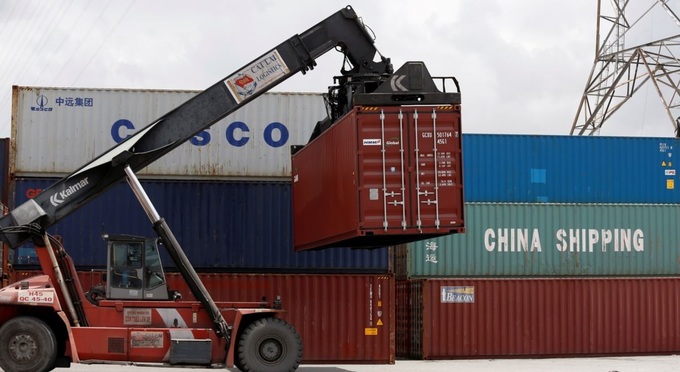
    Since August 7, a range of tariffs between 10% and 41% took effect, impacting most of the United States’ trade partners, with Vietnam facing a significant 20% rate—much lower than the initial 46% proposed by President Donald Trump. This shift leaves many in the Vietnamese textile and garment industry grappling with heightened input costs and shrinking profit margins.

    Pham Van Viet, chairman of Viet Thang Jean, emphasized the challenges that tariff fluctuations pose in this fast-paced sector. “This is a seasonal business with short order cycles,” he explained. “Tariff changes make it hard to renegotiate prices, especially for finalized contracts.” Despite these hurdles, many exporters had anticipated such developments, preparing strategies as early as April when the US began signaling intent to impose tariffs.

    “We were ready for a 30-46% rate, and so 20% is actually good news,” noted Nguyen Dinh Tung, CEO of Vina T&T Group, an exporter of agricultural products. Indeed, the lower-than-expected tariff has provided a silver lining amid the uncertainty.

    A Shift in Strategy: Diversification Takes Center Stage

    Faced with these tariffs, Vietnamese businesses are pivoting to market and product diversification as the primary defense mechanism. The US still commands a substantial 46% of Vina T&T’s exports, which totaled approximately US$50 million in the first half of this year. Yet, the company has strategically reduced its US market share from 65% last year, now expanding outreach to Japan, South Korea, and the EU.

    Vina T&T’s flexible product line includes everything from seasonal fruits to processed items like fish sauce and rice paper. A recent survey conducted among over 1,500 exporters by the Private Economic Development Research Board and VnExpress revealed that more than half are actively exploring new markets to mitigate tariff risks. Interestingly, around 35% of domestic producers are aligning with this strategy, showcasing a collective adaptability across sectors such as manufacturing, services, agriculture, forestry, and fisheries.

    Leveraging Free Trade Agreements: A Boon for Exporters

    As companies seek new frontiers, Vietnam’s network of 17 free trade agreements with over 60 countries serves as a robust asset. Dr. Bui Quy Thuan from the Phenikaa School of Economics noted that these agreements afford businesses entry into lucrative markets like the EU, Japan, and South Korea. Despite the looming pressures from US tariffs, the global import landscape shows that the US accounts for just 13% of global imports, leaving ample room for diversification.

    In a bid to further cushion the blow of rising tariffs, companies are negotiating ways to share these costs. For instance, Viet Thang Jean has successfully renegotiated contracts to split the 3% tariff increase with its importers. On the export front, Vietnam has set an ambitious target for a 12% growth this year, aiming for a total of US$450 billion, which is backed by a staggering 36.5% increase in trade with the US in the first five months, resulting in exports worth US$71.7 billion.

    Innovation and Sustainability: The Future of Vietnamese Industry

    Long-term, as trade tensions escalate, experts like Do Thien Anh Tuan from Fulbright University stress the necessity for Vietnamese companies to enhance their strategic outlook and competitiveness. He advocates for a shift away from low-cost manufacturing towards value-added products that leverage technology and innovation.

    Such moves could significantly reduce dependency on imported components from countries like China and South Korea. Many firms are already adapting, with Viet Thang Jean sourcing 50% of its materials locally and planning to ramp that figure up to 85% within three years. Similarly, Sunhouse Group is making strides toward self-sufficiency across its production processes, setting an export target of VND 3 trillion (approximately US$114.4 million) this year.

    “Vietnam stands at a turning point,” Phu said, “with the potential to ascend the global supply chain if we properly capitalize on our manufacturing and technological strengths.” However, leaders within the sector are not blind to the challenges that lie ahead. Many are now calling for enhanced tax, land, and credit incentives to facilitate the necessary adjustments for thriving in a reshaped global market. Tuan reinforces the idea that government support should focus on empowering Vietnamese businesses to tap into FTA markets, crucial for maintaining competitiveness and improving global standing in the years to come.

    Questions & Answers

    How are Vietnamese companies adjusting to the new tariffs?
    Vietnamese companies are pivoting to market and product diversification as a primary defense strategy. Many exporters are actively seeking new markets beyond the US, exploring opportunities in countries like Japan, South Korea, and the EU.

    What percentage of Vietnamese exports goes to the US?
    The US accounts for approximately 46% of Vina T&T’s exports, though this share has decreased from 65% as the company expands its presence in other markets.

    What is the long-term outlook for Vietnamese businesses amidst rising trade tensions?
    Experts suggest that Vietnamese companies must enhance their strategies by focusing on innovation and producing value-added products, while also seeking local supply chains to reduce dependency on imports.

  • Pop Mart Unveils Landmark Store in Bangkok, Expanding Its Retail Footprint!

    Pop Mart Unveils Landmark Store in Bangkok, Expanding Its Retail Footprint!

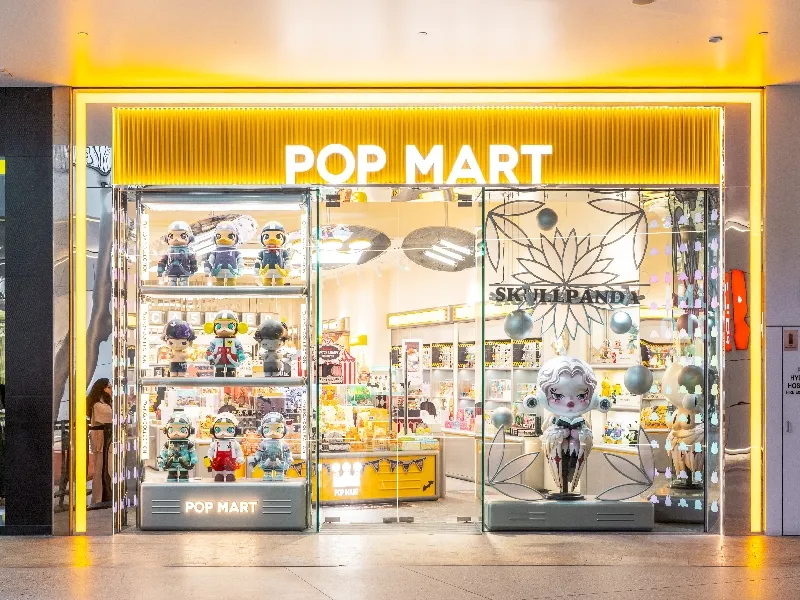
    Pop Mart International Group, a prominent Chinese toy manufacturer known for its “blind box” collectibles, has officially opened its largest store in the world right here in Bangkok. This grand opening marks a significant milestone in the company’s ambitious global expansion strategy.

    On August 8, the bustling heart of Thailand welcomed the vibrant and youthful energy that Pop Mart is known for. As shoppers streamed into the new flagship store, excitement was palpable; after all, who doesn’t love the thrill of unveiling what’s hidden in a blind box? Pop Mart aims not just to entice local customers but to draw in tourists from across Southeast Asia as they seek unique and memorable experiences.

    The store, a sprawling 400 square meters, showcases a wide array of Pop Mart’s popular collectible toys, featuring designs that appeal to both young children and adult collectors. With 10,000 units available, the flagship store houses the most extensive selection yet, including exclusive items that will only be found in Bangkok. It’s unlikely you’ll walk away empty-handed — who knew shopping could feel like a treasure hunt?

    This launch is part of a broader strategy by Pop Mart to cement its brand presence in key Asian markets. By opening the Bangkok store, the company is making a bold statement about its commitment to expanding its footprint in Southeast Asia, a region buzzing with both passion for toys and growing purchasing power.

    Industry analysts view this move as a calculated gamble that could pay off. With Thailand’s vibrant shopping scene and its status as a travel hub, Pop Mart is positioning itself to tap into both local consumers and the influx of tourists looking for fresh and engaging shopping experiences.

    The expansion aligns with the rising trend of experiential retail, where mere shopping evolves into an adventure. As Pop Mart enters this new phase, it seems they’re ready to not just sell toys but to create playful memories that linger long after the boxes are opened.

    Questions & Answers

    What makes Pop Mart’s new store in Bangkok significant?
    The store is the largest Pop Mart location in the world, reflecting the company’s ambitious global expansion and its commitment to the Southeast Asian market.

    What kind of products can shoppers expect at the Bangkok store?
    The store features a range of Pop Mart’s collectible toys, including exclusive items only available in Bangkok, appealing to both children and adult collectors.

    How does this expansion fit with trends in retail?
    Pop Mart’s move highlights the shift towards experiential retail, where shopping is transformed into an engaging experience, attracting customers through the thrill of discovery.

  • Vietnam Set to Soar: Renewable Energy Capacity Targeted at 112 GW by 2035

    Vietnam Set to Soar: Renewable Energy Capacity Targeted at 112 GW by 2035

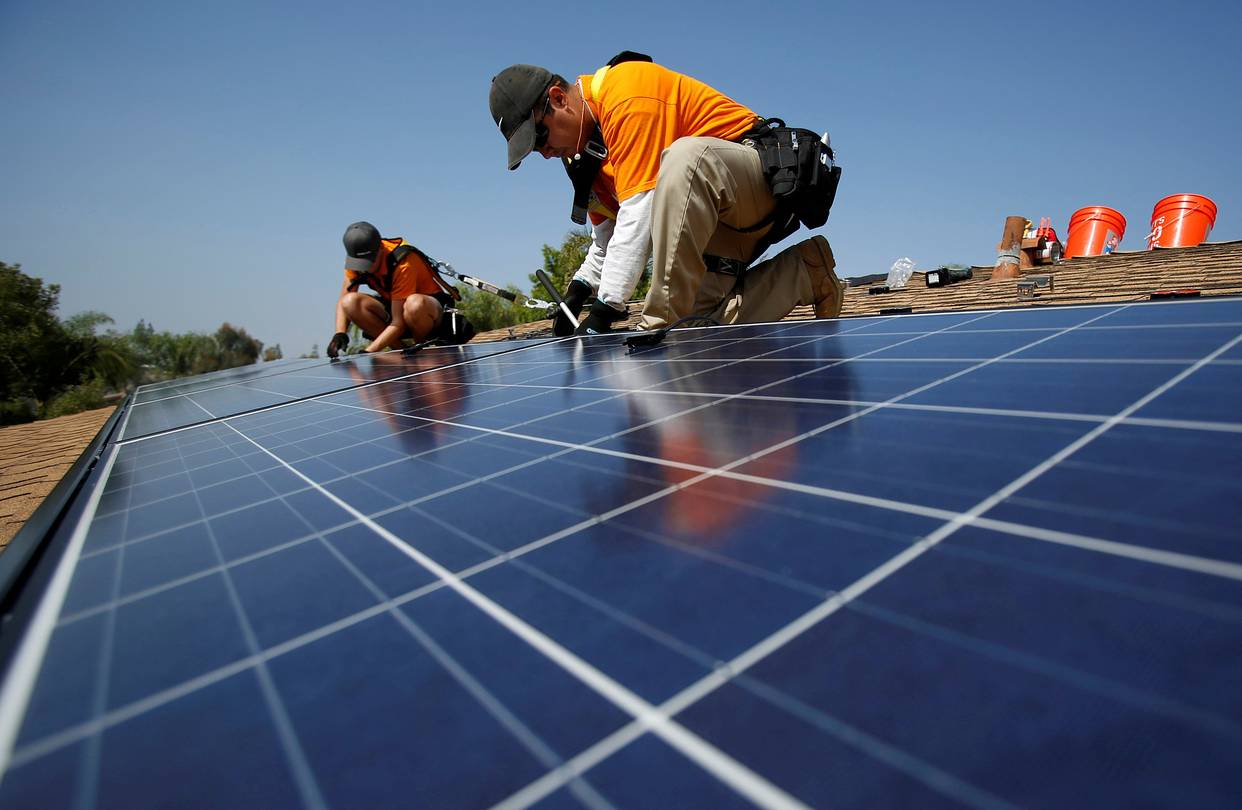
    Vietnam’s renewable energy landscape is set to bloom, with projections indicating that the country’s total renewable power capacity will soar to 112.1 gigawatts by 2035. This impressive growth reflects a compound annual growth rate (CAGR) of 14.3% from 2024 to 2035, signaling a robust commitment to greener energy solutions.

    According to GlobalData’s latest report, “Vietnam Power Market Outlook to 2035, Update 2025 – Market Trends, Regulations, and Competitive Landscape,” the Vietnamese power sector is ripe with opportunities. The report highlights how wind, solar, and biomass energy remain largely untapped resources with vast potential for expansion.

    Between 2020 and 2024, Vietnam’s renewable power generation is expected to leap from 21.1 terawatt-hours (TWh) to 38.5 TWh, marking an impressive CAGR of 16%. This upward trajectory is anticipated to continue, with expectations of generating 179.6 TWh by 2035, reflecting a healthy CAGR of 15%.

    The Vietnamese government has enacted a series of policies designed to foster this green energy revolution, including feed-in tariffs (FiTs) and the revised Power Development Plan 8 (PDP 8). This strategic plan aims for a diverse energy portfolio that encompasses natural gas, coal, hydroelectric, solar, and wind power, all while pursuing the ambitious target of achieving net-zero emissions by 2050.

    “These initiatives are crafted to triple the installed power capacity by 2030, boost renewable energy growth, and enhance national energy security,” says Attaurrahman Ojindaram Saibasan, senior power analyst at GlobalData. While hydropower resources are nearing full capacity, the true potential for wind, solar, and biomass energy remains largely uncharted.

    However, the journey towards a greener Vietnam isn’t without its challenges. “Large-scale renewable projects and liquefied natural gas (LNG) terminals demand significant capital investment,” Saibasan notes. He points out that financing hurdles continue to persist due to regulatory ambiguities, a lack of bankable power purchase agreements (PPAs), and limited access to favorable long-term financing. Fortunately, the government is actively seeking to alleviate these concerns through more investor-friendly policies.

    Questions & Answers

    What is Vietnam’s projected renewable power capacity by 2035?
    Vietnam’s renewable power capacity is expected to reach 112.1 gigawatts by 2035, reflecting a compound annual growth rate of 14.3% from 2024 to 2035.

    What are the key elements of Vietnam’s Power Development Plan 8?
    PDP 8 aims to create a diversified energy portfolio that includes natural gas, coal, hydroelectric, solar, and wind power, with a long-term goal of achieving net-zero emissions by 2050.

    What challenges does Vietnam face in developing its renewable energy sector?
    Key challenges include regulatory uncertainty, the absence of bankable power purchase agreements, and limited access to favorable long-term financing, which the government is seeking to address with new investor-friendly policies.

  • Global Retail Giants Redefine Strategy Amid Booming Asian Market

    Global Retail Giants Redefine Strategy Amid Booming Asian Market

    Amid ongoing challenges in the global retail landscape, several industry giants are adapting their strategies to capture the unique opportunities presented by the Asian market. The latest results from major players like Uniqlo, Zara, and H&M underscore a notable shift toward localized approaches that blend global best practices with regional insights.

    Retail Behemoths Adapt to Local Markets

    In a vibrant display of resilience, Uniqlo, part of SoftBank Group Corp., reported robust sales growth in its Asian segments, buoyed by a renewed focus on in-store experiences and digital integration. With consumers seeking both convenience and connection, the brand has revamped its store layouts to reflect local tastes while maintaining its commitment to quality and affordability. In just one of several delightful turns, their new store design in Singapore now features interactive zones where shoppers can test the innovative fabric technology firsthand. Who wouldn’t want a sneak peek at the future of fashion while browsing through their favorite essentials?

    Zara and H&M: The Fast Fashion Frontier

    Zara’s parent company, Inditex, has also made waves by enhancing its customer engagement strategies. Recently, the brand launched its “Zara Everywhere” initiative in Southeast Asia, optimizing mobile shopping experiences and expanding its online presence. This agile response comes as retailers race to stay relevant in a fast-changing retail environment. Meanwhile, H&M is championing sustainability through its Conscious Collection, carefully produced with eco-friendly materials, making it a hit among increasingly conscientious consumers. A single glance at their collection may leave you questioning—can fashion really save the planet?

    The Online Shopping Boom

    The pandemic may have pushed many retail operations online, but in Asia, the ascent of e-commerce has been dramatic. Brands are doubling down on digital platforms, innovating payment options, and enhancing logistics to ensure a seamless consumer journey. The convenience of mobile shopping, particularly in countries like China and India, is reshaping the retail environment, making it essential for brands to adapt quickly. As savvy shoppers continue to embrace the convenience of buying online, retailers are finding that capturing their attention requires more than just a website—it demands creativity and excitement.

    Amid these changes, consumer expectations are ever-evolving, driven by a blend of local culture and international influence. Retailers are realizing that traditional marketing tactics won’t cut it anymore; they need to engage, entertain, and inspire.

    The Asian retail scene is not just a marketplace; it’s a dynamic stage where innovation meets tradition, and brands that can dance to this rhythm are likely to thrive.

    Questions & Answers

    How are Uniqlo and other retailers enhancing their store experiences in Asia?
    Uniqlo is implementing redesigned store layouts that reflect local tastes, incorporating interactive zones for consumers to engage with products, while emphasizing digital integration.

    What strategies are Zara and H&M employing to remain competitive in the Asian market?
    Zara is launching its “Zara Everywhere” initiative to optimize mobile engagement, while H&M is focusing on sustainability with its Conscious Collection, targeting eco-conscious consumers.

    Why is the e-commerce boom significant in Asia for retail brands?
    The rapid growth of e-commerce is transforming retail, as consumers in Asia increasingly prefer the convenience of mobile shopping, prompting brands to innovate their online presence and logistics capabilities.

  • South Korean Fast-food Chain Lotteria Targets Malaysian Market In Strategic Expansion

    South Korean Fast-food Chain Lotteria Targets Malaysian Market In Strategic Expansion

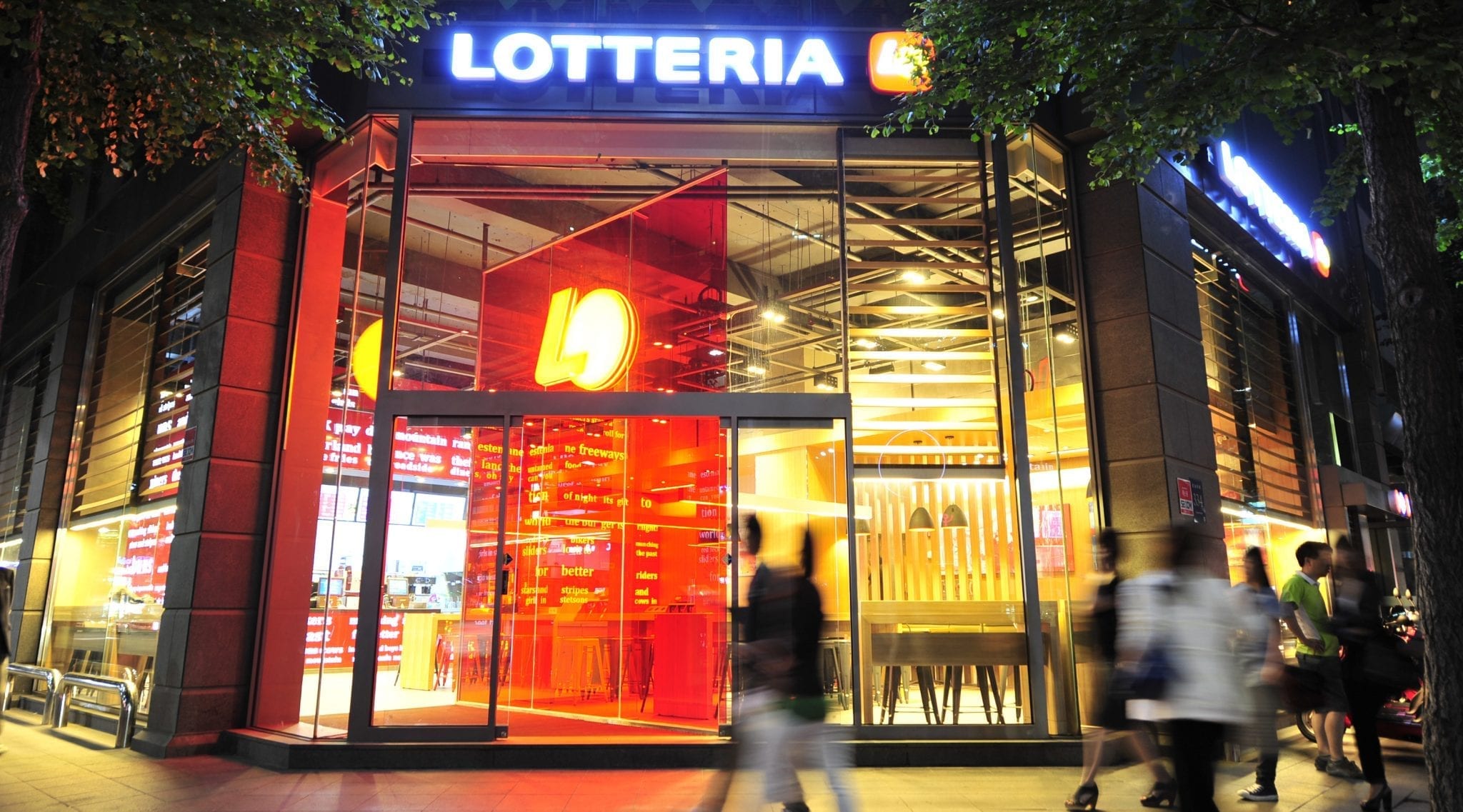
    The South Korean quick-service restaurant chain, Lotteria, is set to enter the Malaysian market by the end of the current year. This move is a result of a strategic alliance with the local firm, Serai Group.

    Exclusive Partnership with Serai Group

    As part of the collaboration, Serai Group has secured exclusive privileges to establish and manage Lotteria stores throughout Malaysia. Furthermore, it is authorized to sub-franchise the brand to other parties.

    Lotteria’s Expansion Strategy

    The venture in Malaysia is a component of Lotteria’s extensive growth strategy in Southeast Asia. This initiative is spearheaded by its parent organization, Lotte GRS Co., which is a branch of the South Korean conglomerate, Lotte Group.

    Lotte GRS has an ambitious plan to open an additional 30 Lotteria outlets throughout Malaysia in the next half-decade.

    Past Ventures and Future Prospects

    The decision to expand in Malaysia was made after Lotte GRS’s leadership, including CEO Cha Woo-cheol, conducted feasibility assessments in the region, and in Singapore, earlier in 2023. The company was exploring master franchise possibilities in these areas, indicating a strong desire to grow beyond Lotteria’s existing international markets, which include Vietnam, Myanmar, Laos, and Mongolia.

    A significant international market for Lotteria has been Vietnam, where the chain has been active since 1998. As per the 2024 financial report of Lotte Group, there are currently 253 Lotteria outlets operating across Vietnam.

    In tandem with its growth in Southeast Asia, Lotte GRS is also gearing up to open its inaugural US outlet in Orange County, California, in the middle of August.

    Questions & Answers

    What are Lotteria’s expansion plans in Malaysia?
    Lotteria plans to establish an additional 30 outlets throughout Malaysia in the next five years.

    What is the role of Serai Group in Lotteria’s expansion into Malaysia?
    Serai Group has secured exclusive rights to open and manage Lotteria stores across Malaysia, and it also has the authority to sub-franchise the brand to other parties.

    What are some of Lotteria’s established overseas markets?
    Lotteria has a strong presence in several international markets, including Vietnam, Myanmar, Laos, and Mongolia.

  • Hong Kong Rises To Second In Asia’s Smart City Rankings: A Look At Its Success

    Hong Kong Rises To Second In Asia’s Smart City Rankings: A Look At Its Success

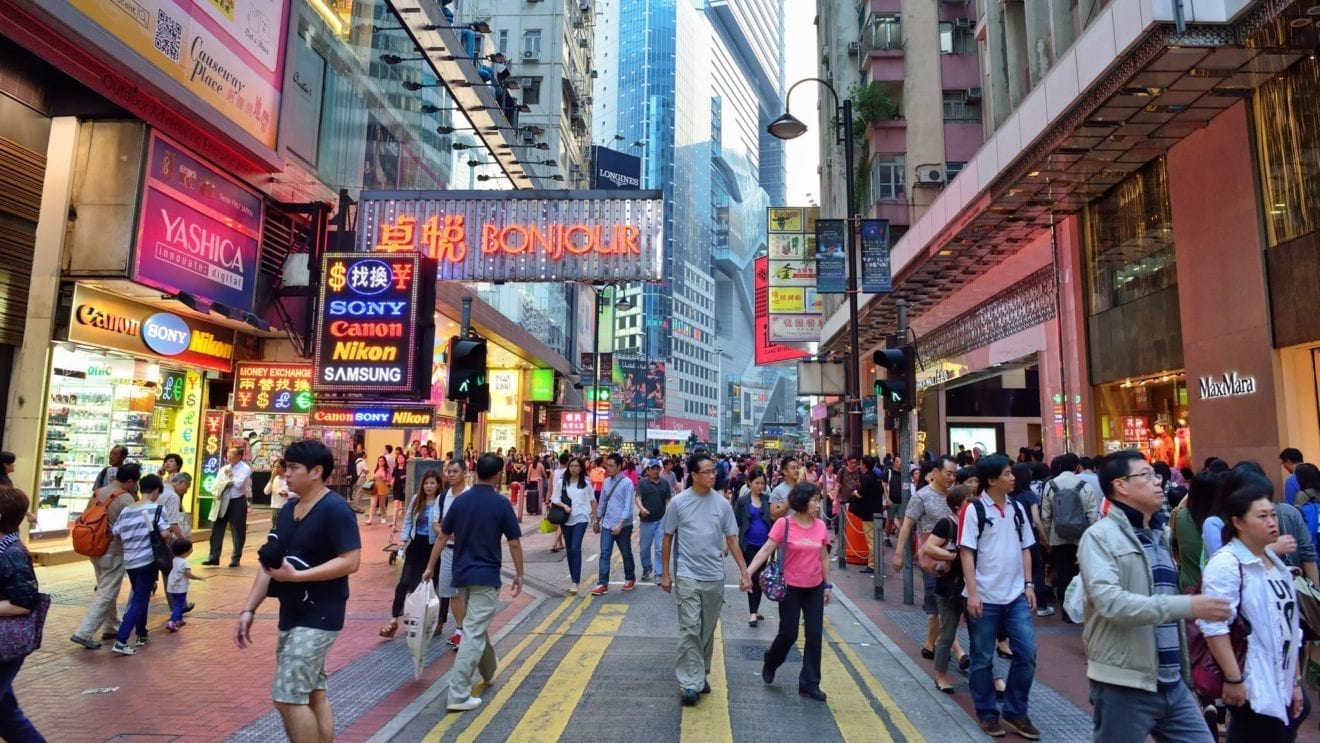
    In a recent evaluation of global urban centers, Hong Kong has emerged as a standout performer within Asia, claiming the second spot in the region, just behind Tokyo, which secures the fifth position worldwide. This assessment comes from the ISUI Smart City Index 2025, prepared by the Hong Kong Polytechnic University in collaboration with the International Society for Urban Informatics (ISUI).

    Smart City Development Takes Center Stage

    Released on Wednesday, the index scrutinizes the impact of smart city advancements on residents’ quality of life across 73 cities worldwide, including 25 in Asia. The evaluation rests on six essential dimensions: citizens, environment, social landscape, economy, infrastructure, and governance. An impressive 97 specific indicators, derived from publicly available data like the ratio of facilities to residents, contributed to this comprehensive analysis.

    Hong Kong’s Sustainable Edge

    Hong Kong’s remarkable standing can be attributed to its commitment to environmental sustainability, robust digital economic growth, and effective governance structures, as reported by The Standard. The index underscored the city’s strides toward carbon neutrality, bolstered by a sophisticated digital infrastructure and an open-access spatial data sharing platform that now offers over 1,000 datasets from various municipal departments for public access.

    Improving and Inspiring

    Professor John Shi, president of ISUI and the study’s lead academic, remarked on Hong Kong’s leap from ninth place in 2023 to its current rank. “It’s very strong, very encouraging. The city is excelling in its smart city development,” he stated, as quoted by Hong Kong broadcaster RTHK. He also stressed that the findings could play a pivotal role in shaping future policies, particularly in expanding active transportation infrastructure, such as cycling paths and electric vehicle charging stations.

    Global Competitors in the Mix

    Other notable Asian cities also shone in the index with South Korea’s Seoul at 13th, China’s Beijing at 15th, and Singapore at 21st. On the global stage, Stockholm, Sweden, took the top honors, succeeded by Washington, D.C., Barcelona, and London.

    Questions & Answers

    How does Hong Kong’s smart city ranking compare to previous years?
    Hong Kong climbed from ninth place in 2023 to secure second place in Asia this year, highlighting significant improvements in its smart city initiatives.

    What factors contributed to Hong Kong’s high ranking?
    The city’s achievements in environmental sustainability, digital economic development, and effective governance were crucial to its high ranking in the ISUI Smart City Index.

    How do other Asian cities rank in the smart city index?
    In addition to Hong Kong and Tokyo, Seoul ranked 13th, Beijing 15th, and Singapore 21st, showcasing a competitive landscape among leading Asian urban centers.

  • China and India Surge Ahead in Global Coal Production Growth, Shaping the Energy Landscape

    China and India Surge Ahead in Global Coal Production Growth, Shaping the Energy Landscape

    The coal mining landscape is gearing up for a significant shift as developers in 30 countries, particularly China and India, prepare to expand their production capacity despite an impending decline at newly operating mines in 2024. This ambitious initiative comes at a time when the need for clean energy solutions is at an all-time high, creating a complex tension between economic growth and environmental concern.

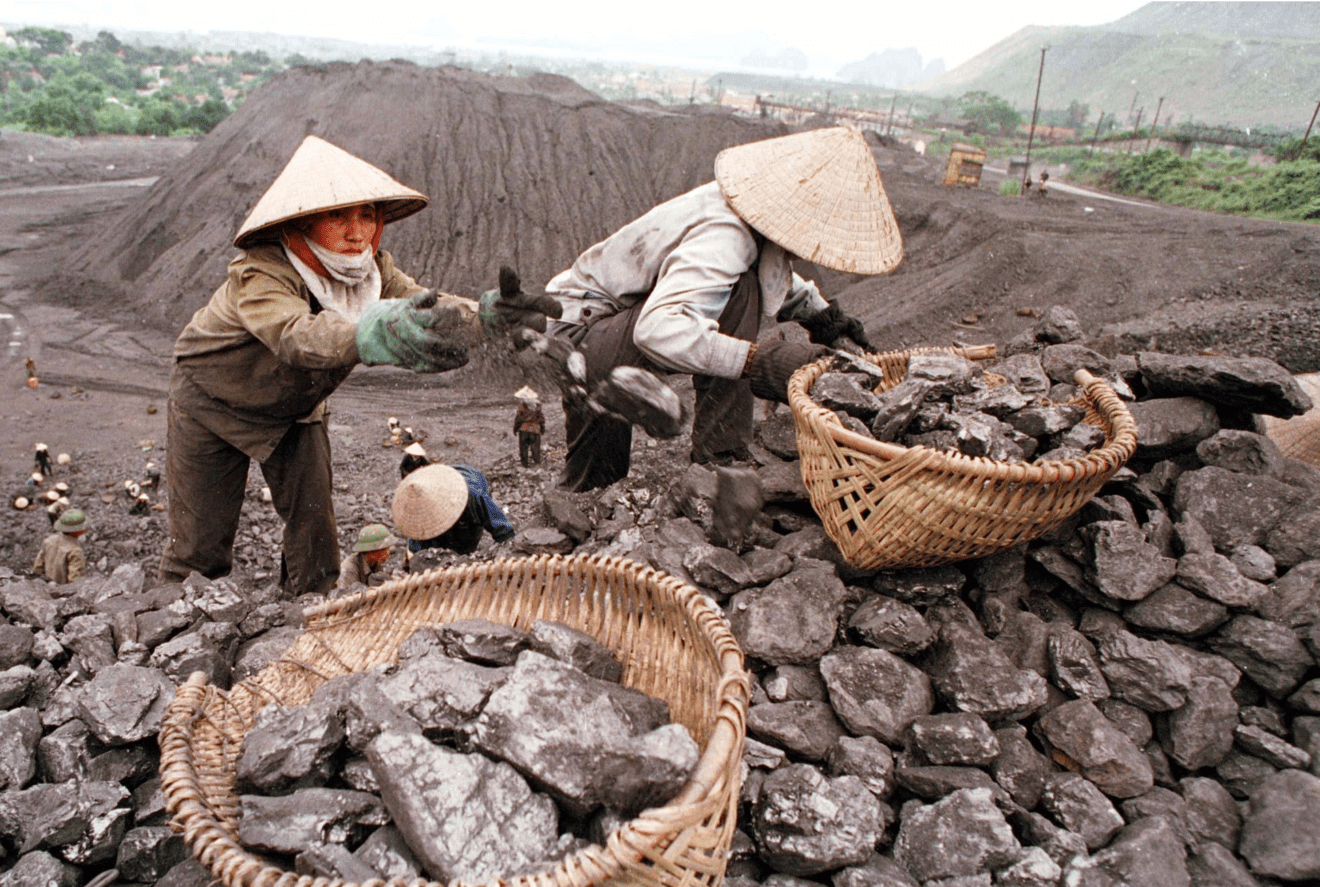
    According to a report from Global Energy Monitor (GEM), the global coal industry is bracing for the rollout of more than 850 new mines, expansions, and recommissioned projects. Alongside these developments, there are also 35 mine extension projects being reviewed. A striking statistic reveals that nearly 90% of this proposed capacity is concentrated in only a handful of countries, with China leading the pack at a staggering 1,350 million tonnes per annum (Mtpa), primarily in its northern and northwestern regions. India follows with plans for 329 Mtpa, almost half of which is attributed to state-owned Coal India.

    Environmental Implications

    While the projected capacity could revitalize coal production, it raises significant environmental concerns. GEM warns that a total of 2,270 Mtpa of coal mine capacity is currently in development, which poses serious risks of escalating methane emissions. This issue is particularly pressing as methane is a greenhouse gas with over 80 times the warming potential of carbon dioxide over a span of 20 years. The organization estimates that if all proposed projects come to fruition, approximately 15.7 million tonnes of methane could be released annually, eclipsing Japan’s total annual greenhouse gas emissions, putting further strain on global climate commitments.

    “The canary is literally and figuratively in the coal mine,” states Dorothy Mei, project manager for the Global Coal Mine Tracker at Global Energy Monitor. “Without drastically scaling back plans for new mine capacity, the world could see a massive rise in potent methane emissions that would make it all but impossible to reach the goals of the Paris Agreement.” As the dialogue around climate change intensifies, these developments compel stakeholders to reevaluate the balance between economic ambitions and sustainability. After all, while coal production may be heating up, the planet is on a different kind of warming trend.

    Questions & Answers

    What countries are leading in coal production capacity expansion?
    China and India are at the forefront, with China proposing 1,350 million tonnes per annum and India planning for 329 million tonnes per annum.

    What environmental risks are associated with the expansion of coal mines?
    The expansion poses significant risks of increased methane emissions, which can have a warming potential over 80 times that of carbon dioxide, significantly impacting climate goals.

    How many new coal mining projects are under consideration worldwide?
    More than 850 new mines, expansions, and recommissioned projects are set to be rolled out across 30 countries, alongside 35 additional mine extension projects currently under review.

  • Vietnamese Processed Foods Struggle to Secure Shelf Space in U.S. Supermarkets

    Vietnamese Processed Foods Struggle to Secure Shelf Space in U.S. Supermarkets

    Tina Murphy, CEO of MMTT Professional Services and a seasoned shopper from her years in the U.S., expressed her surprise at the glaring absence of Vietnamese products in American retail. While exploring vast supermarket aisles, it struck her that these essential goods are mostly confined to niche Asian markets.

    “As a Vietnamese person, I find this concerning,” she remarked during a recent forum that spotlighted Vietnam’s export capabilities. Recent data indicates that in the first half of this year, Vietnam’s agricultural and aquatic exports to the U.S. soared impressively, with coffee and fruits boasting staggering year-on-year growth rates of 76.4% and 65.5%, respectively, according to the General Department of Customs. Other sectors, including aquatic products and rice, also reported double-digit increases.

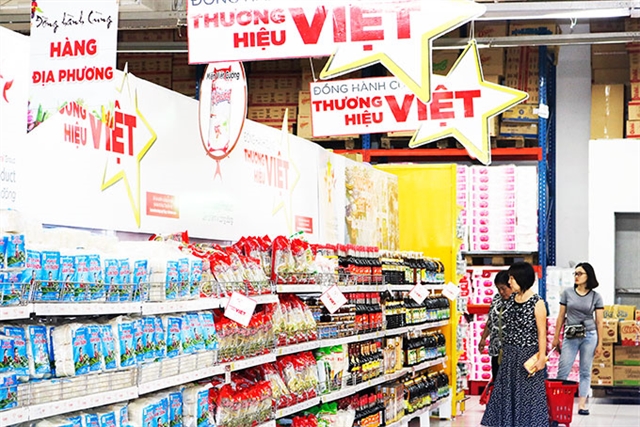
    However, retail analysts caution that the majority of Vietnam’s agricultural exports are still raw materials, with only a tiny fraction transformed into processed, branded products. Chris Nguyen, CEO of Ocean Marketing USA, emphasized that Vietnamese goods in the U.S. often lack a cohesive national brand identity, making it tough to break into established markets compared to competitors from South Korea and Thailand.

    Nguyen pointed to the industry’s structural limitations, citing manufacturers’ constraints in resources and branding investment, which leaves them heavily reliant on importers. “Many countries have dedicated agents or teams on the ground to navigate market nuances, which Vietnamese businesses often do without,” he noted.

    Quality assurance remains another hurdle. Tony Luu, director of GPLUS – FDA, revealed that an alarming average of two shipments of Vietnamese food products are rejected daily. The chief culprit? Insufficient compliance with U.S. Food Safety Modernization Act standards, combined with common packaging errors such as missing allergen information or improperly formatted nutritional facts.

    To tackle access barriers to American supermarkets, Jolie Nguyen, chairwoman of LNS International, urged Vietnamese food exporters to standardize their production and meticulously adhere to international trade regulations. Nguyen stressed the importance of avoiding a short-sighted approach to sales and instead fostering a reputation built on quality.

    “The focus should be on long-term relationships and formal trade,” she advised, suggesting that Vietnamese businesses take advantage of existing export ecosystems for better compliance, market research, and logistics planning.

    But the horizon isn’t limited to the U.S. market. Alejandro Gutierrez, growth director at Guval Foods, shared insights from his experience introducing Vietnamese foods to Mexico. Retail giants like Walmart and Costco, he said, are eager for popular items such as rice paper and instant noodles.

    Some Vietnamese companies are stepping up their game. Ca Men, known for its traditional frozen packaged foods, has embarked on an ambitious export expansion, targeting over 50 supermarkets in Toronto and already supplying products to California, Texas, Australia, and the U.K. in the past.

    In a clever move, Ca Men revamped its packaging from flat packs to eye-catching upright boxes, better suiting the display needs of major supermarkets in the U.S. and beyond. Sunrise Ins has similarly diversified its footprint, sending over 10 shipments of ST25 rice, rice paper, and pho to New Zealand and Mexico every few months.

    As Kim Hyo Gil, the director of AFC & Foodil Global, pointed out, Vietnamese products offer competitive quality and pricing, creating a ripe opportunity for expansion beyond their home market. On August 5, Foodil launched an online wholesale food export platform in Vietnam, partnering with LNS Group and Asian Food Connect to facilitate access to over 30 new markets. A spokesperson noted that while entering a new market typically costs around $120,000 and takes a year, the platform’s AI-driven logistics can potentially streamline this process dramatically.

    As the world grows smaller and consumers become more adventurous, the call for Vietnamese culinary delights is louder than ever. But with challenges still ahead, the future could be a delicious journey for Vietnamese brands on the international stage.

    Questions & Answers

    What challenges do Vietnamese companies face in the U.S. retail market?
    Vietnamese companies struggle with branding and market penetration, as their products are often exported in raw form and lack a cohesive national brand identity. Compliance with U.S. food safety standards and packaging errors also pose significant obstacles.

    How does the export strategy of Vietnamese food companies differ?
    While some companies like Ca Men have actively expanded their markets by adapting packaging and targeting supermarkets, others rely heavily on importers without establishing a local presence or understanding the market dynamics.

    What opportunities exist beyond the U.S. for Vietnamese exports?
    Vietnamese products are gaining traction in markets like Mexico, with major retailers seeking popular items. There’s also potential for expansion into the Middle East, Africa, and South America as demand grows for high-quality, competitively priced agricultural goods.

  • 7-Eleven Operator Sets Ambitious Goal to More Than Double Share Price by 2030!

    7-Eleven Operator Sets Ambitious Goal to More Than Double Share Price by 2030!

    Seven & i Holdings is charting a bold course towards a 44% profit increase by fiscal 2030, which translates to an annual growth rate of 7%. The operator behind the ubiquitous 7-Eleven convenience stores announced its plans on Wednesday, seeking to strengthen its performance in the wake of a narrow escape from a takeover attempt by Canada’s Alimentation Couche-Tard last month.

    In a landscape where convenience is king, the company is focusing on several key initiatives to enhance profitability. This includes investing heavily in store upgrades, introducing new locations, and expanding delivery services. The strategy reflects a clear recognition that convenience retail is evolving, and Seven & i is determined not to lag behind.

    The sweeping plans come as leadership at Seven & i faces scrutiny; CEO Stephen Hayes Dacus addressed investors during a press conference, emphasizing the need for change in the company’s strategic approach. “We’re not just here to survive; we aim to thrive in an increasingly competitive market,” he stated, underscoring a commitment to rejuvenate the brand and bolster shareholder confidence.

    The Convenience Store Renaissance

    The company’s future-focused strategy comes at a time when convenience stores are experiencing a renaissance in Japan and across Asia. With a new emphasis on fresh food offerings and seamless delivery options, Seven & i aims to keep pace with changing consumer preferences. In a wry nod to the industry’s evolution, one could say that traditional convenience has gone “next level,” as companies innovate to keep shoppers engaged and returning for more.

    In an effort to cement its presence within local communities, Seven & i plans to prioritize neighborhood needs in its expansion plans, tailoring product offerings to meet the diverse tastes of its customer base. This commitment to local engagement suggests an understanding that the key to success lies not just in sales figures, but in genuine connections with consumers.

    Questions & Answers

    How does Seven & i plan to achieve its profit increase by 2030?
    The company aims for a 44% profit increase through strategic investments in store upgrades, new locations, and enhanced delivery services.

    What recent event prompted Seven & i to refine its strategic approach?
    The company narrowly avoided a takeover attempt by Canada’s Alimentation Couche-Tard, prompting it to take decisive measures to stabilize and grow its share price.

    What changes are being made to meet evolving consumer preferences?
    Seven & i is focusing on expanding fresh food offerings and enhancing delivery options to better cater to shifting consumer demands in the convenience retail sector.

  • Iconsiam Expands Luxury District With Addition Of High-end Brands Amid Rising Luxury Goods Demand

    Iconsiam Expands Luxury District With Addition Of High-end Brands Amid Rising Luxury Goods Demand

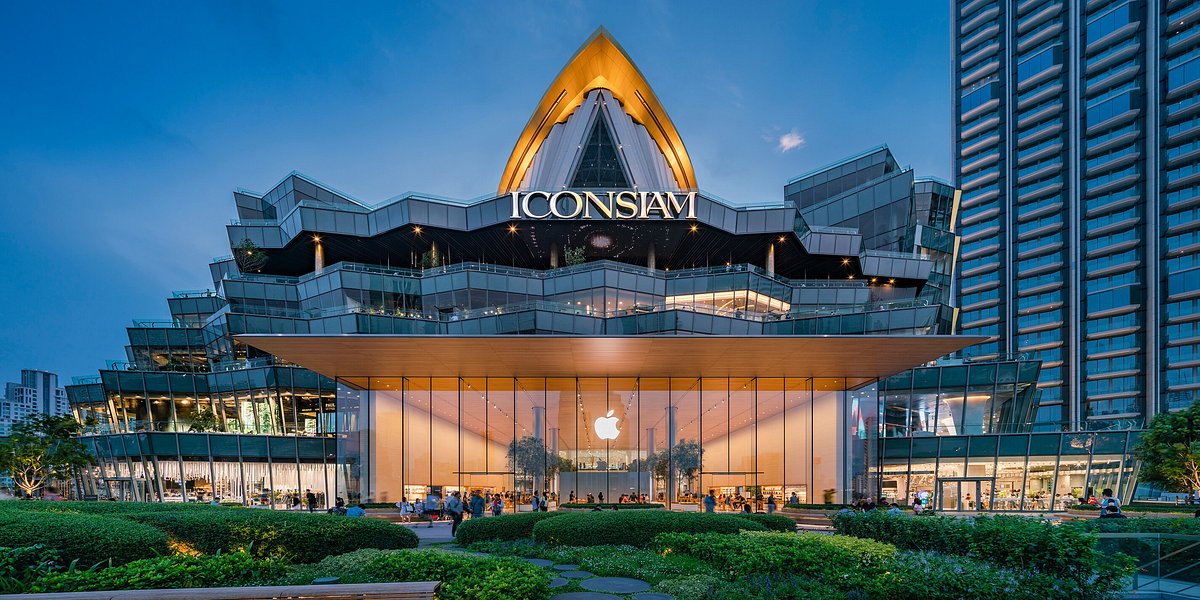
    Bangkok’s premier shopping destination, IconSiam, has announced the addition of four high-end brands to its luxury district. These additions are part of the mall’s strategic initiative to capitalize on the rising demand for luxury goods among both locals and tourists.

    New Luxury Brands at IconSiam

    The labels joining the IconLuxe fashion district are Balenciaga, Fendi, Loewe, and Loro Piana. IconLuxe is a dedicated 25,000sqm zone that offers visitors a curated collection of 30 international fashion, watch, and accessory brands.

    IconSiam’s Managing Director, Supoj Chaiwatsirikul, stated that Thailand continues to be a strategic hub for worldwide luxury brands looking to make their debut in the region. He added that IconSiam has been successful in gaining the trust of some of the world’s most prestigious luxury brands. These brands recognize the potential of Thailand and Southeast Asia as key markets for high-end consumers.

    “International tourists, in particular, are seeking premium, distinctive experiences,” Supoj continued.

    Future Brands and Collaborations

    Supoj also revealed that more brands, including Burberry, Miu Miu, and Giorgio Armani, will be joining the precinct later this year. He confirmed that IconSiam will continue to work closely with brands to host pop-ups featuring exclusive collections, in-store private events, international fashion shows, and contemporary art exhibitions.

    “IconSiam is not just a shopping mall; it’s a platform that connects global luxury brands with discerning consumers in the region,” he explained. According to Supoj, IconSiam’s mission is to provide exceptional, unique experiences. The business model successfully combines the best of Thailand with the world’s finest offerings, all while promoting Thailand’s cultural identity.

    IconSiam is a collaborative venture between Siam Piwat Group, Charoen Pokphand Group, and Magnolia Quality Development Corporation.

    Questions & Answers

    What are the new brands joining the IconLuxe fashion district at IconSiam?
    Balenciaga, Fendi, Loewe, and Loro Piana have been added to the IconLuxe tenant list.

    What is IconSiam’s strategy for attracting luxury brands and consumers?
    IconSiam’s strategy is to offer a platform for luxury brands to reach high-spending consumers in the region. They do this by providing unique shopping experiences and hosting exclusive events, international fashion shows, and contemporary art exhibitions.

    What is the future plan for IconSiam’s luxury precinct?
    More high-end brands, including Burberry, Miu Miu, and Giorgio Armani, will join the precinct later this year. IconSiam will continue to collaborate with brands to host a variety of exclusive events and exhibitions.

  • Singapore retail sales inch up 0.4 per cent in June

    Singapore retail sales inch up 0.4 per cent in June

    In June, retail sales in Singapore, not including motor vehicles, exhibited a modest 0.4% rise year-on-year, as reported by the Department of Statistics. This minor upswing follows a period of stagnant growth in May. With seasonal adjustments, retail sales showed a 1.4% decrease compared to May.

    The estimated overall retail sales value stood at SG$3.3 billion (US$2.6 billion), with online sales accounting for 16.2% of this figure.

    Industry Performance

    Most industries within the retail sector garnered an uptick in sales. The computer and telecommunications equipment industry saw a 7.3% increase, optical goods and book sales rose by 5.9%, and recreational goods experienced a 5.6% surge in sales.

    Additional categories such as watches and jewelry, cosmetics and medical goods, supermarkets and hypermarkets, as well as furniture and household equipment also witnessed increases ranging from 1.3% to 5.5%.

    However, not all areas of retail prospered. Petrol service stations, along with food and alcohol retailers, saw their sales decrease by 5.9% and 5.2%, respectively. Furthermore, the apparel and footwear segment, as well as minimarts and convenience stores, underwent a 2.6% reduction in sales.

    Food and Beverage Services

    Food and beverage service sales showed a marginal 0.1% increase amounting to SG$962 million in June, following a 1% rise in May. This modest growth was largely attributed to increased sales from food caterers and fast food outlets, which somewhat balanced the declining sales from restaurants, cafes, and food courts.

    Questions & Answers

    What was the overall increase in Singapore’s retail sales in June, excluding motor vehicles?
    There was a 0.4% increase in Singapore’s retail sales for the month of June, not including motor vehicles.

    Which sectors saw an increase in sales?
    Most industries within the retail sector saw an increase in sales. These include the computer and telecommunications equipment industry, optical goods and books, recreational goods, watches and jewelry, cosmetics and medical goods, supermarkets and hypermarkets, and furniture and household equipment.

    Which sectors experienced a decrease in sales?
    Sales decreased in petrol service stations, food and alcohol retailers, apparel and footwear segment, as well as minimarts and convenience stores.

  • Singapore Retailers Association announces The Singapore Retail Festival celebrating fresh, energised experiences

    Singapore Retailers Association announces The Singapore Retail Festival celebrating fresh, energised experiences

    In a bold move to offer shoppers unique and one-of-a-kind retail moments beyond sales to rejuvenate the retail industry and re-establish Singapore as a shopping destination for the world, the Singapore Retailers Association (SRA) announced the inaugural Singapore Retail Festival (SRF).

    SRF, to be held from 26 September to 12 October, 2025, will be an industry-wide celebration of innovation and transformation to reignite consumer excitement in visiting physical stores, while spotlighting the innovation, creativity, and spirit of Singapore’s retail sector.

    Mr Ernie Koh, President of Singapore Retailers Association, remarked that “by bringing back the magic of discovery, engagement, and on-ground experiences, the Singapore Retail Festival is looking to transform the everyday shopping journey into something fresh, vibrant, and memorable – strengthening Singapore’s position as a dynamic and future-ready retail destination for both Singaporeans and tourists. Shoppers can look forward to a dynamic, value-driven celebration of Singapore retail that reflects the changing needs of today’s consumers and the modern retail landscape”.

    This new initiative by the association was conceived to provide the much-needed united push with collective marketing, to amplify visibility and footfall across Singapore’s retail ecosystem, especially for the physical stores. SRA will work with retailers and key partners such as BHG, Eu Yan Sang, Harvey Norman, IN GOOD COMPANY, Metro, OG, Pet Lovers Centre, TANGS, TC Acoustic, Watson’s, among other retailers, and Brands for Good (BFG) to reimagine the festival, focusing on value beyond price and emphasising experiential retail, meaningful consumer engagements, and innovation.

    Mr Koh added that “this is no longer just a sale. It’s a celebration of Singapore’s retail creativity, and the unique value presented by its retail community. The Singapore Retail Festival represents a united push to uplift our retail sector. It’s about delivering value beyond discounts, creating one-of-a-kind moments that shoppers simply cannot find anywhere else.”

    One of the key features of SRF will be the introduction of experiential retail concepts from interactive in-store activations to limited-time concepts such as pop-ups, workshops, masterclasses, sensory or personalisation activities, to create immersive environments that excite and engage shoppers and reward them from stepping out to enjoy the vibrancy of the retail scene. This feature, among others such as exclusive value-driven offerings in the form of limited-time product drops, bundles and exclusive collaborations, offering unique and meaningful buys that go beyond conventional discounts, will make the festival markedly different from the Great Singapore Sale (GSS), the once much-anticipated annual affair that placed Singapore on the world map for great shopping. Once synonymous with deep discounts, GSS gradually lost its lustre with increasing competition from neighbouring cities often offering retail experiences at a lower price.

    What’s New

    •  Exclusive Value-Driven Offerings: The festival would feature limited-time, specially curated product offerings and exclusive collaborations for unique and meaningful buys that go beyond conventional discounts.
    • Experiential Retail Concepts: From interactive in-store activations to limited-time concepts such as pop-ups, to create immersive environments that excite and engage shoppers for memorable experiences and Instagram-worthy compelling alternatives to the convenience of online shopping.
    • New Retail Brands: SRF will spotlight not just established household names but also new retail brands entering the scene. These newcomers bring fresh ideas, niche offerings, and bold concepts that appeal to evolving consumer tastes, adding vibrancy and diversity to the overall retail experience. Their participation also reflects Singapore’s continued appeal as a launch pad for innovative retail ideas.
    • Thematic Celebrations: Each year, the SRF will adopt a distinct theme to keep the experience fresh, relevant, and aligned with consumer trends – something to look out for and experience first-hand. This approach not only allows for creative storytelling and curated retail experiences, but will also help drive year-on-year excitement and deeper engagement for both retailers and shoppers.

    Introduced in celebration of Singapore’s 60th year of independence, the festival will also coincide with the Formula 1 Singapore Grand Prix 2025 this year, leveraging the seasonal surge in international visitors and tourists. More detailed information on SRF 2025 will be announced later.

    SRA invites retailers across the island to join the festival by contacting SRA to share innovative retail ideas for collaboration and indicate their interest to participate in the festival. Please refer to the annex of the attached document for the list of confirmed participating retailers and malls to date.