Category: General

Retail News Asia is committed to providing both local and global retailers with the latest General Retail news throughout the Asian market. This on a daily base.

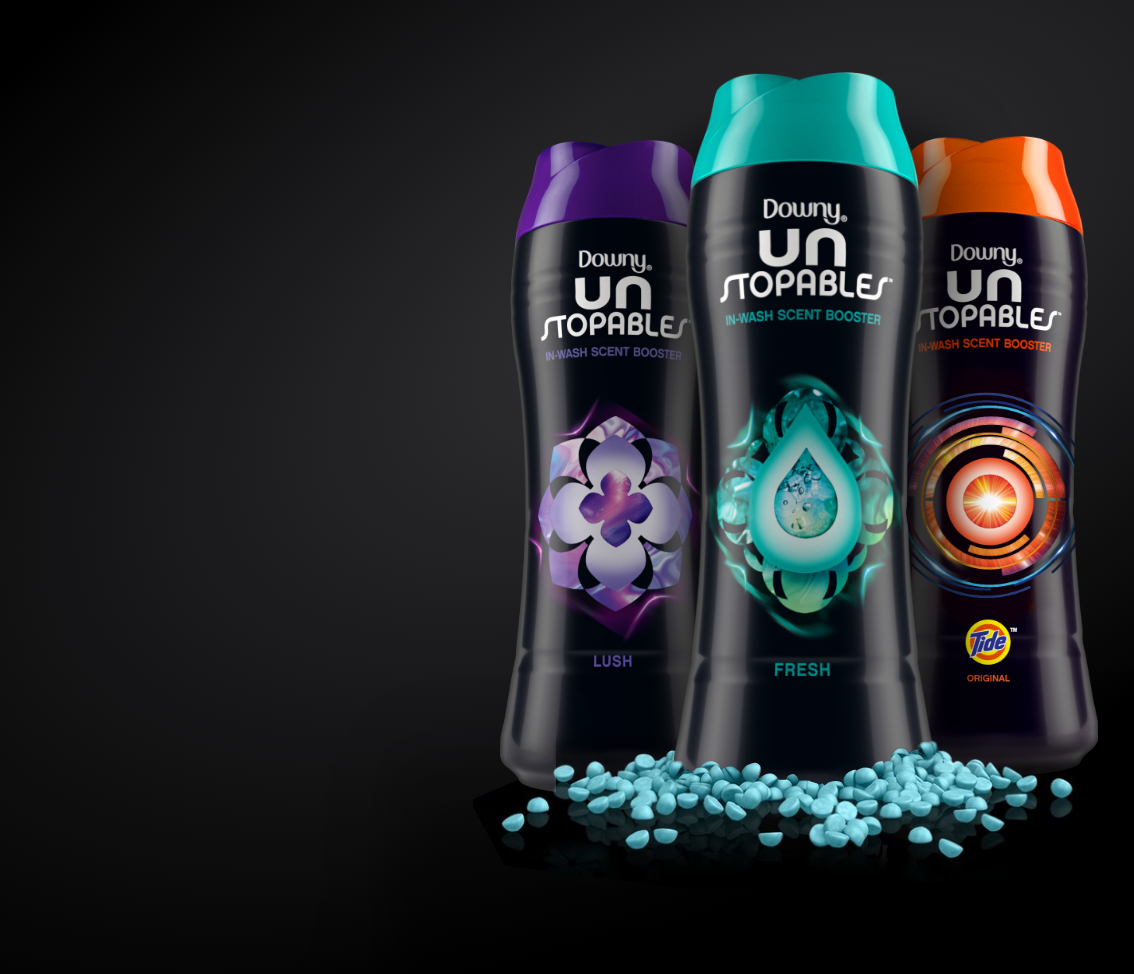
  • P&G Debuts Exclusive ‘unstoppable Collection’ At Us Walmart: A Revolutionary Leap In Laundry Fragrances

    P&G Debuts Exclusive ‘unstoppable Collection’ At Us Walmart: A Revolutionary Leap In Laundry Fragrances

    Procter & Gamble (P&G) has unveiled an exclusive new product line, the Unstoppable Collection. This range, currently exclusive to US Walmart stores, is a first-of-its-kind category expansion consisting of in-wash laundry scent boosters.

    Unique, Long-Lasting Fragrances

    The Unstoppable Collection comprises three distinct fragrances crafted to last and integrate seamlessly into laundry routines. The first fragrance, Unlimited N09, unites the scents of eucalyptus, pine, and cedarwood to produce a robust, woody aroma. The second fragrance, Unlimited N26, offers a floral-woody concoction, blending rose, sweet honey, and earthy oakmoss. Lastly, Unlimited N37 combines bergamot, orris, and vetiver to create a luxurious and sweet scent, as described by the company.

    Promotional Partnership

    To promote the launch of the Unstoppable Collection, P&G has collaborated with acclaimed supermodel, entrepreneur, and mother Jasmine Tookes. Tookes stars in three promotional advertisements designed to showcase and amplify the range’s introduction.

    Redefining Laundry Fragrance

    Redge Abueva, vice president of North America fabric enhancers at P&G, spoke excitedly about the new collection. He expressed that with the Unstoppables Unlimited Collection, P&G is redefining the possibilities within the laundry category. The goal is to provide consumers with sophisticated, fine-fragrance experiences at an unprecedented scale.

    Questions & Answers

    What is the Unstoppable Collection?
    The Unstoppable Collection is a unique product line by Procter & Gamble comprising long-lasting, in-wash laundry scent boosters.

    What are the fragrances available in the Unstoppable Collection?
    The collection includes three fragrances: Unlimited N09, a blend of eucalyptus, pine, and cedarwood; Unlimited N26, a mixture of rose, sweet honey, and earthy oakmoss; and Unlimited N37, a combination of bergamot, orris, and vetiver.

    Who is the brand ambassador for the Unstoppable Collection?
    Procter & Gamble has partnered with supermodel and entrepreneur Jasmine Tookes to promote the Unstoppable Collection.
  • South Korean Convenience Stores See Sales Boom Following Government-issued Consumption Vouchers

    South Korean Convenience Stores See Sales Boom Following Government-issued Consumption Vouchers

    In the week following the introduction of government-issued consumption vouchers, South Korea’s convenience store chains reported a significant rise in sales. The four major chains – CU, GS25, 7-Eleven, and Emart24 – witnessed an increase of more than 10% in weekly sales from July 22 to 28 as compared to the same period in the previous month. Middle-aged consumers and families were primarily responsible for the surge in sales, using the vouchers to make large purchases, especially within the ₩20,000–₩30,000 range.

    Redemption Points at Convenience Stores

    Department stores and hypermarkets were not directly eligible for the voucher scheme due to their corporate-owned structure. On the other hand, convenience stores, which are mainly franchise-based, served as accessible redemption points. This led to a noticeable increment in basket sizes, with customers spending considerably more than the average pre-voucher spend of approximately ₩7000 per visit.

    Emart24 experienced a sales growth of over 10%, while GS25 observed a comparable rise in average transaction value. More customers were using shopping baskets and purchasing a broader range of products such as fresh food, daily necessities, and even rice and meat – items not usually associated with convenience stores.

    Beverages and Cigarettes Sales

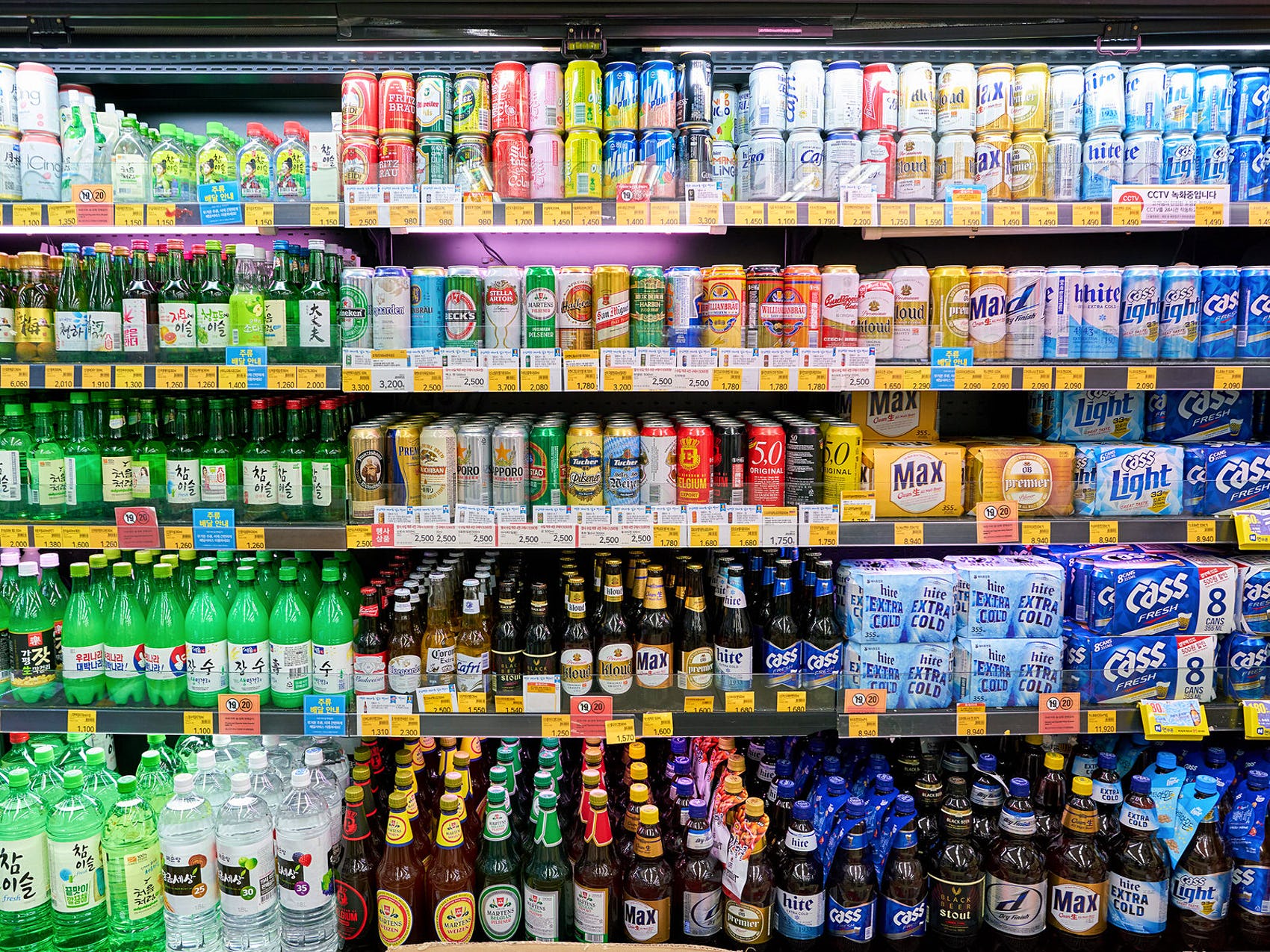
    Sales of alcoholic beverages, specifically beer and soju, saw a significant increase. Beer sales were up by 31.7% at GS25, 30.0% at 7-Eleven, 29.2% at CU, and 20.0% at Emart24. Soju sales increased by 16.2% at GS25 and 12.4% at CU. Overall, liquor sales were up by over 10%.

    Cigarettes, which were also eligible for voucher use, reported a rise in sales with more customers buying full cartons instead of single packs. However, due to potential concerns surrounding “stockpiling” and illegal resale for cash, the exact figures were withheld due to the sensitivity of the product.

    Increased Demand for Health Supplements and Meal Replacements

    Voucher-driven expenditure also led to a surge in demand for health supplements and meal replacements, categories that convenience stores have been emphasizing in their long-term growth strategies.

    According to retail analysts, this trend underlines a significant shift in consumer behaviour. With an increase in single and two-person households, more people have been turning to grocery shopping at convenience stores. The introduction of government vouchers has accelerated this shift, causing large retailers to worry about the potential loss of customers permanently.

    Questions & Answers

    Why did the government issue consumption vouchers?
    The government-issued vouchers were part of a stimulus strategy to boost consumer spending and support local businesses impacted by the COVID-19 pandemic.

    What impact did these vouchers have on convenience stores?
    The launch of these vouchers led to a significant increase in sales at convenience stores, with customers making larger than average purchases and buying a broader range of products.

    Are larger retailers affected by this change in consumer spending habits?
    Yes, larger retailers are concerned about losing customers permanently as the introduction of government vouchers has accelerated a shift towards shopping at local convenience stores.

  • Lenskart Eyes Expansion With $247.6m IPO; Major Shareholders To Sell Off Shares

    Lenskart Eyes Expansion With $247.6m IPO; Major Shareholders To Sell Off Shares

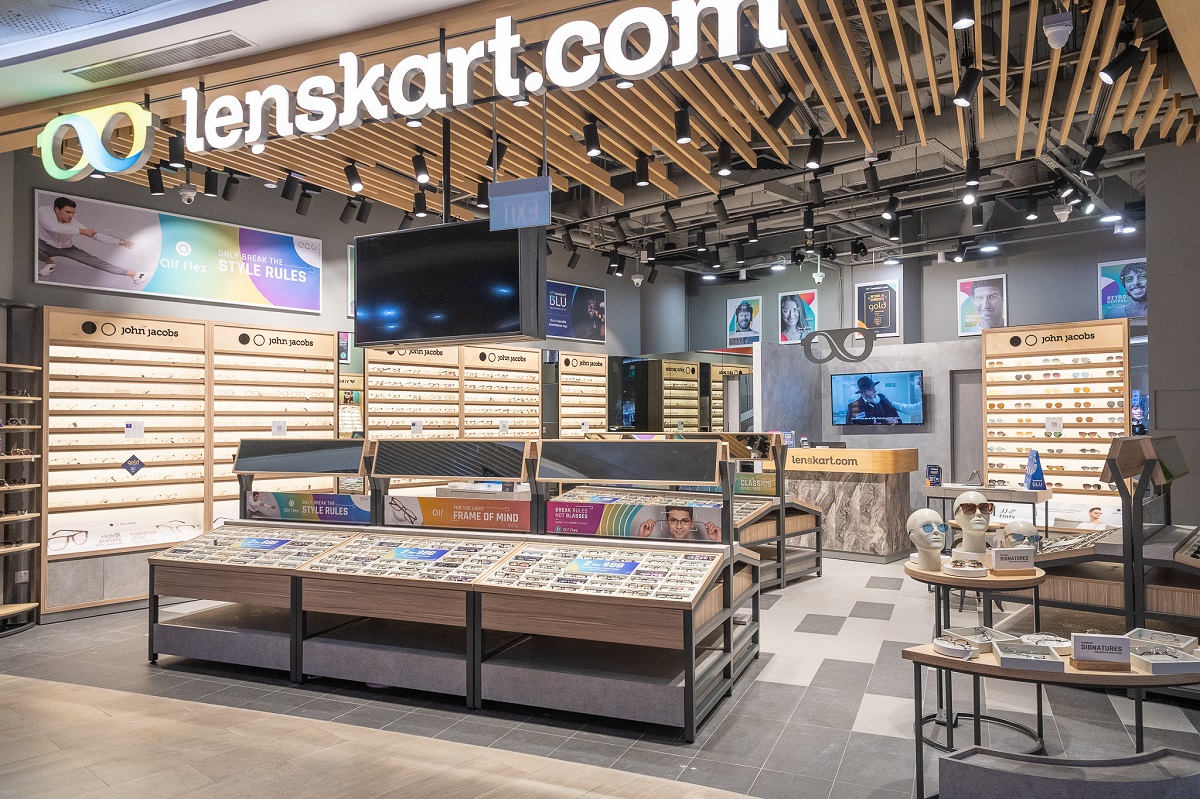
    India’s leading eyewear retailer, Lenskart, has recently submitted an application for an initial public offering (IPO), aiming to issue fresh shares valued at US$247.6 million as outlined in their draft prospectus.

    Major Shareholders Selling Shares

    The firm’s major shareholders, termed as ‘promoters’, will collectively sell off approximately 132.3 million shares. This group of promoters includes noteworthy investment firms such as Mumbai’s Kedaara Capital, Singapore’s state investment body Temasek, and SoftBank from Japan.

    Management of the IPO

    The IPO will be managed by a team of prominent financial firms. Among them are Morgan Stanley, Kotak Mahindra Capital, Axis Capital Holdings, and Citi.

    Allocation of Capital Raised

    As per the draft prospectus submitted to the Securities and Exchange Board of India (SEBI), the revenue generated from this new share issuance will be invested in establishing additional company-owned and operated stores nationwide.

    The funds from the IPO will also be allocated towards the enhancement of technology, the improvement of cloud infrastructure, and to cater for various other corporate purposes.

    Closer Look at Lenskart

    Established in 2010, Lenskart holds an impressive valuation of US$6.1 billion as of June 13. However, the company also carries a debt of US$57 million as of March 2024, as per the data provided by Tracxn.

    Questions & Answers

    What is the purpose of Lenskart’s IPO?
    Lenskart’s IPO is aimed at raising funds to invest in new company-owned and operated stores across India, as well as to enhance their technological capabilities and improve their cloud infrastructure.

    Who are the major shareholders, or ‘promoters’ of Lenskart?
    The major shareholders include Mumbai’s Kedaara Capital, Singapore’s state investment company Temasek, and Japan’s SoftBank.

    What is Lenskart’s current valuation and debt?
    Lenskart’s valuation stands at US$6.1 billion as of June 13. However, the company carries a debt amounting to US$57 million as of March 2024.

  • Kering Reports 16% Revenue Drop Amid Gucci’s Struggling Sales In First Half Of 2021

    Kering Reports 16% Revenue Drop Amid Gucci’s Struggling Sales In First Half Of 2021

    Kering, the renowned French luxury merchandise corporation, has disclosed a significant sales drop for the initial half of the year. The company’s performance continues to be impacted negatively owing to a consistent decline in sales from Gucci.

    Semi-Annual Performance Analysis

    During the six months ending on 30th June, the conglomerate experienced a 16% fall in revenue, descending to EUR 7.6 billion (equivalent to US$ 8.7 billion). This figure incorporates a 14% decrease in the first quarter and an 18% fall in the second.

    The primary contributor to this downward trend is Gucci, with a substantial 26% reduction in sales. Other luxury houses also saw drops in their performance, including Yves Saint Laurent with an 11% decrease, and other associated houses posting a 15% decline.

    However, it was not all gloomy for Kering. Bottega Veneta reported a 1% increase in sales, while the Kering Eyewear and Corporate segment, inclusive of Kering Beaute, witnessed a growth of 2%.

    Geographical Sales Trends

    Despite the overall downturn, Kering reported a minor upward trend in sales for Asia-Pacific and North America during the second quarter. In contrast, Western Europe and Japan saw an acceleration in their sales decline, largely attributed to a significant drop in tourism.

    Chairman and CEO Francois-Henri Pinault, while acknowledging the challenging market conditions, emphasized the company’s commitment to streamlining distribution and controlling costs. He pointed out the decisive steps taken to fortify the company’s financial structure.

    Financial Indicators

    In terms of net income attributed to the company, the figures stood at EUR 474 million, a significant decrease from the EUR 878 million reported in the same period the previous year.

    Despite the lower than expected numbers, Pinault expressed optimism for the company’s future. He believes that the strategic efforts undertaken by the company over the past two years have laid a robust foundation for the next phase of Kering’s growth and development.

    Questions & Answers

    What was Kering’s reported revenue for the first half of the year?
    Kering reported a revenue of EUR 7.6 billion (US$ 8.7 billion) for the first half of the year, representing a 16% decrease compared to the corresponding period last year.

    Which brands under Kering experienced a decline in sales?
    Gucci was the primary underperformer with a sales drop of 26%. Yves Saint Laurent and other associated brands also experienced declines in sales, with decreases of 11% and 15% respectively.

    What were the key contributing factors to the sales decline?
    The sales decline was primarily attributed to reduced tourism, impacting sales in Western Europe and Japan. Additionally, specific brands like Gucci significantly underperformed.

  • Oh!some Expands Regional Presence With New Bangkok Store, Unveils Disney Collaboration

    Oh!some Expands Regional Presence With New Bangkok Store, Unveils Disney Collaboration

    The lifestyle brand Oh!Some is making its debut in Thailand, signaling further growth in its regional presence, which includes a recent inauguration in Ho Chi Minh City.

    Store Location and Interior Concept

    Oh!Some’s newest retail branch will be positioned in Samyan Mitrtown, right in the heart of Bangkok. The store’s interior is conceived with an “ice and snow world” theme, a design specifically crafted to entice the Gen Z demographic through its captivating and photogenic displays.

    Product Line and Collaborations

    The product portfolio at the store will span across several categories. Customers can expect to find items ranging from beauty and skincare products, fragrances, and stationery to toys, collectibles, snacks, and home decor.

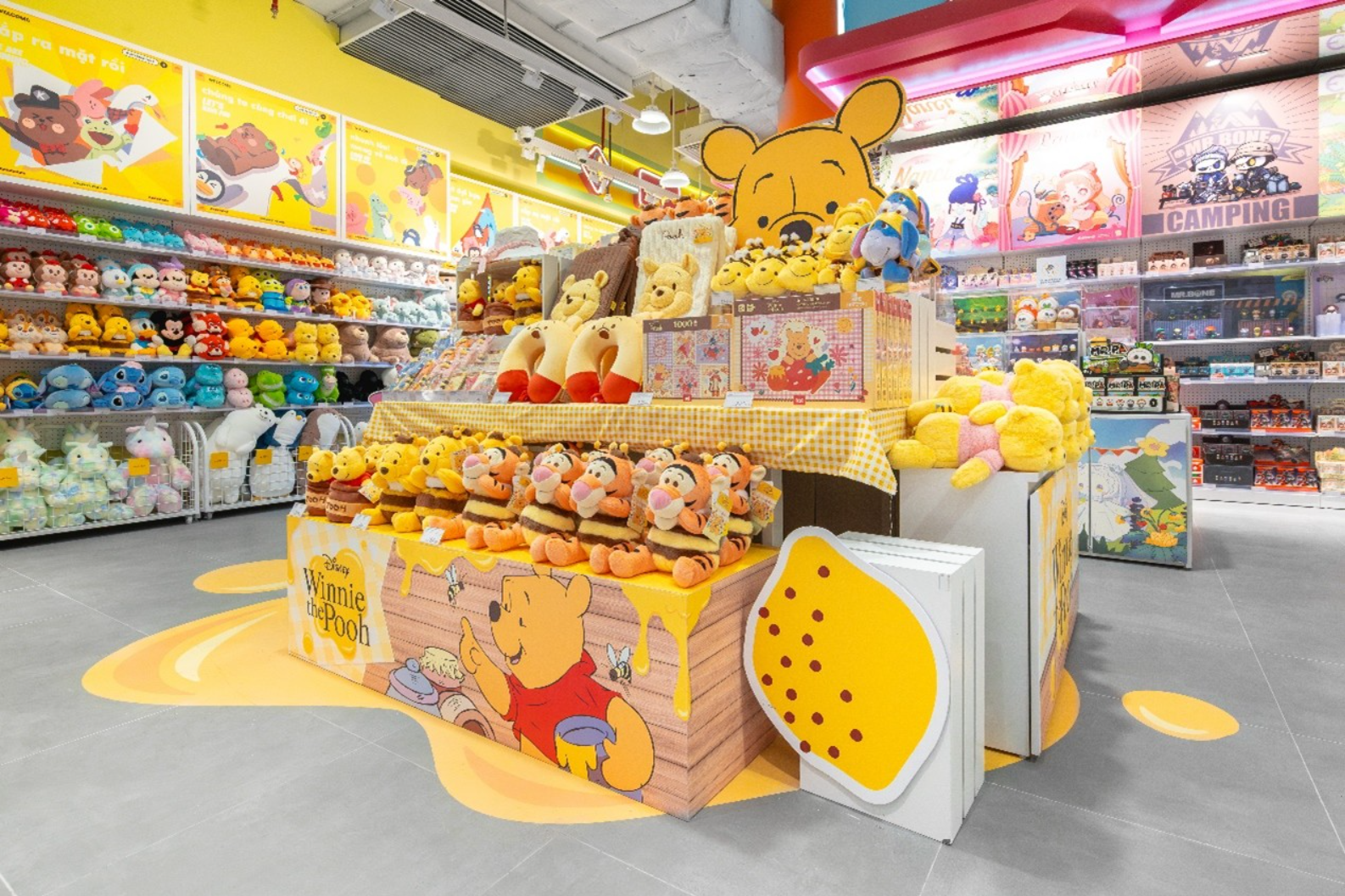
    In addition to its regular offerings, the store will also feature exclusive merchandise produced in collaboration with Disney. These exclusive collections will showcase beloved characters such as Stitch, Winnie the Pooh and a future line inspired by Mickey Mouse with a denim theme.

    Existing Presence and Future Plans

    At present, Oh!Some operates over 130 stores spread out across Singapore, Vietnam, Malaysia, and Indonesia. The brand has further expansion plans within the city of Bangkok, with more branches set to open in various districts later in the year.

    Questions & Answers

    What is the interior design concept of the new Oh!Some store in Bangkok?
    The store features an “ice and snow world” theme designed to attract Gen Z consumers with visually striking, photo-friendly displays.

    What kind of products will be available in the new Oh!Some store?
    The store will offer a range of products across categories, including beauty and skincare, fragrances, stationery, toys, collectibles, snacks, and home decor.

    Does Oh!Some have any collaborations planned for their new store in Bangkok?
    Yes, the store will have exclusive items produced in collaboration with Disney, including themed collections featuring Stitch, Winnie the Pooh, and a forthcoming denim-inspired Mickey Mouse line.

  • Revolutionizing Retail: Sensetime And K11’s Art-tech Pop-up Transforms Hong Kong’s Shopping Scene

    Revolutionizing Retail: Sensetime And K11’s Art-tech Pop-up Transforms Hong Kong’s Shopping Scene

    Hong Kong’s shopping landscape is poised for a remarkable transformation with the introduction of a unique retail pop-up venture by SenseTime and Hong Kong’s own K11 Art Mall. This innovative concept aims to blend art, technology, and retail in a synergy that promises to captivate shoppers and art aficionados alike. Designed to be an immersive experience, the pop-up installation is scheduled to run through October 2023, positioning itself at the forefront of the city’s retail evolution.

    A Fusion of Art and Technology

    Visitors to the pop-up can expect to walk through a mesmerizing journey where AI-generated art meets high-quality merchandise. Imagine stepping into a space where the boundaries between the virtual and the physical dissolve, offering a fresh perspective on both shopping and artistic appreciation. SenseTime, renowned for its advancements in artificial intelligence, has created interactive art pieces that respond to visitors, sparking engagement in ways that traditional retail environments seldom achieve.

    A Unique Shopping Experience

    What sets this venture apart isn’t just the novelty of AI-driven artwork. Shoppers will also have the opportunity to purchase selected products that feature these unique designs, allowing them to take home a piece of the experience. It’s not every day that a shopping bag can feel like a piece of the Metaverse! The K11 Art Mall aims to create a space where shopping transcends mere transaction and evolves into an exploration of culture and creativity.

    Community Engagement and Cultural Impact

    In addition to promoting consumer engagement, the pop-up event is a conscious effort to promote local artists alongside technological marvels. By showcasing their work, SenseTime and K11 Art Mall are nurturing a vibrant cultural scene in Hong Kong. This initiative reflects a broader trend within the retail industry across Asia, where brands are increasingly recognizing the importance of blending cultural elements with shopping experiences to enrich consumer interaction.

    As the pop-up continues to draw attention, it stands as a testament to the changing face of retail in Asia. With consumer preferences evolving towards experiences rather than mere products, forward-thinking brands are learning to adapt by integrating art, technology, and community into their retail strategies.

    Questions & Answers

    What can visitors expect from the SenseTime and K11 Art Mall pop-up?
    Visitors can look forward to an immersive experience that merges AI-generated art with unique merchandise, creating a intertwined environment that redefines shopping.

    How does this initiative support local artists?
    The initiative showcases local artists, providing them with a platform to reach new audiences while intertwining cultural elements into the shopping experience.

    What broader trend does this pop-up reflect in the retail industry?
    This pop-up exemplifies a growing trend where retailers are focusing on experiential shopping, merging art, technology, and cultural engagement to attract modern consumers.

  • Chinese Tech Executive Sentenced to 14 Years for $19 Million Embezzlement and Crypto Laundering Scheme

    Chinese Tech Executive Sentenced to 14 Years for $19 Million Embezzlement and Crypto Laundering Scheme

    A former tech executive has been sentenced to 14 years in prison for embezzling CNY140 million (US$19.5 million) from his company and laundering the funds through cryptocurrencies.

    A Bold Heist Uncovered

    The executive, known only by his surname Feng, orchestrated a complex scheme that began with the theft of funds from a Beijing-based corporation. He acquired cryptocurrencies overseas, then maneuvered parts of these assets back into yuan and funneled the money into mainland bank accounts.

    Exposing the Flaws

    Feng exploited loopholes in a newly implemented bonus system, allowing accomplices to submit fraudulent claims that appeared to meet company guidelines. These deceptive maneuvers enabled fake operators to wrongfully receive reward payouts, according to CryptoDNES.

    In a decisive turn of events, Feng has been mandated to surrender 90 ‘hidden’ bitcoins, currently valued at over $11 million. A staggering figure that illustrates the extent of his illicit dealings, one might say Feng hit the digital jackpot before being caught.

    China’s Crackdown on Crypto Misuse

    This case underscores the growing trend of utilizing cryptocurrencies for money laundering in China, a country with stringent regulations prohibiting crypto trading and blocking its banking system from interacting with these virtual currencies. Nevertheless, Chinese officials have acknowledged the potential benefits of cryptocurrencies and actively sell confiscated digital tokens in Hong Kong, where trading is allowed.

    In a recent initiative, Beijing police announced plans to liquidate cryptocurrencies seized from criminal activities by collaborating with licensed exchanges in Hong Kong, specifically through a partnership with the China Beijing Equity Exchange.

    Although this confiscation strategy has opened up a significant market for cryptocurrency, it remains ambiguous how much of these digital assets various layers of Chinese authorities hold. In a notable instance, law enforcement in Yancheng, located in eastern Jiangsu province, confiscated 195,000 bitcoins from a Ponzi scheme back in 2020. At today’s prices, that stash is worth an eye-popping $23.4 billion. Who knew that some of the biggest players in the crypto world might be wearing badges?

    Questions & Answers

    What was the main offense committed by Feng, the tech executive?
    Feng embezzled CNY140 million from his company and laundered the money through cryptocurrencies.

    How did Feng manage to exploit the company’s bonus system?
    He used his knowledge of the system’s vulnerabilities to submit fraudulent claims that appeared compliant, facilitating illegal payouts for accomplices.

    What actions is China taking against cryptocurrency-related crimes?
    China is liquidating seized cryptocurrencies through licensed exchanges in Hong Kong and has emphasized its stringent regulations against crypto trading.

  • Taiwan’s Retail Sales Slump For Third Consecutive Month Amid Tariff Negotiations

    Taiwan’s Retail Sales Slump For Third Consecutive Month Amid Tariff Negotiations

    Retail sales in Taiwan experienced a decline of 2.9 percent in June, falling to a total of NT$390 billion (US$13.3 billion). This downward trend marks the third consecutive month of sales decreasing.

    Decline in Retail Sales

    The drop in sales fell within the anticipated range of 0.4 to 3.4 percent. The sectors most affected were those of cars, motorcycles, auto parts, and accessories, which faced a significant decrease of 17.3 percent in year-on-year sales. The slump in demand for these industries was largely due to customers waiting for the results of tariff negotiations between Taiwan and the United States.

    The fabric and clothing sector also felt the impact, with sales falling 6.3 percent. This was attributed to fewer holidays in the period. Additionally, department stores recorded a 3.6 percent decrease in sales.

    Food and Beverage Industry

    The food and beverage sector, after experiencing growth for three consecutive months, also reported a decline of 2 percent. The primary factor contributing to this downturn was a reduction in restaurant sales.

    Overall Retail Sales

    For the second quarter, overall retail sales in Taiwan slid by 1.6 percent, and by 0.4 percent for the first half of the year. Looking ahead, the Ministry of Economic Affairs predicts retail sales growth for July to vary between a 2 percent drop and a 1 percent rise.

    Questions & Answers

    What was the overall decline in retail sales for Taiwan in June?
    The overall decline in retail sales for Taiwan in June was 2.9 percent.

    Which sector experienced the most significant decrease in sales?
    The sector of cars, motorcycles, auto parts, and accessories experienced the most significant decrease in sales, with a drop of 17.3 percent year-on-year.

    What projections have been made for retail sales growth in July?
    The Ministry of Economic Affairs predicts that retail sales growth for July will range between a 2 percent drop and a 1 percent rise.

  • 7-Eleven Philippines targets 5000 stores by next year

    7-Eleven Philippines targets 5000 stores by next year

    Philippine Seven Corporation (PSC), the entity managing 7-Eleven stores in the Philippines, has its sights set on bolstering its network to a landmark 5000 stores across the nation by the next year.

    On Track for Expansion

    Providing an update at a press briefing, PSC Chairman Jose Victor Paterno voiced the company’s confidence about achieving this ambitious target. He indicated that it is a reasonable assumption to expect the 5000-store mark to be realized within the upcoming year.

    At the conclusion of last year, PSC had a total of 4130 7-Eleven locations strewn across the Philippines. The organization is planning to inaugurate between 450 and 500 additional stores throughout the current year.

    Financial Support for Rollout

    To aid the rollout of these new locations, a capital expenditure program worth PHP5.5 billion (US$97 million) has been established. This fund represents a marginal decrease from the previous allocation of PHP6 billion.

    Aiming to Serve Underserved Markets

    This planned expansion forms a crucial element of PSC’s wider strategy. The company aims to cater to underserved markets and react to the escalating demand for easily accessible and convenient retail options in every corner of the nation.

    Questions & Answers

    What is the expansion target set by Philippine Seven Corporation?
    The company is planning to expand its network to a total of 5000 stores nationwide by the next year.

    How many new 7-Eleven stores does PSC plan to open this year?
    PSC aims to inaugurate between 450 and 500 new locations in the current year.

    What is the objective of PSC’s expansion strategy?
    The strategy aims to reach and serve underserved markets and respond to the increasing demand for accessible and convenient retail options across the nation.

  • Rimowa Opens First Street-front Store In Japan’s Chubu Region: A Blend Of Luxury And Tradition

    Rimowa Opens First Street-front Store In Japan’s Chubu Region: A Blend Of Luxury And Tradition

    Rimowa, a luxury travel accessories brand, has recently opened its inaugural street-front store in Sakae, Nagoya, situated in the heart of Japan’s Chubu region. The brand, which is part of the LVMH portfolio, is renowned for its premium range of suitcases, bags, and accessories.

    Store Design and Location

    The newly unveiled store, nestled amidst other high-end brands on Otsu-dori Street, merges traditional Japanese architecture with Rimowa’s own unique design aesthetic. Covering an impressive 190 square meters over two floors, the store’s design emphasizes the concept of lightness, achieved by the natural light streaming through its glass walls.

    The ground floor of the store showcases a striking blend of two types of synthetic marbles, creating a stark contrast with the store’s luminous interior ambiance.

    Customer Service and In-store Features

    On the second floor, customers will find two dedicated repair counters offering hot stamping and click repair services. The store also features a secluded customer service area, designed to promote a calm and relaxed shopping environment. True to Rimowa’s commitment to design and quality, this area boasts furniture crafted by Marcel Breuer, a renowned figure in furniture design who received his education at Germany’s prestigious Bauhaus.

    Questions & Answers

    Where is the new Rimowa store located?
    The new Rimowa store is located in Sakae, Nagoya, in Japan’s Chubu region.

    What is the design theme of the new Rimowa store?
    The design theme of the new Rimowa store emphasizes lightness, with natural light filtering in from its glass walls.

    What services does the new Rimowa store offer?
    The new Rimowa store offers dedicated repair counters for hot stamping and click repairs. It also features a partitioned customer service area for a relaxed shopping experience.

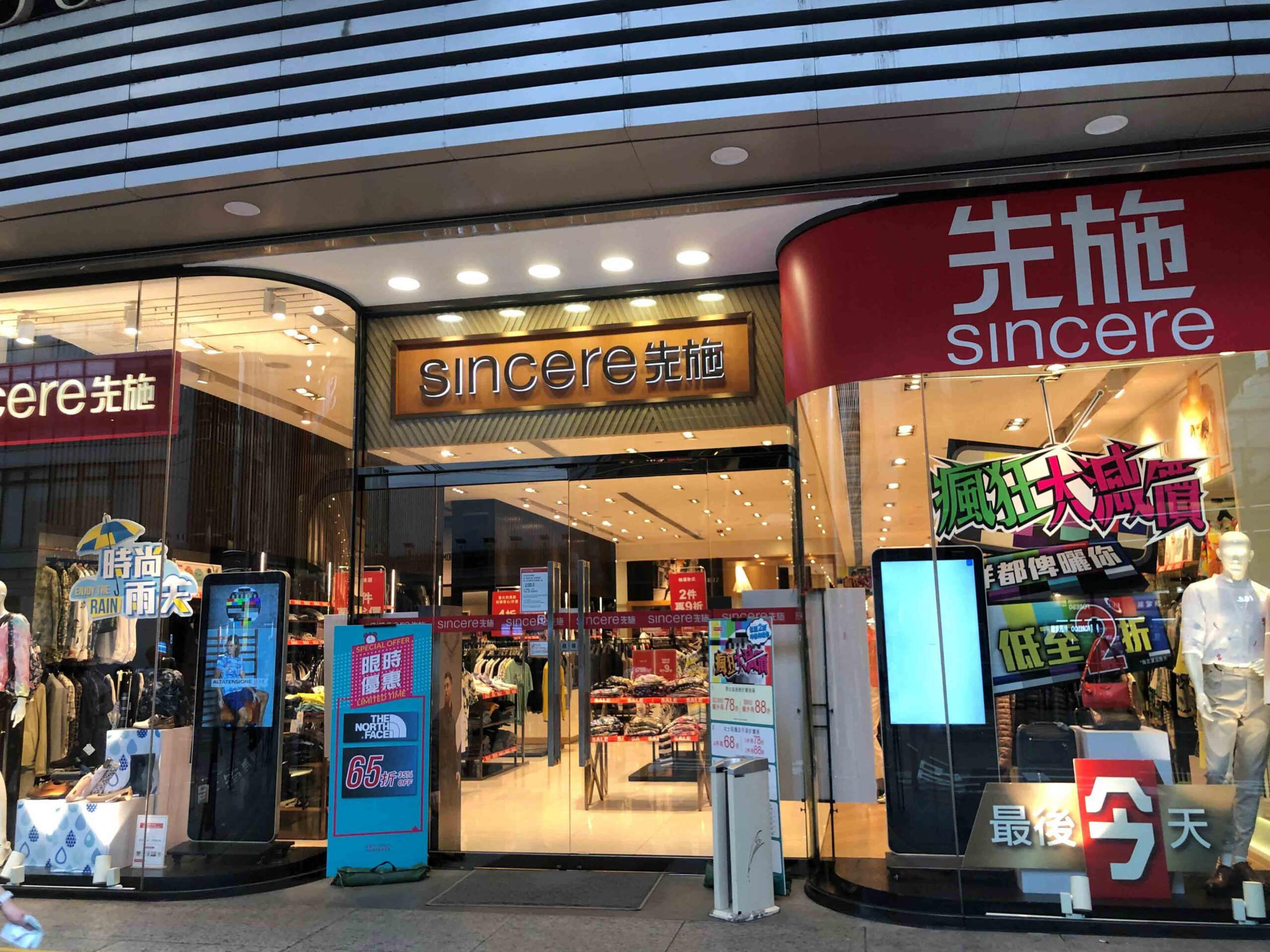
  • Heritage Retailer Sincere Revolutionizes Customer Engagement With Successful Whatsapp Reactivation Campaign

    Heritage Retailer Sincere Revolutionizes Customer Engagement With Successful Whatsapp Reactivation Campaign

    In the face of evolving consumer behaviour and economic instability, traditional department stores such as Sincere, a well-established name since 1900, are required to modernize. Recently, Sincere demonstrated that not only is digital transformation viable for heritage retailers, but it can also be highly lucrative.

    Partnering for Success

    To achieve this, Sincere collaborated with Sanuker, a WhatsApp business solution provider, and Linkage, a retail solution expert, to launch a comprehensive WhatsApp reactivation campaign. This campaign aimed to re-engage inactive customers and increase visitor numbers in physical stores. The results were exceptional, with a 72 per cent coupon redemption rate, a 25 per cent click-through rate, and an incredible 290X return on ad spend – achievements that have since been hailed as a success story.

    The strategy behind the “Sincere Crazy Sale” campaign involved using WhatsApp for message broadcasting and real-time coupon redemption through POS. The campaign harnessed Sincere’s previous customer purchase activity data to distribute highly personalized digital coupons via WhatsApp, which could be redeemed in-store through a QR code system validated by Linkage’s POS. This approach developed a seamless and trackable online-to-offline (O2O) experience, successfully increasing foot traffic back to physical stores.

    David Li, Marketing Manager at Sincere, stated, “We succeeded in effectively re-engaging our inactive and VIP customers. The execution of this campaign significantly improved store visitor numbers and yielded results that greatly surpassed our expectations.”

    The Power of Integration

    Despite its potential, many retailers are still running their business messaging in isolation from their POS or CRM systems, which limits scalability and personalization. In contrast, the solution provided by Sanuker and Linkage enables programmatic audience targeting, campaign automation, and performance feedback loops, transforming WhatsApp into a valuable engagement tool rather than a one-time messaging platform.

    Sanuker and Linkage combined their expertise to offer a fully integrated, scalable solution specifically for Hong Kong retailers. With over three decades of experience in retail systems, Linkage ensures the synchronization of POS and CRM data and campaign logic. This enables precision in programmatic marketing, such as targeting customers who have previously purchased specific product categories, setting up tier-based offers for high-spending members, and providing real-time insights on response rates, redemptions, and even post-campaign purchasing behaviour.

    WhatsApp has proven to be an effective channel for re-engaging inactive customers and reaching high-value segments due to its extensive reach and immediacy. It offers better open rates than other channels such as email or SMS.

    Transforming the Retail Landscape

    In an era where customer loyalty is increasingly hard to secure, providing personalized, timely, and trackable promotions is crucial. Sincere’s campaign has not only proven beneficial for the brand, but it also serves as a template for how traditional retailers can thrive in a digital-first world, placing WhatsApp at the heart of a broader customer strategy.

    Questions & Answers

    What is the significance of Sincere’s recent campaign?
    The campaign demonstrates how traditional retailers can successfully transform digitally without losing their heritage, offering a blueprint for others to follow.

    How does the solution provided by Sanuker and Linkage work?
    By integrating with a retailer’s existing POS and CRM systems, the solution allows businesses to target audiences programmatically, automate campaigns, and receive real-time performance feedback.

    Why is WhatsApp an effective channel for re-engaging customers?
    WhatsApp offers unmatched reach and immediacy, with open rates often surpassing those of email and SMS, making it an effective tool for reconnecting with lapsed customers and activating high-value segments.

  • Ha Long Casino Operator Surges to Profitability After Six Years in the Red

    Ha Long Casino Operator Surges to Profitability After Six Years in the Red

    Royal International Corporation, the force behind the Royal Ha Long Casino in northern Vietnam, is celebrating a crucial turnaround as it recorded its first profit in six years during the second quarter of 2025.

    In a notable revival, the company posted profits of VND10 billion (approximately US$382,500), with revenues soaring 31% year-on-year to reach VND46.9 billion, a peak not seen in over five years. This impressive performance was attributed to the economic rebound, particularly within the service and tourism sectors, which had experienced significant downturns in recent years.

    Last year, the same period saw Royal International grapple with a loss of VND2 billion. It’s worth noting that the firm last enjoyed profitable waters back in the third quarter of 2019, when the cards were evidently in their favor.

    Looking forward, Royal International Corporation sets ambitious targets for the full year, aiming for revenues of VND187 billion and post-tax profits of VND34 billion. To achieve these goals, the company plans to exercise tight control over fixed and financial costs, particularly interest expenses, while also boosting revenues through strategic initiatives.

    Established in 1994, Royal International Corporation comprises a casino, hotel, and luxurious villas in the scenic Ha Long Bay area of Quang Ninh Province, which shares a border with China. Notably, the company made its debut on the Ho Chi Minh Stock Exchange in 2007. However, in May 2022, it faced delisting after three consecutive years of losses, which led to its shift to the Unlisted Public Company Market. Yet, there’s a silver lining: its stock is currently trading at VND5,500, experiencing a remarkable increase of over 57% since the start of the year—employment definitely wasn’t the only thing rising lately.

    Questions & Answers

    What factors contributed to Royal International Corporation’s recent profitability?
    The improved profitability stemmed from a recovery in the service and tourism sectors, which are vital for the company’s operations, alongside a significant increase in revenues by 31% year-on-year.

    What are the future financial targets for Royal International Corporation?
    For the full year 2025, the company aims to achieve revenues of VND187 billion and post-tax profits of VND34 billion, focusing on cost control and increasing revenue streams.

    What challenges has Royal International Corporation faced in recent years?
    The company dealt with six consecutive years of losses, culminating in its stock being delisted in May 2022 after three years of declining performance, before being transferred to the Unlisted Public Company Market.

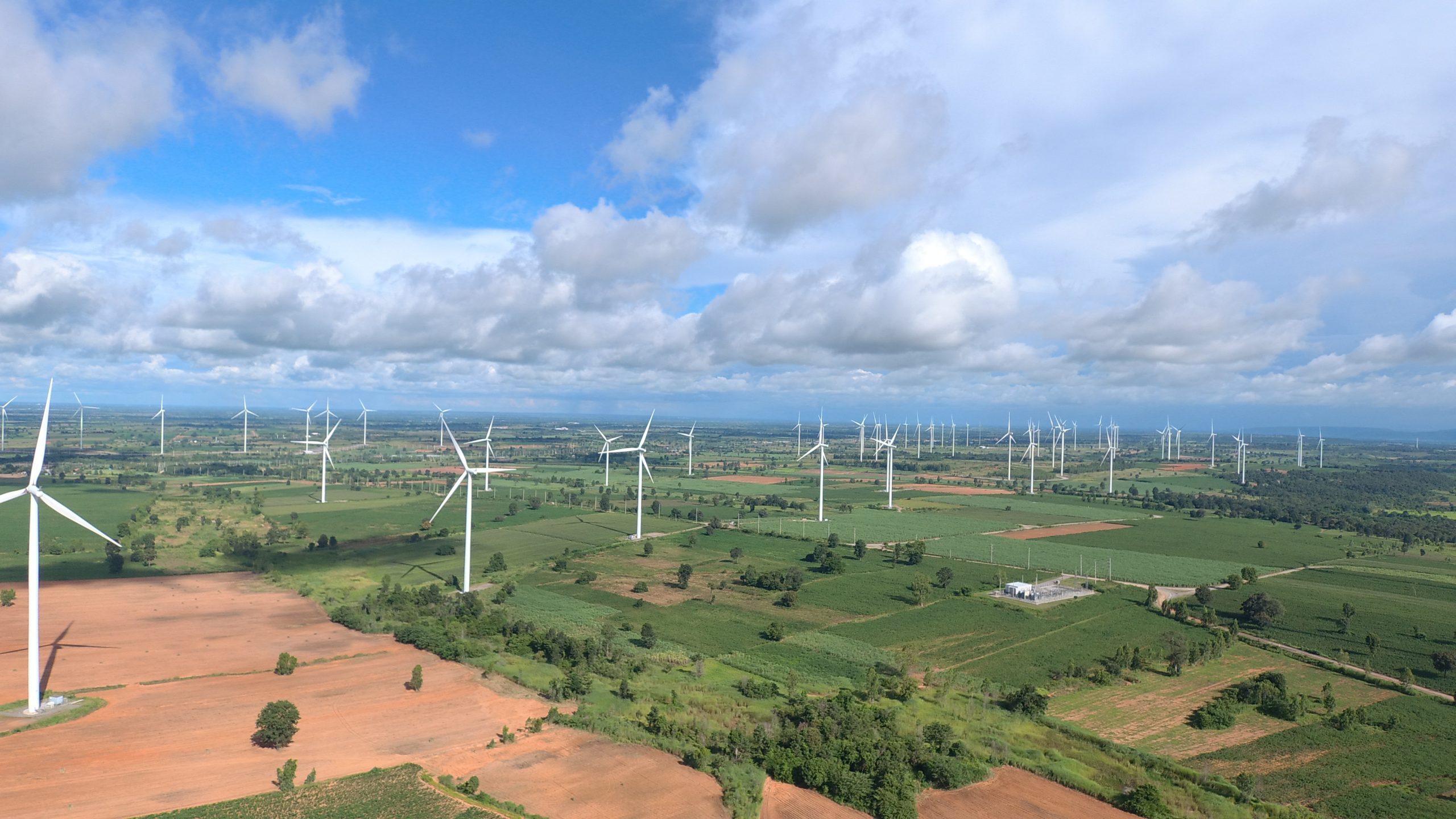
  • Onshore Wind Continues to Lead as 2024’s Most Affordable Energy Source

    Onshore Wind Continues to Lead as 2024’s Most Affordable Energy Source

    The remarkable growth of renewable energy in 2024 has a staggering backdrop: an impressive 582 gigawatts of new capacity has been added, significantly staving off fossil fuel consumption worth approximately $57 billion. According to the International Renewable Energy Agency (IRENA), onshore wind is leading the charge as the most economical option, priced at just $0.034 per kilowatt-hour (kWh), making it 53% cheaper than its most affordable fossil fuel counterparts.

    A Solar Surge in Affordability

    In the realm of solar energy, prices hit $0.043/kWh, which reflects an attractive 41% lower cost than fossil fuel alternatives, showcasing the competitive landscape of renewables. IRENA’s report, “Renewable Power Generation Costs in 2024,” emphasizes that a staggering 91% of the newly commissioned renewable projects last year outperformed any newly required fossil fuel options in terms of cost efficiency.

    Imminent Cost Trends Amid Challenges

    While the trend appears promising, the report also points out that technological advancements will likely continue to drive down costs. Yet, external challenges such as trade tariffs, raw material shortages, and shifts in manufacturing, particularly within China, could dampen progress and temporarily inflate prices.

    In Europe and North America, structural hurdles like permitting holdups and constrained grid capabilities are likely to perpetuate higher costs. In contrast, regions like Asia, Africa, and South America stand to benefit from enhanced learning curves and substantial renewable potential, paving the way for more pronounced cost reductions.

    Investment Stability as a Key Factor

    IRENA emphasizes the critical role of stable and predictable revenue frameworks to mitigate investment risks and attract the necessary capital. Despite the declining costs, new challenges have arisen—mainly concerning integration costs for renewable energy systems. Increasingly, wind and solar projects face delays due to bottlenecks in grid connections, sluggish permitting processes, and costly local supply chains.

    Financing remains a pivotal factor influencing project feasibility. In many developing Global South countries, high capital costs, exacerbated by macroeconomic conditions and perceived investment risk, significantly inflate the levelized cost of electricity (LCOE) for renewables.

    Technological Advances Fueling Future Growth

    However, the future looks promising as technological innovations beyond just energy generation continue to enhance the viability of renewables. Battery energy storage systems (BESS) have plummeted in cost by 93% since 2010, now sitting at $192/kWh for utility-scale applications, thanks to improved materials and streamlined manufacturing processes. Who knew that battery prices would fall faster than your last ability to remember your online passwords?

    Moreover, the advent of artificial intelligence (AI) is revolutionizing asset performance and grid responsiveness. Despite these advancements, the digital infrastructure and flexibility required for expansion and modernization present ongoing challenges, particularly in emerging markets where further investment is critical to unlock the full potential of renewable energy.

    Questions & Answers

    What is the significance of the 582 gigawatts of new renewable capacity added in 2024?
    The addition of 582 gigawatts of renewable capacity in 2024 not only avoided fossil fuel consumption valued at approximately $57 billion, but it also marks a significant shift towards more sustainable energy sources that are outperforming traditional fossil fuels economically.

    Which renewable energy source is currently the most affordable?
    Onshore wind is recognized as the most affordable renewable energy source, priced at $0.034 per kilowatt-hour, making it considerably cheaper than its fossil fuel counterparts.

    What challenges could potentially disrupt the decreasing costs of renewables?
    External challenges such as trade tariffs, raw material shortages, and changes in manufacturing practices pose risks that might temporarily elevate costs, particularly in established markets like Europe and North America.

  • Walmart Unveils Four Cutting-Edge AI ‘Super Agents’ with Strategic Tech Recruitment Boost

    Walmart Unveils Four Cutting-Edge AI ‘Super Agents’ with Strategic Tech Recruitment Boost

    The retail landscape in Asia has been buzzing with activity as major players adapt to the evolving market dynamics. With the ongoing embrace of e-commerce and a resurgence of physical shopping, businesses are honing their strategies to capture the attention of an increasingly discerning consumer base.

    Asia’s Digital Retail Rise

    Digital retail in Asia has witnessed unprecedented growth, fueled by a blend of technological advancements and changing consumer behavior. According to recent reports, the region is on track to surpass a staggering $2 trillion in online sales this year. Beyond mere numbers, this seismic shift reflects a cultural transformation — imagine purchasing a new outfit with a few swipes on your smartphone while sipping bubble tea. It’s convenience served with a splash of personality.

    Bricks and Mortar Make a Comeback

    While e-commerce continues to thrive, the allure of physical retail stores has not dimmed. Many brands are rethinking their brick-and-mortar strategies, merging the tactile experience of shopping with digital savviness. Retailers are increasingly investing in immersive experiences that engage shoppers beyond traditional transactions, sparking excitement for customers keen to explore the latest trends in person.

    Adaptation in the Face of Challenges

    Retailers in Asia are not just riding the wave of digital sales; they are also navigating significant challenges like supply chain disruptions and inflationary pressures. Industry leaders are finding innovative ways to address these hurdles, from streamlining operations to diversifying their supply chains. The savvy among them are even leveraging local artisans and manufacturers to reduce lead times and foster closer community ties.

    Eco-Conscious Consumers Drive Sustainability Efforts

    An emerging trend is the demand for sustainability — consumers are increasingly making purchasing decisions based on a brand’s environmental impact. This rising awareness has prompted retailers to embrace more sustainable practices, integrating eco-friendly products into their offerings and emphasizing transparency in their supply chains. For many brands, being green is not just a marketing gimmick; it’s a commitment to the planet that resonates with their audience.

    Looking Ahead: The Future of Retail in Asia

    The future of retail in Asia looks bright and dynamic. As companies continue to innovate and adapt, the sales strategies of tomorrow will be shaped by technology, sustainability, and a deeper understanding of consumer needs. Expect to see more personalized shopping experiences, AI-driven recommendations, and, possibly, a few unexpected trends that could take the market by storm — like that grassroots coffee shop that becomes a nationwide sensation overnight.

    Questions & Answers

    How is e-commerce changing the retail landscape in Asia?
    E-commerce is revolutionizing retail in Asia by driving online sales to unprecedented levels, with projections exceeding $2 trillion this year, transforming consumer shopping habits along the way.

    What trends are influencing brick-and-mortar stores?
    Bricks-and-mortar stores are evolving to enhance customer engagement, blending physical allure with digital conveniences to attract shoppers who enjoy the tangible shopping experience.

    Why is sustainability becoming a key factor for consumers?
    Sustainability is rising in importance as more consumers are considering a brand’s environmental impact in their purchasing decisions, leading retailers to adopt eco-friendly practices and increased transparency.

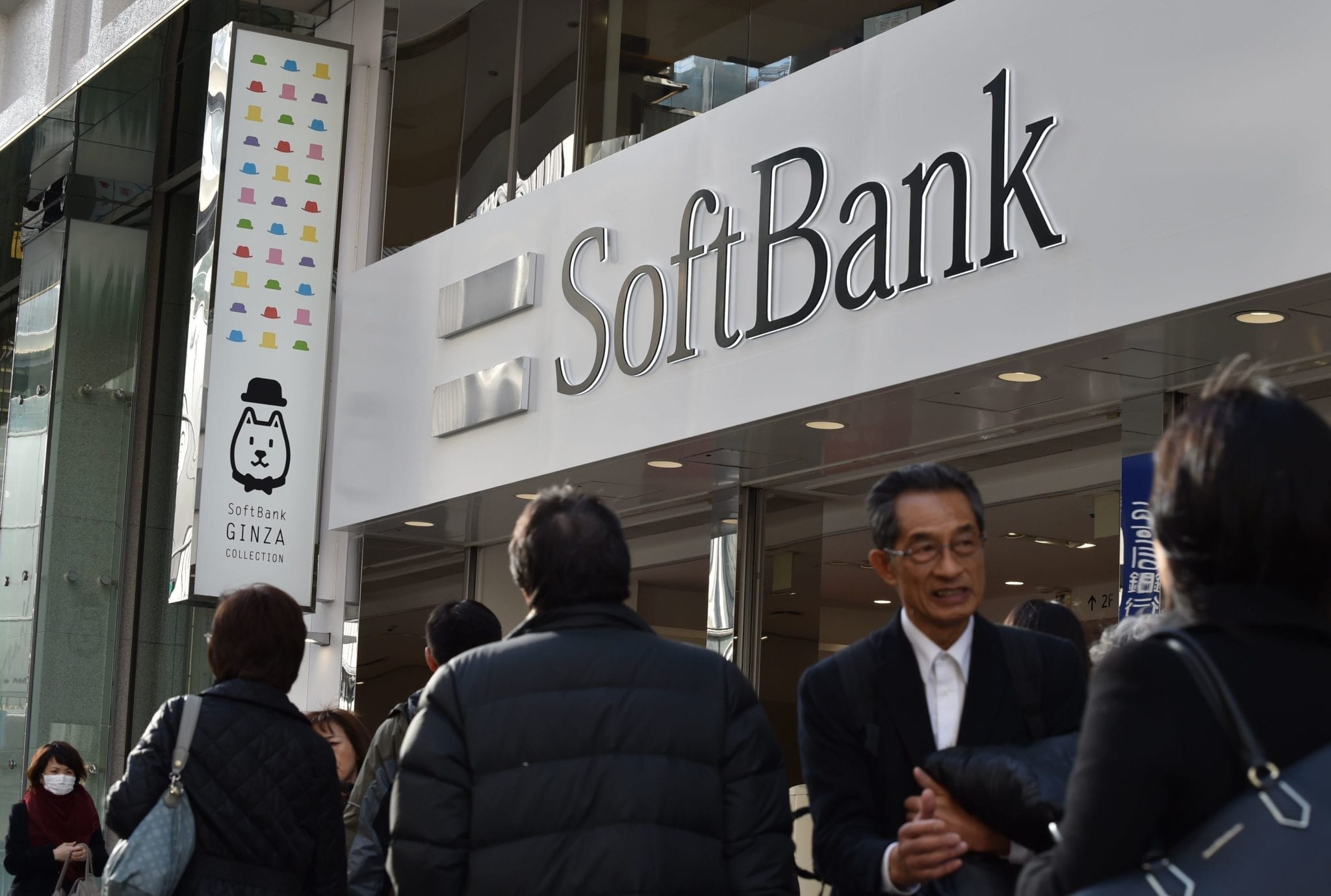
  • SoftBank Unveils Game-Changing DGX B200 SuperPOD: A Milestone for AI Computing Power

    SoftBank Unveils Game-Changing DGX B200 SuperPOD: A Milestone for AI Computing Power

    SoftBank Corp. has unveiled a groundbreaking DGX SuperPOD featuring DGX B200 systems, powered by over 4,000 NVIDIA Blackwell graphics processing units (GPUs). This formidable setup solidifies SoftBank’s position as the owner of the largest NVIDIA DGX SuperPOD worldwide equipped with DGX B200 systems. With the addition of NVIDIA Quantum-2 InfiniBand networking, this AI computing platform now boasts an impressive total of more than 10,000 GPUs, delivering a staggering computing power of 13.7 exaflops.

    A New Frontier in AI Development

    The advanced capabilities of this platform are set to be harnessed by SB Intuitions Corp., a subsidiary focused on developing large language models (LLMs) designed specifically for the Japanese language. In fiscal year 2024, SB Intuitions aims to build LLMs boasting around 460 billion parameters, with a commercial model dubbed “Sarashina mini” anticipated to launch by March 31, 2026, featuring 70 billion parameters. Leveraging the upgraded computing power, SoftBank is on a mission to accelerate the development of increasingly vast and sophisticated models that could revolutionize Japanese-language applications.

    Scaling New Heights in AI Performance

    SoftBank’s venture into AI computing is not new; they initially deployed a DGX SuperPOD with over 2,000 NVIDIA Ampere GPUs back in September 2023, achieving a performance benchmark of 0.7 exaflops. The journey, however, has been anything but stagnant. In October 2024, the company made headlines again by augmenting its capabilities with over 4,000 NVIDIA Hopper GPUs, catapulting the overall performance to an eye-watering 4.7 exaflops. It seems that in the race of AI, SoftBank has put its best foot forward — or, to be more precise, its best GPU!

    Building an AI Ecosystem

    The construction of this state-of-the-art AI computing platform has earned certification for supply assurance from Japan’s Ministry of Economy, Trade, and Industry (METI) as part of a Cloud Program under the Economic Security Promotion Act. This seal of approval underscores SoftBank’s intent to bolster the burgeoning generative AI (GenAI) development ecosystem. The company aims to provide computational resources not only for its internal projects but also extend this infrastructure-as-a-service (IaaS) model to other enterprises and research institutions throughout Japan, fostering growth and innovation across the sector.

    Questions & Answers

    What is the significance of SoftBank’s new DGX SuperPOD?
    SoftBank’s new DGX SuperPOD positions it as a leader in AI capabilities, boasting the largest platform of its kind in the world and dramatically enhancing its computational power to support advanced AI model development.

    How will SB Intuitions utilize this AI computing platform?
    SB Intuitions plans to use the upgraded platform to develop large language models tailored to the Japanese market, aiming for innovative applications and commercial releases in the coming years.

    What role does the Japanese government play in SoftBank’s AI initiatives?
    The Japanese government has certified SoftBank’s AI computing platform for supply assurance, supporting the development of critical technology under the Economic Security Promotion Act, which helps ensure a secure and robust technological infrastructure in Japan.