Category: General

Retail News Asia is committed to providing both local and global retailers with the latest General Retail news throughout the Asian market. This on a daily base.

  • Pop Mart Takes Legal Action Against 7-Eleven in the U.S. Over Alleged Fake Labubu Dolls

    Pop Mart Takes Legal Action Against 7-Eleven in the U.S. Over Alleged Fake Labubu Dolls

    Pop Mart International, a prominent Chinese toy manufacturer, has taken legal action against several 7-Eleven store operators in the United States, alleging the sale of counterfeit Labubu plush toys and infringement of its trademarks.

    Allegations of Counterfeit Creations

    The company has filed a lawsuit requesting court orders to stop 7-Eleven and seven of its franchisees from these alleged violations. The filing was made on July 18 in a California district court, as reported by Global Times.

    A Social Media Spark

    The lawsuit follows the viral spread of a video showing a U.S. consumer highlighting rows of counterfeit Labubu dolls, misleadingly branded “Lafufu,” on display at a local 7-Eleven. Priced at $25 each, these fake versions closely mimic the official retail prices of authentic Labubu toys.

    Pop Mart’s Assertion of Rights

    According to the complaint, which was also covered by South China Morning Post, Pop Mart claims that 7-Eleven has not leveraged its control over franchises to stop the counterfeiting and infringement of the company’s trademarks and copyrights.

    The Labubu Craze

    The Labubu plush toys, characterized by their furry bodies and sharp teeth, have captivated collectors worldwide, with many fans queuing for hours to snag the rarest editions. Sold in blind boxes, these toys create an element of surprise and intrigue, driving demand among shoppers eager to complete their collections — or resell them for a tidy profit.

    Pop Mart’s Financial Surge

    This surge in popularity has catapulted Pop Mart’s valuation to over $40 billion, with its shares listed in Hong Kong skyrocketing by an astounding 588% in just the last year, as noted by Bloomberg. The company has projected a 350% increase in first-half profits compared to the previous year, fueled by this escalating consumer interest.

    Furthermore, Pop Mart anticipates a revenue rise of at least 200% for the same period, as revealed in a recent company release. Clearly, the appetite for whimsical collectibles is thriving, even as battles over brand integrity unfold in the realm of retail.

    Questions & Answers

    What prompted Pop Mart to file a lawsuit against 7-Eleven?
    Pop Mart filed the lawsuit after a viral video surfaced showing counterfeit Labubu toys being sold at 7-Eleven, prompting concerns about trademark infringement.

    How have Labubu toys impacted Pop Mart’s valuation?
    The popularity of Labubu toys has significantly boosted Pop Mart’s valuation, exceeding $40 billion, with Hong Kong-listed shares experiencing a remarkable increase of 588% over the past year.

    What unique selling strategy does Pop Mart use for its toys?
    Pop Mart employs a blind box strategy for selling Labubu toys, creating an air of mystery and excitement that encourages collectors to seek out rare models, enhancing their overall shopping experience.

  • Taobao Thailand Sees 60% Surge in User Registrations After Launching Localized App Experience

    Taobao Thailand Sees 60% Surge in User Registrations After Launching Localized App Experience

    Taobao, the renowned online shopping platform under Alibaba Group, is witnessing an impressive surge in user registrations in Thailand following the launch of a localized version tailored for this vibrant market. According to reports from Alibaba International Digital Commerce Group (AIDC), the number of new users registering has soared by 60% year-on-year within just a month of the launch, which took place at the end of May.

    Record-Breaking Sales During 618 Shopping Festival

    In a testament to its successful adaptation, Taobao’s Thai platform achieved remarkable sales during its midyear 618 shopping festival, showing significant growth in gross merchandise volume across various categories, including clothing, consumer electronics, and home furnishings. Notably, the local gross merchandise volume for women’s shoes has doubled compared to last year, report AIDC and Zhao Jing, manager of Taobao Thailand. It seems Thailand’s consumers are ready to step up their shoe game!

    Localized Features Driving Engagement

    One factor fueling this growth is the use of Alibaba’s innovative AI translation technology. This allows Thai users to navigate the app comfortably in their native language, and make payments in baht, creating a seamless shopping experience. This localized effort is part of Alibaba’s broader strategy to expand its customer base across Southeast Asia, complementing the existing Chinese and English interfaces available on Taobao.

    Global Ambitions Amid Domestic Challenges

    The move to localize and grow in Thailand is also aligned with Alibaba’s aggressive overseas expansion strategy, a response to slowing domestic demand and intensifying competition from rivals such as PDD Holdings’ Pinduoduo and ByteDance’s Douyin. Just last month, Taobao announced plans to expand its free global delivery service to 12 countries and regions, marking a significant step in its globalization efforts, as noted by ChinaDaily.

    Last September, Taobao made headlines when it launched its English version in Singapore and Malaysia—its first foray into non-Chinese languages—with a swift rollout into additional markets afterward. With these strategic initiatives, Taobao is clearly gearing up to conquer new frontiers in the bustling Asian retail landscape.

    Questions & Answers

    What factors contributed to the 60% increase in user registrations on Taobao in Thailand?
    The 60% increase is largely attributed to the launch of a localized app version that uses AI translation technology, allowing users to navigate in their native language and make payments in baht.

    What categories saw notable sales growth during Taobao’s 618 shopping festival in Thailand?
    Sales growth was particularly strong in categories such as clothing, consumer electronics, and home furnishings, with women’s shoes seeing a remarkable doubling of gross merchandise volume year-on-year.

    How is Taobao adapting its offerings to compete globally?
    To enhance its international presence, Taobao has introduced localized versions in different languages and expanded its free global delivery service to 12 countries, positioning itself against competitors in the global e-commerce arena.

  • Asian Retailers Revolutionize Shopping Experience Amid E-commerce Surge And Pandemic Challenges

    Asian Retailers Revolutionize Shopping Experience Amid E-commerce Surge And Pandemic Challenges

    As retailers across Asia grapple with the seismic shifts wrought by e-commerce and the COVID-19 pandemic, one company is forging a distinct path by embracing an innovative, customer-centric approach. With soaring demands compelling brands to rethink their strategies, the spotlight is now on how these businesses can leverage digital tools to enhance the shopping experience while staying grounded in the needs of consumers.

    Transforming the Retail Experience

    The metamorphosis of retail has never felt so urgent. Traditional brick-and-mortar establishments are increasingly blending their physical offerings with digital solutions—an evolution driven by a desire not only for survival but for a renaissance in customer engagement. Take the booming popularity of live commerce in Asia, for instance, a format that combines video streaming with shopping, allowing consumers to purchase items in real-time as they watch entertaining hosts showcase products. It’s like TV shopping, but on a TikTok diet. This approach has seen huge participation rates, especially among younger demographics, effectively turning shoppers into active participants in the purchasing process.

    Innovative players in the market are capitalizing on this shift. By utilizing data analytics and AI, retailers can personalize shopping experiences to an unprecedented degree—from tailored offers sent straight to consumers’ smartphones to predictive inventory management that eliminates out-of-stock woes. As one industry expert noted, the success of retail now hinges on its ability to understand and anticipate customer needs in a rapidly changing landscape.

    Technology Meets Tradition

    Retailers navigating this dynamic environment are finding that striking the right balance between technology and traditional values can yield remarkable dividends. Innovations like augmented reality (AR) are being deployed to bridge the gap between online and offline shopping. Imagine trying on clothes virtually before making a purchase—a convenience that not only enhances customer satisfaction but also reduces return rates that have plagued online retailers.

    Meanwhile, loyalty programs are being revitalized to reward not only purchases but engagement, turning passive consumers into loyal advocates for brands. This transformation signals a shift where relationships, rather than mere transactions, take center stage in the retail arena.

    Challenges Ahead

    Despite these strides, challenges remain pronounced. Supply chain disruptions and increasing costs due to inflation are causing retailers to rethink their operations. Moreover, high consumer expectations for seamless service, whether online or offline, can be daunting. As one CEO aptly remarked during a recent industry conference, “In a world where customers are kings, delivering a mere pizza is not enough—you better have a side of innovation served hot with that.”

    With competition intensifying on all fronts, retailers must exhibit agility and responsiveness. The race for attention in the bustling Asian market demands that brands are not only quick to adapt but also innovative in their approach, leveraging technologies that resonate with their core audience.

    In the journey to reshape retail, it is clear that adaptability is no longer optional; it’s essential. The path forward will undoubtedly involve embracing change and continuously experimenting with new concepts while maintaining the integrity of the customer experience.

    Questions & Answers

    How is live commerce influencing retail in Asia?
    Live commerce is transforming retail by blending entertainment with shopping, allowing consumers to purchase items in real-time as they engage with hosts, particularly appealing to younger audiences.

    What role does technology play in enhancing customer experience?
    Technology is central in personalizing shopping experiences through data analytics, while innovations like augmented reality help bridge online and offline experiences by enabling virtual try-ons.

    What challenges do retailers face in the current environment?
    Retailers face challenges like supply chain disruptions, rising operational costs, and heightened consumer expectations, necessitating agility and innovation in their strategies to remain competitive.

  • Taiwan’s Retail Sales Suffer Third Consecutive Month Of Decline Amidst Auto Sector Slump

    Taiwan’s Retail Sales Suffer Third Consecutive Month Of Decline Amidst Auto Sector Slump

    Retail activity in Taiwan took a hit in June, as sales dropped by 2.9% to approximately NT$390 billion or US$13.3 billion, marking the third consecutive month of decline.

    Industry Specific Declines

    The slump was consistent with the projected range of a 0.4% to 3.4% decrease in sales. The most significant dip was observed in the automotive sector, with car, motorcycle, and auto parts and accessories sales plummeting by 17.3% year on year. This industry-wide slowdown was exacerbated by customers holding off on purchases while awaiting the outcome of Taiwan’s tariff discussions with the United States.

    Meanwhile, the fabric and clothing industry also suffered, recording a 6.3% drop in sales. This decline was partly due to a reduction in the number of holidays in June. Similarly, department stores experienced a 3.6% drop in sales.

    Food and Beverage Sector

    The food and beverage industry, which had previously enjoyed three months of consecutive growth, reported a 2% decrease in sales. According to the Ministry of Economic Affairs, this decline was largely driven by a slump in restaurant sales.

    Overall Retail Landscape in Taiwan

    Cumulatively, the country’s retail sales slid by 1.6% for the second quarter and 0.4% for the first half of the year. Looking ahead, the Ministry of Economic Affairs predicts that retail sales growth in July could range from a 2% decline to a 1% increase.

    Questions & Answers

    What was the overall decline in Taiwan’s retail sales in June?
    Sales fell by 2.9% to approximately NT$390 billion or US$13.3 billion.

    Which sector experienced the most significant sales decline?
    The automotive sector, which includes cars, motorcycles and auto parts and accessories, experienced the most steep decline with a drop of 17.3%.

    What are the projected retail sales for July as per the Ministry of Economic Affairs?
    The Ministry expects the retail sales growth for July to range between a decrease of 2% and an increase of 1%.

  • DFI Retail Group Surmounts Static Sales With Strong Profit Growth: Health And Beauty Sectors Lead The Way

    DFI Retail Group Surmounts Static Sales With Strong Profit Growth: Health And Beauty Sectors Lead The Way

    Despite relatively stationary sales figures, Hong Kong’s DFI Retail Group has reported robust profit growth in the first half of the fiscal year. Sharing profits with shareholders saw an impressive rise of 39 per cent to US$105 million in the six months concluding on June 30. Additionally, subsidiary profits also marked an increase by 3 per cent, reaching $75 million.

    Growth Drivers

    The management cites several reasons for this significant growth. Enhanced profitability in health and beauty sectors, increased contributions from associates, and steady revenue growth trends are the primary contributors to this success. For the first half of the year, subsidiary revenue totalled $4.4 billion, a marginal increase of 0.3 per cent on a comparable basis. This figure excludes the impact of the increased cigarette tax in Hong Kong and the sale of the Hero Supermarket business in Indonesia the previous year.

    Total revenue, accounting for 100 per cent of associates and joint ventures, noted a 1 per cent rise to $8.2 billion. The health and beauty division experienced a 4 per cent rise in sales, highlighting the growing brand value of Mannings and Guardian.

    Revenue Fluctuations

    On the other hand, the convenience segment, operating 7-Eleven stores in Hong Kong, Macau, Guangdong province, and Singapore, saw a 4 per cent revenue decline. The food division registered a slight dip in sales, not considering the sale of the Hero Supermarket.

    The home furnishings division, which runs Ikea in Hong Kong, Macau, Taiwan, and Indonesia, continues to face challenges due to fierce competition and changes in consumer purchasing patterns.

    CEO’s Remarks

    “Our ongoing portfolio evolution allows us to focus resources on high-profit businesses and growth initiatives. It also provides strategic flexibility for non-organic opportunities,” remarked Group CEO Scott Price.

    Despite lowering its revenue outlook for the full year, DFI has upgraded its profit guidance. Revenue growth is now anticipated to rise between 0.5-1 per cent, as opposed to the previously estimated 2 per cent. In contrast, an underlying attributable profit is expected to be within the range of $250-270 million, compared to the previously estimated $230-270 million.

    The group asserts its confidence in navigating the evolving market landscape, backed by strategic initiatives designed to increase market share and profit growth across all businesses.

    Questions & Answers

    What was the reason for the significant profit growth?
    Enhanced profitability in health and beauty sectors, higher contributions from associates, and steady revenue growth trends were the primary contributors to the growth.

    How did the convenience segment perform?
    The convenience segment, which operates 7-Eleven stores in various locations, reported a 4 per cent revenue decline.

    What are the expectations for the full-year revenue growth and profit?
    Revenue growth is now anticipated to rise between 0.5-1 per cent, while an underlying attributable profit is expected to be within the range of $250-270 million.

  • 7-eleven Eyes Nationwide Expansion: 5000 Stores In Philippines By Next Year

    7-eleven Eyes Nationwide Expansion: 5000 Stores In Philippines By Next Year

    Philippine Seven Corp (PSC), the company that operates 7-Eleven stores domestically, has plans to significantly increase the number of outlets across the country by next year. The ambitious goal is to expand their current network to an impressive 5000 branch total.

    Ambition for Expansion

    During a recent press briefing, PSC Chairman Jose Victor P Paterno confirmed that the company is well on its way to reaching this considerable goal. He expressed confidence by stating it was “safe to say” that the 5,000-store landmark will be achieved by next year.

    As it stood at the close of last year, PSC was operating 4,130 7-Eleven stores throughout the Philippines. This indicates an intent to open between 450 and 500 new outlets over the course of this year.

    Funding the Growth

    The expansion will be facilitated by a PHP5.5-billion (US$97 million) capital expenditure program. Although this is somewhat less than the previous PHP6-billion allocation, it is by no means a small investment.

    Strategic Expansion

    The planned growth of 7-Eleven outlets is not just about increasing numbers. PSC’s strategy is to target areas that are currently underserved in terms of retail, responding to the growing nationwide demand for retail options that are both accessible and convenient.

    Questions & Answers

    What is the goal of Philippine Seven Corp (PSC) for their 7-Eleven outlets by next year?
    The company aims to expand its current network to a total of 5000 stores nationwide.

    How many new 7-Eleven stores does PSC plan to open this year?
    PSC plans to open between 450 and 500 new outlets over the course of this year.

    What is the strategy behind PSC’s expansion of 7-Eleven outlets?
    The expansion is part of a broader strategy to reach underserved markets and respond to increasing demand for accessible and convenient retail options nationwide.

  • South Korea’s ‘mallcations’ Trend: Unprecedented Weather Boosts Indoor Retail Sales

    South Korea’s ‘mallcations’ Trend: Unprecedented Weather Boosts Indoor Retail Sales

    As South Korea experiences an intense summer marked by unprecedented heatwaves and monsoon downpours, there’s been a noticeable uptick in customers choosing to spend their leisure time indoors. This trend, known as “mallcations,” is resulting in a significant surge in sales for department stores and outlet malls.

    Increased Footfall and Sales

    Major retailers have reported a sharp increase in foot traffic from July 1 to 17, compared to the same time frame last year. Lotte Department Store noted a 10% surge in visitor numbers, while Shinsegae and Hyundai Department Store registered increases of 14% and 13% respectively, translating into sales growth of 11.1% and 10.7%. Meanwhile, Hyundai Premium Outlet, which boasts an underground parking feature, saw its sales skyrocket by 21.2%.

    This changing consumer behavior is largely attributed to the unpredictable weather conditions, making air-conditioned indoor spaces far more appealing than outdoor venues. Notably, families are driving an increase in food and beverage (F&B) sales: Lotte observed a 10% rise, while Shinsegae and Hyundai reported increases of 15.8% and 12.4% in F&B revenue respectively.

    Seasonal Products and Experiences

    As the summer vacation season looms, seasonal product categories have also shown strong sales performance. Sales of swimwear at Lotte have jumped by 15%, supported by a government tax incentive for cultural activities. Appliance sales have increased by 10% under an energy efficiency rebate program.

    Cooling bedding has emerged as another hot-selling item. Shinsegae saw a 33.7% surge in its bedding category, while Hyundai recorded growth of 23.9% in sportswear and 18.8% in home living products.

    In addition to the increase in sales, retailers are also rolling out immersive, summer-themed experiences to capitalize on the increased footfall. Lotte is set to launch a “Summer Gourmet Week” across all its locations, complete with sweepstakes for F&B customers. The retail chain will also host a “Summer Wine Festa”, offering discounts on spirits, and pop-up jewelry boutiques catering to seasonal accessory shoppers.

    Shinsegae, on the other hand, has introduced pop-ups featuring surfing gear and is hosting art exhibitions. Hyundai Department Store is revamping its spaces with a Hawaiian resort theme under the “Hu’i Hu’i Maui” campaign which will run through August 21.

    Reinventing Retail

    With the Korean climate becoming increasingly erratic, retailers are adopting climate-proof leisure strategies. They are redefining malls as not just shopping centers, but as cool and curated summer destinations.

    Questions & Answers

    What is a “mallcation”?
    A “mallcation” refers to the trend of consumers spending their leisure time indoors at malls due to unfavorable weather conditions.

    What factors have contributed to the growth in foot traffic and sales for retailers?
    Unpredictable weather conditions, the appeal of air-conditioned indoor spaces, and the introduction of immersive, summer-themed experiences by retailers have contributed to the increase.

    How are retailers capitalizing on the rising trend of “mallcations”?
    Retailers are rolling out immersive, summer-themed experiences and pop-up shops, hosting art exhibitions, and transforming their spaces to provide a more engaging and enjoyable shopping experience for consumers.

  • Pack More, Pay Less with Limited-Time Offer: Vietjet Launches SGD86 Fares and 20kg Free Checked Baggage Promotion

    Pack More, Pay Less with Limited-Time Offer: Vietjet Launches SGD86 Fares and 20kg Free Checked Baggage Promotion

    This summer, Vietjet is making international travel more exciting and affordable with a major promotion: Eco tickets from just SGD86/one-way (inclusive of taxes and fees) for all Singapore-Vietnam routes, plus 20kg of free checked baggage on all international flights to and from Vietnam (terms and conditions apply)

    Perfect for savvy travellers seeking unbeatable value and flexibility, Singapore-based passengers can enjoy convenient direct flights to Phu Quoc, Ho Chi Minh City, Hanoi, and Da Nang, with more room in their luggage and their budget.

    The promotion runs from 01:00 on 23 July to end of 26 July 2025 (GMT+8). Thousands of promotional Eco tickets will be available for sale. The discounted fares also apply to all Vietjet domestic and international routes for travel between 4 September 2025 and 20 May 2026 (terms and conditions apply), giving travellers plenty of time to plan their dream escapes and enjoy exceptional savings. 

    Adding to the value, Vietjet is offering an extra 20kg of free checked baggage for Eco ticket holders on all international flights. This generous offer helps travellers avoid additional costs while enjoying more comfort and convenience on their journeys.

    Passengers flying with Vietjet can expect a joyful and seamless travel experience aboard a modern, fuel-efficient fleet operated by professional and friendly cabin crews. Onboard, travellers are treated to a rich inflight menu featuring iconic Vietnamese dishes such as Pho, Banh mi, Vietnamese iced coffee, Milo shake, milk tea, and more. 

    Whether it’s a relaxing getaway, a culinary exploration, or a new adventure across the Asia-Pacific region, Vietjet continues to be the trusted travel partner offering value-packed deals and excellent service. This summer, Vietjet invites travellers to discover new destinations, reconnect with loved ones, or simply take a well-deserved break, with irresistible ticket promotions and a seamless travel experience that begins the moment you book.

    A whole new world, a whole new me. Let’s Vietjet!

    Vietjet’s Singapore – Vietnam flight schedule: 

    • Singapore – Hanoi – Singapore: VJ916/VJ915: 1 return flight/day 
    • Singapore – Da Nang – Singapore: VJ970/VJ973: 1 return flight/day 
    • Singapore – Ho Chi Minh City – Singapore: VJ812/VJ813, VJ814/VJ811, VJ816/VJ815: 3 return flights/day 
    • Singapore – Phu Quoc – Singapore: VJ984/VJ983: 1 return flight/day

    The new-age carrier Vietjet has not only revolutionized the aviation industry in Vietnam but also been a pioneering airline across the region and around the world. With a focus on cost management ability, effective operations, and performance, applying the latest technology to all activities and leading the trend, Vietjet offers flying opportunities with cost-saving and flexible fares as well as diversified services to meet customers’ demands.

    Vietjet is a fully-fledged member of International Air Transport Association (IATA) with the IATA Operational Safety Audit (IOSA) certificate. As Vietnam’s largest private carrier, the airline has been awarded the highest ranking for safety with 7 stars by the world’s only safety and product rating website airlineratings.com and listed as one of the world’s 50 best airlines for healthy financing and operations by Airfinance Journal in many consecutive years. The airline has also been named as Best Low-Cost Carrier by renowned organizations such as Skytrax, CAPA, Airline Ratings, and many others.

  • Bayer Vietnam Shines Bright at 2025 Top 50 Corporate Sustainability Awards!

    Bayer Vietnam Shines Bright at 2025 Top 50 Corporate Sustainability Awards!

    During the recent CSA 2025 award ceremony hosted by Nhip Cau Dau Tu Magazine, Bayer Vietnam earned recognition as a trailblazer among foreign direct investment (FDI) companies excelling in Environmental–Social–Governance (ESG) practices, particularly in agriculture and healthcare.

    The CSA 2025 award stands out for its rigorous assessment criteria, which are scrutinized by an expert panel comprising representatives from HSBC, PwC Vietnam, Schneider Electric, Talentnet, the Institute for Circular Economy Development at Vietnam National University in Ho Chi Minh City, and VinaCapital.

    On the panel discussion, “Decoding the Power Trio: Nature – Society – People,” Nguyen Hoang Son, Field Solutions Lead at Bayer Crop Science Vietnam, outlined the company’s journey in sustainable agriculture and its commitment to community well-being, in line with its mission: Health for all, hunger for none.

    Son underscored that agriculture faces severe disruptions from climate change, which alters weather patterns and jeopardizes crop yields. With food security hanging by a thread and demand skyrocketing amid dwindling resources, the stakes couldn’t be higher.

    He referenced the catastrophic drought and salinity intrusion that struck the Mekong Delta between late 2015 and early 2016, leading 11 provinces to declare a state of emergency as saltwater encroached up to 85 km inland, wreaking havoc on crops and local economies.

    Concrete ESG Actions Taking Root in Vietnam

    As a leader in the agricultural sector, Bayer aims to cut greenhouse gas emissions from its farming operations by 30% by 2030, compared to baseline emissions. Additionally, it plans to support 100 million smallholder farmers globally by providing access to innovative farming technologies.

    In Vietnam, Bayer has launched flagship initiatives such as ForwardFarming and Better Life Farming through collaborative public-private partnerships. These programs are designed to encourage sustainable, low-emission agricultural practices across key regions like the Mekong Delta and the Central Highlands, while boosting productivity to meet export standards.

    Data from the Mekong Delta Rice Institute reveals remarkable achievements after five seasons with the Bayer ForwardFarming model, including up to a 24.7% reduction in greenhouse gas emissions, a 50% cut in water usage, and profit increases ranging from 13% to 55%.

    The model’s impact on durian and coffee farming in the Central Highlands has been equally impressive, enhancing both productivity and quality while maintaining pesticide residue controls and ecological balance. Who thought farming could make such a splash?

    A People-Centric Approach Fueled by Digital Innovation

    Bayer prioritizes human development as much as agricultural advancements. “People are at the heart of every program and solution. Even cutting-edge technology needs passionate individuals to drive impact,” Son stated.

    The company actively engages in field visits, crop care training, and technical workshops, partnering with national and local agencies to elevate technical expertise. Leveraging digital platforms like YouTube and TikTok, Bayer delivers engaging agronomy content to millions of farmers, widening access to essential farming knowledge.

    Fostering Gender Equality and Community Health

    Bayer is committed to promoting gender equality as a strategic focus. Initiatives like the Women Ambassador in Sustainable Coffee Cultivation Community in the Central Highlands empower women farmers with essential agricultural skills and health education. Remarkably, over 800 women in the Mekong Delta have benefited from these training programs.

    As a leader in pharmaceuticals and healthcare, Bayer is also working with partners to strengthen Vietnam’s healthcare system through public awareness campaigns and support for critical public health initiatives. In the wake of Typhoon Yagi last year, Bayer acted swiftly, providing care packages, agricultural supplies, and financial aid to help rural communities recover and rebuild their lives.

    Questions & Answers

    What recognition did Bayer Vietnam receive at the CSA 2025 awards?
    Bayer Vietnam was honored as a pioneering FDI enterprise for its effective implementation of ESG goals in agriculture and healthcare at the CSA 2025 award ceremony.

    What are Bayer’s goals for greenhouse gas emissions by 2030?
    Bayer aims to reduce its on-field greenhouse gas emissions per mass unit of crop produced by 30% by 2030 compared to baseline emissions.

    How does Bayer support gender equality in agriculture?
    Bayer promotes gender equality through initiatives like the Women Ambassador in Sustainable Coffee Cultivation Community, empowering female farmers in areas like the Mekong Delta with training in agricultural techniques and health education.

  • Emirates Unveils Exclusive Luxury Lounge Experience for Discerning Travelers

    Emirates Unveils Exclusive Luxury Lounge Experience for Discerning Travelers

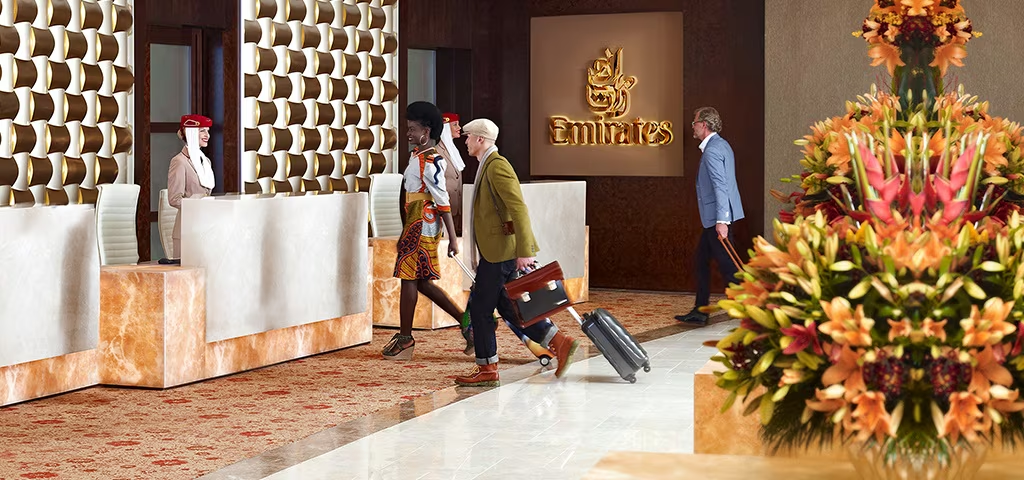
    Dubai’s state-owned Emirates Airline has rolled out a new gem for its affluent travelers with the launch of the Emirates First Lounge in Terminal 3 at Dubai International Airport (DXB). Since mid-July, this luxurious haven has been welcoming well-heeled passengers, showcasing Emirates’ determination to maintain its edge amid rising competition in the Gulf region.

    The whispers of First Class’ demise during the pandemic seem to have been greatly exaggerated. Contrary to predictions, this lucrative segment is experiencing a resurgence—especially in the prosperous Gulf area, where Emirates stands at the forefront of this revival. The Emirates First Lounge promises its top-tier fliers, as well as Platinum members of its Skywards frequent flyer program, an exceptional airport experience that begins well before takeoff.

    A Luxurious Departure Experience

    With an upgraded check-in area featuring elegant private seating and an exclusive check-in process, the Emirates First Lounge sets a new standard for luxury travel. This is complemented by the airline’s 43 exclusive lounges worldwide, designed for those traveling on premium tickets. Rolex clocks adorn the walls, ensuring that affluent passengers can keep time—though, given that DXB operates as a “silent airport,” they may find themselves enjoying the lull rather than rushing for their gates.

    Charting a Unique Course

    While other airlines may be trending away from First Class, Emirates is carving its own path. Aviation analysts at Cirium report a dramatic reduction in global First-Class seats, dropping to 12.6 million in 2024—a staggering 40% decrease from 21.05 million in 2019. Despite this, overall airline capacity across all classes has risen slightly from 5.7 billion to 5.9 billion seats.

    “Our customers can now enjoy a comfortable ride to the airport with our chauffeur service, check in quickly in the exclusive Emirates First area, relax in a premium lounge before their flight, and then experience our award-winning in-flight service,” shared Adel Al Redha, Deputy President & Chief Operating Officer of Emirates. He also announced a new daily flight to Zurich starting February 1, 2026, employing the Airbus A380 superjumbo to replace the Boeing 777 currently in use.

    Facing New Competition

    Marking a timely investment in luxury, Emirates is now bracing for competition from the upstart Riyadh Air, set to launch in 2025 as Saudi Arabia’s new state airline. Equipped with petrodollars and a mission to cater to an upscale clientele, Riyadh Air has already placed substantial orders for Boeing 787 Dreamliners, transforming the air travel landscape. Its CEO, Tony Douglas, formerly of Etihad Airways, is clearly signaling that Riyadh aims to compete aggressively in the premium sector.

    Alongside these developments, the Maldivian airline BeOnd has also taken flight in 2023, enhancing travel connections between Zurich and the Gulf through charming stopovers, ensuring that competition in the Middle Eastern skies remains vibrant and relentless. A game of high stakes is unfolding, and it’s clear that the first-class cabin remains a coveted and competitive space.

    Questions & Answers

    What is the significance of the Emirates First Lounge at Dubai International Airport?
    The Emirates First Lounge enhances the travel experience for premium customers, offering exclusive check-in, luxurious amenities, and a tranquil atmosphere, reflecting Emirates’ commitment to maintaining its excellence amid growing competition.

    How does the current landscape of First Class travel compare to pre-pandemic levels?
    The global number of First-Class seats has significantly decreased by 40% since 2019, yet Emirates is bucking this trend, bolstering its services and further investing in luxury travel as others scale back.

    What competition is Emirates facing in the luxury travel market?
    Emirates is now competing with the newly announced Riyadh Air, which plans to launch in 2025 and aims to attract high-end travelers with upscale offerings, as well as the Maldivian airline BeOnd, which facilitates luxury connections in the region.

  • Japan’s 7-Eleven Parent Responds Boldly to Criticism from Couche-Tard

    Japan’s 7-Eleven Parent Responds Boldly to Criticism from Couche-Tard

    Alimentation Couche-Tard, the Canadian retail giant, has found itself at the center of a heated dispute with Seven & i, the Japanese company that operates the iconic 7-Eleven convenience store chain. In a recent statement, Seven & i pointed out that Couche-Tard had not successfully identified a suitable strategic buyer for its U.S. outlets, a necessary step to alleviate antitrust concerns linked to their proposed merger. This revelation has added fuel to an already simmering clash between the two retail powerhouses.

    Miscommunication and Misinterpretations

    The tension escalated as Seven & i accused Couche-Tard of misrepresenting the challenges inherent in their merger agreement. In a pointed response, the Japanese retailer claimed that its Canadian counterpart showed a lack of commitment to overcoming the various significant hurdles associated with the proposed deal. As blame shifts back and forth like a retail ping-pong match, the prospect of a fruitful partnership increasingly appears to be fading away.

    Antitrust Obstacles Remain

    At the core of the dispute is the complexity of antitrust regulations that are designed to maintain competitive markets. Seven & i positioned itself as a defender of market integrity, suggesting that Couche-Tard’s failure to find a buyer for its U.S. assets exhibits a deeper problem rather than just a mere ‘misunderstanding’ of the situation. With both companies digging in their heels, the future of the proposed merger hangs in the balance like a pair of high-stakes dice.

    What Comes Next?

    As the legal and strategic battles unfold, the retail landscape in Asia watches keenly. Industry analysts are now pondering the potential ramifications for both companies if they cannot find common ground. Can two titans of retail, each with robust operations and loyal followings, navigate their way through this quagmire, or will their aspirations fizzle like an over-enthusiastic soda pop? Only time will tell.

    Questions & Answers

    What is the central issue between Alimentation Couche-Tard and Seven & i?
    The main issue revolves around Couche-Tard’s failure to identify a strategic buyer for its U.S. outlets, a necessary step to mitigate antitrust concerns regarding their proposed merger.

    How has Seven & i responded to Couche-Tard’s claims?
    Seven & i has accused Couche-Tard of mischaracterizing the challenges of the deal and lacking commitment to resolving them, escalating the blame game between the two companies.

    What are the implications of this dispute for the retail industry in Asia?
    The ongoing tensions could have significant repercussions for both companies and the wider retail landscape in Asia, as observers speculate on potential impacts should they fail to reach a resolution.

  • Singapore’s Castlery Expands European Footprint With Uk E-commerce Launch And London Pop-up Store

    Singapore’s Castlery Expands European Footprint With Uk E-commerce Launch And London Pop-up Store

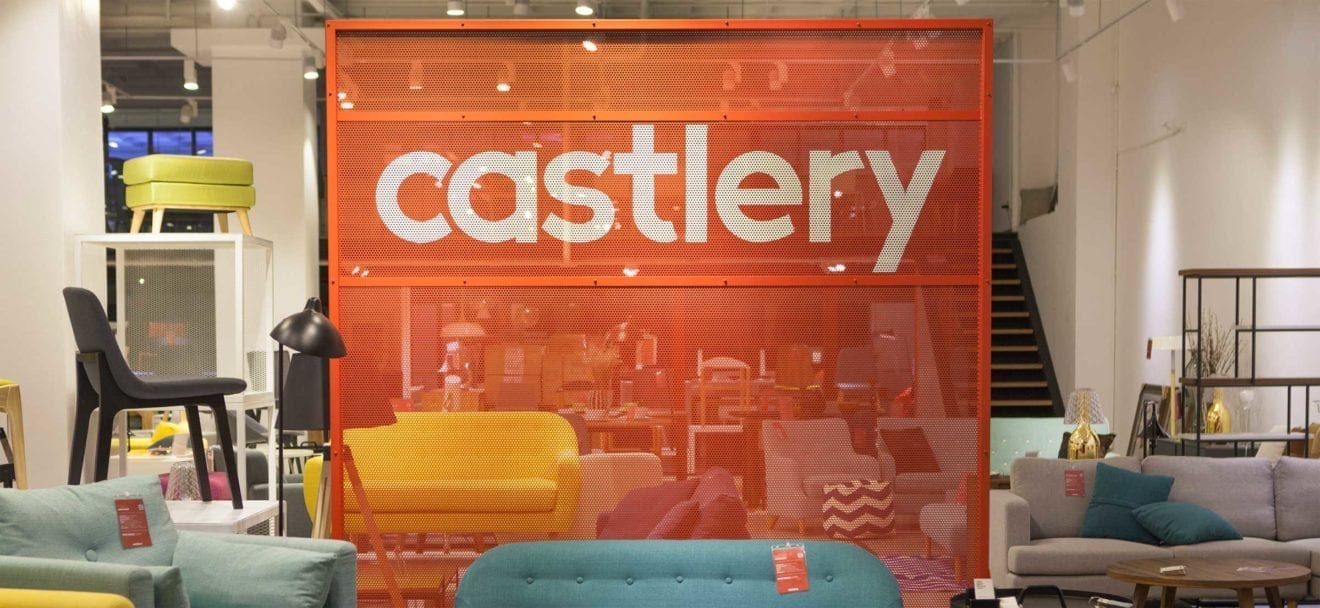
    Singaporean home furnishings company, Castlery, has extended its reach by opening an e-commerce store in the United Kingdom. This move signifies the brand’s initial foray into the European marketplace.

    The online store showcases an extensive variety of Castlery’s furniture offerings, inclusive of sofas, dining tables, beds, storage solutions, and items crafted with children in mind. In addition, Castlery is preparing to introduce a pop-up store at the London Design Festival in September.

    Co-founder Declan Ee summed up Castlery’s ethos, stating, “In essence, Castlery offers furnishings for those who value well-designed pieces, but are not prepared to sacrifice their financial stability for an expensive coffee table.”

    Furthering their expansion, Castlery is also set to inaugurate a physical storefront in Brisbane on the 26th of August. This follows the successful establishment of their Sydney store in the previous year.

    Since its inception in 2013, the Singapore-based company has been operating its e-commerce platform across a staggering 100 cities worldwide. These include locations in Singapore, Australia, the United States, Canada, as well as the United Kingdom.

    Questions & Answers

    When and where was Castlery founded?
    Castlery was founded in Singapore in 2013.

    Where is Castlery set to open its next physical store?
    The next physical store will be opened in Brisbane on August 26.

    In which cities does Castlery operate its e-commerce site?
    Castlery operates its e-commerce site in 100 global cities, spanning regions such as Singapore, Australia, the United States, Canada, and the United Kingdom.

  • Qantas Faces Cyberattack: Personal Data of Six Million Customers Breached in Major Security Incident

    Qantas Faces Cyberattack: Personal Data of Six Million Customers Breached in Major Security Incident

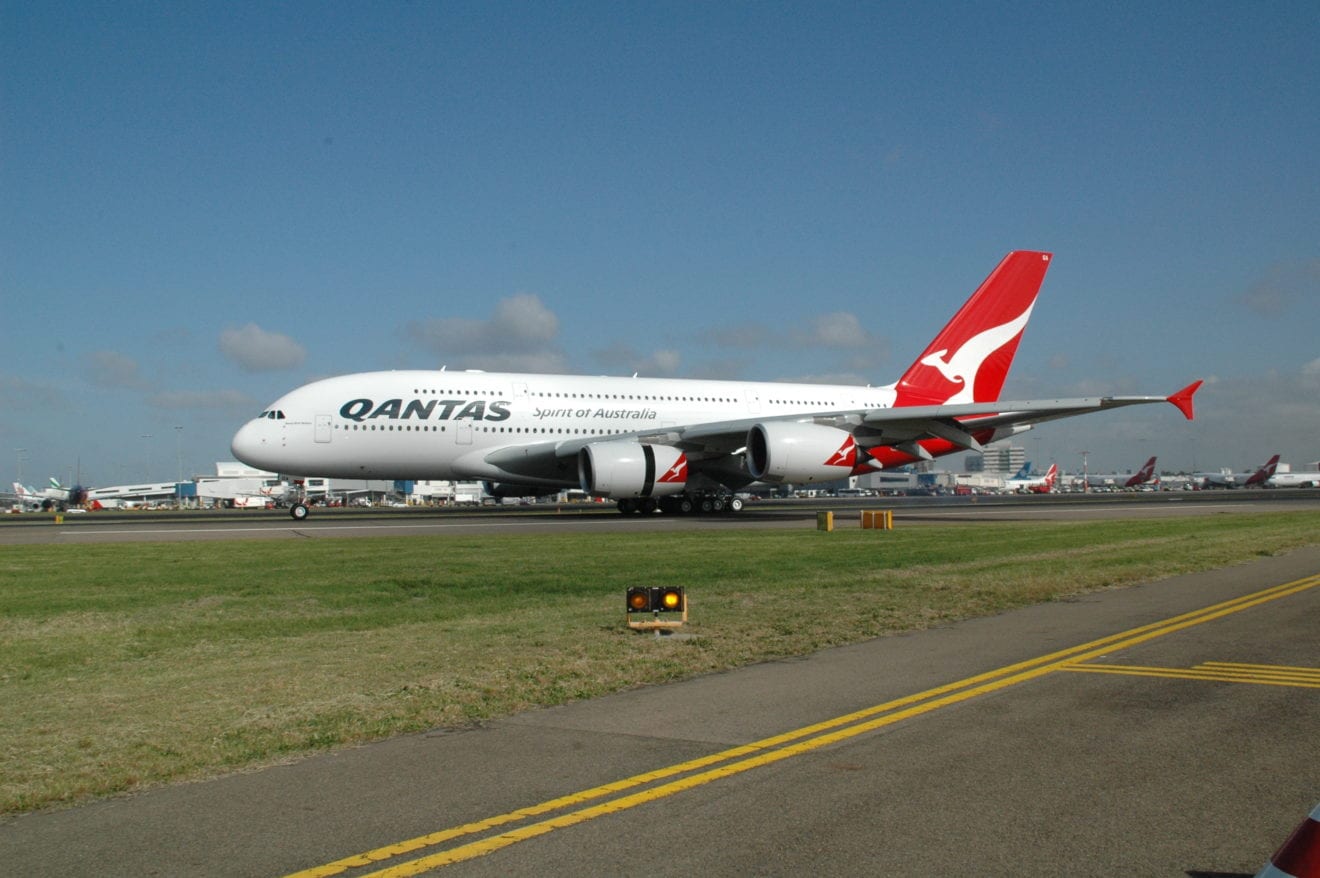
    In an alarming development, Australian airline Qantas has confirmed a significant data breach that has jeopardized the personal information of up to six million customers. This breach came to light following a cyberattack on a third-party customer service platform linked to a call center based in Manila, Philippines.

    A Shocking Vishing Attack

    The cyber intrusion, detected on June 30, involved a sophisticated form of voice phishing known as vishing, where malicious actors masquerade as trusted entities over phone calls to extract sensitive information from unsuspecting victims.

    Exposed Information and Assurances

    The compromised customer service platform housed a trove of personal data, including customers’ names, email addresses, phone numbers, birthdates, and frequent flyer numbers. However, Qantas has reassured customers that no financial information, credit card details, or passports were stored within the affected system. Additionally, the integrity of frequent flyer account credentials, passwords, and PINs remains intact.

    Robust Response and Investigation

    Operations and flight safety have not been compromised, as the airline emphasized. In response to this breach, Qantas has notified Australian intelligence agencies, including the Australian Cyber Security Centre, and law enforcement agencies such as the Australian Federal Police. The Office of the Australian Information Commissioner has also been apprised of the situation.

    To bolster customer assurance, the airline has initiated a comprehensive investigation and established a dedicated support line and website to keep affected customers updated. Those impacted will receive direct communication from the company.

    A Heartfelt Apology

    Qantas Group CEO Vanessa Hudson publicly addressed the situation, offering an apology to customers. “Our customers trust us with their personal information, and we take that responsibility seriously. We are contacting them directly and offering necessary support,” Hudson stated. It’s clear that trust, once broken, can be harder to mend than a wing on a seasoned aircraft.

    Questions & Answers

    What was the cause of the Qantas data breach?
    The breach stemmed from a cyberattack on a third-party customer service platform in the Philippines, involving a voice phishing scheme known as vishing.

    What type of personal information was compromised in the breach?
    The exposed information included customers’ names, emails, phone numbers, birthdates, and frequent flyer numbers, but no financial data or passwords were at risk.

    How is Qantas responding to the breach?
    Qantas has launched a full investigation and established a support line for customers while notifying relevant authorities and directly contacting affected individuals.

  • Times Square Hong Kong’s Radical Retail Revamp: Creating A New Era Of Shopping Experience

    Times Square Hong Kong’s Radical Retail Revamp: Creating A New Era Of Shopping Experience

    In a bold move aimed at redefining the shopping experience, Hong Kong’s renowned Times Square is preparing to welcome a fresh wave of retail tenants, promising to revitalize the center’s appeal amid evolving consumer preferences. Opening next month, these new outlets will feature a mix of both local and international brands, ensuring that the shopping hub continues to cater to diverse tastes.

    A New Vision for Retail

    As Times Square embarks on this transformation, its management has expressed a clear intention to create a space where innovation meets a unique customer experience. As a pinnacle of Hong Kong’s shopping landscape, Times Square has long been an iconic destination, and it seems that exciting changes are on the horizon. Store redesigns and an upgraded tenant lineup aim to shake off the cobwebs of the past as it catches the eye of a generation grown increasingly discerning about their shopping options.

    Consumer-Centric Retailing

    The new tenants, carefully selected to align with contemporary consumer values, will bring an eclectic blend of retail experiences. From trendsetting fashion brands to bespoke lifestyle shops, the roster is designed to create an atmosphere that feels more like a curated collection than a traditional mall. This is more than just a shopping destination; it’s a community space primed for discovery and connection, inviting shoppers to explore and engage with brands in novel ways.

    Adapting to Trends and Tastes

    The shift in strategy comes at a time when many retail spaces face challenges from e-commerce, leading some to wonder if bricks-and-mortar shops can ever truly compete. However, Times Square seems to be taking this head-on by prioritizing the in-store experience. “Retail is not just about products; it’s about creating moments,” remarked the center’s development director, expertly capturing the essence of the change. “We’re aiming to make Times Square a true destination, where shopping becomes a delightful and engaging experience.”

    Who wouldn’t want to browse through shops that feel like a treasure hunt? With local art displays and interactive installations lined up, shoppers can expect a few surprises along the way — perhaps even an Instagrammable moment or two!

    Embracing Sustainability and Innovation

    Moreover, sustainability is set to be a cornerstone of the new retail phase. Tenants are encouraged to incorporate eco-friendly practices into their operations, reflecting a broader trend towards responsible consumerism that resonates strongly with today’s shoppers. This isn’t just a trend; it’s a movement, shaping how brands present themselves and engage with customers.

    The changes at Times Square indicate a broader renaissance within the retail landscape of Hong Kong as brands adapt to meet evolving consumer expectations. A fresh narrative is unfolding, transforming the shopping experience from transactional to experiential, and Times Square is at the forefront of this exciting evolution.

    Questions & Answers

    What types of tenants will be featured in the new Times Square lineup?
    The new lineup will include a vibrant mix of local and international brands, ranging from trendy fashion outlets to unique lifestyle shops, all aimed at enhancing the shopping experience.

    How is Times Square adapting to competition from e-commerce?
    By focusing on creating an engaging in-store experience, incorporating art and interaction, and offering moments of surprise, Times Square aims to make shopping a delightful adventure rather than a mere transaction.

    What sustainability practices are being implemented by new tenants?
    New tenants are encouraged to adopt eco-friendly practices, aligning with the growing consumer demand for brands that prioritize sustainability in their operations.

  • Von Dutch Diversifies: Fashion Brand Ventures Into Food, Beverage, And Hospitality Sectors

    Von Dutch Diversifies: Fashion Brand Ventures Into Food, Beverage, And Hospitality Sectors

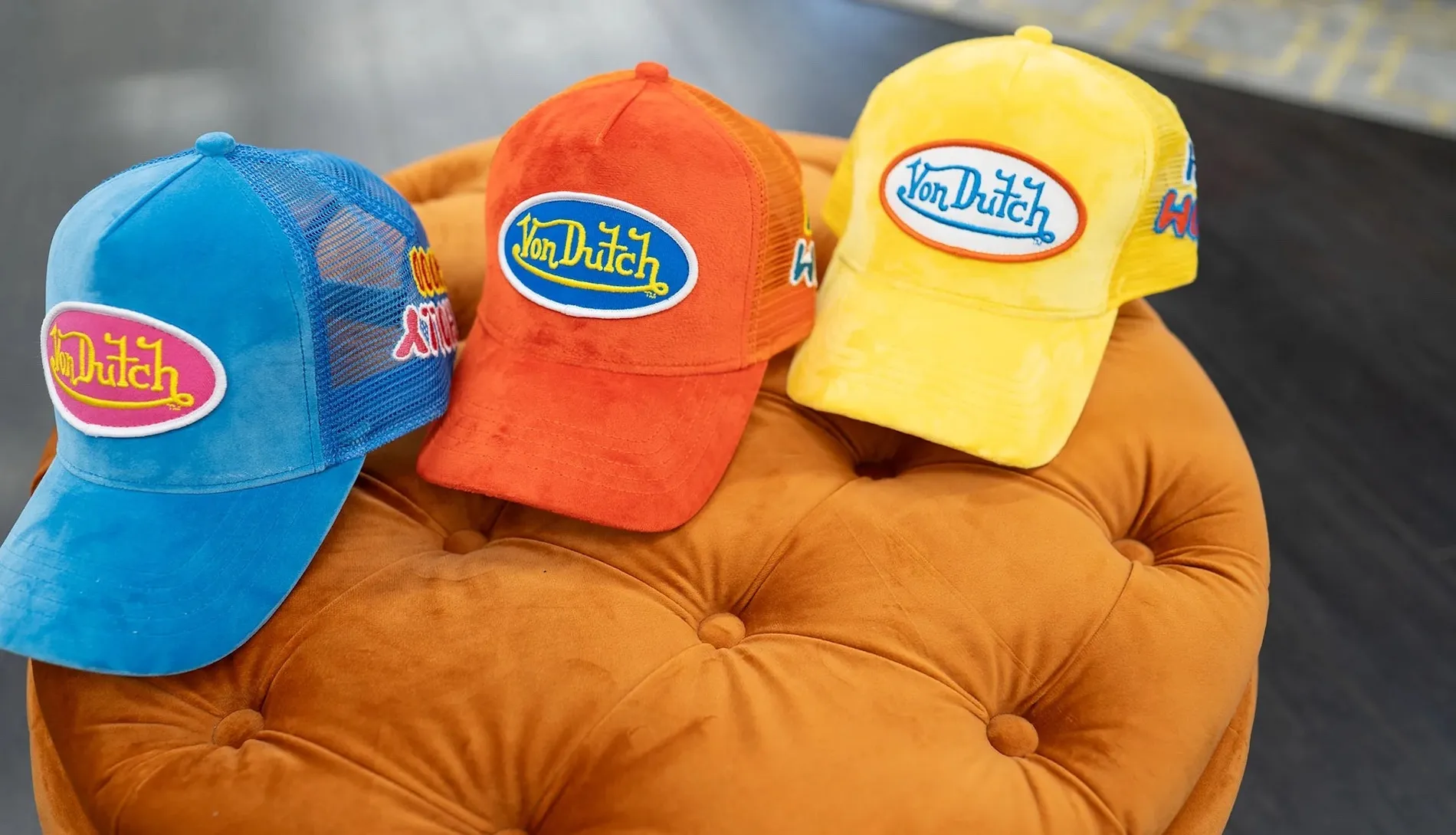
    Fashion label, Von Dutch, is broadening its horizons by venturing into sectors of food, beverage, and hospitality. The company has officially disclosed a worldwide food and beverage licensing agreement. As a result of this agreement, the brand will introduce a collection of drinks, snacks focussed on health and wellness, and a blend of cafe-lounges under the name of Von Dutch F&B. This initiative is under the leadership of CEO Joe Wallace, a seasoned executive known for securing millions in funding and pioneering a variety of products in food tech, consumer goods, and hospitality.

    As expressed by Wallace, the vision is to create an empire far beyond just a food brand. The brand’s philosophy will hinge on entertainment, authenticity, wellness, hospitality, and a fresh vitality.

    New Product Launches

    In partnership with beverage incubator Flavor House, Von Dutch F&B will launch an organic, plant-based line of sodas and mocktails. Other exciting ventures include a new alcohol line featuring vodka, tequila, beer, and hard seltzers. This move complements the brand’s existing product – Von Dutch Water, known as a high-quality hydration product that has gained popularity across various outlets from convenience stores to bars and music festivals.

    Von Dutch Cafes and Sub-Brand Launch

    Von Dutch plans on opening its brand-new cafes in New York and Los Angeles over the next year. These spaces will transition from being daytime hubs for coffee and snacks to after-hours hotspots featuring cocktails, mocktails, and live entertainment.

    The brand, which was taken over by the White Space Group (WSG) in 2024, also plans on launching an engaging sub-brand called ‘Von Dutch Loves.’ This sub-brand will highlight music, nightlife, and underground culture through exclusive releases, artist partnerships, festival collaborations, and community-centered events.

    WSG CEO Jack Cheika expressed his excitement about the partnership, stating that the goal is to create cultural relevance in every aspect of people’s lives, from how they dress to how they dine, drink, and socialize.

    Questions & Answers

    What is the new venture of Von Dutch?
    Von Dutch is expanding its brand into the food, beverage, and hospitality sectors under the name Von Dutch F&B.

    What products will Von Dutch F&B be launching?
    Von Dutch F&B plans to launch a range of organic, plant-based sodas and mocktails as well as a new alcohol line including vodka, tequila, beer, and hard seltzers.

    What is the aim of the ‘Von Dutch Loves’ sub-brand?
    The ‘Von Dutch Loves’ sub-brand is designed to highlight music, nightlife, and underground culture through exclusive releases, artist partnerships, festival collaborations, and community-centered events.