Category: General

Retail News Asia is committed to providing both local and global retailers with the latest General Retail news throughout the Asian market. This on a daily base.

  • Li & Fung Acquires Uk’s Orrsum In Strategic Move Towards Platform-based Growth

    Li & Fung Acquires Uk’s Orrsum In Strategic Move Towards Platform-based Growth

    Renowned supply chain management firm, Li & Fung, headquartered in Hong Kong, has recently announced the acquisition of Orrsum, a prominent UK-based supplier specializing in hosiery and underwear. The financial details of the deal remain undisclosed at this point.

    Orrsum’s Stature and Future Plans

    Established in 1998, Orrsum has an impressive record of producing more than 50 million pairs of socks annually, distributing to over 5,000 retail outlets on a global scale. The company’s reputation is solidly backed by its product expertise, innovative development model, and robust customer relationships.

    As part of the acquisition agreement, Orrsum will continue to operate under the umbrella of Li & Fung Europe. The leadership will remain unchanged with William Orr at its helm. It aims to capitalize on Li & Fung’s advanced AI-driven digital infrastructure and expansive sourcing network spread across 40 economies. This strategic move is expected to enhance supply chain agility, facilitating entry into new markets and channels.

    Significance of the Acquisition

    Destan Bezmen, who serves as the president of Europe, emphasized that this acquisition is a critical move in the company’s expansion strategy. He expressed confidence that integrating Orrsum’s category leadership and product development capabilities with Li & Fung’s digital infrastructure and global reach will enable them to scale high-demand categories. Furthermore, it will expand their customer offerings and lead to faster, more flexible execution across different markets.

    This agreement signifies Li & Fung’s first acquisition in more than 10 years and the maiden one since it turned private in 2020. The company shared that this transaction is a part of its strategic shift towards platform-based growth. This new direction places a strong emphasis on scalable product categories, digital integration, and the development of resilient supply chain solutions.


    Li & Fung has previously partnered with US apparel brand, Sanctuary, in October of last year. This collaboration aimed at the creation and distribution of a new women’s denim line under a licensing agreement.

    Questions & Answers

    What is the significance of Li & Fung’s acquisition of Orrsum?
    This acquisition marks a critical step in Li & Fung’s expansion strategy, allowing the company to scale high-demand categories, broaden customer offerings, and facilitate faster, more flexible execution across markets.

    How will Orrsum operate following the acquisition?
    Orrsum will continue its operations under Li & Fung Europe and maintain its existing leadership led by William Orr. The company will leverage Li & Fung’s AI-enabled digital infrastructure and extensive sourcing network to boost its supply chain agility and facilitate expansion into new markets and channels.

    What is the strategic shift Li & Fung is aiming for with this acquisition?
    The acquisition is part of Li & Fung’s strategic pivot towards platform-based growth, focusing on scalable product categories, digital integration, and the development of resilient supply chain solutions.

  • Shinsegae Duty Free Unveils Stunning Renovation of 11th Floor at Myeongdong Flagship Store

    Shinsegae Duty Free Unveils Stunning Renovation of 11th Floor at Myeongdong Flagship Store

    Shinsegae Duty Free has unveiled a revitalized 11th floor at its flagship Myeongdong store, highlighting South Korea’s vibrant culture and its appeal to global travelers. This extensive renovation has culminated in an impressive collection of over 100 carefully selected brands spanning food, fashion, liquor, K-pop, and character merchandise.

    A Culinary Adventure: The Taste of Shinsegae

    At the heart of the floor lies the “Taste of Shinsegae,” a new zone devoted to showcasing the best of Korean snacks, desserts, health supplements, and regional delicacies. It’s a culinary adventure that promises more than just shopping; it’s a flavor festival!

    Shoppers can explore four distinct sections: the Dessert Zone, where trendy treats like ‘Bricksand’ financier cookies and vegan ‘Grains Cookie’ take center stage; the Pop-Up Zone, which highlights the latest buzz-worthy brands from areas like Hongdae and Seongsu including Mannadang yakgwa and Super Matcha goodies; the Food Market Zone, brimming with favorites like Samcheongdong Egg Rolls and Bibigo meals; and the Wellness Zone, featuring esteemed supplements from brands like Red Ginseng and GNC. Enthusiasts of fine spirits will find excitement in the liquor section, with rare whiskeys and engaging tasting events.

    Fashion Forward with Exclusive Offerings

    The fashion segment has not been overlooked, introducing unique boutiques from renowned labels such as GUESS and Mmlg, alongside streetwear from National Geographic and Acme de la vie, expanding on the impressive array available on the 9th floor.

    Interactive Experiences at the Space of BTS

    Notably, the ‘Space of BTS’ has relocated to the 11th floor and has been upgraded with fresh merchandise and interactive experiences celebrating the solo endeavors of each member. A dedicated gift zone features popular Korean character brands like Kakao Friends and Zanmang Loopy, making it a delightful stop for fans and gift-seekers alike.

    Shinsegae reports a remarkable 40% surge in food category sales during the first half of 2025, a trend attributed to growing international interest in Korean cultural products and a resurgence in global travel. It seems that the world can’t get enough of Korean flavors and fashion!

    Questions & Answers

    What notable new feature is included in Shinsegae’s revamped 11th floor?
    The standout feature is the “Taste of Shinsegae,” which focuses on Korean snacks, desserts, health supplements, and regional specialties.

    How has the food category sales performed for Shinsegae in 2025?
    Shinsegae has reported a significant 40% increase in food category sales, driven by heightened global interest in Korean products and a recovery in international travel.

    What unique shopping experiences can visitors expect on the 11th floor?
    Visitors can enjoy various curated sections including trendy desserts, rotating pop-up brands, a comprehensive wellness zone, and an upgraded ‘Space of BTS’ featuring interactive content.

  • Retail Sales Soar in Shanghai as Visa-Free Access Opens New Opportunities

    Retail Sales Soar in Shanghai as Visa-Free Access Opens New Opportunities

    China’s new visa policies and tax refund reforms are having a transformative impact on international travel and retail in Shanghai, according to a recent report by Savills. The city has seen a remarkable increase in international arrivals and shopper engagement, driven by enhanced accessibility and an appealing cultural landscape.

    Since December 2023, China has opened its doors wider, implementing visa-free entry for citizens from 43 countries and extending transit periods to 240 hours for 54 others. These changes have led to an impressive 2.6 million international arrivals in Shanghai during the first trimester of 2025—marking a 37.1% year-on-year increase. Notably, visitor numbers surpassed pre-COVID levels in both December 2024 and April 2025, signaling a vibrant revival of tourism.

    This influx has not only extended tourists’ stays but has also sparked a shopping spree in the city. Leveraging its well-developed infrastructure, affordable flight options, and rich cultural offerings, Shanghai has positioned itself as a prime destination for both leisure and business travelers alike.

    In April, the government took additional steps to encourage spending by lowering the minimum tax refund threshold to $28 (RMB200) and significantly increasing the annual reimbursement cap to $2,785 (RMB20,000). More stores and malls are now included, with visitors able to claim an immediate 11% refund at over 3,300 participating tax refund outlets, including major shopping havens along East and West Nanjing Road, Xujiahui, and Zhuyuan.

    The impact of these reforms has been palpable. During the Labour Day holiday in 2025, inbound tourist spending soared to $63.39 million (RMB455 million), an astonishing 211.6% increase compared to the previous year.

    Retailers are eager to capitalize on this growth, adopting high-quality, immersive experiences to meet the evolving needs of consumers. Visitors are increasingly drawn to Chinese brands, shopping fervently for fashion, designer bags, themed toys, and food—reflecting a diverse and vibrant retail landscape.

    South Korea, Japan, and Thailand emerged as the top three origin countries for tourists in Q1 2025, with notable increases in visitors from Thailand (+242.75%), South Korea (+142.37%), and Indonesia (+118.51%). The profile of these travelers is skewing younger; approximately 40% of incoming tourists are between the ages of 20 and 35, according to Mastercard.

    These “digital natives” are not just wandering the aisles; they’re active on social media throughout their shopping journeys, making seamless online-to-offline engagement crucial for brands seeking to connect with them meaningfully.

    Brands such as SHUSHU/TONG and Songmont report that nearly half of their clientele now consists of international visitors. Meanwhile, brands like Pop Mart and Miniso are capitalizing on trendy IP partnerships and social media buzz to attract attention and drive sales.

    The dining scene is also thriving, with restaurants like Haidilao and Long Time Ago experiencing higher foot traffic from foreign patrons than locals during peak hours. To cater to this diverse clientele, many establishments have introduced multilingual menus and AI translation tools, ensuring that no one is lost in translation, or worse, in flavor.

    Despite this positive momentum, some caution remains as consumer sentiment is tempered by broader economic uncertainties, with value-for-money becoming a deciding factor for many shoppers.

    Nonetheless, the marketplace is energized by emerging brands, particularly in sectors like outdoor apparel, pet services, and global bistros. Additionally, themed malls focusing on ACG (anime, comics, games) culture and immersive experiences are rapidly gaining popularity among niche audiences.

    As major attractions such as Lego and Harry Potter theme parks loom on the horizon, expectations are high for these developments to further enhance Shanghai’s reputation and stimulate cross-sector consumption in retail, hospitality, and tourism.

    Questions & Answers

    How have China’s visa policies impacted tourism in Shanghai?
    China’s recent visa-free entry policies have resulted in a significant rise in international arrivals, with 2.6 million tourists flocking to Shanghai in just the first four months of 2025—a 37.1% increase from the previous year.

    What measures have been taken to encourage foreign spending in Shanghai?
    In April, the government lowered the minimum tax refund threshold to $28 and doubled the annual cap to $2,785. This allows more tourists to enjoy immediate tax refunds at over 3,300 designated stores, driving a substantial increase in visitor spending.

    Which demographics are primarily driving tourism in Shanghai?
    Younger travelers, particularly those aged 20 to 35, make up about 40% of all inbound visitors. This group tends to engage heavily with social media, making their shopping experiences intertwined with digital interactions.

  • Understanding Market Sentiment: How Speculators Influence Oil Prices

    Understanding Market Sentiment: How Speculators Influence Oil Prices

    The global oil market isn’t just about supply and demand anymore. While physical factors like production levels and geopolitical tensions certainly matter, there’s another powerful force: market sentiment driven by speculators. These financial players can send crude prices soaring or plummeting based on little more than gut feelings and educated guesses about the future.

    The Psychology Behind Oil Trading

    Market sentiment in oil trading is the collective mood of investors and traders. When optimism runs high, prices climb without fundamental supply or demand changes. Conversely, pessimistic sentiment can drag prices down regardless of actual market conditions.

    Speculators — ranging from hedge funds to individual traders – don’t typically take physical delivery of oil. Instead, they’re betting on price movements through futures contracts and other financial instruments. Their decisions are heavily influenced by news headlines, economic indicators, and even social media chatter. A single tweet from a world leader or an unexpected inventory report can trigger massive buying or selling sprees.

    How Speculation Amplifies Price Movements

    The speculative element adds a layer of volatility that wouldn’t exist in a purely physical market. When speculators collectively believe oil prices will rise, they pile into long positions, creating upward pressure that can become self-fulfilling. This momentum trading can push prices well beyond what supply and demand fundamentals would suggest.

    Take the oil price spike in 2008, when crude briefly touched $147 per barrel. While there were genuine supply concerns, speculative activity significantly amplified the move. Similarly, during the COVID-19 pandemic, speculative selling contributed to the historic collapse that saw oil futures briefly trade in negative territory.

    The Role of Algorithmic Trading

    Modern oil markets are increasingly dominated by computer algorithms that can execute thousands of trades per second. These systems often react to sentiment indicators, news sentiment analysis, and technical patterns rather than fundamental oil market data. When algorithms all move in the same direction simultaneously, the resulting price swings can be dramatic and seemingly disconnected from physical market realities.

    Regulatory Responses and Market Structure

    Regulators have implemented position limits and increased reporting requirements to monitor speculative activity more closely. However, the global nature of oil trading and the sophistication of financial instruments make it challenging to control speculative influences completely.

    The Commodity Futures Trading Commission in the US and similar bodies elsewhere regularly publish data on trader positions, helping market participants gauge speculative sentiment. These reports often become market-moving events, as traders adjust their positions based on what others are doing.

    The Double-Edged Sword of Speculation

    While speculation can create unwanted volatility, it also provides crucial liquidity to oil markets. Speculators help ensure buyers and sellers are always available, making it easier for genuine commercial users to hedge their exposure to oil price movements.

    The challenge for market participants is distinguishing between price movements driven by genuine supply and demand factors versus those fueled purely by sentiment and speculation. Understanding this dynamic is crucial for anyone navigating the complex world of oil pricing, whether they’re industry professionals, policymakers, or consumers wondering why petrol prices seem to move independently of obvious market fundamentals.

  • Vietnamese Airlines Soar Ahead with New Direct International Flight Initiatives

    Vietnamese Airlines Soar Ahead with New Direct International Flight Initiatives

    Ngoc Yen is buzzing with excitement as she returns to Bali after a three-year hiatus, remarking that this time her journey was significantly more affordable and convenient thanks to a direct flight from Ho Chi Minh City. “It’s more manageable now: ticket changes are easy, the flight attendants speak Vietnamese, and the meals hit just right,” she shared, contrasting her previous experiences that often required lengthy layovers in Singapore, racking up unexpected costs along the way.

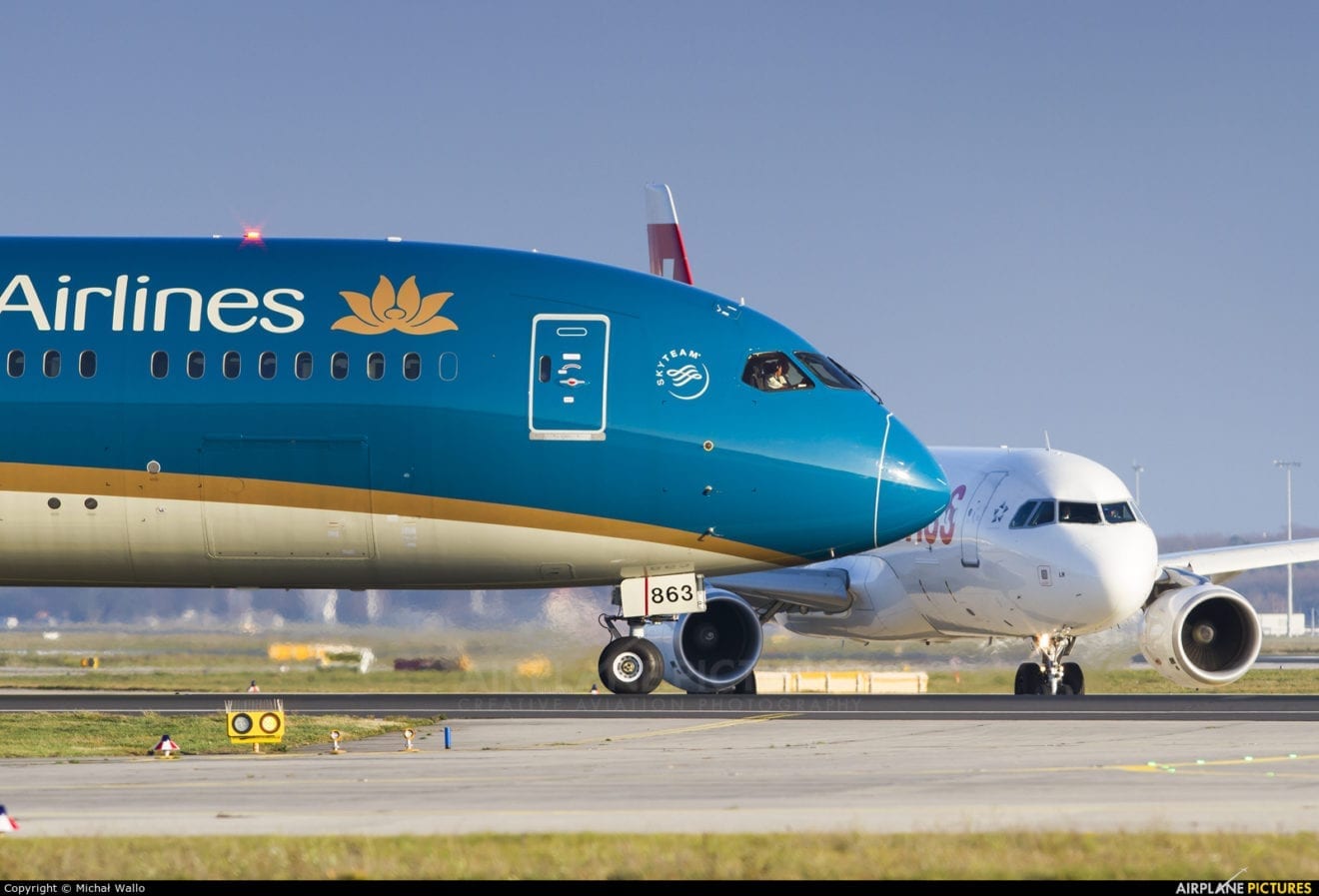
    Leading the charge in this travel renaissance, Vietnam Airlines has introduced an impressive 13 new international routes since early 2024. Among these, the cities of Ho Chi Minh and Bali, Copenhagen, Bengaluru, Hyderabad, and Milan are now just a short flight apart. This expansion includes its inaugural service to Denmark and the revival of crucial routes such as Hanoi to Moscow and Ho Chi Minh to Osaka.

    Today, Vietnam Airlines operates on 69 international routes—a notable 13% increase from pre-pandemic levels—connecting travelers to 37 destinations across 21 countries. A spokesperson for the airline highlighted its rapid recovery and expansion as “unprecedented.” The international routes have not only boosted airline connectivity but also contributed significantly to its financials, with revenues up by 10.6% year-on-year in the first half of 2025, accounting for 60% of total transport service revenues.

    Meanwhile, budget carrier Vietjet Air is setting its sights on the Indian market with flights to major cities like Mumbai, Ahmedabad, and Hyderabad. The airline recently kicked off new services from Nha Trang in Vietnam to Vladivostok, Khabarovsk, and Blagoveshchensk in Russia, and connected Hanoi with Chengdu in China. Looking ahead, Vietjet plans to add flights to Auckland, New Zealand, in September, part of a broader strategy for sustained growth.

    Bamboo Airways, on the other hand, is focusing its efforts on short-haul routes, allowing it to easily adjust flight frequencies to popular destinations like Bangkok, Taipei, and Seoul. In a unique twist, Vietravel Airlines is broadening its horizons in charter flights, appealing to high-end travelers with luxurious all-inclusive tours to destinations in South Korea, Japan, and Thailand.

    The Civil Aviation Authority of Vietnam has noted a resurgence, revealing that Vietnamese airlines are now operating across more than 150 international routes, surpassing numbers seen before the pandemic. This aggressive expansion is driven by a desire to retain slots at major airports as demand for air travel rebounds. Airlines are also gearing up to increase international flights to attractive Vietnamese tourist destinations such as Da Nang, Nha Trang, and Phu Quoc, signaling a strategic effort to reinforce Vietnam’s position in the global transport ecosystem.

    “We’re not merely chasing numbers; we’re selecting destinations with strong connectivity that serve both passenger and cargo needs,” stated a representative from one carrier, emphasizing the balance between growth and practicality. Routes like Hanoi-Hyderabad are gaining popularity due to competitive pricing, and travel agents in Hanoi report soaring demand for direct flights to India and Bali, particularly among independent and business travelers. As optimism swells, airlines are planning to continue this trend of international expansion, buoyed by the encouraging response to their new services.

    Questions & Answers

    What new international routes has Vietnam Airlines added recently?
    Vietnam Airlines has launched 13 new international routes including those to Bali, Copenhagen, Bengaluru, Hyderabad, and Milan.

    How has Vietjet Air expanded its operations?
    Vietjet Air has targeted the Indian market with flights to major cities like Mumbai and has also initiated new services to Russian cities and plans to connect to Auckland, New Zealand.

    What strategic moves are Vietnamese airlines making post-pandemic?
    Vietnamese airlines are rapidly expanding their international services to secure airport slots and respond to rising travel demand, focusing on destinations that enhance both passenger and cargo connectivity.

  • Central Pattana Unveils Plans For Mixed-use ‘central Park’ In Bangkok’s Heart

    Central Pattana Unveils Plans For Mixed-use ‘central Park’ In Bangkok’s Heart

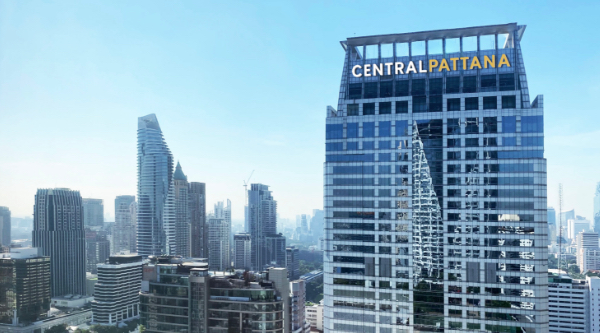
    Central Pattana, based in Thailand, has announced plans to launch a new shopping centre named Central Park in Bangkok this September. This move constitutes a significant portion of a widespread mixed-use development.

    About the Project

    With a vast area of 130,000 square meters, the project encompasses retail space, a rooftop park, and a high-end office tower. Its design is intended to merge commercial, lifestyle, and environmental features within a central urban location.

    The forthcoming shopping centre will boast an array of Thai and international fashion brands. It is predicted to cater to both local consumers and overseas visitors.

    The Rooftop Park

    One of the development’s distinguishing features is an 11,200 square meter rooftop park. Touted as the largest of its kind in Thailand, this elevated green space will offer panoramic views of the Bangkok skyline.

    Inspiration and Location

    Situated at the crossroads of Silom and Rama, Central Park Bangkok is inspired by the likes of Central Park in New York and Hyde Park in London.

    The project also includes a 43-story office tower situated next to Lumpini Park. The building is striving for LEED Gold, Well Platinum, and WiredScore Gold certifications.

    The offices, which are directly linked to the shopping centre, are devised to foster a mixed-use environment catering to urban professionals.

    In the words of Central Pattana, this flagship project is “geared to become a world-class retail destination in the heart of Bangkok,” with the aim of promoting Thailand’s retail sector onto the international stage.

    Questions & Answers

    What is the anticipated date for the opening of Central Park Bangkok?
    Central Park Bangkok is slated to open in September.

    What elements does the Central Park Bangkok project incorporate?
    The project combines a shopping centre, a rooftop park, and a high-end office tower, aiming to blend commercial, lifestyle, and environmental facets in a central urban location.

    What kind of brands will the shopping centre feature?
    The shopping centre will showcase a variety of Thai and international fashion brands, targeting both local customers and international tourists.

  • Richemont Reports 6% Quarterly Sales Rise Thanks To Cartier, Van Cleef & Arpels Jewelry Brands

    Richemont Reports 6% Quarterly Sales Rise Thanks To Cartier, Van Cleef & Arpels Jewelry Brands

    The Swiss luxury conglomerate, Richemont, reported a six per cent increase in quarterly sales, attributing the growth to the continued popularity of its fine jewelry brands, Cartier and Van Cleef & Arpels, among affluent consumers.

    Quarterly Sales Figures

    For the first quarter, ending June, the firm posted sales of 5.4 billion euros. This figure mirrors the projected six per cent growth in accordance with the forecast set by financial analysts.

    The powerhouse behind the group’s expansion was the jewelry division, which reported an 11 per cent sales increase. However, the company’s watch division, which comprises esteemed brands such as Vacheron Constantin and Jaeger LeCoultre, did not perform as well. Watch sales were seven per cent lower on a year-on-year basis, although this represents a minor recovery from the 11 per cent decline witnessed in the preceding quarter.

    Global Market Performance

    The Swiss watch industry, currently grappling with potential tariff threats in the United States, is predicted to report its lowest wristwatch export volumes since the onset of the pandemic in 2020.

    Regionally, sales performance varied. In the Americas, primarily the U.S market, sales improved mildly – up 17 per cent, surpassing the 12 per cent growth forecast. Conversely, sales in Asia remained stagnant, as a seven per cent sales slump in China, Hong Kong, and Macau was counterbalanced by robust business activities in other parts of the continent.

    Questions & Answers

    Which Richemont division led the group’s growth? The jewelry division led Richemont’s growth, reporting an 11 per cent increase in sales.

    How did the watch division perform? The watch sales were seven per cent lower on a year-on-year basis.

    How did sales vary across regions? Sales improved in the Americas, particularly in the U.S, by 17 per cent. In Asia, sales remained stagnant due to a seven per cent sales decrease in China, Hong Kong, and Macau, offset by stronger business in other Asian regions.

  • Couche-Tard pulls $47 billion bid for Seven & I, cites lack of engagement

    Couche-Tard pulls $47 billion bid for Seven & I, cites lack of engagement

    Alimentation Couche-Tard, a Canadian retail company, announced its withdrawal from a $47 billion acquisition bid for Seven & I Holdings on Wednesday. Couche-Tard cited the lack of a cooperative exchange from the Japanese retail company as the reason behind this move.

    A Surprise Discontinuation

    The unexpected decision brings a year-long effort by Couche-Tard, the operator of Circle K, to a halt. The goal was to create a global convenience store powerhouse by taking control of the corporation that operates 7-Eleven. According to Couche-Tard, there has been no earnest or productive interaction from 7&i that would help progress any proposal, contradicting public statements made by 7&i representatives.

    Escalating Offers

    Couche-Tard had initially elevated its offer from $38.5 billion to $47 billion in October of the previous year. It also offered to raise it further in March if the Japanese firm was willing to cooperate and disclose more financial data. The Canadian firm had agreed to a store sale strategy to alleviate some regulatory obstacles.

    Couche-Tard’s acquisition efforts had gained momentum after a competing $58 billion bid from Seven & I Holdings’ founding family failed due to a lack of financing.

    Revealing the Breakdown

    Earlier in the year, both businesses signed a non-disclosure agreement (NDA). However, Couche-Tard expressed dissatisfaction with the limited extent and substance of the permitted due diligence which included two tightly controlled management meetings. The company stated that it had no insight into whether or when it would receive any additional information.

    Couche-Tard had proposed to buy all of 7&i’s business outside of Japan and only 40% of its business within Japan. Convenience stores in Japan play a significant role as key infrastructure, providing valuable support during natural disasters. The company stated that it could not effectively proceed with the merger without further and genuine engagement from 7&i leadership and its special committee.

    Questions & Answers

    Why did Couche-Tard withdraw its bid for Seven & I Holdings?
    Couche-Tard cited a lack of constructive engagement from Seven & I Holdings as the reason for withdrawing its bid.

    How high had Couche-Tard raised its acquisition offer for Seven & I Holdings?
    Couche-Tard had increased its offer to $47 billion from the initial $38.5 billion. It also expressed willingness to raise the offer further if the Japanese company cooperated and disclosed more financial information.

    Why did Couche-Tard want to purchase only 40% of 7&i’s business in Japan?
    Convenience stores in Japan are considered as key infrastructure due to their role in providing support during natural disasters. It is likely Couche-Tard took this factor into consideration in its proposal.

  • Pop Mart Anticipates a Whopping 350% Surge in Profits Thanks to Labubu Plush Toy Success!

    Pop Mart Anticipates a Whopping 350% Surge in Profits Thanks to Labubu Plush Toy Success!

    Pop Mart International Group, the acclaimed Chinese toymaker renowned for its whimsical Labubu plush characters, is poised to report an astounding 350% surge in profits during the first half of the year. This dramatic uptick is underscored by a projected revenue increase of at least 200%, as outlined in the company’s latest report.

    The sharp rise in profitability can be credited to several factors, including enhanced brand recognition, strategic cost optimization, and rigorous expense management. Pop Mart’s Labubu toys, characterized by their furry designs and playful sharp-toothed expressions, have captivated fans globally. Customers are often found queuing for hours, eager to snag the latest and most elusive models, which have become prized collectibles.

    Each Labubu toy is packaged in a blind box, adding an air of mystery to the shopping experience and heightening the thrill of collecting rare figures that can later be sold for profit. This intriguing retail strategy has helped Pop Mart stand out in a crowded market, and in turn, has propelled the company’s market valuation to an impressive US$40 billion. Its stock has soared by an astonishing 588% over the past year, according to Bloomberg.

    Pop Mart has achieved a remarkable feat by successfully tapping into Western markets, boasting one of the highest retail profit margins among Chinese companies with significant international footprints. The company’s gross profit margin reached nearly 67% last year, dwarfing that of competitors like Miniso Group Holdings, which reported a 45% margin.

    With the continuing meteoric rise of the Labubu phenomenon, it appears Pop Mart is not just cashing in on a fad but building a lasting legacy within the global toy industry. Who knew a plush toy could inspire such fervent loyalty and profit?

    Questions & Answers

    What fueled Pop Mart’s impressive profit growth?
    The company’s profit growth can be attributed to heightened brand recognition, cost optimization, and effective expense control.

    How do Labubu toys enhance the shopping experience?
    Each Labubu toy is sold in blind boxes, creating a sense of mystery and excitement around the collection of rare figures.

    What sets Pop Mart apart from its competitors in the toy market?
    Pop Mart has achieved one of the highest retail profit margins among Chinese companies with a substantial global presence, showcasing its successful penetration into Western markets.

  • Citi Projects Vietnam’s 2025 GDP Growth at an Impressive 7%: A Bright Future Ahead!

    Citi Projects Vietnam’s 2025 GDP Growth at an Impressive 7%: A Bright Future Ahead!

    Citi has painted a nuanced picture of Vietnam’s economy, indicating that stricter enforcement of rules regarding origin certification might create hurdles for the country’s export growth in the coming months. With the Vietnamese government issuing directives in April to enhance inspections and supervision of goods’ origins, the implications of these changes remain a bit foggy. As a result, companies may face delays as stricter post-deal inspections take effect, leading to a potential slowdown in the anticipated rebound of export growth come Q3.

    In June, year-on-year export growth saw a minor decline to 16%, down from May’s 17%, prompting Citi to adjust its forecast for Vietnam’s GDP growth in 2025 to 7%, up from an earlier estimate of 6.6%. This optimistic adjustment is bolstered by Vietnam’s robust economic performance in the second quarter of the year.

    Vietnam experienced impressive GDP growth of 8% year-on-year in Q2 2025, surpassing expectations and improving from the 7% growth registered in Q1. This acceleration was primarily fueled by manufacturing, which contributed an additional 0.5 percentage points, likely spurred by frontloading activity from the U.S. While manufacturing shines, Citi underscores that intensified growth was also supported by domestically-focused sectors, demonstrating a balanced economic foundation.

    Minh Ngo, Citi’s Vietnam Markets Head and Country Treasurer, explained that the bank is keen on bridging global clients with local markets and vice versa. “Our commitment to supporting Vietnam’s growth is evident in our cutting-edge solutions in FX hedging, rates and commodities derivatives, liquidity management, and structured funding for a diverse clientele which includes corporate, commercial, public sector, and investor clients,” stated Ngo.

    He added, “With our expansive global network and international footprint, we provide clients a considerable edge, empowering them to navigate the ever-evolving market landscape and refine their operations and supply chains to meet the challenges of dynamic external conditions.” In a vibrant market like Vietnam, there’s always the potential for surprising twists — who knew navigating regulations could become the economy’s newest sport?

    Questions & Answers

    What factors are currently affecting Vietnam’s export growth?
    Stricter enforcement of origin certification and enhanced inspections are leading to potential delays and hurdles in export growth.

    How has Citi adjusted its economic forecast for Vietnam?
    Citi has increased its forecast for Vietnam’s GDP growth in 2025 from 6.6% to 7% following strong performance metrics from Q2.

    What is Citi’s strategy for supporting its clients in Vietnam?
    Citi aims to connect global clients with local markets and offers solutions in FX hedging, liquidity management, and more to help navigate the complex market landscape.

  • Da Nang Retailer Faces $3,800 Penalty for Peddling Counterfeit Gucci and Chanel Goods

    Da Nang Retailer Faces $3,800 Penalty for Peddling Counterfeit Gucci and Chanel Goods

    A store in the central city of Da Nang faced significant penalties for hawking counterfeit luxury goods, including popular brands like Gucci, Chanel, and Dior.

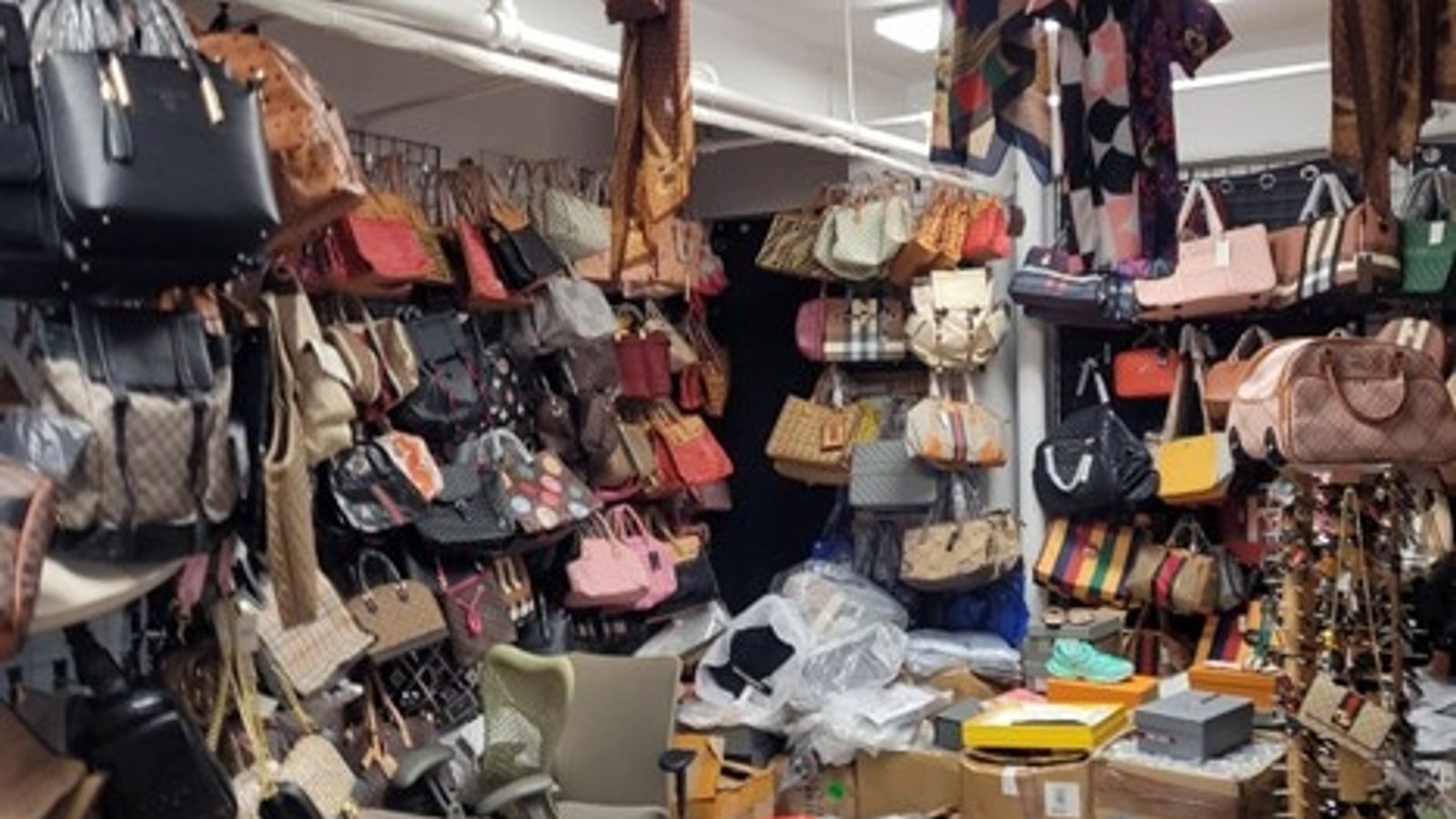
    The Mega Premium Shopping Mall, a family-operated establishment located on Tran Phu Street, was slapped with a fine exceeding VND100 million (approximately US$3,825) after market inspectors uncovered a trove of 232 counterfeit items valued at over VND183 million. The fakes not only featured high-end names such as Bottega Veneta and Celine but also found their way into the hands of unsuspecting tourists.

    Authorities took swift action, destroying the counterfeit goods after seizing them during a series of raids. These operations, which took place in May, targeted several shops in the bustling downtown area where counterfeit items were rampant. Just a stone’s throw from the beach, these unassuming storefronts capitalized on the tourist influx, offering cheap imitations of luxury products.

    Notably, during an inspection at The Black Label shop at 156 Tran Phu, staff took the not-so-subtle approach of barricading the doors, continuing to sell to foreign customers inside. Meanwhile, CoCo Accessory & Bag at 144 Tran Phu offered goods priced from a mere few hundred thousand dong up to VND2 million, luring bargain-hunting shoppers looking for designer labels.

    Two other outlets, Gu at 27 Hung Vuong and Mirror Shop at 15 Nguyen Thai Hoc, were caught displaying an assortment of goods of dubious legitimacy. Collectively, nearly 2,000 counterfeit items were seized, and multiple businesses faced fines. Gu was fined VND77.5 million for selling knockoffs and an additional VND45 million for dealing in unverified products. The Black Label Shop, on the other hand, faced a hefty VND111 million fine and an order to destroy 127 fake items.

    This crackdown comes at the behest of the Ministry of Industry and Trade, which is zealously working to combat smuggling, commercial fraud, and the prevalence of counterfeit goods across Vietnam. In a market where luxury brands should signify quality and prestige, the presence of these knockoffs serves as a cautionary tale for both consumers and the industry alike.

    Questions & Answers

    What prompted the crackdown on counterfeit goods in Da Nang?
    The Ministry of Industry and Trade ordered the crackdown as part of a broader initiative to combat smuggling, commercial fraud, and counterfeit goods across Vietnam.

    How much was the Mega Premium Shopping Mall fined for selling counterfeit items?
    The store faced fines exceeding VND100 million, which is approximately US$3,825, for selling counterfeit luxury goods.

    What types of counterfeit products were being sold in Da Nang?
    The inspected stores offered a range of counterfeit luxury items, including brands like Gucci, Chanel, Dior, Bottega Veneta, and Celine, luring unsuspecting shoppers with the promise of high-end fashion at low prices.

  • TikiNow Hit with $7,600 Fine for Misleading Advertising Practices

    TikiNow Hit with $7,600 Fine for Misleading Advertising Practices

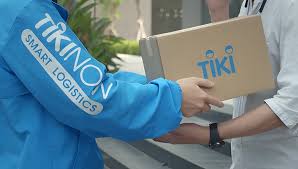
    Express delivery company TikiNow Smart Logistics has been fined VND200 million (US$7,645) for making misleading claims about its services to poach customers from competitors.

    Misleading Claims Land TikiNow in Troubling Waters

    TikiNow Smart Logistics, once an exclusive arm of the e-commerce giant Tiki, is facing scrutiny after the National Competition Commission imposed a fine for deceptive advertising aimed at attracting customers from rival delivery services. The company’s claims, highlighted on its website, included assertions of “100% nationwide delivery coverage; up to 1,000,000+ orders delivered daily; and 100,000+ orders processed daily,” which the commission deemed misleading.

    Kick-Starting Change: TikiNow Adjusts Its Messaging

    In response to the commission’s findings, TikiNow amended its messaging to reflect more accurate figures: “delivery coverage expanded to 34 localities; up to 1,000,000+ orders processed monthly; and 100,000+ orders can be processed daily.” This shift reveals the company’s intent to maintain transparency while still marketing its substantial reach in the competitive logistics landscape.

    A Cooperative Approach Amidst Controversy

    Despite the gravity of the situation, TikiNow’s cooperation during the investigation has not gone unnoticed. The commission recognized the delivery firm’s willingness to provide essential data and implement corrective actions, including the updated information on its website. Since becoming independent in 2019, TikiNow has broadened its services to include warehousing, packaging, and delivery, positioning itself as a multifaceted player in the logistics game.

    As the dust settles from this financial hiccup, TikiNow’s adjustments signal a commitment to ethical practices in an increasingly cutthroat market. Because let’s be honest—the delivery business can sometimes feel like a high-stakes game of chess, where even a single rogue pawn can shake things up dramatically.

    Questions & Answers

    How much was TikiNow fined for its misleading advertising?
    TikiNow Smart Logistics was fined VND200 million, equivalent to approximately US$7,645.

    What specific claims did the National Competition Commission find misleading?
    The commission flagged TikiNow’s assertions of “100% nationwide delivery coverage; up to 1,000,000+ orders delivered daily; and 100,000+ orders processed daily” as misleading.

    What corrective actions has TikiNow taken in light of the commission’s findings?
    TikiNow revised its claims to state “delivery coverage expanded to 34 localities; up to 1,000,000+ orders processed monthly; and 100,000+ orders can be processed daily,” indicating a shift toward greater accuracy and transparency.

  • Reliance Retail Ventures Expands Global Footprint with Strategic Investment in UK’s Facegym

    Reliance Retail Ventures Expands Global Footprint with Strategic Investment in UK’s Facegym

    Reliance Retail Ventures Limited (RRVL) is making waves in the beauty and wellness market with its recent minority investment in UK-based FACEGYM, a brand that has carved out a niche in non-invasive facial workouts combined with advanced skincare. Founded by Inge Theron, FACEGYM has garnered an impressive global following, melding the worlds of beauty, fitness, and wellness in an innovative approach that could leave traditional skincare routines in the dust.

    FACEGYM’s Entry Into the Indian Market

    With a keen eye on expansion, Reliance’s Tira will spearhead the launch of FACEGYM in India, taking charge of local operations and market development. This partnership is not just transactional—it’s transformational. Over the next five years, Reliance aims to introduce FACEGYM’s compelling offerings through standalone studios and curated spaces within select Tira stores in critical urban centers.

    Leveraging a Strong Retail Network

    This expansion strategy plays to Reliance’s strengths, tapping into its extensive retail ecosystem, deep market expertise, and detailed consumer insights. It’s a calculated move to ensure that FACEGYM’s innovative concept resonates with Indian consumers who are increasingly blending wellness with beauty routines.

    A Vision for the Future of Beauty

    This partnership signifies more than just an investment; it underscores Reliance Retail’s commitment to expanding its beauty and personal care vertical, with Tira poised as India’s fastest-growing omnichannel beauty destination. The growing portfolio now includes brands like Akind, Dream, Immerse Play, and Nails Our Way, each contributing to a dynamic retail landscape.

    As Reliance ushers in this unique blend of fitness and skincare, one can’t help but wonder: will the idea of working out your face catch on like wildfire, or is it a workout trend best left for gyms? Only time will tell.

    Questions & Answers

    What is FACEGYM, and how does it differ from traditional skincare?
    FACEGYM is a beauty brand that integrates non-invasive facial workouts with advanced skincare, creating a unique blend of fitness and beauty that sets it apart from conventional skincare routines.

    How will Reliance Retail facilitate FACEGYM’s entry into India?
    Reliance’s Tira will manage the launch by developing local operations and establishing FACEGYM’s presence through standalone studios and dedicated spaces in select Tira stores across major cities.

    What does this partnership mean for Reliance’s beauty strategy?
    This partnership enhances Reliance Retail’s strategy to expand its beauty and personal care vertical, reinforcing Tira as a leading omnichannel destination and complementing its existing portfolio of innovative brands.

  • Casetify Unveils Innovative Collaboration With Artist Takashi Murakami: The Kaikai And Kiki Collection

    Casetify Unveils Innovative Collaboration With Artist Takashi Murakami: The Kaikai And Kiki Collection

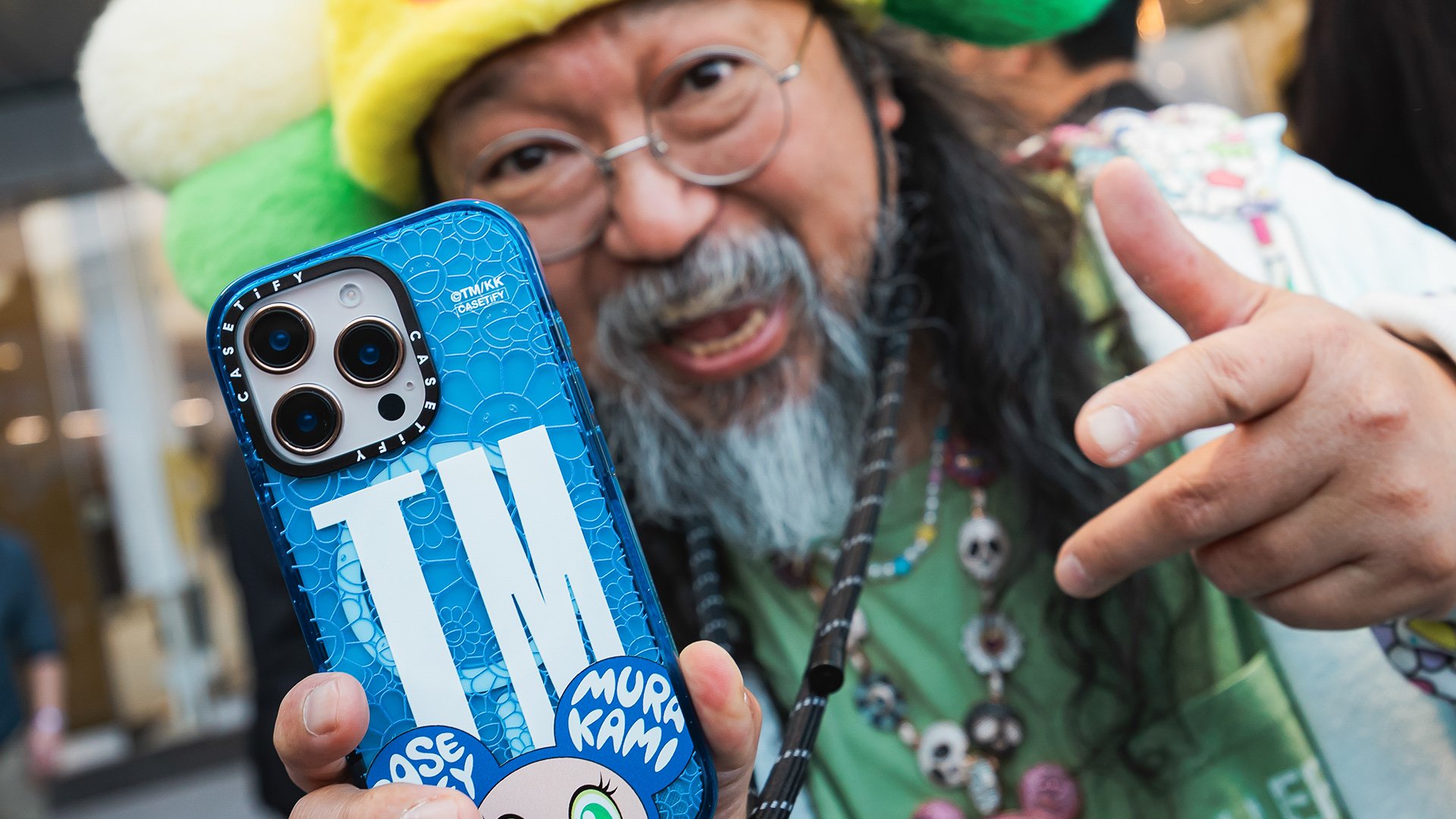
    In a collaboration between Casetify and Takashi Murakami, an exciting new collection featuring the renowned Japanese artist’s characters, Kaikai and Kiki, has been unveiled. This collection, building on the triumph of the previous Murakami World collection, comprises a variety of tech accessories, travel gear, and collectibles.

    New Range Highlights

    The new collection includes an array of items such as phone cases, trading card holders, watch bands, AirPods holders, and phone charms. Central to the assortment is the Travel Bounce Carry-On in an enticing Primrose Pink hue, adorned with Kaikai and Kiki artwork.

    The collection also sees the Cherry Red and Matte Black travel series revamped, now featuring these enchanting characters. The brand has also offered customization options for selected products, allowing customers to add a personal touch to their items.

    Pioneering Products

    In addition to the aforementioned products, Casetify is also introducing its first pink camera ring under its Icons series. This product launch coincides with the introduction of a 29-inch Bounce Check-In Trunk, which holds the distinction of being the brand’s largest luggage product so far.

    Takashi Murakami expressed his enthusiasm for the new collection, stating that it provides a fresh medium for the expansion of Kaikai and Kiki, his single pair of twin characters. The duo, according to Murakami, symbolizes a wide range of emotions. The characters’ names, interestingly, were inspired by a phrase used to describe the painter Kano Eitoku and now form part of Murakami’s studio, Kaikai Kiki.

    Emphasis on Innovation

    Wesley Ng, Casetify’s co-founder and CEO, remarked that this collaboration underscores the brand’s commitment to continued product innovation. He expressed the brand’s excitement about offering their fans something they have not seen before. This collaboration is seen as a continuation of Casetify’s efforts to foster meaningful collaborations.

    The Kaikai and Kiki collection is now accessible to customers globally, available for purchase both on Casetify’s website and in retail stores.

    Questions & Answers

    What does the new collection launched by Casetify and Takashi Murakami include?
    The collection includes a variety of tech accessories, travel gear, and collectibles featuring the characters Kaikai and Kiki.

    What are the unique features of this collection?
    The collection includes a pink Travel Bounce Carry-On with Kaikai and Kiki artwork, a pink camera ring, and a 29-inch Bounce Check-In Trunk, which is the largest luggage product of Casetify to date.

    Where can customers purchase items from this collection?
    Customers can purchase items from the Kaikai and Kiki collection on Casetify’s website and at retail locations across the globe.

  • Pandora Eyes Strategic Overhaul Amid Falling Sales In China: A Turnaround In Sight?

    Pandora Eyes Strategic Overhaul Amid Falling Sales In China: A Turnaround In Sight?

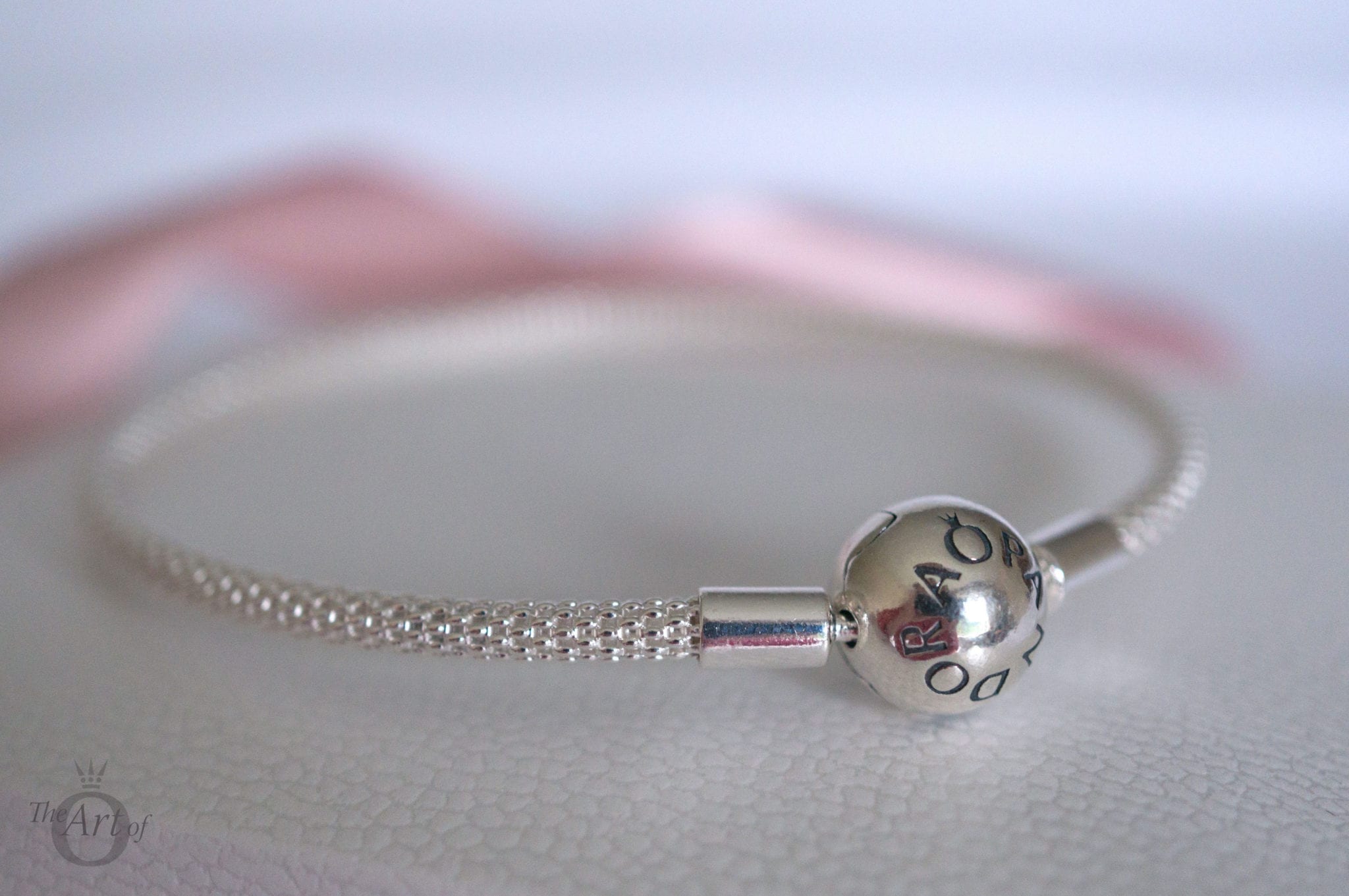
    Pandora, the Denmark-based jewellery manufacturer known for its charm bracelets, is considering a strategic overhaul of its operations in China due to a sustained downturn in sales, according to insider sources. These measures may include licensing its brand and assets, including its current inventory, to China-based funds and e-commerce partners for a five-year period.

    Pandora, like many other multinational consumer-focused companies operating in the world’s second-largest economy behind the United States, has been negatively impacted by the aftermath of the global pandemic and a property crisis that has sent shockwaves through the economy. The company has struggled to compete with local, tech-savvy brands in the crowded e-commerce sector and has also been affected by a consumer trend towards gold and high-value jewellery.

    Addressing Challenges

    In a statement, Pandora acknowledged its need to reposition its brand in the increasingly challenging Chinese market and confirmed its commitment to implementing a turnaround strategy. “While this process will undoubtedly take time, China represents the world’s largest jewellery market and we remain completely dedicated to our business operations there,” commented Pandora.

    Over the past five years, Pandora’s revenue in China has plummeted nearly 80%, dropping to 416 million Danish crowns (approximately US$65.10 million) in 2024, down from 1.97 billion crowns in 2019. The company’s contribution from its China operations has also significantly reduced, falling from 11% to around 1% during the same period.

    Leadership Changes and Future Plans

    There have been several leadership changes within Pandora’s China operations since 2022, with the current Managing Director, Thomas Knudsen, joining the company at the beginning of this year. Shortly after his appointment, Pandora announced plans to shut down 50 stores in China later this year.

    There may be challenges in finding an investor or a licensing partner given the downward trends in performance and broader consumer challenges, according to Jonathan Yan, a principal at a leading consultancy firm in Shanghai. Yan stated that financial investors may not be interested in the asset, while e-commerce partners interested in owning higher-margin brands may be potential candidates.

    Speculations and Expectations

    Pandora’s e-commerce division has faced a steeper decline in sales than its physical stores, an insider revealed. Therefore, a takeover by an operator with the know-how to compete in the Chinese e-commerce market could be a positive development, although the cost of any turnaround would be significant to whoever assumes responsibility for the company’s operations.

    Yan commented, “Any successful turnaround will necessitate significant investment and the introduction of highly innovative strategies, and even then, success is far from guaranteed.”

    Questions & Answers

    What potential measures is Pandora considering for its Chinese operations?
    Pandora is reportedly contemplating licensing its brand and assets to China-based funds and e-commerce partners for a five-year period.

    How has Pandora’s revenue in China changed over the past five years?
    From 2019 to 2024, Pandora’s revenue in China has fallen nearly 80%, from 1.97 billion Danish crowns to 416 million Danish crowns.

    What challenges does Pandora face in turning around its operations in China?
    Pandora faces competition from local, tech-savvy brands, a shift in consumer preferences toward gold and high-value jewellery, and the broader economic impact of the global pandemic and property crisis.