Category: General

Retail News Asia is committed to providing both local and global retailers with the latest General Retail news throughout the Asian market. This on a daily base.

  • Thailand Braces for $6B Export Setback as US Considers Tariff Increase

    Thailand Braces for $6B Export Setback as US Considers Tariff Increase

    Thailand could face a staggering loss of up to 200 billion baht (approximately US$6.14 billion) in export revenue this year if the United States moves forward with proposed tariffs ranging from 25% to 36% on Thai goods, warns a forecast from the University of the Thai Chamber of Commerce (UTCC).

    Tariff Hurdles Ahead

    Thanavath Phonvichai, the President of UTCC, highlighted a critical window for Thailand to negotiate a more favorable tariff outcome, aiming to reduce these rates to 20% before the tariffs are set to be implemented on August 1. However, Phonvichai cautioned that reaching a final deal with U.S. officials remains uncertain, adding an extra layer of uncertainty to the already precarious situation.

    Political Instability Threatens Economic Stability

    The stakes are further raised by Thailand’s internal political landscape. Phonvichai indicated that potential political unrest, including a possible dissolution of parliament or delays in passing an economic stimulus budget, could slash GDP growth by up to one percentage point. If such outcomes unfold, economic growth might dip below 1% for the year, significantly lower than the previously projected 1.7%.

    Impact on Exports and Consumer Confidence

    If the 25% to 36% tariffs are implemented for the entire year, the UTCC projects that exports valued between 400 billion and 600 billion baht could be adversely impacted. This anticipated setback comes in the wake of a significant decline in consumer confidence, with the index dropping to 52.7 in June, marking its lowest point in 28 months. Public optimism appears to be wilting, perhaps just like a garden in the harsh heat of the Thai summer.

    Questions & Answers

    What are the potential consequences of the U.S. tariffs on Thailand’s economy?
    Thailand could lose up to 200 billion baht in export value, which could push its GDP growth below 1% for the year.

    When are the potential U.S. tariffs set to take effect?
    The tariffs are scheduled to be implemented on August 1, leaving Thailand limited time to negotiate more favorable rates.

    How has consumer confidence been affected recently in Thailand?
    The consumer confidence index fell to 52.7 in June, the lowest level in nearly two and a half years, reflecting widespread public concern about the economic outlook.

  • 5 Things You May Not Realize About Your Credit Card Rewards Program

    5 Things You May Not Realize About Your Credit Card Rewards Program

    Credit card rewards programs are designed to entice consumers by offering perks, discounts, and cashback, among others. But many users don’t fully understand the fine print, as well as the extent to which they can use their rewards. While it may seem like a straightforward idea to earn points with every purchase, the real value lies in knowing how to make the most of these rewards according to their type and the ideal time to use them.

    Several factors can affect how efficiently you can use your points, miles, or cashback, and many cardholders overlook these details. Here are some key aspects about your credit card rewards program that you might not realize and how they determine your earning potential:

    1) Type of Rewards Available

    Credit cards typically offer one of three main types of rewards: points, miles, or cashback. Each has its own set of benefits and considerations, and knowing about them can help you make the most of a card like the Landers Cashback Everywhere Credit Card by Maya.

    Points are the most common reward type and can be accumulated with each purchase. These points can then be redeemed for a variety of options, from travel to merchandise or gift cards. However, the value of points can vary depending on how they are redeemed, which makes it important for you to understand their worth and how to maximize them.

    Miles, on the other hand, are primarily offered by travel-focused credit cards and are usually tied to airline programs. These miles can be used to book flights or upgrades, and sometimes even for hotel stays or car rentals. Miles are a great option for frequent travelers but can be less flexible than points, especially if you’re not booking travel regularly.

    Lastly, cashback rewards are quite straightforward and provide a percentage of your purchases back in cash. Whether it’s a small amount for each transaction or a larger percentage for certain categories, cashback is simple to understand and easy to use. And while this type of reward doesn’t have the flexibility of points or miles, it’s an attractive choice for those who prefer tangible returns.

    2) Reward Redemption Options

    Once you’ve accumulated a nice balance of rewards, the next step is figuring out how to redeem them. Many credit card rewards programs offer a variety of redemption options, and for every card you own, you’ll want to know exactly what these entail.

    For instance, those who own a Landers Cashback Everywhere Credit Card can redeem their cashback credit card points upon checkout to get a straight discount on their Landers bill the next time they visit the superstore.

    Keep in mind that not all cashback credit cards have as straightforward a redemption process as this one. Again, it’s essential to familiarize yourself with your card’s unique redemption procedures so that you can avoid unnecessary delays in using your rewards.

    3) Points Transferability

    Certain credit card issuers allow you to transfer your accumulated points or miles to partner loyalty programs. It may be an option, for example, to transfer points to airline frequent flyer programs. Your card program may also offer transfers to hotel loyalty programs or even retail partners. Utilizing your rewards this way significantly increases their value, as transferring points to a partner loyalty program can sometimes yield better redemption options.

    All the same, it’s important to understand the transfer ratios beforehand so that you can determine whether transferring your points will provide the most value for your specific needs. For instance, 1 point on your credit card may equal 1 frequent flyer mile, but some programs may transfer at a different rate, which can affect the value of your points.

    It’s also worth noting that not all points are eligible for transfer. Check the terms and conditions of your rewards program to see which points qualify for transfer and under what conditions.

    4) Redemption Limitations

    Redemption limitations can sometimes limit the flexibility and effectiveness of your rewards. These limitations might include restrictions on when and where you can redeem your points, as well as minimum redemption amounts or blackout dates

    For instance, some programs may require you to accumulate a minimum number of points before you can redeem them from a reward. This means you might have to wait until your balance reaches a certain threshold before you can actually use them. Other rewards programs may impose restrictions on using points during special promotional periods—thus limiting your ability to redeem them when you need them most.

    That’s why it’s important to regularly track your points balance and understand the terms of your credit card’s rewards program. Doing so can help you plan ahead and avoid missed redemption opportunities.

    5) Annual Fees and Hidden Cost

    Credit card rewards may seem like an easy way to earn value, but the annual fees and hidden costs associated with your card can quickly reduce the benefits you receive. Some rewards cards charge an annual fee, which could vary significantly depending on the card’s benefits. For some premium cards, however, this fee might be justified by higher rewards rates or exclusive perks. Nevertheless, if you don’t make use of these extras, the fee could outweigh the value you’re getting from the rewards.

    It’s also essential to be aware of other potential costs like foreign transaction fees and cash advance fees. These additional charges can quickly eat into the rewards you’ve accumulated if you’re not careful with your spending habits. It helps to be mindful of these costs to ensure the rewards you earn truly provide a net benefit.

    CCard rewards alone can make or break your experience with a particular card program. Careful management is key to maximizing their benefits and having good spending experiences overall with your chosen card. With the right approach, you’ll be able to get real value out of your credit card rewards program without feeling pressed by the conditions or limitations.

    ions.

  • Mainland Chinese Brands Revitalize Hong Kong’s Retail Landscape with Exciting New Offerings

    Mainland Chinese Brands Revitalize Hong Kong’s Retail Landscape with Exciting New Offerings

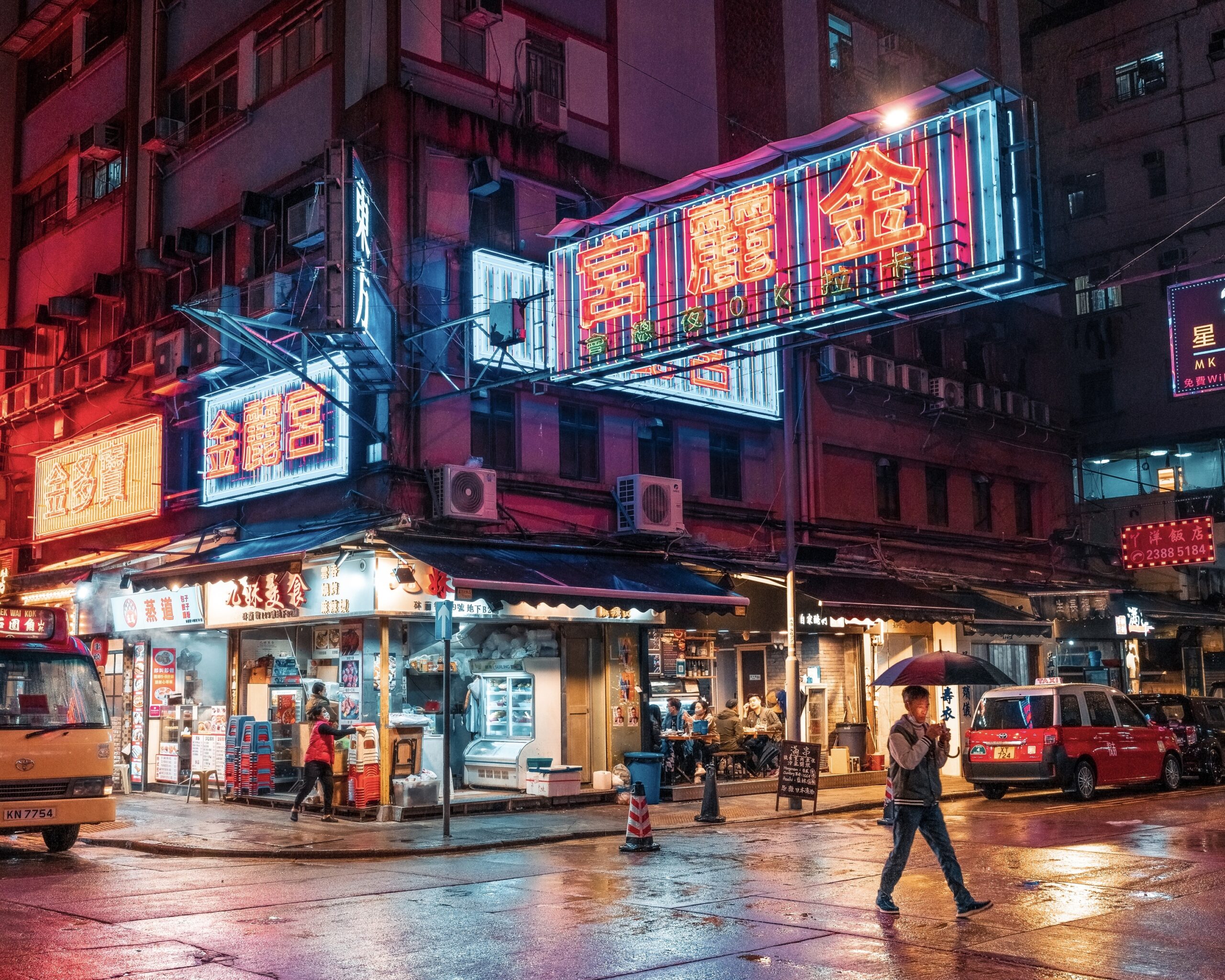
    As the sun dipped below the skyline, transforming Tsim Sha Tsui into a lively tableau of lights and sounds one Friday evening in mid-June, a curious scene unfolded at Prince Beef Brisket and Offal Noodles. While the neighborhood hummed with the excitement of tourists and locals alike, eager patrons flocked to other dining spots, leaving the modest noodles shop eerily quiet. Just steps away, the sleek ambiance of Hefu Noodle drew a steady stream of customers into its stylish, spacious interior, proving a stark contrast to Prince’s dimly lit confines.

    Competition Raises the Stakes

    “They have taken away half of our business since they opened in December,” Ms. Fung, a dedicated employee at Prince Noodles, expressed with palpable sadness. “Their mainland owner has deep pockets for top-notch decorations.” This sentiment resonates all too well in today’s cutthroat retail landscape where every detail counts and competition can be both a challenge and a catalyst for innovation.

    The influx of visitors to the more visually appealing Hefu has not just drained traffic but has nearly turned Prince’s once-bustling noodle shop into a ghost of its former self.

    The Price of Transformation

    As retail environments evolve, the importance of ambiance and experience grows ever more critical. Hefu’s higher investment in aesthetics isn’t merely a frivolous expense; it’s a strategy that seems to pay dividends in attracting customers who are not just seeking a meal, but an experience.

    In a region that thrives on sophisticated taste and quality dining, even the smallest enhancements can tip the scales in favor of one establishment over another. In this case, it appears the allure of a polished dining atmosphere has won over traditional comforts.

    And while Prince Beef Brisket and Offal Noodles may not offer the same polished experience, there’s a certain charm to its simplicity that can’t be overlooked. Indeed, for many, a quick, hearty bowl of noodles is a classic comfort, reminiscent of home, where the depth of flavor is king—not the glittering decor. Still, as Ms. Fung reflects on the changing tide, it’s clear that retaining loyal customers while attracting new ones will require a delicate balance between tradition and modernization.

    Looking Ahead for Legacy Brands

    As competition intensifies in Tsim Sha Tsui, legacy brands like Prince must navigate the shift in consumer expectations. The challenge lies in successfully merging their rich culinary heritage with the contemporary dining trends that are sweeping the region. Whether through strategic renovations, innovative menu offerings, or enhanced customer experience, the path forward will demand creativity and nimble adjustments.

    Questions & Answers

    How has Hefu Noodle impacted its competition since opening?
    Hefu Noodle has significantly affected nearby establishments like Prince Beef Brisket and Offal Noodles, reportedly siphoning off about half of their customer base since its inception in December last year.

    What factors are driving customer preferences in Tsim Sha Tsui?
    Consumers are increasingly drawn to restaurants that offer a visually appealing atmosphere alongside quality meals. The combination of aesthetics and a great dining experience is becoming essential for attracting patrons.

    What challenges do legacy brand restaurants face today?
    Legacy brands must adapt to changing consumer expectations that prioritize an appealing dining environment alongside traditional comfort foods. This can mean investing in renovations or updating their menus to remain competitive.

  • Cafe Amazon Drives Record-breaking Quarter For Thailand’s Ptt Oil And Retail Business

    Cafe Amazon Drives Record-breaking Quarter For Thailand’s Ptt Oil And Retail Business

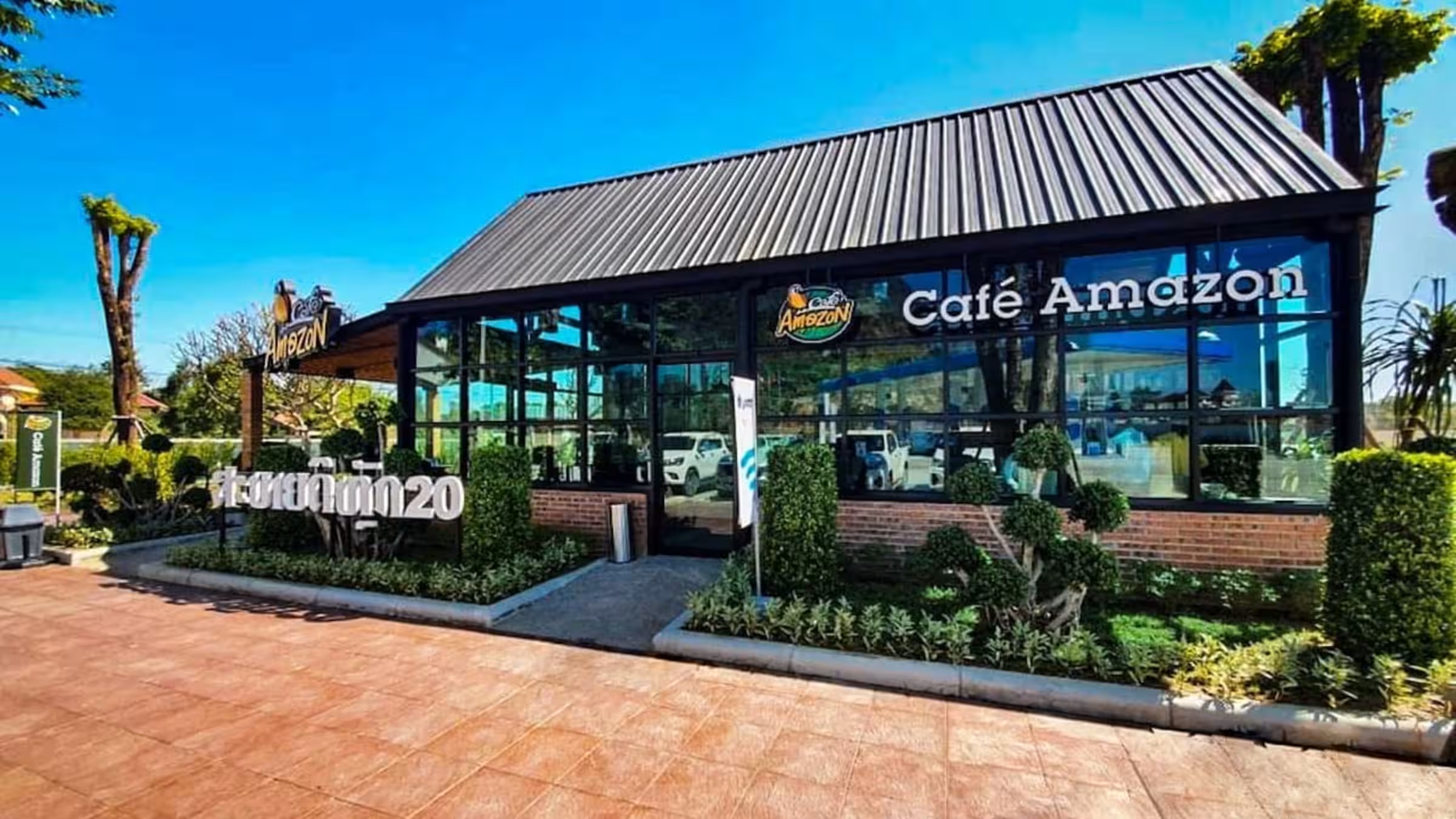
    PTT Oil and Retail Business (OR), the lifestyle and retail subsidiary of Thailand’s PTT Group, has announced a record-breaking financial performance for the first quarter of this year. This success is largely attributable to its leading brand Cafe Amazon, which experienced a period of significant expansion throughout Southeast Asia.

    Noteworthy Performance

    Cafe Amazon sold over 112 million cups of coffee during the first quarter, emphasizing the strength of the brand. With 391 stores now in operation outside of Thailand, the cafe chain has become a key driver of OR’s earnings growth. The company’s total revenue hit an impressive US$5.6 billion, with net profits increasing by 46 per cent from the last quarter to approximately $134 million. This represents a 17.6 per cent growth year-on-year.

    ML Peekthong Thongyai, CEO of OR, credited the robust performance to the resilience of the business model. “Our strong performance this quarter underscores our long-term strategic direction. We are expanding with a clear purpose, delivering value for individuals, contributing to community prosperity and demonstrating our commitment to environmental responsibility.”

    Global Expansion

    Cafe Amazon’s reach extends to nine markets. These include Cambodia, Laos, Vietnam, the Philippines, Malaysia, Oman, Saudi Arabia, Bahrain, and Japan.

    The cafe chain is part of OR’s wider Global Business segment. This segment reported a 30.8 per cent year-on-year increase in sales volume together with an 81.5 per cent rise in EBITDA.

    Peekthong reiterated the company’s mission beyond monetary profit. “We’re not just about selling fuel or coffee. Our goal is to build platforms that strengthen local economies, encourage entrepreneurship, and facilitate long-term, sustainable growth.”

    OR oversees 415 PTT Stations and 391 Cafe Amazon outlets across Asia and the Middle East.

    Questions & Answers

    What factors contributed to OR’s record-breaking financial performance?
    The company attributes its success to the significant expansion of Cafe Amazon, which sold over 112 million cups of coffee in the first quarter.

    What markets does Cafe Amazon currently operate in?
    The cafe chain operates in nine markets, including Cambodia, Laos, Vietnam, the Philippines, Malaysia, Oman, Saudi Arabia, Bahrain, and Japan.

    What is OR’s greater mission beyond selling products?
    OR aims to build platforms that strengthen local economies, promote entrepreneurship, and facilitate sustainable, long-term growth.

  • Seven & I Reports Soaring Profits Driven by International Convenience Store Expansion

    Seven & I Reports Soaring Profits Driven by International Convenience Store Expansion

    In a significant financial update, Japan’s Seven & i Holdings reported a 9.7% rise in operating profit for the quarter spanning March to May, surpassing analysts’ expectations due to stronger results from its international convenience store operations. The company, best known for its 7-Eleven franchise, is navigating a challenging landscape as it comes under scrutiny following a $47 billion takeover bid from Canada’s Alimentation Couche-Tard.

    The first-quarter profit hit 65.1 billion yen ($445.19 million), which was markedly higher than the 58 billion yen anticipated by a poll of six analysts conducted by LSEG.

    Recently, Seven & i has implemented a strategic share buyback, divested non-core assets, and is preparing to float its North American convenience store segment. However, the domestic 7-Eleven stores have seen a downturn in profits, although the overall net profit was bolstered by the asset sales from subsidiary Ito-Yokado.

    In the competitive U.S. market, the company credited enhanced gross profit margins to the successful rollout of private-label products and improved labor cost management. But it wasn’t all good news; Seven & i shares slipped by 1.6% on the day of the earnings announcement, contributing to a 13% decline this year. Perhaps it’s a case of “no news is good news,” but in the volatile world of retail, even the smallest hiccup can set off alarm bells.

    As an indicator of its proactive measures, the retailer reported spending around 156 billion yen on share repurchases by the end of last month, while maintaining its earnings forecast amid these turbulent times.

    Questions & Answers

    What contributed to the rise in Seven & i Holdings’ operating profit?
    The increase in operating profit was primarily attributed to improved performance from its overseas convenience stores, particularly in the U.S., where the company benefited from enhanced gross profit margins and optimized labor costs.

    How is Seven & i responding to the pressure from Alimentation Couche-Tard’s takeover bid?
    To bolster its financial standing amid the takeover bid, Seven & i has initiated a share buyback program, sold off non-core assets, and is planning to list its North American convenience store business.

    What recent financial actions has Seven & i taken to strengthen its position?
    The company has reported spending approximately 156 billion yen on share repurchases and has maintained its earnings forecast, signaling confidence in its strategic plans despite recent challenges.

  • Singapore Emerges as Asia’s Premier Offshore Hub for Wealthy Investors

    Singapore Emerges as Asia’s Premier Offshore Hub for Wealthy Investors

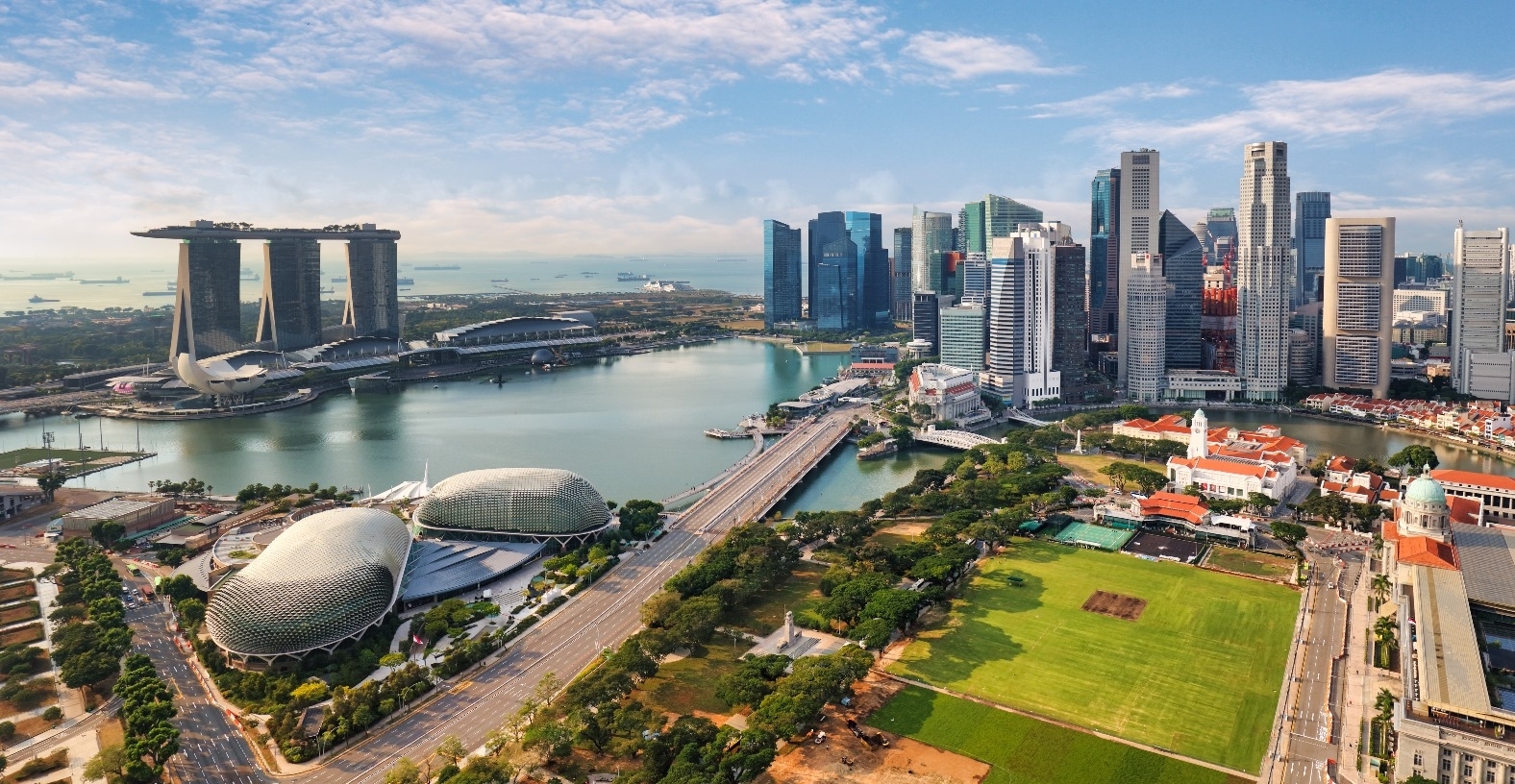
    Saving for that dream vacation has officially eclipsed financial security as the leading aspiration for wealth among investors. In a revealing study by HSBC, Singapore is crowned as Asia’s premier offshore wealth destination.

    Singapore’s Winning Streak in Wealth Management

    The study, featured in HSBC’s 2025 Affluent Investor Snapshot, surveyed 10,797 individual investors from 12 different markets, highlighting Singapore as the top location in Asia for opening overseas investment accounts. This further cements the city-state’s reputation as a trusted and stable hub for international wealth management.

    Affluence and Confidence Among Investors

    Notably, Singapore also ranks alongside the USA and Hong Kong as one of the three premier destinations for wealthy investors worldwide. Confidence among Singaporean respondents is striking; two-thirds believe they can achieve their long-term financial objectives. Gen Z and Millennials especially shine in this regard, with nearly 70% expressing assurance about reaching their goals. Older generations, including Gen X and Baby Boomers, remain optimistic as well, with 60% conveying similar sentiments.

    Shifting Financial Priorities

    Interestingly, the pursuit of leisure now takes center stage. A noteworthy 47% of Singaporean investors prioritize saving for vacations and leisure ahead of traditional concerns like financial security. Despite this shift, affluent investors continue to prioritize wealth building (46%) and retirement planning (47%).

    Preferred Avenues for Wealth Guidance

    When it comes to wealth management services, Singaporeans have clear preferences. A significant 65% of investors turn to relationship managers and wealth specialists for guidance. In a surprising twist, stockbrokers are the second most favored option, chosen by 28% of respondents, diverging from the global trend where friends and colleagues hold that position with 29%.

    Questions & Answers

    What financial goal is currently prioritized by Singaporean investors?
    Investors in Singapore are now prioritizing saving for vacations and leisure, which has surpassed financial security as their top objective. About 47% of respondents report this as their main focus.

    How does Singapore rank among global wealth destinations?
    Singapore stands alongside the USA and Hong Kong as one of the top three destinations worldwide for investors seeking offshore wealth management options.

    Who do Singaporean investors prefer for wealth management guidance?
    A clear majority of 65% of Singaporean investors prefer to consult with relationship managers and wealth specialists for their wealth management needs, contrasting with global investors who lean more towards friends and colleagues.

  • Anindya Dasgupta Appointed New Asia-pacific President For Kenvue: A Strategic Move For Johnson & Johnson

    Anindya Dasgupta Appointed New Asia-pacific President For Kenvue: A Strategic Move For Johnson & Johnson

    Leadership Transition at Kenvue

    Kenvue, Johnson & Johnson’s consumer healthcare sector, has appointed Anindya (Andy) Dasgupta as the new group president for the Asia-Pacific region. The appointment is effective as of July 14th.

    Mr. Dasgupta will be succeeding Ellie Xie, who will remain for a short period to ensure a smooth transition of leadership.

    A Wealth of Experience

    Dasgupta’s near thirty-year career in global consumer goods equips him with a plethora of knowledge and skills for his new role. His background includes senior positions at prominent companies such as GSK, PepsiCo, Fonterra, and Imperial Brands.

    Kenvue CEO, Thibaut Mongon, praised Dasgupta as a transformational commercial business leader. He commended Dasgupta’s proven skills in commercial strategy, sales, marketing, and business development. Mongon expressed his excitement about Dasgupta’s addition to the leadership team and anticipates his results-driven leadership approach in the Asia Pacific region.

    Directing Kenvue’s Asia-Pacific Operations

    In his newly assumed position, Dasgupta will manage Kenvue’s fully integrated operations in the Asia-Pacific. His responsibilities will include guiding the company’s regional growth strategy. He will also exploit the rapidly evolving innovation in markets, data, technology, and science to leverage company growth.

    Questions & Answers

    What is Anindya Dasgupta’s new role at Kenvue?
    Anindya Dasgupta has been appointed as the new group president for Asia-Pacific at Kenvue, Johnson & Johnson’s consumer healthcare division.

    What are some of the companies Dasgupta has previously worked for?
    Dasgupta has held senior roles at GSK, PepsiCo, Fonterra, and Imperial Brands.

    What will be Dasgupta’s responsibilities in his new role?
    Dasgupta will be responsible for overseeing Kenvue’s fully integrated Asia-Pacific operations, directing the company’s regional growth strategy, and leveraging innovation in markets, data, technology, and science.

  • South Korean Jewelry Brands Pivot To Lower-karat Gold Amid Rising Prices

    South Korean Jewelry Brands Pivot To Lower-karat Gold Amid Rising Prices

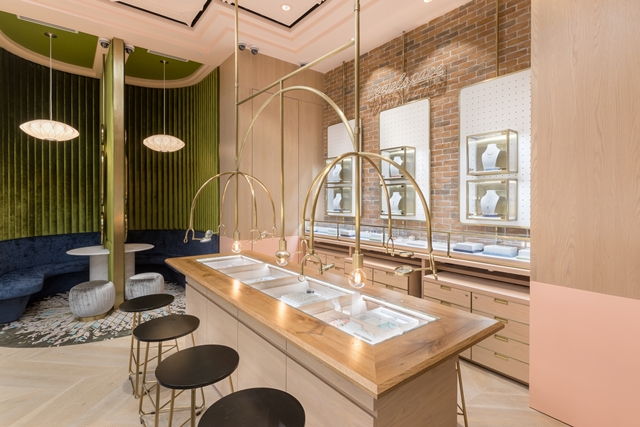
    As gold prices continue to rise, South Korean jewelry brands are increasingly leveraging lower-karat gold and alternative materials to attract younger, budget-aware customers.

    Market Shift to More Affordable Options

    The market, which has traditionally been dominated by 14k and 18k products, is witnessing a surge in the availability of more cost-effective 10k, 9k, and even 5k gold items. These lower purity items, which contain less gold than the 24k gold standard, are assisting brands in maintaining their pricing strategy without compromising on design aesthetics.

    Leading retailers such as Lloyed, managed by E-Land Group’s E-World, have successfully targeted younger consumers by broadening their range of “light gold” products and silver jewelry.

    Since the introduction of 5k gold in late 2023, Lloyed has expanded its collection to include diverse products such as rings, necklaces, earrings, and anklets. This expansion has led to a 27 percent year-over-year increase in sales for its light gold and silver collections in the first half of 2025.

    A representative of Lloyed noted the company’s strategic move towards practical materials in the face of fluctuating gold prices has found favor with younger customers. “Diversifying beyond a product range focused exclusively on 14k and above has allowed us to address the evolving consumer demand effectively,” they said.

    Adapting to Changing Demographics

    Luxury brand Didier Dubot, known for its prominent positioning in high-end department stores, has also made changes to cater to younger demographics. The brand now offers 10k custom-made options in its couple ring line. A representative from Didier Dubot emphasized that their aim was not merely about providing affordable options, but also about introducing new customers to the brand.

    Some brands are exploring the concept of dual series. MiniGold, for instance, offers a premium series composed entirely of 14k gold alongside a “Smart Daily Line.” In the latter, silver pieces are gold-plated with only the earring posts made from 14k gold.

    The price difference between the two lines is significant. One style of 14k earrings is priced at nearly 1.3 million won (US$1,000), while the Smart Daily version is affordably priced under 200,000 won (US$150).

    Industry professionals point out that price-sensitive consumers, particularly those in their twenties and thirties, are the driving force behind this diversification. One executive commented, “While luxury brands have raised prices in line with the increasing gold prices, mass-market jewelry lines are innovating with materials and design to maintain accessibility.”

    With affordability now being considered as crucial as aesthetics, South Korea’s jewelry market is redefining luxury to cater to a generation that values cost-effectiveness over karats.

    Questions & Answers

    Why are South Korean jewelry brands moving towards lower-karat gold?
    Due to rising gold prices, these brands are utilizing lower-karat gold and alternative materials to maintain price points while meeting the demands of young, cost-conscious consumers.

    What changes have brands like Lloyed and Didier Dubot made?
    Retailer Lloyed has expanded its range to include “light gold” products and silver jewelry, while luxury brand Didier Dubot is offering 10k custom-made options in its couple ring line to attract younger customers.

    How is the jewelry market in South Korea evolving?
    The market is moving towards more affordable gold options, with brands creating lines that incorporate lower-karat gold and alternative materials. This shift is largely driven by price-sensitive younger consumers, leading to a redefinition of luxury in the sector.

  • Us Clothing Brands Brace For Impact As Tariffs On Asian Textile Suppliers Soar

    Us Clothing Brands Brace For Impact As Tariffs On Asian Textile Suppliers Soar

    The US retail clothing and footwear industries are contending with increased tariff pressure as the government announced levies on numerous countries, including key Asian textile suppliers such as Vietnam and Indonesia. The tariffs are expected to be between 25 and 40 per cent.

    Impact Analysis on US Brands

    Here’s a look at how these tariffs might affect several key US clothing and footwear companies, based on their manufacturing locations.

    Ralph Lauren

    Ralph Lauren, which sources most of its goods from overseas, gets approximately 19 per cent from Vietnam and 15 per cent from China. Despite potential disruptions, the company remains confident in the diversified nature of its supply chain.

    Nike

    Nike imports about 43 per cent of its goods into the US. Its sports footwear production is split between Vietnam (50 per cent), Indonesia (27 per cent), and China (18 per cent). The brand’s sports apparel production is primarily sourced from Vietnam (28 per cent), China (16 per cent), and Cambodia (15 per cent). Nike plans to reassign its production in response to the new tariffs.

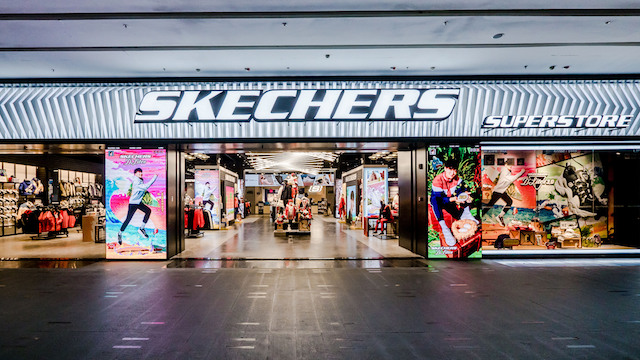
    Skechers

    Skechers sources roughly 40 per cent of its products from both China and Vietnam. The company is shifting its import sources away from China and relocating some of its production bases.

    Capri

    The majority of Capri’s Michael Kors line is produced in Asia, while Italy is the primary production location for Jimmy Choo. The company has been increasing production in Vietnam, Indonesia, and Cambodia.

    Tapestry

    Tapestry primarily manufactures in Vietnam, Cambodia, and the Philippines, which combined account for about 70 per cent of its production.

    American Eagle

    American Eagle primarily sources from Asia and plans to reduce its dependence on China by 2025.

    Abercrombie & Fitch

    Abercrombie & Fitch’s sourcing is split between Vietnam (35 per cent), Cambodia (22 per cent), India (12 per cent), China (7 per cent), and other locations (25 per cent).

    Lululemon

    Lululemon’s fabric sourcing is divided between Taiwan (35 per cent), China (28 per cent), and South Korea (11 per cent). Its manufacturing operations are in Vietnam (40 per cent), Cambodia (17 per cent), Sri Lanka (11 per cent), Indonesia (11 per cent), and Bangladesh (7 per cent).

    Puma

    Puma sources 30 per cent of its goods from China, 26 per cent from Vietnam, 13 per cent from Cambodia, and 12 per cent from Bangladesh.

    Questions & Answers

    What is the potential tariff exposure for US clothing and footwear companies?
    These companies could be exposed to new tariffs ranging from 25 to 40 per cent on imports from numerous countries.

    How are companies like Nike and Ralph Lauren responding to these tariffs?
    Companies are responding by diversifying their supply chains, relocating production, and reassigning production to manage the impact of the tariffs.

    Which countries are major sources for these US companies?
    Vietnam, China, Cambodia, Indonesia, and Taiwan are among the major sources for these US companies.

  • Baidu Unveils Musesteamer: Ai-driven Video Generator And Enhances Search Engine Capabilities

    Baidu Unveils Musesteamer: Ai-driven Video Generator And Enhances Search Engine Capabilities

    Baidu Introduces AI-Driven Video Generator and Revamps Search Engine

    Baidu, the Chinese technology company, unveiled a new artificial intelligence (AI) tool called MuseSteamer and launched a significant upgrade to its search engine on Wednesday.

    The MuseSteamer: A Revolutionary AI Tool

    MuseSteamer, an AI-driven video generator, can produce videos up to ten seconds long. The model is designed especially for businesses and is available in three different versions: Turbo, Pro, and Lite.

    This business-oriented tool marks a departure from the prevalent approach, with most AI video generators targeting individual consumers via subscription-based models. Interestingly, Baidu has yet to reveal a consumer-oriented application for MuseSteamer.

    The recent trend within the AI community has seen significant advancements in the realm of text-to-video or image-to-video generators. Leading AI firms and major technology companies, including ByteDance, Tencent, and Alibaba, have all introduced their models to the market.

    Enhancements to Baidu’s Search Engine

    Aside from the launching of MuseSteamer, Baidu unveiled a significant upgrade to its search engine. The update includes a redesigned search box capable of handling more extended queries. It also supports voice and image-based searches. Employing Baidu’s advanced AI technology, the platform now delivers more targeted content to its users.

    This search engine overhaul comes as Baidu faces stiff competition from AI-based chatbots like ByteDance’s Doubao and Tencent’s Yuanbao, which are gaining popularity among users.

    Questions & Answers

    What is Baidu’s new AI tool called?
    The new AI tool launched by Baidu is called MuseSteamer.

    What is the primary purpose of the MuseSteamer?
    MuseSteamer is an AI-driven video generator designed primarily for business use. It can create videos up to ten seconds long.

    What improvements has Baidu made to its search engine?
    Baidu has redesigned its search box to accept longer queries and support voice and image-based searches. The platform now also displays more targeted content using Baidu’s AI technology.

  • Miniso Unveils Largest Melbourne Store, Showcasing Exclusive Collections And Broad Product Range

    Miniso Unveils Largest Melbourne Store, Showcasing Exclusive Collections And Broad Product Range

    Chinese consumer goods retailer, Miniso, recently revealed its latest store in Melbourne, situated within the bustling Highpoint shopping complex, marking the brand’s largest outlet in the city.

    Prime Location & Product Variety

    Occupying a prime location on the second level of the shopping center, in close proximity to the food court, Miniso’s latest store is set to draw high volumes of potential customers. The store offers an expansive range of products, including stuffed toys, stationery, beauty products, lifestyle necessities, and electronic accessories.

    Signature Collections & Exclusive Series

    The Melbourne flagship store showcases Miniso’s signature vinyl plush series, which features well-loved Disney characters, such as Winnie the Pooh and Mickey Mouse. Shoppers will also be able to find the exclusive Ufufy Fruit Collection, which is only available at the Highpoint shopping center outlet.

    Grand Opening

    The grand opening of the flagship store was a lively event, attracting many spectators. The festivities included a guest appearance by renowned Australian personality, Tahan Lew-Fatt, as well as live performances by local Kpop and Lion dance groups. The event was hosted by MC Ben McMahon and included a range of promotional activities.

    The Melbourne store marks the tenth Miniso outlet to launch in Australia since March, and the company has plans to unveil more stores throughout the remainder of the year.

    Questions & Answers

    What products does the new Miniso flagship store offer?
    The store offers a wide range of products, including plush toys, stationery, beauty products, lifestyle essentials, and electronic accessories.

    What unique features does the Melbourne flagship store have?
    The Melbourne flagship store houses Miniso’s signature vinyl plush series, with beloved Disney characters. It also offers the exclusive Ufufy Fruit Collection, only available at this location.

    How many Miniso stores are there currently in Australia?
    There are currently ten Miniso stores in Australia, with plans to open more throughout the year.

  • Sean Hill Appointed As New CEO Of De Bijenkorf: A New Chapter For Central Group

    Sean Hill Appointed As New CEO Of De Bijenkorf: A New Chapter For Central Group

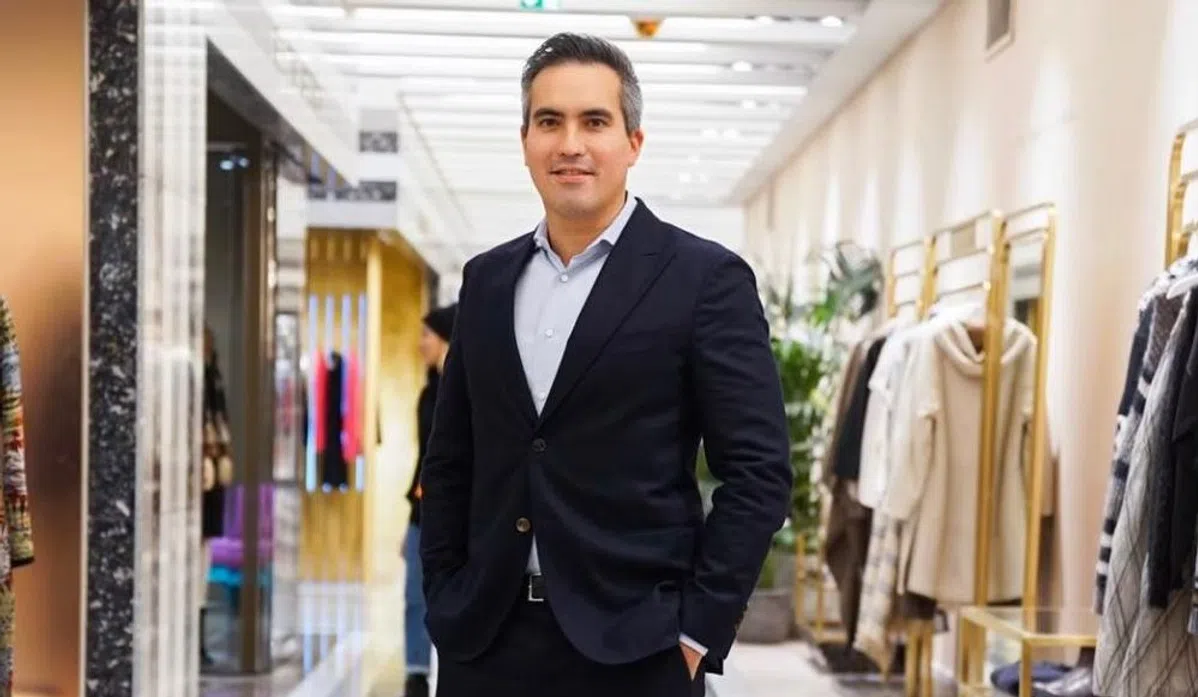
    Central Group has announced the appointment of Sean Hill as the new chief executive for the Dutch department store, De Bijenkorf. Hill, a member of the fourth generation of the Chirathivat family, will begin his new role effective immediately.

    Sean Hill’s Background

    A scion of the Chirathivat family, Hill is the eldest grandson of Central Group’s co-founder Samrit Chirathivat. He brings to his new role over 15 years of comprehensive retail experience. His previous positions span several countries and include roles such as retail expansion manager at Rinascente in Italy, and Chief Operating Officer of Germany’s KaDeWe Group. Most recently, Hill served as Managing Director of Central Group Europe, where he was responsible for overseeing investments, managing store development, and handling commercial real estate.

    Upon his appointment, Hill expressed his gratitude and optimism, stating, “It is an honor to build on the foundation laid by the team and the customer-first approach that defines De Bijenkorf. I see many opportunities to develop the business further.”

    Central Group’s Stake in Selfridges

    De Bijenkorf is a part of the Selfridges Group, where Central Group has recently become a shareholder. The corporation’s European operations include Selfridges in the UK, Brown Thomas and Arnotts in Ireland, KaDeWe, Oberpollinger, and Alsterhaus in Germany, Illum in Denmark, Globus in Switzerland, and of course, De Bijenkorf in the Netherlands.

    Questions & Answers

    Who is the new chief executive of De Bijenkorf?
    Sean Hill, a fourth-generation member of the Chirathivat family, has been appointed as the new chief executive of De Bijenkorf.

    What is Sean Hill’s previous experience in the retail sector?
    Hill brings with him over 15 years of experience in the retail sector. His previous roles include retail expansion manager at Rinascente in Italy, COO of Germany’s KaDeWe Group, and MD of Central Group Europe.

    Which other retail stores are part of the Selfridges Group?
    Apart from De Bijenkorf in the Netherlands, the Selfridges Group includes Selfridges in the UK, Brown Thomas and Arnotts in Ireland, KaDeWe, Oberpollinger, and Alsterhaus in Germany, Illum in Denmark, and Globus in Switzerland.

  • Singapore’s Retail Sector: May’s Stability And Varied Industry Performances

    Singapore’s Retail Sector: May’s Stability And Varied Industry Performances

    Singapore’s Retail Sector in May

    In May, Singapore’s retail sector, excluding sales of motor vehicles, saw a stable performance. This follows a 0.8% growth in April and an increase of 0.7% in March. The data was gathered and released by the Department of Statistics. The total retail sales amounted to SG$3.6 billion (US$2.8 billion), with online sales contributing 14.5%.

    On a seasonally adjusted basis, however, there was a 0.6% decrease in retail sales in May compared to April.

    Performance across Industries

    Different sectors within the retail industry showed varied performances. The computer and telecommunications equipment industry saw the most significant growth. Sales in this sector rose by 9.2% compared to the same period in the previous year. Supermarkets and hypermarkets followed suit, recording a 7.2% increase.

    On the other hand, petrol service stations, as well as the clothing and footwear sector, reported declines. Sales dropped by 9.4% in petrol service stations and by 5.3% in the apparel and footwear industry.

    Food & Beverage Services

    The food and beverage (F&B) services sector also saw a rise in sales. In May, F&B sales increased by 1.4%, following a 1.3% increase in April. The total sales value for F&B services was about SG$1 billion. Online sales accounted for 25.2% of this figure.

    Questions & Answers

    What was the overall performance of Singapore’s retail sector in May?
    The retail sector in Singapore, excluding motor vehicles, remained stable in May after recording a growth of 0.8% in April and 0.7% in March.

    Which sectors within the retail industry showed the most growth?
    The computer and telecommunications equipment sector saw the most growth, with a 9.2% year-on-year increase. This was closely followed by supermarkets and hypermarkets, which reported a 7.2% rise in sales.

    How did the food and beverage services perform in May?
    The food and beverage services sector saw a 1.4% increase in sales in May, extending the growth of 1.3% recorded in April. The total sales value was estimated at SG$1 billion, with 25.2% of sales coming from online.

  • Singapore’s Luxury Market Expected to Soar to $10.9B in 2023, Thanks to 242,000 Millionaires

    Singapore’s Luxury Market Expected to Soar to $10.9B in 2023, Thanks to 242,000 Millionaires

    Singapore’s luxury retail market is poised for a remarkable rebound, with projections indicating a 7% growth from last year, according to Bloomberg, which cites data from analytics firm Euromonitor International. This upward trend could lead the city-state back to its pre-pandemic luxury sales peak of S$14.7 billion by 2026. Notably, in the previous year, Singapore’s luxury sales growth was only second to Japan among countries monitored by the firm.

    New Players in the Spotlight

    As consumer demand escalates across various luxury segments, brands are increasingly enhancing their presence in Singapore’s bustling market. French jeweler Van Cleef & Arpels opened an exhibition space, Les Jardins Secrets, at the Raffles Singapore hotel last February, a move that garnered attention, as reported by the Financial Times. Similarly, luxury watchmaker Audemars Piguet launched AP House, its first flagship in Southeast Asia, also at Raffles, which has been decorated to resemble a lavish apartment and even features the brand’s inaugural café, merging Swiss cuisine with local inspirations.

    A Beauty Boom

    In a parallel move, Raffles City mall has been aggressively courting the luxury beauty market by organizing substantial pop-up events that showcase 21 coveted brands, including Chanel, Dior, and Gucci this year. The charm of the mall is that, despite Singapore’s compact size—just 280 square miles with a population of around six million—it ranked third in luxury store openings last year among 32 Asia-Pacific cities, excluding mainland China, as revealed by real estate firm Savills.

    A Hub for the Affluent

    Singapore’s appeal to affluent individuals and luxury brands lies in its stability and welcoming business policies, factors that have facilitated the city’s evolution into one of the wealthiest nations globally. The World’s Wealthiest Cities Report 2025 by consultancy Henley & Partners places Singapore as the fourth wealthiest city worldwide, boasting 242,400 millionaire residents, including 333 centi-millionaires and 30 billionaires. Over the past five years, median household employment income has steadily increased, further complemented by a rise in tourism spending.

    Shopping Spree on the Rise

    International visitors brought S$3.9 billion to the local retail sector from January to September 2024, representing a 5% boost from the previous year, according to The Straits Times. These dynamics have crafted the city-state into a beacon for high-end brands seeking a strong foothold and a launchpad into the Southeast Asian market, especially as China’s economic slowdown casts shadows over the global luxury landscape. Jonathan Siboni, founder and CEO of consultancy Luxurynsight, articulated this, stating, “Singapore has proved to be a very stable place for wealthy people,” dubbing it “an oasis in the desert” for luxury markets.

    Challenges on the Horizon

    Nonetheless, this luxury boom may encounter hurdles soon. Henley & Partners projects that Singapore will see a net inflow of 1,600 millionaires in 2025—a figure that is less than half of the previous year’s estimate—even as record numbers of wealthy individuals are expected to relocate globally, as reported by The Business Times. Furthermore, although Singapore ranked fifth among global alpha cities for new luxury store openings, a recent Savills report warns that limited real estate options might stifle future growth and expansion for these luxury brands. “The available real estate for luxury brands remains limited, which could somewhat inhibit the growth and expansion of luxury brands in the city in the near future,” noted Sulian Tan-Wijaya, Savills Singapore’s executive director of Retail & Lifestyle, according to Singapore Business Review.

    Local Enthusiasm for Luxury

    Currently, the luxury marketing wave resonates well with local consumers. Among them is 22-year-old Chloe Liem, an avid collector of exquisite jewelry from established houses like Van Cleef & Arpels and Cartier. “Even though I know luxury items are crazily marked up, I recognize I’m paying for the experience and feeling of the brand,” Liem explained. “I feel confident splurging on these items because I enjoy it.” While some may call it indulgence, to Liem, it’s simply an investment in joy—a sentiment that highlights the emotional connection consumers have with luxury goods.

    Questions & Answers

    What is driving Singapore’s growth in the luxury retail market?
    Growing consumer demand, international tourism spending, and strategic brand expansions are key factors propelling Singapore’s luxury retail growth.

    How does Singapore’s luxury market compare to other Asian cities?
    Singapore is ahead of regional rivals such as Japan, China, and South Korea, ranking third in luxury store openings in the Asia-Pacific, excluding mainland China.

    Are there challenges facing Singapore’s luxury market?
    Yes, projections indicate a decline in the net inflow of millionaires in 2025, and limitations in available real estate for luxury brands could restrict future expansion.

  • Tumi Unveils Its First Flagship Store in China, Redefining Luxury Travel Retail Experience

    Tumi Unveils Its First Flagship Store in China, Redefining Luxury Travel Retail Experience

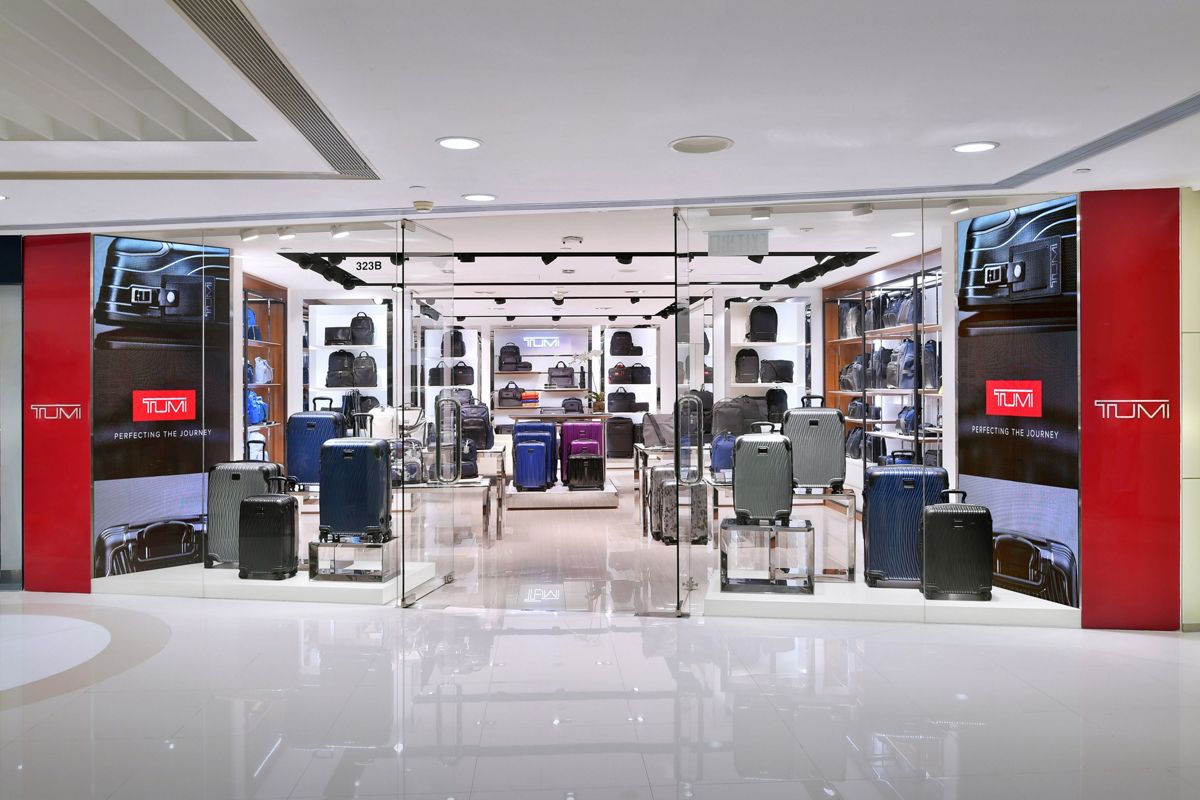
    Tumi has unveiled its inaugural flagship store in China, a pivotal moment for the renowned luggage and travel accessories brand. Situated in the bustling Shanghai Centre on Nanjing West Road, this new storefront marks a strategic expansion into the Asian market, underscoring Tumi’s commitment to establishing a robust presence in China.

    The flagship’s exterior captivates with a sleek design, highlighted by metallic finishes and a striking façade inspired by Tumi’s iconic 19 Degree collection. It’s not just a store; it’s a visual statement that promises to draw in passerby foot traffic.

    Step inside, and you’re greeted by an inviting atmosphere adorned with marble accents, soothing neutral tones, and contemporary metal and stone textures. This design ethos creates an elegant yet inviting space, encouraging customers to explore Tumi’s complete lineup, which encompasses men’s, women’s, and travel collections.

    Adding an artistic flair to the store, Tumi features an exclusive installation titled “Journey,” crafted by notable Chinese artist Xu Fei. This striking piece, made from natural bamboo, embodies themes of movement, balance, and craftsmanship, beautifully echoing Tumi’s design philosophy while honoring local cultural roots.

    Another intriguing element of the flagship is its innovative scenario-based display system, which provides customers with a clear and engaging way to interact with Tumi’s diverse product range, making the shopping experience feel more intuitive.

    Questions & Answers

    What is the significance of Tumi’s new flagship store in Shanghai?
    The flagship store represents Tumi’s strategic expansion into the Chinese market, solidifying its commitment to growth in Asia.

    What unique art installation can be found in the Shanghai store?
    The store features an exclusive piece titled “Journey,” created by Chinese artist Xu Fei, which reflects themes of movement and craftsmanship using natural bamboo.

    How does the design of the flagship store enhance the customer experience?
    The store’s elegant design, combined with a scenario-based display system, allows for an engaging and intuitive shopping experience, encouraging customers to explore Tumi’s extensive product range seamlessly.