Category: General

Retail News Asia is committed to providing both local and global retailers with the latest General Retail news throughout the Asian market. This on a daily base.

  • Lidl Expands Supply Chain Strategy by Tapping into Vietnam and Malaysia Markets

    Lidl Expands Supply Chain Strategy by Tapping into Vietnam and Malaysia Markets

    In a strategic move to bolster its supply chains amidst global uncertainties, Lidl, one of Europe’s largest supermarket chains, is setting its sights on sourcing more products from Vietnam and Malaysia. This shift marks a significant step in the company’s ongoing efforts to diversify its supply chain and mitigate risks associated with reliance on traditional markets.

    Part of Germany’s influential Schwarz Group, Lidl’s expansion strategy includes an impressive milestone: the establishment of its Tailwind Shipping Lines in 2022. This venture was launched in the wake of the COVID-19 pandemic, designed to streamline logistics and enhance control over its supply chain operations, specifically from regions such as China, Bangladesh, and Sri Lanka to its European stores. In a surprising twist, Tailwind has quickly risen to become Germany’s second-largest shipping company, boasting a fleet of nine container ships.

    As Lidl navigates these turbulent waters of the global marketplace, its focus on Vietnam and Malaysia not only reflects a pragmatic response to supply chain vulnerabilities but also highlights the increasing importance of Southeast Asia in global retail sourcing. The company’s proactive strategy serves as a case study for others in the industry, showcasing how adaptability is crucial for thriving in an ever-evolving economic landscape.

    Questions & Answers

    What motivated Lidl to increase sourcing from Vietnam and Malaysia?
    Lidl aims to diversify its supply chains amid global uncertainties, minimizing reliance on traditional markets, especially after disruptions caused by the COVID-19 pandemic.

    What is Tailwind Shipping Lines, and why is it significant for Lidl?
    Tailwind Shipping Lines, launched by Lidl’s parent company Schwarz Group, allows for tighter control over logistics and has quickly become Germany’s second-largest shipping firm, enhancing the efficiency of getting goods to Lidl stores.

    How does Lidl’s strategy reflect broader trends in global retail?
    Lidl’s move underscores the growing importance of Southeast Asia for retail sourcing, highlighting the need for companies to adapt quickly to supply chain challenges in a rapidly changing economic environment.

  • Ant Unveils Innovative AI Travel Companion Integrated into Mobile Wallets for Seamless Adventures

    Ant Unveils Innovative AI Travel Companion Integrated into Mobile Wallets for Seamless Adventures

    Retailing giants in Asia are grappling with the delicate balance of managing supply chain disruptions and keeping pace with ever-changing consumer expectations. As economies rebound from the impacts of the pandemic, retailers are re-evaluating their strategies to navigate an increasingly competitive landscape.

    Adapting to Shifting Consumer Behaviors

    According to recent reports, consumer preferences in Asia are shifting dramatically. In a bid to cater to the growing demand for seamless shopping experiences, retailers are investing heavily in technology. From advanced inventory management systems to mobile payment solutions, the focus is on creating frictionless interactions both online and in-store. “Consumers want convenience; they want it now. If we can’t deliver that, we risk losing their business,” said Mei Chen, a retail analyst in Shanghai.

    Sustainable Practices Take Center Stage

    Another notable trend is the rise of sustainable retail practices. As climate awareness increases among shoppers, brands across Asia are stepping up their efforts to incorporate eco-friendly practices. From sourcing sustainable materials to implementing recycling initiatives, companies such as Tokyo-based Uniqlo are leading the charge toward a greener future. In a surprising twist, some brands are even rewarding consumers for returning items for recycling, turning sustainability into a rewarding experience.

    The E-commerce Boom Continues

    The pandemic may have accelerated the e-commerce boom, but it seems to be here to stay. Data shows that online shopping is now a staple for many consumers in Asia, leading traditional retailers to rethink their brick-and-mortar approaches. As digital giants like Alibaba and JD.com continue to thrive, smaller retailers are also recognizing the need for a robust online presence. “It’s almost as if the physical store has transformed into a showcase, while e-commerce does the heavy lifting,” noted Raj Patel, an analyst based in Mumbai.

    Collaborative Strategies on the Rise

    In a surprising twist on competition, retailers are increasingly collaborating to enhance their offerings. Partnerships between tech firms and retail giants are blossoming, helping both parties tap into new consumer bases. For instance, the collaboration between a leading grocery chain and a digital health startup has resulted in combined rewards programs that benefit customers on multiple fronts. “We’re no longer just competing with one another; we’re finding new ways to grow collectively,” remarked Jaspreet Kaur, head of retail strategy at a major conglomerate in Bangalore.

    Embracing Omnichannel Retailing

    The omnichannel retail strategy has become a buzzword, with companies integrating various platforms to enhance customer experience. This strategy not only streamlines operations but also fosters greater brand loyalty. Retailers are realizing that today’s consumers often blend their shopping experiences, moving seamlessly between online and offline environments. “You can’t just be a one-trick pony anymore,” said Chao Wei, a representative for a major electronics retailer in Beijing.

    Looking Ahead

    As Asia’s retail landscape continues to evolve, industry leaders face the challenge of maintaining relevance while adapting to new paradigms. Those who embrace innovation, prioritize sustainability, and harness collaboration stand to thrive in a dynamic market. With consumer expectations at an all-time high, the race to keep up is not just a sprint; it’s a marathon, filled with opportunities and surprises for those willing to take the leap.

    Questions & Answers

    What strategies are retailers in Asia adopting to meet consumer expectations?
    Retailers are investing in technology for seamless shopping experiences, emphasizing convenience, and focusing on eco-friendly practices to appeal to sustainability-conscious consumers.

    How has e-commerce affected traditional retail in Asia?
    The e-commerce boom has led traditional retailers to adapt their business models, often transforming physical stores into showrooms while boosting their online presence to reach customers more effectively.

    What is the significance of collaboration among retailers in the current market?
    Collaboration allows retailers to leverage each other’s strengths, expand consumer reach, and provide innovative solutions that benefit both businesses and customers, making the retail landscape more dynamic.

  • Miniso Unveils Innovative Miniso Space Concept, Making Its Debut in China!

    Miniso Unveils Innovative Miniso Space Concept, Making Its Debut in China!

    Global lifestyle brand Miniso has unveiled its inaugural Miniso Space at Deji Plaza in Nanjing, a significant step in its retail evolution that promises an immersive, IP-driven shopping experience. Nestled within one of China’s most prestigious luxury malls, this innovative store format emphasizes a fresh approach to consumer engagement.

    A Creative Fusion of Retail and Entertainment

    Maximizing its footprint, nearly the entire space is dedicated to vibrant collaborations with beloved global intellectual properties such as Disney, Harry Potter, Chiikawa, and Sanrio, among others. Notably, the store also showcases the exclusive debut of the WAKUKU limited-edition collection—definitely the kind of surprise that can make even a seasoned shopper do a double-take.

    With around 30 unique IPs on display, the Miniso Space stands out as one of the brand’s most content-rich offerings to date. Designed to transcend conventional shopping, this venue merges retail with exhibitions and interactive zones, crafting an immersive environment that artfully intertwines entertainment with consumerism.

    Aiming for the Upscale Consumer

    The Miniso Space isn’t merely a store; it’s an experience tailored for luxury mall visitors who crave a premium, trend-focused adventure. This aligns seamlessly with Miniso’s “Joy Philosophy,” aiming to enhance the shopping experience while making it distinctly enjoyable.

    This launch follows the brand’s recent successes with flagship stores in Madrid and Jakarta earlier in 2024, both of which spotlighted IP collaborations and expansive store layouts that cater to evolving consumer tastes. As Miniso continues to push the envelope, it raises the bar for retail innovation in Asia and beyond.

    Questions & Answers

    What makes Miniso Space different from regular stores?
    Miniso Space integrates retail, exhibitions, and interactive zones, creating a unique, immersive shopping experience focused on popular global IP collaborations.

    Which IP collaborations are featured in the Miniso Space?
    The store showcases around 30 collaborations with brands such as Disney, Harry Potter, Chiikawa, and Sanrio, along with an exclusive WAKUKU limited-edition collection.

    How does Miniso’s “Joy Philosophy” shape the shopping experience?
    Miniso’s “Joy Philosophy” emphasizes creating a fun, premium shopping experience that enhances customer satisfaction and engagement, especially suited for luxury mall visitors.

  • Swiss Craftsmanship Meets Hollywood: IWC Schaffhausen Stars In F1 The Movie 2025

    Swiss Craftsmanship Meets Hollywood: IWC Schaffhausen Stars In F1 The Movie 2025

    Swiss Timepieces Take the Spotlight in Cinematic Showcase

    As the lights dimmed and excitement filled the air, the Arthouse Le Paris cinema in Zurich played host to the premiere of F1 The Movie 2025. The event was not merely a celebration of film but a showcase for IWC Schaffhausen, the prestigious watchmaker, proudly standing as the official partner of the fictional racing team APXGP. This film, steeped in racing drama, brings Swiss craftsmanship to the forefront, and the atmosphere crackled with anticipation.

    Directed by the talented Joseph Kosinski, known for his work on the blockbuster Top Gun: Maverick, filming began in 2023. IWC has a well-established connection to Kosinski; after all, Tom Cruise donned an IWC timepiece in his previous high-flying adventure.

    What sets this production apart is its groundbreaking technique of in-camera filming, where cameras are mounted directly in the race cars, presenting viewers with an authentic cockpit experience that blurs the lines between cinema and real-life racing action.

    Star Power Behind the Wheel

    The ensemble cast features heavyweights like Brad Pitt in the role of Sonny Hayes, and Damson Idris as Joshua Pearce. Their performances go beyond mere acting; many scenes were shot during actual driving maneuvers, lending an exhilarating authenticity to the film. The result is a visual spectacle that often convinces viewers they are trackside at a live Grand Prix rather than seated comfortably in a cinema.

    In a twist of fate worthy of a Hollywood script, these two characters embody contrasting philosophies and generations in the fast-paced world of racing—an ideal backdrop for the IWC watches they wear.

    Watches that Tell a Story

    Representing the old guard, Pitt’s character wears the Ingenieur SL, distinguished by its green dial and designed by the legendary Gérard Genta. Initially overlooked and later discontinued, this watch has rebounded into the hearts of collectors—a testament to resilience and underrated talent.

    In an unexpectedly poetic turn, Sonny Hayes, after an ill-fated career marred by a serious accident, finds an unexpected shot at redemption with the help of his beloved watch. Both Hayes and the Ingenieur SL share the narrative of undervalued potential and the struggle for recognition, a resonant theme that echoes throughout the film.

    A Modern Marvel for a New Generation

    In contrast, Joshua Pearce, played by Idris, is a young, ambitious risk-taker representing the new generation of racers. He sports the Pilot’s Watch Performance Chronograph 41, an exclusive model developed just for the film, released in two limited stainless steel editions. Its design mirrors the APXGP race car’s aesthetics, perfectly encapsulating themes of innovation, speed, and modernity.

    A Prelude to a Timeless Tale

    The audience’s experience was further enriched by a YouTube short titled The Most Brilliant Failure, which set an emotional context for the story. This narrative intertwined the journeys of both Sonny Hayes and Gérard Genta. Both men, visionaries in their fields, faced early challenges in gaining recognition—Hayes as an exceptional driver and Genta as an artistic watchmaker.

    Genta’s humility, poignantly expressed in the short when he says, “I am an artist, a painter. What do I know about watches?”, resonates deeply with Hayes’ quiet resilience in the film’s final moments. Their stories remind us that greatness often lies not in boastful declarations but in quiet determination and unyielding creativity.

    Questions & Answers

    What unique filming technique was used in F1 The Movie 2025?
    The film utilized in-camera technology, embedding cameras directly into the race cars to create authentic cockpit perspectives for viewers.

    How do the watches worn by the characters symbolize their journeys?
    The Ingenieur SL worn by Sonny Hayes represents undervalued talent and resilience, while the Pilot’s Watch Performance Chronograph 41 worn by Joshua Pearce embodies ambition and dynamism in modern racing.

    What emotional context did the YouTube short provide for the film?
    The short, titled The Most Brilliant Failure, highlights the parallel journeys of Sonny Hayes and Gérard Genta, emphasizing themes of unrecognized brilliance and eventual redemption.

  • Asia’s Retail Revolution: Sustainability, Tech Innovation And Community Engagement Shape Future Strategies

    Asia’s Retail Revolution: Sustainability, Tech Innovation And Community Engagement Shape Future Strategies

    The retail landscape in Asia is witnessing seismic shifts as brands pivot to embrace sustainability and social responsibility at the heart of their strategies. Against this backdrop, leading retail players are not just tailoring products to meet consumer demand but are also weaving narratives that resonate deeply with a socially conscious audience.

    Shifting Consumer Expectations Drive Change

    As consumers across Asia become increasingly aware of environmental issues, their shopping preferences are evolving. A recent survey revealed that over 60% of shoppers are willing to pay more for sustainable products, underscoring a significant shift in purchasing behavior. Brands that adapt to these changing tides are finding new opportunities to connect with their audiences in meaningful ways. Funny enough, it seems that being eco-friendly is the new black in retail fashion!

    This transformation is particularly evident in sectors like fashion, electronics, and food. Retailers are investing in eco-friendly packaging, ethically sourced materials, and carbon-neutral logistics. For instance, major fashion chains are introducing lines featuring organic cotton and recycled polyester, while tech companies are innovating with energy-efficient products that minimize environmental impact.

    Innovations in Retail: The Role of Technology

    In addition to sustainable practices, technological innovation is reshaping the retail experience. From augmented reality shopping experiences to AI-driven personalization, technology is enabling brands to enhance customer engagement. Interactive in-store displays and mobile apps that offer tailored recommendations based on previous purchases are becoming the norm rather than the exception.

    Moreover, the rise of e-commerce has spurred traditional retailers to rethink their strategies, blending online and offline elements. Click-and-collect services and virtual try-on technology are examples of how retailers are adapting to the digitally-savvy consumer. This integration is critical, given that online shopping is projected to account for over 25% of total retail sales in Asia by 2025.

    The Importance of Community Engagement

    Community engagement is increasingly becoming a focal point for brands aiming to foster loyalty and trust. Retailers are connecting with local communities through initiatives such as charity partnerships, local sourcing, and transparent supply chains. By highlighting their role in the community, brands not only boost their image but also create a loyal customer base that feels invested in their mission.

    Chinese cosmetic giant L’Oréal has successfully leveraged this strategy by supporting local artisans through its product lines while also encouraging sustainable beauty practices. This not only amplifies their brand values but also galvanizes consumers to make more informed choices.

    Looking Ahead: The Future of Retail in Asia

    As we look to the future, the confluence of sustainability, technology, and community engagement paints a promising picture for the retail industry in Asia. Companies that can navigate these currents will thrive in an increasingly competitive landscape. In a world where every purchase tells a story, retailers are challenged to ensure that their narratives align with the values of the consumers they aim to serve.

    To put it simply, the era of conscious consumption is here, and it’s transforming the way retailers operate across Asia. Getting ahead of the curve could be the difference between becoming a market leader or getting lost in the crowd.

    Questions & Answers

    What percentage of consumers are willing to pay more for sustainable products?
    Over 60% of consumers in Asia expressed a willingness to pay a premium for sustainable products, highlighting the growing importance of eco-friendly options in purchasing decisions.

    How is technology impacting the retail landscape in Asia?
    Technology is enhancing customer engagement through innovations like augmented reality shopping, AI-driven personalization, and seamless integration between online and offline retail experiences.

    What role does community engagement play in modern retail strategies?
    Community engagement helps retailers foster loyalty and trust, often through local partnerships and transparent practices that resonate with socially conscious consumers.

  • Vietjet Celebrates 7/7 with Up to 77% Off All Flights and New Vietnam–China Routes

    Vietjet Celebrates 7/7 with Up to 77% Off All Flights and New Vietnam–China Routes

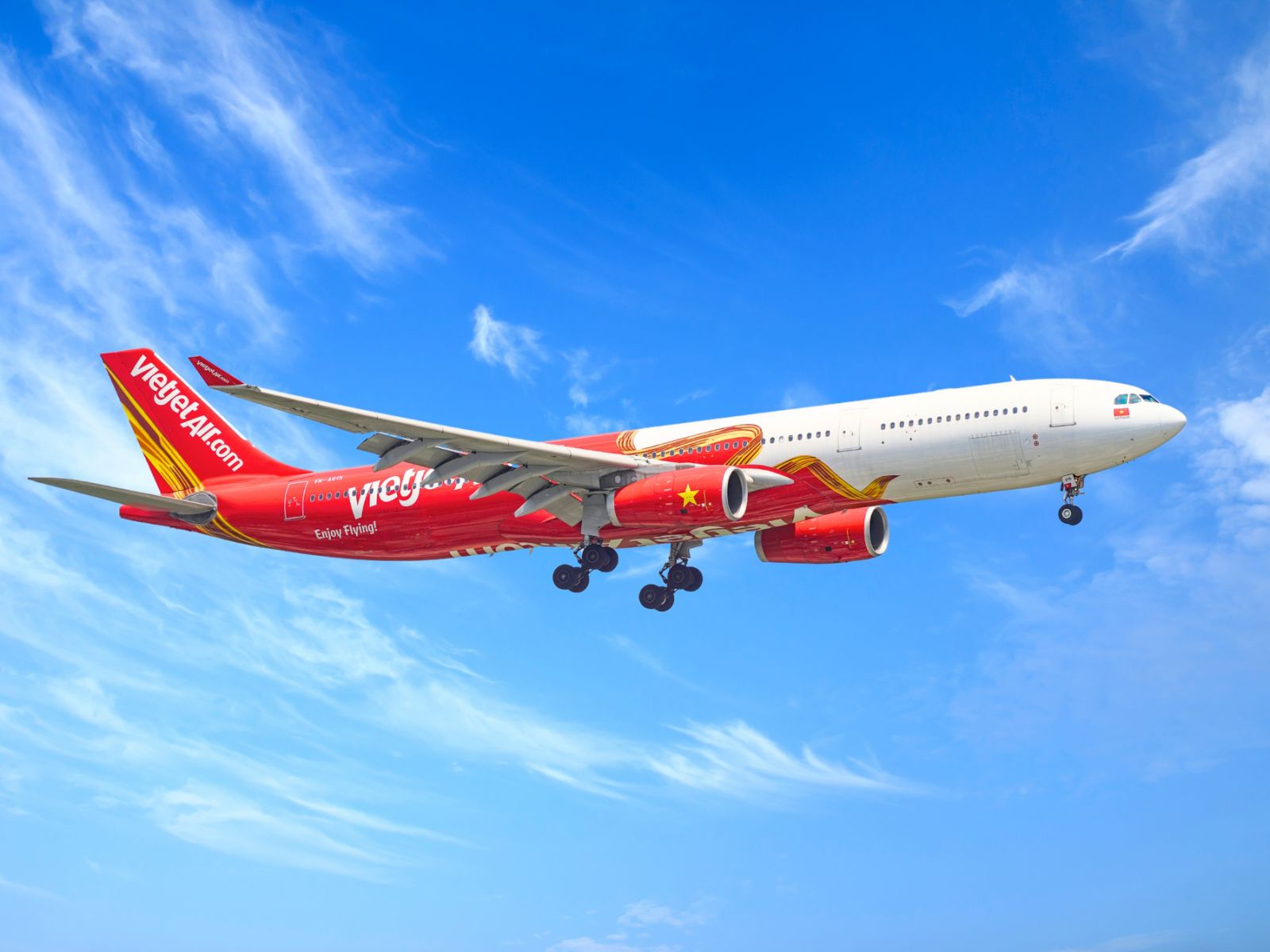
    This summer, Vietjet is turning up the heat with its exciting 7/7 double-day promotion, offering millions of discounted tickets with up to 77% off (excluding taxes and fees), applicable across the airline’s entire Vietnam domestic and international network. With this promotion, Singapore travellers can now enjoy great deals when flying into Vietnam to explore popular destinations such as Hanoi, Da Nang, Ho Chi Minh City, and Phu Quoc. The airline also marks its continued international growth with two new routes from Hanoi to Chengdu and Xi’an, launching in the first week of July.

    For one day only, from 01:00 to 24:00 (GMT+8) on 7 July 2025, guests booking Eco tickets at www.vietjetair.com or via the Vietjet Air mobile app using the promo code SUPERSALE77 will enjoy incredible savings of up to 77% (excluding taxes and fees). The offer is valid for travel between 11 August 2025 and 28 March 2026 (terms and conditions apply), across all Vietjet’s routes.     

    To meet the soaring travel demand this summer, Vietjet has added over 600,000 additional seats across its growing network of more than 145 domestic and international routes. The airline connects travellers to top destinations in Vietnam, Australia, India, China, South Korea, Japan, Southeast Asia, and beyond.     

    As part of its global expansion strategy, Vietjet is set to launch two new direct routes from Hanoi, connecting to Chengdu on 1 July and Xi’an on 6 July. These new services strengthen Vietjet’s presence across Asia, enhancing access to major cultural and economic hubs while reinforcing the airline’s commitment to regional connectivity and international growth.     

    Passengers can look forward to a comfortable flying experience aboard Vietjet’s modern, fuel-efficient fleet, supported by a professional and friendly crew. Onboard offerings include a variety of delicious hot meals and in-flight specialties such as Pho, Banh Mi, and international cuisines—plus unique cultural performances at 10,000 meters.     

    A whole new world. A whole new summer. Fly Vietjet and make your next adventure unforgettable!

    Vietjet’s Singapore – Vietnam flight schedule: 

    • Singapore – Hanoi – Singapore: VJ916/VJ915: 1 return flight/day 
    • Singapore – Da Nang – Singapore: VJ970/VJ973: 1 return flight/day 
    • Singapore – Ho Chi Minh City – Singapore: VJ812/VJ813, VJ814/VJ811, VJ816/VJ815: 3 return flights/day 
    • Singapore – Phu Quoc – Singapore: VJ984/VJ983: 1 return flight/day
  • XS.com Review 2025: A Reliable Broker with a Wide Range of Trading Accounts

    XS.com Review 2025: A Reliable Broker with a Wide Range of Trading Accounts

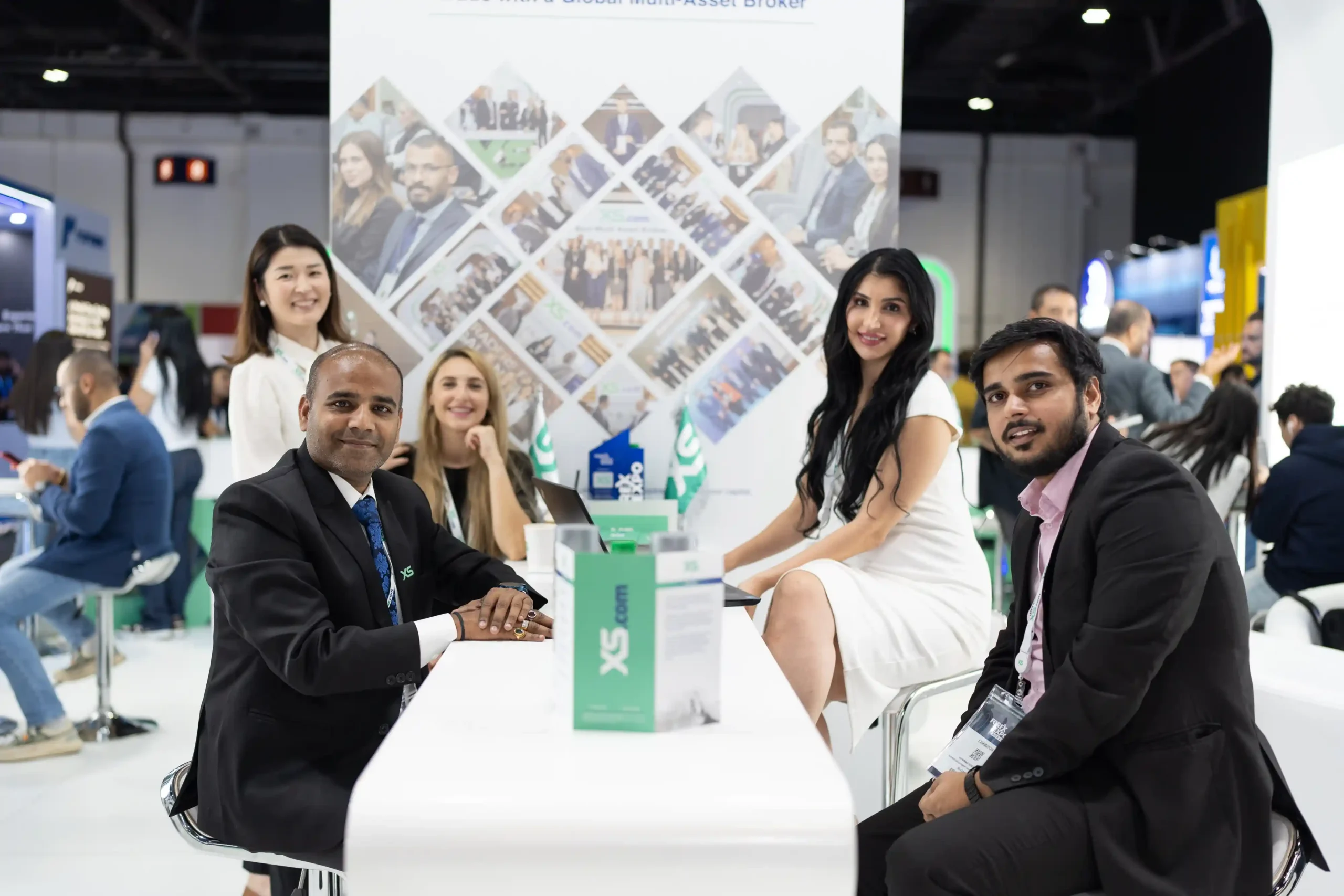
    XS broker offers global stock exchange investment services as you wish. It supports trading through leading platforms that come with features that every trader is looking for. In this article, we will have a review of XS. For traders who are looking for a better broker for you, pros, cons, reliability, and answers to frequently asked questions about XS. Let’s continue reading in this article.

    Is trading with XS broker really good?

    Many traders may have questions about XS brokers, whether it’s about reliability or other benefits. We can tell you that XS is really good! It has also received many XS.com awards.

    In addition to the license and internet security that this website has been verified by many security organizations, there are many outstanding features that make XS better than other brokers. Features include free trader protection insurance, leverage over 1:2000, or the XS Mastercard.

    Other outstanding features that XS offers in particular include Islamic accounts that do not charge overnight trading fees. This is something that the broker itself protects against religious conflicts. It also offers an affiliate program that allows you to easily increase your income. Along with trading

    Is XS.com a reliable broker?

    XS is a broker that has expanded its services worldwide. Starting from Australia in 2010, it has been licensed in many countries around the world, making it one of the brokers trusted by traders worldwide. The regulatory licenses from financial authorities are:

    • ASIC Australia, license number is 374409
    • LFSA Malaysia, license number is MB/21/0081
    • FSA Seychelles, license number is SD089
    • CySEC Cyprus, license number is 412/22
    • FSCA South Africa, license number is 53199

    In addition, XS uses advanced password access, two-step verification or security checks from relevant agencies to prevent third-party access to your account. There is protection against phishing and other threats from malware.

    What can be traded with XS.com broker?

    XS Broker is a platform that offers a wide range of stock exchange trading services, such as:

    • Forex: Trade over 50 currency pairs, such as EUR/USD, GBP/JPY, AUD/USD, with low spreads and leverage up to 1:2000
    • Shares: Trade shares of leading companies from the US, UK, Europe and Hong Kong, such as Apple, Amazon, Alibaba, via CFDs
    • Indices: Trade leading stock indices, such as Dow Jones (US30), NASDAQ (US100), S&P 500 (US500), FTSE 100 (UK100), DAX (DE40) and Nikkei 225 (JP225), among others
    • Metals: Trade precious metals, such as gold (XAU/USD), silver (XAG/USD), platinum and palladium
    • Commodities (Commodities): Trade commodities such as crude oil (WTI, UKOIL), coffee (COFFEE), sugar (SUGAR), corn (CORN), cotton (COTTON), soybean (SOYBEAN), cocoa (COCOA) and wheat (WHEAT)
    • Energy (Energy): Trade energies such as crude oil (WTI, UKOIL) and natural gas (Natural Gas)
    • Futures (Futures): Trade CFDs on futures contracts on various assets such as commodities, currencies, indices and more
    • Cryptocurrency (Cryptocurrency): Trade CFDs on cryptocurrencies such as Bitcoin (BTC), Ethereum (ETH) and more


    XS.com Account Types

    XS broker offers a wide range of account types to suit all levels of traders. Whether you are a beginner or a pro, you can choose the one that suits your trading style.

    Preferred Account

    Suitable for all levels of traders

    • Cent Account
      • Minimum deposit $5
      • No commission
      • Average spread of 1.1 pips on EURUSD
      • Minimum trade of 0.01 lot
      • Works on MT5 platform
    • Standard Account
      • Minimum deposit of $5
      • No commission
      • Average spread of 1.1 pips on EURUSD
      • Minimum trade of 0.01 lot
      • Works on both MT4 and MT5 platforms
    • Micro Account
      • Minimum deposit of $5
      • No commission
      • Average spread of 1.1 pips on EURUSD
      • Minimum trade of 0.01 lot
      • Works on MT5 platform


    Professional Account

    Suitable for more experienced traders

    • Elite Account
      • Minimum deposit of $1,000
      • Commission of $3 per lot
      • Average spread as low as 0.1 pips on EURUSD
      • Minimum trade of 0.01 lot
      • Works on both MT4 and MT5 platforms
    • Pro Account
      • Minimum deposit of $1,000
      • No commission
      • Average spread of 0.7 pips on EURUSD
      • Minimum trade of 0.01 lot
      • Available on both MT4 and MT5 platforms
    • VIP Account
      • Minimum deposit of $1,000
      • Commission of $3 per lot
      • Average spread as low as 0.1 pips on EURUSD
      • Minimum trade of 0.01 lot
      • Available on MT5 platform


    Partners Special Account

    Suitable for partner collaboration

    • Extra Account
      • Minimum deposit of $5
      • No commission
      • Average spread of 2.1 pips on EURUSD
      • Minimum trade of 0.01 lot
      • Available on both MT4 and MT5 platforms
    • Classic Account
      • Minimum deposit of $5
      • No commission
      • Average spread of 1.6 pips on EURUSD
      • Minimum trade of 0.01 lot
      • Available on both MT4 and MT5 platforms

    Traders who are not ready to invest real money or beginners who do not have experience can register for a demo account on XS.com to practice and test various strategies. In addition, You can also choose to trade to win cash prizes.

    Deposit and withdraw with XS broker conveniently and quickly

    XS has a convenient deposit and withdrawal method so that you can make transactions efficiently and easily. Supports multiple currencies, perfectly meeting the needs of traders

    Deposit method

    Depositing XS with brokers can be done through many channels, such as:

    • Bank transfer
    • Deposit via credit/debit card
    • Deposit via e-Wallets
    • Deposit via cryptocurrency
    • Deposit via QR Code

    Withdrawal method

    XS withdrawal has a convenient process. You can withdraw money through the same channels as deposits, as follows:

    • Bank transfer withdrawal
    • Withdrawal via e-Wallets
    • Credit/debit card withdrawal

    Why is XS the choice of Thai traders?

    The XS broker has many outstanding features that help make your trading more efficient. It definitely has an advantage over other brokers. Let’s see. What you shouldn’t miss

    XS Prepaid Mastercard 

    The XS Mastercard can be conveniently transferred from the XS platform directly to your card account. In addition to the Mastercard, you can easily download the mobile application. You can make various transactions, such as online payments, ATM withdrawals, POS transactions, and more, as desired.

    Islamic account without swaps

    XS broker has an investor insurance coverage from Lloyd’s of London worth up to $ 5,000,000. Therefore, traders can definitely trust trading with XS. This insurance covers problems such as fraud, negligence, or other financial risks.

    Summary – XS Broker Review

    XS is a global broker that provides trading services for a variety of assets, such as Forex, indices, stocks, commodities, and cryptocurrencies. It has been licensed in many countries. Supports instant QR code transactions, convenient, fast Supports MT4 and MT5 platforms Contact XS.com customer support 24 hours a day High security standards Try trading through XS.com reviews

    Frequently Asked Questions

    1. Can XS trade BTC?

    Yes, XS.com broker offers cryptocurrency trading, including Bitcoin (BTC) via CFD, which can be traded 24 hours a day (except for market holidays) on the MT4 and MT5 platforms.

    1. Is XS a scam?

    No, because XS brokers are licensed by reliable international regulatory agencies such as ASIC (Australia), CySEC (Cyprus), and FSA (Seychelles), it is considered reliable and safe.

    1. How much is the minimum to open an XS trading account?

    The minimum deposit starts at only $5 for Cent, Standard, and Micro accounts, depending on the account type chosen. If it is a professional account, such as Pro or VIP, there will be a higher minimum, such as $1,000.

    1. Who owns XS?

    XS.com is operated under the management of Mohamad K. Ibrahim, XS Group, which has offices and licenses in many countries. First started operating in 2010 in Australia

    1. What is XS Introducing Broker (IB)?

    XS IB or Introducing Broker is a person who introduces new clients to XS.com and will receive a commission or reward based on the trading volume of the referred clients. It is a partner program for those who want to earn income from referrals.

    1. How many years has XS been open?

    XS.com has been operating since 2010, has over 15 years of experience in the financial market and has been continuously expanding its services worldwide.
     

  • Hong Kong Edges Out Singapore to Claim Title of Asia’s Most International City

    Hong Kong Edges Out Singapore to Claim Title of Asia’s Most International City

    In a recent release from the Hong Kong General Chamber of Commerce, the Asian Cities Internationality Index has revealed its latest rankings, ultimately declaring Hong Kong the leading city in Asia with a score of 73.7 out of 100. The dynamic city narrowly edged out Singapore, which secured a score of 73.5, making the competition as tight as a pair of shoes on a bustling Hong Kong street.

    Evaluating 11 major cities in the region, the index utilized 113 indicators across seven categories: business and economy, quality of life, infrastructure and connectivity, innovation and ideas, human capital diversity, cultural interaction, and the governmental and legal frameworks that support business operations. This comprehensive analysis also drew insights from a survey completed by 1,107 senior business executives situated in the assessed locales, ensuring a well-rounded perspective.

    Hong Kong’s recognition as a top-tier global financial hub shines through the report. Praised for its successful hosting of international events and a living environment characterized by safety, stability, and freedom, the chamber’s press release highlighted these factors as key to its ascendance in the rankings. In contrast, Singapore’s strengths were noted in its multicultural milieu and its adeptness at attracting and nurturing diverse talent.

    Despite this triumph, Hong Kong’s performance in the innovation and ideas category raised some eyebrows, where it ranked fourth behind Shanghai, Singapore, and Seoul. Patrick Yeung Wai-tim, the chamber’s CEO, acknowledged this shortcoming, pointing to an ongoing challenge in the commercial viability of scientific research. “Hong Kong’s own enterprises still invest a relatively low proportion of their operational costs in scientific research and development,” he commented, as reported by the South China Morning Post.

    Tokyo secured the third position in the rankings, followed closely by Seoul, Shanghai, and Bangkok, while Kuala Lumpur, Taipei, Jakarta, Ho Chi Minh City, and Mumbai completed the list in that sequence, according to the Macao News. Each city’s unique strengths play into the larger narrative of Asia’s evolving retail landscape, reminding us that while the skyline may gleam, innovation remains the true lifeblood of progress.

    Questions & Answers

    How did Hong Kong perform in the innovation and ideas category?
    Hong Kong ranked fourth in the innovation and ideas category, trailing behind Shanghai, Singapore, and Seoul, which raised concerns among experts regarding its commercialization of scientific research.

    What factors contributed to Hong Kong’s top ranking in the index?
    The city’s strong performance in the business and economy category, coupled with its status as a global financial hub and a safe, stable living environment, were key factors that contributed to its high score.

    Which cities rounded out the top six in the rankings?
    The top six cities included Tokyo in third place, followed by Seoul, Shanghai, and Bangkok, while Kuala Lumpur, Taipei, Jakarta, Ho Chi Minh City, and Mumbai followed in succession.

  • POP MART Connects with Southeast Asia’s Toy Collectors Through Lazada

    POP MART Connects with Southeast Asia’s Toy Collectors Through Lazada

    Southeast Asia’s blind box obsession is now mainstream, and POP MART is at the heart of it, fuelling demand with exclusive IPs, sought-after collectibles and even real-life fan events. The global designer toy brand, best known for turning characters like MOLLY, DIMOO, and SKULLPANDA into household names, is tapping on Lazada’s LazMall to connect with millions of fans across the region through surprise drops, unboxings, and community events.

    With LazMall, POP MART is now reaching fans in a more direct and hyper-personalised way. Since joining the platform in 2023, it has grown over fivefold to become one of LazMall’s fastest-growing toy brands, a testament to the region’s deep love for collectibles and character storytelling.

    From live-streamed unboxings to data-backed product launches, POP MART’s success reflects how digital discovery and fandom go hand-in-hand. The global blind box collectibles market is set to hit USD 38.4 billion by 203, a boom fuelled by Gen Z and millennial collectors seeking rarity, emotional connection, and a bit of playful nostalgia.

    “Whether it’s the thrill of the mystery or the joy of finding your favourite character, our collectors are looking for more than just toys — they’re seeking stories,” said a POP MART spokesperson. “With Lazada, we’re able to deliver those stories in a more seamless way.”

    Global Exclusives Launching in June

    This month, POP MART will release two globally limited figures — MOLLY and Zsiga, and also unveil the second-generation SKULLPANDA plush toys, adding a soft and huggable twist to its cult-favourite character lineup.

    These products will be available on Lazada’s LazMall from June 2025 onwards. POP MART will also increase its stock levels and scale up visibility on its LazMall storefront to meet fan demand.

    Where Community Meets Commerce

    On Lazada, POP MART fans don’t just shop, they discover and experience. Using AI-powered recommendations and region-specific insights, the brand curates its releases based on what collectors love most in each market. SKULLPANDA, for instance, has become a breakout favourite in Thailand, while DIMOO charms fans in Malaysia.

    Collectors also benefit from prompt deliveries, with 85% of orders in all key Southeast Asian cities like Bangkok and Manila guaranteed to arrive within 48 hours upon order confirmation. Collectibles are also delivered in custom shock-proof packaging to ensure they arrive in pristine, collector-worthy conditions, and the parcel can be tracked in real time on the Lazada app.

    POP MART collectibles are not just toys, they are a lifestyle and the epitome of luxury and exclusivity that has been fuelled by the energy of its fans and creators. More than one-third (34%) of its sales on Lazada now come from affiliate creators in Southeast Asia — livestreamers, toy reviewers, and content creators who bring the world of POP MART to life through their own lens. Their curated content, character deep-dives, and unboxing videos don’t just sell toys — they build community and elevate collecting into a shared lifestyle.

    Taking the Experience Offline

    Fans in Singapore can look forward to experiencing the magic in-person next month. On 27 July, Lazada X POP MART 5KM run will be happening in Singapore. Designed to be a vibrant, community-driven event that blends fitness, music, and fandom, POP MART will be hosting an exclusive booth at the event, creating a playground for pop culture lovers to meet iconic characters, explore exclusive new drops, and immerse themselves in the joyful surprise of the trend culture and brand stories.

    IRL experiences like this are part of POP MART’s strategy to connect more deeply with its community – both online and offline.

    “POP MART’s world is built on creativity and connection,” said Kaya Qin, Chief Business Officer at Lazada Group. “Through Lazada’s platform, brands like POP MART are able to inspire and engage a new generation of collectors with stories that extend beyond the digital channels.”

  • Vietravel Airlines Takes Flight: First Aircraft Acquisition Fuels Growth Following Tycoon Do Quang Hien’s Investment

    Vietravel Airlines Takes Flight: First Aircraft Acquisition Fuels Growth Following Tycoon Do Quang Hien’s Investment

    In a significant leap forward, Vietravel Airlines welcomed its first Airbus A321, registered as VN-A129, at Noi Bai International Airport on Saturday afternoon. This delivery marks a pivotal moment for the fledgling carrier, which is poised to add two more Airbus A320 aircraft to its fleet next month.

    Originally operated by U.S.-based Spirit Airlines, the newly acquired A321 received its airworthiness certificate on July 10, 2015. Its arrival comes six months after T&T Group, a consortium of businesses, became Vietravel Airlines’ strategic shareholders, further signaling a robust commitment to the airline’s development.

    A Commitment to Growth

    Ho Minh Tan, deputy director-general of the Civil Aviation Authority of Vietnam, highlighted that this investment is a testament to the conglomerate’s commitment to fortifying the airline’s operational capabilities. With the addition of this aircraft, Vietravel Airlines can regain control over its operations, which faced setbacks when its fleet dwindled to just one plane.

    New Horizons Ahead

    The airline is setting its sights on expanding its flight offerings, enhancing connectivity between Hanoi and Ho Chi Minh City with additional routes to popular domestic destinations such as Da Nang, Phu Quoc, and Quy Nhon. They are also eyeing international locations to broaden their operational scope.

    A Declaration of Strength

    Do Vinh Quang, chairman of Vietravel Airlines and part of a notable family legacy in the industry, stressed that the new plane symbolizes not just progress in fleet modernity but also a declaration of the company’s financial robustness and capability. To bolster its strategic ambitions, the airline is in negotiations with major aircraft manufacturers and international airlines, paving the way for comprehensive partnerships in the aviation sector.

    Capital to Fuel Ambitions

    Established in 2020 with a starting capital of VND700 billion (approximately US$26.8 million), Vietravel Airlines took to the skies for the first time in January 2021, marking its place as the sixth airline in Vietnam and the third privately owned carrier. Recently, shareholders approved a plan to escalate the charter capital to VND2.6 trillion in the first half of 2026, aided by financial backing from SHB Bank. This capital infusion is expected to enhance both fleet and operational capabilities, ultimately securing financial stability.

    Looking ahead, Vietravel Airlines is keen to leverage resources from T&T Group and another major stakeholder, Vietravel Corporation, to expand into the air cargo sector. They are also collaborating with T&T Group to develop subsidiary services such as ground handling, warehousing, and technical support—essential components to constructing a well-rounded aviation ecosystem.

    A Vision for the Future

    The airline aspires to become a comprehensive hub that integrates transportation, tourism, and innovative digital experiences. Aiming to emerge as one of the leading airlines in the region by 2035, Vietravel Airlines is not just about flights; it’s about elevating the entire travel experience.

    Questions & Answers

    How significant is the acquisition of the A321 for Vietravel Airlines?
    Acquiring the A321 represents a crucial step for Vietravel Airlines, enhancing its operational capacity and signaling stronger financial health, especially after challenges led to a reduced fleet size.

    What are the airline’s expansion plans following this acquisition?
    Vietravel Airlines plans to increase its domestic flight routes between major cities and explore international destinations while also expanding into the air cargo sector to diversify operations.

    What financial strategies are in place to support Vietravel Airlines’ growth?
    The airline plans to raise its charter capital to VND2.6 trillion with support from SHB Bank, facilitating fleet expansion and ensuring liquidity. They are also set to leverage partnerships for resource and service development.

  • Rakuten, AWL, and Vissel Kobe Unveil Exciting New Edge AI Initiative

    Rakuten, AWL, and Vissel Kobe Unveil Exciting New Edge AI Initiative

    In a groundbreaking initiative, Rakuten Mobile, AWL, Inc., and Rakuten Vissel Kobe have joined forces under the auspices of the Ministry of Internal Affairs and Communications’ Regional Digital Transformation (DX) Promotion Package Project, managed by the Mitsubishi Research Institute. This collaboration officially kicked off this month with a joint demonstration in Kobe City, signaling a significant step in the integration of cutting-edge technology in Japan’s security landscape.

    Transforming Security with Edge AI

    This project will harness edge artificial intelligence (AI) technology to optimize communication loads in large venues, such as Noevir Stadium Kobe, home to the professional soccer team Vissel Kobe, a proud member of the Rakuten Group. By fusing AWL’s intelligent camera systems, Rakuten Mobile’s robust network infrastructure, and sophisticated AI algorithms, the initiative aims to create a more responsive security environment.

    Aiming for Smart Solutions Amidst Challenges

    The overarching goal is to tackle persistent challenges in the security sector, particularly labor shortages and rising personnel costs. While digital transformation and AI-driven automation offer promising solutions, employing cloud-based AI for surveillance in expansive arenas has proven complex. The sheer volume of video data transmission can overburden communication networks, leading to inflated operational costs and unveiling infrastructural limitations.

    Innovative Demonstrations to Test New Technologies

    This partnership is structured around three innovative demonstration areas. The first involves deploying far-edge devices at surveillance camera locations to conduct real-time risk assessments and analyze video feeds using AI-powered image recognition. These devices will compress video data dynamically into three formats—text, image, and video clip—based on the assessed risk levels and live network congestion feedback from edge servers. These servers will consolidate surveillance data, generating actionable reports for security personnel through a small-scale language model (SLM).

    The second demonstration will put AI’s image recognition capabilities to the test, evaluating its performance in identifying critical incidents such as falls and aggressive behaviors. This robust assessment aims to ensure the reliability of AI in various environmental conditions, with the ambition of developing versatile applications that can adapt to the security needs of different venues.

    In the final demonstration, the project aims to pioneer portable, environment-agnostic security solutions that minimize disruptions to existing communication infrastructures. By merging portable camera systems with integrated AI processing and mobile network technologies, the initiative seeks to create adaptable security applications for a spectrum of environments—from bustling event venues and amusement parks to transportation hubs and retail stores, potentially even in rural settings.

    Set to span from June 2025 to January 2026, this collaboration aims to significantly enhance the safety and security of communities across Japan, marking a bold stride in the practical applications of AI and innovative network solutions. After all, in the realm of technology, a secure future isn’t just closer—it’s right on the horizon.

    Questions & Answers

    How will this collaboration improve security in large venues?
    The collaboration aims to enhance security by utilizing edge AI to optimize communication loads and conduct real-time risk assessments, making surveillance systems more responsive and efficient.

    What are the three demonstration areas of the project?
    The project is structured around real-time risk assessment with intelligent cameras, evaluating AI’s reliability in recognizing critical incidents, and developing portable security solutions that reduce the impact on existing communications infrastructure.

    How long will the project run?
    The initiative is scheduled to run from June 2025 to January 2026, seeking to advance community safety through innovative AI applications.

  • Asia’s Retail Revolution: Technology, Sustainability, And Personalization Shape The Future

    Asia’s Retail Revolution: Technology, Sustainability, And Personalization Shape The Future

    In an era marked by rapid change in consumer behavior, Asia’s retail landscape is poised for significant evolution as technology and sustainability become pivotal themes. As retailers across the continent adapt to shifting demands and preferences, those embracing innovation are likely to find the greatest success.

    Innovative Retail Strategies Gain Momentum

    Leading retail giants in Asia are turning their attention to omnichannel strategies that seamlessly blend physical and digital shopping experiences. In countries like China and Japan, this integration is not merely about having an online presence; it’s about creating an ecosystem where customers can interact with brands effortlessly, whether they’re in-store, online, or even on social media platforms.

    One standout example is the growing popularity of live-stream shopping, which allows customers to make purchases in real time as influencers showcase products. This dynamic approach not only engages consumers but also cultivates a sense of community among shoppers. It’s as if a virtual bazaar has sprung up in the palm of everyone’s hand — lively, vibrant, and bustling with activity.

    Sustainability Takes Center Stage

    With environmental concerns escalating, retailers are increasingly emphasizing sustainability. Many are committing to eco-friendly practices, such as reducing packaging waste and sourcing products responsibly. Companies like Uniqlo and Muji are at the forefront of this movement, not only appealing to environmentally-conscious consumers but also setting new industry standards. Their initiatives demonstrate that sustainable practices can align with profitability, debunking the myth that going green is merely an expensive choice.

    Moreover, Asian consumers show a heightened awareness of sustainability issues, often opting to support brands that reflect their values. Retailers are taking note, crafting marketing strategies that highlight their commitment to social responsibility, ultimately fostering loyalty among discerning customers.

    Adapting to Consumer Trends

    Emphasizing personalization is another trend reshaping the retail narrative in Asia. Retailers are utilizing data analytics to tailor shopping experiences that resonate with individual customers. By understanding purchasing behaviors and preferences, brands can deliver targeted promotions and product recommendations, enhancing customer satisfaction.

    This personalized approach not only encourages repeat visits but also transforms shopping into a more curated experience. In a world flooded with choices, shoppers appreciate those who remember their preferences — it’s like a friend recommending a great new book. Suddenly, shopping feels more like an adventure rather than just a task.

    Embracing the Future of Retail

    As we look toward the future, it’s clear that the retail landscape in Asia will continue to evolve. The integration of technology, a strong focus on sustainability, and a commitment to personalization are setting the stage for a new era of retail. For brands willing to innovate and stay ahead of consumer trends, the potential rewards are immense.

    Questions & Answers

    How are retailers in Asia adapting to changing consumer behaviors?
    Retailers are increasingly adopting omnichannel strategies, blending physical and digital shopping experiences, along with utilizing live-stream shopping and personalization to engage contemporary consumers effectively.

    What role does sustainability play in the modern retail landscape?
    Sustainability is becoming a central theme, with many retailers committing to eco-friendly practices. Brands that prioritize sustainability are not only addressing consumer concerns but also gaining loyalty and setting new industry standards.

    How are retailers using technology to enhance the shopping experience?
    Tech is being leveraged for data analytics, allowing retailers to personalize shopping experiences. This means targeted promotions and tailored recommendations, turning shopping into a more personalized journey for consumers.

  • Vietnamese Shoppers Tackle the Challenge of Identifying Fake Products in a Complex Retail Landscape

    Vietnamese Shoppers Tackle the Challenge of Identifying Fake Products in a Complex Retail Landscape

    In early April, a 60-year-old woman in Hanoi visited the doctor, troubled by persistent joint pain that refused to ebb even under a regimen of various supplements. The diagnosis was disheartening: joint degeneration, osteoporosis, and herniated discs. Even more startling was the revelation that one of her supplements contained corticosteroids, potent anti-inflammatory medications known to weaken bones and contribute to adrenal insufficiency.

    In her quest for answers, Thuy turned to her child for help with research, only to uncover the troubling truth—many of her daily supplements had been flagged as counterfeits by local authorities. “I thought expensive medicines were good, but it turns out I have been buying fakes,” she lamented. A month later, her suspicion grew when she learned that another supplement, touted as a safeguard against osteoporosis, was part of a notorious counterfeit milk powder operation. “At this point, I suspect everything I have bought over the last five years is fake,” she confessed.

    Unmasking Counterfeit Operations

    Since early April, Vietnamese authorities have intensified their crackdown on counterfeit goods, unveiling a number of significant operations, including a fake medicine manufacturing ring in Thanh Hoa Province and a warehouse in Hanoi with counterfeit electronics valued at VND22 billion (US$842,270). A notorious milk powder scheme reportedly raked in nearly VND500 billion before authorities intervened.

    On June 7, officials dismantled a network producing counterfeit motor oils from reputable brands like Castrol, Motul, and Honda in Ho Chi Minh City. Two days later, a company in Phu Yen Province was implicated in selling 17 tons of fake coffee. The scale of the discovery is staggering: in the first quarter of 2025 alone, market management authorities conducted 6,192 raids, uncovering over 5,600 cases of counterfeit, smuggled, or substandard products.

    A Dismaying Discovery

    Thanh Truc, 29, visiting her parents in Nghe An Province, was shocked to find her hometown “full of fake products.” From toothpaste that tasted odd to body wash and shampoo that wouldn’t lather, each discovery felt like a betrayal. She even noted a shampoo labeled “Clean,” crafted to mislead consumers into thinking they were purchasing the reputable “Clear” brand.

    “These counterfeit products might not harm immediately, but over time, I cannot imagine the consequences,” she said, echoing a sentiment shared by many as counterfeit goods flood the market.

    E-commerce: A Hotbed for Counterfeit Goods

    Vu Van Trung, vice president of the Vietnam Consumer Protection Association, warns that online platforms have become a haven for counterfeiters. “The tactics employed are becoming increasingly sophisticated, taking advantage of e-commerce loopholes, especially through live-streamed sales on social media,” he explained. These platforms are easy to create, hard to monitor, and even simpler to erase once the counterfeit goods have been sold.

    The allure of counterfeit goods is further driven by significant profit margins. Nguyen Truong Son, president of the Vietnam Advertising Association, pointed out that while the fines for selling counterfeit products range between VND20-80 million, profits can soar into the billions, presenting a tempting risk for criminals.

    Consumers Take Control

    A survey conducted in 2021 by the Market Surveillance Agency revealed that 80% of consumers knowingly purchase fake goods due to their low price or a desire to have branded items that are otherwise unaffordable. April brought a particularly alarming account when Hai Long, 45, from Hai Phong, experienced seizures after taking what he believed were imported stroke prevention pills priced at VND1 million for ten. The discovery that these pills were counterfeit left his family in shock.

    In the wake of such incidents, Hai Long’s wife, Minh Ha, has become an activist for product integrity in her home, eschewing foreign drugs in favor of traditional remedies and devoting her supermarket trips to scrutinizing labels and scanning QR codes. “Living in a maze of real and fake goods, from vegetables to fish sauce and pills, I can no longer tell them apart. Now I have to protect my family on my own,” she stated, highlighting a growing trend towards self-advocacy among consumers.

    After discovering her counterfeit supplements, Thuy discarded everything and now faces daily pain while awaiting treatment. In response, her daughter Do Quyen, 25, has become proactive, committed to researching product authenticity and teaching her family to navigate the complexities of a market riddled with deception. This collective push for awareness is mirrored on social media, where posts offering advice on recognizing real versus fake products garner significant engagement.

    Experts suggest a proactive approach for consumers. Professor Nguyen Duy Thinh, a former lecturer at the Hanoi University of Science and Technology, recommends purchasing from authorized stores, supermarkets, and reputable pharmacies while remaining wary of unusually cheap products and dubious online tips. “Each individual’s action not only protects themselves but also helps protect the community,” Trung added, emphasizing the ripple effect of consumer vigilance in combating counterfeits.

    Questions & Answers

    What sparked Thuy’s realization about counterfeit products?
    Thuy’s diagnosis of serious health issues led her to research her supplements, revealing many were counterfeit.

    How are online platforms contributing to the counterfeiting problem in Vietnam?
    Counterfeiters exploit e-commerce loopholes, particularly through social media live-streaming, making it easier to sell fake goods.

    What proactive measures can consumers take to protect themselves?
    Experts advise purchasing from authorized outlets, scrutinizing labels and QR codes, and reporting suspected counterfeit goods to authorities.

  • Singapore’s Millionaire Exodus Sees Dramatic Drop: Only 1,600 Expected to Migrate This Year, Report Reveals

    Singapore’s Millionaire Exodus Sees Dramatic Drop: Only 1,600 Expected to Migrate This Year, Report Reveals

    The latest Henley Private Wealth Migration Report for 2024 paints a revealing picture of high-net-worth migration trends, highlighting Singapore’s enduring allure despite a slight decline in millionaire inflow. The city-state is projected to welcome a fresh cohort of millionaires boasting a staggering $8.9 billion in wealth, solidifying its position as the sixth most popular destination for affluent migrants globally, behind the likes of the United Arab Emirates, the United States, Italy, Switzerland, and Saudi Arabia.

    Thailand: A Rising Star in Asia’s Millionaire Migration

    Shifting dynamics in Southeast Asia reveal that Thailand is emerging as a strong competitor to Singapore, particularly as its capital, Bangkok, experiences a surge in attraction from high-net-worth individuals hailing from China, Vietnam, and South Korea. The Thai capital’s appeal lies in its mix of international schools, an expanding financial services sector, and a flourishing luxury real estate market. This year alone, Thailand is expected to witness a net inflow of 450 million, marking it as a “rapidly emerging” safe haven in the region, according to the report.

    Challenges Facing Other Asian Countries

    However, not all Asian nations are basking in the glow of millionaire migration. South Korea is set to see a significant departure of 2,400 millionaires this year, more than doubling last year’s outflow amid ongoing economic and political volatility. Similarly, Vietnam is also grappling with a notable uptick in millionaire exits, with around 300 individuals expected to leave. In a global context, this trend is far from isolated; an unprecedented 142,000 millionaires are projected to relocate internationally in 2024.

    Global Insights and Shifts

    The UAE stands poised to maintain its status as the world’s foremost magnet for wealth, with an anticipated net inflow of 9,800 relocating millionaires. In stark contrast, the United Kingdom is forecast to witness the most significant outflow, with 16,500 millionaires expected to leave, followed closely by China, which looks set to lose 7,800 individuals. “For the first time in a decade of tracking, a European country leads the world in millionaire outflows,” remarked Juerg Steffen, CEO of Henley & Partners. This reflects not just shifting tax structures but a broader sentiment among the wealthy that greater opportunities, freedoms, and stability can be found in other global hotspots. The implications for Europe’s economic competitiveness and investment allure could be profound.

    Questions & Answers

    What factors are contributing to Singapore’s appeal for wealthy migrants?
    Singapore remains a top destination due to its robust economy, political stability, and high-quality education options, making it attractive for high-net-worth individuals looking for a safe place to live and invest.

    How is Thailand positioning itself in the race for millionaire inflows?
    Thailand is emerging as a competitor to Singapore by offering a strong real estate market, quality international schools, and an expanding financial services sector, particularly appealing to individuals from nearby countries.

    What are the broader implications of millionaire migration trends for Asia?
    The shifts in millionaire migration can significantly impact economic competitiveness, with countries like South Korea and Vietnam facing challenges while others like the UAE and Thailand benefit, reshaping the wealth landscape in Asia.

  • Singapore Airlines CEO Goh Choon Phong’s Pay Falls to $5.5M Even Amid Strong Profit Surge

    Singapore Airlines CEO Goh Choon Phong’s Pay Falls to $5.5M Even Amid Strong Profit Surge

    Singapore Airlines has revealed that it paid CEO Goh Choon Phong SGD7 million (US$5.5 million) for the financial year ending March 31, marking a 13.5% decrease from the prior year, despite notable growth in both profit and passenger numbers.

    CEO’s Compensation Package Highlights Increases Amid Overall Pay Drop

    Goh’s latest compensation package comprises a SGD1.5 million salary and SGD3.1 million in bonuses, both of which saw an upward trend, as reported by The Business Times. However, the value of shares awarded to him took a significant hit, plummeting by 46% to SGD2.3 million.

    Sky High Performance Amid External Challenges

    Despite grappling with geopolitical tensions, supply chain disruptions, and inflationary pressures, Singapore Airlines has managed to soar above the challenges. Chairman Peter Seah expressed optimism in a letter to shareholders, celebrating the airline’s robust performance. The company posted a 3.9% rise in net profit to SGD2.8 billion while also welcoming a record 39.4 million passengers aboard its flights.

    Generosity in Profit-Sharing for Employees

    In a gesture of appreciation, Singapore Airlines has maintained a substantial profit-sharing bonus for its employees, offering eligible staff a share equivalent to 7.45 months’ salary. This is slightly less than the record-breaking 7.94 months’ profit-sharing bonus from the previous year, which was the highest in the airline’s history. It’s clear that while Goh might be tightening his belt, the company continues to reward its dedicated workforce generously — which, let’s be honest, is a refreshing change in these turbulent times.

    Questions & Answers

    What major factors contributed to Singapore Airlines’ resilience over the last year?
    Geopolitical tensions, supply chain issues, and inflation posed significant challenges, yet Singapore Airlines achieved a 3.9% increase in net profit and carried a record number of passengers.

    How does Goh Choon Phong’s current compensation compare to previous years?
    Goh’s total compensation is down 13.5% from the previous year, primarily due to a steep drop in the value of awarded shares, despite increases in his salary and bonuses.

    What profit-sharing bonus did Singapore Airlines offer its employees this year?
    The airline provided eligible staff with a profit-sharing bonus equivalent to 7.45 months of salary, just shy of the all-time high of 7.94 months from the previous year.