Category: General

Retail News Asia is committed to providing both local and global retailers with the latest General Retail news throughout the Asian market. This on a daily base.

  • Thousands Stranded at Major Airport, Impacting Singapore-Bound Travelers Amidst Ongoing Travel Disruptions

    Thousands Stranded at Major Airport, Impacting Singapore-Bound Travelers Amidst Ongoing Travel Disruptions

    Travelers heading to Singapore faced an unexpected ordeal at Hamad International Airport in Doha, Qatar, where many reported a lack of communication and support from airline representatives following their flight cancellations. Among the stranded passengers was Melodie Yip, who was transiting through Doha before her scheduled Qatar Airways flight was abruptly canceled.

    After enduring nearly eight hours queuing to rebook her flight, Yip learned that her newly assigned departure for Tuesday afternoon had also been scrapped. “When I heard the second flight was cancelled, I was very, very anxious because I didn’t want to go through that … eight-hour queue again,” she admitted, sharing that the camaraderie among fellow Singaporeans waiting in line provided a sliver of comfort. With hopes pinned on a potential Wednesday exit, she remains wary of potential further disruptions, questioning how a “world-class, award-winning airline and airport” could be so ill-prepared for the crisis.

    Chaos in the Skies: The Ripple Effect

    The turmoil wasn’t confined to Doha; Dubai International Airport, the world’s busiest airport, also felt the impact, with around 145 flights canceled and over 450 delays reported by FlightRadar24. The operational slowdowns at both airports followed a sudden closure of airspace in Qatar, Bahrain, and Kuwait as tensions escalated after an attack on a U.S. military base in Doha.

    This unprecedented shutdown prompted airlines to cancel or divert hundreds of flights, leaving a severe backlog of passengers stranded across airports in the region. Amanda Tate, a nurse from Adelaide returning home from a conference in Italy, described her surreal experience at Hamad International Airport. With uncertainty filling the air, she recounted, “We started looking on the internet and seeing there had been some missiles launched. At that time, we didn’t know what had happened.” It’s a reminder that the skies are not as calm as they might seem.

    Airlines in Crisis Mode

    In the aftermath of the chaos, Qatar Airways announced efforts to restore its flight schedule, but also cautioned travelers about potential disruptions extending through Thursday. Meanwhile, Dubai International confirmed it had resumed operations after a brief pause but advised travelers to anticipate further delays and cancellations as the effects of the crisis continue to ripple through the region.

    Airports in the Middle East frequently serve as critical hubs for global travel, particularly between Europe and Asia. In 2024, Dubai alone processed a staggering 92.3 million travelers, averaging over 250,000 passengers daily. As airlines scramble to manage the aftermath of this incident, the ongoing situation serves as a stark reminder of the vulnerabilities in modern air travel.

    Questions & Answers

    What caused the disruptions at Hamad International and Dubai International airports?
    The disruptions were triggered by the abrupt closure of airspace in Qatar, Bahrain, and Kuwait following a strike on a U.S. military base in Doha, leading to numerous flight cancellations and delays.

    What was the experience of passengers like during this crisis?
    Passengers reported long waits with little information or support. Melodie Yip, for instance, faced an eight-hour line to rebook her canceled flight, only to find her new departure also canceled.

    How are airlines responding to the ongoing flight cancellations?
    Qatar Airways is working to restore its flight schedule, warning passengers of possible disruptions through Thursday, while Dubai International has resumed operations, albeit with continued delays and cancellations expected.


  • Vietnam Airlines to Refund Passengers Amid Six-Month Closure of Vinh Airport for Major Expansion

    Vietnam Airlines to Refund Passengers Amid Six-Month Closure of Vinh Airport for Major Expansion

    Vietnam Airlines has announced ticket refunds for all flights affected by the closure of Vinh International Airport in Nghe An Province, which is undergoing a six-month expansion.

    Vinh Airport Set for Major Upgrades

    Commencing July 1, Vinh International Airport will shut its doors for a thorough six-month renovation. The state-owned airline confirmed in a statement that it will not only refund tickets for canceled flights but will also permit passengers to change their itineraries free of charge, alleviating some of the travel disruptions.

    Boosting Connectivity Amid Closure

    In a bid to maintain connectivity within northern and central Vietnam, Vietnam Airlines plans to enhance its service to other airports, including Noi Bai in Hanoi and Tho Xuan in Thanh Hoa Province. Travelers are likely to appreciate these adjustments, particularly during the busy holiday season when air travel traditionally surges.

    Vietjet Air’s Response to the Situation

    While Vietjet Air has not yet announced specific refund procedures, travel agents indicate that passengers will have the option to either hold onto their ticket value for up to 365 days—allowing them to fly to or from Vinh once the upgrades are complete—or to reroute to a different airport on their original travel date, adding an extra layer of flexibility.

    What’s on the Horizons for Vinh International Airport?

    The ambitious expansion project, estimated at VND1 trillion (approximately US$38 million), aims to significantly enhance airport facilities, including a revamped terminal, upgraded runways, improved taxiways, and expanded aircraft parking areas. As the saying goes, “good things come to those who wait,” and the anticipated upgrade promises to make air travel through Vinh much more efficient and enjoyable in the near future.

    Questions & Answers

    How long will Vinh International Airport be closed?
    The airport will be closed for six months starting July 1 for expansion and renovations.

    What are Vietnam Airlines’ options for affected passengers?
    Vietnam Airlines is offering ticket refunds and free itinerary changes for passengers whose flights are canceled due to the airport closure.

    How is Vietjet Air handling the situation?
    Vietjet Air has yet to provide specific refund details but is expected to offer passengers the choice to retain ticket value for up to a year or to switch flights to different airports on their original dates.

  • Global Toy Market Set to Soar to $446 Billion by 2032: What’s Driving the Boom?

    Global Toy Market Set to Soar to $446 Billion by 2032: What’s Driving the Boom?

    STEM Demand and Technological Integration Drive Global Toy Market Growth

    The global toy market is on a remarkable trajectory, with projections showing growth from $316.14 billion in 2024 to a whopping $445.97 billion by 2032. This surge represents a compound annual growth rate (CAGR) of 4.33%, according to a recent report from Credence Research Inc. What’s the secret sauce behind this momentum? It’s a delightful mix of rising demand for educational toys, the allure of digital features, and the increasing accessibility of online retail.

    Modern parents are gravitating towards STEM-compliant toys that enhance learning and foster development, providing children not just with playthings, but pathways to knowledge. As if toys weren’t delightful enough, the integration of cutting-edge technology—think artificial intelligence, augmented reality, and app-connected devices—is redefining playtime. Children are no longer just engaging with their toys; they’re embarking on interactive journeys that blend education with entertainment.

    E-commerce is proving to be a powerful engine for growth, broadening the market’s reach and offering a seamless shopping experience. Meanwhile, licensing agreements with beloved entertainment franchises continue to create a boom in demand for character-based products, because let’s face it, who could say no to toys that come with a sprinkle of nostalgia?

    With the world becoming increasingly eco-conscious, sustainability is also taking a front seat. Parents and consumers are opting for recyclable and eco-friendly choices, leading manufacturers to rethink their approaches. However, it’s not all smooth sailing; the industry faces headwinds. The lure of screen-based entertainment is diverting children’s attention from traditional toys, while more stringent safety regulations are driving up production costs.

    Furthermore, economic uncertainty, rising tariffs, and evolving age preferences are exerting additional pressure on manufacturers. As the toy industry anticipates the future, navigating these challenges will be crucial to sustaining growth in a rapidly shifting landscape.

    Questions & Answers

    What are the primary drivers of growth in the global toy market?
    The growth is largely fueled by the increasing demand for educational toys, tech integration, online retail access, and sustainability trends among consumers.

    How is technology influencing children’s interaction with toys?
    Technology, through AI, augmented reality, and app-connected devices, is transforming the way children play, enhancing their engagement with toys by adding layers of interactivity.

    What challenges does the toy industry currently face?
    The industry is grappling with competition from screen-based entertainment, rising production costs due to stricter safety regulations, economic uncertainty, and changing consumer preferences.

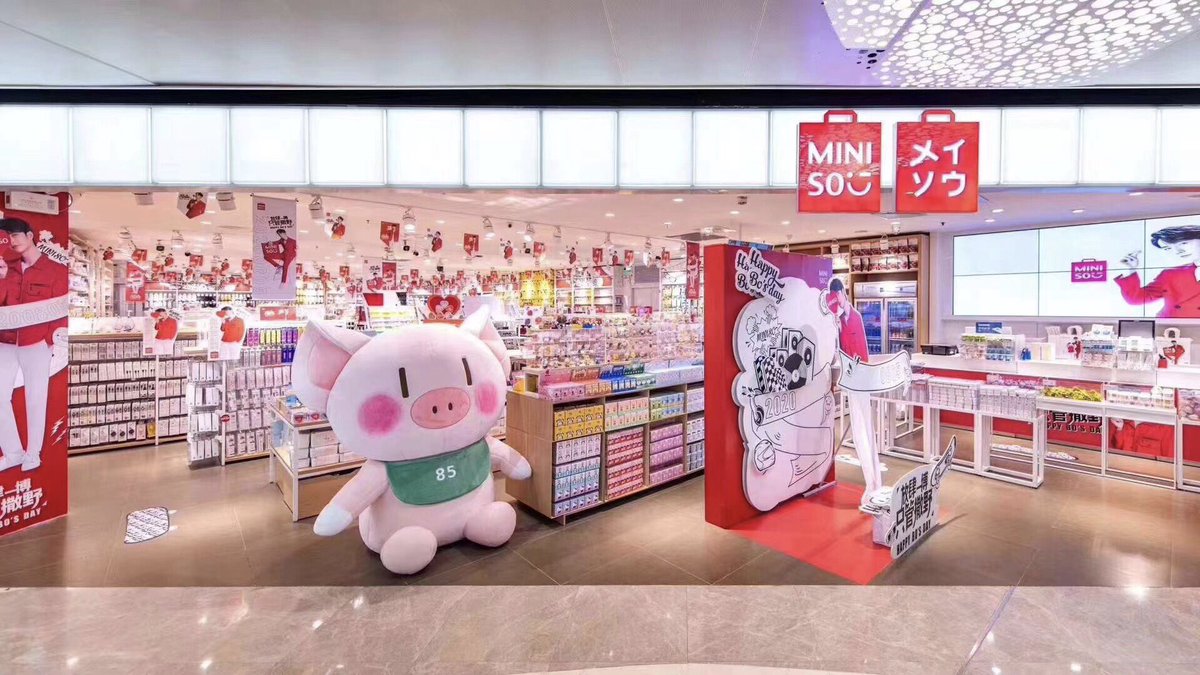
  • MINISO Chairman Sheds Light on 2023 Collar Transaction: Key Insights Unveiled!

    MINISO Chairman Sheds Light on 2023 Collar Transaction: Key Insights Unveiled!

    As the retail landscape in Asia continues to evolve, consumer preferences are shifting dramatically, blending traditional shopping habits with the rapid adoption of digital technologies. A recent report from China’s National Bureau of Statistics highlights these changes, illustrating a landscape where online shopping has cemented itself as a cornerstone of modern retail.

    Online Shopping Gains Ground

    In 2022, e-commerce sales in China surpassed a staggering 13.7 trillion yuan, a growth surge of over 10% compared to the previous year. This remarkable statistic showcases not only the resilience of online retail during the pandemic but also hints at a deeper integration into the daily lives of consumers. From fashion to electronics, virtual shopping has transitioned from a convenience to a necessity for many. It’s as if consumers realized that their couch could double as a front-row seat to the best sales in town!

    Transformation of the Physical Retail Experience

    Physical retail isn’t expected to fade away, but it is undergoing a significant transformation. Brands are increasingly prioritizing experiential retail, emphasizing personalized and immersive shopping experiences. Retailers are incorporating technology into brick-and-mortar stores, blending engaging displays with interactive elements. For example, augmented reality (AR) apps allow customers to visualize products in their own homes before making a purchase, striking a perfect balance between the tangible and virtual worlds.

    The Rise of Sustainability

    Another trend reshaping the retail environment is the growing emphasis on sustainability. Consumers are becoming more environmentally conscious, often favoring brands that prioritize eco-friendly practices. From packaging to sourcing, businesses are responding by adopting greener methods and materials. With fashion retailers like Uniqlo and Zara leading the way in sustainable collections, it is evident that a “buy less, choose better” mentality is taking hold in the marketplace.

    Challenges Ahead for Retailers

    While the outlook may seem promising, retailers face significant hurdles. Supply chain disruptions and inflationary pressures are compelling companies to reassess their pricing strategies and inventory management. As the cost of materials rises, brands must navigate these challenges while keeping consumer trust intact. The balance between maintaining profitability and offering competitive prices will be crucial in the forthcoming months.

    In a world where retail dynamics are constantly shifting, those who adapt wisely to these changes will undoubtedly emerge stronger. As Asia’s retail scene continues to innovate, it’s a canvas splashed with opportunities as vivid as the neon lights of a bustling marketplace.

    Questions & Answers

    How has online shopping impacted traditional retail in Asia?
    Online shopping has fueled significant growth in e-commerce sales, becoming a fundamental part of consumers’ shopping habits while pushing traditional retailers to adapt through experiential approaches.

    What role does sustainability play in today’s retail landscape?
    Sustainability is becoming increasingly crucial for retailers, as consumers prefer brands that demonstrate eco-friendly practices and a commitment to reducing environmental impact.

    What challenges do retailers face in the current market?
    Retailers are grappling with supply chain disruptions and rising costs, which necessitate smarter pricing and inventory strategies to maintain competitiveness and consumer trust.

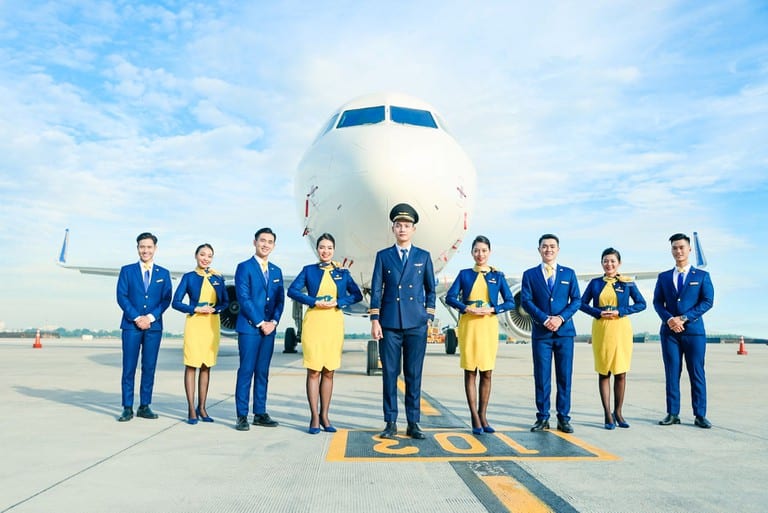
  • Vietravel Airlines Set to Double Charter Capital to $99 Million, Fueling Growth and Expansion Plans

    Vietravel Airlines Set to Double Charter Capital to $99 Million, Fueling Growth and Expansion Plans

    Vietravel Airlines is embarking on an ambitious journey to double its charter capital to VND2.6 trillion (approximately US$99 million) in the first half of next year, buoyed by what they describe as “financial support” from SHB Bank.

    Shareholders Back Bold Financial Move

    In a decisive move, shareholders greenlit the capital increase during last week’s annual general meeting, aimed at bolstering the airline’s financial foundation for an expanded fleet and network. However, details remain under wraps regarding whether SHB will assume the role of lender or investor.

    A Vision for Growth

    Chairman Do Vinh Quang expressed confidence in the airline’s growth trajectory, stating that the partnership with SHB will play a pivotal role in reaching their ambitious targets. He noted that the bank’s robust financial capabilities and experience would enhance Vietravel Airlines’ efforts to grow its fleet, invest in cutting-edge technology, and elevate service quality.

    Building an Integrated Aviation Ecosystem

    Vietravel Airlines envisions creating a synchronized aviation ecosystem that marries transportation, tourism, and digital innovation, all underpinned by the support of its parent company, T&T Group, and the associated Vietravel Group. The airline, which launched operations in January 2021, emerged as Vietnam’s sixth carrier and third privately-owned airline with an initial capital of VND700 billion. T&T Group, a diversified conglomerate active in finance, real estate, and construction, currently holds a commanding 75% stake in the airline.

    With grand aspirations and a solid backing, the sky is truly the limit for Vietravel Airlines—who knows, they might even start a trend where airplanes serve gourmet meals from the region they’re flying over!

    Questions & Answers

    What is Vietravel Airlines’ new charter capital amount?
    The airline plans to double its charter capital to VND2.6 trillion (approximately US$99 million) in the first half of next year.

    When did Vietravel Airlines commence operations?
    The airline began flying in January 2021, establishing itself as Vietnam’s sixth carrier.

    What is the main goal of the capital increase?
    The aim is to strengthen financial capacity to expand the airline’s fleet and network while enhancing service quality through partnerships.

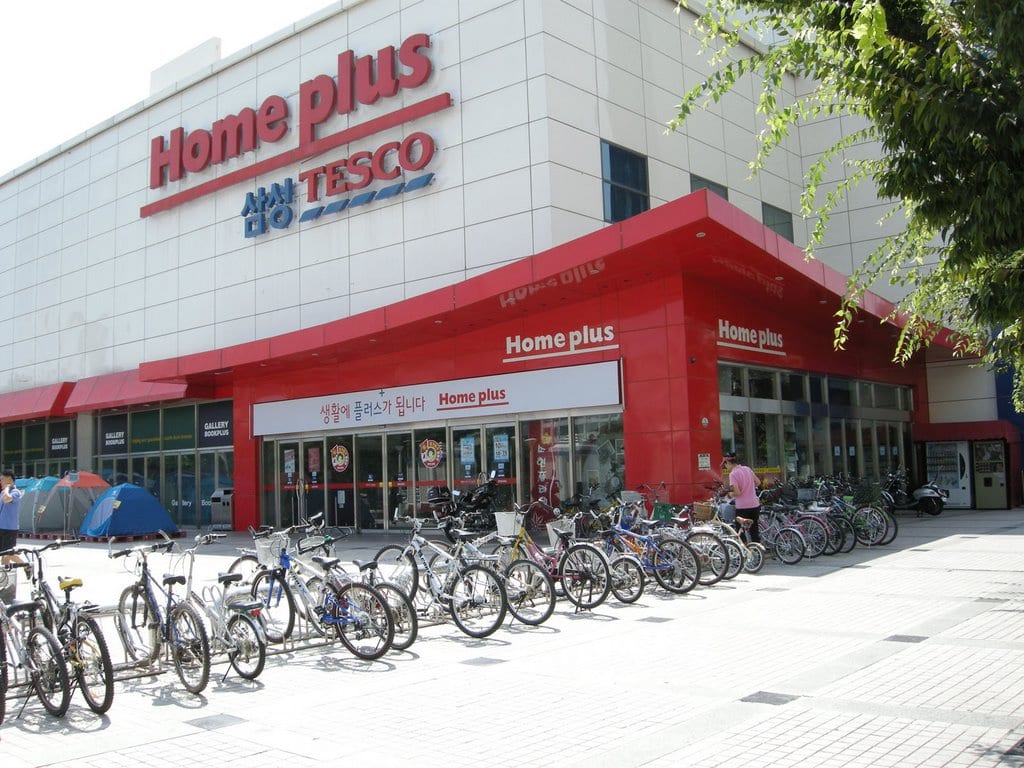
  • Seoul Bankruptcy Court Approves Homeplus Sale To Repay Debt, Protect Jobs

    Seoul Bankruptcy Court Approves Homeplus Sale To Repay Debt, Protect Jobs

    The Seoul Bankruptcy Court has given the green light to the sale of South Korean grocery retailer, Homeplus. The decision was driven by a need to generate capital for debt repayment and to safeguard jobs within the company.

    Earlier this year, MBK Partners, the private equity firm that owns Homeplus, sought court intervention for the restructuring of the company. This marked a significant reversal in fortunes for a deal that originally cost US$6.1 billion over ten years ago.

    A representative from MBK announced on Friday that the firm is fully supportive of the successful sale of Homeplus. They also revealed plans to negate 2.5 trillion won (US$1.83 billion) worth of common shares they hold in the company as part of the sale.

    The court has mandated the appointment of accounting firm Samil PricewaterhouseCoopers to oversee the sale. This process is expected to take two to three months, according to a court statement.

    The sale is seen as a pivotal move to raise funds for the company, repay debts to creditors, and secure the employment of Homeplus workers. Simultaneously, the court believes this strategy will safeguard partner firms by averting bankruptcy.

    Questions & Answers

    Why is Homeplus being sold?
    The sale of Homeplus was approved by the Seoul Bankruptcy Court to generate funds to repay debts and to ensure job security for the company’s employees.

    Who is managing the sale of Homeplus?
    The court has appointed the accounting firm Samil PricewaterhouseCoopers to manage the sale of Homeplus.

    What role does MBK Partners play in the sale of Homeplus?
    MBK Partners, the private equity firm that currently owns Homeplus, has expressed full support for the sale. They plan to write off 2.5 trillion won ($1.83 billion) of common shares they hold in the company as part of the sale.

  • Oh!some Unveils Largest Flagship Store In Vietnam: A New Era Of Experience-driven Retail

    Oh!some Unveils Largest Flagship Store In Vietnam: A New Era Of Experience-driven Retail

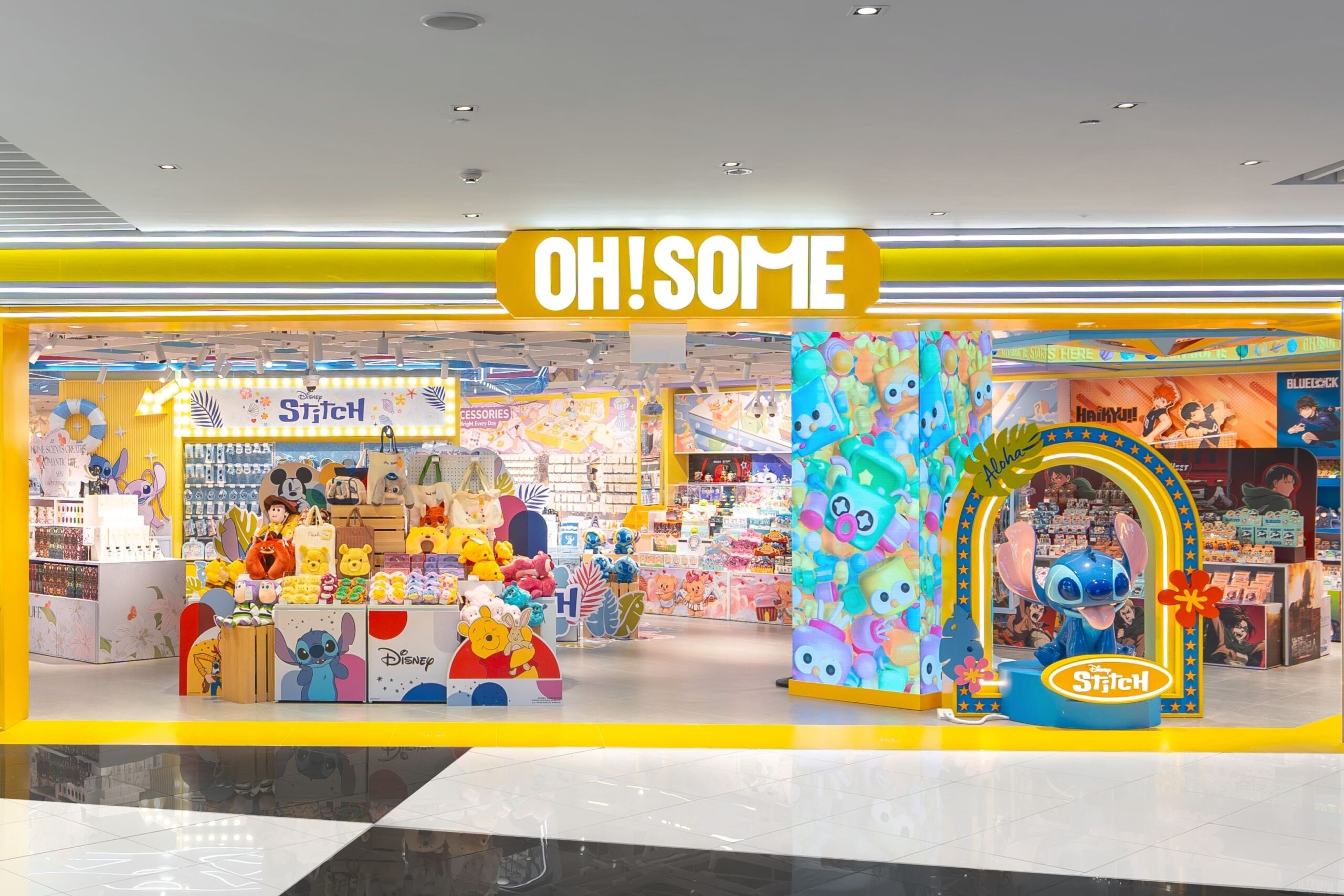
    Oh!Some, a leading lifestyle and retail brand, has recently launched its most extensive flagship store yet in Vietnam. Spanning a grand total of 2000 square meters, the store is conveniently situated at the Vincom Center Dong Khoi in the bustling epicenter of Ho Chi Minh City.

    Signature Aesthetic

    The store stands out with its vibrant yellow theme, accentuated by candy-colored interiors. With eye-catching installations primed for photo opportunities, open zones dedicated to browsing, and thoughtfully presented product displays, the store certainly has a unique appeal.

    An Oh!Some representative underscored the brand’s intentions, stating, “We envisage shopping as a broader experience than simply making transactions. Our ultimate aim is to stir creativity and infuse joy into everyday life.”

    Offline Expansion Strategy

    The launch of this flagship store represents a significant step forward in Oh!Some’s offline expansion endeavors. The strategy essentially revolves around transforming traditional brick-and-mortar retail into immersive, experience-driven environments.

    New Themed Sections

    The store doesn’t just stock Oh!Some’s core range of Korean and Japanese beauty products. It now also boasts four novel themed sections: merchandise inspired by anime, travel must-haves, DIY craft kit essentials, and comprehensive solutions for gifting. Furthermore, the store spotlights several exclusive IP collaborations.

    This venture marks Oh!Some’s seventh store in Vietnam. Since its inception in April, the brand has experienced rapid growth, with stores now operating throughout Ho Chi Minh City and Hanoi.

    Questions & Answers

    What is the concept behind Oh!Some’s new flagship store?
    The store is designed to make shopping an immersive, enjoyable experience rather than just a transaction. It features unique aesthetic elements and curated displays for a creative and joyful shopping environment.

    What new sections have been introduced in the store?
    Four new themed sections have been added: anime merchandise, travel essentials, DIY craft kits, and gifting solutions.

    What is the significance of this new store for Oh!Some?
    The new flagship store marks a key milestone in Oh!Some’s offline expansion strategy. It signifies a transition towards creating experience-led environments in physical retail, and it’s also the brand’s largest store in Vietnam to date.

  • Cosme Unveils Largest Flagship Store In Nagoya, Bolsters Presence In Japan’s Tokai Region

    Cosme Unveils Largest Flagship Store In Nagoya, Bolsters Presence In Japan’s Tokai Region

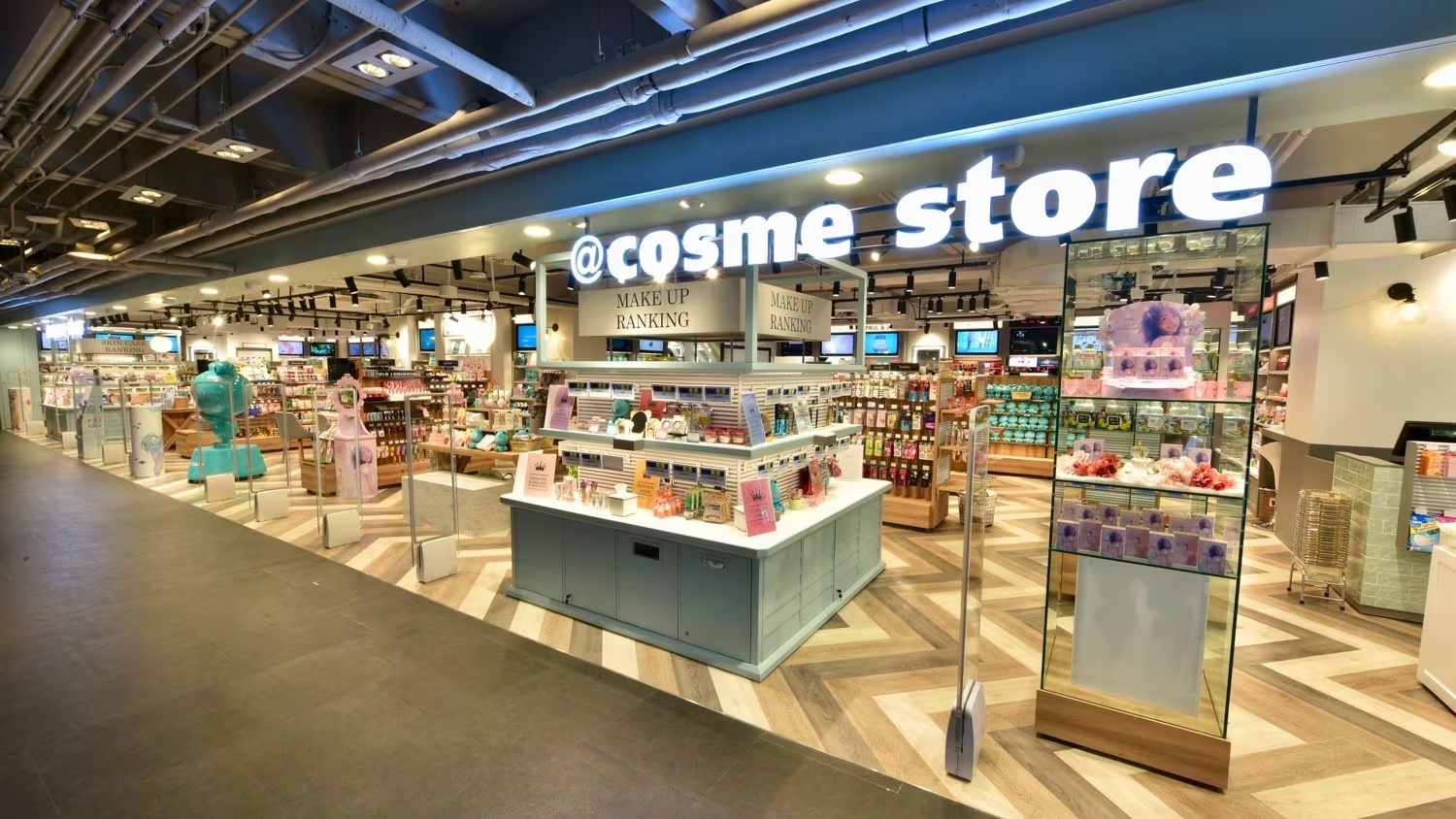
    The Japanese cosmetics label, Cosme, has recently announced the opening of its largest flagship store yet, located in Nagoya. This marks the third prominent store opening for the brand, following the successful launches in Osaka and Tokyo. The addition of this new location bolsters Cosme’s footprint in the Tokai region.

    Perfectly situated on the fifth floor of the Takashimaya Gate Tower Mall, the expansive 810-square-meter store houses an extensive range of products. Customers can browse through offerings from nearly 500 brands, with popular names such as Gucci Beauty, Dior, and Cle de Peau Beaute taking pride of place.

    One of the unique features of this new location is the ‘Sale Ranking Tower.’ This dedicated area houses award-winning and best-selling products from Cosme’s selection, providing consumers with an easy way to identify and purchase top-rated cosmetics. The store also offers a variety of limited-edition mini-sized products from multiple sectors such as skincare, makeup, and hair care.

    In addition to its wide product range, the Nagoya flagship provides an interactive area called the ‘Sample Gacha.’ Here, customers can try out product samples from 15 different brands, including Innisfree, Excel, and Fancl, offering a hands-on experience for shoppers before they commit to a purchase.

    The Nagoya store launch follows Cosme’s recent reopening of its Tokyo flagship, which had undergone a significant makeover in March.

    Questions & Answers

    What is Cosme and what does it sell?
    Cosme is a Japanese cosmetics label that sells a wide variety of products from nearly 500 brands. Its offerings include makeup, skincare, and hair care products.

    Where is Cosme’s largest flagship store located?
    Cosme’s largest flagship store is located in Nagoya, on the fifth floor of the Takashimaya Gate Tower Mall.

    What is the ‘Sale Ranking Tower’ in the Nagoya store?
    The ‘Sale Ranking Tower’ is a unique feature in the Nagoya store that showcases award-winning and best-selling products.

  • Gamification in Retail: What Brands Can Learn from Mobile Games

    Gamification in Retail: What Brands Can Learn from Mobile Games

    Gamification in Retail: What Brands Can Learn from Mobile Games

    Gamification means turning everyday things into a game. It grabs people’s attention and makes them want to stick around. Retail is always on the lookout for fresh ways to keep customers interested, and games are one of the smartest tricks out there. Shopping today isn’t just about buying, it’s about catching people’s eye, making the process fun, and building loyalty. And if you want to see how it’s done right, look at mobile games. 

    Why Mobile Games Are the Perfect Example

    Mobile games have become super popular everywhere. They’re always close because your phone is always with you. You can start a game in a second and get right into it. Every move gives you instant rewards. And the best part, games turn boring moments into small wins and achievements. Today, more and more people choose real money poker online instead of classic games at the table. The same goes for bigger games. Even huge hits like Genshin Impact or Call of Duty Mobile are played on phones, in the subway, on a break, anywhere. No need to wait for the evening in front of a computer. Games should be ready to play right now.

    That’s why mobile games are one of the best ways to grab people’s attention. They’re easy, fun, and always there. And they build habits, people keep coming back. And don’t forget about rewards. People play real money poker online but still get the same thrill as playing at a real poker table. Poker keeps players hooked because of a few simple tricks:

    • Rewards. Win a hand, get a prize;
    • Progress. The more you play, the higher your level;
    • Daily challenges. Play often, get bonuses.
    • Competitions. Players fight for top spots and big prizes.

    These tricks are equally effective in retail. Every purchase can be part of the game. Every shopper is a player in a contest. It brings that same excitement you get from real money poker. That’s how a buyer turns into a player and wants to come back again and again.

    How Brands Can Use Gamification in Retail 

    Gamification works both in stores and online. The goal is to make shopping more fun and interactive. Here’s how:

    1. Games in stores:
      • Treasure hunts: Find three special products, get a discount.
      • Interactive screens or AR with hidden prizes.
    2. Online games:
      • Spin the wheel after buying something.
      • Daily bonuses for visiting the website.
      • Collect cards for discounts or gifts.
      • “Complete the collection, win a prize.”
    3. Social features:
      • Invite a friend, get a bonus.
      • Shopper leaderboards compete for special rewards.
      • Share bonuses with friends.

    The key here is to keep it simple. Game mechanics should be clear from the first click. That’s why mobile games work so well, they get people involved right away.

    Great Examples of Gamification in Retail

    Some brands are already doing this really well:

    • Starbucks Rewards. Collect stars, get free stuff.
    • Nike Run Club. Join challenges, earn achievements, share your progress.
    • Sephora Beauty Insider. Earn points for shopping, get special gifts.

    But there’s way more potential here. Real money poker shows that when people feel the thrill of playing for real rewards, they keep coming back. It’s the same with shopping, when every purchase feels like a win, people want more.

    What Retail Can Learn from Mobile Games

    Mobile games have figured out how to keep people’s attention. They build habits, create emotions, and make people want to return. That’s exactly what retail needs. Time to move from talking to doing. Let’s see what brands can borrow from mobile games:

    • Always something new. Mobile games always drop fresh levels, challenges, and deals. Retail should do the same. New games every week, new prizes, new challenges. Customers should find something fun every time they visit the store or website;
    • Make it personal. The game should fit the customer. If someone always buys cosmetics, they should get challenges in that category. Just like in real money poker, beginners get easy tournaments, pros go for the big prizes;
    • Create emotions. Don’t just sell a product. Make people feel like they’ve done something fun. Like: “Congrats! You’re the top electronics shopper this week!” Emotions sell better than discounts.

    Retail isn’t just about selling, it should feel like playing. When shopping turns into a game, people show up not just for the products but for the fun of it. 

    Mistakes to Avoid in Retail Gamification

    Gamification isn’t magic. It’s easy to mess up if you don’t think it through. Here’s what to watch for:

    • Too complicated. If the game’s hard to figure out, people give up fast. Real money poker keeps it easy for beginners; retail should do the same;
    • No personal touch. If everyone gets the same offer, they’ll lose interest. The whole point is to make it fresh and different;
    • Ignoring feedback. Brands need to listen to customers. Reading reviews and adjusting is a must.

    Today, selling is about winning people’s attention. And mobile games already know how to keep it. Retail can borrow these tricks to turn shopping into an adventure. It’s not hard, simple games, fun bonuses, social features, and personal touches. 

    Shoppers can feel like players in real money poker. They get the fun, the excitement, and the chance to win. The result? Happy customers, more sales, a stronger brand. Now’s the time to turn shopping into a game. 

  • Asian Retail Giants Adopt Sustainable, Tech-driven Strategies For Enhanced Customer Experience

    Asian Retail Giants Adopt Sustainable, Tech-driven Strategies For Enhanced Customer Experience

    The retail landscape in Asia is shifting, and major players are making bold moves to stay ahead of the curve. With a focus on sustainability, technology, and customer experience, companies are exploring innovative strategies to meet evolving consumer demands.

    Embracing Sustainability

    As eco-conscious consumers increasingly influence buying habits, retailers are ramping up their commitment to sustainability. Leading brands are adopting greener practices, from eco-friendly packaging to ethical sourcing. Companies like Unilever and P&G are reshaping their business models to prioritize environmental responsibility, proving that profitability and sustainability can indeed go hand in hand.

    Technology as a Game Changer

    Digital transformation is sweeping through the retail sector, with companies harnessing technology to enhance customer engagement. Brands are increasingly investing in artificial intelligence, augmented reality, and omnichannel solutions. For instance, shops equipped with interactive displays allow customers to experience products before buying, while AI-driven analytics offer insights to refine marketing strategies, making shopping both fun and efficient.

    Enhancing Customer Experience

    Today’s consumers crave memorable shopping experiences. Retailers are responding by creating immersive environments that foster emotional connections. Whether it’s through personalized services or experiential retail spaces, the emphasis is now on crafting moments that resonate with customers. Innovations range from in-store events featuring local artists to virtual reality experiences that transform how consumers interact with brands.

    Even amidst these shifts, competition remains fierce. Retailers must continuously adapt their approaches to keep pace with trends and maintain customer loyalty. After all, in a world where everything from shopping to socializing is evolving, standing still simply won’t cut it.

    Questions & Answers

    What are some signs that retailers are prioritizing sustainability?
    Major brands are making significant changes such as adopting eco-friendly materials, reducing waste, and highlighting transparency in sourcing practices.

    How is technology impacting the retail industry?
    Technology is revolutionizing retail by introducing smart tools that enhance the shopping experience, such as AI for personalized recommendations and interactive displays.

    What is the ultimate goal of creating memorable customer experiences?
    By crafting engaging and emotional shopping moments, retailers aim to build lasting loyalty and differentiate themselves in a highly competitive market.

  • Like Father Like Daughter: Love and Passion for Agriculture

    Like Father Like Daughter: Love and Passion for Agriculture

    As a way of life, not simply a trade, agriculture can bring families together, with generation after generation passing down physical farms or a fervor for farm life. While Suparatana Bencharongkul’s life began in the telecom business, but it was her father, Thailand telecom billionaire Boonchai Bencharongkul, who cultivated her love of agriculture at a very early age. To him, the farmer has the world’s most important job: feeding the world.

    As the General Manager of Rakbankerd Co. Ltd., a subsidiary of her father’s Benchachinda Group, Bencharongkul is pioneering the agricultural revolution by merging technology into traditional farming. Under her leadership, the firm has introduced many new ideas and new thoughts to the agriculture industry.  It has launched many forward-thinking initiatives, such as Farmer Info Application, Farmmanyam, Fulfield, Sabuymarket, Allbio and Rakbankerd Products.  Her goal is to help make farmers profitable for today so they can stay in business in the future.

    In a recent Forbes article, Bencharongkul credits her dad and her childhood for her interest in agriculture today. The tie to agriculture from childhood and the impact that agriculture has in the world is what draws her to it.  Like her father, Bencharongkul is advocating for agriculture and what farmers are doing — both hard work and innovating technology — is amazing.

    Bencharongkul is positively disrupting Thai agriculture by introducing modern technology.

    All the innovative technologies Rakbankerd has introduced are being adopted by farmers at an accelerating pace. From field monitoring technologies to variable rate application, the available precision agriculture technologies offer an end-to-end solution for today’s farmers.

    The future of farming is very bright. There are more and more precision agriculture technologies coming out every month. All of these solutions offer substantial value for farmers in their effort to optimize production, better manage their operations, and both save money and make money off bigger yields.  With a heart so dedicated to the farmer’s well-being backed by a successful telecom business, no one is better equipped than Bencharongkul to lead the next agricultural revolution in Thailand, if not the entire APEC.

  • Air Asia encourages traveller wanderlust with ‘Live life unexpected’ campaign

    Air Asia encourages traveller wanderlust with ‘Live life unexpected’ campaign

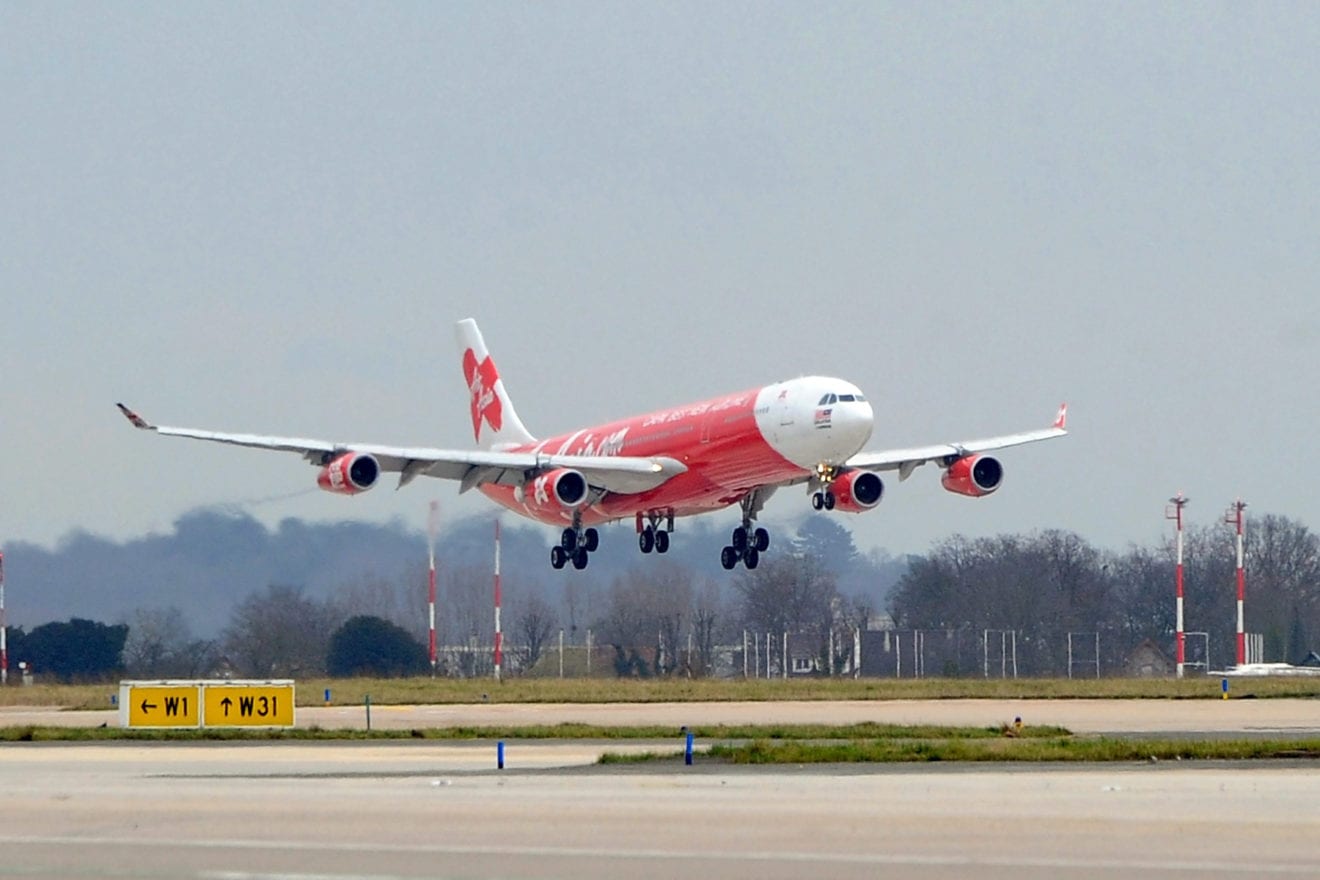
    Air Asia and Malaysian experimental marketing agency/consultancy firm Entropia have launched a new brand campaign encouraging travellers to be more spontaneous in their travelling.

    Under the tagline ‘Live life unexpectedly’, the integrated campaign comes in support of the Visit ASEAN@50 tourism campaign was launched by the Association of Southeast Asian Nations or ASEAN.

    Launched across the 10 ASEAN countries, the online video follows a young female tourist’s journey through south-east Asia with the aim of appealing to consumers’ “wanderlust and boundless spirit”.

    Spencer Lee, AirAsia Berhad head of commercial said: “AirAsia as a brand has always stood for discovering the unexpected, the exciting. We are also the only airline to fly directly to all 10 ASEAN countries. We are excited to roll out this campaign and invite people to spread their wings and explore new experiences with AirAsia.

    “As the ASEAN Airline Partner for the Visit Asean@50 campaign, we hope to promote ASEAN as a single yet diverse destination to as many people as possible. Our product, the AirAsia ASEAN Pass was created for the very same purpose; to enable seamless movement within this region.”

    Formally launched in Kuala Lumpur last July, Entropia positions itself between the advertising agency and consultancy model.

    The company is led by  Prashant Kumar, who left his role as president of Asia World Markets at IPG Mediabrands in March 2016, joining Entropia two months later.

    At the time he said: “Brands must enhance human happiness. So must data and technology. In the age of anticipatory data, Creative prototyping and curative technology, there is a historic opportunity to be different. Entropia hopes to chance upon ways we can do that – with consistency and scale.”

  • Why Singapore’s Retailers Need to Take Heed of Recent Supply Chain Cyber Incidents

    Why Singapore’s Retailers Need to Take Heed of Recent Supply Chain Cyber Incidents

    As cyber threats continue to rise, understanding the impact of these threats and how they infiltrate the retail supply chain is vital for operational continuity. Singapore’s recently refreshed Industry Digital Plan (IDP) for the retail sector highlighted enhanced cyber hygiene measures for protection at different stages of growth.

    The region’s booming digital economy makes businesses operating here a prime target for cyberattacks. The retail sector is ripe for third-party cyberattacks, with threat actors exploiting vulnerabilities in Point-of-Sale (POS) terminals, supply chain systems, logistics platforms, and other interconnected technologies.

    Recent Cyber Attacks Targeting Supply Chains

    The retail industry has been shaken by a number of high-profile reported cyber incidents recently, affecting major players like Marks and Spencer (M&S) and Harrods.

    Closer to home, popular bubble tea chain Chica San Chen disclosed a data breach of one of its vendors’ servers, compromising the personal information of members, such as their names, mobile numbers, e-mail addresses and login passwords. In 2024, Filipino fast-food giant Jolibeewas reportedly subjected to a major data breach affecting the data of 11 million customers.

    These incidents not only tarnish brand reputations, but also disrupt operations and expose sensitive customer data, causing widespread concern. The financial fallout from these compromises highlights the crucial need for retailers to focus more diligently on the security of their digital and physical supply chains.

    According to BlueVoyant research, more than 70% of Singaporean organisations reported an average of 3.97 breaches impacting operations. Almost half (47%) of Singapore organisations indicated the news of breaches over the past 12 months are likely to lead to an increase in budget for additional internal and external resources to help protect against supply chain cyber security issues.

    Retail Under Growing Threat

    Threat actors like DragonForce have reportedly boldly claimed responsibility for a series of attacks targeting UK retailers, often partnering with groups like Scattered Spider to amplify their reach. Understanding the motivations and methods of these groups provides invaluable insight — such as exploiting supply chain vulnerabilities — to predict and prevent future attacks. Their evolving strategies represent a constant threat that requires ongoing vigilance and continuous improvements to third-party risk management practices in retailers.

    Retail businesses are often vulnerable to a catalogue of common cyber threats, including phishing schemes, ransomware, and supply chain compromises. Threat actors leverage malware and sophisticated social engineering to infiltrate retailers’ defences. By embedding malicious software within trusted channels, they can access secure areas usually safeguarded but overlooked in anticipation of direct attacks.

    In fact, more than a third (35%) of Singapore respondents to BlueVoyant research said they have no way of autonomously seeing the cyber risk posture of third parties and rely on self-reporting. This knowledge underscores the necessity for robust cyber security practices targeting every link in the retail supply chain.

    Harden defences and manage supply chain risk

    Singapore’s Cyber Security Agency (CSA)’s toolkit for enterprises highlight key areas for organisations to address increasing cyber risks, including the need for a third-party risk management programme to assess and manage the risks posed by third parties, including vendors, products, and services.

    Implementing effective third-party risk management practices, characterised by strong cross-business collaboration in vendor management, continuous cyber threat monitoring across the supply chain, and robust due diligence procedures, is essential for ensuring comprehensive visibility of risks associated with key suppliers.

    Additionally, both retailers and their suppliers must prioritise robust employee training in cyber security best practices, empowering them to recognise and respond to suspicious activity. Implementing multi-factor authentication adds an extra layer of security, making it significantly more difficult for unauthorised users to compromise the integrity systems. Securing helpdesk authentication can also help prevent deceptive access attempts, ensuring that customer service channels remain protected.

    Proactive incident response planning is crucial for effectively managing breaches, should they occur, with an eye towards the potential for a cross-business compromise. Retailers work with many suppliers and partners and so must maintain even greater vigilance within their extended ecosystem. Establishing network segmentation, sharing only strictly necessary data, and implementing access controls can help make sure that a potentially compromised vendor does not cause a cascade of issues.

    Regular drills and collaboration with cyber security partners can help ensure incident management is more seamless, minimising potential damage through quick containment and eradication. By embracing these defensive strategies, retailers can significantly bolster their security posture.

    As cyber threats become increasingly sophisticated, it is imperative for retailers in the region to maintain constant vigilance and adaptability in their cyber security posture. Ensuring robust protection of these essential services is vital due to their immediate impact on society’s well-being. Retailers must heed the call to integrate recommended cyber security measures, protecting themselves against potential compromises.

    By William Oh, Head of Asia Pacific, BlueVoyant

  • Bill Gates Could Have Surpassed Elon Musk as Richest Person with $1.2 Trillion in Microsoft Stock

    Bill Gates Could Have Surpassed Elon Musk as Richest Person with $1.2 Trillion in Microsoft Stock

    Elon Musk is making headlines with a staggering net worth of $409 billion, as reported by Forbes. Meanwhile, Melinda French Gates, co-founder of the Gates Foundation and former wife of Bill Gates, is right behind Musk, projected to become the world’s third-richest individual with a net worth of $300 billion.

    A Glimpse Into Microsoft’s Roots

    Take a step back in time to 1986, when Microsoft went public. Bill Gates owned 11.2 million shares—almost 49% of the company—valued at approximately $200 million back then. Fast forward to today: had he retained all those shares through various stock splits, his and Melinda’s holdings would balloon to an impressive 3.2 billion shares, constituting a 43% stake worth an estimated $1.4 trillion.

    The Fortune of Giving

    In addition to the astonishing value of their stake, the couple could have accrued around $100 billion in after-tax dividends over the years, positioning Bill firmly among the wealthiest, with only 18 billionaires surpassing him globally, according to Forbes.

    The Philanthropic Legacy

    However, rather than hoarding his wealth, Gates has been on a journey of giving, gradually selling and donating his shares over the years. Today, he holds only 0.9% of Microsoft, valued at $28 billion, which constitutes about a quarter of his net worth. Melinda possesses 380,000 shares worth around $170 million, a fraction of her wealth.

    Since its establishment in 2000, the Gates Foundation has received a remarkable $60.2 billion in donations from the couple, making them the second-largest philanthropists in the U.S., following Warren Buffett.

    Looking Forward

    In a bold commitment made in May, Gates pledged to donate an astonishing 99% of his more than $100 billion fortune over the next two decades to further bolster charitable initiatives through the Gates Foundation. Meanwhile, Melinda is no slouch either; she launched her own initiative, Pivotal Philanthropies, in 2022 and announced a $1 billion commitment over the next three years specifically to advocate for women’s and girls’ rights. “We all have power,” she stated in a March interview with Elle. “But there are barriers in society that often keep women from using our full power. Our job is to help remove those barriers.”

    Questions & Answers

    What is Elon Musk’s current estimated net worth?
    Musk is valued at approximately $409 billion according to Forbes.

    How much have Bill and Melinda Gates donated over the years?
    The couple has together donated around $60.2 billion since establishing the Gates Foundation in 2000.

    What initiative has Melinda Gates launched?
    Melinda founded Pivotal Philanthropies in 2022, pledging $1 billion over three years to support women’s and girls’ rights.

  • Philippines-Vietnam Sign Strategic Partnership

    Philippines-Vietnam Sign Strategic Partnership

    At the sidelines of the APEC Summit in Manila in November of 2015, Foreign Affairs Secretary Albert del Rosario and Vietnam Deputy Prime Minister and Minister of Foreign Affairs Pham Binh Minh signed the strategic partnership agreement on behalf of their respective governments on the sidelines of a bilateral meeting between President Benigno S. Aquino III and Vietnam President Truong Tan Sang.

    This strategic partnership is expected to go beyond the security dimension and urges the Philippines and Vietnam to cooperate more closely in areas that will deepen the ties between them.

    Converging strategic interests: not anchored

    Convergence of interests in preserving and promoting peace, stability and the rule of law in the South China Sea have paved the way for the establishment of the strategic partnership. However, the existence of common challenges is not the sole consideration for the strengthening of bilateral relations as it does not ensure the sustainability of a partnership. A strategic partnership anchored on the South China Sea issue is not the be-all and end-all of the relations. Equally important is the need to go beyond the South China Sea issue and develop the political, economic and socio-cultural aspects of the relations as national interests are not confined within the bounds of the security realm. This is aimed at further deepening cooperation, particularly in the areas of economic, agricultural, defense, and maritime engagement—areas that are truly vital to the strategic interests of both nations.

    Engagement between the two countries will be sustained through increased dialogue at high levels. This is stated in the Joint Statement on the Strategic Partnership issued by the Philippines and Vietnam, which states that there will be an increase in the frequency and modes of bilateral exchanges at all levels, including political parties, heads of state and government, national agencies, the legislature, local government units, and technical working groups. A hotline between senior leaders is also to be established. Hence, the strategic partnership will facilitate avenues for cooperation and reinforce people-to-people links.

    The strategic partnership is holistic and not just security-oriented. The Philippines and Vietnam are seeking to work closely together in the pursuit of common interests and objectives.

    People-to-people ties

    The partnership opens doors to broaden the two sides’ people-to people relationship. The bedrock of state-to-state relations is people-to-people linkages. Having a sense of appreciation and understanding of each other’s culture and values can potentially broaden and deepen mutual understanding between states and peoples. In 2014, amidst tensions in the South China Sea, Vietnamese and Filipino naval personnel played football, volleyball, and tug-of-war. Both sides displayed the importance of camaraderie through sports diplomacy.

    The rise of bilateral and regional educational and cultural exchanges (e.g. ASEAN Youth Cultural Forum, ASEAN Youth Summit, ASEAN University Network Scholarships, joint Philippines-Vietnam human resource development and training cooperation programs), influx of tourists brought about by visa-free travel and direct flights between Manila and Ha Noi have also facilitated close interaction between peoples. Increased dialogues between and among the business sectors, experts and policy makers, and among other concerned stakeholders have paved the way for the sharing of best practices. Hence, experiences obtained from these opportunities could increase improved perceptions, preferences, and the capacity to make informed reactions among decision makers from both sides. These opportunities for interaction and cooperation contribute to confidence-building as sustained cooperation between states requires a high level of trust.

    Economic and socio-cultural cooperation

    For the strategic partnership to be sustainable, both sides should also intensify their economic cooperation. Vietnam is a fast-growing developing country with a GDP per capita of USD 2,052.3 as of 2014.1 The country’s low wage and cost of utilities have attracted foreign direct investments, especially in the export-oriented manufacturing sector. This has helped Vietnam accelerate its economic growth to 6.0 percent in 2014. Vietnam’s main exports include telephones and mobile phones, textiles and garments, consumer electronics, footwear, crude oil and fishery.2 Moreover, Vietnam is one of the largest exporters of rice in the world (e.g. Vietnam supplies a third of the Philippines’ rice imports).3

    As Vietnam’s government prioritizes the development of electronics, textiles, food processing, agricultural machinery, and tourism industries, it is seen to be a bright investment spot in Southeast Asia which the Philippines could take advantage of. Retail systems like supermarkets, traditional markets, shopping malls, and online services are identified as a developing sector in Vietnam. It is a potential market for investment activities along with the food and agricultural processing sector.4 Philippines-Vietnam economic relations could further progress when mutually favorable conditions for the entry and expansion of investments, in accordance with respective laws and regulations, are created and maintained.

    Moreover, the easing of restrictions on foreign investment in real estate in July 2015 is expected to revive the property market in Vietnam. These developments will likely result in an upsurge in demand for well-planned residential and commercial properties, and therefore for professionals (e.g. architects, landscape designers, and engineers), technology transfer, and more importantly, investment in the infrastructure sector (including telecommunications and electricity services).

    On the socio-cultural front, as ASEAN integrates, the need for English language services will be crucial. This is an opportunity for the Philippines to work with Vietnam in the field of education, particularly in English language skills training.

    Further steps

    Beyond the strategic concerns, the two sides agree that other functional areas are ripe for further cooperation and engagement. In the years ahead, the Philippines-Vietnam strategic partnership should bear fruit for the peoples of the two countries and benefit the wider ASEAN region through shared peace and stability.