Category: General

Retail News Asia is committed to providing both local and global retailers with the latest General Retail news throughout the Asian market. This on a daily base.

  • Korean retailer launches do-not-disturb shopping service

    Korean retailer launches do-not-disturb shopping service

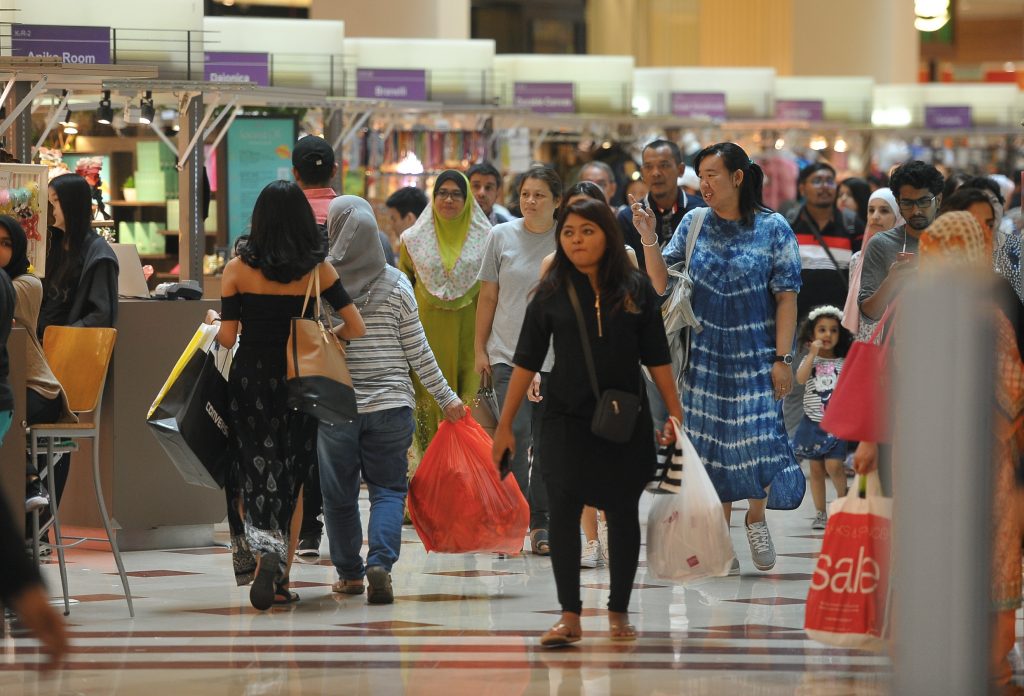
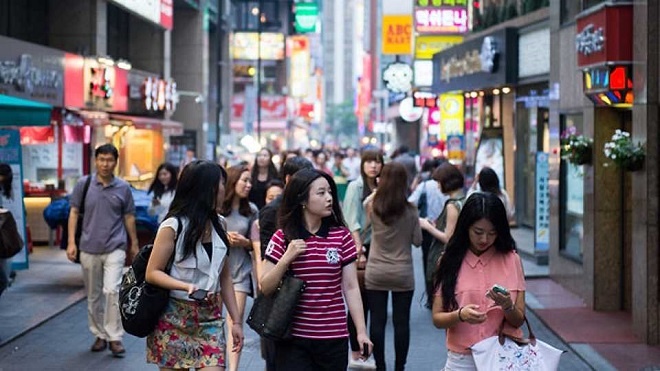
    Lotte Department Store, one of South Korea’s country’s major department-store chain operators, will introduce a do-not-disturb shopping service it dubs ‘shop-alone’.

    Aimed at customers who do not wish to be approached by sales clerks and other employees – a bugbear of many consumers used to shopping in many Asian countries – has been inspired by the Covid-19 crisis and social-distancing practices.

    Customers will be able to shop alone without any offer of assistance from staff if they carry a ‘shop-alone’ sticker or bag ring available near stores’ information desks or escalators.

    The do-not-disturb shopping service is the brainchild of new, young staff born after the 1980s, and will be tested at Lotte Department Store’s flagship Young Plaza, and the company’s Jamsil branch starting today.

    For VIP customers, a personal-shopping consultant will be available for reservations, made via Lotte Department Store’s smartphone app, after they choose an item of interest.

  • Vietjet eyes 15 pct stake sale

    Vietjet eyes 15 pct stake sale

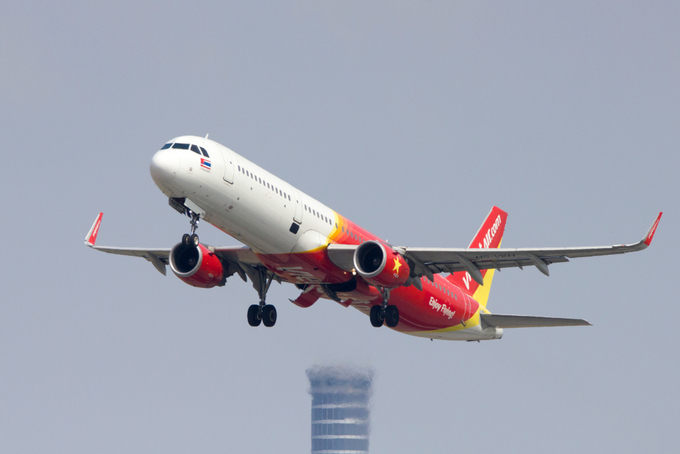
    Budget carrier Vietjet Air plans to sell a 15 percent stake in a private placement.

    It plans to sell 81 million shares at the average price of at least the last 10 sessions on the stock market but has not disclosed the timing or buyer’s identity.

    As of Tuesday, the average figure was VND115,700 ($5.02), putting the value of the deal at over VND9.3 trillion ($403 million). There will be a lock-up period of one to three years when the shares cannot be sold.

    Vietjet also plans to issue $300 million worth of international bonds on the Singapore Exchange this year.

    So far this year it has raised a total of VND2 trillion via bonds.

    In the first quarter it reported a post-tax profit of VND123 billion against a loss of VND989 billion in the same period last year.

  • AirAsia X to end Mauritius flights in late 1Q17

    AirAsia X to end Mauritius flights in late 1Q17

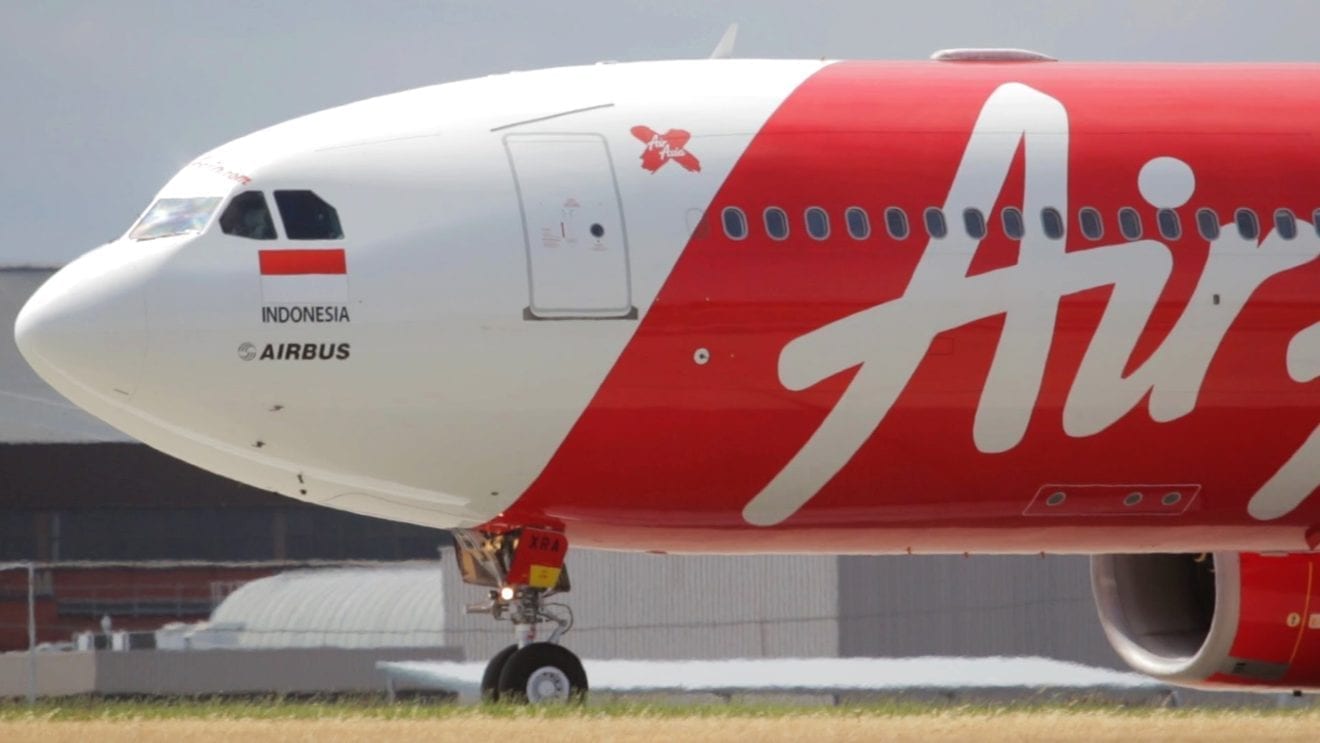
    AirAsia X (D7, Kuala Lumpur Int’l) has announced its withdrawal from the African market with effect from March 25 of this year.

    Arik De, Chief Head of Commercial for AirAsia (AK, Kuala Lumpur Int’l), told Panapress in a statement that the decision to end flights to Mauritius was based on the need to deploy capacity to its strongest markets.

    “The suspension of the Mauritius route is a part of the company’s big plan in network restructuring aimed at improving operational efficiencies in term of aircraft utilizations,” it said. “It is also to accelerate capacity growth in AirAsia X key markets of Australia, China, Taiwan, Japan and Korea.”

    AirAsia X began flights to the Indian Ocean island in October last year using A330-300 equipment. Insofar as competition to Kuala Lumpur Int’l is concerned, it came up against Air Mauritius (MK, Mauritius).

  • Bali`s economy grew by 6.24 percent in 2016

    Bali`s economy grew by 6.24 percent in 2016

    Balis economy registered a growth of 6.24 percent in 2016, a 0.20 percent increase as compared to 6.04 percent recorded in the previous year.

    The increase was sustained by a high growth of nine percent registered in the health services and social activities sector.

    “This was followed by an 8.91 percent growth in the education sector as well as a rise of 6.04 percent in the information and communication sector,” Head of the Bali Bureau for Statistics Adi Nugroho stated in Denpasar, Bali, on Monday.

    He further noted that each of the three sectors contributed significantly to the islands economic growth.

    Meanwhile, the highest expenditure came from household expenses, recorded at 48.30 percent in 2016, indicating a 6.69 percent increase as compared to the previous year.

    Balis economy, calculated on the basis of the gross domestic product (GDP), had reached Rp195.38 trillion in 2016 based on the constant price of Rp137.19 trillion and regional GDP recorded at Rp46.52 million.

    Nugroho added that looking at the islands GDP economic structure based on the work fields, it is dominated by three main activities comprising food and beverage provision, at 22.82 percent; agriculture, forestry, and fishery, at 14.74 percent; and transportation and storage, at 9.48 percent.

    The bureaus head stated that Balis economic growth in the fourth quarter of 2016 was noted at 5.47 percent as compared to the same period in 2015 (year-on-year).

    Growth was recorded in almost all sectors except for electricity and gas provision, which experienced a decrease of 1.63 percent.

    The highest growth came from the information and communication sector, at 9.15 percent; followed by finance services, at 9.08 percent; and insurance services, at 8.92 percent.

    Balis economic structure in the fourth quarter of 2016 was still dominated by three sectors comprising accommodation and food services, with 22.52 percent; agriculture, forestry, and fishery, with 15.07 percent; and transportation and storage, with 9.25 percent.

    Compared to the same period in 2015, all three sectors indicated an increase of between three and six percent.

    The main growth contributors were agriculture, forestry, and fishery, with 2.92 percent, and construction, with 1.69 percent, Nugroho noted.

  • AirAsia and Tinder match to hook fans up with Kpop concert

    AirAsia and Tinder match to hook fans up with Kpop concert

    AirAsia’s inflight magazine travel360.com has matched with social app Tinder to hook fans of Korean pop up to witness South Korean singer Seungri’s first solo concert on 5 August.

    The ticket giveaway contest for “SEUNGRI 2018 1st SOLO TOUR in SEOUL x BC CARD” will run on travel360.com’s Facebook page. It is open to fans in Malaysia, Thailand, Indonesia and Vietnam until 18 July and a winner from each country will be selected. The contest will also run in South Korea on Tinder until 20 July.

    Besides managing Seungri’s concert sponsorship, advertising, secret party and other activities, Tinder also plans to offer various brand experience to users and aims to raise brand awareness in the social app market in South Korea through various cultural events. Seungri is part of South Korean boy band Big Bang.

    “We are thrilled to partner with Tinder to offer an opportunity of a lifetime to fans in Malaysia, Thailand, Indonesia, and Vietnam to witness Seungri’s first solo concert. We are confident that Tinder and travel360.com are a great match and we look forward to more exciting collaborations in the near future,” AirAsia head of commercial, Spencer Lee, said.

    “Tinder runs the event with Korean star Seungri who has a powerful influence in Asean to take a step closer to users in the region. Tinder will maximise synergy through the partnership with AirAsia, a leading travel, social and lifestyle company,” country manager of Tinder Korea, Lyla Seo, said.

    In April this year, the airline also partnered with Tinder for its “Meet Malaysia” to encourage New Zealanders to visit the country. The campaign rolled out on digital, radio, social media and out-of-home platforms.

  • Supply Chain Resilience in an Era of Change and Uncertainty

    Supply Chain Resilience in an Era of Change and Uncertainty

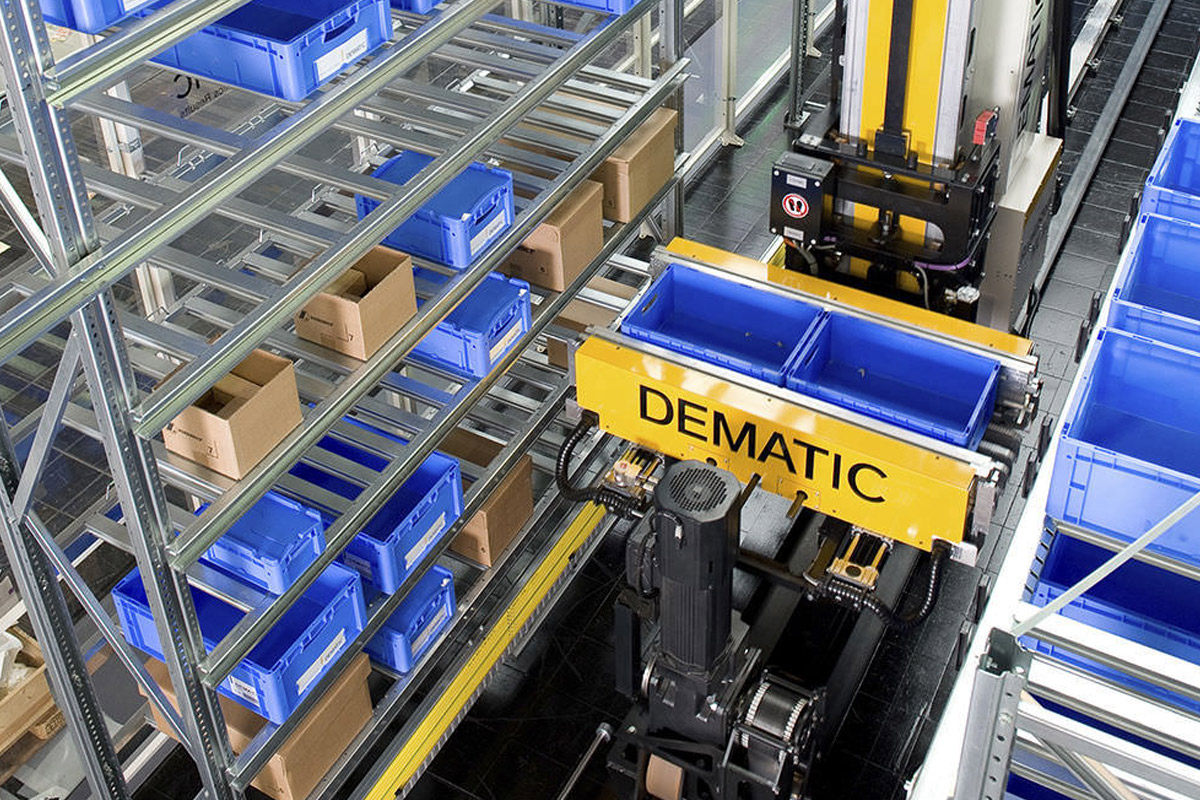
    Automation solutions provider Dematic has been running a series of Virtual Showcases all around the world. From 20th August till 10th September, Dematic will bring the series to Asia, with four online sessions focusing on grocery, food & beverage, e-commerce, and industry & spare parts in Asia.

    The theme of the Virtual Showcase Series is Supply Chain Resilience in an Era of Change and Uncertainty.  Supply chain resilience and agility are being elevated to the top of the agenda in these increasingly uncertain times where rapid change is the norm rather than the exception. Companies across Asia are recognizing that optimized supply chains deliver companies the edge in terms of superior customer service levels, reduced costs, increased margins and profitability, and are critical for business continuity  ̶  especially in times of crisis.

    The Dematic Virtual Showcase is the digital way to keep track of the key challenges and opportunities facing supply chains and see how leading companies are implementing innovative automation to capitalise on these in an increasingly hyper-competitive world.

    To find out more and to register your place, visit: https://www.dematic.com/en-au/news-and-events/events/virtualshowcase/.


  • WinMart Debuts Exciting Russia Corner Shopping Experience in Hanoi

    WinMart Debuts Exciting Russia Corner Shopping Experience in Hanoi

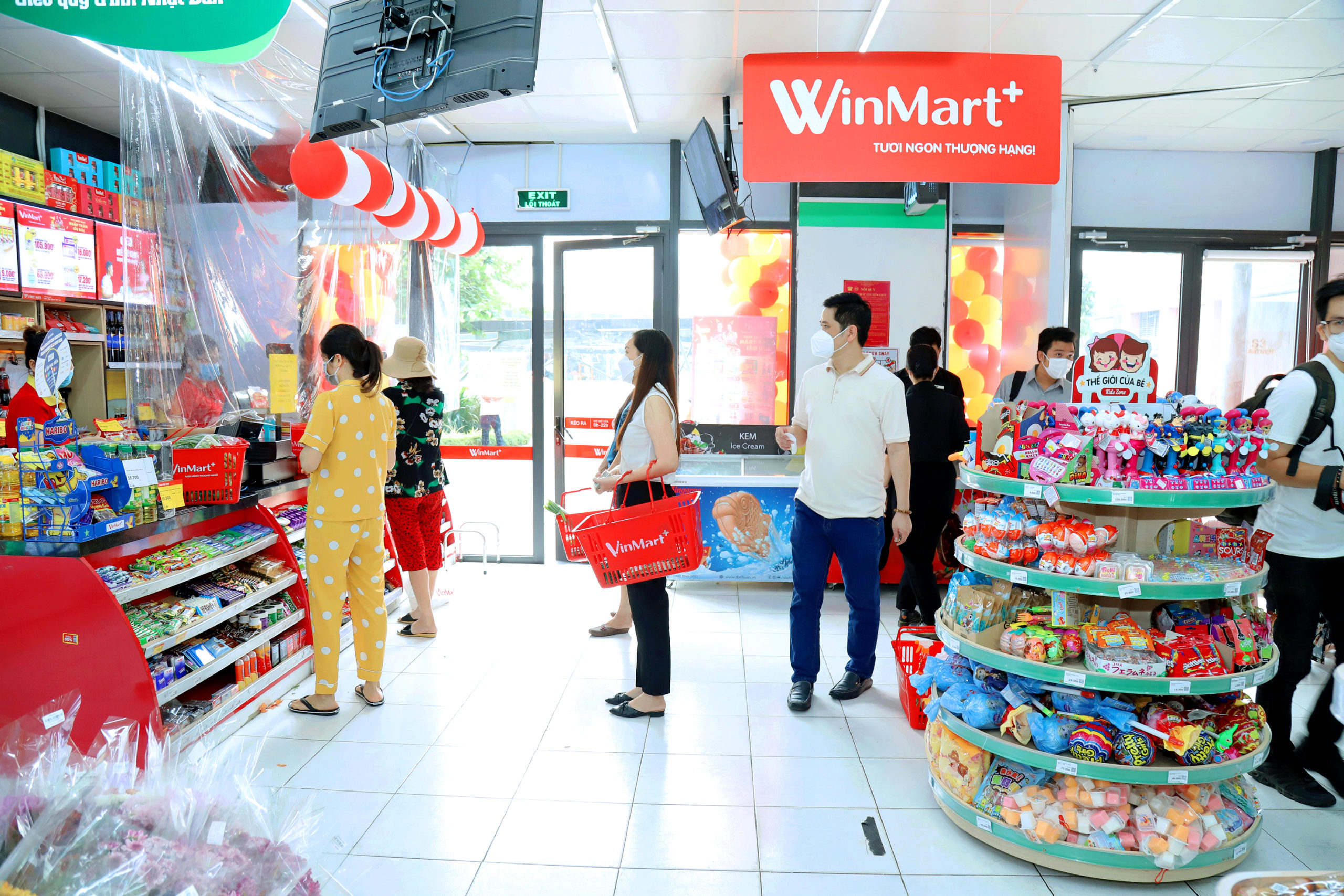
    On June 12, in a vibrant celebration coinciding with Russia Day, WinCommerce unveiled its latest venture—Russia Corner—at the WinMart Royal City in Hanoi. This dynamic space is the brainchild of WinCommerce, the operators behind the WinMart and WinMart+ retail chains, in collaboration with Magnit Group and an array of distributors.

    Discover the Soul of Russia

    Russia Corner introduces an impressive array of over 170 stock-keeping units (SKUs) sourced from more than 30 distinguished Russian manufacturers. Themed “Soul of Russia,” this unique setup invites shoppers to explore an eclectic mix of traditional delicacies, including smoked sausages, black bread, and exquisite Russian chocolates. Each product has been officially imported and meticulously selected, all available at enticing promotional prices.

    A Taste of Russian Culture

    The charm of this corner extends beyond mere shopping; it offers customers an immersive experience into Russian culture, featuring iconic items like blini pancakes, samovar tea, and authentic vodka. This initiative not only fulfills shopping desires but also ignites curiosity about Russian traditions, enabling Vietnamese consumers to experience a slice of Russia right in their city.

    Enhancing the Shopping Experience

    A representative from WinCommerce highlighted that Russia Corner is integral to WinMart’s broader strategy of developing experiential shopping models. Each product is a testament to strong cultural identity, reinforcing WinCommerce’s commitment to creating varied and immersive retail environments for its customers.

    Cultural Engagement and Expansion

    The launch attracted a significant crowd of local shoppers and included notable guests from the Russian Embassy in Vietnam, Russia’s Ministry of Agriculture, the Russian Trade Agency, and key retail partners. WinMart is eyeing further expansion, with plans to enhance cultural activities and interactive experiences related to Russian heritage across major supermarkets nationwide.

    In line with its long-term vision, WinCommerce aims to elevate the shopping experience, nurture emotional connections, and integrate global cultures with Vietnamese consumers. From June 12 to 20, visitors to Russia Corner can indulge in tastings of iconic Russian products, partake in mini-games, and receive delightful themed gifts. Who knew shopping could be such an adventure?

    Questions & Answers

    What products does Russia Corner feature?
    A diverse selection of over 170 SKUs, including smoked sausages, black bread, and Russian chocolates, all showcasing the cultural depth of Russia.

    How long is the promotional event at Russia Corner?
    The festivities run from June 12 to 20, offering visitors a chance to sample products and engage in themed activities.

    What is WinMart’s larger goal with this initiative?
    WinMart aims to enhance the shopping experience by fostering emotional connections and bringing global cultures closer to Vietnamese consumers.

  • Malaysia Rockets Up 11 Spots in Global Economic Competitiveness Rankings!

    Malaysia Rockets Up 11 Spots in Global Economic Competitiveness Rankings!

    Malaysia has made impressive strides in the realm of global economic competitiveness, climbing 11 spots to secure the 23rd position in the 2025 World Competitiveness Ranking—the country’s highest ranking since 2020. According to the Ministry of Investment, Trade, and Industry, this upward trajectory signals Malaysia’s ambition to rank among the world’s top 12 economies by 2033, as reported by the state-owned media, Bernama.

    Factors Driving Competitive Gains

    The ministry attributes this remarkable ascent to three key factors: robust economic performance, enhanced government efficiency, and improved business effectiveness. Malaysia now proudly holds the fourth position globally for economic performance, a notable jump from eighth place last year. Both government and business efficiency have also shown impressive gains, each climbing eight positions in the rankings.

    International Trade Taking Flight

    A standout highlight of this year’s report is the dramatic leap of 11 places in the international trade sub-factor, landing Malaysia in sixth place. This rise is fueled by substantial growth in exports of goods and services, a diversification of trade markets, and increased tourism revenues—elements that have collectively strengthened Malaysia’s trade surplus.

    Looking Ahead with Optimism

    The ministry remains optimistic about the future, believing that with strong governance and continued collaboration between federal and state governments, alongside close partnerships within the private sector, Malaysia is well on its way to achieving its competitive aspirations by 2033. The World Competitiveness Ranking, an annual report conducted by the Institute for Management Development in Switzerland, evaluates nations based on their ability to cultivate business-friendly environments that foster long-term prosperity.

    As Malaysia climbs the competitive ladder, it may soon be up against some surprising rivals in the world of global trade.

    Questions & Answers

    What is Malaysia’s current position in the World Competitiveness Ranking?
    Malaysia is ranked 23rd in the 2025 World Competitiveness Ranking, marking its highest position since 2020.

    Which factors contributed to Malaysia’s rise in the rankings?
    Key factors include economic performance, government efficiency, and business efficiency, with significant improvements noted across these areas.

    What is Malaysia’s goal for the future in terms of global competitiveness?
    Malaysia aims to be among the world’s top 12 most competitive economies by 2033, bolstered by strong governance and public-private partnerships.

  • Surprising Leader: Southeast Asia’s Smallest Nation Outshines 500 Major Companies in Revenue Rankings!

    Surprising Leader: Southeast Asia’s Smallest Nation Outshines 500 Major Companies in Revenue Rankings!

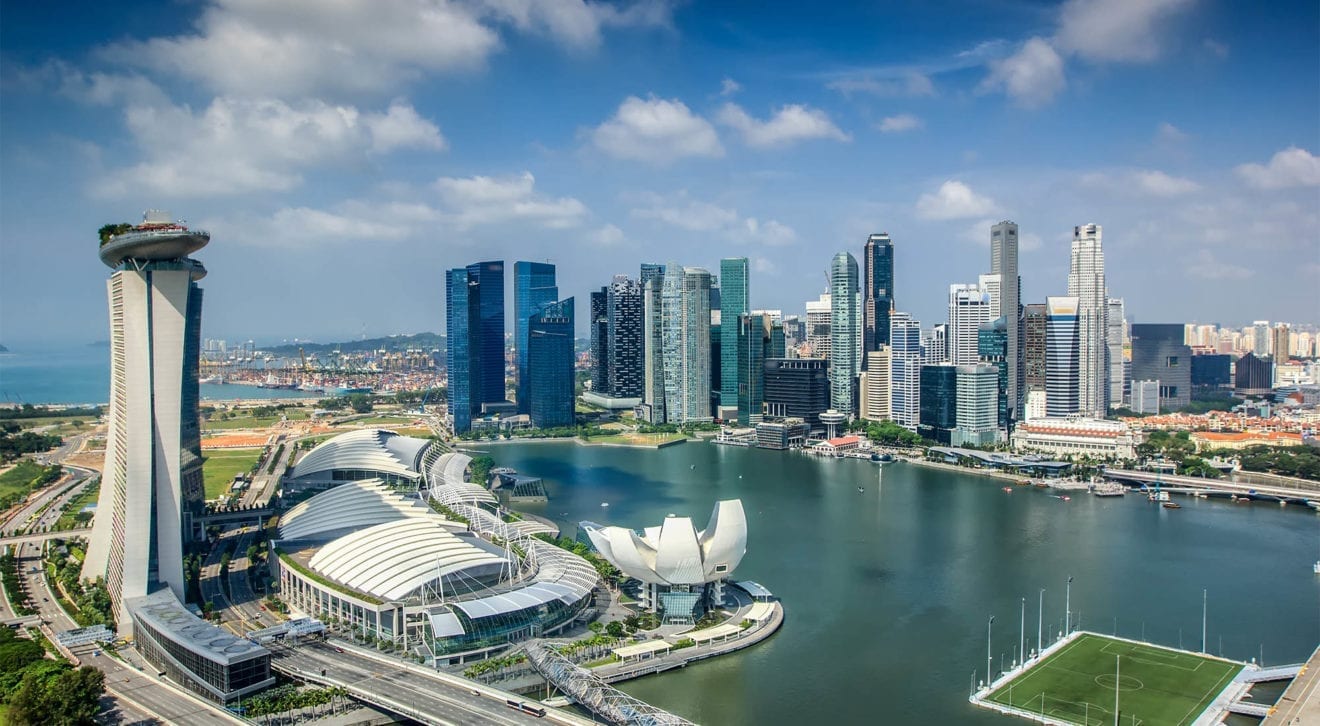
    While the city-state claimed the fourth spot in the rankings, Singapore’s 81 companies amassed an impressive US$637 billion in revenue last year, according to a recent report by a prominent U.S. business magazine. This staggering sum represents a third of the total revenue of $1.8 trillion collected by all firms listed and is nearly double that of Thailand, which came in second with revenues of $352 billion.

    Leading the Charge

    At the helm of this economic powerhouse is Trafigura Group, Southeast Asia’s largest company, specializing in commodities such as oil, gas, metals, and minerals. For the second consecutive year, Trafigura secured the top position with a remarkable revenue of $243.2 billion, nearly quadrupling the revenue of Singapore’s second-largest firm, agribusiness giant Wilmar.

    Profitable Banks Shine

    Despite not holding the highest revenue figures, three major Singaporean banks—DBS, OCBC, and UOB—emerged as the most profitable firms in the region, as reported by Singapore Business Review. It’s a fascinating twist that highlights profitability can sometimes outshine sheer revenue.

    An Evolving Landscape

    The Southeast Asia 500, now in its second year following its launch in 2024, spotlights a diverse array of businesses from Cambodia, Indonesia, Malaysia, the Philippines, Singapore, Thailand, and Vietnam. The total revenue generated by this year’s top 500 firms saw a modest increase of 1.7%, trailing the more robust 4.1% GDP growth witnessed across the economies represented in the ranking.

    Clay Chandler, Executive Editor for Asia at Fortune, noted the magazine’s increasing interest in the region. He explained that Southeast Asia is becoming a pivotal engine for global growth. “The region has become a crucial manufacturing and export hub, which is drawing significant capital flows,” he stated, adding that Trump-era tariffs have reshaped global trade dynamics and spurred a pivot towards Southeast Asia.

    Singapore’s strategic positioning as a regional hub enhances its appeal for businesses looking to expand into neighboring markets like Malaysia and Indonesia. Amidst this dynamic backdrop, it’s clear that the Lion City continues to roar as a key player in the Asian economy.

    Questions & Answers

    Which company topped the revenue rankings in Singapore?
    Trafigura Group led the charge, generating an impressive $243.2 billion in revenue.

    How do Singapore’s banks compare in terms of profitability?
    Despite not having the highest revenue, DBS, OCBC, and UOB were noted as the most profitable companies in the region.

    What is the significance of the Southeast Asia 500 ranking?
    This ranking highlights the growing importance of Southeast Asia as a critical manufacturing and export hub and showcases a mix of various types of businesses from across the region.

  • Asia’s Retail Revolution: The Rise And Impact Of Pop-up Stores

    Asia’s Retail Revolution: The Rise And Impact Of Pop-up Stores

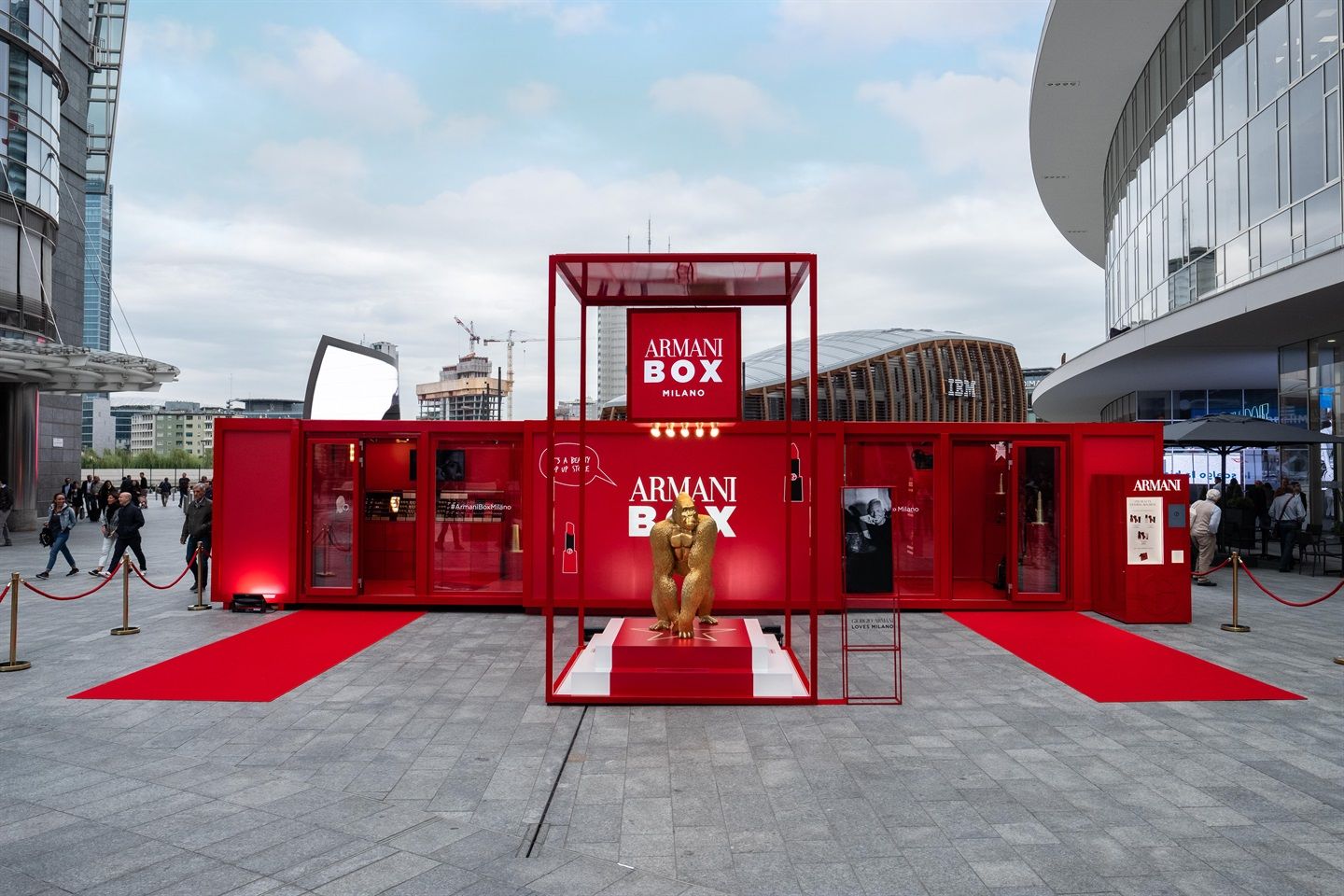
    The retail landscape in Asia is experiencing a significant transformation as businesses increasingly turn to innovative strategies to engage consumers. Amid this shift, a recent report highlights the rising trend of pop-up stores, which are capturing the imagination of shoppers and brands alike.

    The Allure of Pop-Up Stores

    Pop-up stores are sprouting across major cities, offering brands a unique opportunity to create immersive experiences that transcend traditional retail boundaries. These temporary setups not only drive foot traffic but also foster a sense of urgency among consumers. Whether it’s a themed cafe or a limited-time fashion boutique, pop-ups are designed to enchant and entice, encouraging shoppers to take action before it’s too late.

    Recently, leading fashion retailers have embraced this trend, recognizing the value of direct consumer engagement and the ability to test new markets with minimal risk. For instance, a well-known Japanese streetwear brand launched a pop-up in Tokyo’s bustling Shibuya district and reported a significant increase in brand awareness and sales.

    The Digital Shift

    In today’s digital age, pop-ups have evolved beyond mere physical spaces. Many are harnessing social media to create buzz even before opening their doors. Engaging visuals, teasers, and interactive campaigns drive anticipation and attract a dedicated following. Brands that integrate seamless online and offline experiences find themselves ahead of the competition, attracting a tech-savvy consumer base eager for unique encounters.

    And let’s not forget the unexpected perks—creating a FOMO effect among potential customers often means they’ll happily share their experience online, further amplifying the store’s reach.

    The Importance of Experience

    Today’s shoppers crave experiences just as much as they do products. Pop-up stores allow brands to tell their story through engaging encounters, turning a mundane shopping trip into something memorable. Customers leave not just with a purchase but with a narrative that binds them to the brand—a critical factor in fostering loyalty in an oversaturated market.

    With the emergence of experiential retail, brands can showcase their values and connect emotionally with consumers. Whether it’s through interactive installations or exclusive merchandise, the experience is king.

    As businesses pivot to adapt to changing consumer demands, the allure of pop-up spaces is likely to ignite even more interest in 2024. Retailers who blend creativity with strategy will undoubtedly set themselves apart in this fast-paced environment.

    So, what’s the next twist in this evolving tale of retail innovation?

    Questions & Answers

    What’s driving the rise of pop-up stores in Asia?
    The increasing consumer desire for unique and memorable shopping experiences, paired with brands’ need to engage directly, are key drivers behind the pop-up trend.

    How can online marketing enhance pop-up store success?
    Leveraging social media to generate buzz and excitement before opening can create anticipation, attracting customers both online and in-store.

    Why are experiences important in retail today?
    Experiences foster emotional connections between consumers and brands, encouraging loyalty and enhancing consumer engagement in an oversaturated market.

  • Asia’s Retail Giant Lotte Shopping Unveils Tech-driven, Eco-friendly Strategy To Transform Customer Experience

    Asia’s Retail Giant Lotte Shopping Unveils Tech-driven, Eco-friendly Strategy To Transform Customer Experience

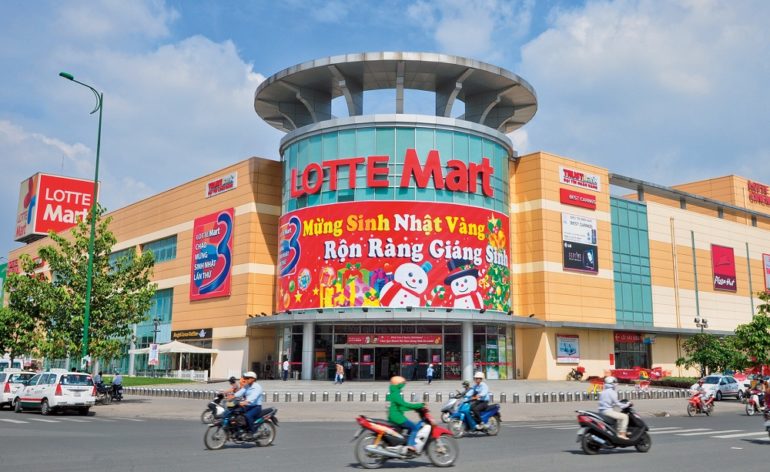
    With the fervor of the holiday shopping season fast approaching, retailers across Asia are gearing up for a bustling fourth quarter. Among them, Lotte Shopping, South Korea’s retail giant, is strategizing ways to capture consumer attention and boost sales. In a recent announcement, the company revealed its ambitious action plan to reinvent the customer experience across its stores.

    Innovation Takes Center Stage

    Lotte’s plan emphasizes deploying cutting-edge technology to enhance the shopping experience. From virtual reality interfaces to smart carts equipped with personalized recommendations, the company aims to merge the convenience of e-commerce with the tactile pleasure of brick-and-mortar shopping. Kim Yong-won, the Chief Executive Officer, expressed excitement about these innovations, hinting that technology could seamlessly blend shopping and entertainment.

    Focus on Sustainability

    Amid rising consumer interest in sustainable practices, Lotte Shopping also seeks to strengthen its commitment to eco-friendly operations. Initiatives include reducing plastic usage and increasing the availability of sustainable products. By aligning their strategy with environmental consciousness, Lotte hopes to resonate with a younger, eco-aware demographic eager for more responsible consumption choices.

    Enhancing Customer Loyalty

    As competition intensifies, retaining existing customers becomes vital. Lotte Shopping is ramping up its loyalty programs, offering exciting rewards and personalized experiences that encourage shoppers to return. The company plans to leverage data analytics to better understand customer preferences, ensuring that promotions and products are tailored to meet their unique desires.

    A sprinkle of ingenuity in retail is always welcome, and Lotte’s strategy shines like a beacon of creativity in a sea of sameness!

    Questions & Answers

    What is the main focus of Lotte Shopping’s new strategy?
    Lotte Shopping’s primary focus is to enhance the customer experience using innovative technology, sustainability initiatives, and improved loyalty programs.

    How will Lotte incorporate technology into its stores?
    The company plans to introduce virtual reality interfaces and smart carts that offer personalized shopping suggestions, thereby blending entertainment with convenience.

    Why is sustainability important to Lotte?
    Sustainability is crucial for Lotte as it aims to engage environmentally conscious consumers and adapt to the growing demand for responsible retail practices.

  • Philippines Aims for 69.4 TWh in Clean Power Generation by 2035: A Greener Future Awaits!

    Philippines Aims for 69.4 TWh in Clean Power Generation by 2035: A Greener Future Awaits!

    The Philippines is gearing up for a renewable energy revolution, driven by the power of geothermal and hydropower. By 2035, the nation’s renewable energy generation is projected to soar to an impressive 69.4 terawatt-hours, boasting a robust compound annual growth rate of 13.1% from 2024 through 2035.

    Rising Demand and Strategic Responses

    A recent report from GlobalData titled “Philippines Power Market Outlook to 2035, Update 2025 – Market Trends, Regulations, and Competitive Landscape” reveals that the country is witnessing a steady increase in electricity demand, fueled by economic expansion and the enhancement of digital infrastructure. “In response to this escalating need, the nation is executing a range of strategies, which include the development of infrastructure, diversification of energy sources, and the enactment of policy reforms,” notes Attaurrahman Ojindaram Saibasan, senior power analyst at GlobalData.

    Aiming for Renewables

    The Philippines has set ambitious targets, aiming for 35% of its energy to originate from renewable sources by 2030, and escalating that figure to 50% by 2040. However, fossil fuels aren’t going anywhere just yet, as thermal power is expected to retain a significant 62.7% share of the energy mix by 2035, while renewable sources will contribute 33%, and large hydro along with pumped storage will add another 4.3%.

    Investing in the Future

    In an impressive future-forward move, the Philippines is eyeing a 75% increase in geothermal capacity and a remarkable 160% growth in hydropower capacity. Wind power is also on the rise, with plans to expand to 2.3 gigawatts (GW), alongside a modest rise in biomass power by 0.3 GW, all by 2040. Investments are expected to flow abundantly into the energy sector, with Manila poised to secure $26.2 billion from 2025 to 2030. Solar energy alone is projected to account for 38.8% of this investment, followed by onshore wind at 19.4% and offshore wind at 17%.

    As the Philippines strides confidently into a greener future, one has to wonder: will solar panels soon outshine the sun itself?

    Questions & Answers

    What is the projected renewable energy generation for the Philippines by 2035? The renewable energy generation in the Philippines is expected to reach 69.4 terawatt-hours by 2035.

    What percentage of energy does the Philippines aim to generate from renewable sources by 2040? The country aims to achieve 50% of its energy generation from renewable sources by 2040.

    What is the expected investment in the energy sector from 2025 to 2030? Manila is expected to secure $26.2 billion in energy investments during that period.

  • Walmart Exits Japan, Amplifies E-commerce In Other Asian Markets: A Strategic Pivot

    Walmart Exits Japan, Amplifies E-commerce In Other Asian Markets: A Strategic Pivot

    In a notable shift within the Asian retail landscape, Walmart is making headlines by announcing the closure of its stores in Japan, yet continues to navigate the maze of international markets by expanding its e-commerce services in other regions. The retail giant, known for its expansive reach, has acknowledged that the Japanese market presents unique challenges that have led to this strategic retreat.

    Walmart’s Departure from Japan: A Strategic Move

    Walmart’s decision to close its Japanese stores underscores the fierce competition and distinctive consumer preferences characteristic of the market. The retail behemoth failed to gain the foothold it expected, despite its innovative attempts to adapt. The company will fully shutter its 85 locations by the end of the year, a transition that underscores its need to recalibrate priorities.

    Yet, don’t count Walmart out just yet. While it pulls back from the Land of the Rising Sun, it is ramping up its investments in markets like India and China, where e-commerce is booming. By enhancing its digital capabilities and refining its supply chain, Walmart hopes to capture the growing consumer base flocking online.

    Boosting E-Commerce: A Focus on Digital Growth

    Across Asia, Walmart is ramping up its efforts in e-commerce, which is no small feat given the rapid digital transformation taking place. The company is heavily investing in technology, aiming to streamline its operations and improve the shopping experience for customers. With interactive websites and user-friendly apps, they are poised to draw in more shoppers seeking convenience and efficiency.

    As part of this digital push, Walmart is also eyeing partnerships with local delivery services to facilitate faster shipping, bringing a fresh twist to the traditional retail model. This shift not only showcases Walmart’s adaptability but also reflects the ever-evolving demands of today’s consumers.

    With its sights set on revitalizing its international strategy, Walmart’s actions present an intriguing chapter in the retail narrative, raising the question: Is agility the new competitive advantage in retail?

    As we watch how these dynamics unfold, one thing is for certain—there’s never a dull moment in retail.

    Questions & Answers

    Why is Walmart closing its stores in Japan?
    Walmart is closing its Japanese locations due to challenges in gaining significant market share and adapting to unique consumer preferences.

    How is Walmart expanding its operations in Asia?
    Walmart is focusing on boosting its e-commerce presence, particularly in markets like India and China, investing in technology and local delivery partnerships.

    What does this mean for the future of retail in Asia?
    Walmart’s shift highlights the importance of adaptability and digital transformation, signaling a trend where agility may become a key competitive advantage.

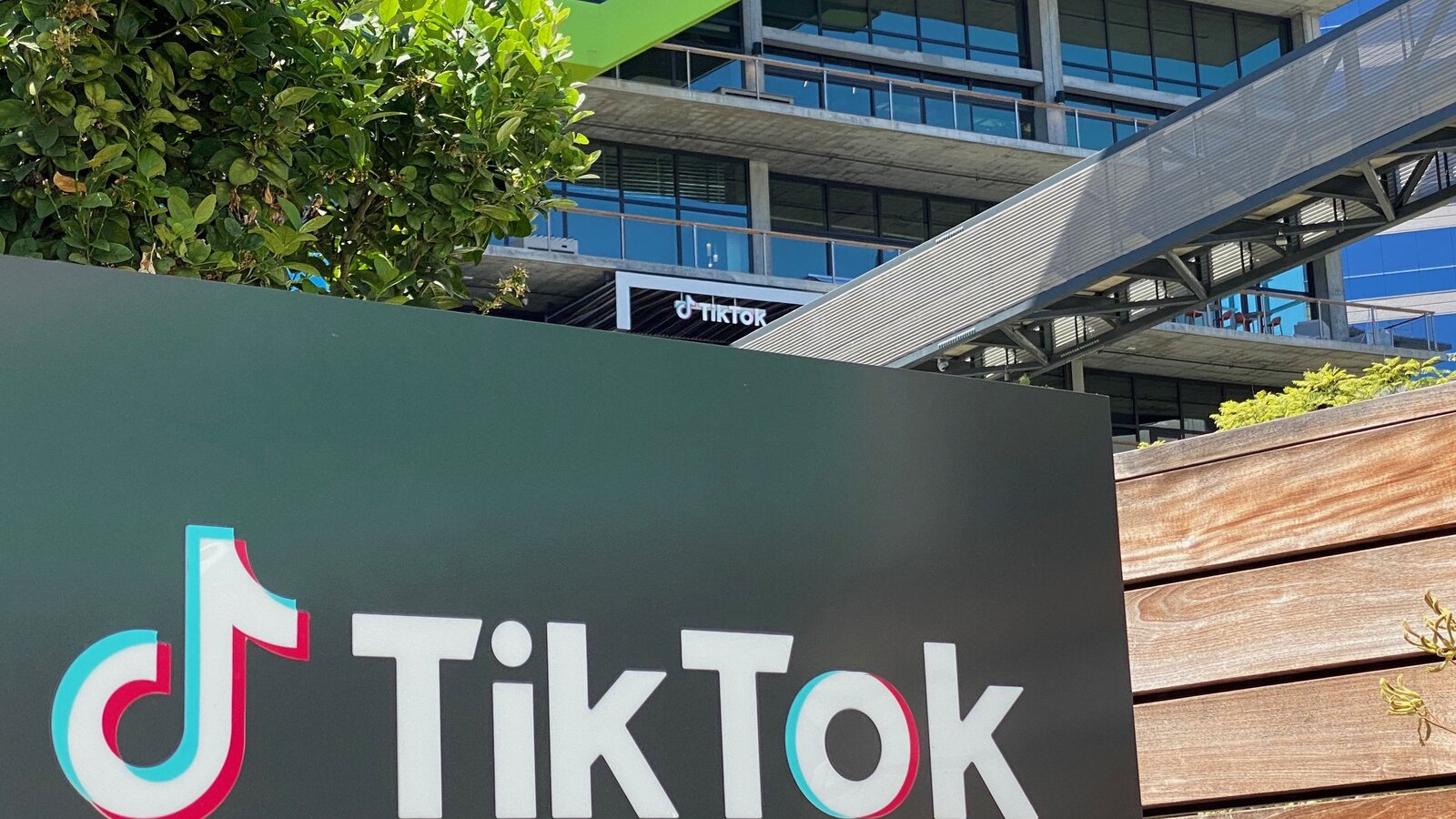
  • Tiktok Poised To Revolutionize Japanese Market With Integrated E-commerce Feature

    Tiktok Poised To Revolutionize Japanese Market With Integrated E-commerce Feature

    TikTok, the globally popular social media platform, is poised to debut its integrated e-commerce feature, TikTok Shop, in Japan. This is a significant move into a market where live commerce is relatively unexplored but ripe with potential. The initiative is aimed at capitalizing on the platform’s high levels of user engagement to facilitate direct purchases within the application.

    A recent update to TikTok’s privacy policy in Japan that included references to “shopping features” has stirred conjectures that the official launch might occur this month.

    TikTok Shop offers an in-app shopping experience where users can purchase items during live streams or via short videos. It comes with built-in payment and checkout features, thus eliminating the need for customers to be redirected to external websites. TikTok benefits monetarily from this feature by earning referral fees from sellers who participate.

    ByteDance, TikTok’s parent company based in China, has successfully implemented this feature across the United States and Southeast Asia.

    In preparation for the rollout, companies are gearing up to offer support. AnyMind Group, for instance, is planning to offer data analytics tools and launch training programs for live-commerce streamers through its production unit, Grove. Shodai Fujita, Country Director for Japan at AnyMind, said, “We want to create stars and take the No 1 position in Japan.”

    Simultaneously, Hakuhodo, a Japanese advertising titan, is collaborating with a group subsidiary to provide comprehensive services for TikTok Shop sellers, including planning, operations, and performance analysis. Septeni Holdings, part of the Dentsu Group, is also readying to assist brands making their debut on the platform.

    “The fusion of social media and e-commerce will become a new experience for customers,” Fujita added, indicating the groundbreaking potential of this venture.

    Questions & Answers

    What is TikTok’s new initiative in Japan?
    TikTok is planning to launch its integrated e-commerce feature, TikTok Shop, in Japan. This feature will facilitate direct in-app purchases during live streams or through short videos.

    What is the advantage of TikTok Shop for users?
    TikTok Shop offers a seamless shopping experience for users, eliminating the need to be redirected to external websites for purchases. It provides integrated payment and checkout features for a smoother transaction process.

    Who will be supporting the launch of TikTok Shop in Japan?
    Several companies, including AnyMind Group, Hakuhodo, and Septeni Holdings, part of the Dentsu Group, are preparing to support the launch by providing data analytics tools, training programs, and a range of services for TikTok Shop sellers.
  • Superstitions in Online Casino New Zealand: Do Rituals and Lucky Charms Actually Work?

    Superstitions in Online Casino New Zealand: Do Rituals and Lucky Charms Actually Work?

    Superstitions are closely related to gambling. Players around the world use a variety of talismans and rituals. In this way, they believe that they influence the outcome of the game. When choosing an online casino New Zealand, players also rely on luck. For example, they toss coins or use talismans that help in making decisions. However, there is no scientific evidence that such rituals work.

    Common Gambling Superstitions in New Zealand

    New Zealand gamblers rely on a variety of rituals and good luck charms to increase their chances of winning. These beliefs do not affect the actual results. However, they help maintain the gambling tradition and add interest. Here are some of the rituals that gamblers use:

    • Lucky charms. The four-leaf clover is considered a symbol of good luck. Lucky coins or tokens are also used. Wearing red clothing is believed to attract good luck and is a traditional symbol of prosperity and luck in
    • Pre-bet rituals. Some people cross their fingers, knock on wood, or talk to the slot machine. Everyone has their own rituals that help attract good luck.
    • Superstitions about numbers. For example, many bet on the number 7, as it attracts good luck. Superstitious gamblers also avoid the number 13, as it brings bad luck.

    When playing an online casino New Zealand, it is important to understand that all games are controlled by random number generators. This is why the results of the gameplay are completely random.

    The Psychology behind Gambling Rituals

    Gambling rituals and superstitions are directly related to the online casino New Zealand gaming process. They give a sense of self-confidence and also instill a sense of control. Players believe that they can influence the outcome with the help of rituals. Research shows that people tend to overestimate their ability to control random events.

    Gambling triggers the release of dopamine in the brain, creating a pleasant feeling. Rituals and superstitions enhance this effect and the anticipation of a potential win, making the gaming process more exciting.

    Gambler’s fallacy makes people believe that past results affect current ones. People naturally look for patterns even in random sequences. This reinforces the belief that rituals can influence results.

    Gambling traditions vary depending on the culture. Shared beliefs and rituals create a certain sense of camaraderie and solidarity in the gambling community.

    Do Rituals and Charms Actually Influence the Odds?

    Many players use talismans to increase their chances of winning. However, such methods do not change the actual odds of casino games. Results in an online casino New Zealand are determined using random number generators. No external factors can affect the outcome of the game process.

    Research shows that more than 66% of the adult population believes that superstitions can affect the outcome. However, there is no proven effect, and all such results should be perceived as a kind of placebo in gambling.

    To summarize, relying on rituals and superstitions in gambling makes no sense. They do not affect the mathematical probability of a particular outcome. All casino results are random. Any rituals are aimed exclusively at the emotional state of the player and their perception.