Category: General

Retail News Asia is committed to providing both local and global retailers with the latest General Retail news throughout the Asian market. This on a daily base.

  • Vietnam Airlines Launches $69M Catering and Maintenance Initiatives at New Airport, Elevating Service Standards

    Vietnam Airlines Launches $69M Catering and Maintenance Initiatives at New Airport, Elevating Service Standards

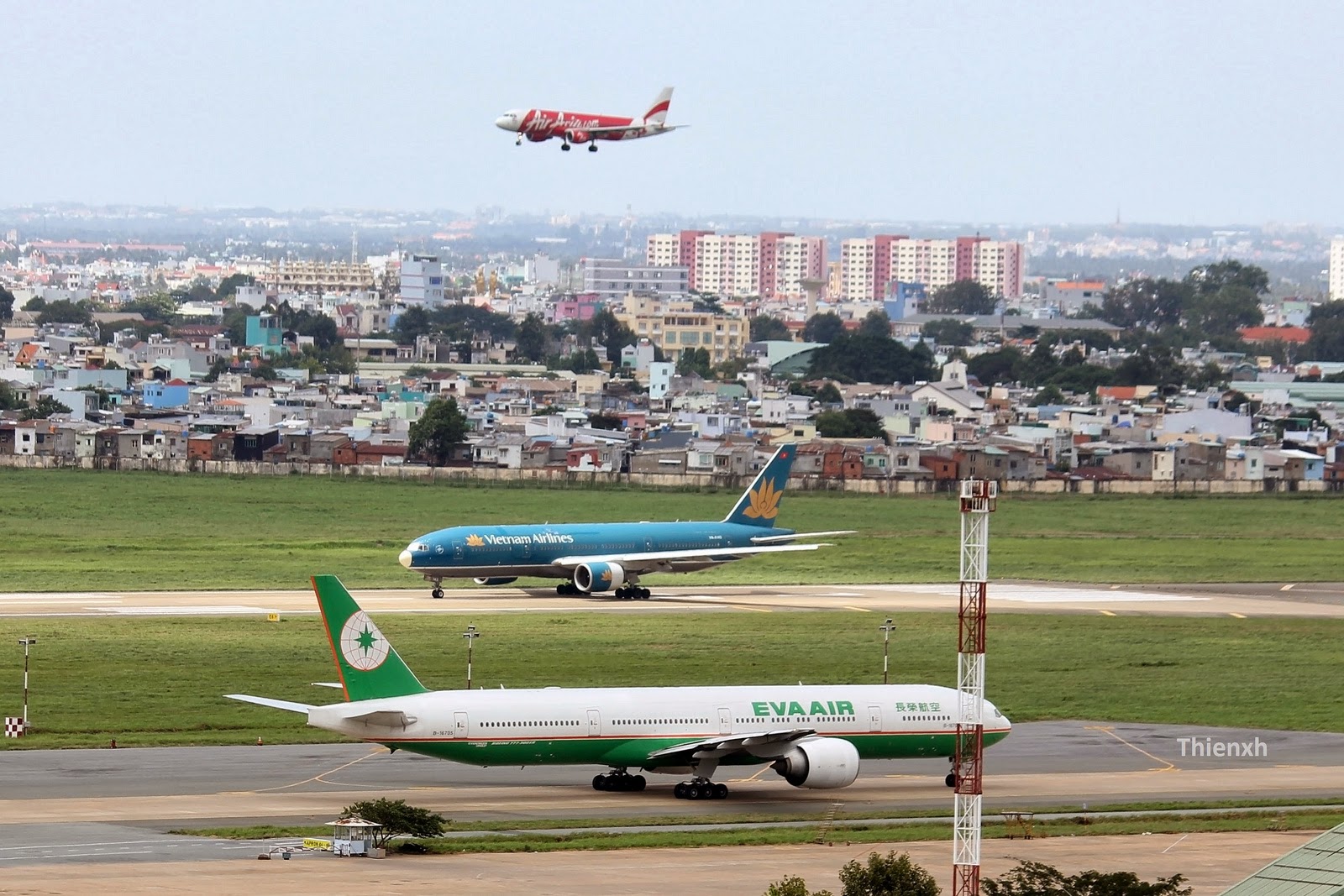
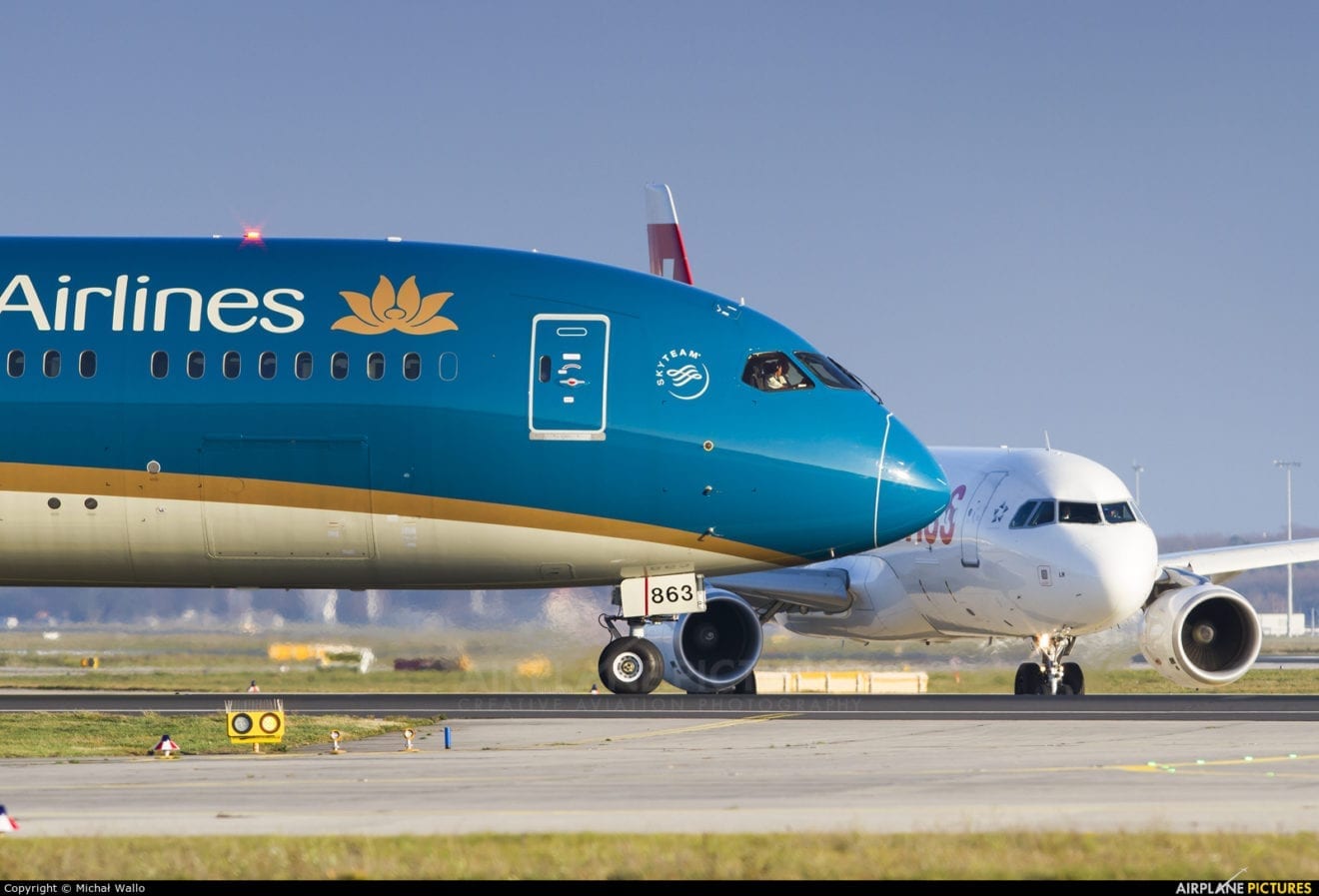
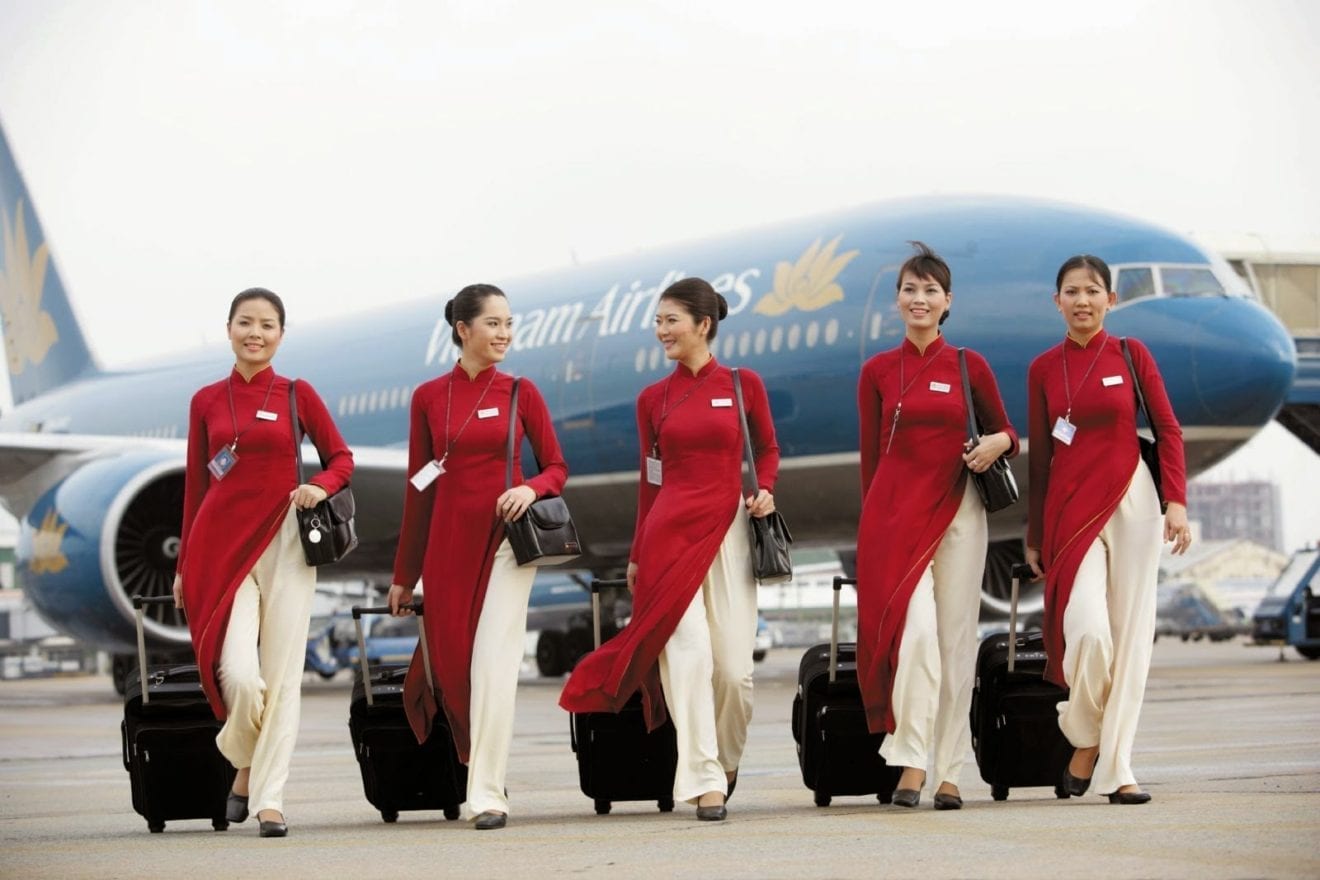
    Vietnam Airlines has officially commenced work on two significant projects at the rapidly developing Long Thanh International Airport, which is poised to become a major aviation hub in Vietnam. With a combined investment of VND 1.8 trillion (approximately USD 69 million), these initiatives focus on enhancing in-flight catering and aircraft maintenance services.

    Investment in Catering and Maintenance

    The projects will be spearheaded by the airline’s subsidiaries: Vietnam Airlines Caterers and Vietnam Airlines Engineering Company. The catering facility is designed to initially produce 20,000 meals daily, with the ambition to increase that capacity to 40,000. Such a massive food operation could make meal prep at 30,000 feet feel a little less like airplane food—an exciting prospect for hungry travelers!

    On the maintenance front, work is underway on a state-of-the-art facility covering over 45,000 square meters, with a budget of VND 1.1 trillion. This facility will service two wide-body and two narrow-body aircraft simultaneously, boasting a minimum annual maintenance capacity of 250,000 man-hours. It aims to conduct between 120 to 150 maintenance sessions each year, ensuring that the fleet remains in peak condition.

    Additionally, Vietnam Airport Ground Services Company has initiated its own project, focusing on maintaining airport ground equipment, further streamlining operations at Long Thanh.

    A Landmark Development

    Spanning an impressive 5,000 hectares in Dong Nai Province, Long Thanh International Airport boasts an estimated total cost of VND 336.6 trillion. The airport’s first phase is scheduled for completion in 2026 and includes crucial infrastructures such as a runway, a passenger terminal, and supporting facilities designed to accommodate up to 25 million passengers annually. With these developments, Long Thanh aims to elevate Vietnam’s status in the global aviation landscape.

    As construction progresses, the combination of extensive facilities and quality services signals a bright future for air travel in Vietnam. Who knows—maybe your next meal on a flight will be prepared just a stone’s throw away from the runway!

    Questions & Answers

    What is the total investment for the Vietnam Airlines projects at Long Thanh International Airport?
    The projects are estimated to cost VND 1.8 trillion (approximately USD 69 million).

    What capacity will the catering facility have?
    Initially, the facility is set to produce 20,000 meals per day, with potential scalability to 40,000 meals.

    When is the first phase of Long Thanh International Airport expected to be completed?
    The first phase is scheduled for completion in 2026, with a capacity to handle 25 million passengers each year.

  • Bamboo Airways Chairman Steps Down: What’s Next for the Airline’s Future?

    Bamboo Airways Chairman Steps Down: What’s Next for the Airline’s Future?

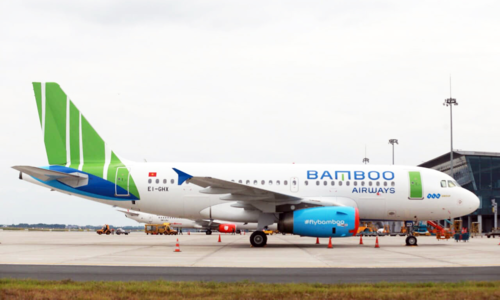
    Bamboo Airways is set for a leadership transition as chairman Phan Dinh Tue has submitted his resignation, pending shareholder approval at an extraordinary general meeting scheduled for July 5.

    New Leadership on the Horizon

    The airline announced that a new director will be elected to succeed Tue, who has been at the helm since February 2024 after joining the company as a director in June 2023. The board currently consists of five directors, including Tue.

    With an extensive background in finance and banking spanning four decades, Tue previously served as a deputy general director at Sacombank starting in 2012. During his tenure at Bamboo Airways, he played a critical role in the airline’s restructuring efforts, shaping its business model, fleet structure, and financial strategies to ensure viability in a competitive market.

    This year, Bamboo Airways has reported promising results, particularly on significant routes and popular tourist destinations. The airline achieved a remarkable flight load factor of 90% in June, showcasing its recovery and operational efficiency. Its fleet, which includes Airbus A320 and A321 aircraft, has recently expanded with the addition of a leased Boeing 737-900E.

    With changes on the board, the question now is how Bamboo Airways will navigate the skies of Asian aviation—and whether the new leadership will continue to steer the airline toward success. After all, in the ever-evolving airline industry, change is the only constant, and sometimes that change can fly by faster than a jet engine!

    Questions & Answers

    Why did Phan Dinh Tue resign?
    Phan Dinh Tue has resigned as chairman of Bamboo Airways, with the resignation awaiting approval from shareholders at a meeting on July 5.

    What role did Tue play in the airline’s development?
    Tue was instrumental in spearheading the airline’s restructuring, contributing to its business model and financial capabilities.

    How has Bamboo Airways performed this year?
    Bamboo Airways has reported a successful operational performance, particularly with a flight load factor of 90% in June, indicating strong demand for its services.

  • Chinese Consumers Embrace Cautious Spending Amid Slowing Economic Growth Trends

    Chinese Consumers Embrace Cautious Spending Amid Slowing Economic Growth Trends

    China’s consumer market is shifting gears as it embarks on a journey defined by slower, single-digit growth and a more cautious spending landscape, according to the latest insights from McKinsey & Company. This transformative phase comes after a comprehensive survey encompassing over 17,000 consumers, revealing that while sentiment is mixed, shoppers are adapting to a more stable—albeit restrained—economic atmosphere. Gone are the days dominated by optimism; spending is now increasingly dictated by income and assets.

    Steady Growth Amid Challenges

    With China’s GDP projected to grow around 5% in 2024 and early 2025, annual consumption is expected to reach 2.3% in 2025, mirroring the 2.4% increase from 2024. The urbanization trend is supporting structural growth, evidenced by an increase in the urbanization rate from 65.2% in 2022 to 67% in 2024.

    Confidence in Limbo

    Despite a semblance of stabilization in consumer confidence, the outlook varies widely across demographics. More than one-third of respondents indicated feelings of “job anxiety,” with almost half of urban residents considering the job market “challenging,” according to the People’s Bank of China (PBOC). While overall confidence appears to be stabilizing, rural areas have seen a surge, buoyed by faster income growth and government revitalization strategies. In 2024, rural incomes surged by 6.6%, compared to a 4.5% increase in urban regions.

    Generational Divide

    Conversely, affluent elderly urban dwellers experienced a staggering 20% drop in confidence, largely due to asset depreciation. Low-income millennials in Tier 1 and Tier 2 cities remain the most pessimistic, grappling with job insecurity and rising expenses. Interestingly, Tier 3 consumers and urban Gen Z still exhibit a sense of optimism, even amid the specter of high youth unemployment.

    Shifting Priorities

    The latest consumer behavior trends indicate a shift from a confidence-driven outlook to one that emphasizes concrete financial factors. Many shoppers are prioritizing personal fulfillment and maintaining their quality of life, even if it means tapping into savings. Affluent urban consumers expect to ramp up daily spending by 2.6% this year, channeling their resources toward home upgrades, automobiles, and enriching experiences. Spending is becoming increasingly intentional, with consumers on the hunt for value and emotional returns rather than mindless aspirational purchases.

    Adapting to Evolving Demands

    Companies must recalibrate their strategies to cater to this pragmatic, value-driven demand. Although challenges loom large, the market still brims with potential for brands that can align themselves with the evolving priorities of consumers—a quest that is as critical as it is rewarding.

    Questions & Answers

    How is consumer spending in China changing?
    Consumer spending is shifting from being driven by optimism to being more influenced by individual income and asset stability, with consumers focusing on intentional spending.

    What demographic factors are influencing consumer confidence?
    While overall confidence is stabilizing, rural consumers are more optimistic due to income growth and government support, contrasting with elderly urban residents facing declining asset values.

    What should companies do to remain competitive in this market?
    Brands need to adjust their strategies to meet the pragmatic and value-driven demand of consumers, focusing on emotional returns and practical purchases over mere aspirational spending.

  • Lawson Sets Ambitious Growth Plans for China and Southeast Asia Expansion

    Lawson Sets Ambitious Growth Plans for China and Southeast Asia Expansion

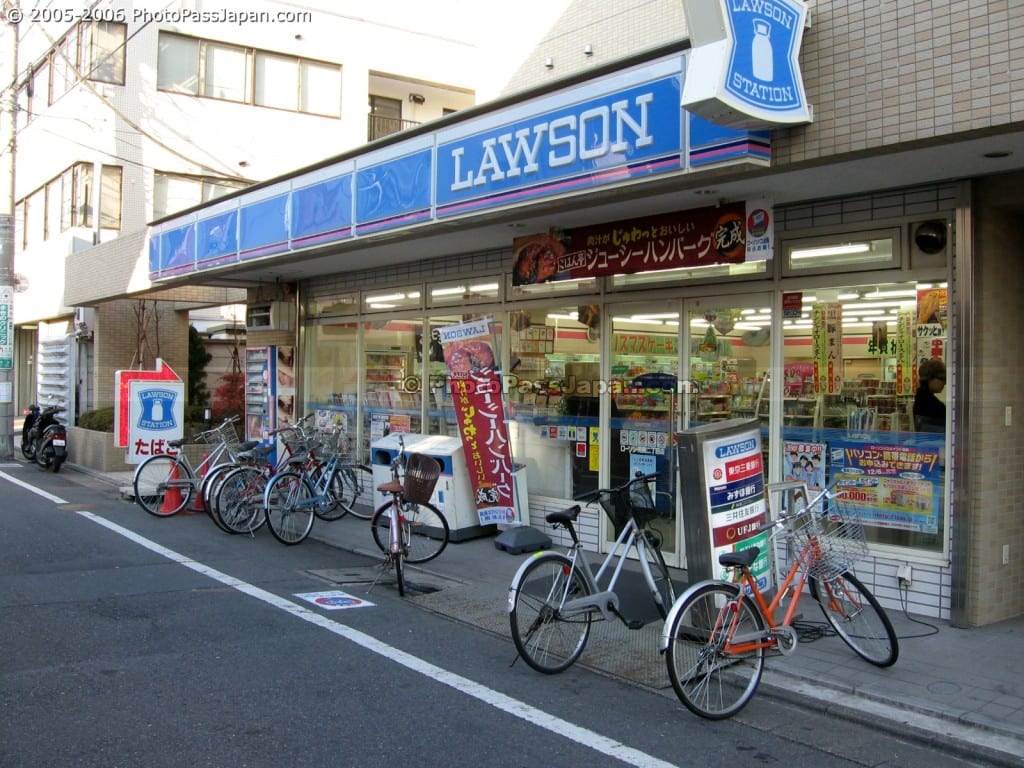
    Lawson, the prominent Japanese convenience store chain, is gearing up for an ambitious expansion, unveiling plans to launch over 5,000 new stores across China in the next six years. This initiative marks an impressive 80% growth as Lawson intensifies its efforts to extend its footprint beyond Japan and into the broader Asian market.

    As Lawson celebrates its 50th anniversary this Saturday, it has set an ambitious goal of increasing its Chinese store count to 12,000 by the fiscal year ending February 2031. This expansion is critical for achieving its previously reported target of doubling its total overseas store count to around 14,000 shops over the next six years—an endeavor that aims to bring its international presence nearly in line with that of its home market.

    With each new store opening, Lawson isn’t just selling snacks and drinks; it’s crafting a shared experience, one that aims to blend convenience with community.

    Questions & Answers

    What does Lawson’s expansion plan entail?
    Lawson plans to open over 5,000 new outlets in China over the next six years, aiming for a total of 12,000 stores.

    Why is this expansion significant for Lawson?
    This growth will help Lawson double its overseas store count to approximately 14,000, aligning its international presence with its home market in Japan.

    What milestone is Lawson celebrating this week?
    Lawson is marking its 50th anniversary this Saturday, coinciding with its ambitious growth strategy.

  • Singapore and Airbus Team Up to Revolutionize Hybrid Satellite-Terrestrial Network Technology

    Singapore and Airbus Team Up to Revolutionize Hybrid Satellite-Terrestrial Network Technology

    Singapore is making exciting strides in communications by embarking on a groundbreaking initiative to develop hybrid satellite-terrestrial networks. This ambitious project aims to ensure uninterrupted connectivity across land, sea, and air. The Infocomm Media Development Authority (IMDA) and the Office for Space Technology and Industry (OSTIn) have joined forces with Airbus through a recent memorandum of understanding (MoU) to spearhead the evolution of non-terrestrial network (NTN) technologies.

    Connecting Satellites and 5G

    This partnership underscores Singapore’s strategic intent to seamlessly integrate satellite communication into its 5G and future 6G infrastructure. IMDA and OSTIn aim to collaborate with Airbus to create a national innovation consortium that will include leading research institutions and industry players. It’s a collective effort to turn the Lion City into a hub for cutting-edge communications technology.

    Expanding Connectivity Horizons

    Non-terrestrial networks, which are pivotal to the 3GPP standards for 5G and 6G, utilize non-terrestrial assets such as low-Earth orbit (LEO) satellites, geostationary satellites, and high-altitude platforms, like drones and balloons. By leveraging these advanced technologies, Singapore plans to extend its network coverage beyond the traditional terrestrial limits, ensuring resilient, wide-area connectivity even in the most remote locations.

    Vision for the Future

    Ong Chen Hui, Assistant Chief Executive of IMDA’s BizTech Group, highlighted the vital role that satellite communications play within the digital connectivity landscape. She remarked, “By partnering with Airbus and OSTIn, we aim to propel the advancement of NTN technologies and foster deeper research collaborations within Singapore’s innovation ecosystem.”

    A notable aspect of this initiative is Airbus’s commitment, bringing its global technical expertise into play. This marks its first 5G/NTN collaboration outside of Europe, paving the way for a new chapter in connectivity.

    Anand Stanley, President of Airbus Asia Pacific, expressed enthusiasm about the project, stating, “Singapore is an ideal environment to explore cutting-edge connectivity solutions that will define the future of resilient, wide-area communications. This MoU lays the foundation for Airbus to work closely with IMDA, OSTIn, and other partners in developing a robust 5G/NTN ecosystem that supports both industry growth and national innovation goals.”

    As Singapore charts its course toward a hyper-connected future, who knew that the skies could become such an integral part of the conversation?

    Questions & Answers

    What is Singapore’s goal with the new hybrid satellite-terrestrial networks?
    Singapore aims to deliver uninterrupted connectivity across land, sea, and air as part of its digital infrastructure.

    Who are the key players involved in this initiative?
    The key players include the Infocomm Media Development Authority (IMDA), Office for Space Technology and Industry (OSTIn), and Airbus.

    What are some technologies that non-terrestrial networks utilize?
    NTNs leverage non-terrestrial assets such as low-Earth orbit satellites, geostationary satellites, drones, and balloons to expand network coverage.

  • AI Sovereignty: How Nations Can Harness Technology to Shape Their Futures

    AI Sovereignty: How Nations Can Harness Technology to Shape Their Futures

    Artificial intelligence (AI) has shifted from being merely a competitive advantage for businesses to an essential cornerstone of national security and economic prosperity. In response, nations around the globe are crafting robust strategies to boost their AI capabilities.

    A Broader Definition of AI Sovereignty

    While some may view AI sovereignty as solely linked to infrastructure development, a more comprehensive perspective is crucial. It should encompass a broad set of competencies that empower a country or region to create and maintain its own AI technologies.

    Local Innovations Take Center Stage

    According to Rena Bhattacharyya, Chief Analyst and Practice Lead for Enterprise Technology and Services at GlobalData, achieving AI sovereignty involves various elements: chip design and manufacturing, AI processing facilities, data sovereignty, the development of AI models (including large language models), a supportive regulatory environment, and a skilled workforce. “AI sovereignty should consist of capabilities related to these crucial domains,” she noted.

    As global advancements accelerate due to sovereign AI strategies, businesses must remain agile to meet shifting requirements and competitive pressures. Bhattacharyya stressed the importance of a flexible strategy that not only ensures continuity and resilience but also addresses evolving AI needs. “Organizations need to be able to pivot when necessary,” she said. This might involve leveraging solutions from local markets rather than relying on distant vendors.

    Seizing the Moment for Talent Development

    Building local expertise is pivotal for implementing a successful AI strategy. Companies and governments outside the U.S. have a unique opportunity to expand their talent pools significantly. Bhattacharyya remarked, “The current immigration and visa challenges in the U.S., coupled with increased AI investments from governments worldwide, create an attractive landscape for tech-savvy individuals who would typically seek opportunities in the U.S.” With a wealth of opportunities emerging across various nations, AI professionals may find local prospects just as appealing as those in Silicon Valley.

    So, will this be the moment when AI becomes completely a local affair? Only time will tell, but it’s clear that the global race for AI talent is more competitive than ever.

    Questions & Answers

    What is AI sovereignty?
    AI sovereignty refers to a nation’s capability to develop and sustain its own AI technologies, which includes everything from chip design to skilled workforce development.

    Why is local talent important for AI development?
    Local talent is essential for executing a robust AI strategy, enabling companies and governments to innovate and compete effectively in the global landscape.

    How are countries responding to the shift in AI dynamics?
    Countries are enhancing their AI strategies by focusing on local capabilities, talent acquisition, and developments in response to global AI trends and challenges.

  • MBK plans to sell its troubled Korean supermarket chain Homeplus

    MBK plans to sell its troubled Korean supermarket chain Homeplus

    MBK Partners, a private equity firm primarily operating in Northeast Asia, recently announced plans to sell its struggling South Korean supermarket chain, Homeplus. This move aims to prevent the retailer from going under.

    In an attempt to keep the firm afloat amidst the ongoing pandemic and intensified competition from e-commerce platforms, MBK Partners initiated court-led restructuring of Homeplus, South Korea’s second-largest grocery retailer, back in March.

    MBK Partners revealed that a court-commissioned assessment showed that the firm’s liquidation value surpasses its going concern value. Therefore, the decision to sell seems to be a strategic move to salvage as much value as possible.

    The retail company is planning to issue new shares and find a buyer for them. In contrast, MBK Partners is considering cancelling the shares it currently holds, which are valued at 2.5 trillion Korean won (equivalent to US$1.83 billion).

    MBK Partners originally purchased Homeplus in 2015, buying it from British multinational company Tesco for a hefty sum of 4 billion pounds.

    Legal challenges have surfaced as South Korean prosecutors are investigating whether MBK Partners authorized Homeplus’s debt issue in 2025, despite having prior knowledge of the retailer’s potential credit downgrade. MBK has refuted these accusations.

    The investigation led to a foreign travel ban in May for MBK Partners Chairman, Kim Byung-ju.

    Questions & Answers

    Why is MBK Partners selling Homeplus?
    MBK Partners is planning to sell Homeplus to avoid its liquidation. The decision came after a court-commissioned review showed the company’s liquidation value to be higher than its going concern value.

    What legal challenges is MBK Partners currently facing?
    South Korean prosecutors are investigating if MBK Partners approved Homeplus’s debt issue in 2025, despite being aware of a possible credit downgrade. MBK has denied these allegations.

    What actions are being taken against the chairman of MBK Partners?
    As part of the ongoing investigation, a foreign travel ban was imposed on the chairman of MBK Partners, Kim Byung-ju, in May.

  • Vietnam Airlines Set to Launch Inaugural Direct Route to Italy Next Month!

    Vietnam Airlines Set to Launch Inaugural Direct Route to Italy Next Month!

    Vietnam Airlines is set to make waves in the skies with the launch of its inaugural direct flight between Hanoi and Milan, Italy, on July 1. This move is a crucial step in expanding the airline’s European network and marks a historic first for a Vietnamese carrier, which has previously required passengers to transit through Germany or France for Italian destinations.

    New Route to Milan

    The airline will kick off this service with three weekly flights, utilizing its state-of-the-art Boeing 787 aircraft. A spokesperson for Vietnam Airlines revealed that plans are already in motion for a future direct service from Ho Chi Minh City to Milan post-2025, further enhancing connectivity between Vietnam and Italy.

    Why Milan?

    Milan, the bustling metropolis in northern Italy, is renowned as the country’s fashion capital and boasts a rich tapestry of historic architecture. It attracts millions of tourists, particularly from June to August, making it an appealing destination for both leisure and business travel. The allure of Italy is strong for Vietnamese travelers, with the country ranking among the top 10 fastest-growing sources of visitors to Vietnam. In 2024 alone, arrivals from Italy surged by a remarkable 155%, according to the Vietnam National Administration of Tourism.

    A Boost for Tourism

    The launch of this direct route is anticipated to significantly boost tourism flows between the two nations. In a promising development, discussions are underway for a visa waiver targeted at tour groups from Vietnam, which could further facilitate travel.

    Vietnam Airlines currently operates an expansive network with 106 routes, including 36 international destinations, supported by its diverse fleet of Boeing 787s and Airbus aircraft. The airline has ambitious plans for this year, aiming to launch or revive 15 international services.

    Curiously, with Milan’s fashion weeks turning heads globally, will we soon see a Vietnamese flair added to the runway?

    Questions & Answers

    What is the significance of the new flight from Hanoi to Milan?
    This direct flight is a historic first for Vietnam Airlines, enhancing travel options between Vietnam and Italy and positioning the airline as a key player in European travel.

    How many flights per week will Vietnam Airlines operate to Milan?
    Initially, Vietnam Airlines will operate three flights per week between Hanoi and Milan.

    What are the future plans for Vietnam Airlines regarding Italy?
    Vietnam Airlines intends to launch a direct service to Milan from Ho Chi Minh City after 2025, further expanding its European routes.

  • India’s Pharma Sector Under the Spotlight: Ongoing Quality Concerns Prompt Industry Reassessment

    India’s Pharma Sector Under the Spotlight: Ongoing Quality Concerns Prompt Industry Reassessment

    In the fast-evolving retail landscape of Asia, innovative marketing strategies are becoming key to success for brands eager to engage customers. As companies navigate the bustling market, the need for a strong advertising presence is paramount. Businesses now have access to diverse avenues to connect with eager consumers, from traditional print to dynamic digital efforts.

    Advertising Campaign Opportunities

    With an array of advertising solutions available, brands can tailor campaigns that echo their unique voice. Collaborating with a dedicated team can bridge the gap between print and digital formats, crafting messages that resonate across all platforms. The perfect campaign not only elevates brand visibility but also forges meaningful connections with targeted audiences.

    Real-Life and Digital Events

    Events have become an essential strategy for brands aiming to establish direct engagement with customers. Whether it’s a physical gathering or a vibrant digital event, our team excels at organizing platforms that foster networking and collaboration. Envision thought leaders and industry pioneers sharing insights that spark innovation—such opportunities can lead to fruitful partnerships down the line.

    Awards Program Recognition

    In the competitive world of retail, recognition can be a game-changer. Our annual awards programs celebrate the remarkable achievements of companies daring to push boundaries. Participating in these awards not only highlights your success but also positions your brand as a leader in the industry. Who wouldn’t want a shiny trophy on their shelf?

    As the retail scene continues to evolve, one thing remains clear: partnerships are the way forward. Let us help you take your business to new heights through innovative marketing strategies and engaging events!

    Questions & Answers

    What types of advertising campaigns can businesses create?
    Businesses can develop a variety of advertising campaigns by combining print and digital strategies to effectively reach their audience.

    How can events benefit brands?
    Events provide brands with a platform for direct engagement with customers, and they create opportunities for networking and collaboration with industry leaders.

    What is the significance of awards programs for retailers?
    Awards programs recognize exceptional achievements and enhance a brand’s reputation within the competitive retail landscape.

  • Pop Mart launches jewellery concept store

    Pop Mart launches jewellery concept store

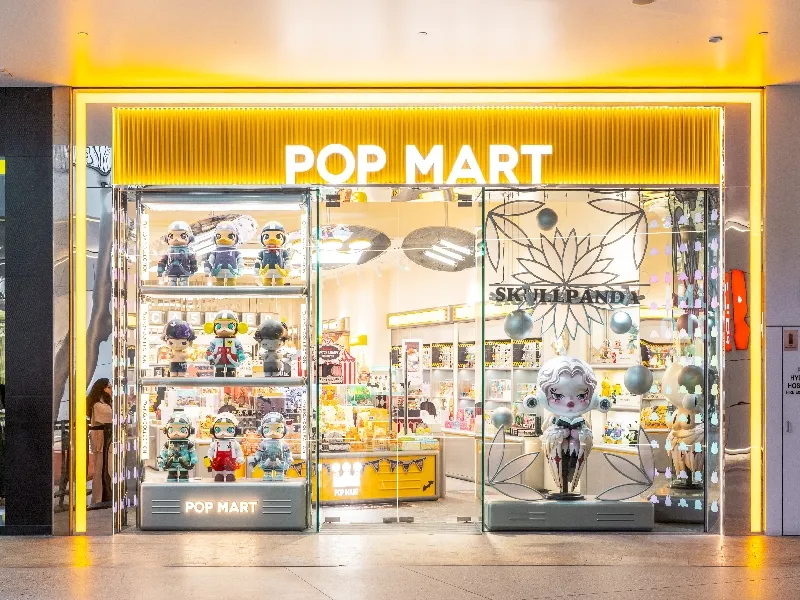
    Pop Mart, the renowned creator of the globally popular “blind box” toys featuring the unique and charming Labubu character, unveiled its debut jewellery store in Shanghai last Friday.

    The new concept store, known as Popop, offers a variety of accessories embellished with Pop Mart’s most popular characters, which include Labubu, Molly, and Skullpanda.

    Despite the ongoing property downturn and sluggish economic growth, Chinese consumer expenditure has remained somewhat muted. However, the demand for Pop Mart’s delightful yet economical toys continues to thrive both domestically and internationally, which has contributed to an over 200% rise in its share value so far this year.

    Zhang Zhanming, a 34-year-old investor who owns Pop Mart shares valued at 100 million yuan (US$13.92 million), made the journey from his home in Chongqing, a city in southwestern China, to witness the store’s launch. He wanted to evaluate the new storefront and consider whether to expand his investment in the company.

    Zhang expressed his belief that Pop Mart’s pricing strategy and target audience are a perfect match. He also expressed confidence in Pop Mart’s potential to evolve into China’s counterpart of Disney. He also predicted that the company, currently valued at US$45.65 billion, could potentially double its market capitalization.

    Pop Mart’s characters, along with a selection of Disney characters and others from the realms of anime, comics, and popular video games, are seen as exemplifying “emotional consumption”. This concept involves young consumers purchasing affordable luxury items that bring happiness into their lives.

    Fang Ke, a 35-year-old woman who will be celebrating her birthday this month, decided to indulge herself by purchasing a 699 yuan Labubu bracelet at the launch. She has been a long-time fan of Pop Mart, citing its visually appealing, brightly coloured products that also deliver a visual impact, a sentiment echoed by her daughter.

    At Popop, pricing begins at around 350 yuan for charms or a simple silver ring. Prices can climb up to 2699 yuan for necklaces decorated with metallic representations of the characters, with the majority of items priced under 1000 yuan.

    In a typical Pop Mart store, the famous “blind box” toys generally retail for a starting price of 69 yuan. However, consumers have demonstrated a willingness to spend more on limited-edition items.

    Earlier in the week, a human-sized Labubu figurine sold for a record-breaking 1.08 million yuan at a Beijing auction house, signifying the toy’s transition from a fad to a collector’s item.

    Questions & Answers

    What is the name of Pop Mart’s new jewellery store?
    The jewellery store is named Popop.

    Who is Zhang Zhanming?
    Zhang Zhanming is an investor who owns Pop Mart shares valued at 100 million yuan.

    What is the concept of “emotional consumption”?
    Emotional consumption refers to the trend of young consumers purchasing affordable luxury items that bring happiness into their lives, such as Pop Mart’s toys and accessories.

  • Vietnam’s Textile Industry Set to Innovate with First-Ever Steam-Generating Heat Pump Pilot Project

    Vietnam’s Textile Industry Set to Innovate with First-Ever Steam-Generating Heat Pump Pilot Project

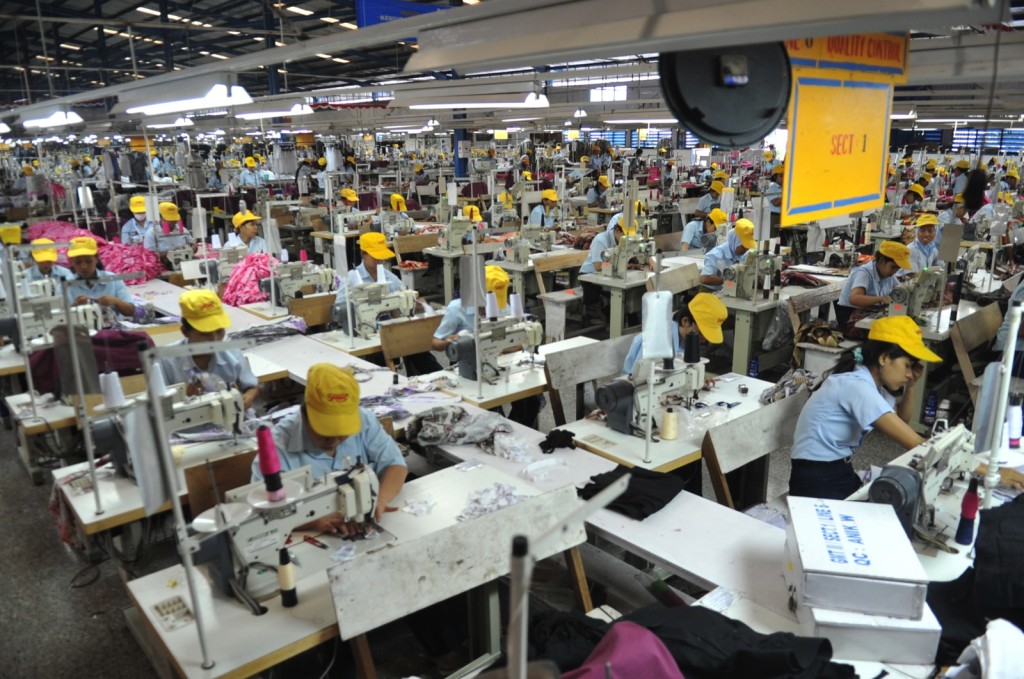
    H&M Group is amongst the partners in the project. Vietnam’s textile and apparel industry is set to take a significant leap towards sustainability with the introduction of electric thermal technology later this year. The first steam-generating heat pump will be installed at a garment factory near Hanoi, marking a transformative moment in the sector.

    This ambitious initiative brings together the expertise of the Apparel Impact Institute (Aii), WWF, H&M Group, and Bangjie, a notable textile manufacturer whose Hung Yen facility is a key supplier for the Swedish fashion powerhouse. This pilot project is the first electrification effort within Vietnam’s textile industry, which plays a crucial role in the national economy but also contributes significantly to its carbon emissions. The electric heat pump will replace traditional coal-fired boilers, meeting the facility’s full steam and heat requirements while providing a cleaner, more efficient solution.

    This project aligns seamlessly with H&M Group’s commitment to reducing supply chain emissions by 56% by 2030, showcasing their drive towards a more sustainable future. Given that thermal energy accounts for more than half of the energy demand in textile manufacturing, the need for innovative solutions is pressing. Processes like dyeing, washing, bleaching, and drying all rely on steam and hot water, making the shift to electric systems even more vital.

    The new heat pump system will not only harness waste heat from factory operations for dyeing, drying, and setting but also enhance indoor working conditions by improving air cooling. This multifaceted approach underscores a commitment to both productivity and employee well-being.

    This initiative is part of Aii’s Low Carbon Thermal Energy Roadmap, which targets early-stage electrification pilots to drive costs down and foster broader adoption within the industry. It’s a promising step towards a more sustainable textile sector in Vietnam.

    And who knows—this shift to electrification might just spark a fashion revolution, where eco-friendliness becomes the new chic!

    Questions & Answers

    What is the significance of the electric heat pump project in Vietnam?
    The project represents Vietnam’s first major step towards electrifying the textile industry, replacing coal-fired boilers with cleaner, more efficient electric systems.

    Which organizations are involved in this initiative?
    The collaboration includes the Apparel Impact Institute (Aii), WWF, H&M Group, and Bangjie, the textile manufacturer behind the pilot project.

    What are the expected benefits of the new system besides reducing emissions?
    Beyond cutting emissions, the new system will improve operational efficiency, enhance indoor working conditions, and significantly reduce reliance on thermal energy sourced from coal.

  • Construction of $52 million solar power plant starts in central Vietnam

    Construction of $52 million solar power plant starts in central Vietnam

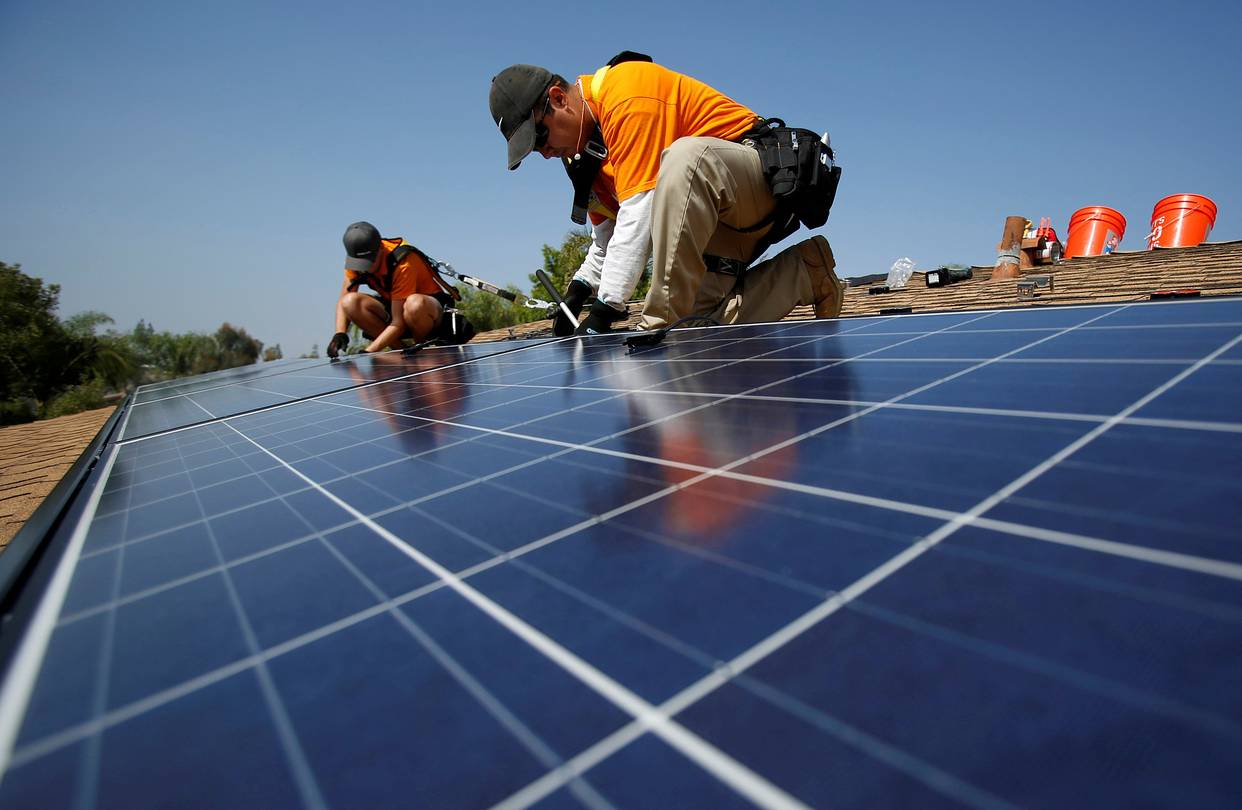
    Work has begun on a $52 million solar power plant in the south central province of Ninh Thuan.

    Project representatives said that of the total investment of VND1.2 trillion ($52.2 million), VND900 billion ($39.1 million) will go towards equipment costs; and the rest for land clearance and construction.

    “The Phuoc Huu solar plant project will supply clean energy to the national electricity system and cater to power demand in the whole country in general and Ninh Thuan Province in particular,” said a representative of Nha Trang Bay Investment and Construction JSC, the project investor.

    In the first year of operation, the power plant is expected to generate about 104.1 million kWh.

    “The construction of Phuoc Huu solar power plant aligns with directions from the government, the Ministry of Industry and Trade and the Vietnam Electricity’s orientation to develop clean energy,” the representative said.

    Vietnam currently relies largely on hydropower and thermal power plants for its electricity demands, but these projects have drawn frequent domestic and international criticism for their social and environmental impacts.

    Solar power currently accounts for just 0.01 percent of the country’s total power output, but the government plans to increase the ratio to 3.3 percent by 2030 and 20 percent by 2050.

    Vietnam aims to produce 10.7 percent of its electricity from renewable energy sources by 2030, mainly through solar and wind power projects.

  • Vietnamese Airlines Avoid Israeli and Iranian Airspace, Ensuring Safe Skies for Travelers

    Vietnamese Airlines Avoid Israeli and Iranian Airspace, Ensuring Safe Skies for Travelers

    National flag carrier Vietnam Airlines has taken decisive action to ensure the safety of its passengers and crew amidst escalating tensions between Israel and Iran. The airline has adjusted its routes to avoid potential conflict zones, a move that reflects the growing impact of these geopolitical strife on the global aviation landscape.

    Safe Skies for Travelers

    Currently, Vietnam Airlines continues to operate its flights to Europe without interruption, a reassurance shared by a representative in a statement to the Vietnam News Agency on Friday. Other Vietnamese airlines, including Vietjet Air, Bamboo Airways, and Vietravel Airlines, have also chosen to steer clear of Israeli and Iranian airspace, underscoring a collective commitment to passenger safety.

    The ripples of political tensions have not gone unnoticed in the aviation sector, as recent Israeli airstrikes on Iranian targets have prompted numerous flight cancellations and diversions worldwide. Flight tracking service Flightradar24 highlighted a significant re-routing trend among airlines seeking to sidestep the airspace over Israel, Iran, Iraq, and Jordan, demonstrating how rapid shifts in global events can lead to immediate logistical challenges for carriers.

    In a decisive move, Iraqi state media announced the closure of its airspace and halted all airport operations early on June 13. The eastern region of Iraq, which borders Iran, is a critical aviation corridor connecting Europe, the Gulf, and Asia—making the closure particularly impactful. Within hours, Jordan also locked down its airspace as tensions escalated in the region.

    Navigating these tumultuous skies is no easy task, but the quick responses from airlines illustrate an adaptive industry keen on keeping travelers safe. It’s a reminder that sometimes, the clouds of uncertainty can only be tackled with swift and careful planning.

    Questions & Answers

    What measures has Vietnam Airlines taken in response to regional tensions?
    Vietnam Airlines has rerouted its flights to avoid conflict zones, ensuring the safety of passengers and crew members.

    Are other Vietnamese airlines affected by these issues?
    Yes, Vietjet Air, Bamboo Airways, and Vietravel Airlines have also opted not to operate flights through Israeli or Iranian airspace.

    What recent events led to these changes in air travel?
    The changes followed Israeli airstrikes on targets in Iran, which triggered widespread flight cancellations and diversions as airlines sought to protect their passengers.

  • Asia’s Construction Insurance Market Set for Robust Growth in 2024!

    Asia’s Construction Insurance Market Set for Robust Growth in 2024!

    Insurers in the construction sector across Asia are gearing up for a robust year in 2024, as highlighted in Aon’s 2025 Global Construction Insurance and Surety Market Report. The report underscores a growth-oriented atmosphere buoyed by enhanced reinsurance treaty performance, a strong underwriting appetite, and ample capacity.

    Long-Term Stability and Profitability

    While the momentum is palpable, insurers are also focused on achieving long-term profitability and stability, which is fostering greater underwriting discipline, even as some markets soften. A delicate balance of risk and reward is becoming the sweet spot for companies navigating these waters.

    Favorable Conditions in Key Markets

    China, Hong Kong, and India stand out as the beacons of favorable insurance market conditions. These regions have witnessed impressive growth, particularly India, where local and foreign insurers have rallied behind infrastructure expansion efforts. In China, insurers are offering modest premium reductions for low-risk profiles, with reinsurers showing an increased appetite for catastrophe exposures—a vital trend given the region’s vulnerability to natural disasters.

    Challenges in Japan

    Conversely, Japan is undergoing a modest hardening cycle, where regulatory scrutiny has prompted insurers to adopt more conservative strategies, impacting the management of large and complex risks.

    Mixed Signals in Southeast Asia

    In Southeast Asia, markets in Singapore, Thailand, and Malaysia are witnessing moderate conditions, while Australia boasts a surge in construction activity across real estate and infrastructure sectors. The post-pandemic boom in residential development has shifted insurer priorities, sparking a rising demand for latent defects insurance and internal water damage protections. Detailed water management plans and strong contractor risk mitigation strategies are proving essential to securing favorable terms.

    Competition in Real Estate

    The real estate sector remains fiercely competitive with robust local insurer capacity. However, ambitious civil engineering projects, especially those involving underground works or exposure to natural catastrophes, are still testing insurer capacity and pricing structures. These complex and high-risk projects often necessitate international market support or unique risk transfer solutions.

    Emerging Trends in Technology-Driven Construction

    The rise of technology-driven construction—think data centers, battery plants, and semiconductor factories—is emerging as a vibrant growth area. Australia, in particular, is seeing insurers respond enthusiastically to defense-related infrastructure projects, propelled by increasing government investment projected through 2029. While the market remains rich in capacity and competitive for preferred risk types, insurers are proceeding with caution concerning catastrophe risks. Therefore, larger, more intricate projects might require tailored insurance structures like excess-of-loss (XOL) or alternative risk transfer (ART) solutions to adequately address coverage needs. If all else fails, you may need to put on a superhero cape to navigate these complexities!

    Questions & Answers

    What is driving growth in the construction insurance market across Asia in 2024? The growth is fueled by improved reinsurance treaty performance, strong underwriting appetite, and ample capacity within the market.

    Which countries are experiencing the most favorable insurance market conditions? China, Hong Kong, and India have reported sustainable growth, with India showing significant support for infrastructure expansion from both local and foreign insurers.

    How are insurers responding to large-scale civil engineering projects? Insurers are increasingly cautious about these projects, which often necessitate bespoke insurance structures to meet coverage requirements, especially due to the heightened risks associated with natural disasters.

  • Singapore retail vacancies rise despite steady demand for prime space

    Singapore retail vacancies rise despite steady demand for prime space

    In the first quarter of this year, Singapore experienced a rise in retail vacancy rates, a phenomenon attributed to the healthy demand for prime locations and steady rental growth, as reported by real estate specialists Savills.

    Increased Retail Vacancy Rate

    The retail vacancy rate across the island escalated to 6.8% during the first quarter due to the introduction of 323,000 square feet of new retail space, exhibiting an increase from the previous quarter’s 6.2%.

    Following five quarters of an upward trend in net take-up, the first quarter saw a net demand of -129,000 square feet, a result of a decrease in occupied space across most regions.

    The recent inauguration of Punggol Coast Mall and the refurbishment of The Cathay have further contributed to the rising vacancy rates, owing to the time that these establishments require to be fully occupied.

    Prime Mall Demand and Rental Rates

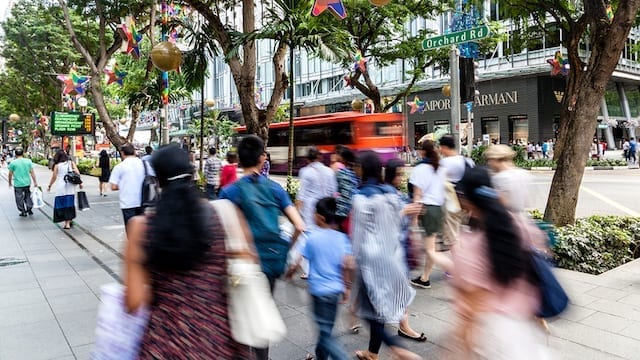
    On the other hand, landlords of prime malls situated along Orchard have reported a robust demand for lease renewals. This trend is particularly noticeable among luxury retailers, a scenario that has empowered landlords to negotiate higher rents due to a limited supply.

    The exiting of current tenants is balanced by the immediate occupation by new retailers entering the Singaporean market. An example of this is the Japanese thrift shop brand 2nd Street, which recently replaced Pomelo at a location in Somerset.

    Rental Pressure and Future Predictions

    The report identified early indications of rental rates coming under pressure in the Central Region, highlighted by a 0.2% quarter-on-quarter decline in the Central Area and a 1.1% decrease in the Fringe Area. The average monthly rent in the Orchard Area and Suburban Area remained static at SG$23.2 (US$18) per sqft and $14.7 per sqft respectively.

    In terms of future supply, the report anticipates a fairly consistent pipeline of about 597,000 square feet of retail space this year, compared to 679,000 square feet last year.

    For the entirety of the year, Savills predicts that rents in Orchard will touch the upper limit of the 1-2% forecast range, while suburban rents will lean toward the lower end of this range.

    According to Savills, the escalating global trade tensions could potentially cast a negative shadow on Singapore’s export-dependent economy, particularly in the latter half of the year. This could adversely affect business recruitment and wage growth, subsequently leading to a slump in retail sales. The report concludes that the retail sector is set to witness more churn this year as underperforming tenants either endure their leases before relocating or terminate their agreements prematurely if they find their business unsustainable.

    Questions & Answers

    What led to the rise in retail vacancy rates in Singapore?
    A surge in new retail space, coupled with the time required for new establishments to be fully occupied, resulted in an increase in retail vacancy rates.

    What trend was observed among landlords of prime malls in Orchard?
    Landlords of prime malls in Orchard observed a strong demand for lease renewals, especially from luxury retailers, enabling them to negotiate higher rental rates owing to limited supply.

    What is the effect of escalating global trade tensions on Singapore’s retail market?
    Escalating global trade tensions can negatively impact Singapore’s export-dependent economy, potentially affecting business hiring and wage growth, and leading to weakened retail sales.