Category: General

Retail News Asia is committed to providing both local and global retailers with the latest General Retail news throughout the Asian market. This on a daily base.

  • Vendors in Hanoi and HCMC Close Shops as Authorities Crack Down on Counterfeit Goods

    Vendors in Hanoi and HCMC Close Shops as Authorities Crack Down on Counterfeit Goods

    In response to a heightened crackdown on counterfeit goods, a wave of shop closures has swept through bustling markets in Ho Chi Minh City (HCMC) and Hanoi. Authorities have intensified their efforts to eliminate counterfeit products, particularly among fashion accessories, watches, and pharmaceuticals.

    Stalls Go Silent in Ho Chi Minh City

    This week, popular shopping destinations in HCMC, including Saigon Square in District 1, An Dong Plaza in District 5, and the Pharmaceutical and Medical Equipment Trading Center in District 10, saw numerous stalls shuttered. Many shop owners lingered in the marketplaces, anxiously surveying the situation without opening their stores, fearful of a confrontation with inspectors.

    A handful of vendors that chose to keep their doors open found themselves facing a significant drop in customer traffic. “The number of visitors has plunged, and most of them only looked and did not buy,” lamented Hang, a vendor, highlighting the palpable unease that has gripped both customers and sellers alike.

    Hanoi’s Vinh Phat Market Feels the Pinch

    In Hanoi, the once-vibrant Vinh Phat Market, a hub for clothing and fabric, echoed with an unusual stillness this week. Many shops were closed, some even obscured their contact information to evade inquiries, reflecting the pervasive apprehension following several enforcement actions conducted at the end of May.

    Inspections in HCMC unearthed thousands of items flaunting esteemed luxury brand names such as Rolex, Chanel, and Gucci, all lacking the necessary documentation to verify their authenticity. Surprisingly, these counterfeit items were often priced considerably lower than legitimate products, which can be tempting but comes with serious risks.

    Small Vendors Face Big Pressures

    Management at Ben Thanh Market in HCMC voiced concerns about effectively controlling counterfeit goods without addressing the root issue of cross-border smuggling. Similarly, other market operators noted that while the crackdown aims to protect consumers and uphold laws, it places undue pressure on small vendors who may lack the legal knowledge or documentation needed to comply with regulations.

    Vendors at many major markets lamented that meeting these stringent requirements is next to impossible due to limited resources, forcing them to keep prices low to attract buyers. This predicament often results in the sale of non-genuine products, creating a challenging environment for both sellers and consumers.

    In the midst of these closures and cautious shopping behavior, one can’t help but ponder: what’s next for the vendors who have bravely navigated this storm, and will the real deals face the consequences of their counterfeit counterparts?

    Questions & Answers

    Why are stalls closing in HCMC and Hanoi?
    Vendors are closing their stalls due to increasing raids by authorities focused on rooting out counterfeit products, which has instilled fear of potential crackdowns.

    What has been the impact on sales in markets like Saigon Square?
    Sales have plummeted, with vendors reporting that while customers are still visiting, many are merely browsing without making purchases.

    How are small vendors managing under these pressures?
    Many small vendors struggle to meet legal requirements for authenticity due to limited resources, often resulting in the sale of counterfeit goods to keep their prices competitive.

  • Luxury Market Growth Anticipated to Taper Off in 2025 Amid Economic Shifts

    Luxury Market Growth Anticipated to Taper Off in 2025 Amid Economic Shifts

    The luxury goods sector, a dazzling stalwart of economic growth that typically thrives at about 7% annually, is bracing for a slowdown in 2025, according to insights from Morgan Stanley. This promising world of high-end fashion and lavish accessories is finding itself tangled in a web of challenges—rising macroeconomic pressures, constrained pricing power, and plummeting demand from vital markets threaten its golden sheen.

    Challenges from Major Markets

    After a spectacular sales jump of over 80% between 2019 and 2024—boosted by COVID-era savings, U.S. stimulus, and an influx of new consumers—the luxury market is now facing a more uncertain horizon. Key consumer markets such as China, the U.S., and Europe, which cumulatively represent a staggering 75% of the industry’s spending, are showing signs of weakening demand.

    The Post-Pandemic Reality Check

    The industry is grappling with the normalization of growth post-pandemic, compounded by U.S. tariffs, soaring interest rates in Western nations, and widespread expectations of a slower global economy. “We are in a very different environment today,” asserts Edouard Aubin, Morgan Stanley’s Head of European Luxury Brands Research. “Luxury pricing power has eroded following steep price increases after the pandemic, and Chinese demand is likely to remain stagnant at best this year.”

    Shifting Consumer Sentiment

    The once-vibrant spending habits of Chinese consumers, who are typically the biggest patrons of luxury goods, have significantly dialed back. A recent Morgan Stanley AlphaWise survey of over 2,000 Chinese shoppers conducted in April reveals that 60% plan to cut back on spending in the coming six months due to job instability and income worries stemming from new U.S. tariffs.

    Fading Hopes for Recovery

    The outlook for U.S. consumers stepping in to fill the gap appears dim, with hopes for a 2025 rebound rapidly diminishing after a brief surge in April fueled by seasonal buying and pent-up demand. While some companies managed to evade tariff repercussions by shipping their products early, Morgan Stanley warns that the looming risk of recession and declining consumer confidence is a far greater threat to the sector.

    In the short term, demand is projected to remain lackluster, with a flicker of hope that recovery might materialize if U.S. markets continue their climb or if stability returns to China’s beleaguered real estate sector. As the luxury industry faces these turbulent waters, it’s a reminder that even the glitziest of markets must sometimes contend with unpredictable tides.

    Questions & Answers

    What is Morgan Stanley predicting for the luxury goods industry in 2025? They forecast a slowdown in growth, citing rising macroeconomic pressures and weakened demand from key markets.

    Which markets are contributing to the decline in luxury spending? Major consumer markets such as China, the U.S., and Europe are experiencing softer demand, collectively responsible for 75% of the industry’s spending.

    What factors are affecting consumer behavior, especially in China? According to a survey, 60% of Chinese consumers plan to reduce spending due to concerns about job stability and income levels influenced by new U.S. tariffs.

  • Dickson Concepts sees profit slide amid lower sales and higher costs

    Dickson Concepts sees profit slide amid lower sales and higher costs

    Dickson Concepts, a luxury retail company listed in Hong Kong, reported a significant decrease in annual profit for the year ending in March. The luxury goods retailer, operating across Hong Kong, Mainland China, and Taiwan, experienced a 43.5% drop in annual profit, which amounted to US$25.4 million (HK$198 million). This was accompanied by a 19.9% decline in revenue, which stood at $246.2 million.

    Reason for Decrease in Profits

    Dickson Concepts attributes this decrease in profitability to a combination of reduced sales turnover in Hong Kong and continued low consumer spending in Taiwan. The company, in its statement, indicated that the rapidly evolving retail landscape and changing consumer spending habits make it difficult for the group to revert to its historic growth rate in terms of sales and profitability.

    Profit and Revenue Figures

    Dickson Concepts’ gross profit fell by 11.7% year on year, amounting to $124.2 million. The operating profit also experienced a significant decrease, dropping by 36.4% to $34.4 million. Hong Kong, which accounts for 63% of the group’s total sales and is its largest market, saw a 29% slump in turnover. Meanwhile, Taiwan’s sales decreased by a slight 0.4%, a sharp contrast to the 10.5% increase experienced the previous year.

    Positive Growth in China

    In contrast to the overall decrease in profitability, the company’s retail and e-commerce businesses in China saw a 9.2% increase in sales in local currency. This growth was driven by Dickson’s strategy to consolidate its wholesale network while simultaneously expanding its retail operations.

    Segment-wise Contribution

    In terms of product categories, watches and jewellery remained the largest contributors to sales, accounting for 49.9% of total sales. This was followed by fashion and accessories at 26.1%, and cosmetics and beauty products, which contributed 18%.

    Future Plans

    Going forward, Dickson Concepts plans to continue its conservative approach in managing its retail network and investment portfolio. The company is committed to maintaining a rigorous cost control across all levels of operation. It also remains dedicated to maintaining its presence in key markets, with five stores in Hong Kong, 32 in China, and 26 in Taiwan.

    Questions & Answers

    What factors contributed to the decrease in Dickson Concepts’ annual profit?
    The decrease in annual profit was due to reduced sales turnover in Hong Kong and continued low consumer spending in Taiwan.

    What strategy led to the increase in sales in Dickson Concepts’ retail and e-commerce businesses in China?
    The growth in China was driven by the company’s strategy to consolidate its wholesale network while expanding its retail operations.

    What measures is Dickson Concepts taking to manage its future operations?
    Dickson Concepts plans to remain conservative in managing its retail network and investment portfolio, and will maintain rigorous cost control at all operational levels.

  • American man in Bali faces death penalty over drugs

    American man in Bali faces death penalty over drugs

    An American citizen, alongside two individuals from Kazakhstan, are potentially facing the death penalty on accusations of drug-related offenses in the popular Indonesian vacation destination of Bali, according to local authorities. The announcement was made on Thursday, underscoring the severity of Indonesia’s narcotics laws, which are among the harshest globally.

    Although Indonesia is known for its stringent penalties for drug-related crimes, including previously executing foreign nationals, the country has maintained a moratorium on capital punishment since 2017.

    American National Arrested

    William Wallace Molyneaux, an American national, was apprehended on May 23, suspected of possession of seven packages containing a total of 99 amphetamine pills, as informed by Bali’s narcotics agency to media representatives in Denpasar, the provincial capital. Molyneaux is facing several charges, including drug distribution, a crime punishable by death.

    Two men from Kazakhstan were also detained in April, purportedly in possession of approximately 49 grams of crystal methamphetamine. The allegations suggest they planned to deliver the drugs as part of a deal. They were charged with drug trafficking, a crime carrying the death penalty as the harshest possible punishment.

    Neither the American nor the Kazakh embassies in Jakarta responded immediately to requests for comments.

    Increasing Drug Cases in Bali

    The narcotics agency shed light on the discovery of 15 drug cases in Bali between April and May, leading to 21 arrests, five of which involved foreign nationals.

    Other significant cases included an Australian man arrested with nearly 200 grams of hashish and 92 grams of THC in Denpasar, and an Indian man apprehended at Bali’s international airport with 488 grams of marijuana in his possession. Both individuals could face lengthy prison sentences.

    This news follows the commencement of the trial of three British nationals on Tuesday. All three are accused of drug smuggling or involvement in a drug deal, potentially leaving them facing the death penalty as well.

    The Indonesian administration under President Prabowo Subianto has recently initiated efforts to repatriate several high-profile prisoners, all convicted for drug offenses, to their home countries. As per the reports from Indonesia’s Ministry of Immigration and Corrections, over 90 foreign nationals are currently on death row in the country, with all cases being drug-related.

    Questions & Answers

    What are the consequences of drug-related offenses in Indonesia?
    Indonesia has some of the world’s most stringent narcotics laws. The country imposes severe penalties for drug-related crimes, including death by execution.

    Who are the foreign nationals currently facing drug-related charges in Indonesia?
    William Wallace Molyneaux, an American national, and two men from Kazakhstan are facing charges related to drug possession and distribution. Three British nationals are also on trial for alleged involvement in drug smuggling or deals.

    How many foreign nationals are on death row in Indonesia for drug-related crimes?
    According to the Ministry of Immigration and Corrections, over 90 foreigners are on death row in Indonesia, all on drug charges.

  • Australians Set to Splash $10.5 Billion in Year-End Sales Excitement!

    Australians Set to Splash $10.5 Billion in Year-End Sales Excitement!

    Australians are gearing up for a spending spree during this year’s mid-year and end-of-financial-year (EOFY) sales, with projected expenditures hitting a remarkable $10.5 billion. This represents a robust increase of $400 million, or 3.9%, compared to 2024, as reported by the Australian Retailers Association (ARA) and Roy Morgan.

    Shopping Frenzy Begins

    The annual sales event has kicked off, enticing shoppers with significant discounts across a variety of categories, including clothing, shoes, homewares, furniture, and electronics. ARA Chief Industry Affairs Officer Fleur Brown noted that consumers are particularly eager to save on major purchases and essential winter items, with many searching for work-related gadgets like laptops and phones to take advantage of tax deductions.

    Top Spending Categories Revealed

    Clothing, footwear, and accessories dominate the shopping landscape, accounting for 34% of all purchases, followed by household appliances at 19% and electronics at 12%. The ARA emphasizes that this year’s sales are particularly vital for retailers striving to recover from a dip in consumer spending.

    Shifting Shopping Habits

    This year, a notable shift is occurring as more shoppers opt for brick-and-mortar stores. Only 44% of consumers plan to shop online, a significant plunge of 11 percentage points from the previous year, suggesting that shoppers prefer the tactile experience of in-store deals.

    Increased Participation and Spending

    Approximately 6.1 million Australians (26%) are expected to join in the shopping festivities. Among those, 37% intend to spend more than last year, while 42% plan to maintain their spending levels, and 21% will cut back. The average shopper is anticipated to spend $1,714—up by $76 from 2024.

    Young Consumers Lead the Charge

    Young Australians under the age of 35 are emerging as the most enthusiastic spenders, with an average outlay of $2,065, contributing a whopping $4.3 billion to overall sales. This demographic also boasts the largest number of participants, with an estimated 2.1 million expected to shop.

    Men Outspending Women

    When it comes to spending, men are forecasted to lead the charge, averaging $2,044 compared to $1,430 for women. This translates into a total of $5.8 billion spent by men and $4.7 billion by women. Interestingly, a growing number of consumers are planning to splurge, with 36% aiming to spend between $1,000 and $4,999—up 15% from last year. Additionally, 11% are eyeing expenditures of $5,000 and above, marking a 5% increase, while 22% plan to spend between $500 and $999 (up 1%). Meanwhile, only 31% of shoppers intend to spend less than $500, reflecting a dramatic 21% drop from the previous year.

    Questions & Answers

    What is the total projected spending for EOFY sales this year?
    The total spending is expected to reach $10.5 billion, a 3.9% increase from last year.

    How many Australians are participating in the sales?
    Approximately 6.1 million Australians, or 26% of the population, are expected to shop during the sales.

    Which demographic is spending the most?
    Young Australians under 35 are the biggest spenders, with an average expenditure of $2,065.

  • AirAsia Launches New Fifth Freedom Route: Inaugural Hong Kong–Okinawa Flight Takes Off

    AirAsia Launches New Fifth Freedom Route: Inaugural Hong Kong–Okinawa Flight Takes Off

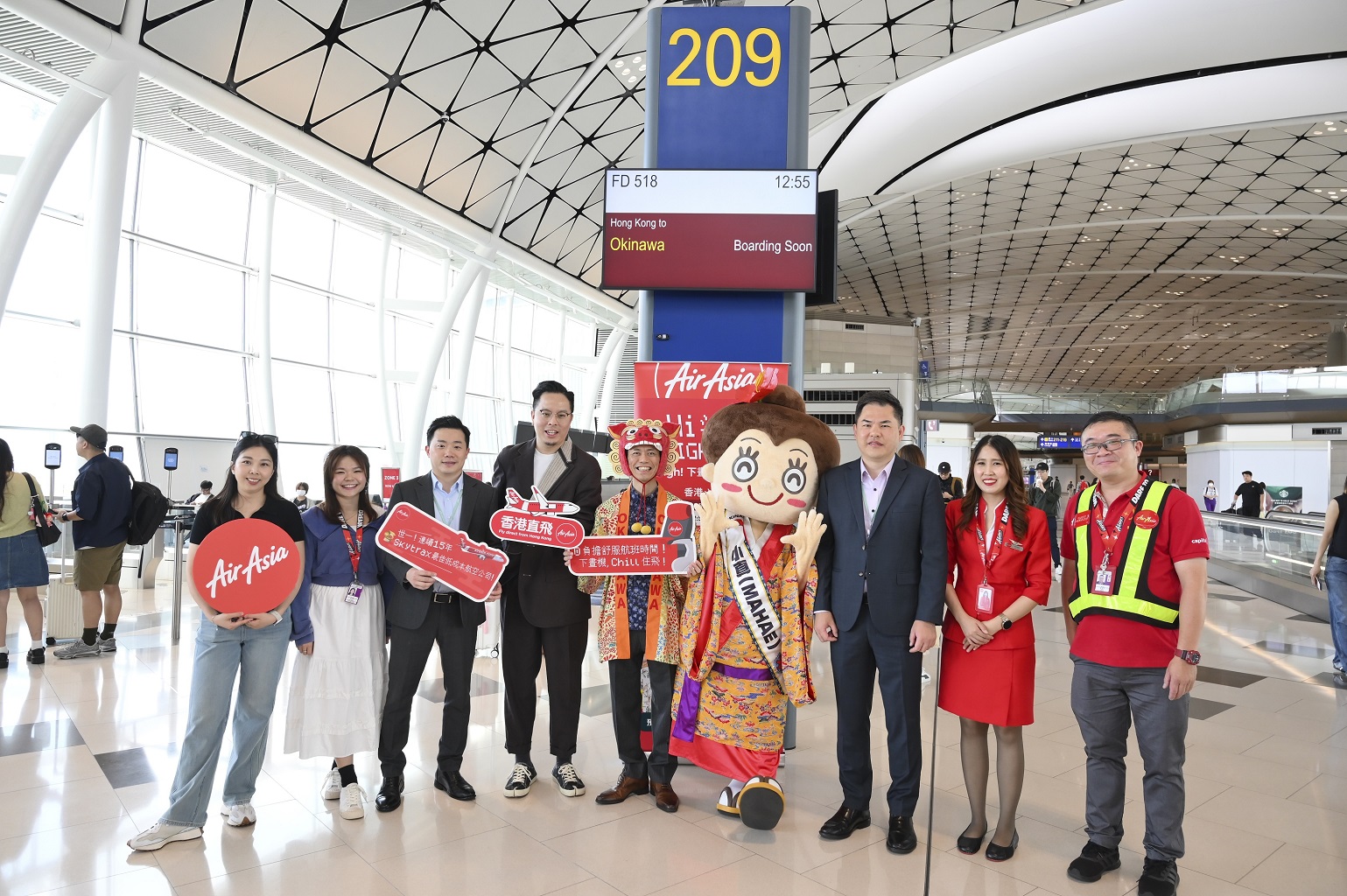
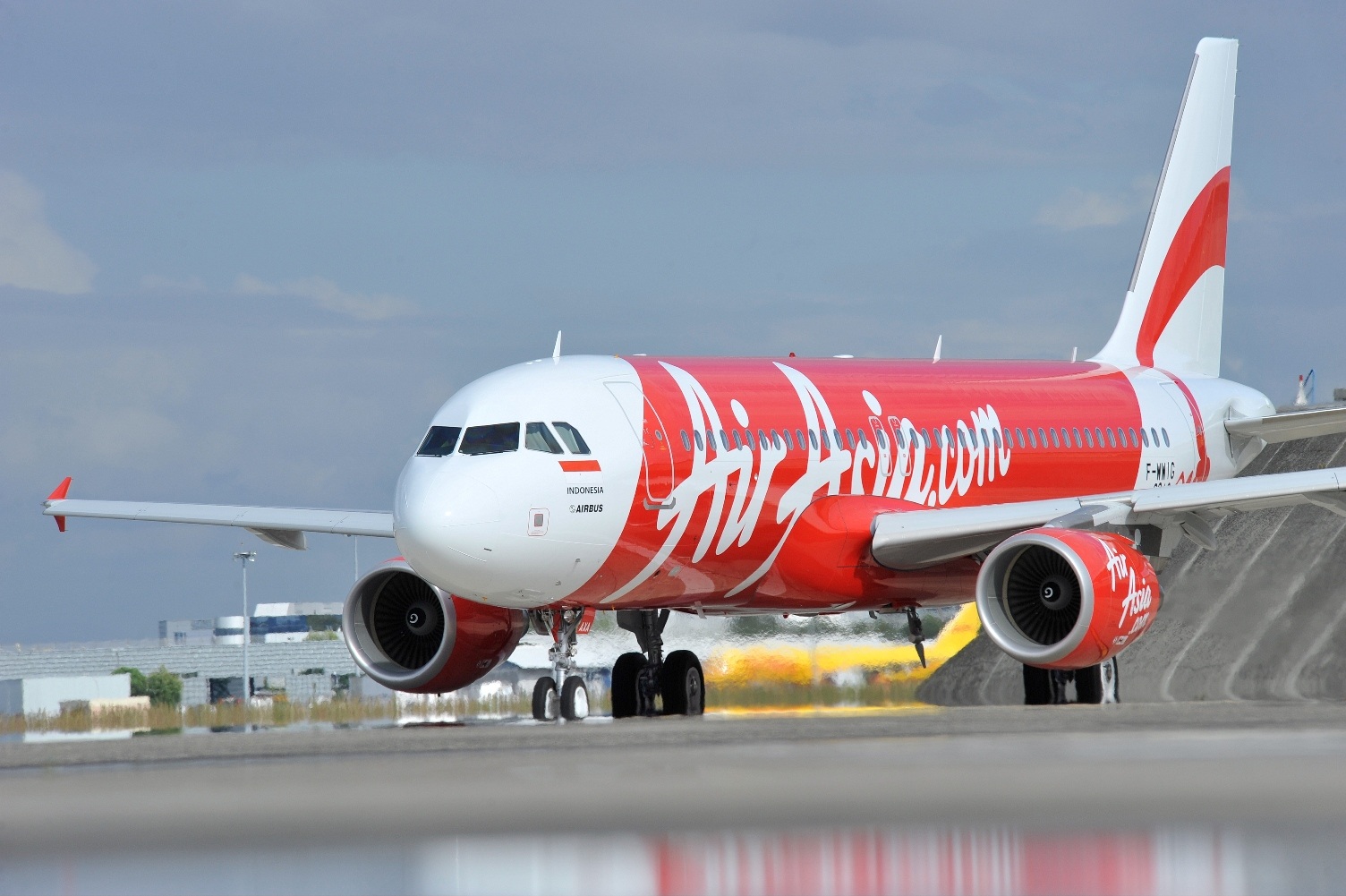
    AirAsia is proud to announce the launch of its latest Fifth Freedom route, connecting Bangkok (Don Mueang) – Hong Kong – Okinawa, Japan, with the inaugural flight departing today. This marks the airline’s first route to Japan connecting Hong Kong.

    To commemorate the inaugural service, AirAsia, in collaboration with the Okinawa Prefectural Government and Hong Kong International Airport, hosted a special celebration at the boarding gate. Mr. Ricky Chong, Assistant General Manager of Network Development at Hong Kong International Airport, and  Mr. Yasutoshi Nohara, Director of the Okinawa Prefectural Government Hong Kong Representative Office were joined by the special guest, Okinawa’s mascot “Mahae-chan,” along with Terence So, Marketing Head of AirAsia Hong Kong and Macao to distribute commemorative gifts to passengers on the first flight, adding to the excitement of the journey. Additionally, passengers were welcomed by the Okinawa Convention and Visitors Bureau in Okinawa. The route has received a strong market response from both Thailand and Hong Kong, with a pleasing passenger load factor of 90%.

    Mr. Santisuk Klongchaiya, Chief Executive Officer of Thai AirAsia, stated Fifth Freedom routes represent a strategic opportunity to expand our customer base by tapping into new, high-potential markets. “Hong Kong is a key hub with great potential for connecting passengers to places like Okinawa, a beloved Japanese destination. The journey from Hong Kong to Okinawa takes approximately two and a half hours, making it an ideal option for a short, comfortable trip. Whether it’s a weekend escape or a beachside retreat, Okinawa is a year-round destination.”

    AirAsia currently operates direct flights from Hong Kong/Macao to destinations including Kuala Lumpur, Kota Kinabalu (Sabah), Bangkok (Don Mueang), Manila, Jakarta, Bali and Okinawa.

  • Thailand quadruples fine for not wearing helmets

    Thailand quadruples fine for not wearing helmets

    As part of a nationwide initiative to enhance road safety, Thailand has recently increased the penalty for riding motorcycles without helmets to 2,000 baht (US$60). This four-fold increase from the previous fine of 500 baht takes effect from June 1st. The move is part of a broader strategy to enforce law compliance and reduce fatalities, particularly in high-traffic areas, accident-prone zones, and locations in close proximity to schools.

    Increased Fines for Non-Compliance

    The Royal Thai Police (RTP) is spearheading this road safety campaign. Pol Lt Gen Nithithorn Chintakanon, who serves as the Commander of the Traffic Police Bureau as well as the Head of the RTP’s Traffic Police Image Enhancement Taskforce, has warned motorcycle riders and passengers about the severe consequences of non-compliance. If both the rider and passenger are discovered without helmets, the fine could potentially be doubled.

    Nithithorn emphasized the mandatory nature of wearing helmets under the Land Traffic Act. The stipulation applies to both riders and passengers alike, with the aim of significantly reducing the risk of injury during accidents.

    Road Safety in a Nation of Motorcycles

    Thailand, a nation with 21.6 million registered motorcycles, faces a considerable challenge in ensuring road safety. With a population that exceeded 71.6 million as of May 2025, ensuring compliance with traffic safety regulations, including the use of helmets, is critical in protecting the lives of the country’s millions of motorcyclists.

    Questions & Answers

    What is the new fine for riding motorcycles without helmets in Thailand?
    The new fine for riding motorcycles without helmets in Thailand is 2,000 baht (US$60).

    What could lead to a doubling of the fine?
    If both the rider and passenger are found riding without helmets, the fine could be doubled.

    Why is the policy of mandatory helmet wearing enforced?
    The policy of mandatory helmet wearing is enforced to reduce the risk of injury to both riders and passengers, thereby improving overall road safety.

  • British Airways attendant caught dancing naked mid-flight after suspected drug meltdown

    British Airways attendant caught dancing naked mid-flight after suspected drug meltdown

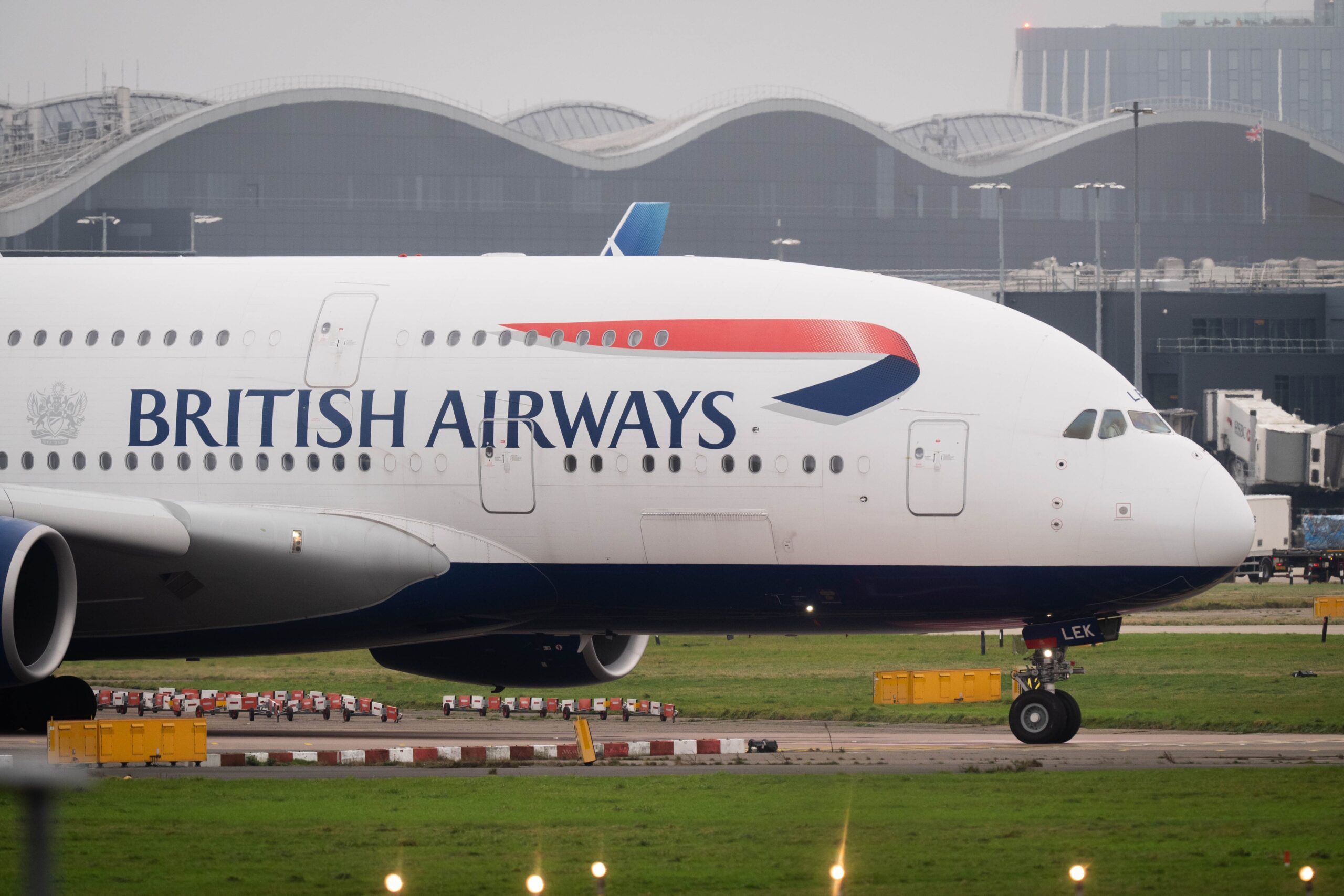
    On a recent British Airways flight from San Francisco to London, an unusual incident occurred high above the clouds. A male flight attendant was discovered in the throes of an unorthodox dance, completely unclothed, inside a business class restroom. Allegedly, he was under the influence of drugs during the scene.

    This unexpected episode unfolded mid-flight on the long, 10.5-hour journey aboard an Airbus A380-800. The airline crew member, whose duty it was to serve meals during the flight, vanished shortly after takeoff. This sudden disappearance sparked worry among his fellow crew members.

    The subsequent search of the sprawling double-decker aircraft reached a startling conclusion when the missing attendant was discovered in a state of undress. He was not merely naked, but also engaged in erratic dance movements in the confines of a Club World restroom.

    Upon the discovery, fellow crew members acted promptly to defuse the situation. The man was escorted out of the restroom and placed securely in a premium seat for the rest of the flight. There, he was restrained and kept under constant supervision, while the remaining crew members scrambled to take on the task of caring for the flight’s 470 passengers. Impressively, they reportedly managed this without taking any breaks.

    The flight touched down at Heathrow Airport around 11 a.m. on May 25, where authorities and medical personnel were waiting. The crew member was removed from the aircraft in a wheelchair. In the aftermath of the incident, he has since been suspended from his duties.

    Questions & Answers

    What was the flight route?
    The flight was from San Francisco to London.

    What actions were taken by the crew upon discovering the incident?
    The crew moved the man from the lavatory and secured him in a premium seat for the rest of the flight. They also supervised him while taking over his duties and serving the passengers.

    What actions were taken against the crew member involved in the incident?
    He was removed from the aircraft upon landing and has since been suspended from his duties.

  • Covid cases in Thailand on the decline

    Covid cases in Thailand on the decline

    Thailand has recently reported 65,880 Covid-19 cases and three fatalities within a seven-day period, according to an announcement by Thai Public Health Minister Somsak Thepsuthin. This figure signifies a marked reduction from the country’s annual peak. The data, collected between May 25th and 31st, illustrates that the majority of newly identified cases are among individuals aged 30-39, with a reported 12,403 cases. This age group is closely followed by those in their 20s, with 10,368 cases, and individuals who are 60 years old and above, reporting 9,590 cases.

    Preparation for Handling the Situation

    Minister Somsak has urged healthcare professionals to be ready to manage the ongoing situation. He referred to a report by the Division of Epidemiology, suggesting that the virus’s impact may be lessening, with the peak of the outbreak now behind them.

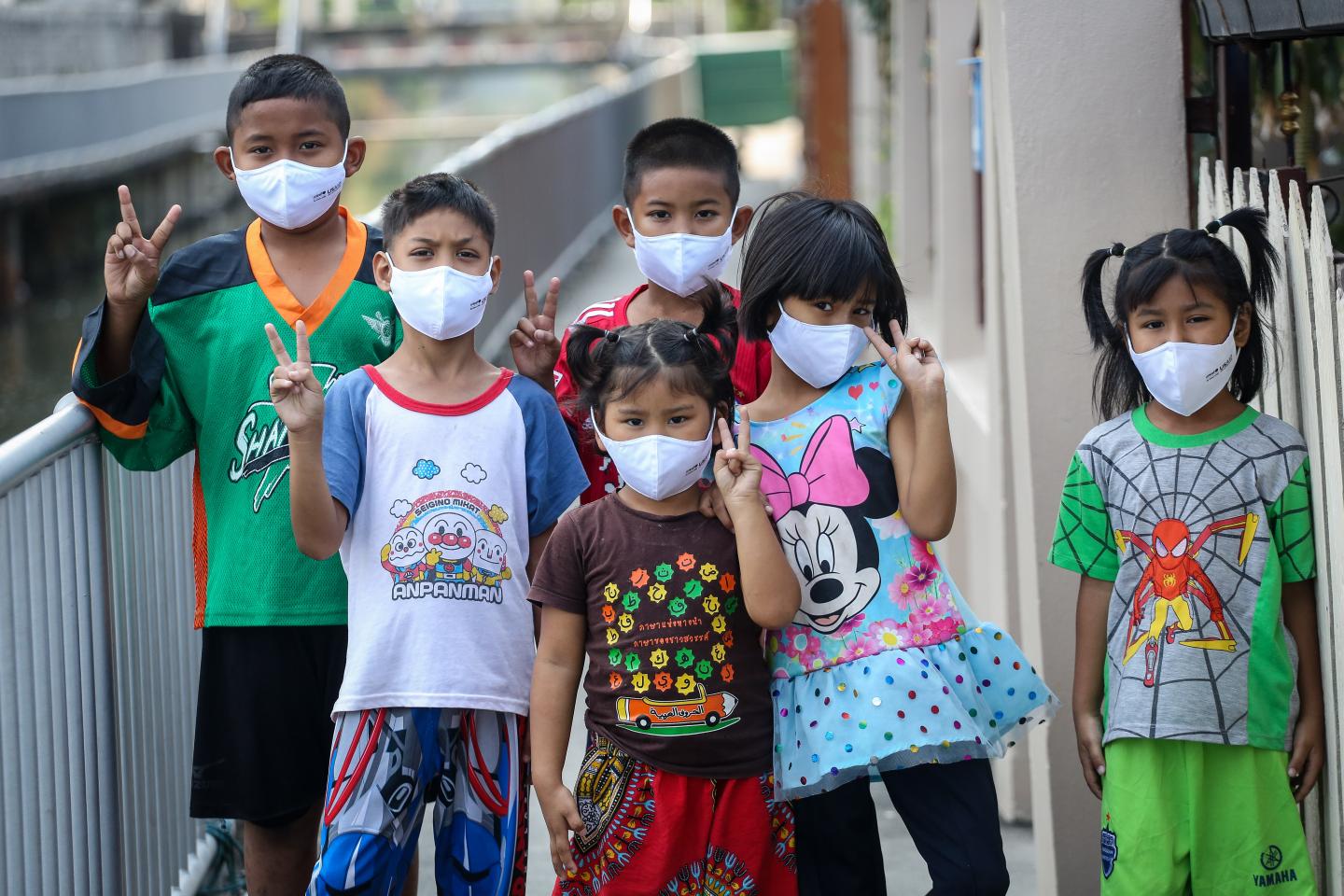
    In order to protect themselves and others, Somsak has advised individuals to wear face masks in crowded or high-risk areas and to carry out self-testing to prevent inadvertent transmission to susceptible individuals. Other recommendations include regular hand-washing, consuming thoroughly cooked food, and avoiding touching the face, eyes, nose, and mouth.

    Proactive Measures and Other Health Updates

    The Public Health Minister stated that he has ordered healthcare professionals to ensure an adequate supply of medication and medical supplies for patients and vulnerable individuals.

    In addition, Somsak pointed out that there has been a decrease in influenza cases. The highest number of flu patients are between the ages of five and nine, with the majority of fatalities occurring among elderly patients and those with pre-existing health conditions.

    Questions & Answers

    What is the recent Covid-19 situation in Thailand?
    As per the Thai Public Health Minister, Thailand reported 65,880 Covid-19 cases and three deaths within a week. This is a significant decrease from the country’s annual peak.

    What measures has the Public Health Minister suggested to combat the spread of Covid-19?
    The Minister has advised individuals to wear face masks in crowded or high-risk areas, carry out self-testing, regularly wash hands, consume thoroughly cooked food, and avoid touching the face, eyes, nose, and mouth.

    What is the situation regarding influenza in Thailand?
    According to Minister Somsak, there has been a decrease in influenza cases. The disease is most prevalent among children aged five to nine, and the majority of fatalities occur amongst the elderly and those with pre-existing health conditions.

  • Philippines Cracks Down on AirAsia Malaysia: Website Shut for Excessive Pricing Practices

    Philippines Cracks Down on AirAsia Malaysia: Website Shut for Excessive Pricing Practices

    The Philippine government has thrown a wrench in AirAsia’s online ticket sales by ordering the airline’s platform, AirAsia Move, to cease operations due to exorbitant pricing practices.

    Transportation Secretary Vince Dizon announced on June 2 that the Civil Aeronautics Board had issued a cease-and-desist order while teams collaborated with law enforcement to shut down the site.

    The aviation authority, tasked with regulating airfare caps in the Philippines, revealed that the company jacked up its prices following transport disruptions in Tacloban City, triggered by the closure of a vital bridge for truck access. “We will throw the full weight of the law on these unscrupulous online platforms that exploit our citizens,” Dizon declared with resolve.

    Plans are underway to swiftly file charges of “criminal economic sabotage” against the Malaysian-owned platform, Capital A Berhad. Over the preceding weekend, AirAsia Move controversially priced a one-way ticket from Manila to Tacloban City via Philippine Airlines at an astonishing PHP77,000 (US$1,382)—three times higher than the fare listed by the national carrier, as reported by the Transportation Ministry. “Clearly, this is just absurd,” Dizon asserted at a recent briefing, labeling AirAsia Move’s actions as nothing short of criminal.

    Questions & Answers

    What prompted the Philippine government to take action against AirAsia Move?
    The government acted after discovering that AirAsia Move was charging excessive fares, particularly following transport disruptions in Tacloban City.

    What is the Philippine government’s plan regarding AirAsia Move?
    Authorities intend to file a case for “criminal economic sabotage” against AirAsia Move to hold the platform accountable for its pricing practices.

    How high were the ticket prices set by AirAsia Move compared to the national carrier?
    AirAsia Move charged PHP77,000 for a one-way ticket from Manila to Tacloban City, which is three times the fare on Philippine Airlines’ website.

  • Hong Kong retail sales fall for 14th straight month in April

    Hong Kong retail sales fall for 14th straight month in April

    The continued downtrend in retail sales in Hong Kong marked its 14th consecutive month in April, as per the latest government data. Local consumers have adopted a cautious approach towards spending, and tourists from mainland China have been opening their wallets less frequently. Despite this, the decrease in sales wasn’t as significant as in March.

    In April, retail sales by value decreased by 2.3 per cent year-on-year to HK$28.9 billion (US$3.68 billion). This follows a 3.5 per cent drop in March. In terms of volume, there was a 3.3 per cent decline from the previous year, which is less than the revised 4.7 per cent fall in March.

    Despite an increase in tourists from mainland China, many were day-trippers who did not contribute significantly to retail sales. Furthermore, Hong Kong residents opted to spend more across the border, taking advantage of the strong position of the Hong Kong dollar against the Chinese yuan.

    A government spokesperson from Hong Kong highlighted the ongoing adjustments in consumption patterns and increased competition among businesses. These factors, coupled with an uncertain macroeconomic environment, pose challenges to the retail sector.

    Nonetheless, the spokesperson also noted that government initiatives to promote tourism and major events, along with steady growth in the mainland economy, are expected to boost consumer sentiment.

    The Hong Kong Tourism Board’s data showed that the number of visitors in April was 3.85 million, a 13.5 per cent increase from the same month last year. This compares with 3.82 million in March, 3.67 million in February, and 4.74 million in January.

    There were 2.81 million visitors from mainland China in April, showing a 13.3 per cent rise from a year ago. This is compared to 2.75 million in March, 2.77 million in February, and 3.73 million in January.

    In April, sales of jewellery, watches, clocks, and valuable gifts experienced a 1.7 per cent decline year-on-year, following a 3.4 per cent drop in March.

    Questions & Answers

    How has retail spending in Hong Kong changed in recent months?
    Retail spending in Hong Kong has seen a downtrend for 14 consecutive months as of April. Local consumers have been cautious in their spending, and visitors from mainland China have been spending less.

    How has tourism affected retail spending?
    Even though there has been an increase in tourists from mainland China, many are day-trippers who do not significantly contribute to retail sales. Additionally, Hong Kong residents have been spending more across the border due to the strength of the Hong Kong dollar against the Chinese yuan.

    What factors pose a challenge to the retail sector in Hong Kong?
    The ongoing changes in consumer consumption patterns, increased business competition, and an uncertain macroeconomic environment are all factors that present challenges to the retail sector in Hong Kong.

  • Crypto Trading Patterns and Their Implications

    Crypto Trading Patterns and Their Implications

    Cryptocurrency trading has grown exponentially over the past decade, with millions of traders entering the market seeking profits from digital assets like Bitcoin, Ethereum, and altcoins. Unlike traditional financial markets, crypto trading is characterized by high volatility, 24/7 operation, and a relatively young and unregulated ecosystem. These characteristics make it a fertile ground for technical analysis, especially trading patterns that reveal the psychology and behavior of market participants.

    Trading patterns—recurring shapes and trends found in price charts—are central to technical analysis. They help traders anticipate potential price movements and make informed decisions. Whether you’re a novice investor or a seasoned professional, recognizing and understanding crypto trading patterns can give you a significant edge.

    This article delves into various crypto trading patterns, their implications, and how traders can leverage them for strategic positioning. We will also explore their strengths, weaknesses, and real-world examples to highlight their practical utility.

    Trading patterns are visual representations of price action that indicate potential future behavior. They are generally classified into three types:

    Understanding Trading Patterns in Crypto Markets

    • Continuation Patterns: Suggest the current trend will likely continue.
    • Reversal Patterns: Indicate a possible change in trend direction.
    • Neutral Patterns: Show indecision or potential for breakout in either direction.

    These patterns are derived from historical price data and are a core component of chart analysis. Their reliability varies based on time frames, volume, and market conditions.

    Common Types of Trading Patterns

    Head and Shoulders

    A classic reversal pattern characterized by three peaks: a higher one (the head) between two lower ones (the shoulders). A breakdown below the neckline signals a bearish reversal.

    • Implication: Signals the end of an uptrend and the beginning of a downtrend.
    • Example: Bitcoin’s 2018 bear market saw a head and shoulders pattern form before it fell from $12,000 to $6,000.

    Double Top and Double Bottom

    These are strong reversal indicators:

    • Double Top: Indicates bullish exhaustion; followed by a bearish reversal.
    • Double Bottom: Indicates bearish exhaustion; followed by a bullish reversal.

    Triangles (Ascending, Descending, Symmetrical)

    Triangles are continuation or breakout patterns:

    • Ascending Triangle: Bullish signal during uptrends.
    • Descending Triangle: Bearish signal during downtrends.
    • Symmetrical Triangle: Neutral; breakout direction depends on volume.

    Flags and Pennants

    Short-term continuation patterns formed during sharp movements:

    • Flags: Rectangular patterns that show a brief consolidation.
    • Pennants: Smaller, symmetrical triangle formations post a price spike.

    Implications of These Patterns in Real Trading

    Trend Confirmation

    Patterns like ascending triangles or bullish flags help traders confirm the strength of a trend. For instance, Ethereum displayed a clear bullish flag in its 2021 rally from $1,500 to over $4,000, supporting long positions.

    Entry and Exit Strategy

    Recognizing patterns aids in identifying strategic entry/exit points:

    • Buy at breakout above resistance (in bullish patterns).
    • Sell at breakdown below support (in bearish patterns).

    Stop-Loss Placement

    Patterns provide natural zones for stop-loss orders. For example, placing a stop just below the support line of a double bottom ensures risk mitigation.

    Case Studies and Real-World Examples

    • Bitcoin 2021 Bull Run: An ascending triangle formed between January and March. A breakout above $42,000 led to a surge toward $64,000.
    • Terra Luna Collapse: Before its crash, analysts noted a descending triangle—a bearish indicator that preceded a significant drop.

    These examples underscore how correctly identifying and interpreting patterns can lead to profitable trades—or avert major losses.

    Pros and Cons of Using Trading Patterns

    Pros:

    • 📈 Predictive Power: Offer insight into potential market direction.
    • 🔄 Versatility: Apply to multiple timeframes and assets.
    • 🛠️ Tool for Risk Management: Useful in setting stops and limits.

    Cons:

    • Subjectivity: Interpretation can vary between traders.
    • ⚠️ False Signals: Especially in low-volume or manipulated markets.
    • 🧩 Complexity: Some patterns require experience to identify accurately.

    Integrating Trading Patterns with Other Strategies

    For optimal results, trading patterns should be used alongside:

    • Volume Analysis: Confirms pattern validity.
    • Indicators: RSI, MACD, and moving averages refine entries.
    • News and Sentiment: External events can invalidate pattern implications.

    Successful traders often combine pattern recognition with quantitative strategies or affiliate monetization models. If you’re considering turning your trading knowledge into a business, exploring opportunities through a casino affiliate network can be lucrative. These networks allow crypto-savvy marketers to earn commissions from referring traders to platforms that also accept digital assets.

    Understanding crypto trading patterns is essential for anyone looking to succeed in this fast-paced market. Patterns are not just abstract shapes—they are visual manifestations of market sentiment, fear, greed, and momentum. By mastering these formations, traders gain the tools to predict movements, plan entries and exits, and avoid costly mistakes.

    Conclusion

    However, patterns must not be used in isolation. Their efficacy increases significantly when combined with other analysis tools, market awareness, and proper risk management. Additionally, traders can multiply their income streams by monetizing their expertise—whether through educational content, community building, or affiliate marketing using a casino affiliate network that caters to trading audiences.

    In a world where markets never sleep, trading patterns offer a strategic compass. They guide decision-making, enhance timing, and, when used wisely, can turn volatility into opportunity.

    Questions & Answers

    What are trading patterns?

    Trading patterns are chart formations that signal potential price direction based on historical price data and market behavior.

    Are trading patterns reliable?

    While no pattern guarantees results, many have proven statistically significant over time—especially when supported by volume and market context.

    Can beginners use trading patterns?

    Yes, but beginners should start with basic patterns like head and shoulders, triangles, and double tops/bottoms, and always back-test before live trading.

    What’s the difference between a continuation and a reversal pattern?

    Continuation patterns suggest the trend will persist, while reversal patterns imply a trend change.

    How can I learn to recognize patterns?

    Start with technical analysis books, online courses, and platforms like TradingView. Practice by analyzing historical charts.

    Do patterns work on all timeframes?

    Yes, but higher timeframes (daily, weekly) generally yield more reliable signals than shorter ones (5min, 15min).

    What if a pattern fails?

    Always use risk management techniques. No pattern is 100% reliable, and false breakouts are common.

    How important is volume in pattern analysis?

    Very important. Rising volume during a breakout validates the pattern and increases the probability of a successful trade.

    Can I automate pattern trading?

    Yes. Many bots and algorithmic platforms support pattern recognition. However, always test thoroughly before deploying.

    Can I monetize trading knowledge?

    Yes. Becoming part of a casino affiliate network focused on trading platforms is one way to earn passive income by referring other traders.


  • Vietnamese Retailers Sprint to Enhance In-Store Experience Amid Growing Competition

    Vietnamese Retailers Sprint to Enhance In-Store Experience Amid Growing Competition

    Vietnam’s retail landscape is flourishing, driven by a burgeoning middle class and a spirited demand for both online and in-store shopping experiences. As e-commerce is projected to soar to an impressive US$50 billion by 2025, it’s clear that physical retail remains at the heart of the consumer experience—and retailers are eagerly adapting to capitalize on this trend.

    Retail Expansion: A Booming Landscape

    Last year, Vietnam’s total retail sales reached around US$260 billion, buoyed by rising incomes and a rapidly growing middle and affluent class, according to Luan Nguyen, Principal at Boston Consulting Group (BCG). He noted, “By 2030, the middle and affluent classes are expected to account for 50% of Vietnam’s population, a figure 1.5 times greater than today.” This rising consumer base is prompting both domestic and international retailers to ramp up their presence throughout the country.

    A Wave of New Retail Formats

    Nguyen points out the sprawl of new supermarkets, convenience stores, and shopping malls emerging from urban centres to rural locales. He highlights, “With urbanization and enhanced retail infrastructure, we have a perfect recipe for robust offline retail growth.”

    Smart Pricing Strategies in a Competitive Market

    In this highly price-sensitive environment, Vietnam’s retailers are honing their pricing and promotional strategies. Reflecting on consumer habits, Nguyen remarked, “Vietnamese shoppers are price-conscious and always on the hunt for promotions.” A recent BCG survey revealed that an impressive 44% of customers actively seek promotions when contemplating major purchases.

    “It’s not just about low prices everywhere,” he elaborated. “With AI, we can simulate demand, which ultimately enhances our return on investment.”

    Elevating the In-Store Experience

    As competition heats up, the emphasis on in-store experience is becoming paramount. Nguyen asserted, “Retailers need to create an engaging in-store environment to entice customers back.” He mentioned the rise of in-store amenities like cozy mini coffee shops offering free Wi-Fi and ready-to-eat meals integrated into the shopping experience.

    Moreover, large retailers are investing in child-friendly play zones and hosting regular community events. “These added elements foster a community feeling that online shopping simply can’t replicate,” he noted.

    In an age where online shopping is just a click away, could the tactile pleasures of in-person shopping spark a revival in brick-and-mortar retail? Who knows, maybe the return of the shopping mall could become the next big trend in retail tourism!

    Questions & Answers

    What is driving the growth of Vietnam’s retail market? The growth is largely fueled by a young, affluent population and increasing demand for both online and offline shopping experiences.

    How significant is the role of promotions in Vietnamese retail? Promotions play a crucial role, with 44% of consumers actively seeking them before making significant purchases.

    What differentiates the in-store experience in Vietnam’s retail landscape? An enhanced in-store experience, including amenities like coffee shops, free Wi-Fi, and community events, creates a welcoming atmosphere that online platforms struggle to replicate.

  • BAT Vietnam Honored as People Champion at Vietnam Excellence 2025 Awards

    BAT Vietnam Honored as People Champion at Vietnam Excellence 2025 Awards

    As Vietnam’s business environment evolves dramatically, the Anphabe’s Vietnam Excellence Awards 2025 report paints a vivid picture of the challenges ahead. From fluctuating markets to sweeping organizational restructurings and a rapidly changing talent landscape, companies are compelled to rethink their strategies. In this turmoil, one key insight stands out: sustainable success hinges not just on sound strategies but on how companies empower and value their workforce. The frontrunners in this shift are integrating digital transformation, hybrid work models, and well-being initiatives while redefining leadership to drive resilience and growth.

    Leading the Charge

    BAT Vietnam is not merely adapting; it’s pioneering a purpose-driven and inclusive approach. With bold leadership at its helm, BAT Vietnam is cultivating an environment where everyone can flourish. This transformation began with a candid conversation initiated by Cluster General Manager Daniel Hsu, who rallied the Vietnam Leadership Team (VLT) around a commitment to lead with authenticity, empathy, and collective purpose. This initiative, dubbed the People Leadership Commitment, reframes leadership as a shared mission prioritizing people development alongside business growth—the heart of BAT Vietnam’s operations.

    A Culture of Inclusion

    At BAT Vietnam, inclusion transcends policy; it’s woven into the fabric of the corporate identity. In 2024, the company celebrated reaching 47% female representation in management roles, a milestone achieved through strategic workforce planning and robust inclusion training programs. These include courses like Mastering Inclusion and Respect in the Workplace, successfully completed by all managers.

    Personalized Growth Journeys

    To ensure effective employee engagement, BAT Vietnam introduced Growth Conversations, encapsulating personalized life stage interviews that align individual aspirations with corporate goals. This unique approach has resulted in over 150 transformative discussions, leading to initiatives such as flexible policies for young parents and tailored international assignments, fostering both professional and personal development.

    A Holistic Approach to Performance

    Performance at BAT Vietnam is viewed through a holistic lens, merging business objectives with personal growth. Trained middle managers facilitate transparent performance reviews, ensuring that employees recognize their value and potential. The company empowers learning through innovative tools like The Grid—an AI-driven platform—and a Talent Marketplace, which allows for tailored development opportunities. The impressive user activation rate in 2024 speaks volumes about the workforce’s aspirations when presented with the right tools.

    Creating a Supportive Environment

    BAT Vietnam believes that meaningful performance blossoms when individuals feel valued and supported. Initiatives such as Happy Hours, Cultural Diversity Days, and Wellness Half-Days reflect this ethos, proving that a thriving workplace is one where comfort and encouragement are prioritized.

    Championing Inclusive Leadership

    Under Daniel Hsu’s guidance, recognized globally as an Empower Role Model, BAT Vietnam shines as an emblem of inclusive excellence. Hsu’s steadfast advocacy for women’s economic empowerment and the sustainability of farmers’ livelihoods resonates deeply, enriching the community and aligning with BAT’s vision of A Better Tomorrow.

    A Culture of Inquiry

    As Vietnam’s businesses confront accelerating changes, BAT Vietnam differentiates itself by consistently asking the right questions: What do our people need? How can we facilitate their growth? What does true belonging entail? “By responding to these queries with actionable strategies, we exemplify that culture is not just a slogan—it’s a daily commitment. Leadership is not a title—but a bold, collective choice,” stated a representative of BAT Vietnam. “Our Truly Inclusive culture is not merely a workplace—it’s a vibrant movement, transforming lives and motivating Vietnam’s business sector to lead with courage and purpose.”

    Questions & Answers

    What are the key initiatives BAT Vietnam has implemented for employee growth?
    BAT Vietnam has introduced Growth Conversations and a dedicated platform for personalized development, ensuring that individual aspirations align with company objectives.

    How has BAT Vietnam demonstrated its commitment to diversity and inclusion?
    The company achieved 47% female representation in management roles and completed comprehensive inclusion training for all managers, reflecting its commitment to a diverse workforce.

    What makes BAT Vietnam’s workplace culture unique?
    BAT Vietnam fosters a culture of authenticity and inclusivity, where initiatives like Cultural Diversity Days and Happy Hours embody its belief that performance thrives in a supportive environment.

  • $2 Billion Van Don Casino Proposal Heads to Prime Minister for Final Approval

    $2 Billion Van Don Casino Proposal Heads to Prime Minister for Final Approval

    The Ministry of Finance has submitted an investment proposal to the Prime Minister for a luxury tourism and services complex—the Van Don casino project—in Quang Ninh Province. This ambitious venture, poised to redefine the entertainment landscape, is set to unfold in Van Yen commune and comes with an investment exceeding US$2 billion, sprawling over approximately 244 hectares.

    A Grand Vision Comes to Life

    With a maximum operational period of 70 years and a construction timeline limited to nine years post land allocation, this project is taking shape as a premier resort and entertainment hub, equipped with gaming facilities. Its goal? To host international events and elevate its status as a regional and global hotspot. Additionally, the ministry aims to secure approval for a pilot program allowing Vietnamese citizens to participate in casino gaming, adhering to stringent legal frameworks and directives from the Politburo.

    As part of the proposal, the ministry is advocating for the Quang Ninh provincial People’s Committee to select a suitable investor, conforming to investment and land use regulations, as well as bidding practices. Van Don has been recognized as one of 13 provincial-level special administrative units in Vietnam, making this project even more significant.

    According to documents submitted to the State Appraisal Council, the total investment capital is projected at VND51.5 trillion (approximately US$2.16 billion). Of this amount, VND7.7 trillion will be directly financed by the investor, with the remainder sourced through bank loans. The project is designed in three phases: the first phase (2023–2027) will involve an estimated investment of VND25.1 trillion, the second phase (2027–2031) will focus on VND22.08 trillion, and the final phase (2031–2032) will require VND4.3 trillion.

    A Boost for Local Development

    Quang Ninh authorities view this project as a catalyst for growth in the Van Don special administrative zone. It is predicted to enhance competitiveness, improve the investment landscape, generate job opportunities, and contribute substantially to the state budget. Over its 70-year operational run, the Van Don casino complex is expected to yield around VND228.9 trillion in revenues, with contributions of VND134.3 trillion in corporate income tax and VND94.5 trillion in value-added tax. One could say the numbers are as ambitious as the development itself!

    Questions & Answers

    What is the primary aim of the Van Don casino project?
    The main goal is to create a high-end resort and entertainment complex that hosts international events, while complying with Vietnamese regulations regarding casino operations.

    How much is the total investment for the project?
    The projected total investment for the Van Don casino project is VND51.5 trillion (about US$2.16 billion).

    What impact is the project expected to have on the local economy?
    Officials believe the project will boost the growth of the Van Don special administrative zone, improve the investment climate, create jobs, and significantly increase state revenue over its long-term operation.