Category: General

Retail News Asia is committed to providing both local and global retailers with the latest General Retail news throughout the Asian market. This on a daily base.

  • Best Sustainable Brands for Students Who Care

    Best Sustainable Brands for Students Who Care

    Best Sustainable Brands for Eco-Conscious Students

    Sustainability is no longer a niche concern. Today’s students are actively choosing brands that reflect their values, especially when it comes to reducing waste, supporting ethical labor, and minimizing environmental impact. Purchasing decisions, including clothes, notebooks, tech, and personal care, are increasingly influenced by sustainability standards.

    For students juggling academics and tight budgets, choosing ethical products may seem challenging. However, a growing number of brands now combine eco-friendly practices with affordability and student-relevant products. Many also offer discounts, flexible pricing, or subscription models that help students stay consistent in their sustainable choices. As students invest in long-term academic and environmental goals, some also turn to external support, including a service that can help in writing research paper assignments. Making smart, sustainable choices in one area often frees up time and focus for others.

    This guide introduces sustainable brands across several categories. Each one stands out for its clear environmental or social commitments, as well as its usefulness in student life.

    Everyday Essentials That Reduce Waste

    Students often go through single-use products quickly, including notebooks, water bottles, and packaging from frequent deliveries. Fortunately, some brands make it easy to switch to better options without changing routines.

    Notable choices:

    • Final: Specializes in reusable cutlery and straws, designed for students who eat on campus or commute. Their foldable tools fit easily in a backpack.
    • Stasher: Offers reusable silicone storage bags that replace plastic zip bags. Ideal for snacks, cords, toiletries, or lunch storage.
    • Paper Saver: A stationery brand that helps users reuse printed paper by turning it into a refillable notebook. Great for students with print-heavy coursework.

    These small swaps can lead to significant reductions in personal waste over a semester. As habits build, so does awareness of the bigger impact.

    Clothing Brands with Ethics and Longevity

    Fashion is a major driver of pollution, especially fast fashion. For students who want to dress well without supporting wasteful systems, there are several brands that prioritize transparency, ethical sourcing, and durable construction.

    Top picks:

    • Patagonia: Known for its strong environmental stance, repair policies, and lifetime gear support. They also offer a used gear marketplace for lower-cost purchases.
    • Kotn: A Canadian company that uses sustainable cotton and fair labor practices. Their basic apparel is perfect for daily campus wear.
    • ThredUp: An online secondhand marketplace with student-friendly prices. It offers a wide range of name-brand and sustainable clothing options.

    Shopping with these brands helps reduce textile waste and promotes thoughtful consumption habits. As students manage multiple priorities, some use support services to stay balanced, including academic writing platforms where they can request someone to do my paper while focusing on long-term academic or sustainability goals.

    Eco-Friendly Tech and Accessories

    Electronics are difficult to manufacture sustainably, but some brands reduce their footprint through recycled materials, modular design, and repairability.

    Reliable options:

    • Fairphone: Modular smartphones designed for repair and longevity. Ideal for tech-savvy students who care about ethical supply chains.
    • Nimble: Makes tech accessories such as power banks and chargers using recycled plastics and offers e-waste recycling support.
    • Logitech (with their Design for Sustainability line): Offers mice and keyboards made from post-consumer plastics and ships in eco-friendly packaging.

    Opting for sustainable tech is a smart move for students who want quality without contributing to landfill buildup. These brands show that ethics and performance can coexist.

    Personal Care with Minimal Impact

    Sustainable living extends into personal care, where plastic waste, chemical use, and animal testing are major concerns. These student-favorite brands offer accessible, low-impact alternatives.

    Top choices:

    • Ethique: Solid bar shampoos, conditioners, and face washes that eliminate plastic bottles entirely.
    • By Humankind: Offers refillable deodorants and mouthwash tablets in compact containers that reduce shipping waste.
    • Plaine Products: Liquid personal care in aluminum bottles with a return-and-refill system, ideal for dorm settings.

    Most of these brands offer starter kits, travel sizes, or subscriptions suited to student living. With less waste and fewer chemicals, they make self-care easier and more ethical.

    Why Sustainable Choices Matter in Student Life

    Students often feel pulled in multiple directions: academic pressure, financial limits, and the desire to live according to their values. Choosing sustainable brands does not mean sacrificing convenience or quality. It is about making thoughtful switches that align with long-term priorities.

    Many of the brands featured here reduce environmental impact, support ethical labor, or promote durability and reuse. These factors matter just as much as price or appearance, especially when every purchase becomes part of a larger academic and lifestyle strategy.

    Sustainability does not require perfection. It starts with one decision: a better notebook, a smarter water bottle, or a cleaner shampoo. With each change, students shape not only their personal habits but also the demand for better business practices across industries.
  • Best Back-to-School Sales for Students in Asia

    Best Back-to-School Sales for Students in Asia

    Best Back-to-School Sales in Asian Retail Markets

    The back-to-school season is one of the most anticipated shopping periods across Asia. Retailers roll out major promotions to help students and their families prepare for the upcoming school year. From uniforms and stationery to electronics and dorm supplies, shoppers can expect price drops, bundle deals, and student-specific discounts. These sales often begin in mid-summer and extend through the first few weeks of the academic calendar, depending on the country and school system.

    For families balancing multiple expenses, timing purchases around these campaigns can make a real difference. It is also the perfect opportunity to pick up academic support services. Some students seek personal tutoring or an essay writer non AI to prepare ahead of deadlines. Others rely on tech, gear, and study tools that are more affordable when bought during these sales windows. In either case, preparation is more effective when budget and quality are aligned.

    This guide outlines the top back-to-school sales events across several Asian markets and highlights where to find the best offers based on student needs and academic goals.

    Singapore: Tech and Stationery at the Forefront

    In Singapore, the back-to-school shopping season is anchored by large electronics retailers, supermarkets, and bookstores. Popular chains like POPULAR Bookstore, Courts, and Challenger roll out student bundles that include laptops, printers, and study accessories. Major malls such as NEX, VivoCity, and Junction 8 typically run coordinated promotions with cashback deals and vouchers.

    The education system’s emphasis on digital literacy makes tech discounts especially appealing. Schools often recommend specific device types, so retailers stock bundles based on school-issued specs. National bookstore chains also partner with publishers to offer curriculum-approved textbooks and assessment books at reduced rates.

    To make the most of these sales, many students also turn to services that support their academic workflow. Platforms like the EssayHub essay writing service gain traction during this period, as students prepare for early-semester writing tasks while juggling multiple subjects.

    Malaysia: Uniforms, Shoes, and Essentials

    Malaysia’s back-to-school sales focus heavily on school uniforms, shoes, and daily-use essentials. Giant, Mydin, and AEON are among the top retail chains offering wide-ranging bundles for students of all ages. Promotions often include “buy two get one free” on socks, backpacks, and basic supplies.

    Electronics retailers such as Senheng and Harvey Norman also participate with offers on budget laptops and accessories. Malaysia’s sales campaigns prioritize affordability, with fewer high-end bundle options than in other markets. These sales serve both urban and rural populations, with extra value placed on quantity and accessibility.

    Timing is key. Sales begin as early as November for January term start dates. Students who plan ahead benefit from full inventory and promotional prices that drop further in the final weeks before classes begin.

    South Korea: Premium Stationery and Digital Tools

    In South Korea, back-to-school sales are a blend of premium design and practical digital solutions. Major retailers like Kyobo Bookstore and Artbox offer high-end stationery, planners, and creative learning tools. These are popular among middle school and high school students who personalize their study setup with aesthetic, functional items.

    Online retailers such as Gmarket and Coupang run extensive campaigns featuring laptops, tablets, and portable monitors. These are especially favored by students attending cram schools or managing hybrid schedules. Brands often package hardware with bonus software or discount vouchers.

    Alongside digital gear, many students also invest in academic productivity tools. This includes grammar checkers, summarizers, and other online writing tools for students, which become essential once the semester’s reading and essay load increases.

    Japan: Organized Shopping by School Level

    Japan’s retail market handles back-to-school shopping with precision. Large department stores and family retailers like AEON, Ito Yokado, and Don Quijote structure their sales by education level: elementary, junior high, high school, and university.

    For younger students, focus is placed on schoolbags (randoseru), lunchboxes, and classroom slippers. For older students, promotions emphasize exam prep materials, desk organization, and electronics. Uniqlo and Muji frequently launch student-specific apparel lines that are durable and within dress code.

    University students shopping for dorm life benefit from combo discounts on bedding, small appliances, and furniture during this season. Many stores also provide storage and delivery options for move-in convenience. These logistical services are especially valuable in dense urban environments.

    Thailand: Mobile Deals and Campus Convenience

    Thailand’s back-to-school shopping highlights affordability and mobile accessibility. Big C and Tesco Lotus offer low-cost bundles that include everything from uniforms and art supplies to SIM card promotions and mobile data plans.

    As online learning remains part of the academic mix, students increasingly seek mobile-first solutions for research and assignment management. Retail chains respond with discounts on lightweight laptops, phone accessories, and portable chargers.

    Campus bookstores and student cooperatives often run parallel sales, providing localized deals tailored to school-issued lists. These internal sales are often overlooked. Still, they provide strong value without the wait times of major retailers.

    Making the Most of Back-to-School Deals

    Each country in Asia approaches back-to-school sales with different priorities, reflecting local education structures and student habits. Singapore emphasizes tech readiness. Malaysia, by contrast, focuses on uniforms and daily essentials. South Korea leans into design and digital tools, Japan emphasizes structure, and Thailand blends affordability with mobile access.

    These regional sales windows give students access to tools, savings, and a chance to reset before the semester. Planning early, comparing bundle offers, and seeking academic support tools, whether physical or digital, can give the school year a strong start.

  • OH!SOME Unveils Exciting First Store in Singapore!

    OH!SOME Unveils Exciting First Store in Singapore!

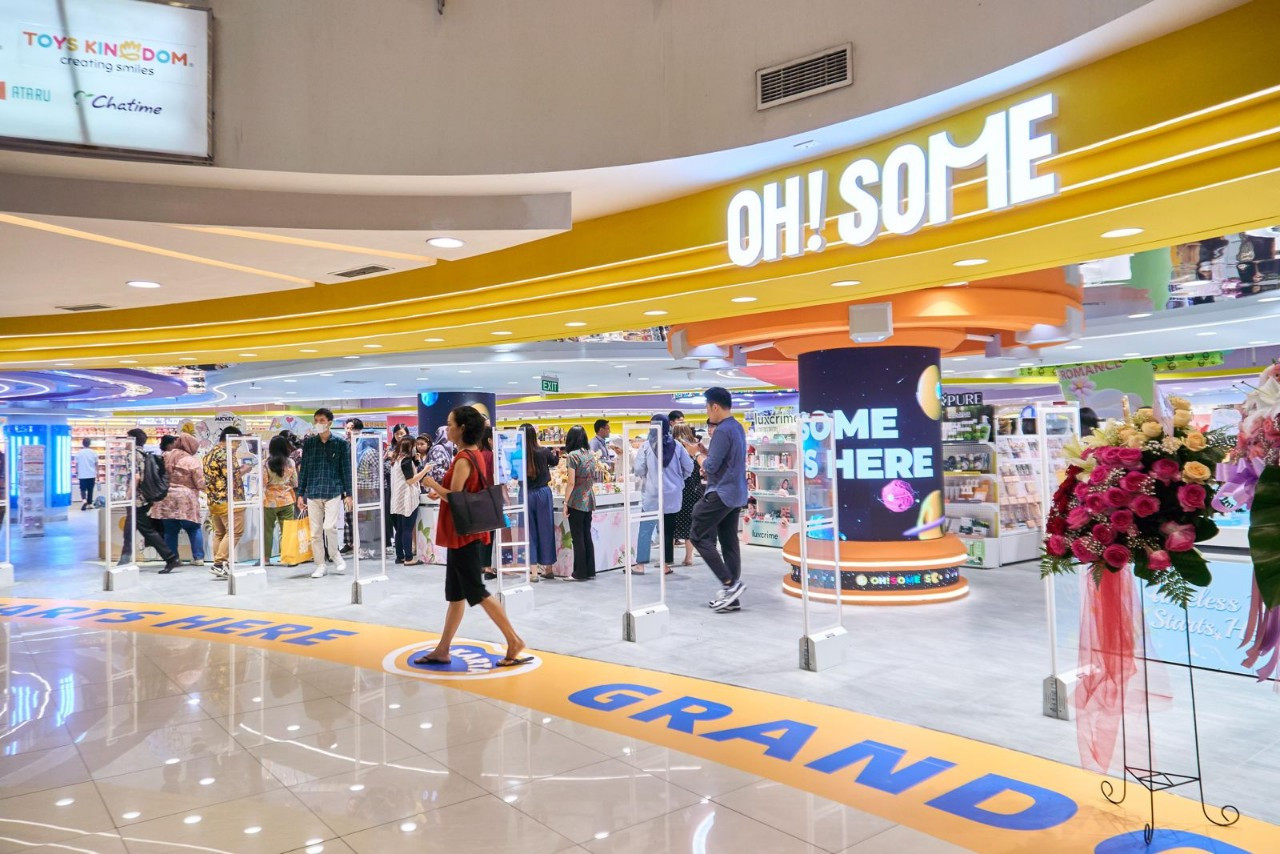
    Lifestyle retail brand OH!SOME has made waves by launching its first Singapore store in Suntec City Mall, bringing a fresh and engaging shopping experience to local consumers. Known for its chic and globally-curated selections, the store unveils a unique layout divided into four captivating themed zones designed to excite and inspire.

    Anime Collectibles Zone: A Fan’s Paradise

    The Anime Collectibles Zone is the crown jewel, featuring an array of merchandise from beloved series like Jujutsu Kaisen, Attack on Titan, Haikyu!!, and Frieren: Beyond Journey’s End. Shoppers can explore an impressive collection of collectible pins, blind boxes, and stylish ita-bags that will make any otaku’s heart race.

    Travel Essentials: Pack Like a Pro

    Heading out? The Travel Zone has you covered with essentials that simplify packing. From ergonomic neck pillows to UV-protective sunscreens and compact toiletries, this zone ensures you’re prepared for your next adventure without the fuss.

    Creative Gifting: Thoughtful Surprises Await

    The Gifting Zone offers a delightful selection for those looking for something special. With options like whimsical Disney-themed floral arrangements and Crayon Shinchan collectibles—complete with stylish gift wrapping and greeting cards—this corner takes the guesswork out of gifting.

    DIY Dreams: Crafting Made Easy

    For craft enthusiasts, the DIY Zone is a treasure trove filled with inspirational materials sourced from Japan, Korea, and China. From wool felting kits to modeling clay and journaling supplies, this zone invites shoppers to unleash their creativity.

    As if that weren’t enough, visitors will also discover exclusive Disney merchandise featuring beloved characters such as Mickey Mouse, Winnie the Pooh, and Toy Story’s Buzz and Woody, along with some early-release Lilo & Stitch collectibles to complete the magical experience.

    With over 110 outlets across the region, OH!SOME is making a significant splash in Singapore, gearing up to open a second store at TAMPINES 1 on May 23. This brand is not just about shopping; it’s about creating memorable experiences that resonate with the vibrant local culture. Who knows, you might just bump into your favorite anime character while browsing!

    Questions & Answers

    What types of products can shoppers find in the Anime Collectibles Zone?
    Shoppers can discover merchandise from popular anime series like Jujutsu Kaisen and Attack on Titan, including collectible pins, blind boxes, and ita-bags.

    What unique items are available in the Travel Zone?
    The Travel Zone features practical items like ergonomic neck pillows, UV-protective sunscreens, and compact toiletries to simplify travel packing.

    When is the second OH!SOME store set to open in Singapore?
    The second store is scheduled to open at TAMPINES 1 on May 23, further extending OH!SOME’s reach in the city.

  • Myntra Launches ‘Myntra Global’ as it Expands into the Singapore Market

    Myntra Launches ‘Myntra Global’ as it Expands into the Singapore Market

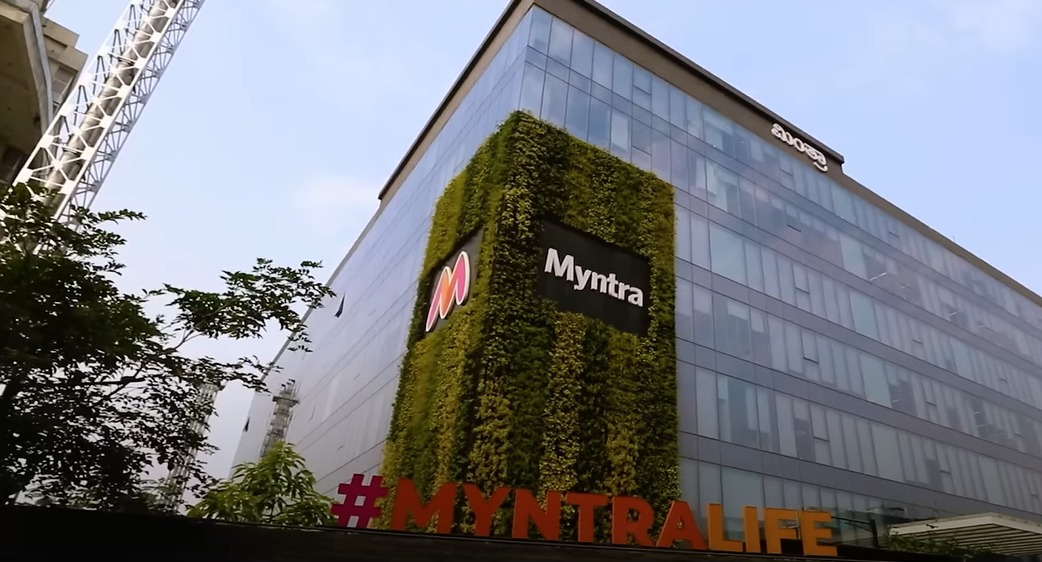
    Indian e-commerce powerhouse Myntra has made a splash in Singapore with the launch of Myntra Global, its first foray into the international market. This strategic move aims to cater to the vast Indian diaspora in the city-state, which numbers around 650,000 individuals, by offering a diverse selection of Indian fashion and lifestyle products.

    A Treasure Trove of Indian Styles

    With a staggering 35,000 styles from 100 renowned Indian brands, including favorites like Aurelia, Global Desi, Libas, W, House of Pataudi, and Chumbak, Myntra is set to create waves. Shoppers can explore categories that span apparel, footwear, home décor, and accessories—all designed to resonate with the cultural sensibilities of the Indian community in Singapore.

    Organic Growth Sparks Expansion

    Before the official launch, Myntra witnessed an impressive organic interest from Singapore, attracting nearly 30,000 users eager for Indian styles. The company’s ambition is to provide not just a shopping platform, but a seamless and dependable experience that answers the demand for culturally-rich fashion.

    Championing ‘Made in India’

    This expansion underscores Myntra’s long-term vision to tap into new consumer markets while enhancing global visibility for Indian brands. Furthermore, it aligns with India’s larger initiative to promote ‘Made in India’ products on an international scale, showcasing the rich cultural tapestry of Indian fashion.

    So, Singaporean shoppers, prepare yourself! You might just find yourself falling head over heels for styles that blend tradition with contemporary flair.

    Questions & Answers

    What types of products will Myntra Global offer in Singapore?

    Myntra Global will feature a variety of products, including apparel, footwear, home décor, and accessories from popular Indian brands.

    How many styles can customers expect from different brands?

    Shoppers can look forward to an impressive collection of about 35,000 styles from 100 diverse Indian brands.

    What is Myntra’s broader goal with this international expansion?

    The expansion is part of Myntra’s strategy to reach new customer bases, increase global visibility for Indian brands, and promote ‘Made in India’ products worldwide.

  • Vietnam’s Thriving Event Industry Unveils New Opportunities for Young Talent

    Vietnam’s Thriving Event Industry Unveils New Opportunities for Young Talent

    Vietnam’s cultural landscape took enormous strides in 2024, marked by a burgeoning entertainment scene that has revved up job creation and opened doors for aspiring young professionals. With domestic entertainment gaining traction and audiences enthusiastically responding, both the public and private sectors are waking up to the industry’s vast potential.

    Major Events Make Waves

    This year has been nothing short of spectacular, with blockbuster reality shows and sensational music concerts like Anh Trai Vuot Ngan Chong Gai, Anh Trai Say Hi, and Ha Anh Tuan’s performances drawing massive crowds and generating substantial revenue, amounting to billions of dong.

    Highlighting the excitement, two BlackPink concerts held in July 2023 at My Dinh Stadium in Hanoi raked in an impressive US$13.7 million, providing a significant tourism boost to Hanoi during those lively nights.

    Cultural Revival Through Festivals

    In 2024, Vietnam hosted over 50 major and minor music events showcasing both international sensations and homegrown talents, with turnout numbers often soaring between 30,000 and 40,000. As we step into early 2025, this upward trend shows no signs of wavering, emphasizing the Vietnamese music industry’s bright future.

    But music is just part of the picture—2024 also shone with vibrant cultural and historical festivals, celebrating Vietnam’s rich heritage and arts.

    Global Economic Impact of Live Music

    On a global scale, the cultural sector stands as a formidable economic force. Research from Custom Market Insights reveals that the live music market reached an impressive $34.84 billion in 2024, on a trajectory to hit $62.59 billion by 2034, with a promising annual growth rate of 8.78% between 2025 and 2034.

    Engaging the Young Workforce

    Generation Z and Millennials are at the forefront of this cultural boom, with around 60% willing to spend on live experiences. The revival of in-person events reveals a growing appetite for real-world connections, transforming Vietnam and other Asian countries into magnets for international events, conferences, and large-scale exhibitions.

    This evolving landscape introduces innovative formats, including hybrid and virtual events, creating exciting career opportunities in management, promotion, and support roles—a beacon of hope for students eager to dive into this vibrant industry.

    In response to this surge, British University Vietnam (BUV) is set to offer a bachelor’s degree in events management, conferred by Bournemouth University, in 2025.

    Proudly ranked among the top 100 universities worldwide and third in the UK according to the Times Higher Education (THE) Young University Rankings 2024, Bournemouth University’s Hospitality and Leisure Management programs are celebrated, landing in the top 20 globally as per QS World University Rankings 2024.

    Career Prospects in Events Management

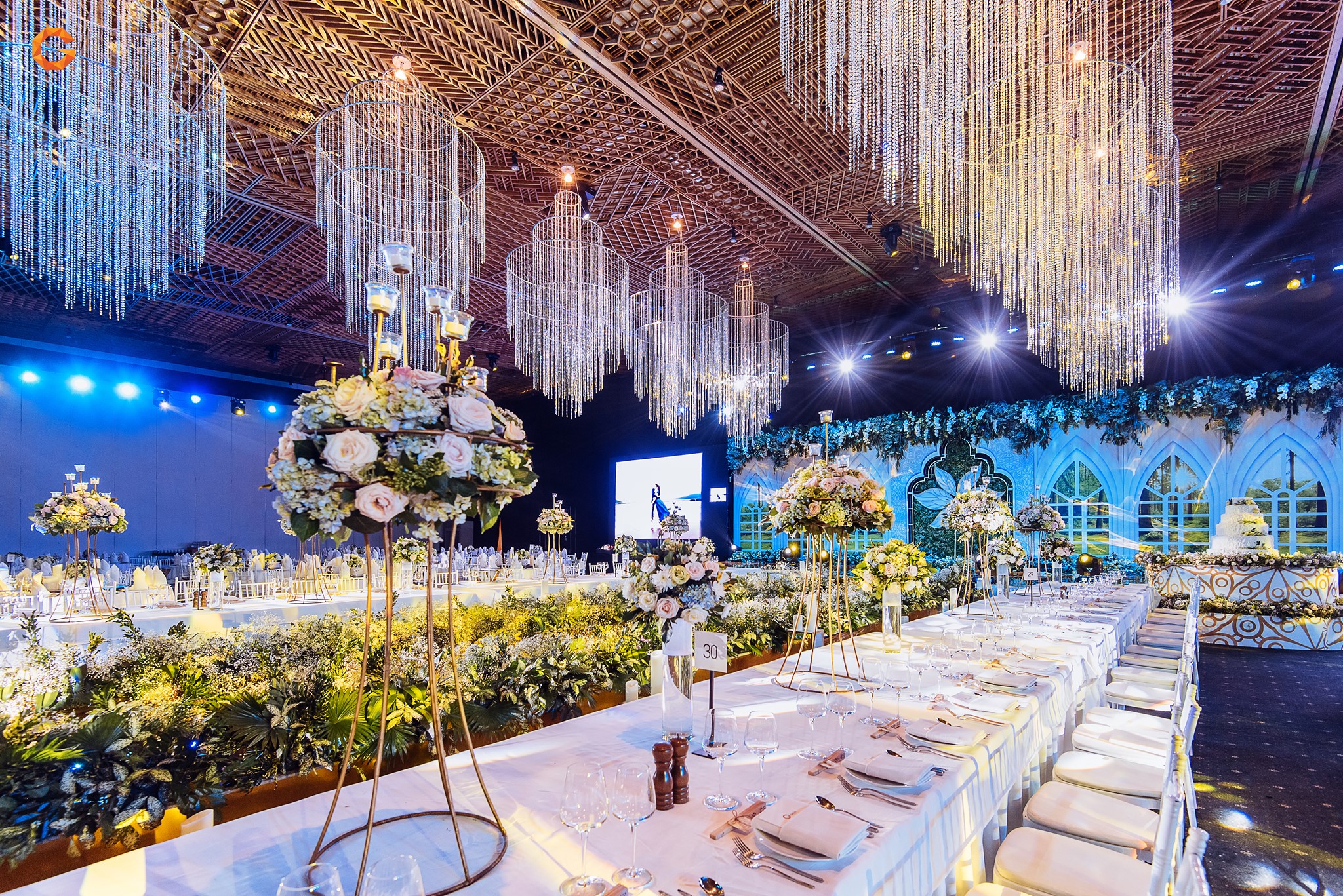
    Graduates of this progressive program will find themselves equipped for roles spanning from Conference and Events Manager to Planner and Coordinator, including the ever-bustling weddings and MICE (Meetings, Incentives, Conferences, and Exhibitions) sectors. The rigorous three-year curriculum emphasizes practical skill development in event management. Students emerge with a robust foundation in event design, project management, consumer behavior, finance, and logistics.

    The hands-on approach combines classroom learning with real-life event organization, as students intern with prominent partners like Intercontinental, Sheraton, FPT, Movenpick Hotel & Resort, and Thanh Viet Production.

    BUV boasts a comprehensive curriculum and strong industry connections, positioning students to secure fulfilling employment shortly after graduation. Being Vietnam’s first QS 5-star university and the first in the region accredited by the U.K.’s Quality Assurance Agency (QAA), BUV ensures that its programs are future-ready, achieving an impressive 100% employability rate within three months of graduation.

    Questions & Answers

    What are the major achievements in Vietnam’s cultural sector in 2024? The sector has seen a surge in domestic entertainment popularity, hosting over 50 major events that attracted huge audiences and revenue.

    How is the live music market expected to grow in the coming years? It is projected to expand from approximately $34.84 billion in 2024 to $62.59 billion by 2034 at a compound annual growth rate of 8.78%.

    What opportunities does BUV offer to students interested in events management? BUV provides a bachelor’s degree in events management with a focus on practical skills and industry connections, ensuring high employability for graduates.

  • Eighty Percent of Consumers Embrace AI Search for Everyday Information Needs

    Eighty Percent of Consumers Embrace AI Search for Everyday Information Needs

    The landscape of online search is undergoing a seismic shift. According to a recent report from Bain & Company, strikingly, about 60% of searches now conclude without a single click. This statistic reflects a growing reliance on AI-generated results, with approximately 80% of consumers turning to these automated answers for at least 40% of their queries. As a consequence, organic web traffic has plummeted by an estimated 15% to 25%, throwing traditional digital marketing strategies into disarray.

    AI Takes Center Stage

    Generative AI is transforming how users interact with search results. Rather than sifting through numerous pages, many find their questions answered directly on search engines, reducing the incentive to click through to external sites. This trend persists even among those who remain cautious about AI’s capabilities.

    Embracing Change in Consumer Behavior

    The shift is notable: approximately 68% of users now rely on large language models (LLMs), such as AI chatbots, for tasks ranging from research to seeking shopping advice. About 48% consult these tools for news and weather updates, while 42% use them for purchase recommendations. Natasha Sommerfeld, a partner at Bain, emphasizes the necessity for brands to adapt: “Traditional SEO is no longer sufficient. Brands must evolve or risk losing visibility in their customer journey and control over their brand positioning in a world where clicks are disappearing.”

    Strategies for the New Era

    To navigate this new reality, marketers are urged to optimize their content for AI crawlability by focusing on semantic search and high-intent, long-tail keywords. Diversifying content formats by integrating video and interactive elements is also key to capturing attention in AI-dominated search landscapes. Furthermore, brands must redefine success metrics; instead of focusing solely on click-through rates, they should measure search impressions, AI reach, and overall influence, moving beyond the narrow lens of direct conversions.

    It seems in the era of AI, even clicks are taking a backseat—talk about a change in the digital fast lane!

    Questions & Answers

    How is AI impacting online searches?
    AI is reshaping the search landscape, with many queries ending without clicks as users find answers directly on search engines.

    What should brands focus on to adapt to these changes?
    Brands need to optimize their content for AI, embrace diverse content formats, and shift their success metrics beyond traditional click-through rates.

    What percentage of consumers rely on AI for their queries?
    Approximately 80% of consumers now utilize AI-generated results for at least 40% of their search queries.

  • Sun Group Secures Government Approval to Launch Exciting New Airline Venture

    Sun Group Secures Government Approval to Launch Exciting New Airline Venture

    Sun Group, renowned for its breathtaking resorts and amusement parks, has just received the green light for a new airline—Sun PhuQuoc Airways. This dynamic new carrier sets its sights on offering travelers a fresh way to explore Vietnam and beyond, and it’s all set to take off this year.

    Scheduled to Soar

    Sun PhuQuoc Airways will operate on a passenger transport model, merging both scheduled and charter flights that connect vital tourism and financial centers across Vietnam and select international destinations. With an impressive startup capital of VND2.5 trillion (approximately US$96 million), the airline aims to establish a fleet of 31 aircraft by the year 2030.

    The inaugural flight is slated for the fourth quarter of 2025, launching from the popular southern destination of Phu Quoc Island. This new venture promises to make travel more accessible to revered local and international locales, creating even more opportunities for adventure seekers.

    A New Player in the Sky

    Sun Group isn’t a stranger to the aviation sector; it also operates Sun Air, which caters to a luxury clientele with private jet services. Currently, Vietnam boasts six established airlines, including the likes of Vietnam Airlines, Vietjet Air, Bamboo Airways, and a few others. However, it’s worth noting that Pacific Airlines has paused its booking services, directing travelers instead to Vietnam Airlines—a situation ripe for Sun PhuQuoc Airways to swoop in and meet the demand.

    As the skies get a new player, the question remains: will Sun PhuQuoc Airways bring a refreshing twist to the aviation scene in Vietnam? Only time will tell, but for travelers itching to explore new horizons, the future looks bright!

    Questions & Answers

    What kind of flights will Sun PhuQuoc Airways offer?
    It will provide a combination of scheduled and charter flights connecting major tourism and financial hubs both domestically and internationally.

    When is the airline’s first flight scheduled?
    The inaugural flight is set for the fourth quarter of 2025.

    How many aircraft does the airline plan to have by 2030?
    Sun PhuQuoc Airways intends to build a fleet of 31 aircraft by 2030.

  • Vietnam Plans Ambitious Financial Hub Connecting Two Major Cities

    Vietnam Plans Ambitious Financial Hub Connecting Two Major Cities

    Deputy Prime Minister Nguyen Hoa Binh shared an ambitious vision at a recent meeting with consultants, presenting it to the National Assembly during its ongoing session. Richard McClellan, the global ambassador of property developer Terne Holdings, voiced his enthusiastic support, emphasizing that Vietnam’s financial center should be conceived as a cohesive operating system rather than a mere geographical entity. According to McClellan, this innovative approach could position Vietnam as a formidable player in the global financial landscape, highlighting the synergy between Da Nang and Ho Chi Minh City as complementary locations rather than rivals.

    Exploring New Frontiers in Finance

    Binh pointed out that Vietnam has the opportunity to consider establishing two international financial centers or a single center spread across two locales, tapping into the unique strengths each city offers. Jochen Biedermann, managing director of the World Alliance of International Financial Centers, underscored the need for significant investments in software, digital infrastructure, and training of talent to ensure seamless operations in a dual-location model.

    Adding his insights, Andreas Baumgartner, CEO of The Metis Institute, advocated for a unified management model that respects the operational independence and unique advantages of each site. Such an international financial center could revolutionize Vietnam’s ability to attract premium financial resources, enhance governance, and elevate the nation’s competitive edge, all while deepening its ties to the global financial system.

    Binh reiterated the government’s commitment to crafting a groundbreaking legal framework designed to maximize these opportunities. “Vietnam will adhere to international laws and standards, encourage innovation, and provide distinctive and attractive incentives for investors,” he pledged. He assured that forthcoming policies would strive to balance the interests of the state, investors, and citizens, perfectly aligned with Vietnam’s management capabilities.

    Da Nang City Party Secretary Nguyen Van Quang characterized the international financial center as a “very new and challenging” project vital for the nation’s growth. He expressed confidence in the city’s robust ecosystem, boasting both the hard and soft infrastructure needed to support the center’s operations. Meanwhile, Ho Chi Minh City’s Vice Chairman Nguyen Van Dung highlighted ongoing efforts to refine policies, enhance technical infrastructure, and nurture human resource development to support the financial center’s goals.

    During the conference, leaders from various international financial organizations, businesses, investors, and partners pledged their support and collaboration to ensure the successful launch and development of this groundbreaking initiative.

    What a compelling venture—who knew Vietnam’s financial future could shine so brightly?

    Questions & Answers

    **What is the main vision for Vietnam’s financial center as proposed by Deputy Prime Minister Nguyen Hoa Binh?**
    The vision is to create an international financial center that functions as a unified operating system across multiple locations, such as Da Nang and Ho Chi Minh City, enhancing Vietnam’s global competitiveness.

    What key investments are suggested to ensure the center’s success?
    Investments in software, digital infrastructure, and training human resources are crucial for establishing a seamless financial center that operates effectively across two different locales.

    How is the Vietnamese government addressing investor interests in this project?
    The government is committed to developing a legal framework that adheres to international standards, encourages innovation, and balances the interests of the state, investors, and citizens.

  • Vietjet Strengthens China–Vietnam Flight Network with New Hanoi–Chengdu and Hanoi–Xi’an Routes, Marking Seven Direct Services to China in the First Half of 2025

    Vietjet Strengthens China–Vietnam Flight Network with New Hanoi–Chengdu and Hanoi–Xi’an Routes, Marking Seven Direct Services to China in the First Half of 2025

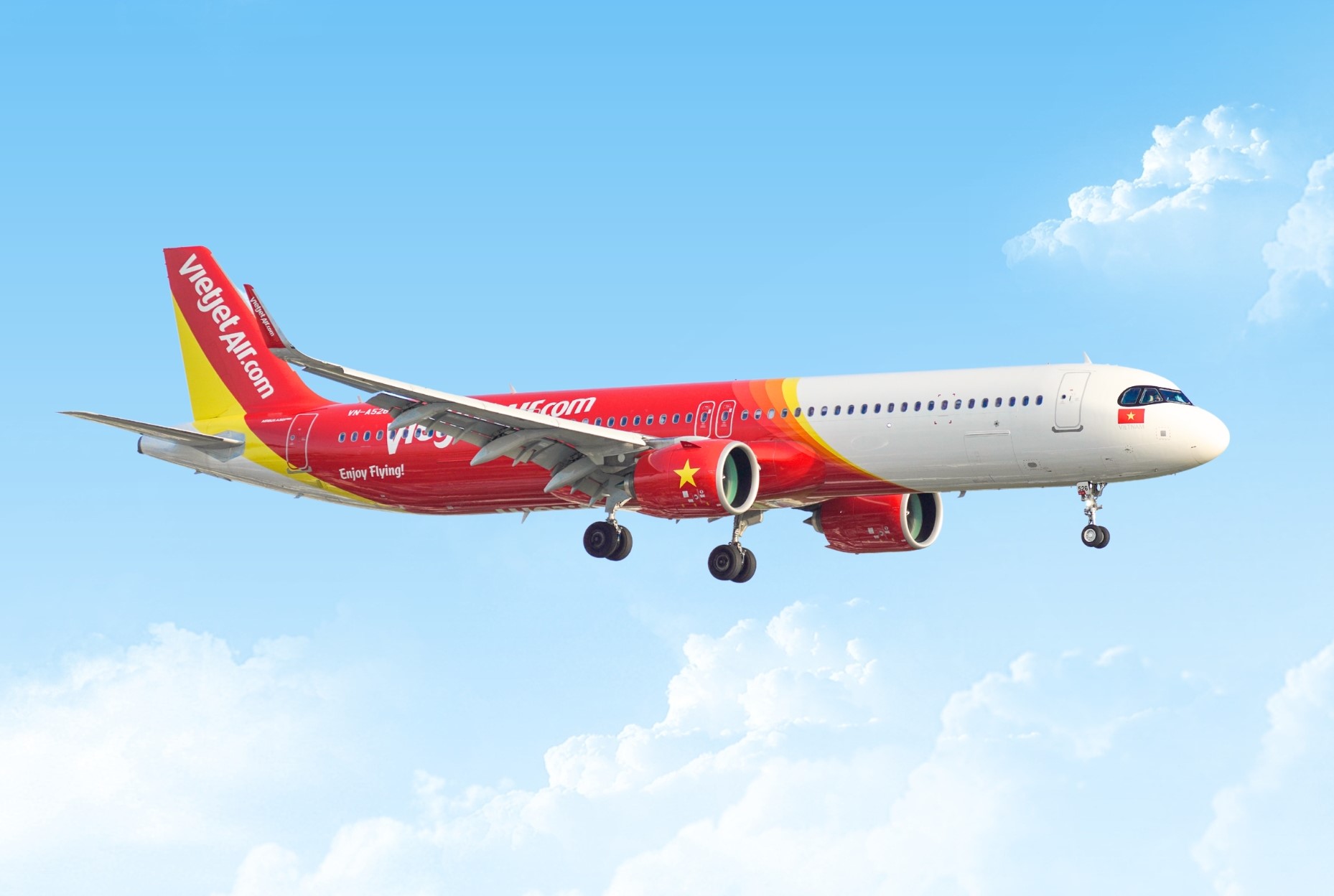
    Vietjet has unveiled two new direct routes from Vietnam’s capital, Hanoi, to Chengdu and Xi’an in China, with inaugural flights taking off on 1 July and 6 July 2025, respectively. Each route will offer four round-trip flights per week. These new services bring the airline’s total number of Vietnam–China direct routes introduced in the first half of 2025 to seven, further strengthening its expanding flight network. For Singaporean travellers, this opens up a more seamless journey to China via Vietnam’s Hanoi and Ho Chi Minh City, offering more flexible and affordable travel options across the region. 

    These new services follow Vietjet’s recent launches connecting Hanoi and Ho Chi Minh City with Beijing and Guangzhou, as well as the Hanoi-Shanghai route introduced in March and April. The two additional services will strengthen comprehensive air connectivity between Vietnam and China, promoting tourism and trade while offering greater access between China, Southeast Asia, and beyond.

    Vietjet has been rapidly expanding its international flight network, particularly between Vietnam and China, with direct routes now linking Ho Chi Minh City and Hanoi to major Chinese cities such as Shanghai, Chengdu, Xi’an, Beijing, and Guangzhou. Beyond China, the airline is also boosting regional connectivity with a new direct service between Singapore and Phu Quoc to be launched on May 30. In the first and second quarters, Vietjet also launched new services to India—linking Ho Chi Minh City to Hyderabad and Bengaluru—and to Japan’s Nagoya and Fukuoka. These strategic expansions reflect Vietjet’s strong commitment to enhancing international cooperation and making travel across the Asia–Pacific region more accessible and affordable.     

    In line with its global ambitions, Vietjet continues to broaden its global flight network while providing travellers with a comfortable and seamless journey aboard modern, eco-friendly aircraft and professional service that reflects the authentic spirit of Vietnam.      

    As part of its passenger-first approach, Vietjet also offers complimentary SkyCare travel insurance and exclusive rewards through its SkyJoy loyalty program.     

    Information on New Vietnam-China Routes

    (All times are in local time, using the 24-hour format)

    Hanoi (HAN) – Tianfu Chengdu International Airport (TFU) route

    Sector Flight number Departure – Arrival times Frequency
    HAN – TFU VJ7306 21:10 – 00:15 (+1) Mon, Tue, Thu, Sat
    TFU – HAN VJ7307 01:15 – 02:25 Tue, Wed, Fri, Sun

    Hanoi (HAN) – Xi’an Xianyang International Airport (XIY) route

    Sector Flight number Departure – Arrival times Frequency
    HAN – XIY VJ7342 21:25 – 01:10 (+1) Mon, Wed, Fri, Sun
    XIY – HAN VJ7343 02:10 – 04:10 Mon, Tue, Thu, Sat
  • LINE FRIENDS Partners with UK IP ‘Ketnipz’ to Accelerate Global IP Expansion

    LINE FRIENDS Partners with UK IP ‘Ketnipz’ to Accelerate Global IP Expansion

    Global character brand LINE FRIENDS partners with social media sensation Ketnipz to expand its footprint in North America and Asia

    • LINE FRIENDS (corporately known as IPX) has officially partnered with Ketnipz, the popular character-driven brand with over 10 million fans across social media platforms.

    • This highly-anticipated collaboration aims to grow the Ketnipz IP on a global scale, leveraging LINE FRIENDS’ storytelling expertise, global infrastructure and creative vision.

    • The partnership will focus on expanding Ketnipz’s presence in key markets such as North America and Asia through licensing opportunities, brand collaborations and original content development.

    With a strong fanbase in Europe and the U.S., Ketnipz brings a unique cultural resonance that, combined with LINE FRIENDS’ global reach, is expected to strengthen both brands’ influence in the international IP landscape.

    LINE FRIENDS (corporately known as IPX) is proud to announce its partnership with Ketnipz, the UK-born character IP that has captured the hearts of over 10 million fans worldwide, through its unique illustrations, relatable story-telling and always-uplifting messages. The partnership grants rights for Ketnipz in South Korea and China, with plans to scale IP activities across various countries and regions, including North America.

    Ketnipz, created by Welsh artist Harry Hambley in 2016, has gained viral popularity primarily in Europe and North America through its genuine, relatable content, with themes of self-love and positivity. The brand began with just one character “Bean” but has since expanded its universe with additional characters such as ‘Nana Bean’, ‘Catto’ and ‘Doggo’. Ketnipz holds a strong online presence through social media platforms, including Instagram, TikTok and YouTube, with over 10 million global fans following. The brand has extended its IP global footprint through collaborations with major global companies like McDonald’s, Instagram, Casetify and Samsung.

    LINE FRIENDS, with over a decade of expertise developing its globally loved original character IPs like LINE FRIENDS and BT21, is well positioned to partner with Ketnipz and expected to bring the unique identity of Ketnipz through Gen Z trends worldwide. The partnership will expand its business not only in Asia but in Europe and North America.

    LINE FRIENDS plans to leverage its IP business capabilities to expand Ketnipz’s presence across Asia while solidifying its leadership in the global IP market. By utilizing its broad network of LINE FRIENDS flagship stores, partnerships with major global brands and diverse business models including licensing, collaborations and content development, LINE FRIENDS will be expanding Ketnipz’s business in Asia and North America.

    LINE FRIENDS has previously led the successful expansion of South Korean IPs such as JOGUMAN, DINOTAENG and MONAMHEE, offering unique IP experiences to fans beyond the home country. The company expects partnering with Ketnipz will further strengthen its presence in the Western market.

    LINE FRIENDS representative stated, “Ketnipz IP has delivered joy and connection with their audience through its heartwarming messages and storytelling. As a leader in global IP business, we believe the company can bring great success with Ketnipz in Asia as well as global markets. Building on our successful global expansion with South Korean IPs, we expect to lead the UK-based IP Ketnipz into the Asian market and will continue to discover character IPs to bring new IP experiences for global fans.”

  • Vietjet Transfers 50 Boeing 737 Aircraft to Vietjet Thailand to Boost Regional Connectivity

    Vietjet Transfers 50 Boeing 737 Aircraft to Vietjet Thailand to Boost Regional Connectivity

    Vietjet Transfers 50 Boeing 737 Aircraft to Vietjet Thailand to Boost Regional Connectivity

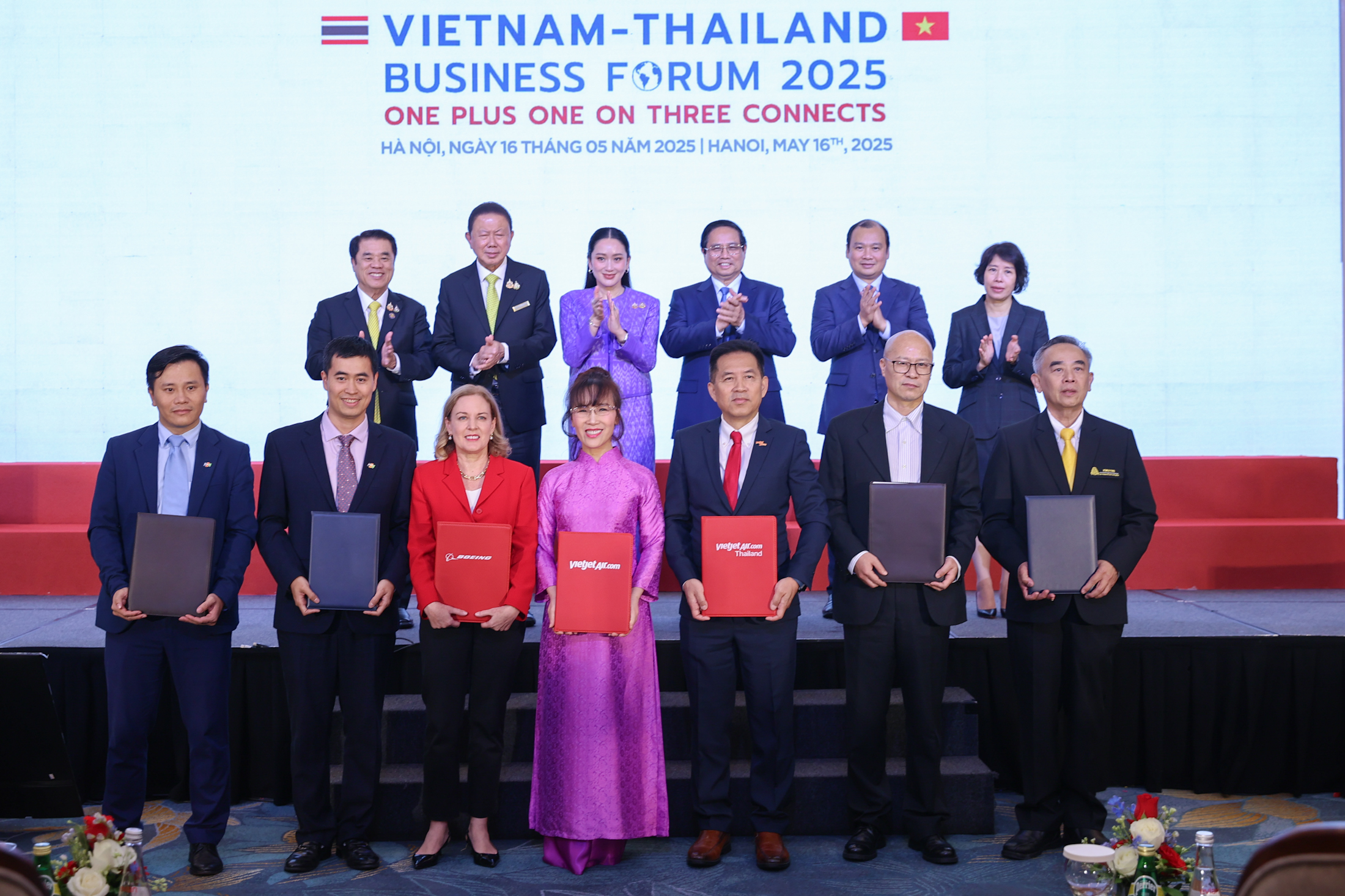
    Caption: Penny Burtt, President of Boeing Southeast Asia (3rd from left, front), Vietjet Chairwoman Nguyen Thi Phuong Thao (middle, front) and Vietjet Thailand CEO Woranate Laprabang (3rd from right, front) exchange the agreement to transfer up to 50 Boeing 737 aircraft to Vietjet Thailand in the presence of Vietnam’s Prime Minister Pham Minh Chinh (3rd from right, back) and Thailand’s Prime Minister Paetongtarn Shinawatra (3rd from right, back)     

    (Singapore, 19 May 2025) – Vietjet and Boeing have announced an agreement to transfer up to 50 Boeing 737 aircraft to Vietjet Thailand—marking a strategic initiative to strengthen aviation and tourism connectivity between Thailand, Vietnam, as well as other countries in the region. The signing ceremony took place in the presence of Vietnam’s Prime Minister Pham Minh Chinh and Thailand’s Prime Minister Paetongtarn Shinawatra during the latter’s first official visit to Vietnam in over a decade.

    Under the agreement, Vietjet will allocate 50 aircraft from its existing order of 200 Boeing 737s to Vietjet Thailand. Deliveries are scheduled to begin in October 2025, significantly expanding Vietjet Thailand’s domestic and international network, particularly enhancing air links between Vietnam and Thailand. 

    “We are pleased to partner with Vietjet and Vietjet Thailand to expand Boeing 737 operations in Vietnam and Thailand,” said Penny Burtt, President of Boeing Southeast Asia. “Together, we aim to connect communities and drive economic development, paving the way for a prosperous future in Vietnam and the dynamic growth region that is Southeast Asia.”

    Nguyen Thi Phuong Thao, Chairwoman of Vietjet, stated at the event: “The transfer of 50 modern and efficient Boeing 737-8 aircraft to Vietjet Thailand demonstrates our long-term commitment to sustainable aviation development in the region. We are determined to implement the ‘Three Connects’ Strategy between the two countries – encompassing supply chains, businesses, and localities.”

    As part of the agreement, Boeing will also provide Vietjet Thailand with comprehensive technical support, including pilot and engineer training, maintenance programs, and product services to ensure safe and efficient fleet operations in Thailand. This new agreement marks a new milestone in the robust and effective cooperation between Vietnamese, Thai, and U.S. enterprises, with shared priorities in digital transformation, sustainable development, and narrowing development gaps among member states.

    Established in 2014, Vietjet Thailand is a new-age joint venture airline of Vietjet in Thailand, symbolising the success of ASEAN aviation economic cooperation. With more than a decade of development, Vietjet Thailand has continuously expanded its fleet and flight network, becoming one of the most dynamic airlines in the Thai market—highly regarded by both local passengers and international travellers in the Land of Smiles. Headquartered at Bangkok’s Suvarnabhumi Airport , the airline currently operates 33 domestic and international routes, linking Thailand’s economic and tourism hubs with Vietnam, Japan, China, India, Cambodia, and other destinations across the region. The airline has served more than 30 million passengers, making significant contributions to tourism, trade, and ASEAN regional cooperation, particularly between Vietnam and Thailand

  • Singapore Airlines Shower Employees with Bonuses Exceeding Seven Months’ Salary in Generous Reward Initiative

    Singapore Airlines Shower Employees with Bonuses Exceeding Seven Months’ Salary in Generous Reward Initiative

    Singapore Airlines is celebrating its remarkable financial performance by rewarding its employees with a substantial bonus equivalent to 7.45 months of salary. This generous payout is a gesture of appreciation for the hard work and dedication that staff exhibited during the fiscal year ending March 31, which saw the airline achieve a record annual net profit of S$2.78 billion (approximately US$2.1 billion), as reported by The Straits Times.

    Recognizing Commitment Amid Challenges

    Although the bonus is slightly less than last year’s impressive 7.94 months, it comes amidst a cautious outlook. On Thursday, the airline warned that global trade tensions and geopolitical uncertainties might impact both travel and cargo demand, according to Bloomberg.

    Within the 2024 fiscal year, Singapore Airlines enjoyed a notable boost from a one-off gain of about S$1.1 billion generated from its merger with Vistara, which was completed in November. Group revenue surged by 2.8% year-on-year to a record S$19.54 billion, driven by consistent air travel and strong cargo demand. Cargo revenue rose by 4.4% as e-commerce and perishable goods gained momentum, although competition led to a 7.8% drop in freight yields.

    Operating profit took a hit, dropping 37% to S$1.71 billion, primarily due to a 5.5% decline in passenger yields, impacted by the airline industry’s expanded capacity, as reported by CNA.

    Despite navigating fluctuations in tariff policies and ongoing supply chain issues, Singapore Airlines remains vigilant, promising to adapt quickly to the changing landscape while keeping its workforce in high spirits. After all, who doesn’t enjoy a little extra cash in their pocket?

    Questions & Answers

    What is the amount of the bonus Singapore Airlines is providing?
    The airline is providing each employee with a bonus worth 7.45 months of salary.

    How did Singapore Airlines perform financially in the 2024 fiscal year?
    The airline reported a record annual net profit of S$2.78 billion and a group revenue increase of 2.8% year-on-year, totaling S$19.54 billion.

    What challenges is Singapore Airlines facing in the coming months?
    The airline cited global trade frictions and geopolitical uncertainties as potential factors that could impact travel and cargo demand.

  • Thailand Abandons Controversial $300 Handout for Young Citizens

    Thailand Abandons Controversial $300 Handout for Young Citizens

    The Thai government has decided to put the brakes on its ambitious initiative to grant THB10,000 (approximately US$300) to every citizen aged 16–20, citing escalating global economic uncertainties.

    Changing Economic Landscapes

    This pivot comes as the nation grapples with significant hurdles in its export and manufacturing sectors, influenced by wider global economic trends. Deputy Prime Minister and Finance Minister Pichai Chunhavajira emphasized Thailand’s determination to secure a GDP growth rate exceeding 3% in 2025, as reported by *The Nation*.

    The original plan would have seen 2.7 million young individuals benefit from the financial boost, requiring a staggering THB27 billion (US$814 million) in total handouts. However, a government insider disclosed that the predicted economic instability later this year has led to a comprehensive reassessment of the stimulus strategy.

    Redirecting Funds for Maximum Impact

    In response, the government will redirect THB157 billion from its central emergency and contingency budget towards more targeted economic initiatives. Prime Minister Paetongtarn Shinawatra has indicated that the focus will shift to inclusive economic stimulus policies that span all demographics, rather than zeroing in on a single age group.

    “This is a global economic crisis. We need to harness both our financial resources and policy tools to invigorate the entire economy,” the Prime Minister stated. And let’s face it—while our youth may be a priority, everyone deserves a slice of the economic pie!

    Questions & Answers

    Why did the Thai government cancel the youth cash handout program?
    The government scrapped the initiative due to rising global economic uncertainties affecting Thailand’s export and manufacturing sectors.

    What will happen to the funds originally allocated for the THB10,000 handout?
    The THB157 billion will be repurposed from the emergency budget into more targeted economic initiatives aimed at benefiting all age groups.

    Is the Thai government still targeting GDP growth?
    Yes, Deputy Prime Minister Pichai Chunhavajira reaffirmed the government’s commitment to achieving over 3% GDP growth in 2025, despite the challenges ahead.

  • Vietnam Airlines Eyes Ambitious Expansion with Demand for 50 New Aircraft

    Vietnam Airlines Eyes Ambitious Expansion with Demand for 50 New Aircraft

    Vietnam Airlines is soaring to new heights, aiming to bolster its fleet with a minimum of 50 additional aircraft as part of a robust strategy to expand its operations amidst a global jet shortage. During an extraordinary general meeting on Thursday, Chairman Dang Ngoc Hoa revealed that these acquisitions are vital for the airline’s recovery from the pandemic, as it prepares to launch or resume services on 15 international routes this year.

    As part of its ambitious plans, the state-owned carrier recently received government approval for the procurement of 50 narrow-body aircraft and 10 spare engines, with an eye-popping price tag of nearly US$3.7 billion. Currently boasting a fleet of 100 aircraft, Vietnam Airlines anticipates reaching 137 by 2030 and 164 by 2035.

    However, the clock is ticking. With soaring global demand for commercial aircraft, the airline must act swiftly to place orders that ensure delivery before 2030. Failing to do so may push Vietnam Airlines into a tricky situation, where it will have to lease planes starting in 2027—a scenario none would prefer.

    Adding to the urgency are ongoing technical difficulties with Pratt & Whitney engines, which have grounded 15 narrow-body Airbus A321 aircraft while four wide-body Airbus A350 are undergoing maintenance. As a result of this aircraft shortage, the remaining planes are working overtime, averaging 11.5 flight hours each day—a significant jump from the pre-Covid average of 10 hours.

    In a nod to its expansion ambitions, shareholders have also endorsed a move for Vietnam Airlines to issue more shares, raising VND22 trillion (approximately $848 million) in 2025 and 2026.

    With eyes set firmly on the future, the airline not only hopes to strengthen its fleet but also to reclaim its position as a key player in the competitive skies.

    Who knew managing a fleet could be as complex as a game of chess?

    Questions & Answers

    What is the purpose of Vietnam Airlines’ plan to acquire new aircraft?
    The plan to acquire new aircraft aims to support the airline’s ambitious expansion plans and boost its recovery post-Covid by launching or resuming services on 15 international routes this year.

    What approval did Vietnam Airlines recently receive?
    Vietnam Airlines received government approval for the purchase of 50 narrow-body aircraft and 10 spare engines at a cost nearing US$3.7 billion.

    How many aircraft does Vietnam Airlines currently operate?
    The airline currently operates a fleet of 100 aircraft and plans to expand to 137 by 2030 and 164 by 2035.

  • Korean retailers struggle amid sluggish demand

    Korean retailers struggle amid sluggish demand

    The initial quarter of 2025 has proven challenging for South Korea’s department store sector due to a slow down in local consumption that has greatly affected sales and profits. Lotte Department Store stood as the exception, recording a significant growth in profits, which has been attributed to excellent performance in overseas operations and effective internal restructure.

    Lotte Department Store’s Rise in Profits

    Lotte Department Store’s operating profit rose by 44.3% year-on-year, reaching 130 billion won in the first quarter, despite a minor decline of 1.1% in revenue to 806.3 billion won. The company attributes the profit surge to aggressive cost-efficiency measures, including shutting down underperforming stores and reinvesting in primary locations. Another contributing factor was the gain from its international business, which saw a 6.2% increase in revenue and bounced back into profitability.

    Struggles of Competitors

    Contrarily, competitors Shinsegae and Hyundai Department Store did not meet their projected performance. Shinsegae’s revenue fell by 0.8% to 659 billion won, with the operating profit decreasing by 5.1% to 107.9 billion won. Similarly, Hyundai reported a 0.8% drop in sales to 589 billion won and a 5.7% decline in operating income to 97.2 billion won.

    The downturn has been attributed to poor performance across nearly all product categories due to increasing consumer pessimism and colder-than-average winter, which negatively affected fashion sales – a category that typically makes up to 50% of annual department store revenue. According to one department store industry official, a combination of domestic and global challenges, including political instability due to emergency rule, increased trade uncertainty due to US tariff actions, and unpredictable weather conditions have all contributed to the downturn.

    E-Mart’s Successful First Quarter

    In the big-box retail sector, E-Mart led the market with an impressive first quarter. On a standalone basis, the company’s revenue grew by 10.1% year-on-year to 4.63 trillion won, while the operating profit shot up by 43.1% to 133.3 billion won, marking its best quarterly performance since 2018.

    The company’s executives credit the success to an increase in foot traffic at both its standard discount stores and warehouse-style Traders locations, indicating a resurgence in consumer interest in offline shopping despite the ongoing economic uncertainty.

    In comparison, Lotte Mart saw a modest increase in revenue by 0.3% to 1.49 trillion won, while operating profit fell sharply by 34.8% to 28.1 billion won. After excluding overseas earnings, domestic operating profit sank 73.6% from a year earlier.

    Both E-Mart and Lotte Mart have adopted low-price strategies via centralised purchasing, but analysts have noted that E-Mart’s larger scale offers it a stronger advantage in passing savings onto consumers. E-Mart’s aggressive promotions were also identified as key factors contributing to its outperformance.

    Questions & Answers

    What led to the rise in Lotte Department Store’s profits?
    The surge in Lotte Department Store’s profits can be attributed to aggressive cost-efficiency measures and a strong performance from its international business.

    What factors contributed to the struggle of Shinsegae and Hyundai Department Store?
    Poor performance across nearly all product categories, increased consumer pessimism, colder-than-average winter, and various domestic and global challenges contributed to the struggle of these department stores.

    What factors influenced E-Mart’s successful first quarter?
    An increase in foot traffic at both its standard discount stores and warehouse-style Traders locations, along with aggressive promotions, contributed to E-Mart’s successful first quarter.