Category: General

Retail News Asia is committed to providing both local and global retailers with the latest General Retail news throughout the Asian market. This on a daily base.

  • CapitaLand Development Expands Presence in Thriving Vietnam Market

    CapitaLand Development Expands Presence in Thriving Vietnam Market

    CapitaLand Development (CLD) has officially partnered with Vingroup Joint Stock Company, marking a significant step in the collaborative efforts towards large-scale urban development within Vietnam. The partnership, unveiled at a signing ceremony led by CLD CEO Jonathan Yap and Vingroup chairman Pham Nhat Vuong, is expected to channel extensive capital into the Vietnamese real estate market, enhances both companies’ roles amid increasing consumer demand for modern living spaces.

    Doubling Down on Investment

    Tan Wee Hsien, CEO of CLD Vietnam and International, emphasized Vietnam’s critical role as a core market alongside Singapore and China. With a strategic vision to more than double its capital investment in Vietnam over the next five years, the partnership looks set to bolster CLD’s influence in the nation’s evolving real estate landscape. “By merging Vinhomes’ local expertise with CLD’s regional know-how in design and asset management, we are well-equipped to meet the growing demands for quality urban living,” Tan stated.

    Elevating Vinhomes’ Urban Development Strategy

    According to Nguyen Dieu Linh, vice chairwoman of Vingroup and board member of Vinhomes, this collaboration is pivotal for executing Vinhomes’ ambitious development strategy. By aligning efforts with CLD, the partnership aims to create high-quality urban spaces that foster livable, modern communities reflective of international standards.

    Introducing The Fullton: A New Residential Milestone

    In tandem with the announcement, CLD debuted The Fullton, its inaugural low-rise residential project located in the burgeoning Hung Yen Province, part of the expansive Vinhomes Ocean Park 3 complex. With a residential development portfolio now exceeding 19,000 units across 19 projects in Vietnam, The Fullton showcases a commitment to quality living solutions.

    Strategic Location and Diverse Offerings

    Situated just east of Hanoi, The Fullton boasts excellent connectivity to major infrastructure routes, including National Highway 5A and the forthcoming Tran Hung Dao Street. The project will comprise various residential options such as shophouses, cluster villas, and single villas set within a gated community, catering to a multitude of lifestyles and preferences.

    Spanning 25 hectares and developed in two phases, The Fullton’s first phase will offer 342 units with completion aimed for 2026, while an additional 350 units will follow in the second phase by 2027. The development will include a Central Park and an array of amenities designed to enrich the quality of life for its residents.

    Designing for a Sustainable Future

    An eco-conscious design philosophy underpins The Fullton, featuring terraced landscaping that harmonizes with Vietnam’s natural terrain. By integrating green spaces, CLD emphasizes a commitment to livability and sustainability within the residential framework.


    This partnership represents a significant advancement in urban development, promising to enhance the quality and availability of housing options in Vietnam. As brands like CLD and Vingroup expand their presence, consumers can anticipate improved, sustainable living environments that cater to modern lifestyles.

    Questions & Answers

    1. What is the purpose of the partnership between CapitaLand Development and Vingroup? The partnership aims to explore joint ventures in urban development and significantly increase CLD’s capital investment in Vietnam over the next five years.
    2. What is The Fullton project and its significance? The Fullton is CLD’s first low-rise residential project in Hung Yen Province, which expands their portfolio by adding a diverse range of over 19,000 residential units in Vietnam.
    3. How does The Fullton plan to integrate sustainability into its design? The Fullton will feature terraced landscaping inspired by Vietnam’s natural environment, with ample green spaces incorporated into residential living to promote sustainability and a quality lifestyle.
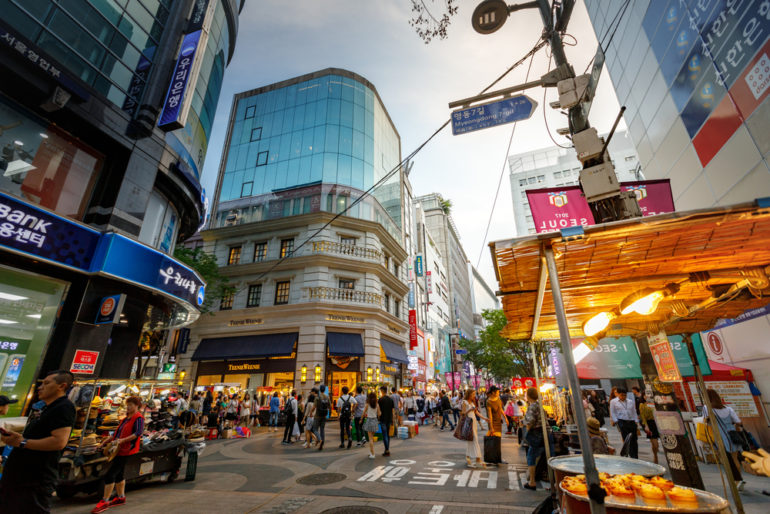
  • Korea’s Retail Sales Surge 9.2% in March: Strong Consumer Demand Boosts Growth

    Korea’s Retail Sales Surge 9.2% in March: Strong Consumer Demand Boosts Growth

    South Korea’s Retail Sector Sees 9.2% Growth Amid Rising Online Sales

    In a marked turnaround, South Korea’s retail industry experienced a remarkable 9.2% year-on-year growth in March 2025, driven by a surge in online shopping. While brick-and-mortar stores faced challenges, the digital marketplace thrived, particularly in food and essential services.

    Digital Sales Propel Retail Growth

    According to the latest data from the Ministry of Trade, Industry, and Energy (MOTIE), online sales soared by an impressive 19.0%. This shift highlights changing consumer patterns, as shoppers increasingly turn to e-commerce for their purchasing needs. In contrast, traditional offline sales reported a slight decline of 0.2%.

    Despite the overall positive growth, not all retail segments fared well. Both hypermarkets and department stores recorded declines, with drops of 0.2% and 2.1%, respectively. Categories like fashion and home appliances were particularly hard-hit.

    Growth in Convenience and Supermarkets

    Amid the fluctuating landscape, convenience stores and supermarkets bucked the trend with notable gains. Convenience store sales increased by 1.4%, while super supermarkets enjoyed a robust growth of 3.6%, driven by local shopping preferences that continue to dominate the market.

    Strong Demand for Food and Services

    Online sales significantly benefited from the rising demand for food products, which climbed by 19.4%. Additionally, services experienced a staggering 78.3% boost, largely due to an increased reliance on food delivery and online orders. However, fashion and sports categories struggled, witnessing declines of 4.7% and 10.1%, respectively.

    Notably, back-to-school shopping stimulated demand for home appliances and consumer electronics, which rose by 7.8%. The cosmetics sector also saw a growth of 7.5%, thanks to ongoing online sales momentum.

    Implications for Consumer Trends

    The retail landscape in South Korea is evolving rapidly, with online sales playing a pivotal role in shaping consumer trends. As digital shopping continues to expand, it presents significant opportunities and challenges for retailers, necessitating adaptations to meet the shifting preferences of consumers.

    As the retail sector navigates these changes, the potential for sustained growth remains promising, particularly for brands that embrace innovation and enhance their online presence.

  • Hoshima International Launches Smart Automation Revolutionizing Garment Manufacturing

    Hoshima International Launches Smart Automation Revolutionizing Garment Manufacturing

    Hoshima International, a leader in garment automation technology based in Singapore, is revolutionizing the manufacturing landscape with its innovative solutions. With over two decades of expertise, the company empowers garment producers in various countries, including Vietnam, Indonesia, and Turkey, by integrating smart technology into their production processes.

    Enhancing Operational Efficiency

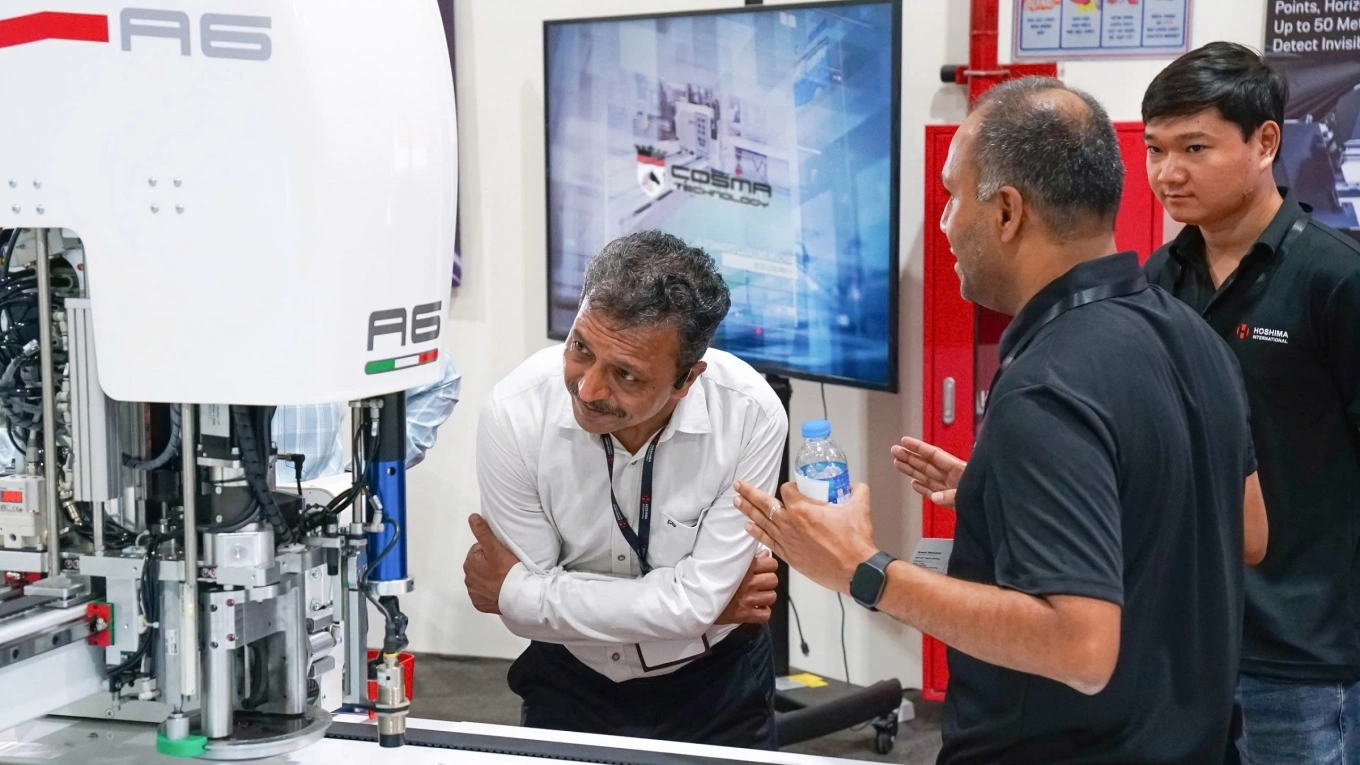
    Hoshima recently showcased its cutting-edge systems at the Hoshima Operation & Development Center, emphasizing its commitment to developing smart, connected garment factories.

    These advanced solutions address key challenges in the manufacturing sector, offering improved operational efficiency and sustainability. By seamlessly integrating hardware, robotics, and software, Hoshima’s suite of technologies elevates every stage of garment production—from material handling to final packaging.

    Smart Logistics and Warehousing

    State-of-the-art logistics and warehousing technologies are at the forefront of Hoshima’s offerings. By optimizing floor space and streamlining material handling, manufacturers can improve order accuracy and reduce inventory retrieval time.

    These innovations are particularly advantageous in high-mix, high-volume settings, where efficiency and rapid material movement are essential to maintaining a seamless production flow.

    Precision in Pre-Cutting and Cutting

    Automation technologies play a pivotal role early in the manufacturing process. Hoshima’s intelligent fabric relaxing and spreading systems ensure fabrics are uniformly prepared for cutting, significantly minimizing tension-related distortions.

    The integration of automated cutters enhances precision, reduces material waste, and accelerates preparation times, benefiting manufacturers with high-volume production needs.

    Innovations in Sewing

    In the sewing phase, Hoshima introduces advanced solutions like PPA Automation and AI Robotics. These innovations improve stitching accuracy, especially for intricate seams while automated quality control systems boost productivity by minimizing bottlenecks. Such enhancements allow operators to focus on higher-value tasks, positively impacting overall output quality.

    Streamlined Finishing Processes

    Hoshima’s finishing solutions simplify end-of-line operations, ensuring garments adhere to brand standards during folding and packing.

    Automation enhances presentation quality, reduces packing times, and lessens reliance on manual labor. The systems also incorporate dust and thread removal technologies, facilitating smoother delivery preparation to meet time-sensitive order demands.

    Robust Software Solutions

    Central to Hoshima’s automation framework is the Advanced Planning & Scheduling System, designed for comprehensive production management.

    This smart software enables real-time visibility, allowing businesses to efficiently monitor resources, leverage AI and Big Data, and quickly adapt to changing production requirements. The result is a harmonious integration of departments that minimizes downtime and supports informed decision-making.

    The Human Element in Technology

    According to Han Kiong Chong, Founder and Managing Director at Hoshima International, the success of these technologies depends on more than just machines: “Strong partnerships and shared commitment are essential. Our progress over 25 years stems from the trust within our network.”

    Hoshima’s investment in localized showrooms and training facilities further illustrates its dedication to supporting garment manufacturers on their automation journeys.

    Conclusion

    Hoshima International’s holistic approach—combining advanced automation technologies with extensive field support—positions the company as a key player in driving sustainable growth in the retail sector and meeting evolving consumer demands.

    Questions & Answers

    1. What is Hoshima International’s focus in garment manufacturing? Hoshima International specializes in providing advanced automation technology to enhance operational efficiency and sustainability in garment manufacturing.
    2. How does Hoshima improve the garment production process? Hoshima integrates hardware, robotics, and software solutions to streamline processes from material handling to packaging, addressing challenges like labor shortages and inconsistent output.
    3. Why is human support crucial in Hoshima’s strategy? Human expertise is essential for creating and maintaining effective automation systems. Partnerships and a commitment to training ensure successful technology adoption in the manufacturing sector.
  • Shanghai’s First Gold ATM Attracts Crowds Amid Record High Prices

    Shanghai’s First Gold ATM Attracts Crowds Amid Record High Prices

    In an innovative twist on jewelry transactions, Shenzhen Kinghood Group’s Smart Gold Store concept has revolutionized how consumers engage with gold. The introduction of sophisticated gold ATMs in Shanghai’s bustling Global Harbor shopping mall has generated significant interest, with customers reportedly booking appointments days in advance to take advantage of the seamless service.

    Emergence of Gold ATMs: A New Trend in Retail
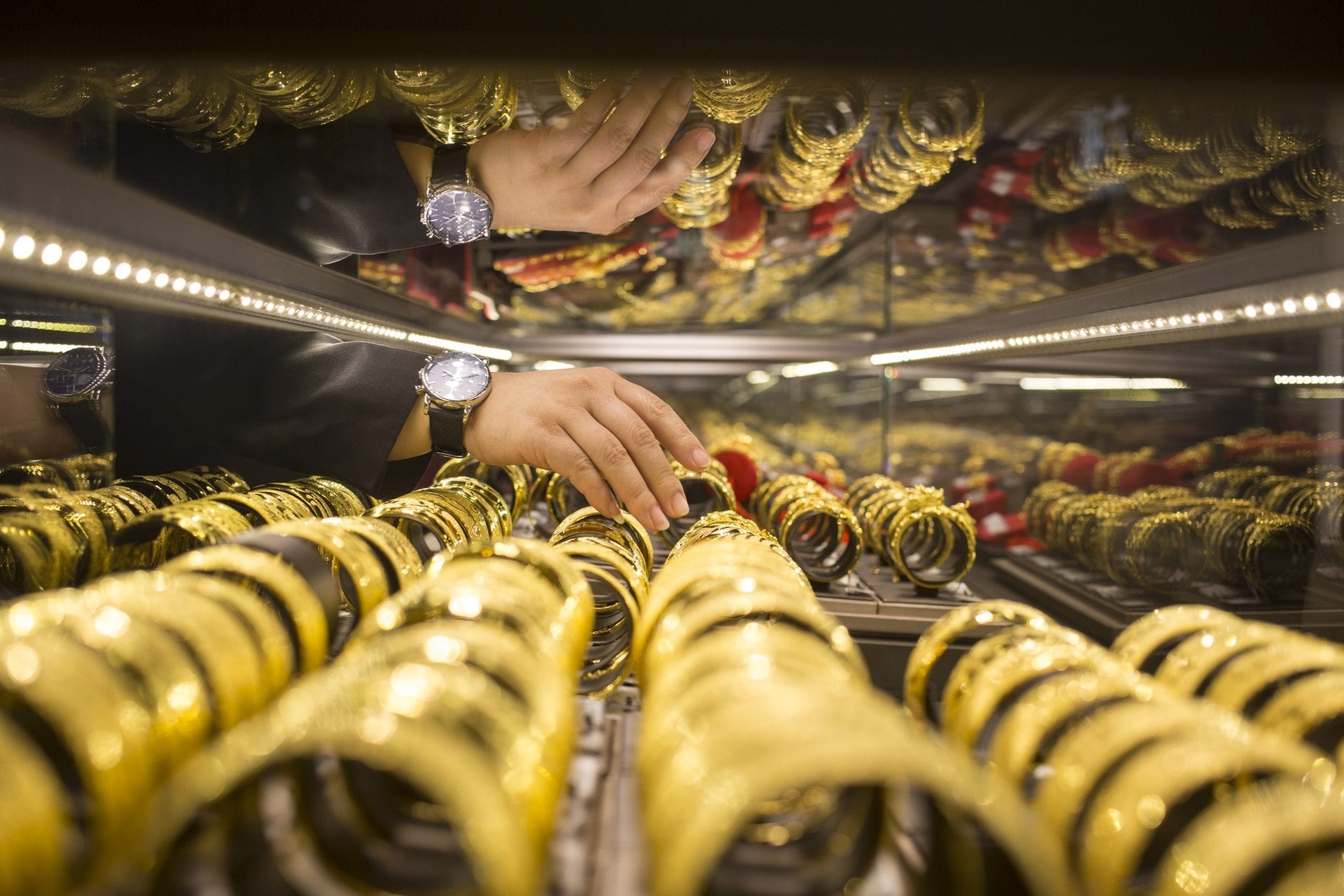
    The unique ATM experience allows users to insert gold jewelry, which is then weighed, melted, and evaluated on-site. In a striking example, a customer inserted a 40-gram gold necklace and received an impressive payout of CNY36,000 (approximately US$4,988) within just 30 minutes, according to China Times. This swift service reflects rising consumer demand and efficiency in gold exchanges.

    How the Smart Gold Store Works
    Managed by Kinghood Group, this groundbreaking ATM accepts gold items weighing over 3 grams and having at least 50% purity. The recycling process incorporates identity checks and melting at temperatures exceeding 1,000°C, followed by a second purity assessment. Additionally, a service fee of CNY18 (about US$2.50) per gram is applied, allowing for transparency in pricing.

    Strategic Expansion Plans
    Xie Chengcheng, Kinghood’s operations manager in Shanghai, revealed ambitious plans to deploy over 100 gold ATMs across the city, with existing units already in Beijing, Guangzhou, Shenzhen, and Hong Kong. Since its inception last year, Kinghood has expanded the Smart Gold Store concept to 40 cities throughout China, strategically placing these ATMs in banks, supermarkets, and retail spaces to enhance brand visibility and customer accessibility.

    Impact on Traditional Gold Buying
    The arrival of gold ATMs has disrupted the traditional gold-buying model in the region. Local “gold scalpers” and smaller buyers have reported significant losses attributed to the ATM’s efficiency and transparent transactions. Some have described challenges such as reduced cash flow and an inability to compete with the rapid service provided by the new machines.

    Market Context: Rising Gold Prices
    On April 16, when the Shanghai ATM debuted, gold prices soared to record highs, creating a favorable environment for long-term holders looking to cash in. The Shanghai Gold Exchange recorded real-time prices above CNY788 ($108) per gram. Xu Weixin from the Shanghai Gold Association noted, “The introduction of smart gold ATMs primarily serves a recycling function from a business perspective,” highlighting the increased value of gold possessions amid rising prices. However, he also advised consumers to consider holding onto their gold for longer, as there’s potential for further price increases.

    Conclusion: A Transformative Effect on Retail
    The innovative Smart Gold Stores may significantly influence the retail landscape, as brands adapt to evolving consumer trends. As demand for transparent and efficient transaction methods rises, the traditional avenues for buying and selling gold face new competition. This shift not only enhances convenience for consumers but also reshapes the dynamics of the gold market in China and beyond.

    Questions & Answers:

    1. What are Smart Gold Stores? Smart Gold Stores, managed by Shenzhen Kinghood Group, feature gold ATMs that allow users to sell gold jewelry quickly and efficiently for cash, revolutionizing traditional gold-buying processes.
    2. How do these gold ATMs operate? Users insert gold items, which are weighed, melted, and assessed for purity. Payouts are provided on-site, with a service fee applied for the transaction.
    3. What impact do gold ATMs have on the traditional gold market? Gold ATMs have disrupted traditional buying practices, leading to losses for local scalpers and smaller buyers while promoting transparency and efficiency in gold transactions.
  • Singapore’s Young Billionaires: $20B in Net Worth Among Six Under 50

    Singapore’s Young Billionaires: $20B in Net Worth Among Six Under 50

    Wealth Insights from Singapore’s Newest Elite

    Singapore’s financial landscape is continually evolving as new names emerge among the billionaire ranks. The city-state’s youngest billionaires showcase a diverse blend of industries, from real estate to tech, reflecting significant consumer trends and brand expansion strategies. With a total net worth ranging from technology to property development, these individuals are making their mark in retail news.

    Kishin RK: A Legacy Built on Innovation

    Kishin RK stands out as Singapore’s youngest billionaire, boasting a net worth of $1.6 billion as of March 7, 2023. The son of renowned real estate mogul Raj Kumar, Kishin joined the family business in 2003 before establishing his own property venture, RB Capital. Notably, he sold a gifted 5,000-square-meter apartment to initiate his real estate journey.

    The partnership between Kishin’s RB Capital and his father’s Royal Holdings results in a robust portfolio valued at approximately $10 billion. Their impressive roster includes key assets such as the Holiday Inn Express Clarke Quay and InterContinental Singapore Robertson Quay, highlighting the successful brand’s expansion in the hospitality sector.

    Sea Limited: Tech Titans Thrive Again

    The co-founders of Sea Limited, the parent company of the popular e-commerce platform Shopee, are also making headlines. Chairman Forrest Li, COO Gang Ye, and co-founder David Chen have all reached billionaire status under 50, with Li leading the pack at $8.6 billion.

    These entrepreneurs have seen their fortunes fluctuate dramatically in recent years, especially during the pandemic and subsequent market adjustments. However, after Sea Limited reported its first full-year profit in 2023, with a net gain of $163 million, their financial recovery has spurred renewed optimism. Revenue climbed to $16.8 billion in 2024, indicating a robust rebound in consumer demand and retail growth.

    Razer’s Min-Liang Tan: Gaming Innovator

    Min-Liang Tan, co-founder and CEO of Razer, transitioned from a law career to carve out a niche in the gaming industry. Since co-founding Razer in 2005, Tan has positioned the brand as a leader in gaming hardware and lifestyle products. After taking Razer private in 2022, valuing the company at $3.2 billion, Tan aims to enhance innovation and strengthen community ties within the gaming sector. His current net worth stands at $1.6 billion.

    Teo Swee Ann: Semiconductor Pioneer

    Teo Swee Ann, founder and CEO of Espressif Systems, is new to the list of billionaires this year with a net worth of $1.5 billion. Under his leadership, the Shanghai-listed company specializes in semiconductor technology, notably producing the popular ESP32 chips used in a variety of consumer products. His impressive journey from engineering to entrepreneurship marks a significant point in consumer technology trends.

    Impact on the Retail Sector

    The journeys of these billionaires reflect broader consumer trends and the evolving face of the retail landscape in Singapore. Their ventures not only symbolize personal success but also indicate a dynamic market where innovation and strategic brand expansion lead to substantial economic growth. The influence of technology and hospitality on consumer behavior continues to reshape retail, paving the way for exciting developments ahead.

    Questions & Answers

    1. Who is Singapore’s youngest billionaire and what industry does he operate in? Kishin RK is Singapore’s youngest billionaire, operating in the real estate industry through his company, RB Capital.
    2. How has Sea Limited’s financial status changed in recent years? Sea Limited’s co-founders saw fluctuations in their wealth but rebounded after the company reported its first full-year profit in 2023, indicating strong growth in consumer demand.
    3. What unique position do Teo Swee Ann and Espressif Systems hold in the tech market? Teo Swee Ann’s Espressif Systems specializes in semiconductor technology and is known for its ESP32 chips, which are integral to various electronic devices, signifying a trend toward smart consumer products.
  • Dubai’s Justice System Launches Crackdown on Retail Violations

    Dubai’s Justice System Launches Crackdown on Retail Violations

    Dubai’s Legal System Strengthens, Marking a New Era of Accountability

    In a notable shift towards stricter legal enforcement, Dubai has taken decisive action against money laundering, exemplified by the recent sentencing of Indian entrepreneur Balvinder Singh Sahni. This case underscores the emirate’s commitment to enhancing legal transparency and ensuring accountability in its burgeoning real estate sector.

    Court Sentencing and Financial Penalties

    On May 2, Balvinder Singh Sahni received a five-year prison sentence from a Dubai court, followed by deportation. The ruling also included a significant financial penalty: assets belonging to his company, Raj Sahni Group (RSG), were frozen to the tune of 150 million Emirati dirhams (approximately $41 million). Furthermore, Sahni was ordered to pay a fine of 500,000 dirhams ($136,000)

    This high-profile case has garnered significant attention, particularly in Sahni’s home country of India, highlighting the international ramifications of Dubai’s legal decisions.

    The Nature of the Allegations

    The court determined that Sahni and RSG engaged in money laundering through a network of shell companies and fraudulent invoices. Their operations included the development of glamorous properties in prime Dubai locations such as Business Bay and Sufouh Gardens. Known within Dubai’s affluent circles, Sahni displayed his luxury lifestyle on social media, further elevating his public profile as a prominent businessman.

    A Broader Initiative Against Cybercrime

    Dubai’s recent crackdown extends beyond financial crimes. During a recent GISEC cybersecurity conference, Mohammed Alkuwaiti, head of the UAE government’s cybersecurity department, disclosed alarming statistics: the UAE experiences approximately 200,000 cyber-attacks daily. In response, local authorities are intensifying international cooperation to combat cross-border cybercrime, reflecting a proactive approach to digital security threats.

    Looking Ahead: Implications for the Retail Sector

    As Dubai reinforces its legal frameworks, the implications for both businesses and consumers will be profound. Stricter enforcement may foster a more trustworthy investment environment, potentially leading to increased foreign investment in the region.

    Questions & Answers

    1. Who is Balvinder Singh Sahni and what was he charged with? Balvinder Singh Sahni is an Indian real estate entrepreneur sentenced to five years in prison for money laundering. His company, Raj Sahni Group, faced asset freezes and fines related to fraudulent financial operations.
    2. What actions is Dubai taking to bolster cybersecurity? Dubai is increasing international collaboration to combat cybercrime and reported daily cyber-attacks numbering around 200,000, highlighting a growing concern for digital security.
    3. What potential effects could these legal developments have on the retail sector in Dubai? Enhanced legal accountability can foster a more secure business environment, which may attract further investment and elevate consumer confidence in the retail market. As Dubai continues to refine its legal framework and enhance cybersecurity measures, the evolution of retail and business dynamics in the region could signal a transformative era for consumers and investors alike.
  • China Boosts Retail with Durian and Crocodile Imports from Cambodia

    China Boosts Retail with Durian and Crocodile Imports from Cambodia

    In a significant leap towards increasing its agricultural exports, Cambodia recently signed agreements to facilitate the export of swiftlet nests and crocodiles to China. This bold move is poised to open new avenues for Cambodian processors, exporters, and investors, as consumer demand in China surges for these unique products.

    A Historic Protocol for Swiftlet Nests

    Suy Kokthean, the president of the Khmer Swiftlet Association, has described the recent protocol for exporting swiftlet nests to China as a groundbreaking achievement. He emphasized that this development not only attracts more investment into Cambodia’s processing sector but also aligns with conservation efforts aimed at upgrading swiftlet houses to meet export standards.

    “This protocol is a major step forward for Cambodia’s swiftlet sub-sector,” Kokthean commented, noting that the Chinese market is abundant with opportunities. With swiftlet nest products gaining popularity in China, there is an optimistic outlook for processors and exporters eyeing entry into this lucrative market.

    Expanding Horizons Beyond China

    While the immediate focus is on exporting to China, Kokthean revealed that Cambodia is exploring other markets, including Taiwan, Hong Kong, and Singapore. “However, the demand from China far outstrips these smaller markets,” he added, highlighting the pressing need for an increase in Cambodian swiftlet nest supply to meet international demand.

    Currently, estimates suggest that over 5,000 swiftlet houses in Cambodia produce around 100 tonnes of nests annually, paving the way for significant export growth in the coming years.

    Crocodile Export Opportunities on the Horizon

    Kong Mey, vice president of the Crocodile Breeders’ Community in Siem Reap province, also lauded the new protocol allowing the export of Cambodian-cultivated crocodiles to China. This development is seen as a golden opportunity for crocodile breeders nationwide, with potential for strong market growth according to Mey.

    The Ministry of Agriculture, Forestry and Fisheries is diligently working on disease analysis for crocodile samples, ensuring that exports can proceed smoothly following confirmation of compliance with Chinese customs regulations.

    Government Support for Agriculture

    The Cambodian government is fully invested in enhancing export pathways for its agricultural products. Prime Minister Hun Manet recently directed relevant ministries to streamline procedures and minimize delays, reaffirming the government’s commitment to boosting the agricultural export sector.

    During a previous visit by Chinese President Xi Jinping, discussions centered on optimizing export channels for Cambodian agricultural products, highlighting a strategic partnership aimed at benefiting both nations.

    Economic Impact and Future Prospects

    Cambodia’s agricultural sector has made impressive strides, with over 12 million tonnes of crop products exported to 95 countries in 2024, generating approximately $5.3 billion in revenue. With agriculture contributing about 16.7% to the country’s GDP, the recent agreements underscore a pivotal moment for the retail and agricultural landscape in Cambodia.

    As Cambodia opens its doors to new markets and expands its product offerings, consumers in China and beyond may soon benefit from an enhanced supply of high-quality swiftlet nests and crocodiles.

    Questions & Answers:

    1. What recent agreements has Cambodia signed regarding exports?
      Cambodia has signed protocols for exporting swiftlet nests and crocodiles to China, marking significant growth opportunities for its agricultural sector.
    2. Who has praised the swiftlet nests export agreement, and what are the expected benefits?
      Suy Kokthean, president of the Khmer Swiftlet Association, praised the agreement as a major step forward that will attract investment and create opportunities for processors and exporters.
    3. What actions is the Cambodian government taking to support agricultural exports?
      Prime Minister Hun Manet has directed ministries to simplify export procedures, aiming to boost agricultural product exports and strengthen market connections with China.
  • Vietnam and US Launch Exciting New Bilateral Trade Negotiations

    Vietnam and US Launch Exciting New Bilateral Trade Negotiations

    Vietnam and U.S. Initiate Bilateral Trade Negotiations: A New Era in Economic Cooperation

    In a timely move to enhance economic collaboration, Vietnamese Trade Minister Nguyen Hong Dien engaged in a pivotal phone conversation with U.S. Trade Representative Jamieson L. Greer on April 23, 2025. This dialogue marks the commencement of crucial bilateral trade negotiations aimed at crafting a future trade pact.

    A Strategic Partnership for Economic Growth

    The negotiations are set to outline key principles, scope, and a roadmap for advancing trade between the two nations, as highlighted by Vietnam’s Department of Foreign Market Development. Minister Dien emphasized Vietnam’s commitment to its comprehensive strategic partnership with the U.S., stressing a focus on deepening economic ties that are balanced, stable, and sustainable.

    Open Dialogue for Mutual Benefit

    During the discussion, Minister Dien expressed Vietnam’s readiness to address U.S. concerns, aiming to seek solutions that align with the interests of both countries. In response, Greer praised the initiative, indicating optimism about discovering effective solutions that would bolster sustainable economic cooperation.

    Sustained Communication for Progress

    Both officials underscored the importance of ongoing communication between their negotiating teams to expedite the talks and ensure a streamlined process. This proactive approach positions both nations for potential growth as they navigate the complexities of international trade.

    Furthermore, this announcement comes at a time when the Trump administration is strategically delaying reciprocal tariffs on various trading partners, including Vietnam, for a 90-day period, while a temporary 10% tariff remains in effect.

    Implications for the Retail Sector and Consumers

    With the initiation of these bilateral trade negotiations, the potential for increased trade flow could reshape the retail landscape in both Vietnam and the U.S. As the two economies explore new avenues for collaboration, consumers may benefit from greater product availability and competitive pricing.

    Questions & Answers

    1. What are the main goals of the U.S.-Vietnam trade negotiations?
      The primary objectives include outlining principles, scope, and a roadmap for a future trade pact that enhances economic cooperation between the two nations.
    2. How does this negotiation impact current tariffs? The negotiations unfold during a 90-day delay on reciprocal tariffs by the Trump administration, with a temporary 10% tariff remaining in place on certain goods.
    3. What does this mean for consumers in both countries? Increased collaboration could lead to more diverse product availability, better quality, and competitive prices for consumers in both Vietnam and the U.S.
  • Retail Sales Surge as Consumer Demand Drives Brand Growth in New Store Openings

    Retail Sales Surge as Consumer Demand Drives Brand Growth in New Store Openings

    As consumer demand surges, brands are seizing the opportunity to escalate their growth strategies and expand their presence in the retail sector. Key players are not only adapting to shifting consumer preferences but also redefining their market strategies to capture a larger share of the evolving landscape.

    Rising Consumer Demand Drives Growth

    Recent reports indicate a notable surge in consumer demand across various sectors, with trends leaning toward online shopping and sustainable products. Retailers are witnessing this transformation first-hand, as customers gravitate towards brands that align with their values and expectations. This shift presents both challenges and opportunities in adapting to shopper behaviors that have been reshaped by the pandemic.

    Strategic Brand Expansion Initiatives

    Leading brands are actively pursuing expansion strategies aimed at reaching untapped markets. For instance, popular names in fashion retail are opening new stores in urban centers while enhancing their digital presence to cater to a diverse audience. By leveraging e-commerce platforms and improving logistics, these companies are well-positioned to respond to consumer trends effectively.

    Innovative Approaches to Sustainability

    As sustainability continues to play a critical role in consumer decision-making, brands are tailoring their practices to incorporate eco-friendly materials and ethical labor practices. Recent initiatives reveal that companies prioritizing sustainability not only meet consumer expectations but also set themselves apart in a competitive marketplace.

    Future Implications for the Retail Sector

    The ongoing shifts in retail dynamics signal a promising future for brands willing to innovate and adapt. As consumer trends evolve, those who embrace flexibility and responsiveness will likely thrive, paving the way for a more exciting retail landscape. This consumer-driven environment enhances the shopping experience and influences purchasing behaviors, ultimately impacting the broader retail sector.

    As brands continue to expand their presence and embrace these consumer trends, the retail landscape is poised for significant transformation, creating new opportunities for both retailers and shoppers alike.

  • World Bank Projects 5.8% GDP Growth for Vietnam by 2025

    World Bank Projects 5.8% GDP Growth for Vietnam by 2025

    Vietnam’s Economic Landscape: Navigating Global Trade Shifts and Strengthening Growth Prospects

    As a trade-dependent economy, Vietnam is significantly influenced by evolving global trade policies. Currently, the U.S. is Vietnam’s largest export market, constituting 30% of its total exports, while China accounts for 38% of its imports. However, uncertainties in the global landscape may pose challenges to consumer confidence and spending, as highlighted by the World Bank (WB).

    Trade Policy Uncertainty and Consumer Confidence

    The World Bank reported that the ongoing shifts in global trade could adversely impact Vietnam’s exports and overall economic growth. Given the country’s high exposure to the international market, any unexpected changes in trade policy could diminish demand, slowing private investments and foreign direct investment (FDI).

    Despite these challenges, consumer spending has not kept pace with GDP growth in recent years. The financial sector shows signs of heightened vulnerability, with the average loan-loss coverage ratio among 26 banks dropping to 83% from 150% in 2022. Although the government has room to bolster demand through fiscal measures, effective execution may be hindered by ongoing issues with public investment disbursement.

    Poverty Trends: A Mixed Bag of Progress

    On a more positive note, Vietnam’s poverty rate is experiencing a decline. The proportion of the population living on less than $3.65 per day is projected to fall from 3.8% in 2024 to 3.6% this year. Nonetheless, sluggish growth in the agriculture sector suggests that the poorest segments may see limited gains.

    Call for Strategic Policy Measures

    Experts advocate for focused policy measures that prioritize public investment, mitigate financial sector risks, and implement structural reforms. While monetary policy interventions are restricted, fiscal strategies can still drive growth, especially through investments aimed at addressing critical infrastructure gaps. Recent reforms, including updates to the Law on Credit Institutions, lay the groundwork for enhancing financial sector stability and resilience.

    Future Growth Outlook: Optimism Amidst Challenges

    Accelerating structural reforms is essential for improving regulatory environments in vital sectors like information technology, electricity, and transportation. Such initiatives will not only green the economy but also build human capital and enhance the business climate, ultimately sustaining long-term economic growth.

    The World Bank forecasts a positive medium-term growth outlook for Vietnam, projecting GDP growth to rebound to 6.1% in 2026 and climb to 6.4% in 2027. To unlock this potential, Vietnam must navigate a more stable international economic landscape while reinforcing domestic reforms aimed at boosting productivity, investing in human capital, and advancing environmental sustainability.

    In conclusion, as Vietnam looks ahead, the interplay of global economic conditions and domestic reform efforts will be critical in shaping the retail sector and consumer experiences in the coming years. The path forward is ripe with opportunities for brand expansion and adaptation to emerging consumer trends.

  • US-Vietnam Trade Talks Fuel Optimism for Retail Sales Growth

    US-Vietnam Trade Talks Fuel Optimism for Retail Sales Growth

    U.S. Trade Office Reports “Productive” Talks with Vietnam on Bilateral Trade Relations

    The U.S. trade office has announced a positive outcome from a recent virtual meeting with Vietnamese authorities, aimed at strengthening the bilateral trade relationship between the two countries.

    Key Discussions Between Trade Representatives

    U.S. Trade Representative Jamieson Greer engaged in dialogue with Vietnam’s Minister of Industry and Trade, Nguyen Hong Dien. This conversation stems from an earlier call between U.S. President Trump and General Secretary of the Communist Party of Vietnam, To Lam, on April 4.

    During the discussions, both parties recognized the necessity of facilitating reciprocal and balanced trade. They agreed to enhance market access and address unfair trade practices through ongoing technical discussions.

    Temporary Tariffs and Strong Commitment from Vietnam

    As negotiations progress, the Trump administration has decided to postpone imposing high retaliatory tariffs on several countries, including Vietnam, for an additional 90 days. Currently, a temporary tariff rate of 10% is in effect.

    Minister Dien reaffirmed Vietnam’s dedication to strengthening its Comprehensive Strategic Partnership with the U.S., emphasizing the country’s desire for economic relations that are balanced, stable, sustainable, and effective. He underscored the readiness of Vietnamese ministries to address concerns from the U.S. and work towards mutually beneficial solutions, guided by the principle of “harmonized benefits and shared risks.”

    Implications for Retail and Consumer Trends

    The outcome of these discussions could significantly influence the retail sector and consumer trends in both countries. As the dialogue progresses, potential tariff reductions may boost trade volumes, enhancing product availability for U.S. consumers and fostering brand expansion opportunities for businesses. The collaborative spirit between the U.S. and Vietnam may not only stabilize their trade relationship but also pave the way for future economic partnerships.

  • Thailand Boosts Economy with $15B Investment in Retail Growth

    Thailand Boosts Economy with $15B Investment in Retail Growth

    Thailand Plans $15 Billion Economic Stimulus to Combat GDP Slowdown

    In a strategic move to bolster its economy, Thailand’s Ministry of Finance has unveiled plans to inject over THB 500 billion (approximately $15 billion) aimed at increasing the nation’s GDP growth by more than 1.8%. The initiative focuses on stimulating consumer spending, enhancing investment, and providing soft loans as key drivers for economic recovery.

    Response to IMF’s Downward Revision

    This announcement comes in the wake of the International Monetary Fund (IMF), which has revised Thailand’s GDP growth forecast for 2025 from 2.9% down to 1.8%. This adjustment is largely attributed to the effects of reciprocal tariffs imposed by the United States. Notably, Thailand stands out as the only ASEAN nation with its GDP projection lowered to below 2%, and the IMF anticipates a further decline to 1.6% for 2026.

    Government’s Commitment to Economic Monitoring

    Deputy Prime Minister and Minister of Finance, Pichai Chunhavajira, described the IMF’s forecast as a preliminary evaluation. He acknowledged external challenges, including tariff policies from the U.S., but expressed confidence in the government’s ability to monitor economic conditions and implement timely stimulus measures to cushion any potential slowdown.

    “We are fully committed to maintaining growth at previous levels,” said Chunhavajira. He indicated that discussions are underway regarding appropriate funding sources for the stimulus package, involving collaboration with key agencies like the National Economic and Social Development Council and the Bank of Thailand.

    Strategic Use of Fiscal Resources

    Permanent Secretary of the Finance Ministry, Lavaron Sangsnit, emphasized Thailand’s robust fiscal position while outlining the strategic deployment of the THB 500 billion stimulus package. “Stimulating domestic consumption will generate immediate economic benefits, while investment is crucial for supporting structural reforms,” he noted.

    Funding sources for the initiative remain under consideration, including options for budget reallocation, utilizing THB 150 billion left from previous stimulus efforts, and leveraging state financial institutions for lending purposes. Further details on specific projects linked to the stimulus package are expected to be clarified by next month, depending on global economic trends.

    Implications for the Retail Sector

    This significant economic intervention by the Thai government is poised to have a considerable impact on the retail landscape, igniting consumer trends and brand expansion opportunities. As consumer demand surges in response to increased spending power, retailers may find new avenues to engage with customers, ultimately fostering growth in the domestic economy.

  • Vietnam Investment Seminar 2025: Strengthening Vietnam-Taiwan Retail Partnerships

    Vietnam Investment Seminar 2025: Strengthening Vietnam-Taiwan Retail Partnerships

    On May 9, a significant event targeting global investors will unfold at the Hsinchu Science Park in Taiwan. The Vietnam Investment Seminar promises to deliver essential insights into Vietnam’s burgeoning investment landscape, emphasizing collaboration opportunities and attractive incentives for foreign direct investment (FDI).

    Vietnam: A Rising FDI Powerhouse

    Vietnam is rapidly establishing itself as a leading destination for foreign investments, buoyed by a stable political environment and competitive incentives. The country’s modernization efforts have enhanced its industrial infrastructure, making it an appealing choice for international investors. Among its many provinces, Vinh Phuc stands out for its favorable industrial land availability, strategic location, and robust government support for businesses.

    Event Collaborators: Bridging Taiwan and Vietnam

    The seminar is a collaborative initiative by CNCTech Industrial and the Taiwan Science Park Association of Science and Industry (ASIP). The event will feature representatives from various Vietnamese ministries, highlighting the importance of government engagement in fostering foreign investment. ASIP encompasses companies from Taiwan’s leading science parks, including Hsinchu—often termed Taiwan’s “Silicon Valley.” This setup offers participants direct access to numerous high-tech partners and insights into successful industry practices.

    What to Expect from the Seminar

    Participants can look forward to a wealth of knowledge and networking opportunities, including:

    • Expert Presentations: Detailed discussions on Vietnam’s FDI incentives, investment procedures, and competitive advantages.
    • Showcasing Vinh Phuc Province: Insight into the province’s dynamic growth and industrial capabilities.
    • Case Studies: Success stories from Taiwanese companies thriving in Vietnam.
    • Networking Events: Engage directly with Vietnamese government representatives, CNCTech Industrial experts, and Taiwanese high-tech firms.
    • Investor Support Services: A comprehensive overview of CNCTech Industrial’s offerings, which include legal consultations and factory management.

    CNCTech Industrial, part of the larger CNCTech Group, will also showcase its standardized industrial parks and extensive investor support ecosystem. With over 600 hectares of industrial land in Vietnam, the company has successfully attracted a variety of FDI enterprises from Japan, Taiwan, China, and South Korea.

    Strengthening Ties for Future Growth

    The Vietnam Investment Seminar 2025 aims to cultivate new business connections while aligning Taiwan’s innovative industries with Vietnam’s expanding industrial base. By enhancing these relationships, the seminar seeks to spur the next wave of investment into Vinh Phuc and beyond.

    Event Details

    • Date: May 9, 2025
    • Venue: Meeting Room 203, 2nd Floor, Industrial Park Association Building, No. 2, Chien Yeh 1st Road, Hsinchu Science Park, Taiwan
    • Registration: Participants must register by May 6 here.

    As the retail sector continues to evolve, events like the Vietnam Investment Seminar not only foster international collaboration but also pave the way for increased consumer choice and economic benefits. With a concerted focus on investment, Vietnam’s growth trajectory is set to benefit not just investors, but consumers looking for greater product variety and innovation.

  • Vietnam’s International Paper and Packaging Expo Showcases Retail Innovations This May

    Vietnam’s International Paper and Packaging Expo Showcases Retail Innovations This May

    Surge in Vietnam’s Paper and Packaging Sector: VPPE 2025 Set to Showcase Innovation

    In a remarkable evolution of its manufacturing landscape, Vietnam’s paper and packaging sectors are witnessing significant growth. This momentum is driven by a decisive shift from single-use plastics towards sustainable paper solutions, fueled by the booming e-commerce sector and robust export activities. The upcoming Vietnam Paper and Packaging Exhibition (VPPE) 2025 promises to capitalize on these trends, offering substantial opportunities for industry stakeholders.

    A Platform for Industry Leaders

    Hosted by the Vietnam Pulp and Paper Association, the Vietnam Packaging Association, and the Vietnam Advertising Association, VPPE 2025 will be a vital hub for businesses looking to display their innovations, broaden their market reach, and connect with potential clients and partners. With over 250 booths featuring close to 500 brands from Vietnam and around the globe—including notable representatives from Japan, China, South Korea, and the United States—attendees can expect a dynamic showcase of industry advancements.

    Explore Cutting-Edge Innovations

    During this three-day event, more than 10,000 specialized visitors will have the opportunity to discover a wide array of high-quality products and state-of-the-art technologies. Highlights include advanced paper machines, innovative fiber treatment technologies, and comprehensive packaging solutions. The exhibition will also emphasize eco-friendly recyclable packaging and promote solutions for wastewater and exhaust gas treatment, aligning with contemporary consumer trends for sustainability.

    Engaging Activities and Networking Opportunities

    VPPE 2025 is not just an exhibition; it’s a comprehensive experience that incorporates various supplementary activities. Attendees can participate in the Annual Vietnam Packaging Summit, the Vietnam Packaging Awards 2025 Ceremony, and the Vietnam Paper Industry Technical Conference. Workshops will focus on quality standards and management in paper packaging production, providing further value to participants. Moreover, the newly introduced VPPE Golf Tournament offers a unique opportunity for networking in a more relaxed environment.

    Accessibility and Amenities

    To ensure a seamless experience, organizers are providing free round-trip shuttle buses from Ho Chi Minh City to the venue. Additional shuttle services will be available for groups traveling from selected provinces. Onsite amenities include a business lounge, dining areas, complimentary refreshments, and even a lucky draw program, all designed to create a welcoming and productive atmosphere.

    As the paper and packaging industries evolve, VPPE 2025 stands as a pivotal event, showcasing consumer trends and brand expansions that reflect the sector’s future. This exhibition not only highlights innovation but also prepares the retail sector and consumers for a more sustainable tomorrow, bridging the gap between demand and eco-friendly alternatives.

    For more information, visit [VPPE 2025 official page].

  • Stability Prevails in Singapore’s Retail Sales Amid Consumer Demand Trends

    Stability Prevails in Singapore’s Retail Sales Amid Consumer Demand Trends

    Singapore’s Political Landscape: Stability Persists Amid Growing Challenges

    Amid rising consumer concerns and economic pressures, Singapore’s political scene sees a reaffirmation of the status quo as the People’s Action Party (PAP) retains power.

    In a political landscape marked by uncertainty, Singapore holds its position as a leading financial hub, drawing parallels with global giants like New York and London. This weekend’s elections have revealed not only the resilience of the PAP but also the complex dynamics that shape the future of this Southeast Asian city-state.

    The Enduring Influence of the People’s Action Party

    For 60 years, the PAP has been synonymous with governance in Singapore, a legacy built by the late Lee Kuan Yew. His vision transformed the nation from a developing country into a thriving economy, establishing a reputation for stability and reliability. Despite occasional challenges, Singaporeans have consistently supported the PAP, reflecting their trust in the party’s ability to maintain these foundational values.

    A New Face: Prime Minister Lawrence Wong

    Prime Minister Lawrence Wong’s ascent marks a generational shift in Singapore’s leadership. As the successor to Lee Hsien Loong, Wong is the first Prime Minister not directly linked to the founding generation. His comparatively shorter political career raised questions about his popularity and experience, creating an unpredictable environment ahead of the recent parliamentary elections.

    Rising Consumer Concerns and Inflation Pressures

    Increasing living costs and heightened inflation — particularly in the property market — have fueled public dissatisfaction, especially among younger voters. With calls for a stronger opposition to challenge the ruling party’s authority, many were anticipating a change in the political tide.

    Unexpected Election Results

    Contrary to expectations of a potential setback for the PAP, the ruling party achieved a decisive victory, while opposition parties made only modest gains. This outcome underscores the electorate’s preference for stability amid global uncertainties, particularly influenced by geopolitical tensions involving superpowers like the United States and China.

    Implications for Singapore’s Financial Sector

    The implications of this election are significant for Singapore’s financial sector, which houses numerous Swiss enterprises. The PAP’s continuation in power signals a commitment to maintain the country’s reputation for stability and reliability, vital traits in an increasingly complex global landscape.

    Looking Ahead: A Stable Future for Singaporeans

    As Singapore continues to navigate the fluctuations of world trade and international diplomacy, the recent electoral results affirm the public’s desire for dependable governance. The PAP’s sustained leadership suggests a concerted effort to balance local needs with global aspirations, making it a key player in shaping future consumer trends and economic policies in the region.

    As the retail sector adapts to changing dynamics, consumers can expect a focus on stability that will influence economic growth and opportunities in the coming years.