Category: General

Retail News Asia is committed to providing both local and global retailers with the latest General Retail news throughout the Asian market. This on a daily base.

  • Big C expands in Hong Kong with Tsim Sha Tsui flagship store

    Big C expands in Hong Kong with Tsim Sha Tsui flagship store

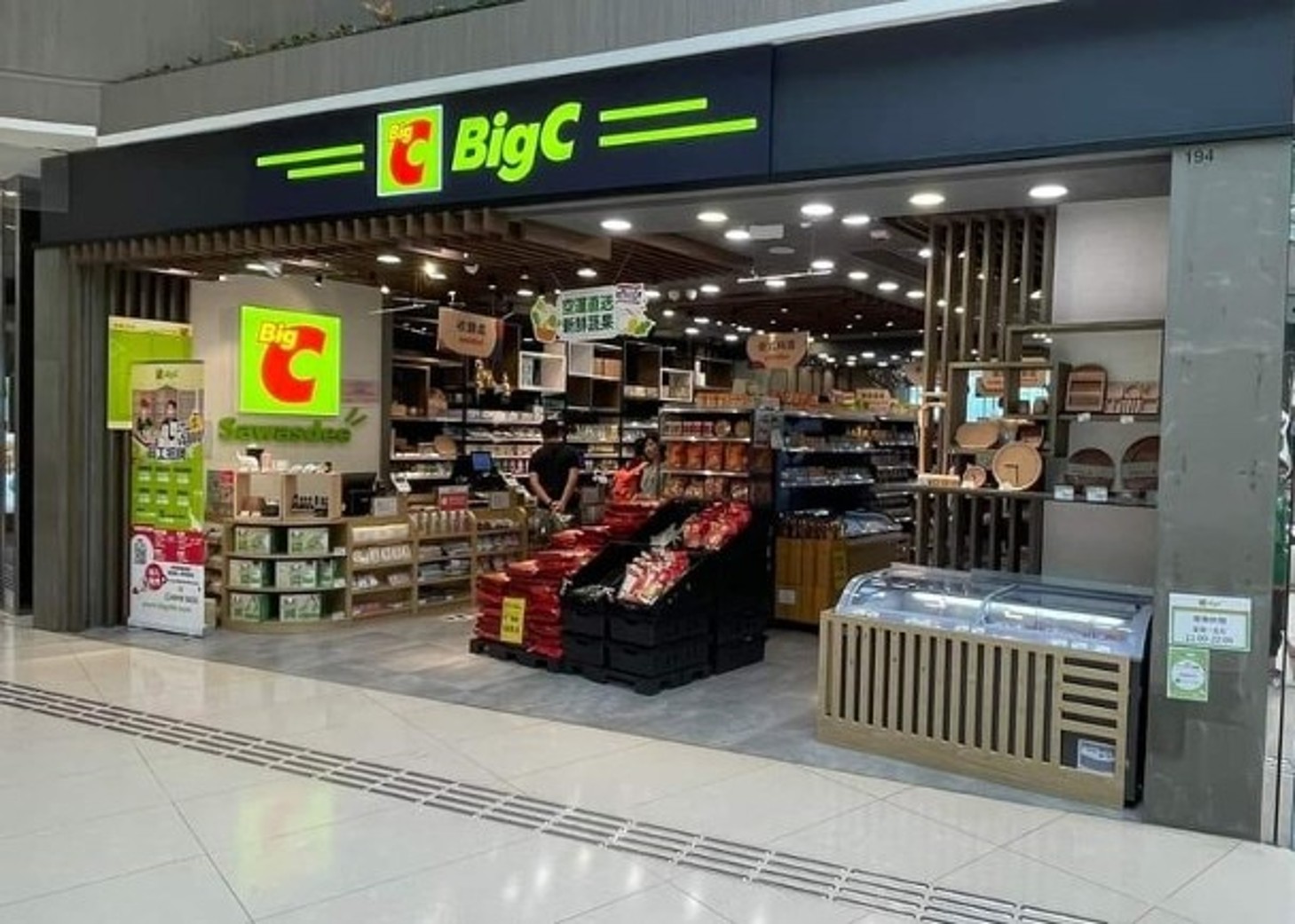
    Thai-based supermarket chain, Big C, is expanding its footprint within Hong Kong through the opening of a new flagship store situated in the bustling district of Tsim Sha Tsui.

    Expanding in Hong Kong

    Marking its entrance into the Hong Kong marketplace in 2023, Big C brought with it a diverse range of Thai products targeted at local consumers. The latest store represents an evolution of Big C’s retail approach, leveraging an immersive retail format reflective of a “Five-Sense” concept. This concept incorporates the elements of hearing, sight, smell, taste, and touch, creating a unique shopping experience.

    Immersive Retail Experience

    A unique, aromatic blend of frangipani wafts through the entrance of the store, a tribute to the Thai heritage of the brand. This scent has been carefully crafted by Thai wellness brand Bhawa, using the finest natural essential oils. A signature Tuk-Tuk, a common mode of transportation in Thailand, is prominently displayed at the storefront, along with large LED screens showcasing product videos, immersing shoppers in a sensory experience upon their arrival.

    Upon entering the store, shoppers are greeted by a spacious layout filled with interactive displays along with tasting and demonstration areas. These zones are specifically designed to highlight Big C’s “Ready to Eat” line of products, freshly prepared in local kitchens on a daily basis.

    A Multi-sensory Environment

    Beyond visual and tactile elements, the store pays tribute to its Thai roots through the auditory sense as well. Thai pop music is played throughout the store, creating a brand recall for regular customers. Additionally, it hosts a range of in-store events such as aromatherapy workshops, cooking demonstrations, and Thai massage sessions, further enhancing the shopping experience.

    With its roots tracing back to 1993 in Bangkok, Big C now operates in several countries including Thailand, Hong Kong, Vietnam, Laos, and Cambodia.

    Questions & Answers

    When did Big C enter the Hong Kong market?
    Big C entered the Hong Kong market in 2023.

    What is unique about the new Big C flagship store in Hong Kong?
    The new Big C flagship store in Hong Kong is designed around a “Five-Sense” concept, creating a unique sensory shopping experience for consumers.

    What range of activities does the store offer to enhance the shopping experience?
    The store offers a range of activities including aromatherapy workshops, cooking demonstrations, and Thai massage sessions, to further enrich the shopping experience.

  • Hong Kong Tycoon Li Ka Shing Makes Rare Public Appearance at Concert Event

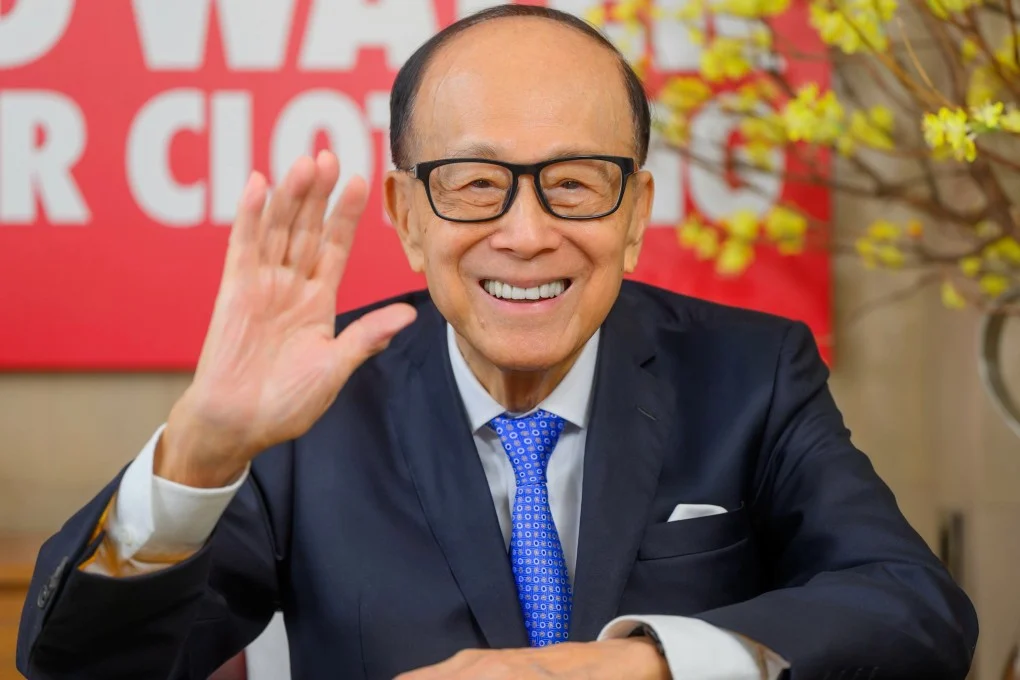
    Hong Kong Tycoon Li Ka Shing Makes Rare Public Appearance at Concert Event

    The tycoon made a noteworthy appearance at the Kai Tak Sports Park on Saturday, attending the second show of a four-night concert series. At 96 years old, Li Ka-shing was seen sitting comfortably in a private section of the main grandstand, accompanied by businesswoman Solina Chau, who graciously reserved the spot for him.

    Chau, director of the Li Ka Shing Foundation and his longtime business partner, exuded warmth during the event. As the clock struck 9 p.m., Li was spotted exiting the private area in his bike-like wheelchair, radiating cheerfulness as he waved to the audience, thanking those around him for their support.

    When confronted with questions about the recent controversy surrounding the sale of Panama ports, Li opted for silence. Chau quickly intervened, urging attendees to steer clear of such queries. “Mr. Li has retired. Thank you all very much. It is rare for him to come out like this,” she reassured.

    This rare public outing comes on the heels of CK Hutchison Holdings announcing a deal to sell its global ports business—including two pivotal docks at opposite ends of the Panama Canal—to a consortium led by the U.S. investment giant, BlackRock. Just last month, Li had made an appearance as the founder of the Li Ka Shing Foundation, donating a non-invasive liver cancer treatment system to the Hong Kong Sanatorium & Hospital.

    Originating from Guangdong province in China, Li, who will soon celebrate his 97th birthday, is a distinguished investor, industrialist, and philanthropist in Hong Kong. His journey began at a young age when he left school to sell plastic flowers, eventually accumulating his vast fortune through real estate investments. Having been the city’s richest individual for years, Li retired in 2018, handing over the reins of his vast empire to his eldest son, Victor Li Tzar-kuoi.

    Following the passing of billionaire Lee Shau Kee in March, Li is now the last surviving founder of Hong Kong’s illustrious “big four” tycoon families. His fleeting visit to the stadium serves as a testament to his unwavering influence and the legacy he has built over decades. Who knew a concert could be a stage for such impactful history?

    Questions & Answers

    Why is Li Ka-shing’s appearance at the concert significant?
    Li’s appearance underscores his enduring status and influence in the business world, especially given his rarity in public engagements since retirement.

    What recent event prompted questions from the public?
    Li faced inquiries regarding the controversial sale of his global ports business, including significant docks in Panama, to BlackRock.

    What unique aspect does Li’s background add to his public persona?
    Li’s journey from selling plastic flowers to becoming a billionaire industrialist showcases a remarkable rags-to-riches story, which adds a compelling layer to his legacy.

  • Raffles City Unveils Exciting Second Edition of Its Beauty Vault Pop-Up Experience

    Raffles City Unveils Exciting Second Edition of Its Beauty Vault Pop-Up Experience

    Raffles City in Singapore is set to dazzle beauty aficionados once again with the return of its luxury beauty pop-up, Beauty Vault. Running from 8 May to 15 June 2025 at the Level 3 Main Atrium, this vibrant event will feature an impressive lineup of 21 premium brands.

    A Luxurious Lineup of Brands

    The Beauty Vault will spotlight both newcomers like Aesop, Armani Beauty, Diptyque, GUERLAIN, and YSL Beauty, along with fan-favorites such as Chanel, Dior, Gucci, and Maison Francis Kurkdjian. Shoppers will be treated to a series of rotating brand takeovers, ensuring fresh experiences with each visit.

    Engaging Activities Await

    Attendees can indulge in a plethora of exclusive experiences, including makeup masterclasses led by celebrity artists, skincare demonstrations from professional trainers, fragrance layering workshops, personalized color analyses, and holistic wellness solutions. But wait, there’s more—engage in lifestyle workshops on floral arrangement and cocktail-making, plus join in on sustainability talks and special in-store events designed to enrich your beauty journey.

    Exclusive Rewards and Highlights

    As an added incentive, Raffles City will reward its top spender with a luxurious trip for two to Paris, courtesy of Maison Francis Kurkdjian. Meanwhile, the Level 1 Fashion Walkway will transform into a glamorous beauty zone, showcasing seasonal must-haves that promise to elevate your beauty game.

    So, prepare your wallets and get ready for a beauty experience that’s anything but ordinary. After all, who wouldn’t want to look fabulous while learning to mix the perfect cocktail or arrange stunning floral displays?

    Questions & Answers

    What are the dates for the Beauty Vault event?
    Beauty Vault will be open from 8 May to 15 June 2025.

    Which premium brands will be featured at the event?
    The event will showcase 21 premium brands, including Aesop, Armani Beauty, Diptyque, GUERLAIN, YSL Beauty, Chanel, Dior, Gucci, and Maison Francis Kurkdjian.

    What unique experiences are offered at Beauty Vault?
    Visitors can enjoy makeup masterclasses, skincare demonstrations, fragrance workshops, and lifestyle classes on floral arrangements and cocktail-making, along with sustainability talks and more.

  • Hong Kong’s first Goose Island Taproom opens in Central

    Hong Kong’s first Goose Island Taproom opens in Central

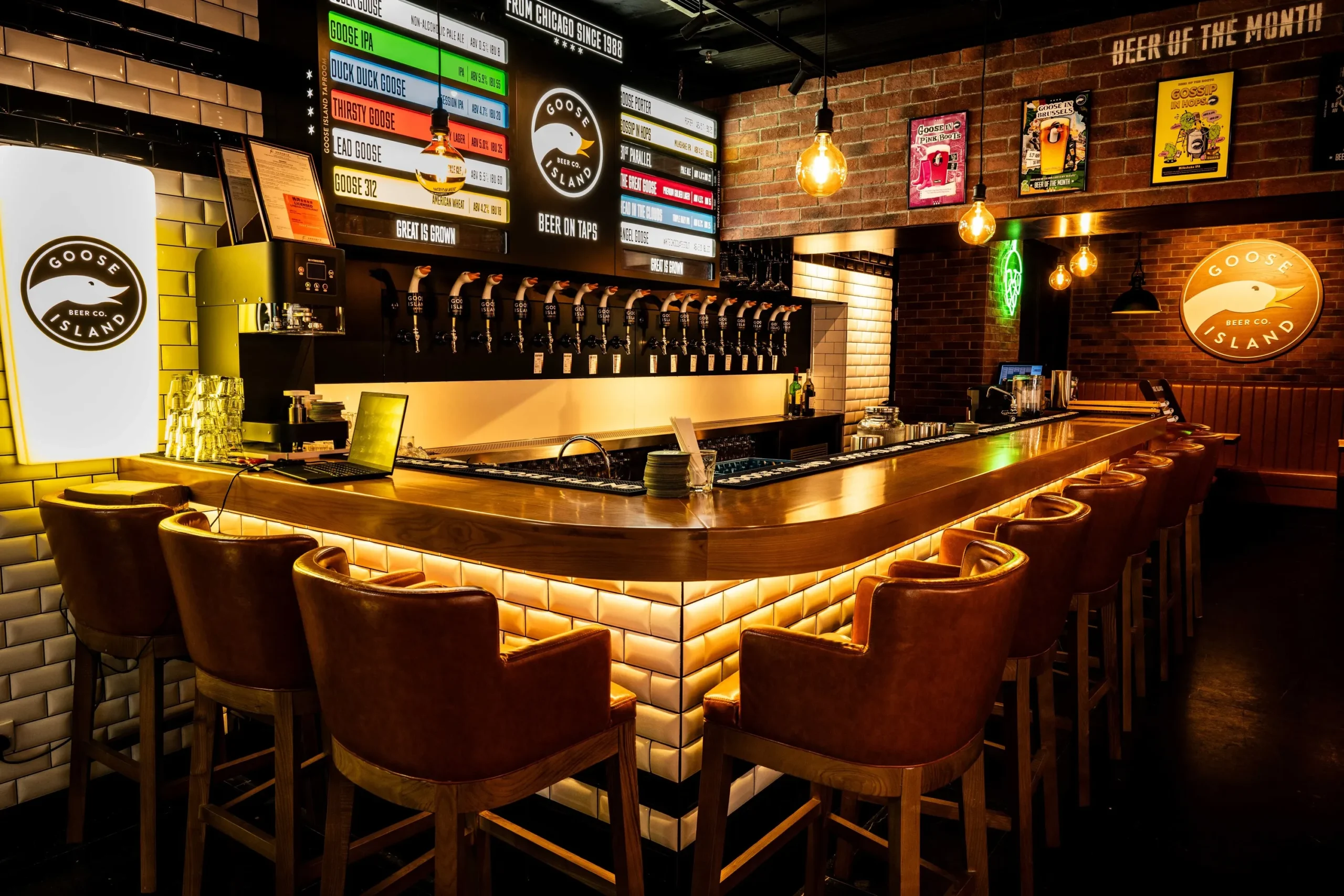
    The revered Chicago-based craft brewery, Goose Island, has now opened its first taproom in Asia, specifically in Hong Kong. The establishment, located on Lyndhurst Terrace in Central, is all set to delight patrons with its exceptional beer offerings.

    Goose Island, a pioneer in the craft beer industry, and renowned for its multiple award-winning IPAs, has transported over a dozen of its top-grade craft beers to Asia. The taproom will feature the brewery’s renowned beers as well as a monthly rotation of unique specials.

    Celebrated Beers and Food Offerings

    Beer connoisseurs will get to savor the Goose IPA, a champion of the Great American Beer Festival on six occasions. In addition, they can also taste the newly crowned Thirsty Goose lager, a recipient of the 2024 World Beer Awards China Gold.

    For those undecided on what to sample first, Goose Island offers the Brewmaster’s Choice Flight. This selection includes twelve 150ml pours of various house beers for $298.

    In addition to its fine beers, the taproom also offers a menu of robust American pub cuisine to pair with the drinks. Patrons can indulge in beer-battered fish and chips made with Goose 312 wheat ale, mouth-watering burgers, and loaded nachos served with a signature Goose IPA cheese sauce.

    An interesting tidbit about the brewery is its name. The moniker “Goose Island” is inspired by a small manmade island located on the Chicago River. According to local legends, migrating geese used to frequently halt at this island.

    Operational Hours and Contact

    The Goose Island Taproom is open every day from noon until midnight, with extended hours until 2 am on Fridays and Saturdays. The exact location is Shop 1, G/F, 8 Lyndhurst Terrace, Central. To make reservations or for updates, patrons can call 6800 6634 or follow the taproom’s Instagram handle @gooseislandhk.

    Questions & Answers

    What is the Goose Island Taproom?
    The Goose Island Taproom is the first Asian outlet of the Chicago-based craft brewery, Goose Island. It is situated in Hong Kong, on Lyndhurst Terrace in Central.

    Which beers are featured at the Goose Island Taproom?
    The taproom features over a dozen top-grade craft beers from Goose Island, including the six-time Great American Beer Festival champion Goose IPA, and the newly awarded 2024 World Beer Awards China Gold winner, Thirsty Goose lager.

    What kind of food is available at the taproom?
    The taproom offers a variety of hearty American pub food, such as beer-battered fish and chips made with Goose 312 wheat ale, stacked burgers, and loaded nachos served with a signature Goose IPA cheese sauce.

  • Digital Transformation: Shaping the Future of Asian Retail

    Digital Transformation: Shaping the Future of Asian Retail

    In recent years, the Asian retail landscape has undergone a dramatic transformation powered by rapid digital innovation. Traditional brick-and-mortar models are being reshaped by a surge in online shopping, mobile payments, and customer data analytics. Retailers are increasingly leveraging technology to engage consumers and enhance operational efficiency. This shift, accelerated by changing consumer behaviors and advanced digital infrastructures, is redefining competitive strategies across the region. As retail professionals navigate these changes, they face both challenges and opportunities in balancing physical presence with digital capabilities. The following analysis explores the evolving trends that are set to define the future of Asian retail.

    Evolution of Retail in Asia: From Brick-and-Mortar to Digital Ecosystems

    Across Asia, historic retail formats are rapidly giving way to digital ecosystems that integrate online and offline experiences. Urban centers in countries like China, Japan, and India are witnessing an increasing shift from traditional stores to interactive digital platforms. This evolution is fueled by broader connectivity, greater smartphone adoption, and evolving consumer expectations for convenience and personalization. Many retailers now blend e-commerce with physical outlets, offering omnichannel services that streamline purchases and support customer engagement. This integration is transforming market operations and setting new benchmarks for service efficiency and product accessibility. Overall, this shift is paving the way for a refreshed consumer experience.

    Integrating Entertainment and Retail: The Digital Shift

    Digital innovation has blurred the lines between entertainment and retail, creating immersive experiences that drive customer engagement. Modern retailers are adopting strategies from the entertainment industry to capture the attention of tech-savvy consumers. Interactive digital displays, live-streamed events, and gamified shopping experiences are now common features in contemporary retail environments. Moreover, platforms in sectors such as online gaming offer models of user engagement that retail can emulate. For instance, some digital gaming services integrate social interaction and real-time decision-making to keep users actively involved. An example of this cross-industry innovation can be seen with Singapore online poker options, which showcase how advanced digital interfaces coupled with secure transactions can create compelling user journeys. By adopting similar interactive tools, retailers are better able to personalize experiences, boost loyalty, and differentiate themselves in a competitive market. This strategy not only enhances brand perception but also drives sustainable consumer engagement in a digitally driven era.

    Building a Digital Infrastructure for Retail Growth

    A strong digital infrastructure is the backbone of modern retail success. Retailers are investing in technologies such as cloud computing, big data analytics, and mobile platforms to ensure efficient operations and superior customer experiences. These systems enable real-time tracking of inventory and consumer behavior, allowing businesses to be agile and responsive to market changes. Such investments not only streamline operations but also foster innovation through artificial intelligence and automation. Recent research highlights that digital trade in the Asia-Pacific region has experienced robust growth. For example, there has been a marked increase in digitally deliverable exports, underscoring the importance of a solid digital foundation for business competitiveness. By prioritizing digital infrastructure, retailers are better positioned to meet evolving market demands and unlock new revenue streams in an increasingly dynamic economic landscape. Investing in these digital systems not only drives operational excellence but also prepares businesses for future challenges. This commitment is critical.

    Market Outlook and the Role of Data in Strategic Adaptation

    The post-pandemic recovery in Asia has underscored the vital role of digital readiness in retail. Consumer behavior continues to evolve rapidly, with data-driven insights guiding strategic decisions. The OECD’s Southeast Asia Economic Outlook notes modest yet consistent retail sales growth, offering a positive forecast for the sector. Retailers are now harnessing advanced analytics to understand market trends and optimize inventory management. Such data integration empowers businesses to tailor personalized shopping experiences and improve customer satisfaction. Innovative strategies, driven by real-time data, are enabling companies to anticipate consumer needs and respond swiftly to market fluctuations. By embracing digital tools and robust analytical frameworks, retailers can enhance operational efficiency and drive sustainable growth in a competitive landscape. This proactive approach improves performance and strengthens the ability to respond to evolving trends. As technology advances, data will stay central to retail transformation.

    Future Prospects and Strategic Lessons for Retail Leaders

    Looking ahead, the convergence of digital and physical retail promises to redefine consumer interaction across Asia. Retailers are increasingly adopting hybrid models that integrate seamless online processes with personalized in-store experiences. Innovative technologies such as augmented reality and artificial intelligence are set to transform shopping, offering immersive environments that captivate modern consumers. Companies that invest in these technologies are likely to gain a competitive edge in a fast-evolving market. Moreover, sustainable retail growth will depend on agility, data-driven decision-making, and continuous innovation. For example, Alibaba is betting big on Vietnam’s e-commerce potential, which highlights successful strategies in digital transformation. In this era of rapid change, strategic foresight and technology adoption remain essential for long-term success and market leadership. Retail leaders must innovate to anticipate evolving industry trends and maintain a competitive position. Innovation and data will drive retail success.

  • Aeon eyes eightfold expansion in Vietnam by 2030

    Aeon eyes eightfold expansion in Vietnam by 2030

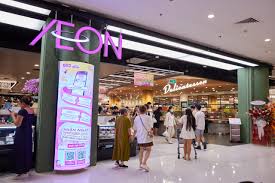
    Aeon, a renowned Japanese retail conglomerate, has laid out ambitious plans to increase its presence in Vietnam’s retail sector. The group is charting an eightfold expansion of its network of general merchandise stores and large-format supermarkets across Vietnam over the next half a decade, according to a report by Nikkei Asia.

    Current Operations

    Aeon currently manages 12 general merchandise stores in Vietnam, including a trio of “super-supermarkets” – a blended retail model that integrates groceries, food courts, and sections for beauty and household goods. In addition to these, the company also oversees 36 small-format supermarkets, which include Citimart outlets operated by an Aeon subsidiary.

    Yasuki Furusawa, President of Aeon Retail, shared the strategic plans with Nikkei Asia. Furusawa revealed that the company aims to operate 100 general merchandise stores and super-supermarkets, alongside 200 smaller-scale grocery stores by 2030.

    Flagship Store Expansion

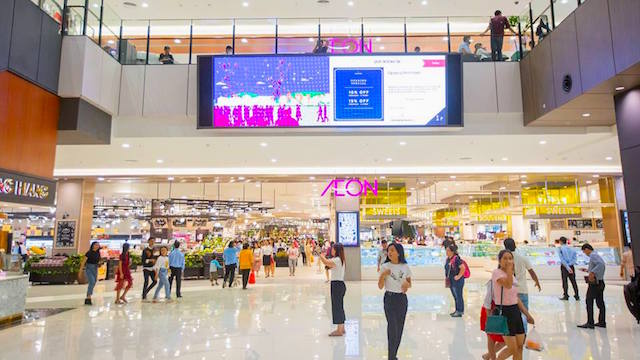
    Earlier this year, Aeon inaugurated its latest flagship store, Aeon Xuan Thuy, located in a vibrant district of Hanoi, well-positioned near offices, schools, and a newly installed subway station.

    The four-level building offers a diverse range of products to its customers. The first three floors house a wide array of goods, including food, cosmetics, furniture, and apparel. The third floor also features a spacious dining area that can accommodate up to 450 patrons. Additionally, the store boasts a sizeable prepared foods section, covering 1620 square meters, where customers can choose from a variety of offerings such as sushi, ramen, boxed meals, fried dishes, and baked goods.

    “Family outings to the store, where each member can select what they want, followed by a meal around the table, is a major form of entertainment in Vietnam,” Furusawa mentioned, underscoring the cultural context of their business model.

    Questions & Answers

    What is Aeon’s expansion plan in Vietnam?
    Aeon plans to increase its network of general merchandise stores and large-format supermarkets in Vietnam eightfold over the next five years.

    How many stores does Aeon currently operate in Vietnam?
    Currently, Aeon operates 12 general merchandise stores in Vietnam, including three “super-supermarkets” and 36 small-format supermarkets.

    What does Aeon’s flagship store in Hanoi offer?
    Aeon Xuan Thuy, the flagship store in Hanoi, offers a range of products including food, cosmetics, furniture, and apparel across its first three floors. The third floor also features a 450-seat dining area and a substantial prepared foods section.

  • Korean retailers struggle amid sluggish demand

    Korean retailers struggle amid sluggish demand

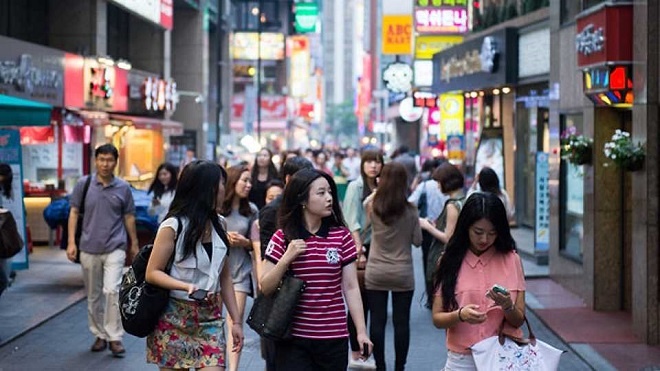
    The first quarter of 2025 presented significant challenges for the South Korean department store industry due to a notable decrease in domestic consumption. This tough economic climate had a substantial impact on sales and profits. Lotte Department Store was the only major player to announce a significant increase in profits, primarily attributed to its strong overseas operations and internal streamlining.

    Lotte Department Store reported a 44.3% year-on-year increase in its operating profit to 130 billion won in Q1 2025. This growth occurred despite a minor 1.1% drop in revenue, falling to 806.3 billion won. The company attributed this positive development to their aggressive cost-efficiency strategies, including shutting down underperforming stores and reinvesting in flagship locations. Additionally, their international business arm recorded a 6.2% revenue increase, marking its return to profitability.

    In contrast, Lotte’s rivals, Shinsegae and Hyundai Department Store, failed to meet their profit expectations. Shinsegae’s revenue fell by 0.8% to 659 billion won, while its operating profit decreased by 5.1% to 107.9 billion won. Hyundai also experienced a 0.8% decline in sales, falling to 589 billion won, and a 5.7% reduction in operating income to 97.2 billion won.

    This downward trend was linked to a poor performance across almost all product categories due to growing consumer pessimism and colder-than-average winter weather, which adversely affected fashion sales. This is a significant blow considering that fashion typically represents up to 50% of annual department store revenue.

    Challenging Market Conditions

    An industry official said, “Political instability due to emergency rule, increased trade uncertainty stemming from US tariff actions and unpredictable weather have all negatively affected our performance.” This statement reflects the combined impact of domestic and global challenges on the sector.

    On a brighter note, E-Mart, the market leader in the big-box retail sector, reported impressive first-quarter results. The company’s standalone revenue rose 10.1% year-on-year to 4.63 trillion won, while operating profit surged 43.1%, reaching 133.3 billion won. This was its best quarterly performance since 2018.

    Company executives credited this achievement to an increase in foot traffic at both its standard discount stores and warehouse-style Traders locations. This indicates a resurgence in consumer interest in brick-and-mortar shopping, despite the ongoing economic uncertainty.

    In contrast, Lotte Mart reported a modest 0.3% rise in revenue to 1.49 trillion won, while its operating profit fell sharply by 34.8% to 28.1 billion won. Its domestic operating profit, excluding overseas earnings, dropped by a staggering 73.6% from the previous year.

    The Power of Pricing Strategy

    Both E-Mart and Lotte Mart have focused on low-price strategies through centralized purchasing. However, E-Mart’s larger scale has given it a stronger position to pass savings onto consumers. Its aggressive promotions, including the “Price Shock Declaration” and “Great Eat Festa”, were widely credited as contributing to its superior performance.

    An industry official commented, “As integrated purchasing intensifies, the retailer with greater volume naturally holds an advantage in reducing procurement costs.” They predicted a potential promotional war in the second half of the year if Lotte Mart decides to roll out large-scale discounts to regain market share.

    Questions & Answers

    Why did Lotte Department Store outperform its competitors in Q1 2025?
    Answer: Lotte’s strong performance is attributed to its successful international business and aggressive cost-efficiency measures, which included closing underperforming stores and reinvesting in flagship locations.

    How did the weather impact the performance of department stores?
    Answer: An unusually cold winter affected the sales of fashion items, which typically make up to 50% of annual department store revenue.

    What factors contributed to E-Mart’s strong first-quarter performance?
    Answer: E-Mart’s success is credited to both an increase in foot traffic at its stores and aggressive promotions that passed on savings to consumers.

  • VinSpeed, led by billionaire Pham Nhat Vuong, unveils ambitious $61B high-speed rail initiative.

    VinSpeed, led by billionaire Pham Nhat Vuong, unveils ambitious $61B high-speed rail initiative.

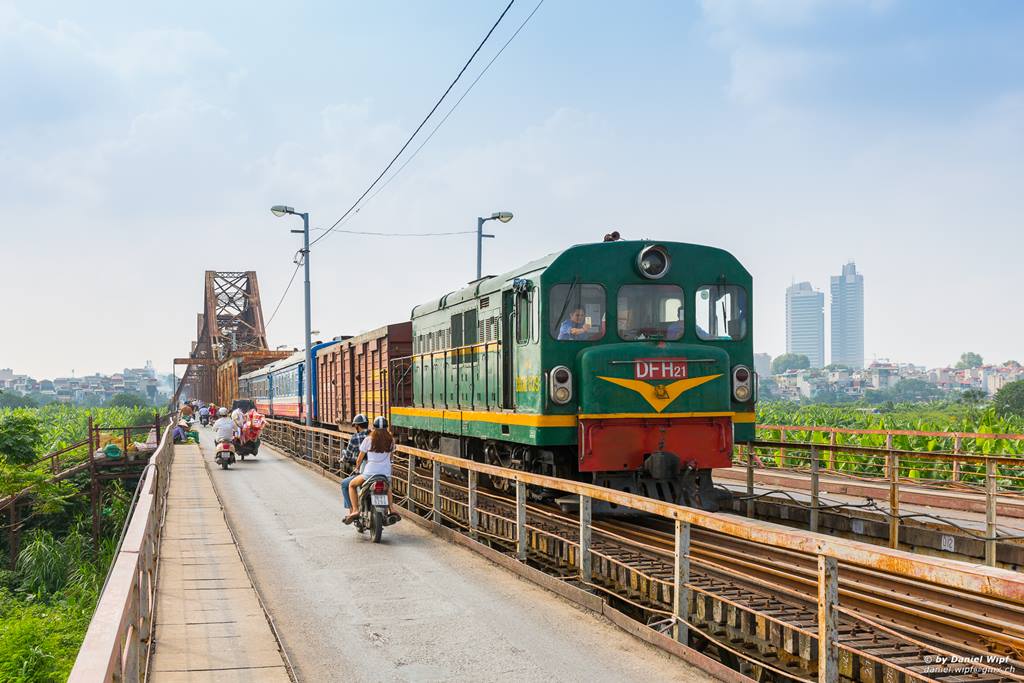
    VinSpeed, a company established by Vietnam’s wealthiest individual, Pham Nhat Vuong, has unveiled an ambitious plan to construct a North–South high-speed railway, projected to cost a staggering VND1.56 quadrillion (US$61 billion). This monumental project aims to be completed by 2030, setting the stage for Vietnam’s modern railway industry while invigorating regional economies.

    As part of its investment strategy, VinSpeed, nestled within the ecosystem of Vingroup—Vietnam’s largest private corporation—has committed to covering 20% of the total investment, which equates to roughly $12.27 billion. To fund the remaining 80%, VinSpeed has proposed to secure zero-interest loans from the state budget, repayable over 35 years, not counting expenses related to land clearance such as compensation and resettlement.

    With a charter capital of VND6 trillion (US$231 million), VinSpeed is ambitious about hitting the ground running, vowing to commence construction by December 2025 and bring the full railway into operation by December 2030.

    The firm is also engaging with premier partners from China, Germany, and Japan for technology transfer, focusing on domestic production of locomotives, carriages, and signaling systems. Additionally, VinSpeed plans to rapidly train the workforce to enhance local technical capabilities, promoting Vietnam’s independence in railway development.

    To drive revenue and partially finance public investment, VinSpeed will collaborate with Vingroup and Vinhomes to create urban areas adjacent to key railway stations, utilizing the innovative Transit-Oriented Development approach.

    Duong Thu Van, a representative of VinSpeed, emphasized the company’s steadfast commitment to this groundbreaking initiative, placing a strong emphasis on innovation, decisive action, and collaborative efforts with domestic businesses to not only develop the railway system but also cultivate a sustainable high-speed rail industry in Vietnam.

    Who knew a high-speed journey could also pave the way for fresh urban landscapes?

    Questions & Answers

    What is the estimated cost of the North–South high-speed railway project?
    The project is estimated to cost VND1.56 quadrillion, which is approximately US$61 billion.

    What portion of the funding is VinSpeed responsible for?
    VinSpeed has committed to mobilizing 20% of the total investment, or about $12.27 billion.

    When is the construction of the railway expected to start?
    VinSpeed plans to begin construction by December 2025, with the goal of having the railway operational by December 2030.

  • Diverse Product Options Shift Brand Loyalty Landscape in Vietnam

    Diverse Product Options Shift Brand Loyalty Landscape in Vietnam

    Kantar data shows Vietnam’s surge in options fuels consumers’ shifting brand preferences.

    In Vietnam, brand loyalty is becoming a relic of the past as consumers grow increasingly price-sensitive, a trend fueled by inflation and an explosion of choices. Peter Christou, General Manager of Kantar Vietnam’s Worldpanel Division, notes that shoppers are re-evaluating their brand allegiances, complicating efforts for companies to win their hearts.

    “Brand loyalty is being challenged not because consumers don’t care, but because they wield more power, face greater pressure, and encounter an unprecedented array of options,” Christou remarked. As economic pressures intensify, Vietnamese shoppers are opting for budget-friendly decisions, making it imperative for retailers to pivot.

    Kantar’s analysis reveals that the number of products on the market has doubled in the past decade, yet the success rate of these new offerings has plummeted by half. This paradox underscores the need for retailers to rethink their strategies in a landscape where standing out is tougher than ever.

    The evolution of online, offline, and hybrid shopping channels has transformed the way consumers engage with the market. “I can now explore so many shopping avenues—online and offline—which makes comparing deals and prices incredibly easy,” Christou emphasized.

    Retailers are now navigating a reality in which brand loyalty is elusive. Christou offers a roadmap for survival in this “low loyalty environment,” suggesting that retailers prioritize a data-driven approach, a deep understanding of consumer needs, and the delivery of personalized value.

    Looking into the future, Christou identifies key e-commerce trends that retailers must monitor closely. He highlights the burgeoning realm of social commerce platforms like TikTok, the significance of hyper-personalization driven by AI, the increasing appetite for quick commerce, and the prospective impact of augmented and virtual reality on the retail experience.

    In a world where shoppers are armed with options like never before, the question remains—how will retailers evolve to keep pace?

    Questions & Answers

    What is driving the decline in brand loyalty in Vietnam?
    The decline in brand loyalty is primarily driven by inflation, price sensitivity, and an explosion of choices available to consumers.

    What does Kantar’s data indicate about the proliferation of products in Vietnam?
    Kantar’s data suggests that while the quantity of products has doubled in the last decade, the success rate of these products has halved, indicating fierce competition for consumer attention.

    What future e-commerce trends should retailers in Vietnam be aware of?
    Retailers should monitor the rise of social commerce, the importance of hyper-personalization via AI, the demand for quick commerce, and the potential of augmented and virtual reality in the shopping experience.

  • US and China Announce Temporary 90-Day Tariff Reduction in Collaborative Statement

    US and China Announce Temporary 90-Day Tariff Reduction in Collaborative Statement

    The United States and China have unveiled a groundbreaking agreement to reduce their contentious tariffs for a period of 90 days, marking a significant step forward in their fraught trade relationship. This announcement came following two days of intense negotiations in Geneva, where trade officials from both nations sought common ground.

    U.S. Treasury Secretary Scott Bessent enthusiastically shared the news with reporters, stating, “We have reached an agreement on a 90-day pause.” He also noted, “both sides will move their tariffs down” by an impressive 115 percentage points. This reduction aims to ease the economic tensions that have defined U.S.-China relations in recent years.

    In response to this positive development, Hong Kong’s financial markets reacted vigorously. The Hang Seng Index soared by an impressive 3.34%, gaining 762.94 points to close at 23,630.68 on Monday. The excitement in the markets highlights the optimism surrounding this agreement, offering a glimmer of hope for businesses and consumers alike.

    As world leaders navigate this complex economic landscape, one can’t help but wonder if this brief thaw will lead to more substantial cooperation or if the trade battle will continue. The stakes are high, and the world is watching closely.

    Questions & Answers

    What was agreed upon by the U.S. and China?
    Both nations have agreed to significantly reduce tariffs for a 90-day period, aiming to alleviate trade tensions.

    How did the stock market react to the announcement?
    Hong Kong’s Hang Seng Index reacted positively, soaring over three percent following the news, indicating strong market confidence.

    What impact could this agreement have on U.S.-China relations?
    While this temporary pause offers hope for improved relations, it remains to be seen if it will lead to a more sustained cooperation in the future.

  • Vietnam Airlines Launches New Routes, Connecting Travelers to India’s Thriving Tech Hubs

    Vietnam Airlines Launches New Routes, Connecting Travelers to India’s Thriving Tech Hubs

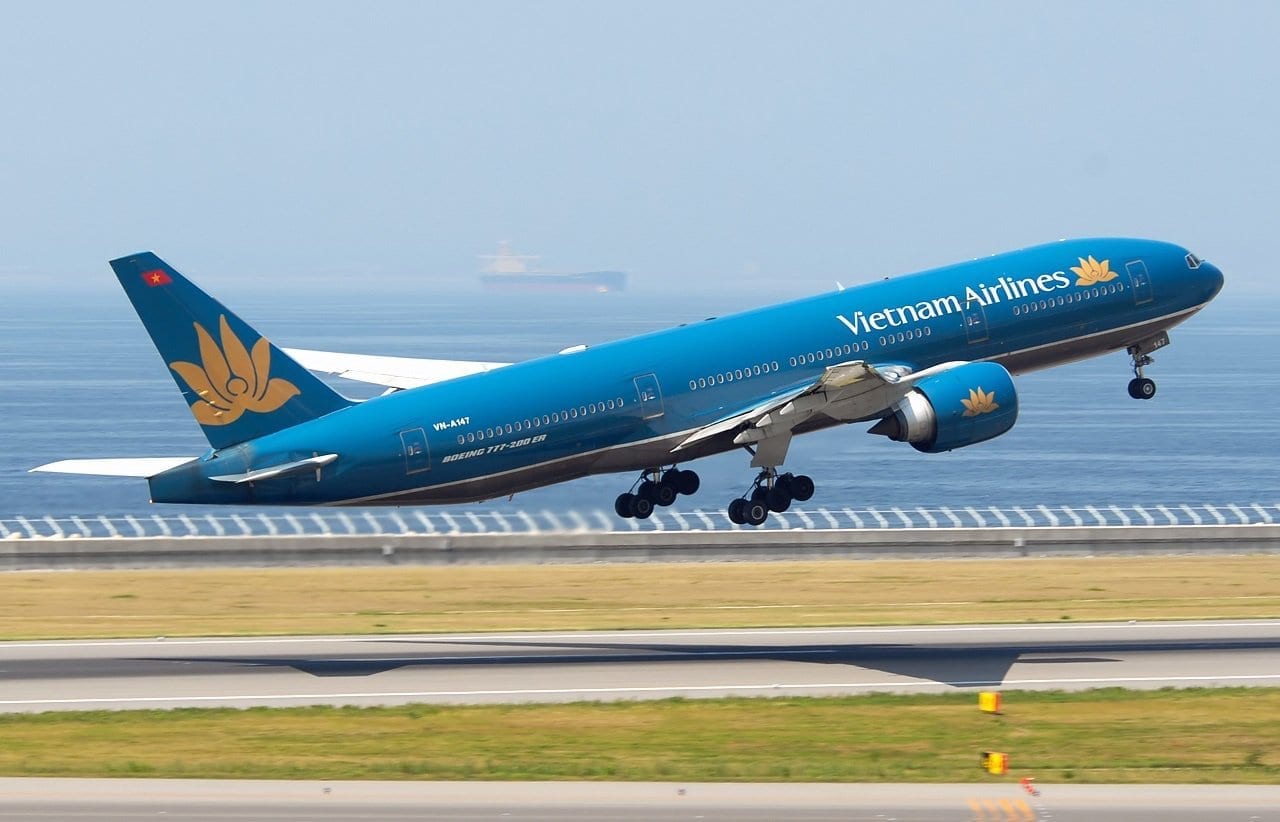
    National flag carrier Vietnam Airlines is soaring to new heights with the launch of a direct flight route connecting Hanoi to Bengaluru, India’s bustling tech hub. This new service will operate four times weekly, starting May 7, and is designed to accommodate the increasing demand driven by robust trade, tourism, and cooperation between the two nations.

    New Connections on the Horizon

    But that’s not all! On May 7, Vietnam Airlines will also initiate direct flights from Hanoi to Hyderabad, another pivotal tech center in India, with three weekly round-trips utilizing state-of-the-art Airbus A321 aircraft. The inaugural flight, VN983, took off from Hanoi on May 1, successfully transporting over 130 passengers to Bengaluru the same day. VN982, the return flight, departed Bengaluru that evening with over 160 travelers aboard, landing in Hanoi at 5:25 a.m. on May 2. Talk about a long night in the skies!

    Expanding Footprints in India

    With these latest additions, Vietnam Airlines now boasts services to four major Indian cities: New Delhi, Mumbai, Bengaluru, and Hyderabad, totaling six direct routes. This strategic expansion highlights Vietnam Airlines’ commitment to being a key connector between Vietnam and South Asia, as noted by Deputy General Director Dang Anh Tuan.

    India, with its rapidly growing aviation market and a population exceeding 1.4 billion, represents a significant opportunity for airlines like Vietnam Airlines. The increasing affluence of the Indian middle class further strengthens this connection, making travel between nations more accessible than ever. In the past few years, Vietnam Airlines has successfully operated over 3,200 flights and welcomed more than 511,700 passengers from India. Notably, Vietnam attracted over 500,000 Indian visitors in 2024, earning India a spot among its top 10 tourism markets.

    As Vietnam Airlines ventures into these tech-savvy territories, one can’t help but wonder: Are they also preparing for the next wave of IT moguls seeking sunshine and pho?

    Questions & Answers

    What cities are now connected by Vietnam Airlines in India?
    The carrier connects four major cities: New Delhi, Mumbai, Bengaluru, and Hyderabad.

    How often will flights operate on the new routes?
    The Bengaluru route will operate four times a week, while the Hyderabad route will have three weekly round-trips.

    What type of aircraft will be used for these new routes?
    Vietnam Airlines will utilize Airbus A321 aircraft for both newly launched routes.

  • Ho Chi Minh City Sets Ambitious Goal of $7,850 in Per Capita Income for 2023

    Ho Chi Minh City Sets Ambitious Goal of $7,850 in Per Capita Income for 2023

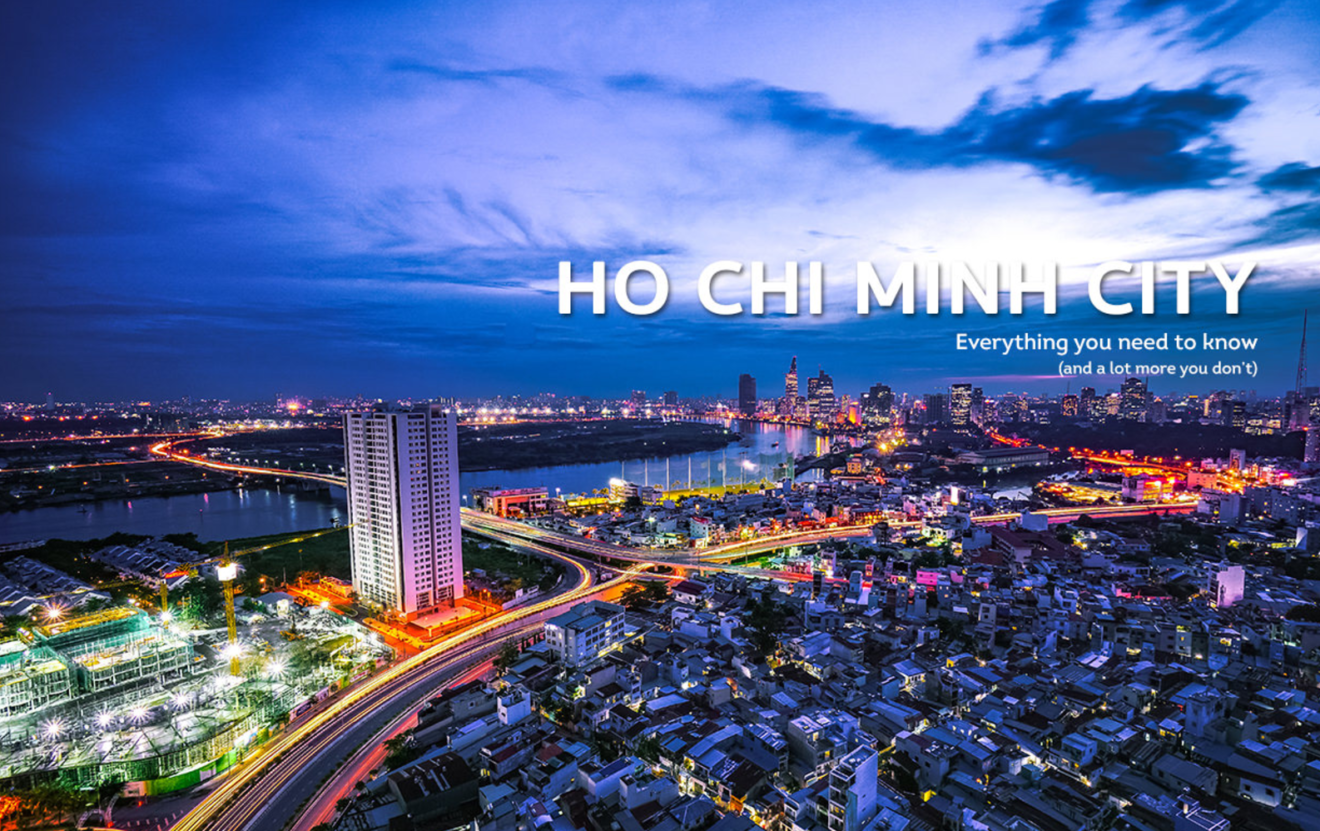
    Ho Chi Minh City is setting ambitious goals for its economic landscape, aiming to boost its per capita income by 3.7% this year. The targeted income for 2025 is set at VND204.3 million, roughly translating to over US$7,850 at current exchange rates. This figure positions the city a remarkable 57% ahead of the national GDP target of over $5,000 for the same period.

    But what does this all mean? Simply put, this ambitious goal highlights the value of goods and services that the economy generates per person each year. As of 2024, the average income in Ho Chi Minh City was already pegged at $7,600, or more than VND197 million, putting it second among the six centrally governed cities in Vietnam, just behind Hai Phong.

    Yet, the city’s expenses reflect another side of the coin as it ranks third in the cost of living across the nation, trailing only behind Hanoi and Quang Ninh, according to the Spatial Cost of Living Index (SCOLI) for 2024. The SCOLI, compiled by the General Statistics Office, measures the price variations of goods and services between different regions.

    Interestingly, when examining the SCOLI in detail, Ho Chi Minh City’s index is almost on par with Hanoi’s at 99.8%. However, residents and visitors will find that certain expenses—particularly in clothing, food services, culture, entertainment, tourism, transportation, and household appliances—are generally more affordable in Ho Chi Minh City compared to the capital. On the flip side, costs for housing, education, and healthcare tend to be higher.

    In addition to this impressive income target, the bustling city is also setting its sights on generating revenues of VND520 trillion, achieving a public spending disbursement rate of 95%, and exporting goods worth $52.6 billion. These targets promise to keep the vibrancy of Ho Chi Minh City alive and thriving.

    As the city moves forward, one can’t help but wonder whether Ho Chi Minh City’s economy will keep rolling at this pace, or if it might stumble over rising costs. A spirited dance between income and living expenses seems to be in full swing!

    Questions & Answers

    What is Ho Chi Minh City’s target for per capita income in 2025?
    The city aims for a per capita income of VND204.3 million, which is over US$7,850.

    How does Ho Chi Minh City’s income compare to the national target?
    The city’s target income is 57% higher than the national GDP target of over $5,000 this year.

    What factors influence the cost of living in Ho Chi Minh City?
    The cost of living is affected by various factors, with clothing and food services being less expensive than in Hanoi, while housing, education, and healthcare costs are higher.

  • Vietnam and US Set to Launch Trade Talks on May 7

    Vietnam and US Set to Launch Trade Talks on May 7

    Vietnam Navigates Tariff Challenges with Strategic Growth Initiatives

    Vietnam’s Prime Minister Emphasizes Proactive Measures Amid Global Economic Uncertainties

    In a recent address to the National Assembly, Vietnam’s Prime Minister Nguyen Xuan Phuc highlighted the country’s resilience in the face of shifting global economic conditions, particularly referencing the impact of high reciprocal tariffs imposed by the United States. As the U.S. defers its tariff schedule for trade partners (excluding China), Vietnam is strategically positioning itself to safeguard its trade interests.

    Addressing Tariff Impacts on Vietnam’s Economy

    Phuc underscored the negative repercussions of the U.S. tariffs on global economic growth, warning that they threaten supply chains and international trade. Despite these challenges, Vietnam’s government remains calm and adaptive, implementing timely strategies that have yielded positive outcomes thus far.

    A recent Vietnamese delegation visited the U.S. to engage with key agencies, focusing negotiations on protecting Vietnam’s rights while ensuring sustainable trade that aligns with its international commitments.

    Notable Growth in Exports and Imports

    The data reveals that Vietnam’s exports to the U.S. surged to $31.4 billion in the first quarter of this year, marking a 22% year-on-year increase. Meanwhile, imports also grew, reaching $4.1 billion. However, the repercussions of U.S. tariffs have hit critical sectors such as textiles and furniture, highlighting the fragile recovery of domestic demand.

    Strategic Responses to Economic Pressures

    Phuc acknowledged the challenges ahead, especially as Vietnam’s highly open economy grapples with global uncertainties. He pointed out that economic management pressure remains elevated in key areas like interest rates, exchange rates, and inflation, with production activities facing significant hurdles.

    To combat the adverse effects of tariffs, the government plans to implement a strategic trade policy decree, enhance inspections of product origins, and explore new markets to boost the competitiveness of Vietnamese goods and services. Initiatives to support affected businesses and workers are also in the works.

    Future Economic Goals

    Vietnam aims for a remarkable GDP growth of 8% or higher by 2025, targeting a total economy exceeding $500 billion and lifting per capita GDP above $5,000. This vision includes expanding revenues by more than 15%, managing budget deficits prudently, and prioritizing development investments.

    To reinforce growth, the government is committed to designating the private sector as a pivotal economic driver, encouraging local companies to integrate more fully into global value chains. Future reforms will emphasize science, technology, and innovation as the bedrock of economic restructuring.

    As Vietnam continues to adapt to the evolving global landscape, its resilient approach could serve as a blueprint for other nations facing similar economic pressures.

    Potential Impact on the Retail Sector

    The ongoing developments within Vietnam’s economy, coupled with strategic government initiatives, could lead to enhanced consumer confidence and spending. As the nation strengthens its position in global trade, retail businesses may see opportunities for expansion and increased consumer engagement.

    Questions & Answers

    1. What key challenges is Vietnam facing due to U.S. tariffs? Vietnam is experiencing negative impacts on its key sectors like textiles and furniture due to the U.S. tariffs, although it still sees growth in exports and imports.
    2. What measures is the Vietnamese government taking to address these challenges? The government is implementing a strategic trade policy, enhancing product inspections, and rolling out support measures for affected businesses and workers.
    3. What are Vietnam’s economic growth targets for the future? Vietnam aims for an 8% GDP growth by 2025, hoping to surpass a GDP of $500 billion and achieve a per capita GDP exceeding $5,000.

  • Chinese Holiday Spending Hits $79 Per Person, Boosting Retail Sales

    Chinese Holiday Spending Hits $79 Per Person, Boosting Retail Sales

    May Day Holiday Signals Mixed Results for Chinese Consumer Trends

    Chinese Consumer Confidence Tested Amid Growing Travel and Spending
    The recent May Day holiday has emerged as a significant indicator of consumer sentiment in China, showcasing a blend of heightened travel activity and modest spending. The five-day celebration, traditionally a peak time for family trips, witnessed a notable uptick in travel, while per capita expenditures lagged behind pre-pandemic levels.

    Surge in Travel Activity

    During the May Day holiday, approximately 10.9 million travelers moved in and out of the country, marking an impressive 28.7% increase compared to 2024. Among them, 1.1 million were international visitors, reflecting a robust 43.1% rise, according to the official Xinhua news agency. This resurgence in travel underscores a rebound in consumer patterns following previous years of restrictions.

    Modest Spending Growth

    Despite the surge in visitors, average spending per person over the holiday reached 574.1 yuan (approximately $79), a modest increase of 1.5%. This figure still trails behind 2019 levels, which recorded per capita spending at 603.4 yuan. This discrepancy highlights ongoing challenges facing consumer confidence in China amidst economic fluctuations and external pressures.

    Domestic Travel Trends Expand

    Data from China’s tourism ministry revealed 314 million domestic trips during the May holiday, signifying a 6.5% increase from the previous year. Notably, transactions through Weixin Pay, a prevalent payment platform, surged by over 10% year-on-year, especially in restaurant sectors, indicating strong consumer engagement in specific areas.

    Cinema Revenues Decline

    While travel and dining have seen positive trends, the cinema industry faced setbacks, with total box office receipts plummeting to 747 million yuan over the holiday – about half of what was generated in 2024. This decline raises questions about consumer interest in entertainment options during holiday periods.

    Easing Growth in Services Sector

    Recent surveys highlight a slowdown in the services sector’s new order growth, reflecting heightened uncertainty due to U.S. tariffs. The Caixin/S&P Global services purchasing managers’ index (PMI) dipped to 50.7 in April, down from 51.9 in March, indicating the lowest growth rate since September.

    Despite initial optimism fueled by government stimulus, China’s broader economic landscape remains fragile, grappling with deflationary risks. The services PMI, deemed a reliable indicator of the economic pulse among smaller firms, suggests a sharp decrease in new business growth, although modest recovery in export orders has been noted thanks to tourism.

    Implications for Future Consumer Behavior

    With around 48% of the workforce employed in the services sector, the potential impacts of U.S.-China trade tensions resonate deeply within an economy predominantly driven by domestic consumption. As challenges mount, experts suggest that restoring consumer confidence and enhancing spending strategies will be crucial in navigating the post-holiday period.

    Short-term measures such as consumption vouchers could invigorate domestic demand, while longer-term strategies focused on improving service quality and availability will be vital. Economic analysts stress the need to foster a positive consumer sentiment to unlock savings and stimulate growth in the retail sector.

    Potential Impact on the Retail Sector
    The mixed signals from the May Day holiday highlight crucial dynamics in China’s retail landscape. While travel and dining sectors display signs of resurgence, overall consumer spending trends indicate a cautious recovery. The retail sector’s adaptability will be tested as it navigates these evolving consumer behaviors in a challenging economic environment.

    Questions & Answers

    1. What was the increase in travel during the May Day holiday in China? Approximately 10.9 million travelers entered and exited the country, representing a 28.7% increase compared to last year.

    2. How much did per capita spending change during the holiday? Average spending per person rose by 1.5% to 574.1 yuan, but it remains below pre-pandemic levels from 2019.

    3. What sectors showed contrasting performance during this holiday? While sectors such as dining benefitted from increased spending, the cinema industry suffered a downturn, with ticket sales falling to about half of last year’s take.

  • Aeon Plans 100 Large Retail Stores in Vietnam by 2030

    Aeon Plans 100 Large Retail Stores in Vietnam by 2030

    Aeon Targets 100 Large-Scale Stores in Vietnam by 2030: A Major Brand Expansion in Retail News

    Japan’s leading retailer, Aeon, is setting its sights on a substantial growth trajectory in Vietnam, with ambitious plans to establish 100 large-scale supermarkets and general merchandise locations by 2030. This expansion marks a significant eightfold increase in its footprint across the country and aims to redefine the retail landscape.

    Expanding the Retail Experience

    In a strategy driven by rising consumer demand, Aeon intends to introduce a novel concept of “super-supermarkets” that seamlessly blend grocery shopping with general merchandise offerings. These stores will feature food courts and beauty sections, enhancing the shopping experience for Vietnamese consumers.

    Yasuyuki Furusawa, who has recently transitioned to President of Aeon Retail, emphasized the need for this expansion to stay competitive against other key players in the market, such as Thailand’s Central. In addition to the larger stores, Aeon is also planning to grow its network of smaller grocery outlets, targeting an extensive reach of 200 locations throughout Vietnam.

    Current Operations and Future Plans

    As of February 2025, Aeon operates 12 general merchandise stores in Vietnam—including three super-supermarkets—and 36 standard supermarkets, which includes the Citimart stores managed by its subsidiary. With a strategic investment of approximately $1.5 billion over the past decade, Vietnam has become Aeon’s second most crucial market after Japan.

    In 2024, Aeon Mall reported a profit of JPY 4.23 billion (around $29.6 million) from its Vietnamese operations, achieving revenues of JPY 17.3 billion. This success positions Vietnam as Aeon’s top-performing market in Southeast Asia and the second largest after China, underscoring the country’s potential for retail growth.

    Retail Landscape in Vietnam

    Vietnam’s retail sales recorded an impressive 8% increase, totaling VND 4.92 quadrillion last year, capturing the attention of international brands, particularly Japanese firms. According to a survey conducted by the Japan External Trade Organization (Jetro), over 60% of Japanese companies operating in Vietnam reported profitability in 2024, the highest rate seen in five years. Additionally, about 56% of these businesses plan to expand their operations within the next two years, highlighting a robust demand for growth in the region.

    Ozasa Haruhiko, the chief representative of Jetro Hanoi, commented, “This is the highest rate in ASEAN, indicating that Vietnam has one of the strongest potentials for growth.”

    Conclusion: A Shift in Consumer Trends

    Aeon’s significant investment and expansion plans could reshape Vietnam’s retail sector, enhancing consumer choice and access to high-quality products. As the company reinforces its presence, consumers can expect a retail experience that combines convenience with a variety of options, signalling positive growth in the industry.

    Questions & Answers

    1. What are Aeon’s expansion plans in Vietnam? Aeon plans to increase its network to 100 large-scale supermarkets and general merchandise stores by 2030, alongside growing its smaller grocery outlets to 200 locations.
    2. How has Aeon’s performance been in the Vietnamese market? Aeon reported a profit of JPY 4.23 billion ($29.6 million) from its Vietnamese operations last year, making it the top-performing market in Southeast Asia for the brand.
    3. What trends are influencing retail in Vietnam? Vietnam’s retail sales rose by 8% last year, attracting international brands, particularly from Japan. A significant percentage of Japanese businesses reported profitability and plan to expand operations, highlighting a strong market potential.