Category: General

Retail News Asia is committed to providing both local and global retailers with the latest General Retail news throughout the Asian market. This on a daily base.

  • Vietnam Airlines Gains Approval for 50 New Narrow-Body Aircraft Purchases

    Vietnam Airlines Gains Approval for 50 New Narrow-Body Aircraft Purchases

    Vietnam Airlines Secures Approval for Acquisition of 50 Narrow-Body Aircraft

    Government Greenlights Fleet Expansion Plan

    Vietnam Airlines has received in-principle approval from the government to purchase 50 narrow-body aircraft, marking a significant step in its fleet modernization strategy. Notably, this deal will not require a state guarantee, allowing the airline to streamline its acquisition process.

    Addressing Growing Travel Demand

    The government’s approval, conveyed through an official dispatch from Deputy Prime Minister Ho Duc Phoc, aims to meet surging consumer demand for air travel and to replace aging aircraft in the current fleet. Vietnam Airlines plans to acquire 50 new Airbus A320 NEO and Boeing 737 MAX jets, along with 10 spare engines, for an estimated total of approximately $3.7 billion—an investment that is 1.6 times the airline’s current asset value based on its 2024 financial data.

    Modernizing the Fleet

    This acquisition is part of Vietnam Airlines’ broader strategy to phase out older A321 CEO planes. The new aircraft will enhance the efficiency and reliability of the fleet, aligning with increasing passenger expectations and operational standards. Earlier in September 2023, the airline also announced a deal for an additional 50 Boeing 737 MAX aircraft, with deliveries expected between 2027 and 2030.

    Strategic Financial Partnerships

    To support this growth initiative, Vietnam Airlines signed a memorandum of understanding with Citibank earlier this month for $560 million in funding focused on strategic projects, including the aircraft purchase. Furthermore, the airline has partnered with Vietcombank to secure additional financial resources for the acquisition.

    Future-Proofing Operations

    Looking ahead, Vietnam Airlines forecasts the need for a fleet of 52 wide-body and 112 narrow-body aircraft by 2035. Currently, the airline operates approximately 100 aircraft, including over 30 wide-body jets, showcasing its commitment to expanding its capacity to meet the demands of the growing travel market.

    In its 2024 financial report, Vietnam Airlines reported impressive figures, including over VND 113.7 trillion (approximately $4.37 billion) in revenue, transporting 22.7 million passengers and 314,700 tons of cargo, with an average aircraft utilization of 11 hours per day—reflecting a 25% increase from the previous year.

    Conclusion

    Vietnam Airlines’ strategic acquisition of narrow-body aircraft is poised to enhance its operational capabilities and address the evolving travel landscape in Vietnam. As the airline expands its presence and modernizes its fleet, the implications for the retail sector may be significant, driving increased consumer activity and enhancing travel options for millions. This move signifies not only a response to market demands but also a commitment to sustained growth in the competitive aviation industry.
  • Vietnam Poised to be Southeast Asia’s Second-Largest Economy by 2036

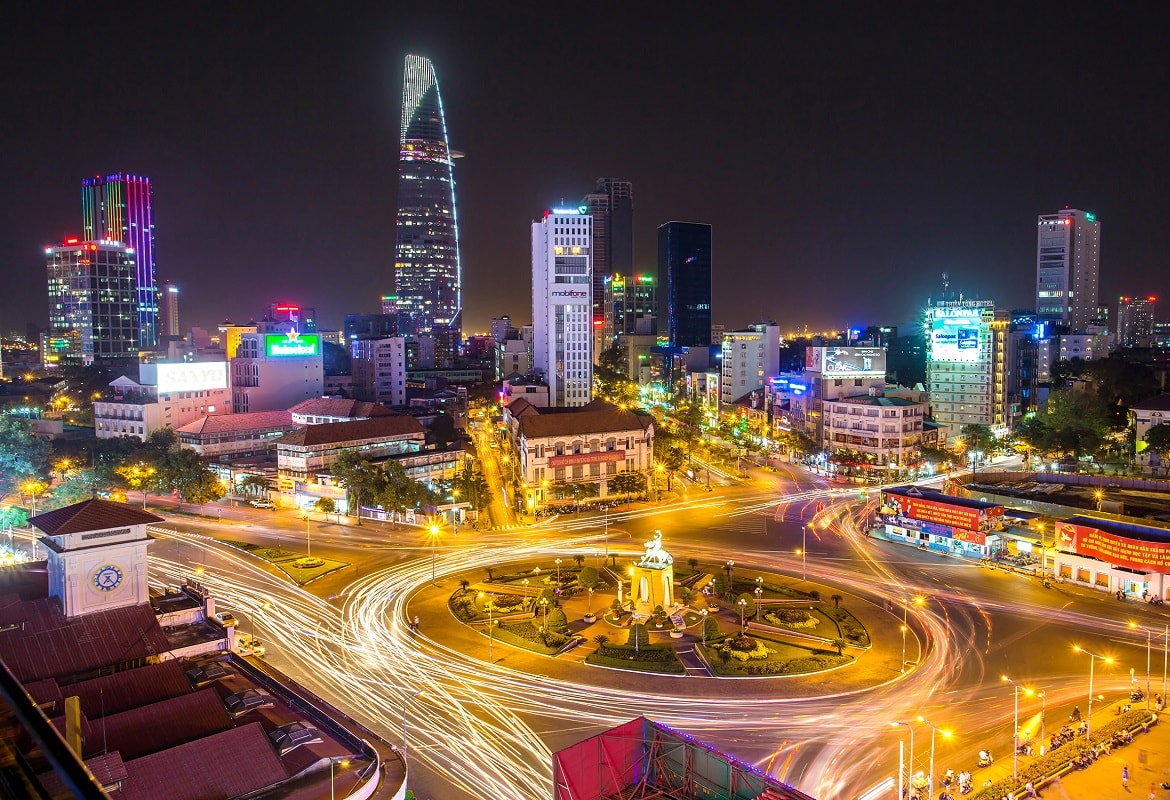
    Vietnam Poised to be Southeast Asia’s Second-Largest Economy by 2036

    Vietnam Set to Become the Second Largest Economy in Southeast Asia by 2036

    In a groundbreaking projection by the Center for Economic and Business Research (CEBR), Vietnam is anticipated to climb the ranks to become the second-largest economy in Southeast Asia, trailing only Indonesia, by 2036. Additionally, this robust growth trajectory is expected to catapult Vietnam into the 20th slot in the global economic standings.

    Remarkable Economic Growth

    According to the latest CEBR report titled “World Economic League Table 2022,” Vietnam’s rise has been meteoric. Since the inception of the Đổi Mới (Renovation) reforms in the mid-1980s, the nation has seen a tremendous transformation from a low-income to a lower-middle-class economy. These reforms, combined with favorable global economic trends, have set the stage for Vietnam’s success.

    Today, Vietnam is boasting a purchasing power parity adjusted GDP per capita of US$11,608, a testament to its relentless pursuit of economic advancement. The nation is ambitiously aiming for high-income status by 2045, which requires maintaining a robust annual growth rate of around 5% per capita.

    Navigating Through Challenges

    Despite its impressive growth, Vietnam faces significant hurdles on its path to becoming a high-income nation. Issues such as the declining global trade landscape, the impending impacts of automation, and the challenges posed by climate change necessitate vigorous policy reforms, especially in vulnerable sectors.

    Moreover, with a demographic trend towards an aging population, Vietnam is pressed to strategically manage its human resources and health care systems to maintain its economic momentum.

    Positioning for the Future

    By 2036, Vietnam’s position in the CEBR’s World Economic League Table is expected to leap from 41st to 20th place, a remarkable rise reflecting the country’s economic resilience and strategic planning.

    Implications for the Retail Sector and Consumers

    Vietnam’s ascent in the economic rankings hints at burgeoning opportunities within the retail sector and significant shifts in consumer trends. As the economy grows, retail markets are likely to expand, bringing in new brands and increasing consumer purchasing power. This growth presents a considerable opportunity for international retailers and local businesses alike to tap into a vibrant, emerging market. The enhancements in Vietnam’s economic landscape could redefine consumer behavior and retail dynamics in Southeast Asia, making it a focal point for brand expansion and a hotspot for economic activity.

  • China Seeks US Trade Dialogue, Insists on Lifting Tariffs as Preliminary Step

    China Seeks US Trade Dialogue, Insists on Lifting Tariffs as Preliminary Step

    Escalating Trade Tensions: U.S. and China Exchange Heavy Tariffs Amidst Negotiation Hopes

    In a dramatic escalation of the ongoing trade war, the U.S. has imposed significant tariffs of up to 145% on a variety of Chinese products starting in April. In retaliation, China has introduced a new set of tariffs, matching the U.S. with a 125% duty on American imports. This development comes amidst tentative talks and fluctuating market reactions.

    Temporary Reprieve for High-Tech Goods

    Notably, certain high-end tech products such as smartphones, semiconductors, and computers have been temporarily exempted from the U.S. tariffs. This sector will be closely watched by analysts as an indicator of potential longer-term policy shifts in these pivotal industries.

    Dialogue and Diplomacy: A Path Forward?

    Amidst these aggressive fiscal maneuvers, U.S. President Donald Trump has suggested that China is keen to negotiate, citing a “very good chance we’re going to make a deal.” Conversely, official statements from Beijing assert that it was the U.S. that initiated contact, with China now evaluating the outreach.

    However, any progression towards substantive talks appears contingent on concessions, particularly regarding unilateral tariffs. The Chinese Commerce Ministry emphasized that without the U.S. showing sincerity by reversing its tariffs, dialogue would be insincere and erode trust further.

    Hard Stances on Both Sides

    Expert opinions suggest a tough stance from China, with signals that negotiations will commence only after the U.S. exhibits concrete actions towards compromise. Wu Xinbo of Fudan University highlighted that revocation of tariffs might pave the way for addressing deeper issues such as the unbalanced trade relationship and technological suppressions alleged by Beijing.

    The Global Impact and Deadline Pressures

    As the 90-day deadline in July looms for several countries to negotiate terms with Washington, the broader international community remains on edge. Beijing’s firm resolve was echoed in a recent social media campaign, emphasizing their readiness to combat a prolonged trade war if necessary.

    Economic Strains and the ‘Olive Branch’

    Recent economic data from China and the U.S. expose vulnerabilities exacerbated by these trade tensions. China’s factory activity has contracted, and similarly, the U.S. economy faced contraction in early 2023. Amid these challenges, calls for a resolution have intensified, with some analysts like Stephen Innes from SPI Asset Management recognizing Beijing’s recent statements as a potential initial step towards de-escalation.

    Looking Ahead: Implications for the Retail Sector

    These unfolding events hold profound implications for the retail sector. Consumer trends could shift significantly as product prices and availability are impacted by the tariffs. Retail news will continue to monitor how retail chains and consumers adapt to these new economic realities. As the situation develops, the resilience of the global trade framework and international economic relations will be tested. This period may well define the future dynamics of international trade and consumer behavior in a deeply interconnected world economy.

  • Coles reports steady revenue growth in supermarkets and liquor

    Coles reports steady revenue growth in supermarkets and liquor

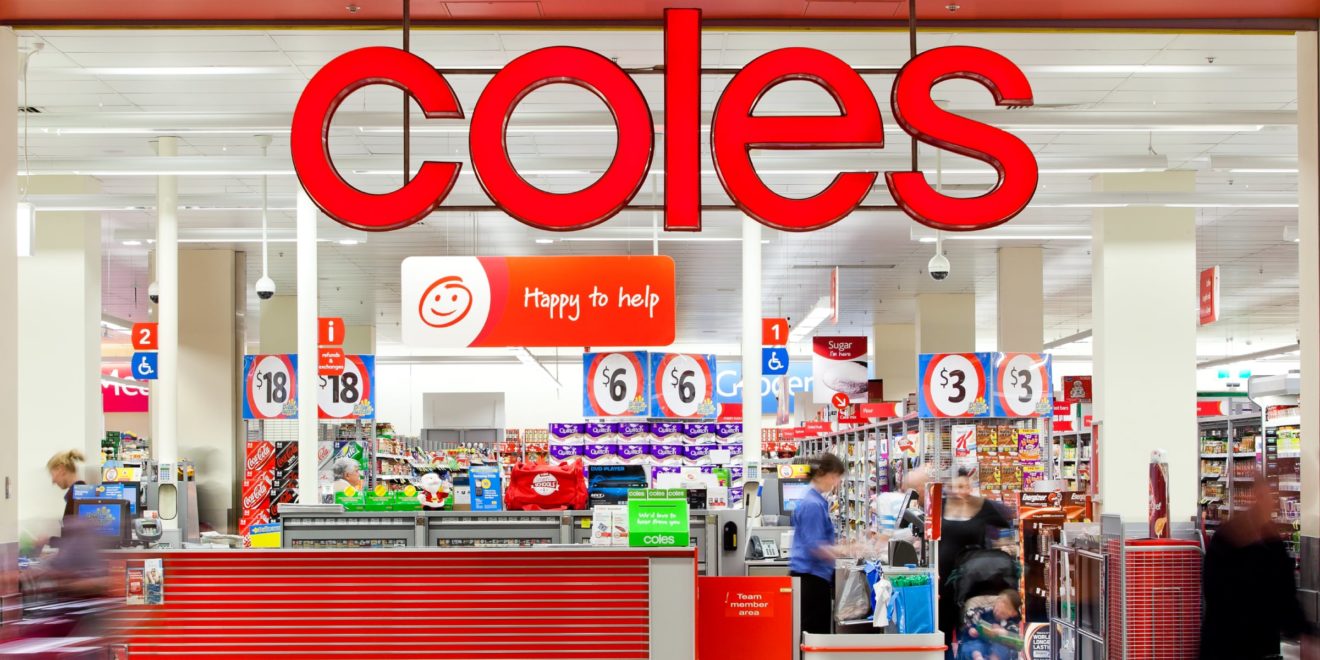
    Coles says its third-quarter revenue was up 3.7 per cent, from $9.065 billion to $9.4 billion this year, citing volume growth and its value offering resonating with value-conscious consumers. 

    E-commerce sales increased by 25.7 per cent to $1.1 billion during this period with an 11.3 per cent increase in penetration. 

    Sales revenue for products exclusive to Coles saw a 4.5 per cent increase to $3.2 billion, with the Coles Finest range recording a revenue growth of 13.7 per cent.

    Total supermarket inflation increased slightly, from 1.4 per cent to 1.5 per cent year on year in the third quarter, despite the impact of flooding in Far North Queensland in February and Cyclone Alfred on Southeast Queensland and northern NSW in March.

    Livestock inflation was mainly seen across lamb, pork and poultry categories by increases in costs, while fresh produce inflation was elevated as a result of Cyclone Alfred and the cycling of abundant supply. 
    A deflation was reported in the categories of health and home, offsetting higher coffee and chocolate prices.

    Coles opened two new stores, with two closings and eight renewals during the quarter. 

    Liquor sales revenue rose by 3.4 per cent to $813 million, benefiting from the addition of 31 net new liquor stores over the last year, including the acquisition of 20 stores in Tasmania last June.

    E-commerce sales revenue for liquor was recorded at $52 million, a 18.2 percent increase from the same period last year, with a penetration rate of 6.5 percent.

    The Simply Liquorland program was announced in March, which will see Coles converting Vintage Cellars and First Choice Liquor Market stores into Liquorland. 

    “We are pleased to have delivered another solid quarter of sales growth, particularly as we were cycling a very strong third quarter in FY24,” said Coles group CEO Leah Weckert.

    “These results reflect the continued investments we are making in value and in improving the shopping
    experience for our customers both in store and online.”

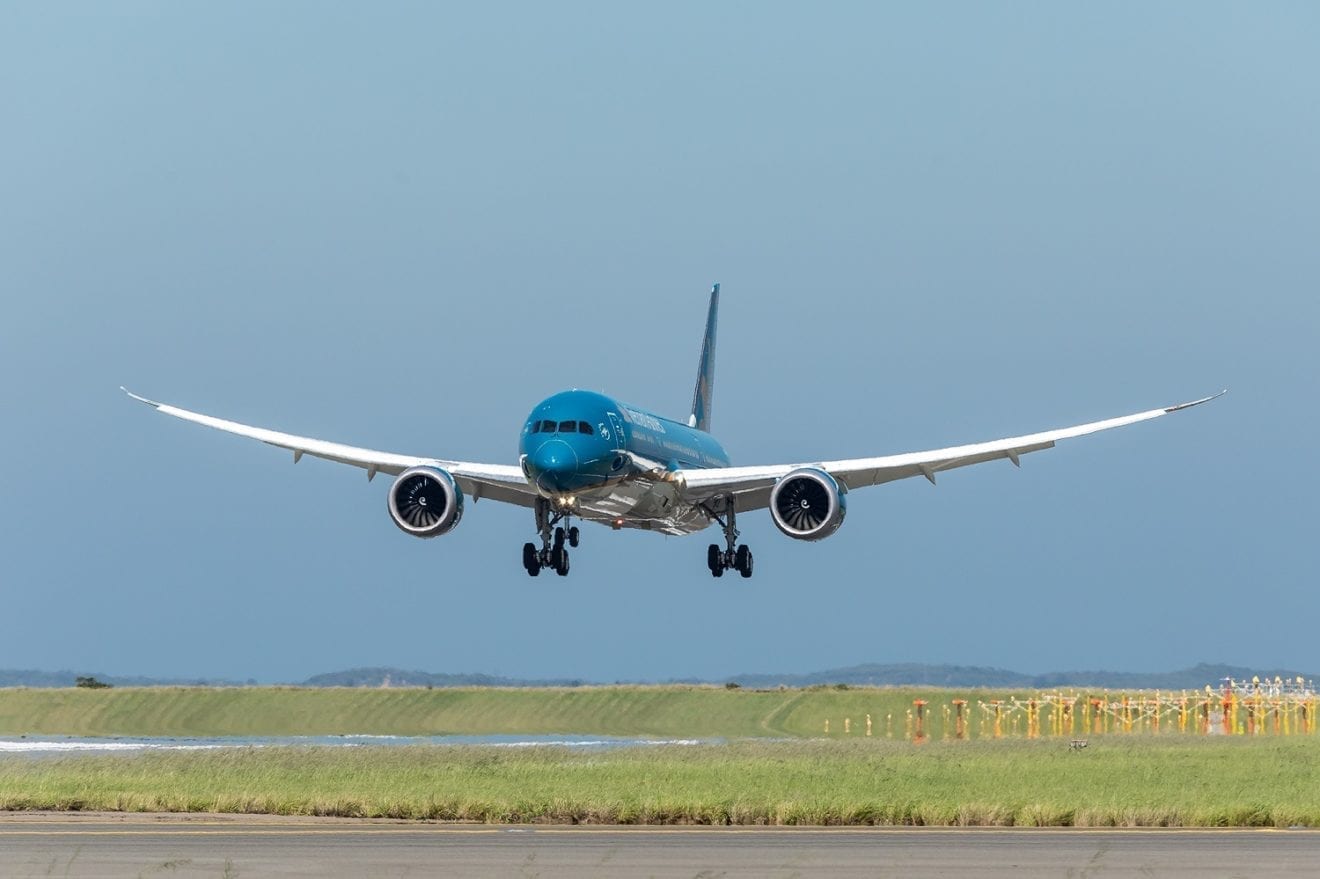
  • Vietnam Airlines gets go-ahead to buy 50 narrow-body aircraft

    Vietnam Airlines gets go-ahead to buy 50 narrow-body aircraft

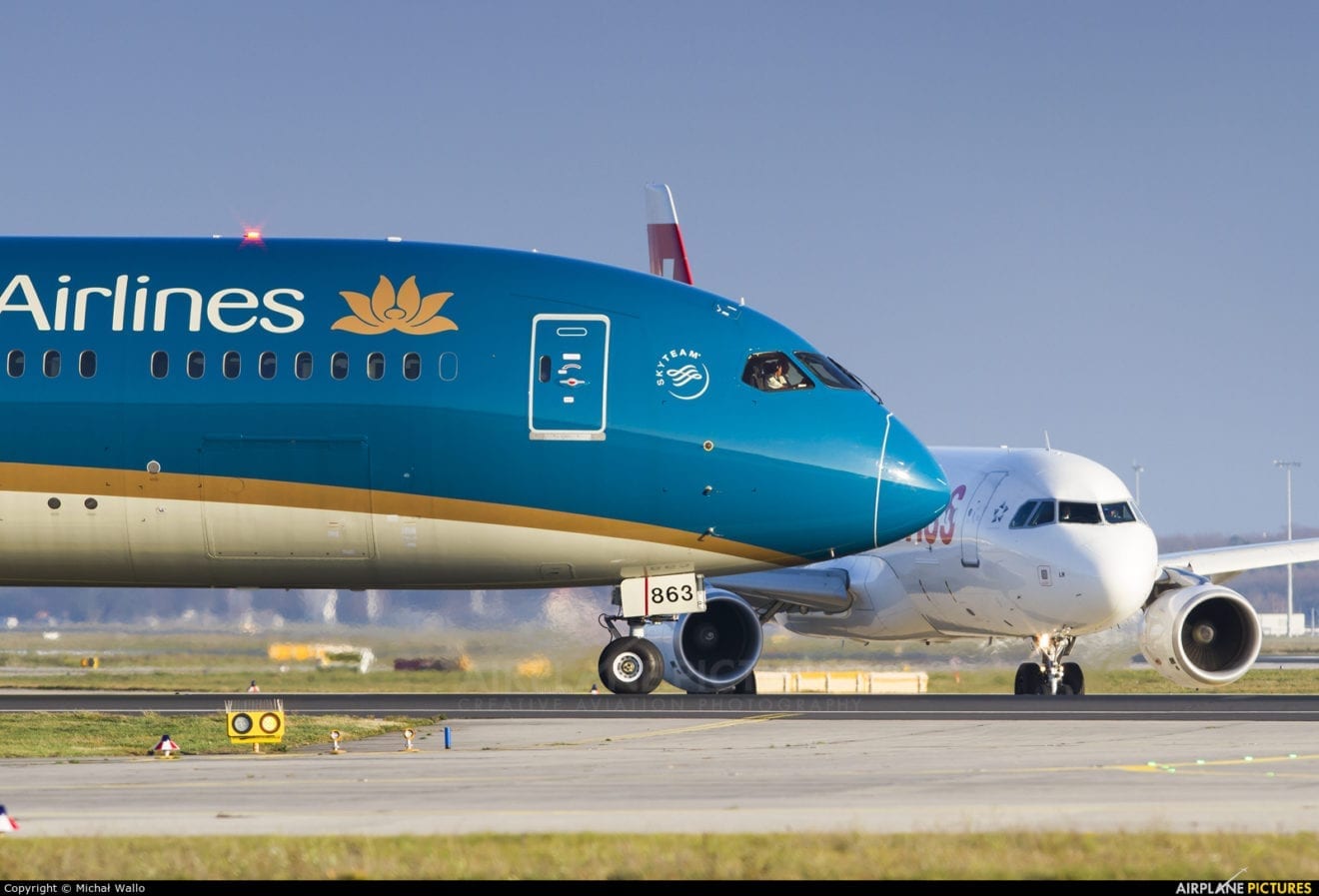
    Vietnam Airlines has been granted in-principle approval by the government to acquire 50 narrow-body aircraft without requiring a state guarantee.

    The approval, outlined in an official dispatch from the Government Office reflecting the views of Deputy Prime Minister Ho Duc Phoc, is intended to address future travel demand and phase out aging aircraft.

    Vietnam Airlines previously proposed buying 50 Airbus A320 NEO and Boeing 737 MAX jets, along with 10 spare engines, at a total estimated cost of around US$3.7 billion—equivalent to 1.6 times its current total asset value, based on 2024 financial data.

    The new aircraft will gradually phase out older A321 CEO planes as part of the airline’s fleet modernization plan.

    Earlier this month, during Phoc’s visit to the U.S., Vietnam Airlines signed a memorandum of understanding with Citibank for $560 million in funding for strategic projects, including the aircraft purchase. It also signed a separate MOU with Vietcombank to prepare additional capital for the acquisition.

    In September 2023, Vietnam Airlines signed a deal to purchase 50 Boeing 737 MAX aircraft, with deliveries expected between 2027 and 2030.

    Looking ahead, the airline projects it will need a fleet of 52 wide-body and 112 narrow-body aircraft by 2035. At present, Vietnam Airlines operates a fleet of about 100 planes, including more than 30 wide-body jets.

    According to its 2024 financial report, the carrier earned over VND113.7 trillion (US$4.37 billion) in revenue, transporting 22.7 million passengers and 314,700 tons of cargo. Its aircraft utilization averaged 11 hours per day, a 25% increase from 2023.

  • How Vietnam is overtaking Thailand as favorite destination for Indian travelers

    How Vietnam is overtaking Thailand as favorite destination for Indian travelers

    Vietnam’s landscapes, growing upscale tourism infrastructure, globally recognized cuisine, and expanding network of direct flights have made it a top destination for travelers from India in Southeast Asia, steadily surpassing Thailand.

    For years, Thailand was the go-to destination for Indian travelers visiting the region. However, more Indian tourists are now turning their attention to Vietnam, which offers a similar experience at more affordable prices. In late March, The Economic Times published an article titled “Forget Thailand, Vietnam is the new playground for Indian tourists,” noting that Vietnam is now drawing more interest from Indian travelers than any other Southeast Asian destination.

    New playground for India’s wealthy

    Vietnam has become a strong contender among high-end Indian travelers, as they seek alternatives to Japan and Singapore after visiting Thailand’s popular islands like Koh Samui and Phuket. The rising presence of luxury hotels, particularly in beach destinations like Phu Quoc, is attracting India’s elite.

    The Economic Times highlights that India’s wealthy organize approximately 5,000 ultra-luxury weddings annually, with budgets ranging from $250,000 to $500,000. Despite intense competition, JW Marriott Phu Quoc Emerald Bay successfully hosted the wedding of Indian billionaire Rushang Shah in 2019 and another billionaire couple’s ceremony in early 2024. The arrival of luxury brands like The Luxury Collection and Ritz Carlton Reserve in Phu Quoc further bolsters the island’s appeal.

    Beyond luxury stays, Phu Quoc offers a range of experiences that appeal to Indian travelers.

    Sun Paradise Land in southern Phu Quoc features attractions like the Guinness World Record-holding “Kiss of the Sea” multimedia show, nightly fireworks, the world’s longest three-wire cable car, and the Kiss Bridge.

    “Phu Quoc offered so many surprises. A morning cable car ride over the sea, fireworks at night… I’ve never experienced anything like that anywhere else,” said Rohan Khanna, a visitor from New Delhi.

    In addition to Phu Quoc, Ha Long Bay is also becoming a popular destination for Indian travelers. More and more wealthy Indian families are choosing Phu Quoc and Ha Long for milestone events, positioning Vietnam as a top Asian wedding destination. With its natural beauty, luxury hotels, and professional event services, both locations are proving ideal for hosting special moments.

    Outstanding culinary experiences

    Food plays a decisive role for Indian tourists when choosing a travel destination. Given the diversity in dietary and religious preferences across India, catering to halal or halal-friendly standards is essential to ensure repeat visits.

    Top tourist destinations in Vietnam, such as Sun World Ba Na Hills in Da Nang and Sun World Fansipan Legend in Sa Pa, have embraced these dietary needs, offering Indian tourists familiar flavors that meet their cultural requirements.

    Da Nang, which was added to the Michelin Guide’s 2024 expansion, has seen a significant increase in Indian visitors.

    Da Nang welcomed 222,000 Indian tourists in 2024, accounting for 5.3% of total international arrivals. Nearly 50% of Indian visitors to Vietnam chose Da Nang as their primary destination, solidifying its position as the most popular Vietnamese city among Indian travelers.

    Affordable food prices in Da Nang and other beach destinations like Phu Quoc also add to Vietnam’s appeal.

    Compared to regional competitors like Thailand, seafood in Vietnam is significantly more affordable. Thailand’s Nation Story even noted that seafood in Phu Quoc costs about half as much as in Thailand.

    More direct flights

    Vietnam’s growing network of direct flights from major Indian cities is also contributing to the rising demand. There are currently around 56 direct flights per week between the two countries. Several new direct routes, including one from Ahmedabad to Da Nang, were launched in 2024.

    Sandeep Arya, Indian Ambassador to Vietnam, shared that aviation authorities from both countries are planning to add 14 more flights connecting cities like New Delhi, Chennai, and Mumbai with Vietnam. India is also encouraging airlines like Vietnam Airlines, Vietjet, and IndiGo to open more direct routes to boost tourism.

    According to the General Statistics Office, international arrivals to Vietnam in the first quarter of 2025 exceeded 6 million, a 29.6% increase year-on-year. Over 143,000 of these visitors were from India, continuing the trend of double-digit growth compared to the same period last year.

    In 2024, Vietnam welcomed more than 500,000 Indian tourists, making India one of its most promising inbound markets. With an expanding range of competitive offerings, Vietnam is well on its way to becoming the top destination for Indian travelers in Southeast Asia by 2025.

  • Colgate-Palmolive sees drop in sales over forex impact

    Colgate-Palmolive sees drop in sales over forex impact

    The Colgate-Palmolive Company has reported a 3.1 percent drop in net sales, from $5.065 billion in the first quarter of last year to $ 4.911 billion in the same period this year, due to a foreign exchange impact of 4.4 percent. 

    The company’s gross profit reduced from $3.039 billion in the first quarter of last year to $2.987 billion in the same quarter this year, with an increase of 0.8 per cent in its gross profit margin to 60.8 per cent. 

    The company’s operating profit increased to $1.076 billion in the first quarter of this year from $1.047 billion as compared to the same period last year, with its operating profit margin increasing to 21.9 per cent. 

    Colgate-Palmolive’s net income grew from $683 million in the first quarter of last year to $690 million in the same quarter this year. 

    Based on the current spot rate and an estimate of the impact of the tariff announcement, the organisation has projected earnings per share and net sales to increase by low single digits due to negative impacts from foreign exchange.

    “Our focus on building flexibility into our profit and loss statement enabled us to deliver year-over-year growth in operating profit, net income and earnings per share despite the volatile operating environment,” said Noel Wallace, chairman, president and CEO of Colgate-Palmolive Company. 

  • TikTok readying to enter Japan’s e-commerce market

    TikTok readying to enter Japan’s e-commerce market

    Chinese social media platform TikTok will enter the online shopping industry in Japan within the next few months, the Nikkei newspaper reported on Sunday.

    The company is preparing to recruit sellers soon for its e-commerce arm TikTok Shop in Japan, Nikkei said, citing a source involved in the operations.

    TikTok Shop, where users can run livestreams selling everything from sneakers to eyeshadow and earn a commission on sales, is known for discounted products.

    TikTok is looking to expand its business outside of the US, where it awaits a deal that will secure its presence in the country. In March, TikTok Shop launched to users in France, Germany, and Italy on Monday, expanding its reach further into Europe.

    Last week, US president Donald Trump said a deal over the fate of the social media platform may have to wait, as he signaled a potential end to the tit-for-tat tariff hikes between the US and China that shocked markets.

    Earlier, Trump had extended the deadline to spin off the US assets of TikTok for the second time in April and reassured a potential deal is still “on the table”.

    The future of TikTok in the US, used by nearly half of all Americans, has been up in the air since a 2024 law, passed with overwhelming bipartisan support, required China-based parent, ByteDance, to divest the app by January 19.

  • Changi Airport’s operating indicators for Q1 2025

    Changi Airport’s operating indicators for Q1 2025

    Singapore Changi Airport handled 17.2 million passenger movements from January to March 2025 (Q1), exceeding 2024 levels for the same period by 4.3%. This is 4.8% more than what was recorded in the first quarter of 2019, before the Covid-19 pandemic in Q1 2020.

    On a rolling twelve-month basis, Changi Airport’s passenger traffic surpassed pre-Covid levels, reaching an all-time one-year high of 68.4 million passenger movements, an increase of 9.5% compared to the previous 12 months. For the quarter, aircraft movements, which include landings and takeoffs, totalled 94,000, representing an increase of 5.2% compared to last year.

    Among the regions, North America registered the highest growth with a year-on-year (yoy) increase of 15.8% for Q1. Changi Airport’s top five markets for the quarter were China, Indonesia, Malaysia, Australia, and Thailand. Continuing the growth momentum from last year, traffic between Singapore and China posted a 10% yoy increase. Among Changi’s top markets, Japan also saw a strong performance in Q1, recording a 16% increase yoy.

    From January to March 2025, Changi Airport registered 480,000 tonnes of airfreight throughput, a 1.0% increase compared to the same period last year. Despite macroeconomic uncertainties, Changi registered growth in imports, with a slight decline in exports. For this quarter, Changi’s top five air cargo markets were China, Australia, the United States, Hong Kong and India.

    Mr Lim Ching Kiat, Changi Airport Group’s Executive Vice President for Air Hub and Cargo Development said, “Changi Airport’s 12-month passenger traffic surpassed pre-Covid levels for the first time, reflecting positive trends in air travel and continued appeal of Changi as a key air hub. We are seeing encouraging growth across all regions and key markets, supported by the collective effort of our airline partners.

    “In recent months, we have expanded Changi Airport’s connectivity with more flights to cities in China and Indonesia, and we are excited to welcome direct services to Vienna in June, operated by Scoot. We will work closely with our current and potential airline partners to expand Changi’s network, both regionally and on long-haul routes.”

    New and reinstated services

    During the quarter, Changi Airport welcomed several new city links, offering travellers even more destination choices. Three new China cities were added to Changi’s network – Harbin, operated by Shenzhen Airlines with 3x weekly services, Lanzhou, operated by Hainan Airlines with 4x weekly services, and Yichang, operated by Hainan Airlines with 3x weekly services. Services to Ningbo and Shantou also resumed during the quarter.

    Changi’s connectivity to Indonesia was further strengthened with the launch of new services to Padang and Labuan Bajo. Scoot has introduced 4x weekly services to Padang operated by its Embraer E190-E2 fleet, while Jetstar commenced 2x weekly flights to Labuan Bajo, with the latter representing a first-time link for Changi.

    Firefly began operating flights to Sultan Abdul Aziz Shah Airport (Subang Airport) from Changi Airport on 24 March, enhancing travel options between Singapore and Kuala Lumpur. Qantas also expanded its Australia-Singapore network with the launch of 4x weekly flights to Darwin on 30 March, making it the fifth Australian city directly connected to Changi by the carrier.

     As at 1 April, some 100 airlines operate over 7,200 weekly scheduled flights at Changi Airport, connecting Singapore to about 170 cities in 49 countries and territories worldwide.

  • Did Walmart Asia Just Take This Massive Step?

    Did Walmart Asia Just Take This Massive Step?

    Walmart’s presence in Asia is a key part of its global growth strategy. The retail giant has established a significant presence across the region, with hundreds of stores spanning from China to India and Southeast Asia.

    The potential of the Asian market is enormous:

    • A rapidly growing middle class
    • Increasing consumer spending power
    • Digital-savvy populations embracing modern retail

    2024 is an important year for Walmart Asia as the company focuses on expanding in the region. With plans for opening more physical stores, investing in digital technology, and forming strategic partnerships, Walmart aims to capture a larger share of Asia’s trillion-dollar retail market.

    In this article, we will explore Walmart’s ambitious plans across Asia. We will take a closer look at its operations in key markets such as China, India, and Southeast Asia, and discuss the opportunities that await in this ever-changing region.

    Walmart’s Operations in Different Asian Countries

    Walmart’s presence in Asia reflects its commitment to diversifying markets and expanding regionally. Let’s explore their operations in key Asian countries:

    China: A Retail Powerhouse

    Walmart China stands as a testament to successful market adaptation. With over 360 stores spread across 100+ cities, the company has:

    • Implemented smart retail technology in stores
    • Partnered with JD.com for enhanced e-commerce capabilities
    • Developed Sam’s Club locations catering to premium shoppers
    • Created localized product offerings matching Chinese consumer preferences

    India: Navigating Complex Markets

    The Indian market presents unique challenges and opportunities for Walmart:

    • Flipkart acquisition – $16 billion investment strengthening digital presence
    • Best Price wholesale stores serving small businesses
    • PhonePe digital payments platform expansion
    • Regulatory hurdles in multi-brand retail operations

    Southeast Asian Ventures

    Walmart’s approach to Southeast Asia reflects strategic market targeting:

    • Indonesia: Partnership explorations with local retail chains
    • Malaysia: Focus on digital marketplace opportunities
    • Thailand:
    • Strong presence through Siam Makro partnership
    • Investment in supply chain infrastructure
    • Development of omnichannel retail solutions

    The company’s operations in these regions demonstrate varied approaches to market entry and expansion. Each market requires unique strategies, from direct retail presence to strategic partnerships and digital platforms. Walmart’s ability to adapt its business model while maintaining core operational efficiency drives its success across these diverse Asian markets.

    Walmart’s Growth Strategies for 2024 and Beyond

    Walmart has ambitious plans for expansion in 2024, focusing on strategic locations in Asia’s bustling markets. The retail giant aims to open 50 new physical stores in China alone, specifically targeting tier-2 and tier-3 cities where consumer spending power continues to rise.

    Expansion Plans

    Walmart’s growth strategy includes:

    • Building smart supercenters equipped with AI-powered inventory management
    • Introducing smaller-format stores in high-density urban areas
    • Establishing specialized fresh food markets tailored to local preferences

    Omnichannel Approach

    In addition to expanding its physical presence, Walmart is also embracing an omnichannel approach that integrates both online and offline shopping experiences. This means that customers can enjoy the convenience of shopping online while still being able to visit Walmart stores for certain products or services.

    The company’s Walmart+ membership program now offers:

    • Same-day delivery from local stores
    • Scan-and-go shopping technology
    • Personalized mobile app recommendations
    • Virtual try-on features for clothing and home décor

    Technological Innovations

    Walmart is also leveraging technology to enhance the shopping experience. The retailer’s tech-forward approach includes implementing smart shopping carts that automatically track purchases and enable checkout-free experiences. Digital price tags update in real-time, reflecting online prices and promotions across all channels.

    These innovations align with Asian consumers’ expectations for seamless shopping experiences. Walmart’s mobile app integration allows customers to create shopping lists, locate items in-store, and access exclusive deals – bridging the gap between online browsing and in-store shopping.

    Leveraging Technology to Drive Growth in Asia

    Walmart Asia’s tech-driven approach shapes its regional expansion through strategic acquisitions and innovative sourcing methods. The retail giant’s recent technology investments showcase its commitment to digital transformation:

    Smart Supply Chain Solutions

    • AI-powered inventory management systems
    • Automated warehousing facilities
    • Real-time tracking and analytics platforms

    The company’s acquisition strategy targets local tech startups specializing in:

    1. Mobile payment solutions
    2. Last-mile delivery optimization
    3. Customer data analytics

    Global sourcing remains a cornerstone of Walmart’s Asian operations. The company has established dedicated sourcing offices across:

    • Shanghai, China
    • Bangalore, India
    • Ho Chi Minh City, Vietnam

    These strategic locations enable Walmart to:

    1. Build direct relationships with manufacturers
    2. Reduce supply chain costs
    3. Maintain competitive pricing
    4. Ensure product quality control

    Walmart’s technology integration extends to its supplier network through a digital procurement platform. This system connects thousands of Asian manufacturers with Walmart’s global retail network, streamlining:

    • Order processing
    • Quality assurance
    • Product development
    • Market trend analysis

    Tapping into Southeast Asia’s Digital Boom

    Southeast Asia’s digital landscape presents a goldmine of opportunities for Walmart’s expansion plans. The region’s 650 million population, predominantly under 30 years old, drives a thriving digital economy worth $200 billion.

    Key market indicators paint an exciting picture:

    • Mobile-first consumers: 90% of Southeast Asian internet users connect primarily through smartphones
    • Rising middle class: Expected to reach 350 million by 2025
    • E-commerce adoption: 70% year-over-year growth in online shopping

    Walmart’s strategic focus on this region aligns with these demographic advantages. The company’s digital initiatives target tech-savvy young professionals through:

    • Mobile payment integration
    • Social commerce features
    • Personalized shopping experiences

    The region’s digital infrastructure continues to evolve, with 5G networks rolling out across major cities. This technological advancement supports Walmart’s vision of seamless shopping experiences, from in-app purchases to same-day deliveries.

    Conclusion

    Walmart Asia’s strategic expansion is a significant moment in the retail giant’s global journey. The company’s multi-faceted approach – combining physical store growth, digital innovation, and market-specific adaptations – positions it strongly for success in the diverse Asian marketplace.

    The success of Walmart’s Asian ventures depends on three critical factors:

    • Local Market Understanding: Each Asian country has its own unique consumer preferences, shopping behaviors, and cultural nuances
    • Digital Integration: The seamless blend of online and offline retail experiences meets evolving consumer demands
    • Strategic Partnerships: Collaborations with local players strengthen market presence and distribution networks

    The company’s commitment to tailoring its business model for different Asian markets shows its dedication to long-term regional growth. From China’s tech-savvy consumers to India’s emerging middle class and Southeast Asia’s digital natives, Walmart’s adaptive strategy addresses diverse market needs.

    The next few years will be crucial for Walmart Asia’s expansion plans. As the region continues to transform economically, Walmart’s ability to balance standardization with localization will determine its success. The company’s investment in technology, infrastructure, and human capital reflects its confidence in Asia’s potential as a key driver of future growth.

  • Google might have to sell off some of its businesses after a judge makes a critical ruling

    Google might have to sell off some of its businesses after a judge makes a critical ruling

    A ruling made by a US federal judge this morning could help the Justice Department decide to force Google to break up its online advertising businesses. District Judge Leonie Brinkema, of the US District Court for the Eastern District of Virginia, ruled that Google illegally dominated two markets for online advertising that combined to generate billions in revenue for Alphabet last year.

    Judge Brinkema said that Google was liable for “willfully acquiring and maintaining monopoly power” in the online publisher ad server market, and in the ad-exchange market that connects ad buyers with ad sellers. “Google further entrenched its monopoly power by imposing anticompetitive practices on its customers and eliminating desirable product features,” the judge added in her decision.

    Google did score a moral victory when the judge ruled that the DOJ failed to present enough evidence for her to rule that Google had a monopoly in the advertiser ad networks segment of the online advertising market. Google jumped on that victory to claim a partial win and said that it would challenge the rest of the judge’s rulings.

    “We won half of this case and we will appeal the other half. The Court found that our advertiser tools and our acquisitions, such as DoubleClick, don’t harm competition. We disagree with the Court’s decision regarding our publisher tools. Publishers have many options and they choose Google because our ad tech tools are simple, affordable and effective.”

    In her 115-page decision, Judge Brinkema agreed with the DOJ that Google, by tying its ad server and ad exchange businesses together, was able to “establish and protect its monopoly power in these two markets.” Publisher ad servers are a platform used by publishers to manage and control their inventory of ads. The ad exchange business is a digital marketplace that connects ad sellers like publishers with potential ad buyers like advertisers. It can be compared to an online stock exchange where ads and ad space are bought and sold instead of equities.

    The DOJ has argued that the court should force Google to sell off its digital advertising products including Google Ad Manager which includes the ad exchange and the publisher ad server. On Wall Street, shares of Google parent Alphabet (GOOG-NASDAQ) slipped slightly on the news with the stock down 1.3% or $2.01 to $153.49. The 52-week high is $208.70 while $142.66 is the 52-week low.

    Google’s legal issues continue. Next week, a court in Washington will hold a trial with the DOJ attempting to force Google to sell its Chrome Browser and take other steps to reduce its dominance in the search engine market.

    Some consumer watchdogs took to their social media platforms to declare victory over Google. Sacha Howarth, executive director of the Tech Oversight Project, said, “This ruling is an unequivocal win for the American people that will help lower prices, increase competition, and lead to a better internet for everyone.”

  • Vietnam president sends congratulatory letter to Amanda Nguyen, first woman of Vietnamese origin to fly into space

    Vietnam president sends congratulatory letter to Amanda Nguyen, first woman of Vietnamese origin to fly into space

    Vietnam’s President Luong Cuong sent a letter of congratulations to Amanda Ngoc Nguyen as she became the first woman of Vietnamese woman to fly into space in a historic all-female crew this week.

    Blue Origin, founded by billionaire Jeff Bezos, organized a flight of New Shepard, a fully reusable, suborbital rocket system, with a crew of six women in West Texas, the U.S., on April 14 (local time).

    The flight, called mission NS-31, is the 11th human spaceflight project of Blue Origin. The six participants are outstanding women in many fields, including Vietnamese American Nguyen – founder and general director of the non-governmental organization RISE.

    The New Shepard’s journey was a great success, reaching an altitude of 100 km in space and returning safely. After the flight, Nguyen marked herself as the first woman of Vietnamese origin to fly into space.

    Vietnamese Ambassador to the U.S. Nguyen Quoc Dung attended the New Shepard mission and presented a letter from State President Luong Cuong to Nguyen. In the letter, the President expressed his joy and pride that for the first time a woman of Vietnamese origin had flown into space, affirming the talent and intelligence of Vietnamese people in the U.S. and around the world.

    The President’s letter emphasized that in 2025, Vietnam and the U.S. will celebrate the 30th founding anniversary of diplomatic relations and in the overall relationship between the two countries, Vietnam highly appreciates the positive contributions of the Vietnamese community in the U.S. to the development and progress of the U.S., as well as promoting the Vietnam-U.S. cooperative relationship.

    The President also highly appreciated the cooperation between Amanda Nguyen and the Vietnam National Space Center (VNSC), helping to promote the cooperative relationship between the U.S. and Vietnam.

    Born on Oct. 10, 1991, Nguyen graduated from the Harvard University and interned at NASA in 2013. She then worked at the Harvard & Smithsonian Center for Astrophysics, and then served as deputy White House liaison at the U.S. State Department.

    In November 2014, she founded Rise, a non-governmental organization dedicated to protecting the civil rights of survivors of sexual assault. In 2019, she was nominated for the Nobel Peace Prize for her efforts to fight for the rights of victims of sexual assault.

  • The Peninsula Boutique reopens at Hong Kong Airport

    The Peninsula Boutique reopens at Hong Kong Airport

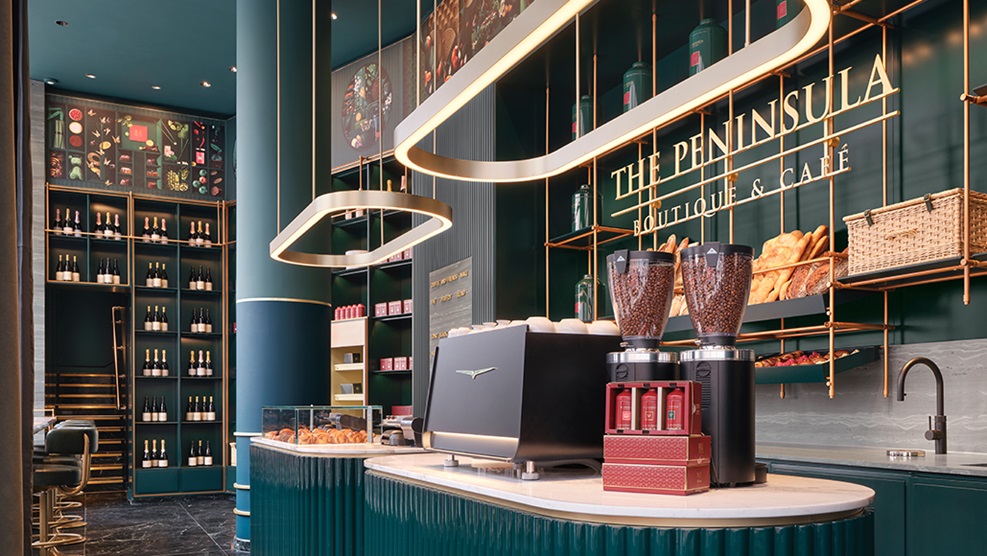
    The Peninsula Boutique has reopened a revamped retail space at Hong Kong International Airport’s passenger departure area.

    The redesigned boutique features a minimalist aesthetic with green tones and Champagne chrome accents, aiming to offer a modern and approachable retail experience.

    Travellers can find various gift items, including palmiers, egg rolls, signature teas and chocolates, and travel essentials and children’s products such as colouring mats and play sets.

    “At Hong Kong International Airport, a gateway that connects millions of travellers to the world, our boutique stands as a proud ambassador of Hong Kong’s rich culture and craftsmanship,” remarked Benjamin Vuchot, CEO of The Hongkong and Shanghai Hotels.

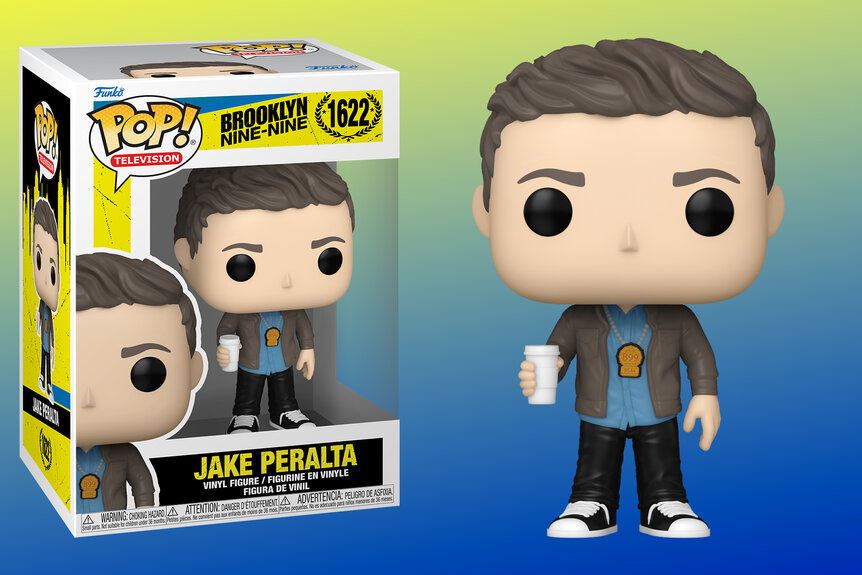
  • Funko Pop to launch first Southeast Asian store in the Philippines

    Funko Pop to launch first Southeast Asian store in the Philippines

    US lifestyle brand Funko is set to open its first Southeast Asian store this June in the Philippines through a partnership with local distributor Funtastik Enterprises.

    Located in SM Mall of Asia – one of the largest shopping centres in the region –  the immersive retail space will feature exclusive product drops and interactive zones celebrating popular entertainment, sports, music, and anime franchises.

    The store will carry a wide range of collectibles, including the Funko Pop! vinyl figures, Bitty Pop!, Loungefly accessories, and Manila-exclusive apparel and merchandise.

    Cynthia Williams, CEO of Funko, said the Philippines has consistently ranked as one of Asia’s strongest-performing markets.

    “As a global brand, Funko is committed to expanding our presence in the most engaged and fastest-growing fan communities,” said Williams.

    “We’ve seen great success with similar licensed stores in the Middle East, and we’re excited to bring that same momentum here.”

    She added that the new store would help deepen the brand’s local retail footprint and deliver more direct-to-consumer experiences.

    “By enhancing direct-to-consumer experiences, we’re eager to inspire connection, self-expression, and fun for our fans – wherever they are in the world,” she concluded.

    Established in 1998, Funko is a US-based company known for its licensed pop culture merchandise, including vinyl figurines, bobbleheads, plush toys, action figures, apparel, and games.

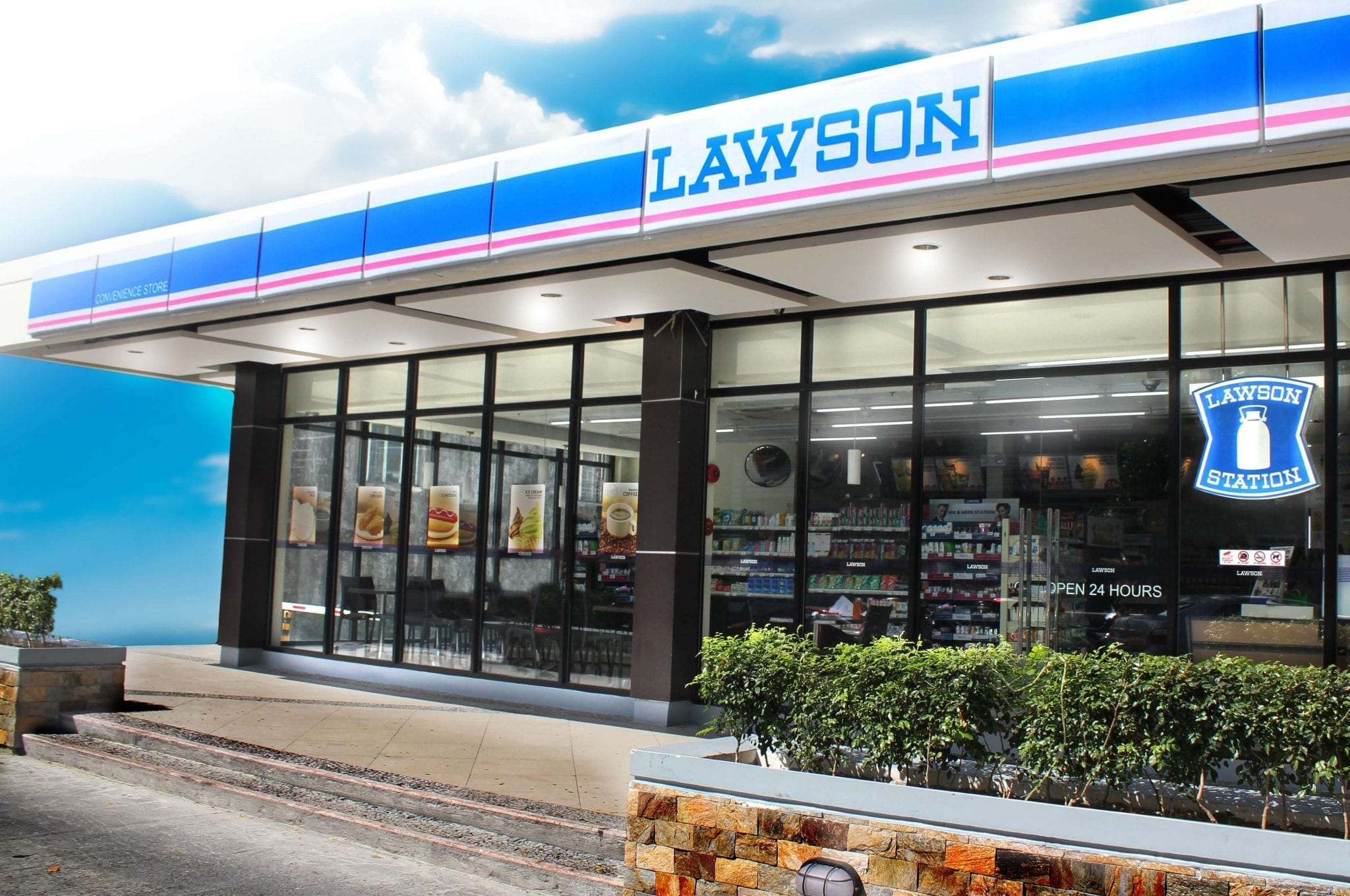
  • Lawson reveals ambitious Southeast Asian expansion plan

    Lawson reveals ambitious Southeast Asian expansion plan

    Japanese convenience store chain Lawson plans to raise its store count in overseas markets and accelerate growth in Southeast Asia over the coming years.

    The chain is targeting 14,000 overseas stores over the next six years. Its international network currently includes 7400 locations in China, Thailand, the Philippines, Indonesia and the US state of Hawaii.

    The retailer also plans to boost growth in Southeast Asia by entering franchise agreements with local retail partners and opening directly managed stores. However, it did not reveal the new markets under evaluation.

    In addition, the company will look into the possibility of expanding to additional countries.

    Founded in 1975, Lawson has about 14,600 domestic stores. As of the end of last year, Japan had approximately 55,736 convenience stores, according to local statistics.

    While the top three convenience chains – Lawson, 7-Eleven and FamilyMart – are projected to achieve a net increase of up to about 400 stores this fiscal year, the industry faces fierce competition from drugstores and online retailers.

    Last August, Lawson shifted to a joint management system involving trading house Mitsubishi Corp and telecommunications operator KDDI to develop products that fit customer tastes and introduce tech-driven services.